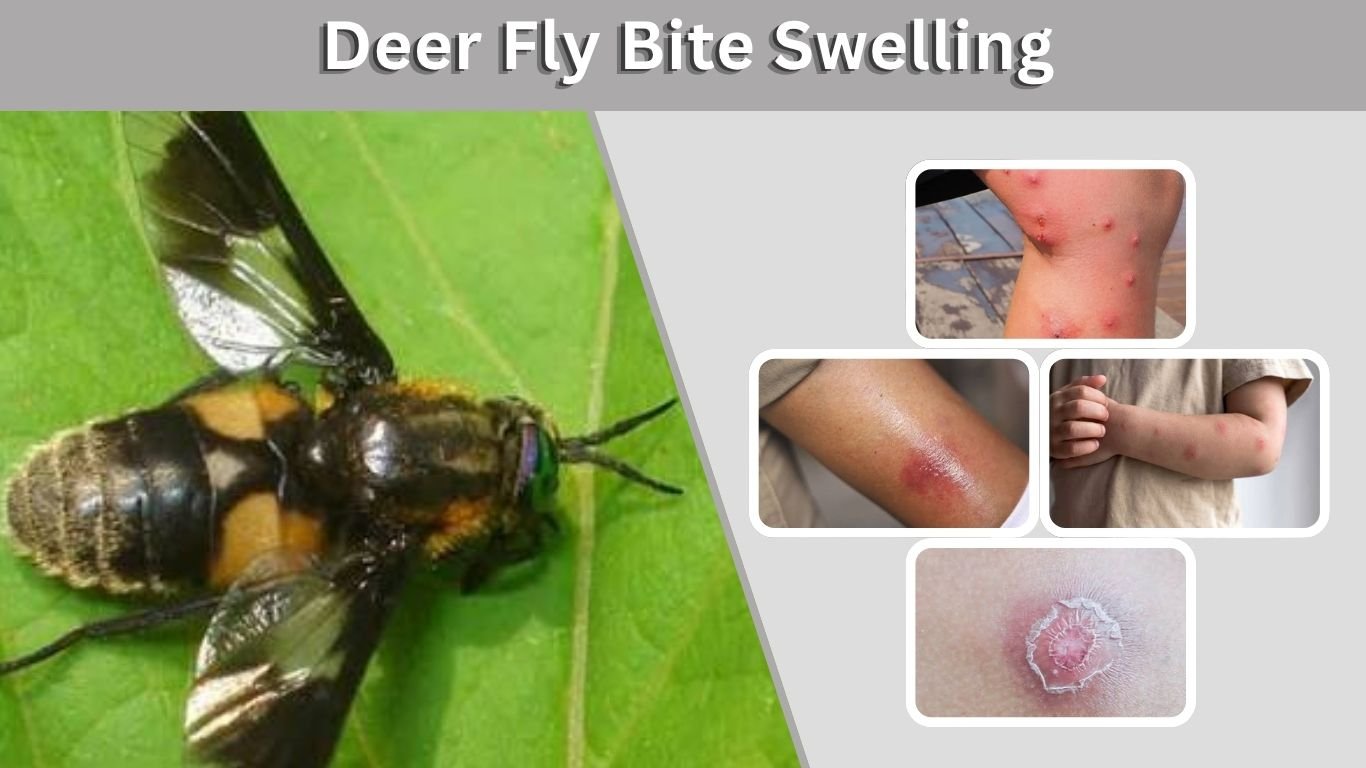
Deer fly bites can be surprisingly painful and may cause redness, itching, and noticeable swelling around the affected area. Unlike insects that simply pierce the skin, female deer flies take blood meals and their bites can produce a strong local inflammatory reaction. Most insect-bite reactions are mild and improve with basic home care, but occasionally swelling becomes extensive or is accompanied by signs of allergy or infection. Knowing why deer fly bites swell, how to reduce the swelling, and which symptoms need medical attention can make recovery safer and more comfortable.
Why Do Deer Fly Bites Swell?
Deer flies are blood-feeding insects in the family Tabanidae. Their bites can cause pain, redness, itching, and swelling because the skin is physically injured and exposed to components in the fly’s saliva. The body’s immune system responds to the bite site, producing inflammation that may range from a small bump to a much larger swollen area.
Normal Reaction to a Deer Fly Bite
A typical local reaction may include:
- Redness around the bite
- A raised or swollen bump
- Pain or tenderness
- Itching
- Mild warmth around the area
- A visible bite or small skin wound
Most uncomplicated insect bites cause localized symptoms rather than serious illness.
Why Do Deer Fly Bites Swell So Much?
Some people develop stronger local reactions than others. The immune system responds to substances introduced during feeding, and this inflammation causes fluid to accumulate in nearby tissue.
Because deer flies can produce a noticeable skin wound while feeding, the bite may also feel more painful than a typical mosquito bite. Merck notes that deer fly and other blood-feeding insect bites can occasionally produce a larger sore accompanied by swelling and pain.
Can Deer Flies Cause Severe Swelling?
Yes. A deer fly bite can occasionally produce significant localized swelling, particularly in someone who reacts strongly to insect bites.
Large swelling does not automatically mean an infection is present. However, rapidly worsening swelling, spreading redness, severe pain, or symptoms affecting other areas of the body should be medically assessed.
What Does Deer Fly Bite Swelling Look Like?
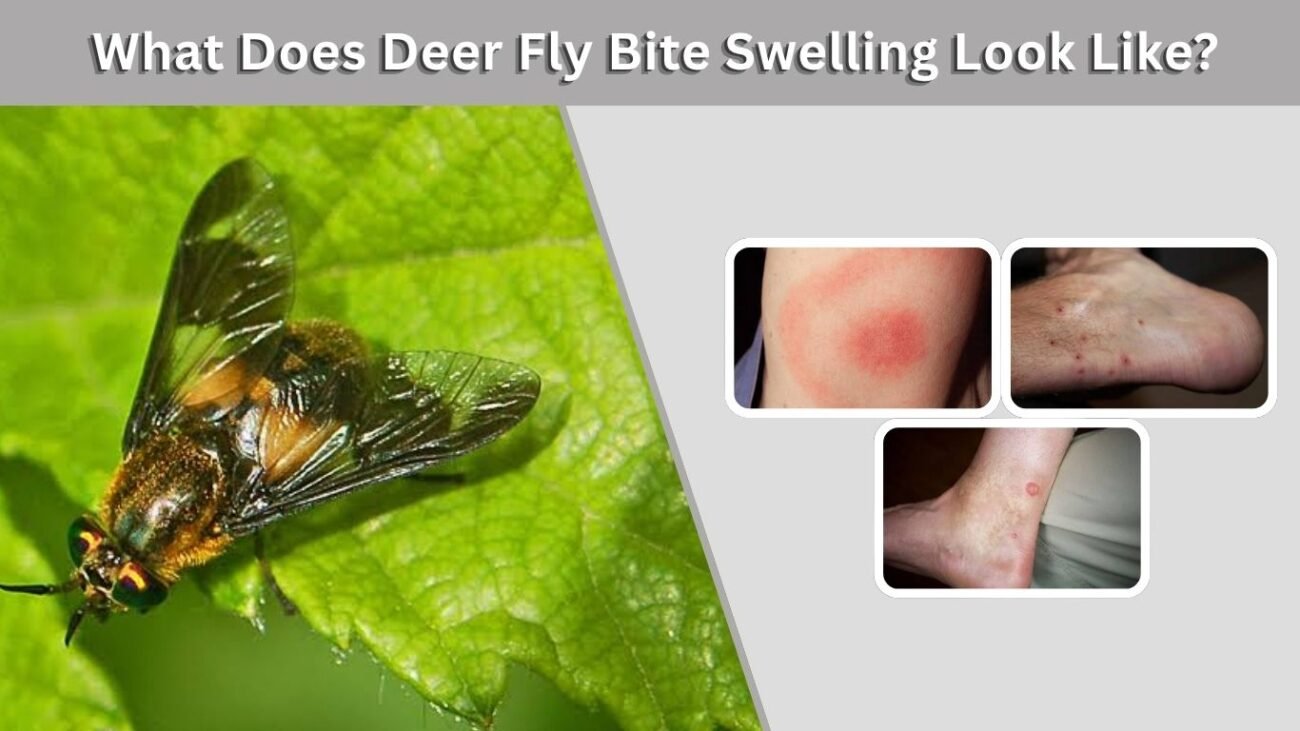
The appearance varies depending on the person’s immune response and where the bite occurred. A mild reaction may be limited to a red swollen bump, whereas a stronger local reaction may involve a considerably larger area surrounding the bite.
Common Appearance
A deer fly bite may appear as:
- A red bump or welt
- Localized puffiness
- Redness surrounding the bite
- A small central wound
- Tender or itchy skin
- A larger swollen patch in stronger reactions
Swelling may be more noticeable when the bite occurs on areas such as the hands, feet, ankles, or face because these areas can visibly puff up.
Severe Swelling From a Deer Fly Bite
Severe local swelling can extend well beyond the exact bite site. For example, a bite on a hand might result in swelling across a larger portion of the hand rather than producing only a tiny bump.
Large local reactions can still be inflammatory rather than dangerous allergic reactions, but worsening symptoms deserve closer attention.
Swelling vs Infection
Swelling immediately or soon after a bite is generally part of the body’s inflammatory response. Infection is more concerning when symptoms progressively worsen rather than improve.
Possible warning signs include increasing redness, warmth, tenderness, drainage, or worsening swelling. Scratching can break the skin and increase the opportunity for bacteria to enter, potentially leading to cellulitis.
How Long Does Deer Fly Bite Swelling Last?
The duration varies according to the severity of the reaction and the individual. Mayo Clinic notes that many mild insect bite reactions, including itching and swelling, resolve within a day or two, although stronger local reactions can take longer to settle.
Mild Swelling
With a mild bite, redness and swelling should gradually become less noticeable.
The important sign is improvement rather than a specific number of hours. Pain, redness, and swelling should generally trend downward instead of continuing to expand.
Large Local Reaction
A stronger inflammatory response may remain noticeable longer than a small bite reaction.
Monitor the affected area carefully. If swelling continues to increase, becomes increasingly painful, or is accompanied by other symptoms, contact a healthcare professional rather than assuming that all extensive swelling is normal.
When Swelling Is Lasting Too Long
Seek medical advice if the reaction is getting worse, appears infected, or is accompanied by feeling generally unwell. Mayo Clinic specifically recommends medical evaluation when swelling worsens or signs of infection develop.
How to Reduce Swelling From a Deer Fly Bite
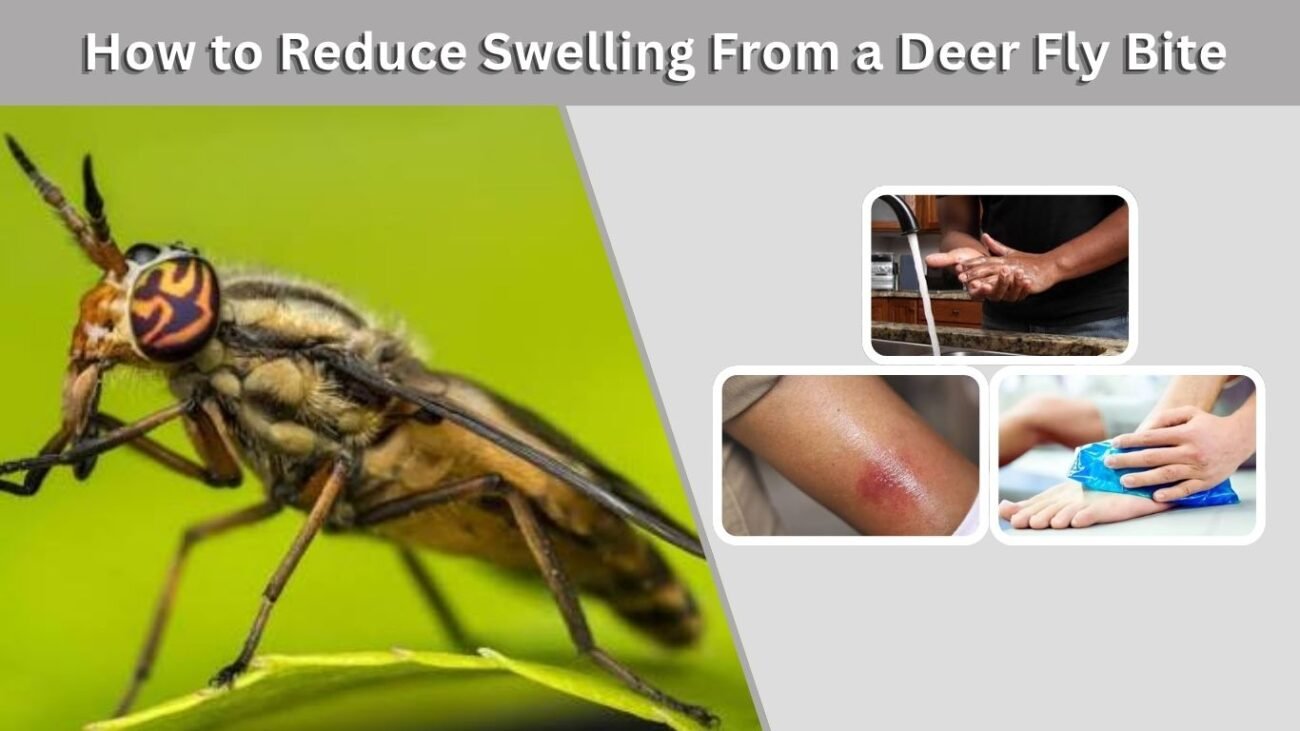
Most mild insect-bite reactions can be managed at home. The goals are to clean the wound, reduce inflammation and discomfort, and avoid scratching that could damage the skin further.
Immediate Treatment
For a mild reaction:
- Wash the bite gently with soap and water.
- Apply a cold, damp cloth or wrapped ice pack.
- Keep the cold compress on for about 10–20 minutes.
- Elevate the affected arm or leg when practical.
- Avoid scratching the bite.
- Monitor the area for worsening symptoms.
Cold application can help reduce both swelling and pain.
Treatment for Itching and Swelling
For bothersome itching, over-the-counter options may include calamine lotion or 0.5%–1% hydrocortisone cream. An oral antihistamine such as cetirizine, fexofenadine, or loratadine may also help with itching for some people. Follow package directions and check with a pharmacist or clinician if you have medical conditions, take other medicines, are pregnant, or are treating a child.
Pain Relief
A nonprescription pain reliever may help if the bite remains painful. Follow the product directions and avoid medications that are not appropriate for your health conditions.
Elevating an affected hand, arm, foot, or leg can also help reduce swelling.
Deer Fly Bite Allergy and Extreme Swelling
A localized swollen bite and a severe allergic reaction are not the same thing. Severe allergic reactions affect more than just the immediate area and can become life-threatening. Emergency symptoms require urgent treatment rather than routine home care.
Signs of a Serious Allergic Reaction
Emergency warning signs can include:
- Trouble breathing
- Swelling of the lips, face, eyelids, or throat
- Widespread hives
- Dizziness or fainting
- Weak, rapid pulse
- Vomiting or diarrhea associated with a severe reaction
- Loss of consciousness
These symptoms can indicate anaphylaxis and require immediate emergency medical help.
Local Swelling vs Allergic Emergency
A swollen patch around the bite is usually a local reaction. Swelling involving the throat, lips, tongue, or face together with breathing problems is far more concerning.
Someone who has been prescribed an epinephrine auto-injector for severe allergies should follow their emergency treatment plan and seek emergency care.
Can a Deer Fly Bite Become Infected?
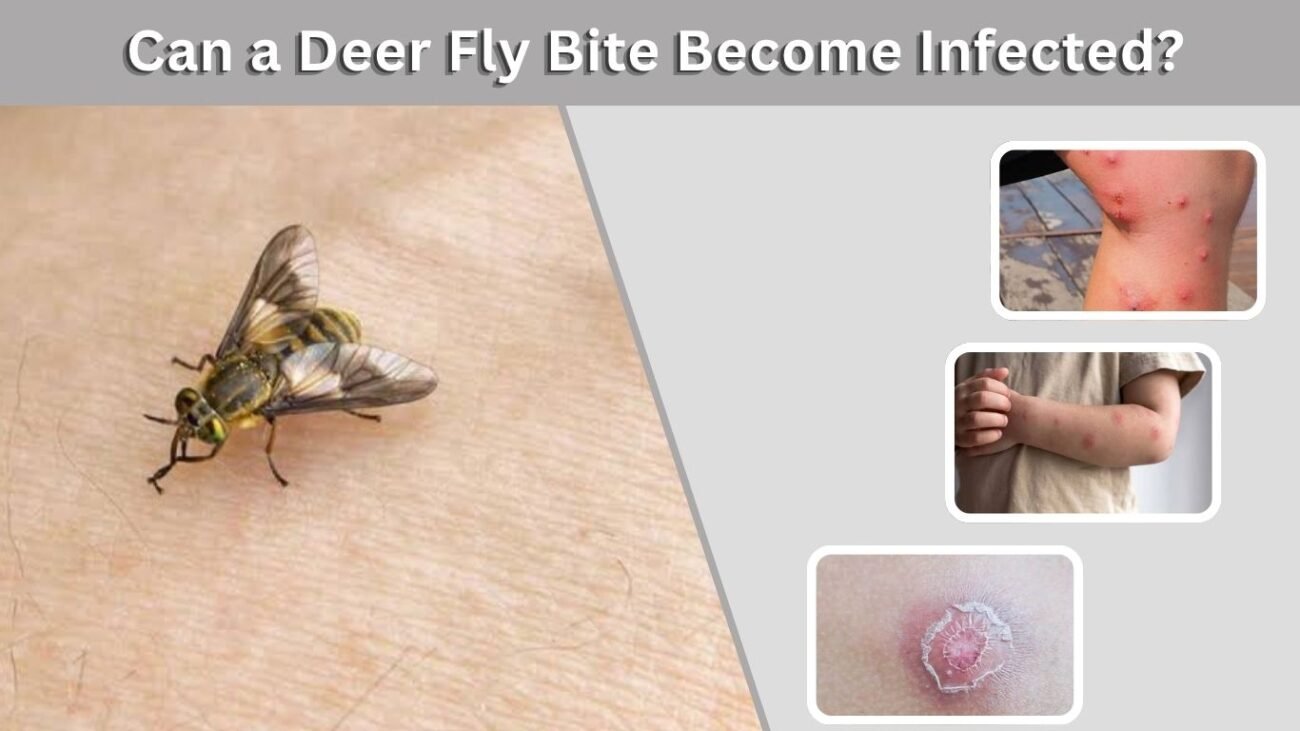
Any break in the skin can potentially become infected, especially if repeated scratching damages the bite further. Keeping the area clean and resisting the urge to scratch reduces this risk.
Possible Signs of Infection
Watch for:
- Increasing rather than decreasing redness
- Worsening pain
- Increasing warmth
- Progressive swelling
- Drainage or pus
- Fever or feeling unwell
A healthcare professional should evaluate a bite when infection is suspected.
Why Scratching Makes It Worse
Scratching can damage the protective skin barrier. Bacteria can then enter through broken skin, increasing the chance of a secondary infection such as cellulitis.
Using cold compresses and appropriate anti-itch treatment can make it easier to leave the bite alone while it heals.
Deer Fly Bites and Tularemia
Most deer fly bites do not result in tularemia, but deer flies are capable of transmitting the bacterium Francisella tularensis in some regions. The CDC specifically identifies deer fly bites as one possible route of tularemia infection, particularly in the western United States.
Symptoms to Watch For
Tularemia following a tick or deer fly bite can cause symptoms such as:
- Fever and chills
- Headache
- Fatigue
- Muscle aches
- A skin ulcer at the infection site
- Swollen lymph nodes
Symptoms commonly begin several days after infection, although the CDC gives a possible incubation range of 1–21 days.
When to Contact a Doctor
Contact a healthcare professional if a deer fly bite is followed by fever, an ulcer that develops at the bite site, markedly swollen lymph nodes, worsening illness, or other unusual systemic symptoms.
Tularemia can be serious but is treatable with appropriate antibiotics.
How to Prevent Deer Fly Bites and Swelling
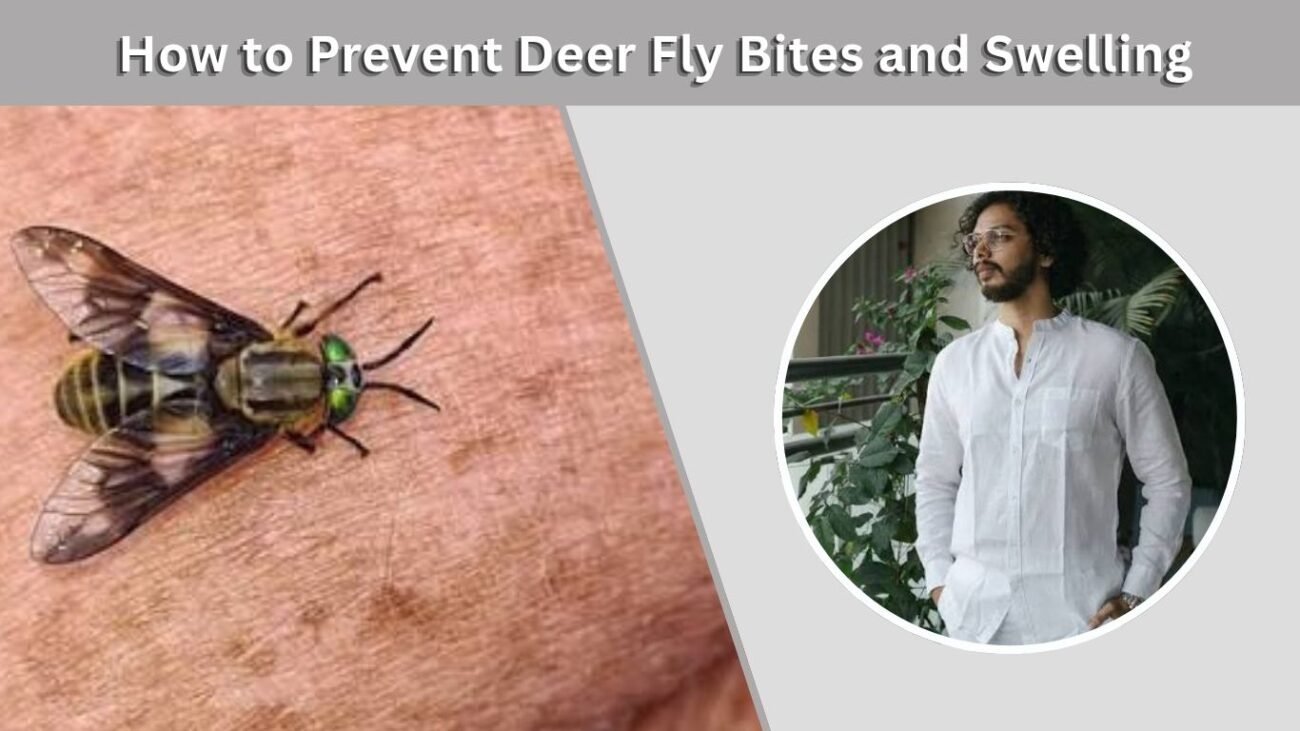
Preventing the bite also prevents the painful swelling that follows. Deer flies are most troublesome outdoors, so clothing and insect repellents provide useful protection when hiking, camping, gardening, or spending time in areas where deer flies are abundant.
Deer Fly Bite Prevention
Helpful measures include:
- Wear long sleeves.
- Wear long pants.
- Cover exposed skin when practical.
- Use an appropriate insect repellent.
- Follow repellent label instructions.
- Avoid heavily infested outdoor areas when possible.
The CDC recommends EPA-registered repellents containing ingredients such as DEET, picaridin, IR3535, oil of lemon eucalyptus/PMD, or 2-undecanone for protection against deer flies and other biting arthropods.
FAQs
Do deer fly bites cause swelling?
Yes. Swelling is a common reaction to deer fly and other biting insect bites. The affected area may become red, itchy, painful, and swollen as the immune system responds to the bite and components of the insect’s saliva.
Why do deer fly bites swell so much?
Some people have stronger inflammatory responses to insect saliva and skin injury than others. This can cause a large area of redness and swelling around the bite. Extensive or progressively worsening swelling should be evaluated if it does not begin improving.
How do you reduce swelling from a deer fly bite?
Wash the area with soap and water, apply a cold compress for about 10–20 minutes, and elevate the affected limb when possible. Calamine, hydrocortisone cream, or an appropriate oral antihistamine may help itching and inflammation.
How long does deer fly bite swelling last?
Mild insect-bite swelling often improves within a day or two, but stronger local reactions can take longer. The key is that symptoms should gradually improve. Increasing swelling, worsening pain, infection signs, or feeling unwell warrants medical evaluation.
When should I worry about swelling after a deer fly bite?
Seek emergency care for difficulty breathing, throat or facial swelling, widespread hives, dizziness, or fainting. Contact a healthcare professional for worsening redness or swelling, infection signs, fever, a developing ulcer, or swollen lymph nodes after a deer fly bite.