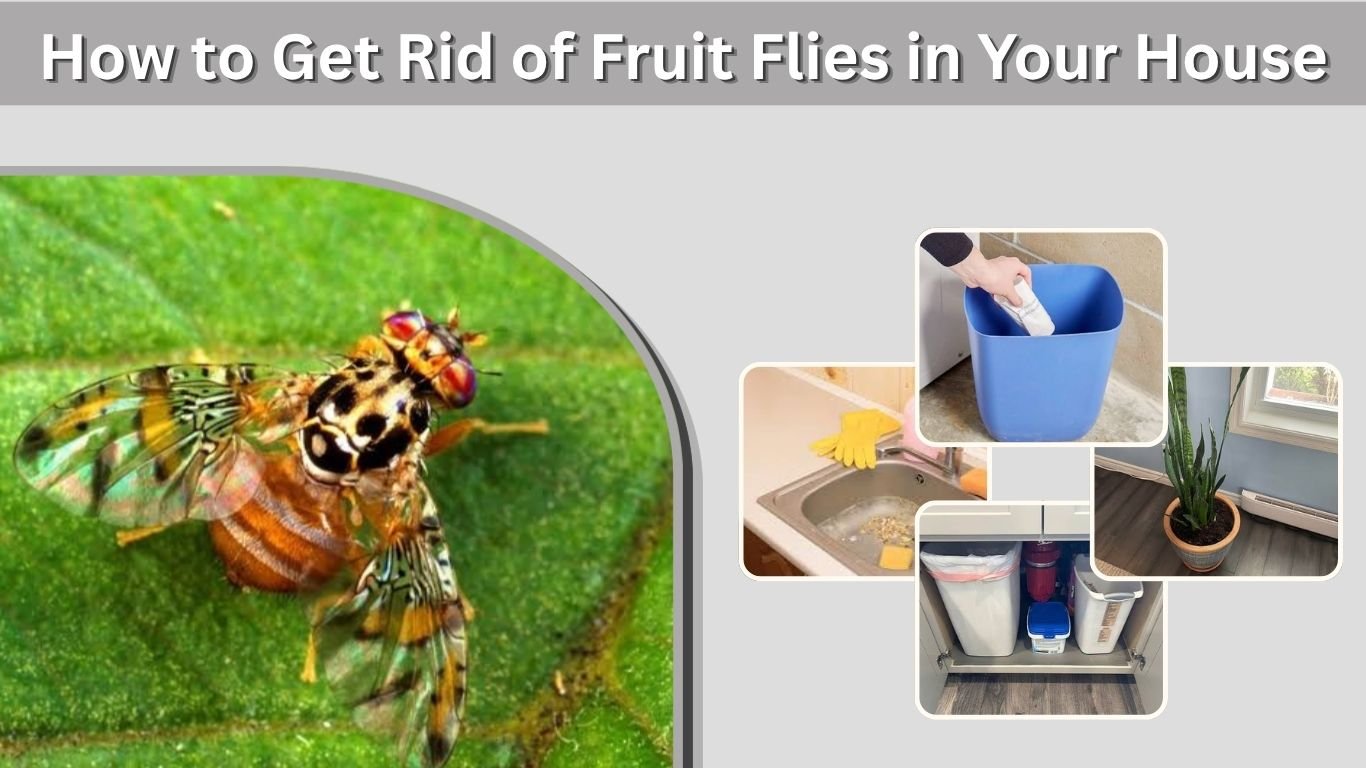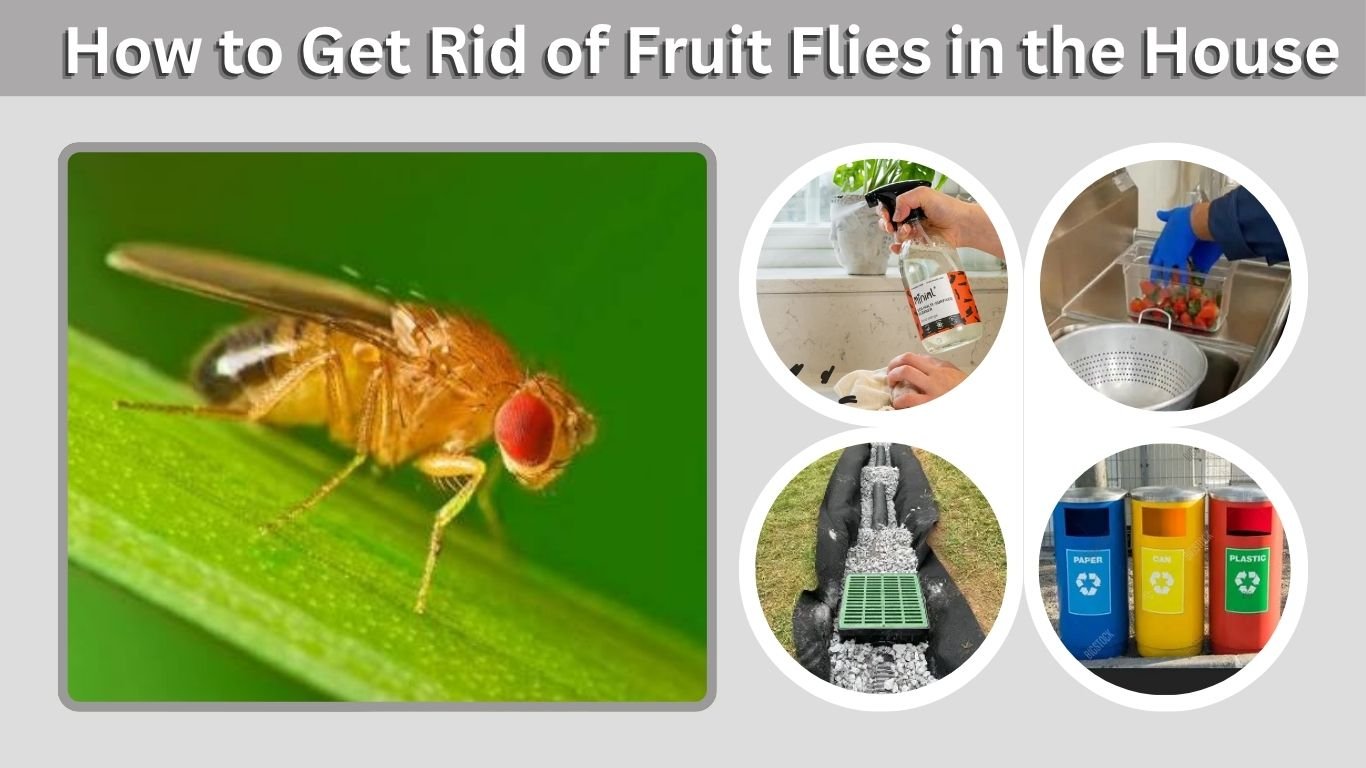
Fruit flies can appear suddenly and multiply quickly around ripe fruit, trash cans, drains, recycling bins, and other moist areas containing fermenting organic material. The best way to get rid of fruit flies in the house is to remove their breeding sources first, then trap the remaining adults. Vinegar traps, thorough cleaning, proper food storage, and drain maintenance can dramatically reduce an infestation. For lasting control, you also need to prevent new fruit flies from finding food and places to reproduce.
Why Are Fruit Flies in My House?
Fruit flies are attracted to fermenting sugars and moist organic matter. Adults are tiny enough to enter through screens, doors, and small openings, while eggs can also arrive on produce brought home from stores or gardens.
Once inside, they can reproduce rapidly if suitable food remains available.
Common Fruit Fly Sources
Check these areas carefully:
- Overripe bananas, apples, peaches, and other fruit
- Potatoes, onions, or vegetables beginning to rot
- Open trash cans
- Recycling bins containing drink residue
- Empty wine and beer bottles
- Dirty dishes
- Garbage disposals
- Food underneath appliances
- Sticky juice or soda spills
- Compost containers
- Mop buckets
- Damp cleaning cloths
- Organic material inside drains
Removing these sources is the most important part of controlling an infestation.
How to Get Rid of Fruit Flies in the House Fast
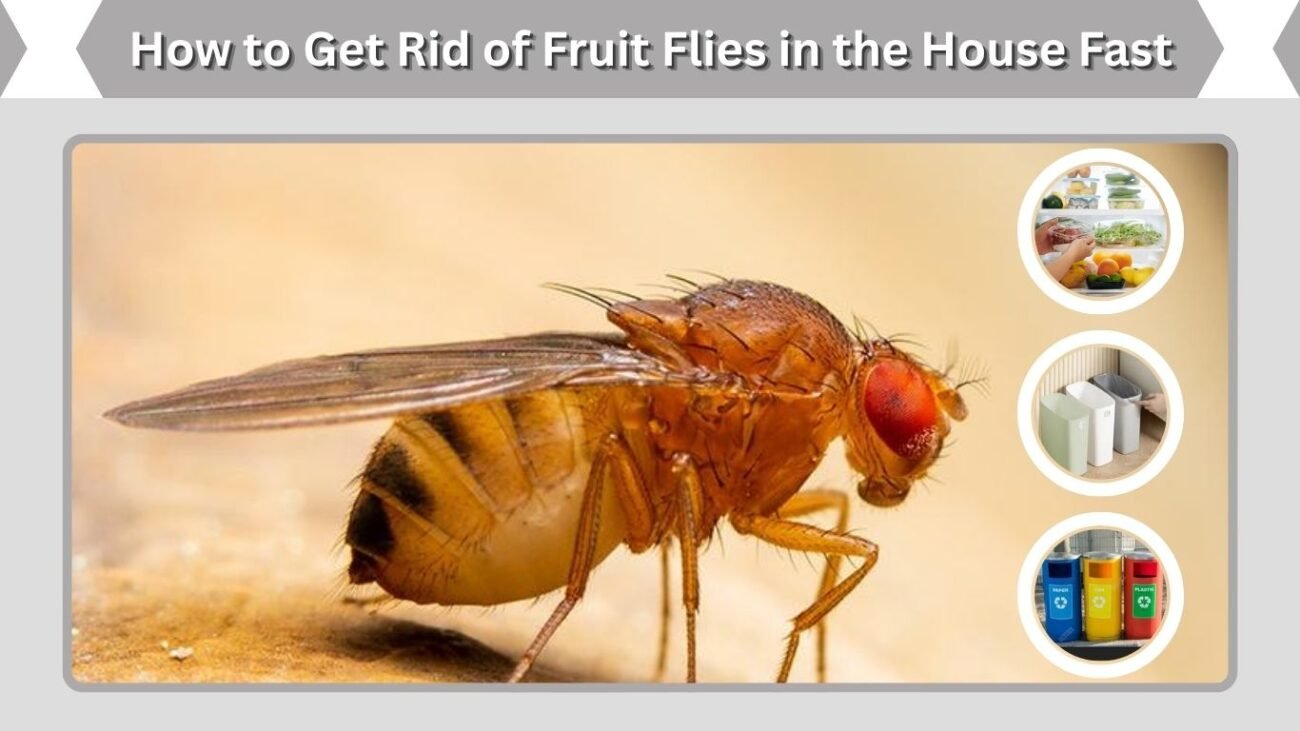
The fastest approach combines cleaning with trapping. Traps remove adult flies, while cleaning eliminates eggs and larvae that could produce another generation.
If you only trap adults, the infestation may return within days.
Quick Fruit Fly Removal Steps
Follow these steps:
- Throw away spoiled fruit and vegetables.
- Refrigerate ripe produce.
- Empty all indoor trash cans.
- Wash garbage and recycling containers.
- Clean countertops and floors.
- Rinse beverage bottles before recycling.
- Wash dirty dishes immediately.
- Clean garbage disposals and drains.
- Place fruit fly traps near problem areas.
- Continue cleaning for at least several days.
You may notice fewer flies within a day, but complete elimination can take longer because eggs and larvae may already be developing.
DIY Fruit Fly Traps
Homemade traps are inexpensive and can capture many adults when placed near kitchens, fruit bowls, garbage bins, or recycling areas.
The most popular homemade trap uses apple cider vinegar because its fermented smell attracts fruit flies.
Apple Cider Vinegar Trap
You will need:
- A small bowl, glass, or jar
- Apple cider vinegar
- Dish soap
- Optional plastic wrap
Pour a small amount of apple cider vinegar into the container and add one or two drops of dish soap.
The vinegar attracts the flies while the soap reduces surface tension, making it harder for them to escape after landing.
You can also cover the container with plastic wrap and make several small holes.
Fruit Jar Trap
Another simple option is placing a small piece of overripe fruit inside a jar.
Create a paper funnel with a narrow opening and place it into the jar. Fruit flies enter toward the bait and may have difficulty finding their way back out.
This method works particularly well when paired with removing all other accessible fruit.
How to Get Rid of Fruit Flies Naturally
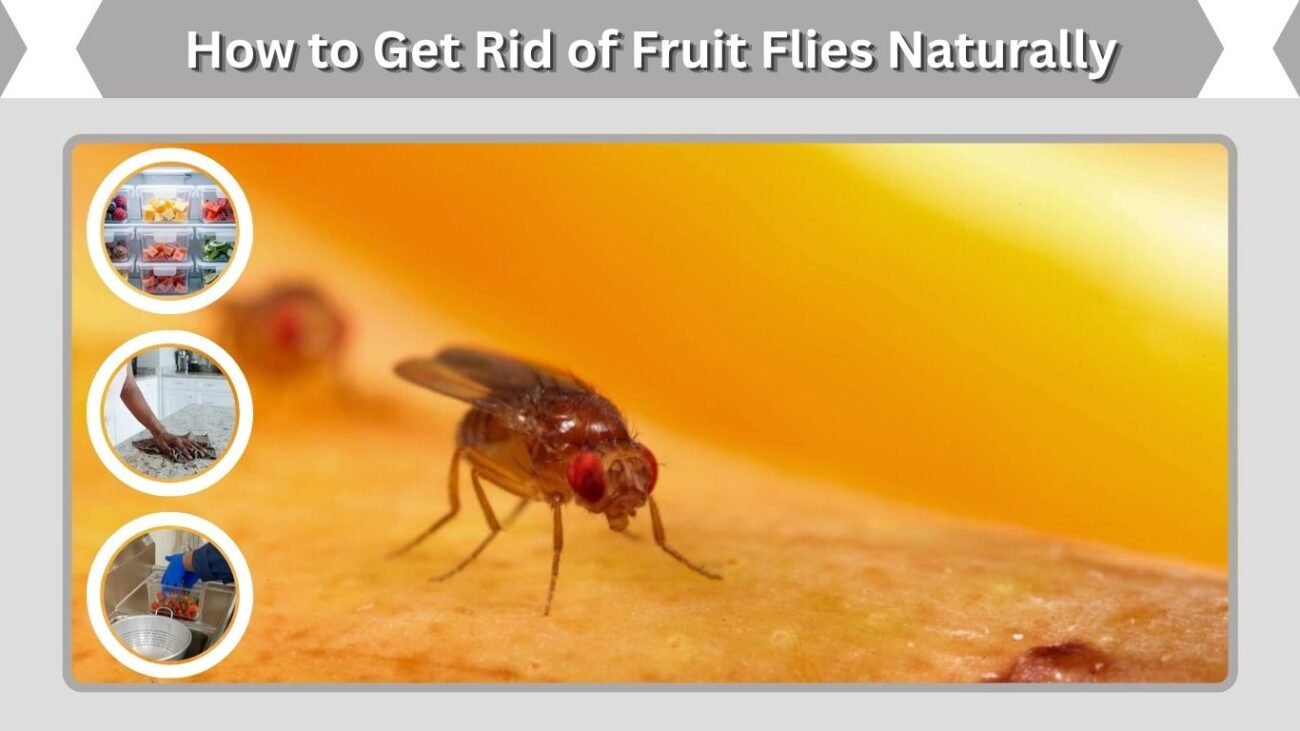
You usually do not need heavy pesticide use to control fruit flies. Removing food sources, maintaining sanitation, and using traps can solve most household infestations naturally.
The key is consistency because even a small amount of forgotten organic material may allow flies to continue breeding.
Natural Fruit Fly Control
Try these methods:
- Refrigerate ripe fruit.
- Keep kitchen counters dry.
- Wash produce containers.
- Empty garbage daily during an infestation.
- Clean drains and garbage disposals.
- Use vinegar traps.
- Wash reusable cleaning cloths.
- Keep compost tightly covered.
- Clean food residue beneath appliances.
- Rinse recycling containers.
- Store onions and potatoes correctly.
- Repair leaking faucets.
Natural repellents alone are usually less effective than removing the breeding source.
How to Get Rid of Fruit Flies Overnight
You may dramatically reduce adult fruit flies overnight, although completely eliminating a well-established infestation usually requires several days.
Before going to bed, remove everything that might attract them and place traps around the most active areas.
Overnight Fruit Fly Plan
Start by throwing away spoiled produce and placing healthy fruit inside the refrigerator.
Then:
- Empty garbage.
- Rinse recycling.
- Wash dishes.
- Wipe countertops.
- Clean sinks.
- Remove standing water.
- Set several vinegar traps.
- Clean obvious drain buildup.
In the morning, many adults may be trapped.
Repeat the process each evening until sightings stop.
How to Get Rid of Fruit Flies Permanently
Permanent control requires preventing fruit flies from reproducing inside your home. Traps may temporarily reduce numbers, but another infestation can develop if food or breeding materials remain accessible.
Long-Term Prevention Tips
Use these habits:
- Buy only as much ripe fruit as you can use.
- Refrigerate produce when appropriate.
- Throw away spoiled food quickly.
- Keep trash cans covered.
- Wash garbage bins regularly.
- Rinse bottles and cans.
- Keep drains clean.
- Clean spills immediately.
- Store compost in sealed containers.
- Do not leave sugary drinks uncovered.
- Inspect produce before storage.
- Clean under refrigerators and ovens periodically.
If fruit flies repeatedly return, search for a less obvious breeding source rather than simply adding more traps.
How to Get Rid of Fruit Flies in Houseplants
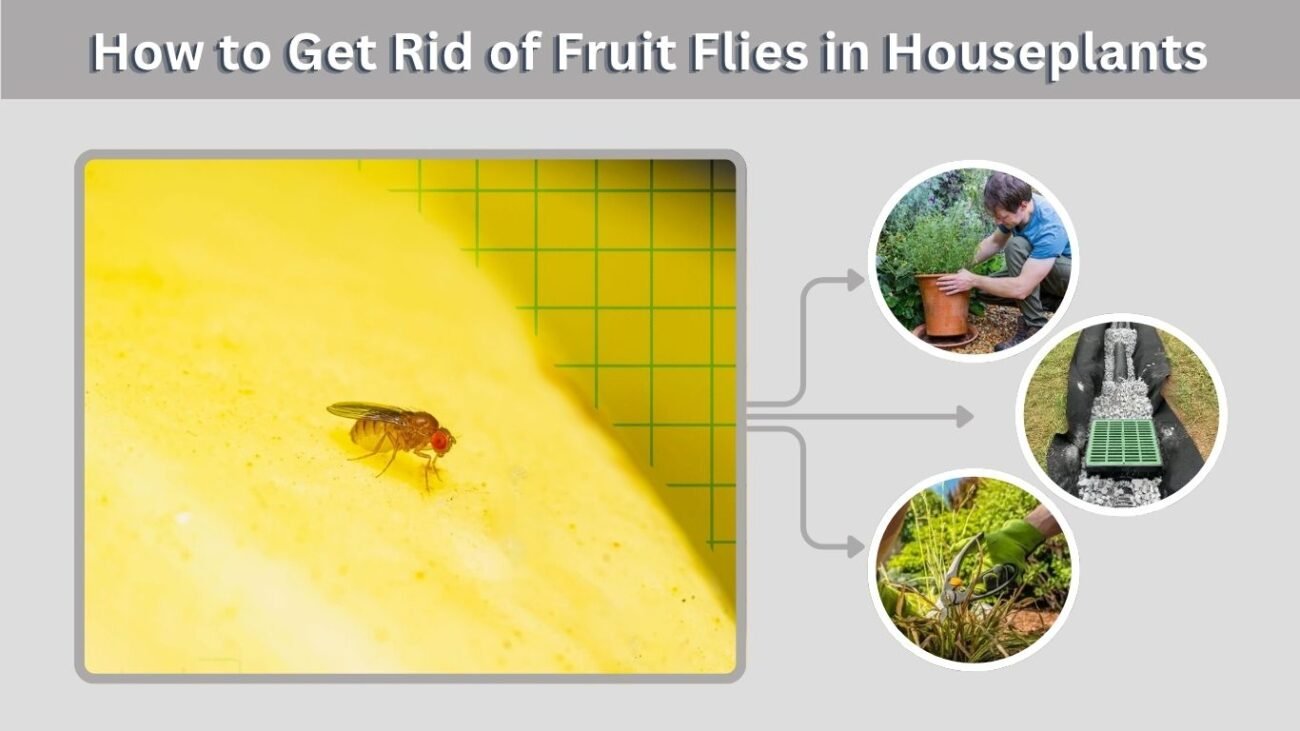
Small flies around plants are often mistaken for fruit flies.
If tiny dark flies repeatedly hover directly above potting soil, they are more likely to be fungus gnats. Fungus gnats reproduce in moist potting soil, whereas fruit flies are usually associated with fermenting food.
Controlling Small Flies Around Plants
If fungus gnats are the problem:
- Avoid overwatering.
- Allow the top layer of soil to dry appropriately.
- Empty water from plant saucers.
- Remove dead leaves.
- Improve drainage.
- Place yellow sticky traps nearby.
- Inspect new plants before bringing them indoors.
If actual fruit flies are gathering around plants, check for fallen fruit, compost, organic fertilizer residue, or decaying plant matter nearby.
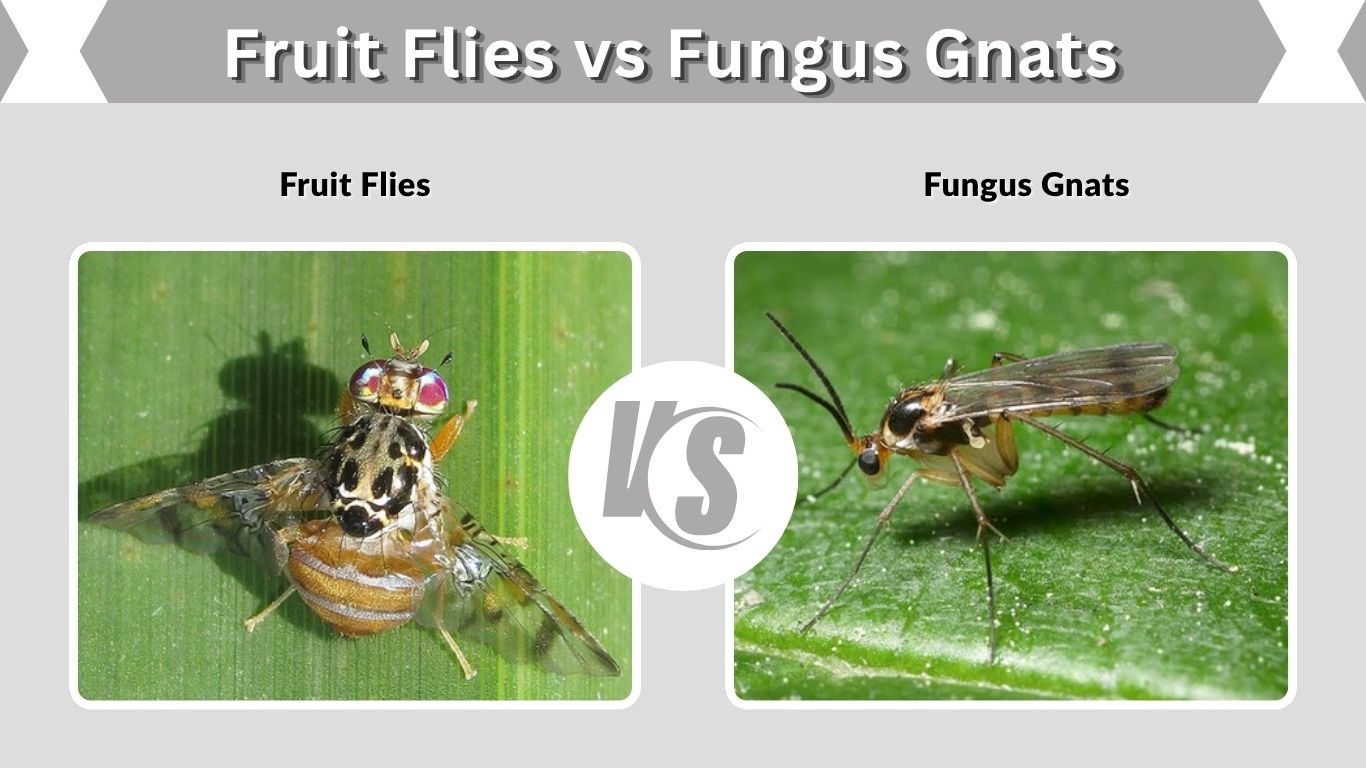
Fruit Flies vs Gnats
Fruit flies and gnats are both tiny flying insects, but they have different breeding habits.
Identifying them correctly prevents wasted effort.
Fruit Fly vs Fungus Gnat
Fruit flies usually:
- Have tan or brown bodies
- Often have reddish eyes
- Gather around fruit and food
- Breed in fermenting organic material
- Concentrate around kitchens
Fungus gnats usually:
- Look dark gray or black
- Have slender bodies and long legs
- Fly around houseplants
- Breed in moist soil
- Often walk across the soil surface
If vinegar traps catch many flies, fruit flies are more likely. If yellow sticky traps beside plants catch most of them, fungus gnats may be responsible.
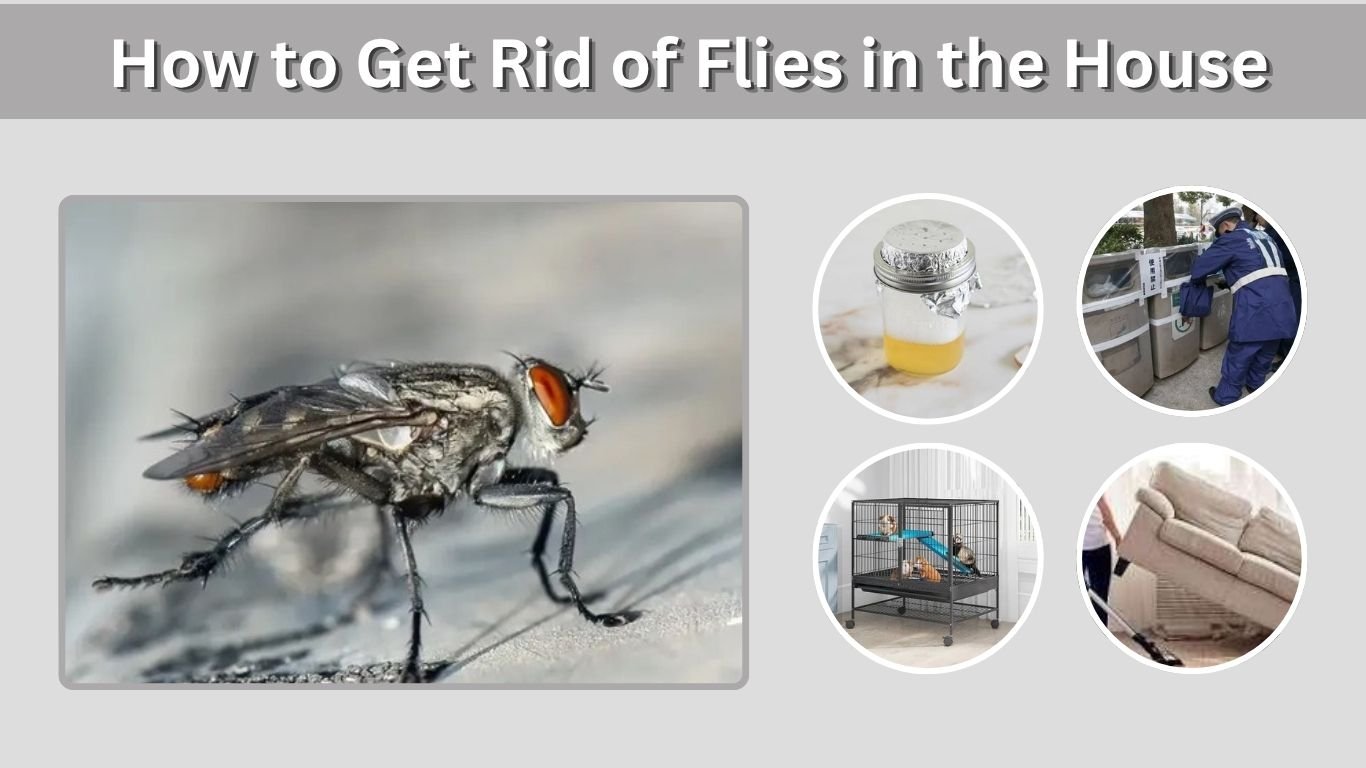
Do Fruit Fly Sprays Work?
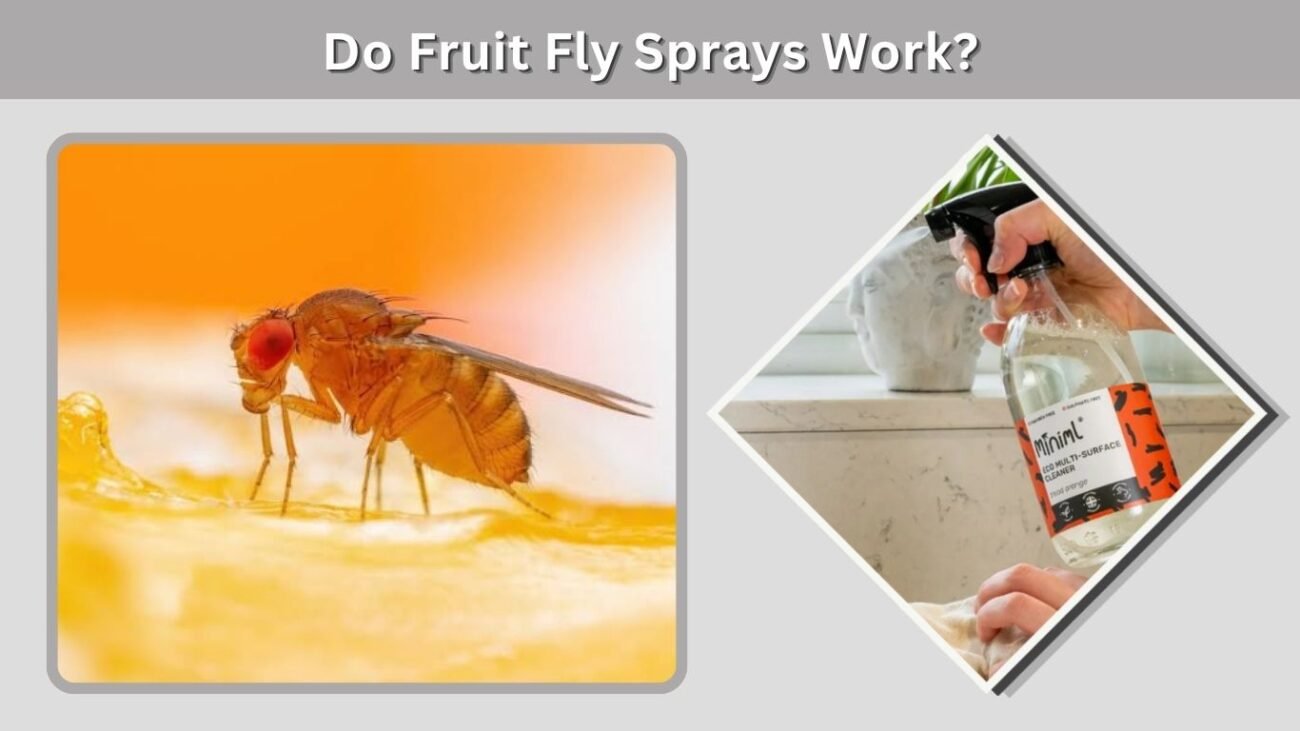
Sprays can kill adult fruit flies on contact, but they rarely solve the underlying infestation.
Eggs and larvae remain protected inside breeding material, meaning new adults may continue appearing.
For this reason, sprays should never replace sanitation.
When Sprays May Help
A household insect spray labeled for indoor flying insects may reduce adults quickly in severe infestations.
Always:
- Follow the product label.
- Keep sprays away from uncovered food.
- Avoid spraying food preparation surfaces unless specifically allowed.
- Keep children and pets away as directed.
- Ventilate the room if instructed.
For most fruit fly problems, traps and source removal are usually enough.
Why Do Fruit Flies Keep Coming Back?
Recurring fruit flies usually indicate an overlooked breeding source.
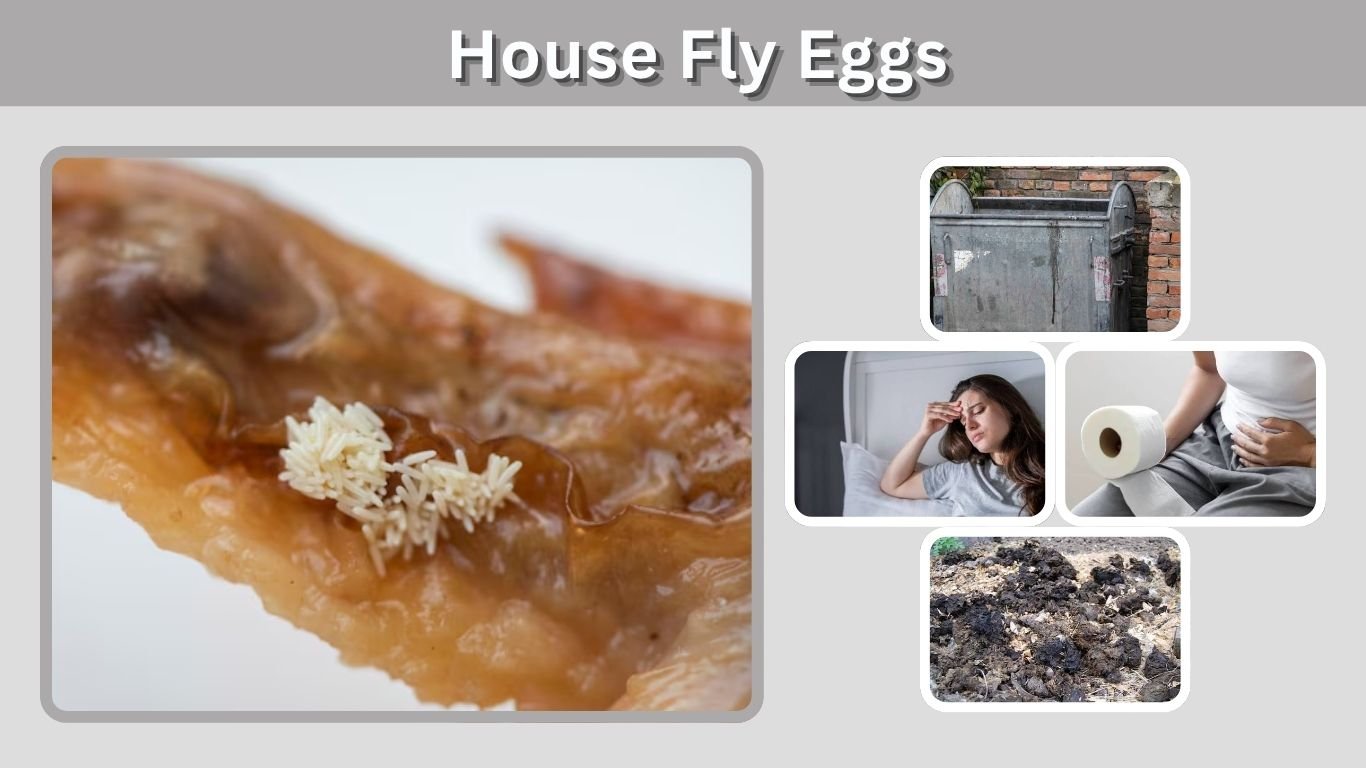
Even after all visible fruit has been removed, larvae might still develop inside drains, recycling residue, trash bins, or forgotten food.
Hidden Places to Check
Inspect:
- Under refrigerators
- Behind ovens
- Beneath trash bags
- Recycling containers
- Pantry shelves
- Old potatoes or onions
- Garbage disposals
- Floor drains
- Compost containers
- Empty beverage cans
- Pet food areas
- Damp mops and rags
Finding and cleaning one hidden source can sometimes solve a persistent infestation immediately.
FAQs
1. What is the fastest way to get rid of fruit flies in the house?
Remove spoiled produce and other breeding materials, clean the kitchen thoroughly, empty garbage, rinse recycling, and place apple cider vinegar traps near active areas. Combining source removal and trapping works faster than either method alone.
2. What kills fruit flies naturally?
Apple cider vinegar traps with a small amount of dish soap can capture adult fruit flies naturally. Sanitation and removal of fermenting organic material are even more important for eliminating eggs and larvae.
3. Can I get rid of fruit flies overnight?
You can significantly reduce their numbers overnight by removing all food sources, cleaning the kitchen, and setting multiple traps. A complete infestation may take several days to eliminate.
4. Why are fruit flies still present when there is no fruit?
They may be breeding in drains, garbage disposals, recycling bins, spoiled vegetables, trash cans, beverage residue, or another hidden source of organic material.
5. How do I permanently keep fruit flies out of my house?
Store produce properly, refrigerate ripe fruit, clean spills immediately, keep trash and compost covered, rinse recycling, maintain clean drains, and quickly remove spoiled food. Preventing access to breeding materials provides the best long-term control.