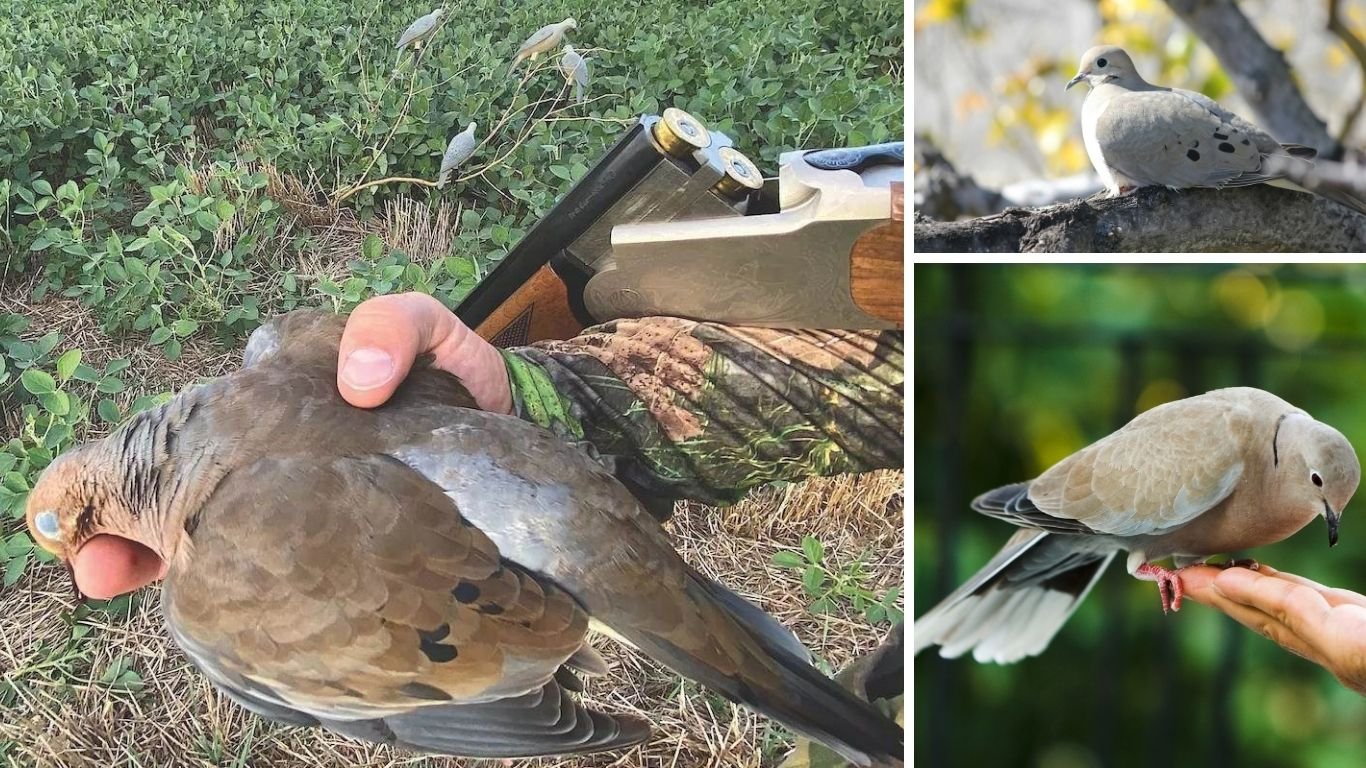
Mourning doves (Zenaida macroura) are among the most peaceful and soft-spoken birds in North America. With their gentle cooing calls and shy nature, these doves are a common sight in backyards, parks, open fields, and even urban areas. But for people new to birdwatching or those observing dove behavior closely, a common question may arise: Are mourning doves dangerous or aggressive?
Let’s explore this topic in detail by breaking down their behavior with humans, other birds, and their own kind.
Are Mourning Doves Dangerous to Humans?
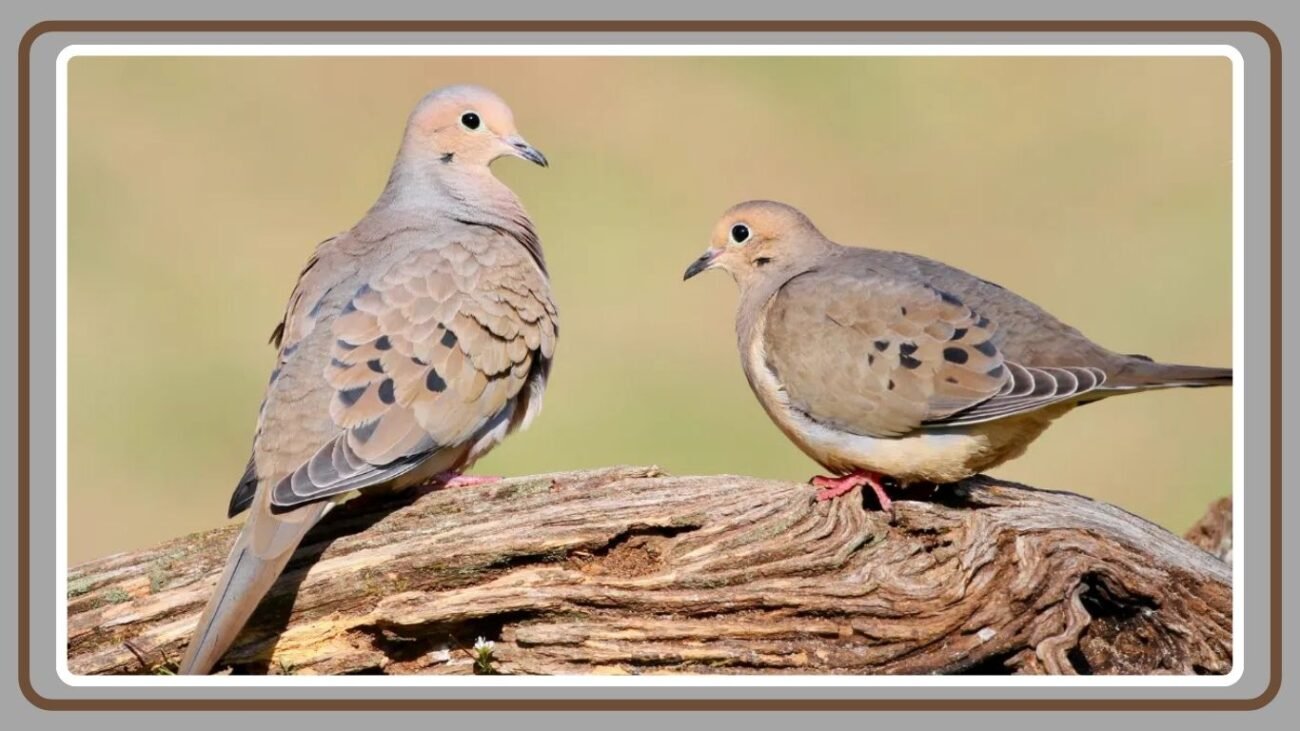
Answer: No, mourning doves are not dangerous to humans. They are small, non-aggressive birds with no natural weapons or harmful behaviors that pose a threat.
Reasons Why They’re Not Dangerous:
- Size and Body Structure: Mourning doves are small birds (about 9–13 inches long) with slender bodies. They lack talons, sharp beaks, or the strength to harm people or pets.
- No Aggressive Instincts: These birds are shy by nature and prefer to flee rather than confront any threat.
- Low Disease Risk: While all wild birds can carry bacteria or parasites, the chance of a mourning dove transmitting disease to humans is very low, especially if no direct contact occurs.
As long as people avoid touching wild birds or their droppings, there is no danger associated with mourning doves.
Do Mourning Doves Show Aggression?
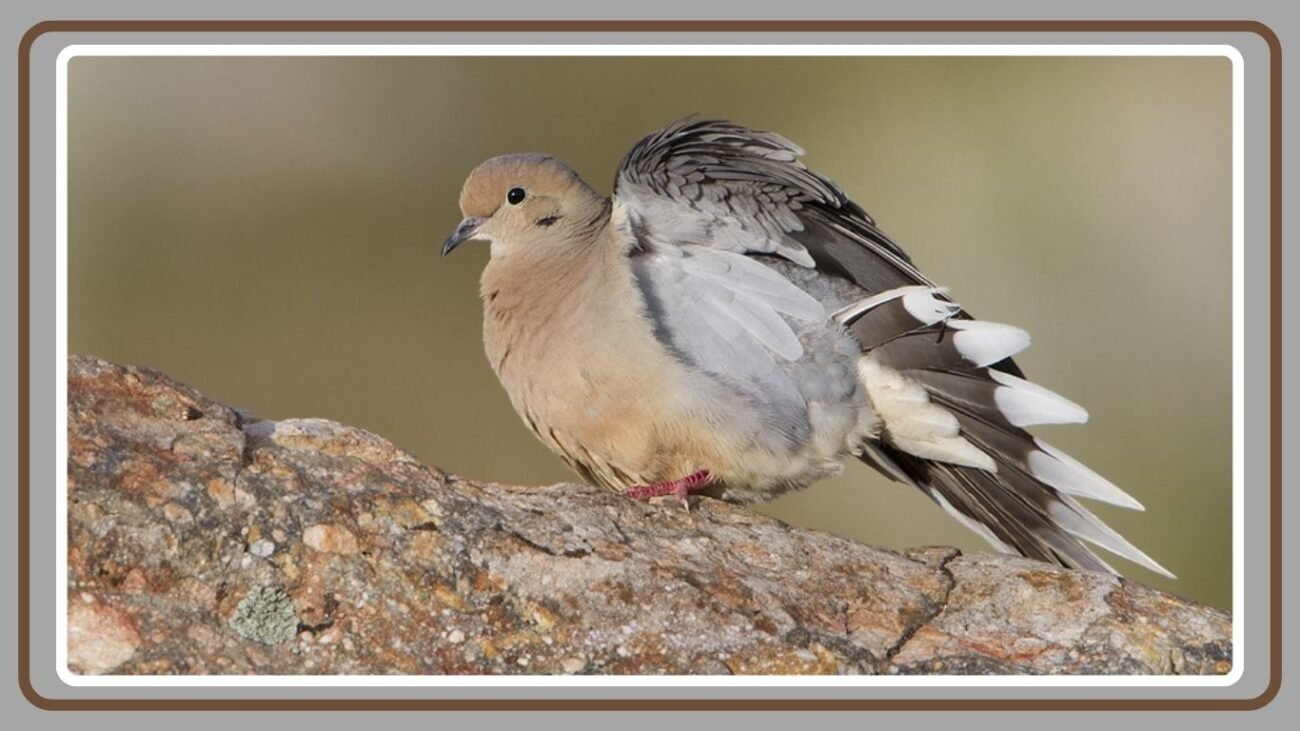
While mourning doves are mostly peaceful, they may display mild, short-lived defensive behaviors—especially during nesting or mating seasons. However, these actions are not true aggression but instinctual responses to protect themselves or their young.
When Slight Aggression May Occur:
- Territorial Pecking: Sometimes doves may flap wings or peck if another bird invades their nesting area.
- Mate Competition: Males may chase or lightly peck at other males when competing for a female.
- Nest Defense: A dove may flutter its wings rapidly or hiss if a predator or human gets too close to its nest.
Even in these moments, mourning doves are not aggressive by nature and usually flee rather than fight.
Mourning Doves and Other Birds
Mourning doves are generally peaceful around other birds, especially at feeding stations or birdbaths. They prefer to feed on the ground and rarely challenge other birds.
Behavior at Feeders:
- Non-confrontational: Mourning doves will usually move aside for larger or more dominant birds like blue jays or grackles.
- Feeding in Groups: They’re comfortable eating alongside other doves or sparrows but avoid direct competition.
- Occasional Chase: In rare cases, a dove may flap its wings to scare off another bird if it feels threatened or overly crowded.
Still, they’re far from bullies and usually yield space peacefully.
Mourning Dove Nest Defense Behavior

Like most birds, mourning doves become more alert and slightly defensive when guarding a nest. However, their defense strategy leans heavily toward avoidance and escape rather than confrontation.
Typical Nest Protection Behavior:
- Quick Flight: If a predator or human approaches, the dove will often fly away rather than attack.
- Distraction Display: Some mourning doves may try to lure a predator away from the nest by flying a short distance and landing nearby to draw attention.
- Low-Intensity Defense: They may stay nearby and monitor the intruder, but rarely do they attempt any physical defense.
Their nests are usually flimsy and built in quiet, semi-hidden places to avoid threats altogether.
When Might Mourning Doves Become Territorial?
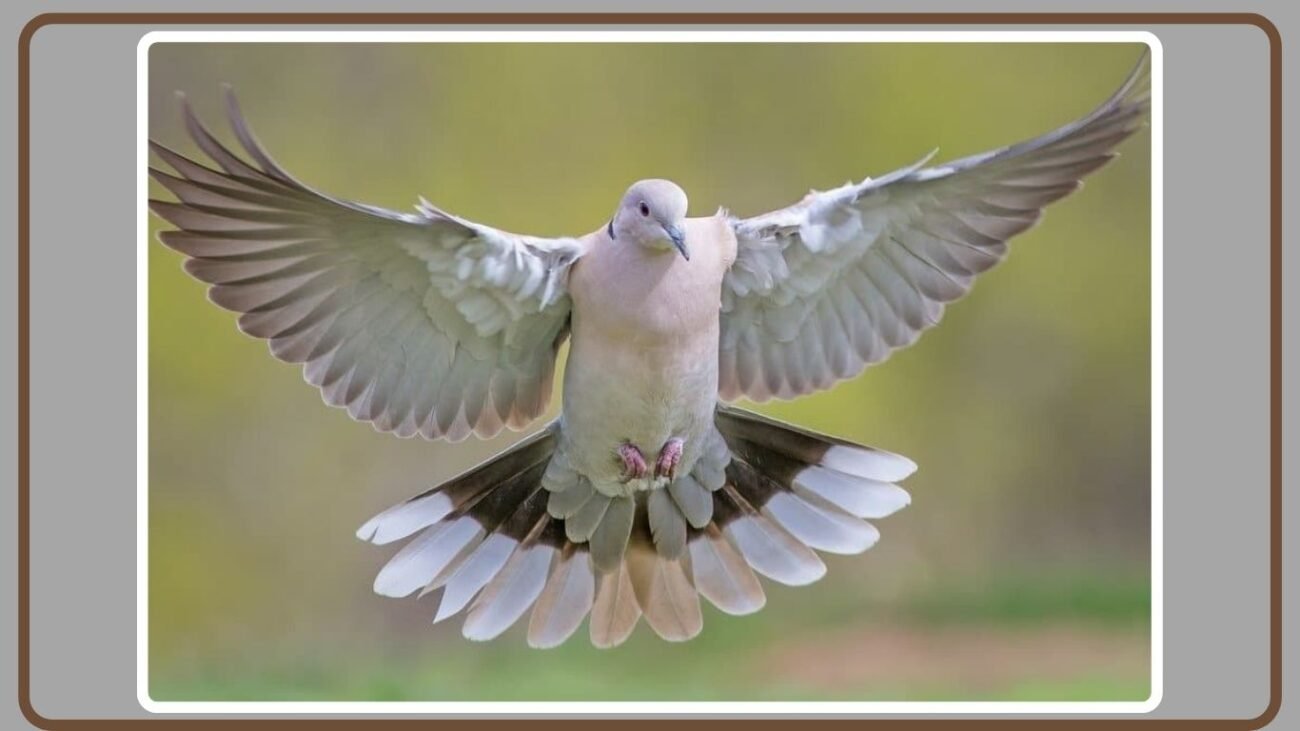
While not territorial in the aggressive sense, mourning doves may defend small spaces during certain times of the year—especially during nesting and mating.
Mild Territorial Behavior May Include:
- Chasing Off Intruders: Especially if another dove gets too close to a mate or nest.
- Wing Slapping Displays: A dove may flap or stretch its wings toward a nearby bird to express discomfort.
- Vocalization or Posturing: A cooing male may raise its chest or perform flight displays to signal dominance during courtship.
Even then, these behaviors are gentle and short-lived, and the dove usually avoids any serious confrontation.
Summary
To summarize: mourning doves are not dangerous or aggressive. They are peaceful, quiet birds that prefer to stay out of conflict. While they may show brief signs of protectiveness around their nests or mates, these behaviors are soft and non-threatening.
If you’re watching mourning doves in your backyard or near your home, there’s no need to worry about aggression or danger. These birds are among the calmest visitors you can welcome to your garden. Simply provide food, water, and a safe space—and enjoy the soothing presence of one of North America’s most beloved birds.