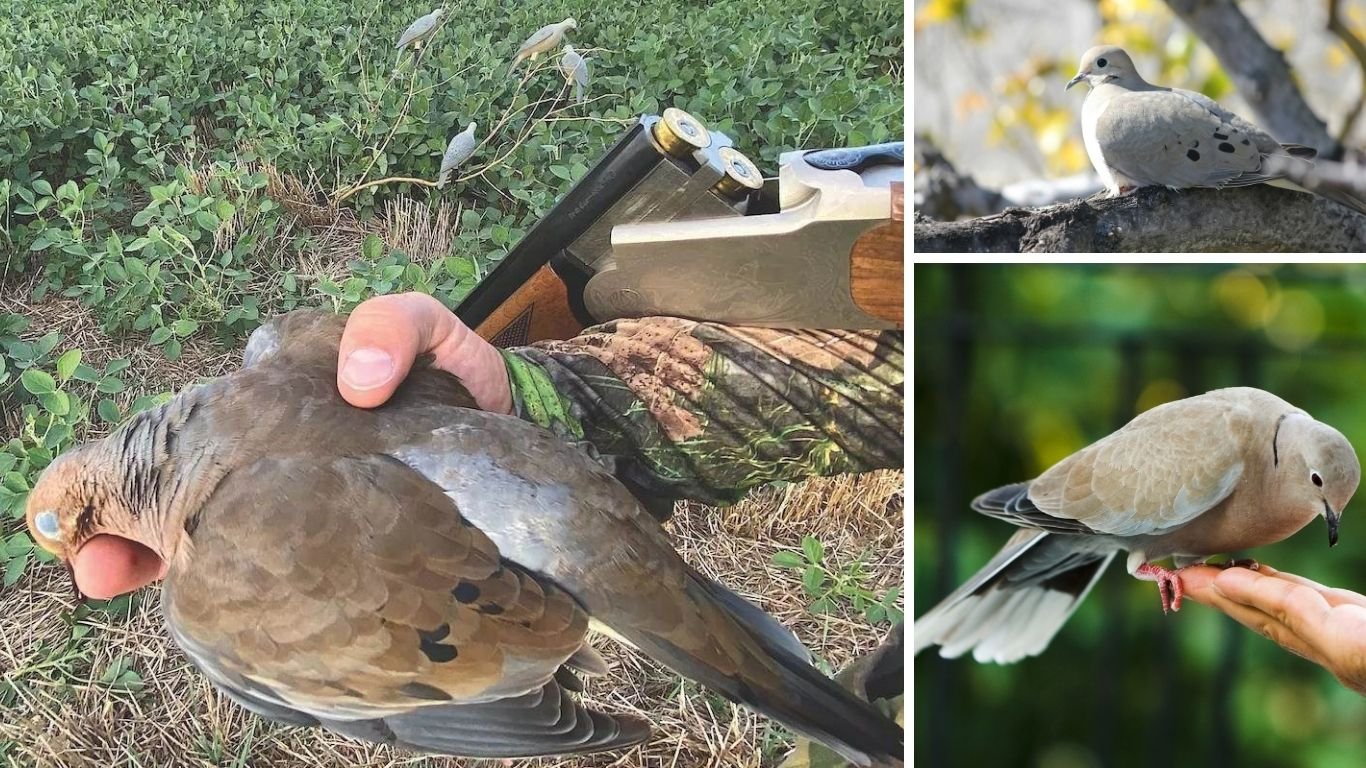
The mourning dove (Zenaida macroura) is one of the most widely recognized birds in North America. With its gentle cooing call, soft gray feathers, and elegant flight, the mourning dove is a familiar sight across cities, farmlands, and open woodlands. Many people enjoy seeing these birds perched on telephone wires or feeding beneath bird feeders.
But as environmental concerns grow, people naturally ask: Are mourning doves at risk? Is this beloved species declining in numbers like many other birds?
Are Mourning Doves Endangered Species?
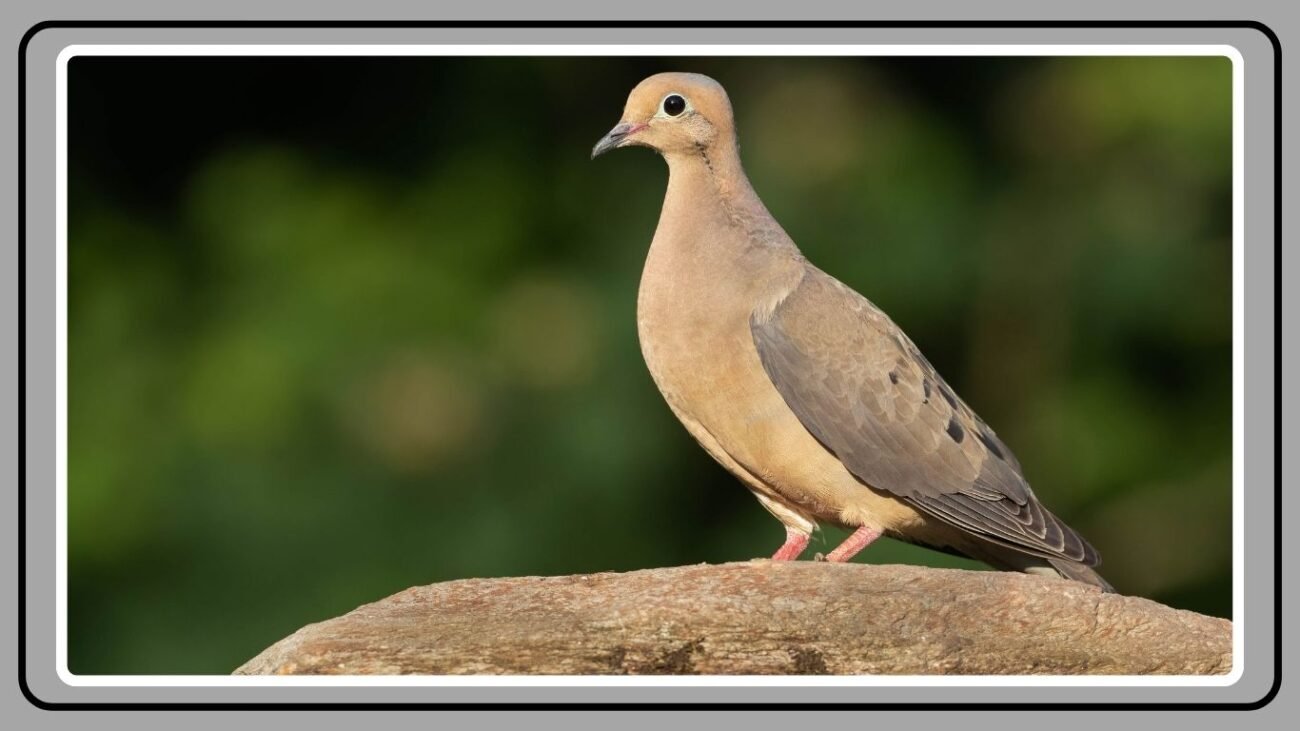
No, mourning doves are not endangered. According to the International Union for Conservation of Nature (IUCN), mourning doves are classified as a species of Least Concern. They are one of the most abundant bird species in North America, with a stable population estimated in the hundreds of millions. While they face some threats such as habitat loss and hunting, their numbers remain strong due to their adaptability, high reproduction rate, and legal protections.
Overview of Mourning Dove Population
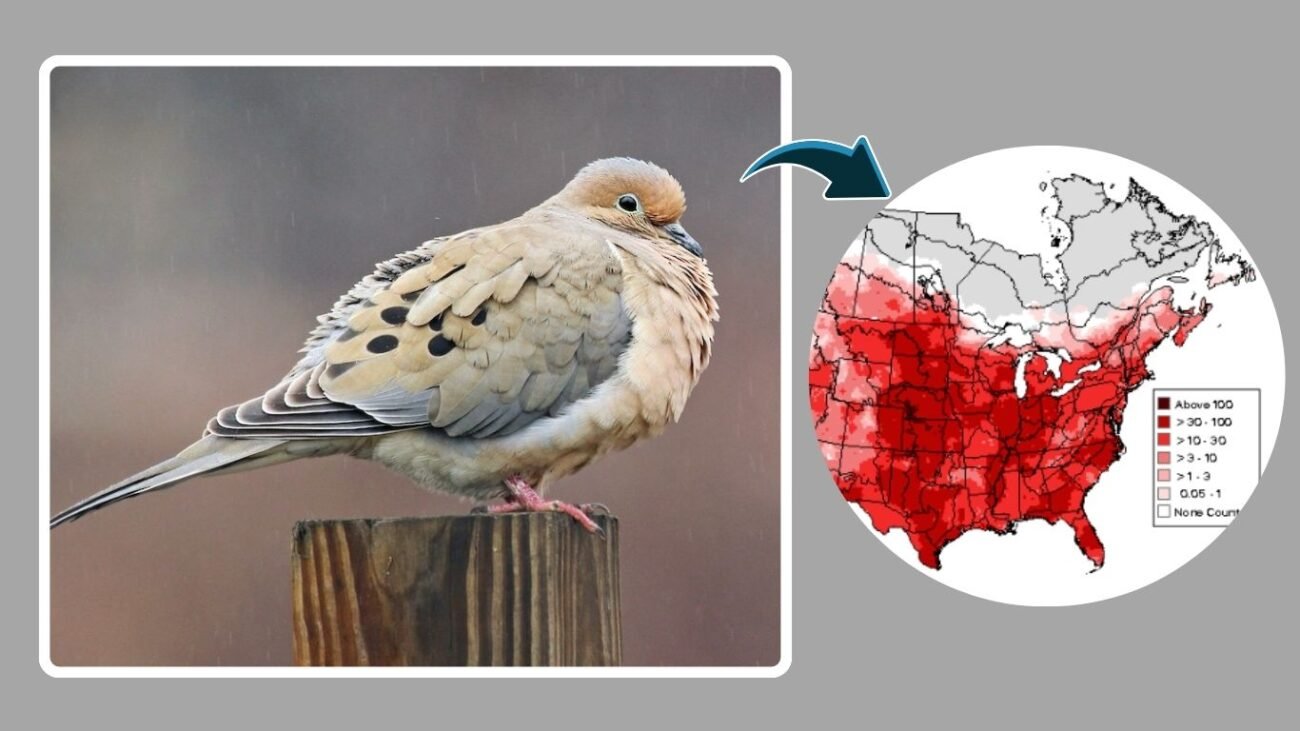
Mourning doves are among the most numerous birds in the United States and are also found widely throughout Mexico and southern Canada. It’s estimated that there are more than 300 to 400 million mourning doves across their range. Their ability to thrive in both natural and human-altered landscapes has helped them remain successful, even as other bird populations have declined.
They play an important ecological role by helping control weed seed populations and serving as prey for birds of prey like hawks and falcons.
Conservation Status Globally and Regionally
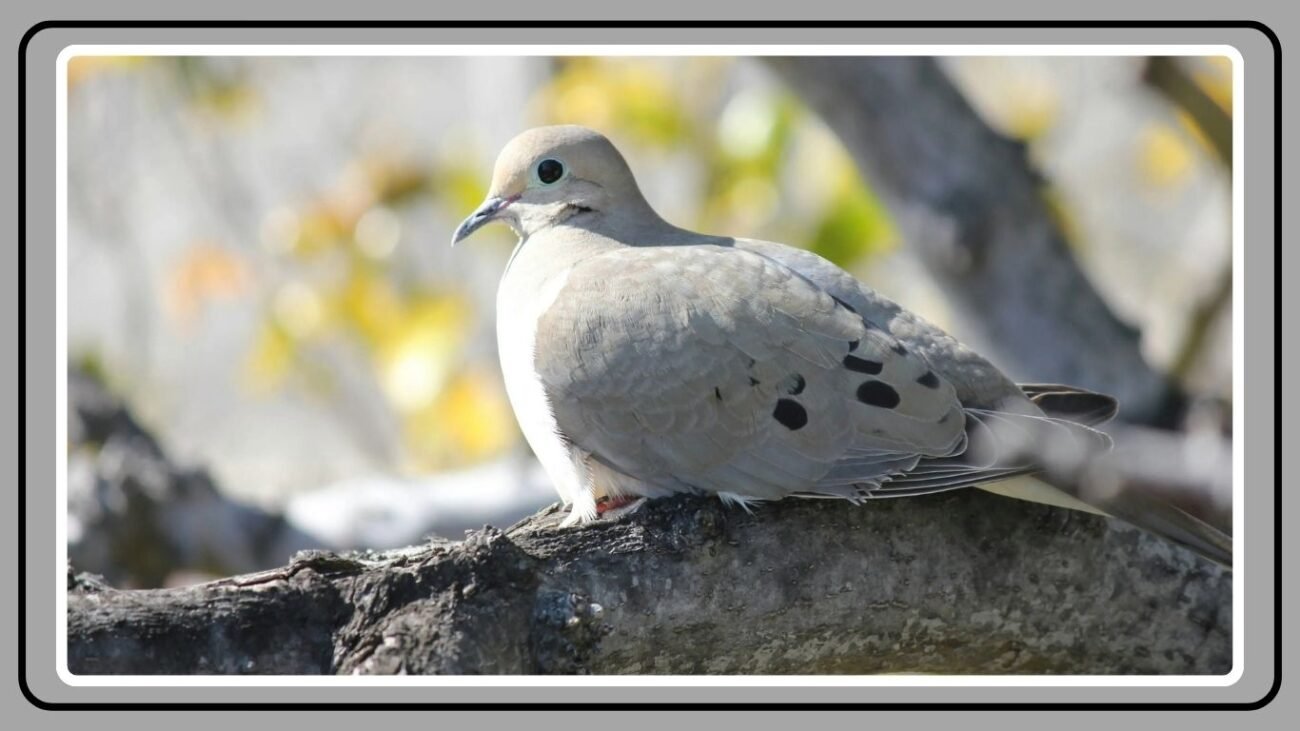
IUCN Red List Status:
The mourning dove is listed as a species of Least Concern by the IUCN. This means they are not considered threatened or endangered globally.
U.S. Fish and Wildlife Service:
In the United States, mourning doves are protected under the Migratory Bird Treaty Act, which regulates hunting seasons and ensures their population is managed responsibly.
Regional Differences:
While their overall population is stable, some regional populations may fluctuate slightly due to environmental changes, weather patterns, or local pressures. However, these fluctuations are normal and do not indicate a risk of endangerment.
Mourning Dove Population Trends
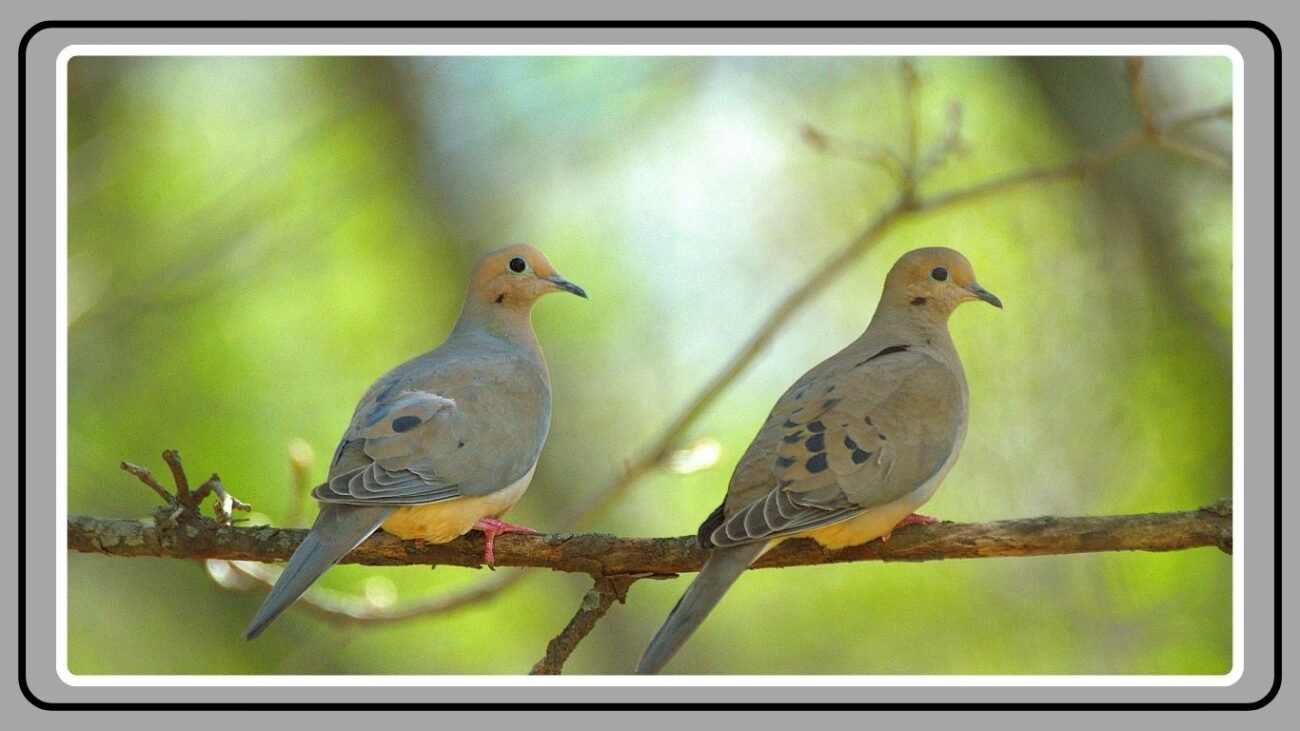
Over the last several decades, data from the North American Breeding Bird Survey has shown that mourning dove populations have remained stable or only slightly declined in some areas.
Reproductive Resilience:
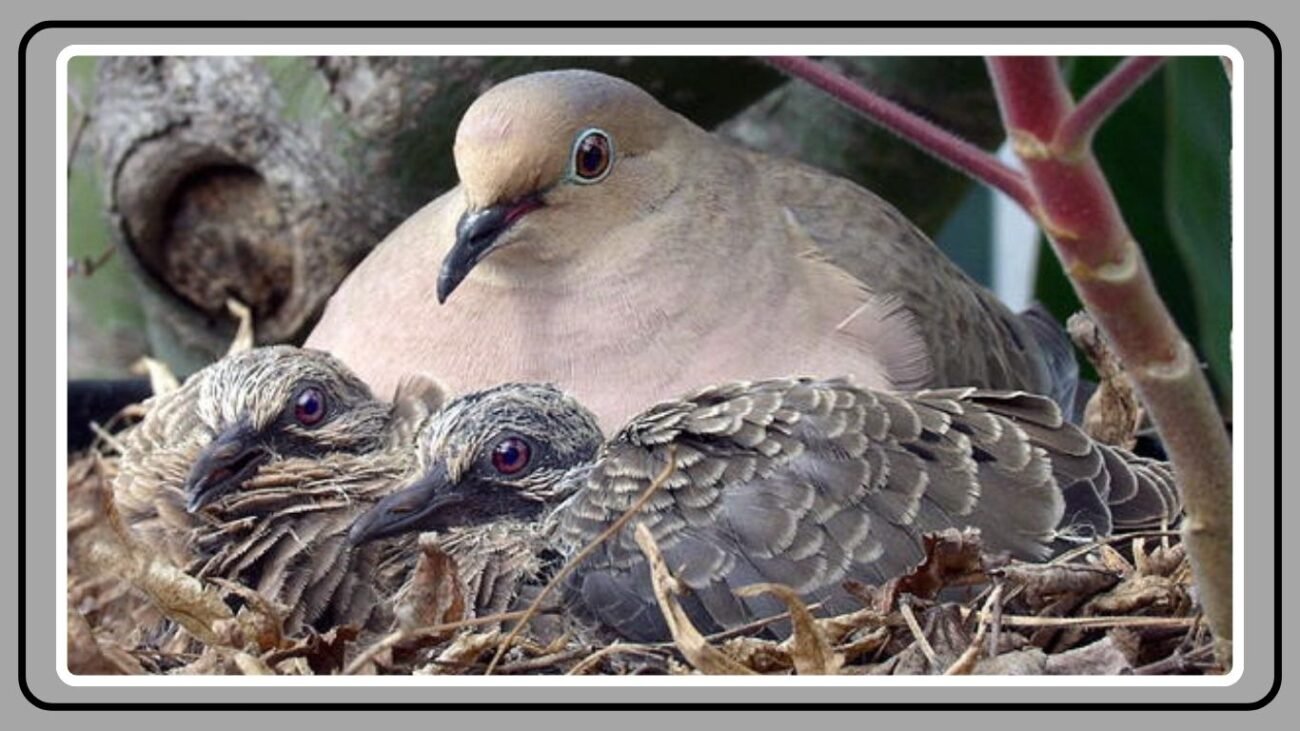
One key reason for their stable population is their high breeding rate. Mourning doves can produce up to 6 broods per year in warmer climates, with each brood typically consisting of two eggs.
Hunting Statistics:
Mourning doves are also the most hunted game bird in North America. Millions are harvested each year, particularly in the southern U.S., during regulated hunting seasons. Despite this, the population remains healthy due to careful wildlife management and their natural reproductive capacity.
Threats to Mourning Dove Populations
While mourning doves are not endangered, they do face some threats that could impact local populations if not managed properly.
1. Habitat Loss
Urban expansion, farming practices, and the removal of hedgerows or shrubs can reduce available nesting and feeding areas.
2. Pesticides and Chemicals
The use of pesticides in agricultural and residential areas can reduce seed availability and cause health issues for the birds.
3. Predators and Nest Disruption
Common predators include cats, raccoons, snakes, and birds of prey. Because mourning doves build flimsy nests, their eggs and chicks are vulnerable.
4. Window Collisions
Like many birds, mourning doves sometimes collide with windows, especially in urban environments where reflections confuse them.
5. Unregulated Hunting (Outside of Legal Seasons)
Although legal hunting is managed, illegal or excessive hunting in some areas can harm local populations.
Legal Protections and Hunting Regulations
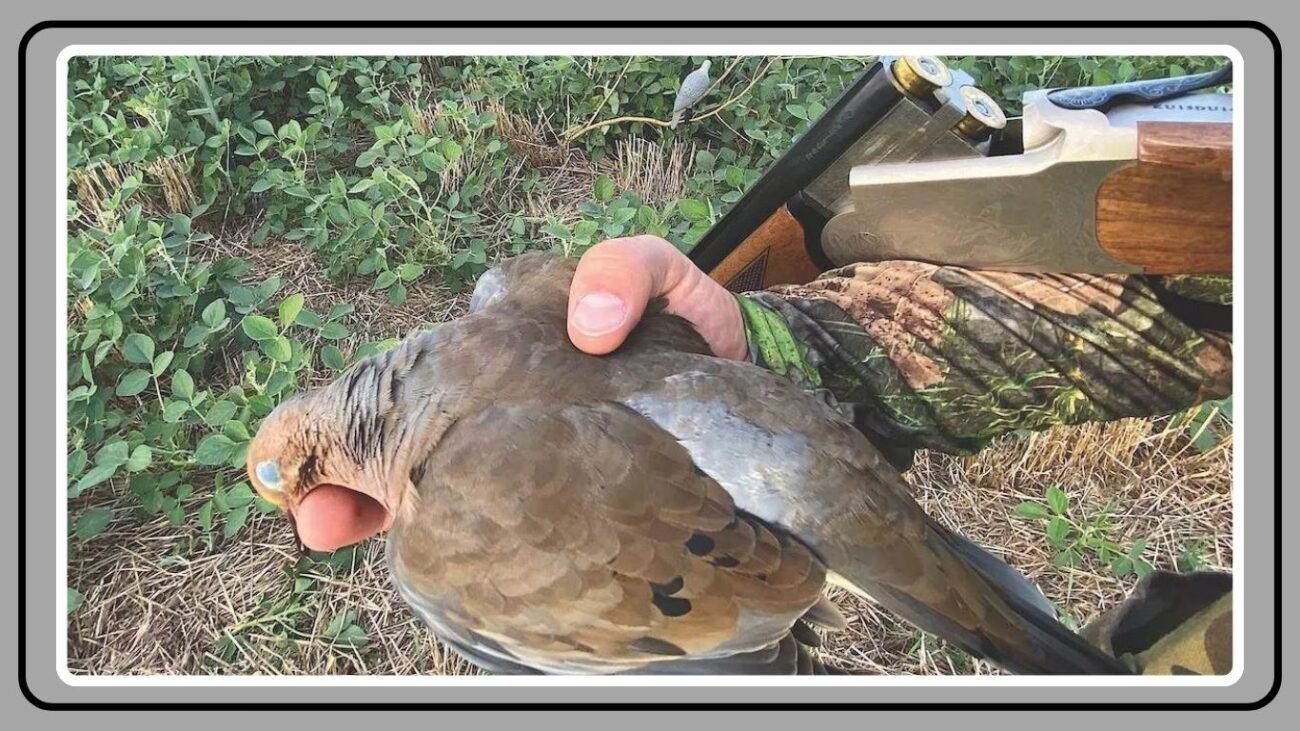
Mourning doves are legally protected in North America, especially in the U.S., under the Migratory Bird Treaty Act.
Hunting Regulations:
- Regulated hunting seasons in many states
- Daily bag limits to control the number of birds harvested
- Monitoring programs to assess the population before each hunting season
Wildlife agencies rely on extensive surveys and scientific data to ensure that hunting doesn’t negatively affect mourning dove populations long-term.
Conservation Efforts and Community Involvement
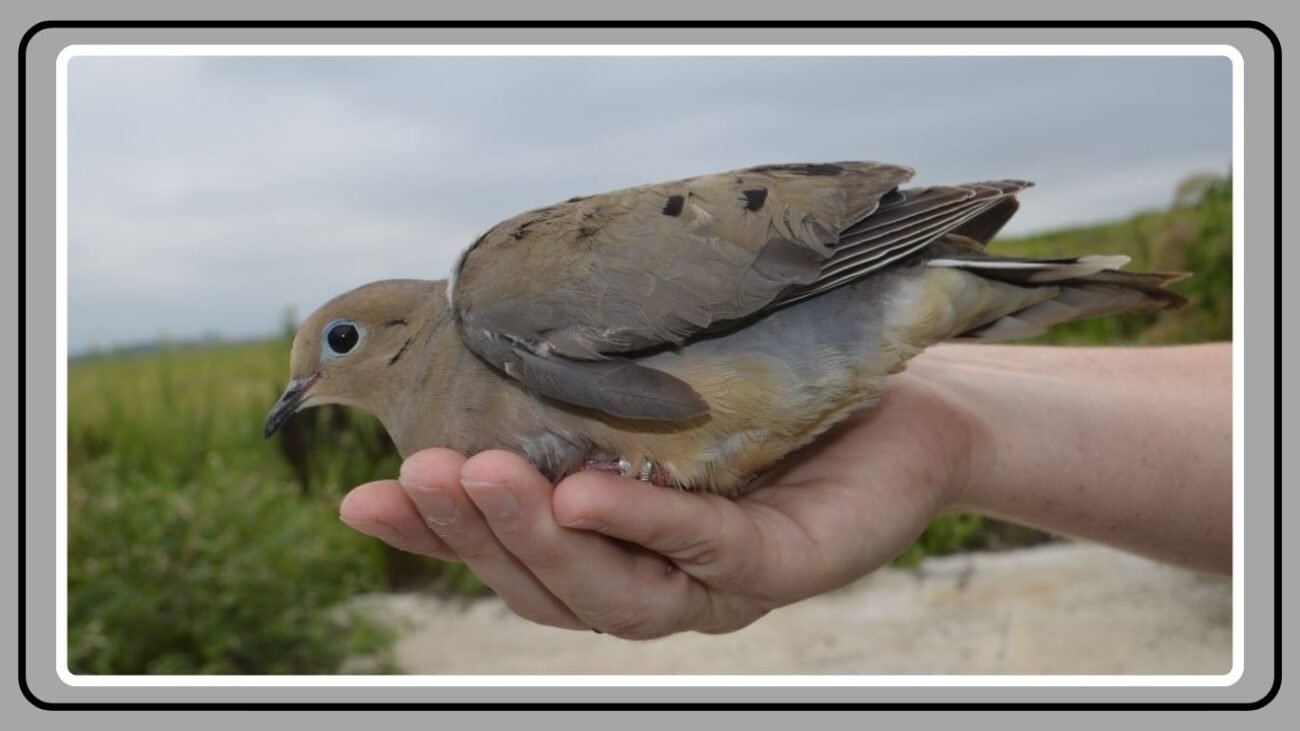
Conservationists and bird enthusiasts play a role in supporting mourning dove populations.
Current Efforts Include:
- Habitat preservation: Organizations and landowners maintain open fields, grassy areas, and shrubs where doves feed and nest.
- Bird-friendly landscaping: Homeowners are encouraged to plant native grasses and avoid pesticides.
- Bird feeders and water sources: Many people provide food (like millet and sunflower seeds) and clean water to attract and support mourning doves year-round.
- Research and monitoring: Agencies like the U.S. Fish and Wildlife Service conduct annual surveys to track population trends.
Citizen science programs such as eBird and Project FeederWatch also help track sightings and migration behavior.
Are Mourning Doves at Risk of Becoming Endangered?
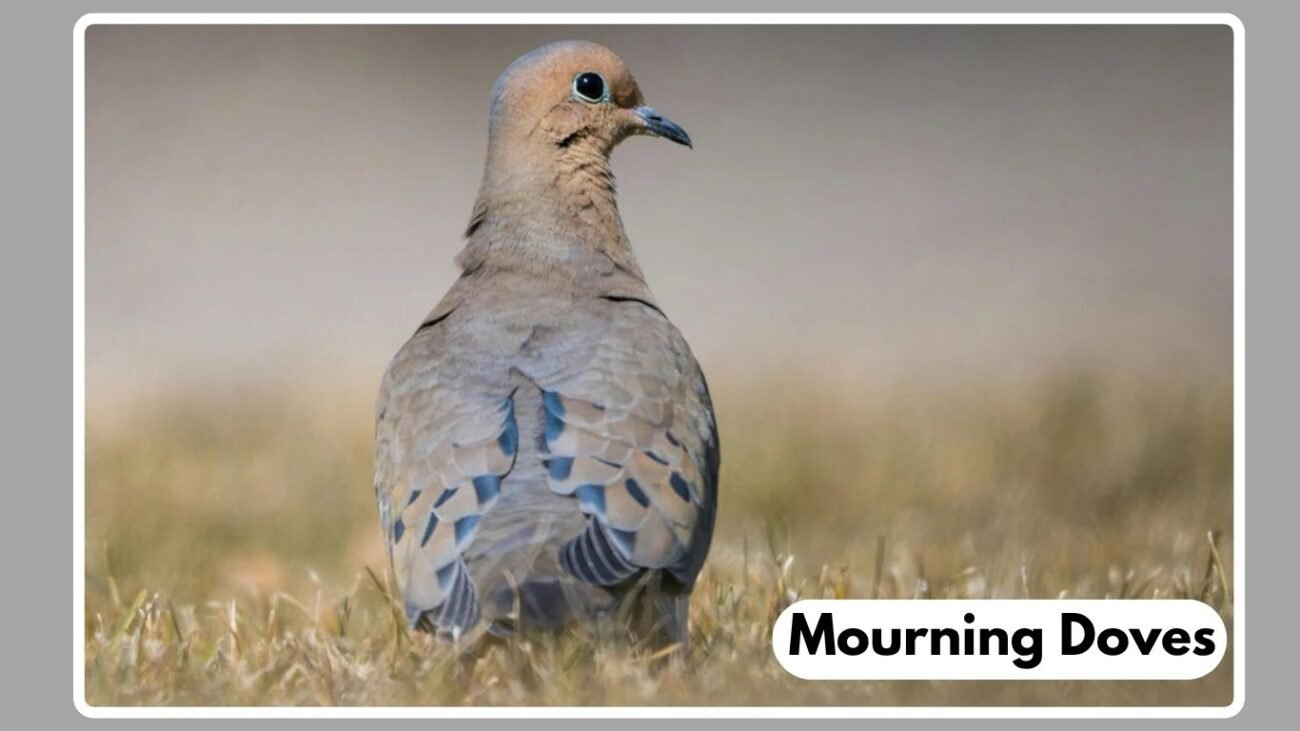
As of now, there is no indication that mourning doves are in danger of becoming endangered. Their population is widespread, and their biological traits—like rapid reproduction and adaptability—help protect them from sharp declines.
However, continued monitoring and habitat protection are essential. Climate change, increased pesticide use, or policy changes could impact mourning dove populations in the future if not managed carefully.
By maintaining current protections and promoting public education, the chances of this species becoming endangered remain very low.
Summary
Mourning doves are not endangered. They remain one of the most abundant and beloved birds in North America, thanks to their adaptability, high reproduction rate, and widespread distribution. While they do face certain threats such as habitat loss, predators, and hunting, these are currently well managed through laws and conservation efforts.