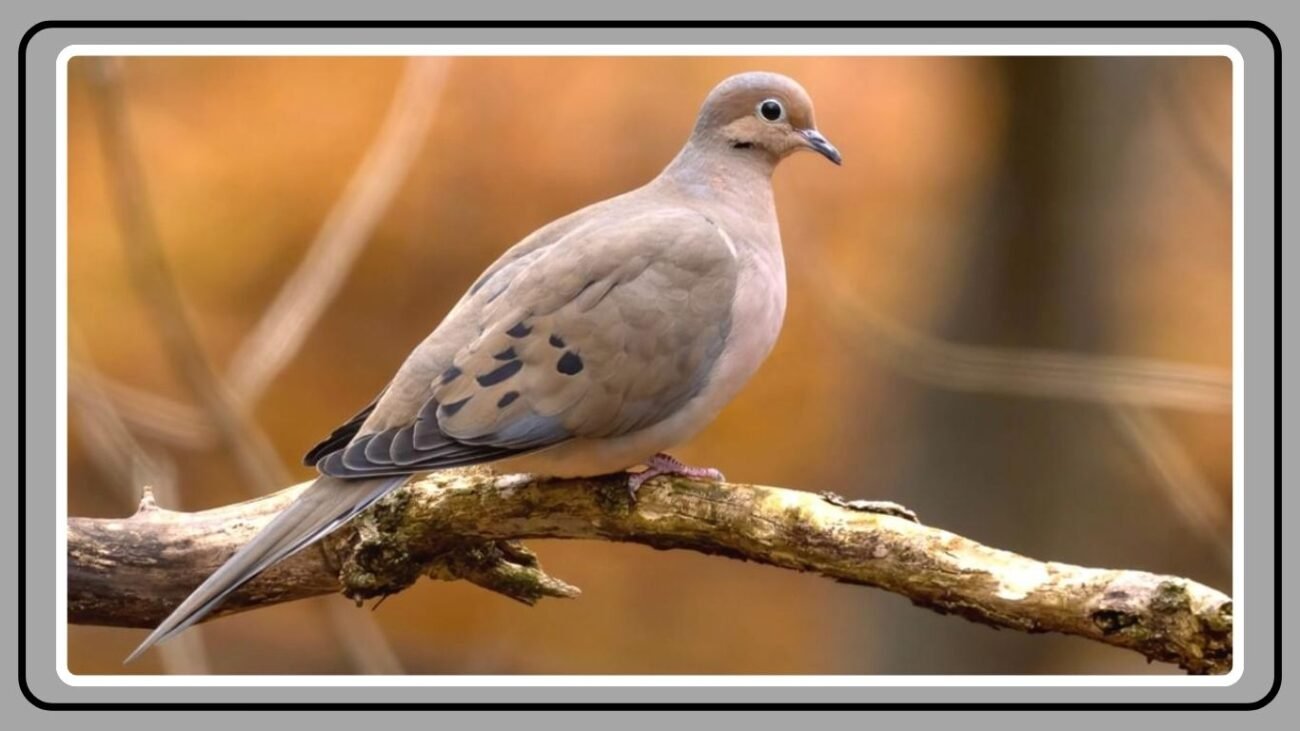
The mourning dove (Zenaida macroura) is one of the most common and recognizable birds in North America. Known for its soft, sorrowful cooing and graceful flight, this bird holds a special place in the hearts of birdwatchers and nature lovers. Whether you’re in a quiet countryside, a city park, or even your backyard, you’ve likely seen a mourning dove perched nearby.
Their gentle appearance and adaptable nature make them a frequent sight in both wild and urban settings. But where exactly do these birds live, and what kinds of habitats do they prefer?
Where Do Mourning Doves Live?
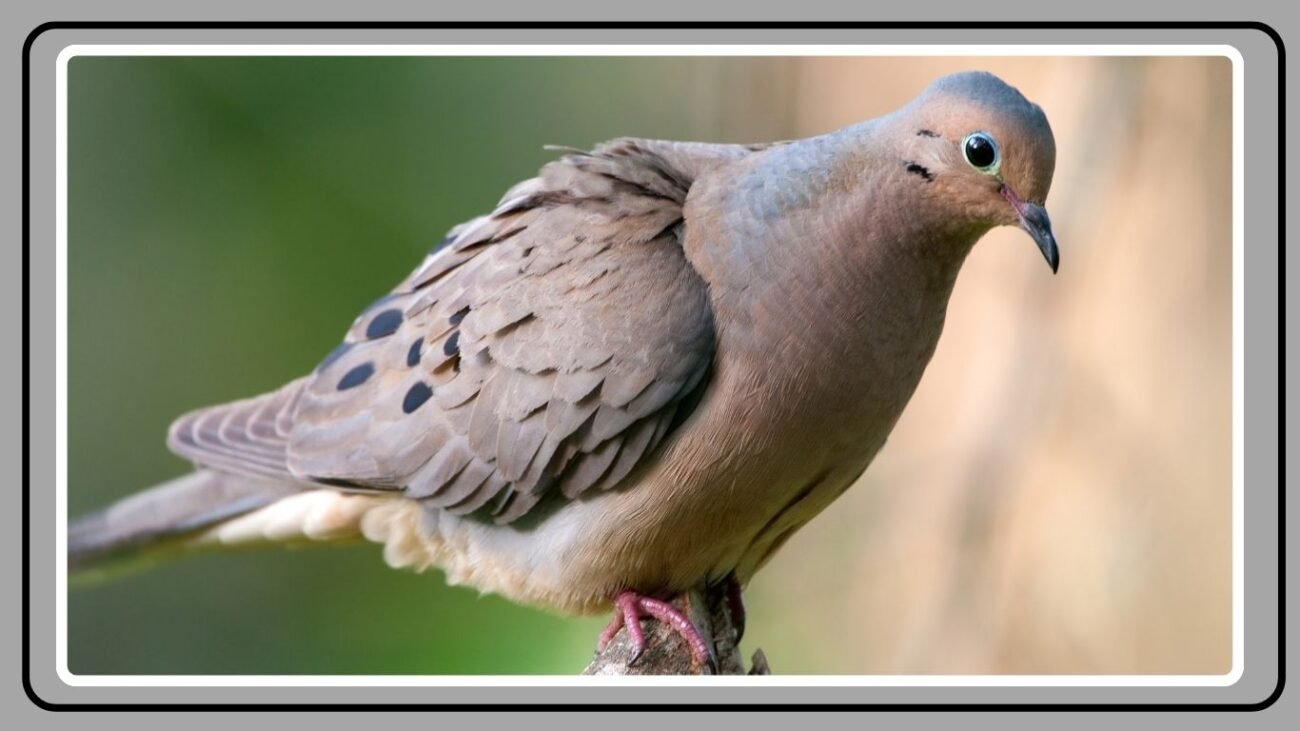
Mourning doves live throughout most of North America, including the United States, Mexico, and parts of southern Canada. They thrive in a wide variety of environments such as open fields, grasslands, deserts, farmlands, woodlands, and even suburban neighborhoods and city parks. These birds are highly adaptable and can comfortably live near human populations, making them one of the most widespread and familiar bird species in the region.
Let’s break down their preferred habitats, range, and nesting behavior in more detail below.
Natural Habitat of Mourning Doves
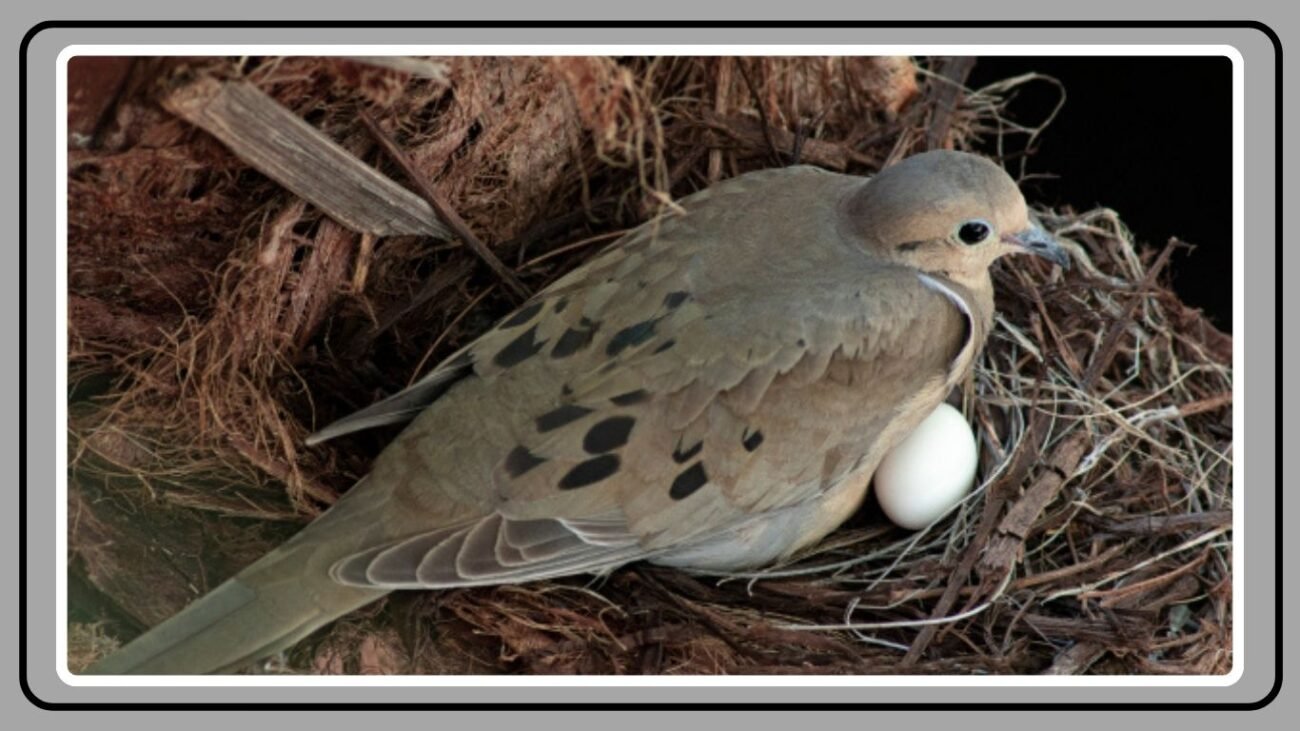
Mourning doves are birds of open and semi-open landscapes. They do not require thick forests or specialized environments to survive. Instead, they are drawn to areas where food is abundant and predators can be easily spotted from a distance.
Common natural habitats include:
- Grasslands and prairies: Open fields offer easy access to seeds and grains, which make up the majority of their diet.
- Agricultural areas: Farmlands provide food and flat surfaces for ground feeding.
- Open woodlands and forest edges: Scattered trees give them shelter and nesting options without the density of thick woods.
- Deserts and scrublands: These birds can tolerate arid regions as long as some vegetation and water are present.
They avoid densely wooded areas and rainforests, where visibility is limited and nesting becomes difficult.
Geographic Range Across the Americas

Mourning doves are found across nearly the entire North American continent and beyond. Their range spans:
1. United States:
Mourning doves are present in every U.S. state (except Alaska during winter). In southern states like Florida, Texas, and Arizona, they remain year-round, while northern populations migrate seasonally.
2. Canada:
In Canada, mourning doves are mostly summer residents. They migrate south as temperatures drop, returning in spring to breed.
3. Mexico & Central America:
Many doves from northern regions migrate to Mexico or Central America during winter. Some are permanent residents in warmer parts of Mexico.
Their ability to migrate gives them a flexible survival strategy that allows them to thrive in varied climates throughout the year.
Adaptation to Urban and Suburban Areas
One of the reasons mourning doves are so widespread is their remarkable ability to live alongside humans.
In suburban and urban settings, you’ll often see them:
- Perched on rooftops or utility wires
- Nesting on building ledges, balconies, or hanging flower pots
- Feeding on the ground near bird feeders
- Resting on fences, patios, or backyard railings
Their peaceful nature and ground-feeding behavior make them especially comfortable in gardens, parks, and other low-traffic human spaces. They are not shy and will continue nesting and feeding even near active homes.
Migration Behavior and Seasonal Movement
While many mourning doves are permanent residents in warmer climates, others are migratory.
Migration patterns:
- Northern doves (such as those from Canada and the upper Midwest) begin migrating south in late summer or early fall.
- Southern doves (from places like the southern U.S. and Mexico) usually stay put year-round.
- Some may travel up to 1,000 miles during migration, flying in flocks and using landmarks to navigate.
Migration is driven mainly by temperature and food availability. As seed sources become scarcer in colder regions, doves head south for the winter.
Nesting Preferences and Behavior
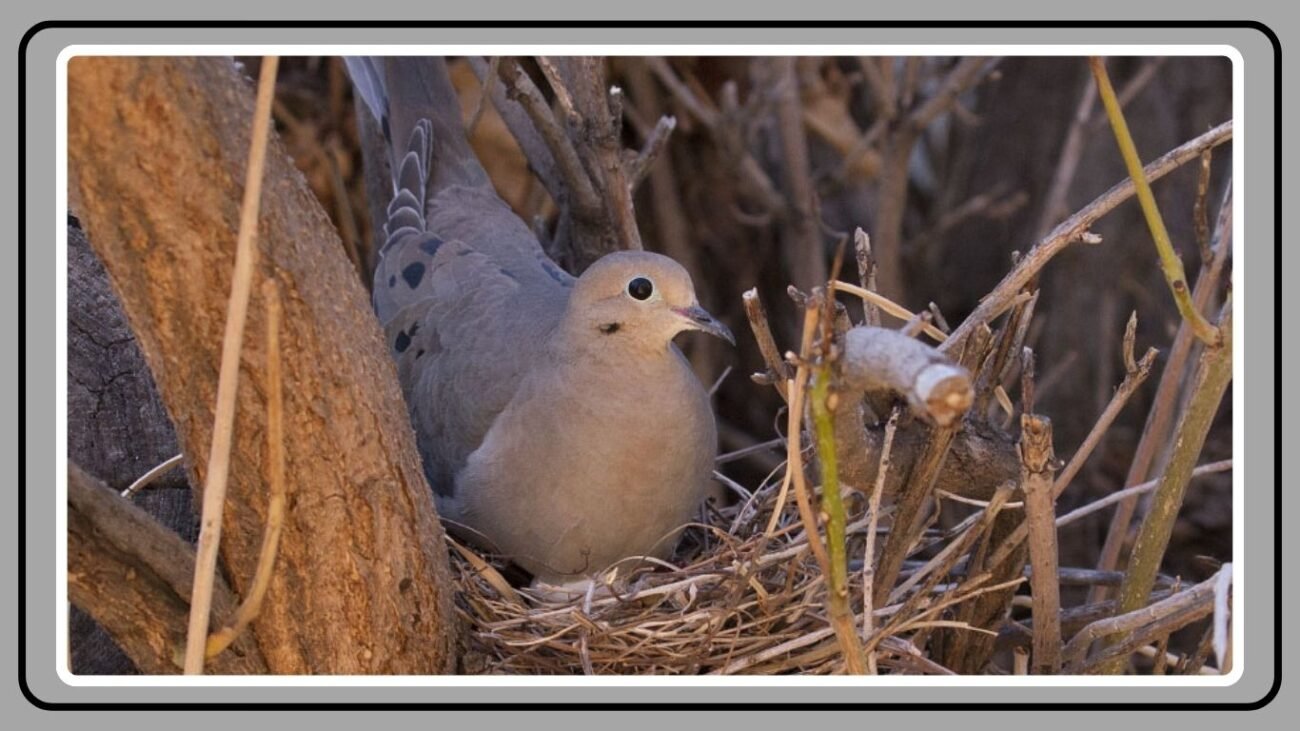
Mourning doves are not fussy nesters. They often reuse nests and build them in surprisingly simple or exposed places.
Common nesting spots:
- Low tree branches
- Window sills and building eaves
- Hanging baskets and porch beams
- Bushes or shrubs near homes
- Old nests from other birds
Their nests are loosely built with twigs, pine needles, and grass, sometimes appearing almost flimsy. Despite this, they successfully raise multiple broods each year.
Mourning doves often raise 2 to 6 broods per year, especially in warmer climates. The female lays two eggs per brood, and both parents share incubation duties.
Environmental and Climate Tolerance
Mourning doves are extremely adaptable to different climates. This is a key reason for their widespread presence across so many regions.
Temperature and weather:
- They thrive in arid desert regions, such as parts of the American Southwest.
- They handle humid subtropical climates, like those found in the southeastern U.S.
- With adequate food and shelter, they can even survive cold winters in parts of the northern U.S. and southern Canada.
What they truly need are open spaces for feeding, safe nesting areas, and access to water. If these are available, mourning doves will likely settle in and stay.
Relationship with Humans

The peaceful presence of mourning doves has made them popular backyard visitors. They are welcome guests at bird feeders and often accepted by homeowners and farmers.
Some people even intentionally attract them by:
- Scattering mixed birdseed or cracked corn
- Providing low platform feeders
- Offering a clean water source
- Avoiding the use of pesticides that may poison their food
They are not aggressive toward other birds and usually feed on the ground, picking up leftover seeds dropped by finches, sparrows, and cardinals.
Summary:
Mourning doves live in a wide variety of environments, from wide-open farmlands to crowded cities. Their flexible nesting habits, seed-based diet, and ability to migrate have helped them become one of the most successful bird species in North America.
Whether you’re in the countryside or a city apartment, there’s a good chance a mourning dove might be cooing nearby. By understanding their living preferences and how they interact with their surroundings, you can enjoy their presence even more and maybe even help support their survival in your own backyard.