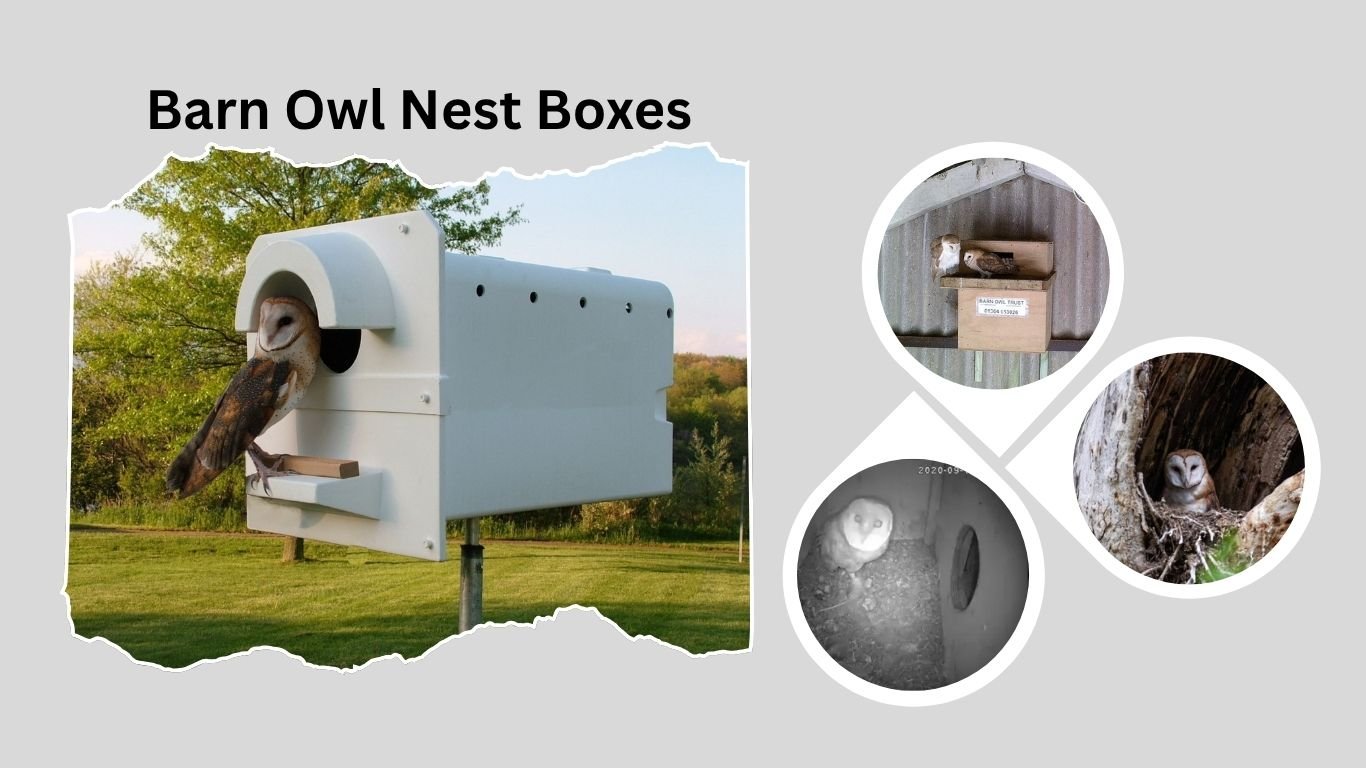
Barn owls are cavity-nesting birds that rely on safe, enclosed spaces to raise their young. In the past, they nested in tree hollows and cliffs, but habitat loss has made these natural sites scarce. Today, nest boxes have become an essential tool for their survival. These artificial nesting spaces mimic natural cavities and help barn owls reproduce successfully in farmlands, meadows, and rural areas. Understanding how to design and place a proper nest box is vital to attracting these beautiful nocturnal hunters.
Understanding Barn Owl Nesting
Where Do Barn Owls Nest?
Barn owls do not build traditional nests from twigs or grass. Instead, they seek ready-made cavities such as tree hollows, old barns, attics, or cliffs, where they can safely lay their eggs. Inside, the female deposits eggs directly on a flat surface lined with owl pellets—compressed remains of undigested fur and bones. These pellets act as soft nesting material and insulation for the eggs.
In agricultural areas, barn owls often choose barn rafters, silos, and church towers, which provide shelter from rain and predators. However, as buildings are renovated and old trees removed, nest boxes now serve as their primary nesting sites across much of their range.
Nesting Behavior
Barn owls are monogamous, typically forming pairs that reuse the same nesting site each breeding season. The female lays 4–7 eggs, incubating them for about a month while the male hunts and brings food. Because the eggs are laid several days apart, chicks hatch at different times, creating size differences within the same brood. Parents continue feeding their young for weeks after they leave the nest, ensuring the fledglings learn to hunt before independence.
Barn Owl Nest Box Design
Basic Design Principles
A barn owl nest box should imitate the dark, quiet environment of a natural cavity. The structure must be spacious, weatherproof, and secure from predators. The following features are essential:
- A large internal chamber for eggs and chicks.
- A landing ledge or perch below the entrance hole for adults to rest.
- Ventilation holes near the top for air circulation.
- A hinged door or panel for easy cleaning after each nesting season.
The interior should remain unpainted and rough to allow chicks to grip the surface when climbing. Adding a thin layer of wood shavings or sawdust provides comfort and helps mimic natural conditions.
Recommended Dimensions
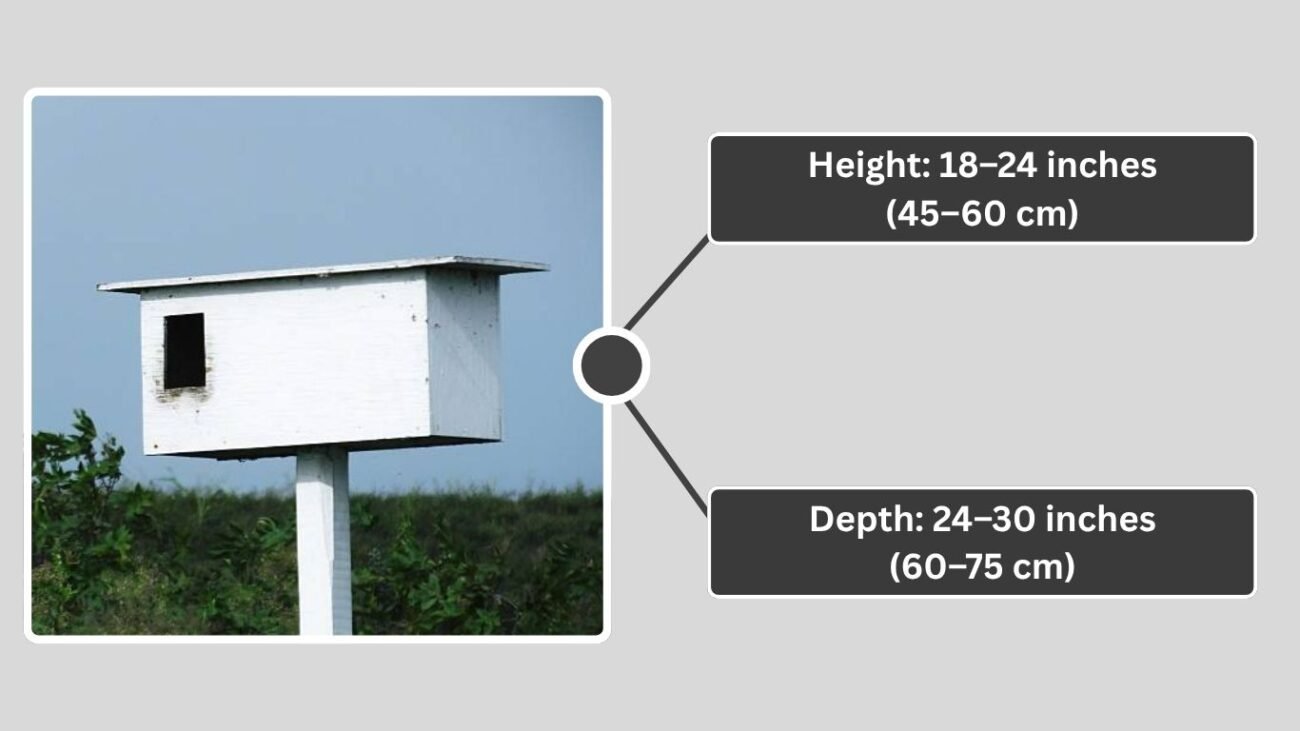
The ideal nest box dimensions ensure enough room for adult owls and growing chicks while minimizing predator risk:
- Height: 18–24 inches (45–60 cm)
- Width: 18–24 inches (45–60 cm)
- Depth: 24–30 inches (60–75 cm)
- Entrance hole: About 6×7 inches (15×18 cm) in oval or rectangular shape.
- Landing ledge: 4–6 inches deep beneath the entrance.
These proportions create a comfortable and safe environment, allowing for successful breeding.
Popular Designs
Different designs suit various environments:
- A-frame design: Triangular roof that sheds rain and provides durability.
- Rectangular box: Simple to build and perfect for barns or wall mounting.
- Tree-mounted box: Attached securely to a large tree, ideal for rural landscapes.
- Pole-mounted box: Used in open fields where natural cavities are unavailable.
Blueprints for these designs are available from organizations such as the Cornell Ornithology Lab, Audubon Society, and Barn Owl Trust, which offer free PDF plans for public use.
Materials and Construction
Building a Barn Owl Nest Box
When constructing a nest box, use weather-resistant, untreated wood such as exterior-grade plywood that is at least ¾ inch thick. Avoid pressure-treated lumber or paint inside the box, as fumes and chemicals can harm the birds. The exterior may be coated with natural or water-based paint to protect it from weather damage.
Secure the panels using galvanized screws or nails to prevent rusting, and drill small drainage holes in the base to remove moisture. The roof should extend slightly beyond the walls to provide shade and prevent rain from entering. With basic tools and materials, a nest box can be built in just a few hours.
DIY vs. Commercial Nest Boxes
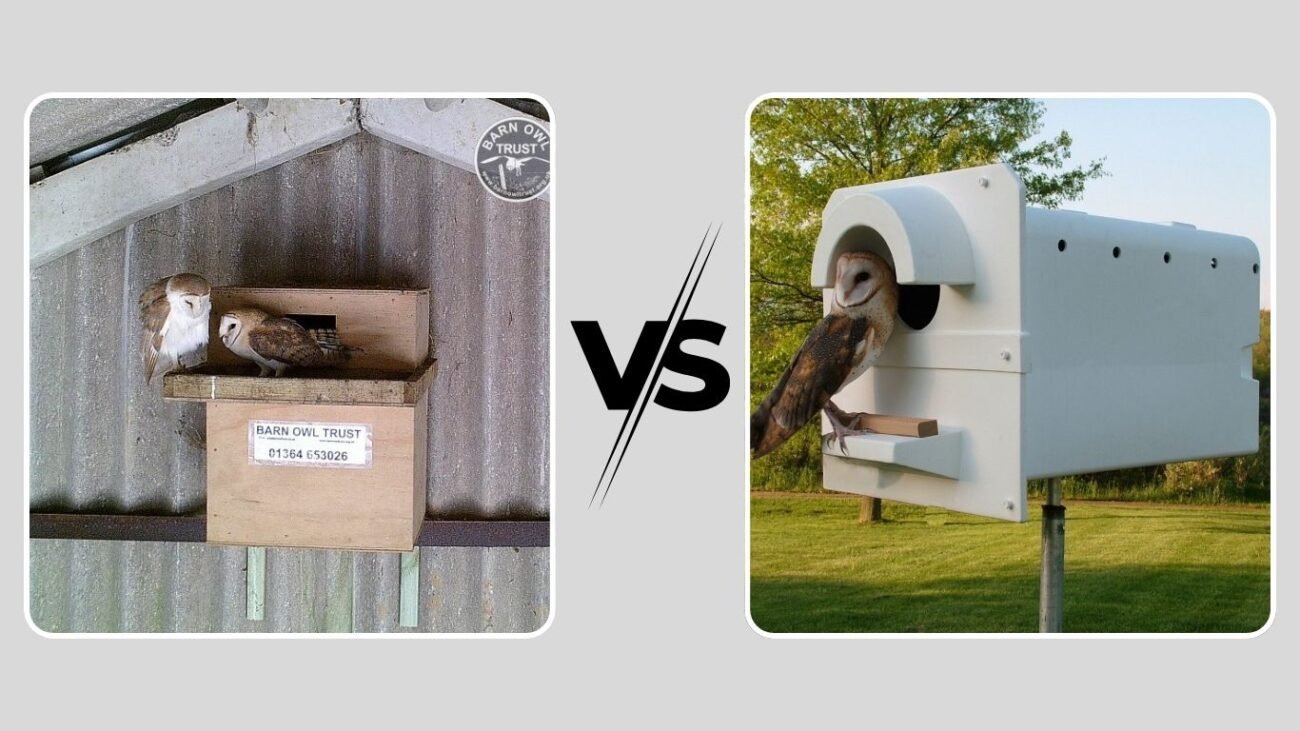
DIY boxes are inexpensive and can be customized for local conditions, while commercial options are available for those who prefer ready-made solutions. Companies like JCS Wildlife and conservation groups such as the Barn Owl Trust produce tested nest box models designed for safety and easy maintenance. Some advanced versions even include built-in cameras for live viewing during nesting season.
Placement and Location
Ideal Placement
Proper placement is crucial for encouraging barn owls to use a nest box. The box should be installed 12 to 20 feet above the ground, either inside a barn, on a tall pole, or securely mounted to a tree. The entrance should face open land—fields, meadows, or pastures—where the owls can easily spot prey and fly in and out without obstruction.
Avoid installing boxes near busy roads, bright lights, or dense forests, as these can disturb the owls or limit hunting opportunities. If you’re placing multiple boxes in one area, ensure they are spaced at least half a mile apart, since barn owls are territorial during breeding.
Geographic Considerations
- United States: Common in agricultural states like California, Texas, and Florida, where open farmlands provide ample food sources.
- United Kingdom: Barn owls frequently use boxes installed in barns, church towers, and open countryside, often supported by the Barn Owl Trust.
- Australia and Canada: Boxes are most effective when placed along field edges or forest boundaries, offering protection and hunting access.
No matter the region, a well-placed box can attract barn owls within weeks, especially in areas with abundant rodents.
Nest Box Maintenance
Nest boxes require annual maintenance to remain safe and functional. After each breeding season, typically in late summer or early autumn, clean the box to remove old pellets, feathers, and debris. This prevents the buildup of parasites and ensures a clean space for future nesting. Always wear gloves and avoid disturbing any owls that may still be roosting nearby.
Regular inspections also help check for water damage or loose fittings. With proper care, a well-built box can last over a decade, serving multiple generations of owls.
Observation and Nest Cams
Barn Owl Nest Cameras
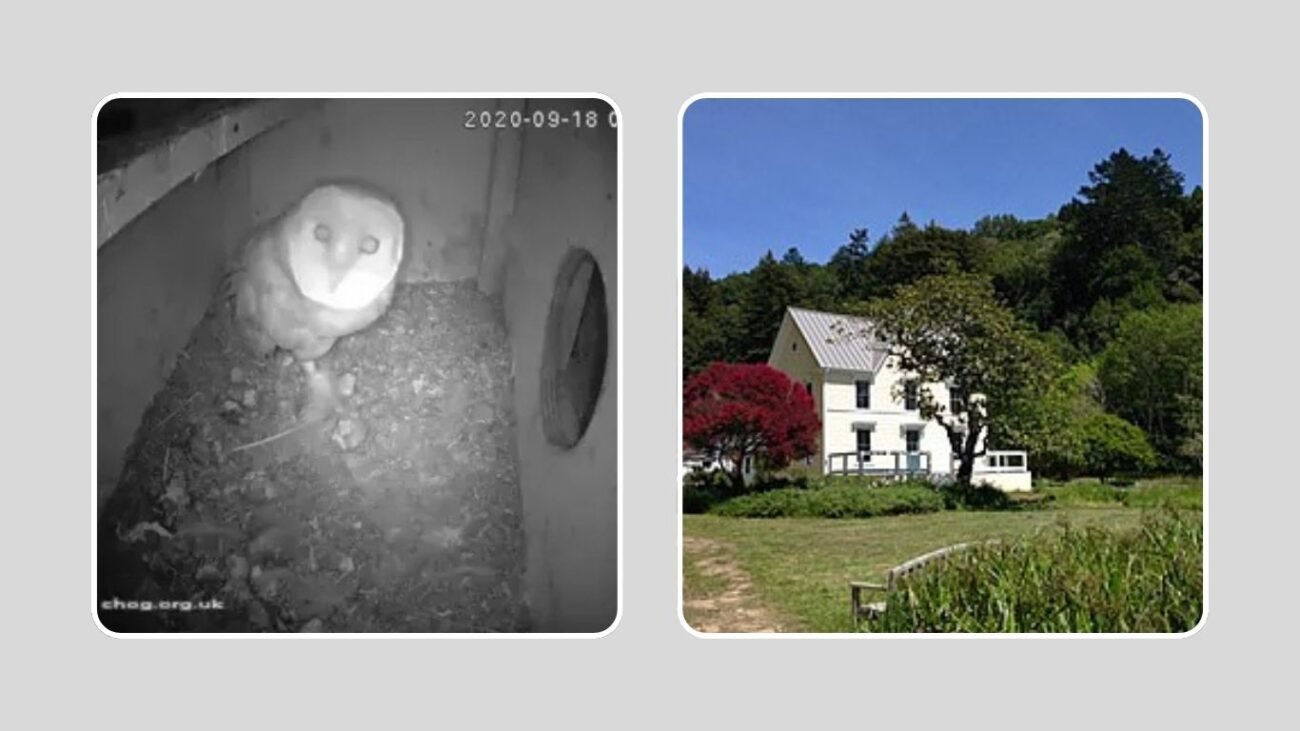
In recent years, barn owl live cameras have gained global popularity. These cameras, installed inside nest boxes, provide real-time footage of barn owl life—from courtship and egg-laying to chick hatching and fledging.
Popular nest cams include:
- Audubon Canyon Ranch (California) – Streams high-definition video of active owl families.
- Barn Owl Trust (UK) – Features educational commentary on nesting cycles.
- Cornell Lab of Ornithology (USA) – Offers live data and 24-hour monitoring for research.
These webcams not only entertain viewers but also contribute valuable data to scientists studying barn owl reproduction and behavior.
Benefits of Watching Nest Cams
- Promote awareness of wildlife conservation.
- Allow safe observation without disturbing the owls.
- Provide educators and students with insights into real-time bird biology.
- Help conservationists monitor breeding success and population health.
Nesting Season and Behavior
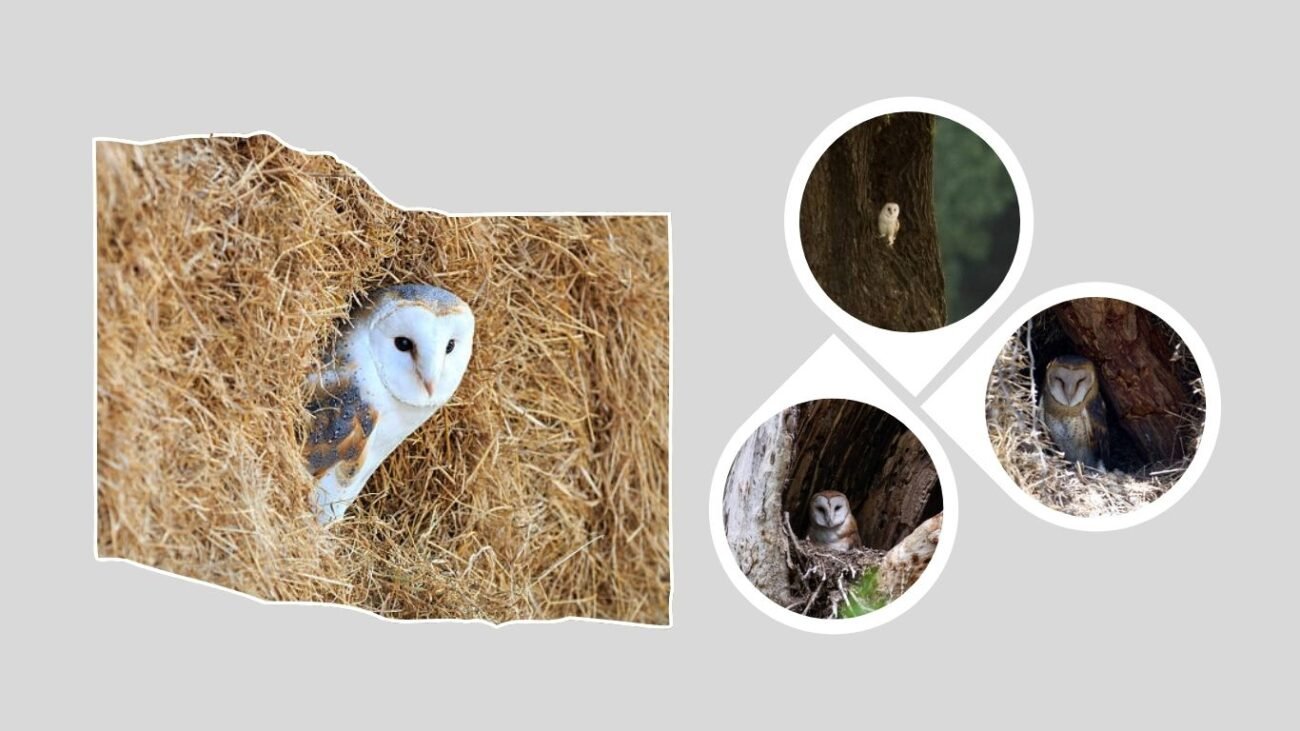
When Do Barn Owls Nest?
Barn owls generally nest between March and August, though the exact timing depends on location and climate. In warmer regions such as California and Florida, they may breed year-round, while northern populations typically nest once a year.
The female lays her eggs directly on the box floor and incubates them for about 30 days. Once hatched, the chicks remain in the nest for 7–9 weeks, growing rapidly under the care of both parents. Even after fledging, the young often return to the nest for food until they are fully independent hunters.
How to Attract Barn Owls to a Nest Box
- Choose a quiet, rural area with nearby fields or meadows.
- Avoid bright lighting or noisy human activity.
- Install the box before the breeding season begins.
- Add a thin layer of wood shavings on the floor for comfort.
- Ensure there are no large predators or cats nearby.
If conditions are right, a pair may occupy the box within the first nesting season.
Conservation Importance
Barn owl nest boxes are vital for species conservation and rodent control. A single barn owl family can consume over 3,000 rodents each year, reducing the need for toxic pesticides on farms. By installing boxes, landowners support both sustainable agriculture and biodiversity.
Conservation organizations encourage homeowners, farmers, and schools to participate in nest box projects, helping restore barn owl populations across rural landscapes. Each box contributes to the global effort of ensuring these nocturnal hunters continue to thrive.
FAQs
Do barn owls build their own nests?
No. Barn owls don’t build traditional nests. Instead, they lay their eggs on a flat surface inside a cavity or nest box, often cushioned by regurgitated pellets that act as natural bedding.
What size should a barn owl nest box be?
A proper barn owl nest box should measure roughly 24 inches deep, 18–24 inches tall, and 18 inches wide, with a 6×7-inch entrance hole. This provides enough space for both adults and growing chicks.
Where should I place a barn owl nest box?
Install the box 12–20 feet above ground in a quiet area facing open land. Avoid dense woods or high-traffic locations. Always secure the box firmly to prevent shaking or movement in strong winds.
What materials are best for barn owl nest boxes?
Use untreated exterior plywood or rough timber at least ¾ inch thick. Avoid chemicals or paints inside the box, as these can harm owls. Galvanized screws and waterproof designs ensure long-term durability.
When do barn owls nest?
Barn owls typically nest in spring and early summer, but in warmer climates, breeding may occur any time of year. After fledging, the young remain nearby for several weeks before becoming fully independent.