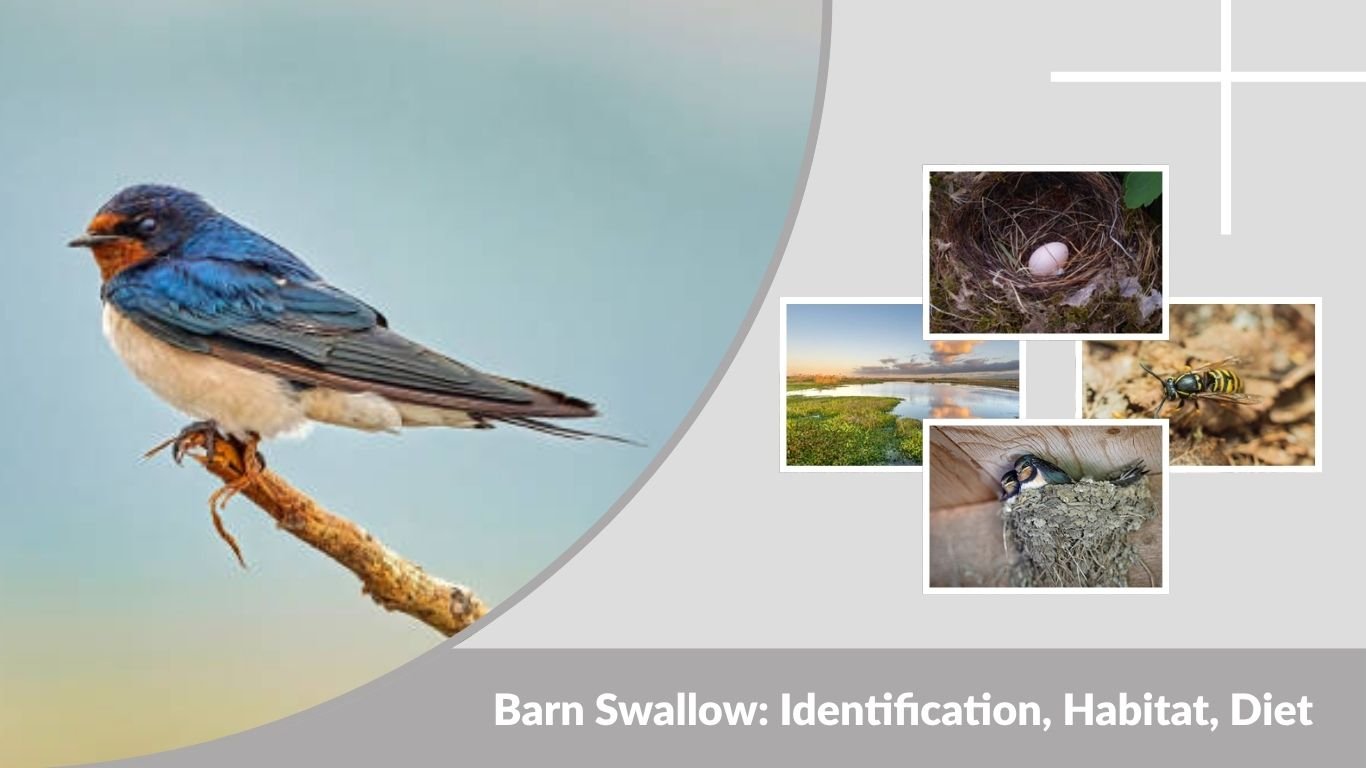
The barn swallow is one of the most familiar and widely distributed birds in the world, easily recognized by its graceful flight and deeply forked tail. Often seen swooping across open fields and farmland, this small bird plays an important role in controlling insect populations. From its unique nesting habits to its long migrations, the barn swallow is a fascinating species. In this guide, you’ll learn about its identification, habitat, diet, and nesting behavior.
What Is a Barn Swallow?
The barn swallow (Hirundo rustica) is a small migratory bird belonging to the swallow family. It gets its name from its habit of building nests in barns, sheds, and other human-made structures.
These birds are known for their agility in flight and their ability to travel long distances during migration. They are found across North America, Europe, Asia, and Africa, making them one of the most widespread bird species in the world.
Barn swallows are highly beneficial to humans because they consume large numbers of flying insects, including pests like mosquitoes and flies.
Barn Swallow Identification
Physical Appearance
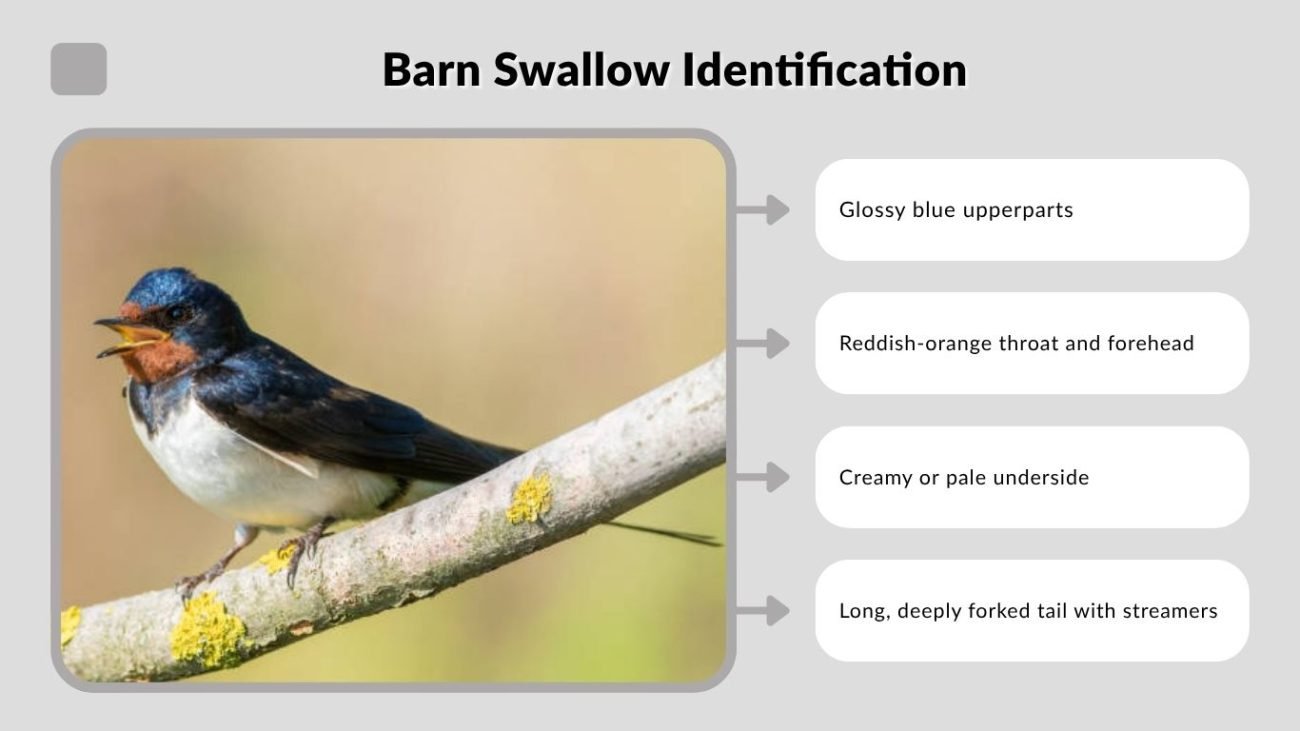
Barn swallows are easy to identify once you know their key features:
- Glossy blue upperparts
- Reddish-orange throat and forehead
- Creamy or pale underside
- Long, deeply forked tail with streamers
They are relatively small birds, measuring about 15–20 cm in length, with long pointed wings that help them glide effortlessly through the air.
Male vs Female Differences
Males and females look similar, but there are subtle differences:
- Males usually have longer tail streamers
- Females may appear slightly duller in color
- Males are often more active in courtship displays
Flight Style & Behavior
Barn swallows are known for their swift, acrobatic flight. They:
- Fly low over fields and water
- Make quick turns and dives
- Rarely stay still for long
Their flight is not just for movement—it’s also how they hunt, catching insects mid-air.
Barn Swallow Habitat: Where Do They Live?
Natural Habitat
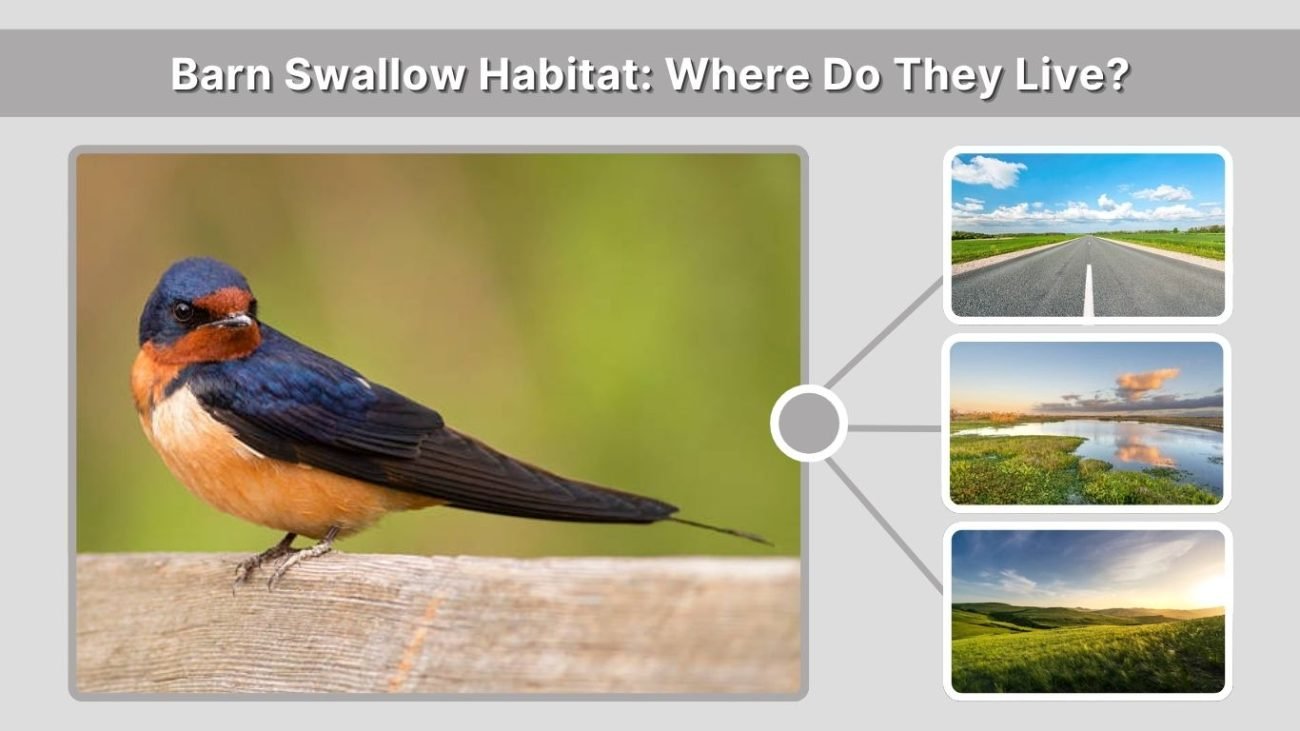
In the wild, barn swallows prefer:
- Open countryside
- Grasslands and meadows
- Wetlands and areas near water
These environments provide plenty of flying insects, which are essential for their survival.
Human-Associated Habitats
Barn swallows have adapted extremely well to human environments. Common nesting and living areas include:
- Barns and farm buildings
- Bridges and culverts
- House eaves and sheds
Their close association with humans has helped them expand their range over time.
Migration Patterns
Barn swallows are long-distance migrants. They:
- Breed in northern regions during spring and summer
- Travel thousands of kilometers to warmer regions in winter
- Often return to the same nesting sites each year
Their migration is one of the most impressive among small birds.
Barn Swallow Diet: What Do They Eat?
Primary Food Sources
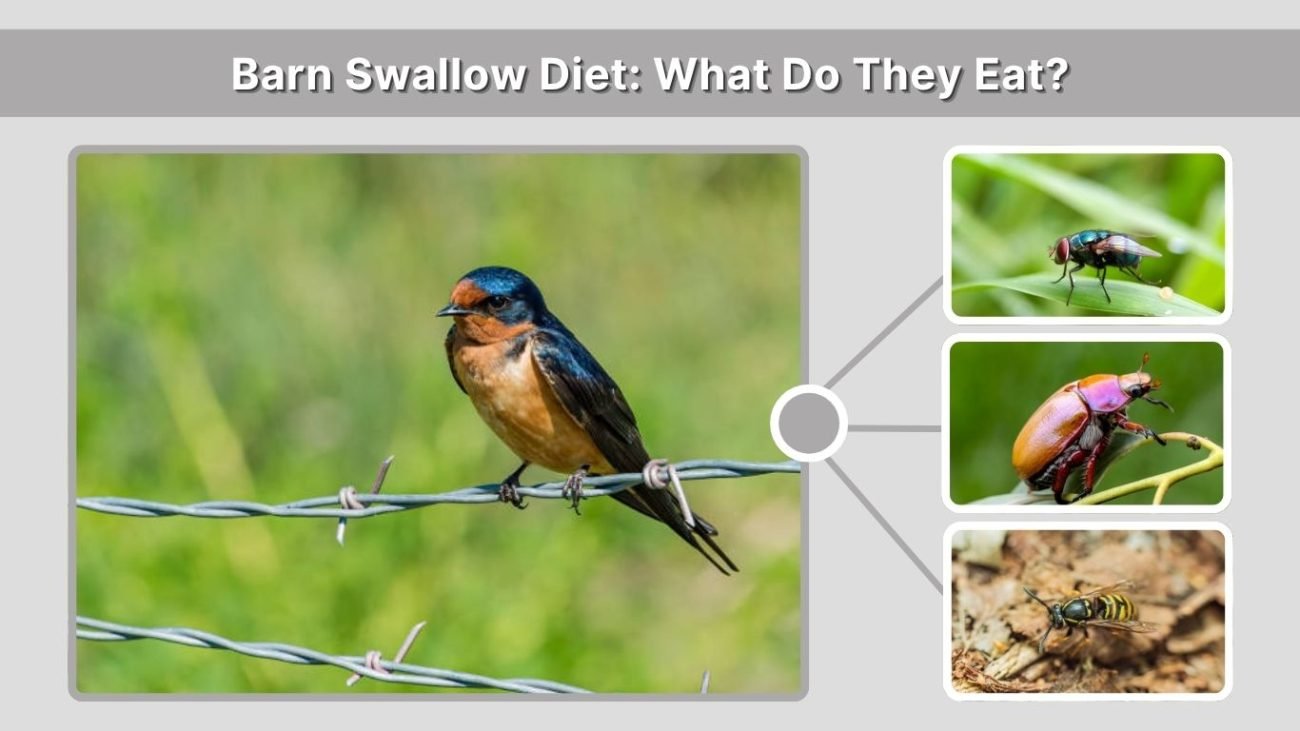
Barn swallows are aerial insectivores, meaning they feed on insects while flying.
Their diet mainly includes:
- Flies
- Beetles
- Wasps
- Mosquitoes
This makes them extremely useful in reducing insect populations.
Feeding Behavior
Barn swallows hunt in a very distinctive way:
- They fly low across open areas
- Catch insects directly in their beak mid-air
- Often feed near water or livestock where insects gather
Their speed and agility make them highly efficient hunters.
Seasonal Diet Changes
Unlike some birds, barn swallows rely almost entirely on insects year-round. Because of this:
- They migrate to warmer regions where insects remain available
- Their survival depends heavily on insect populations
Barn Swallow Nest: Structure, Location & Materials
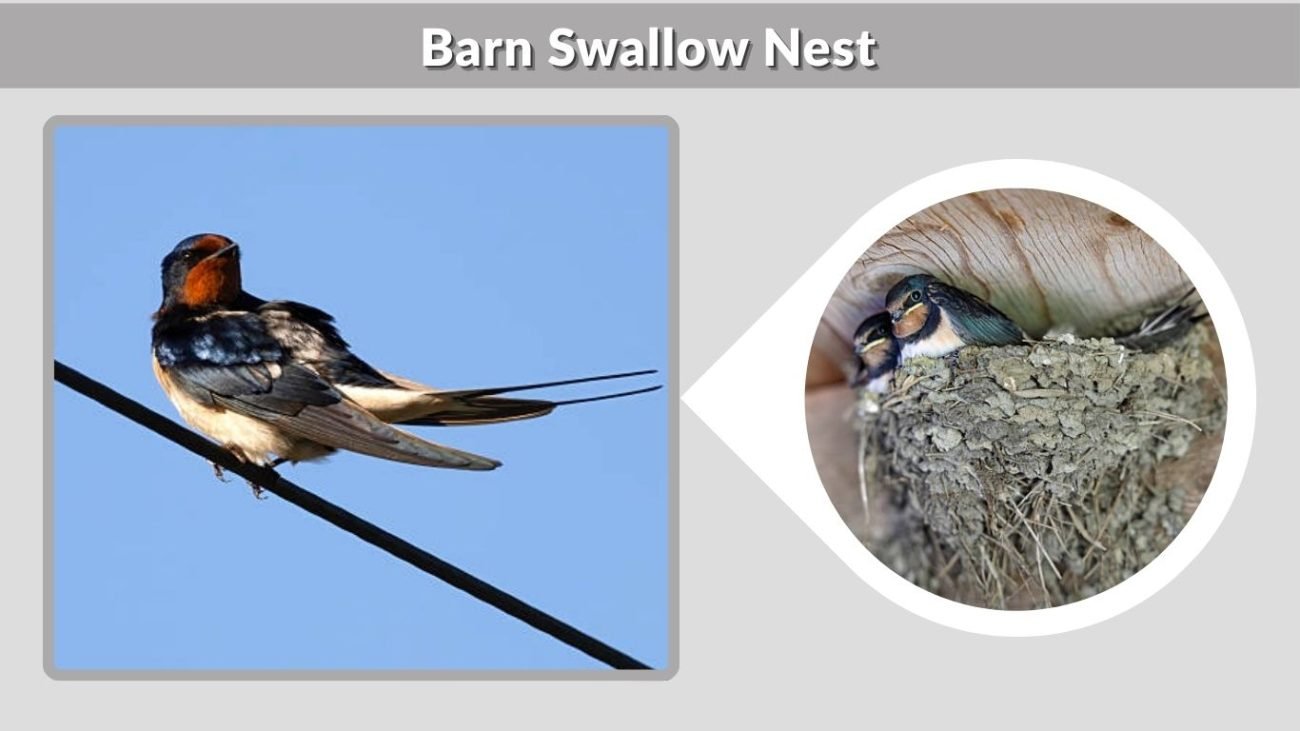
Nesting Locations
Barn swallows prefer sheltered spots for nesting, such as:
- Inside barns and buildings
- Under bridges and roof eaves
- On ledges protected from weather
These locations provide safety from predators and harsh conditions.
Nest Construction
One of the most fascinating aspects of barn swallows is their nest-building technique.
They build their nests using:
- Small mud pellets
- Mixed with saliva for strength
- Lined with grass and feathers
The result is a sturdy, cup-shaped nest attached to a vertical surface.
Nest Reuse Behavior
Barn swallows often return to the same nesting sites each year. They:
- Repair old nests instead of building new ones
- Strengthen weak areas with fresh mud
- Show strong attachment to previous nesting locations
This behavior increases their breeding success and saves energy.
Barn Swallow Eggs: Appearance & Incubation
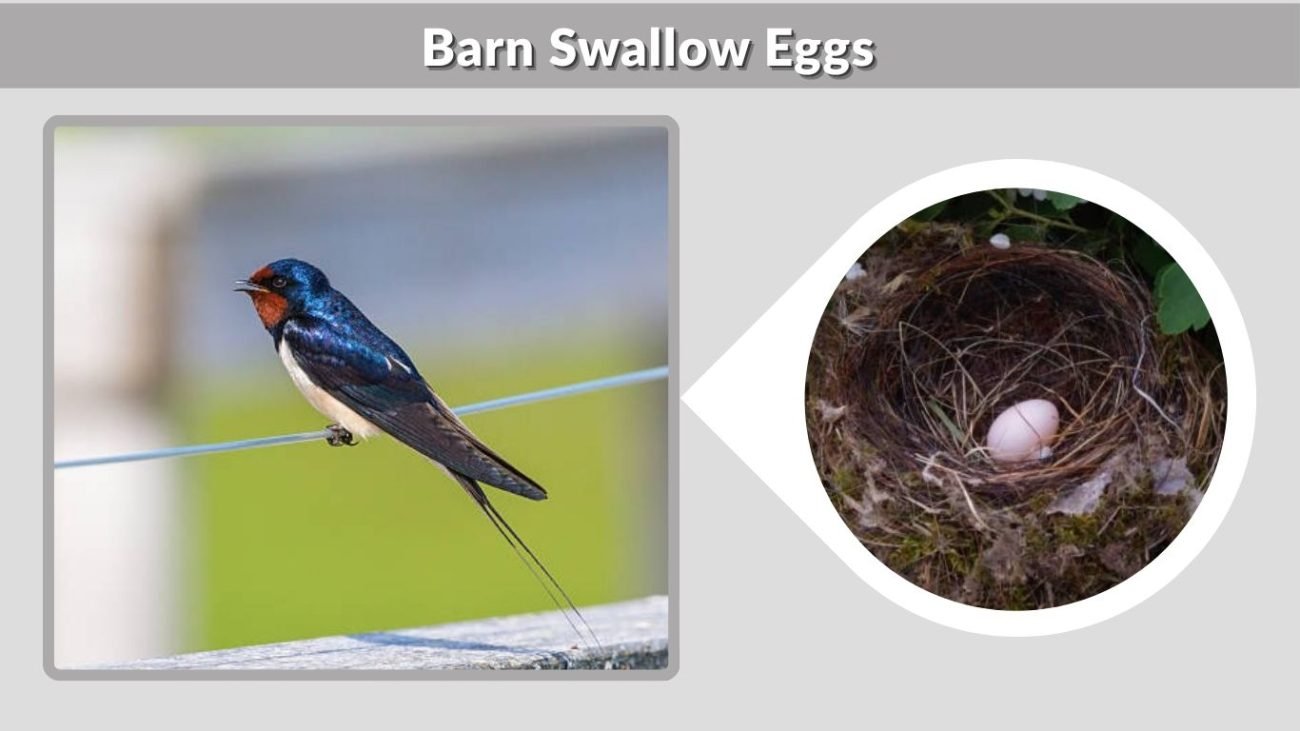
Egg Characteristics
Barn swallow eggs are small and delicate, with a distinct appearance:
- Color: White or pale pink with brown or reddish speckles
- Shape: Smooth and oval
These markings help camouflage the eggs within the nest.
Clutch Size
A typical clutch contains 3 to 7 eggs, depending on environmental conditions and food availability.
Incubation Process
- Incubation lasts about 13–15 days
- The female does most of the incubating
- The male helps by bringing food and guarding the nest
Once the eggs hatch, the chicks require constant care and feeding.
Barn Swallow Life Cycle
Egg Stage
The life cycle begins when eggs are laid and incubated. During this stage, warmth and protection are critical for successful hatching.
Hatchling Stage
Newly hatched chicks are:
- Blind
- Featherless
- Completely dependent on their parents
They rely entirely on frequent feeding for survival.
Nestling Stage
Within a few days:
- Feathers begin to grow
- Eyes open
- Activity increases
Both parents feed the chicks continuously with insects to support rapid growth.
Fledgling Stage
After about 18–23 days, the young birds leave the nest. At this stage:
- They can fly short distances
- Still depend on parents for food
- Gradually learn to hunt
Adult Stage
Soon after fledging:
- They become independent
- Develop full flying and hunting skills
- Reach breeding maturity by the next season
Barn Swallow Life Span: How Long Do They Live?
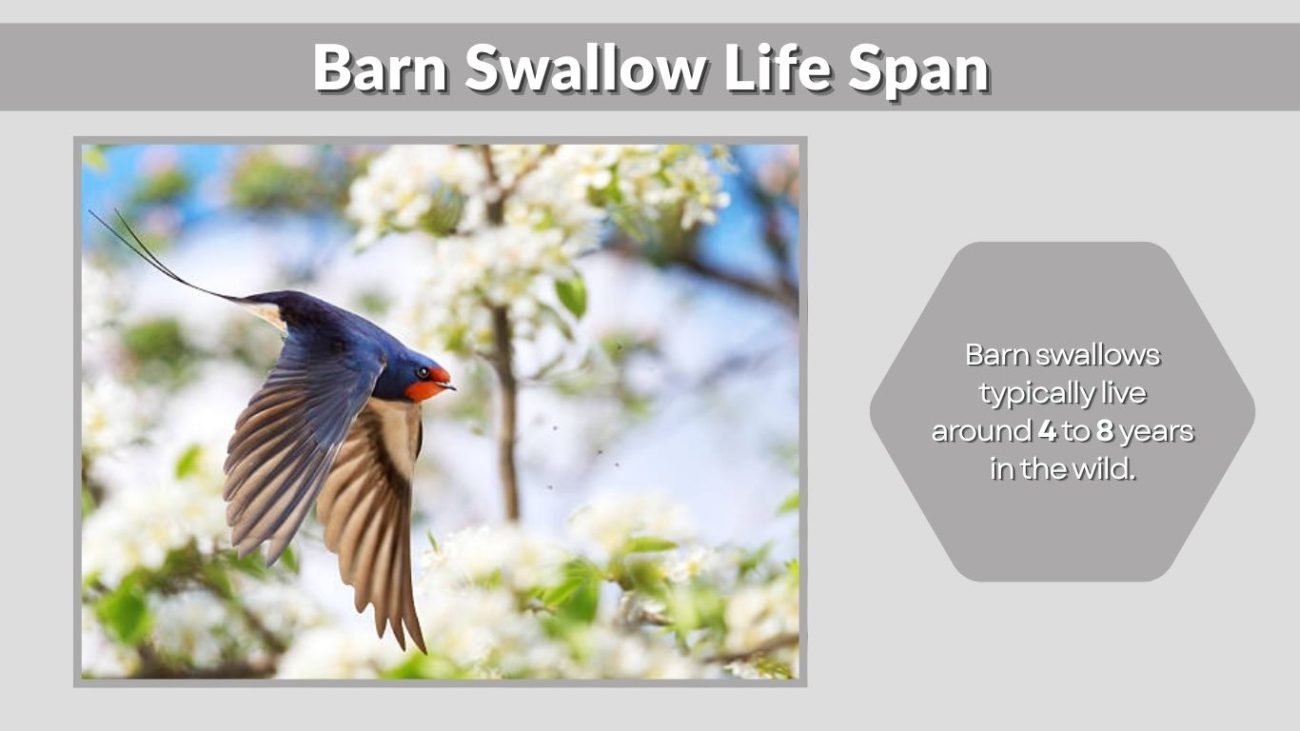
Barn swallows typically live around 4 to 8 years in the wild, although many face challenges early in life.
Factors Affecting Lifespan
- Predators: Hawks, snakes, and mammals
- Weather: Storms and extreme temperatures
- Migration risks: Long-distance travel hazards
- Food availability: Insect population changes
Birds that survive their first year often have a better chance of living longer.
Barn Swallow vs Tree Swallow
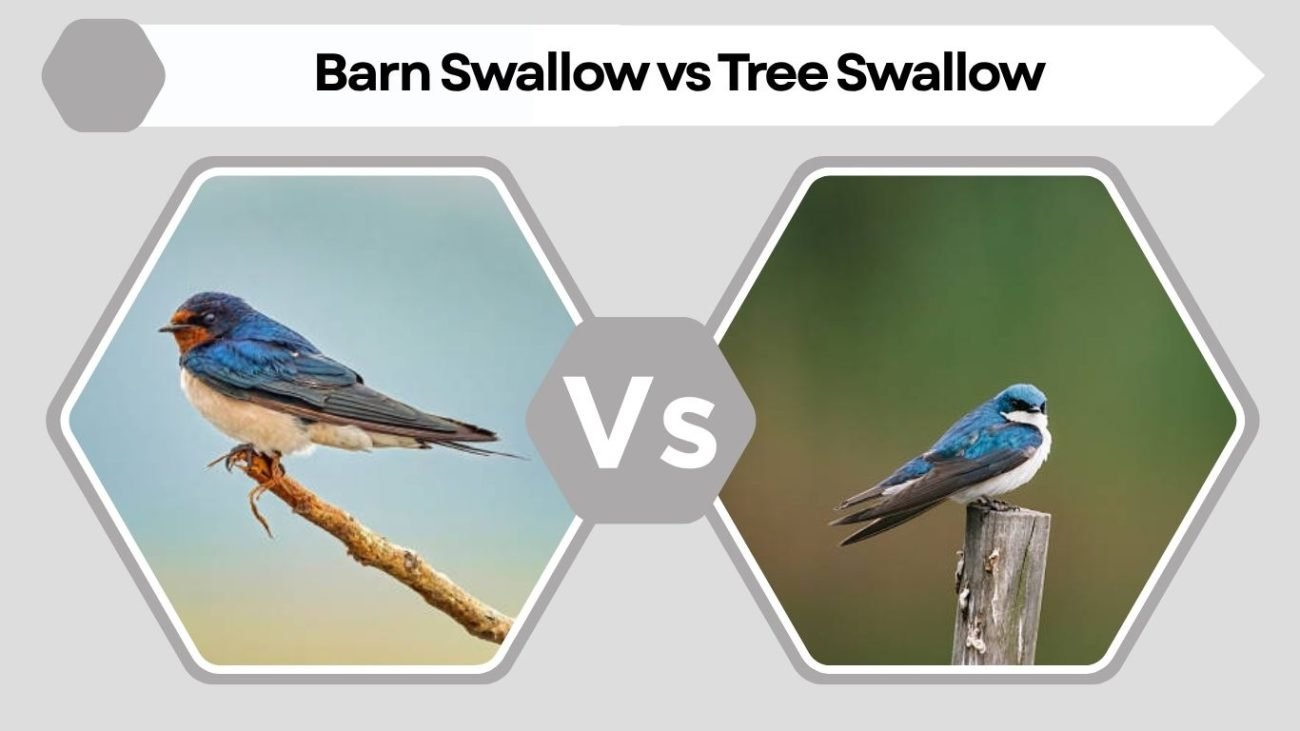
Key Differences in Appearance
- Barn Swallow: Deeply forked tail, reddish throat
- Tree Swallow: Shorter tail, white underside, glossy green-blue back
Habitat Differences
- Barn Swallow: Nests in human-made structures
- Tree Swallow: Prefers tree cavities near water
Behavior Comparison
- Barn swallows build mud nests
- Tree swallows rely on natural holes or nest boxes
- Both are aerial insect feeders but differ in nesting style
Interesting Barn Swallow Facts
- One of the most widespread bird species in the world
- Known for migrating thousands of kilometers annually
- Often seen as a symbol of good luck and seasonal change
- Highly skilled flyers with excellent navigation abilities
FAQs
Do barn swallows return to the same nest every year?
Yes, barn swallows often return to the same nesting site each year. They usually repair and reuse old nests instead of building new ones, which helps save time and energy during the breeding season.
Why do barn swallows build nests on buildings?
Barn swallows prefer buildings because they provide shelter from predators and harsh weather. Structures like barns, bridges, and house eaves offer safe and stable places for nesting.
How fast can barn swallows fly?
Barn swallows are very fast and agile flyers. They can reach speeds of around 30–40 km/h (18–25 mph) while catching insects in mid-air.
What attracts barn swallows to an area?
They are attracted to areas with:
- Open spaces for flying
- Plenty of insects
- Access to water
- Suitable nesting structures
Can barn swallows live near humans safely?
Yes, barn swallows commonly live near humans and are generally safe. They are beneficial birds because they help reduce insect populations and do not pose a threat to people.
Conclusion
The barn swallow is a remarkable bird known for its agility, adaptability, and close relationship with human environments. From its unique mud nests to its impressive migrations and insect-based diet, every aspect of its life highlights resilience and efficiency. Understanding the barn swallow not only deepens appreciation for this species but also emphasizes its importance in maintaining ecological balance.