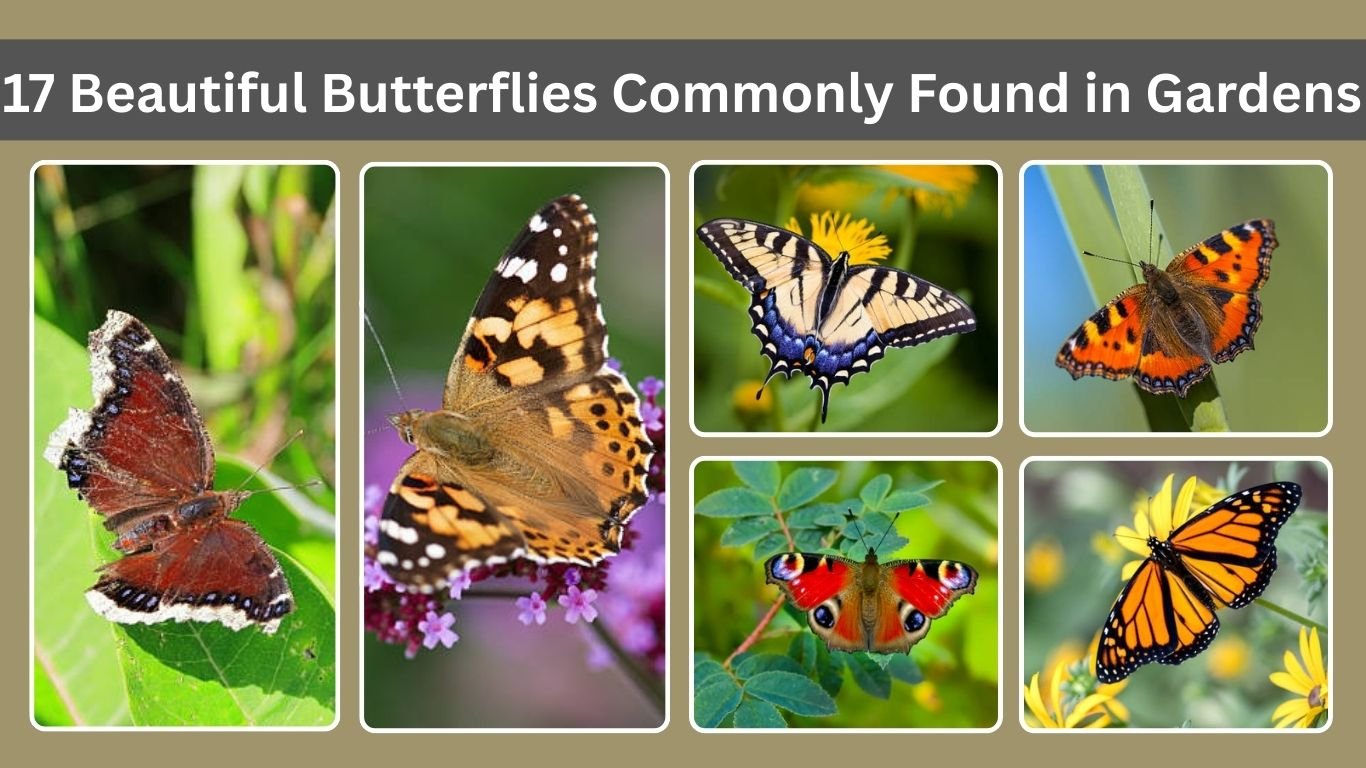
Butterflies are among the most enchanting creatures to visit a garden, bringing color, motion, and life with every flutter. From the bold monarch to the delicate cabbage white, each species has its own charm, markings, and habits. Below you’ll find 17 beautiful butterflies that are often spotted in gardens around the world, each adding its own unique touch of beauty and fascination.
1. Monarch Butterfly
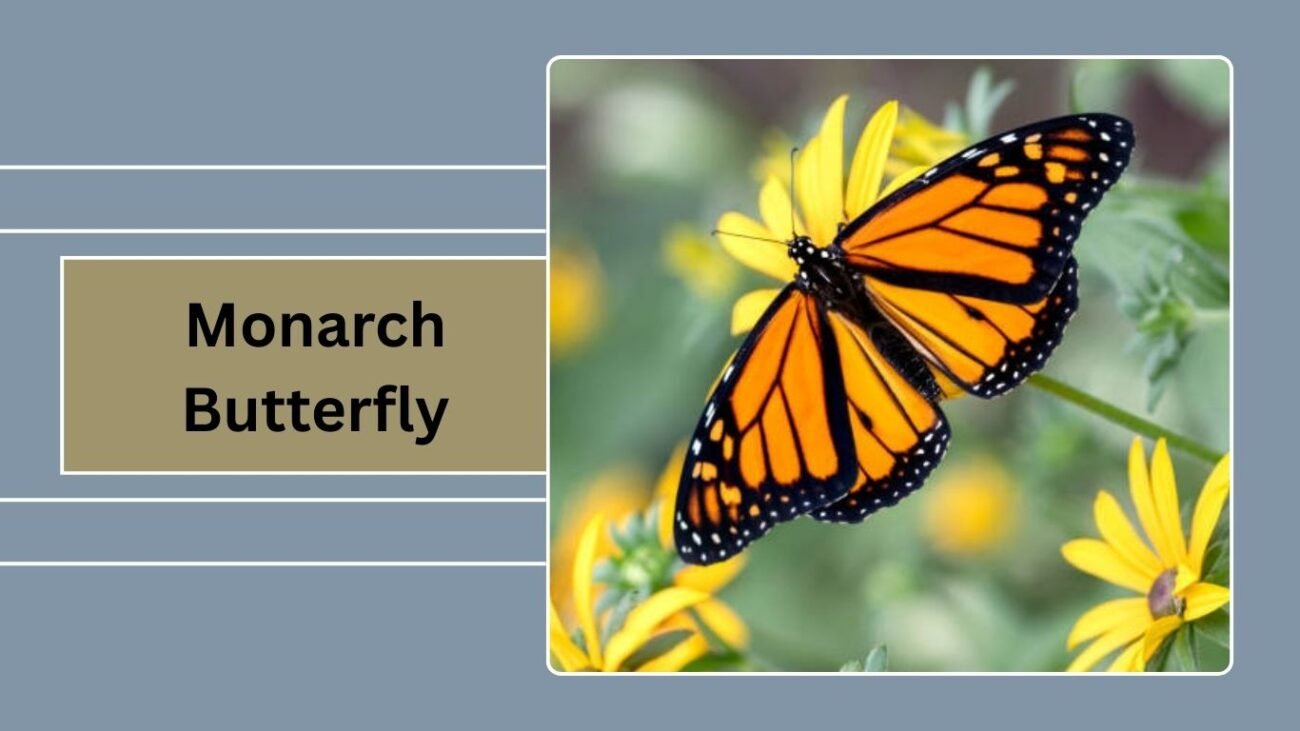
A garden favorite, the monarch is known for its bright orange wings, bold black veins, and epic migrations. It’s easy to spot on milkweed and other nectar plants, and its slow, gliding flight makes it highly visible to gardeners.
Identification
- Bright orange wings with thick black veins
- Black wing borders dotted with white spots
- Wingspan ~3.5–4 in (9–10 cm)
- Males have a black scent spot on each hindwing; females do not
- Caterpillars are banded yellow, black, and white on milkweed
Habitat
Open gardens, meadows, roadsides, and parks—especially where milkweed grows for breeding and abundant nectar plants are available.
Behavior & Life Cycle
Multiple generations per year; adults migrate long distances. Females lay eggs singly on milkweed; caterpillars pupate in green, gold-speckled chrysalises.
Diet (Nectar & Host Plants)
Adults nectar on zinnias, lantana, coneflower, verbena, and asters. Caterpillars feed exclusively on milkweed (Asclepias spp.).
Garden Tips
Plant native milkweed for larvae and continuous blooms for adults; avoid pesticides to protect eggs, caterpillars, and nectar sources.
2. Painted Lady
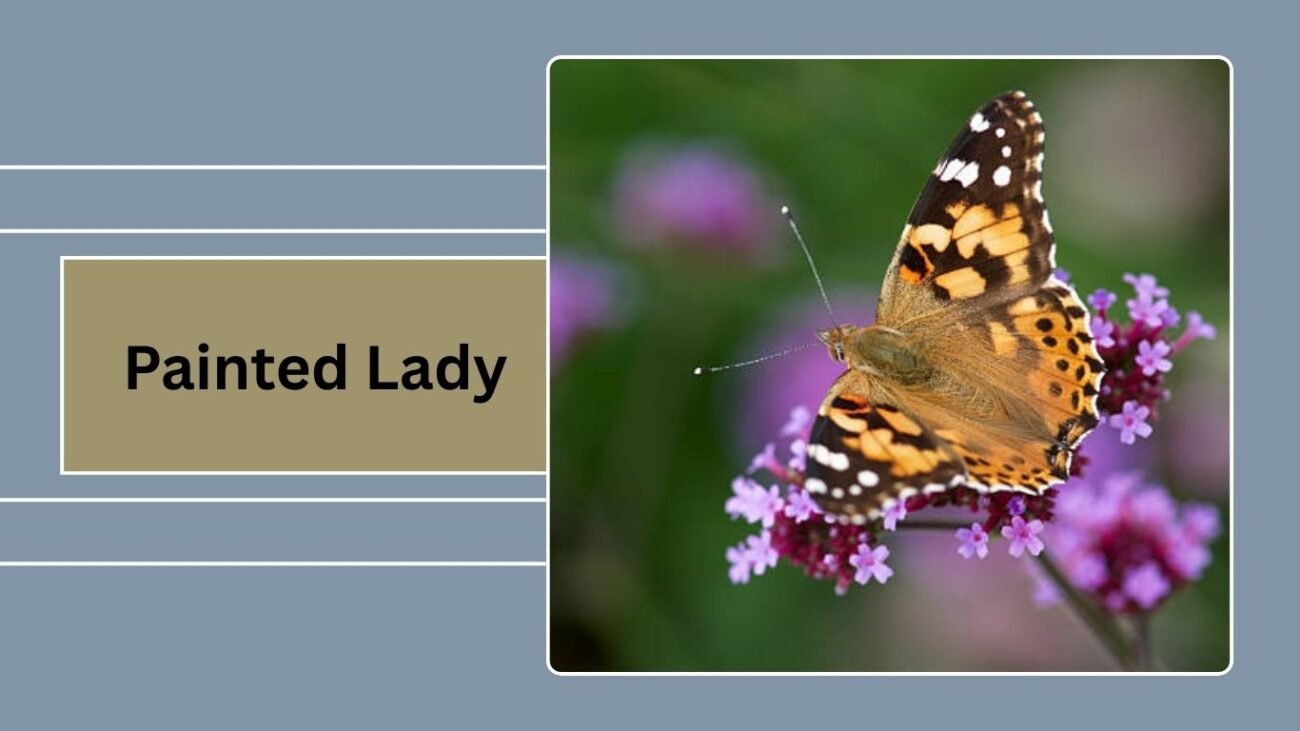
The painted lady is one of the most widespread butterflies in the world, often visiting gardens in large numbers during migration. Its mottled orange, black, and white wings make it a colorful and active guest in flower beds.
Identification
- Orange wings with black and white spots near the tips
- Underside has intricate brown, gray, and white patterns
- Four small eyespots on hindwings
- Wingspan ~2–2.9 in (5–7.5 cm)
Habitat
Gardens, meadows, roadsides, and open fields with plenty of flowering plants.
Behavior & Life Cycle
Highly migratory; lays eggs on thistle and related plants. Caterpillars form silk shelters on host leaves. Adults are fast flyers and frequently visit flowers.
Diet (Nectar & Host Plants)
Adults feed on asters, cosmos, zinnias, and sunflowers. Caterpillars eat thistles, hollyhocks, and mallows.
Garden Tips
Provide nectar-rich flowers and allow a few thistles or mallows to grow for caterpillar hosts.
3. Common Buckeye
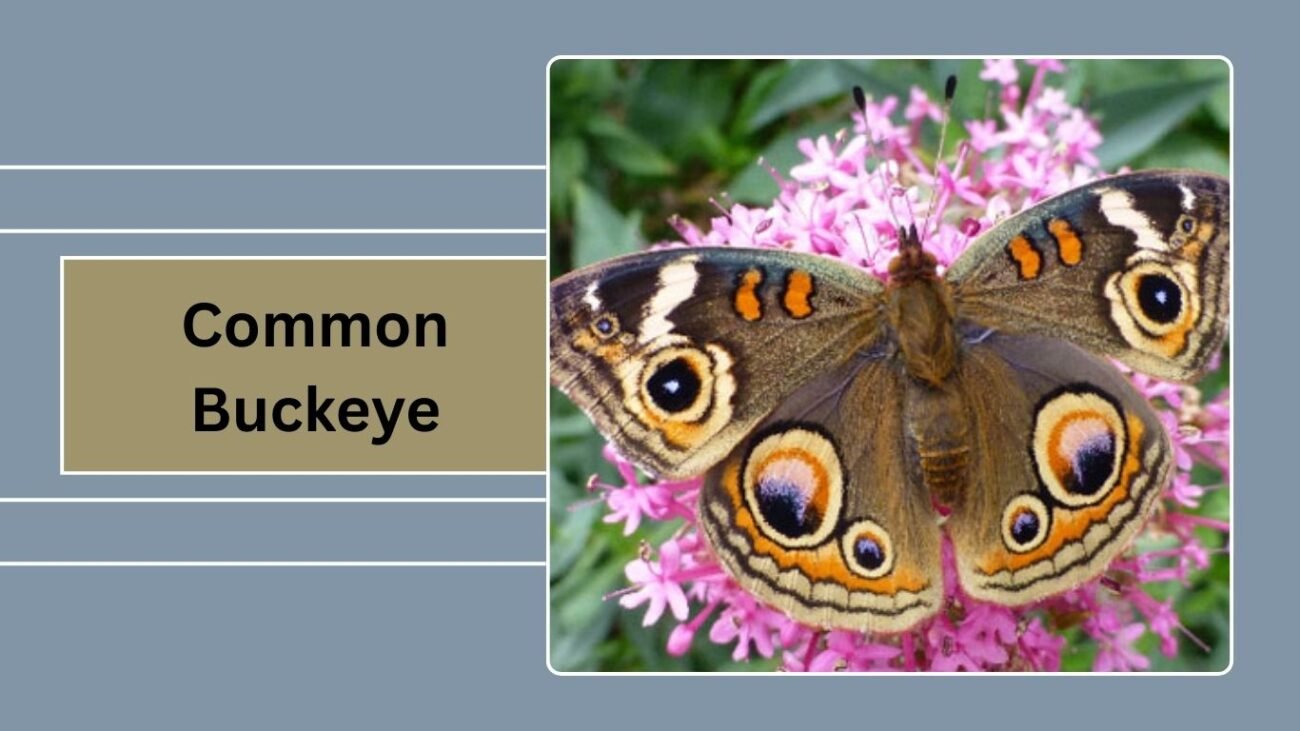
Known for its striking eyespots, the common buckeye is easy to recognize in gardens. Its wings are a warm brown with bold orange bands, making it both attractive and protective from predators.
Identification
- Brown wings with orange bars and bold black-rimmed eyespots
- Forewings show two large orange bars
- Underside is muted brown with small eyespots
- Wingspan ~2–2.5 in (5–6.5 cm)
Habitat
Prefers sunny open areas such as gardens, roadsides, and grassy fields.
Behavior & Life Cycle
Territorial and active, often basking with wings open. Eggs laid on host plants like plantain and snapdragons.
Diet (Nectar & Host Plants)
Adults nectar on lantana, verbena, and asters. Caterpillars feed on plantain, toadflax, and snapdragons.
Garden Tips
Grow lantana, verbena, and snapdragons to attract and sustain buckeye populations.
4. Swallowtail Butterfly
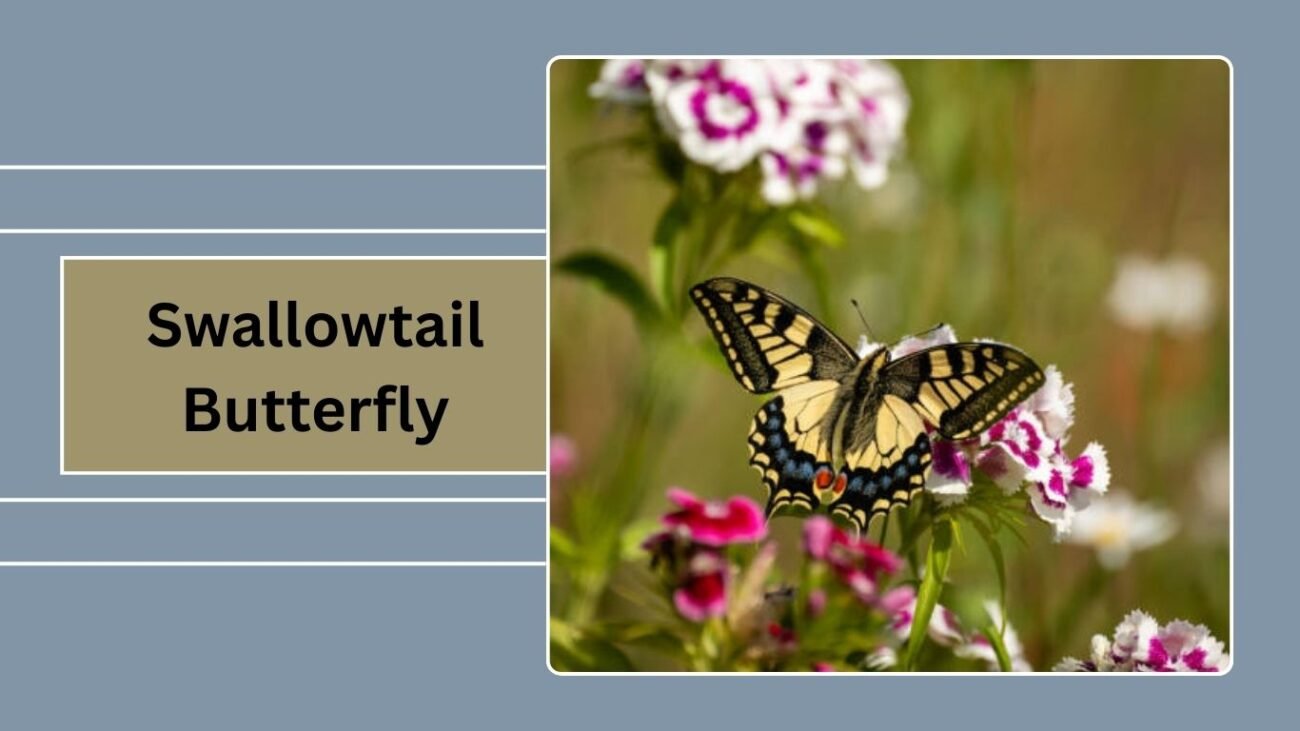
Swallowtails are large and graceful butterflies known for their tail-like extensions on hindwings. Their vivid colors and elegant flight make them one of the most admired garden visitors.
Identification
- Wingspan 3–5 in (7.5–13 cm)
- Hindwings with elongated tails
- Bold stripes or spots across wings
- Colors vary: yellow, black, blue, or green
Their striking appearance makes them easy to spot even from a distance.
Habitat
Swallowtails live in open gardens, meadows, woodlands, and sunny areas. They prefer regions with plentiful nectar flowers and sheltering trees. These butterflies thrive in environments where their host plants grow.
Behavior & Life Cycle
Females lay single eggs on host plants. Caterpillars often mimic bird droppings or snakes for protection. Adults are powerful fliers and actively visit flowers during warm daylight hours.
Diet (Nectar & Host Plants)
Adults nectar on butterfly bush, lilac, and phlox. Caterpillars eat parsley, fennel, dill, and citrus. Their diet supports both vibrant adults and fast-growing larvae.
5. Red Admiral
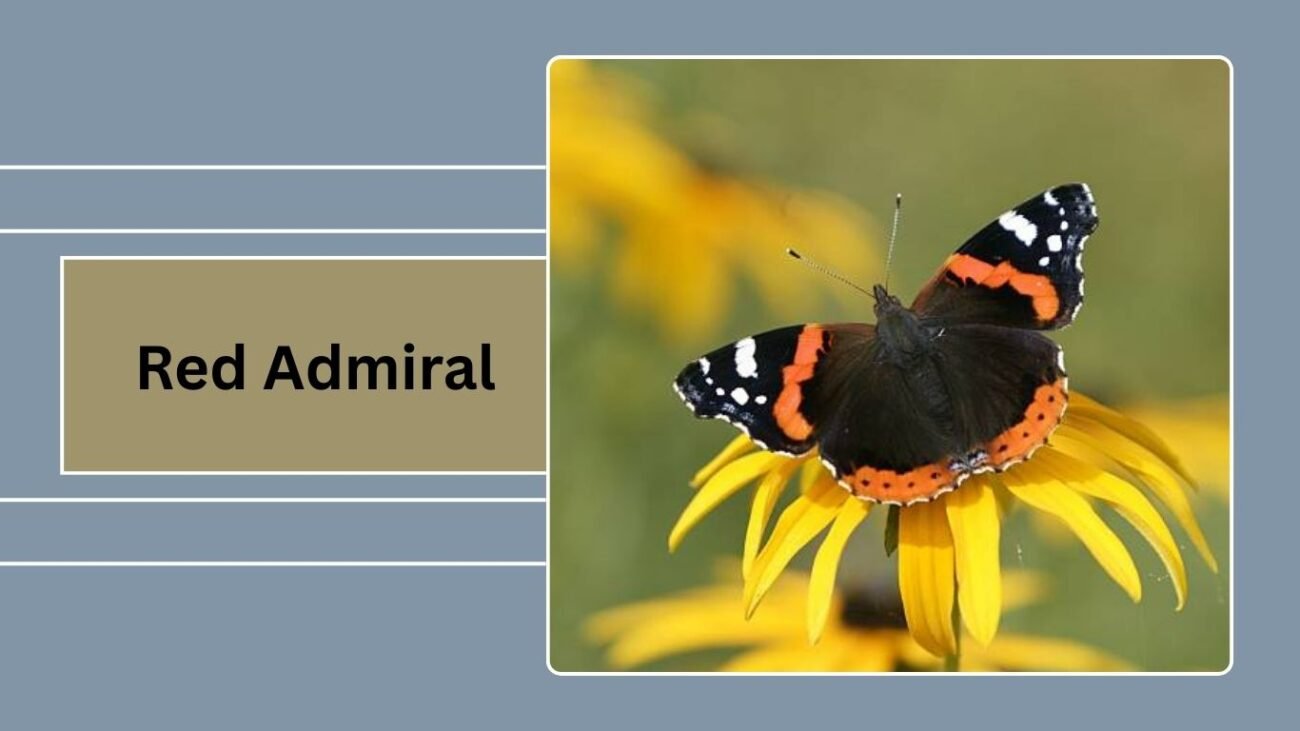
The red admiral is a beautiful butterfly with dark wings decorated by bold orange-red bands. Its gentle and curious behavior often brings it close to people in gardens.
Identification
- Wingspan 1.8–3 in (4.5–7.5 cm)
- Dark brown or black wings
- Bright orange-red diagonal forewing bands
- White wingtip spots
Its contrasting colors make it unmistakable among garden butterflies.
Habitat
This butterfly thrives in gardens, woodland edges, and sunny parks. It favors places rich in flowers and nettles, which provide both adult food and host plants for caterpillars.
Behavior & Life Cycle
Fast and agile, red admirals are territorial and defensive. Caterpillars feed inside silk tents on nettles. Adults migrate long distances, bask in sunlight, and are frequently seen on walls.
Diet (Nectar & Host Plants)
Adults feed on goldenrod, asters, and fermenting fruit. They also sip tree sap. Caterpillars mainly rely on stinging nettles, making these plants crucial for their survival and reproduction.
6. Gulf Fritillary
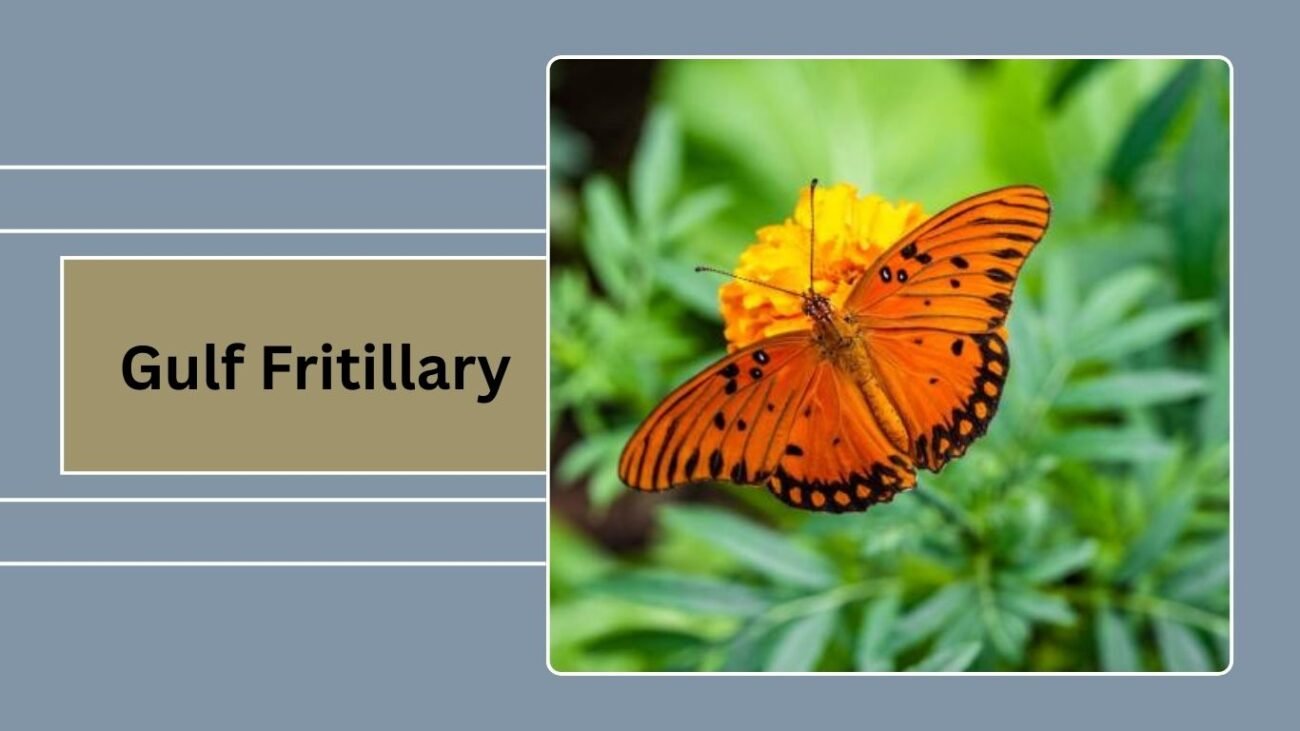
The gulf fritillary is a bright orange butterfly with striking black spots, well known for fluttering through gardens and laying eggs on passionflower vines.
Identification
- Wingspan 2.5–3.7 in (6–9.5 cm)
- Upperwings orange with black spots
- Underside silver-white spots
- Long, narrow wings
Its shining underwing makes it stand out in sunlight.
Habitat
Gulf fritillaries thrive in gardens, fields, and open areas where passionflowers grow. They prefer warm climates and are often found in the southern United States and tropical regions.
Behavior & Life Cycle
Females lay eggs singly on passionflower leaves. Caterpillars are bright orange with black spines. Adults are active fliers, often seen darting quickly among colorful nectar plants.
Diet (Nectar & Host Plants)
Adults nectar on lantana, zinnias, and verbena. Caterpillars exclusively feed on passionflower leaves, which provide essential nutrition and protection from predators due to toxic plant chemicals.
7. Cabbage White
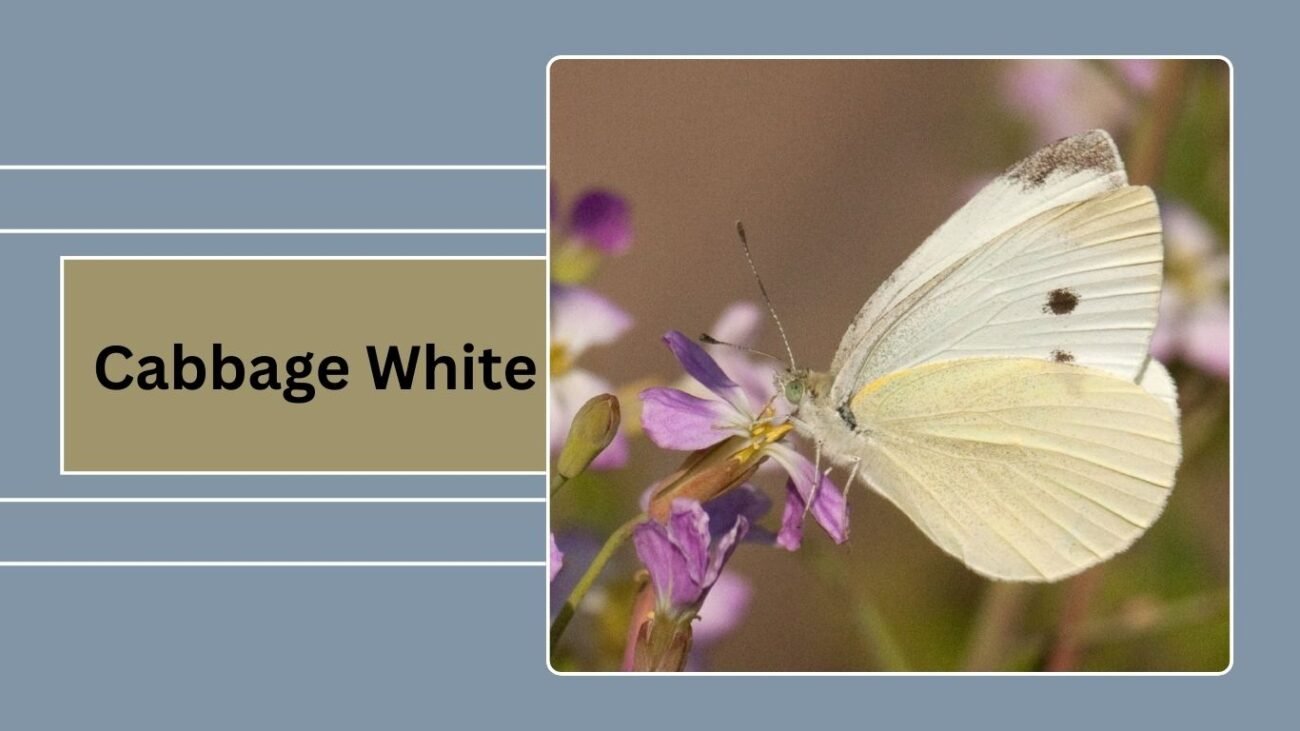
The cabbage white is one of the most common butterflies in gardens, recognized by its plain white wings with small dark spots and its habit of fluttering near vegetables.
Identification
- Wingspan 1.5–2 in (4–5 cm)
- White wings with one or two black spots
- Females have two spots, males only one
- Underside pale yellowish-green
It blends easily while resting on leaves.
Habitat
These butterflies are found in gardens, farmlands, parks, and open spaces. They especially thrive where cruciferous vegetables like cabbage, broccoli, and kale are grown in abundance.
Behavior & Life Cycle
Cabbage whites are fast and restless fliers. Females lay eggs on cabbage family plants. Caterpillars are green and camouflaged, often causing significant damage to garden crops.
Diet (Nectar & Host Plants)
Adults feed on dandelion, clover, and asters. Caterpillars feed on cabbage, kale, broccoli, and other cruciferous plants, making them both admired and disliked by gardeners.
8. Blue Morpho
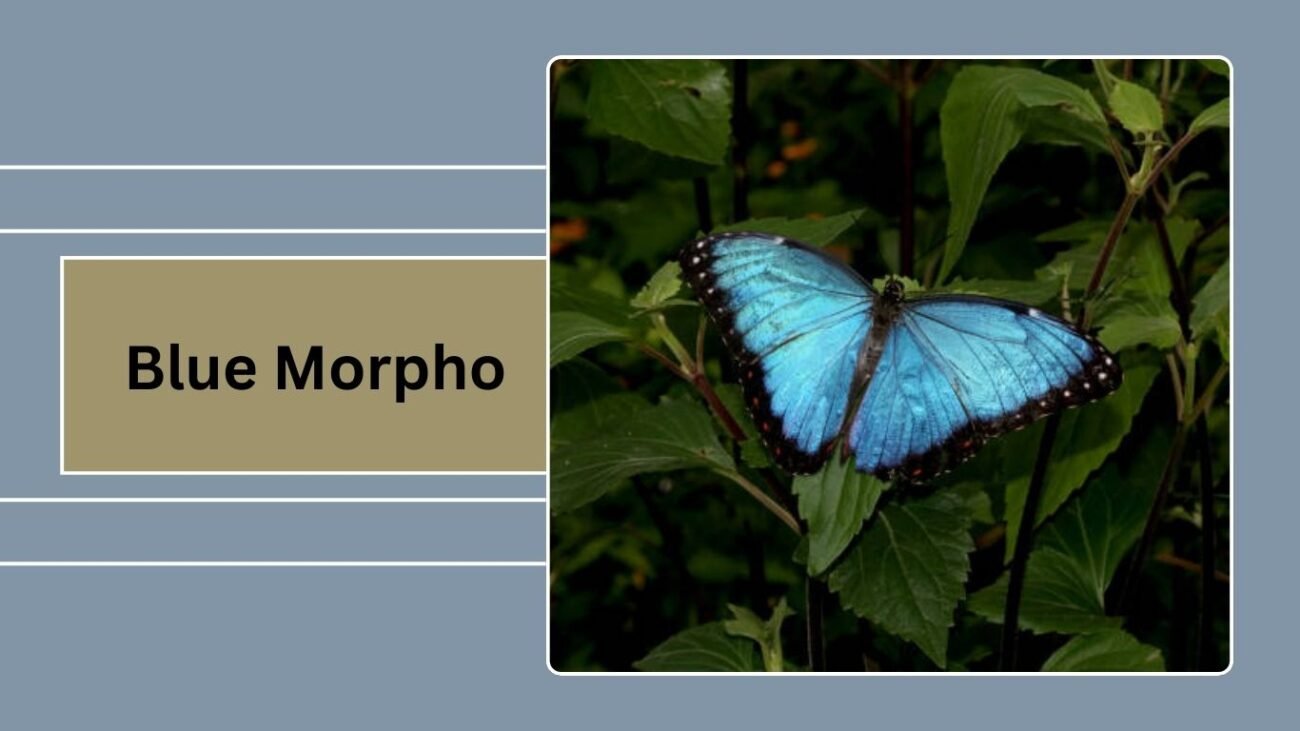
The blue morpho is among the most dazzling butterflies, admired for its iridescent blue wings. When it flies, the vibrant flashes of color capture attention instantly.
Identification
- Wingspan 5–6 in (12–15 cm)
- Upperwings shimmering metallic blue
- Underside brown with eye-like spots
- Large and broad wings
Its brilliant blue color is due to microscopic wing scales.
Habitat
Found in tropical forests and gardens, especially in Central and South America. It prefers moist, shaded areas but visits sunny spots for feeding.
Behavior & Life Cycle
Blue morphos glide slowly with wings flashing blue and brown. Caterpillars are reddish-brown with spines. Adults are territorial and often rest with wings closed for camouflage.
Diet (Nectar & Host Plants)
Adults feed on rotting fruit, fungi, and tree sap. Caterpillars feed on legume plants, particularly those in the pea family, which provide necessary nutrition for growth.
9. Zebra Longwing
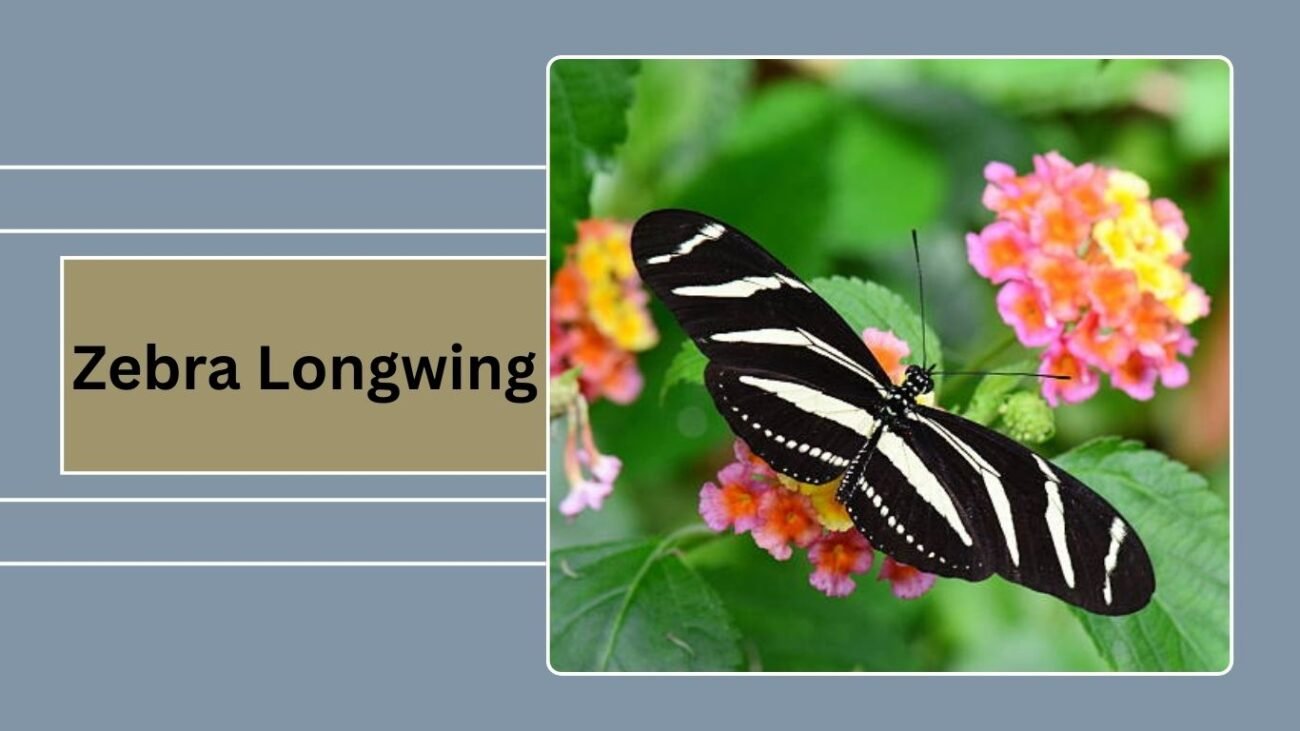
The zebra longwing is easily identified by its black wings with yellow stripes. It is the state butterfly of Florida and known for its graceful, slow flight.
Identification
- Wingspan 2.7–4 in (7–10 cm)
- Long, narrow black wings with yellow stripes
- Antennae tipped with yellow
- Slender body
Its pattern resembles zebra stripes, offering unique camouflage.
Habitat
Common in subtropical gardens, hammocks, and open woodlands. Prefers warm climates and is found throughout Florida, Central America, and parts of South America.
Behavior & Life Cycle
Unusually social, zebra longwings roost communally at night. Caterpillars are white with black spines. Adults live longer than most butterflies, sometimes up to six months.
Diet (Nectar & Host Plants)
Adults nectar on lantana, shepherd’s needle, and passionflower. They also feed on pollen, which provides extra protein and extends their lifespan. Caterpillars eat passionflower leaves.
10. Peacock Butterfly
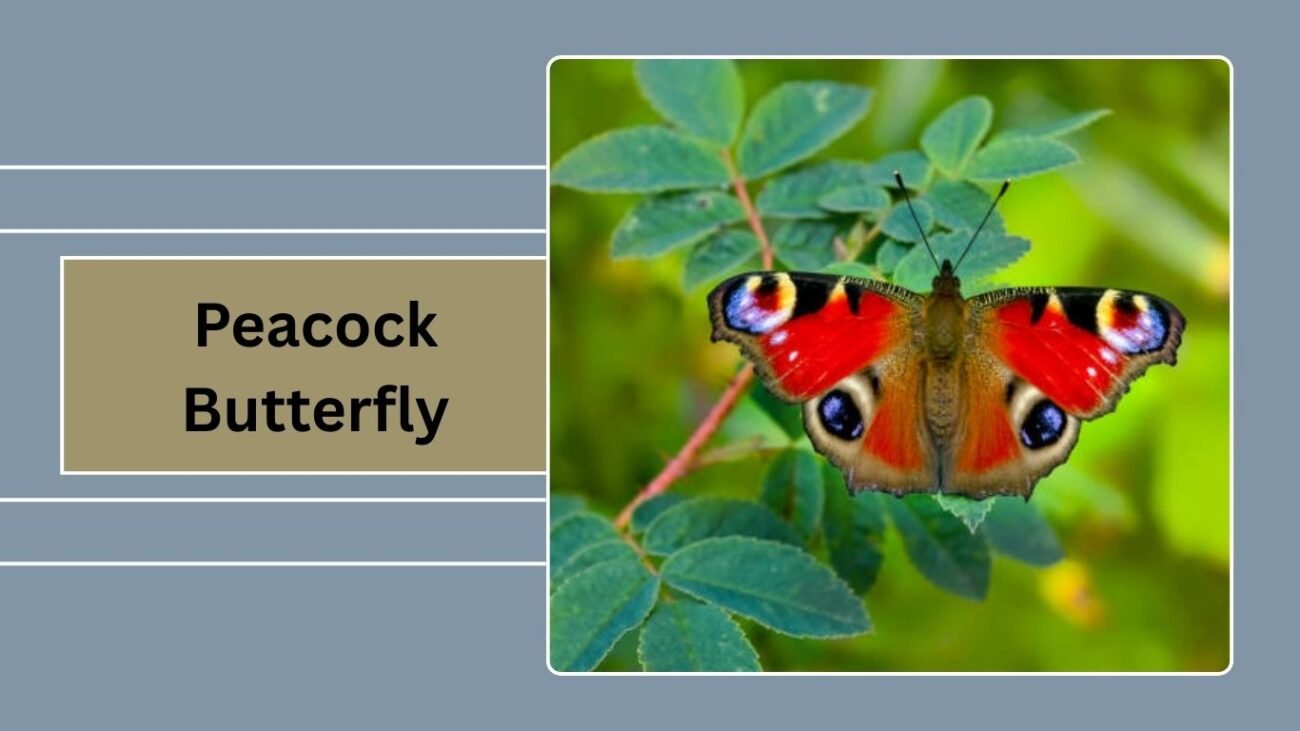
The peacock butterfly is a striking species with bold, eye-like markings on its wings. Its colorful display serves as protection, startling predators when threatened.
Identification
- Wingspan 2–2.5 in (5–6.5 cm)
- Reddish wings with large blue and yellow eyespots
- Dark brown body
- Underside is mottled dark brown
The vivid eyespots are its signature defense.
Habitat
Prefers gardens, meadows, and woodland edges with plenty of nectar plants. It is widely found across Europe and parts of Asia, often visiting sunny flower beds.
Behavior & Life Cycle
Peacock butterflies hibernate during winter in sheds or hollow trees. Caterpillars are spiny and black, feeding in groups. Adults bask with wings open on warm surfaces.
Diet (Nectar & Host Plants)
Adults nectar on buddleia, dandelion, and thistle. Caterpillars feed mainly on stinging nettles, which provide both nutrition and protection from predators.
11. Clouded Sulphur
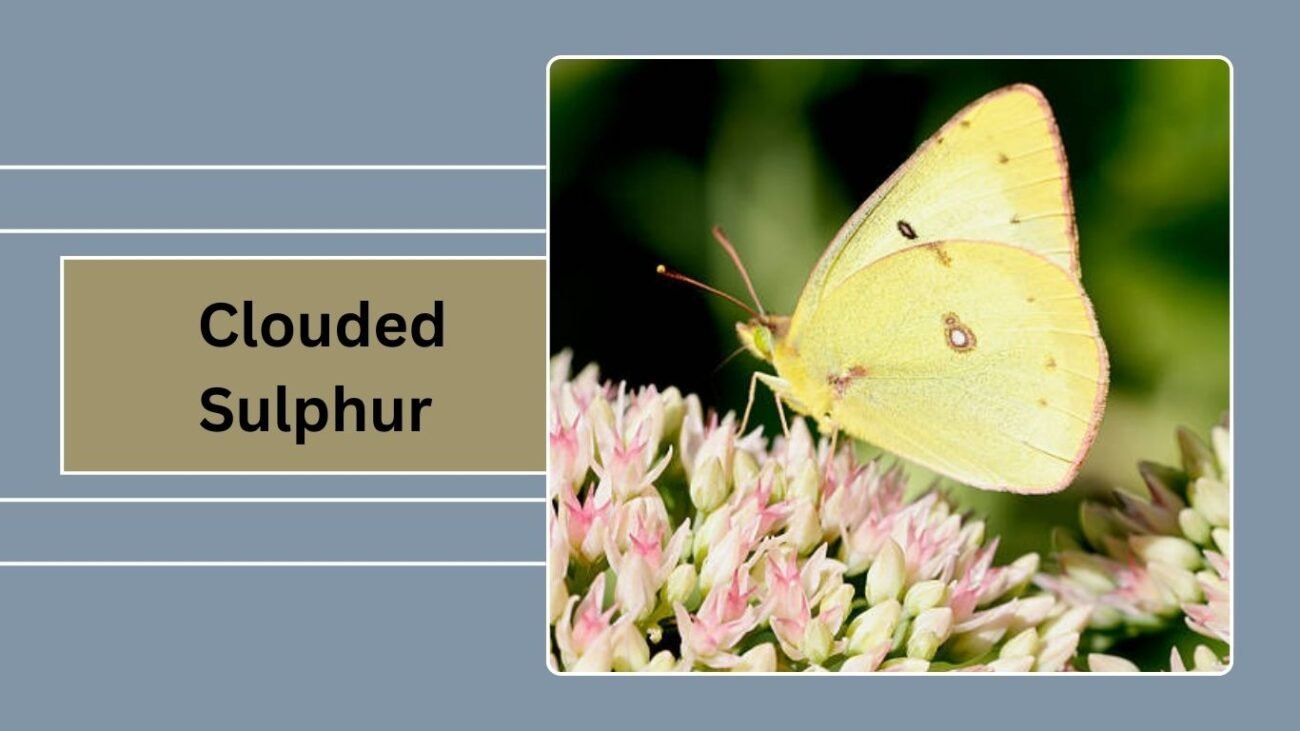
The clouded sulphur is a common butterfly with bright yellow wings, often seen fluttering in open fields and gardens during sunny days.
Identification
- Wingspan 1.5–2.7 in (4–7 cm)
- Bright yellow wings edged with black
- Small dark spot on forewings
- Underside paler with faint markings
Its yellow glow is visible from afar.
Habitat
Found in open fields, gardens, and along roadsides. It thrives in sunny areas where clovers and alfalfa grow, often appearing in large numbers.
Behavior & Life Cycle
Clouded sulphurs are active fliers, often resting with wings closed. Females lay eggs on clover. Caterpillars are green with a pale stripe along the sides.
Diet (Nectar & Host Plants)
Adults feed on clover, milkweed, and asters. Caterpillars primarily eat clover and alfalfa, making these plants vital for their survival and reproduction.
12. Question Mark Butterfly
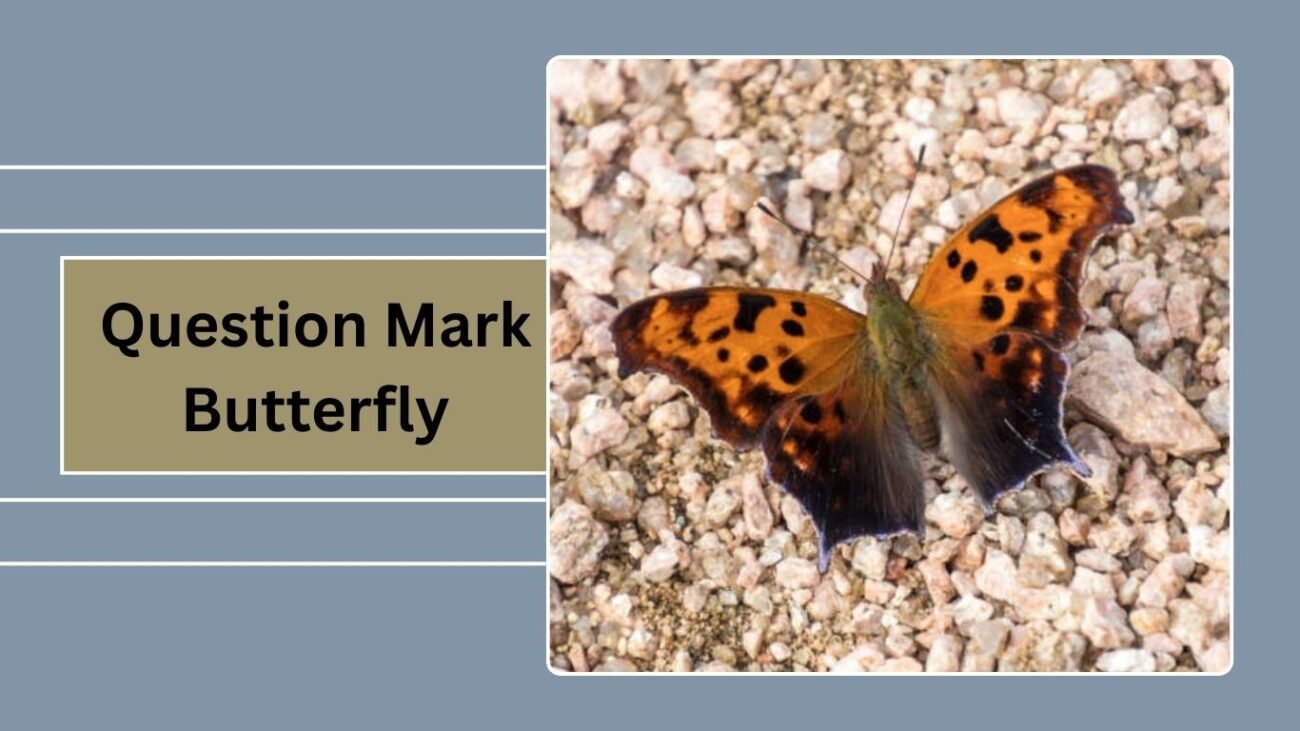
The question mark butterfly is named for the tiny silver mark on the underside of its hindwing, which resembles a question mark. Its jagged wings aid in camouflage.
Identification
- Wingspan 2.5–3 in (6–7.5 cm)
- Orange wings with black spots
- Jagged edges on wings
- Underside brown with silver “?” mark
This unique marking makes it easily recognized.
Habitat
Lives in gardens, parks, woodland edges, and orchards. It prefers areas with trees and open sunny patches, often perching on logs, fences, or low branches.
Behavior & Life Cycle
Adults hibernate in sheltered places during winter. Caterpillars feed on elm and nettle leaves. Adults are strong fliers, often basking on tree trunks or feeding on sap.
Diet (Nectar & Host Plants)
Adults feed on rotting fruit, tree sap, and occasionally flowers. Caterpillars eat hackberry, elm, and nettles, relying on these trees for growth and development.
13. Viceroy Butterfly
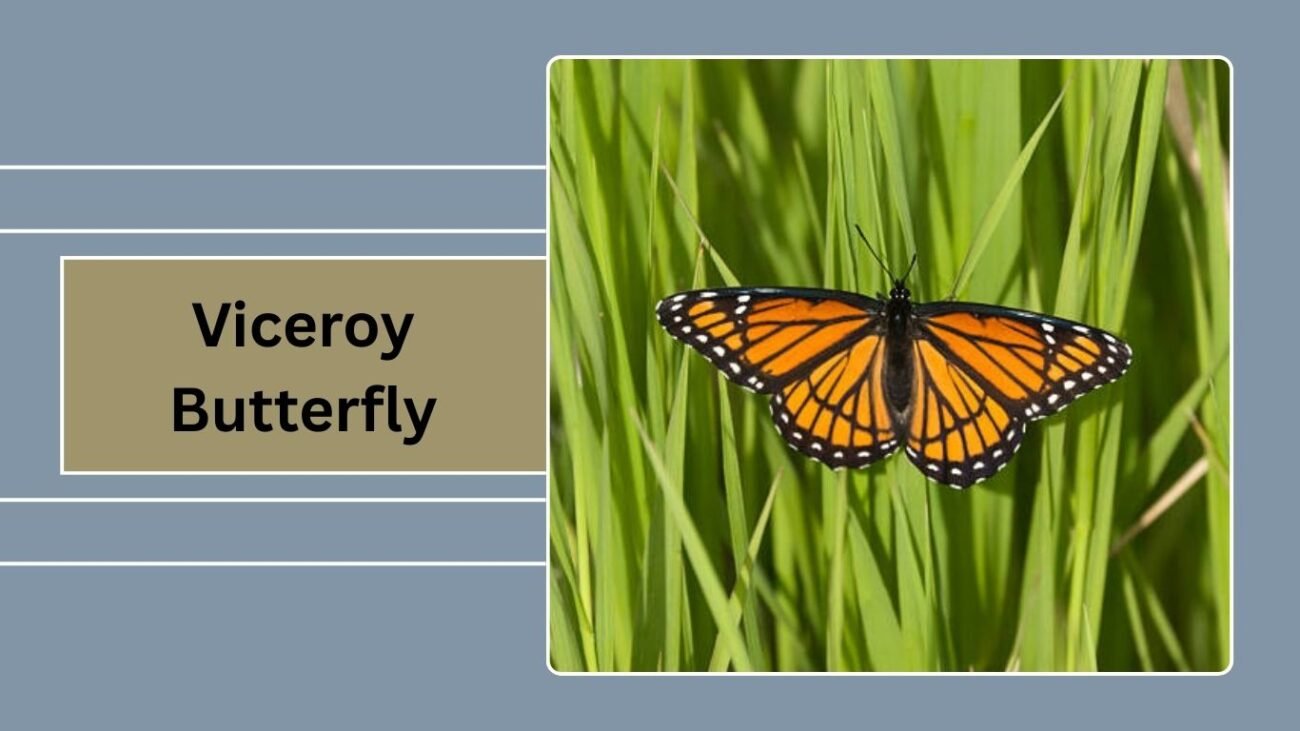
The viceroy butterfly is famous for mimicking the monarch’s appearance, a strategy that helps protect it from predators that avoid toxic monarchs.
Identification
- Wingspan 2.5–3 in (6–7.5 cm)
- Orange wings with black veins
- Black border dotted with white spots
- Black line across hindwings
This hindwing line distinguishes it from monarchs.
Habitat
Found in gardens, wetlands, and meadows near willow, poplar, or cottonwood trees. Prefers sunny areas with abundant nectar flowers and nearby host plants for caterpillars.
Behavior & Life Cycle
Females lay eggs singly on willow and poplar leaves. Caterpillars resemble bird droppings for camouflage. Adults are agile fliers, gliding and flapping in quick motions.
Diet (Nectar & Host Plants)
Adults nectar on goldenrod, asters, and thistles. Caterpillars feed on willow, cottonwood, and poplar, relying on these trees as their main host plants.
14. Small Tortoiseshell
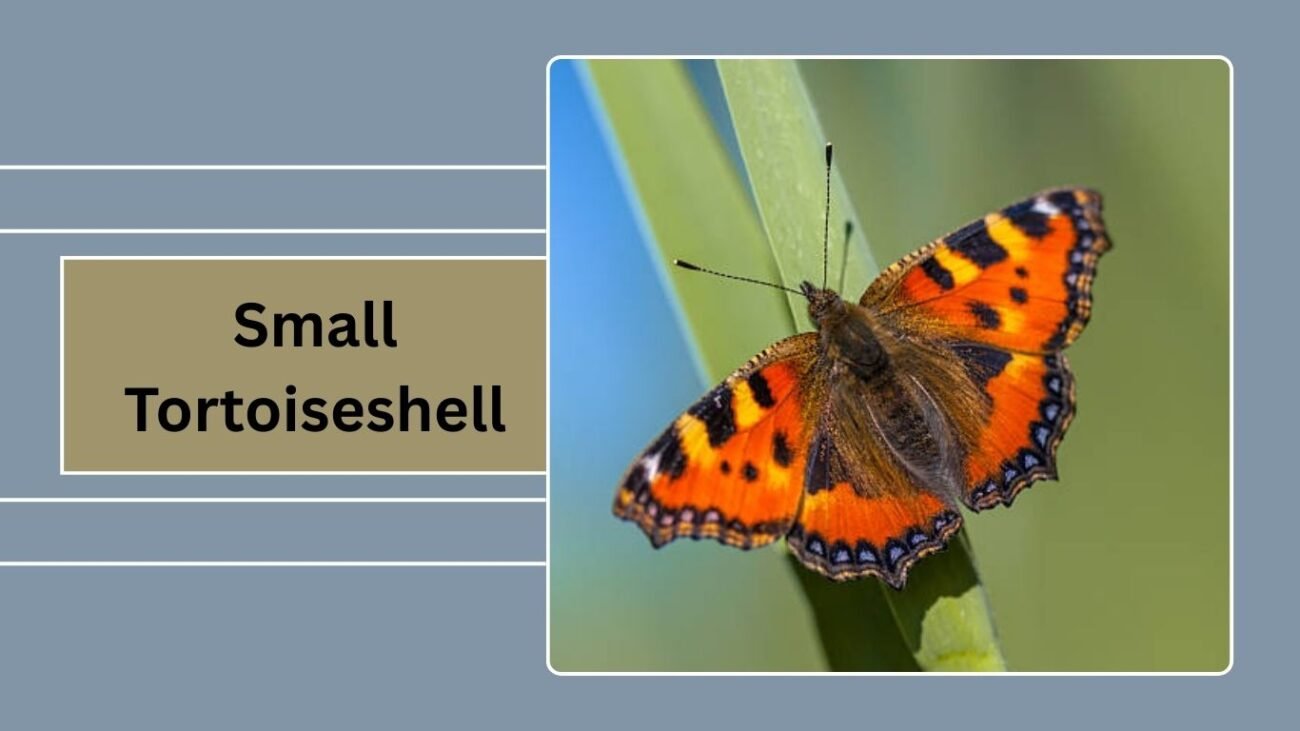
The small tortoiseshell is a bright and lively butterfly, admired for its bold orange and black pattern highlighted with blue spots. It is a common visitor in gardens across Europe.
Identification
- Wingspan 1.7–2.5 in (4.5–6.5 cm)
- Orange wings with black patches
- Blue crescent spots along wing edges
- Dark brown body
The vivid contrast makes it easy to spot.
Habitat
Thrives in gardens, meadows, and hedgerows. Often found in temperate regions of Europe and Asia where flowers and nettle patches are abundant.
Behavior & Life Cycle
Adults hibernate in houses, sheds, and hollow trees during winter. Caterpillars are dark with spines, feeding communally on stinging nettles in large, clustered groups.
Diet (Nectar & Host Plants)
Adults feed on buddleia, thistles, and dandelions. Caterpillars eat stinging nettles, which are essential for their survival and development.
15. Mourning Cloak
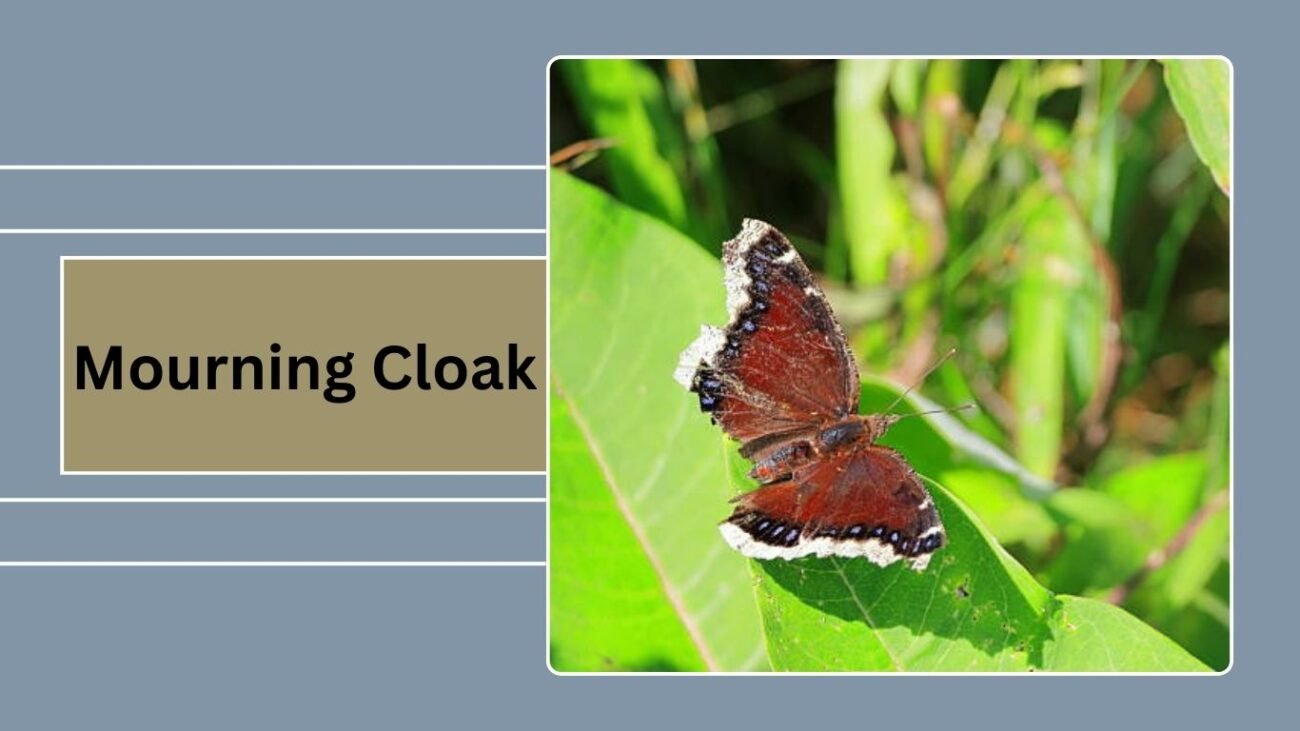
The mourning cloak is a unique butterfly with deep maroon wings bordered by pale edges. Its understated beauty contrasts with the vibrant butterflies more commonly seen in gardens.
Identification
- Wingspan 3–4 in (7.5–10 cm)
- Dark maroon wings with creamy yellow borders
- Row of blue spots inside the border
- Underside dark brown and mottled
Its elegant coloring provides excellent camouflage.
Habitat
Found in gardens, woodlands, and parks across North America, Europe, and Asia. Prefers areas with trees and abundant flowers for nectar and roosting.
Behavior & Life Cycle
One of the longest-living butterflies, adults can survive nearly a year. They hibernate in tree crevices or sheds. Caterpillars are black with red spots and spines.
Diet (Nectar & Host Plants)
Adults feed on tree sap, rotting fruit, and occasionally flowers. Caterpillars feed on willow, elm, hackberry, and poplar leaves.
16. Great Spangled Fritillary
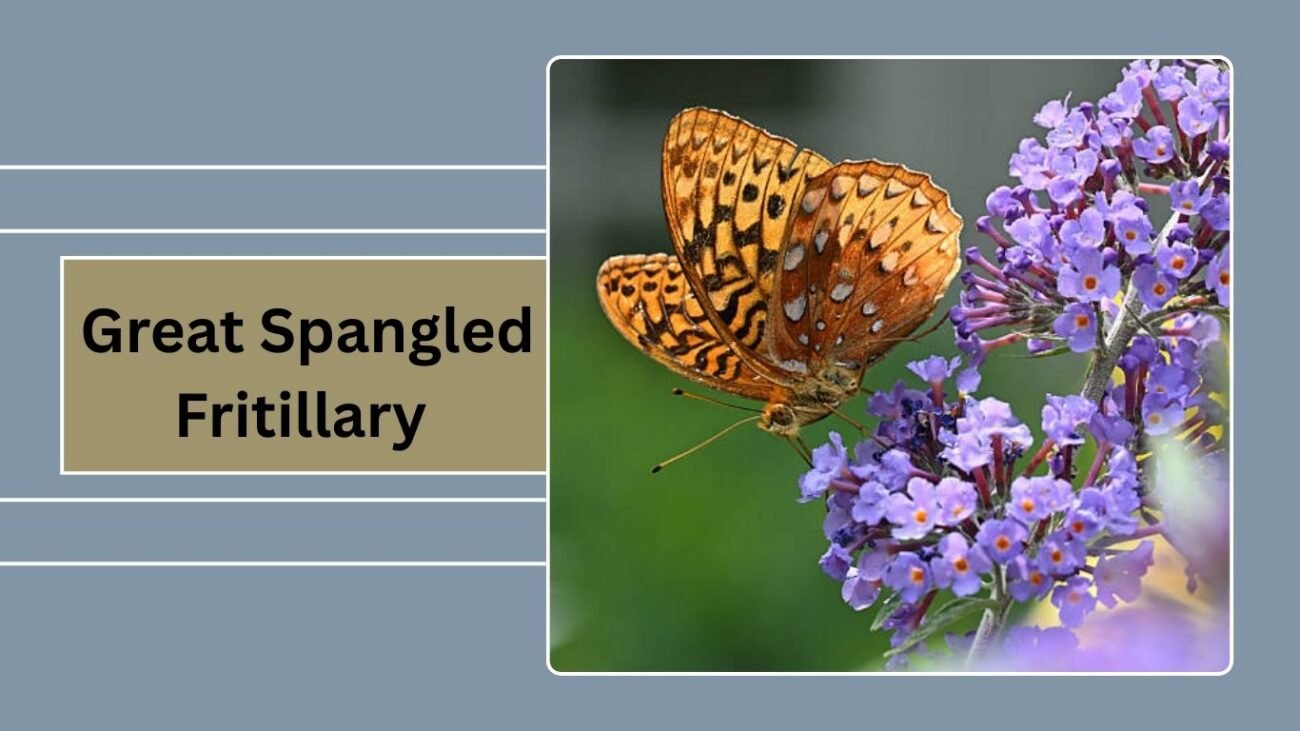
The great spangled fritillary is a large, graceful butterfly with orange wings patterned by black markings. Its shimmering beauty and widespread presence make it a highlight of summer gardens.
Identification
- Wingspan 2.5–4 in (6.5–10 cm)
- Orange wings with black spots and lines
- Underside pale brown with silver spots
- Females usually darker than males
Its silver-spotted underside is a key feature.
Habitat
Found in gardens, meadows, fields, and woodland clearings. They are especially common in North America, preferring areas where violets, their host plants, are abundant.
Behavior & Life Cycle
Females lay eggs near violets in late summer. Caterpillars hatch but overwinter without feeding. They begin eating violet leaves the following spring before pupating into adults.
Diet (Nectar & Host Plants)
Adults nectar on milkweed, coneflower, and thistles. Caterpillars feed exclusively on violet leaves, making these plants critical for their development.
17. Tiger Swallowtail
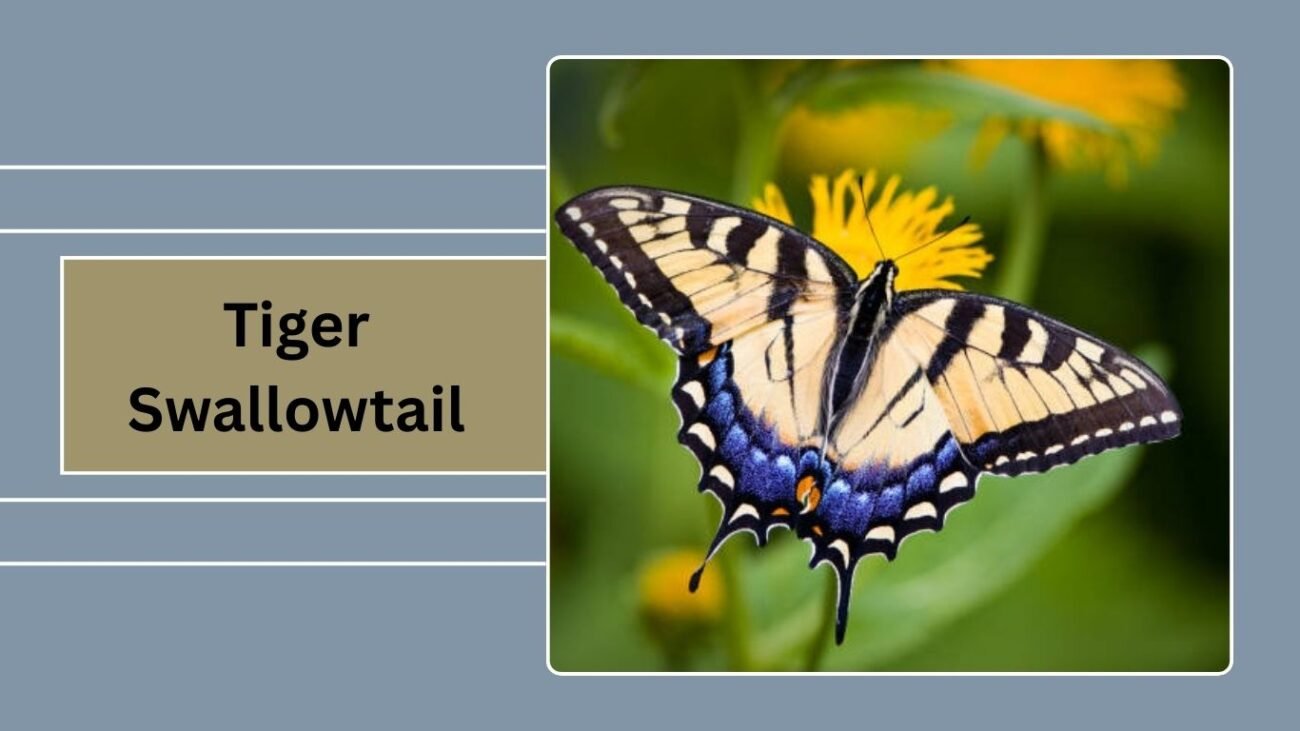
The tiger swallowtail is one of the most recognizable butterflies, named for its yellow wings striped with bold black lines. It is admired for its size and beauty.
Identification
- Wingspan 3–6 in (7.5–15 cm)
- Yellow wings with black tiger-like stripes
- Males bright yellow; females can be yellow or dark morph
- Hindwings with short tails
Its striking pattern makes it unmistakable.
Habitat
Found in gardens, parks, forests, and meadows across North America. Prefers sunny areas with abundant flowers and nearby trees for breeding and resting.
Behavior & Life Cycle
Females lay eggs singly on host trees. Caterpillars resemble bird droppings when young, later developing large eye spots for defense. Adults are strong, active fliers.
Diet (Nectar & Host Plants)
Adults feed on lilac, phlox, and wild cherry blossoms. Caterpillars eat leaves of tulip tree, magnolia, and wild cherry, ensuring their growth into striking adults.