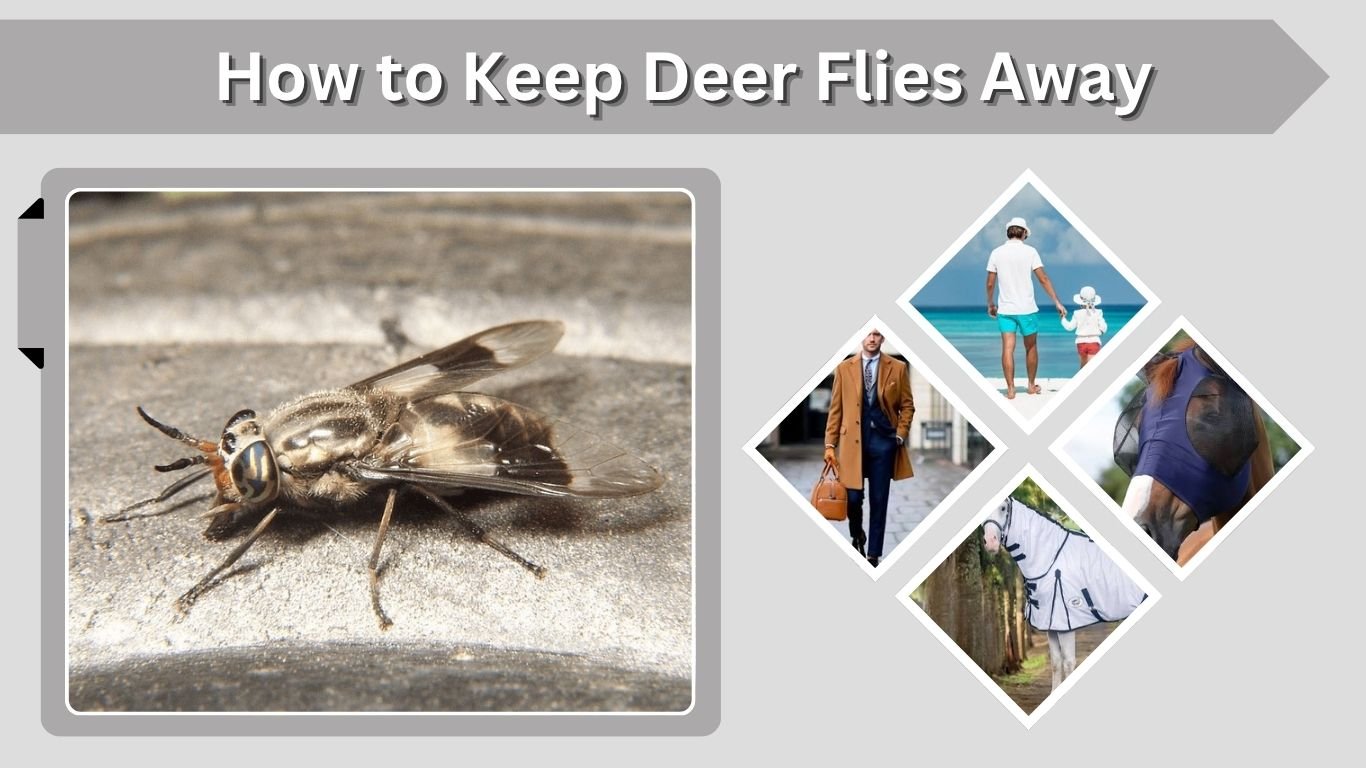
Deer flies are persistent biting flies that can make hiking, running, swimming, gardening, and other outdoor activities uncomfortable. Female deer flies need blood to produce eggs and are particularly good at locating moving people and animals. The most effective ways to keep deer flies away include covering exposed skin, using an appropriate insect repellent, wearing lighter-colored clothing, avoiding heavily infested areas, and using visual traps. Protecting dogs and horses requires extra care because human insect repellents should not automatically be used on pets.
What Keeps Deer Flies Away?
There is no single method that completely prevents deer flies, so combining several approaches usually works best.
The most useful options include:
- EPA-registered insect repellent
- Long sleeves and long pants
- Light-colored clothing
- Wide-brimmed hats or head nets
- Deer fly traps
- Avoiding wet, wooded areas during heavy activity
- Keeping doors and window screens intact
- Using pet-specific protection for dogs and horses
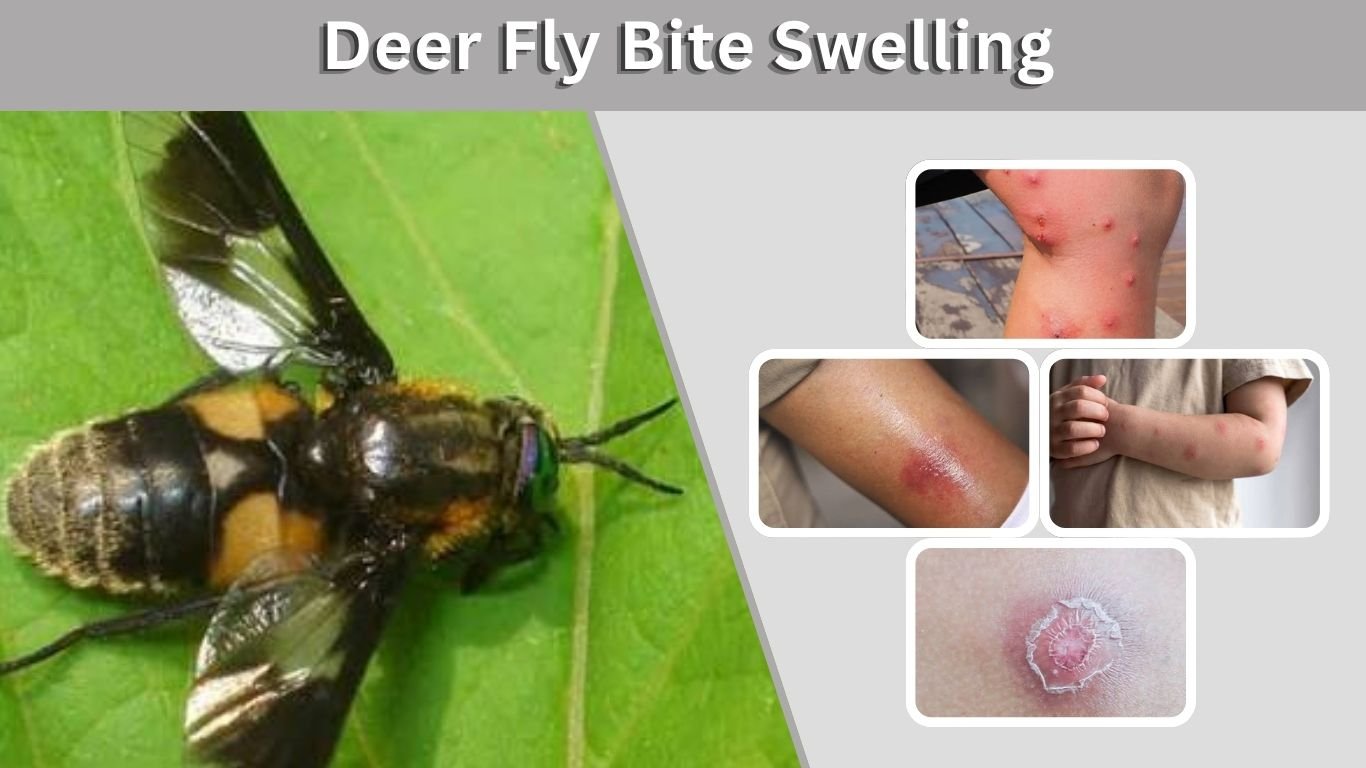
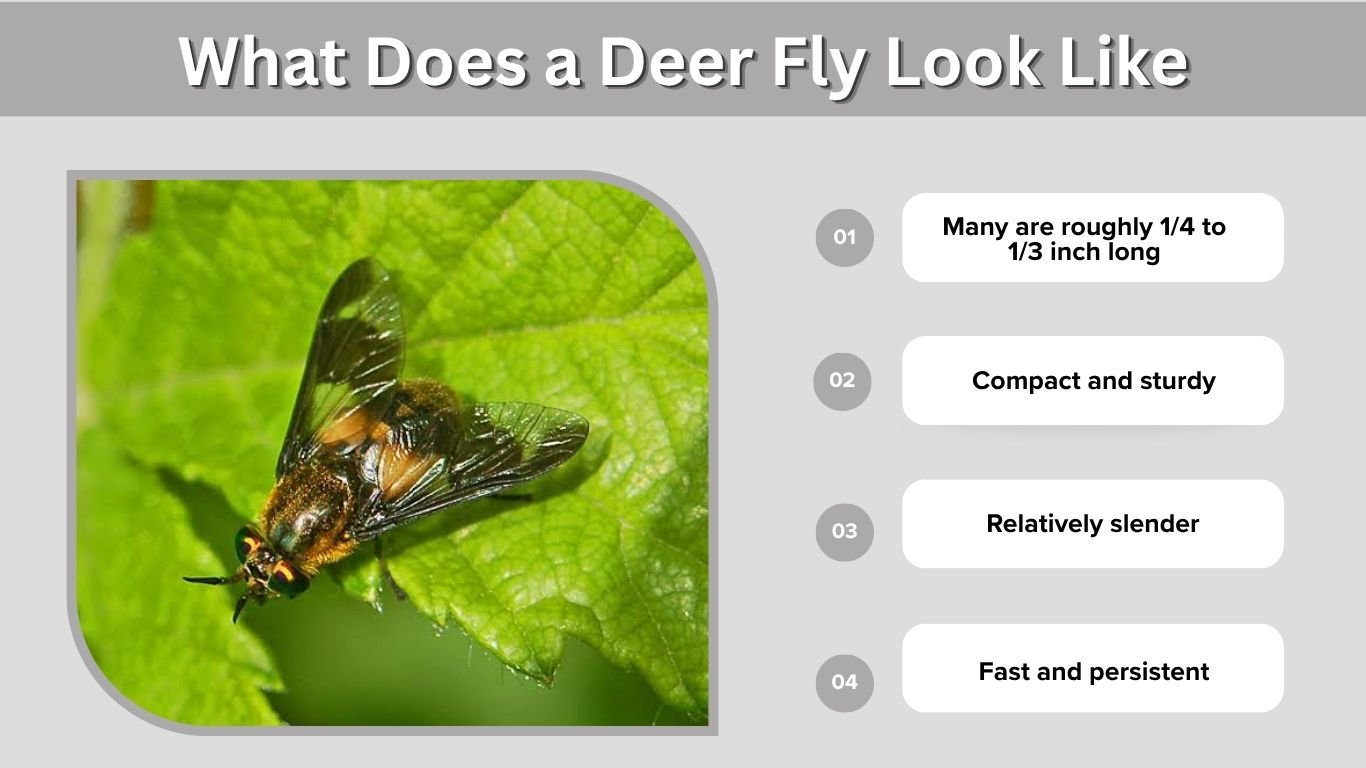
Deer flies belong mainly to the genus Chrysops. Females have cutting mouthparts that slice the skin and then feed on blood. They locate hosts largely through movement and visual contrast, which helps explain why they may repeatedly circle people outdoors.
1. Use an Effective Bug Repellent
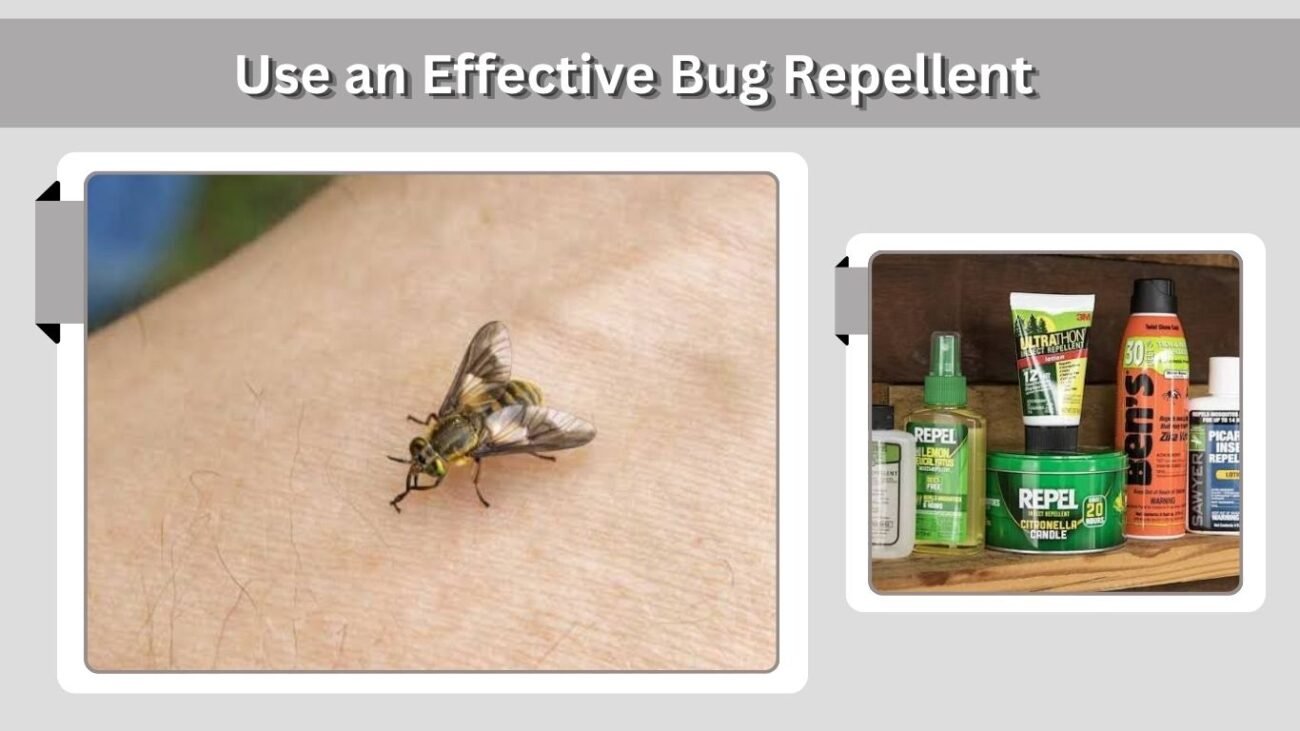
Applying insect repellent before going outdoors is one of the simplest ways to reduce deer fly bites.
Products containing DEET are commonly recommended for biting flies. Other EPA-registered repellents may contain ingredients such as:
- Picaridin
- IR3535
- Oil of lemon eucalyptus/PMD
Penn State Extension notes that DEET is effective against several biting flies, while the EPA recommends following the individual product label for application and reapplication. Perspiration, swimming, physical activity, and temperature can shorten protection time.
Does DEET Keep Deer Flies Away?
DEET can provide useful protection, although deer flies may still continue circling or landing nearby.
Apply it only according to the label and avoid excessive use. Reapply only as directed, especially after sweating heavily or spending time in water.
2. Cover as Much Skin as Possible
Physical barriers are especially useful when deer flies are abundant.
Wear:
- Long-sleeved shirts
- Long pants
- Socks
- Closed shoes
- Lightweight gloves when necessary
- A hat or head net
Loose clothing provides more protection than tightly stretched fabric because biting flies may occasionally reach skin through thin material.
UF/IFAS specifically recommends combining long sleeves and pants with repellent for personal protection from deer and horse flies.
3. Wear Light-Colored Clothing
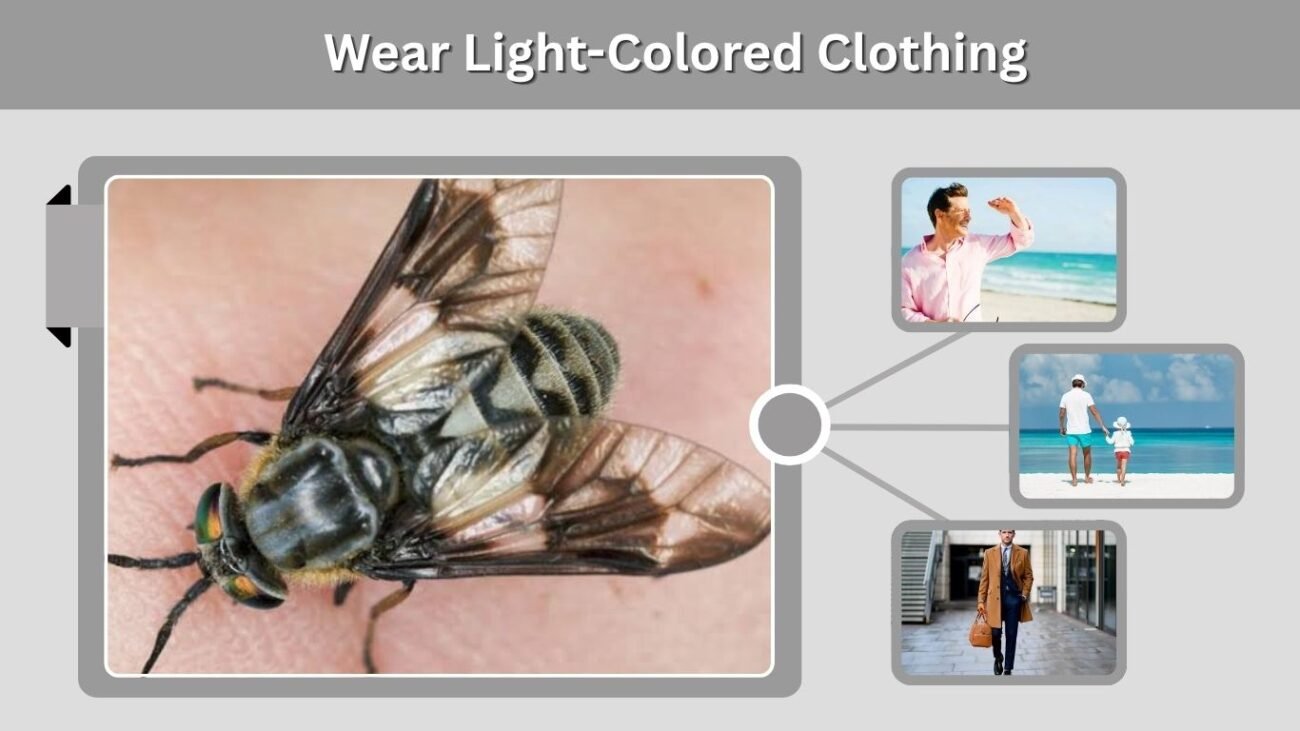
Avoid wearing large areas of very dark clothing when deer flies are especially active.
Deer and horse flies rely heavily on visual cues. Dark moving objects provide strong contrast against vegetation and may be more attractive to them. Research and extension guidance on tabanid flies supports the use of lighter clothing as part of bite prevention.
Good choices include:
- White
- Beige
- Light gray
- Pale tan
- Other light colors
Color alone will not prevent bites, but it can complement repellents and protective clothing.
4. Try a Deer Fly Trap
One of the most interesting deer fly control methods uses the flies’ attraction to moving visual targets.
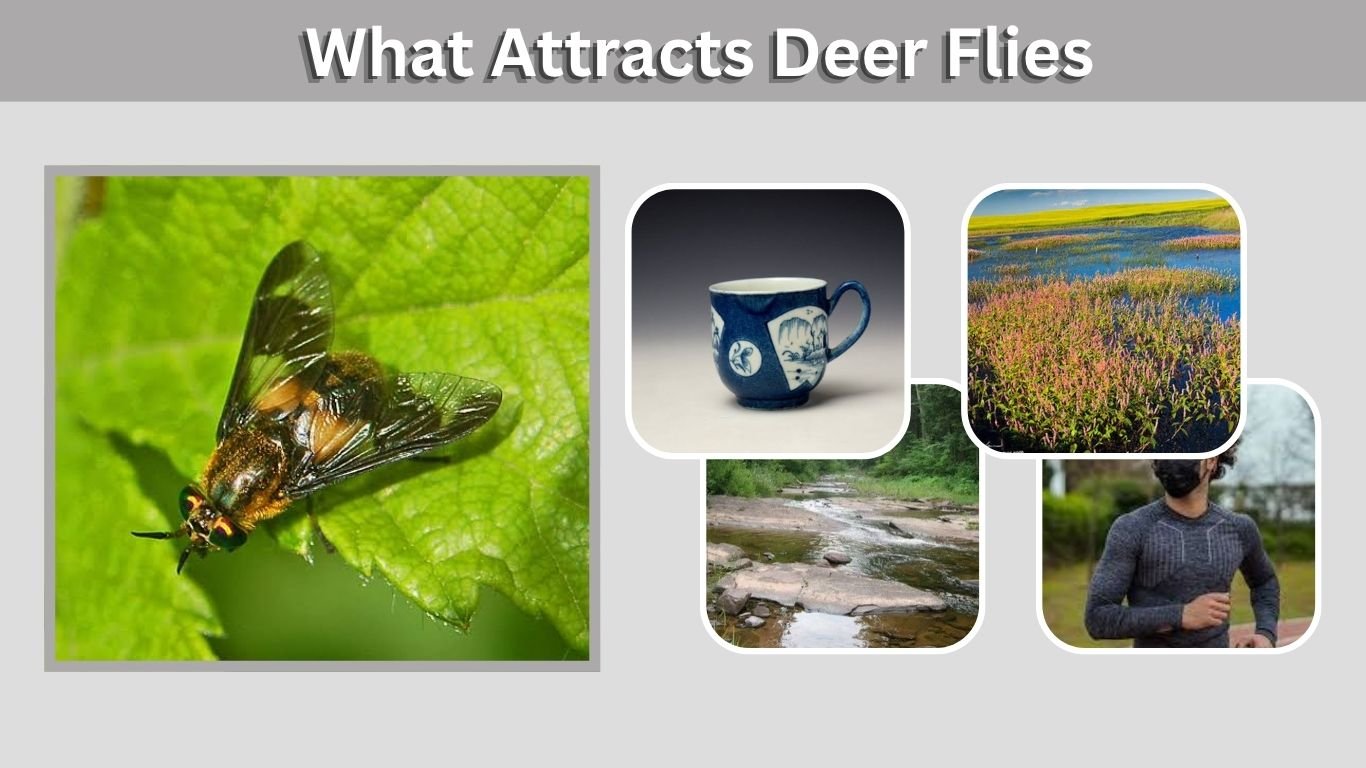
University of Florida guidance describes a simple removal trap consisting of a bright blue cylinder or inverted cup coated with sticky material. It can be attached to a slow-moving object such as a riding mower—or even placed on top of a hat.
The flies approach the moving blue target and become trapped on the sticky surface.
This method can be particularly useful when:
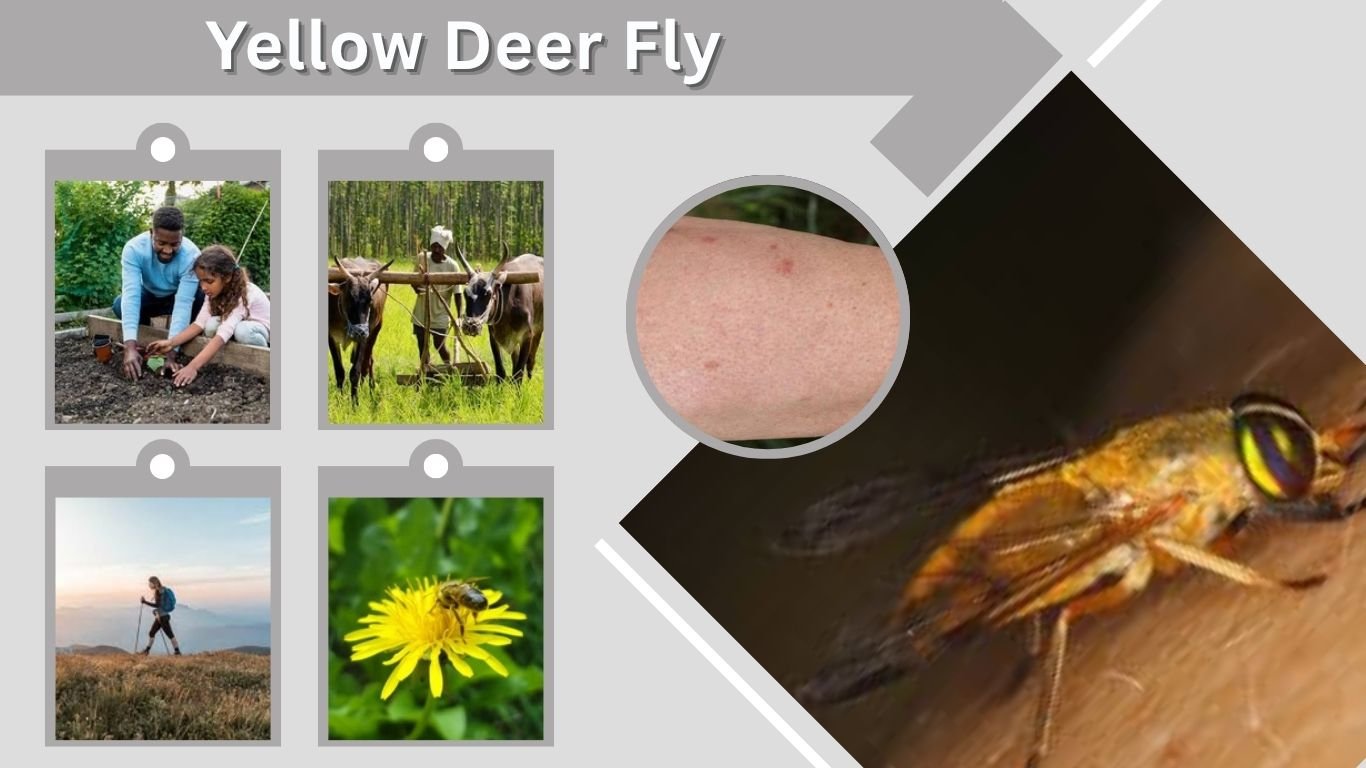
- Mowing
- Hiking
- Gardening
- Walking trails
- Working outdoors
Avoid placing sticky substances directly on skin, hair, pets, or surfaces where birds and other wildlife could become trapped.
5. How to Keep Deer Flies Away While Walking or Running
Deer flies can be especially annoying when you are moving.
A 2023 study found that walking participants attracted almost five times as many deer flies as people who remained seated. Movement appears to make potential hosts much easier for deer flies to locate.
For running or walking, combine:
- Repellent on exposed skin
- A lightweight long-sleeved shirt
- Light-colored clothing
- Sunglasses
- A hat
- A head net when populations are extreme
A sticky deer-fly patch or properly designed blue-cup trap attached to a hat can also intercept flies that repeatedly circle the head.
6. How to Keep Deer Flies Away From Your Yard
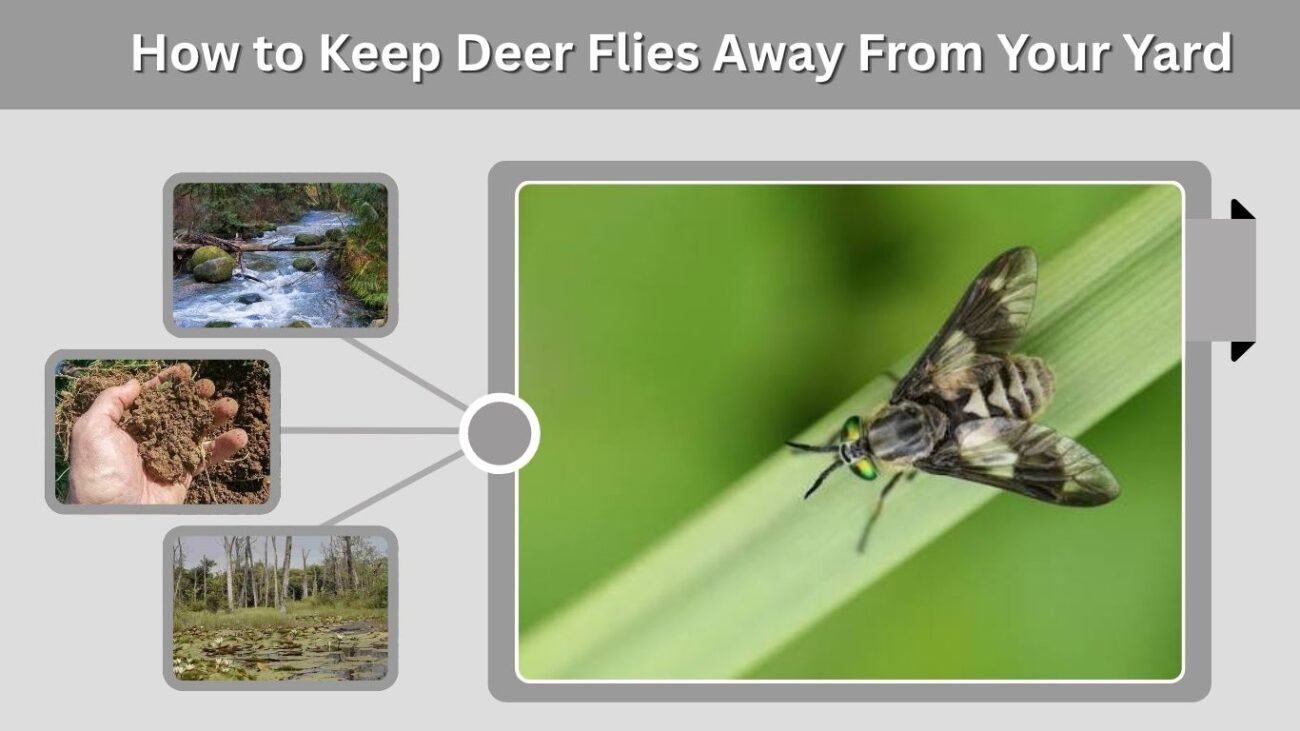
Completely eliminating deer flies from a yard is difficult.
Their immature stages develop around wet habitats such as:
- Marshes
- Pond margins
- Streams
- Wet soil
- Swamps
- Other moist areas
Adults are also strong fliers and can enter a property from surrounding habitat. Broad insecticide spraying usually provides poor long-term control.
Better Yard Strategies
Instead, consider:
- Using visual deer fly traps
- Keeping heavily used sitting areas away from wet woodland edges
- Maintaining screens on porches
- Using screened gazebos
- Keeping vegetation around patios reasonably open
- Using fans around outdoor sitting areas
Traps can be particularly useful in relatively small areas such as yards, campsites, and swimming-pool areas.
Avoid draining or damaging natural wetlands simply to control deer flies, as those habitats support many other species.
7. How to Keep Deer Flies Away From a Pool
Deer flies are attracted to people rather than the swimming-pool water itself.
If your pool is near woods, wetlands, a pond, or a stream, adult flies may regularly patrol the area.
Try:
- Placing deer fly traps around the perimeter
- Using screened pool enclosures where practical
- Applying repellent before spending time around the pool
- Reapplying repellent according to its label after swimming
- Using outdoor fans around seating areas
- Keeping nearby lounging areas away from dense vegetation
UF/IFAS notes that traps can sometimes reduce biting flies in small areas including swimming pools.
8. How to Keep Deer Flies Off Dogs
Dogs can also be bitten by deer flies, especially around areas where fur is thinner.
However, never automatically use your own DEET insect repellent on a dog.
Products formulated for people can be unsafe for pets. Veterinary guidance recommends using only repellents specifically labeled for the animal and consulting a veterinarian when needed.
Helpful measures include:
- Avoiding heavily infested wet areas
- Walking during periods when flies are less abundant
- Using lightweight protective dog clothing
- Keeping dogs indoors during extreme fly activity
- Asking your veterinarian about dog-safe biting-fly repellents
Some veterinarian-prescribed or pet-labeled topical products are specifically designed to repel biting flies, but suitability depends on the individual dog.
Seek veterinary advice if your dog develops severe swelling, intense itching, facial swelling, infection, or eye irritation after insect exposure.
9. How to Keep Deer Flies Off Horses
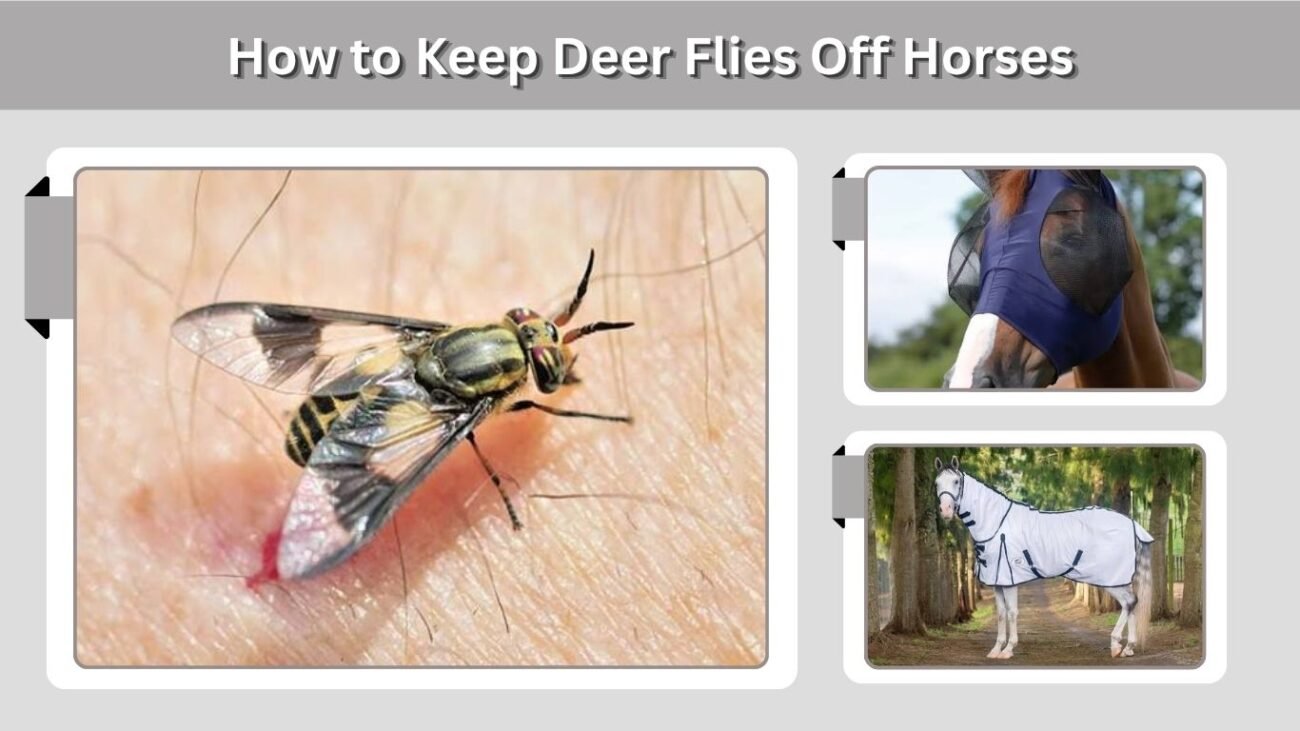
Horses can be heavily targeted by both deer flies and horse flies.
Physical barriers are extremely useful.
Options include:
- Fly masks
- Fly sheets
- Fly boots
- Horse-safe fly repellents
Penn State Extension notes that protective fly sheets and masks reduce exposure and that synthetic pyrethroid-based products can provide protection when properly applied according to their labels.
Since deer flies may attack different parts of the body, adequate coverage is important.
Do Fake Dragonflies Keep Deer Flies Away?
Clip-on artificial dragonflies are sometimes advertised as natural deer-fly deterrents because real dragonflies prey on flying insects.
There are many anecdotal reports that these devices help, but strong controlled scientific evidence demonstrating reliable protection is limited.
They may be worth experimenting with as a supplemental measure, but they should not replace proven approaches such as protective clothing, repellent, and traps.
Do Essential Oils Keep Deer Flies Away?
Some plant-derived substances, including citronella and geraniol, are used in insect-repellent formulations, and UF/IFAS mentions them among personal protection options for tabanid flies.
However, simply planting strongly scented herbs around your yard is unlikely to create enough airborne repellent to reliably prevent biting flies.
Essential oils can also irritate skin or be toxic to pets when improperly used.
For predictable protection, choose an appropriately registered repellent and follow its label.
Do Dryer Sheets Keep Deer Flies Away?
There is not strong evidence that dryer sheets provide reliable deer fly protection.
Likewise, ultrasonic pest devices and similar gadgets should not be considered substitutes for proven prevention methods. Extension guidance notes that scientific evidence does not support ultrasonic devices for controlling outdoor biting pests.
Best Way to Keep Deer Flies From Biting You
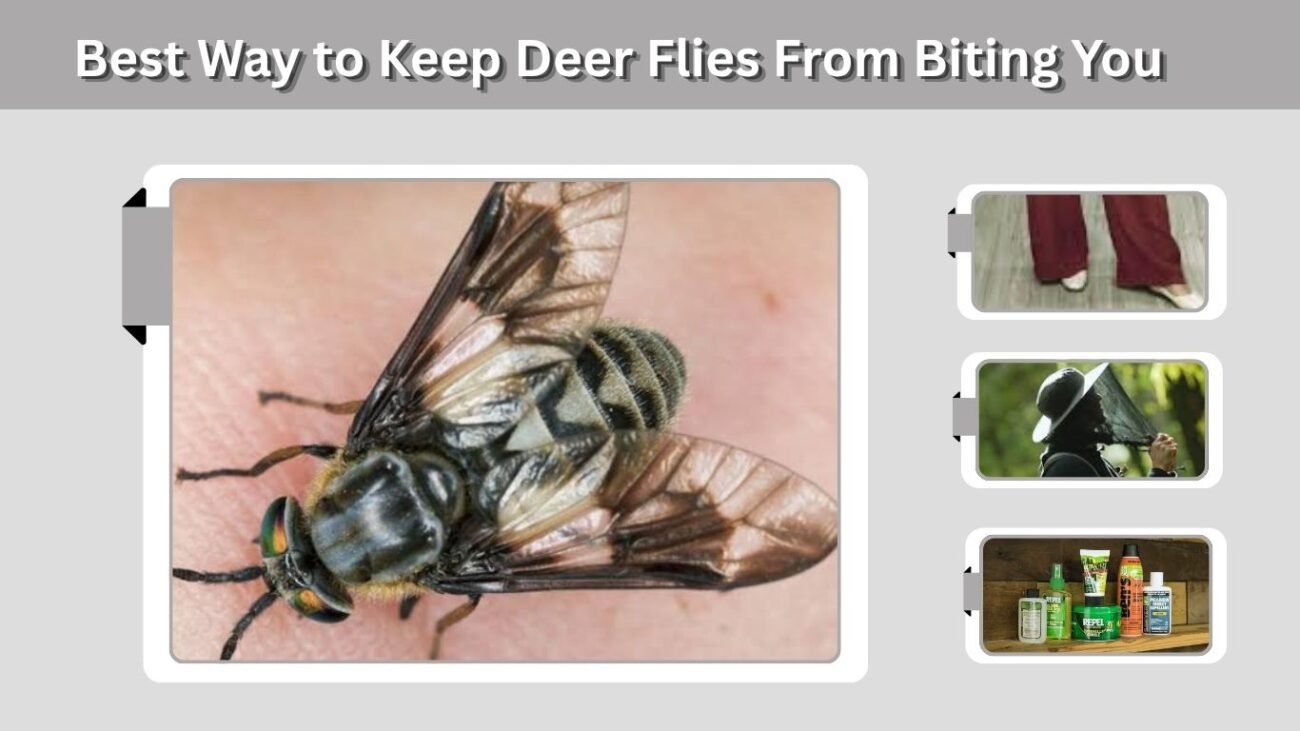
For most people, the best strategy is a combination of several methods:
| Method | Effectiveness |
| DEET or other labeled repellent | Good personal protection |
| Long sleeves and pants | Very useful |
| Light-colored clothing | Helpful |
| Head net | Excellent during heavy infestations |
| Blue sticky deer-fly trap | Useful for removing pursuing flies |
| Fake dragonfly | Evidence limited |
| Repellent plants | Unreliable alone |
| Dryer sheets | Little supporting evidence |
During severe deer fly season, covering your skin, applying repellent, and using a hat or deer-fly trap together usually provides much better protection than relying on a single method.
FAQs
1. What is the best way to keep deer flies away?
Use a combination of insect repellent, long clothing, a hat, and lighter colors. When deer flies are extremely abundant, a head net or blue sticky deer-fly trap can provide additional protection, especially while hiking, gardening, or mowing.
2. Does bug spray keep deer flies away?
Yes, some insect repellents can reduce deer fly bites. DEET is commonly recommended for biting flies. Apply repellent to exposed skin and clothing only as directed on the product label and reapply according to the instructions.
3. Why do deer flies keep following me?
Deer flies are highly visual and respond strongly to movement. Female flies looking for a blood meal may repeatedly circle a moving person. Research has found substantially more deer flies attracted to walking people than to people remaining still.
4. How can I keep deer flies off my dog?
Avoid using human repellents such as DEET unless a veterinarian specifically says the product is safe. Limit exposure in heavily infested areas, use protective clothing where appropriate, and ask your veterinarian about repellents specifically labeled for dogs.
5. Can I completely eliminate deer flies from my yard?
Usually not. Their larvae can develop in surrounding wetlands and moist habitats, while adults are strong fliers capable of entering your property from elsewhere. Traps, screened areas, protective clothing, and personal repellents are generally more practical than trying to eradicate them.