











Blue Jays are among the most intelligent and colorful backyard birds in North America. Known for their bold personalities and striking blue plumage, these birds are not just beautiful but also clever and curious. Feeding Blue Jays the right food helps keep them healthy while attracting their vibrant presence to your garden. In this guide, you’ll discover what Blue Jays love to eat, how to feed them properly, and what foods to avoid.
Understanding Blue Jays’ Eating Habits
The Natural Diet of Blue Jays
In the wild, Blue Jays are opportunistic eaters with a diverse diet. They consume a mix of plant and animal matter, including nuts, seeds, insects, and berries. During autumn and winter, acorns and beechnuts become a crucial food source, while in spring and summer, they rely more on insects, fruits, and grains. Their adaptable eating behavior allows them to thrive in both forests and suburban areas.
How Their Beak and Intelligence Shape Their Diet
Blue Jays have strong, versatile beaks that enable them to crack open hard shells like peanuts and acorns with ease. Their intelligence also plays a role in their feeding habits. They are known to mimic predator calls, cache food for later use, and even test which feeder spots are the safest before eating. This combination of strength and smarts makes them one of the most resourceful birds at the feeder.
What Do Blue Jays Eat in the Wild and Backyard?
Common Wild Foods
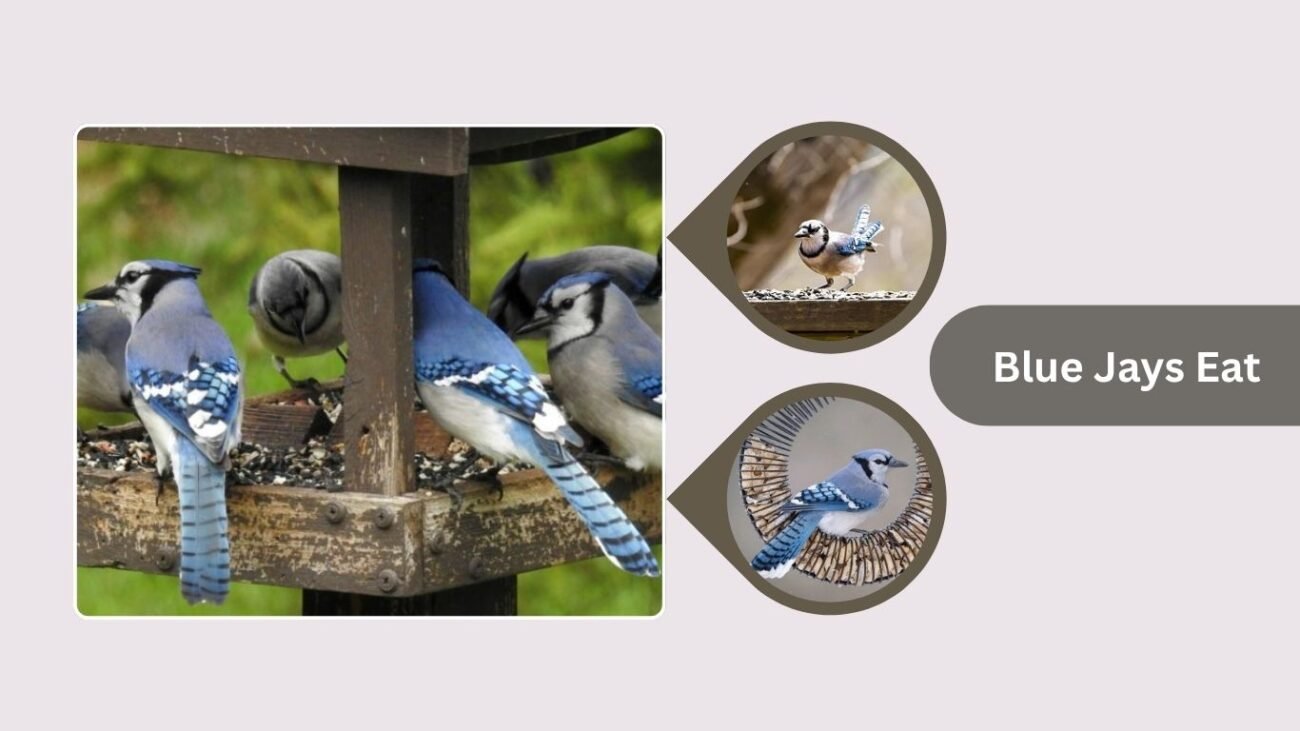
In their natural habitat, Blue Jays eat a wide variety of foods. They enjoy nuts such as acorns, chestnuts, and hickory nuts, often storing them in the ground for future meals. Insects like beetles, grasshoppers, and caterpillars provide essential protein, especially during nesting season. They also feed on fruits, grains, and occasionally small frogs or eggs, showing just how diverse their diet can be.
What They Eat from Feeders
When visiting backyard feeders, Blue Jays tend to prefer large, easy-to-handle foods. Their favorites include unsalted peanuts, sunflower seeds, cracked corn, and suet. Providing a mix of these foods ensures that your feeder attracts Blue Jays regularly. They are also fond of whole kernels of corn and mealworms, both of which supply valuable energy, especially during cold months.
Blue Jays’ Favorite Foods
Top Natural and Store-Bought Options
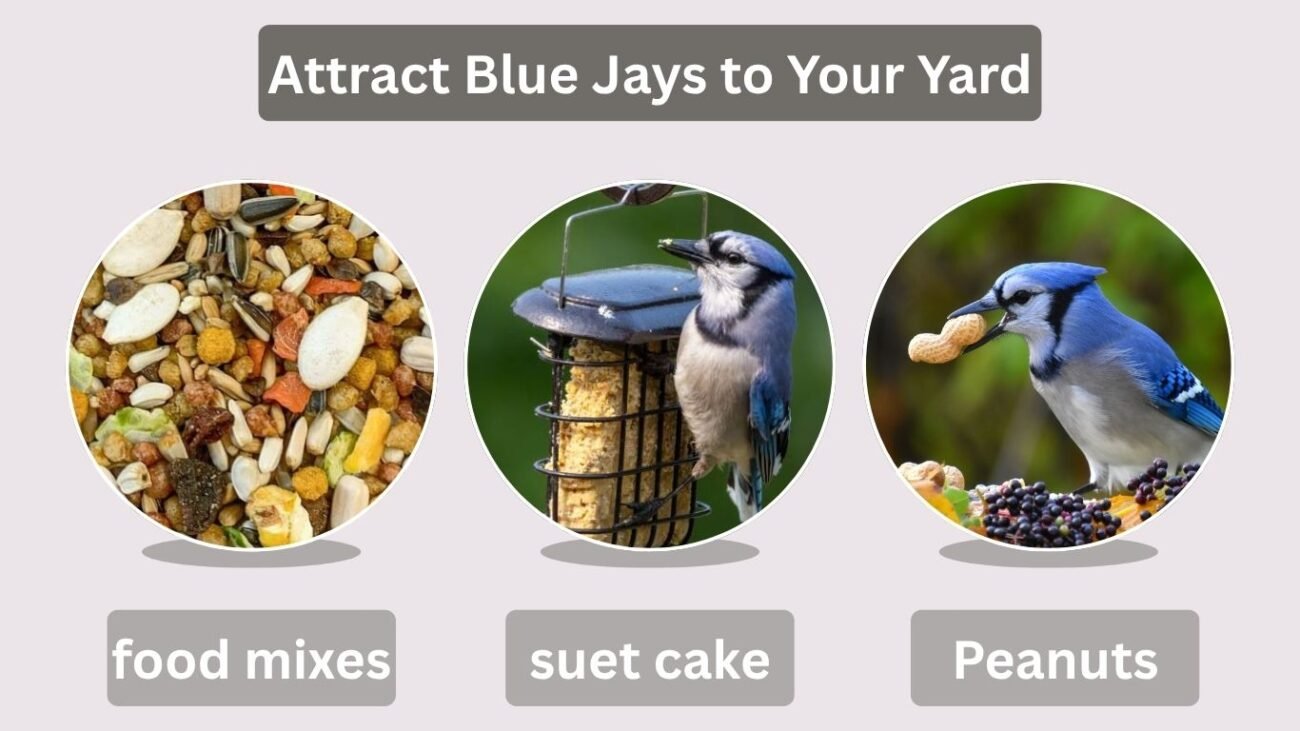
If you want to attract Blue Jays consistently, focus on foods that mirror their natural preferences. Peanuts—either in or out of the shell—are their top favorite. Black oil sunflower seeds and suet cakes are also irresistible to them. You can purchase high-quality bird food mixes containing these ingredients or create your own blend using unsalted nuts, dried fruit pieces, and sunflower kernels. Freshness matters; Blue Jays will reject stale or moldy food.
Foods to Avoid
Not all human foods are safe for Blue Jays. Avoid feeding them bread, processed snacks, or anything containing salt, sugar, or preservatives. These items provide little nutritional value and may even harm their digestive systems. Similarly, spoiled food or food left out too long in damp conditions can lead to bacterial infections. Always keep feeders clean and replace old food regularly to ensure safety and hygiene.
Best Bird Food Mixes for Blue Jays
Recommended Commercial Mixes
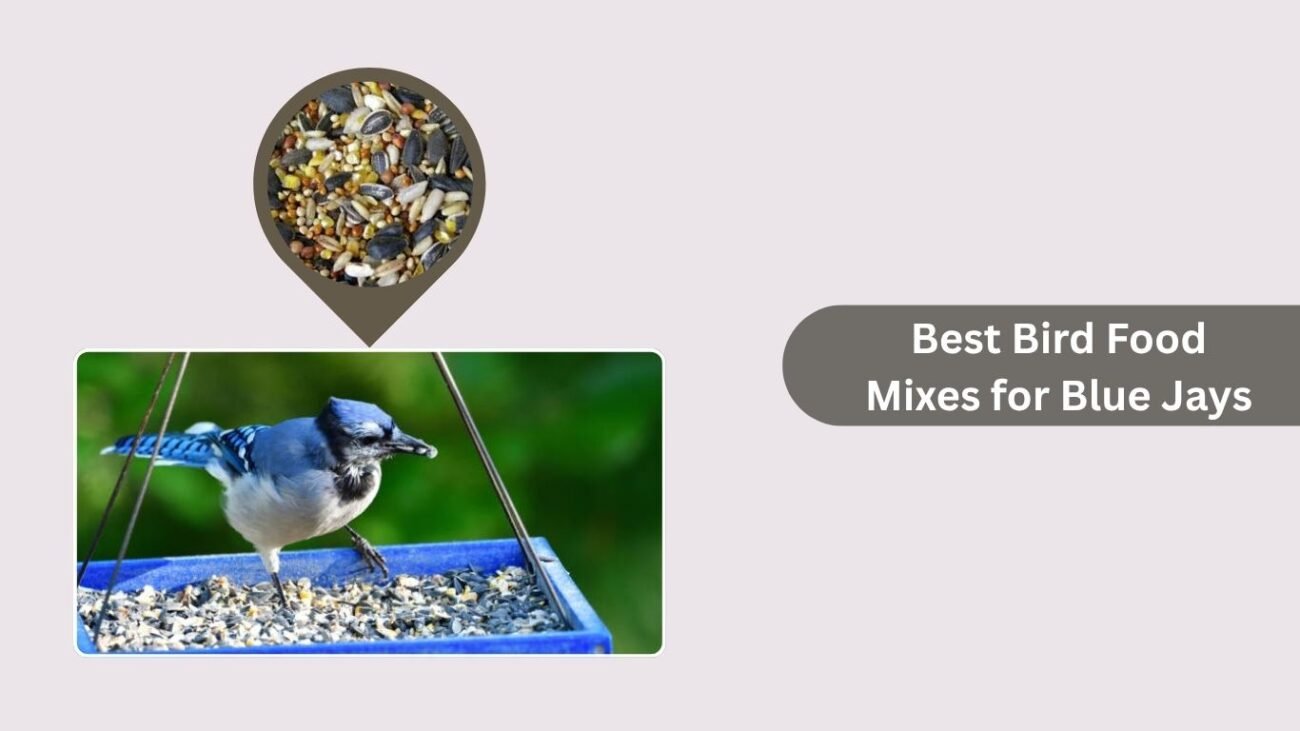
Several bird food brands offer specialized blends for Blue Jays and other large backyard birds. Look for products containing high percentages of peanuts, sunflower seeds, cracked corn, and minimal filler ingredients. Avoid mixes heavy with milo or wheat, as Blue Jays often discard them. Opt for high-protein, high-fat blends that provide the energy these active birds need throughout the year.
Homemade Bird Food Ideas
Creating homemade food for Blue Jays can be both fun and cost-effective. Mix equal parts unsalted peanuts, black oil sunflower seeds, and chopped dried fruits. You can also add a bit of rolled oats or cracked corn for variety. Store your mix in an airtight container to maintain freshness. During winter, add small amounts of melted suet or coconut oil to help the food stay solid and provide extra fat for warmth.
Bird Food for Cardinals and Blue Jays
Shared Preferences Between the Two Species
Cardinals and Blue Jays often visit the same feeders, as they share many favorite foods. Both species enjoy peanuts, sunflower seeds, and suet. Providing a combination of these items ensures that both types of birds feel welcome in your yard. Cardinals prefer to perch while feeding, while Blue Jays often like open areas where they can hop and grab food quickly.
Balancing Variety for Mixed Feeders
When feeding both Blue Jays and Cardinals, it’s important to balance their feeding styles. Use platform feeders or ground feeders for Blue Jays, and provide hanging feeders with perches for Cardinals. Position feeders a few feet apart to prevent conflict and ensure all birds have easy access. Offering a mix of seeds and nuts keeps the feeding area lively and inviting for both species.
How to Attract Blue Jays to Your Yard
Choosing the Right Feeder
Blue Jays are larger and heavier than many backyard birds, so not all feeders suit them. Tube feeders with narrow perches often discourage them. Instead, choose platform, tray, or hopper feeders that offer enough space for Blue Jays to stand comfortably. Sturdy feeders made from metal or thick wood are best since these birds can be quite strong and energetic when grabbing food.
Feeder Placement and Setup Tips
Placement plays a major role in attracting Blue Jays. Position your feeder near tall trees or shrubs so they can observe from above before swooping down to eat. Avoid overly exposed spots where predators like hawks can easily spot them. Keep feeders clean and refill them regularly, especially during early morning hours when Blue Jays are most active. Fresh food and consistency will make them regular visitors.
Feeding Baby Blue Jays
What Parent Jays Feed Their Chicks
Parent Blue Jays are attentive and feed their chicks a rich diet of soft insects, caterpillars, and regurgitated food. Protein is crucial during this stage because it helps young birds grow strong feathers and bones. The parents frequently make trips between the nest and feeding grounds, ensuring their chicks never go hungry. They may also feed partially crushed nuts or fruit pulp to older nestlings.
Caring for Orphaned or Rescued Baby Jays
If you find a baby Blue Jay that seems abandoned, observe from a distance first—often, the parents are nearby. However, if you must care for one temporarily, offer softened dry cat or dog food, soaked mealworms, or mashed boiled egg as emergency nutrition. Avoid giving milk, bread, or raw meat. Always contact a licensed wildlife rehabilitator for proper care instructions. Feeding baby birds incorrectly can cause more harm than good.
Blue Jays in the Food Chain and Food Web
Their Role as Both Predator and Prey
Blue Jays are omnivorous and occupy a balanced role in the ecosystem. They feed on insects, small vertebrates, and even the eggs of other birds on occasion, helping control pest populations. At the same time, they are preyed upon by hawks, owls, snakes, and domestic cats. Their loud calls often serve as warning signals to other birds, demonstrating their intelligence and community behavior.
Importance in Seed Dispersal
One of the most important ecological roles of Blue Jays is seed dispersal. They often collect and bury acorns and other nuts, some of which are forgotten and later sprout into new trees. This behavior helps regenerate oak forests and maintain biodiversity. By feeding Blue Jays in your yard, you’re indirectly supporting their contribution to forest health and the balance of local ecosystems.
Regional Variations — Blue Jays in California and Beyond
Adaptations to Local Foods
While Blue Jays are most common in eastern and central North America, they also adapt well to regional food sources across different states, including parts of California. In oak-rich regions, they consume more acorns, while in coastal or desert areas, they rely on fruits, berries, and local insects. This adaptability ensures they can thrive in urban, rural, and forested environments alike.
How Climate Affects Feeding Patterns
Climate greatly influences Blue Jays’ feeding habits. During colder months, they switch to high-fat foods like nuts and suet to store energy. In warmer climates, they eat more fruits and insects, balancing hydration and protein intake. Bird enthusiasts in varying regions should adjust their feeder contents based on the season—offering peanuts and suet in winter and fruit or sunflower seeds in summer keeps them nourished year-round.
Key Takeaways
- Peanuts and sunflower seeds are Blue Jays’ favorite foods.
- Use platform or tray feeders—they prefer open spaces to feed comfortably.
- Avoid giving salty, sugary, or processed foods.
- Feed baby Blue Jays only under expert guidance or temporary care.
- Blue Jays help the environment by spreading seeds and maintaining ecological balance.
- Their adaptable diet means they can thrive in most North American habitats.
FAQs About Blue Jay Bird Food
What kind of bird food attracts Blue Jays the most?
Blue Jays are most attracted to unsalted peanuts, black oil sunflower seeds, suet, and cracked corn. Peanuts, in particular, are their top choice since they’re high in fat and protein. Offering these in open feeders will guarantee regular visits from these vibrant, intelligent birds.
Can I feed Blue Jays bread or human food?
No, bread and processed human foods provide little to no nutrition for Blue Jays. In fact, they can lead to malnutrition or digestive issues. Always choose natural foods like nuts, seeds, fruits, or suet to maintain their health and energy levels throughout the year.
What bird food is best for both Blue Jays and Cardinals?
A good mix for both species includes black oil sunflower seeds, peanuts, suet, and safflower seeds. Cardinals and Blue Jays both enjoy these high-energy foods. Provide multiple feeders—one open platform for Blue Jays and a hanging one with perches for Cardinals—to keep peace between them.
How often should I refill my Blue Jay feeder?
Refill your feeder once daily or every other day, depending on bird activity. Blue Jays are early risers and prefer fresh food in the morning. Clean the feeder weekly to prevent mold or bacteria buildup, especially during humid weather or rainy seasons.
What do baby Blue Jays eat in captivity or rehabilitation?
In rehabilitation settings, baby Blue Jays are fed a high-protein diet of soaked cat or dog kibble, insects, and soft fruits. The food must be moist, warm, and easy to swallow. Care should only be done by trained wildlife rehabilitators, as improper feeding can cause choking or nutrient imbalance.


