In the natural world, not all birds survive by hunting or eating seeds—some play the critical role of scavengers. These birds feed on dead animals, helping keep ecosystems clean and disease-free. From the skies of North America to the savannas of Africa, scavenger birds like vultures, ravens, and storks consume carcasses that would otherwise rot in the wild. In this article, we explore seven fascinating birds that feed on dead animals, highlighting their feeding habits, preferred habitats, and identification characteristics.
1. Turkey Vulture
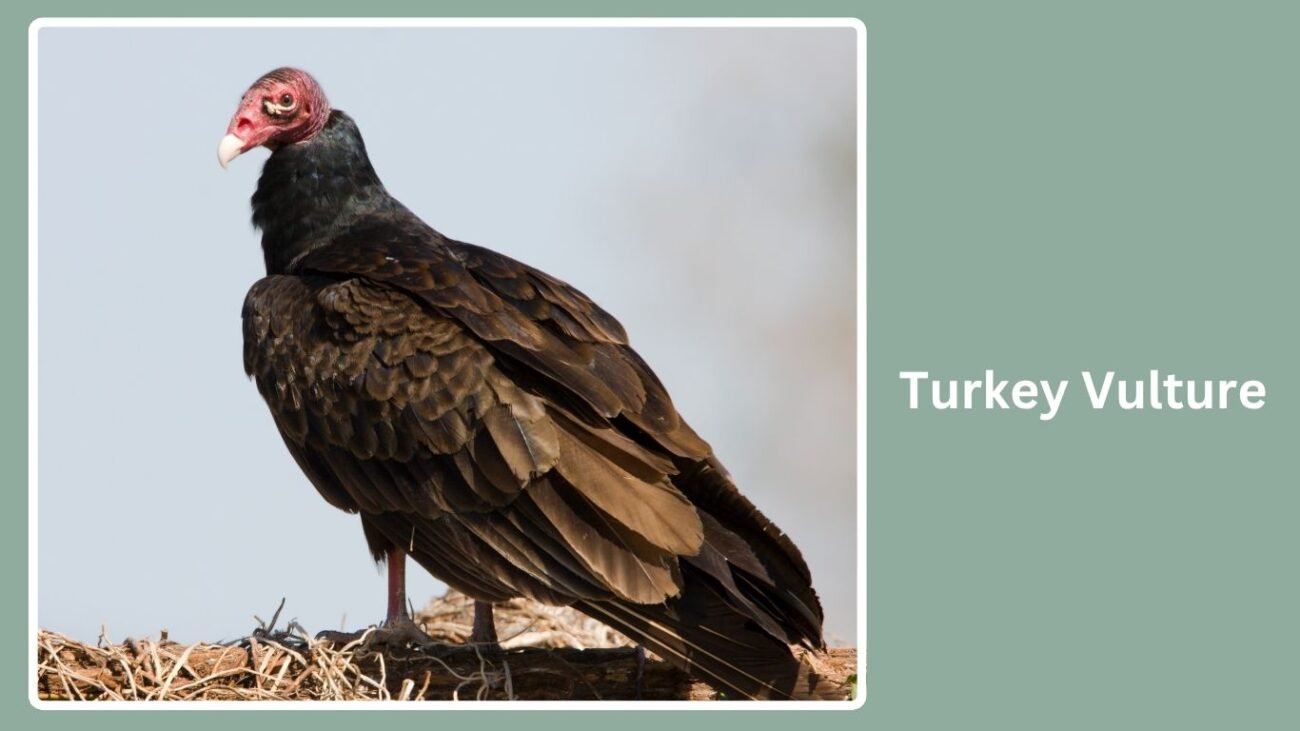
The Turkey Vulture is one of the most recognizable scavenger birds in North and South America. With its bald red head and large dark wings, it plays a vital role in cleaning up the environment by feeding on carrion (dead animals).
How Turkey Vultures Consume Dead Animals
Turkey Vultures rely heavily on their keen sense of smell to locate carcasses, a rare trait among birds. They circle high in the sky, sniffing out the scent of decay. Once located, they descend and use their hooked beak to tear into the flesh. Their stomach acids are extremely strong, allowing them to safely digest decaying and bacteria-laden meat.
Key Identification Features
- Large wingspan (up to 6 feet)
- Bald red head (adult), gray head (juvenile)
- Brownish-black plumage
- Slight V-shape while soaring
Preferred Habitats and Daily Habits
Turkey Vultures are commonly found in open or semi-open landscapes such as fields, deserts, roadsides, and landfills. They are often seen soaring in wide circles during the day, using thermal currents to glide effortlessly. They roost in groups at night and are typically non-aggressive, relying more on flight than confrontation.
2. Black Vulture
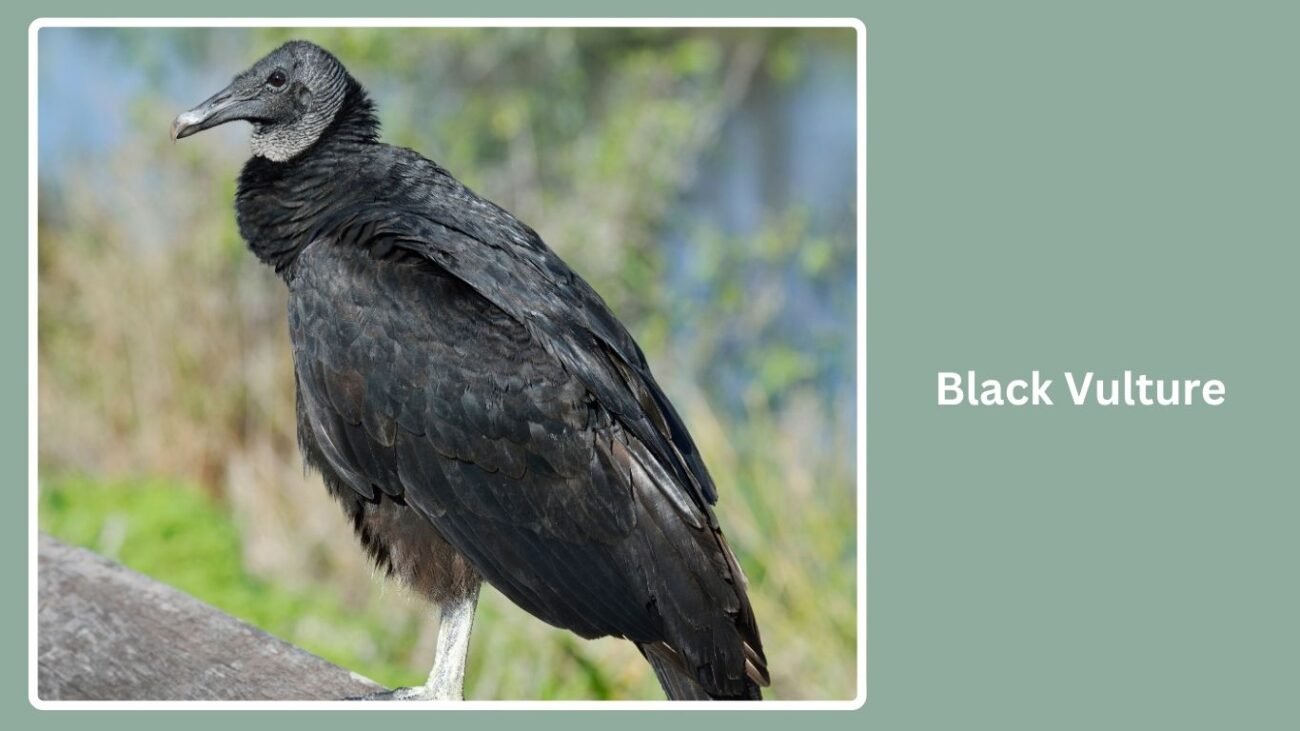
The Black Vulture is a bold and social scavenger found mostly in the southeastern United States, Central America, and South America. Though it lacks the keen sense of smell like its cousin, the Turkey Vulture, it compensates with sharp eyesight and group foraging strategies.
How Black Vultures Feed on Carrion
Black Vultures often follow Turkey Vultures to carcasses, using visual cues instead of scent. They feed aggressively and quickly, often overwhelming other scavengers at the site. Their strong beaks tear through tough hides, and they frequently feed in large, noisy groups.
Identifying Black Vultures
- Jet black feathers with short, square tail
- Bare, gray-black wrinkled head
- Wings show white patches near the tips in flight
- Slightly smaller than Turkey Vultures
Where They Live and Behave
Black Vultures prefer open countryside, forest edges, and areas near human habitation such as garbage dumps. They are highly social birds, often seen roosting and feeding in flocks. They may also patrol highways in search of roadkill.
3. Bald Eagle
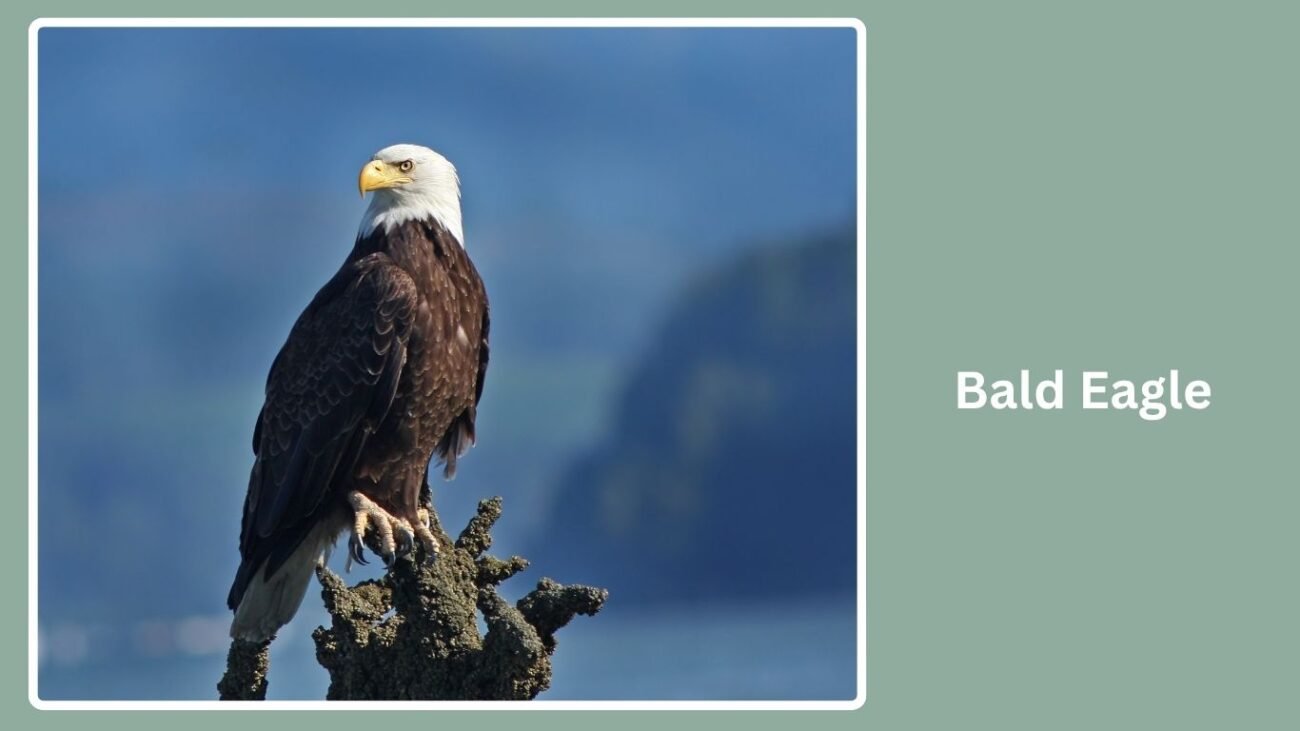
Though known as a powerful predator, the Bald Eagle frequently scavenges dead animals, especially during winter when live prey is harder to catch. They will even steal food from other birds such as ospreys or vultures.
Scavenging Habits and Feeding Behavior
Bald Eagles feed on fish, birds, and small mammals, but they do not shy away from carrion. They are often seen feeding on deer carcasses, roadkill, or fish remains. Their powerful beaks and talons make it easy for them to tear apart large remains.
Distinctive Identification Traits
- White head and tail (adults) with dark brown body
- Bright yellow hooked beak
- Large wingspan of 6–8 feet
- Juveniles are mostly dark with mottled white patches
Habitat Preference and Daily Activity
Bald Eagles are found near large bodies of water—rivers, lakes, and coasts. They build massive nests in tall trees and are active during the day. Though solitary hunters, they may gather in numbers at abundant food sources like salmon runs or winter carcasses.
4. Golden Eagle
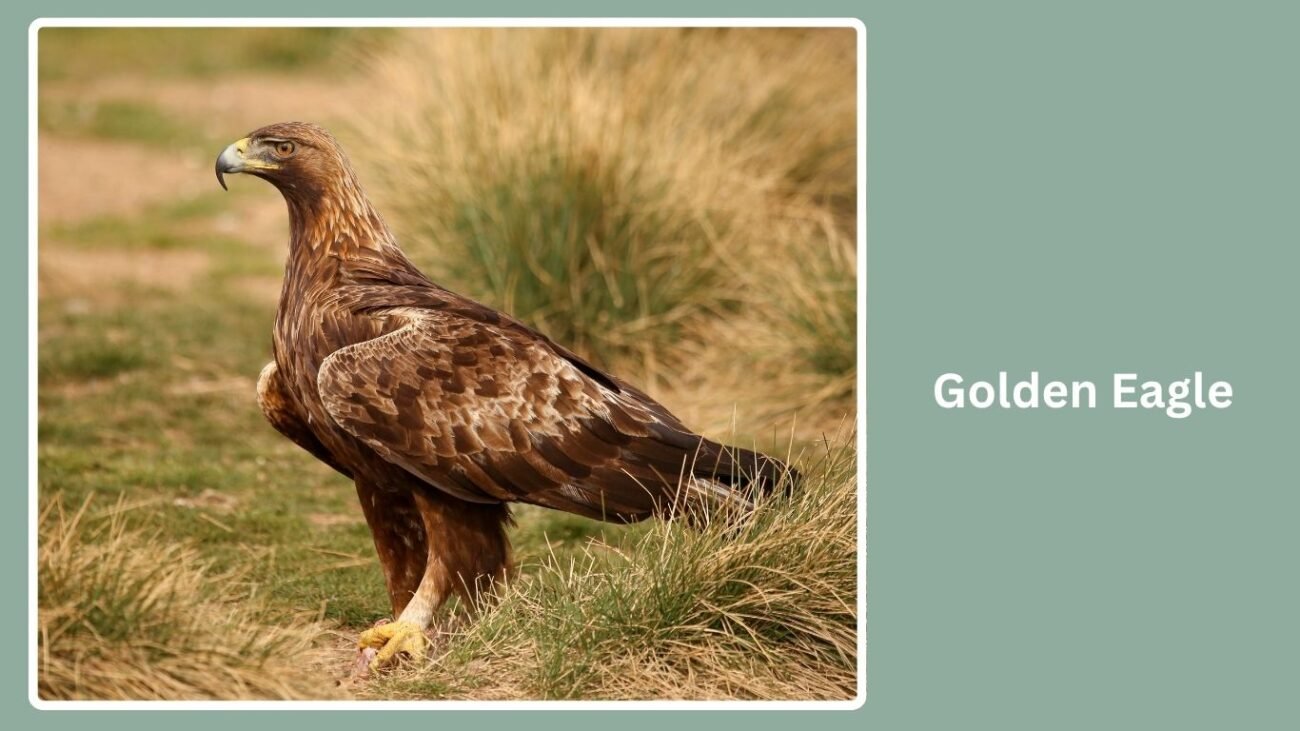
The Golden Eagle is a powerful raptor found across the Northern Hemisphere. While it’s known for hunting live prey, it regularly feeds on dead animals, especially during harsh winters or in open habitats where carrion is easily spotted.
Feeding Style and Carrion Diet
Golden Eagles often scavenge from large carcasses like deer, sheep, and livestock, especially when prey is scarce. They are strong enough to defend a carcass from other scavengers and will return to feed on the same remains over several days.
How to Identify Golden Eagles
- Dark brown body with golden feathers on the back of the neck
- Broad wings and long tail
- Massive, sharp beak and talons
- Juveniles have white patches under the wings and tail
Where They Live and How They Behave
Golden Eagles favor mountainous regions, cliffs, and open plains. They are solitary or found in pairs and are territorial. They soar at high altitudes searching for prey or carrion and may be seen feeding on roadside kills or winter carcasses in remote areas.
5. Common Raven
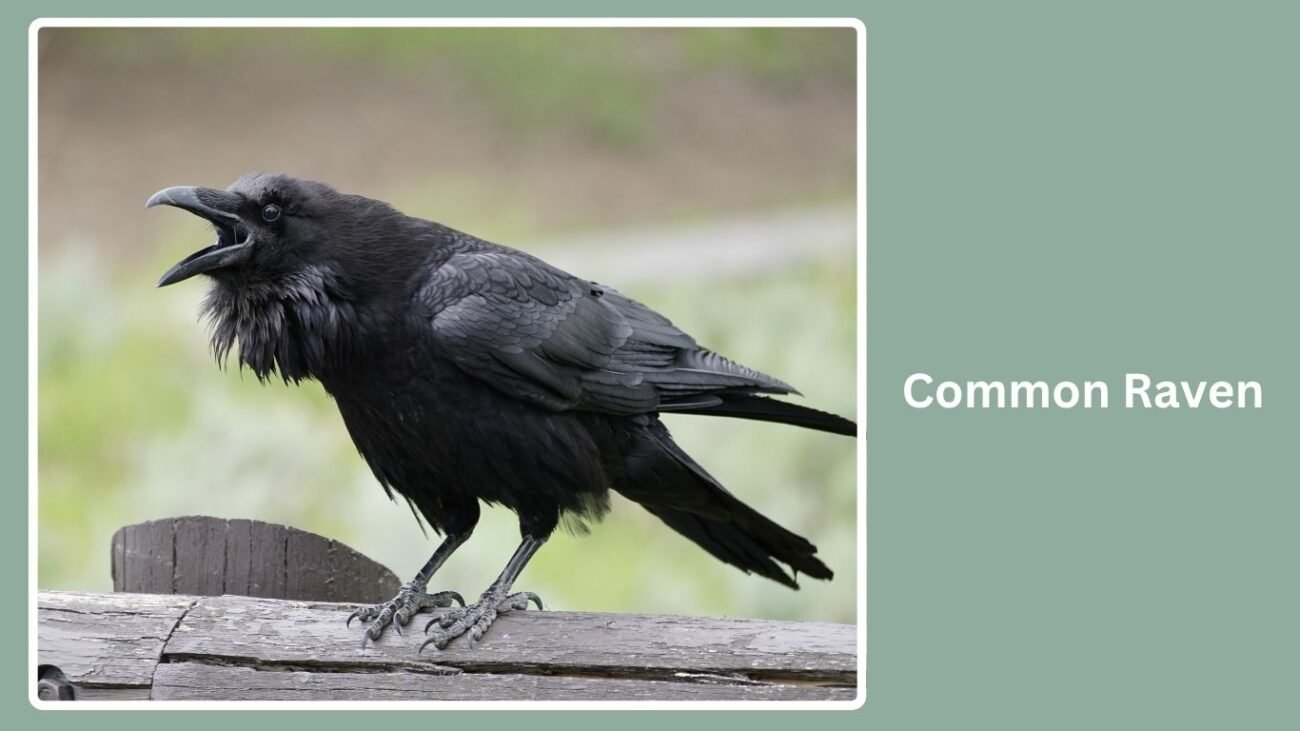
Intelligent and adaptable, the Common Raven is not just a trickster of myths—it’s a highly opportunistic scavenger. It often feeds on dead animals ranging from roadkill to livestock carcasses.
Raven Scavenging and Feeding Habits
Common Ravens are early arrivals to carcasses and often call out to alert others. They use their strong beaks to tear flesh, and they may even cache parts of the carcass for later. They’re clever enough to follow predators like wolves or eagles and swoop in once the coast is clear.
Physical Characteristics
- Large all-black body with a thick neck and shaggy throat feathers
- Long, wedge-shaped tail
- Strong, curved bill
- Deep, croaking vocalizations
Habitat Choice and Behavior Patterns
Ravens inhabit forests, deserts, tundras, and urban areas. They are known for their problem-solving skills and playfulness. Common Ravens often fly in pairs and form communal roosts in winter. You’ll often spot them perched on fences or trees near roadsides, especially where carcasses are present.
6. Marabou Stork
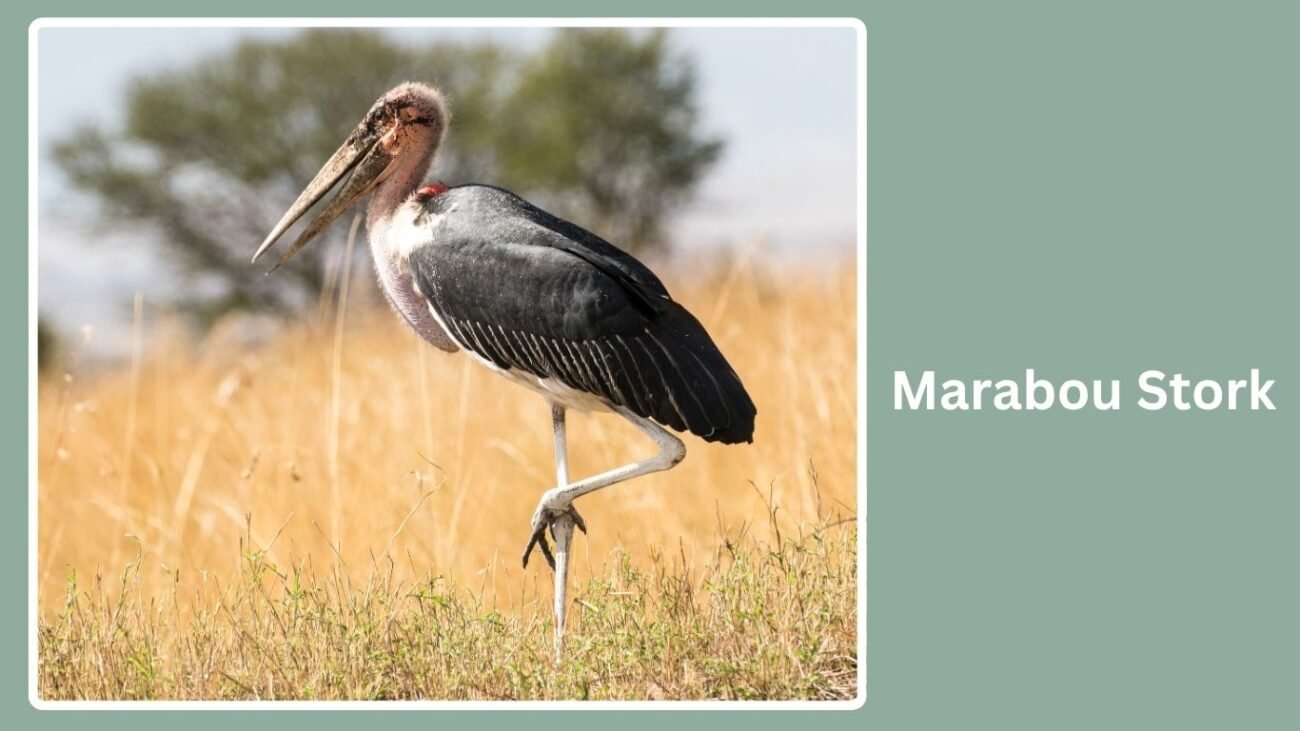
The Marabou Stork is a massive, bald-headed bird from sub-Saharan Africa. Known as “the undertaker bird” due to its eerie appearance and scavenging habits, it often feeds alongside vultures at carcass sites.
How Marabou Storks Feed on Dead Animals
Marabou Storks scavenge a wide range of remains, from fish scraps to large mammal carcasses. They have a strong, sharp bill capable of ripping through flesh. Unlike many other scavengers, they also frequent garbage dumps and human waste areas for food.
Key Identification Features
- Huge body with long legs and a massive bill
- Bald, pinkish head and neck with a hanging throat sac
- Dull gray and white plumage
- Wingspan up to 10 feet
Natural Habitat and Behavior
These storks inhabit open wetlands, savannas, and urban edges. They are often found near water bodies and in cities with abundant food waste. Social by nature, Marabou Storks often gather in large groups to feed or roost, sometimes seen walking among vultures at a feeding site.
7. Red Kite
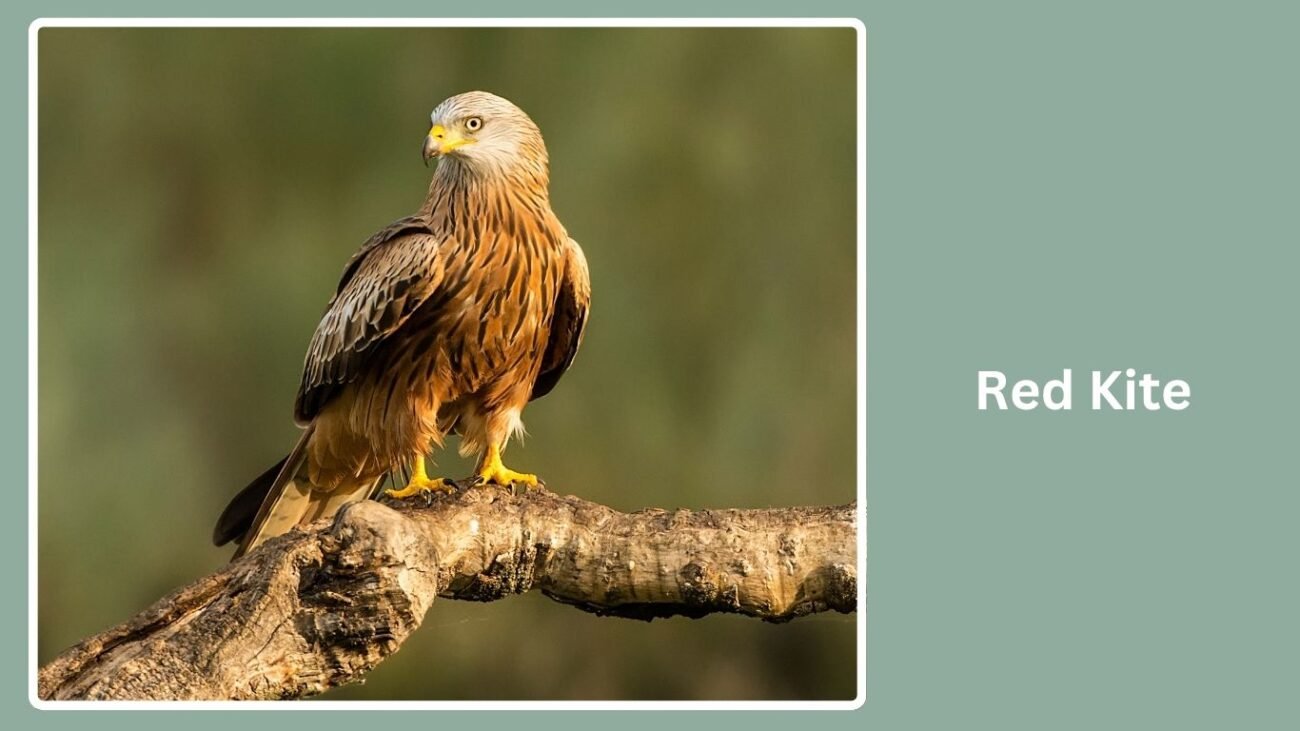
The Red Kite is a graceful scavenger native to Europe, especially widespread in the UK. While it can hunt live prey, it mainly survives by feeding on roadkill, animal remains, and human food waste.
Carrion Diet and Foraging Style
Red Kites search for dead animals while gliding low over the countryside. They’ll quickly swoop down to snatch small carcasses or food scraps. Their sharp eyes help them locate even small remains, and they often steal food from other birds.
Identifying the Red Kite
- Slender body with long, forked tail
- Reddish-brown plumage with white patches under wings
- Pale head with sharp yellow beak
- Elegant, buoyant flight style
Where They Thrive and How They Act
Red Kites prefer open countryside, woodlands, and near-farmlands. They often nest in tall trees and soar widely in search of food. Once endangered, their numbers have increased due to conservation efforts, and they are now a common sight above rural UK roads and fields.
Summary:
These seven scavenger birds—Turkey Vulture, Black Vulture, Bald Eagle, Golden Eagle, Common Raven, Marabou Stork, and Red Kite—serve as nature’s cleanup crew. Each species has evolved unique traits for feeding on dead animals, from powerful beaks and sharp talons to incredible eyesight and even a strong sense of smell. Found in habitats ranging from African wetlands to North American roadsides, these birds help maintain ecological balance by recycling life’s leftovers.