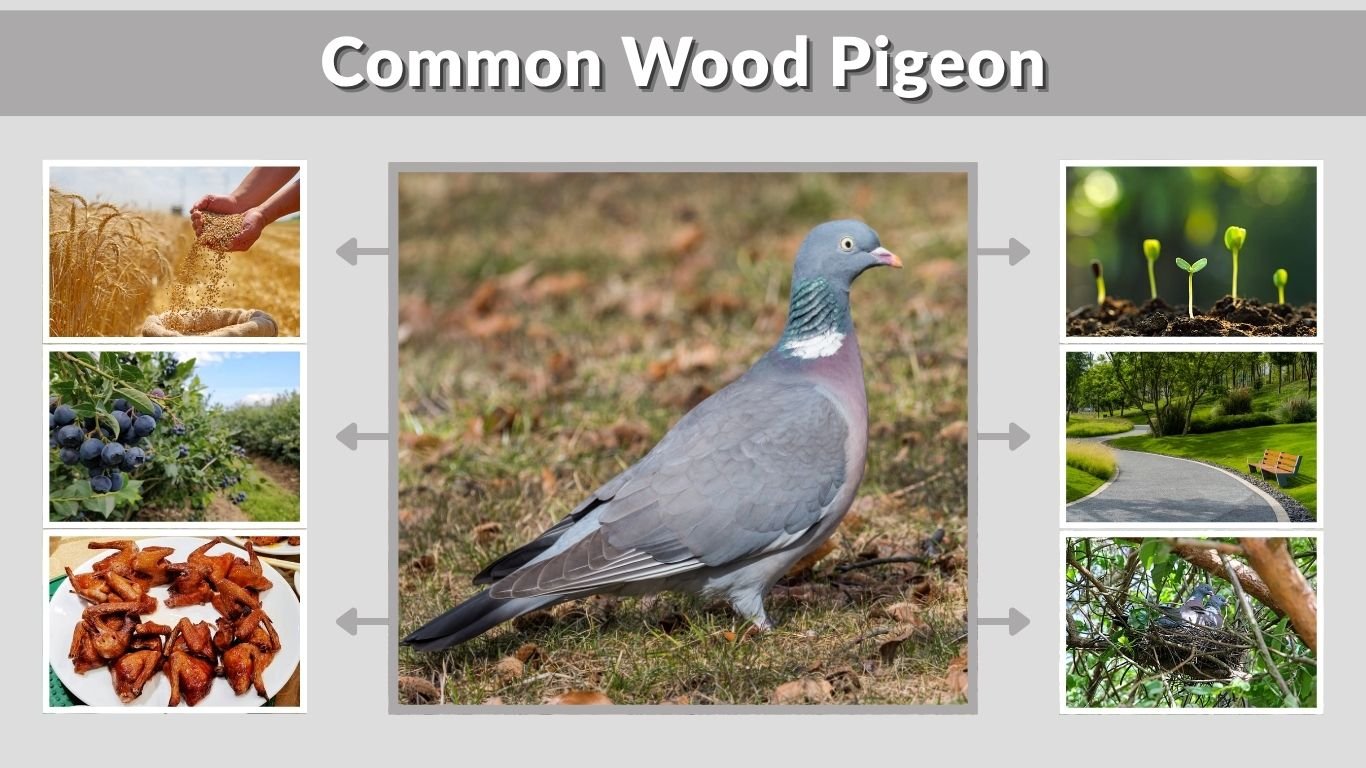
The common wood pigeon (Columba palumbus) is one of the most familiar birds across the UK and Ireland, often seen in gardens, woodlands, and farmland. Known for its large size, soft grey plumage, and distinctive white neck patch, this species is easy to recognize. Its slow, rhythmic cooing call is a signature sound of the countryside. This guide explores how to identify wood pigeons, where they live, what they eat, and how they differ from other pigeons.
What Is the Common Wood Pigeon?
The common wood pigeon is the largest pigeon species in Europe and is widely distributed across the UK, Ireland, and much of the continent. It is a highly adaptable bird that thrives in both rural and urban environments. Unlike smaller pigeons often seen in cities, wood pigeons prefer trees and open spaces, although they are increasingly common in suburban gardens.
Identification Guide: How to Recognize a Wood Pigeon
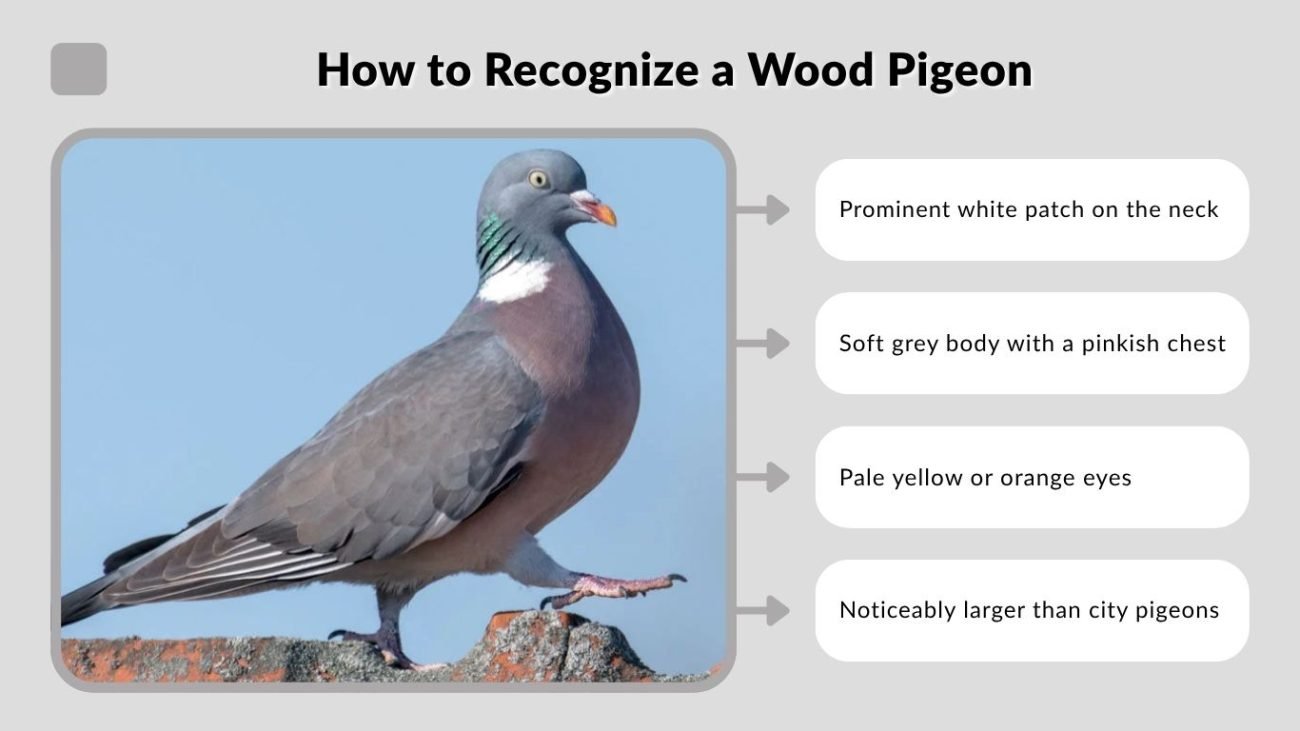
This section explains the key features that make the common wood pigeon easy to identify in the wild. Observing its size, markings, and flight behavior can quickly distinguish it from other pigeon species.
Physical Features
- Prominent white patch on the neck
- Soft grey body with a pinkish chest
- Pale yellow or orange eyes
Size and Wingspan
- Noticeably larger than city pigeons
- Broad wings with visible white bands
- Strong, rounded body shape
In-Flight Appearance
- Loud wing clapping when taking off
- White flashes visible on wings
- Direct, powerful flight pattern
Common Wood Pigeon vs Common Pigeon (Rock Dove)
Many people confuse wood pigeons with the common pigeon seen in cities, also known as the rock dove. However, several clear differences set them apart in terms of appearance, behavior, and habitat.
Key Differences
- Wood pigeons are larger and bulkier
- Rock doves have darker, more varied plumage
- Wood pigeons have a distinctive white neck patch
Habitat Comparison
- Wood pigeons prefer trees, fields, and gardens
- Rock doves are mostly found in urban areas and buildings
Common Wood Pigeon Habitat and Distribution
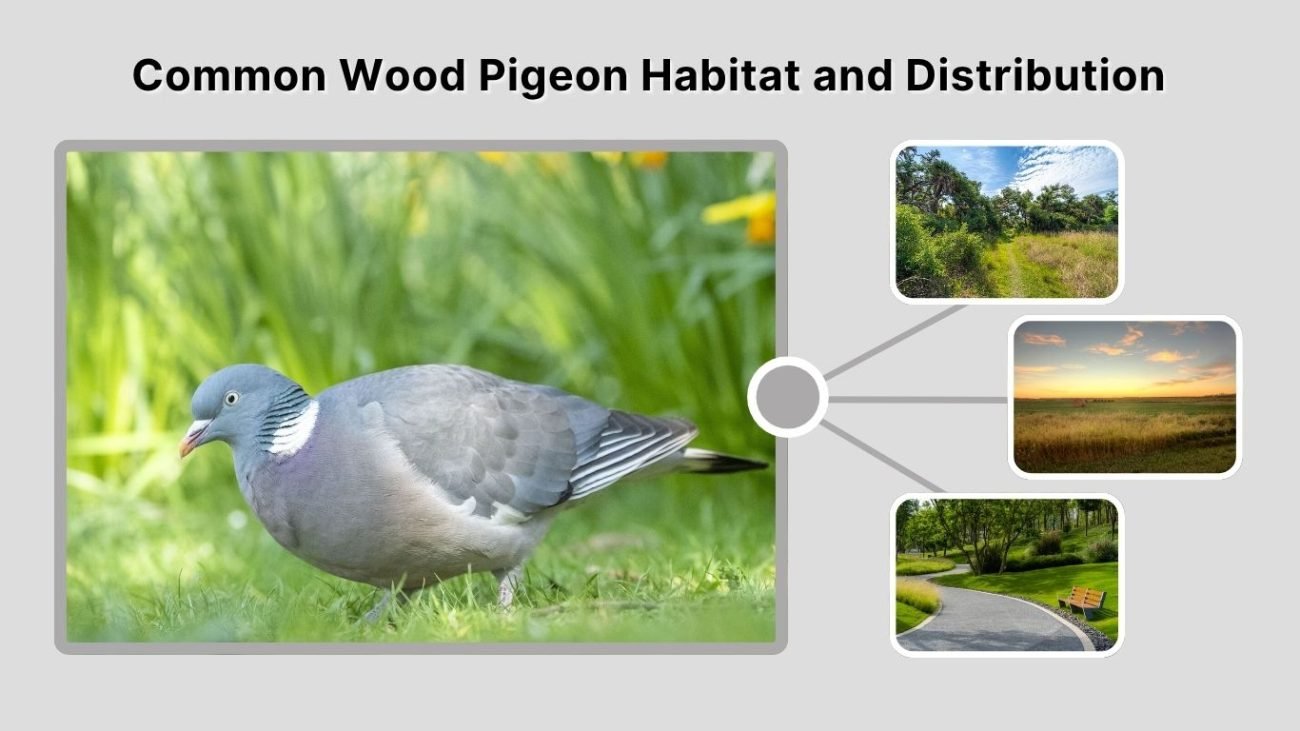
The common wood pigeon is highly adaptable and can be found in a wide range of environments. Its ability to thrive in both natural and human-altered landscapes has contributed to its growing population. From dense woodlands to open farmland and even city parks, this bird has successfully expanded its range across Europe, especially in the UK and Ireland.
Common Wood Pigeon Diet
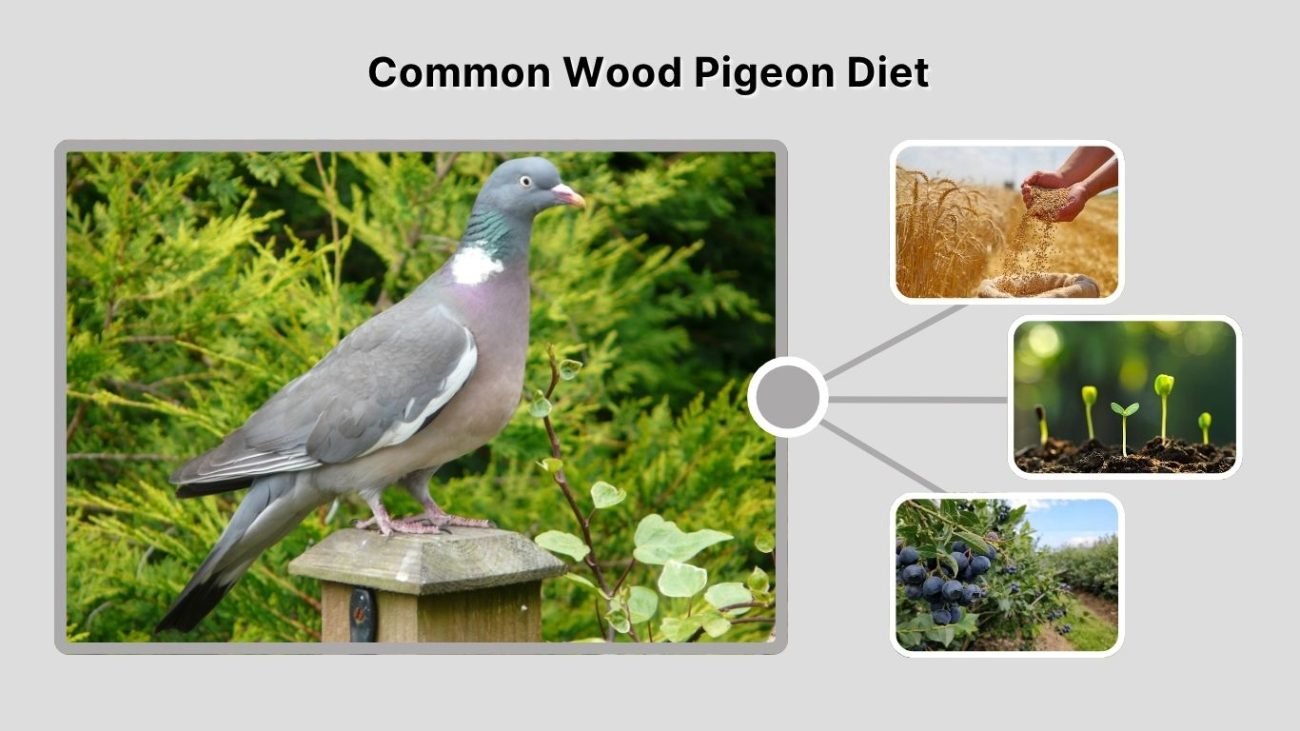
Understanding what wood pigeons eat helps explain their behavior and impact on the environment. They are primarily plant eaters and spend much of their time foraging on the ground.
Main Food Sources
- Seeds and grains from crops
- Leaves, shoots, and green plants
- Berries and small fruits
Feeding Behavior
- Often feeds in flocks on open ground
- Uses a large crop to store food
- Can consume large quantities quickly
Common Wood Pigeon Call and Sounds
The common wood pigeon is well known for its deep and repetitive cooing sound. This call is often heard in the early morning or late afternoon and plays an important role during the breeding season. The rhythm is slower and more deliberate than other pigeons, making it easily recognizable. Males use this sound to attract mates and establish territory, adding a calming, natural soundtrack to gardens and woodlands.
Breeding and Nesting Behavior
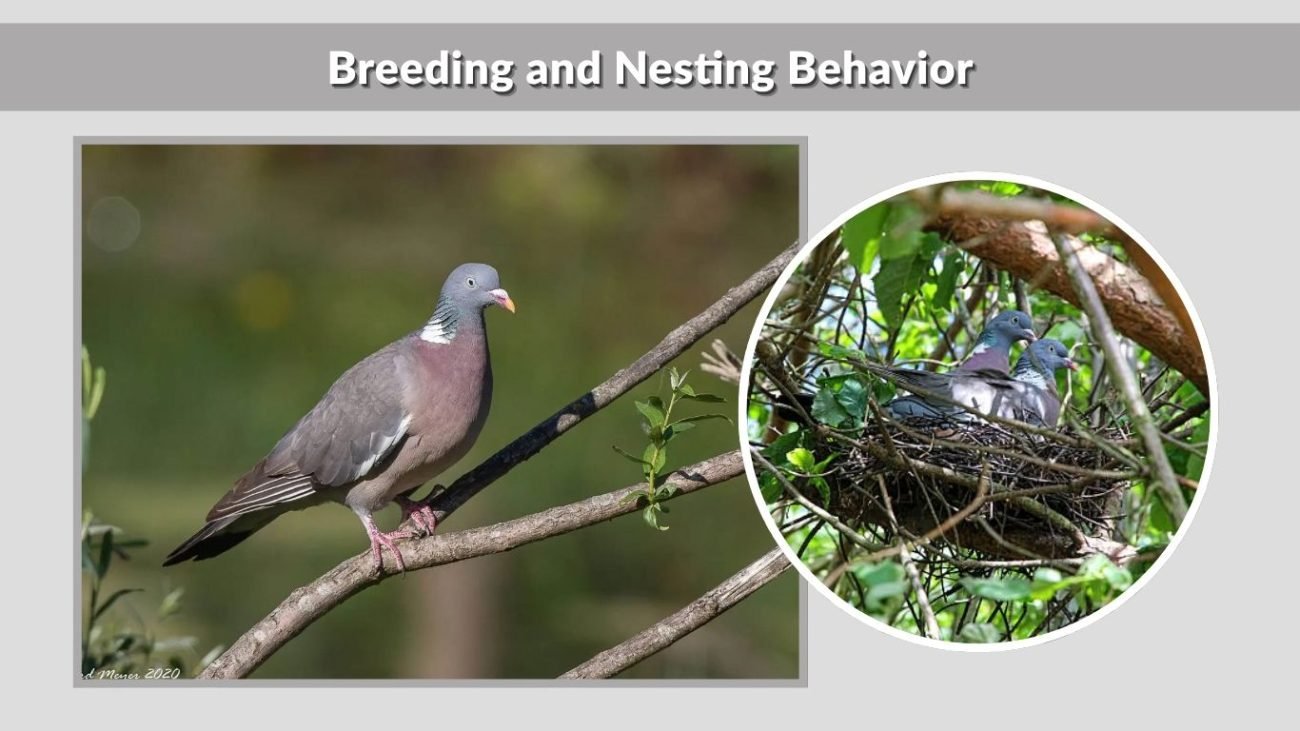
The breeding habits of the common wood pigeon are simple yet effective, allowing the species to reproduce successfully throughout much of the year. They often raise multiple broods, especially in mild climates.
Nest Construction
- Built from loose twigs
- Usually placed in trees or hedges
- Often appears flimsy but functional
Breeding Season
- Typically from spring to early autumn
- Multiple broods are common
- Both parents share responsibilities
Eggs and Baby Wood Pigeons
This section explores the early life stages of the common wood pigeon, from egg laying to chick development. Their reproductive strategy is simple but effective, ensuring steady population growth across their range.
Egg Characteristics
- Usually 2 smooth, white eggs per clutch
- Eggs are oval-shaped and relatively small
- Incubation lasts around 16–18 days
Chick Development
- Chicks are born blind and helpless
- Fed with nutrient-rich crop milk by both parents
- Fledge after about 4–5 weeks
Common Wood Pigeon Lifespan and Predators
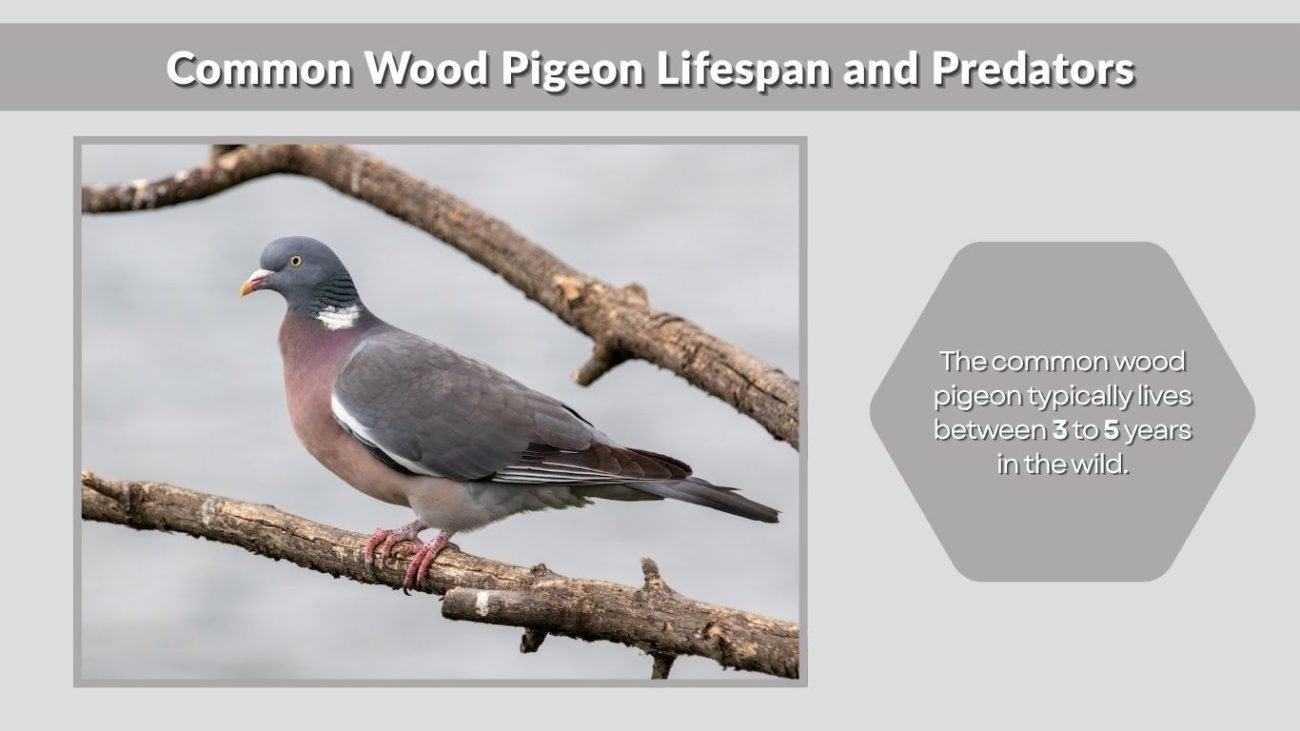
The common wood pigeon typically lives between 3 to 5 years in the wild, although some individuals may survive longer under favorable conditions. Their survival depends on food availability, habitat safety, and predator presence. Despite being widespread, they face constant threats from natural predators, which help maintain ecological balance in their habitats.
Male vs Female Wood Pigeon
Male and female wood pigeons look very similar, making it difficult to distinguish between them visually. However, subtle behavioral differences can sometimes be observed, especially during the breeding season.
Key Differences
- Males may appear slightly larger
- Males are more active in courtship displays
- Both sexes share nesting and feeding duties
Feathers, Tail, and Physical Adaptations
The feathers and body structure of the common wood pigeon are well adapted for survival in varied environments. Their plumage provides insulation and camouflage, while their strong wings allow efficient, long-distance flight. The tail helps with balance and steering, especially when navigating through trees or avoiding predators in open landscapes.
Common Wood Pigeon in the UK and Ireland
The common wood pigeon is one of the most abundant bird species in the UK and Ireland. Its ability to adapt to different environments, including urban gardens, has contributed to its population growth. It is frequently seen feeding on lawns, perched in trees, or flying in small flocks, making it a familiar sight for birdwatchers and homeowners alike.
Can You Eat Common Wood Pigeons?
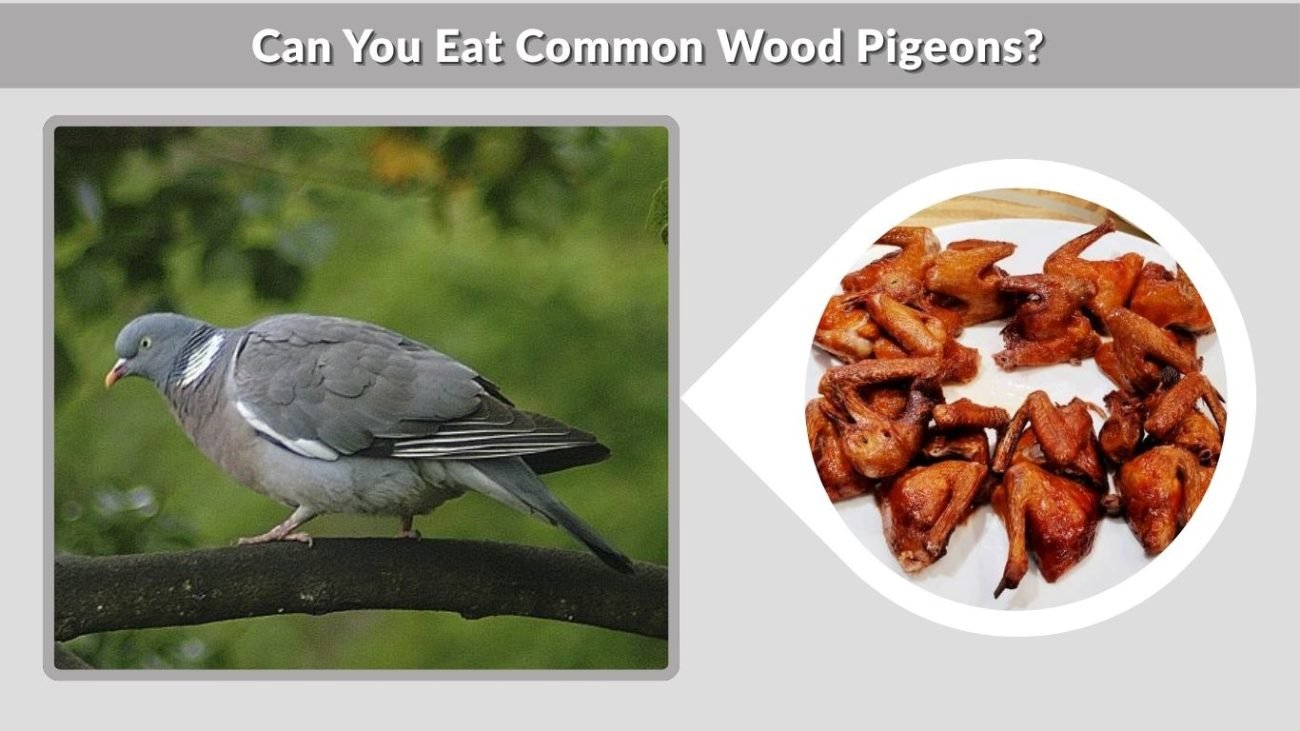
Wood pigeon is considered a popular game bird in many parts of Europe, valued for its rich and flavorful meat. It is often hunted in rural areas where populations are high, particularly on farmland where they can damage crops. However, hunting regulations vary by region, so it is important to follow local wildlife laws before consuming or harvesting this species.
Interesting Facts About the Common Wood Pigeon
This section highlights some fascinating and lesser-known facts about this widespread bird, helping readers better appreciate its unique characteristics.
Quick Facts
- Largest pigeon species in Europe
- Can eat large amounts of crops daily
- Produces crop milk for feeding chicks
- Recognized by its distinctive cooing sound
Spiritual Meaning of the Wood Pigeon
In many cultures, the wood pigeon is seen as a symbol of peace, love, and emotional connection. Its calm nature and gentle call often represent harmony and stability. Some interpretations also associate it with home, loyalty, and the importance of relationships, making it a meaningful bird in symbolic and spiritual contexts.
FAQs
What is the difference between a wood pigeon and a common pigeon?
Wood pigeons are larger and have a distinctive white patch on their neck, while common pigeons (rock doves) are smaller with darker, varied plumage. Wood pigeons prefer rural and garden environments, whereas common pigeons are mostly found in cities and urban areas.
What sound does a common wood pigeon make?
The common wood pigeon produces a deep, slow, and rhythmic cooing sound, often described as “coo-coo-coo.” It is calmer and more repetitive than other pigeons, and is usually heard during early mornings and throughout the breeding season.
Where do common wood pigeons build their nests?
Wood pigeons build simple nests made of loosely arranged twigs, typically placed in trees, hedges, or dense shrubs. These nests may look fragile but are used repeatedly, especially when the birds raise multiple broods in a season.
What do common wood pigeons eat?
Their diet mainly consists of seeds, grains, leaves, and small fruits. They often feed on the ground in open areas and can consume large quantities of food quickly, storing it in their crop for later digestion.
Are common wood pigeons migratory birds?
Most common wood pigeons in the UK and Ireland are resident birds, meaning they stay year-round. However, populations in colder northern regions may migrate south during winter, often forming large flocks during seasonal movements.