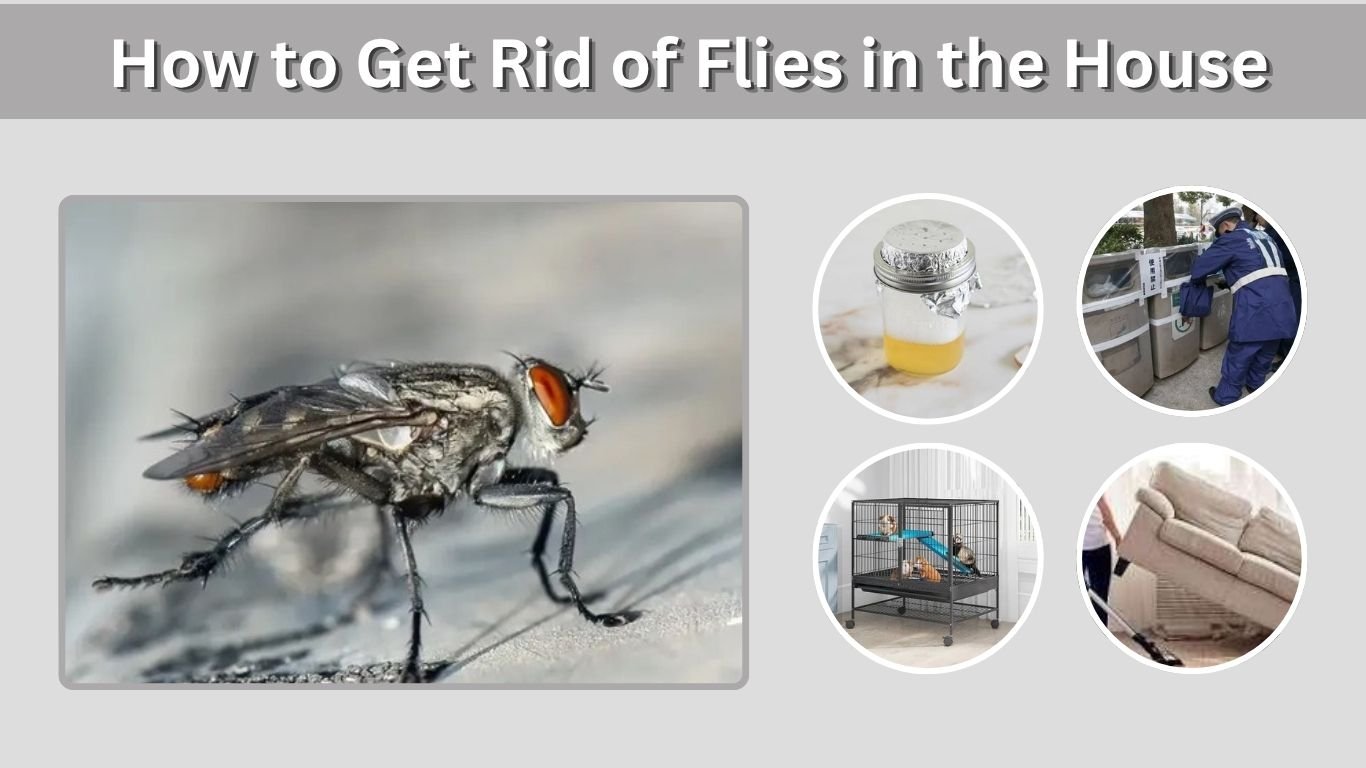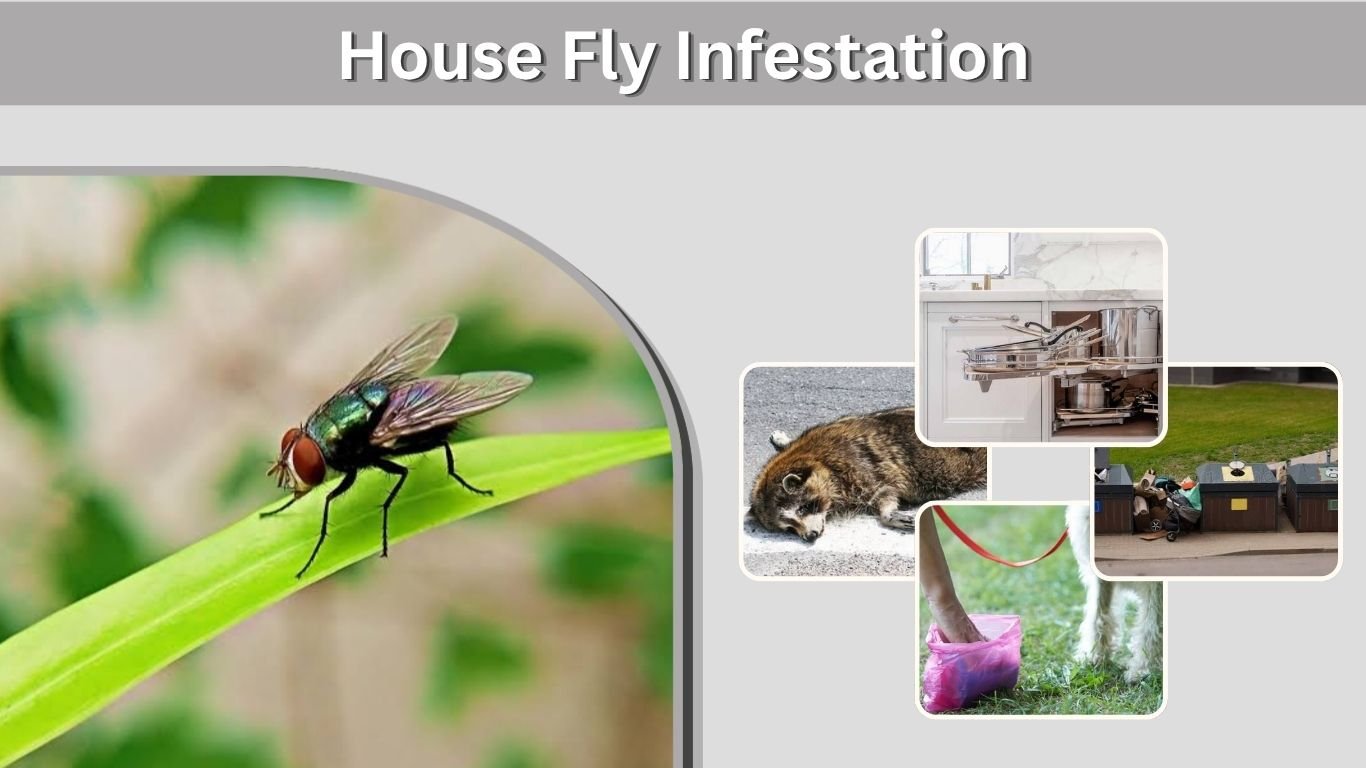
A house fly infestation usually develops when flies gain access to food, garbage, animal waste, or other decaying organic material. A sudden appearance of numerous flies may also point to a hidden breeding source, such as spoiled food or a dead animal. Killing the visible adults can provide immediate relief, but lasting control requires locating the source, removing it, trapping remaining flies, and preventing new ones from entering.
Signs of a House Fly Infestation
Seeing one or two flies indoors does not necessarily indicate an infestation. Flies commonly enter through open doors and damaged window screens. However, repeated or increasing activity deserves investigation.
Common warning signs include:
- Numerous adult flies gathering around windows
- Flies repeatedly appearing in the kitchen or bathroom
- Dark fly spots on walls, ceilings, or light fixtures
- Maggots in garbage or decomposing material
- Small brown pupal cases near a breeding source
- Buzzing sounds inside wall voids or the attic
- Flies continuing to appear after doors and windows are closed
The presence of larvae or pupae provides stronger evidence of indoor breeding than adult flies alone.
What Causes a House Fly Infestation?
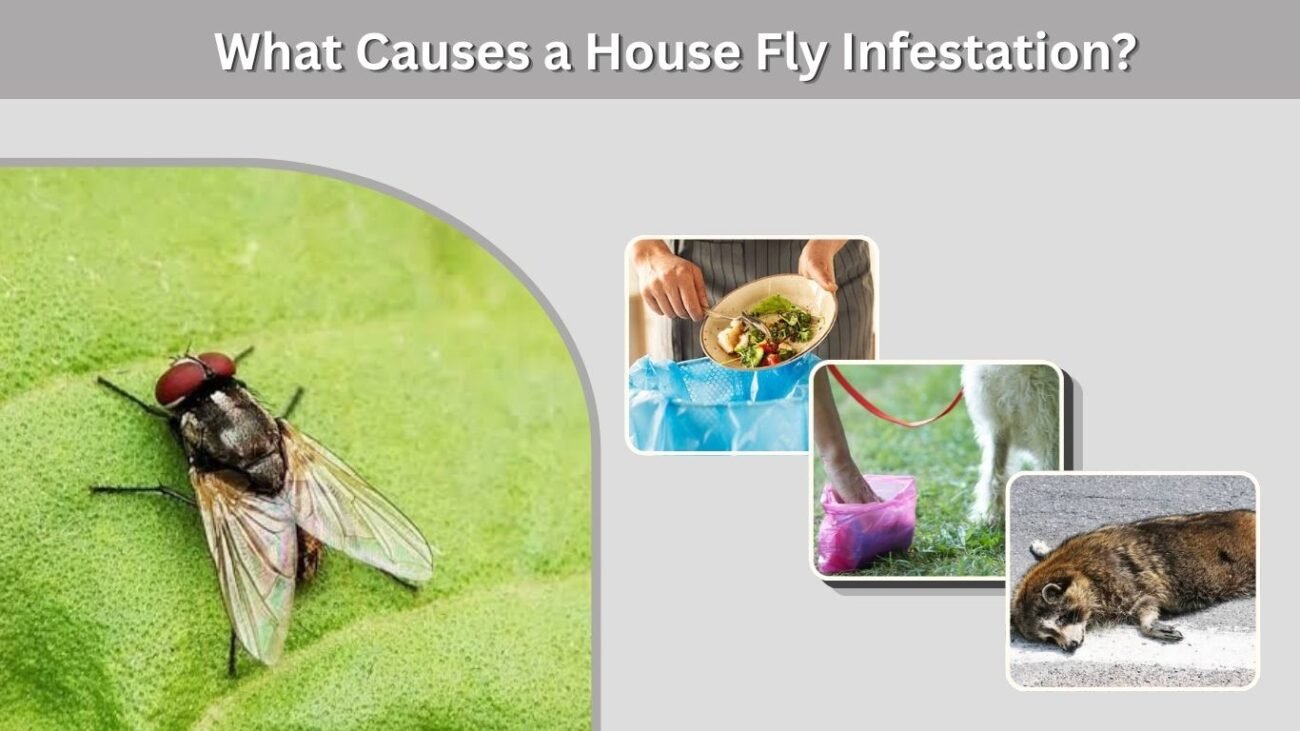
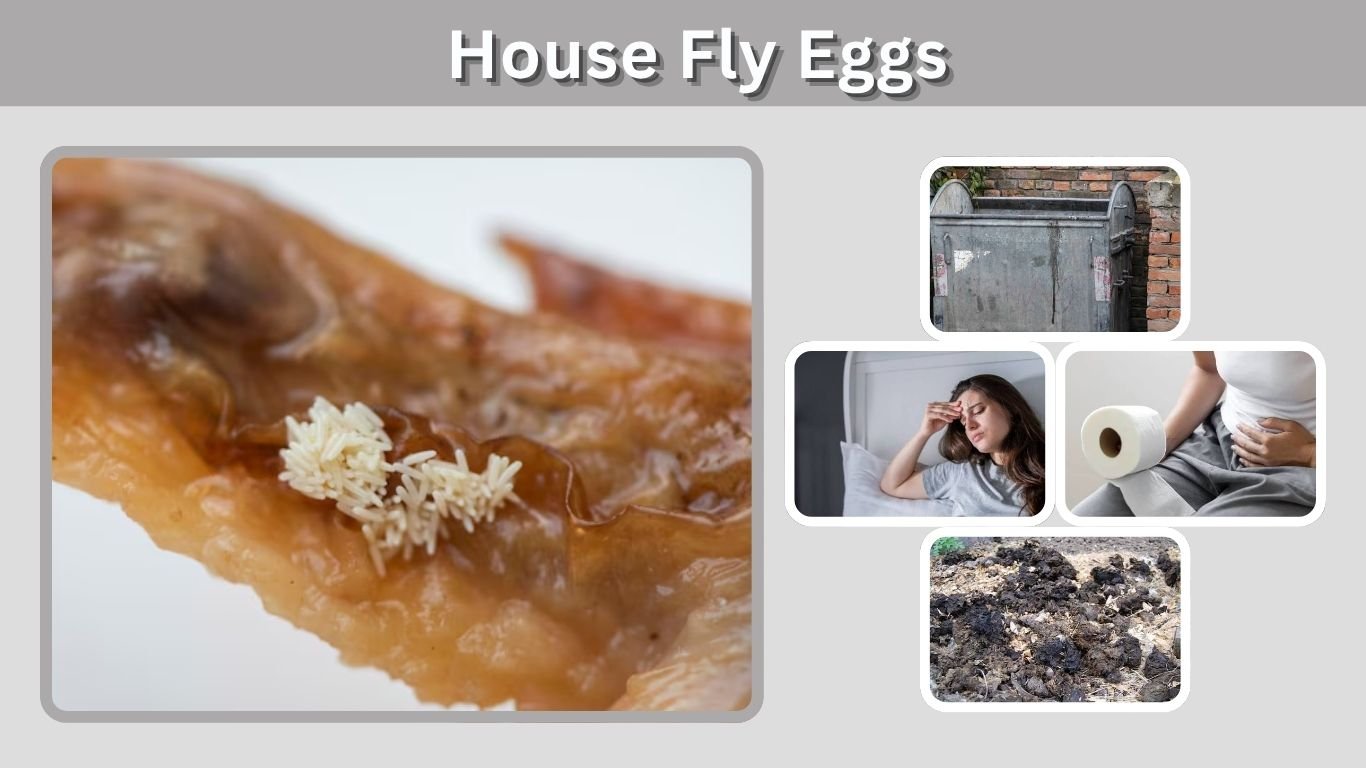
House flies lay eggs on moist, decaying organic matter. The larvae—commonly called maggots—feed on this material before moving to a drier place to pupate.
Garbage and Spoiled Food
An overflowing trash container is one of the most common causes. Residue may collect beneath the bag or around the lid even when the garbage is emptied regularly.
Forgotten food can also support fly development. Check cabinets, reusable shopping bags, recycling containers, potatoes, onions, and areas beneath appliances.
Pet and Animal Waste
Unclean litter boxes, pet feces, animal bedding, and spilled pet food can attract flies. Outdoor animal waste near doors or windows can create a problem indoors as emerging adults enter the building.
Dead Animals
A sudden infestation of large blue, green, or dark metallic flies may indicate a dead rodent, bird, or other animal in an attic, chimney, crawl space, or wall void.
These insects may be blow flies rather than common house flies. Removing the carcass is usually the most effective solution.
Outdoor Breeding Sources
Flies may develop in outdoor trash cans, compost piles, manure, and decaying vegetation before entering the house. This explains why an otherwise clean home can still experience an infestation.
Why Did Flies Suddenly Appear in My House?
A sudden fly infestation can occur when many adults emerge from pupae at approximately the same time. The original breeding material may have been present for days before the adults became noticeable.
Another possibility is that overwintering cluster flies have become active. Cluster flies commonly gather in attics and wall voids before appearing around windows during warm winter or spring days. They do not normally reproduce in household garbage.
Inspect the flies carefully because species identification helps reveal the likely source.
How to Find the Source of a Fly Infestation
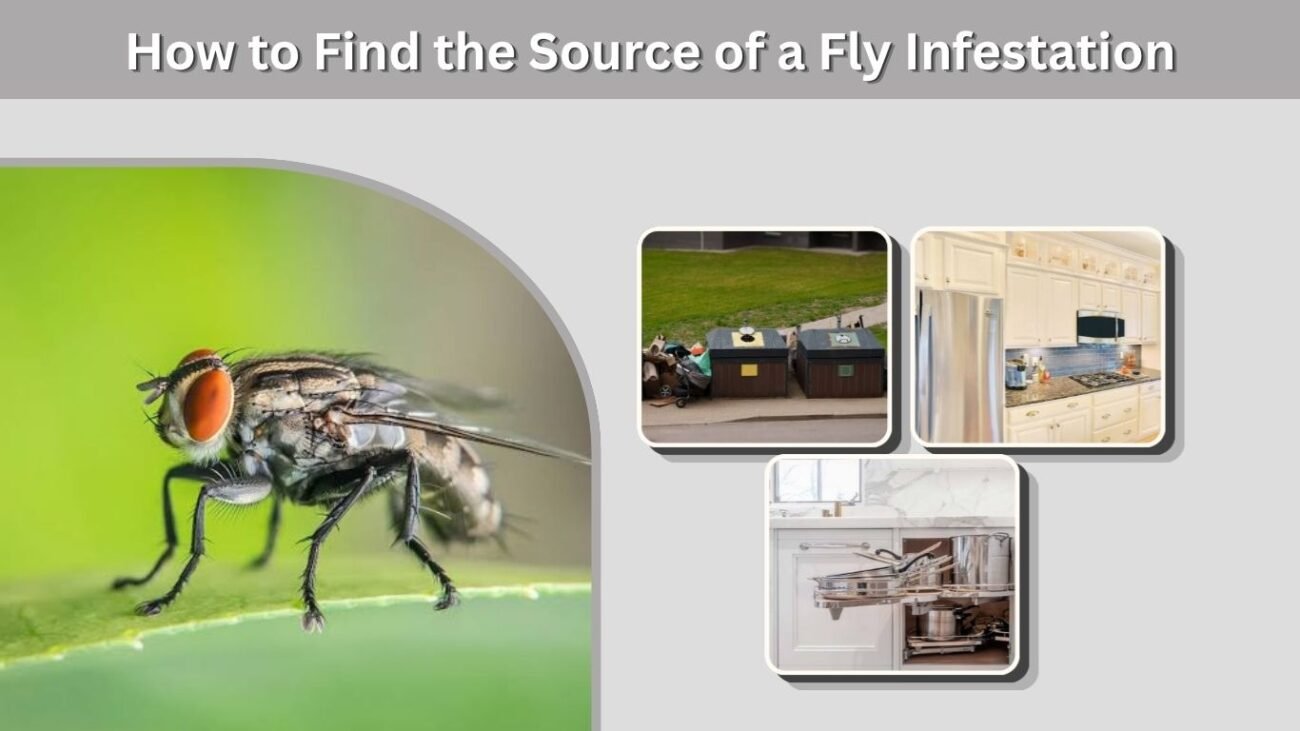
Begin where the greatest number of flies is present. Flies around a kitchen may originate from food or garbage, while large metallic flies near an attic could indicate a dead animal.
Inspect the following places:
- Inside and beneath garbage containers
- Under refrigerators, stoves, and cabinets
- Behind furniture and stored boxes
- Around pet feeding and waste areas
- Inside recycling and compost containers
- In basements, garages, attics, and crawl spaces
- Around chimneys, vents, and wall openings
- Near outdoor garbage or animal enclosures
House flies do not create organized nests. Instead, females deposit eggs directly on suitable breeding material.
How to Get Rid of a House Fly Infestation
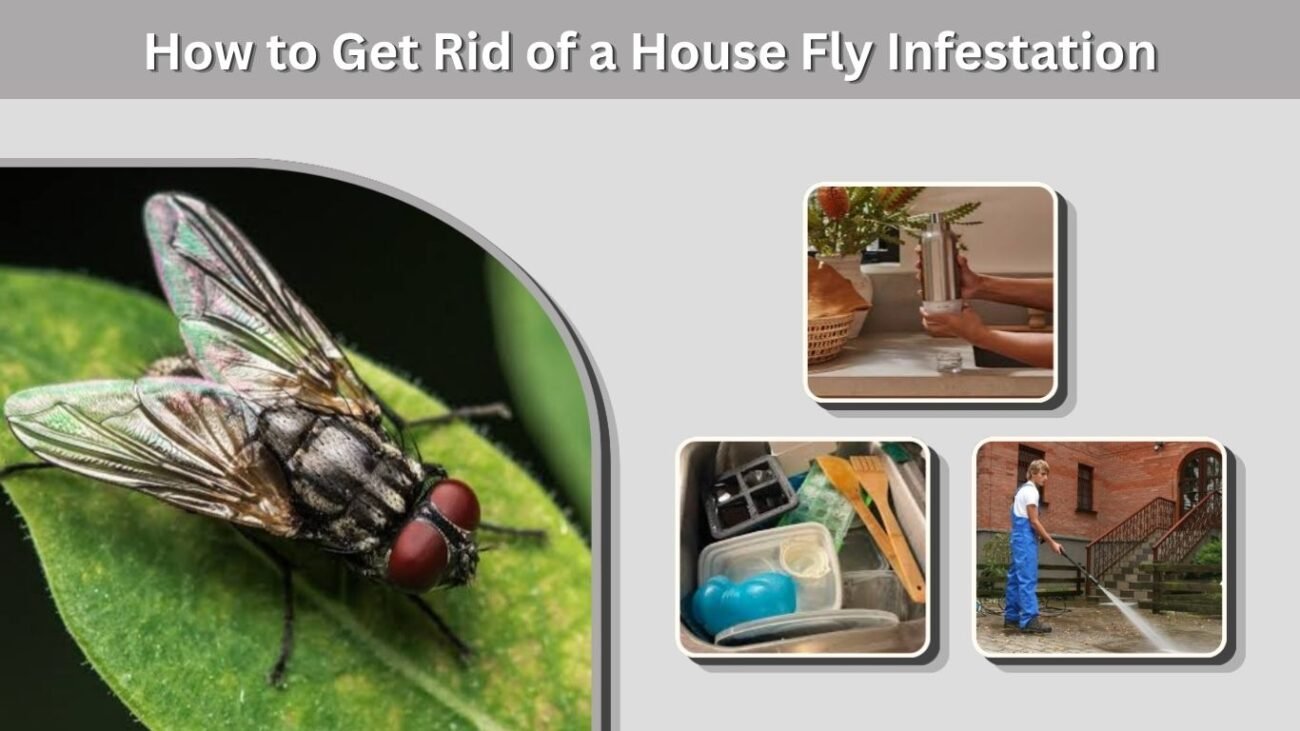
Successful treatment combines source removal, sanitation, adult control, and exclusion.
Remove the Breeding Material
Place spoiled food, animal waste, and contaminated garbage in sealed bags before disposing of them. Wash reusable containers with detergent and water after emptying them.
If a dead animal is suspected, locate and remove it when this can be done safely. Contact a pest-control or wildlife-removal professional when the source is inside a wall, chimney, or other inaccessible area.
Clean the Affected Areas
Clean floors, counters, and spaces beneath appliances. Remove food residue and dry excessive moisture. Wash garbage and recycling containers, paying attention to the lid, rim, and bottom.
Vacuum visible maggots and pupal cases, then empty the vacuum outdoors into a sealed bag.
Eliminate Adult Flies
The following tools can reduce adult fly numbers:
- Fly swatters for isolated flies
- Vacuum cleaners for flies resting near windows
- Window-mounted adhesive traps
- Sticky fly ribbons in appropriate locations
- Enclosed bait traps labeled for indoor use
- Ultraviolet traps fitted with glue boards
Place traps where flies are active but away from exposed food. Keep sticky materials and chemical products beyond the reach of children and pets.
Use Insecticides Responsibly
An indoor fly spray may provide temporary control when many adults are present. Choose a product specifically labeled for indoor fly treatment and follow every instruction.
Remove or cover food and utensils before spraying. Do not apply outdoor pesticides inside, and never spray surfaces used for preparing food unless the label permits it.
Insecticide alone rarely solves an infestation because new flies will continue emerging while the breeding source remains.
How to Prevent Another Infestation
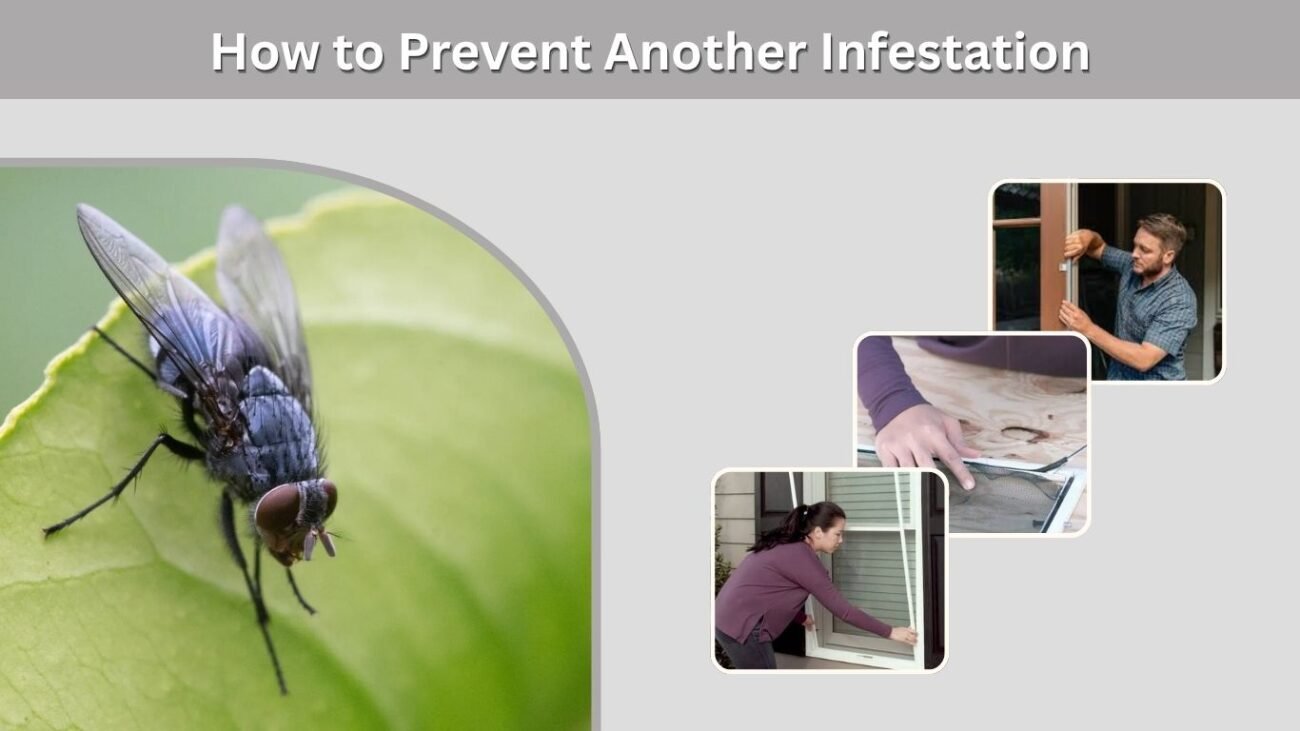
Once the current problem is controlled, make the house less accessible and attractive to flies.
- Install or repair window and door screens.
- Add weatherstripping around exterior doors.
- Seal openings around pipes, vents, and cables.
- Keep food covered or refrigerated.
- Clean spills and dirty dishes promptly.
- Empty indoor garbage frequently.
- Use trash cans with tight-fitting lids.
- Rinse food containers before recycling.
- Pick up pet waste regularly.
- Keep outdoor garbage away from entrances.
- Cover food scraps inside compost piles.
Fly numbers may not drop immediately after cleaning because adults can continue emerging from existing pupae. Continue trapping and monitoring the affected area.
Identifying Different Indoor Fly Infestations
Not every flying insect inside a house is a house fly.
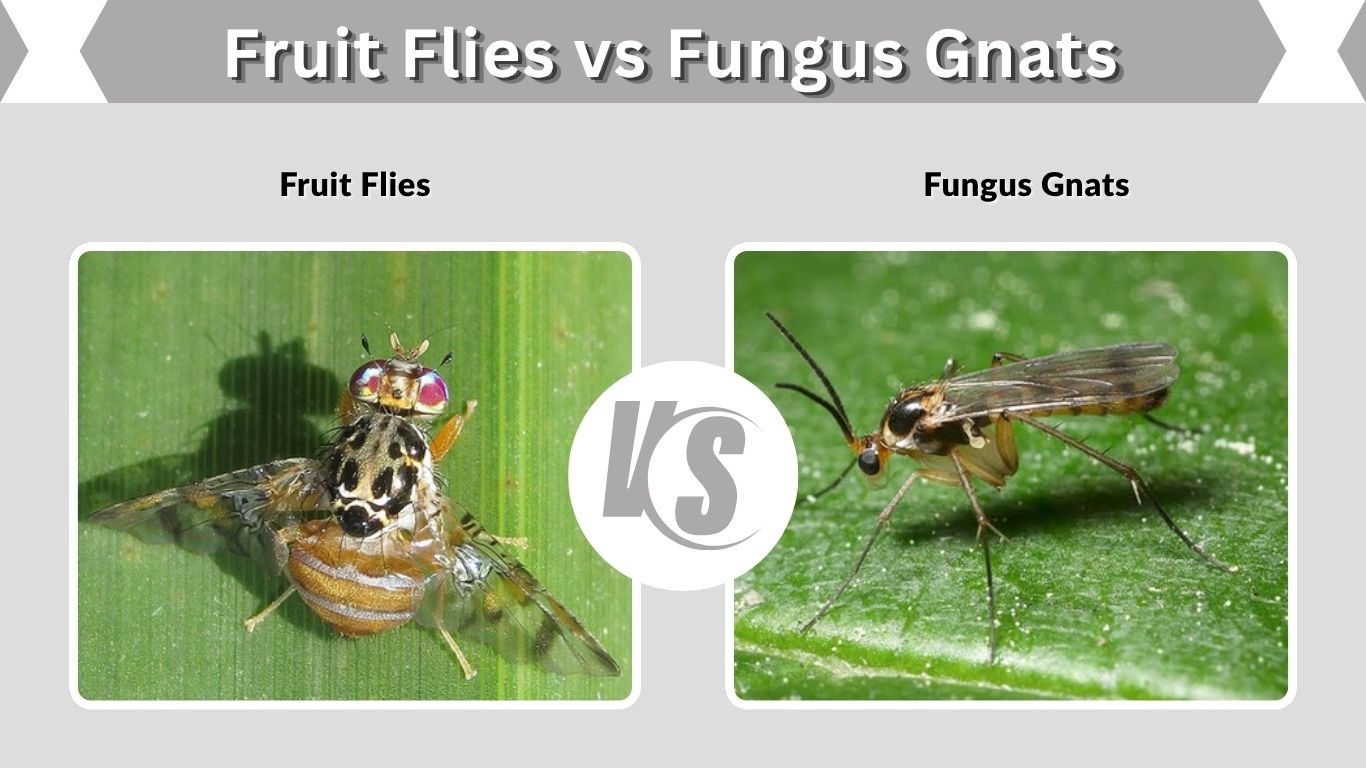
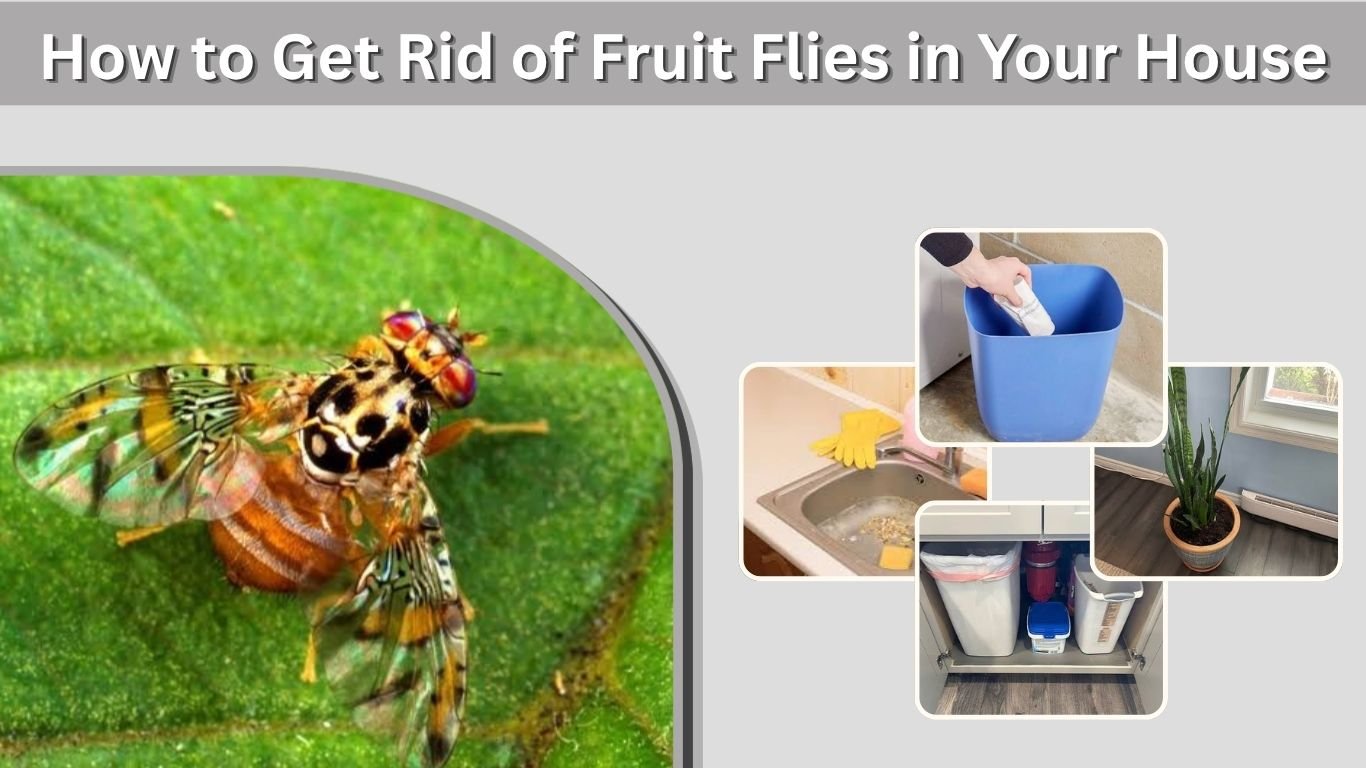
Fruit Flies
Fruit flies are tiny, usually tan or brown, and often gather around overripe fruit, fermented liquids, recycling, or food residue. Remove the source and scrub containers where residue has accumulated.
Drain Flies
Drain flies are small, fuzzy, and moth-like. They rest near sinks and drains where their larvae may develop in organic film. Clean the pipe mechanically with a drain brush rather than relying only on bleach.
Fungus Gnats
Fungus gnats are slender, dark flies commonly found near moist houseplant soil. Allowing the soil surface to dry between appropriate waterings can make it less suitable for larvae.
Bottle and Blow Flies
Bottle flies are relatively large and may appear metallic blue or green. Their presence can be associated with garbage, animal waste, or a dead animal.
Cluster Flies
Cluster flies are sluggish insects that often collect around sunny windows. They enter buildings to overwinter and can appear suddenly when indoor temperatures rise.
How Long Does a House Fly Infestation Last?
The duration depends on whether the breeding source has been removed. Adults may continue appearing for several days or longer as pupae complete development.
Once sanitation and exclusion measures are in place, numbers should gradually decrease. Continued activity may mean that the source was missed, flies are entering from outside, or the insect was incorrectly identified.
When Should You Call an Exterminator?
Professional help may be appropriate when:
- Large numbers of flies continue to emerge
- The breeding source cannot be located
- A dead animal may be inside a wall
- Flies are affecting a restaurant or commercial kitchen
- Maggots repeatedly appear indoors
- Sanitation and traps have not reduced activity
A pest-management professional can identify the species, inspect inaccessible areas, and select an appropriate treatment.
FAQs
Can a clean house have a fly infestation?
Yes. Flies can breed outdoors and enter a clean home. A dead animal inside a hidden space can also create an infestation unrelated to normal housekeeping.
Can flies infest houseplants?
House flies rarely breed in ordinary potting soil. Small flies around plants are more commonly fungus gnats, although decaying plant material may attract other species.
Can house flies come from drains?
House flies may enter through plumbing gaps, but tiny flies developing inside organic drain buildup are more likely to be drain flies.
What is the fastest way to stop a fly infestation?
Remove the breeding material first, then clean the area and use traps or a vacuum to eliminate remaining adults. Killing adults without removing the source provides only temporary control.
Are house flies dangerous?
House flies do not bite, but they can carry microorganisms from waste to food and surfaces. Dispose of contaminated food and clean affected food-preparation areas carefully.