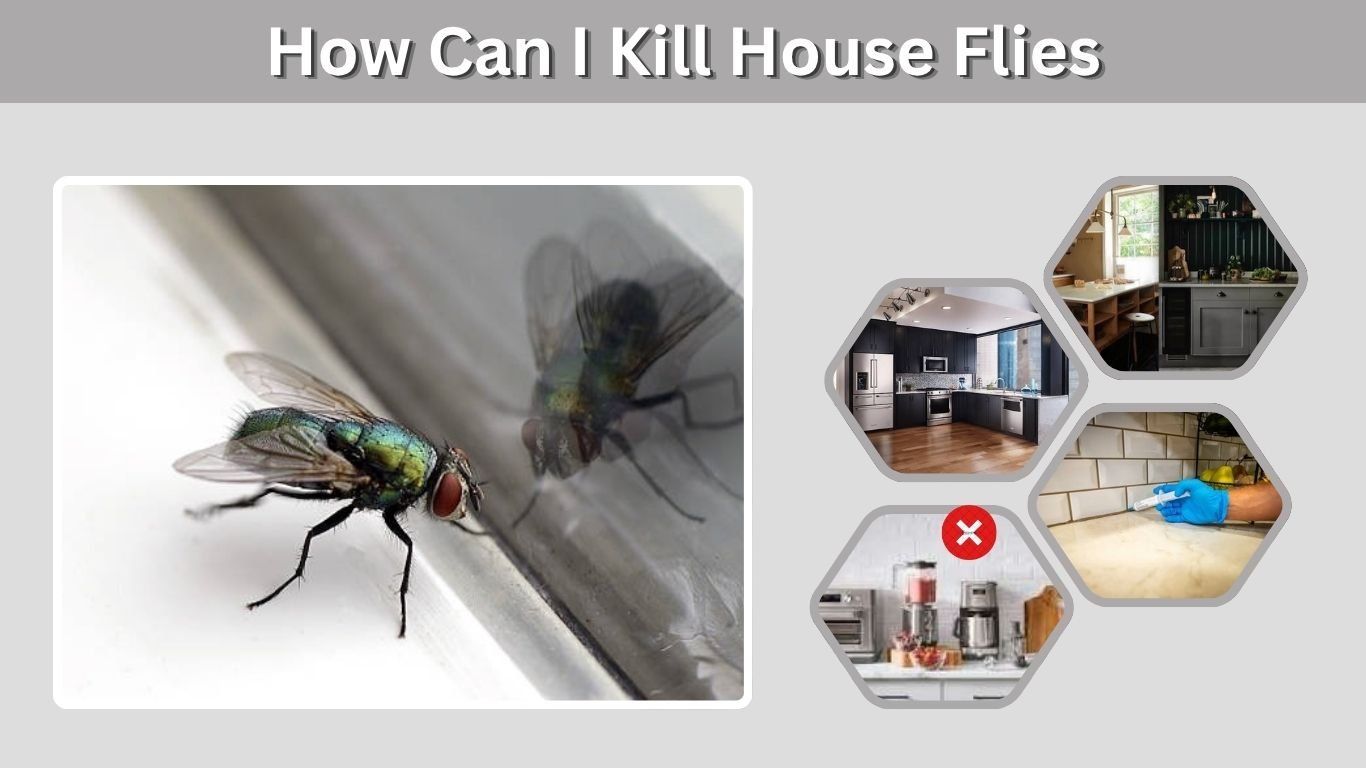
House flies can quickly become a problem when they find food, moisture, or suitable breeding material indoors. The fastest way to control them is to kill the adult flies while removing the source attracting them. Fly swatters, traps, vacuuming, and carefully used insecticides can reduce active flies, but cleaning garbage containers, protecting food, and sealing entry points provide longer-lasting control. This guide explains how to get rid of house flies safely and prevent another infestation.
How Can I Kill House Flies Quickly?
A single fly can usually be eliminated with a fly swatter, vacuum cleaner, or indoor fly trap. If numerous flies are present, combine several control methods instead of relying on one product.
Use a Fly Swatter
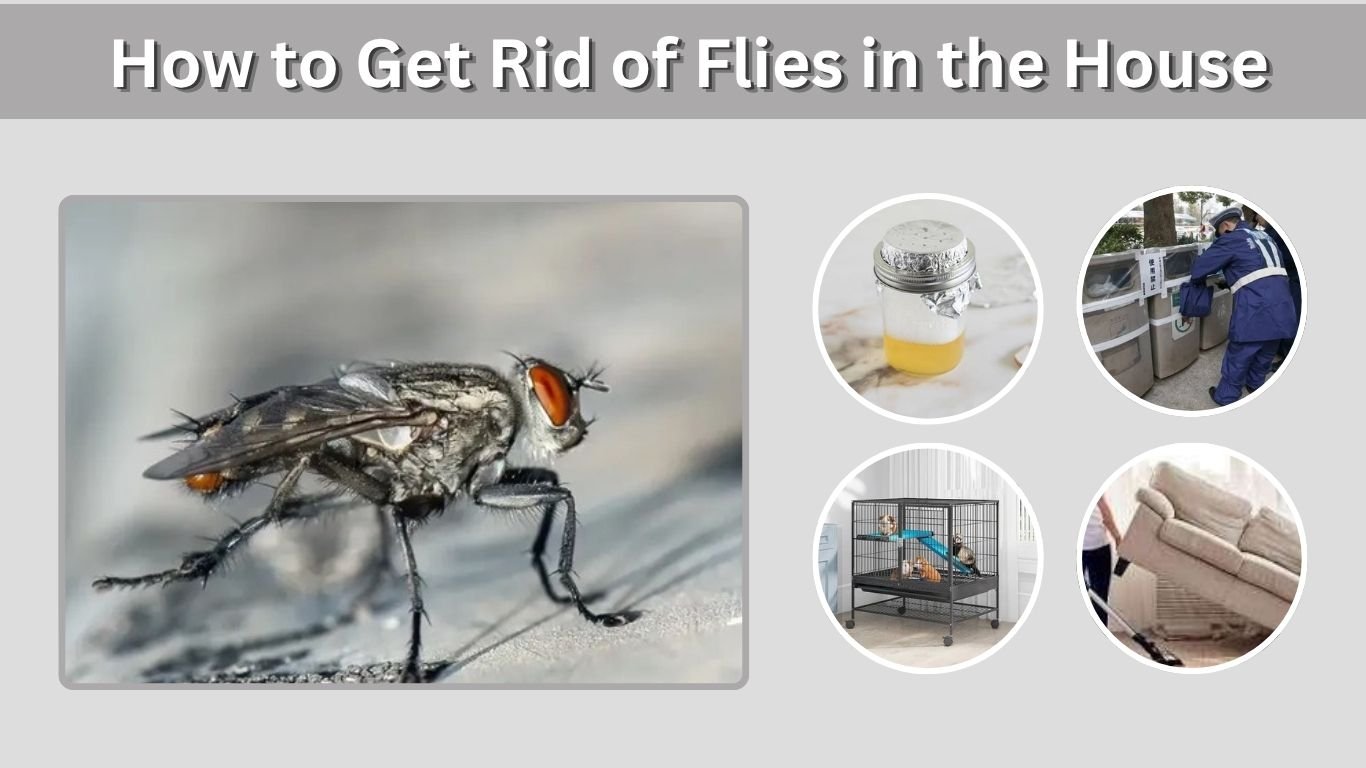
A traditional fly swatter is inexpensive and effective for a small number of flies. House flies often rest on windows, walls, ceilings, and other warm surfaces.
Move slowly until you are close enough to strike. Clean and disinfect the surface afterward, especially if it is near food-preparation areas.
Catch Flies With a Vacuum
A handheld vacuum can capture flies resting around windows, lamps, or ceilings. It is particularly useful when you do not want to crush flies against painted walls or furniture.
Empty the vacuum outdoors immediately. If the vacuum uses a disposable bag, seal it before placing it in the trash.
Install Indoor Fly Traps
Useful indoor options include:
- Sticky fly ribbons
- Window-mounted adhesive traps
- Enclosed bait traps labeled for indoor use
- Plug-in ultraviolet light traps with glue boards
Position traps near areas where flies gather, but keep them away from exposed food and outside the reach of children and pets. Avoid placing ultraviolet traps where their light can attract outdoor flies through an open door or window.
Use an Indoor Fly Spray Carefully
An insecticide labeled for indoor fly control can kill adult flies quickly. Follow the product label exactly and ventilate the room when directed. Remove or cover food, dishes, pet bowls, and food-preparation equipment before spraying.
Never apply outdoor pesticides inside a house. Do not spray insecticide onto people, animals, bedding, countertops, or cooking utensils unless the label specifically permits that use.
How to Get Rid of Flies in Your House
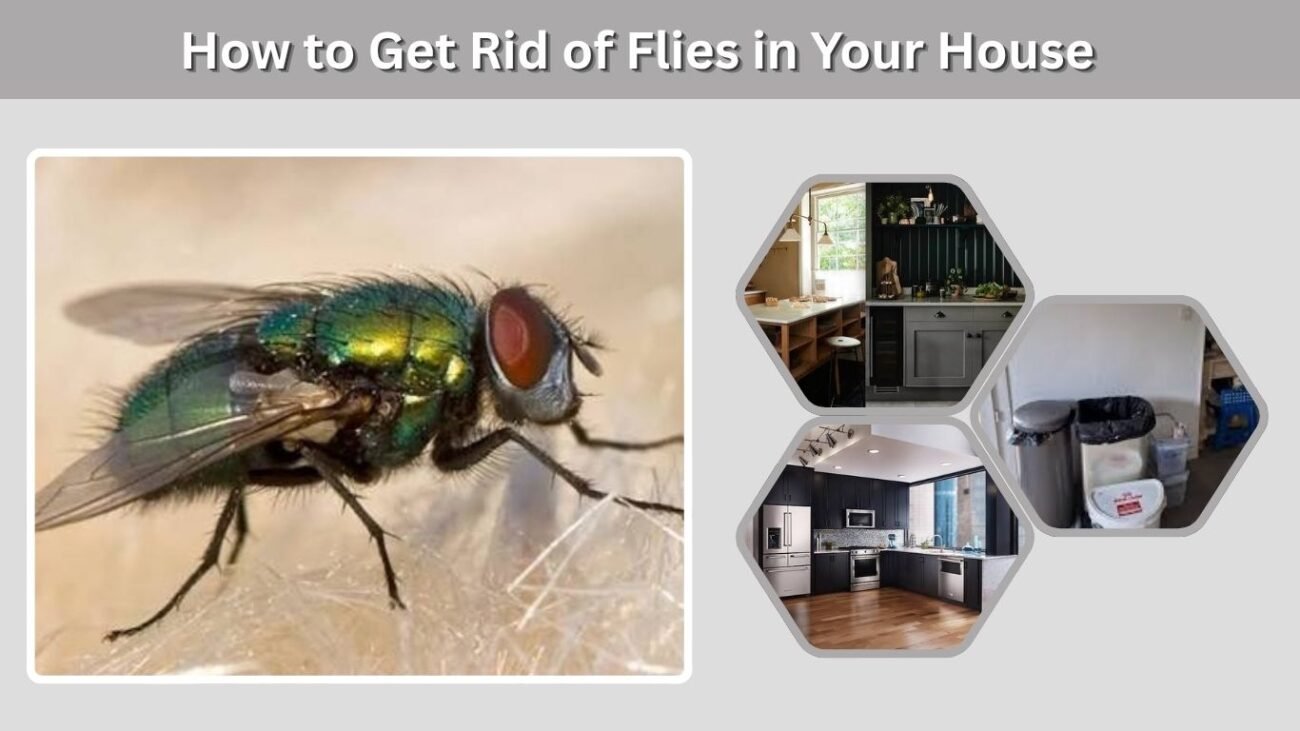
Killing visible flies provides temporary relief. To solve the problem, you must find and remove the food or breeding source.
Remove Food and Garbage
House flies feed on many kinds of decaying organic material. Clean the following areas carefully:
- Kitchen counters and floors
- Areas beneath refrigerators and stoves
- Trash and recycling containers
- Pet feeding and waste areas
- Spilled beverages and food residues
- Outdoor garbage storage areas
- Compost containers
Use trash cans with tight-fitting lids and empty them frequently. Wash containers when residue accumulates around the bottom, lid, or handles.
Store Food Securely
Keep fruit, cooked meals, baked goods, and pet food covered. Refrigerate perishable food promptly and wipe up spills as soon as they occur.
Dirty dishes should not remain in the sink for long periods. Rinse bottles and cans before placing them in recycling bins because even small amounts of residue can attract flies.
Look for a Hidden Breeding Source
A sudden appearance of many flies may indicate that larvae developed somewhere inside or close to the building. Possible sources include spoiled food, an overlooked garbage bag, animal waste, or a dead rodent or bird in a wall, attic, chimney, or crawl space.
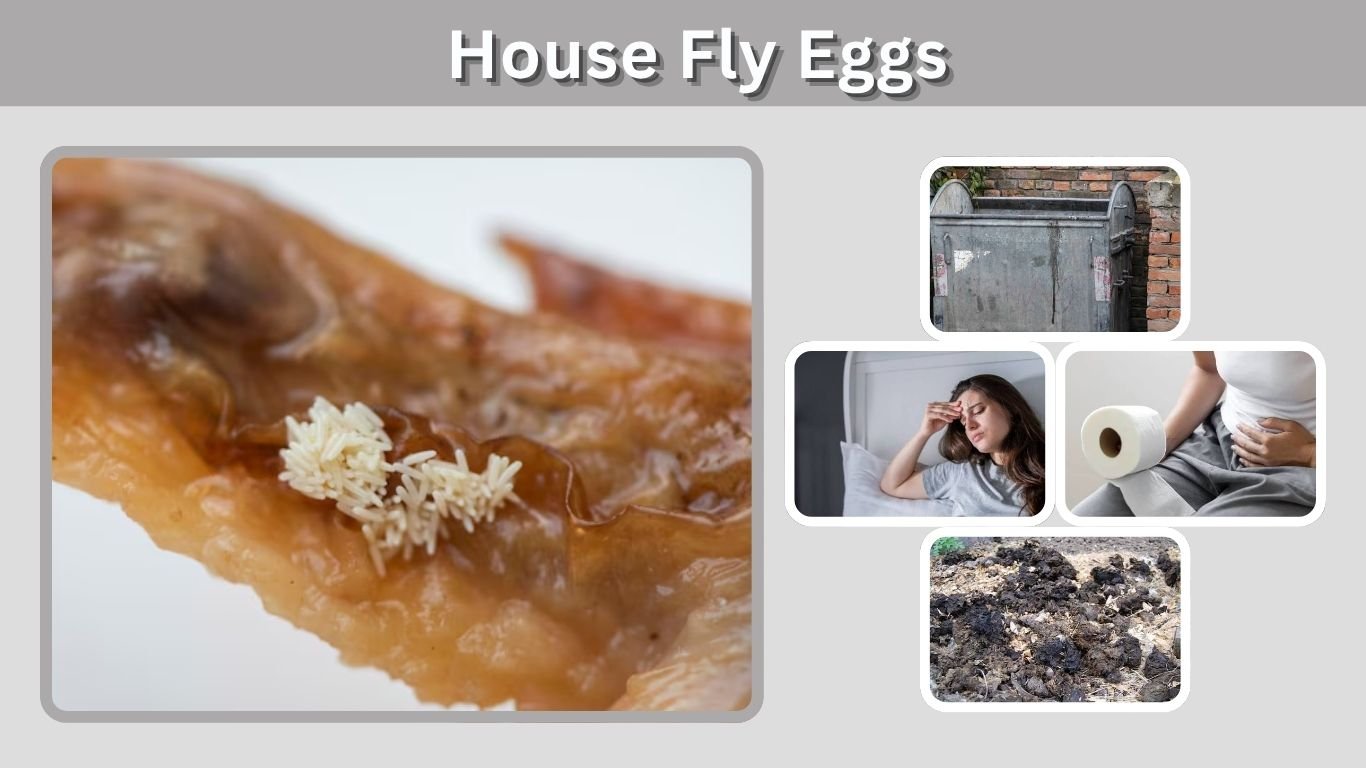
House flies do not build nests. They lay eggs directly on moist, decomposing organic matter. Removing that material interrupts their life cycle.
Can House Flies Come From Drains?
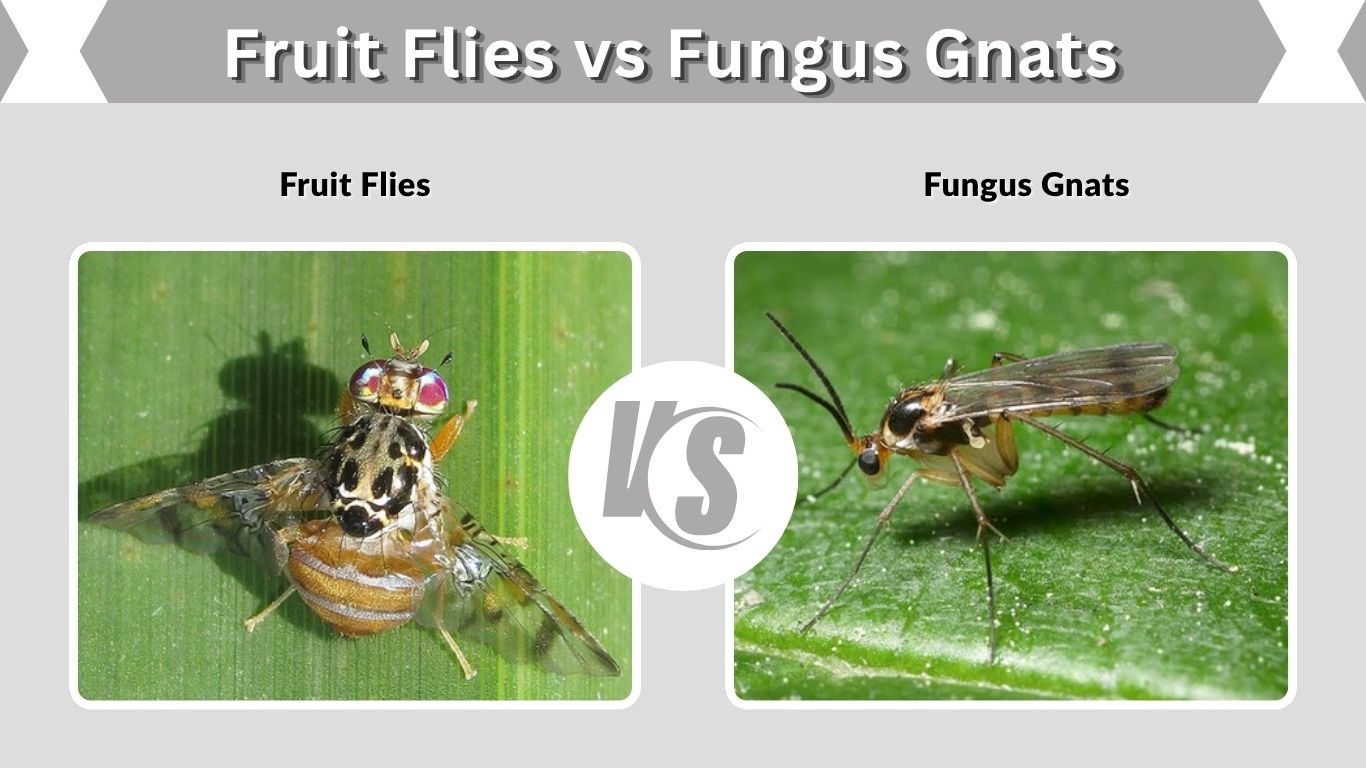
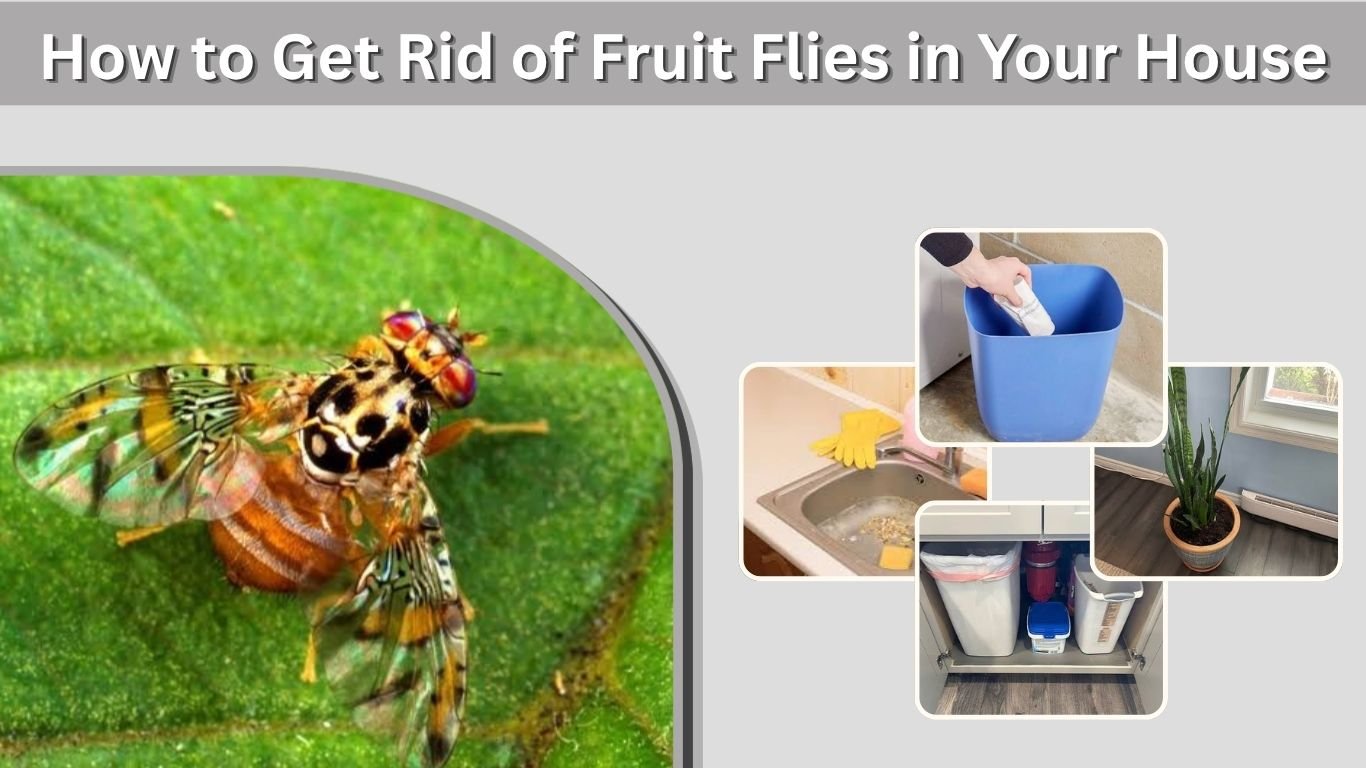
House flies may enter through openings around plumbing, but they do not typically develop inside a properly maintained drain. Tiny fuzzy flies gathering near sinks are more likely to be drain flies. Small tan flies around fruit may be fruit flies.
If flies appear near a drain, clean the organic film inside the pipe with a stiff drain brush and an appropriate cleaner. Repair leaks and keep the area dry. Pouring bleach into a drain may not remove the film where larvae develop, and mixing bleach with other cleaners can release dangerous gases.
How Can You Keep Flies Out of Your House?
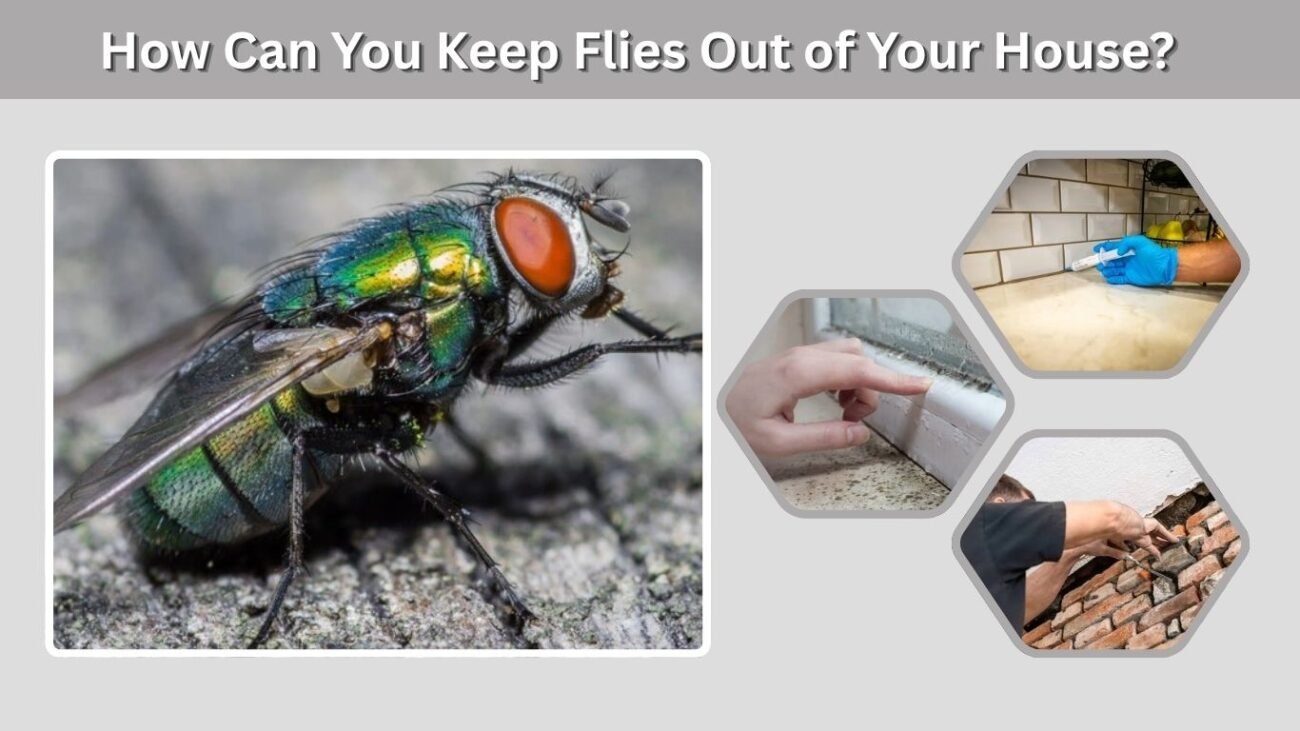
Exclusion prevents outdoor flies from continually replacing the ones you remove.
Seal Their Entry Points
Inspect doors, windows, vents, and utility openings. Repair damaged screens and seal gaps around pipes or cables. Add weatherstripping where daylight is visible around exterior doors.
Keep doors closed when possible. If a door is opened frequently, a self-closing device or properly installed air curtain may help.
Manage Outdoor Attractions
Keep outdoor trash cans closed and place them away from doors and windows when possible. Remove pet waste regularly, clean barbecue equipment, and avoid leaving food outdoors.
Compost should be managed so that food waste is covered with dry plant material. Excessively wet, exposed organic matter can attract flies and support breeding.
Can House Flies Bite?
Common house flies do not bite. Their mouthparts are designed to sponge up liquid food rather than pierce skin.
However, some similar-looking flies can bite. Stable flies, for example, have piercing mouthparts and may attack people or animals, especially around the legs. If a fly repeatedly causes painful bites, it may not be a house fly.
Although house flies do not bite, they can pick up microorganisms from garbage, feces, and decomposing matter and transfer contamination to food or surfaces. Food sanitation is therefore an important part of fly management.
How Long Can a House Fly Live Indoors?
An adult house fly commonly lives for several weeks under favorable conditions. Temperature, food, moisture, and other environmental factors influence its lifespan.
The complete development from egg to adult can occur relatively quickly in warm conditions. This means a small breeding source may produce repeated waves of adult flies. Killing only the adults will not end the infestation if eggs, larvae, or pupae remain nearby.
What Should You Avoid Using?
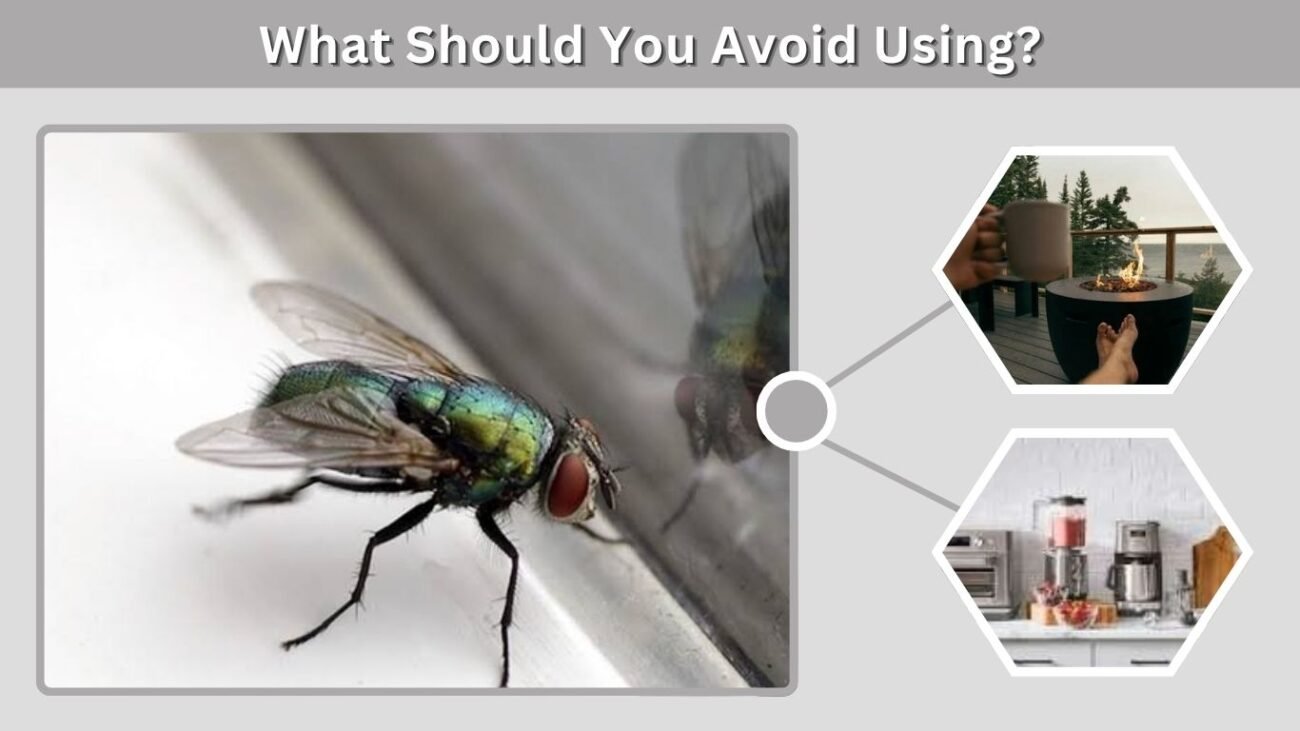
Some household substances are unsafe or ineffective when used incorrectly.
Do not spray alcohol near flames, hot appliances, electrical sparks, or other ignition sources. Bleach is a disinfectant, not a dependable airborne fly treatment, and should never be mixed with ammonia, acids, or other cleaners.
Avoid homemade pesticide mixtures containing concentrated essential oils when children, cats, birds, or other pets are present. Natural does not automatically mean harmless. Products should only be used in ways permitted by their labels.
When Should You Call an Exterminator?
Consider professional pest control when flies continue appearing after sanitation and exclusion measures, or when you cannot locate the breeding source. A professional may inspect attics, crawl spaces, wall voids, garbage areas, and other inaccessible locations.
Large metallic blue or green flies appearing suddenly can sometimes indicate a dead animal nearby. A pest-management professional or wildlife-removal service may be needed to locate and remove it safely.
FAQs
What is the fastest way to kill a fly in the house?
Use a fly swatter, handheld vacuum, or enclosed indoor fly trap. An indoor insecticide can also work quickly when applied strictly according to its label.
Can house flies lay eggs inside a house?
Yes. They can lay eggs indoors when they find moist, decomposing organic material such as spoiled food, garbage, feces, or a dead animal.
Can house flies come from houseplants?
Ordinary house flies rarely breed in healthy potting soil. Tiny flies hovering around moist houseplants are more likely to be fungus gnats.
Why are there suddenly so many flies in my house?
A sudden increase may result from an open entry point or an indoor breeding source. Check garbage, spoiled food, pet waste, and inaccessible areas where an animal may have died.
Can house flies kill you?
A typical house fly does not attack or directly kill people. However, flies can contaminate food and surfaces, so infestations should be addressed through sanitation, trapping, and exclusion.