Pet rabbits are adorable, social animals that can become long-term companions when properly cared for. One of the most common questions new and potential owners ask is: how long do pet rabbits live? The answer depends on several factors, including their environment, breed, and overall care. Understanding these factors can help you give your rabbit a longer, healthier life.
Average Lifespan of Pet Rabbits
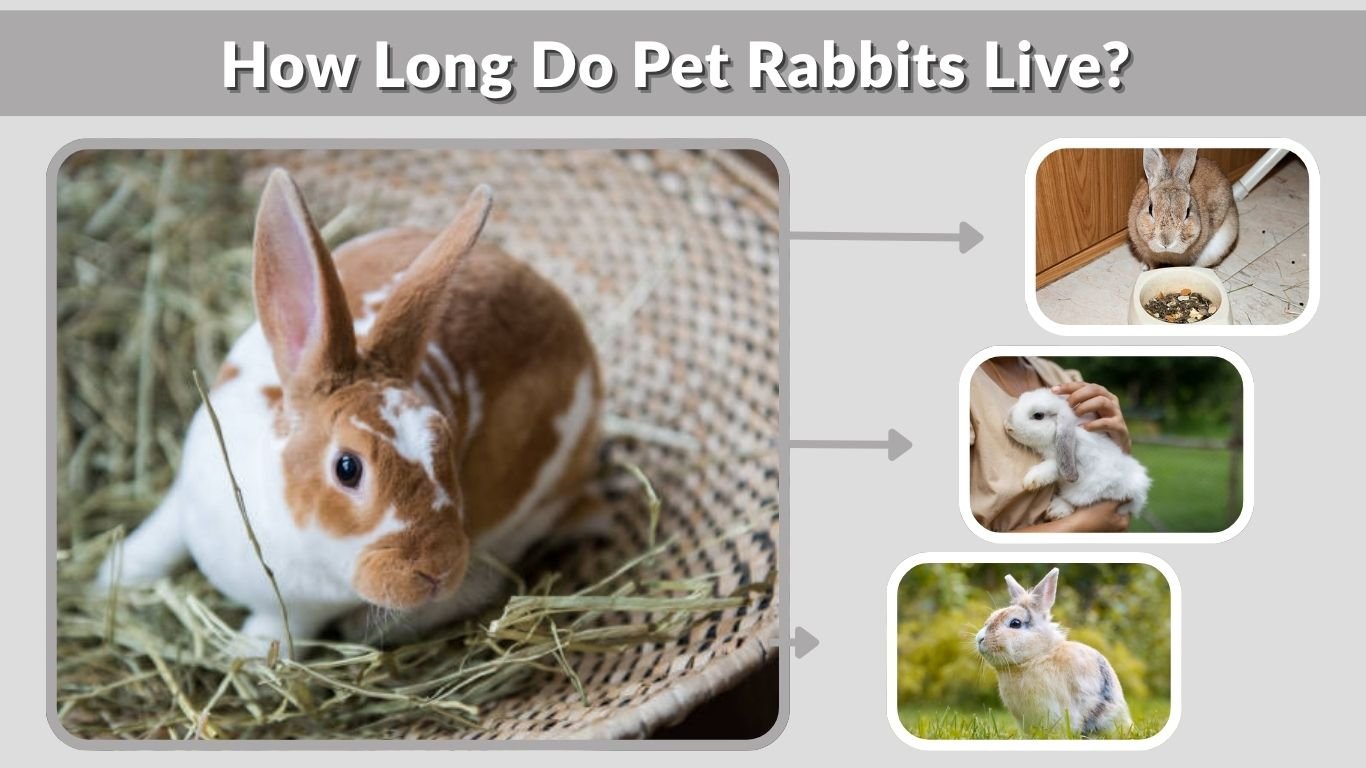
Most pet rabbits live between 8 and 12 years, which is significantly longer than many people expect. In some cases, rabbits can even live beyond 12 years with excellent care and a healthy lifestyle.
Several things influence this average lifespan. Genetics plays a role, but daily care has an even bigger impact. Rabbits that receive proper nutrition, regular veterinary checkups, and a safe living environment tend to live much longer than those that don’t.
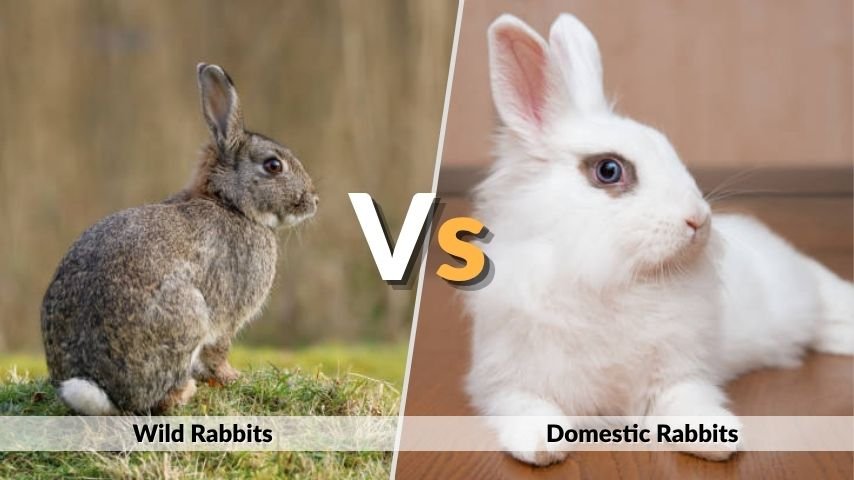
It’s also important to note that domesticated rabbits live much longer than wild rabbits. While wild rabbits often survive only 1–2 years due to predators and harsh conditions, pet rabbits benefit from protection and consistent care.
Indoor vs Outdoor Rabbits Lifespan
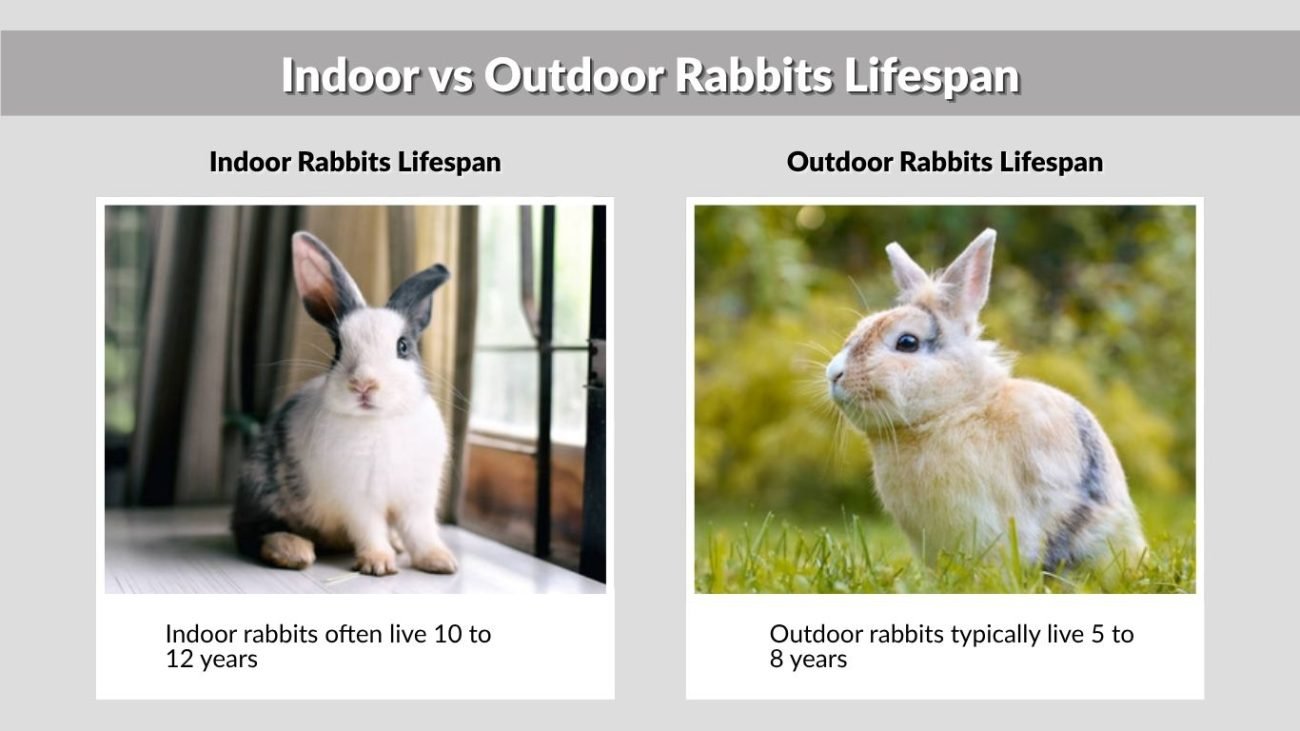
Where your rabbit lives has a major effect on how long it will live. Indoor rabbits generally have a much longer lifespan compared to outdoor rabbits.
Indoor rabbits often live 10 to 12 years or more because they are protected from extreme weather, predators, and many diseases. Living indoors also allows for closer monitoring of their health, making it easier to spot and treat problems early.
On the other hand, outdoor rabbits typically live 5 to 8 years. They face risks such as temperature fluctuations, parasites, and potential attacks from predators. Even with proper housing, outdoor environments are harder to control, which can impact a rabbit’s overall health and longevity.
For this reason, many veterinarians and rabbit experts recommend keeping rabbits indoors or in a well-protected environment.
Lifespan by Rabbit Breed
Different rabbit breeds have slightly different lifespans, although care remains the most important factor.
Here are some common examples:
- Holland Lop: 7–10 years
- Lionhead: 8–11 years
- Mini Lop: 9–12 years
- Netherland Dwarf: 10–12 years
- Flemish Giant: 5–8 years
In general, smaller breeds tend to live longer than larger breeds. Larger rabbits grow faster and age more quickly, which can shorten their lifespan compared to smaller varieties.
However, these are only averages. A well-cared-for large rabbit may outlive a poorly cared-for small one.
What Affects a Rabbit’s Lifespan?

Several key factors determine how long rabbits live as pets. Paying attention to these areas can make a big difference.
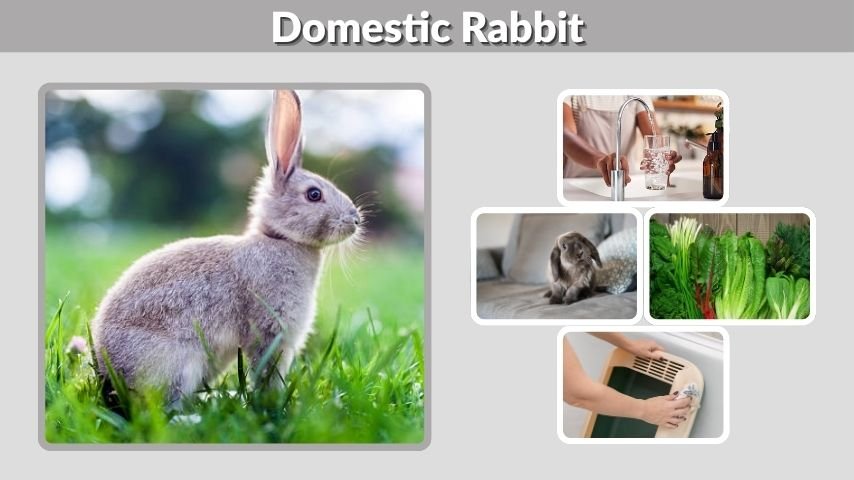
- Diet: A rabbit’s diet should mainly consist of hay, along with fresh vegetables and clean water. Poor nutrition can lead to serious health issues, especially digestive problems.
- Veterinary Care: Regular checkups help detect diseases early. Vaccinations and parasite control are also essential in many regions.
- Living Environment: Clean, safe housing reduces stress and prevents illness. Rabbits need enough space to move and explore.
- Exercise and Mental Stimulation: Active rabbits are healthier. Daily exercise and interaction help prevent obesity and boredom-related issues.
Each of these factors works together. Neglecting even one area can reduce a rabbit’s lifespan.
How to Help Your Rabbit Live Longer
If you want your rabbit to live a long and healthy life, consistent care is essential. Simple daily habits can have a big impact over time.
Start by providing unlimited hay, which supports digestion and dental health. Fresh leafy greens should be added daily, while sugary treats should be limited.
Keeping your rabbit indoors or in a secure, sheltered area can significantly reduce risks. A clean habitat is also crucial, as dirty living conditions can lead to infections.
Regular exercise is just as important. Rabbits need time outside their cage to move freely, explore, and stay active. Along with physical activity, social interaction helps keep them mentally healthy.
Finally, routine vet visits ensure that any health issues are caught early, improving your rabbit’s chances of a longer life.
Signs of Aging in Rabbits
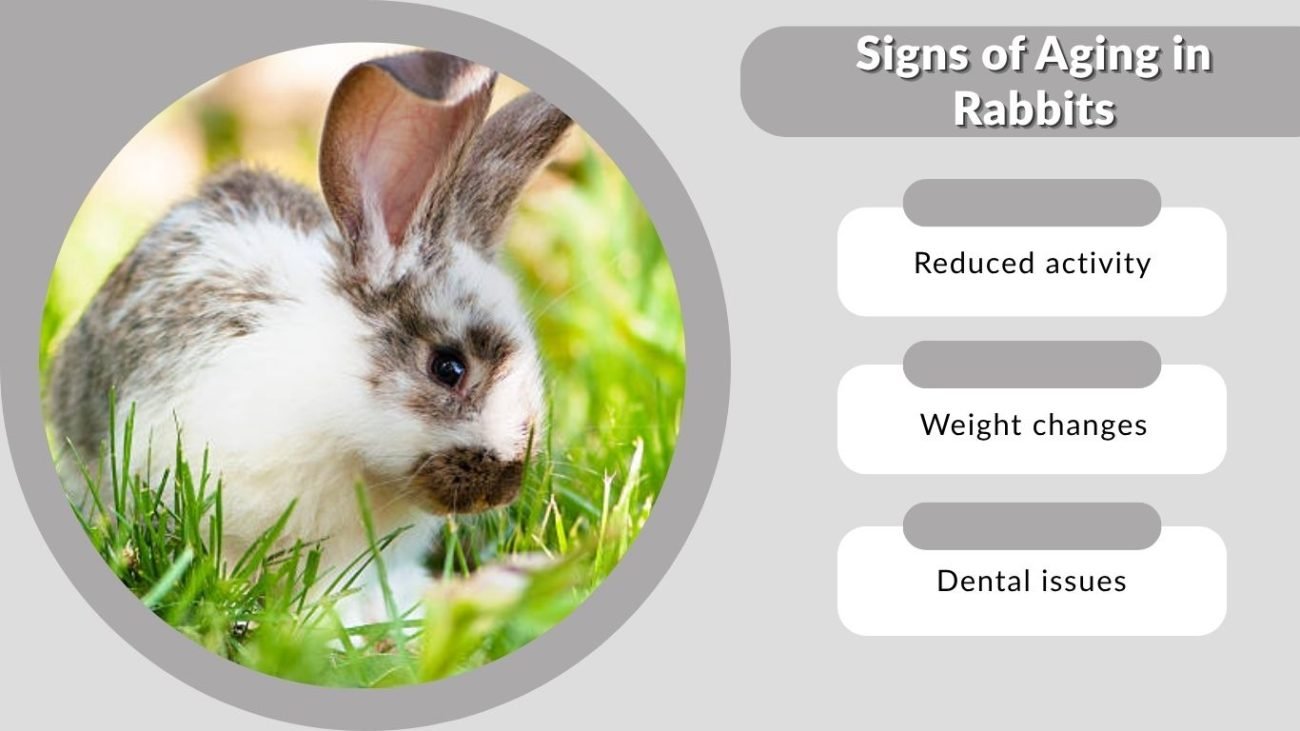
As rabbits grow older, their bodies begin to change in noticeable ways. Recognizing these signs early can help you adjust their care and keep them comfortable in their senior years.
One common sign is reduced activity. Older rabbits may sleep more and show less interest in playing or exploring. This is normal, but a sudden drop in energy could indicate health issues.
You may also notice weight changes, either loss or gain. Aging rabbits can have slower metabolism or dental problems that affect eating habits. Monitoring their diet becomes even more important at this stage.
Another key sign is dental issues. Rabbits’ teeth grow continuously, and older rabbits may struggle with proper wear. This can lead to difficulty eating or drooling.
Changes in fur condition are also common. Their coat may become thinner, duller, or less well-groomed, especially if mobility decreases.
Providing softer bedding, easier access to food, and regular vet checkups can help aging rabbits stay comfortable and healthy.
Common Mistakes That Shorten a Rabbit’s Lifespan

Even well-meaning owners can make mistakes that affect how long pet rabbits live. Avoiding these can significantly improve your rabbit’s quality of life.
- Poor diet: Feeding too many pellets or sugary foods instead of hay can lead to digestive and dental problems
- Lack of space: Keeping rabbits in small cages without exercise can cause obesity and stress
- Ignoring vet care: Skipping checkups may allow illnesses to go unnoticed
- Outdoor-only housing: Exposure to heat, cold, and predators increases risk
By correcting these issues, you can help your rabbit live closer to its full lifespan potential.
Indoor Care vs Natural Instincts
While rabbits naturally live outdoors in the wild, domesticated rabbits have very different needs. Many owners wonder whether keeping rabbits indoors affects their happiness.
Indoor rabbits can still enjoy a rich, natural lifestyle when given the right environment. Providing hiding spaces, toys, and time to explore allows them to express natural behaviors safely.
Unlike wild rabbits, pet rabbits rely on humans for protection and care. Indoor living offers consistency, safety, and better health monitoring, all of which contribute to a longer life.
FAQ
How long do pet rabbits live on average?
Pet rabbits typically live between 8 and 12 years. With proper care, including a healthy diet, regular vet visits, and a safe environment, some rabbits can live even longer, occasionally reaching 13 to 15 years.
Do indoor rabbits live longer than outdoor rabbits?
Yes, indoor rabbits usually live longer because they are protected from predators, extreme weather, and many diseases. Indoor environments also allow owners to monitor their rabbit’s health more closely and respond quickly to any issues.
What breed of rabbit lives the longest?
Smaller breeds like Netherland Dwarfs and Mini Lops often live the longest, typically around 10 to 12 years. Larger breeds, such as Flemish Giants, generally have shorter lifespans due to faster growth and aging processes.
Can a rabbit live 15 years?
Although uncommon, some rabbits can live up to 15 years with exceptional care. This usually includes a balanced diet, indoor living, regular veterinary care, and a low-stress environment throughout their life.