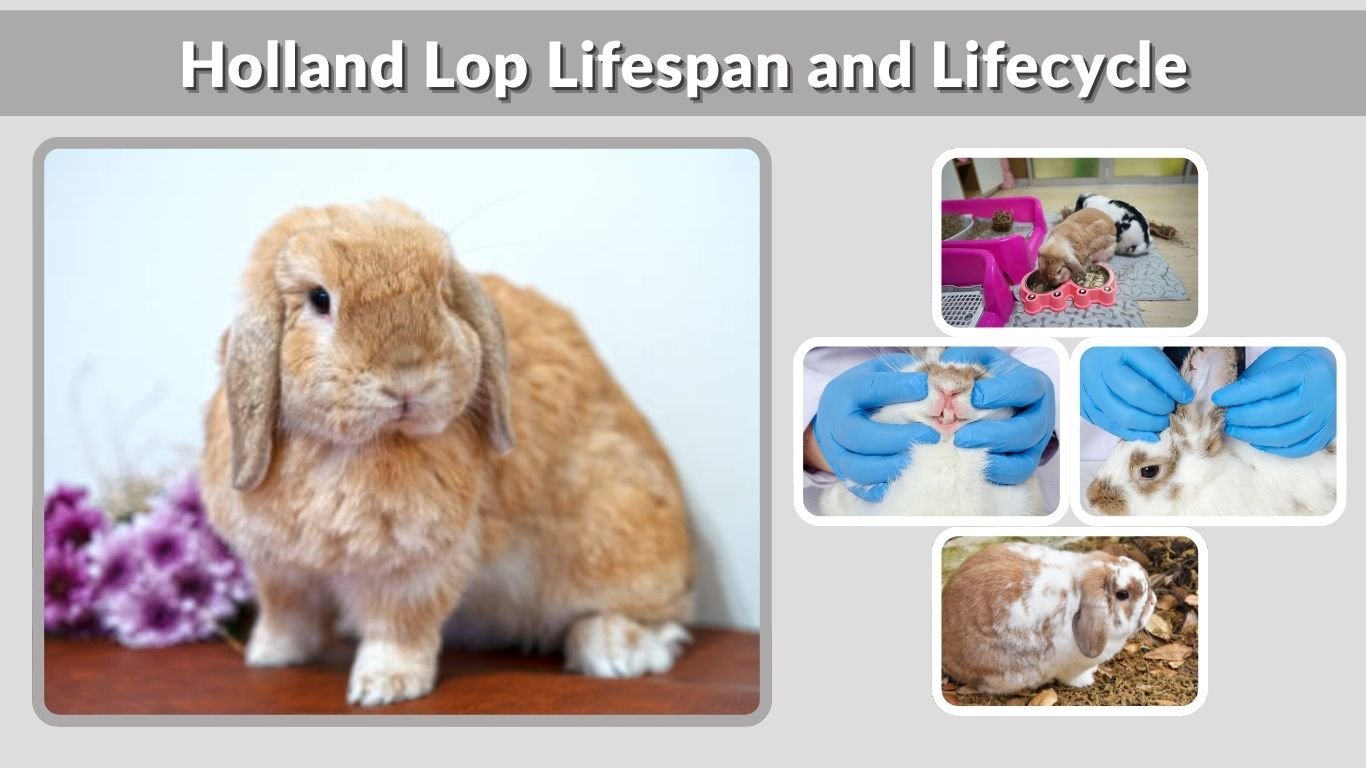
Holland Lop rabbits are one of the most popular pet rabbit breeds, loved for their small size, floppy ears, and friendly personality. If you’re considering owning one or already have one, understanding their lifespan and lifecycle is essential. Knowing how long Holland Lops live—and what they need at each stage—can help you provide the best care possible.
Holland Lop Lifespan Overview
Holland Lop rabbits typically live between 7 and 10 years, making them a long-term commitment compared to many small pets. With excellent care, some can even live up to 12 years or more.
Their lifespan depends heavily on how they are raised. Rabbits kept indoors, given a proper diet, and regularly checked by a vet tend to live longer and healthier lives. On the other hand, poor care or unsafe environments can shorten their lifespan significantly.
It’s also worth noting that Holland Lops, being a smaller breed, generally live longer than larger rabbits. However, their unique physical traits—especially their ears and jaw structure—can make them prone to certain health issues if not properly managed.
Factors That Affect Holland Lop Lifespan
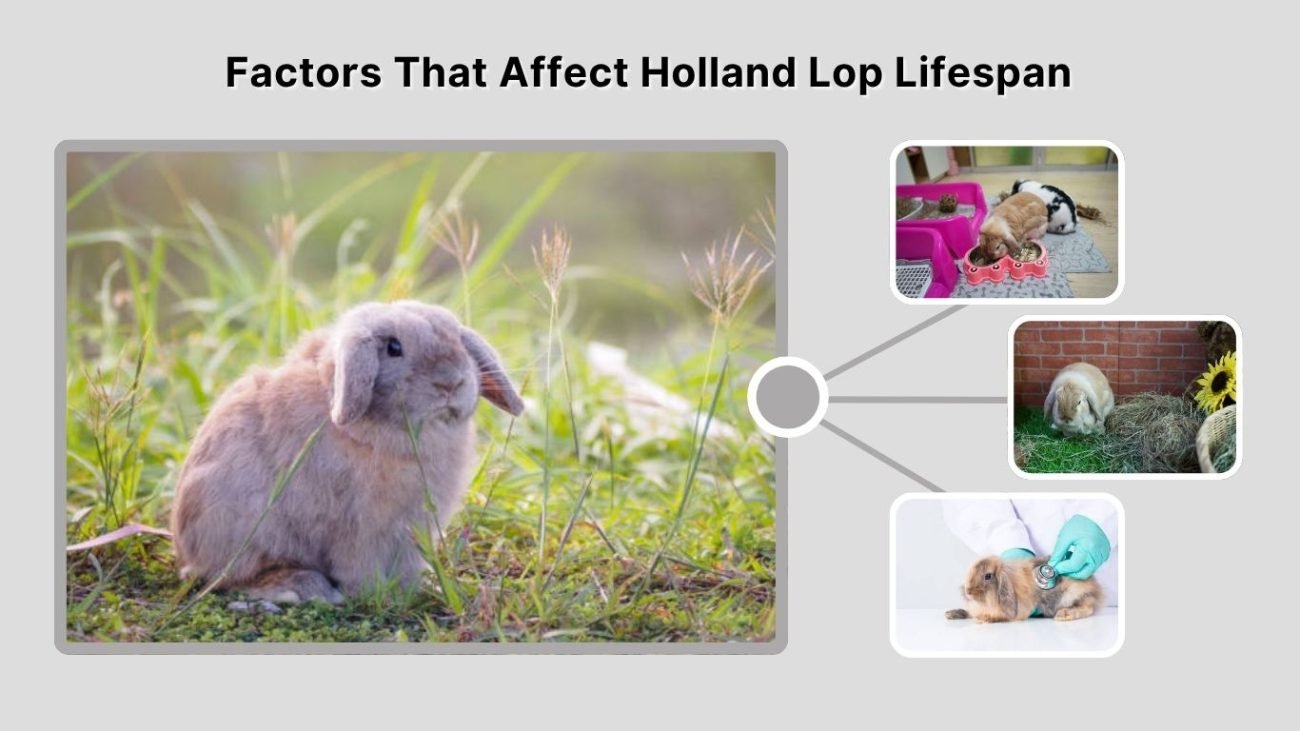
Several important factors determine how long a Holland Lop rabbit will live. Paying attention to these areas can greatly increase their chances of a long, healthy life.
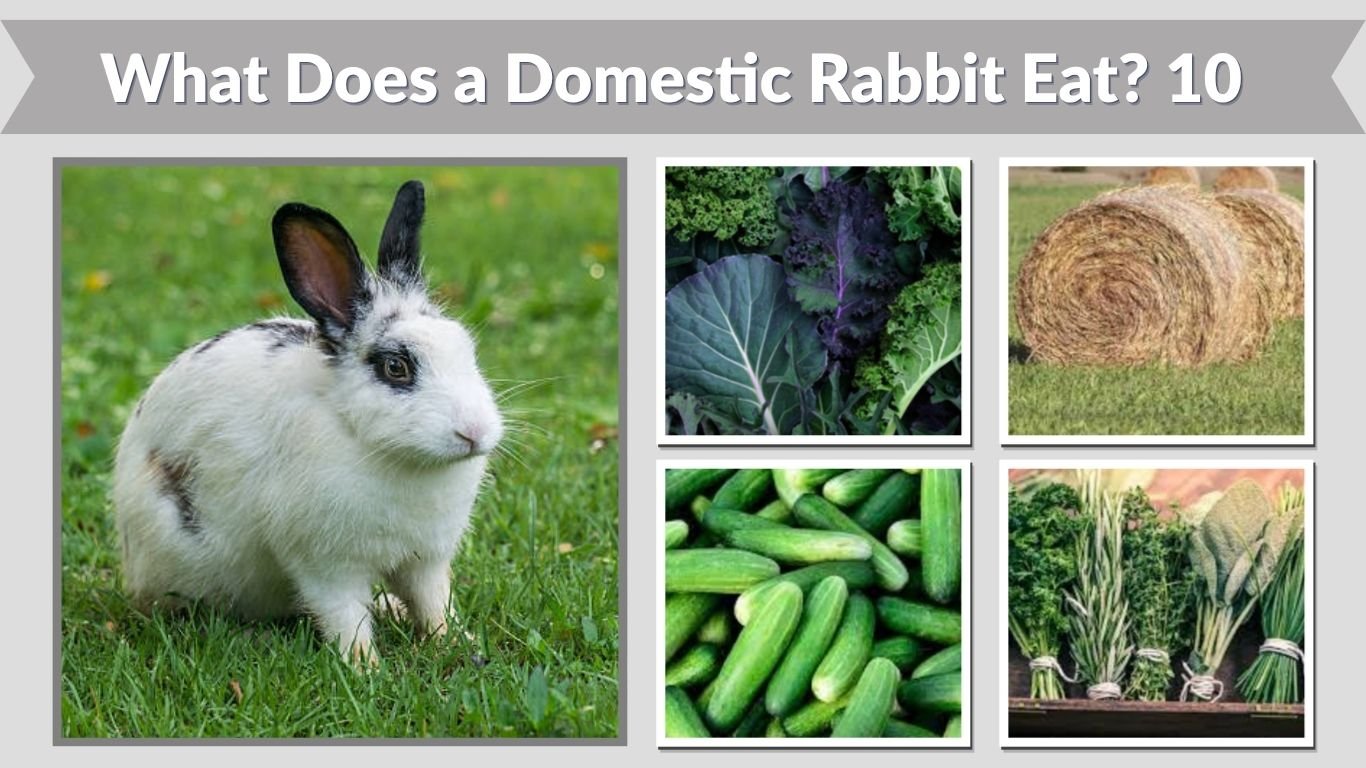
- Diet: A hay-based diet is crucial. Unlimited hay supports digestion and keeps teeth properly worn down. Fresh vegetables and clean water should be provided daily.
- Living Environment: Indoor rabbits are safer and less exposed to extreme weather, predators, and parasites.
- Veterinary Care: Regular checkups help detect issues early. Preventive care can significantly extend lifespan.
- Genetics: Rabbits from responsible breeders tend to have fewer inherited health problems.
Each of these factors plays a role, but diet and environment are especially critical for long-term health.
Holland Lop Lifecycle Stages
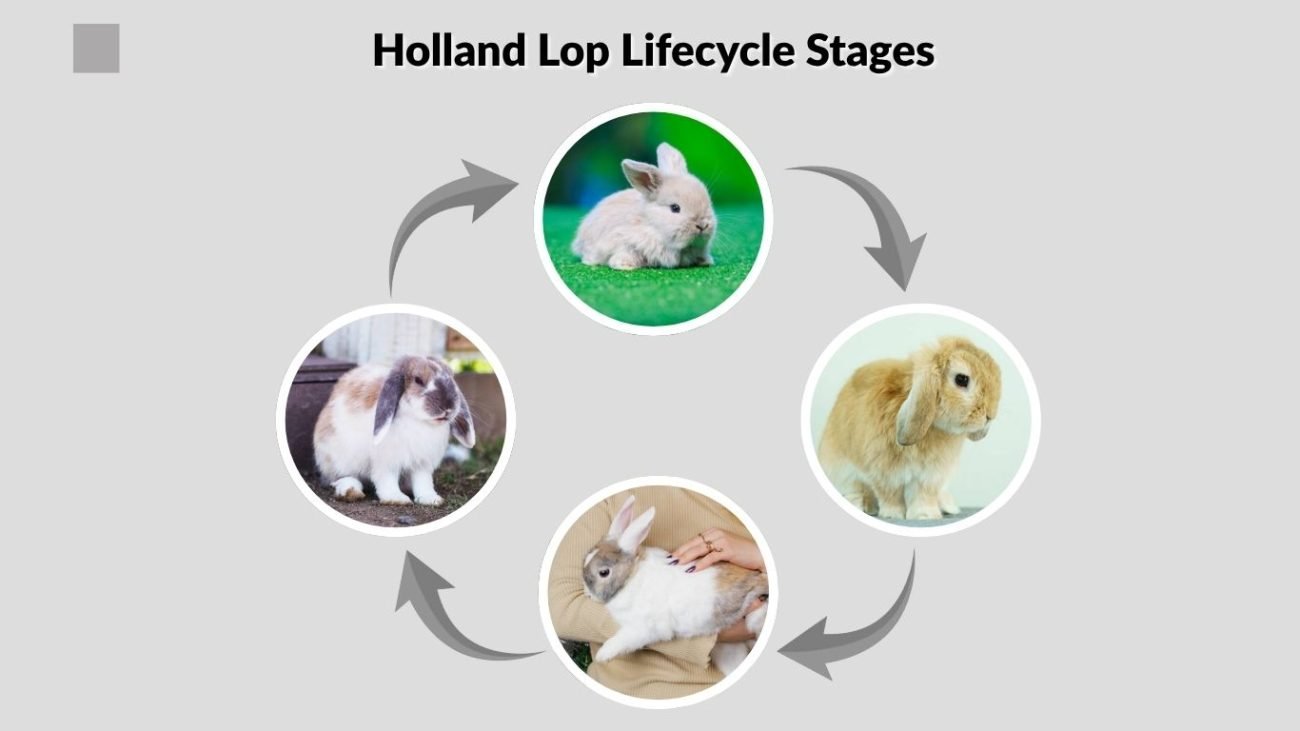
Like all rabbits, Holland Lops go through several distinct life stages. Each stage has unique needs and behaviors.
Baby Stage (0–3 Months)
This is the earliest stage of life, where baby Holland Lops grow rapidly and rely heavily on their mother.
- Born blind and hairless
- Begin opening eyes after about 10 days
- Start eating hay and pellets within a few weeks
During this stage, proper nutrition is essential for healthy development. Baby rabbits should stay with their mother until they are fully weaned.
Juvenile Stage (3–6 Months)
In this stage, Holland Lops become more active and curious.
- High energy and playful behavior
- Begin exploring their surroundings
- Reach sexual maturity
This is an important time for socialization and bonding. It’s also when owners should start thinking about spaying or neutering, as this can prevent health and behavioral issues later on.
Adult Stage (6 Months–5 Years)
The adult stage is the longest and most stable phase of a Holland Lop’s life.
- Fully grown in size and personality
- More predictable behavior
- Strong bonding with owners
During adulthood, maintaining a balanced diet and providing daily exercise are key. This is also the best time to establish routines that support long-term health.
Senior Stage (5+ Years)
Holland Lops are generally considered seniors once they reach around five years of age.
- Reduced activity levels
- Increased need for rest
- Higher risk of health issues
Older rabbits may need softer food options, easier access to essentials, and more frequent veterinary checkups. With proper care, many senior rabbits continue to live comfortably for several years.
Holland Lop Growth Timeline
Understanding how Holland Lops grow helps owners track healthy development.
- Birth: Very small, eyes closed, fully dependent
- 2 weeks: Eyes open, begin exploring
- 1 month: Eating solid food regularly
- 3–6 months: Rapid growth phase
- 6–12 months: Reach full size and maturity
Growth slows significantly after the first year, but proper care remains just as important throughout their life.
How to Extend a Holland Lop’s Lifespan
Helping your Holland Lop live longer starts with consistent, high-quality care. Small daily habits can make a big difference over time.
Providing unlimited hay is one of the most important steps, as it supports both digestion and dental health. Fresh greens should be added daily, while sugary treats should be limited.
Keeping your rabbit indoors or in a safe, controlled environment reduces many risks. Clean living conditions also prevent infections and stress-related problems.
Regular exercise is essential for maintaining a healthy weight and preventing boredom. Along with physical activity, mental stimulation—such as toys and interaction—helps improve overall well-being.
Routine vet visits ensure that any potential health issues are caught early, increasing the chances of a longer and healthier life.
Common Health Issues in Holland Lops
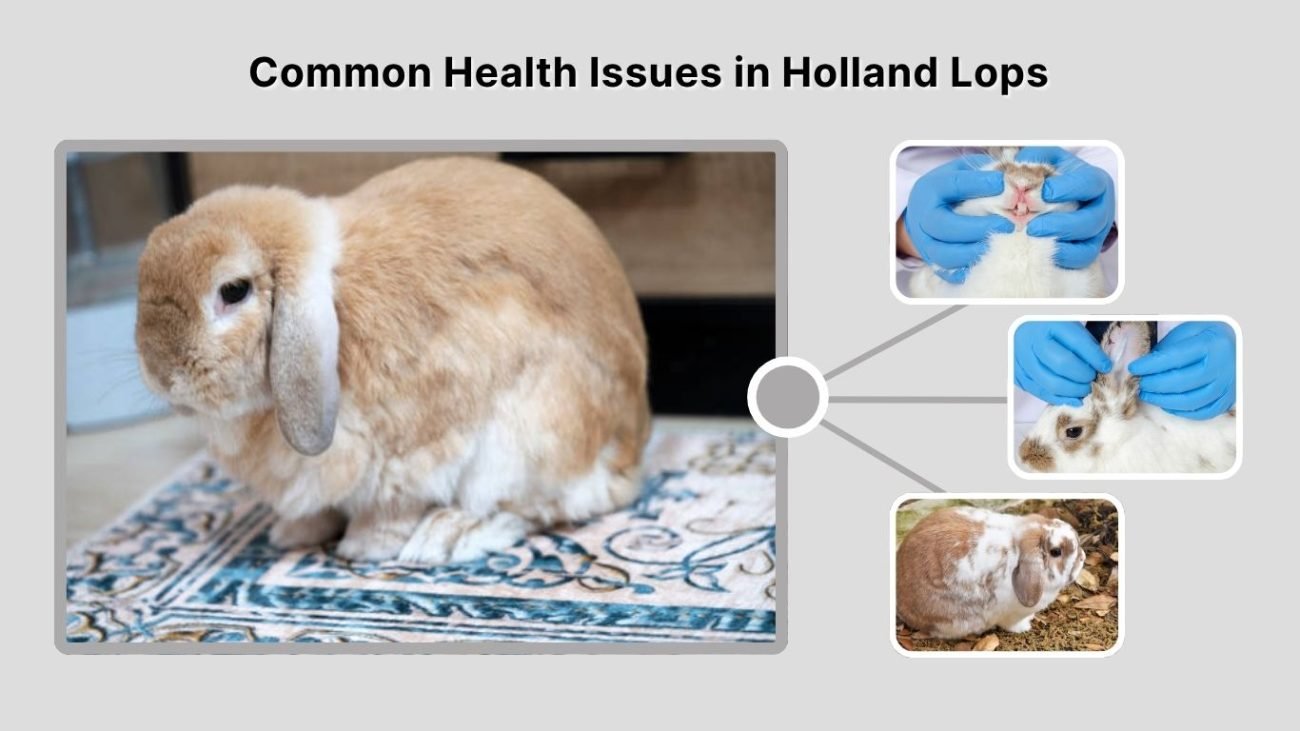
Holland Lop rabbits are generally healthy, but their unique physical features make them more prone to certain health problems. Being aware of these issues can help you take preventive action.
- Dental Problems: Their small, rounded skull can lead to misaligned teeth. Since rabbit teeth grow continuously, improper wear can cause pain and difficulty eating.
- Ear Infections: Their floppy ears reduce airflow, creating a warm environment where bacteria can grow. Regular checks are important.
- Obesity: Holland Lops can gain weight easily if they don’t get enough exercise or are overfed pellets and treats.
- Digestive Issues: A poor diet low in fiber can lead to serious gut problems, including gastrointestinal stasis.
Early detection and regular veterinary care are key to managing these risks effectively.
Indoor vs Outdoor Lifespan for Holland Lops
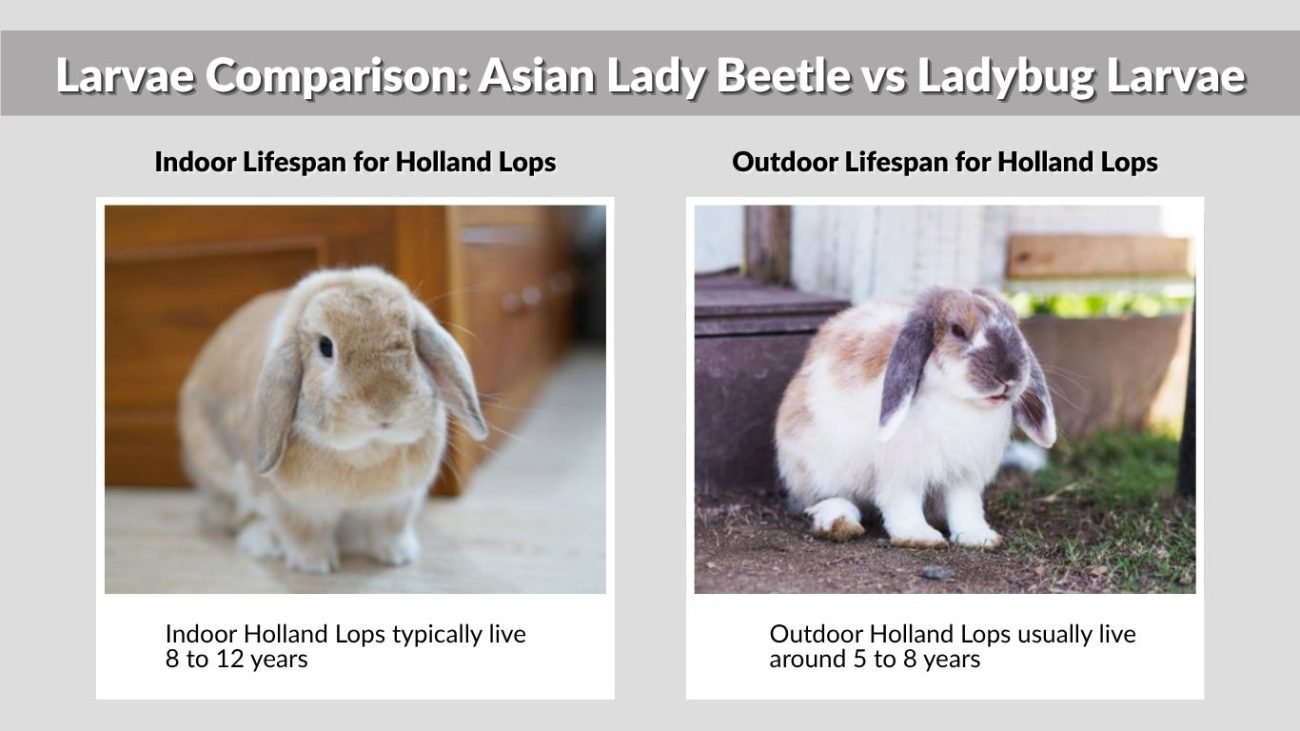
Where a Holland Lop lives plays a major role in how long it will survive. Indoor rabbits consistently outlive outdoor ones due to safer conditions.
Indoor Holland Lops typically live 8 to 12 years, benefiting from protection against predators, stable temperatures, and better hygiene. Owners can also monitor their health more closely.
Outdoor Holland Lops, however, usually live around 5 to 8 years. Even with proper housing, they are exposed to weather changes, parasites, and stress factors that can shorten their lifespan.
For the best results, most experts recommend keeping Holland Lops indoors or in a highly controlled environment.
Signs of Aging in Holland Lop Rabbits
As Holland Lops age, their needs change. Recognizing early signs of aging helps you adjust their care and keep them comfortable.
One of the first signs is reduced activity. Older rabbits may sleep more and move less, which is normal but should be monitored.
You might also notice weight changes. Some rabbits lose weight due to dental issues, while others gain weight because of reduced activity.
Dental and eating difficulties become more common with age. If your rabbit struggles to chew or shows less interest in food, it may need a dietary adjustment.
Changes in fur and grooming habits are also typical. Older rabbits may have a dull coat or groom less effectively.
Providing softer bedding, easy access to food and water, and regular vet visits can greatly improve a senior rabbit’s quality of life.
FAQ
How long do Holland Lop rabbits live?
Holland Lop rabbits usually live between 7 and 10 years. With excellent care, including a proper diet and indoor living conditions, they can live up to 12 years or even longer in some cases.
Do Holland Lops live longer indoors?
Yes, Holland Lops live longer indoors because they are protected from predators, extreme temperatures, and diseases. Indoor environments also allow owners to monitor their rabbit’s health more closely and respond quickly to problems.
What is the lifespan of a Holland Lop compared to other rabbits?
Holland Lops have a similar lifespan to other small rabbit breeds, typically around 7–10 years. Smaller breeds often live longer than larger rabbits, which tend to have shorter lifespans due to faster growth and aging.
At what age is a Holland Lop considered old?
A Holland Lop is generally considered a senior at around 5 years old. At this stage, they may slow down and require more frequent health checkups, dietary adjustments, and a more comfortable living setup.