











Finding a mouse in your home is more than just an unpleasant surprise—it can be a warning sign of a much bigger problem. Mice chew on wires, nest in insulation, contaminate food, and multiply rapidly if left unchecked. The good news? You don’t have to live with them. Whether you’ve seen one mouse or suspect an infestation, this guide covers 7 proven methods to catch and eliminate mice safely and effectively. Each method is easy to follow and works whether you’re dealing with a single intruder or a growing problem.
1. Use Snap Traps

How They Work
Snap traps are one of the oldest and most reliable tools for catching mice. They consist of a spring-loaded bar that snaps shut when a mouse triggers the bait platform. The goal is to kill the mouse instantly and humanely. These traps are inexpensive, reusable, and effective for both light and heavy infestations.
Best Bait to Use
Contrary to popular belief, cheese isn’t the most effective bait. Mice are more attracted to high-protein, high-fat foods. The following bait options work best:
- Peanut butter (a small smear is enough)
- Chocolate chips
- Bacon bits
- Oats mixed with a bit of honey
- Pet food or sunflower seeds
A small amount placed firmly on the trigger area will ensure the mouse has to apply pressure, triggering the trap.
Where to Place Them
Mice typically travel along walls, baseboards, and under furniture, so trap placement is key. Focus on:
- Along baseboards and corners
- Behind kitchen appliances (like fridges and stoves)
- Near pantry shelves or food storage
- In attics, basements, or garages
- Around droppings or gnaw marks
Set traps perpendicular to the wall with the bait side facing the wall, so mice are more likely to trigger it as they travel.
Tips for Best Results
- Use multiple traps at once—spaced a few feet apart—for better coverage
- Wear gloves when handling traps to avoid leaving human scent
- Check traps daily and dispose of any caught mice immediately
- For ongoing issues, rotate bait types every few days
Snap traps offer quick results and are often the first and most effective method for dealing with a house mouse problem.
2. Try Live-Catch Traps (Humane Option)

What Are They?
Live-catch traps, also known as humane traps, are designed to capture mice without killing them. These traps are typically made of plastic or metal and contain a baited trigger mechanism that closes the door once the mouse enters. They’re a great choice for people who prefer non-lethal solutions.
How to Use
- Place bait such as peanut butter, oatmeal, or chocolate inside the trap.
- Set the trap along walls, under sinks, or near food sources.
- Once a mouse is caught, check the trap at least twice daily to prevent stress or starvation.
Important: Release the mouse at least one mile away from your home, preferably in a wooded or grassy area. Mice have strong homing instincts and may return if released too close.
Pros and Cons
Pros:
- No killing involved
- Safe around kids and pets
- Can be reused many times
Cons:
- Not practical for large infestations
- Requires regular monitoring
- Mice may return if not relocated far enough
Humane traps are best for occasional mouse sightings or small problems—not large infestations.
3. Use Electronic Traps
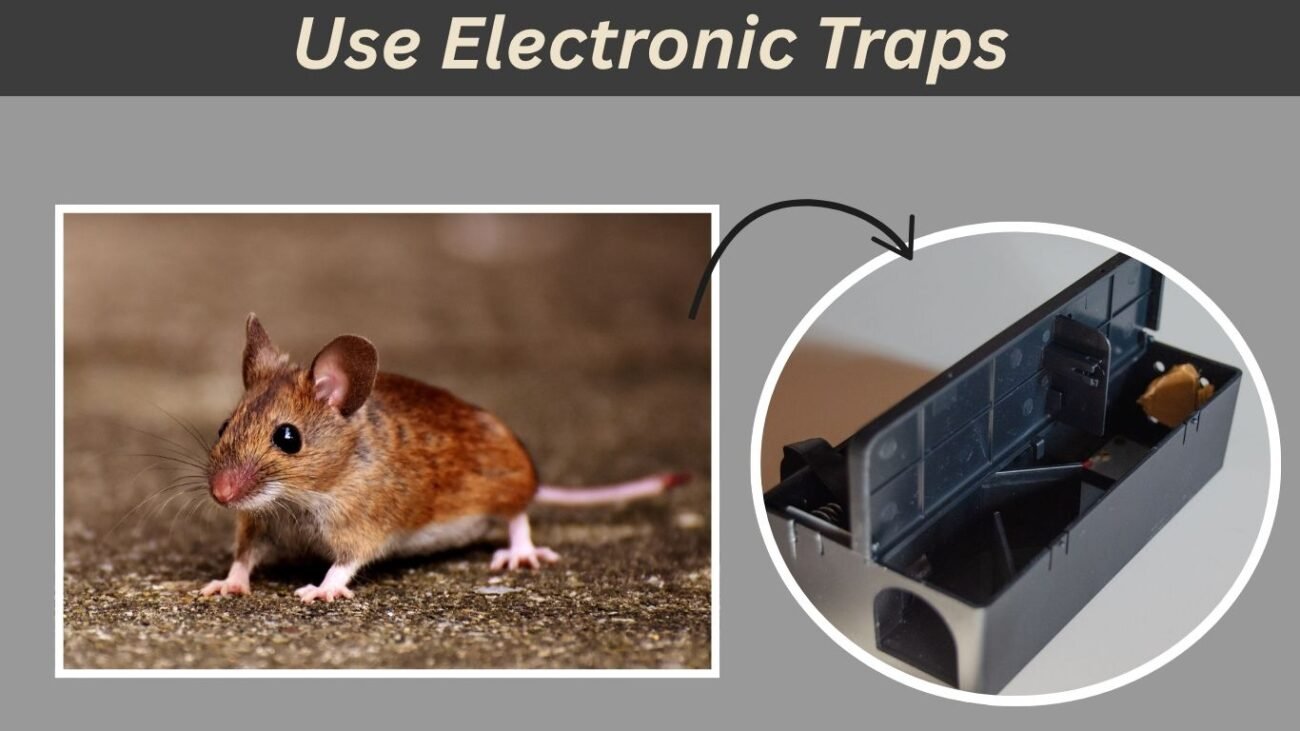
How They Work
Electronic traps use battery-powered electric shocks to instantly kill mice once they enter the chamber. These traps are enclosed units, making disposal quick, clean, and less hands-on. Some models even alert you with a light or sound when a catch is made.
Advantages
- Instant kill, minimizing mouse suffering
- No blood or mess, since the body remains inside the trap
- Easy to reset and reuse
- Safer to use in homes with children and pets (if placed properly)
Where to Place Them
Position electronic traps in the same locations you would use snap traps:
- Along walls and corners
- Behind appliances
- In garages, basements, or attics
- Near food storage areas or known entry points
Best Use Case
Electronic traps are ideal for homeowners who want a clean, efficient, and hands-off way to deal with mice. They’re especially useful when you suspect multiple mice but don’t want the mess or danger of snap traps.
4. Seal All Entry Points

Why This Matters
Even if you catch or repel the mice inside, more will keep coming if your home remains accessible. Mice can squeeze through holes as small as a dime, so sealing up their entry points is essential for long-term control.
How to Seal Effectively
Start with a full inspection of your home, especially around:
- Foundation cracks
- Gaps around doors and windows
- Openings where pipes, cables, or vents enter the home
- Attic and crawl space vents
- Gaps under garage doors
Once identified, use these materials to seal:
- Steel wool and caulk: Ideal for small holes. Mice can’t chew through the combination.
- Hardware cloth or mesh: Use for larger vents or openings.
- Expanding foam: Only use when combined with steel wool, as mice can chew through foam alone.
- Door sweeps: Install under exterior doors to block gaps.
Bonus Tip
Focus especially on areas near the kitchen or pantry, where mice are drawn by food scents. Also, trim back shrubs and trees near your house—they can provide cover or direct access to upper openings.
Sealing entry points is a permanent prevention method that should always be done alongside trapping or repelling strategies.
5. Eliminate Food and Nesting Sources

Remove Attractants
Mice are drawn to easy access to food. If your home offers a reliable supply, they won’t leave—even with traps set. Make sure to:
- Store pantry goods in airtight containers
- Keep pet food sealed and don’t leave it out overnight
- Clean up spills and crumbs daily
- Empty garbage bins regularly and keep lids tightly closed
Declutter Hiding Areas
Mice also need safe places to nest and hide. They prefer cluttered, dark areas with materials like paper, fabric, or insulation. Reduce their hiding options by:
- Cleaning out storage rooms, closets, and garages
- Using plastic bins instead of cardboard boxes
- Removing piles of clothing, newspapers, or old insulation
Long-Term Benefit
This method is preventive but powerful. A clean, well-sealed home with minimal food and nesting opportunities is far less likely to support a mouse infestation—even if they manage to get inside.
6. Use Natural Deterrents
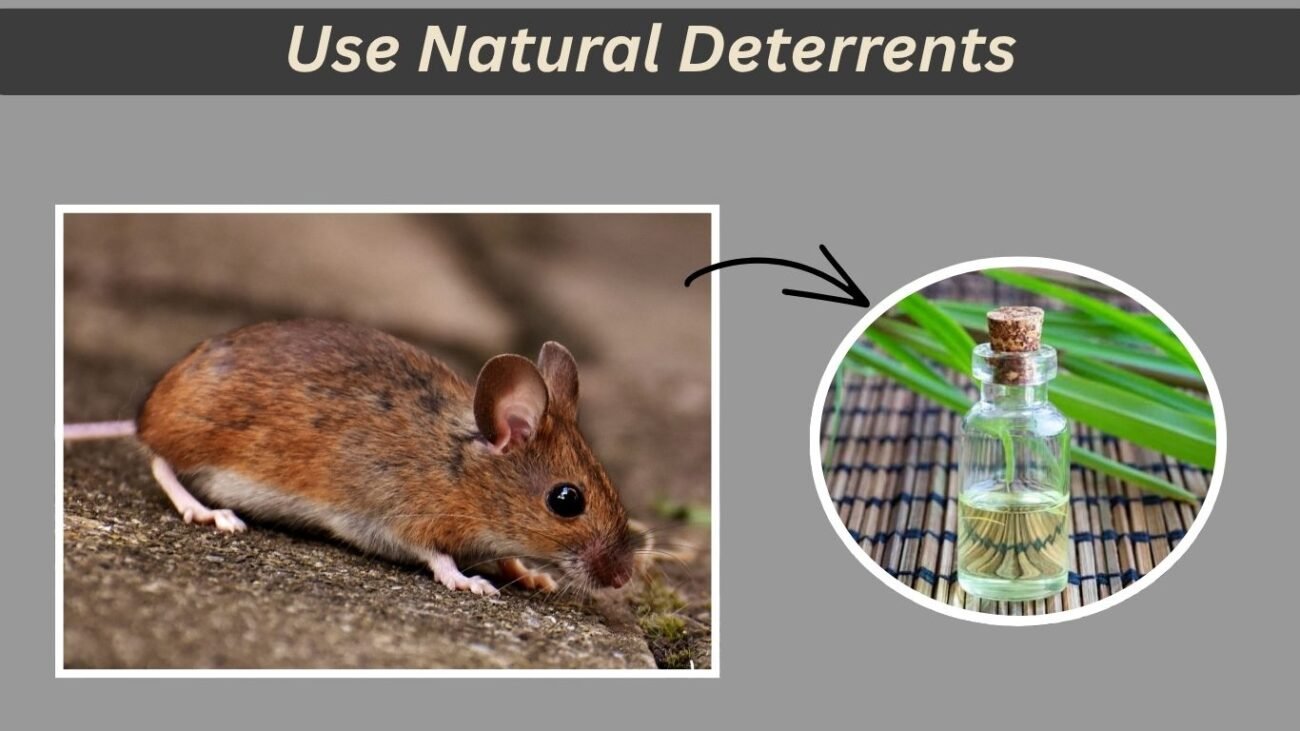
Scent-Based Repellents
Mice have a strong sense of smell, and certain scents are known to repel them naturally. Common household items can be used to discourage mice from entering or staying in specific areas. The most effective scents include:
- Peppermint oil – Soak cotton balls and place them near entry points or along walls.
- Cloves or clove oil – Another strong scent that mice dislike.
- Vinegar or ammonia – Use with caution; both have strong odors and can be irritating to humans.
- Used dryer sheets – These can mask scent trails and make areas less attractive.
Replace scented items every few days to maintain their effectiveness.
Other Natural Methods
- Ultrasonic repellent devices: Emit high-frequency sounds that may deter rodents. Their effectiveness varies, but they may help in combination with other methods.
- DIY sprays: Mix water with peppermint or essential oils and spray along baseboards, cabinets, and known mouse paths.
Are Natural Deterrents Enough?
Natural repellents are best used as a supplement, not a standalone method. They’re great for prevention, or as a follow-up after an infestation has been cleared, but they won’t eliminate existing mice on their own.
7. Call a Pest Control Professional
When to Call for Help
If you’ve tried multiple methods and still notice:
- Droppings
- Chewing sounds in walls
- Strange smells
- Nesting materials
- Sightings during the day (a sign of large infestation)
…it’s time to call a professional. Infestations can grow quickly, and mice can damage your home or carry diseases if not dealt with promptly.
What a Professional Will Do
- Inspect your home to identify entry points and nests
- Use advanced tools, like poison bait stations, thermal tracking, or hidden traps
- Offer long-term solutions, like sealing structural vulnerabilities
- Provide safe cleanup of droppings or contaminated materials
Cost vs. Benefit
Though more expensive than DIY methods, pest control services provide thorough, long-term protection. They’re particularly helpful if the infestation is large or if mice keep returning after DIY attempts.
Final Tips to Prevent Future Infestations
Even after you’ve removed the mice from your home, keeping them away long-term requires ongoing attention. Here are a few practical habits to help keep your space mouse-free:
- Inspect your home monthly for new cracks, holes, or gaps.
- Keep food stored properly—airtight containers and sealed bags are essential.
- Wipe down kitchen surfaces daily to remove food residue.
- Use trash bins with lids, both inside and outside.
- Keep outdoor areas clean, especially around garages, sheds, and woodpiles.
- Trim back trees and shrubs touching the house, which mice use as pathways.
- Maintain dry conditions—fix leaks and avoid moisture buildup, especially in basements.
By following these practices, you’ll reduce the chances of reinfestation and avoid the stress of future rodent problems.
FAQs
What attracts mice to a house in the first place?
Mice are looking for food, warmth, and shelter. Unsealed food, crumbs, garbage, and clutter make a home inviting. They’re also attracted to pet food, nesting materials (like paper or fabric), and warm areas near water sources.
Is one mouse a sign of an infestation?
Yes. If you see one mouse, there’s a good chance more are hiding nearby. Mice are rarely alone, and even a single female can give birth to dozens of pups in a few months. Always act quickly after the first sighting.
How long does it take to get rid of mice?
With effective trapping and sealing, you can often eliminate visible mice within a few days to a week. However, full control—including prevention of future mice—can take 2–4 weeks, especially if you’re dealing with a larger infestation.
Are glue traps a good option?
Glue traps can catch mice but are often considered inhumane because they cause prolonged suffering. They also pose risks to pets and children. If you prefer a lethal option, snap or electronic traps are more humane and effective.
Can mice cause damage to the house?
Absolutely. Mice chew through wires, insulation, and drywall, which can lead to electrical fires or water damage. They also contaminate food with droppings and urine. Addressing an infestation early helps prevent costly repairs.


