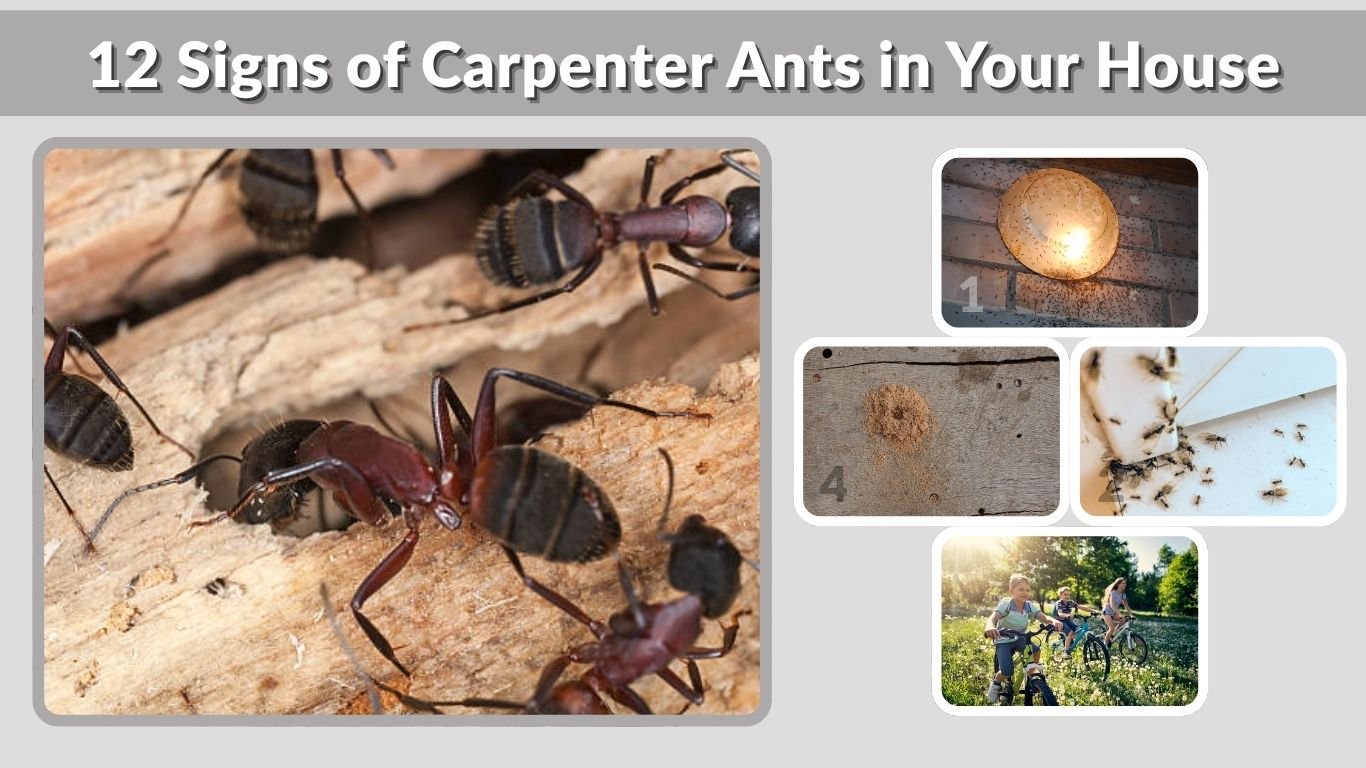
Carpenter ants can silently damage your home by tunneling through wood, often going unnoticed until the infestation becomes serious. Unlike termites, they don’t eat wood but create nests inside it, which can weaken structures over time. Identifying the early warning signs is crucial to prevent costly repairs and protect your home. Below are the most common signs that indicate a possible carpenter ant infestation.
1. Large Black or Reddish Ants Seen Indoors
A key early sign of carpenter ants is spotting unusually large ants inside your home, especially in kitchens, bathrooms, or near wooden structures.
What They Look Like
Carpenter ants are bigger than common household ants, typically ranging from 6–12 mm. They are usually black, but some may appear reddish or a mix of both colors.
Where You Usually See Them
They are often found in areas with moisture, such as near sinks, windows, or damp wood. You might also notice them crawling along walls, floors, or countertops.
Why This Is Important
Seeing these large ants indoors often means there is a nearby nest or satellite colony inside your house, especially if sightings happen repeatedly.
2. Ants Appearing Mostly at Night
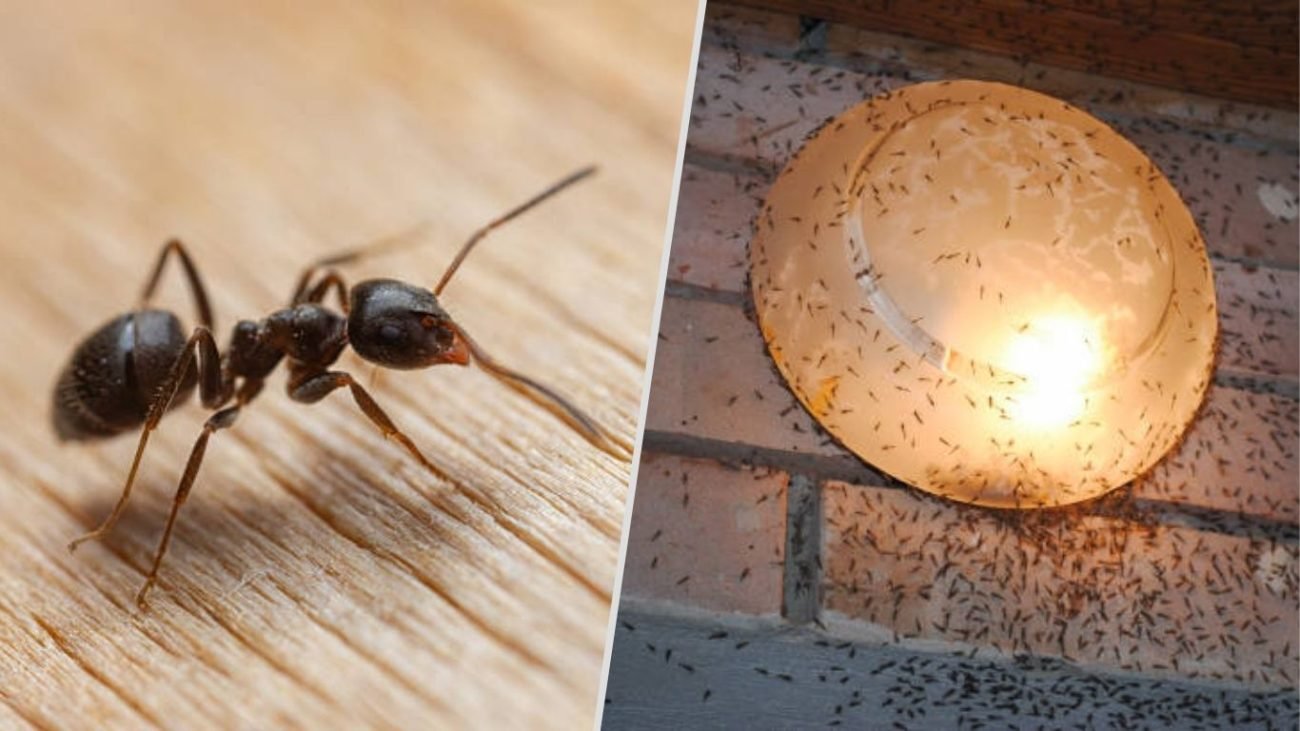
Carpenter ants are primarily nocturnal, so their activity increases after dark when the environment is quieter and safer for foraging.
When You’ll Notice Them
You are more likely to see these ants during late evening or nighttime, especially when lights are off and the house is quiet.
Where They Become Active
They commonly appear in kitchens, pantries, or along baseboards while searching for food and water during the night.
Why This Is Important
Nighttime activity is a strong indicator of carpenter ants, as most other household ants are active during the day. This behavior helps distinguish them early.
3. Rustling Sounds Inside Walls
Carpenter ants can sometimes be heard inside walls as they tunnel through wood to expand their nests.
What the Sound Is Like
The noise may resemble faint rustling, clicking, or soft scratching coming from within walls or wooden structures.
When You Might Hear It
These sounds are more noticeable at night when everything is quiet, making it easier to detect their movement.
Why This Is Important
Hearing activity inside walls suggests an established colony actively damaging wood, which may lead to structural issues if left untreated.
4. Small Piles of Wood Shavings (Frass)
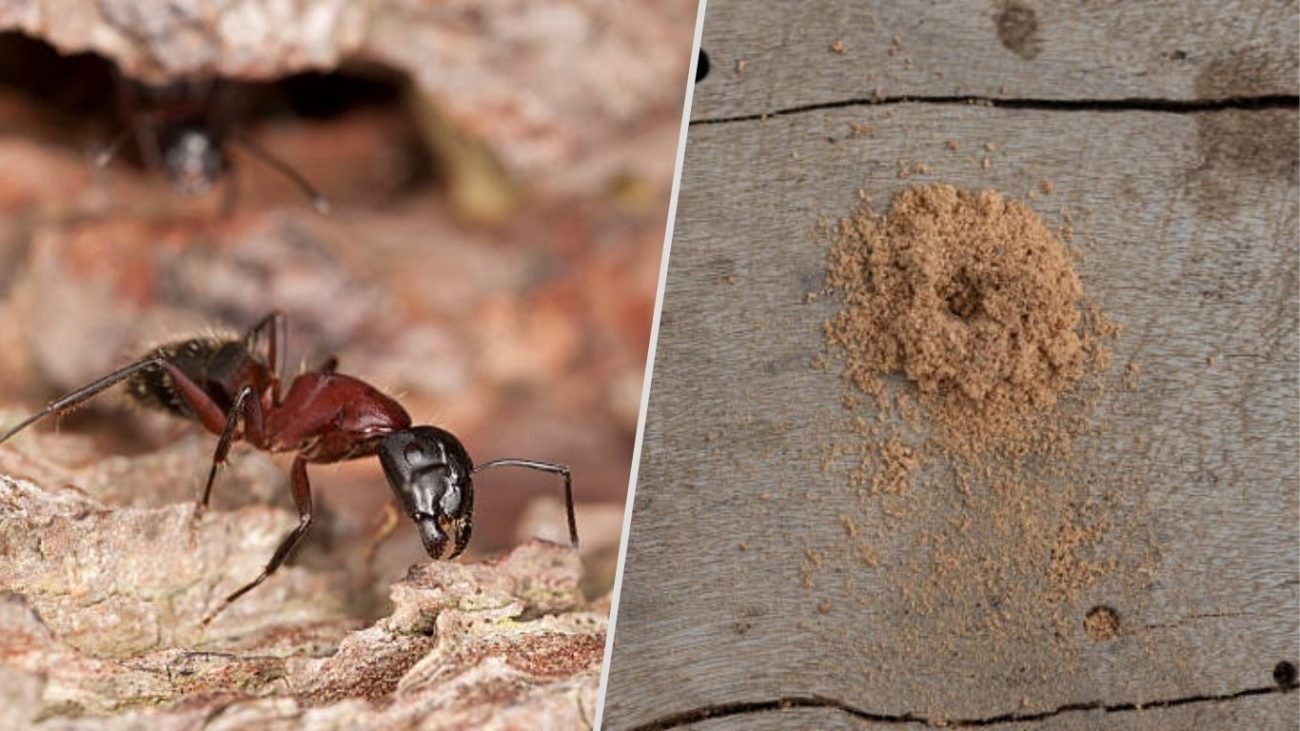
One of the clearest physical signs of carpenter ants is the presence of small piles of wood debris, known as frass, around your home.
What Frass Looks Like
Frass resembles fine sawdust but often contains a mix of materials such as tiny wood particles, insect parts, and dirt. Unlike termite droppings, it is usually more irregular and loosely piled rather than neatly shaped. You may find it accumulating below wooden structures, inside cabinets, or near baseboards where ants are actively tunneling.
Why This Is Important
Carpenter ants do not eat wood—they excavate it to build their nests. As they carve tunnels, they push out this debris, which becomes visible outside. Finding frass is a strong indication that ants are actively nesting inside wooden areas of your home, and the infestation may already be well established.
5. Smooth, Hollowed-Out Wood Structures
Carpenter ants tunnel through wood to create nests, leaving behind hollow spaces that can weaken structures over time.
How the Damage Appears
Unlike termites, carpenter ants create smooth, clean galleries inside wood. If you tap on affected wood, it may sound hollow. In some cases, the surface may look intact, but inside it has been extensively carved out. You might also notice slight sagging, cracks, or weakened wooden parts in walls, doors, or furniture.
Why This Is Important
This type of damage can compromise the strength of wooden structures if left untreated. Since the outer layer may remain untouched, the problem often goes unnoticed until significant damage has already occurred. Identifying hollowed-out wood early can help prevent costly repairs and further structural deterioration.
6. Winged Ants (Swarmers) Inside the House
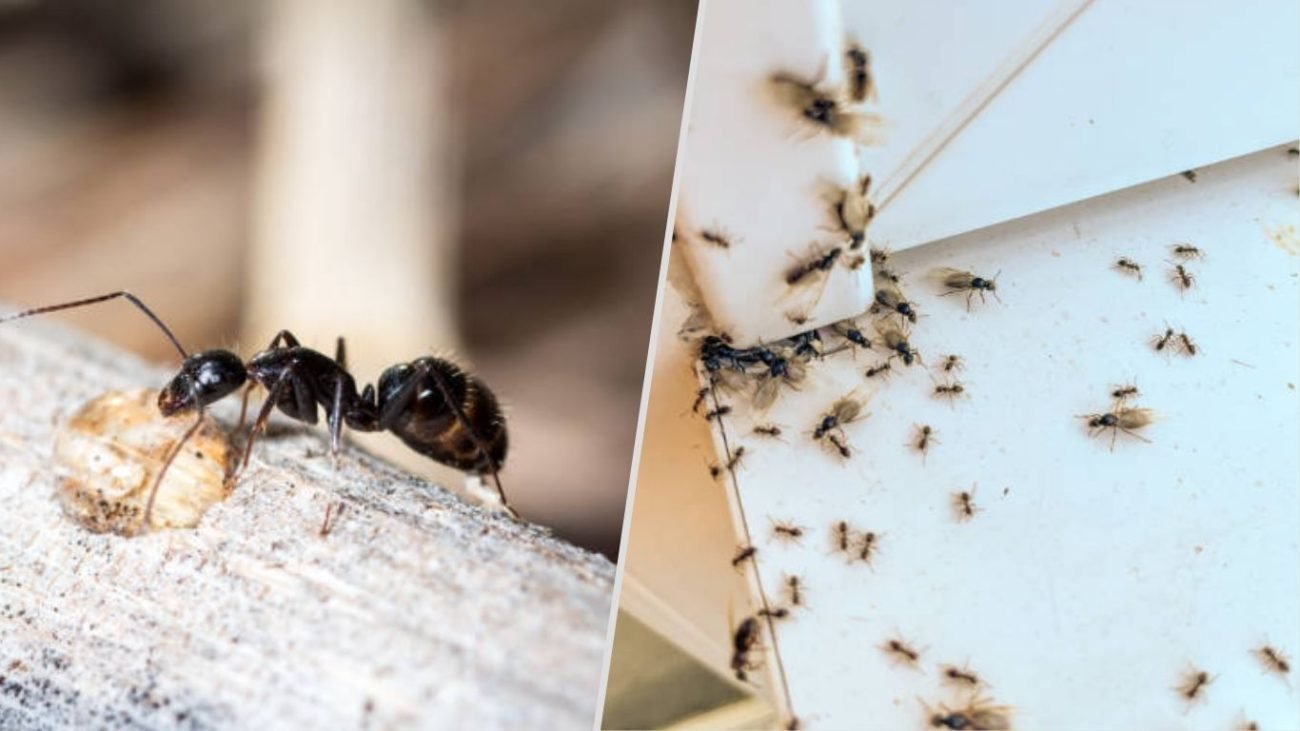
The appearance of winged carpenter ants indoors is a strong sign that a mature colony is present nearby or inside your home.
What They Look Like
These ants have wings and are often mistaken for termites, but carpenter ant swarmers have bent antennae, a narrow waist, and larger front wings than back wings. They are usually dark in color and noticeably larger than flying termites.
Why This Is Important
Winged ants are reproductive members of the colony, meaning the nest is fully developed. Seeing them indoors usually indicates that the colony is established within your home rather than outside.
7. Discarded Wings Near Windows or Doors
After mating, carpenter ant swarmers shed their wings, leaving them behind in visible areas.
Where You’ll Find Them
You may notice small piles of transparent wings near windowsills, door frames, or light sources where swarmers are attracted.
Why This Is Important
Discarded wings are a clear sign that swarmers have already emerged and settled. This strongly suggests an active infestation inside your house, not just ants wandering in from outside.
8. Trails of Ants Along Walls or Wires
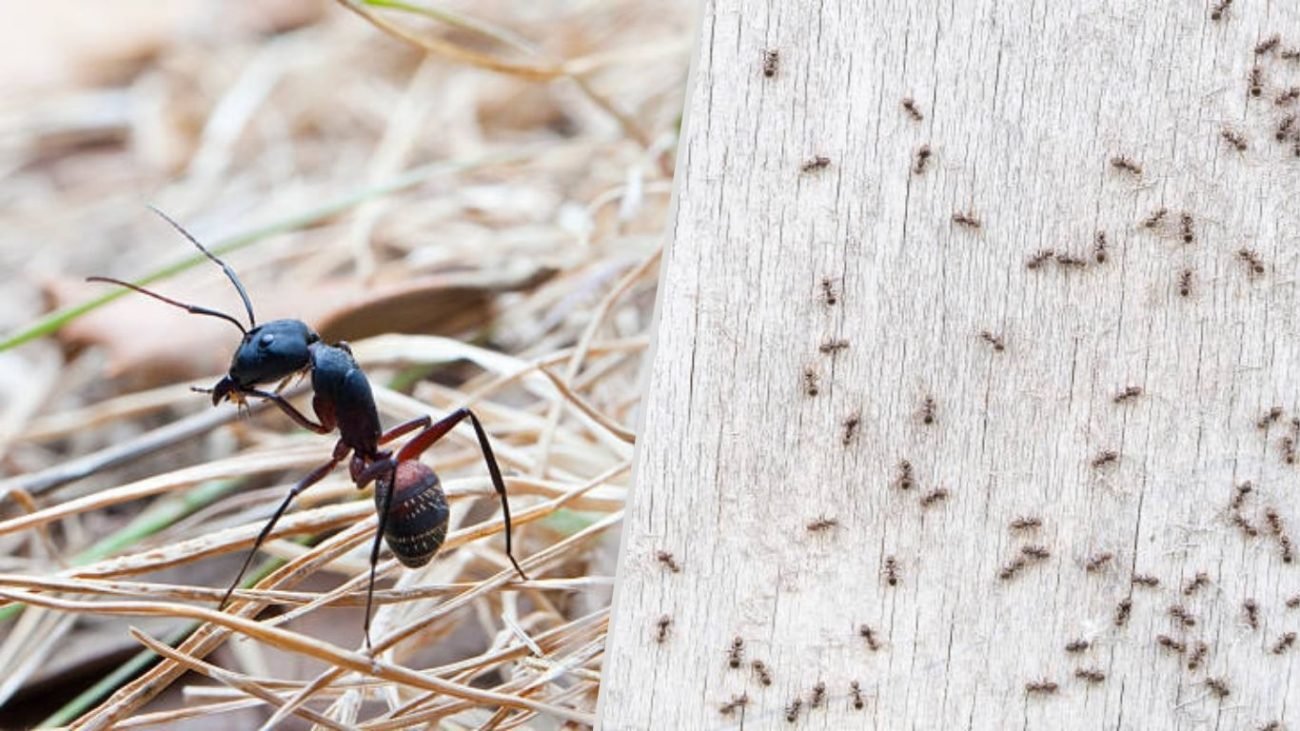
Carpenter ants often travel in visible trails as they move between their nest and food sources.
Where Trails Appear
You may notice ants forming lines along walls, baseboards, ceilings, or even electrical wires and pipes. These trails are usually consistent and follow the same path repeatedly.
Why This Is Important
Visible trails indicate an established route between the nest and a food source. This means the colony is active and organized, often suggesting a nearby nest within your home.
9. Damp or Damaged Wood Areas
Carpenter ants are strongly attracted to moist or decaying wood, making these areas prime nesting spots.
Common Problem Areas
You’ll often find them near leaky pipes, roof leaks, window frames, or poorly ventilated spaces like basements and bathrooms where wood stays damp.
Why This Is Important
Moist wood is easier for carpenter ants to tunnel through. If you notice ants around damp wood, it increases the likelihood that they are nesting there, which can lead to further structural damage if ignored.
10. Presence of Parent and Satellite Nests
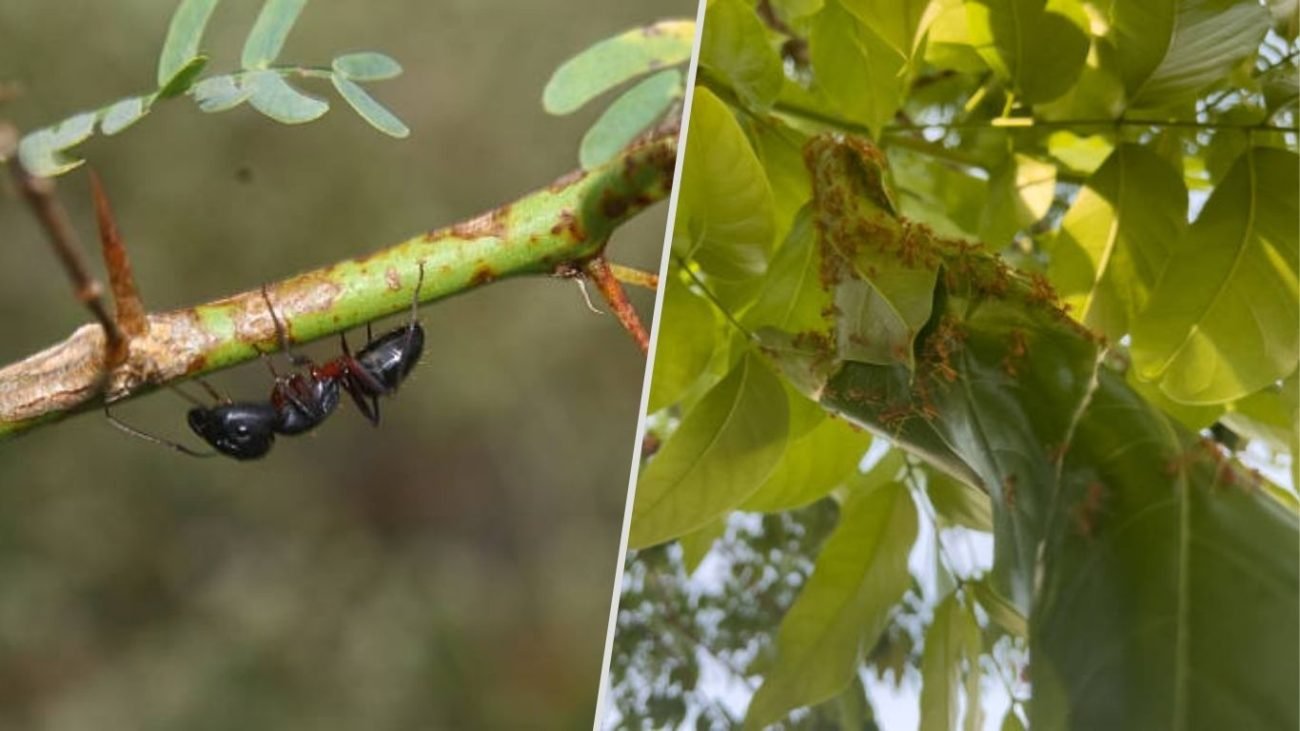
Carpenter ants often build multiple nests, including a main (parent) nest and several smaller satellite nests.
How These Nests Work
The parent nest is usually located outdoors in moist wood, while satellite nests are often found inside your home in drier areas like walls or ceilings. These nests are connected, allowing ants to move between them easily.
Why This Is Important
Finding signs in multiple locations may indicate more than one nest. This makes the infestation harder to control and confirms that carpenter ants have established a complex colony system.
11. Ants Emerging from Cracks or Crevices
Carpenter ants commonly enter and exit through small openings in your home’s structure.
Where This Happens
You might see ants coming out of tiny cracks in walls, gaps around windows, door frames, or holes near plumbing and electrical lines.
Why This Is Important
Consistent movement from specific cracks suggests a hidden nest nearby. These entry points often lead directly to nesting areas inside walls or wooden structures, indicating an active infestation.
12. Increased Ant Activity During Spring and Summer

Carpenter ant activity tends to rise significantly during warmer months, especially in spring and early summer.
When Activity Peaks
You may notice a sudden increase in ants during warm, humid conditions. This is the time when colonies grow rapidly and reproductive ants (swarmers) become active.
Why This Is Important
Seasonal spikes in activity often signal that a colony is mature and expanding. If you see more ants during this time, it’s a strong indication of an established infestation that may require prompt attention.
FAQs
What are carpenter ants and why are they a problem?
Carpenter ants are large ants that tunnel through wood to build nests. While they don’t eat wood like termites, their excavation weakens structures over time. If left untreated, they can cause significant damage to walls, floors, and wooden fixtures inside your home.
How can I tell the difference between carpenter ants and termites?
Carpenter ants have a narrow waist, bent antennae, and uneven wing sizes, while termites have straight antennae, thick waists, and equal-sized wings. Carpenter ants also leave behind wood shavings (frass), whereas termites leave mud tubes and pellet-like droppings.
Are carpenter ants dangerous to humans?
Carpenter ants are not generally dangerous, but they can bite if disturbed, which may cause mild discomfort. The real concern is structural damage to your home, not health risks. However, large infestations can become a serious nuisance.
What attracts carpenter ants into a house?
They are attracted to moisture, damp or decaying wood, and easily accessible food sources like sugary or greasy items. Leaky pipes, poor ventilation, and wood damage create ideal conditions for them to nest and thrive inside your home.
When should I call a professional for carpenter ants?
You should contact a professional if you notice multiple signs such as frass, winged ants, or consistent trails. Early intervention is key, as carpenter ant colonies can grow quickly and spread to different parts of your home, making them harder to eliminate.