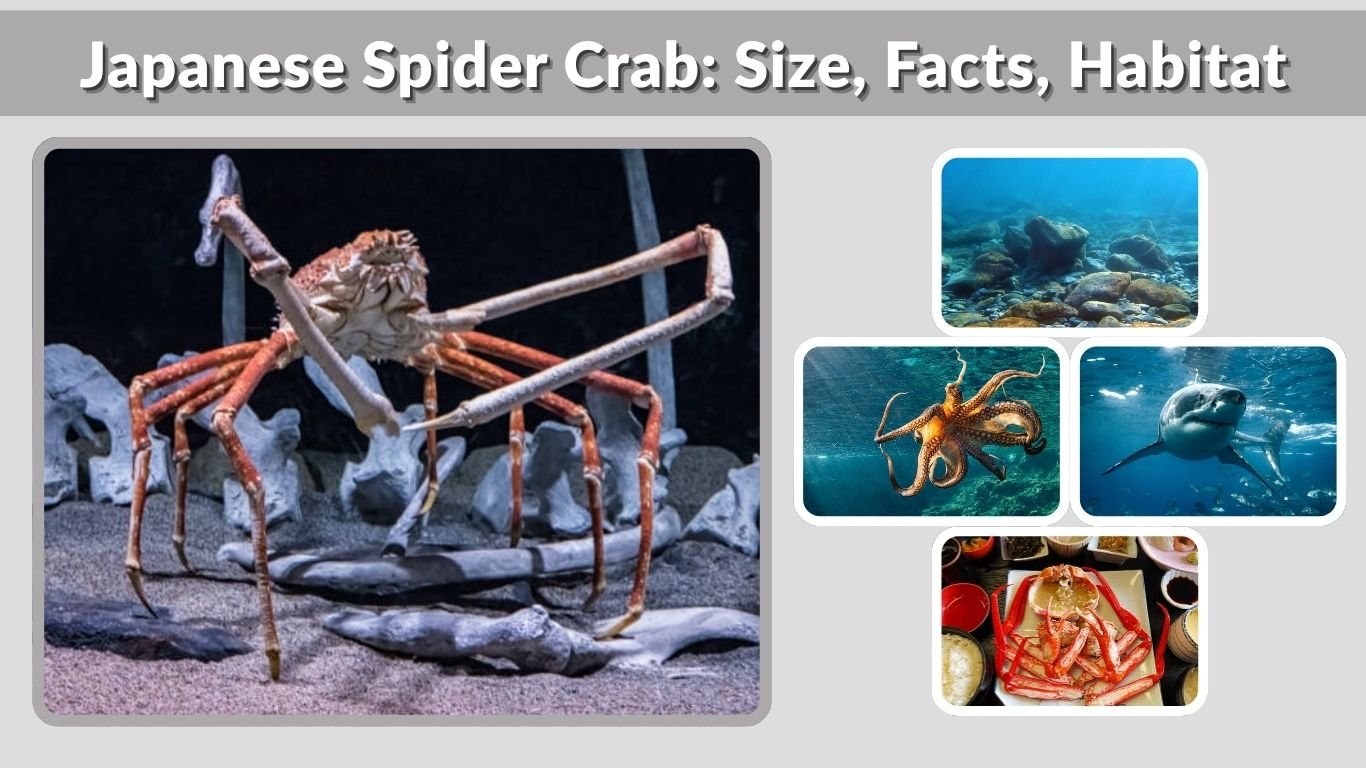
The Japanese spider crab is one of the most fascinating and unusual creatures in the ocean. Known for its extremely long legs and massive size, this deep-sea crab holds the title of the largest crab in the world. Its scientific name is Macrocheira kaempferi, and in Japanese, it is called タカアシガニ (Takaashigani), which means “long-legged crab.”
Unlike typical crabs, the Japanese giant spider crab has a unique appearance that resembles a spider more than a crab. This unusual look, combined with its enormous size, often sparks curiosity and even fear among people who see it for the first time.
What Is the Japanese Spider Crab?
The Japanese spider crab is a species of marine crab found primarily in the waters around Japan. It belongs to the arthropod family, making it related to insects, lobsters, and other crustaceans.
What makes this crab truly stand out is its incredibly long legs, which can stretch far beyond its body. While its body remains relatively small compared to its leg span, the overall size of the crab is what makes it so impressive.
These crabs are usually calm and slow-moving creatures that spend most of their time on the ocean floor. They are not aggressive and tend to avoid confrontation, relying instead on camouflage and scavenging for survival.
Japanese Spider Crab Size (How Big Is It?)
One of the most searched questions about this species is: how big is the Japanese spider crab?
The answer is astonishing.
A fully grown Japanese spider crab can have a leg span of up to 3.7 meters (about 12 feet) from claw to claw. This makes it the largest arthropod in terms of leg span on Earth.
However, its body size is much smaller in comparison:
- Body width: around 30–40 cm (12–16 inches)
- Weight: up to 15–20 kg (33–44 lbs)
Japanese Spider Crab Compared to Human
When compared to a human, the size becomes even more impressive. If a Japanese spider crab stretches its legs fully, it can be wider than a tall adult human is tall. This dramatic size difference is one of the reasons why images of these crabs often go viral online.
Despite their intimidating appearance, their long legs are quite delicate and can break easily if handled roughly.
Largest Japanese Spider Crab Ever Recorded
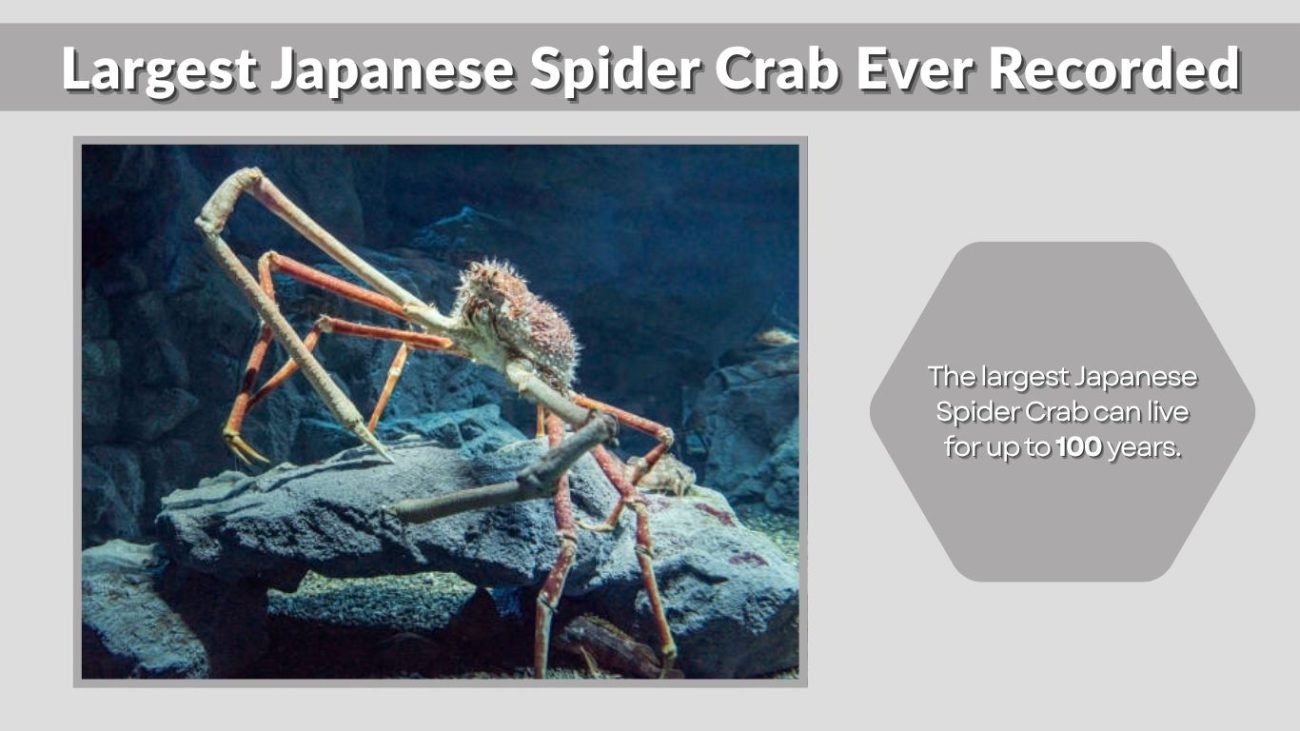
The largest Japanese spider crab ever recorded reached a leg span close to the maximum known size of about 12 feet. While stories of “50-foot crabs” exist online, these are myths and exaggerations.
Another fascinating fact is their lifespan. These crabs can live for up to 100 years, making them one of the longest-living crab species in the world. Their slow growth and deep-sea lifestyle contribute to their longevity.
Japanese Spider Crab Habitat
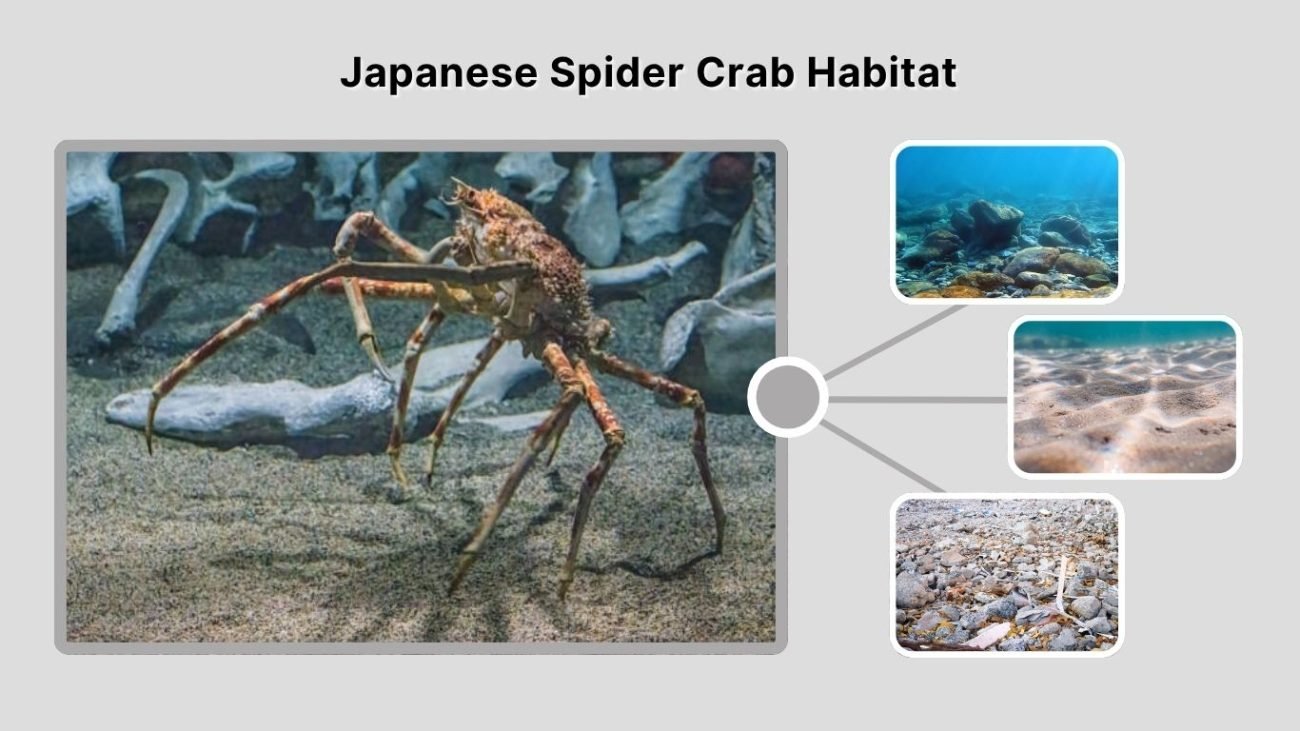
The Japanese spider crab is native to the Pacific Ocean, specifically around the coast of Japan. It is most commonly found in deep waters near regions such as:
- Honshu Island
- Sagami Bay
- Suruga Bay
Where Do Japanese Spider Crabs Live?
These crabs prefer depths ranging from 150 to 300 meters (500 to 1,000 feet), although they may move to shallower waters during breeding seasons.
Their habitat typically includes:
- Rocky ocean floors
- Sandy seabeds
- Areas with plenty of debris for camouflage
Living in deep water helps protect them from predators and allows them to thrive in a relatively stable environment with fewer disturbances.
What Do Japanese Spider Crabs Eat?
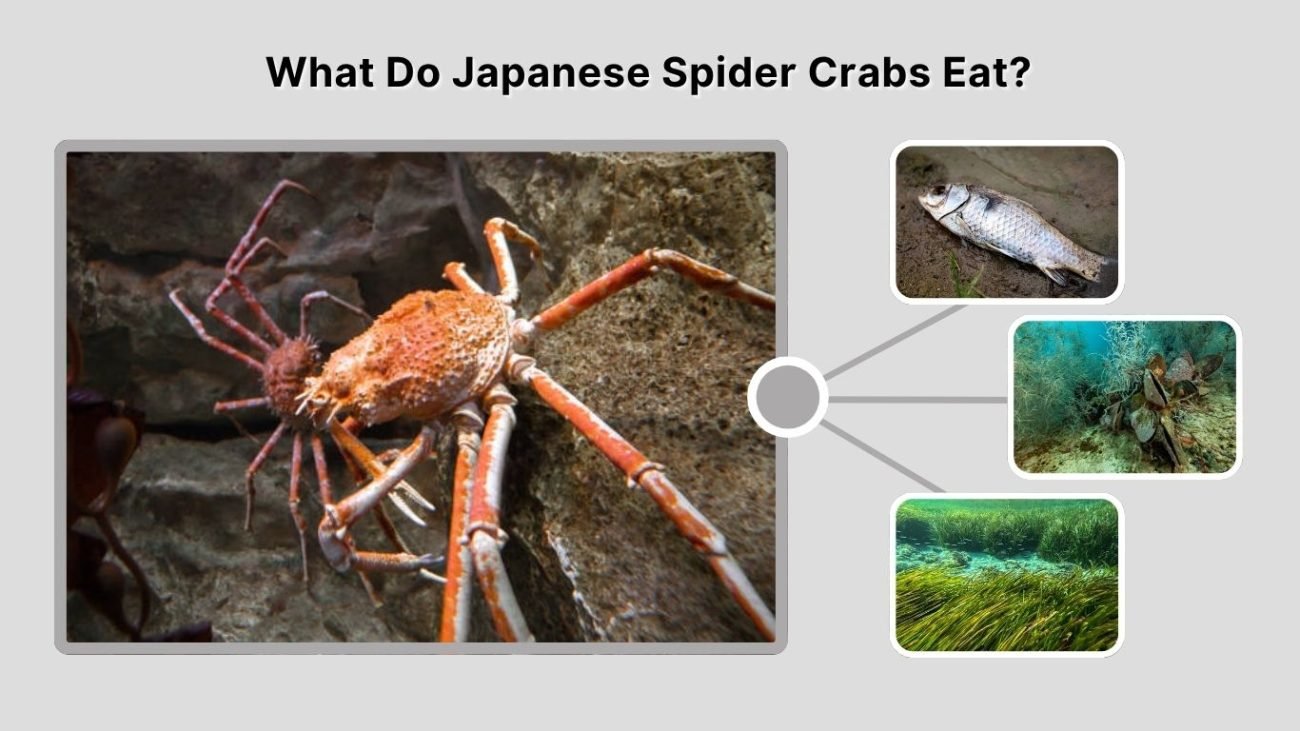
The Japanese spider crab is primarily a scavenger, meaning it feeds on dead and decaying organisms found on the ocean floor.
Japanese Spider Crab Diet Includes:
- Dead fish
- Mollusks and shellfish
- Plant material
- Small invertebrates
They use their long legs and claws to pick up food from the seabed. Instead of actively hunting, they rely on whatever food is available, which makes them an important part of the ocean ecosystem.
By consuming dead organisms, they help keep the ocean floor clean and maintain ecological balance.
Japanese Spider Crab Life Cycle
The life cycle of the Japanese spider crab begins with eggs carried by the female. A single female can produce thousands of eggs at once.
After hatching, the larvae float in the ocean as plankton before gradually developing into juvenile crabs. As they grow, they go through a process called molting, where they shed their exoskeleton to allow for growth.
Over time, they develop longer legs and larger bodies, eventually becoming the massive creatures we recognize as adults.
Predators of Japanese Spider Crab
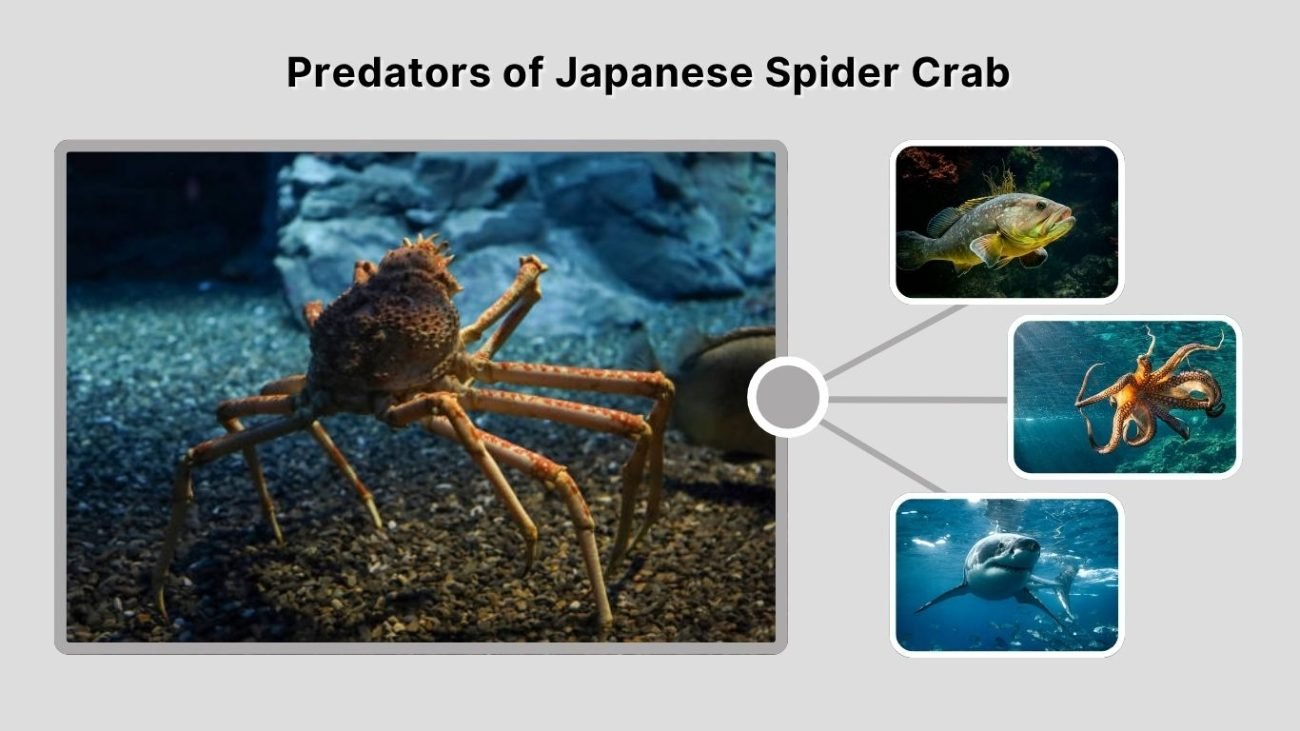
Although the Japanese spider crab is massive in size, it is not completely safe from predators. In fact, younger and smaller crabs are especially vulnerable in the wild.
Common Predators Include:
- Large fish
- Octopuses
- Sharks
- Humans
Juvenile spider crabs are at greater risk because their shells are softer and their legs are shorter. As they grow older and larger, they become harder for predators to attack due to their size and tough exoskeleton.
To protect themselves, Japanese spider crabs often use camouflage. They attach sponges, algae, and other materials to their shells, blending into their surroundings and avoiding detection.
Can Japanese Spider Crabs Kill You?
A common question people ask is: can Japanese spider crabs kill you?
The simple answer is no.
Despite their intimidating appearance and large claws, Japanese spider crabs are not dangerous to humans. They are generally calm and non-aggressive creatures that prefer to stay away from people.
While their claws are strong enough to grip objects and break shells, they do not actively attack humans. At most, they might pinch if they feel threatened, but this is not life-threatening.
In fact, these crabs are more likely to retreat than confront anything larger than themselves.
Can You Eat Japanese Spider Crab?
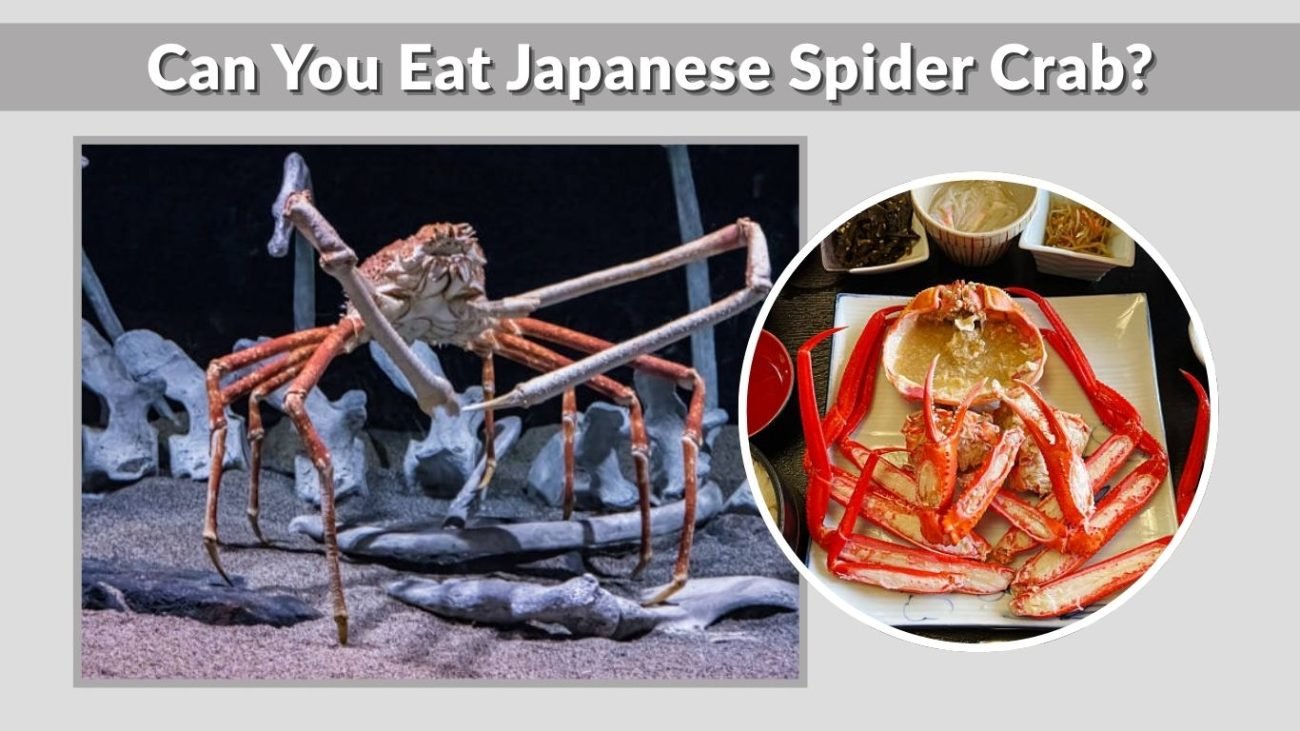
Yes, Japanese spider crabs are edible, and they are considered a delicacy in some parts of Japan.
What Do They Taste Like?
Their meat is similar to other crabs:
- Sweet
- Slightly briny
- Tender
However, they are not commonly eaten worldwide because:
- They are rare
- They grow slowly
- Fishing is limited to protect populations
Are Japanese Spider Crabs Edible?
Absolutely. In Japan, they are sometimes served in:
- Steamed dishes
- Hot pots (nabe)
- Specialty seafood meals
Because of their size, a single crab can provide a large amount of meat, especially from its long legs.
Japanese Spider Crab Price
Due to their rarity and limited availability, the Japanese spider crab price can be quite high.
Prices vary depending on:
- Size
- Freshness
- Location
In Japan, they are usually sold in specialty seafood markets or high-end restaurants. Because they are not mass-farmed, their cost reflects their scarcity and uniqueness.
Interesting Facts About Japanese Spider Crab
Here are some fascinating facts about this giant crustacean:
- It has the longest leg span of any arthropod in the world
- Its legs can grow up to 12 feet wide
- It can live for up to 100 years
- It decorates its shell with marine organisms for camouflage
- It grows by molting its exoskeleton
- It plays an important role as a deep-sea cleaner
These facts make the Japanese spider crab one of the most unique creatures in the ocean.
Japanese Spider Crab vs Human
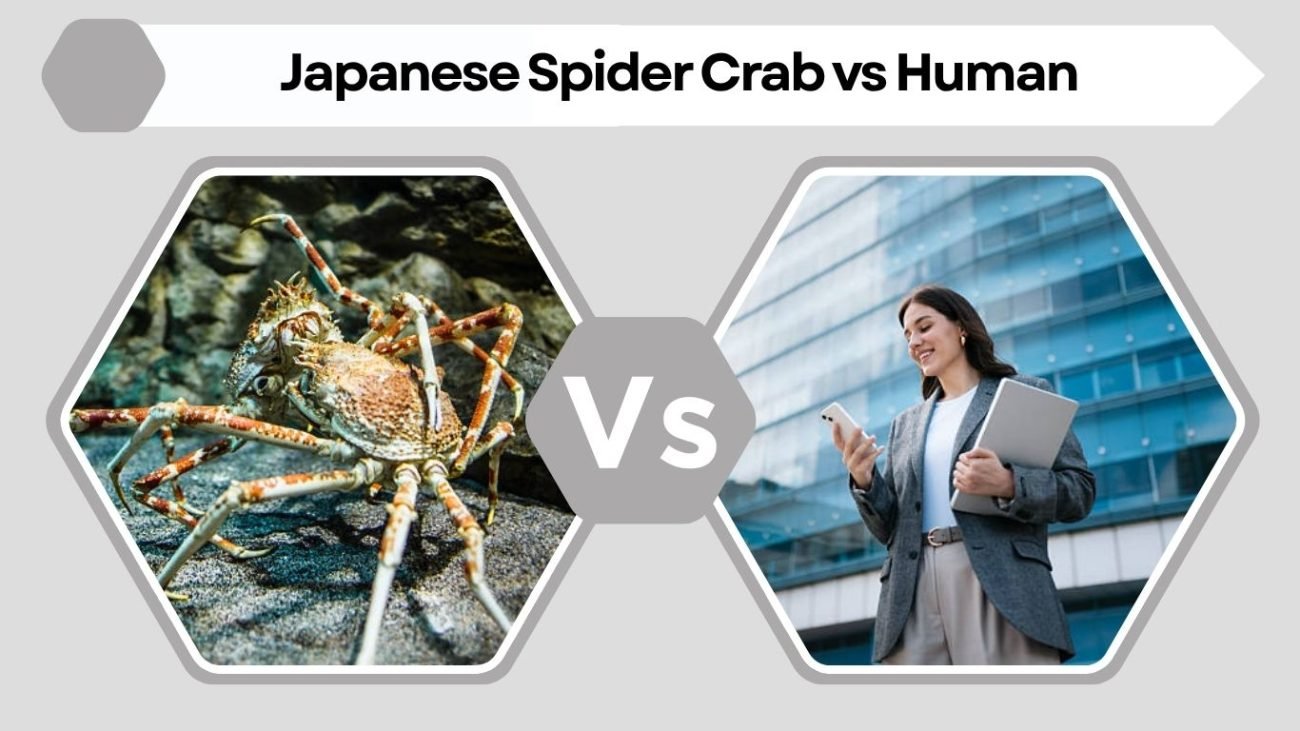
When comparing a Japanese spider crab to a human, the difference is striking.
If fully stretched out:
- Its leg span can exceed a human’s height
- Its claws can reach across a large distance
- Its body, though smaller, still appears intimidating
However, despite this size advantage, humans remain the dominant species in this comparison. The crab’s large size is mainly for survival and mobility on the ocean floor, not for combat.
Why Are Japanese Spider Crabs So Big?
The enormous size of the Japanese spider crab can be explained by a phenomenon known as deep-sea gigantism.
Reasons for Their Large Size:
- Stable deep-sea environment
- Fewer predators at greater depths
- Slow metabolism and long lifespan
- Evolutionary adaptation over millions of years
Living in deep water allows species like the Japanese spider crab to grow larger than their shallow-water relatives.
FAQs
1. How big is a Japanese spider crab?
A Japanese spider crab can grow up to 12 feet (3.7 meters) in leg span, making it the largest crab in the world. However, its body is much smaller, usually around 12–16 inches wide.
2. Can Japanese spider crabs kill humans?
No, Japanese spider crabs are not dangerous to humans. They are generally calm and non-aggressive. While they can pinch with their claws, they do not pose any serious threat.
3. Can you eat a Japanese spider crab?
Yes, Japanese spider crabs are edible and considered a delicacy in Japan. Their meat is sweet and similar in taste to other crab species, though they are not commonly eaten worldwide.
4. Where do Japanese spider crabs live?
They live in the Pacific Ocean around Japan, typically at depths of 150 to 300 meters (500–1,000 feet) on the ocean floor.
5. What do Japanese spider crabs eat?
Japanese spider crabs are scavengers. They mainly eat dead animals, shellfish, plant material, and small marine organisms found on the seabed.