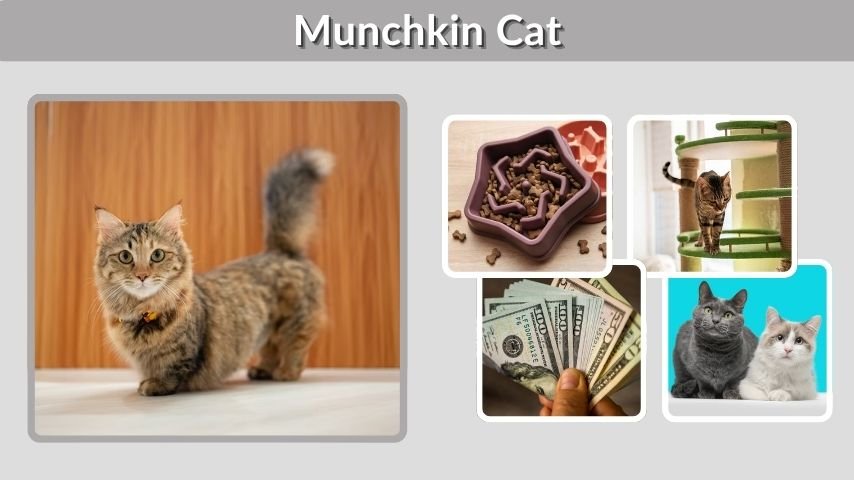
Munchkin cats are one of the most recognizable cat breeds in the world due to their short legs and playful personalities. Despite their unique appearance, these cats are active, affectionate, and surprisingly agile. The breed originated from a natural genetic mutation that affects leg length while leaving the rest of the body proportionate. Munchkin cats have become increasingly popular among pet lovers because of their friendly nature and adorable appearance. Understanding their characteristics, health, lifespan, and care requirements helps potential owners make informed decisions.
What Is a Munchkin Cat?
The Munchkin cat is a domestic cat breed known for its unusually short legs. This distinctive feature is caused by a naturally occurring genetic mutation. Although the breed has generated debate among some veterinarians and breeders, Munchkin cats remain popular pets due to their affectionate personalities and playful behavior.
History of the Breed
The modern Munchkin breed gained recognition during the 1980s when breeders began selectively developing cats with naturally short legs. Since then, the breed has gained popularity worldwide and has been used to develop several hybrid cat breeds.
Why Are Munchkin Cats Popular?
Many cat enthusiasts choose Munchkin cats because they are:
- Friendly and affectionate
- Playful and energetic
- Intelligent and curious
- Adaptable to indoor living
- Available in various coat colors and patterns
Munchkin Cat Characteristics
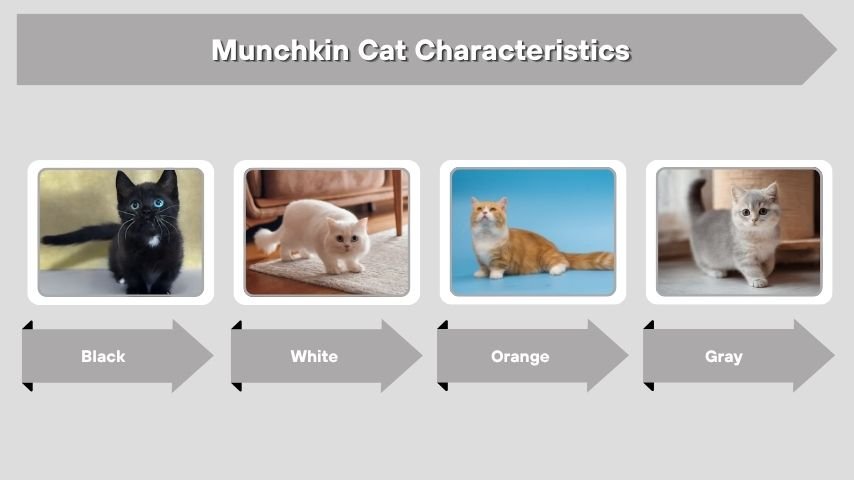
Munchkin cats may have short legs, but they possess the same playful and adventurous nature as many other domestic cats. Their compact appearance, combined with expressive eyes and diverse coat patterns, makes them instantly recognizable. They are often described as outgoing pets that enjoy interacting with people and exploring their environment.
Physical Appearance
Munchkin cats have a medium-sized body supported by noticeably shorter legs. Their bodies remain proportionate despite the shortened limbs, and they can have either short or long coats depending on their lineage.
Coat Colors and Patterns
Munchkin cats come in a wide variety of colors and patterns, including:
- Black
- White
- Orange
- Gray
- Calico
- Tabby
- Bicolor
Full-Grown Munchkin Cat Size
Most adult Munchkin cats weigh between 6 and 9 pounds, although some may be slightly larger. Their body size is generally similar to many domestic cats, with the primary difference being leg length.
Munchkin Cat Personality and Temperament
One reason for the breed’s growing popularity is its engaging personality. Munchkin cats are often described as social, playful, and affectionate companions. They enjoy spending time with family members and frequently seek attention from their owners.
Playful Nature
Munchkin cats retain a kitten-like attitude well into adulthood. They enjoy interactive toys, games, and activities that allow them to explore their surroundings.
Intelligence and Curiosity
These cats are highly curious and often investigate new objects and environments. Their intelligence makes them quick learners, and many can adapt easily to household routines.
Family Compatibility
Munchkin cats generally fit well into family households. They are known for forming strong bonds with their owners and often get along with children when treated gently and respectfully.
Munchkin Cat Lifespan
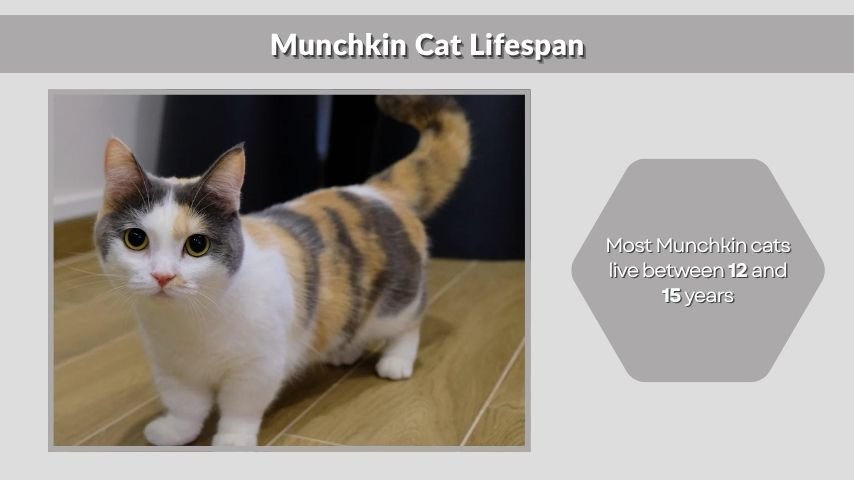
Munchkin cats can enjoy long and healthy lives when provided with proper care. Their lifespan depends on factors such as genetics, diet, exercise, and routine veterinary attention. Like all breeds, maintaining a healthy lifestyle plays an important role in longevity.
Average Lifespan
Most Munchkin cats live between 12 and 15 years. Some individuals may live even longer when they receive excellent nutrition and preventative healthcare.
Factors Affecting Life Expectancy
Several factors influence the lifespan of a Munchkin cat:
- Genetics
- Diet quality
- Exercise levels
- Veterinary care
- Weight management
Helping Your Cat Live Longer
Providing a balanced diet, regular health checkups, and daily enrichment activities can improve both lifespan and quality of life. Keeping cats indoors also reduces exposure to accidents, diseases, and predators.
Munchkin Cat Health Issues
The health of Munchkin cats is often discussed because of their shortened legs. While many live normal and active lives, potential owners should understand the possible health concerns associated with the breed.
Do Munchkin Cats Have Health Problems?
Not all Munchkin cats develop health issues, but some may be at increased risk for skeletal or mobility-related conditions due to their body structure.
Common Health Concerns
Potential health issues may include:
- Spinal abnormalities
- Joint stress
- Arthritis in older cats
- Obesity-related mobility problems
- Reduced jumping ability
Importance of Responsible Breeding
Responsible breeders focus on maintaining healthy bloodlines and minimizing genetic health risks. Choosing a reputable breeder is one of the most important steps when purchasing a Munchkin kitten.
How Much Does a Munchkin Cat Cost?
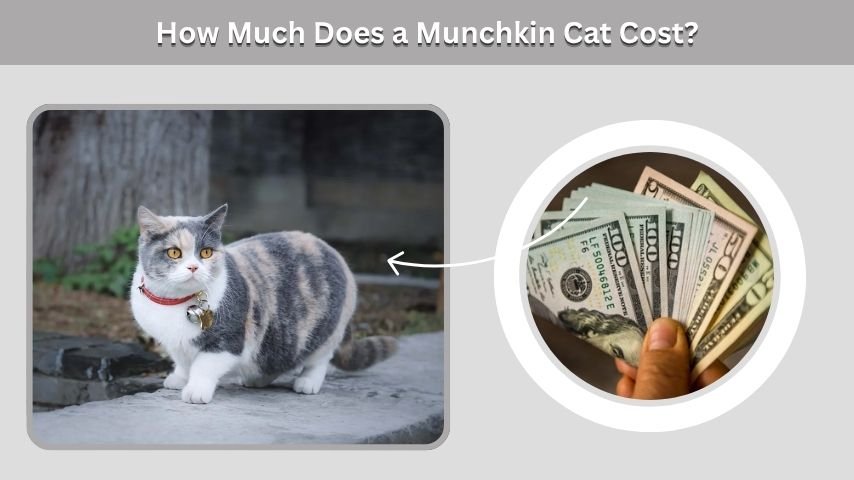
The cost of a Munchkin cat can vary significantly depending on factors such as pedigree, breeder reputation, location, coat type, and demand. Purebred kittens from reputable breeders are generally more expensive than cats obtained through adoption or rescue organizations.
Average Munchkin Cat Price
A Munchkin cat may cost anywhere from several hundred to several thousand dollars depending on quality and lineage.
Factors That Affect Cost
Several factors influence the purchase price:
- Breeder reputation
- Bloodline quality
- Coat type and color
- Geographic location
- Demand and availability
Additional Ownership Expenses
Beyond the initial purchase price, owners should budget for food, veterinary care, grooming supplies, toys, and pet insurance.
Types of Munchkin Cats
The Munchkin gene has been combined with several other cat breeds to create unique varieties. These cats retain the characteristic short legs while displaying traits inherited from other breeds.
Scottish Fold Munchkin Cat
This popular hybrid combines the folded ears of the Scottish Fold with the short legs of the Munchkin. The result is a distinctive and highly sought-after appearance.
Persian Munchkin Cat
Often referred to as the “Minuet,” this variety combines the Persian’s luxurious coat with the Munchkin’s compact stature.
Ragdoll Munchkin Cat
Ragdoll Munchkins inherit the gentle and affectionate personality of the Ragdoll while maintaining the short-legged appearance of the Munchkin breed.
Maine Coon Munchkin Cat
This hybrid combines the large body size and impressive coat of the Maine Coon with the shorter legs of the Munchkin.
Sphynx Munchkin Cat
The hairless Sphynx Munchkin is an unusual variety that attracts attention because of its unique appearance and outgoing personality.
Munchkin Cat Care Guide
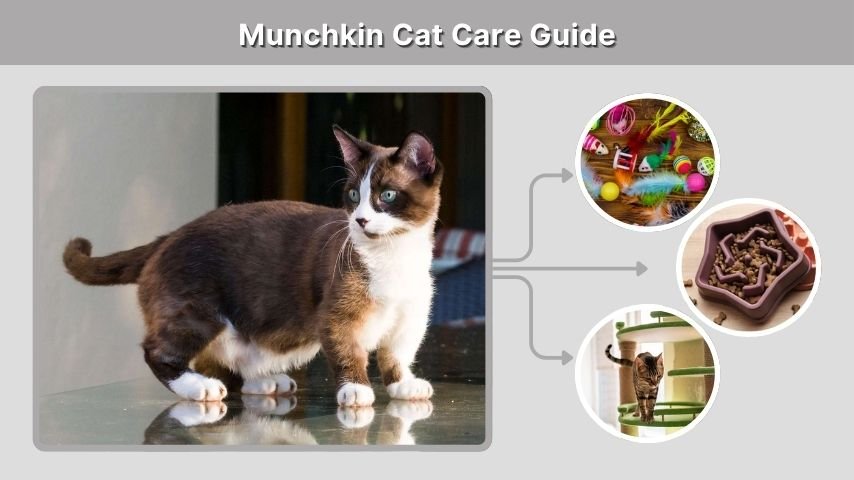
Proper care helps Munchkin cats remain healthy, active, and comfortable throughout their lives. Their daily care requirements are similar to those of most domestic cats, although special attention should be given to weight management and mobility.
Feeding Requirements
A balanced, high-quality diet supports healthy growth and weight control. Maintaining an appropriate body weight helps reduce stress on joints and supports overall health.
Exercise and Play
Regular exercise is important for preventing obesity and encouraging mental stimulation. Munchkin cats enjoy:
- Interactive toys
- Puzzle feeders
- Climbing structures
- Chasing games
- Social playtime
Grooming Needs
Short-haired Munchkins generally require minimal grooming, while long-haired varieties benefit from more frequent brushing to prevent tangles and matting.
Munchkin Cat Adoption and Rescue
Adoption can be an excellent alternative to purchasing a kitten from a breeder. Rescue organizations occasionally have Munchkin cats and Munchkin mixes available for adoption.
Benefits of Adoption
Adopting a cat offers several advantages:
- Lower initial costs
- Providing a home for a cat in need
- Veterinary care is often included
- Adult temperament may already be known
- Support for animal welfare efforts
Finding a Rescue Organization
Local shelters, breed-specific rescues, and animal welfare groups may occasionally have Munchkin cats available. Patience is often necessary because the breed is relatively uncommon.
Questions to Ask Before Adopting
Potential adopters should inquire about medical history, temperament, previous living conditions, and any special care requirements.
Finding Munchkin Cat Breeders
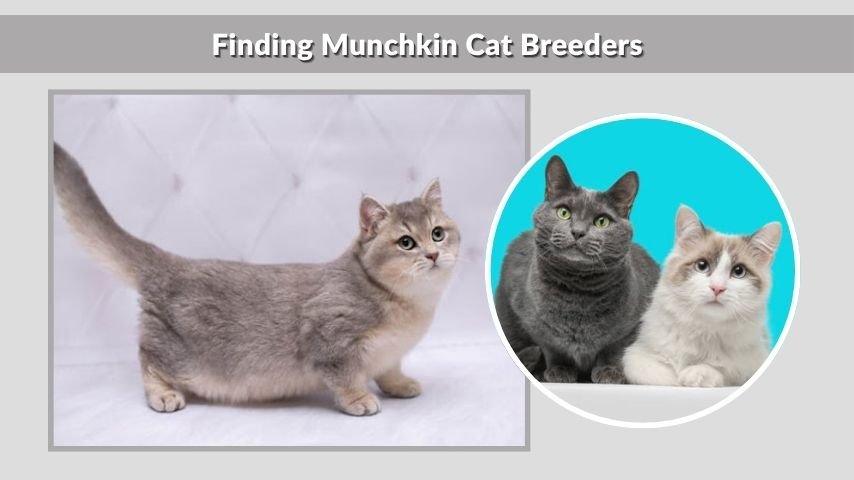
Choosing a reputable breeder is one of the most important decisions when purchasing a Munchkin kitten. Responsible breeders prioritize health, socialization, and ethical breeding practices.
How to Identify a Good Breeder
A quality breeder will typically:
- Provide health records
- Allow facility visits
- Answer questions openly
- Conduct genetic testing
- Prioritize kitten welfare
Warning Signs to Avoid
Be cautious of breeders who refuse to provide documentation, avoid questions about health testing, or offer kittens at unusually low prices.
Buying a Healthy Kitten
A healthy kitten should appear active, alert, and well-socialized. Clear eyes, a clean coat, and normal behavior are positive signs of good health.
Interesting Facts About Munchkin Cats
Munchkin cats are fascinating pets that continue to attract attention around the world.
Fun Facts About Munchkin Cats
- Their short legs are caused by a natural genetic mutation.
- They can run surprisingly fast despite their stature.
- They often sit upright like rabbits when observing their surroundings.
- They come in both short-haired and long-haired varieties.
- They maintain playful behavior throughout much of their lives.
FAQs
What is a Munchkin cat?
A Munchkin cat is a domestic cat breed known for its unusually short legs, which result from a natural genetic mutation.
How long do Munchkin cats live?
Most Munchkin cats live between 12 and 15 years, although some may live longer with proper care.
How much does a Munchkin cat cost?
The cost varies widely depending on breeder, pedigree, and location, but purebred Munchkin kittens are generally considered premium-priced cats.
Are Munchkin cats healthy?
Many Munchkin cats are healthy and active, but some may be predisposed to skeletal and mobility-related concerns.
Are Munchkin cats good family pets?
Yes, Munchkin cats are typically affectionate, social, and playful, making them excellent companions for many households.