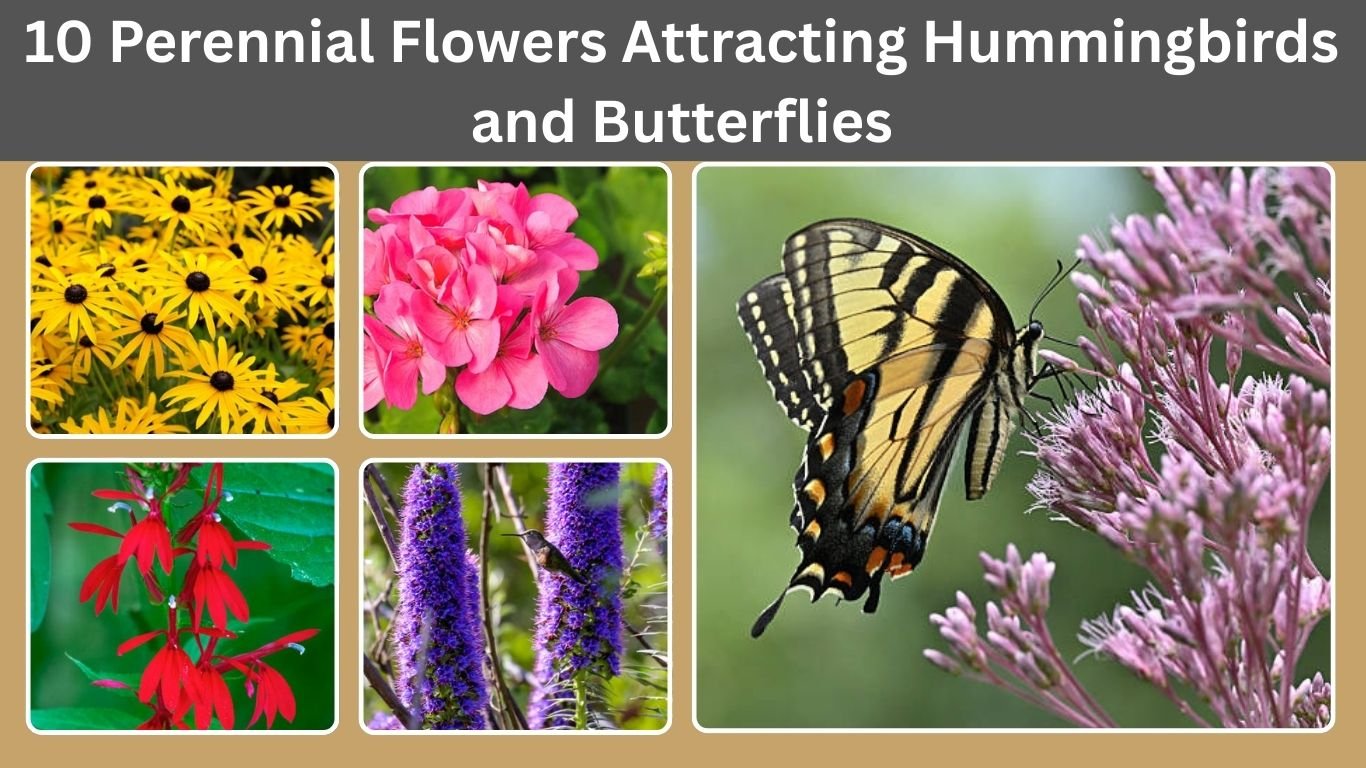
A pollinator-friendly garden comes alive with color, movement, and life when planted with the right perennials. Hummingbirds dart gracefully between blooms, while butterflies dance in the sunlight, feeding on nectar-rich flowers. By adding these long-lasting plants, you can create a vibrant, sustainable garden that returns year after year. Here are 10 perennial flowers that not only beautify your space but also attract hummingbirds and butterflies in abundance.
1. Bee Balm (Monarda)
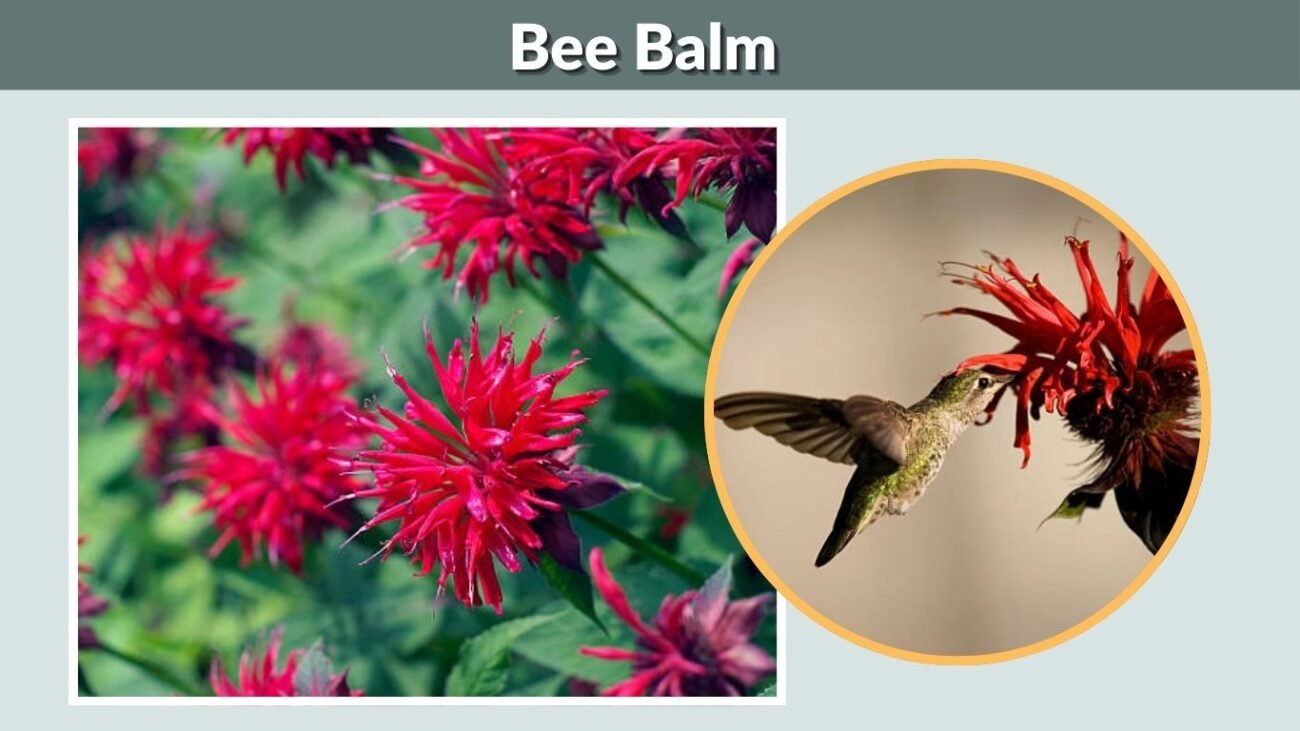
Bee Balm is a vibrant perennial that not only brightens up the garden but also serves as a magnet for both hummingbirds and butterflies. Its tubular blooms provide an excellent nectar source, while its fragrant foliage adds charm to garden landscapes.
Identification
- Showy clusters of tubular flowers in red, pink, purple, or white
- Square stems with aromatic, lance-shaped leaves
- Grows 2–4 feet tall, forming clump-like structures
Habitat
Bee Balm thrives in full sun to partial shade and prefers rich, moist, well-drained soil. It’s often found in cottage gardens, pollinator gardens, and near water features.
Blooming Season
This perennial blooms in mid to late summer, offering nectar during peak hummingbird and butterfly activity.
Role in Attracting Hummingbirds and Butterflies
The tubular flowers are perfectly shaped for hummingbirds, while the vibrant colors and nectar also lure butterflies, creating a lively and pollinator-friendly garden.
2. Coneflower (Echinacea)
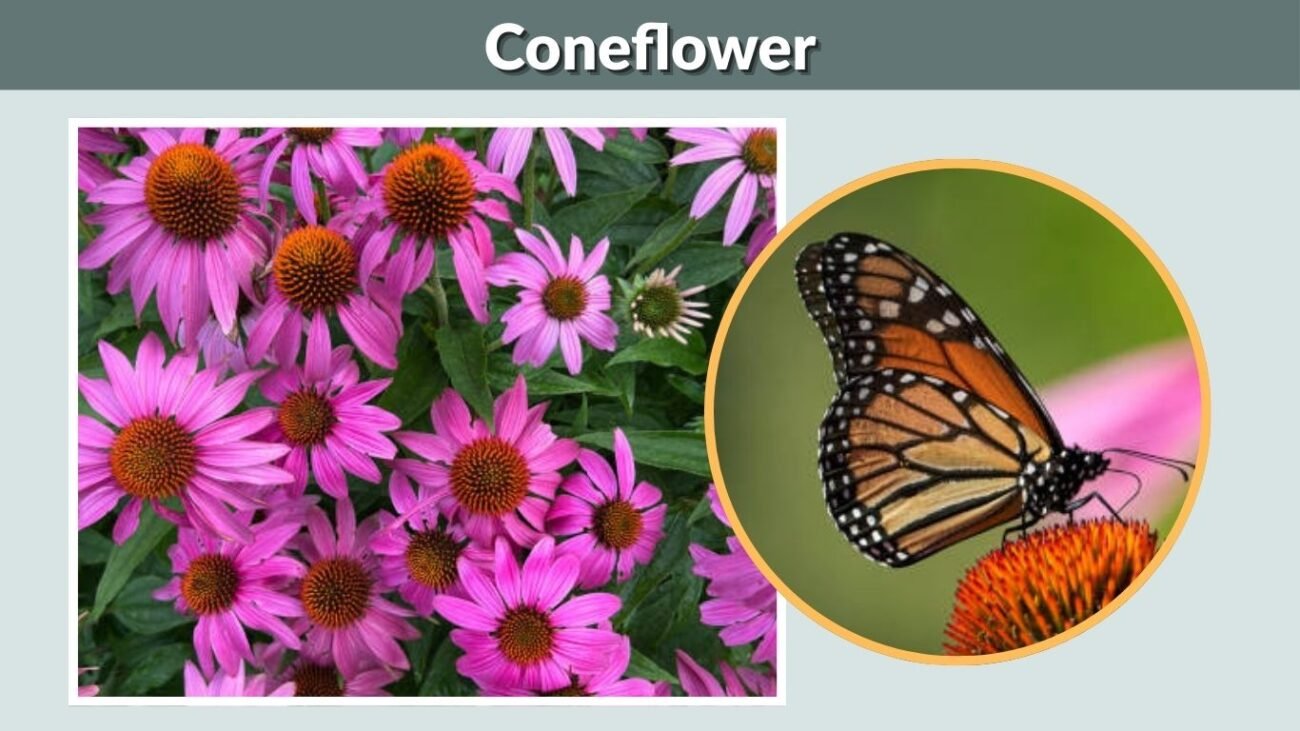
Coneflower is a hardy perennial known for its daisy-like blooms with raised centers that attract both hummingbirds and butterflies. Its long-lasting flowers and drought tolerance make it a favorite in pollinator-friendly gardens.
Identification
- Large, daisy-like flowers with purple, pink, or white petals surrounding a spiky cone center
- Rough, lance-shaped dark green leaves
- Grows 2–5 feet tall, forming upright clumps
Habitat
Coneflowers thrive in full sun and well-drained soil, tolerating drought and poor conditions once established. They are commonly found in wildflower meadows, borders, and butterfly gardens.
Blooming Season
They bloom from early summer to fall, offering a long season of nectar for pollinators.
Role in Attracting Hummingbirds and Butterflies
The colorful blooms provide nectar that hummingbirds enjoy, while butterflies flock to the flowers for feeding, especially during midsummer.
3. Black-Eyed Susan (Rudbeckia)
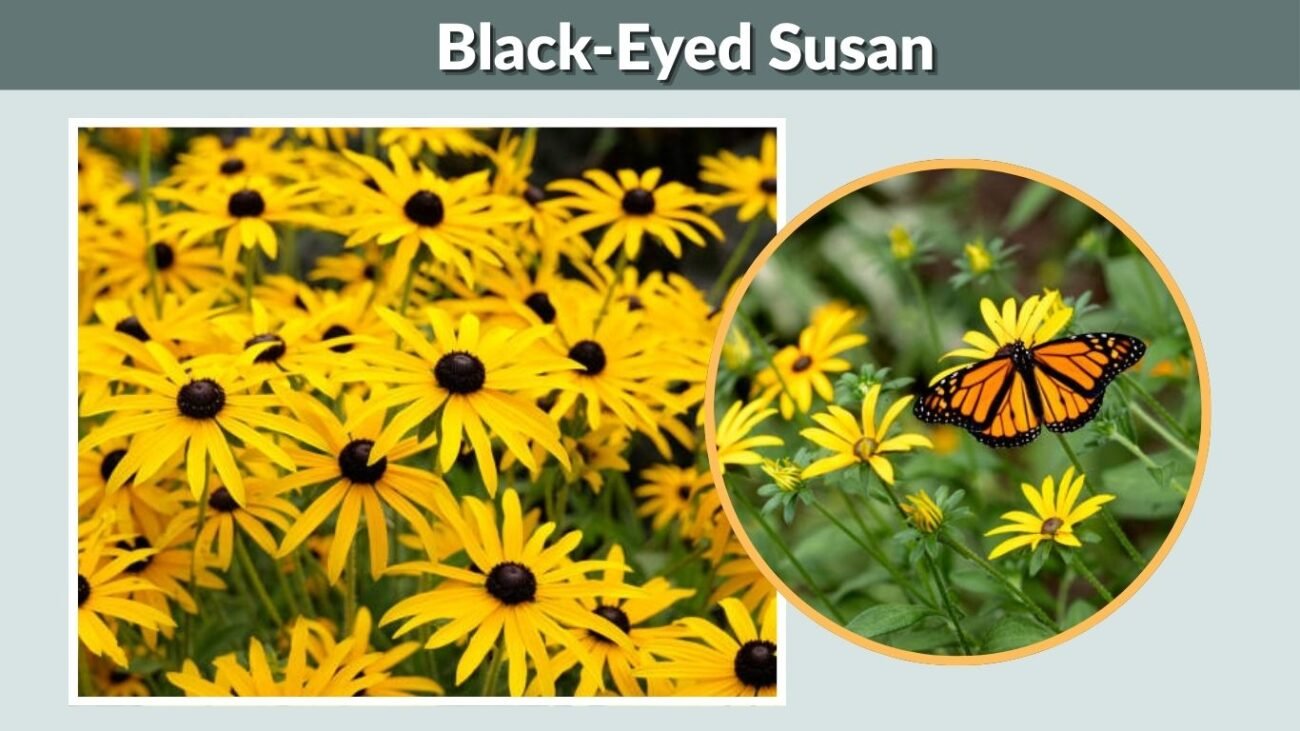
Black-Eyed Susan is a cheerful perennial with golden-yellow petals and a dark center that stands out in any garden. It’s a tough, low-maintenance flower that not only adds color but also attracts hummingbirds and butterflies in large numbers.
Identification
- Bright yellow, daisy-like flowers with dark brown or black cone centers
- Coarse, hairy green leaves
- Grows 2–3 feet tall in upright clumps
Habitat
This plant thrives in full sun and well-drained soil, tolerating heat and drought well. It’s commonly planted in meadows, borders, and pollinator-friendly landscapes.
Blooming Season
Black-Eyed Susans bloom from mid-summer through early fall, providing nectar during the active months for hummingbirds and butterflies.
Role in Attracting Hummingbirds and Butterflies
The bold flowers draw butterflies for nectar feeding, while hummingbirds are attracted by their bright color and abundant blooms throughout the season.
4. Butterfly Weed (Asclepias tuberosa)
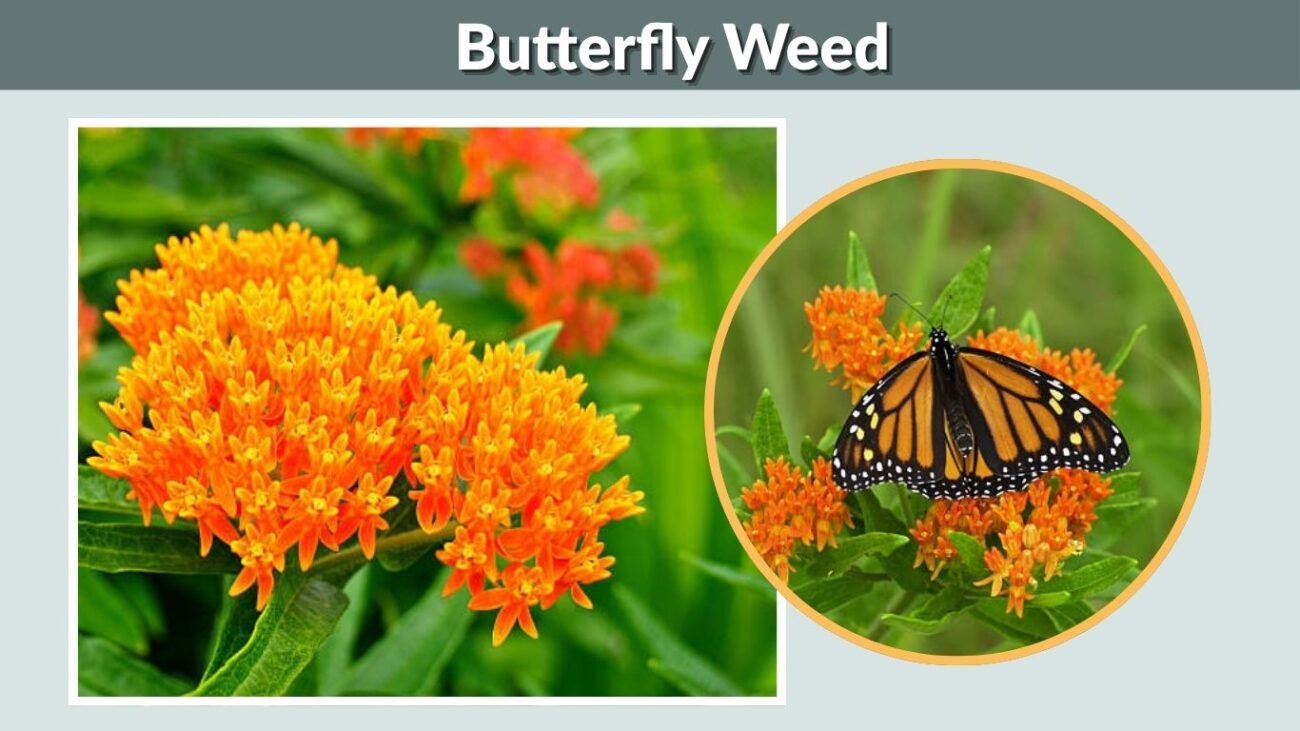
Butterfly Weed is a native perennial prized for its clusters of fiery orange blooms and its ability to attract a wide range of pollinators. As a member of the milkweed family, it’s particularly important for butterflies while also appealing to hummingbirds.
Identification
- Bright orange flower clusters on upright stems
- Narrow, lance-shaped green leaves
- Grows 1–3 feet tall with a bushy form
Habitat
Butterfly Weed thrives in full sun and dry to moderately moist soil. It’s often planted in wildflower meadows, prairies, and butterfly gardens.
Blooming Season
It blooms from early to mid-summer, offering nectar during the height of pollinator activity.
Role in Attracting Hummingbirds and Butterflies
The nectar-rich blooms are a magnet for butterflies, especially Monarchs, while the bright orange tubular flowers also attract hummingbirds seeking energy-rich nectar.
5. Salvia
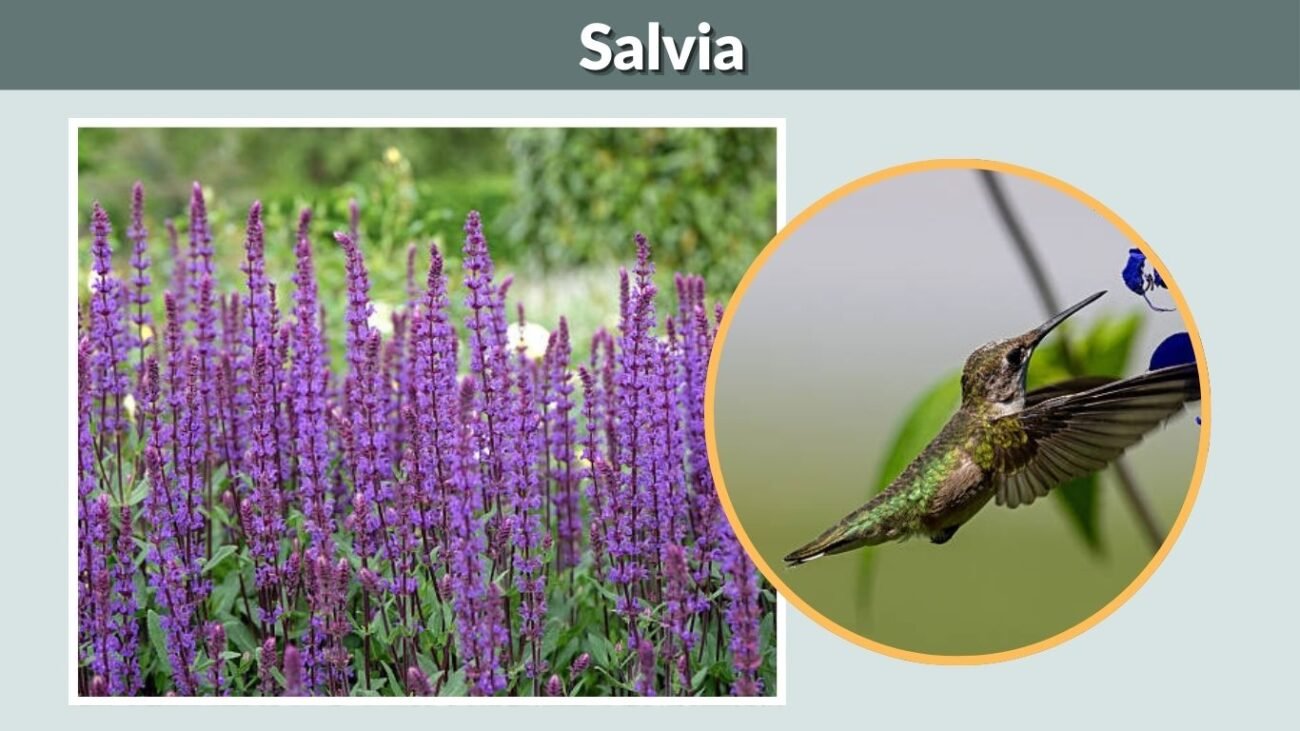
Salvia is a versatile perennial that produces tall spikes of tubular flowers, making it a favorite for pollinator gardens. Its vivid colors and rich nectar supply ensure that both hummingbirds and butterflies visit frequently.
Identification
- Upright spikes of tubular flowers in shades of red, purple, blue, or pink
- Square stems with aromatic, textured green leaves
- Grows 1–4 feet tall, depending on the variety
Habitat
Salvia thrives in full sun and well-drained soil, tolerating heat and drought once established. It is commonly planted in borders, cottage gardens, and pollinator beds.
Blooming Season
It blooms from late spring through fall, providing a long-lasting nectar source for pollinators.
Role in Attracting Hummingbirds and Butterflies
The tubular blossoms are ideal for hummingbird feeding, while butterflies are drawn to the vibrant spikes of flowers throughout the growing season.
6. Liatris (Blazing Star)
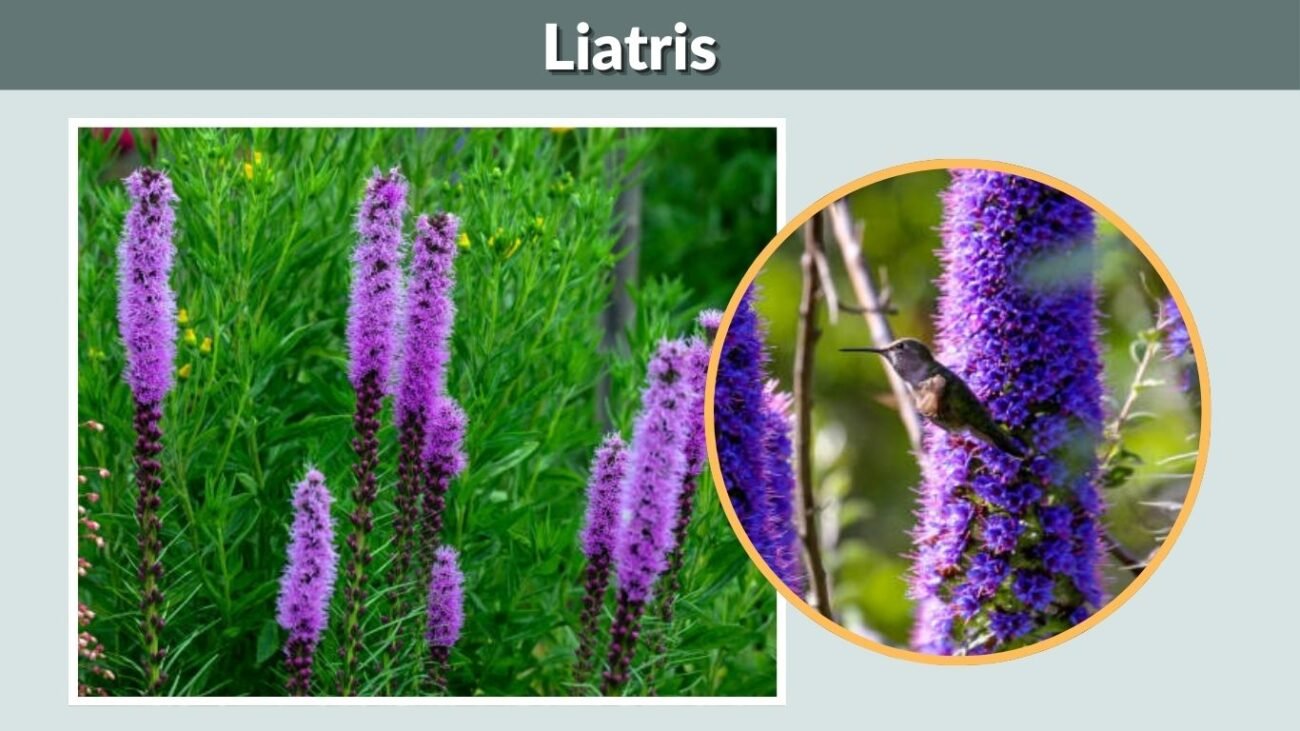
Liatris, also known as Blazing Star, is a striking perennial with tall, bottlebrush-like spikes that bloom from the top down. Its unique flowers and nectar supply make it especially appealing to hummingbirds and butterflies.
Identification
- Tall spikes of fluffy purple or lavender flower heads
- Narrow, grass-like leaves arranged along upright stems
- Grows 2–5 feet tall in clumps
Habitat
Liatris thrives in full sun and well-drained soil, often found in prairies, meadows, and pollinator gardens. It tolerates drought and poor soil conditions once established.
Blooming Season
It blooms from mid to late summer, ensuring nectar availability during peak pollinator activity.
Role in Attracting Hummingbirds and Butterflies
The tall, showy spikes are rich in nectar, drawing hummingbirds to hover and feed, while butterflies flock in groups to the clustered blossoms.
7. Phlox
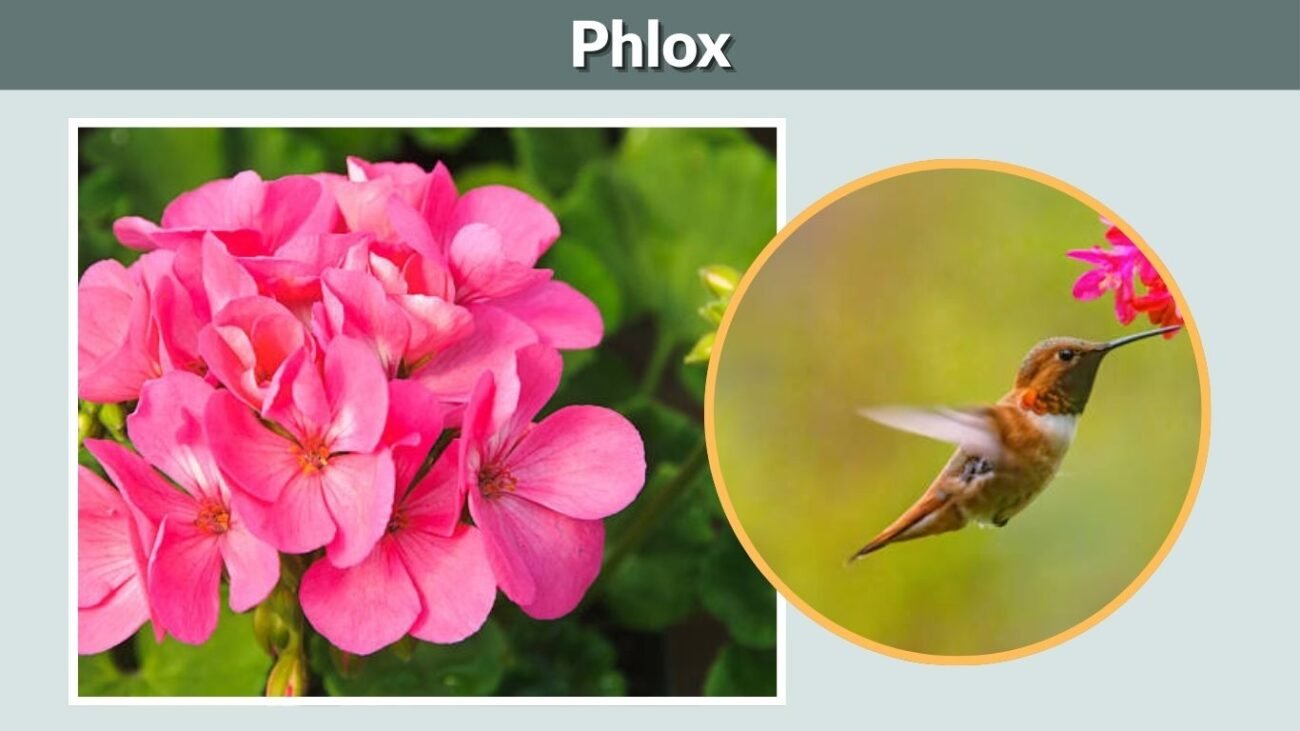
Phlox is a charming perennial known for its clusters of fragrant, colorful blooms that cover garden beds with vibrant hues. Its nectar-rich flowers are highly attractive to both hummingbirds and butterflies.
Identification
- Dense clusters of star-shaped flowers in pink, purple, red, or white
- Narrow, lance-shaped green leaves
- Grows 1–4 feet tall depending on the variety
Habitat
Phlox thrives in full sun to partial shade and prefers moist, well-drained soil. It’s commonly planted in borders, cottage gardens, and pollinator patches.
Blooming Season
It blooms from late spring through summer, with some varieties flowering into early fall.
Role in Attracting Hummingbirds and Butterflies
The fragrant, tubular flowers provide an excellent nectar source that attracts hummingbirds, while butterflies are drawn to their wide clusters for easy feeding.
8. Cardinal Flower (Lobelia cardinalis)
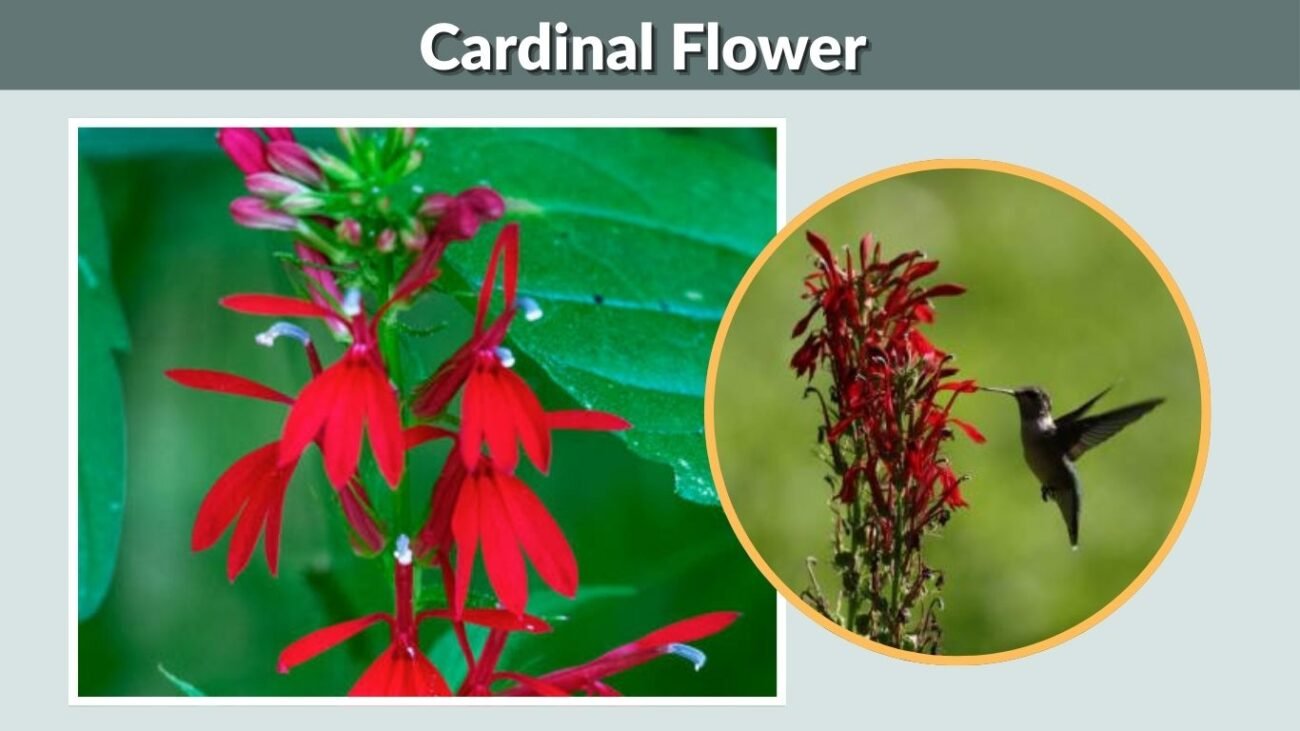
Cardinal Flower is a brilliant perennial with striking red spikes that act as a magnet for hummingbirds and butterflies. Its vivid color and tubular flower shape make it one of the most reliable plants for attracting pollinators.
Identification
- Tall spikes of bright red tubular flowers
- Dark green, lance-shaped leaves with serrated edges
- Grows 2–4 feet tall in upright clumps
Habitat
Cardinal Flower thrives in moist, rich soil and partial shade, often found along streams, ponds, and wet meadows.
Blooming Season
It blooms in mid to late summer, providing nectar during peak hummingbird migration and butterfly activity.
Role in Attracting Hummingbirds and Butterflies
The vibrant red blooms are irresistible to hummingbirds, while butterflies are drawn to the abundant nectar in each tubular flower.
9. Daylily (Hemerocallis)
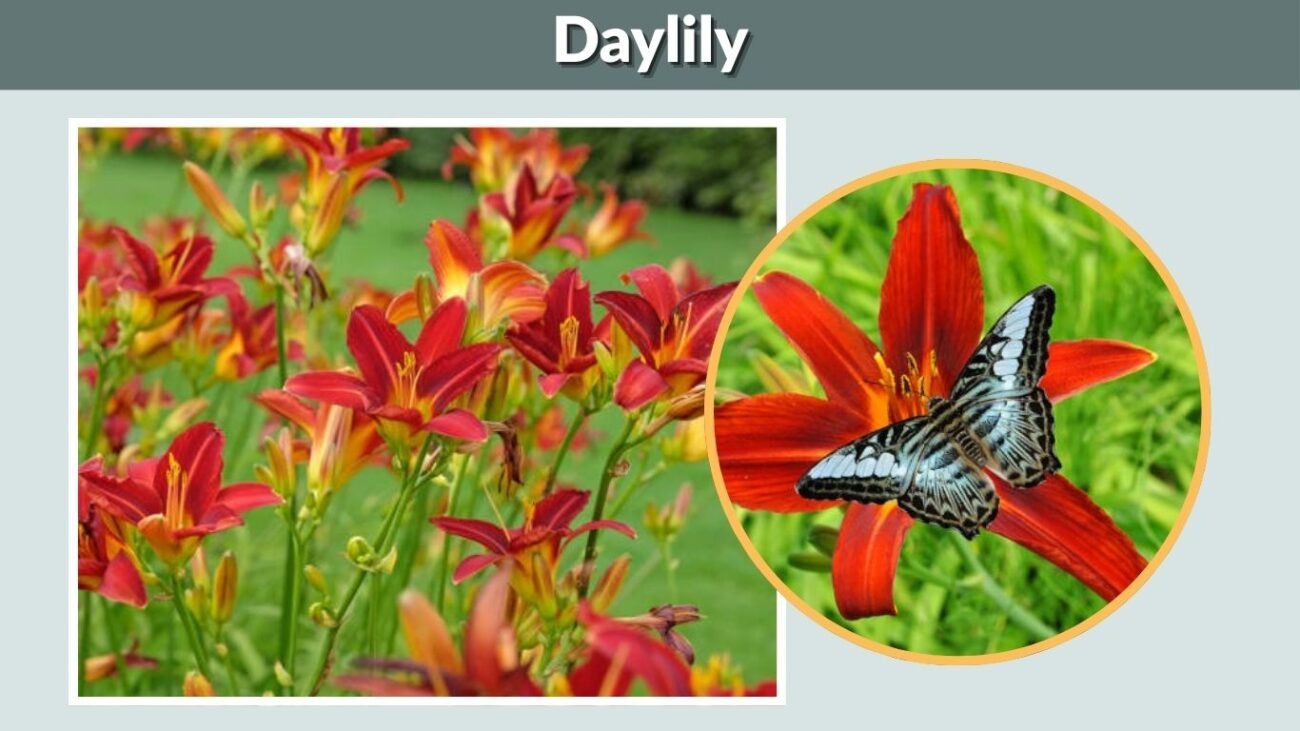
Daylily is a hardy perennial valued for its colorful, trumpet-shaped flowers that bloom in abundance. With its nectar-filled blossoms, it serves as a reliable source of attraction for both hummingbirds and butterflies.
Identification
- Trumpet-shaped flowers in a wide range of colors including yellow, orange, red, and pink
- Long, arching, grass-like green leaves
- Grows 1–4 feet tall, forming clumps
Habitat
Daylilies thrive in full sun to partial shade and adapt well to many soil types, provided they are well-drained. They are often planted in borders, beds, and mass plantings.
Blooming Season
Daylilies bloom from late spring through summer, with some varieties offering repeat blooming into early fall.
Role in Attracting Hummingbirds and Butterflies
The trumpet-shaped flowers provide easy access to nectar for hummingbirds, while butterflies are attracted to the bright colors and plentiful blooms.
10. Joe-Pye Weed (Eutrochium)
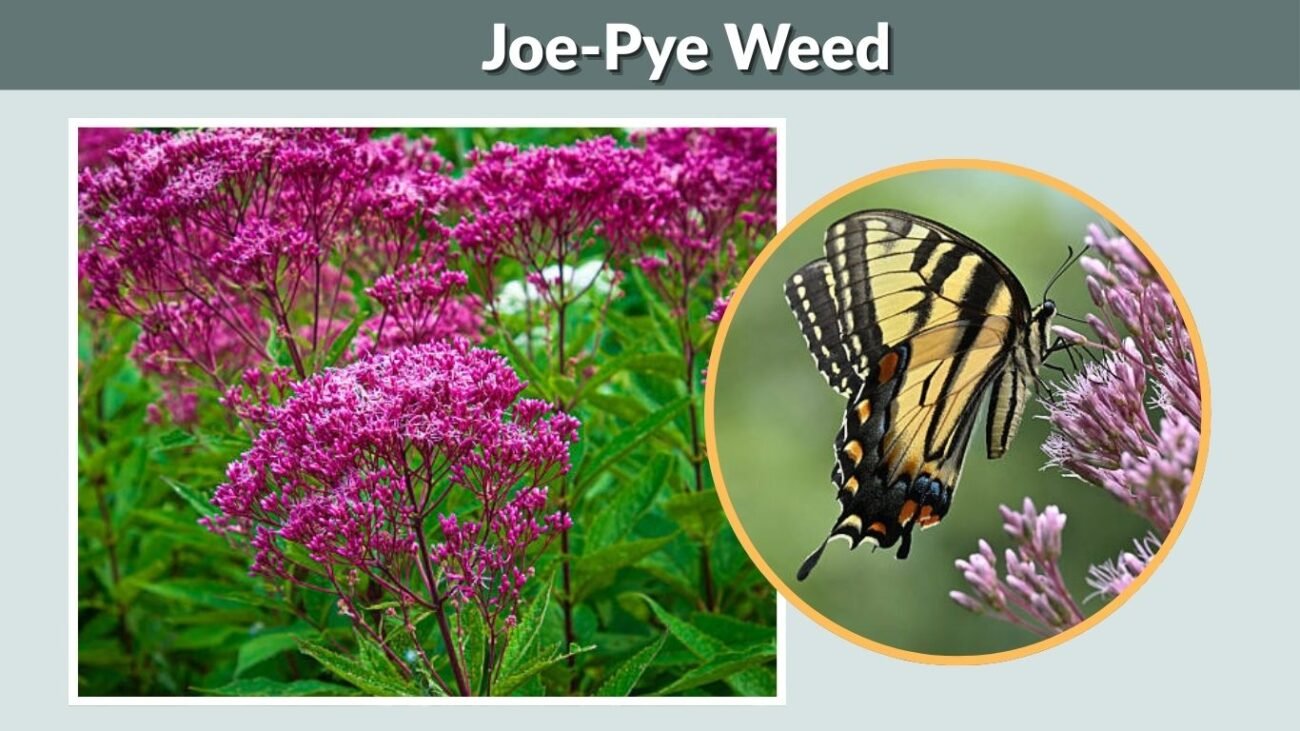
Joe-Pye Weed is a tall, hardy perennial that produces large clusters of pinkish-purple blooms. Its height and abundance of nectar make it a top choice for attracting both hummingbirds and butterflies to the garden.
Identification
- Large, dome-shaped clusters of small pink to purple flowers
- Tall, sturdy stems with whorled, lance-shaped leaves
- Grows 4–7 feet tall, often forming impressive clumps
Habitat
This plant thrives in full sun to partial shade and prefers moist, fertile soil. It’s often found in meadows, along streams, and in pollinator gardens.
Blooming Season
Joe-Pye Weed blooms from mid-summer through early fall, offering late-season nectar for pollinators.
Role in Attracting Hummingbirds and Butterflies
The towering clusters draw butterflies in large numbers, while the nectar-rich blooms provide food for hummingbirds, making it a pollinator hotspot.