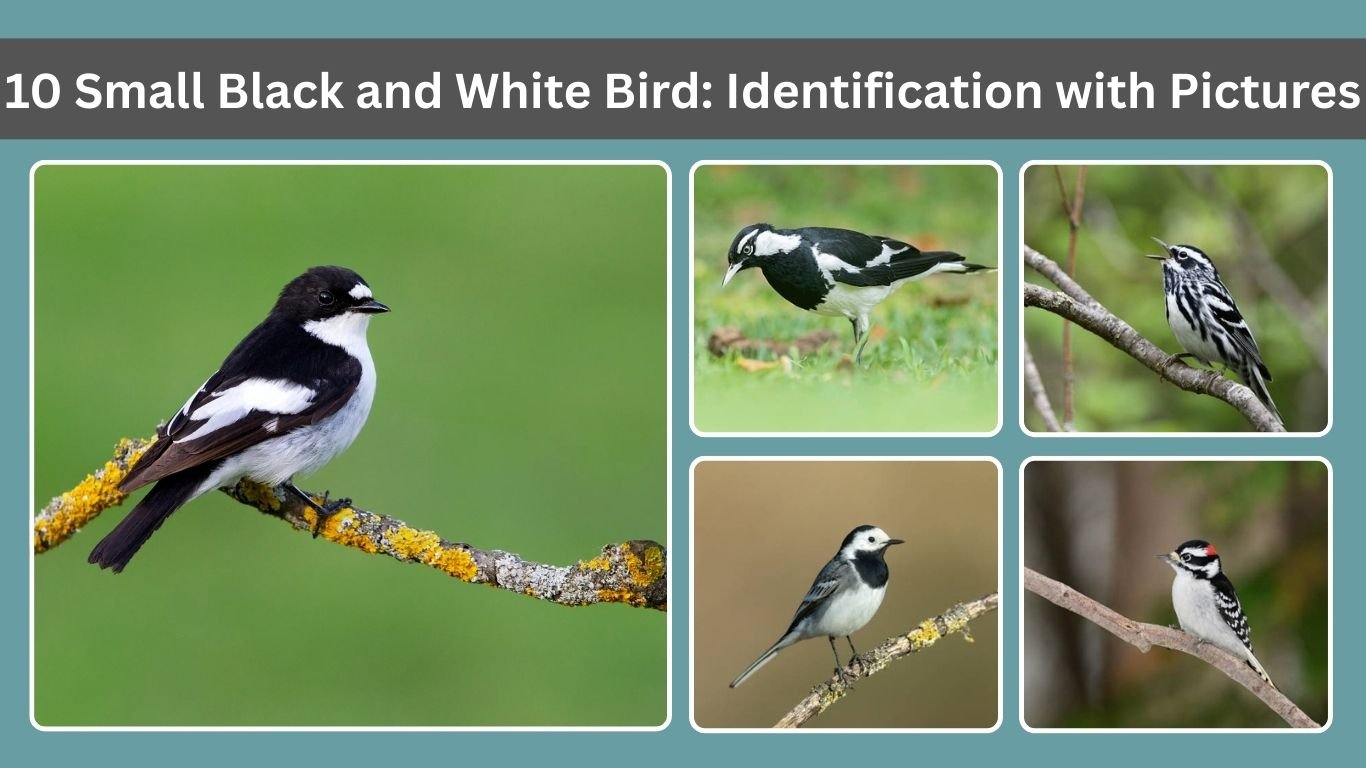
Black and white birds may look simple at first glance, but each species carries unique beauty, behavior, and charm. From tiny warblers and sparrows to energetic chickadees and flycatchers, these striking birds are easy to spot in woodlands, gardens, and even urban areas. This list highlights 10 small black and white birds, helping you recognize their patterns, habits, and habitats the next time you see them outdoors.
1. Black-capped Chickadee
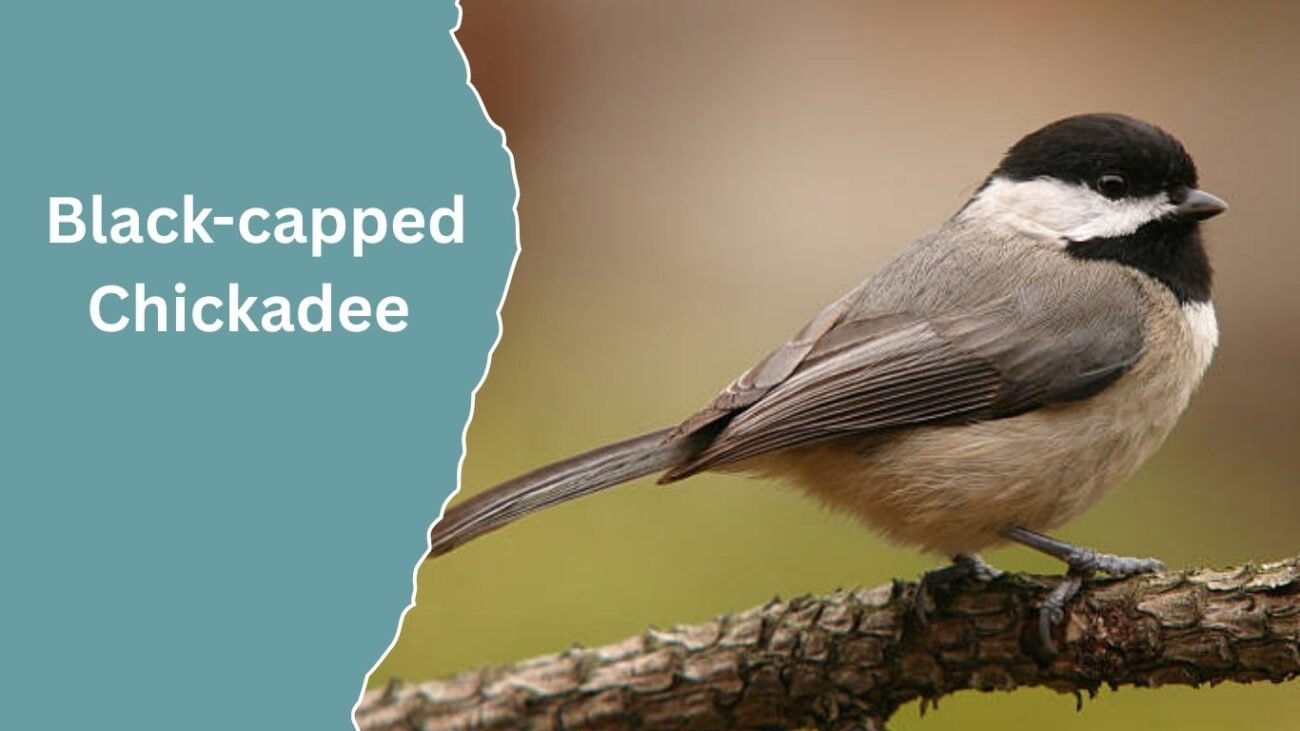
The Black-capped Chickadee is a small, active songbird known for its curiosity and distinctive call that sounds like “chick-a-dee-dee-dee.” These birds are common in North America, often seen flitting around backyards, woodlands, and feeders. Their playful nature and boldness make them a favorite among bird watchers.
Identification
- Size: About 4.7–5.9 inches long
- Color: Black cap and throat, white cheeks, soft gray back, and whitish underparts
- Wings: Gray with white edging
- Tail: Long and narrow with white edges
Habitat
Black-capped Chickadees thrive in mixed forests, suburban gardens, and parks. They are adaptable and can be found in both rural and urban environments.
Behavior
They are highly social and often travel in small flocks during winter. Known for caching food, they hide seeds and insects in bark crevices to eat later.
Diet
Their diet includes insects, spiders, seeds, and berries. At feeders, they particularly enjoy sunflower seeds and suet.
2. Downy Woodpecker
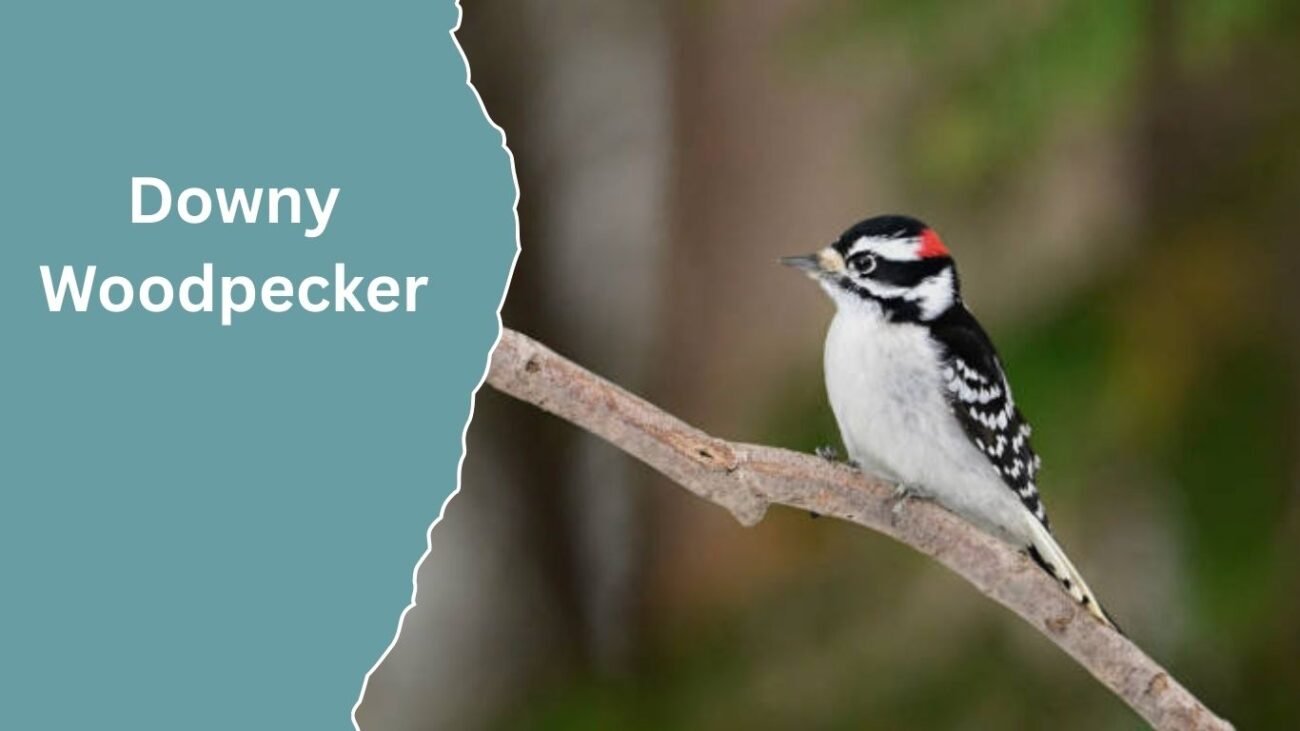
The Downy Woodpecker is the smallest woodpecker species in North America. Despite its tiny size, it is energetic and often seen tapping on tree trunks or visiting backyard feeders. Its black-and-white plumage and cheerful calls make it easy to spot.
Identification
- Size: About 5.5–6.7 inches long
- Color: Black and white checkered wings, white underparts
- Head: Black and white stripes; males have a small red patch on the back of the head
- Bill: Short and chisel-like
- Tail: Black with white outer feathers
Habitat
They live in woodlands, orchards, and residential areas with trees. They readily adapt to backyards with feeders and nest boxes.
Behavior
Downy Woodpeckers are active climbers, hitching along tree trunks and branches in search of insects. They are often seen with mixed flocks of chickadees and nuthatches during winter.
Diet
Their diet consists mainly of insects, larvae, seeds, and berries. They are also frequent visitors to suet feeders in gardens.
3. White Wagtail
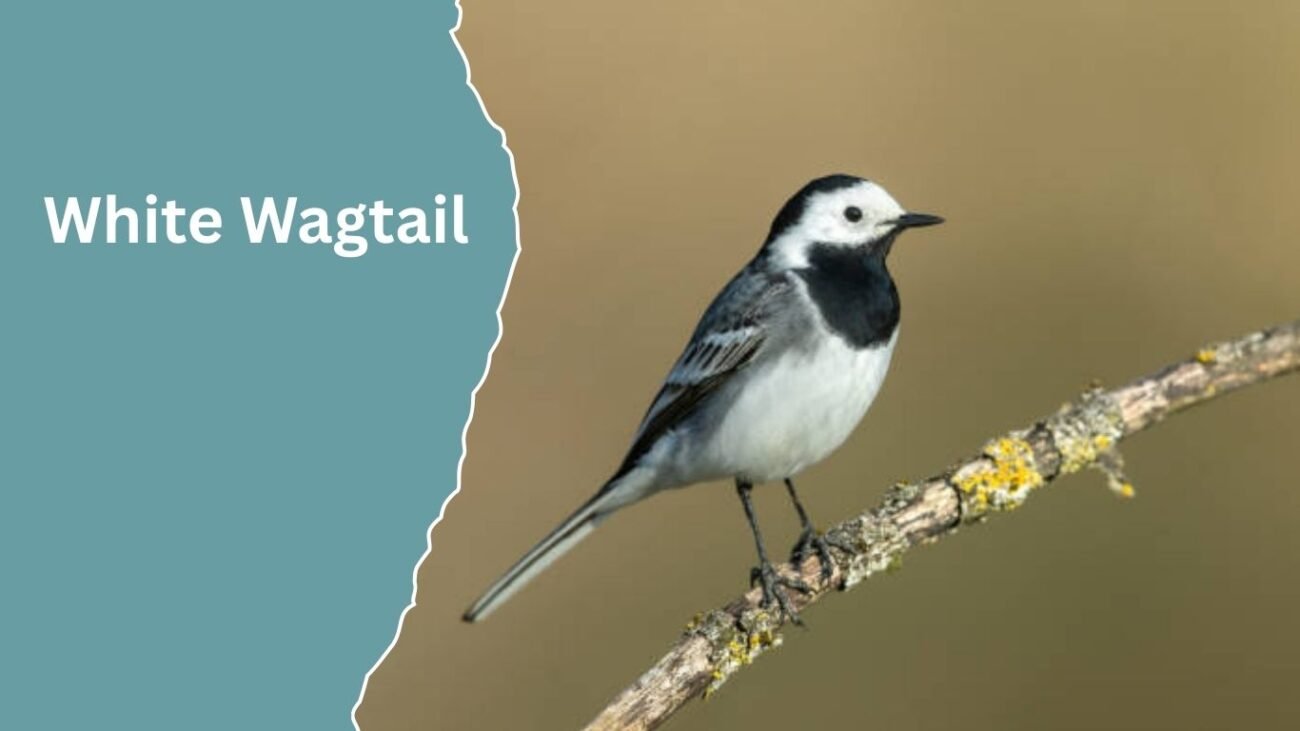
The White Wagtail is a graceful, slender bird recognized for its constant tail-wagging motion. Found across Europe, Asia, and parts of North Africa, it often stays near water sources and open fields, making it easy to observe.
Identification
- Size: About 6.5–7.5 inches long
- Color: Black, white, and gray plumage
- Head: Black crown and throat with white face
- Body: Pale gray back and white underparts
- Tail: Long, black, and constantly wagging
Habitat
White Wagtails are often seen in farmlands, riverbanks, lakeshores, and urban areas. They prefer open spaces where they can forage on the ground.
Behavior
These birds are active ground feeders, running and wagging their tails as they chase insects. They migrate seasonally, traveling long distances between breeding and wintering grounds.
Diet
Their diet mainly includes insects, small invertebrates, and occasionally seeds. They are skilled at catching flying insects mid-air.
4. Black-and-white Warbler
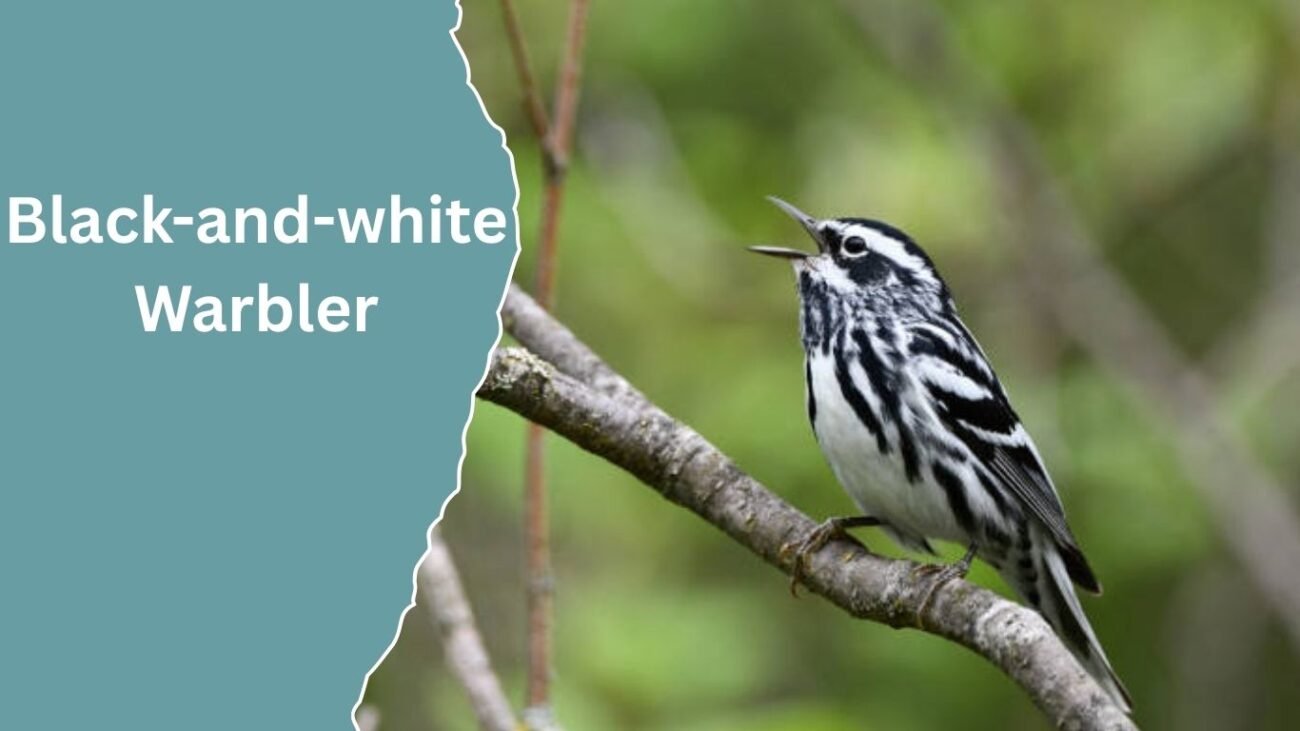
The Black-and-white Warbler is a small songbird known for its striking zebra-like stripes and unusual foraging style. Unlike most warblers, it creeps along tree trunks and branches, much like a nuthatch, searching for insects.
Identification
- Size: About 4.3–5.1 inches long
- Color: Bold black-and-white streaked plumage
- Head: White eyebrow stripe with black crown
- Wings: Black with white bars
- Tail: Black and white, short and slightly rounded
Habitat
They breed in deciduous and mixed forests across North America and migrate to Central and South America for winter. During migration, they are often found in parks, gardens, and wooded areas.
Behavior
Black-and-white Warblers are energetic and agile, moving along bark and branches while probing for insects. They are also known for being early migrants in spring.
Diet
Their diet is primarily insects, spiders, and larvae. They forage by probing bark crevices and flicking their tails while hunting.
5. Dark-eyed Junco (Slate-colored)
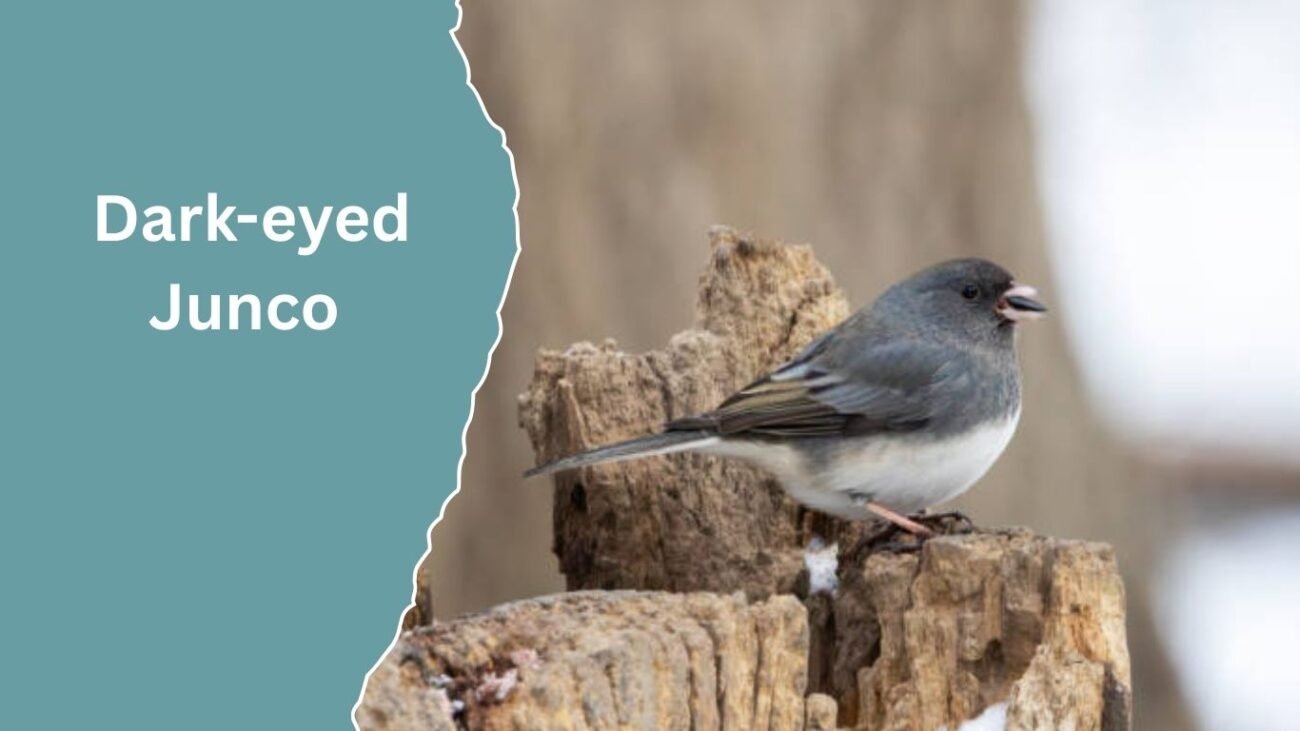
The Dark-eyed Junco, especially the slate-colored form, is a familiar winter visitor across much of North America. These small birds are often called “snowbirds” because they appear in large numbers during the colder months.
Identification
- Size: About 5.1–6.9 inches long
- Color: Slate-gray upperparts and head with white underparts
- Bill: Small and pale pink
- Tail: Dark with noticeable white outer feathers
- Eyes: Dark, blending with the head
Habitat
Dark-eyed Juncos are commonly found in forests, woodlands, and brushy clearings. In winter, they move into backyards, fields, and gardens, often seen feeding on the ground.
Behavior
These birds forage mostly by hopping on the ground, scratching leaves to uncover seeds. They are social in winter, forming flocks that may include other sparrows and finches.
Diet
Their diet consists of seeds, grains, and insects. At feeders, they prefer millet, cracked corn, and sunflower seeds scattered on the ground.
6. Pied Flycatcher
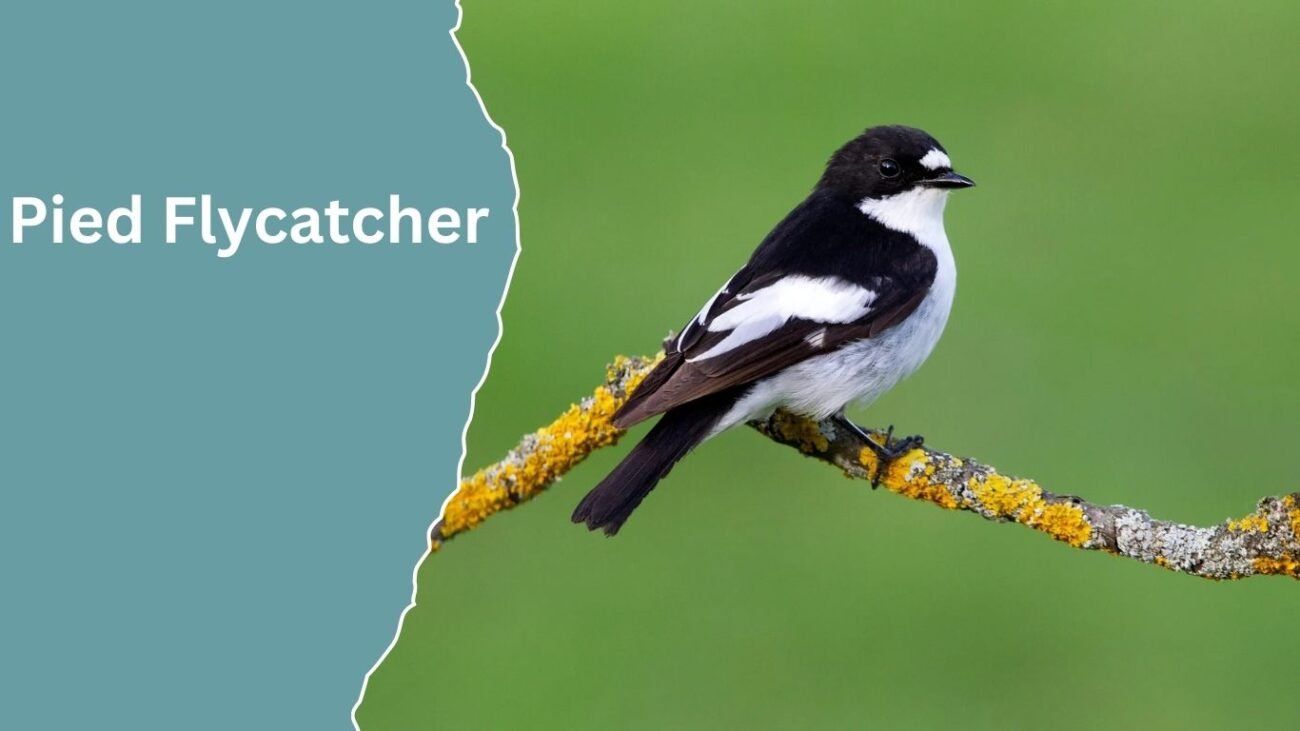
The Pied Flycatcher is a small migratory songbird known for its sharp contrast of black and white plumage in males. It breeds across Europe and western Asia and migrates to Africa during the winter.
Identification
- Size: About 4.7–5.1 inches long
- Color: Males are black above with white underparts and a white wing patch; females are brownish with paler markings
- Bill: Short and thin, perfect for catching insects
- Tail: Dark with subtle white edges
Habitat
Pied Flycatchers prefer open woodlands, parks, and gardens during the breeding season. They nest in tree holes and will readily use nest boxes.
Behavior
As aerial hunters, they perch on branches and make quick flights to snatch flying insects. They are also territorial during breeding and sing melodious songs to attract mates.
Diet
Their diet mainly consists of flies, moths, beetles, and caterpillars. During migration, they may also consume berries and fruits for extra energy.
7. Magpie-lark
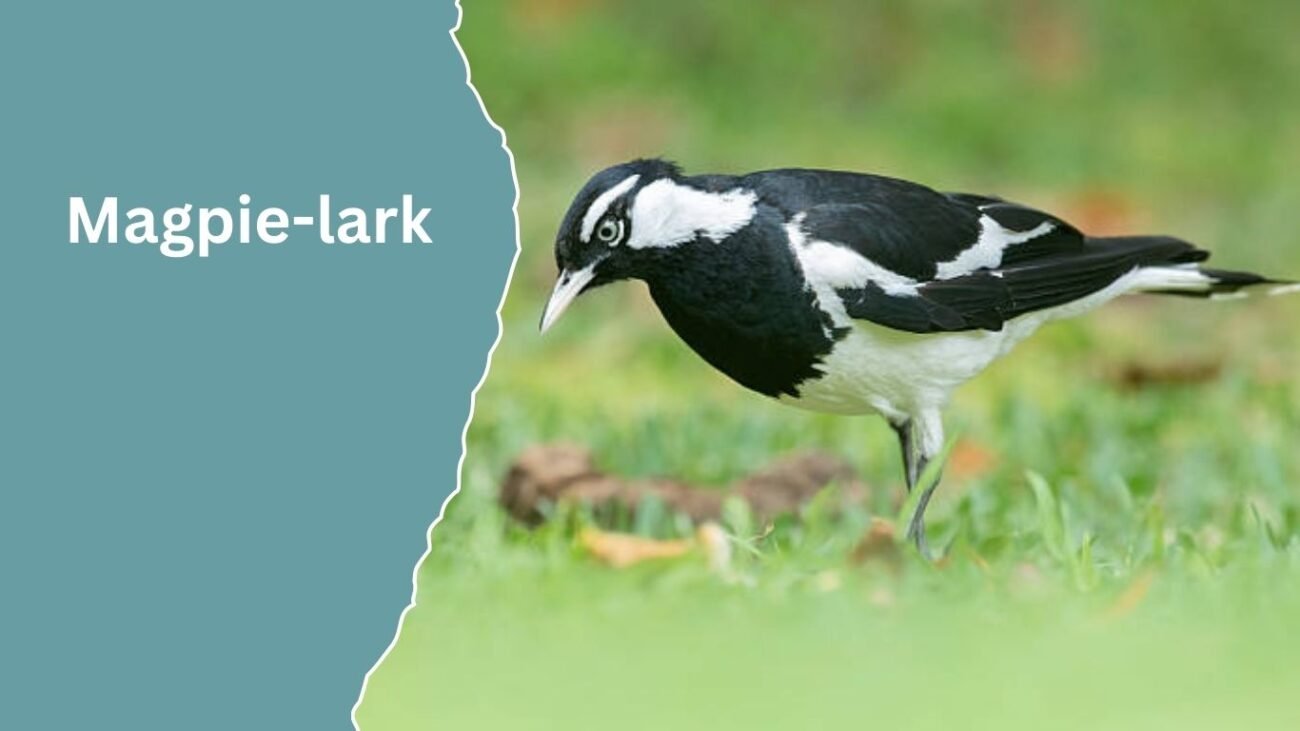
The Magpie-lark, also known as the Peewee or Mudlark, is a striking black-and-white bird native to Australia. Despite its name, it is neither a magpie nor a true lark but belongs to the monarch flycatcher family.
Identification
- Size: About 9.1–11.8 inches long
- Color: Bold black-and-white plumage; males have a black throat, while females have a white throat
- Wings: Black with white wing patches visible in flight
- Bill: Pale and slender
- Tail: Black with white edges
Habitat
Magpie-larks are widespread across Australia and found in open woodlands, parks, gardens, and wetlands. They adapt well to both rural and urban environments.
Behavior
They are territorial birds, often seen in pairs or small groups. They build unique mud nests shaped like bowls and are known for their loud, melodious duets between mates.
Diet
Their diet includes insects, spiders, worms, and occasionally seeds. They forage mostly on the ground, walking briskly while searching for food.
8. Eastern Towhee (Male)
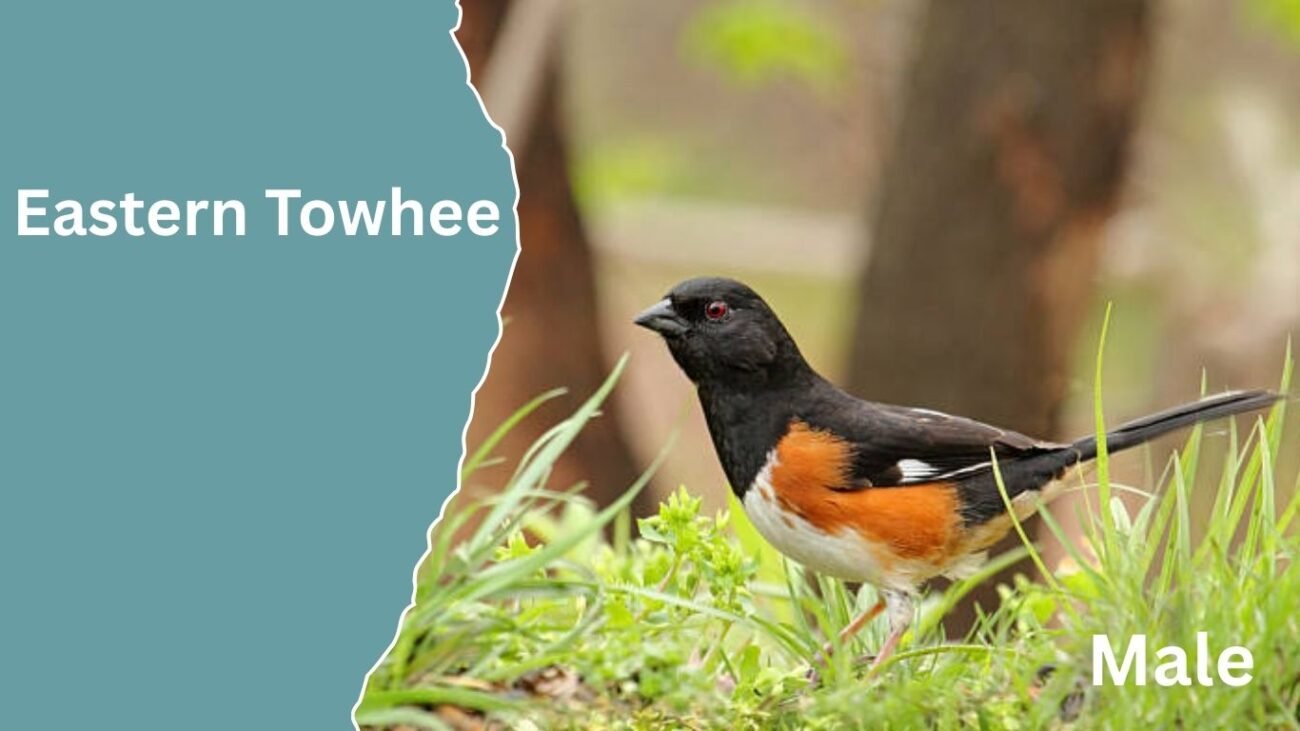
The Eastern Towhee is a striking songbird often heard before it’s seen, thanks to its sharp “drink-your-tea” call. The male’s bold black-and-white plumage, combined with rusty sides, makes it a standout in wooded edges and thickets.
Identification
- Size: About 6.8–9.1 inches long
- Color: Males have black upperparts, head, and throat, with white underparts and rufous sides
- Wings: Black with white markings
- Tail: Long, black with distinct white outer feathers
- Bill: Short, conical, and dark-colored
Habitat
Eastern Towhees prefer dense shrubs, forest edges, and overgrown fields. They are often seen scratching in leaf litter while foraging.
Behavior
These birds forage by hopping and kicking leaves with both feet to uncover insects and seeds. Males are territorial and sing loudly from exposed perches during the breeding season.
Diet
Their diet includes insects, beetles, spiders, seeds, and fruits. They are frequent visitors to ground feeders offering millet or sunflower seeds.
9. Black Phoebe
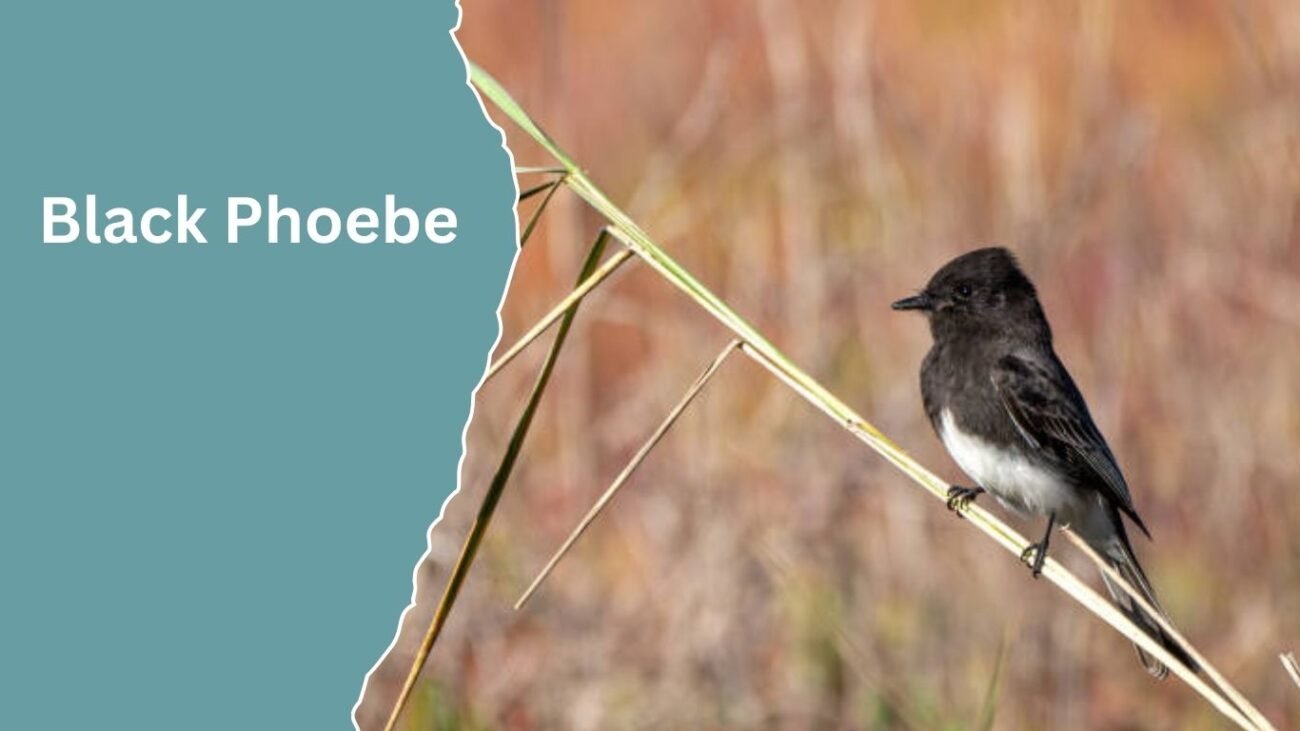
The Black Phoebe is a sleek, active flycatcher commonly found near water sources. Its contrasting black-and-white plumage and habit of wagging its tail make it easy to recognize.
Identification
- Size: About 6–7 inches long
- Color: Black head, chest, and back with crisp white belly and undertail
- Wings: Dark with subtle edging
- Tail: Long, dark, and frequently wagged
- Bill: Thin and pointed, ideal for catching insects mid-air
Habitat
Black Phoebes prefer habitats near rivers, lakes, ponds, and even backyard fountains. They are often found perching on low branches, fences, or rocks near water.
Behavior
They are classic flycatchers, darting out from a perch to snatch insects before returning to the same spot. Their tail-wagging habit is a signature behavior.
Diet
Their diet consists mainly of flying insects such as flies, beetles, and grasshoppers. Occasionally, they also eat small aquatic creatures.
10. White-throated Sparrow
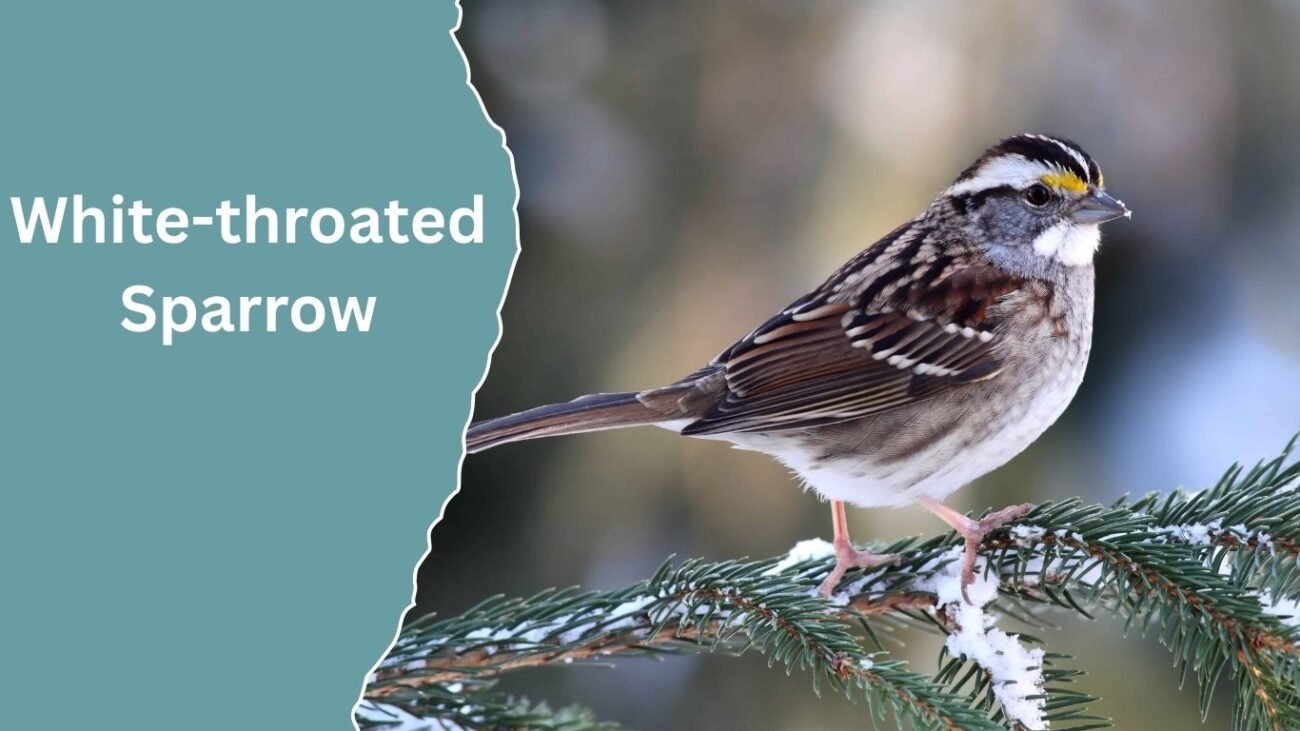
The White-throated Sparrow is a small, attractive bird easily recognized by its crisp black-and-white head stripes and bright white throat patch. Its sweet, whistled song is often heard in woodlands and gardens across North America.
Identification
- Size: About 6.3–7.1 inches long
- Color: Brown-streaked back with gray underparts
- Head: Black-and-white crown stripes with a bright yellow spot between the eye and bill
- Throat: Distinct white patch
- Tail: Medium length and brownish
- Bill: Short, conical, and dark
Habitat
These sparrows thrive in forests, thickets, and shrubby edges. During migration and winter, they are commonly found in backyards, parks, and brushy areas.
Behavior
White-throated Sparrows forage mostly on the ground, scratching leaves for seeds and insects. They often gather in flocks during migration and winter months.
Diet
Their diet includes seeds, berries, and insects. In backyards, they are attracted to feeders offering millet, sunflower seeds, and cracked corn.