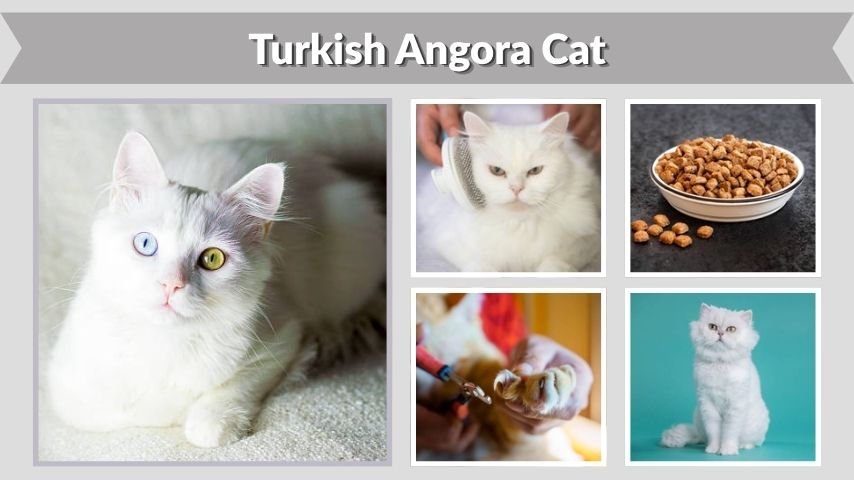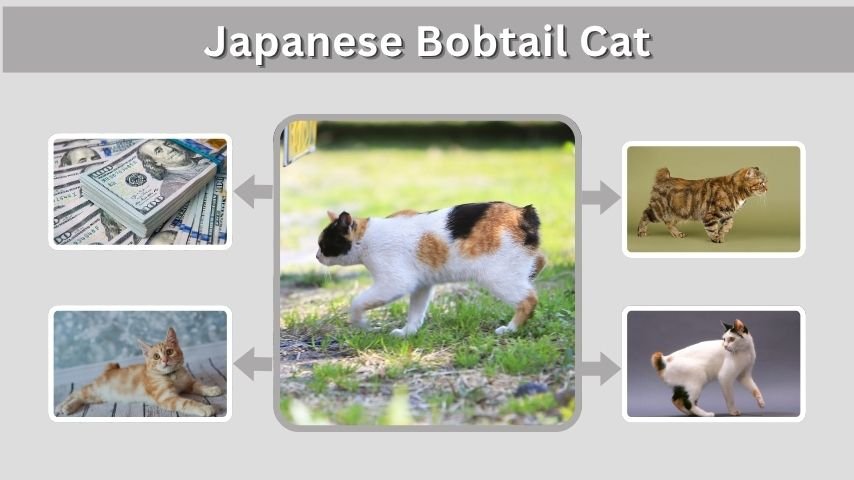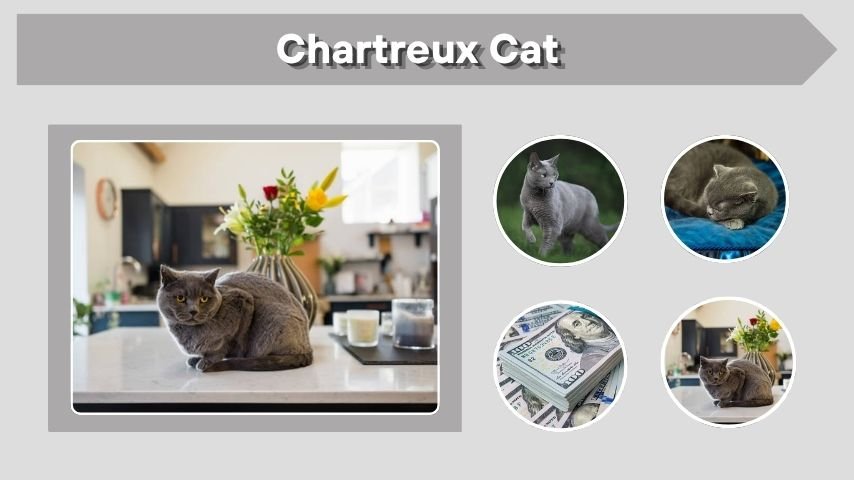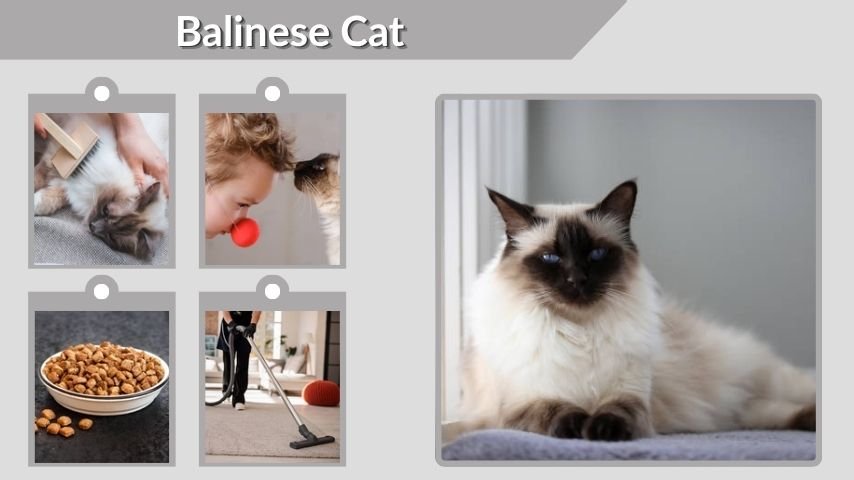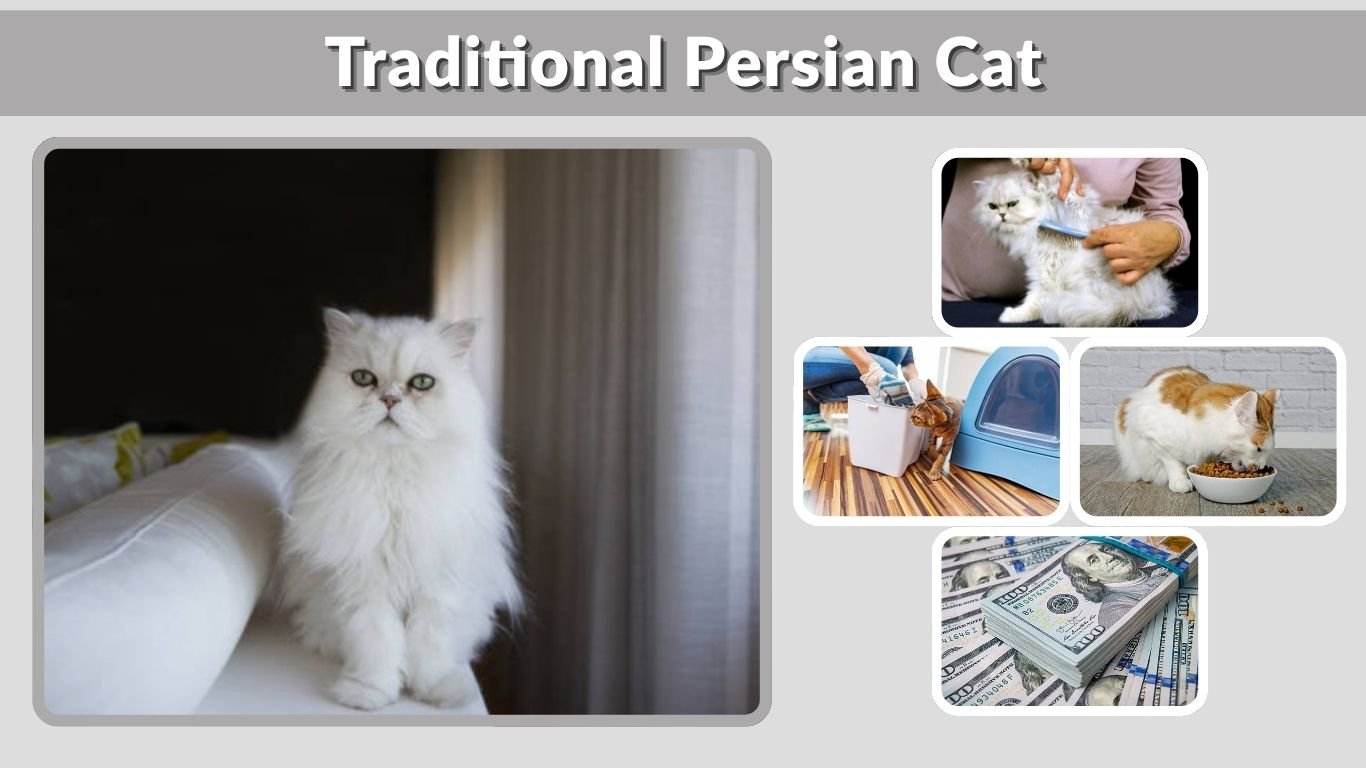
Traditional Persian cats, often called doll-face Persians, are known for their natural facial structure, luxurious long coats, and calm personalities. Unlike modern flat-faced Persians, they retain a more classic appearance that many cat lovers prefer. These cats are admired for their gentle behavior, making them excellent indoor companions. In this guide, you will learn about their appearance, personality, grooming needs, and how they differ from modern Persian cats.
What Is a Traditional Persian Cat?
Traditional Persian cats represent the original form of the Persian breed before selective breeding introduced flatter faces. They have a normal nose length, giving them a more balanced and healthier facial structure. Their history dates back centuries, making them one of the oldest and most recognizable cat breeds in the world.
Key Characteristics
- Natural “doll face” with a defined nose
- Long, thick, and silky coat
- Medium to large body size
- Round eyes with expressive appearance
Traditional vs Modern Persian Cat
Understanding the difference between traditional and modern Persian cats helps in choosing the right pet. While both share similar origins, their physical traits and health conditions vary significantly.
Physical Differences
- Traditional Persians have a normal nose, while modern ones have a flat face
- Eye placement is more natural in traditional types
- Breathing is easier for traditional Persians
Health and Lifestyle Differences
- Fewer respiratory issues in traditional Persians
- Less tear staining and eye problems
- Generally easier to maintain overall health
Traditional Persian Cat Appearance and Coat Types
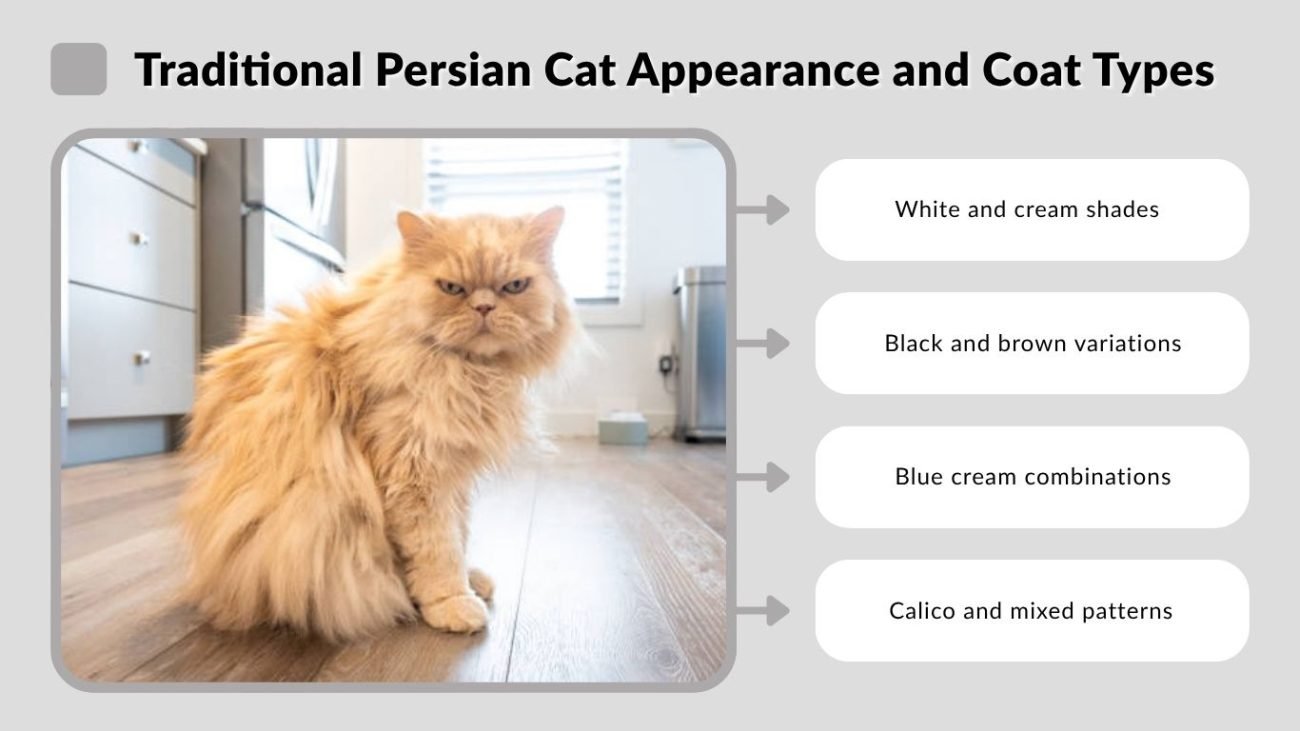
Traditional Persian cats are admired for their elegant build and flowing coats. Their body is sturdy yet graceful, with a well-balanced structure. The tail is usually long and fluffy, complementing their luxurious fur. Their coat requires attention, but it is one of their most defining features.
Common Colors of Traditional Persian Cats
- White and cream shades
- Black and brown variations
- Blue cream combinations
- Calico and mixed patterns
Traditional Persian Cat Personality and Temperament
Traditional Persian cats are known for their calm and affectionate nature. They prefer quiet environments and enjoy spending time relaxing with their owners. These cats are not overly active but still appreciate gentle play and attention. Their friendly temperament makes them suitable for families, including homes with children or other pets. They thrive indoors and build strong bonds with their owners, often seeking comfort and companionship rather than constant activity.
Grooming and Care Needs
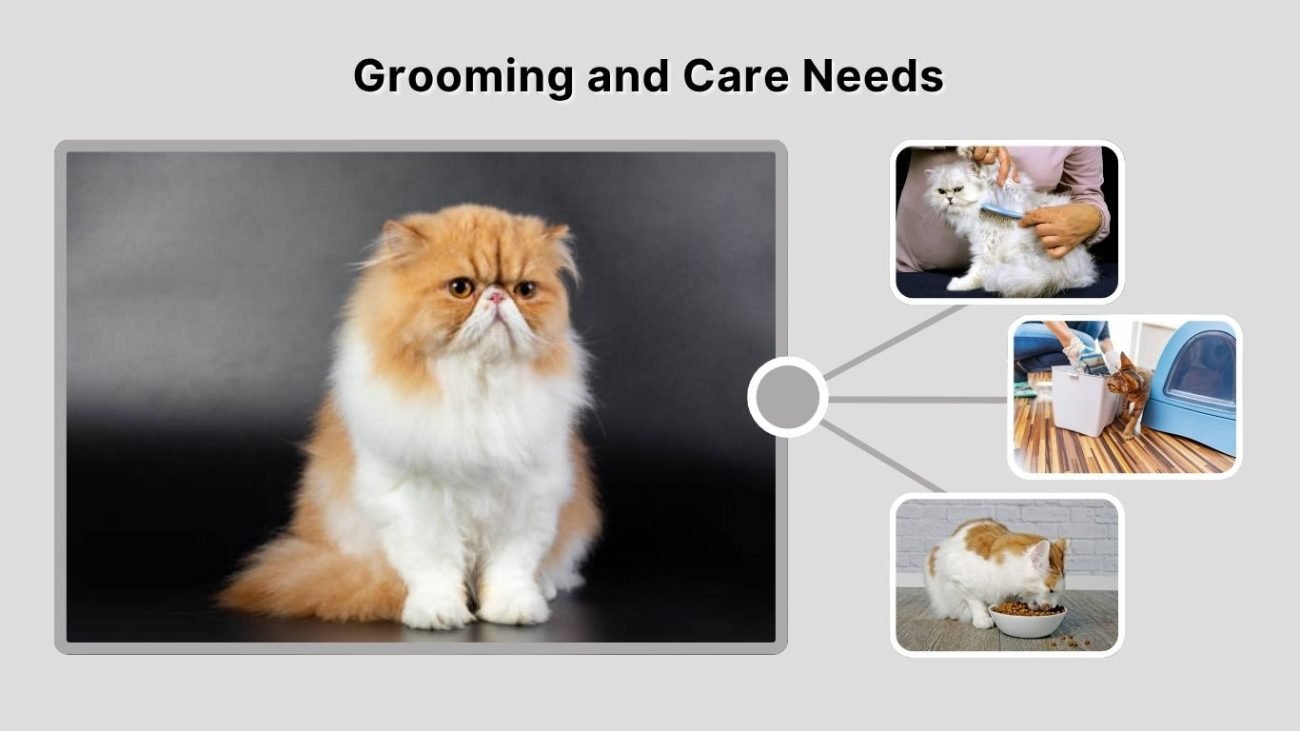
Proper care is essential to keep a traditional Persian cat healthy and comfortable. Their long coat requires consistent maintenance, and their calm nature makes grooming easier compared to more active breeds.
Daily Grooming Routine
- Brush their coat daily to prevent tangles
- Clean the eye area to avoid staining
- Bathe occasionally to maintain coat cleanliness
Living Environment and Diet
- Keep them indoors for safety and cleanliness
- Provide high-quality, balanced nutrition
- Ensure a quiet and comfortable resting space
Traditional Persian Cat Health Considerations
Although traditional Persian cats are generally healthier than their modern counterparts, they still require proper care and regular checkups. Their long coat can lead to matting if neglected, and poor grooming may cause skin issues. Maintaining a clean environment, providing a nutritious diet, and scheduling routine veterinary visits can significantly improve their quality of life and longevity.
Traditional Persian Cat Price and Cost
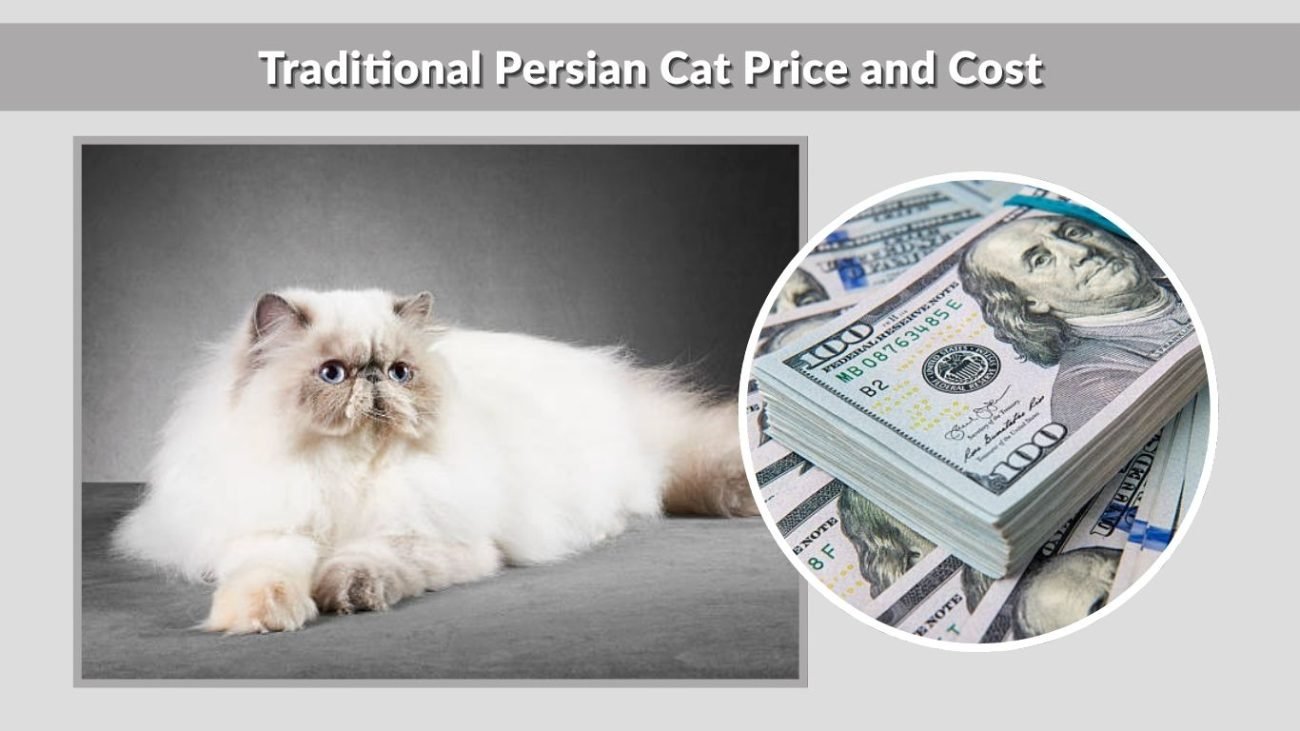
Understanding the cost of a traditional Persian cat helps you plan responsibly before bringing one home. Prices can vary depending on several factors, including breeder reputation, coat color, and pedigree quality. In addition to the initial purchase price, ongoing expenses such as grooming, food, and veterinary care should also be considered.
Average Price Range
- Typically ranges from $500 to $3000
- Show-quality cats cost significantly more
- Rare colors may increase the price
Ongoing Maintenance Costs
- Regular grooming expenses
- High-quality food and supplements
- Routine veterinary visits and vaccinations
Finding Traditional Persian Cats for Sale
Buying a traditional Persian cat requires careful research to ensure you get a healthy and well-bred pet. Choosing the right source can make a significant difference in your cat’s long-term health and temperament.
Choosing a Reputable Breeder
- Provides health records and vaccination history
- Allows you to see the kitten’s parents
- Maintains clean and ethical breeding conditions
Availability by Region
- Common in the USA, UK, and Australia
- Online listings offer wider options
- Local breeders may provide better support
Are Traditional Persian Cats Rare?
Traditional Persian cats are not extremely rare, but their availability can vary depending on location and breeder demand. Some coat colors, such as black or blue cream, may appear less common due to selective breeding preferences. However, rarity is often influenced more by market demand than actual scarcity. With proper research and patience, finding a traditional Persian cat is usually achievable in most regions.
Pros and Cons of Owning a Traditional Persian Cat
Owning a traditional Persian cat comes with both benefits and responsibilities. Understanding these can help you decide whether this breed fits your lifestyle and expectations.
Pros
- Gentle and affectionate personality
- Beautiful, long, and luxurious coat
- Ideal for calm indoor environments
Cons
- Requires regular grooming and maintenance
- Can be expensive to care for
- Needs attention and a stable routine
Conclusion
Traditional Persian cats are a wonderful choice for those seeking a calm, affectionate, and visually stunning companion. Their natural doll-face appearance and gentle temperament make them stand out among other breeds. However, they require consistent grooming and proper care to stay healthy. By understanding their needs, costs, and characteristics, you can make an informed decision and provide a loving home for this elegant and timeless cat breed.
FAQs
What is a traditional Persian cat doll face?
A traditional doll face Persian cat has a natural facial structure with a normal nose length, unlike flat-faced Persians. This gives them a classic appearance and reduces the risk of breathing and eye-related health issues.
How much does a traditional Persian cat cost?
The cost usually ranges between $500 and $3000 depending on breeder reputation, pedigree, and coat color. Additional expenses such as grooming, food, and healthcare should also be considered.
Are traditional Persian cats good for families?
Yes, they are calm, gentle, and affectionate, making them suitable for families. They get along well with children and other pets when introduced properly and raised in a stable environment.
Do traditional Persian cats require a lot of grooming?
Yes, their long coats require daily brushing to prevent matting and tangles. Regular cleaning of the eyes and occasional bathing are also necessary to maintain their overall health and appearance.