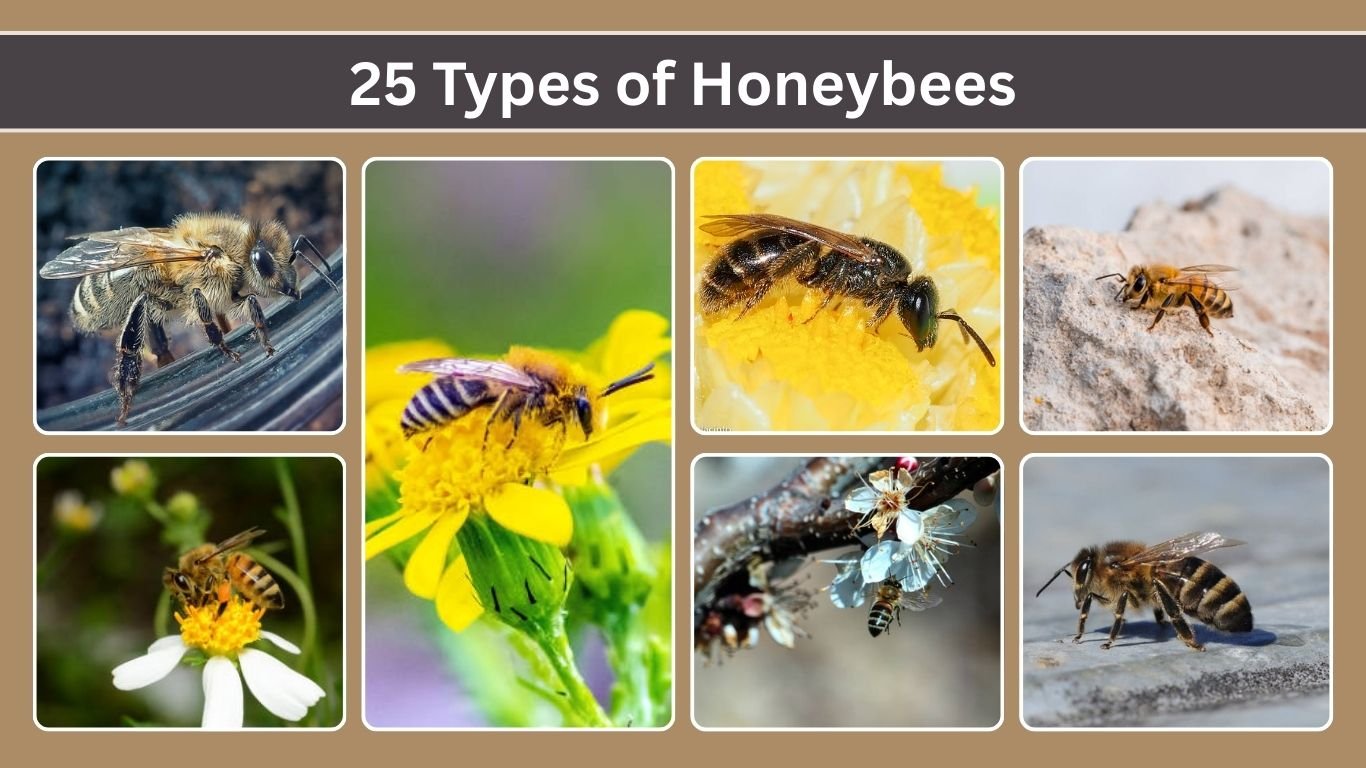
Honeybees are among the most vital insects on Earth, playing a key role in pollination and food production. With multiple species and subspecies spread across the globe, each honeybee type has unique traits shaped by its environment. From the widely kept Western honeybee to rare regional species, they differ in color, size, behavior, and adaptability. In this guide, we’ll explore 25 distinct types of honeybees, highlighting their identification, habitat, and behaviors to better understand their diversity and importance.
1. Western Honeybee (Apis mellifera)
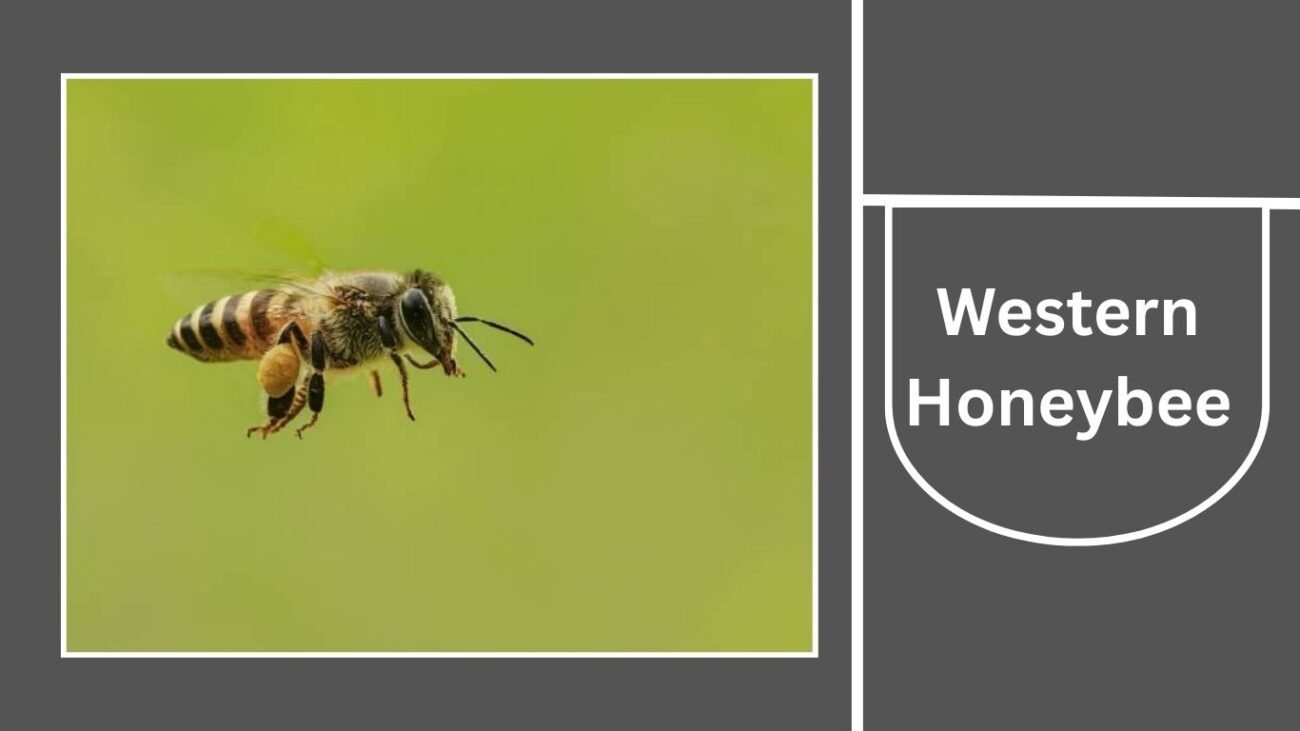
The western honeybee is the most widespread and economically important honeybee species in the world. Domesticated for thousands of years, it is prized for honey production, pollination services, and beeswax. Known for its adaptability, this species thrives in diverse climates across Europe, Africa, Asia, and the Americas.
Identification
- Color: Golden brown with black abdominal bands.
- Size: Workers 12–15 mm; queens up to 20 mm.
- Body Shape: Hairy thorax, slender waist, and barbed stinger.
- Distinctive Trait: Uniform striping and high adaptability.
Habitat
Western honeybees inhabit a wide range of environments, from forests and grasslands to agricultural and urban areas. In the wild, they build hives in tree cavities or rock crevices, while domesticated colonies live in human-made beehives.
Behaviors
They are highly social insects, living in colonies of 20,000 to 80,000 individuals. Foragers collect nectar, pollen, water, and propolis, communicating through the famous “waggle dance.” They are essential pollinators, supporting both natural ecosystems and human agriculture. Defensive behavior varies by subspecies, but most are moderately protective of their hives.
Lifecycle
- Egg Stage: Fertilized eggs hatch in 3 days.
- Larvae Stage: Fed royal jelly initially, then pollen and honey.
- Pupa Stage: Develop in capped cells for 12 days.
- Adult Stage: Workers live 6 weeks (summer), queens up to 5 years, drones until mating.
2. Italian Honeybee (Apis mellifera ligustica)
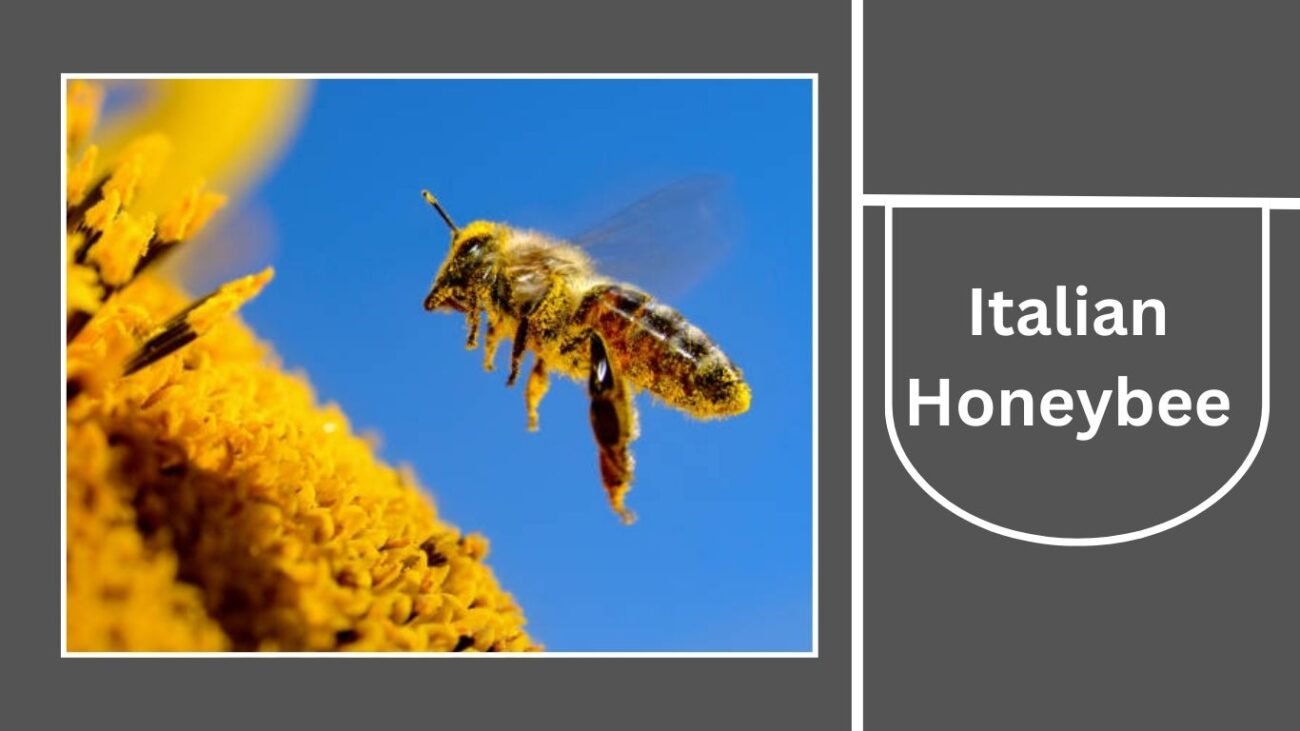
The Italian honeybee is one of the most popular subspecies of Apis mellifera, widely used in beekeeping for its gentle nature and high productivity. Originating from Italy, it has adapted well to various climates and is favored by commercial beekeepers.
Identification
- Color: Light golden yellow with dark brown bands.
- Size: Workers about 12–13 mm; queens slightly larger.
- Body Shape: Slender with short hair and distinct striping.
- Distinctive Trait: Bright yellow coloring and gentle temperament.
Habitat
Italian honeybees thrive in temperate regions but are less suited for harsh winters. They are common in Europe, North America, and Australia, primarily in managed hives rather than wild colonies.
Behaviors
They are excellent honey producers and prolific breeders, often maintaining strong colony populations. Their gentle temperament makes them easy to manage, though they may drift between colonies and consume more food during winter.
3. Carniolan Honeybee (Apis mellifera carnica)
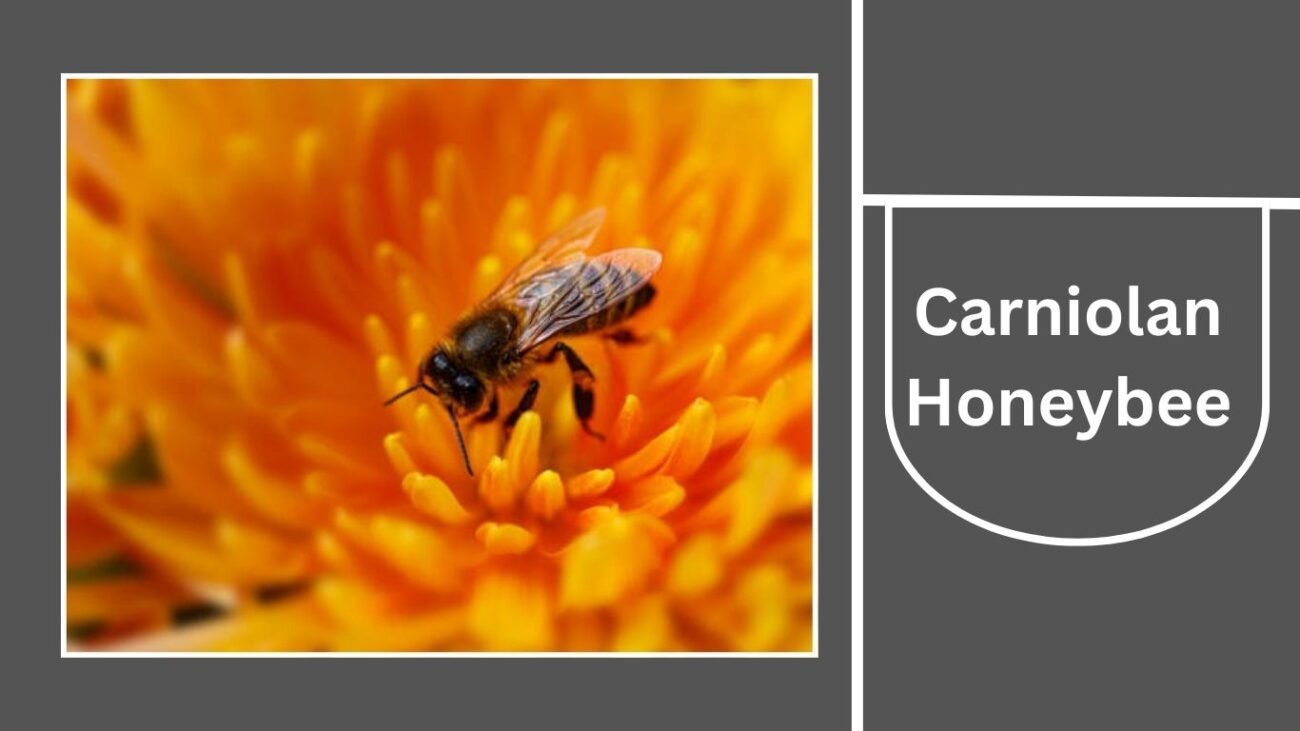
Carniolan honeybees are highly valued for their calm temperament, rapid spring buildup, and strong resistance to diseases. Native to Central and Southeastern Europe, they are especially suited to cooler climates.
Identification
- Color: Dark brown to gray with lighter hair covering the thorax.
- Size: Workers about 12–14 mm; queens slightly larger.
- Body Shape: Stocky with long tongue for nectar collection.
- Distinctive Trait: Silvery-gray appearance due to dense hair.
Habitat
These bees are native to Slovenia, Austria, and the Balkans but are widely kept worldwide. They adapt well to cooler climates and forage efficiently in overcast or cold weather.
Behaviors
Carniolan honeybees are extremely gentle and rarely aggressive, making them ideal for backyard and commercial beekeeping. They build colonies quickly in spring, conserve food well, and are excellent pollinators. However, they have a tendency to swarm if not properly managed.
4. Caucasian Honeybee (Apis mellifera caucasica)
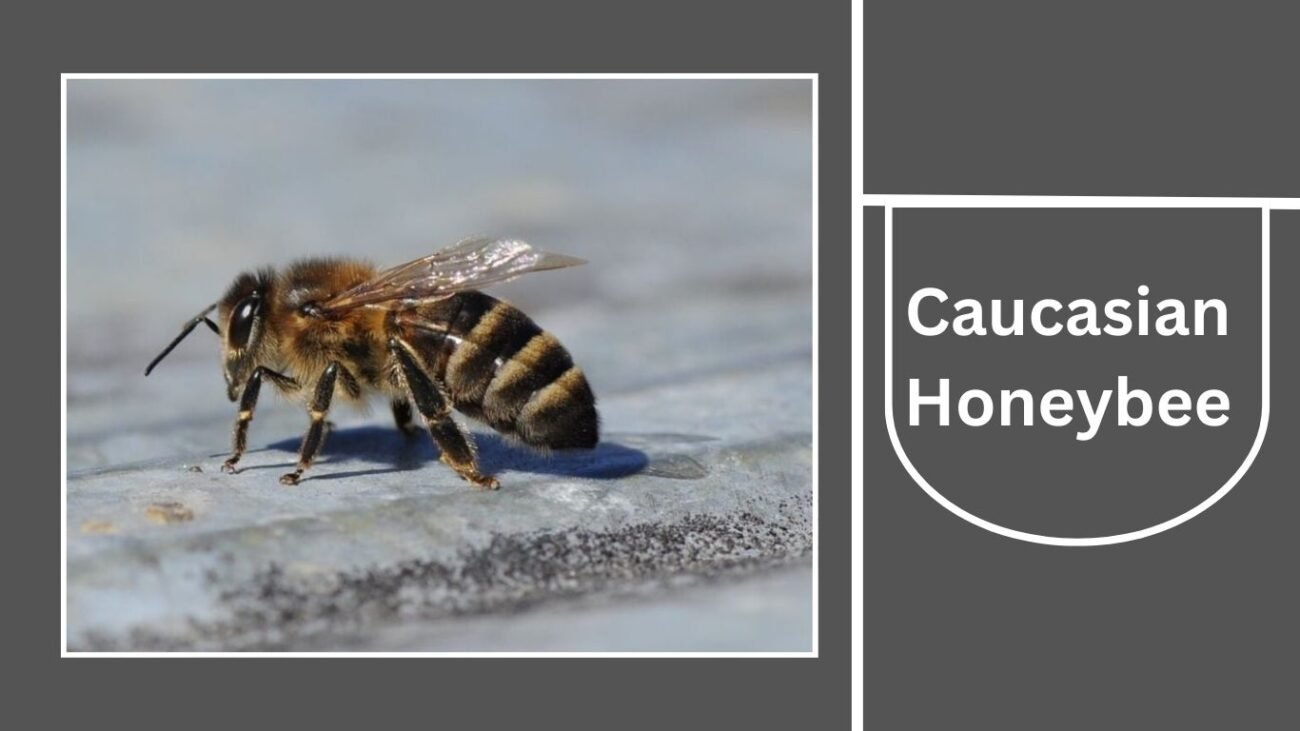
The Caucasian honeybee is renowned for its exceptionally long tongue, allowing it to access nectar from deep flowers. Originating from the Caucasus Mountains, it is valued for its calm nature and strong foraging skills.
Identification
- Color: Dark brown to black with grayish hair.
- Size: Workers about 12–14 mm; queens slightly larger.
- Body Shape: Robust with dense body hair.
- Distinctive Trait: Long proboscis (tongue) up to 7.2 mm.
Habitat
Native to Georgia and surrounding areas in the Caucasus region, these bees prefer mountainous, cooler climates. They are now kept in many countries for honey production and pollination.
Behaviors
Caucasian honeybees are gentle and easy to handle, with excellent ability to collect nectar from diverse sources. They produce strong propolis, which seals hive cracks but may hinder inspections. They are prone to robbing honey from nearby colonies if food is scarce.
5. German Honeybee (Apis mellifera mellifera)
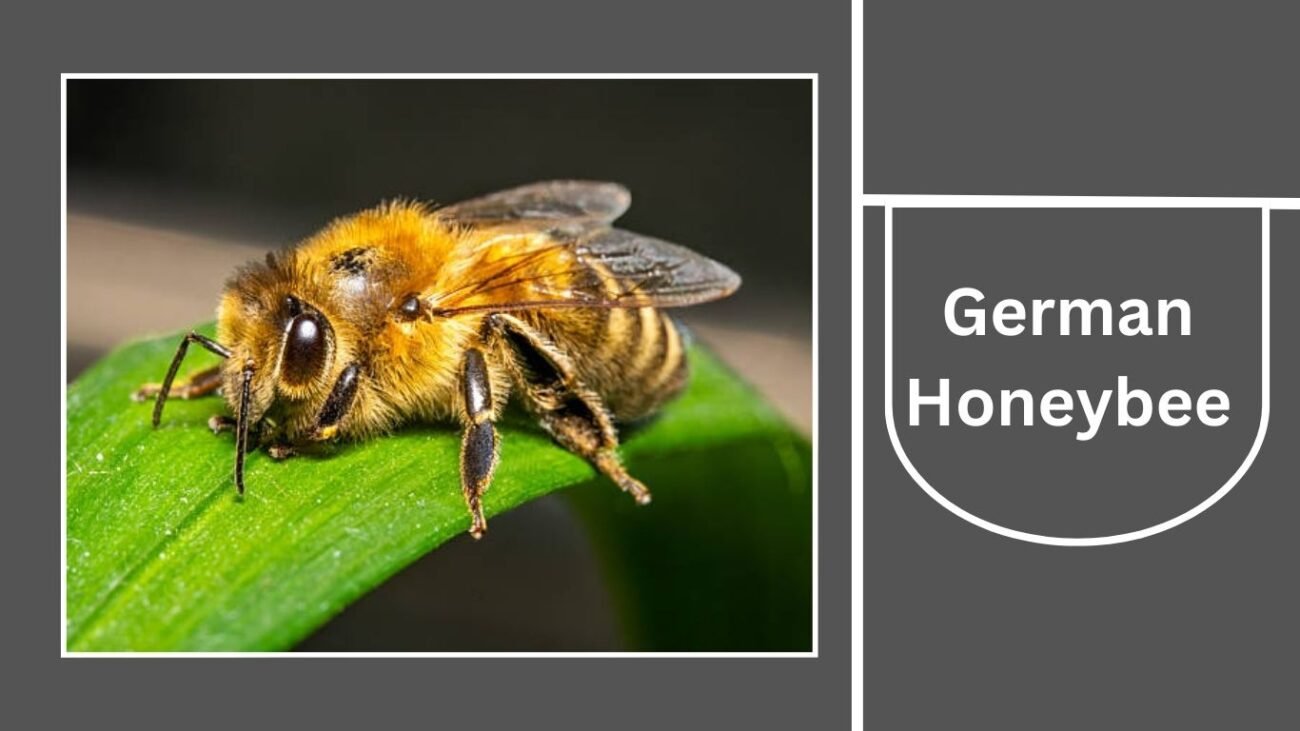
The German honeybee, also called the dark European bee, is one of the oldest domesticated subspecies. Known for its resilience in cold climates, it was once the dominant honeybee in North America and Europe before being largely replaced by other subspecies.
Identification
- Color: Dark brown to almost black with minimal striping.
- Size: Workers about 12–14 mm; queens slightly larger.
- Body Shape: Stocky with short tongue and broad abdomen.
- Distinctive Trait: Dark coloration and winter hardiness.
Habitat
German honeybees are native to northern and western Europe, thriving in cooler climates. They were introduced to North America in the 1600s and became widespread before declining in favor of gentler subspecies.
Behaviors
These bees are hardy and disease-resistant but can be more defensive and aggressive than Italian or Carniolan bees. They overwinter well, conserving food efficiently, but their smaller colonies often produce less honey.
6. Buckfast Bee (Apis mellifera hybrid)
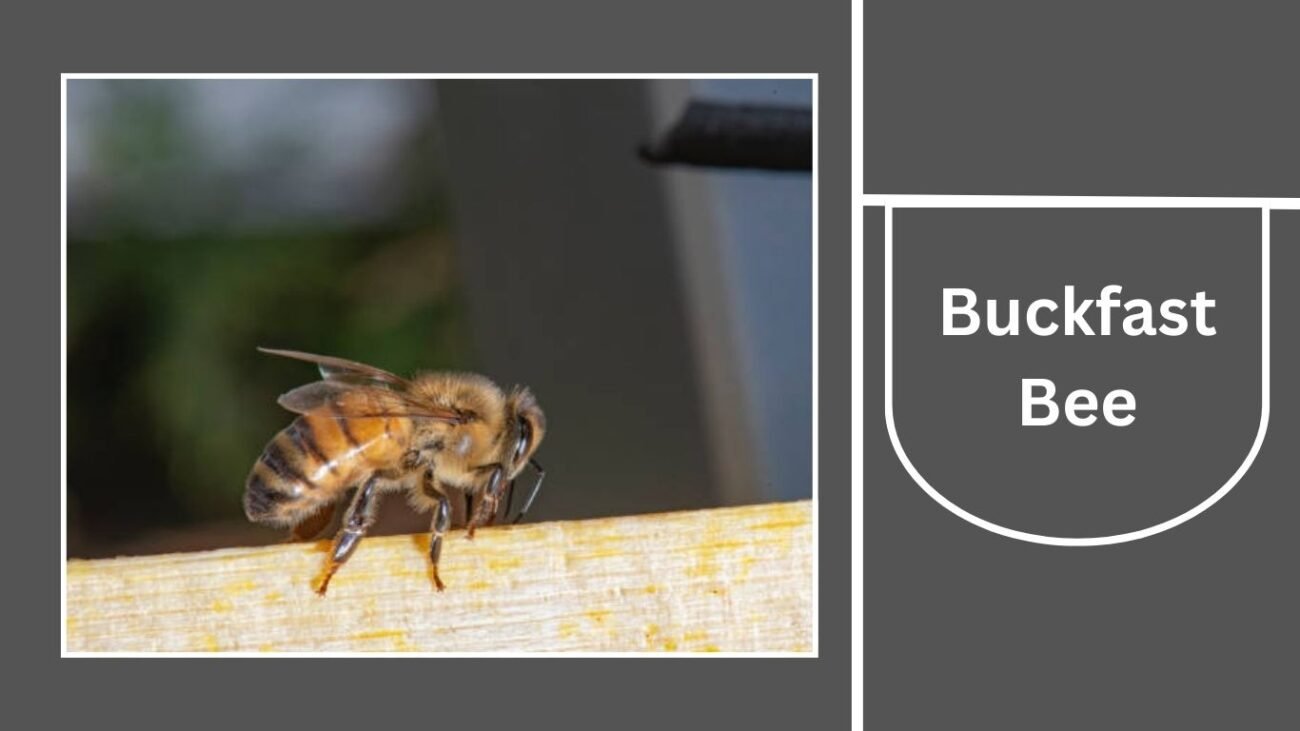
The Buckfast bee is a man-made hybrid developed by Brother Adam at Buckfast Abbey in England during the early 20th century. It was bred to resist disease, increase honey production, and maintain a gentle temperament.
Identification
- Color: Varies, but often golden brown with darker bands.
- Size: Workers about 12–14 mm; queens larger.
- Body Shape: Slender with uniform striping.
- Distinctive Trait: Hybrid vigor with diverse traits.
Habitat
Buckfast bees adapt well to various climates across Europe and North America. They are commonly kept in managed hives and are especially popular with commercial beekeepers.
Behaviors
These bees are gentle, prolific, and excellent honey producers. They are resistant to tracheal mites and maintain strong colonies. However, they may swarm if not carefully managed, and traits can vary depending on hybrid lineage.
7. Russian Honeybee (Apis mellifera strain)
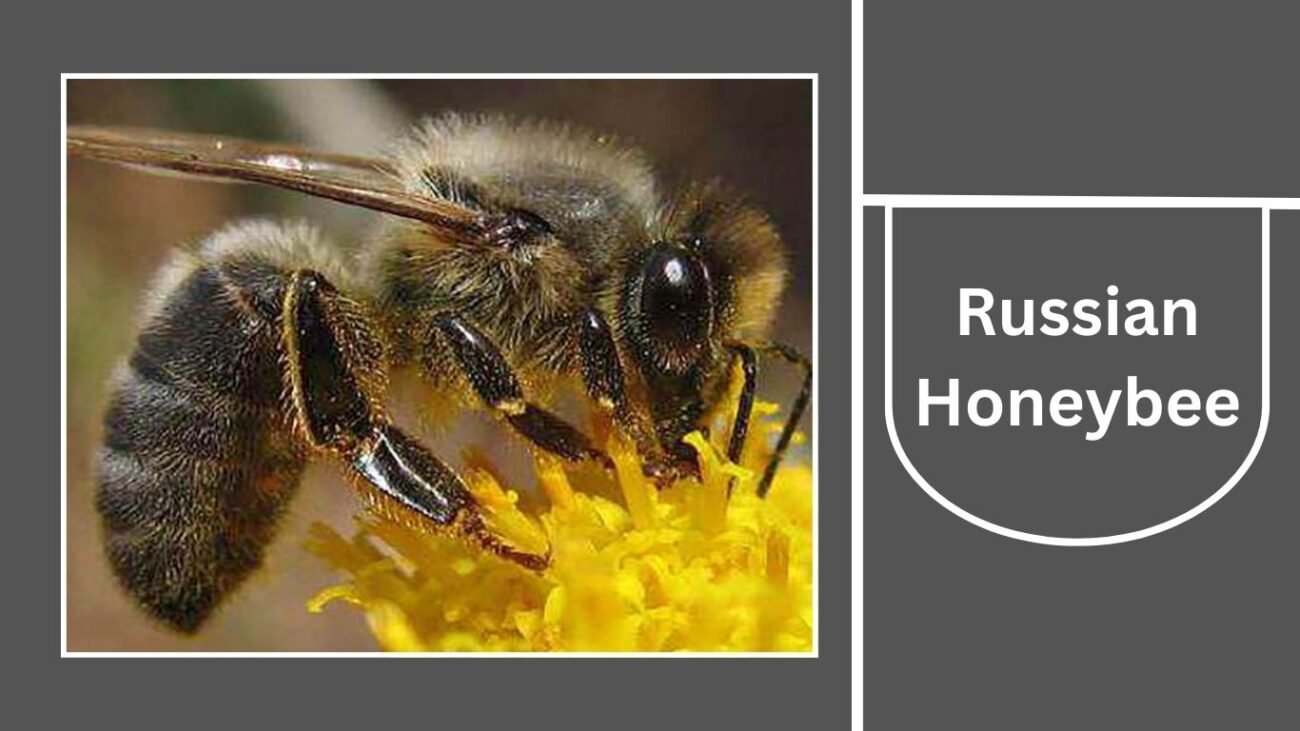
Russian honeybees were imported to the United States from the Primorsky region of Russia in the 1990s. They are noted for their natural resistance to mites and other diseases, making them a sustainable option for beekeepers.
Identification
- Color: Dark brown with some yellow or gray banding.
- Size: Workers about 12–13 mm.
- Body Shape: Stocky with dense hair.
- Distinctive Trait: Natural mite resistance.
Habitat
Native to the Russian Far East, they thrive in colder climates and are well adapted to harsh winters. They are now bred in North America for managed beekeeping.
Behaviors
Russian honeybees build colonies more slowly in spring but rapidly expand when nectar becomes abundant. They are relatively gentle and swarm less often. Their strong resistance to varroa mites makes them highly valued in modern apiculture.
8. Africanized Honeybee (Apis mellifera scutellata hybrid)
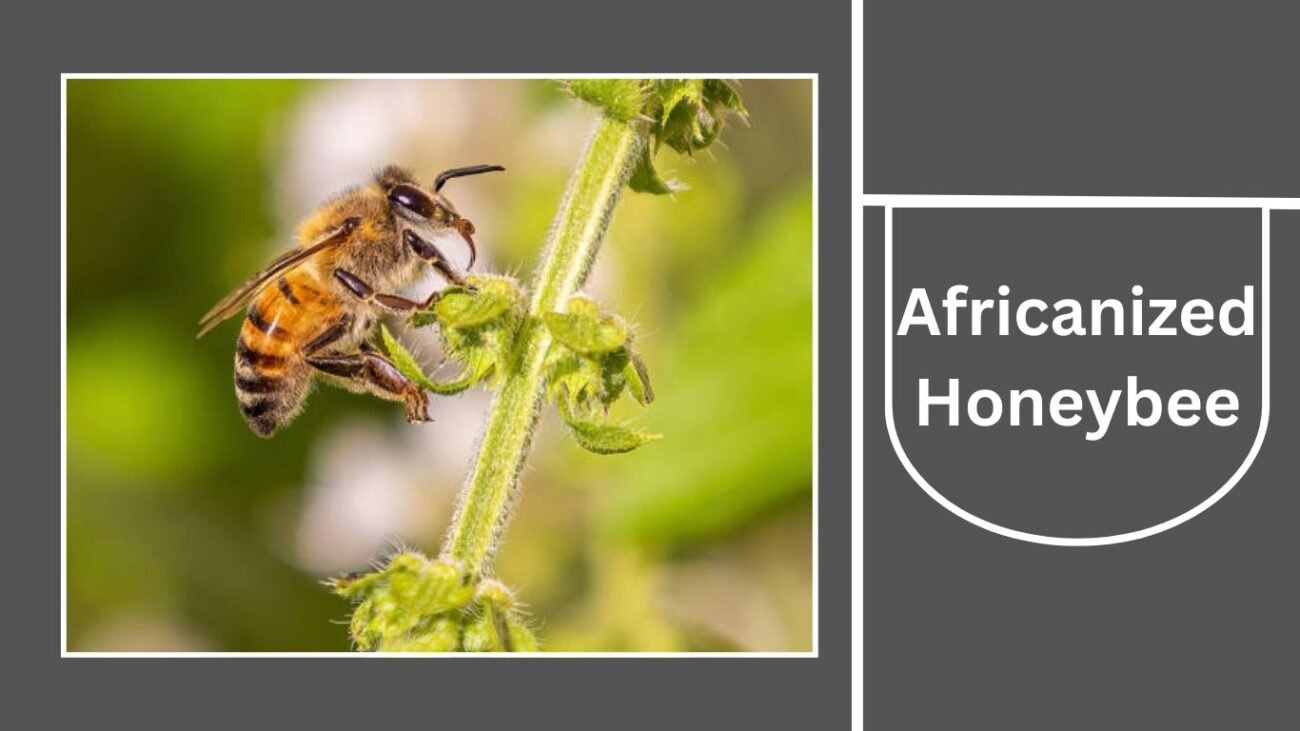
Africanized honeybees, often called “killer bees,” are hybrids of African and European honeybees. They are infamous for their aggressive defense behaviors, though they remain important pollinators.
Identification
- Color: Similar to European honeybees—golden brown with dark bands.
- Size: Slightly smaller than European honeybees (workers about 10–12 mm).
- Body Shape: Slender, nearly indistinguishable from other subspecies.
- Distinctive Trait: Extremely defensive behavior.
Habitat
They originated in Brazil in the 1950s and spread across South and Central America, reaching the southern United States. They thrive in tropical and subtropical climates.
Behaviors
Africanized honeybees swarm more frequently and defend their nests aggressively. They are highly resilient and adapt quickly to new environments. While dangerous to humans and animals when provoked, they are efficient pollinators and productive honey makers.
9. Cyprian Honeybee (Apis mellifera cypria)
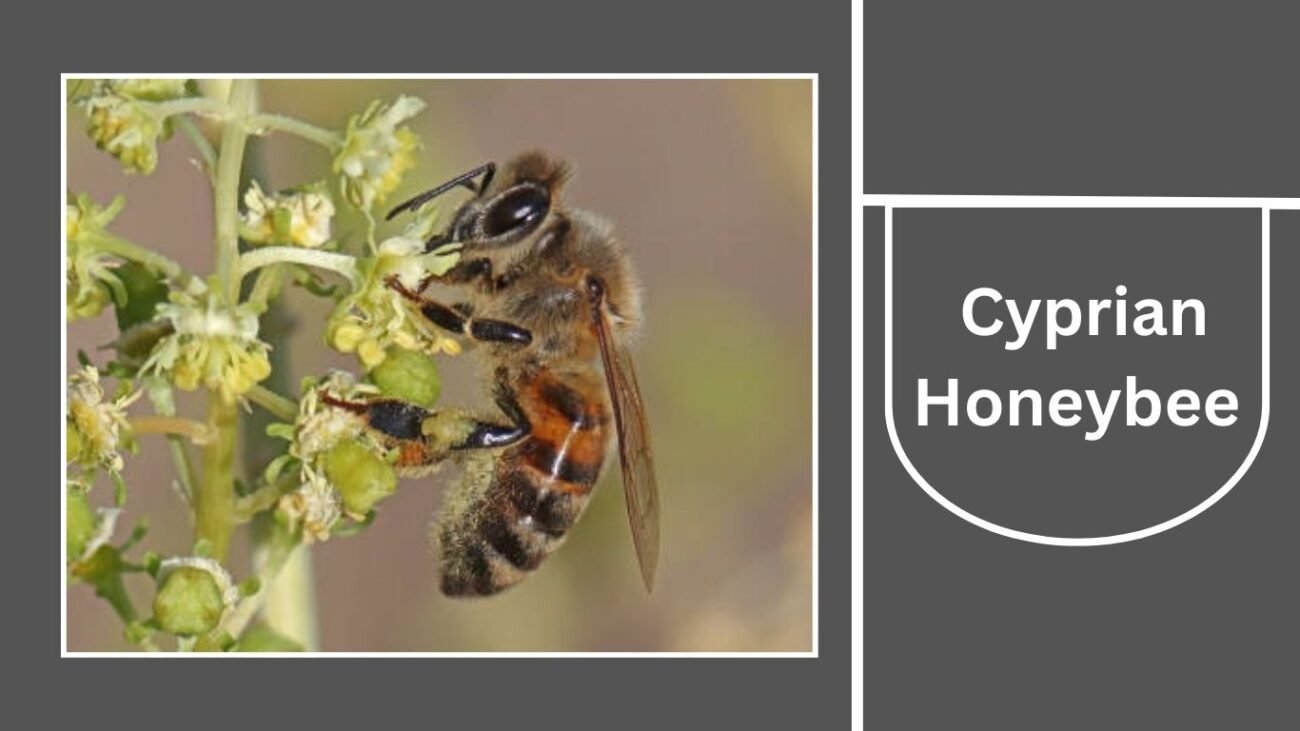
The Cyprian honeybee is a subspecies native to Cyprus, known for both its productivity and its strong defensive instincts.
Identification
- Color: Yellowish with darker brown or black bands.
- Size: Workers about 12–13 mm.
- Body Shape: Slender with clear banding patterns.
- Distinctive Trait: Bright coloration and defensive temperament.
Habitat
These bees are native to the Mediterranean island of Cyprus. They thrive in warm, dry climates but are not as cold-hardy as northern subspecies.
Behaviors
Cyprian honeybees are excellent honey producers and effective at resisting wax moth infestations. However, they are considered more aggressive than Italian or Carniolan bees, making them less favored for beginner beekeepers.
10. Egyptian Honeybee (Apis mellifera lamarckii)
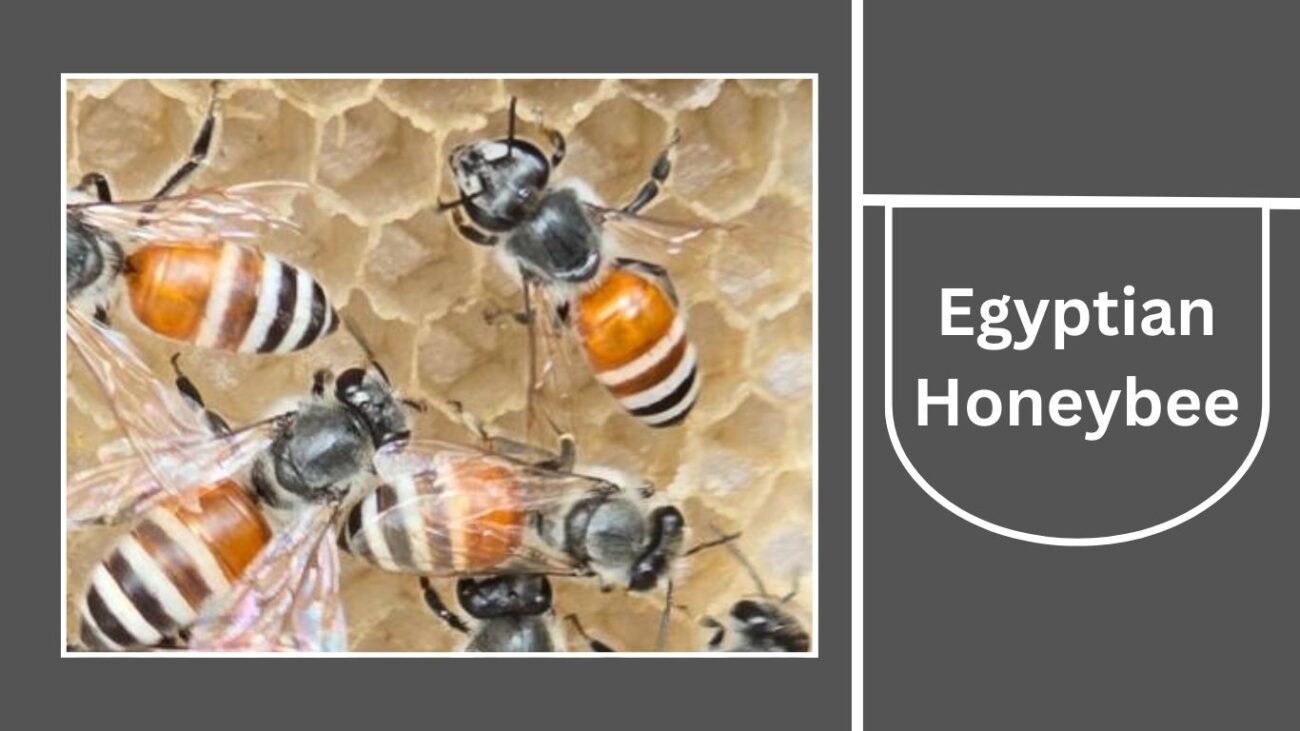
The Egyptian honeybee is an ancient subspecies, domesticated since the time of the pharaohs. It is smaller and more active than many other honeybees, though not widely used in modern beekeeping.
Identification
- Color: Yellow with narrow black bands.
- Size: Workers are relatively small, around 9–10 mm.
- Body Shape: Slender with pointed abdomen.
- Distinctive Trait: Small size and fast movement.
Habitat
Native to the Nile Valley and surrounding desert regions, this bee thrives in hot, arid climates. Colonies are typically found in hollow trees, rock crevices, and man-made hives.
Behaviors
Egyptian honeybees are highly active and resistant to extreme heat. They are good honey producers but are also more aggressive and prone to swarming. Their smaller colonies make them less suited for large-scale modern apiculture.
11. Syrian Honeybee (Apis mellifera syriaca)
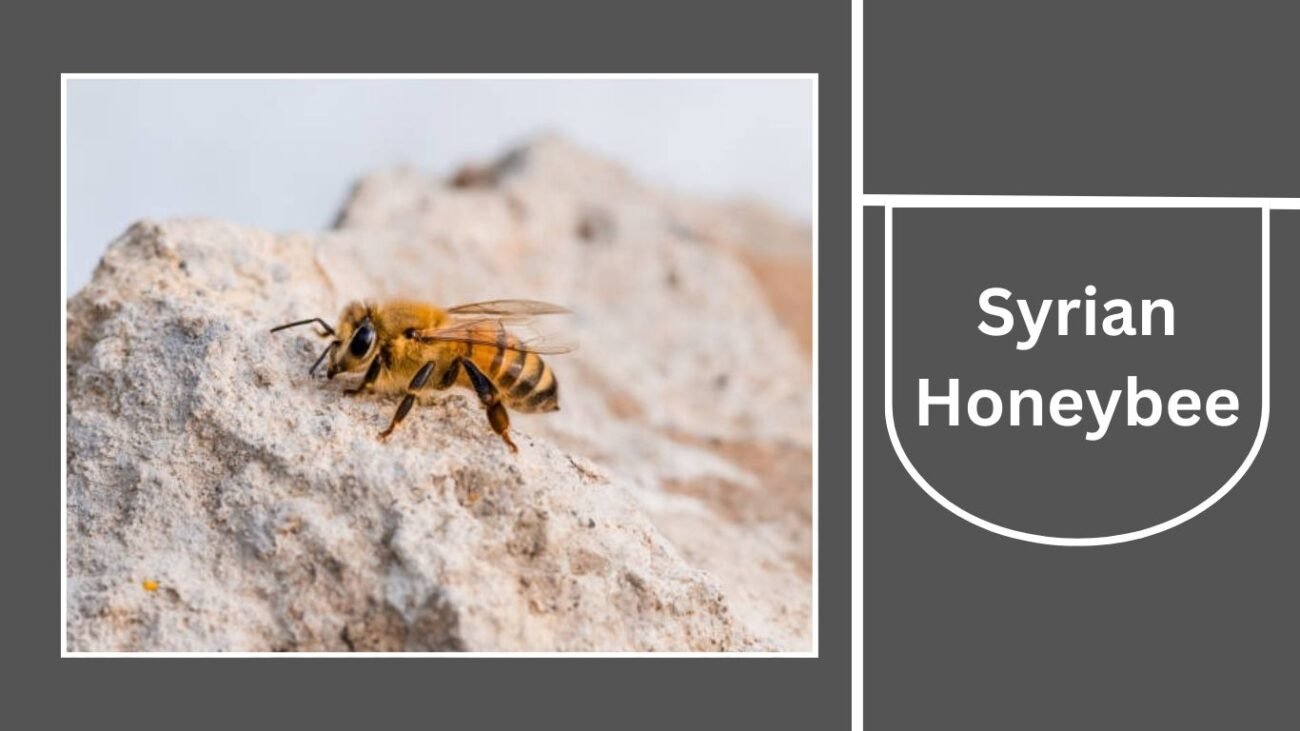
The Syrian honeybee is native to the Middle East and has been kept by beekeepers for centuries. It is well adapted to hot, dry conditions but less common in global beekeeping.
Identification
- Color: Golden-yellow with dark brown bands.
- Size: Workers about 10–12 mm.
- Body Shape: Slender with distinct striping.
- Distinctive Trait: Adaptation to desert and arid climates.
Habitat
These bees are found in Syria, Lebanon, Jordan, and neighboring regions. They survive in both desert and Mediterranean climates, nesting in tree hollows, cliffs, and hives.
Behaviors
Syrian honeybees are active foragers and tolerant of high temperatures. However, they can be highly defensive and aggressive, making hive management difficult. Despite this, they remain valuable for local honey production and pollination.
12. Anatolian Honeybee (Apis mellifera anatoliaca)
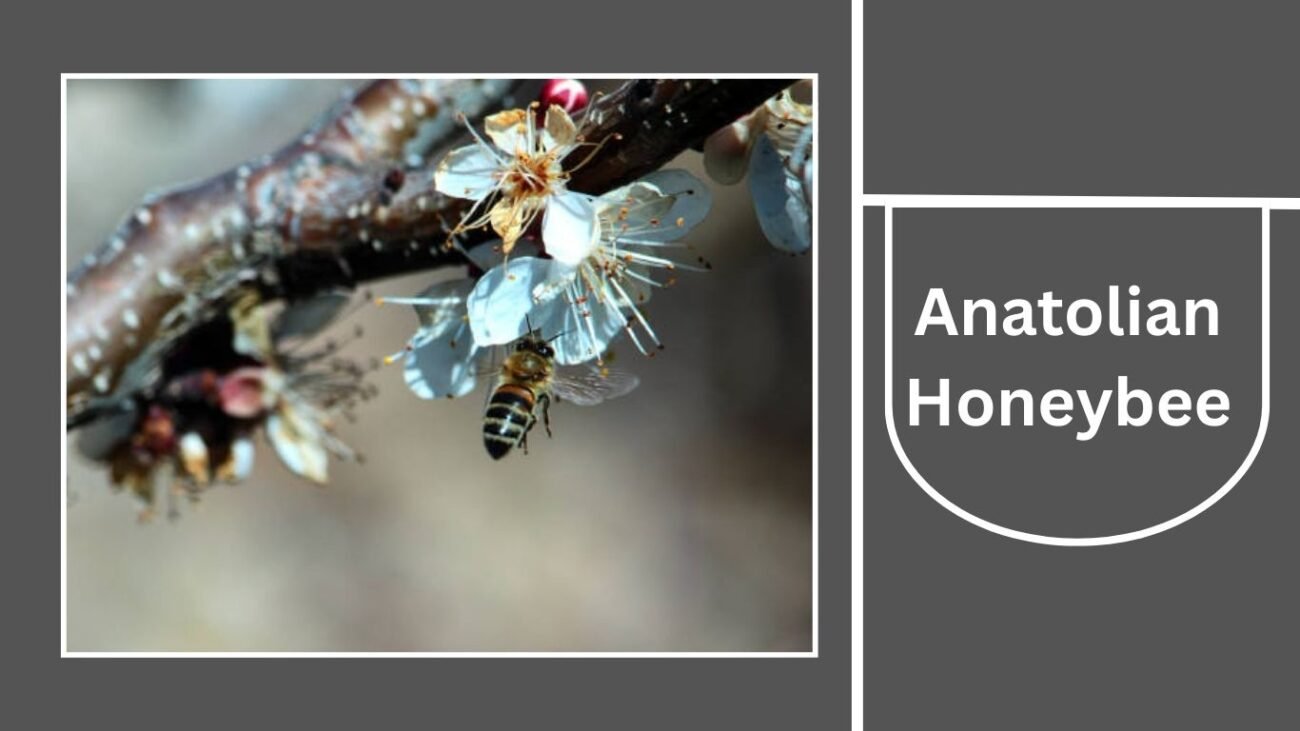
The Anatolian honeybee is a hardy subspecies native to Turkey, particularly the central and eastern regions. It is valued for its adaptability and strong resistance to diseases.
Identification
- Color: Dark brown or black with light banding.
- Size: Workers around 12–13 mm.
- Body Shape: Robust with dense body hair.
- Distinctive Trait: Strong overwintering ability and disease resistance.
Habitat
These bees thrive in Turkey’s varied climates, from coastal zones to mountainous regions. They are commonly managed by local beekeepers in traditional wooden hives.
Behaviors
Anatolian honeybees are calm, productive, and resilient in cold winters. They maintain moderate-sized colonies and are effective pollinators. Their adaptability makes them suitable for challenging environments.
13. Yemeni Honeybee (Apis mellifera jemenitica)
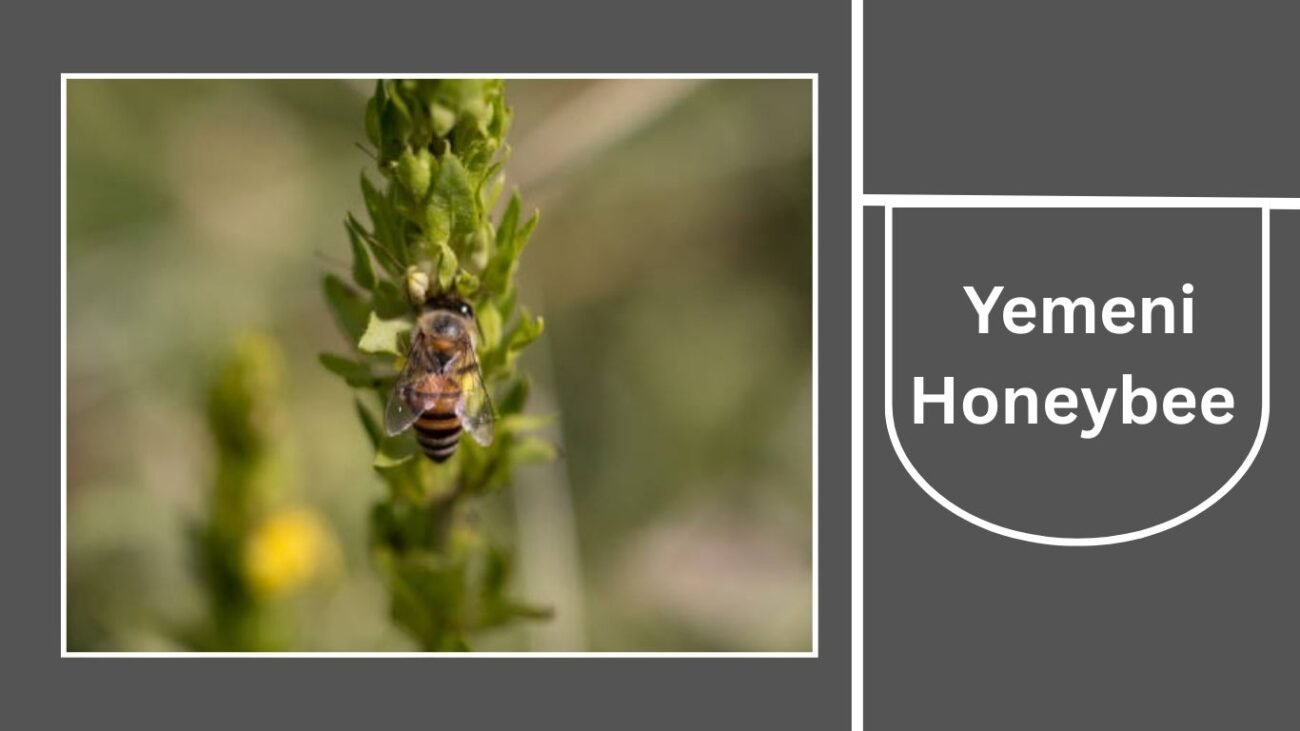
The Yemeni honeybee is one of the smallest subspecies of honeybee, well adapted to desert and tropical climates. It has been kept in traditional beekeeping practices across the Arabian Peninsula for centuries.
Identification
- Color: Yellowish with dark brown bands.
- Size: Workers are very small, about 7–9 mm.
- Body Shape: Slender with small wings relative to body size.
- Distinctive Trait: Smallest body size among Apis mellifera subspecies.
Habitat
Native to Yemen, Saudi Arabia, Sudan, and other parts of the Middle East and Africa, these bees thrive in arid and tropical regions. They are usually kept in traditional clay or log hives.
Behaviors
Yemeni honeybees are heat-tolerant and efficient foragers in extreme climates. Colonies are small and produce modest amounts of honey, but they are prized locally for their resilience and the unique flavor of their honey.
14. Saharan Honeybee (Apis mellifera sahariensis)
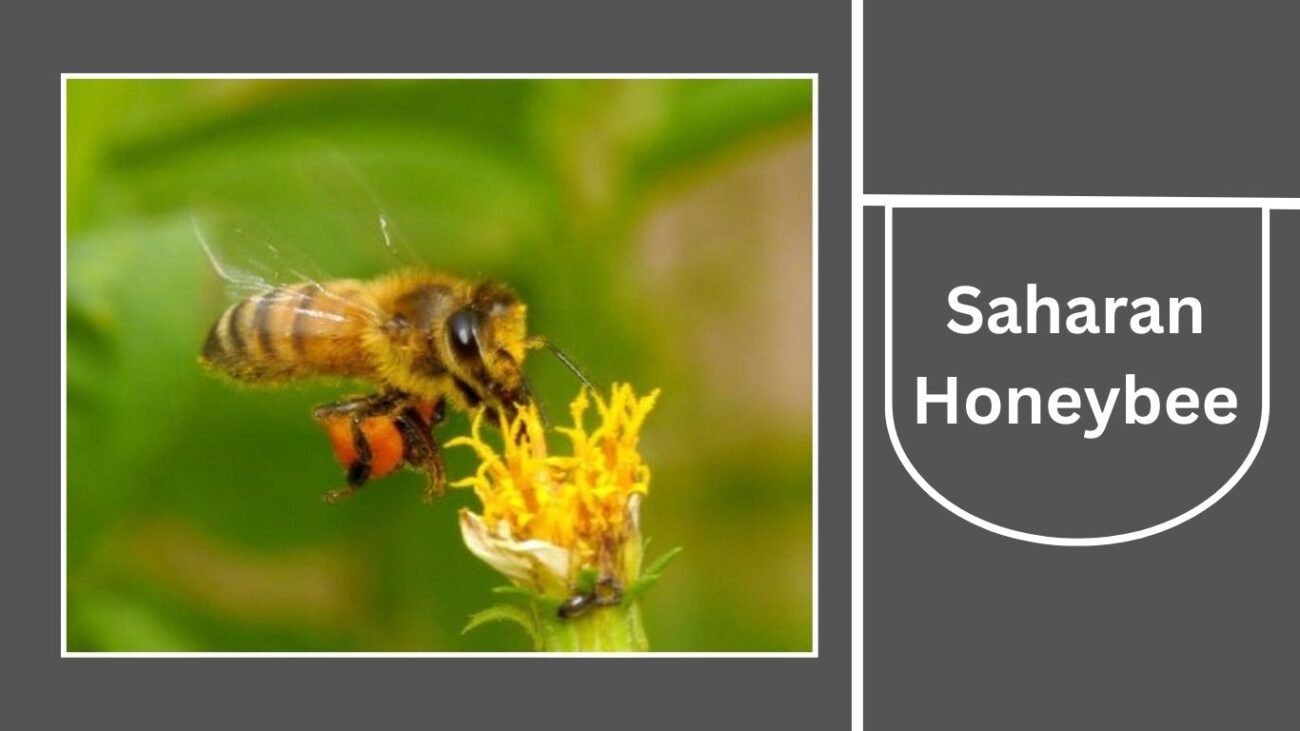
The Saharan honeybee is a rare subspecies adapted to the harsh desert conditions of North Africa. Despite extreme heat and limited vegetation, it survives through remarkable resilience and efficient foraging.
Identification
- Color: Yellowish with narrow black stripes.
- Size: Workers about 9–11 mm.
- Body Shape: Slender with fine hairs for pollen collection.
- Distinctive Trait: Exceptional heat tolerance.
Habitat
Native to oases and desert regions of Morocco and Algeria, they establish colonies in sheltered areas such as rock crevices, tree trunks, and traditional hives.
Behaviors
These bees forage long distances in search of scarce flowers. They are known for producing small amounts of highly concentrated honey with unique flavors. Colonies are smaller than temperate subspecies but remarkably hardy.
15. Moroccan Honeybee (Apis mellifera intermissa)
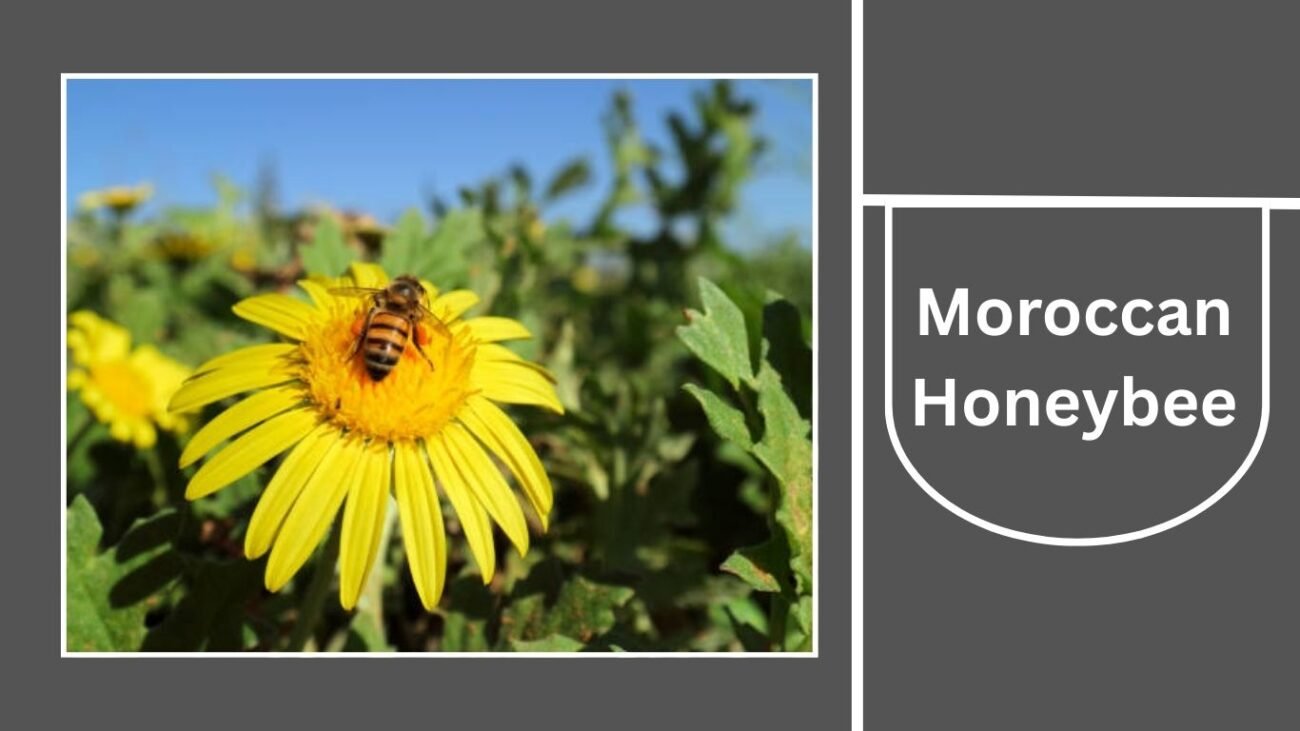
The Moroccan honeybee is a North African subspecies found mainly in Morocco, Algeria, and Tunisia. It is known for its adaptability but also its aggressive temperament.
Identification
- Color: Dark brown with yellowish bands.
- Size: Workers measure 10–12 mm.
- Body Shape: Sturdy with prominent striping.
- Distinctive Trait: Defensive and sometimes aggressive behavior.
Habitat
They are widespread across North Africa, thriving in diverse environments from coastal areas to semi-arid regions. Colonies are established in natural cavities, traditional hives, and modern apiaries.
Behaviors
Moroccan honeybees are strong foragers and good honey producers. However, they are defensive, often swarming and absconding when disturbed. While challenging for beekeepers, their resilience makes them well-suited to harsh climates.
16. Tunisian Honeybee (Apis mellifera siciliana)
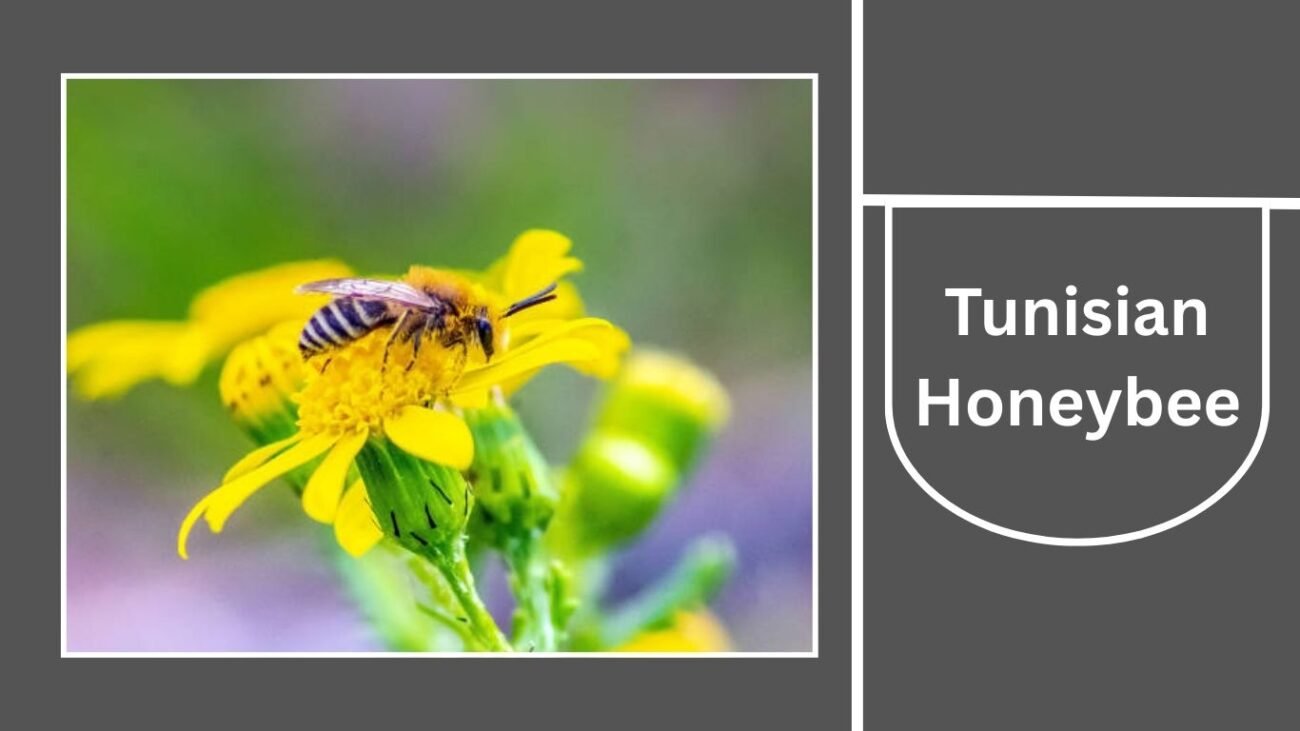
The Tunisian honeybee, also linked closely to the Sicilian bee, is a Mediterranean subspecies known for its adaptation to warm, dry climates. It is considered an important regional pollinator but is less common in global apiculture.
Identification
- Color: Yellow to golden with dark brown bands.
- Size: Workers around 10–12 mm.
- Body Shape: Slender with clear abdominal striping.
- Distinctive Trait: Adapted to hot, arid regions of North Africa.
Habitat
This subspecies is native to Tunisia and nearby Mediterranean islands such as Sicily. They thrive in semi-arid zones, coastal regions, and olive groves.
Behaviors
Tunisian honeybees are effective foragers in harsh environments but can display defensive behavior. They are moderate honey producers compared to Italian or Carniolan bees. Despite their limited spread, they are vital for pollinating local crops.
17. Maltese Honeybee (Apis mellifera ruttneri)
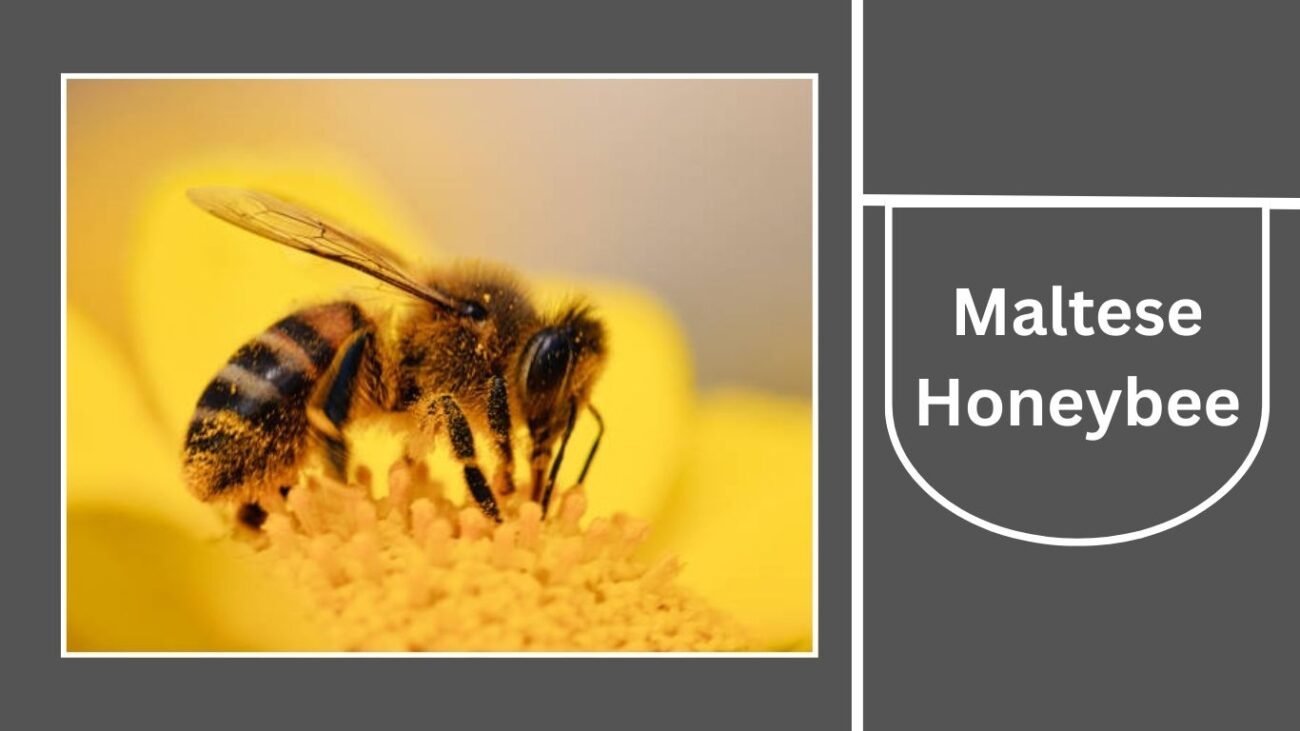
The Maltese honeybee is a small and rare subspecies endemic to the Maltese Islands. It has recently gained conservation attention due to the risk of genetic dilution from imported bees.
Identification
- Color: Dark brown to black with faint striping.
- Size: Workers are relatively small, about 9–10 mm.
- Body Shape: Compact with short hair.
- Distinctive Trait: Endemic and genetically distinct population.
Habitat
This bee is native only to Malta, where it survives in the Mediterranean climate. Colonies are usually managed by local beekeepers in traditional apiaries.
Behaviors
Maltese honeybees are hardy and adapted to local weather extremes, from hot summers to humid winters. They are moderate honey producers but valuable for biodiversity. Recent conservation efforts aim to preserve this unique subspecies.
18. Portuguese Honeybee (Apis mellifera iberiensis)
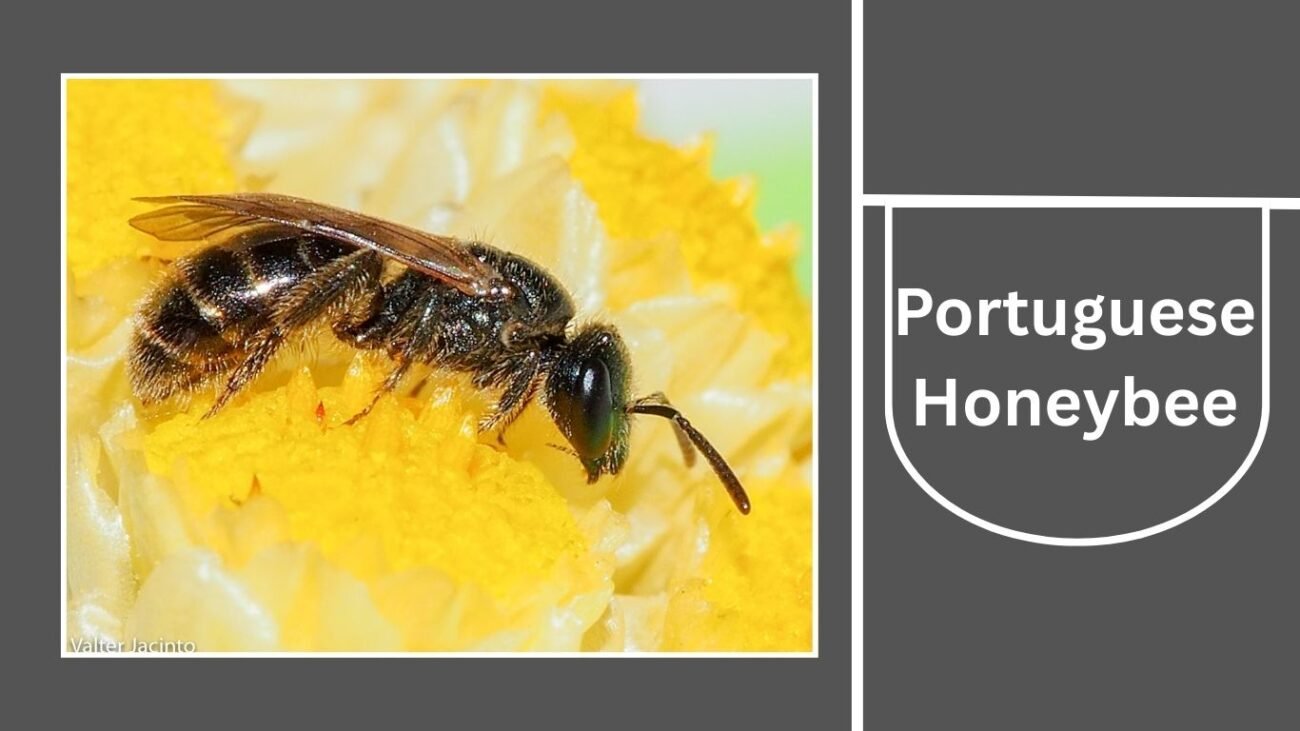
The Portuguese honeybee, also known as the Iberian honeybee, is native to the Iberian Peninsula. It is one of the oldest Apis mellifera subspecies, with unique traits suited to the Mediterranean climate.
Identification
- Color: Dark brown to black with faint banding.
- Size: Workers about 10–12 mm.
- Body Shape: Stocky with short, dense hair.
- Distinctive Trait: Dark coloration and genetic uniqueness.
Habitat
Found mainly in Portugal and western Spain, this bee thrives in Mediterranean landscapes, from coastal plains to mountainous regions. Colonies are kept in both modern and traditional hives.
Behaviors
Portuguese honeybees are resilient, well adapted to local flora, and good honey producers. They can, however, be defensive, making hive management more difficult. They play a critical role in pollinating Mediterranean crops and wild plants.
19. Turkish Caucasian Bee (Apis mellifera caucasica var.)
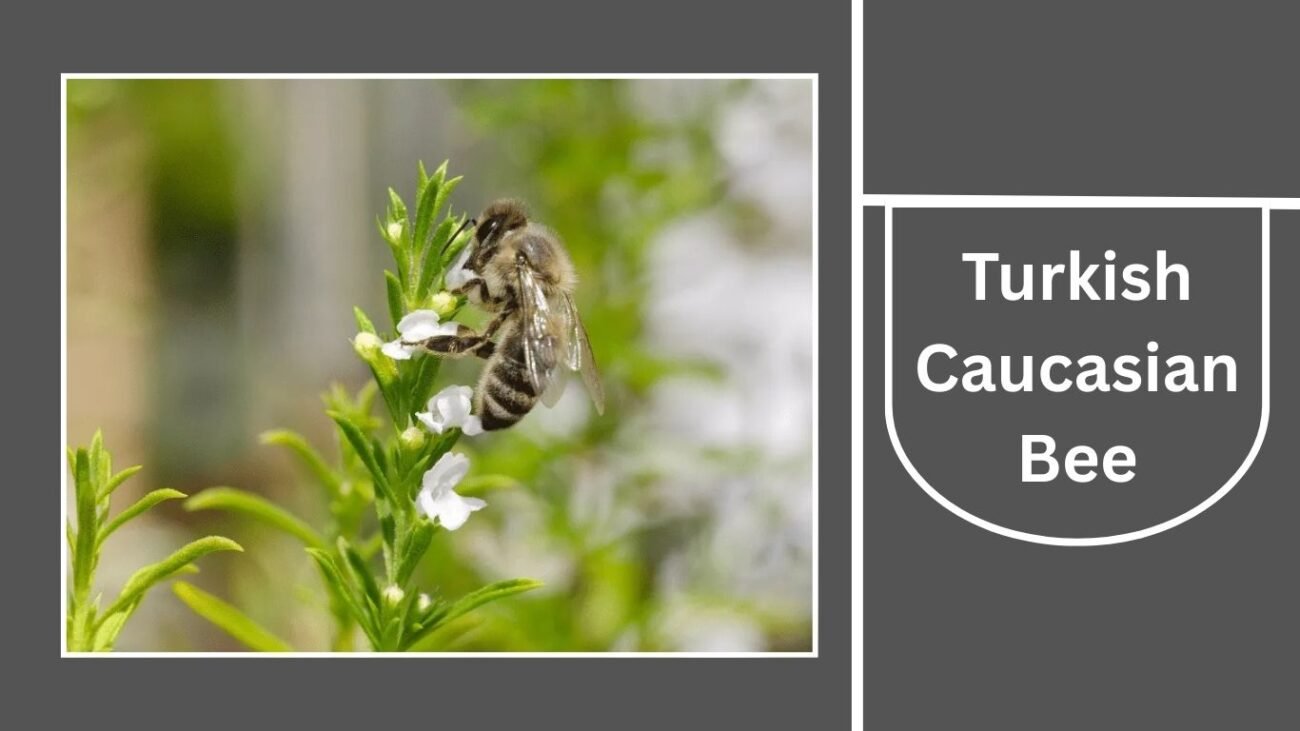
The Turkish Caucasian bee is a regional variant of the Caucasian honeybee, primarily found in northeastern Turkey near the Caucasus Mountains. It is known for excellent nectar collection and calm behavior.
Identification
- Color: Dark gray to black with dense hair.
- Size: Workers around 12–13 mm.
- Body Shape: Robust with a long tongue.
- Distinctive Trait: Efficient nectar collection from deep flowers.
Habitat
This bee is native to Turkey’s Black Sea region, where the climate is humid and mountainous. Colonies thrive in traditional beekeeping practices and modern apiaries alike.
Behaviors
Turkish Caucasian bees are gentle, productive, and efficient foragers. They are especially skilled at working with deep corolla flowers due to their long tongues. However, like their Caucasian relatives, they use excessive propolis, which can make hive inspections challenging.
20. Koschevnikov’s Honeybee (Apis koschevnikovi)
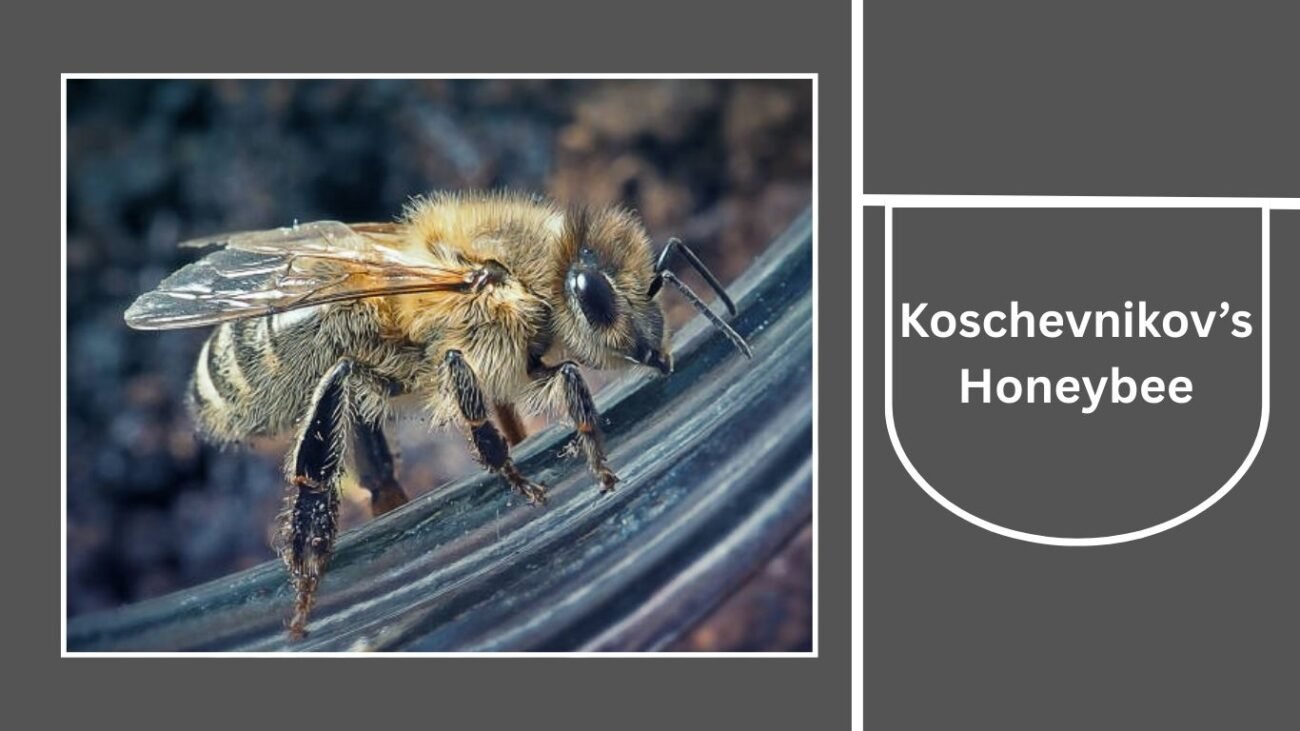
Koschevnikov’s honeybee is a distinct species of honeybee native to Southeast Asia. It is closely related to Apis cerana but remains less studied due to its limited distribution.
Identification
- Color: Reddish-brown with darker abdominal bands.
- Size: Workers measure around 10–11 mm.
- Body Shape: Slender with a hairy thorax.
- Distinctive Trait: Restricted distribution and close relation to Asian honeybees.
Habitat
This bee is found in Borneo, Malaysia, and Indonesia, primarily in forested habitats. It nests in cavities such as tree hollows.
Behaviors
Koschevnikov’s honeybee is gentle and less aggressive than other Asian honeybee species. Colonies are small, and they produce modest amounts of honey. Their ecological importance lies in pollination of tropical forest plants.
21. Red Dwarf Honeybee (Apis florea)
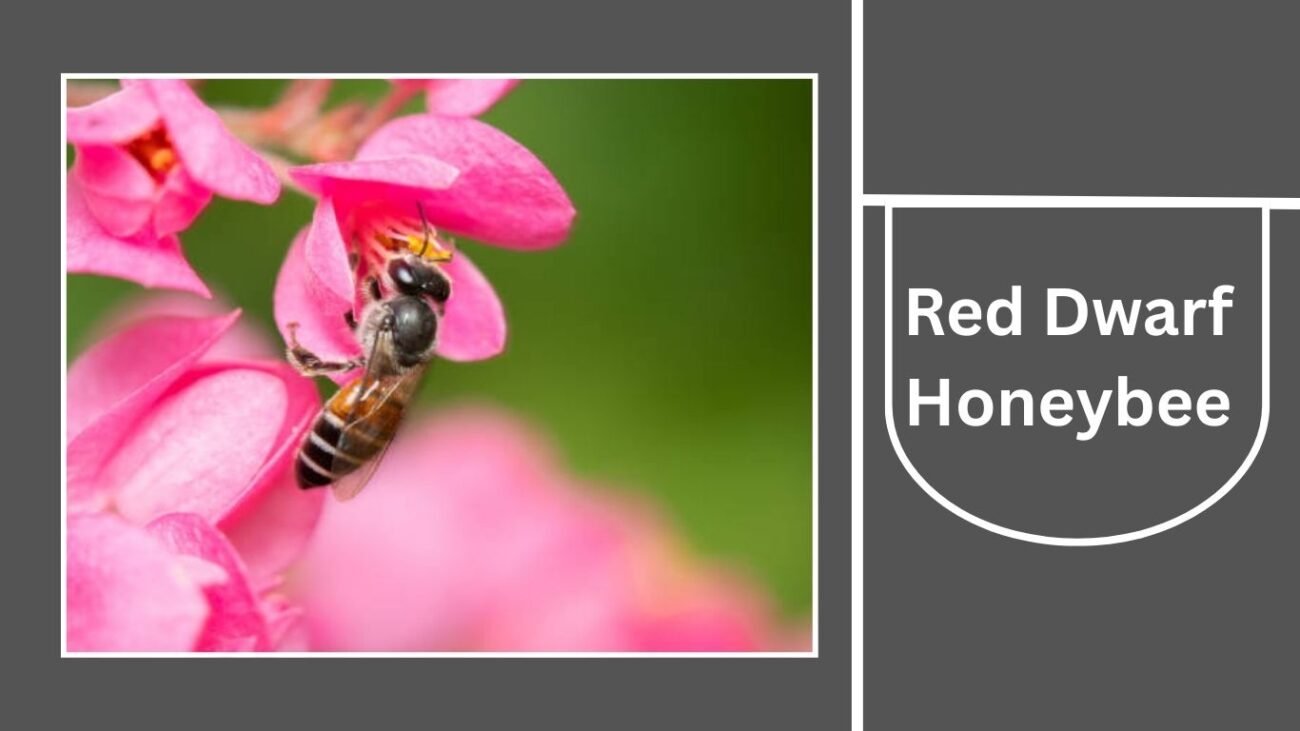
The red dwarf honeybee is one of the smallest honeybee species, native to Asia. It is an open-nesting species, building single combs in bushes and small trees.
Identification
- Color: Reddish-brown with white abdominal bands.
- Size: Workers are tiny, about 7–10 mm.
- Body Shape: Small and delicate with short wings.
- Distinctive Trait: Builds exposed, single-comb nests.
Habitat
Red dwarf honeybees are widespread in South and Southeast Asia, including India, Thailand, and Malaysia. They prefer warm, tropical regions and nest in low vegetation.
Behaviors
They are non-aggressive and tend to abandon nests when disturbed rather than defend them aggressively. Colonies are small and yield only small amounts of honey, but they play an essential role in pollinating wild plants.
22. Black Dwarf Honeybee (Apis andreniformis)
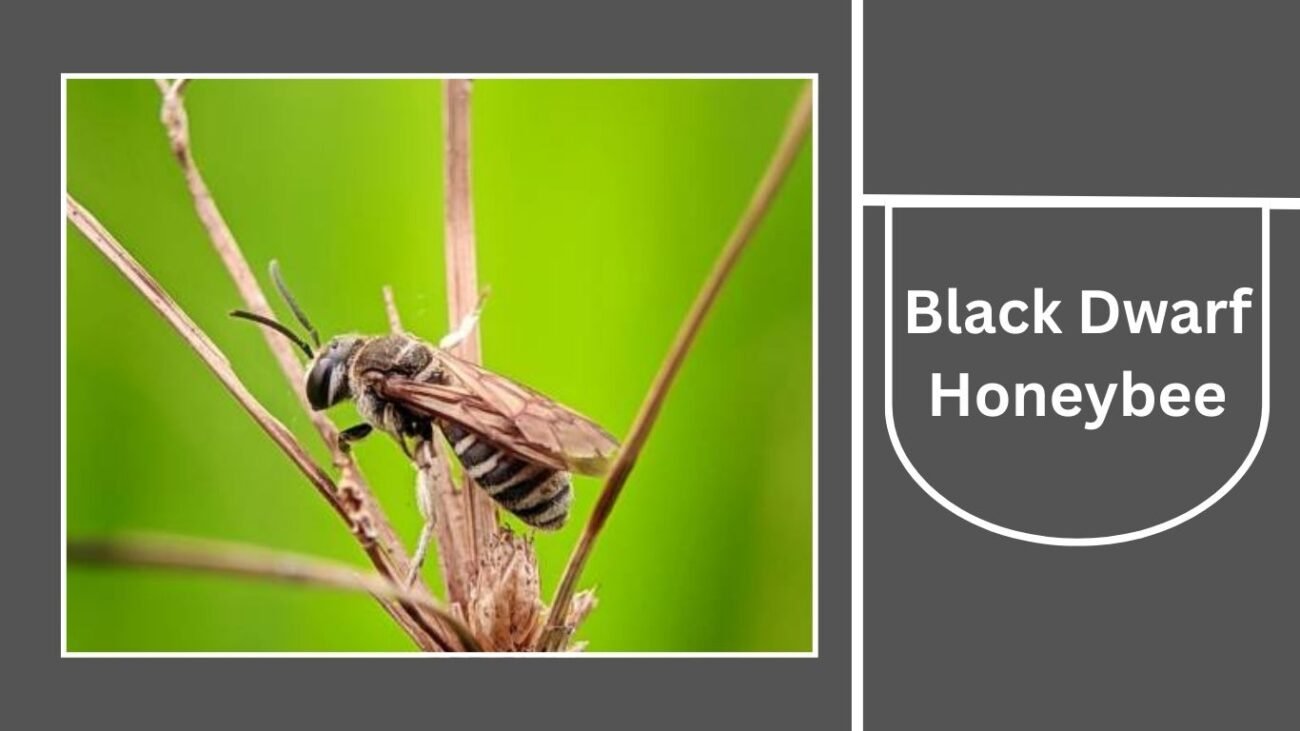
The black dwarf honeybee is another small Asian honeybee species, often confused with the red dwarf honeybee. It is distinguished by its darker coloration and more secretive nesting habits.
Identification
- Color: Dark brown to almost black with faint banding.
- Size: Workers measure 7–9 mm.
- Body Shape: Small and slender with delicate wings.
- Distinctive Trait: Dark coloration compared to Apis florea.
Habitat
Native to Southeast Asia, particularly Thailand, Malaysia, and Indonesia, this species prefers dense forested areas. They build exposed, single-comb nests on shrubs and low tree branches.
Behaviors
Black dwarf honeybees are shy and non-aggressive, often fleeing when disturbed. Colonies are small and produce very little honey, but they are important for pollinating native plants in tropical forests.
23. Giant Honeybee (Apis dorsata)
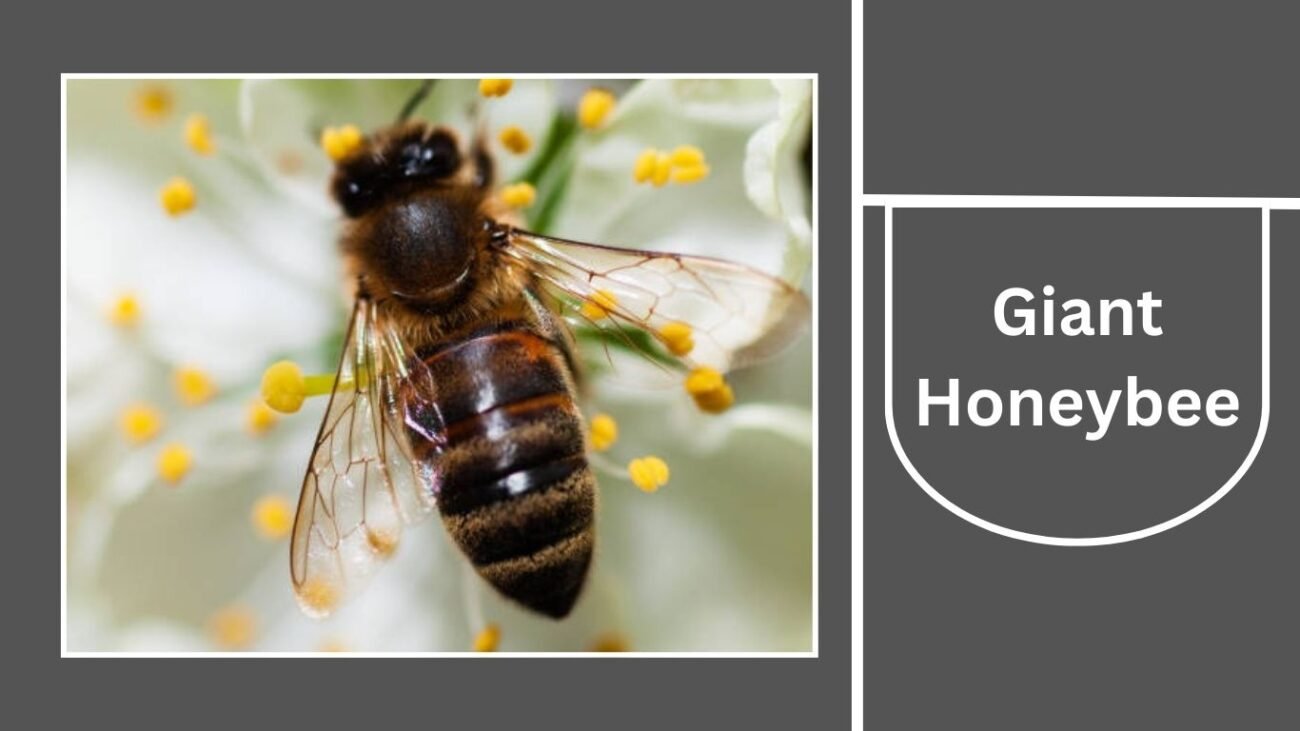
The giant honeybee is one of the largest honeybee species, famous for its massive open-air nests. These bees are wild and not domesticated due to their aggressive defense behaviors.
Identification
- Color: Dark brown with yellow abdominal bands.
- Size: Workers measure 17–20 mm, much larger than most honeybees.
- Body Shape: Robust with long wings and large eyes.
- Distinctive Trait: Builds enormous exposed nests.
Habitat
Giant honeybees are found across South and Southeast Asia, nesting on tall trees, cliffs, and building ledges. Their nests can reach several feet in width and house tens of thousands of bees.
Behaviors
They are highly defensive and can coordinate mass attacks when threatened. Despite their aggression, they are vital pollinators of many wild and cultivated plants. Their honey is harvested traditionally but with great risk due to their stings.
24. Himalayan Giant Honeybee (Apis laboriosa)
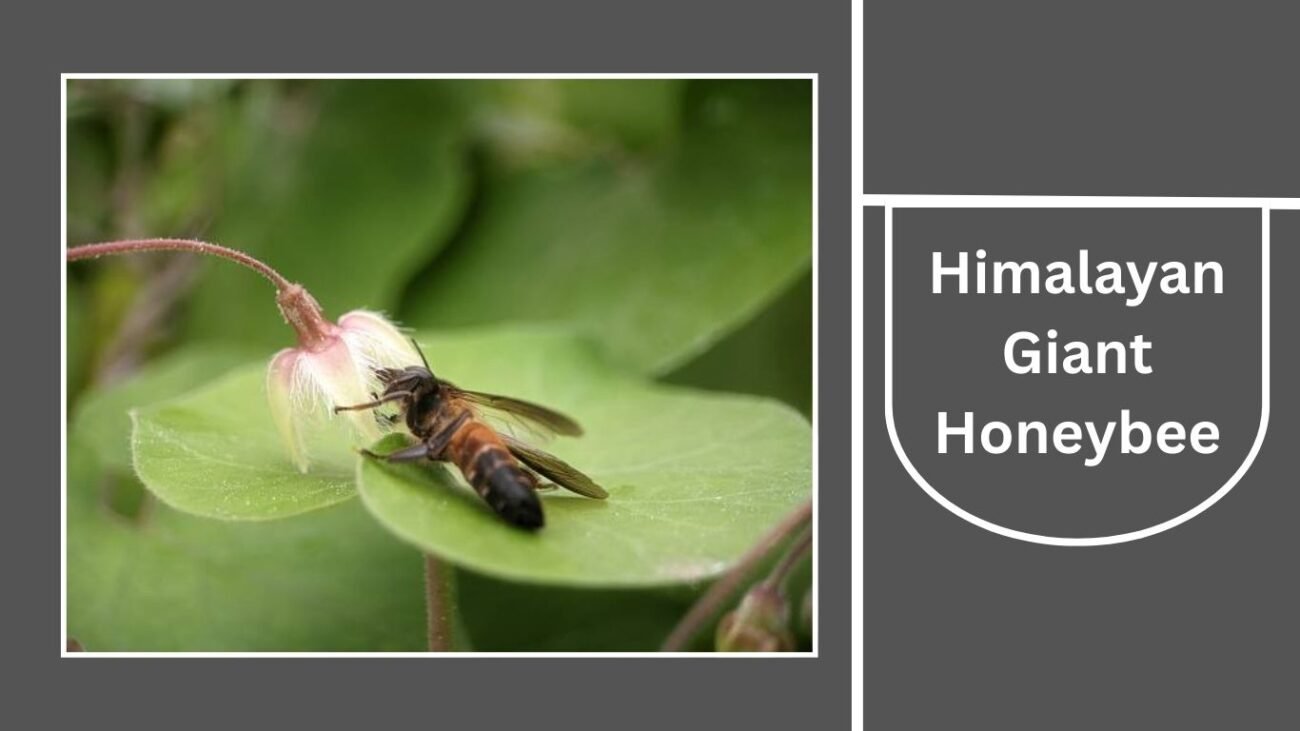
The Himalayan giant honeybee is the world’s largest honeybee, closely related to Apis dorsata. It is famous for producing “mad honey,” which has intoxicating and medicinal properties.
Identification
- Color: Dark brown with broad yellow abdominal bands.
- Size: Workers measure up to 20–22 mm.
- Body Shape: Large and robust with long wings.
- Distinctive Trait: Largest honeybee species on Earth.
Habitat
Native to the Himalayas of Nepal, Bhutan, India, and Tibet, these bees build massive open nests on cliffs at high altitudes, often above 2,500 meters.
Behaviors
Himalayan giant honeybees are migratory, moving to different elevations depending on the season. They are defensive and difficult to domesticate. Their honey is harvested by traditional cliff-honey hunters, sometimes under dangerous conditions.
25. Philippine Honeybee (Apis nigrocincta)
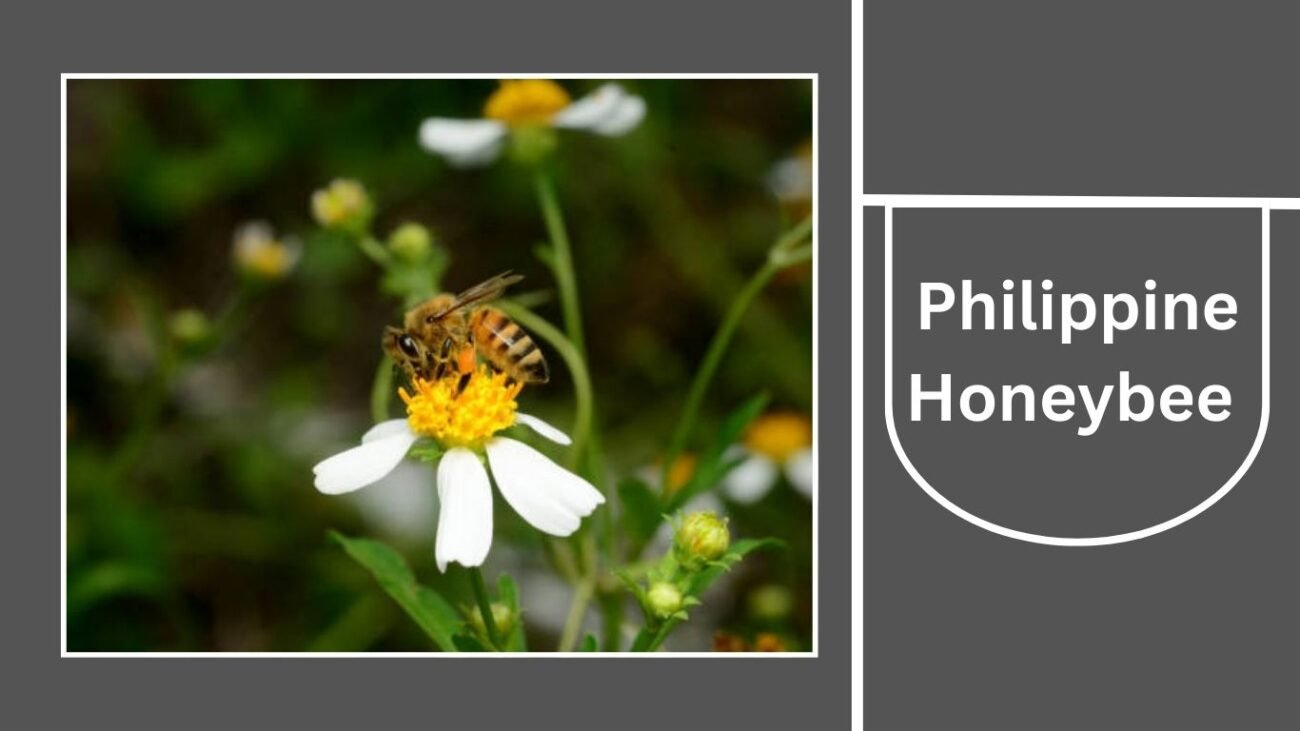
The Philippine honeybee is a less-studied species native to the Philippines and parts of Indonesia. It closely resembles Apis cerana but has distinct biological traits.
Identification
- Color: Dark brown with black bands.
- Size: Workers measure about 10–12 mm.
- Body Shape: Slender with moderate hair.
- Distinctive Trait: Similar to Apis cerana but genetically distinct.
Habitat
This species inhabits tropical forests and agricultural landscapes in the Philippines and Sulawesi. Nests are usually built in tree cavities and sometimes in man-made structures.
Behaviors
Philippine honeybees are efficient pollinators of both wild and cultivated plants. Colonies are smaller than those of the western honeybee, and they produce modest honey yields, mainly for local use. They are relatively gentle compared to other Asian honeybee species.