Click beetles are fascinating insects known for their unique clicking mechanism, which allows them to flip into the air when threatened or overturned. With elongated bodies, diverse colors, and distinctive markings, these beetles are found worldwide in forests, meadows, gardens, and agricultural lands. Their larvae, commonly called wireworms, play an important role in soil ecosystems but can sometimes damage crops. Explore 18 notable click beetle species, their identification, habitats, behaviors, and diets.
1. Eastern Eyed Click Beetle
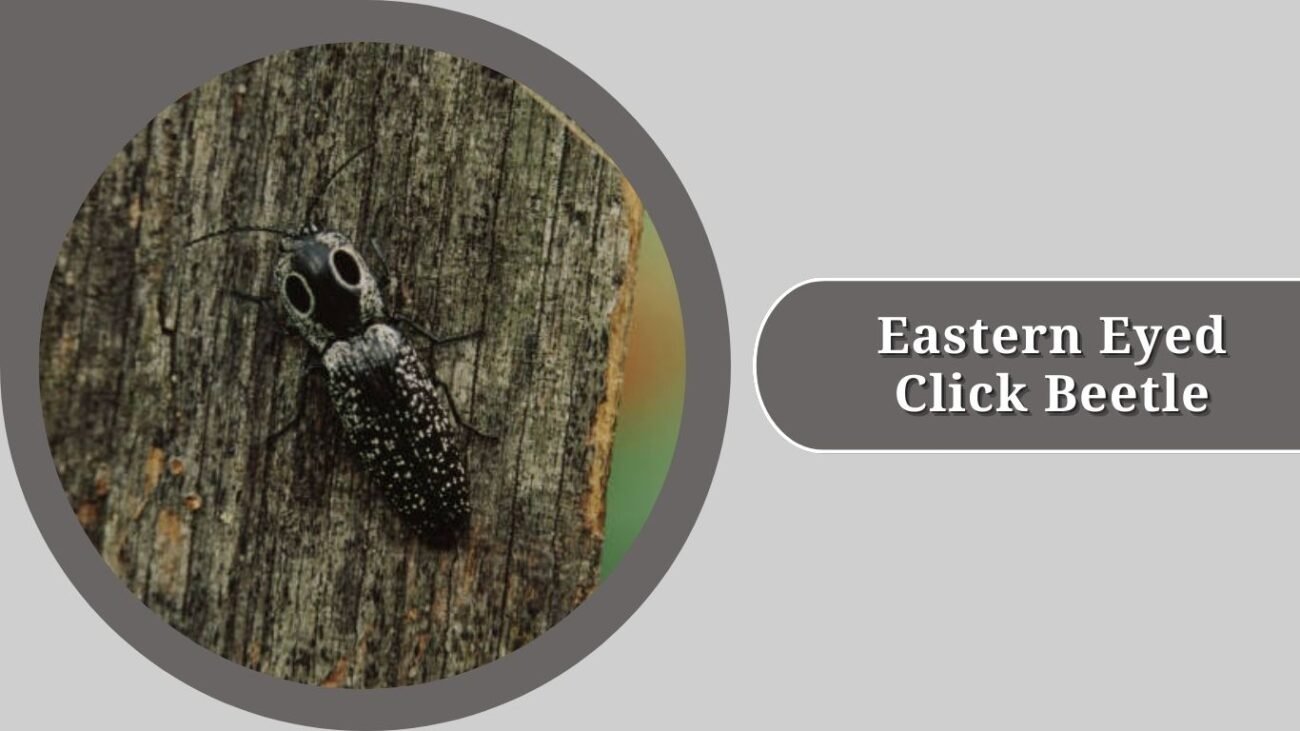
The Eastern Eyed Click Beetle (Alaus oculatus) is one of the most striking click beetles found in North America. Known for the large eye-like spots on its thorax, it uses these markings to deter predators. This beetle is also famous for its unique clicking sound and ability to flip itself into the air when overturned.
Identification
- Black elongated body with white speckles
- Two large black eye-like spots on the pronotum
- Can grow up to 1.5 inches in length
- Long, slender antennae
Habitat
Eastern Eyed Click Beetles are commonly found in forests, woodlands, and areas with decaying logs. They prefer habitats with rotting wood, where their larvae (wood-boring grubs) develop.
Behavior
When threatened, the beetle produces a clicking sound by snapping its thoracic segments, which also launches it into the air to escape predators or right itself when flipped over.
Diet
Adult beetles feed very little, often on nectar or plant juices, while the larvae are wood-borers that live inside decaying logs, feeding on rotting wood and occasionally other insects within the wood.
2. Brown Click Beetle
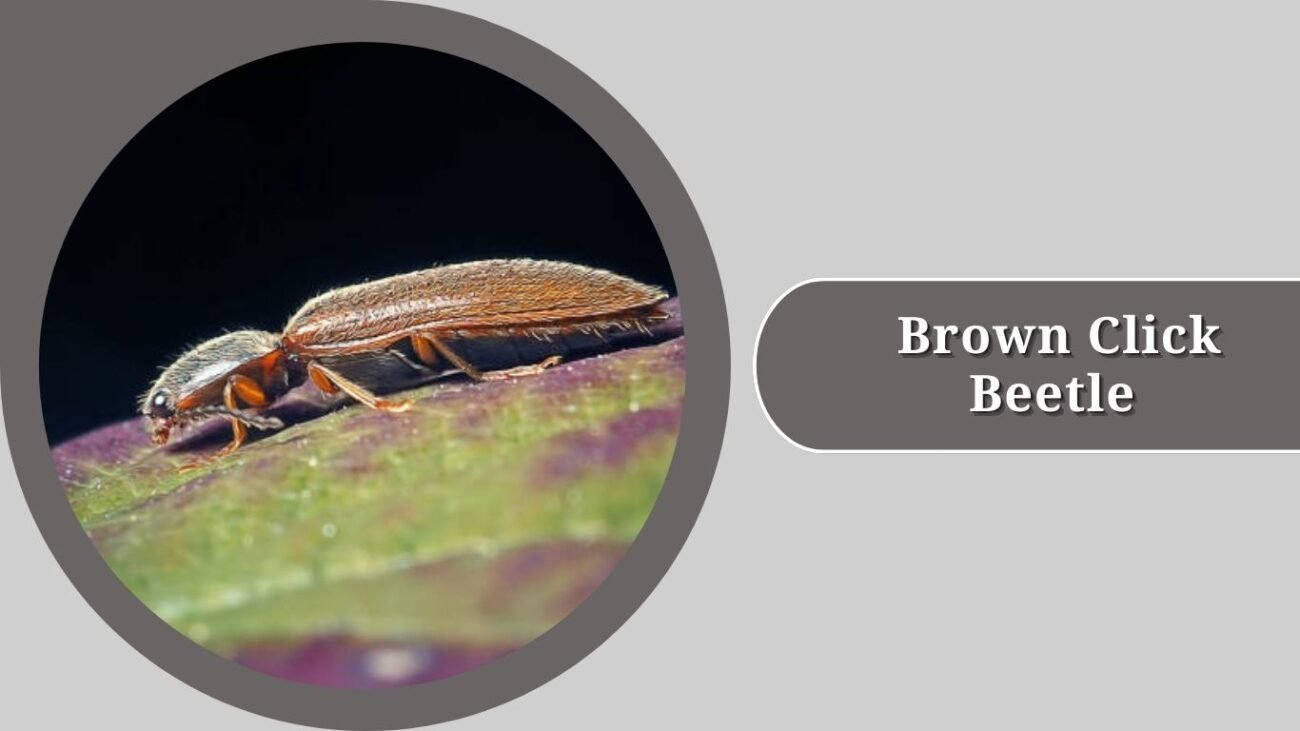
The Brown Click Beetle is a common species recognized for its elongated body and earthy coloration, which helps it camouflage easily in soil and decaying plant matter. Though not as showy as other species, it plays an important role in the ecosystem.
Identification
- Slender, elongated body
- Uniform brown coloration
- Size ranges between 0.5 to 1 inch
- Antennae are segmented and slightly serrated
Habitat
Brown Click Beetles are often found in gardens, fields, forests, and agricultural lands. They prefer moist soil and areas with decaying vegetation, making them common in crop fields.
Behavior
Like other click beetles, this species uses its clicking mechanism to right itself when overturned and to avoid predators. Their jumping ability makes them difficult to catch.
Diet
Adults typically feed on nectar and plant matter, while larvae (commonly called wireworms) feed on plant roots, seeds, and organic debris, sometimes becoming pests in agriculture.
3. Striate Click Beetle
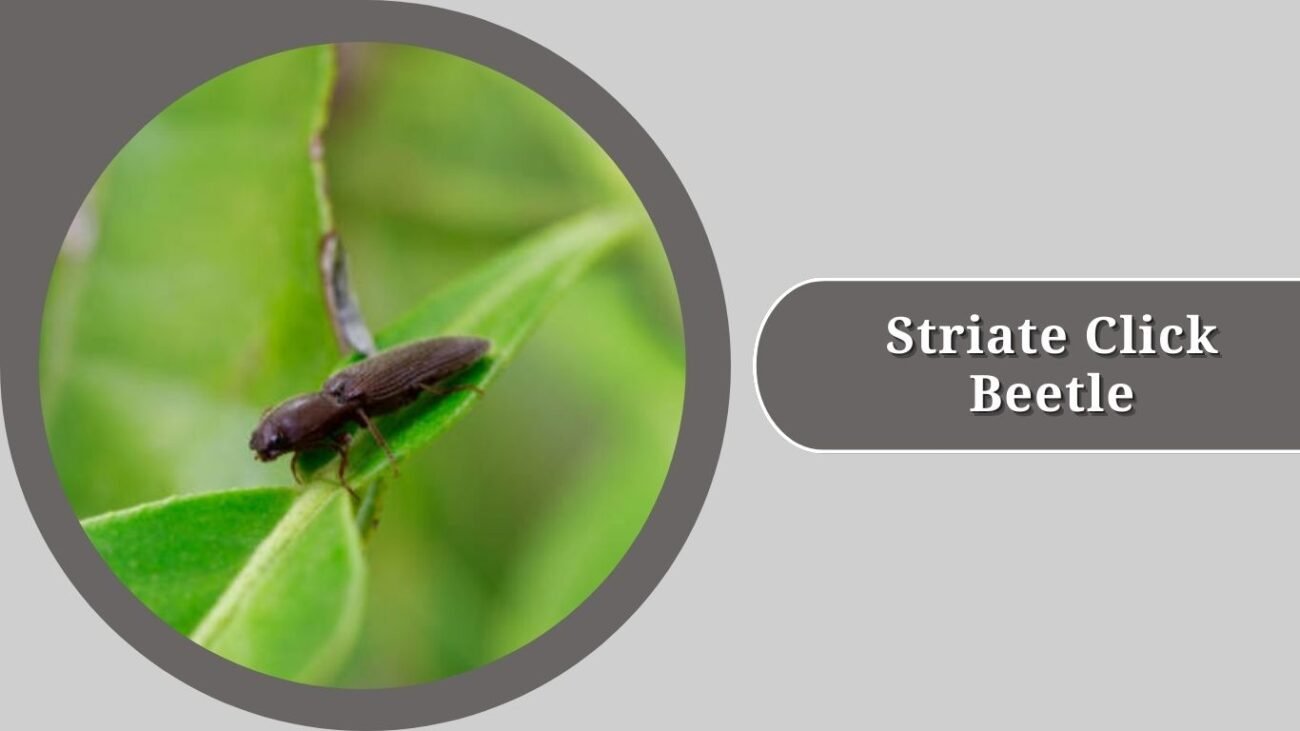
The Striate Click Beetle is known for the fine, parallel grooves (striae) running along its wing covers, giving it a textured appearance. This beetle is widely distributed and often found in habitats with decaying plant matter.
Identification
- Elongated, cylindrical body
- Dark brown to black coloration
- Distinct longitudinal striations on elytra (wing covers)
- Grows between 0.6 to 1.2 inches in length
Habitat
Striate Click Beetles inhabit grasslands, meadows, gardens, and agricultural areas. They are particularly common in soils rich in organic matter, where their larvae develop.
Behavior
When disturbed, they perform the characteristic click-and-jump action to evade predators. They are most active during the warmer months and are often attracted to lights at night.
Diet
Adults consume nectar, pollen, and sometimes soft plant tissues. The larvae (wireworms) feed on roots and decomposing plant material, occasionally damaging crops such as corn and potatoes.
4. Black Click Beetle
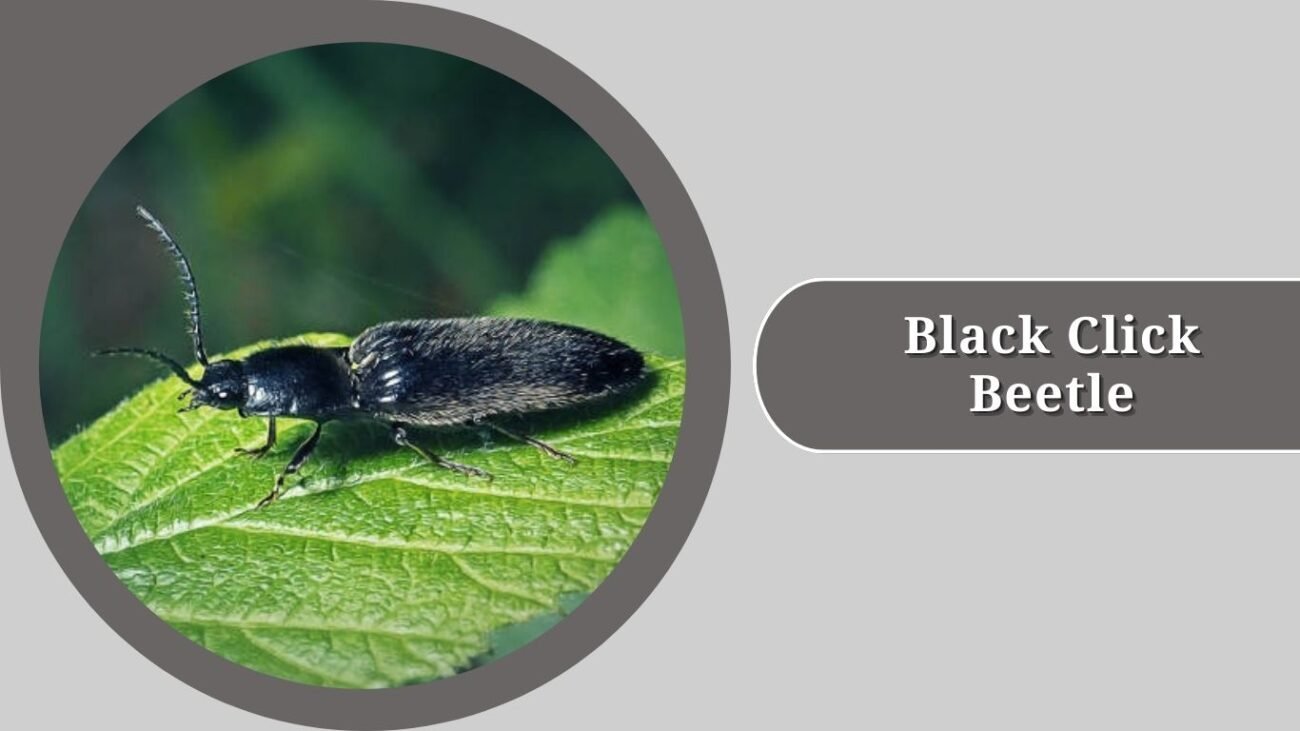
The Black Click Beetle is a sleek, dark-colored species that blends easily into its environment. Its glossy black body and ability to jump with a clicking sound make it one of the more recognizable click beetles in its range.
Identification
- Shiny black, elongated body
- Smooth wing covers with minimal markings
- Typically 0.5 to 1 inch long
- Antennae slender and slightly serrated
Habitat
This beetle thrives in woodlands, gardens, fields, and areas with moist soil. They are often found under logs, leaf litter, and stones, where they remain hidden during the day.
Behavior
Like all click beetles, it uses a snapping mechanism between the thoracic segments to produce a click and propel itself into the air. This startles predators and helps the beetle flip over if it lands on its back.
Diet
Adult Black Click Beetles feed sparingly on nectar and plant sap, while the larvae (wireworms) are soil-dwelling and feed on plant roots and decaying vegetation, occasionally causing damage to crops.
5. Red Click Beetle
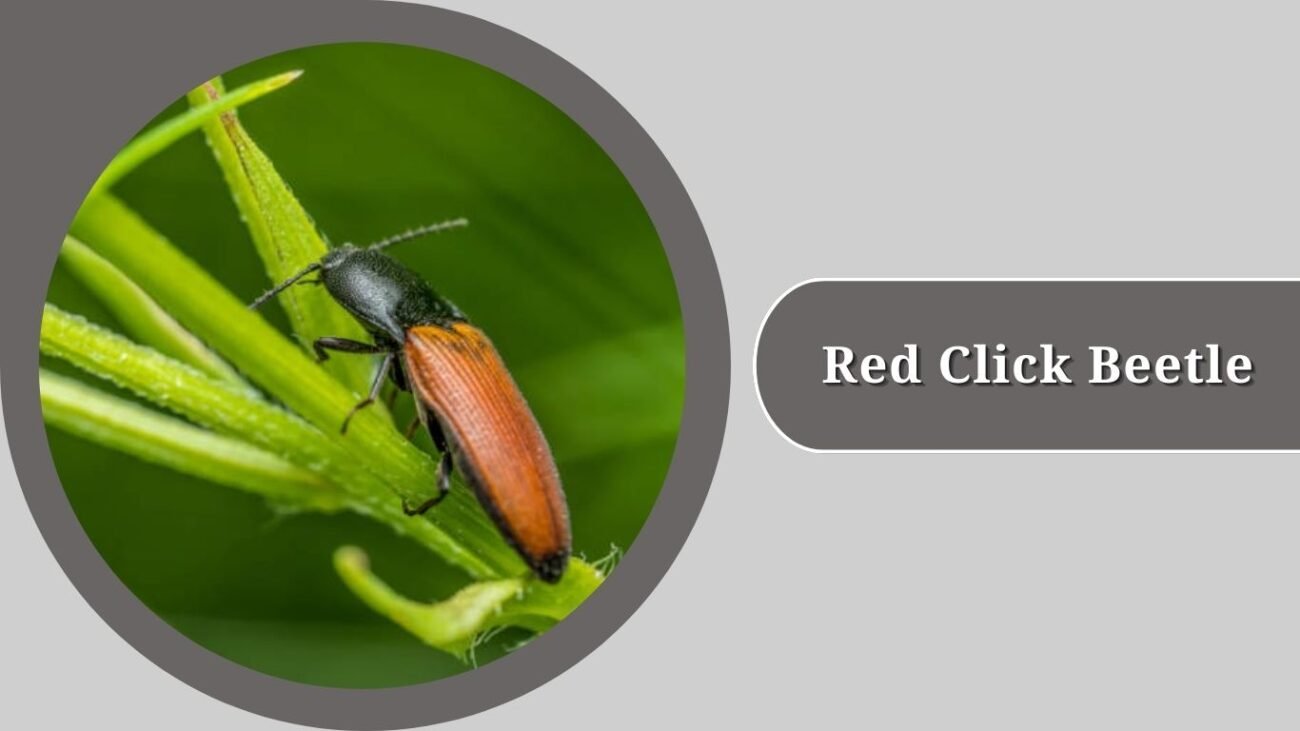
The Red Click Beetle is an eye-catching species because of its reddish or rust-colored body. Its bright appearance sets it apart from the darker click beetles, making it easier to identify in the wild.
Identification
- Elongated body with reddish-brown coloration
- Elytra (wing covers) smooth or finely ridged
- Size ranges from 0.4 to 0.8 inches
- Antennae moderately long and serrated
Habitat
Red Click Beetles are commonly found in meadows, woodlands, and gardens. They prefer habitats with abundant vegetation and moist soil, where their larvae (wireworms) can thrive underground.
Behavior
When threatened, the beetle snaps its thoracic segments together, producing a clicking sound and launching itself into the air. This behavior deters predators and helps the insect regain its footing if flipped over.
Diet
Adults feed lightly on nectar, pollen, and soft plant matter. The larvae live in soil, feeding on plant roots, seeds, and decaying organic material, sometimes becoming pests in agricultural settings.
6. Spruce Click Beetle
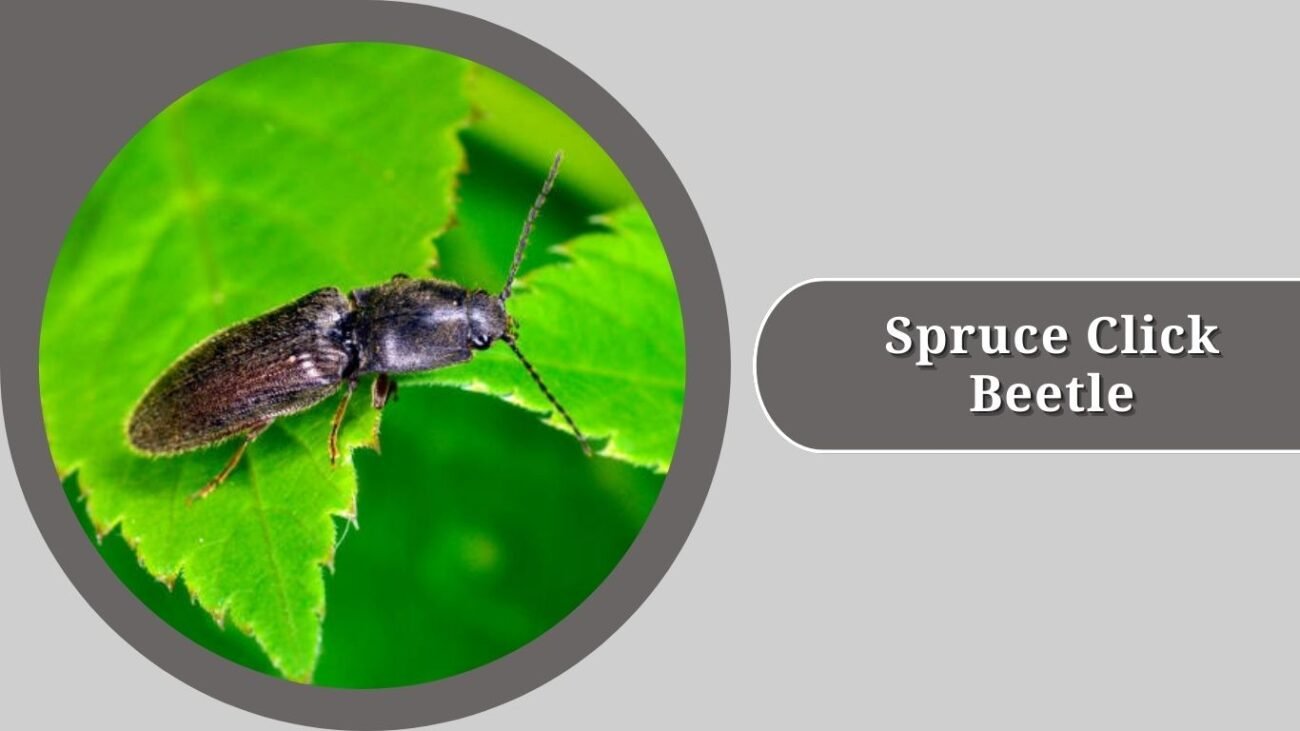
The Spruce Click Beetle is a forest-dwelling species commonly associated with coniferous trees, especially spruce. Its larvae, often called wireworms, are known for feeding on tree roots and decaying wood in forested areas.
Identification
- Elongated, dark brown to black body
- Subtle ridges on the wing covers
- Typically measures 0.6 to 1.2 inches in length
- Antennae moderately long and serrated
Habitat
This species is found mainly in coniferous forests, particularly spruce and pine woodlands. They live under bark, in rotting logs, and within forest soil rich in organic matter.
Behavior
The Spruce Click Beetle uses its click-and-jump mechanism to evade predators and right itself when overturned. They are nocturnal and often drawn to light sources at night.
Diet
Adult beetles feed very little, occasionally on nectar or plant juices. Larvae live in soil and decaying wood, feeding on tree roots, rotting wood fibers, and sometimes small invertebrates.
7. Hypnoidus Click Beetle
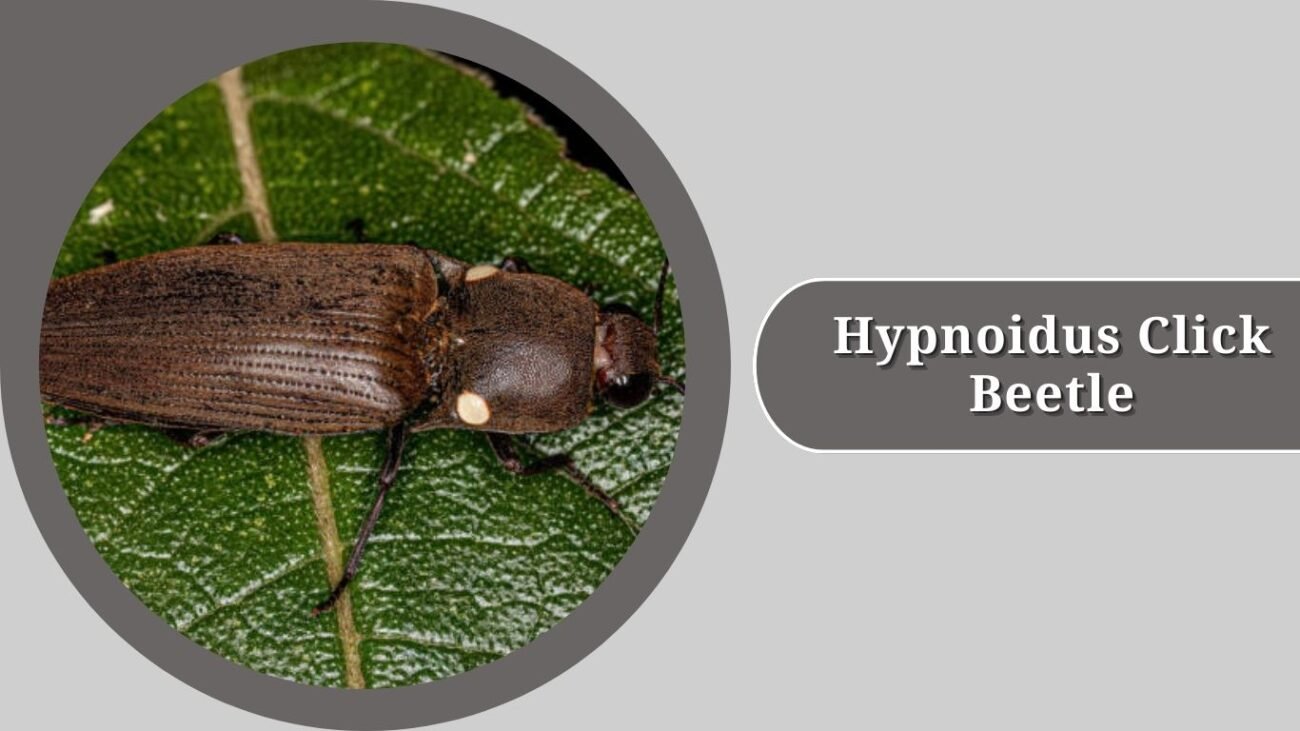
The Hypnoidus Click Beetle is a small, soil-dwelling species often overlooked because of its inconspicuous appearance. Despite its modest size, its larvae are considered pests in agriculture due to their root-feeding habits.
Identification
- Small, elongated body (0.2 to 0.4 inches long)
- Brown to dark brown coloration
- Smooth or slightly ridged elytra
- Antennae short and slightly serrated
Habitat
Hypnoidus Click Beetles are found in fields, meadows, and gardens, particularly in areas with loose, moist soil. They are common in agricultural lands where their larvae can develop underground.
Behavior
These beetles exhibit the typical clicking and jumping mechanism to escape predators. They are more active at night and may be attracted to artificial lights.
Diet
Adults feed sparingly, often on nectar or plant fluids. The larvae (wireworms) live in the soil and feed heavily on seeds, sprouts, and young plant roots, causing damage to crops such as grains, potatoes, and corn.
8. Agrypnus murinus
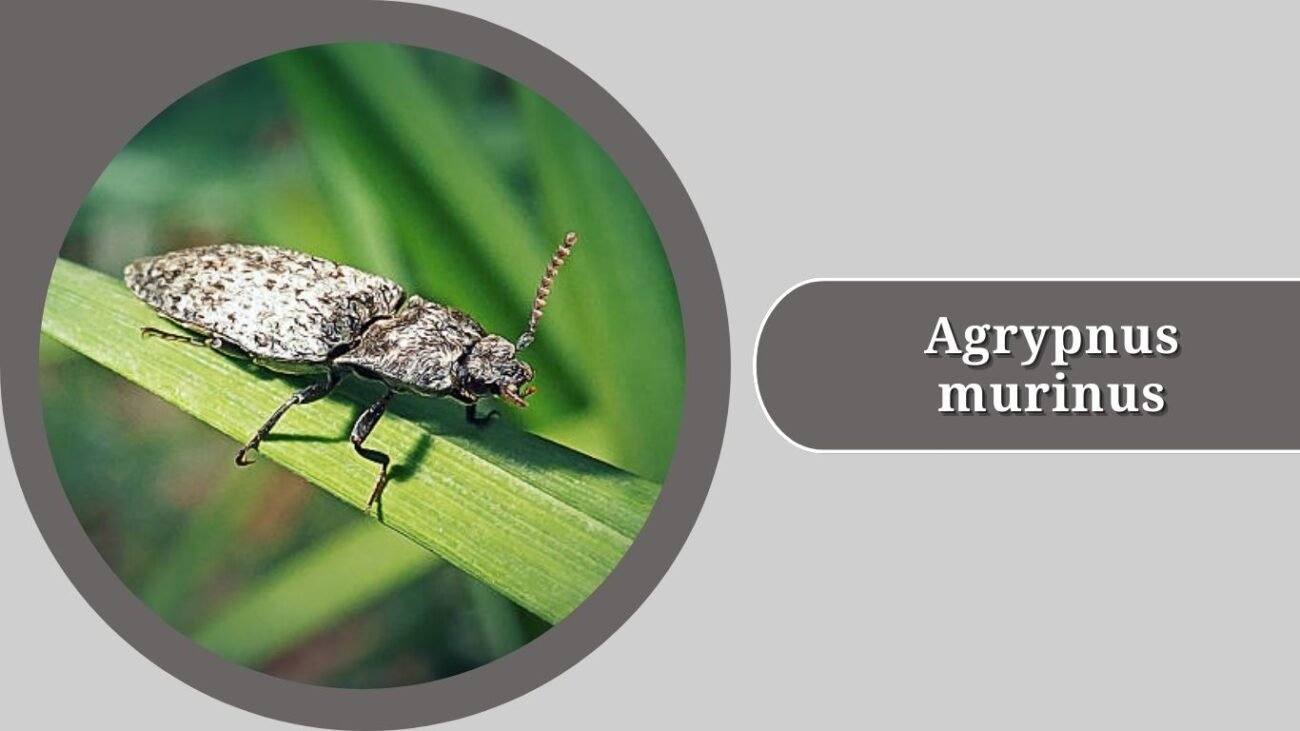
Agrypnus murinus is a widespread click beetle species, easily recognized by its grayish-brown, slightly fuzzy appearance. It is common in gardens, meadows, and forests across Europe and North America.
Identification
- Elongated, grayish-brown body
- Fine, short hairs covering the elytra giving a matte texture
- Size ranges from 0.5 to 1 inch
- Antennae moderately long and serrated
Habitat
This beetle thrives in grasslands, gardens, forests, and areas with rich, loose soil. The larvae develop underground, often feeding on roots and decaying plant matter.
Behavior
Like other click beetles, it uses a clicking mechanism to right itself when overturned and to escape predators. It is primarily nocturnal and may be attracted to lights.
Diet
Adults feed lightly on plant juices and nectar. Larvae (wireworms) are soil dwellers that feed on roots, tubers, and decaying organic material, sometimes causing minor agricultural damage.
9. Lacon murinus
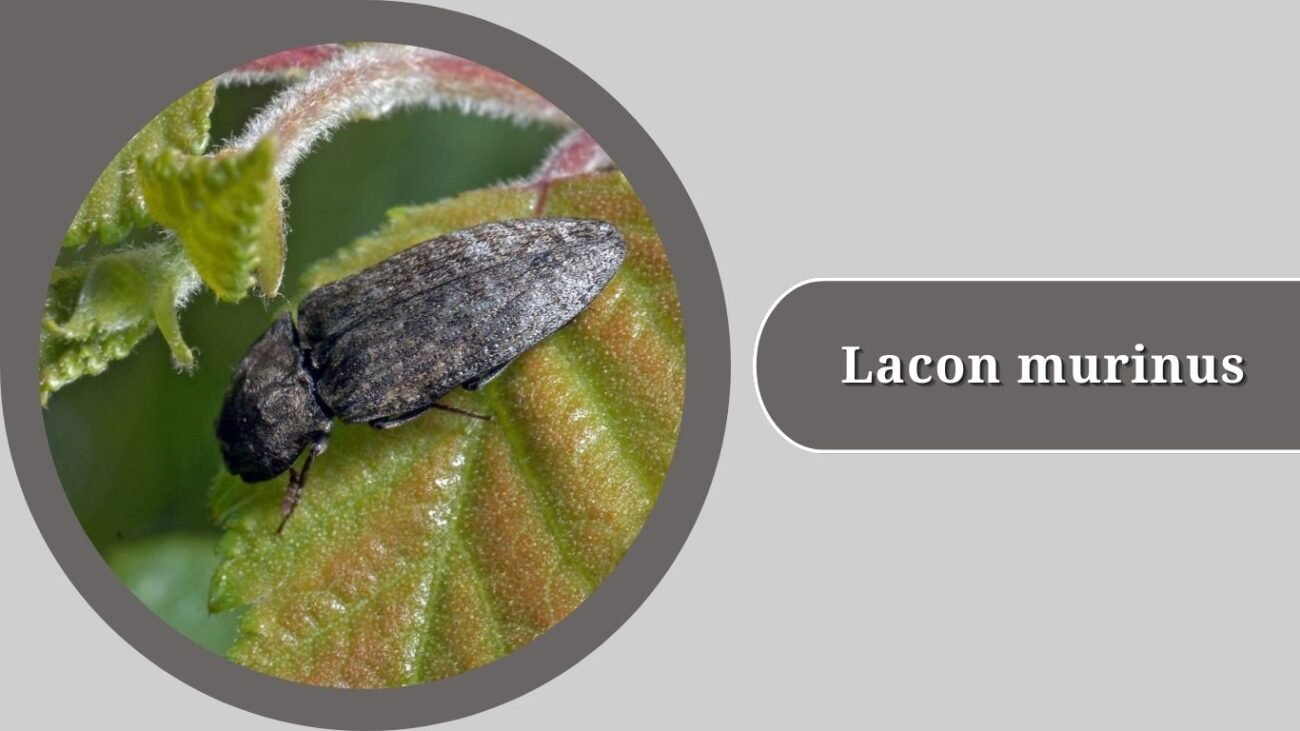
Lacon murinus is a medium-sized click beetle known for its slender, cylindrical body and subtle brown coloration. It is commonly found in temperate forests and grasslands.
Identification
- Elongated, cylindrical body
- Brown to dark brown coloration
- Fine longitudinal ridges on elytra
- Size ranges from 0.6 to 1 inch
- Antennae moderately long and serrated
Habitat
Lacon murinus prefers forest edges, grasslands, gardens, and areas with loose soil. Larvae develop underground, feeding on plant roots and organic matter.
Behavior
This beetle uses its clicking mechanism to right itself when overturned and to escape predators. They are primarily nocturnal and can be attracted to artificial lights.
Diet
Adults feed lightly on plant sap and nectar, while larvae (wireworms) feed on soil-dwelling plant roots and decaying organic material, occasionally impacting crops.
10. Ctenicera pectinicornis
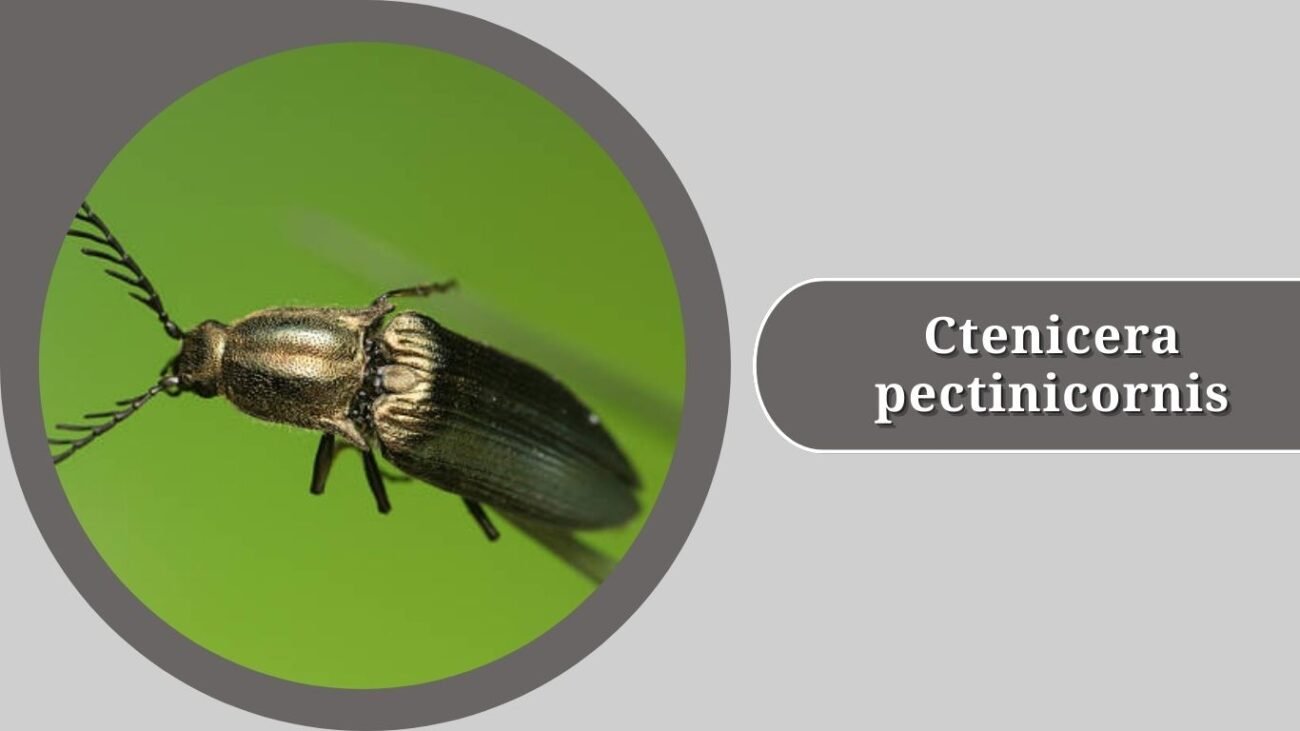
Ctenicera pectinicornis is a distinctive click beetle species notable for its pectinate (comb-like) antennae, which are more pronounced in males. This species is relatively large compared to other click beetles and is found primarily in Europe and parts of Asia.
Identification
- Elongated body with dark brown to black coloration
- Pronounced comb-like antennae, especially in males
- Elytra smooth or slightly ridged
- Size ranges from 0.8 to 1.3 inches
Habitat
Ctenicera pectinicornis inhabits forests, meadows, and areas with abundant decaying wood. Larvae develop in soil or decaying wood, feeding on roots and organic matter. They prefer moist environments and are often found under bark or leaf litter.
Behavior
This species exhibits the characteristic clicking mechanism to escape predators or right itself when flipped over. Adults are mostly nocturnal and can sometimes be attracted to lights.
Diet
Adult beetles feed lightly on plant sap and nectar. Larvae are soil-dwellers that feed on roots, decaying wood, and organic debris, playing an important role in decomposition but sometimes affecting crops.
11. Limonius californicus (Sugarbeet Wireworm Beetle)
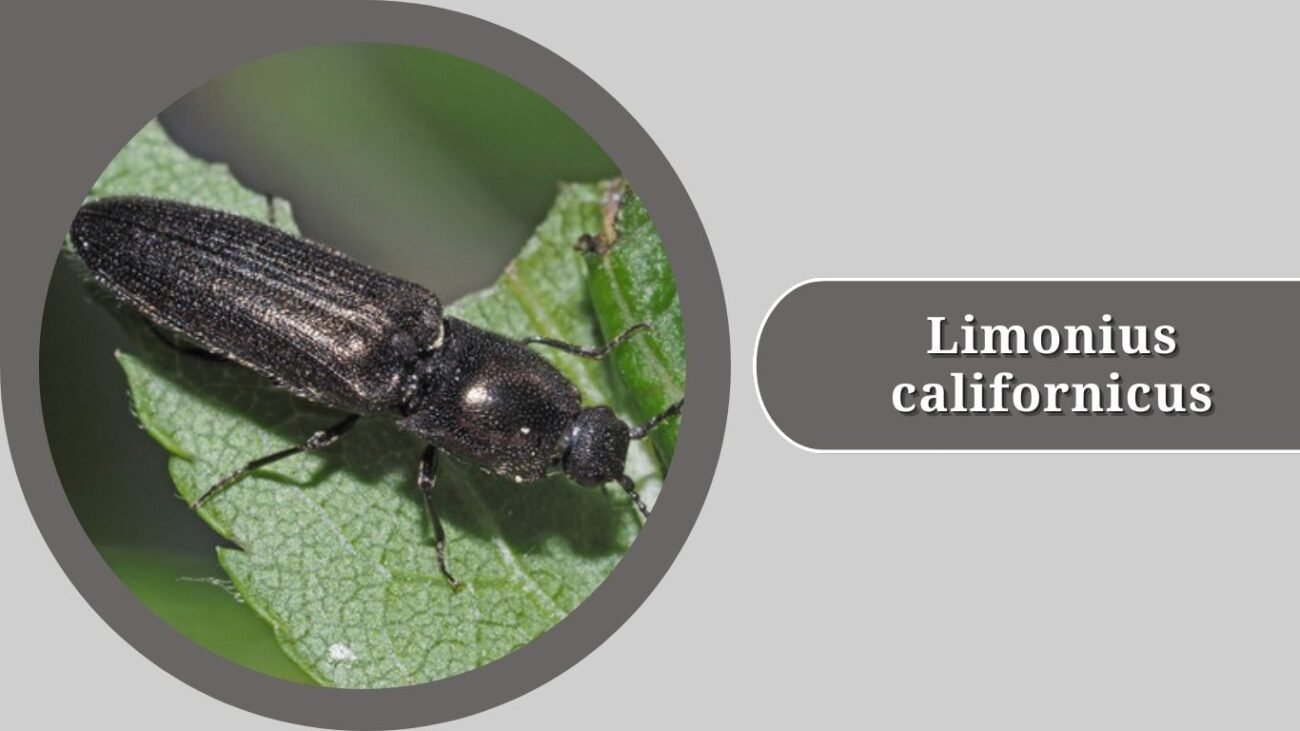
Limonius californicus, commonly known as the Sugarbeet Wireworm Beetle, is a click beetle species infamous for its larval stage, which can severely damage crops like sugarbeets, potatoes, and corn. Adults are moderate-sized beetles that are mostly active at night.
Identification
- Elongated, smooth, dark brown to black body
- Slightly glossy elytra with minimal ridges
- Size ranges from 0.5 to 1 inch
- Antennae short to moderately long, slightly serrated
Habitat
This beetle is primarily found in agricultural fields, gardens, and grasslands with loose, well-drained soil. Larvae develop underground, feeding on roots and tubers, making them a common pest in cultivated lands.
Behavior
Adults use their clicking mechanism to escape predators and right themselves when flipped. They are nocturnal and occasionally attracted to lights. The larvae, or wireworms, can remain in soil for several years, causing ongoing crop damage.
Diet
Adult Limonius californicus feed minimally, consuming nectar or plant juices. The larvae feed heavily on the roots and tubers of crops like sugarbeets, potatoes, and corn, often leading to significant agricultural losses.
12. Athous haemorrhoidalis
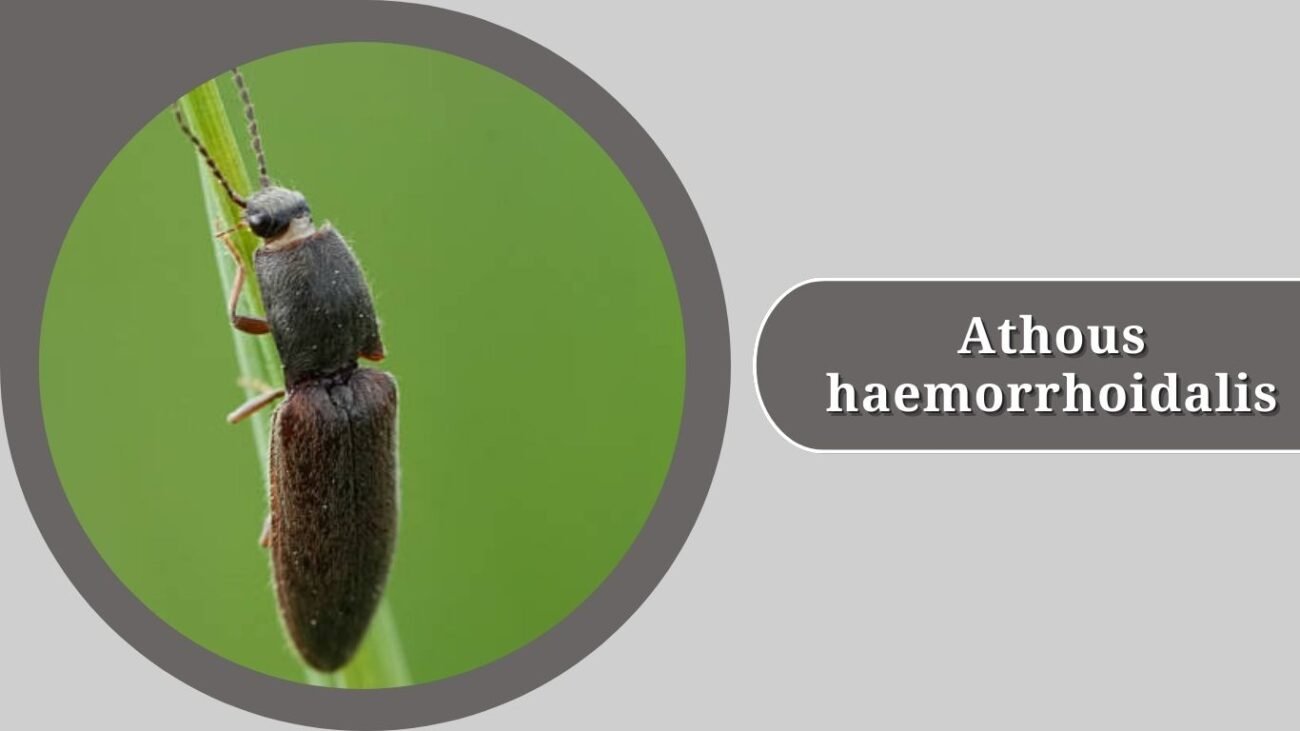
Athous haemorrhoidalis is a small to medium-sized click beetle common across Europe. It is recognized for its reddish-brown legs and subtle body coloration. While adults are mostly harmless, the larvae (wireworms) can damage crops and grasslands.
Identification
- Elongated, narrow body, brown to dark brown
- Reddish-brown legs and antennae
- Elytra smooth with faint longitudinal lines
- Size ranges from 0.4 to 0.8 inches
Habitat
This species thrives in grasslands, meadows, gardens, and cultivated fields. Larvae develop in soil, feeding on plant roots, making them more common in nutrient-rich, moist soils.
Behavior
Athous haemorrhoidalis uses the typical click-and-jump mechanism to escape predators or flip itself over. Adults are mostly nocturnal and can occasionally be found resting on vegetation during the day.
Diet
Adult beetles feed sparingly on nectar or plant fluids. Larvae (wireworms) are root feeders, consuming the roots of grasses and crops, which can sometimes result in reduced agricultural yield.
13. Selatosomus latus
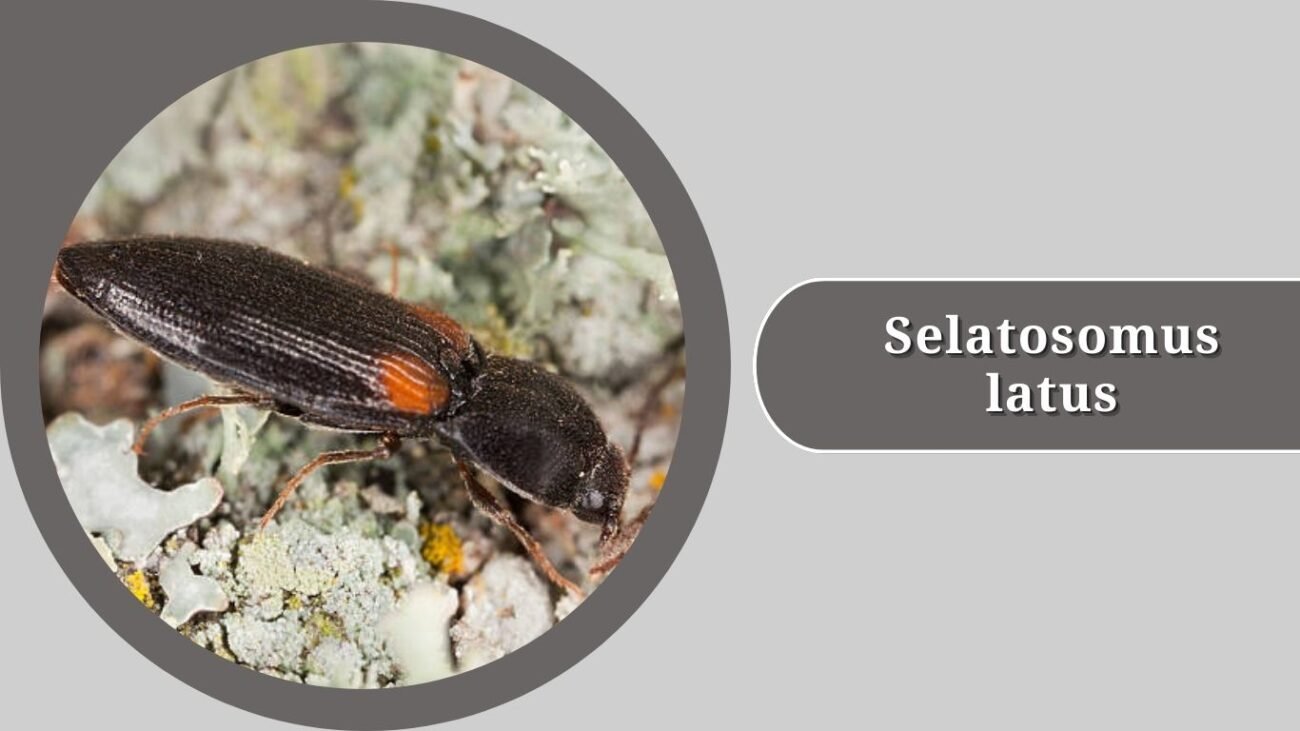
Selatosomus latus is a click beetle species widely distributed across Europe and North America. Known for its relatively broad body and dark coloration, it inhabits grasslands, forests, and agricultural areas. Its larvae are soil-dwelling and feed on plant roots.
Identification
- Broad, elongated body, dark brown to black
- Smooth elytra with subtle longitudinal lines
- Size ranges from 0.5 to 1 inch
- Antennae moderately long, slightly serrated
Habitat
Selatosomus latus prefers meadows, gardens, agricultural lands, and forest edges. Larvae develop in soil, particularly in areas with rich organic matter, feeding on plant roots and decaying vegetation.
Behavior
Like other click beetles, it uses its clicking mechanism to right itself or escape predators. Adults are nocturnal and may be attracted to lights. They are generally harmless above ground.
Diet
Adult Selatosomus latus feed lightly on nectar and plant fluids. Larvae (wireworms) feed on roots and underground plant parts, sometimes causing damage to crops such as grains, potatoes, and vegetables.
14. Melanotus communis

Melanotus communis is a common click beetle found in North America. It is easily recognizable by its elongated, dark-colored body and smooth wing covers. The larvae, known as wireworms, are significant pests in agricultural fields.
Identification
- Elongated, cylindrical body
- Dark brown to black coloration
- Smooth elytra with minimal markings
- Size ranges from 0.5 to 1 inch
- Antennae moderately long and serrated
Habitat
Melanotus communis inhabits fields, meadows, gardens, and areas with loose, moist soil. Larvae develop underground, feeding on roots, seeds, and organic matter, making them common in cultivated lands.
Behavior
This species uses its clicking mechanism to flip itself over or escape predators. Adults are nocturnal and occasionally attracted to lights. The larvae can survive in soil for several years, feeding continuously on plant roots.
Diet
Adult beetles feed minimally on nectar or plant juices. The larvae feed heavily on roots, seeds, and tubers of various crops, including corn, potatoes, and cereals, sometimes causing significant agricultural damage.
15. Ampedus sanguineus
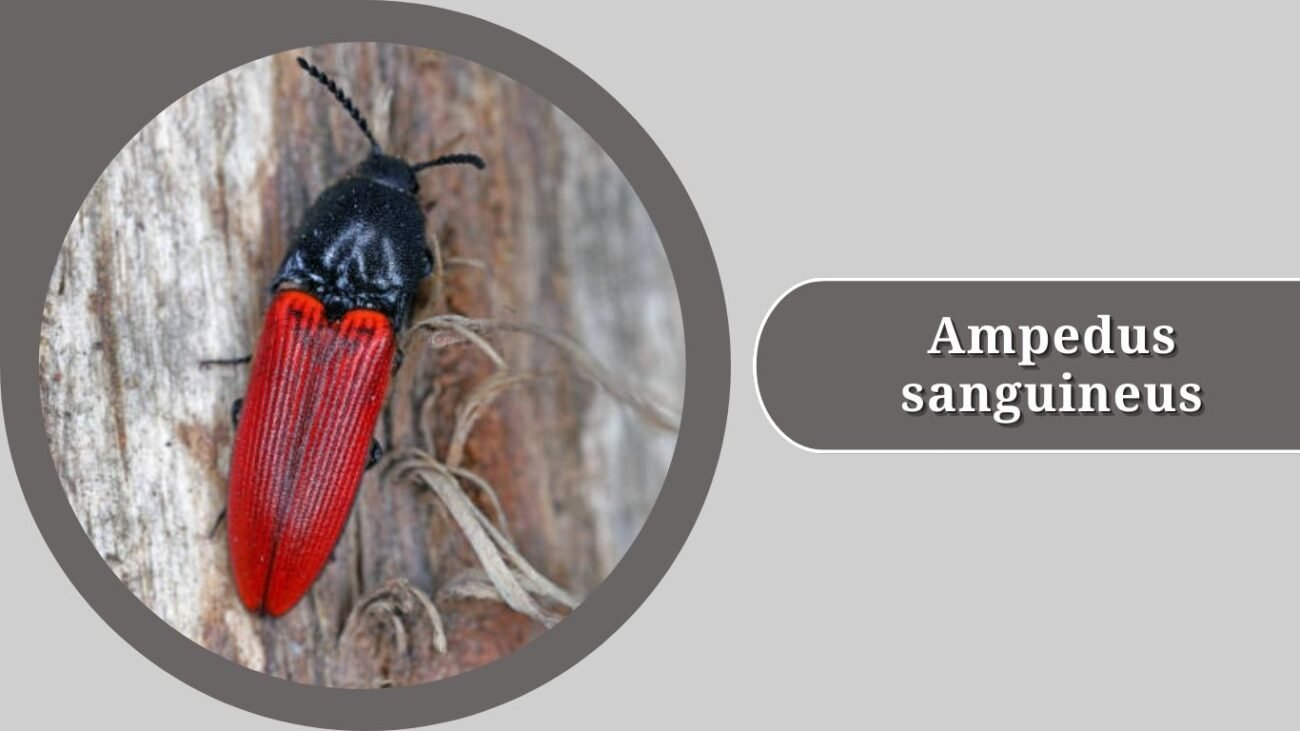
Ampedus sanguineus is a small to medium-sized click beetle, notable for its reddish-brown coloration and slightly flattened body. It is commonly found in forests and woodland areas, especially under bark and in decaying wood.
Identification
- Elongated, slightly flattened body
- Reddish-brown to dark brown coloration
- Smooth elytra with subtle longitudinal lines
- Size ranges from 0.4 to 0.8 inches
- Antennae moderately long, slightly serrated
Habitat
This beetle inhabits forests, woodlands, and areas with abundant decaying wood. Larvae develop under bark or in rotting logs, feeding on wood fibers and other organic matter.
Behavior
Ampedus sanguineus uses its clicking mechanism to right itself and escape predators. Adults are nocturnal and may be attracted to lights, while larvae remain hidden under bark or inside decaying wood.
Diet
Adult beetles feed sparingly on plant fluids or nectar. Larvae feed on decaying wood and organic matter, contributing to decomposition and nutrient cycling within their habitat.
16. Conoderus lividus

Conoderus lividus is a medium-sized click beetle recognized by its bluish-gray or dark metallic coloration. It is commonly found in forested areas and grasslands, where its larvae live underground.
Identification
- Elongated, cylindrical body
- Bluish-gray to dark metallic coloration
- Elytra smooth with faint longitudinal lines
- Size ranges from 0.5 to 1 inch
- Antennae moderately long and serrated
Habitat
Conoderus lividus inhabits forests, grasslands, gardens, and agricultural areas with loose, moist soil. Larvae develop underground, feeding on roots, seeds, and organic debris.
Behavior
This species uses the characteristic click-and-jump mechanism to escape predators or flip itself over. Adults are mostly nocturnal and may be attracted to lights at night.
Diet
Adults feed minimally on nectar or plant fluids. Larvae (wireworms) feed on plant roots and underground seeds, sometimes causing minor damage to crops and garden plants.
17. Hemicrepidius hirtus
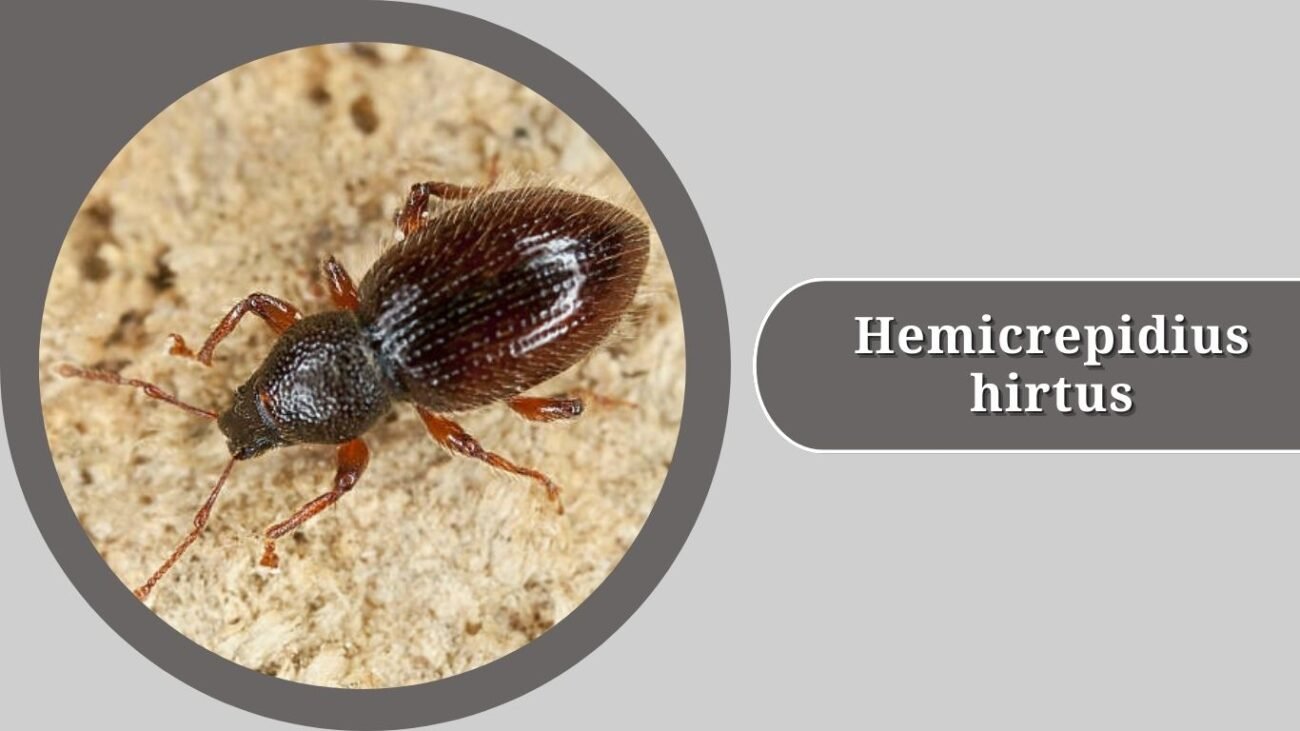
Hemicrepidius hirtus is a click beetle species known for its slightly hairy body and dark brown coloration. It is common in European forests and grasslands and is often found in moist soil or under decaying wood.
Identification
- Elongated body with fine hairs
- Dark brown to black coloration
- Smooth elytra with subtle longitudinal lines
- Size ranges from 0.5 to 0.9 inches
- Antennae moderately long, serrated
Habitat
Hemicrepidius hirtus prefers forests, meadows, and gardens with rich, loose soil. Larvae develop underground or in decaying plant material, feeding on roots and organic matter.
Behavior
Like other click beetles, it uses its clicking mechanism to right itself or escape predators. Adults are nocturnal and occasionally attracted to lights, while larvae remain hidden underground.
Diet
Adult beetles feed lightly on plant fluids and nectar. The larvae (wireworms) feed on roots, tubers, and decaying organic material, contributing to soil aeration but sometimes causing crop damage.
18. Conoderus vespertinus

Conoderus vespertinus is a medium-sized click beetle commonly found in forests, meadows, and agricultural areas. It is recognized for its dark, slightly metallic body and active nocturnal behavior.
Identification
- Elongated, cylindrical body
- Dark brown to black with slight metallic sheen
- Smooth elytra with faint longitudinal lines
- Size ranges from 0.5 to 1 inch
- Antennae moderately long, serrated
Habitat
Conoderus vespertinus inhabits loose, moist soils in forests, grasslands, and cultivated fields. Larvae develop underground, feeding on roots, seeds, and decaying organic matter.
Behavior
This species uses the typical click-and-jump mechanism to escape predators and right itself when overturned. Adults are nocturnal and may be attracted to lights at night.
Diet
Adult beetles feed lightly on nectar and plant fluids. Larvae (wireworms) feed on underground plant roots, seeds, and decaying organic material, sometimes causing damage to crops and garden plants.