Fire ants are a diverse group of ants within the genus Solenopsis, known for their painful stings, aggressive behavior, and ecological impact. Found in regions ranging from North and South America to parts of Asia and beyond, they vary widely in size, coloration, and habits. Understanding their identification, habitats, behaviors, and diets is essential for both ecological study and pest management.
1. Solenopsis invicta
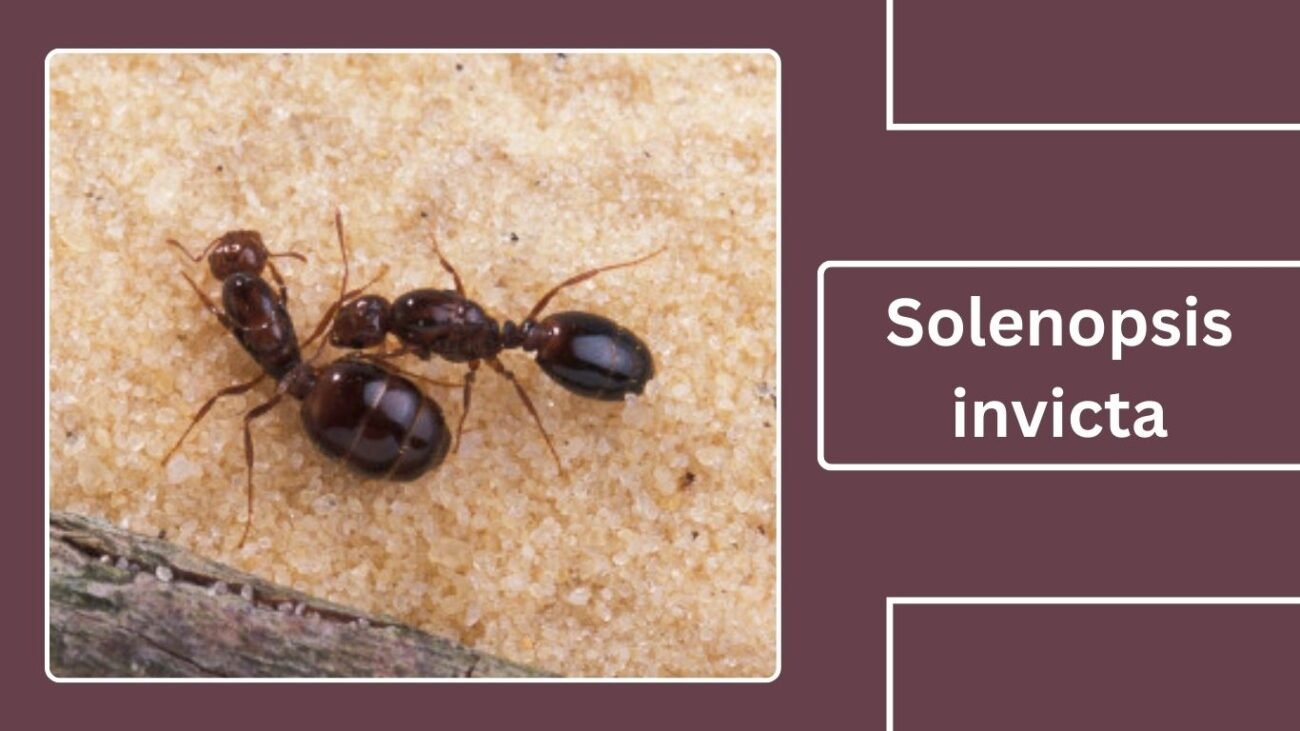
Solenopsis invicta, commonly known as the red imported fire ant, is one of the most aggressive and invasive ant species in the world. It is notorious for its painful stings, rapid colony expansion, and ecological impact on native species and agriculture.
Identification
- Reddish-brown body with darker abdomen.
- Workers range from 2.4 mm to 6 mm in length (polymorphic sizes).
- Antennae with 10 segments and a distinct two-segmented club.
- Characteristic aggressive behavior when disturbed.
- Builds dome-shaped mounds with no visible entrance holes.
Habitat
Native to South America, Solenopsis invicta has spread widely to North America, Asia, Australia, and other regions due to human activity. They thrive in open, sunny areas such as lawns, pastures, roadsides, and agricultural fields, avoiding shaded and dense forest environments.
Behaviors
These ants are highly territorial and will swarm aggressively when their mound is disturbed. Colonies can be monogyne (single queen) or polygyne (multiple queens), influencing colony size and expansion rate. They display coordinated foraging trails and strong competitive dominance over native ant species.
Diet
Solenopsis invicta is omnivorous, feeding on insects, small animals, seeds, and plant material. They also scavenge human food and livestock feed. Their flexible diet contributes to their success as invasive pests, often disrupting local ecosystems.
2. Solenopsis richteri

Solenopsis richteri, commonly called the black imported fire ant, is closely related to the red imported fire ant (Solenopsis invicta). While less widespread, it shares many invasive traits but is generally darker in color and less aggressive compared to its red counterpart.
Identification
- Dark brown to nearly black body coloration.
- Workers vary in size from 2.4 mm to 6 mm (polymorphic).
- Antennae with 10 segments and a two-segmented club.
- Builds soil mounds, typically smaller than those of Solenopsis invicta.
- Less aggressive but still capable of delivering painful stings.
Habitat
Native to South America, Solenopsis richteri has established populations in parts of the southern United States, especially in Mississippi, Alabama, and Tennessee. It favors open and disturbed habitats such as fields, pastures, and lawns, similar to S. invicta.
Behaviors
Colonies of S. richteri can be monogyne or polygyne, with population sizes ranging from thousands to hundreds of thousands. Although less aggressive than S. invicta, these ants defend their nests vigorously and can outcompete other native ant species.
Diet
Solenopsis richteri is omnivorous, feeding on live insects, carrion, seeds, and plant material. It also preys on small vertebrates and is attracted to human food sources. Its opportunistic feeding habits support its survival in diverse environments.
3. Solenopsis geminata
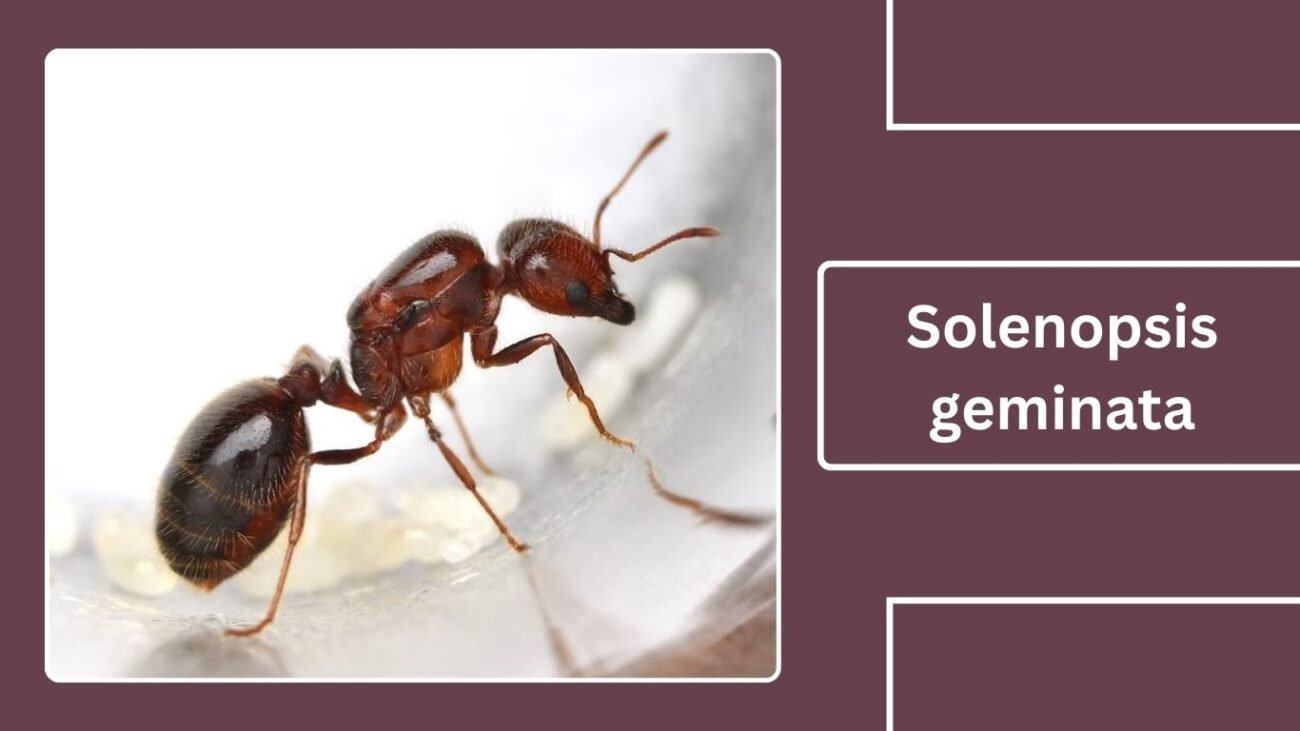
Solenopsis geminata, commonly known as the tropical fire ant, is one of the most widespread fire ant species. It is notorious for its painful sting and its ability to establish large colonies in both urban and agricultural settings.
Identification
- Reddish-brown body with a darker abdomen.
- Workers are highly polymorphic, ranging from 2 mm to 6 mm in length.
- Antennae with 10 segments and a two-segmented club.
- Characteristic square-shaped head in larger workers (majors).
- Nests often form conspicuous soil mounds.
Habitat
Native to Central and South America, Solenopsis geminata has spread to tropical and subtropical regions worldwide, including Asia, Africa, and Pacific islands. It thrives in disturbed habitats, agricultural land, lawns, and open fields with abundant sunlight.
Behaviors
This species is highly aggressive and known for its painful sting, which can cause severe allergic reactions in some individuals. Colonies may be monogyne or polygyne and can contain hundreds of thousands of workers. They actively forage in large numbers and often dominate local ant populations, displacing native species.
Diet
Solenopsis geminata is an opportunistic omnivore, consuming insects, small animals, seeds, fruits, and human food scraps. It also tends to attack newly planted crops, making it a significant agricultural pest in many regions.
4. Solenopsis xyloni

Solenopsis xyloni, commonly known as the southern fire ant, is a native North American fire ant species. It is aggressive but not as invasive as imported fire ants, though it can still cause painful stings and become a nuisance in human habitats.
Identification
- Reddish-brown head and thorax with a darker abdomen.
- Workers are polymorphic, ranging from 2.5 mm to 6 mm in size.
- Antennae with 10 segments and a two-segmented club.
- Builds irregular soil nests, sometimes under rocks, logs, or pavements.
- Known for rapid, swarming attacks when disturbed.
Habitat
Native to the southwestern United States and northern Mexico, Solenopsis xyloni thrives in arid and semi-arid environments. It often nests in open fields, pastures, lawns, and urban areas. Colonies may be found in sandy or loamy soil with access to vegetation.
Behaviors
Southern fire ants are aggressive defenders of their nests, swarming quickly when disturbed. They can establish both monogyne and polygyne colonies, though population sizes are usually smaller than those of imported fire ants. Their foraging is highly organized, and they often compete strongly with other ant species.
Diet
Solenopsis xyloni is an omnivore, feeding on live insects, dead animals, seeds, honeydew from aphids, and human food scraps. Their broad diet allows them to adapt to a variety of habitats, from natural ecosystems to urban areas.
5. Solenopsis aurea

Solenopsis aurea, often referred to as the golden fire ant, is a less aggressive species compared to the infamous imported fire ants. It is mainly recognized by its golden coloration and preference for arid habitats.
Identification
- Distinct golden-yellow to light reddish coloration.
- Workers range from 2 mm to 5 mm in size.
- Antennae with 10 segments and a two-segmented club.
- Nests are typically small, shallow, and built in sandy or loose soil.
- Less aggressive than most other fire ant species.
Habitat
Solenopsis aurea is native to the southwestern United States and northern Mexico. It is commonly found in deserts, grasslands, and dry open areas where sandy soil is abundant. Colonies are often located in exposed areas with little vegetation cover.
Behaviors
Colonies are smaller than those of more invasive fire ants, with populations generally in the thousands rather than hundreds of thousands. While capable of stinging, this species is less aggressive and less likely to swarm in large numbers. They prefer to avoid conflict but will defend their nests when threatened.
Diet
The golden fire ant is omnivorous, feeding on seeds, nectar, small insects, and honeydew from sap-feeding insects. Their diet reflects their adaptation to harsher, arid environments with limited food resources.
6. Solenopsis amblychila

Solenopsis amblychila, sometimes called the desert fire ant, is a relatively rare species that inhabits arid regions. It is less aggressive than imported fire ants but still capable of delivering painful stings when disturbed.
Identification
- Pale yellow to light brown coloration.
- Workers range from 2.5 mm to 6 mm in size.
- Antennae with 10 segments and a two-segmented club.
- Nests are typically small, often under rocks or in sandy soil.
- Less polymorphism compared to some other Solenopsis species.
Habitat
Native to the deserts and arid regions of the southwestern United States and northern Mexico, Solenopsis amblychila thrives in sandy or rocky soils. It often nests in exposed areas with limited vegetation, making it well-suited to hot and dry climates.
Behaviors
This species is less aggressive than the notorious Solenopsis invicta but will defend its nests if disturbed. Colonies are relatively small, usually numbering only a few thousand workers. Their activity levels are strongly influenced by temperature, often peaking in the cooler hours of the day.
Diet
Solenopsis amblychila is omnivorous, feeding on small insects, carrion, seeds, and sugary substances such as nectar and honeydew. Their feeding flexibility helps them survive in challenging desert ecosystems with fluctuating food availability.
7. Solenopsis saevissima
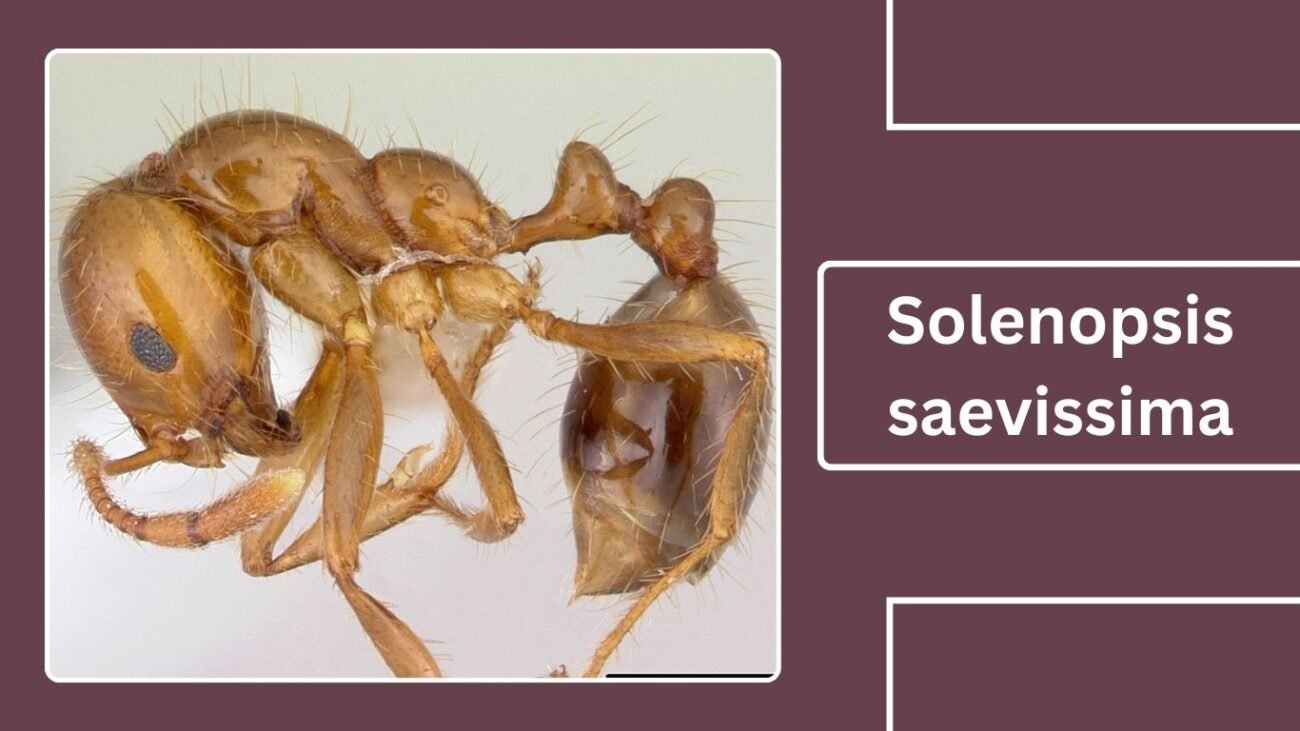
Solenopsis saevissima is considered one of the most aggressive fire ant species and is the namesake of the saevissima species group. It is native to South America and closely resembles other imported fire ants in behavior and appearance.
Identification
- Reddish-brown body with darker abdomen.
- Workers range from 2.4 mm to 6 mm in length (polymorphic).
- Antennae with 10 segments and a two-segmented club.
- Builds conspicuous soil mounds with underground tunnel networks.
- Very aggressive when nests are disturbed, swarming rapidly.
Habitat
Native to South America, Solenopsis saevissima thrives in tropical and subtropical regions. It prefers open areas, pastures, and disturbed habitats but can also establish colonies in urban environments.
Behaviors
Known for extreme aggression, colonies of S. saevissima will attack en masse when threatened. Colonies can be both monogyne and polygyne, sometimes containing hundreds of thousands of workers. Their foraging is highly organized, and they can dominate local insect populations.
Diet
Solenopsis saevissima is omnivorous, consuming live insects, carrion, seeds, fruits, and honeydew. They also scavenge human food and livestock feed, contributing to their reputation as pests. Their flexible diet supports their survival and expansion in diverse habitats.
8. Solenopsis megergates
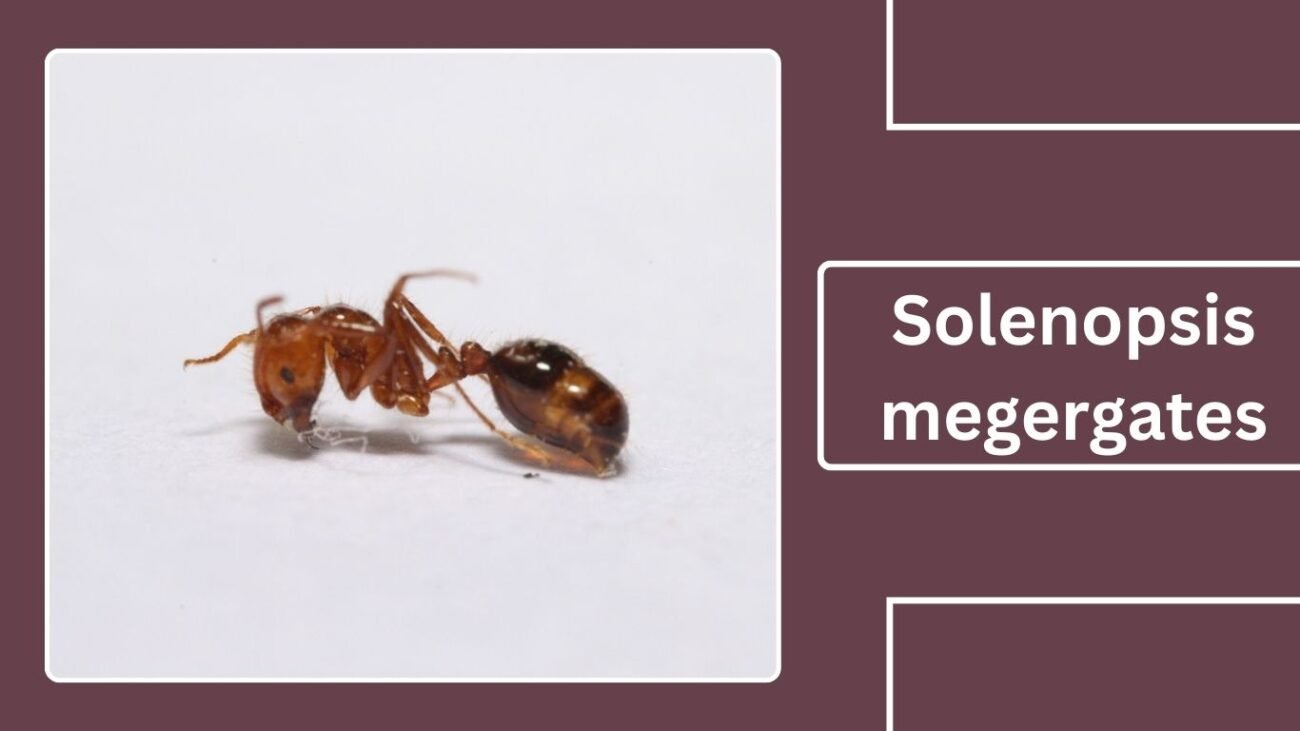
Solenopsis megergates is a lesser-known species of fire ant belonging to the saevissima species group. Though not as widespread or infamous as Solenopsis invicta or Solenopsis saevissima, it shares many of their characteristic traits, including aggressive behavior and painful stings.
Identification
- Reddish-brown body, sometimes darker on the abdomen.
- Workers are polymorphic, typically ranging from 2 mm to 6 mm in length.
- Antennae with 10 segments and a two-segmented club.
- Nests are usually dome-shaped soil mounds with concealed entrances.
- Aggressive defense response when disturbed.
Habitat
Solenopsis megergates is native to South America, primarily inhabiting tropical and subtropical regions. It is found in open fields, agricultural areas, and disturbed habitats where soil is loose enough for mound construction.
Behaviors
Colonies of S. megergates can be monogyne or polygyne, with populations ranging from tens of thousands to hundreds of thousands of workers. The species is aggressive, often swarming intruders quickly. Foraging occurs along organized trails, and workers cooperate to subdue prey or transport food.
Diet
This species is omnivorous, feeding on small insects, carrion, plant matter, seeds, and honeydew from sap-feeding insects. Like other fire ants, its varied diet helps it adapt to a range of habitats and compete successfully with native ant species.
9. Solenopsis pergandei

Solenopsis pergandei is a species of fire ant that plays a more specialized ecological role compared to its aggressive relatives. Rather than being a dominant forager, it is often associated with other ant colonies in a parasitic relationship.
Identification
- Small to medium-sized workers, generally 2 mm to 5 mm in length.
- Reddish-brown to dark brown coloration.
- Antennae with 10 segments and a two-segmented club.
- Less polymorphic than highly invasive fire ants like S. invicta.
- Nests are often inconspicuous and may occur near other ant colonies.
Habitat
Native to North America, Solenopsis pergandei is typically found in the southeastern United States. It prefers sandy or loamy soils and often coexists near the nests of other ant species, exploiting their resources.
Behaviors
Unlike many other fire ants, S. pergandei is less aggressive and often engages in social parasitism, depending on other ant species to establish or sustain its colonies. Colonies tend to be smaller than those of invasive fire ants, with lower worker populations.
Diet
Solenopsis pergandei is omnivorous, feeding on small insects, seeds, and honeydew. Because of its association with other ant colonies, it may also scavenge food resources indirectly obtained through host ants.
10. Solenopsis tennesseensis

Solenopsis tennesseensis is a relatively uncommon species of fire ant found in parts of North America. Unlike the notorious imported fire ants, it is not considered a major pest species, but it still possesses the defensive sting typical of the genus.
Identification
- Small to medium-sized workers, ranging from 2 mm to 5 mm.
- Reddish-brown coloration, sometimes darker on the abdomen.
- Antennae with 10 segments and a two-segmented club.
- Less polymorphic than invasive fire ants such as S. invicta.
- Nests are often inconspicuous, located in soil or beneath debris.
Habitat
Native to the southeastern United States, Solenopsis tennesseensis typically inhabits fields, grasslands, and open woodlands. It prefers sandy or loamy soils and is less commonly found in urban environments compared to invasive fire ants.
Behaviors
This species is not as aggressive as imported fire ants, though workers will defend their nests when disturbed. Colonies are generally small, consisting of thousands rather than hundreds of thousands of individuals. Their activity patterns vary seasonally, with peak foraging occurring in warmer months.
Diet
Solenopsis tennesseensis is omnivorous, feeding on small insects, seeds, nectar, and honeydew from sap-feeding insects. Its generalist feeding habits allow it to survive in diverse environments, though it does not dominate ecosystems like invasive fire ants.
11. Solenopsis tridens
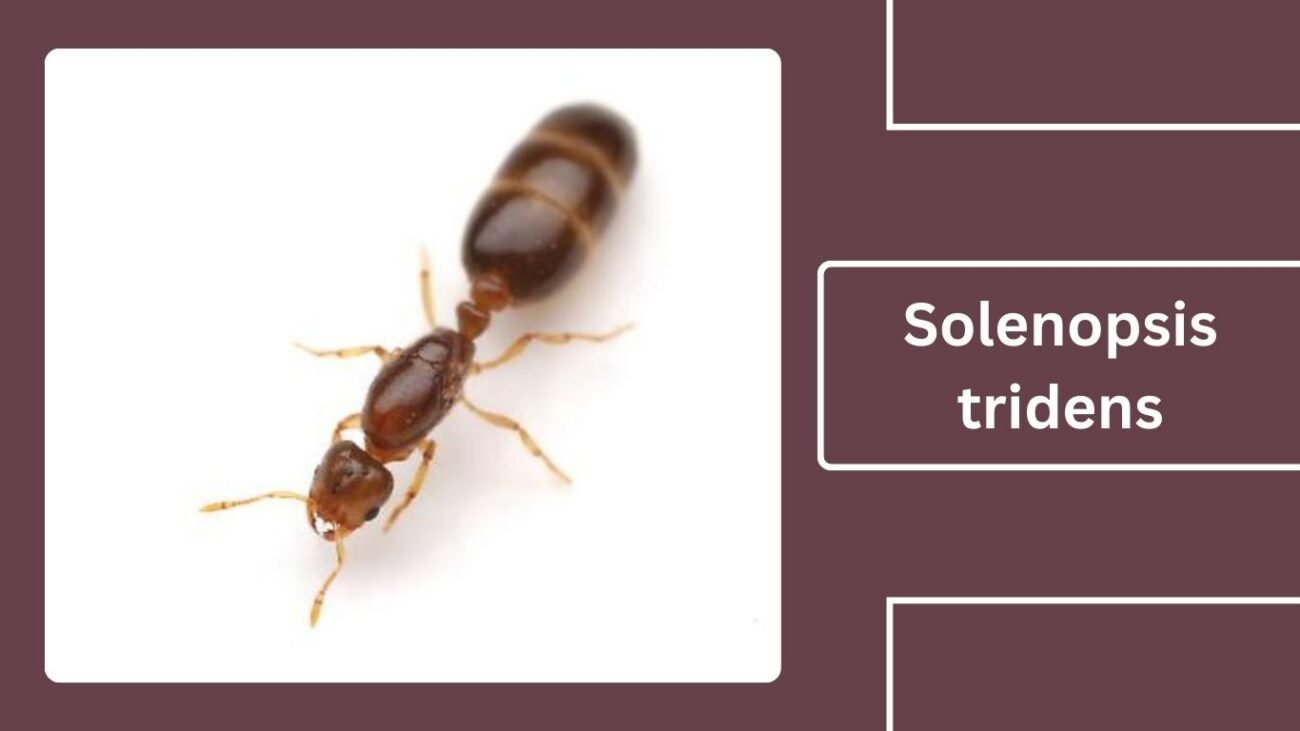
Solenopsis tridens is a South American fire ant species belonging to the saevissima group. While less studied than the infamous imported fire ants, it shares many of their characteristic traits, including aggressive nest defense and painful stings.
Identification
- Workers are reddish-brown to dark brown.
- Size ranges from 2 mm to 6 mm (polymorphic).
- Antennae with 10 segments and a two-segmented club.
- Colonies form dome-shaped soil mounds, often with multiple entrances.
- Known for aggressive behavior when disturbed.
Habitat
Native to South America, Solenopsis tridens inhabits tropical and subtropical regions. It prefers open habitats, agricultural fields, and disturbed soils where vegetation is sparse, allowing easy mound construction.
Behaviors
Colonies can be either monogyne or polygyne, with populations ranging into the hundreds of thousands. Like other fire ants, S. tridens mounts coordinated swarm attacks when its mound is disturbed. Foraging trails are well-organized, and workers can dominate local food sources.
Diet
Solenopsis tridens is omnivorous, feeding on small insects, carrion, seeds, and plant material. It also tends to harvest honeydew from sap-feeding insects and will scavenge food scraps, making it a potential pest in agricultural regions.
12. Solenopsis virulens
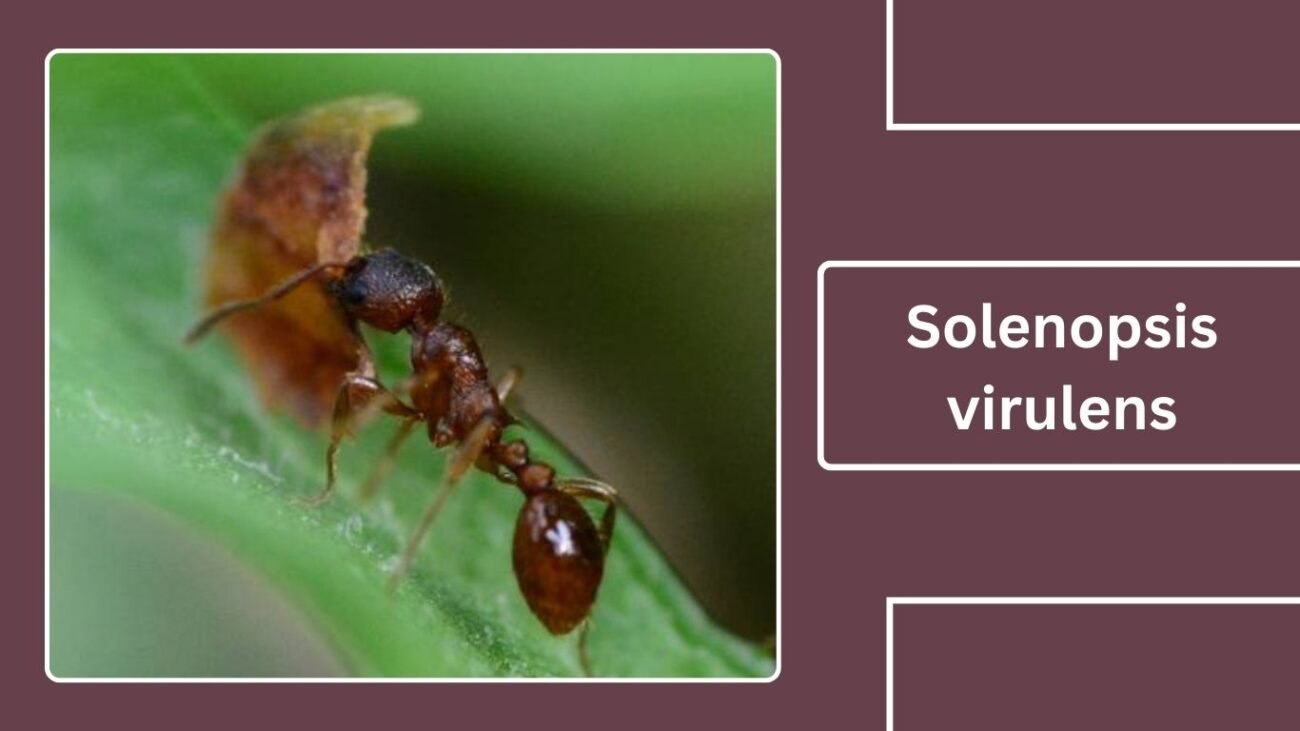
Solenopsis virulens is another member of the saevissima species group of fire ants, native to South America. Although not as globally notorious as Solenopsis invicta, it exhibits similar aggressive tendencies and can deliver painful stings.
Identification
- Reddish-brown to dark brown coloration.
- Workers range from 2 mm to 6 mm in size (polymorphic).
- Antennae with 10 segments and a distinct two-segmented club.
- Nests are soil mounds with concealed or multiple entrances.
- Notable for rapid, aggressive defense when disturbed.
Habitat
This species is native to tropical and subtropical South America, where it thrives in open areas, farmlands, and disturbed soils. Colonies are often found in sunny environments with loose soil suitable for excavation.
Behaviors
Solenopsis virulens is highly aggressive, attacking intruders in coordinated swarms. Colonies may be monogyne or polygyne, with large populations reaching hundreds of thousands of workers. Like other fire ants in the group, they create extensive foraging trails and exert dominance over local insect populations.
Diet
The species is omnivorous, consuming insects, seeds, carrion, fruits, and honeydew. Its flexible diet supports rapid colony growth and allows it to exploit a wide range of environments.