Carpenter ants are among the largest and most fascinating ant species, widely distributed across forests, grasslands, and urban areas. Known for their ability to excavate wood to build elaborate nests, these ants play an important ecological role while sometimes becoming household pests. Each species differs in appearance, habitat preference, and behavior. Below, we explore ten notable carpenter ant species, focusing on their identification, lifestyle, and survival strategies.
1. Camponotus pennsylvanicus

Camponotus pennsylvanicus, commonly known as the black carpenter ant, is one of the most widespread carpenter ant species in North America. Known for their large size and wood-nesting habits, these ants are often mistaken for pests because they excavate wood to build their nests, though they do not consume it.
Identification
- Large ants, ranging from 6 mm to 13 mm in length.
- Shiny black body with a smooth texture.
- Elbowed antennae typical of ants.
- Workers are polymorphic, with distinct size variations.
- Powerful mandibles adapted for chewing wood.
Habitat
Camponotus pennsylvanicus is primarily found in wooded areas, forests, and near decaying or moist wood. They frequently nest inside rotting logs, tree stumps, and sometimes within man-made wooden structures, particularly those exposed to moisture.
Behavior
These ants are nocturnal foragers, forming long trails while searching for food. Colonies are large, with a queen and thousands of workers, and they establish satellite nests connected to the main colony. They are highly organized and protect their nests aggressively if disturbed.
Diet
Unlike termites, carpenter ants do not eat wood. Instead, they feed on a variety of food sources, including plant juices, honeydew from aphids, and other insects. They are also opportunistic scavengers, often entering homes to feed on sugary foods.
Lifecycle
A new colony begins when a mated queen establishes a nest after her nuptial flight. The queen rears the first generation of workers alone, after which the colony expands rapidly. Colonies can live for many years, with queens surviving up to 15 years and workers living several months to a year.
2. Camponotus floridanus

Camponotus floridanus, commonly known as the Florida carpenter ant, is a large and prominent ant species native to the southeastern United States. They are especially abundant in Florida, where they are known for nesting in both natural and urban environments. These ants are often noticed due to their large size and reddish-black coloration.
Identification
- Workers range from 6 mm to 12 mm in length.
- Bicolored body: reddish-brown head and thorax with a darker black abdomen.
- Polymorphic workers, with major and minor castes.
- Strong mandibles for chewing and defending the colony.
- Fine hairs on the body give a slightly shiny appearance.
Habitat
Camponotus floridanus nests in a variety of places, including rotting wood, tree cavities, logs, and soil. In urban areas, they may invade attics, wall voids, and structures with moisture-damaged wood. They prefer warm, humid environments, making Florida an ideal habitat.
Behavior
This species is mainly nocturnal, foraging at night in long trails. Colonies are very large, sometimes exceeding several thousand individuals. They establish both primary nests (with the queen) and satellite nests, which may be spread across a wide area. They are non-aggressive unless provoked but will defend their colony fiercely.
Diet
Like other carpenter ants, they do not consume wood. Instead, they feed on honeydew from aphids, nectar, fruit juices, and insects. They are also common household pests, attracted to sweet foods and occasionally proteins in human dwellings.
Lifecycle
A colony begins when a fertilized queen selects a nest site and raises her first brood. Over time, the colony grows, with thousands of workers developing satellite nests to expand their territory. Colonies can persist for many years, with queens living up to 10–12 years under favorable conditions.
3. Camponotus chromaiodes

Camponotus chromaiodes, often called the red carpenter ant, is a striking species found across the eastern United States. Recognized for its reddish coloration and large colonies, it is one of the most visually distinct carpenter ants and is frequently encountered in wooded areas as well as suburban environments.
Identification
- Workers range from 6 mm to 12 mm in length.
- Distinct reddish head and thorax with a black abdomen.
- Polymorphic castes: major workers (larger) and minor workers (smaller).
- Smooth, shiny exoskeleton with sparse body hairs.
- Strong mandibles adapted for cutting and carrying food.
Habitat
Camponotus chromaiodes prefers wooded areas, nesting in decayed logs, tree stumps, and fallen branches. They may also build nests in moist, damaged wooden structures near human dwellings. Colonies are often extensive and spread out, with multiple satellite nests.
Behavior
This species is highly social and forms visible foraging trails, usually active during the night. Workers are efficient at gathering both plant-based and insect food. While not aggressive without provocation, they defend their nests vigorously. Colonies can number in the thousands and may span large territories due to their satellite nests.
Diet
Their diet consists of honeydew from aphids, tree sap, plant nectars, and dead insects. They may also enter homes in search of sweet foods and proteins. Unlike termites, they do not consume wood but excavate it to build their nests.
Lifecycle
The colony starts with a single queen after her nuptial flight, who raises the first brood of workers. Over several years, the colony matures, reaching thousands of ants and establishing satellite nests. Queens can live up to a decade, ensuring long-term colony survival.
4. Camponotus vicinus

Camponotus vicinus is a widespread carpenter ant species found primarily in western North America. It is recognized for its adaptability, nesting in both natural habitats and human structures. Its large colonies and wide distribution make it one of the most studied carpenter ants in its range.
Identification
- Workers vary from 6 mm to 13 mm in length.
- Coloration ranges from black to reddish-brown, often with a darker abdomen.
- Polymorphic workers with noticeable size differences.
- Strong mandibles designed for excavation and defense.
- Smooth, shiny exoskeleton with sparse hairs.
Habitat
Camponotus vicinus inhabits forests, deserts, grasslands, and urban environments. They typically nest in dead wood, tree stumps, or beneath stones, but can also infest wooden structures. Their adaptability allows them to survive in diverse climates, from arid regions to moist forests.
Behavior
These ants are primarily nocturnal, foraging at night in organized trails. Colonies are large and complex, with both primary and satellite nests. While generally non-aggressive, they defend their colony when disturbed. They are known for their persistence in both natural and urban areas.
Diet
Their diet consists mainly of honeydew from aphids, plant nectars, fruit juices, and insects. They may also scavenge inside human dwellings for sugary foods and proteins. Like other carpenter ants, they excavate wood for nesting but do not consume it.
Lifecycle
Colonies begin with a mated queen that establishes the initial brood. Over time, the colony expands to thousands of workers, with multiple satellite nests forming. The queen has a long lifespan, often surviving 10 years or more, while workers live from several months to over a year.
5. Camponotus modoc

Camponotus modoc, commonly known as the western black carpenter ant, is one of the most common carpenter ant species in western North America. It is a notable structural pest, as it frequently nests in moist or decaying wood within human buildings, causing significant damage over time.
Identification
- Workers range from 6 mm to 13 mm in length.
- Shiny black body, sometimes with faint reddish tones on the thorax.
- Polymorphic workers: major workers are large and robust, while minor workers are smaller.
- Strong mandibles adapted for chewing and excavation.
- Sparse golden hairs on the abdomen, giving a slightly glossy appearance.
Habitat
Camponotus modoc prefers forests, wooded areas, and moist environments. They nest in logs, stumps, and dead trees, but they are also highly adapted to urban habitats. They often invade homes, especially where wood has been weakened by moisture.
Behavior
This species is nocturnal, foraging mainly at night in organized trails. Colonies are large, numbering in the thousands, with a central nest and several satellite nests. They are highly defensive of their territory and may become aggressive when threatened.
Diet
Like other carpenter ants, they do not consume wood but feed on honeydew from aphids, tree sap, fruit juices, insects, and household food sources such as sweets and proteins. Their foraging habits make them frequent invaders of kitchens and pantries.
Lifecycle
Colonies begin with a single queen after her nuptial flight. She raises the first brood alone, and as the colony grows, additional castes develop. Colonies may take years to reach maturity but can persist for over a decade. Queens live up to 15 years, ensuring colony stability over time.
6. Camponotus herculeanus
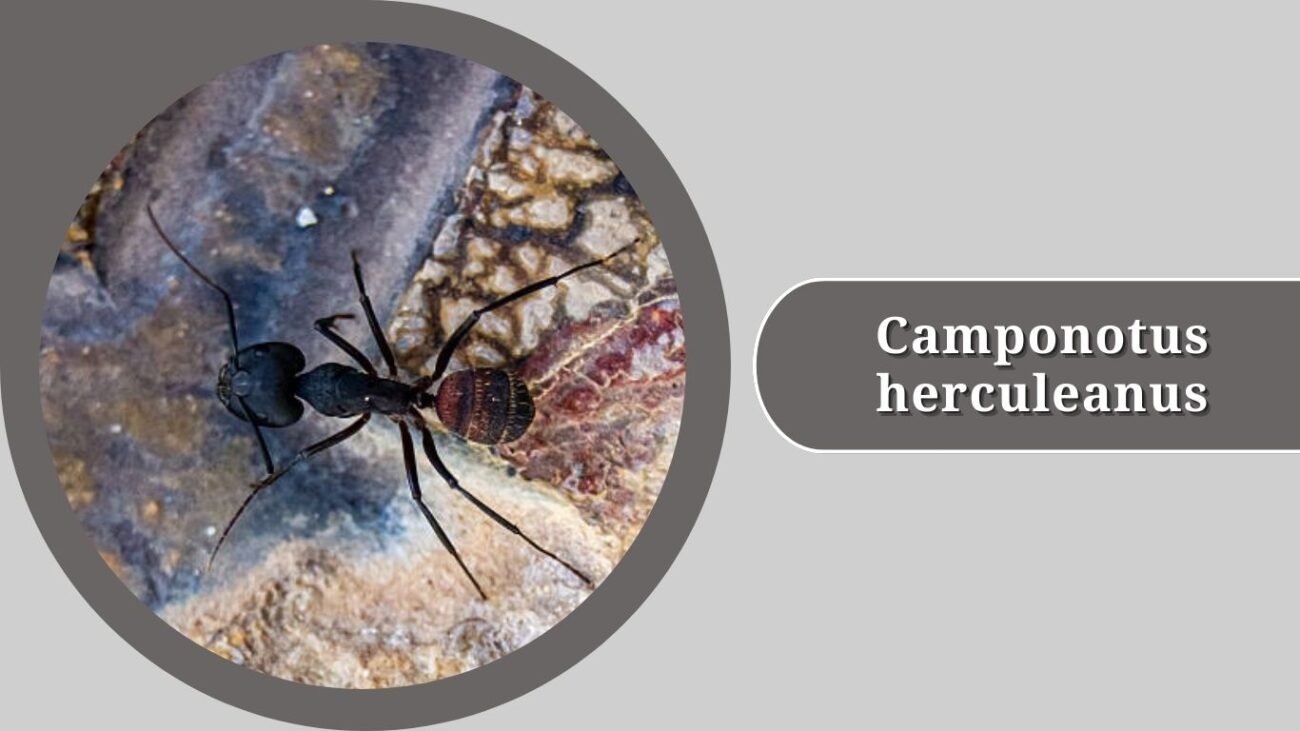
Camponotus herculeanus, commonly known as the Hercules ant or giant carpenter ant, is one of the largest carpenter ant species in the world. Native to boreal forests of North America and Europe, it is a powerful wood-excavating ant, capable of building extensive colonies in dead and decaying timber.
Identification
- Workers range from 7 mm to 15 mm in length, with majors being especially large.
- Dark brown to black body, sometimes with reddish tones on the thorax.
- Polymorphic castes: major and minor workers with distinct size differences.
- Robust mandibles for chewing and excavation.
- Strong, muscular body compared to other carpenter ants.
Habitat
Camponotus herculeanus prefers cool temperate and boreal forests. They typically nest in rotting logs, fallen trees, and stumps but may also inhabit wooden structures in rural areas. They are often found in mountainous and forested regions where moist, decaying wood is abundant.
Behavior
This species is primarily nocturnal, forming foraging trails to collect food. Colonies are very large, often consisting of tens of thousands of individuals, and may span several interconnected nests. They are relatively aggressive when their nests are disturbed and use their size and mandibles for defense.
Diet
Their diet consists of honeydew from aphids, insect prey, plant nectars, and tree sap. They may forage on dead insects and occasionally enter homes in search of sugary foods. Like other carpenter ants, they excavate wood but do not consume it.
Lifecycle
A colony begins with a single queen following her nuptial flight. She raises the first generation of workers, after which the colony expands significantly. Colonies grow slowly but can persist for decades, with queens living up to 15 years or longer. The massive size and longevity of these ants make them one of the most formidable carpenter ant species.
7. Camponotus japonicus
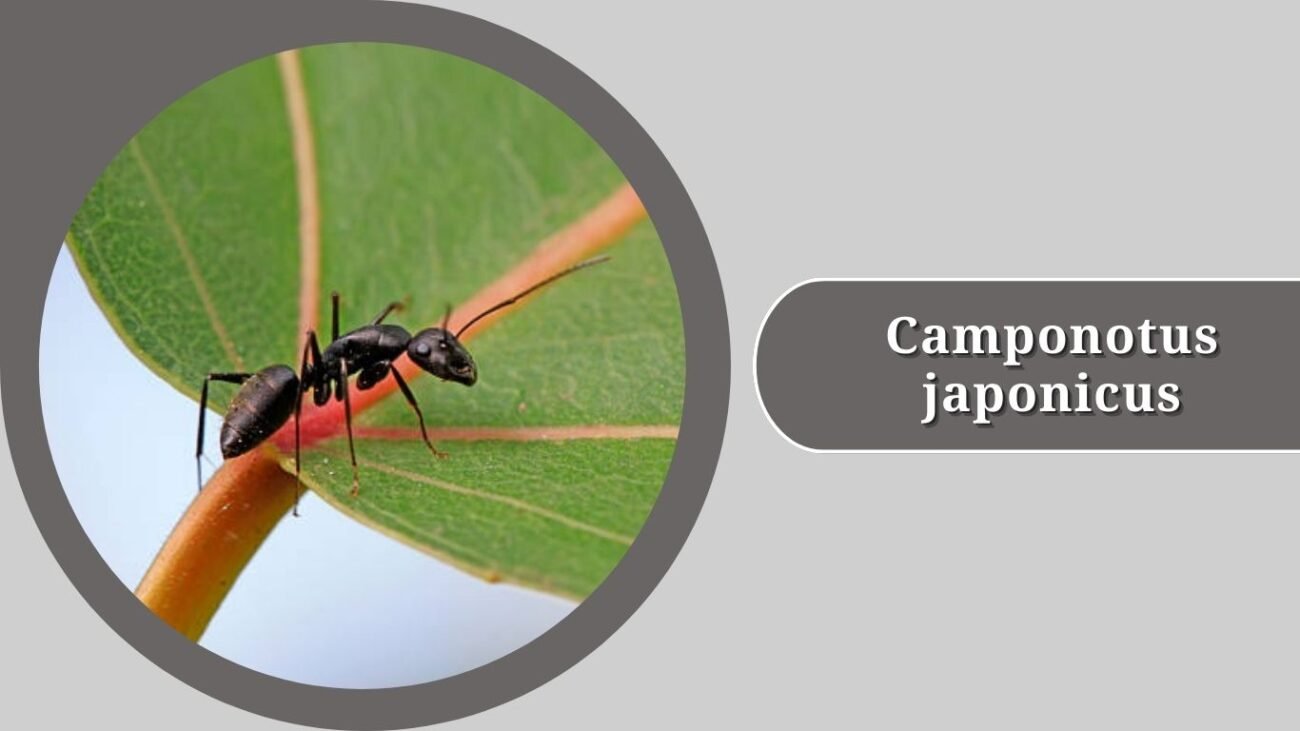
Camponotus japonicus, commonly known as the Japanese carpenter ant, is a large and widespread species native to East Asia. It is one of the most prominent carpenter ants in Japan, China, and Korea, recognized for its striking black coloration and powerful colonies.
Identification
- Workers range from 6 mm to 12 mm in length; queens can exceed 15 mm.
- Glossy black body, sometimes with faint brownish shades on the legs.
- Polymorphic workers with majors and minors clearly distinguished.
- Strong mandibles capable of biting and excavating wood.
- Smooth exoskeleton with fine body hairs.
Habitat
Camponotus japonicus inhabits forests, grasslands, and rural areas. It nests in rotting logs, under bark, in tree cavities, and sometimes in the soil beneath stones. In urban environments, they can also infest wooden structures, particularly those with moisture damage.
Behavior
This species is highly social, with colonies numbering in the thousands. They establish both primary and satellite nests, spreading widely in favorable conditions. Foraging typically occurs at night, with organized trails leading to food sources. They are defensive and may bite if threatened, though they are not overly aggressive.
Diet
Their diet includes honeydew from aphids, tree sap, plant nectars, and small insects. They are opportunistic scavengers, sometimes entering human dwellings to forage for sweet foods. Like all carpenter ants, they excavate wood to nest but do not consume it.
Lifecycle
A new colony begins with a mated queen after her nuptial flight. She raises the first brood alone until the colony expands. Over time, the colony grows to thousands of workers with satellite nests supporting the main one. Queens live for many years, often over a decade, while workers typically live for several months to a year.
8. Camponotus variegatus

Camponotus variegatus, commonly known as the variegated carpenter ant, is a tropical species widely distributed across Asia, the Pacific Islands, and parts of Africa. It is known for its striking coloration and adaptability to both forested and urban environments.
Identification
- Workers range from 5 mm to 12 mm in length.
- Distinctive bicolored body: usually reddish-brown thorax with a darker (often black) head and abdomen.
- Polymorphic workers with visible size variation between minors and majors.
- Shiny exoskeleton with fine body hairs.
- Strong mandibles suited for excavation and defense.
Habitat
Camponotus variegatus thrives in warm, tropical, and subtropical climates. It nests in dead wood, tree cavities, and soil, and is often seen in urban areas, where it may build colonies in wooden structures or inside walls. It adapts easily to diverse environments, from dense forests to human dwellings.
Behavior
This species is primarily nocturnal, forming foraging trails that extend far from the nest. Colonies can be very large, with thousands of individuals and multiple satellite nests. They are generally non-aggressive but will bite if provoked. Their adaptability makes them a successful invasive species in some regions.
Diet
Their diet consists of honeydew from aphids, fruit juices, nectar, tree sap, and insects. They often scavenge for food scraps in urban areas, showing a strong preference for sugary substances. Like other carpenter ants, they do not eat wood but use it for nesting.
Lifecycle
A colony begins with a mated queen after her nuptial flight. She raises the first brood of workers, which later take over colony maintenance and expansion. Colonies can live for many years, with the queen surviving over a decade and workers living several months to more than a year. Satellite nests allow the colony to expand widely in favorable habitats.
9. Camponotus ligniperda
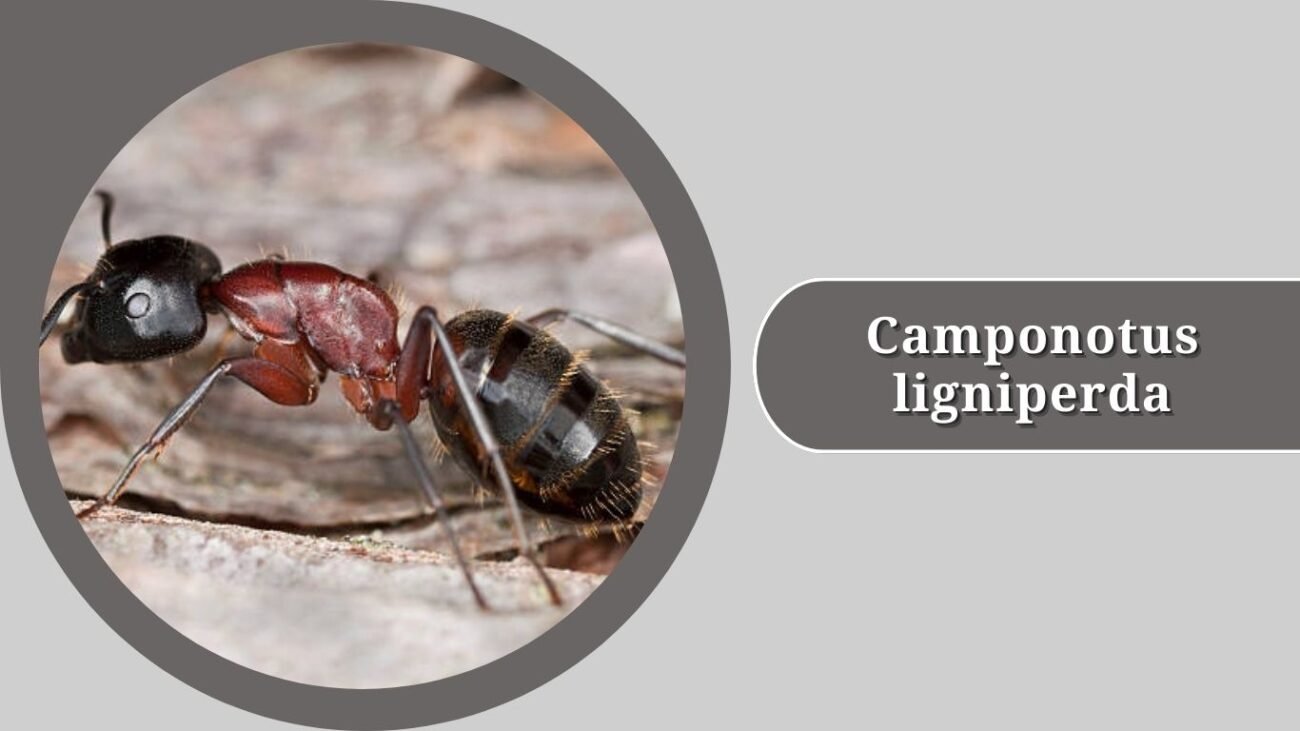
Camponotus ligniperda, commonly called the brown-black carpenter ant, is one of the largest carpenter ant species in Europe. It is widely distributed across temperate regions and is well known for its strong wood-nesting habits, often found in both forests and near human settlements.
Identification
- Workers measure between 6 mm and 14 mm in length; queens can exceed 15 mm.
- Body is typically black with a reddish-brown thorax.
- Polymorphic workers with majors significantly larger than minors.
- Smooth, shiny exoskeleton with sparse hair.
- Powerful mandibles used for chewing and nest excavation.
Habitat
Camponotus ligniperda prefers forests, woodlands, and mountainous regions. It nests in dead wood, tree stumps, and logs but can also be found in wooden structures near homes. Colonies are often established in moist or decaying timber, though they may expand into drier wood as they grow.
Behavior
This species is mostly nocturnal, though workers may forage during the day in cooler climates. Colonies are large, sometimes numbering tens of thousands of ants, and spread through satellite nests. They defend their territory aggressively when disturbed and are highly organized in their foraging trails.
Diet
Their diet includes honeydew from aphids, tree sap, plant nectars, and insects. They are also known to scavenge on carrion and food scraps, sometimes entering human dwellings to seek sugary or protein-rich foods. As with all carpenter ants, they do not eat wood but excavate it to form nesting galleries.
Lifecycle
Colonies begin with a single mated queen after nuptial flight. She raises the first brood alone until the workforce is large enough to maintain and expand the colony. Colonies mature slowly, often taking several years to reach full size, but can last for over a decade. Queens live for many years, while workers have lifespans of several months to a year.
10. Camponotus noveboracensis
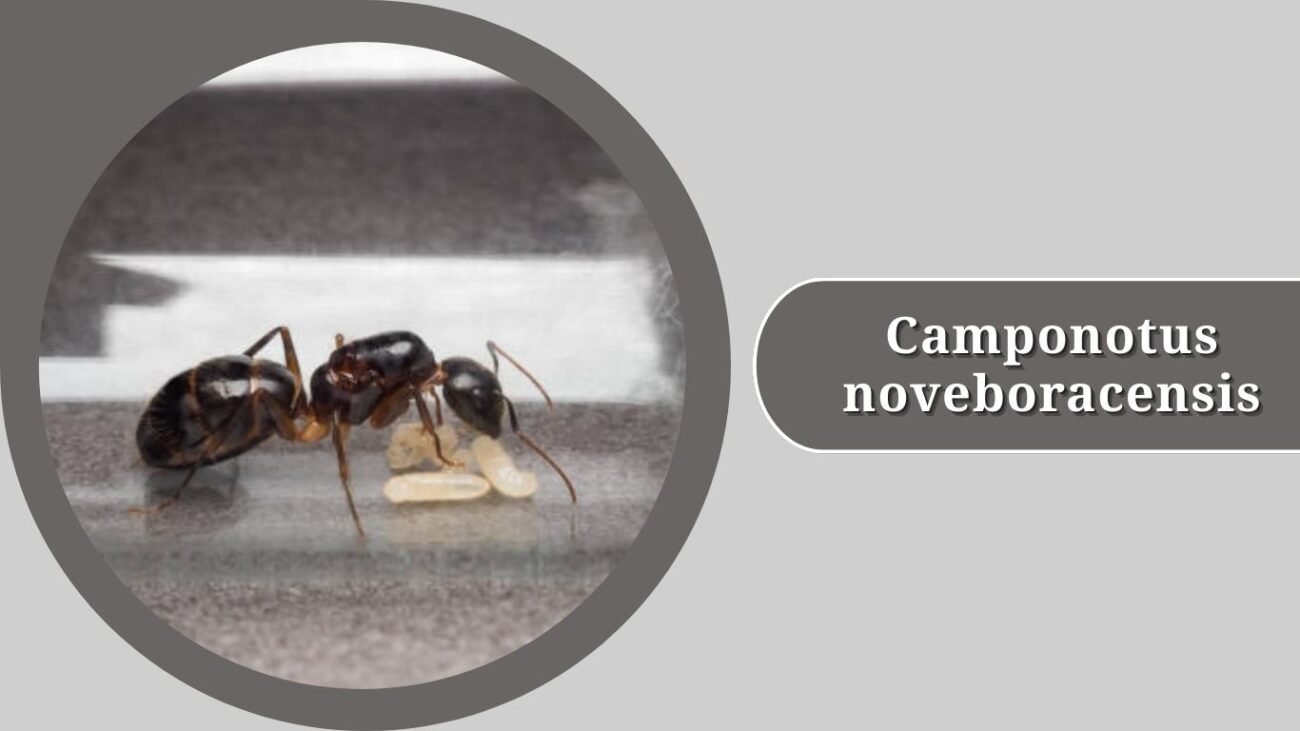
Camponotus noveboracensis, commonly known as the New York carpenter ant, is a large species native to North America. It is widespread across the northeastern United States and parts of Canada, where it is frequently encountered in forests as well as near human settlements.
Identification
- Workers range from 6 mm to 12 mm in length; queens can exceed 15 mm.
- Body coloration is typically reddish-brown on the thorax with a black head and abdomen.
- Polymorphic workers, with majors noticeably larger and more robust than minors.
- Smooth, glossy exoskeleton with sparse hairs.
- Strong mandibles designed for chewing and excavation.
Habitat
Camponotus noveboracensis prefers cooler temperate regions, nesting in rotting logs, dead stumps, and tree cavities. It often chooses damp or decaying wood but may expand into drier structures as colonies grow. In human environments, it sometimes infests moist wood in buildings, such as basements and attics.
Behavior
This species is mostly nocturnal, foraging along well-defined trails at night. Colonies are large, often containing thousands of workers, and spread through primary and satellite nests. They are protective of their territory and will bite if threatened but are not overly aggressive.
Diet
Their diet includes honeydew collected from aphids, plant juices, tree sap, nectars, and small insects. They also scavenge inside human dwellings for sugary foods and proteins. Like other carpenter ants, they do not eat wood but use it exclusively for nesting.
Lifecycle
Colonies begin when a fertilized queen establishes a nest after her nuptial flight. She raises the first generation of workers, who then take over foraging and nest maintenance. Colonies grow slowly but can live for many years, with queens surviving over a decade and workers lasting several months to a year.