Giant house spiders are large, fast-moving arachnids that often cause alarm due to their size, but they are harmless to humans and play an important role in controlling household pests. Belonging mainly to the genera Eratigena and Tegenaria, these spiders build funnel-shaped webs and hunt from hidden retreats. In this guide, we’ll explore 13 types of giant house spiders, their appearances, habitats, and distinctive behaviors.
1. Giant House Spider
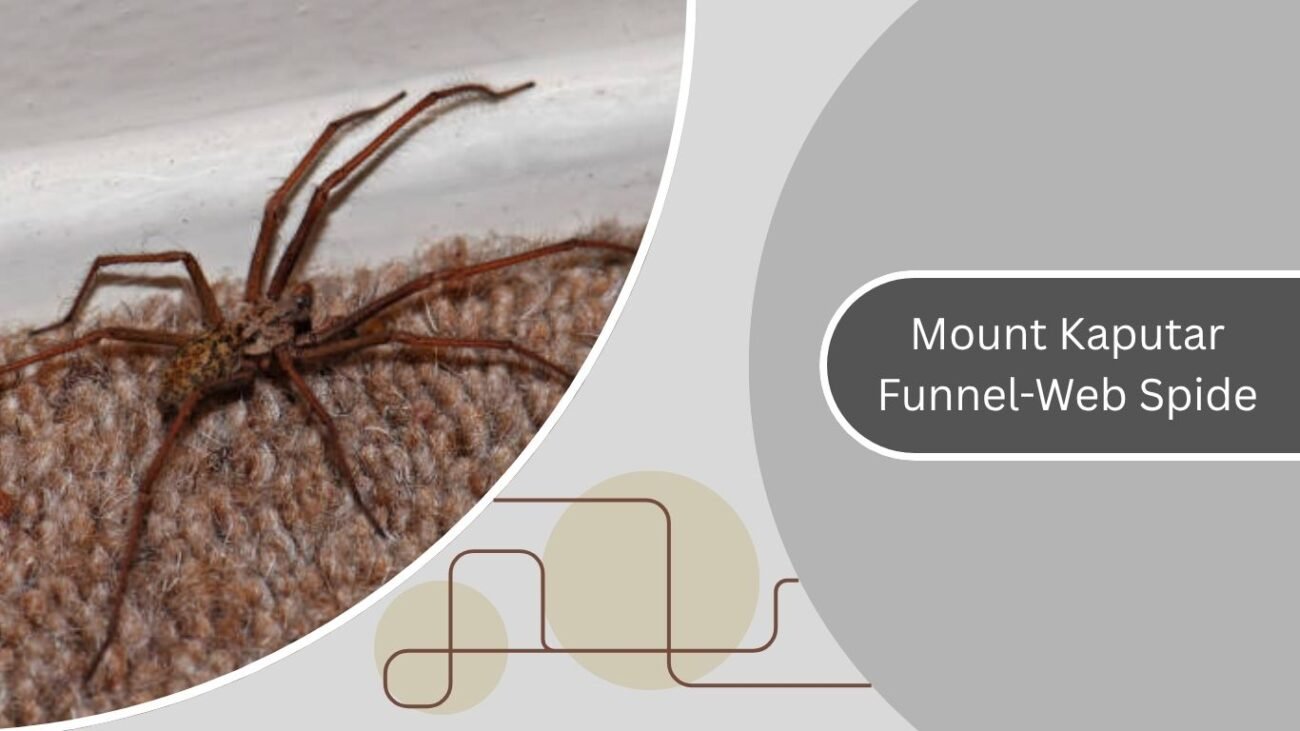
The giant house spider is one of the largest and fastest-moving house-dwelling spiders in the world. Known for its long legs and rapid movements, it is often spotted in homes, sheds, and garages, especially in autumn when males roam in search of females. Despite its intimidating size, it is harmless to humans and even helps control insect populations indoors.
Identification
- Scientific Name: Eratigena atrica
- Body Size: Females up to 18 mm, males up to 15 mm (leg span up to 12 cm)
- Color: Dark brown with lighter markings on the abdomen
- Legs: Long, hairy, and brown with lighter bands
- Eyes: Eight small eyes arranged in two horizontal rows
Habitat and Distribution
Native to Europe but also found in North America, commonly inhabiting houses, basements, attics, sheds, and garages, especially in cooler months.
Behavior and Diet
Feeds on flies, moths, silverfish, and other household pests, usually hunting from the edge of a sheet-like web rather than actively chasing prey.
2. Tegenaria duellica
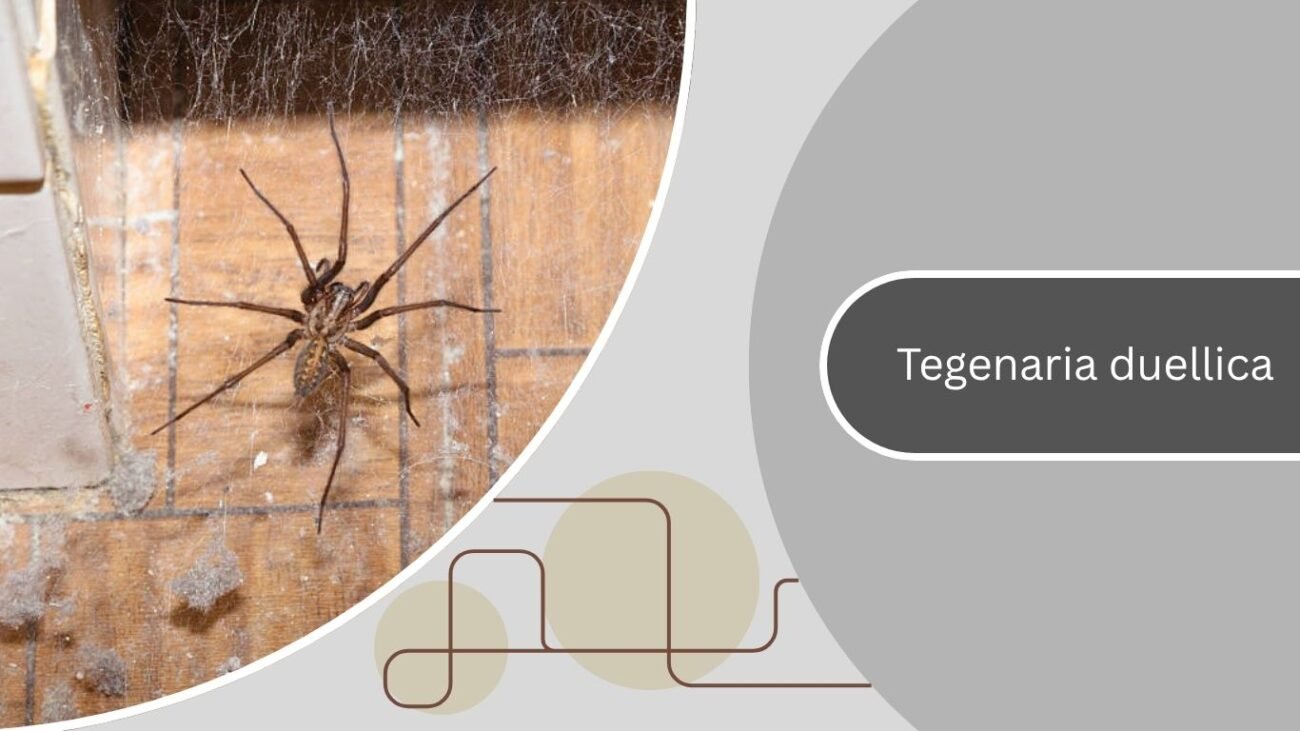
Tegenaria duellica is a large and fast-moving house spider often mistaken for other giant house spider species due to its similar appearance. It is a common sight in homes during late summer and autumn, particularly in temperate climates. While its size can be alarming, it is harmless to humans and plays a beneficial role in pest control.
Identification
- Scientific Name: Tegenaria duellica
- Body Size: Females up to 18 mm, males up to 15 mm (leg span up to 12 cm)
- Color: Dark brown with lighter mottled patterns on the abdomen
- Legs: Long, slender, and hairy, with faint banding
- Eyes: Eight small eyes in two horizontal rows
Habitat and Distribution
Found across Europe and introduced to North America, living in homes, sheds, garages, and under logs or stones in sheltered outdoor areas.
Behavior and Diet
Constructs flat, sheet-like webs with a funnel retreat, where it waits to ambush insects such as flies, moths, and beetles.
3. Tegenaria saeva
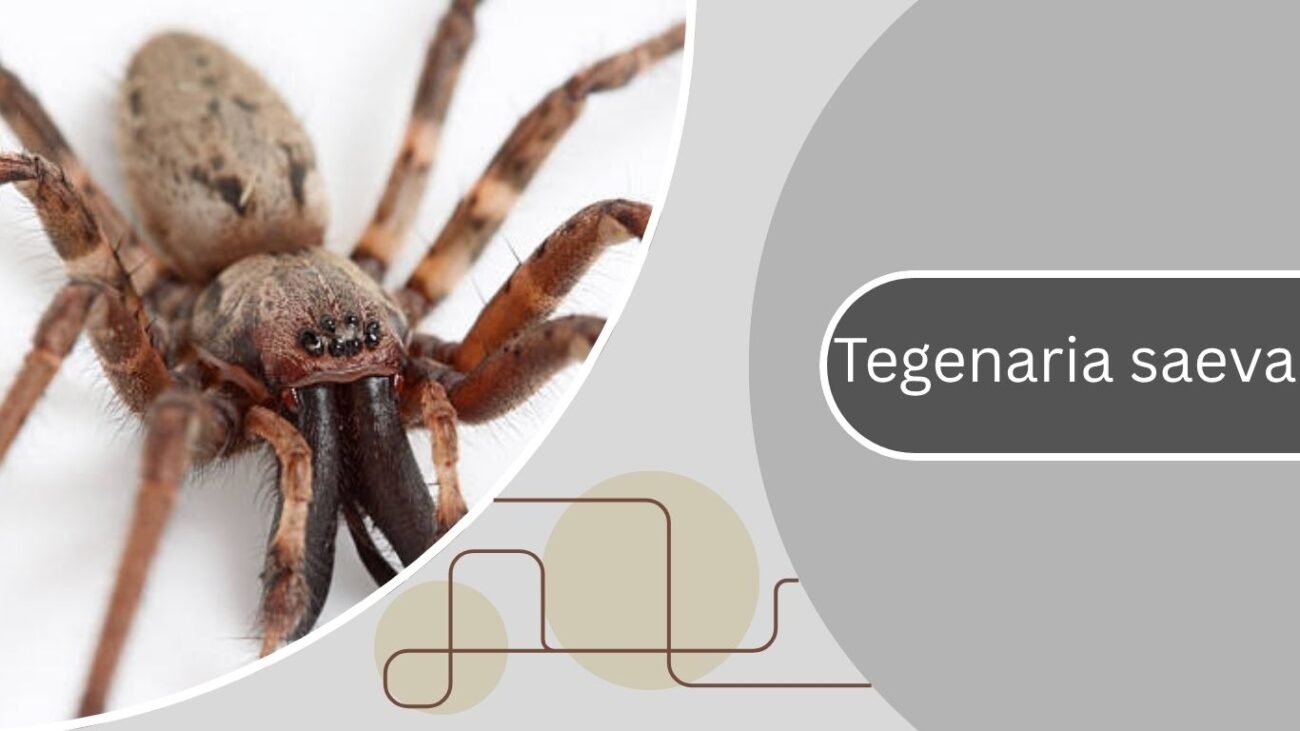
Tegenaria saeva is another member of the giant house spider group, closely related to Tegenaria duellica. It is particularly common in the British Isles and parts of western Europe. These spiders are robust, quick, and often encountered indoors during mating season when males wander in search of females.
Identification
- Scientific Name: Tegenaria saeva
- Body Size: Females up to 17 mm, males up to 14 mm (leg span up to 11 cm)
- Color: Dark brown to reddish-brown with faint markings on the abdomen
- Legs: Long, strong, and hairy with indistinct banding
- Eyes: Eight small eyes in two neat rows
Habitat and Distribution
Native to western Europe, especially common in the UK and Ireland, often found in houses, sheds, basements, and other sheltered environments.
Behavior and Diet
Feeds mainly on crawling insects such as beetles, woodlice, and moths, using its sheet-like web and funnel hideout to capture prey.
4. Tegenaria domestica
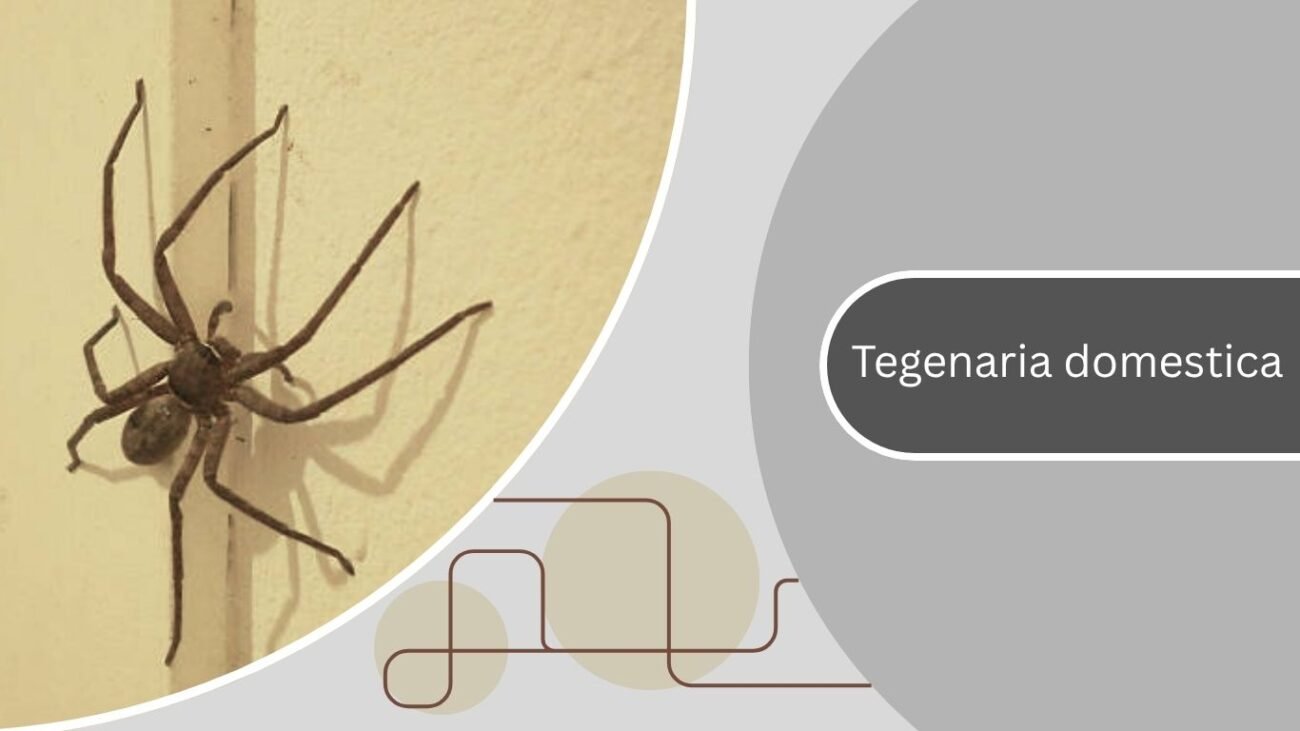
Tegenaria domestica, commonly known as the common house spider, is a smaller relative of the giant house spider group but still has a noticeable size compared to most indoor spiders. It is harmless to humans and often resides in quiet, undisturbed corners of buildings.
Identification
- Scientific Name: Tegenaria domestica
- Body Size: Females up to 11 mm, males up to 9 mm (leg span up to 5–6 cm)
- Color: Light to dark brown with distinct chevron markings on the abdomen
- Legs: Long, slender, and slightly hairy with faint banding
- Eyes: Eight eyes arranged in two horizontal rows
Habitat and Distribution
Native to Europe but now found worldwide, especially in temperate regions, inhabiting basements, attics, sheds, and wall crevices.
Behavior and Diet
Constructs small sheet-like webs with a short funnel retreat, capturing ants, beetles, flies, and other small insects.
5. Eratigena agrestis (Hobo Spider)
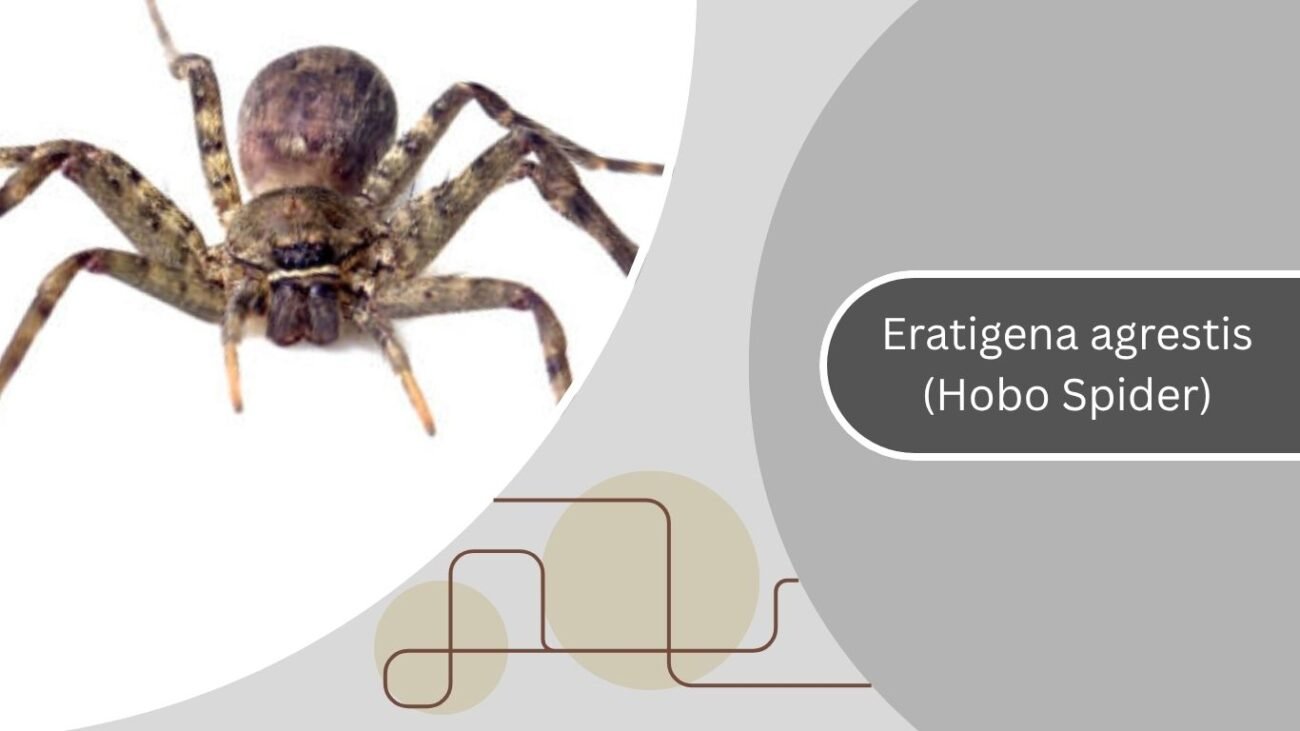
The hobo spider is a fast-running funnel-weaving spider often mistaken for other giant house spiders. It gained notoriety in the past due to unfounded claims of dangerous bites, but it is now considered to pose little to no medical risk to humans.
Identification
- Scientific Name: Eratigena agrestis
- Body Size: Females up to 14 mm, males up to 11 mm (leg span up to 7–10 cm)
- Color: Light to medium brown with a mottled abdomen and no distinct markings on the carapace
- Legs: Long, uniformly colored, and hairy
- Eyes: Eight eyes arranged in two rows
Habitat and Distribution
Native to Europe and introduced to North America, particularly the Pacific Northwest, often found in basements, crawl spaces, and garden structures.
Behavior and Diet
Builds horizontal, sheet-like webs with a funnel retreat, preying on ground-dwelling insects such as beetles, crickets, and cockroaches.
6. Tegenaria parietina (Cardinal Spider)
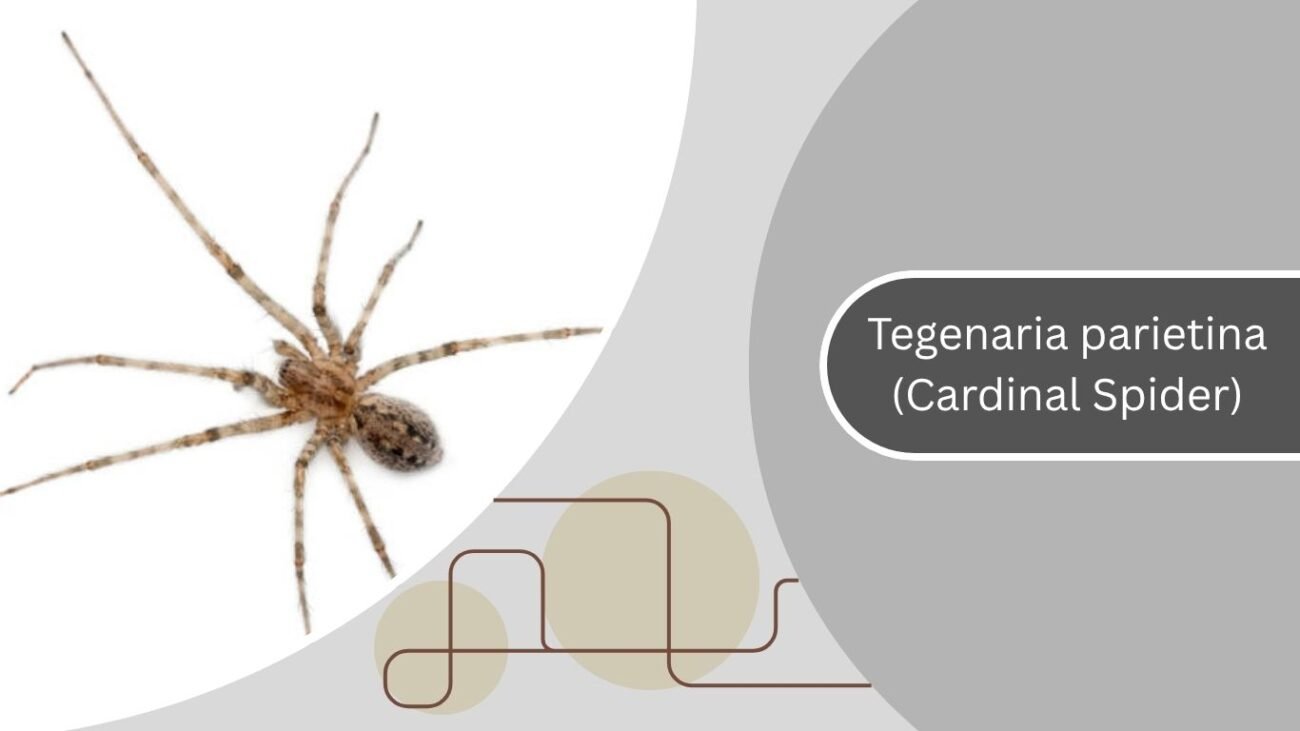
Tegenaria parietina, commonly called the cardinal spider, is one of the largest house-dwelling spiders in Europe. In the UK, it is famously linked to a legend involving Cardinal Wolsey, from which it gets its common name. Although intimidating due to its size, it is harmless to humans.
Identification
- Scientific Name: Tegenaria parietina
- Body Size: Females up to 20 mm, males up to 15 mm (leg span up to 12–14 cm)
- Color: Reddish-brown to dark brown with faint abdominal markings
- Legs: Long, strong, and hairy with subtle banding
- Eyes: Eight small eyes in two rows
Habitat and Distribution
Found mainly in Europe, North Africa, and parts of the Middle East, often inhabiting old buildings, cellars, and stone walls.
Behavior and Diet
Constructs large sheet-like webs with a funnel retreat, preying on beetles, moths, and other large insects.
7. Eratigena atrica complex
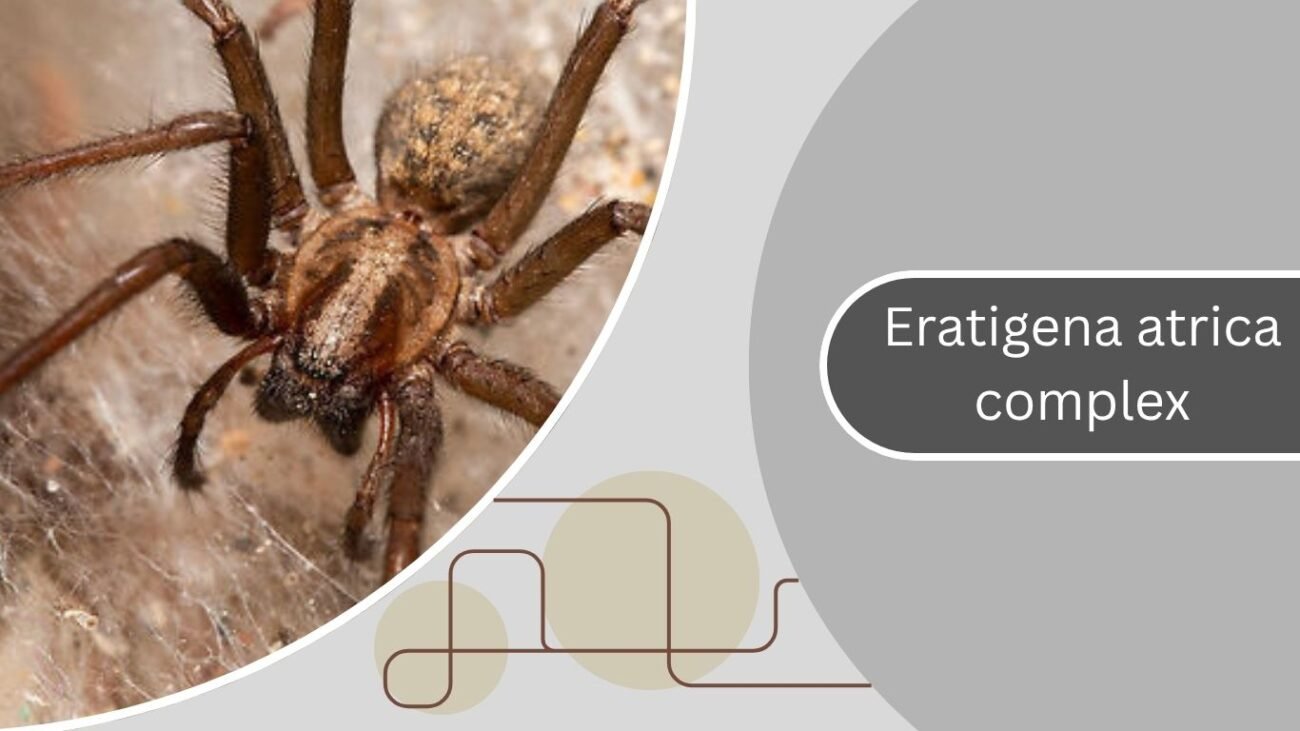
The Eratigena atrica complex refers to a group of closely related giant house spiders, including Eratigena duellica, E. saeva, and E. atrica. These spiders are among the fastest in the arachnid world and can cover impressive distances quickly when disturbed.
Identification
- Scientific Name: Eratigena atrica complex
- Body Size: Females up to 18 mm, males up to 15 mm (leg span up to 12 cm)
- Color: Dark brown with mottled abdominal markings
- Legs: Long, hairy, and lightly banded
- Eyes: Eight small eyes arranged in two neat rows
Habitat and Distribution
Found across Europe and introduced to parts of North America, commonly inhabiting houses, sheds, garages, and other sheltered areas.
Behavior and Diet
They hunt from the mouth of a funnel-shaped retreat, capturing flies, beetles, and other insects that wander onto their web.
8. Tegenaria silvestris
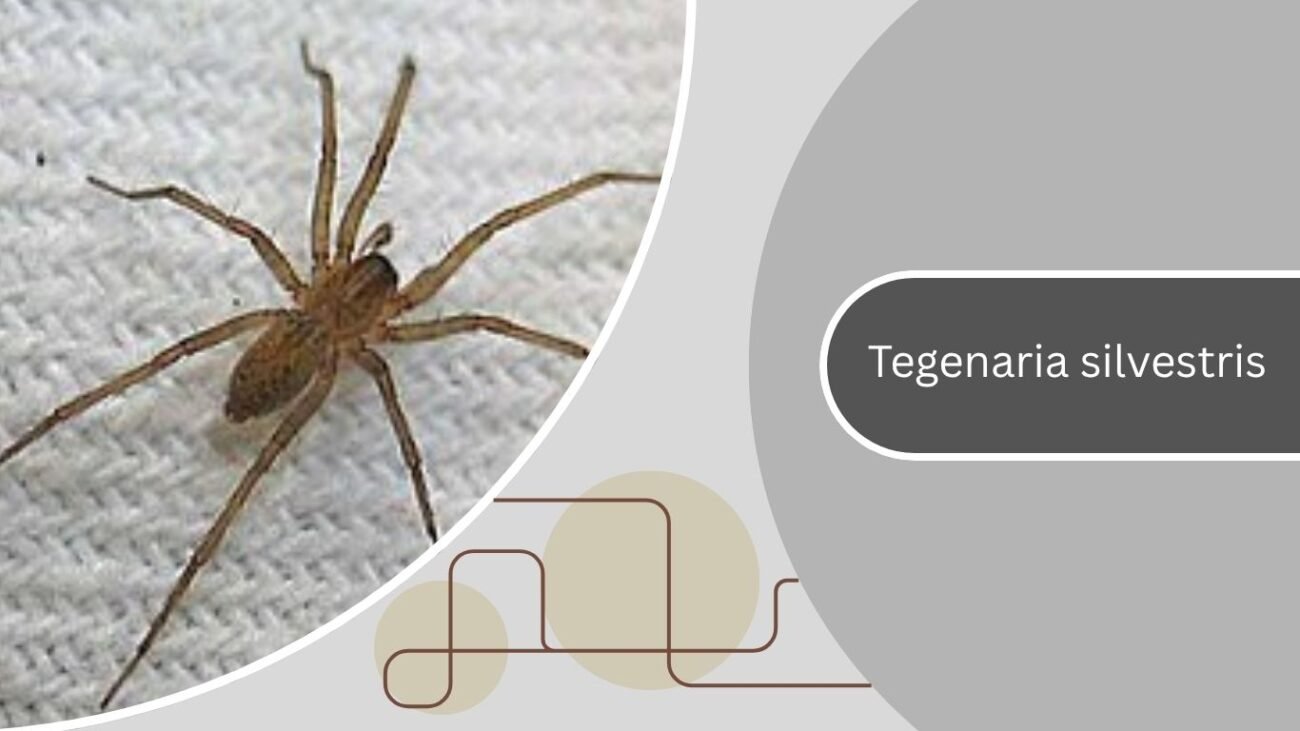
Tegenaria silvestris is a lesser-known member of the giant house spider group, typically found in woodland areas but occasionally venturing into homes and outbuildings. It is more secretive than other house spiders and often hides in leaf litter or under logs when outdoors.
Identification
- Scientific Name: Tegenaria silvestris
- Body Size: Females up to 12 mm, males up to 10 mm (leg span up to 6–7 cm)
- Color: Dark brown to reddish-brown with faint abdominal markings
- Legs: Long, slender, and slightly hairy with light banding
- Eyes: Eight small eyes in two horizontal rows
Habitat and Distribution
Found across Europe in forests, gardens, and sometimes inside sheds, basements, and rural houses.
Behavior and Diet
Feeds on flies, beetles, ants, and small moths, building small funnel-shaped webs close to the ground or in wall crevices.
9. Tegenaria pagana
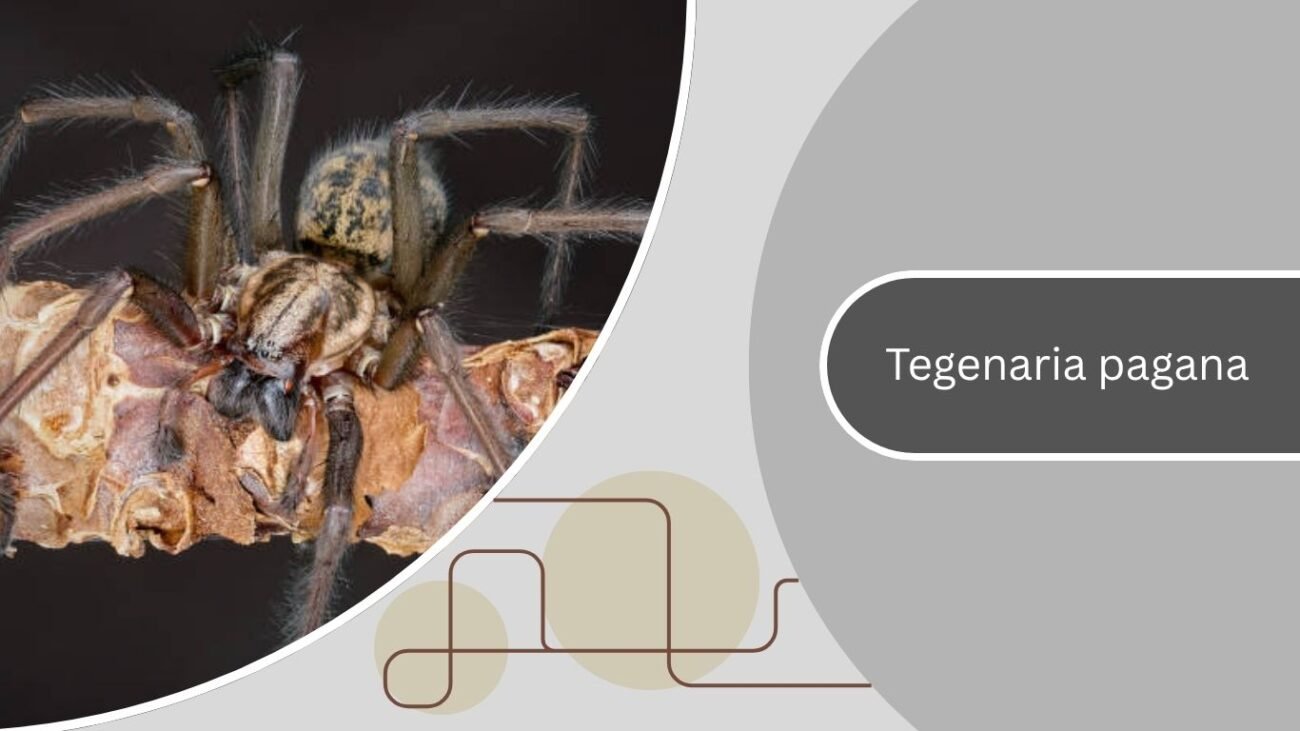
Tegenaria pagana is a medium-to-large funnel-weaving spider that can be found both indoors and outdoors. It is often seen in barns, cellars, and under bridges, where it creates dense webs for capturing prey.
Identification
- Scientific Name: Tegenaria pagana
- Body Size: Females up to 14 mm, males up to 11 mm (leg span up to 8–9 cm)
- Color: Medium to dark brown with mottled abdomen and pale markings
- Legs: Long, sturdy, and hairy with light banding
- Eyes: Eight eyes arranged in two neat rows
Habitat and Distribution
Found across Europe and parts of Asia, inhabiting both man-made structures and natural shelters like rock crevices and hollow logs.
Behavior and Diet
Ambushes insects such as beetles, flies, and cockroaches from the mouth of its funnel-shaped retreat, rushing out when prey touches the web.
10. Tegenaria ferruginea
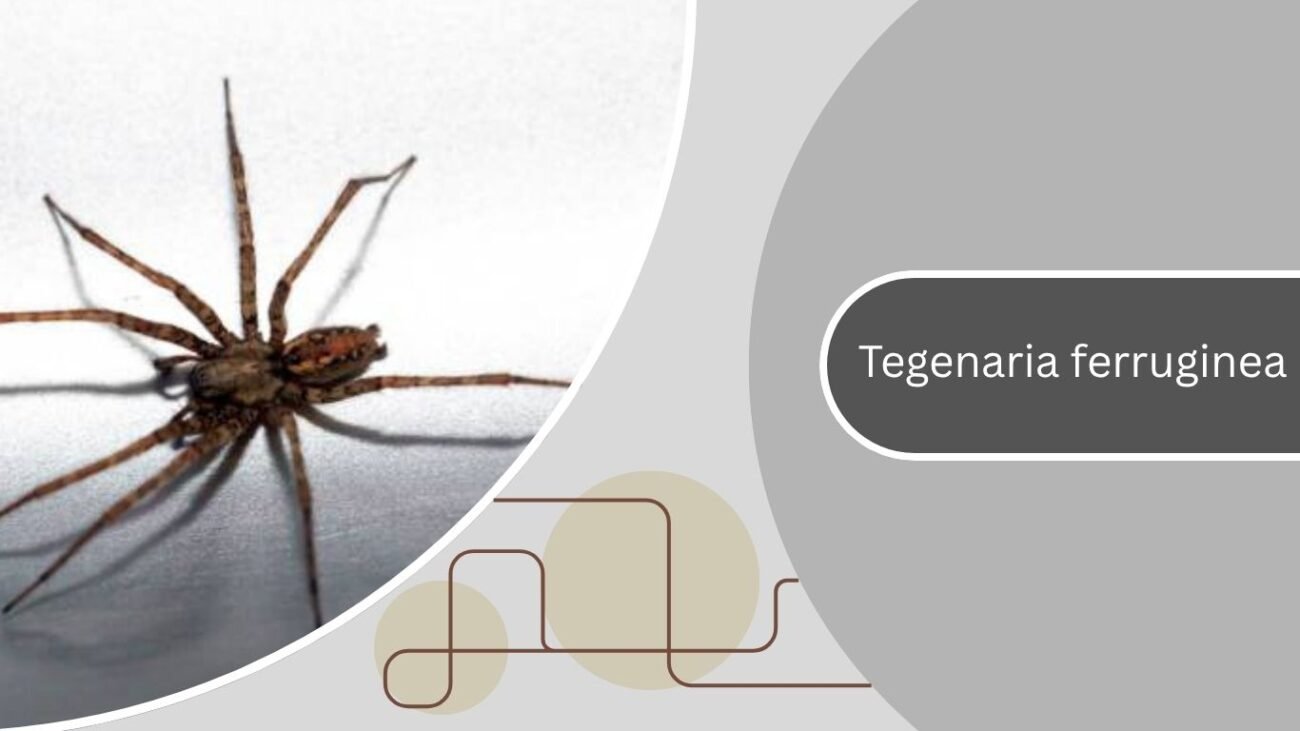
Tegenaria ferruginea is a medium-to-large funnel-weaving spider known for its reddish-brown coloration. While it prefers outdoor habitats, it sometimes enters homes and outbuildings, especially in cooler weather. Its webs are less frequently found in living spaces compared to other house spider species.
Identification
- Scientific Name: Tegenaria ferruginea
- Body Size: Females up to 12 mm, males up to 10 mm (leg span up to 6–7 cm)
- Color: Reddish-brown carapace with a patterned abdomen
- Legs: Long, hairy, and reddish-brown with faint banding
- Eyes: Eight small eyes arranged in two neat rows
Habitat and Distribution
Found in Europe and parts of Asia, inhabiting rock crevices, tree hollows, sheds, and occasionally the corners of quiet rooms.
Behavior and Diet
Preys on small insects such as ants, beetles, and flies, using its funnel-shaped web to trap and subdue them.
11. Tegenaria marina
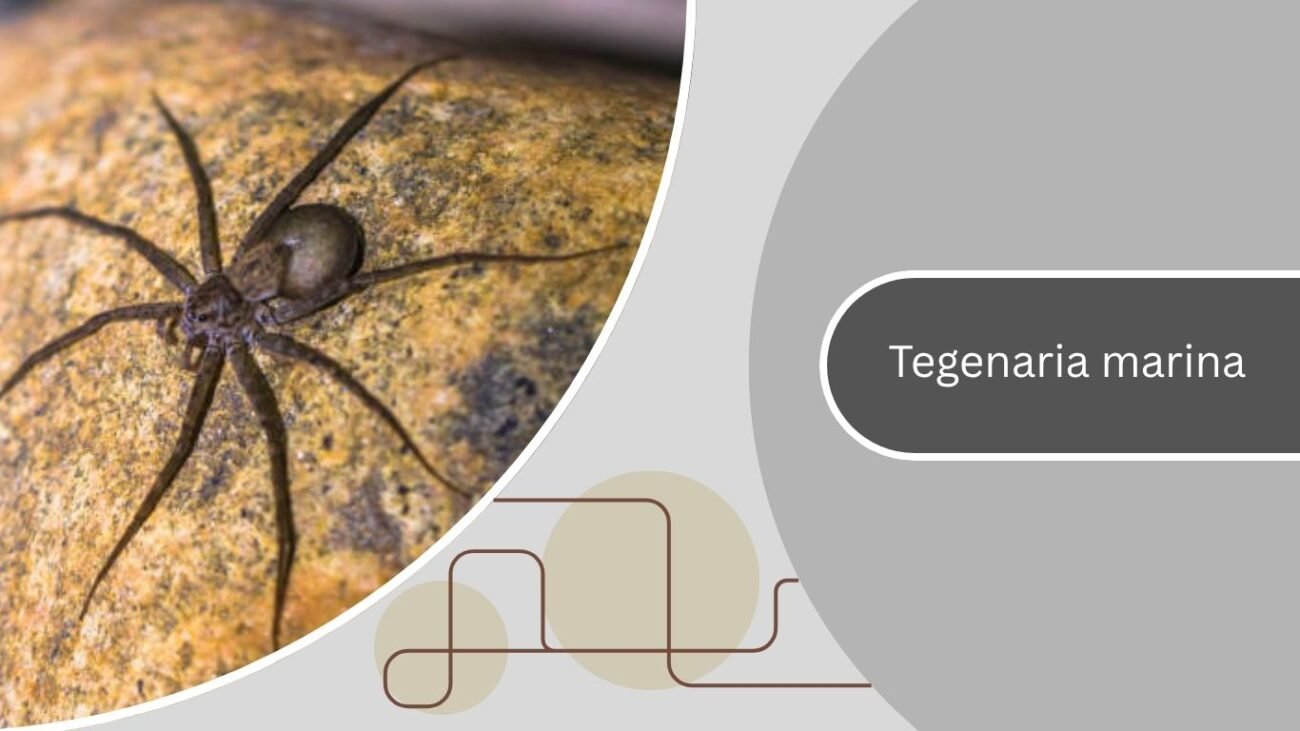
Tegenaria marina is an uncommon species of funnel-weaving spider typically associated with coastal habitats. It is rarely encountered indoors but may be found in coastal buildings, sea walls, and rocky shorelines.
Identification
- Scientific Name: Tegenaria marina
- Body Size: Females up to 11 mm, males up to 9 mm (leg span up to 6 cm)
- Color: Dark brown to grayish-brown with subtle abdomen markings
- Legs: Long, slender, and covered in fine hairs with faint banding
- Eyes: Eight small eyes arranged in two horizontal rows
Habitat and Distribution
Found along coastal regions of Europe, particularly near rocky shorelines, piers, and harbors.
Behavior and Diet
Feeds on coastal insects and small invertebrates, often constructing its funnel webs in cracks, crevices, and gaps in stonework.
12. Tegenaria vankeysi
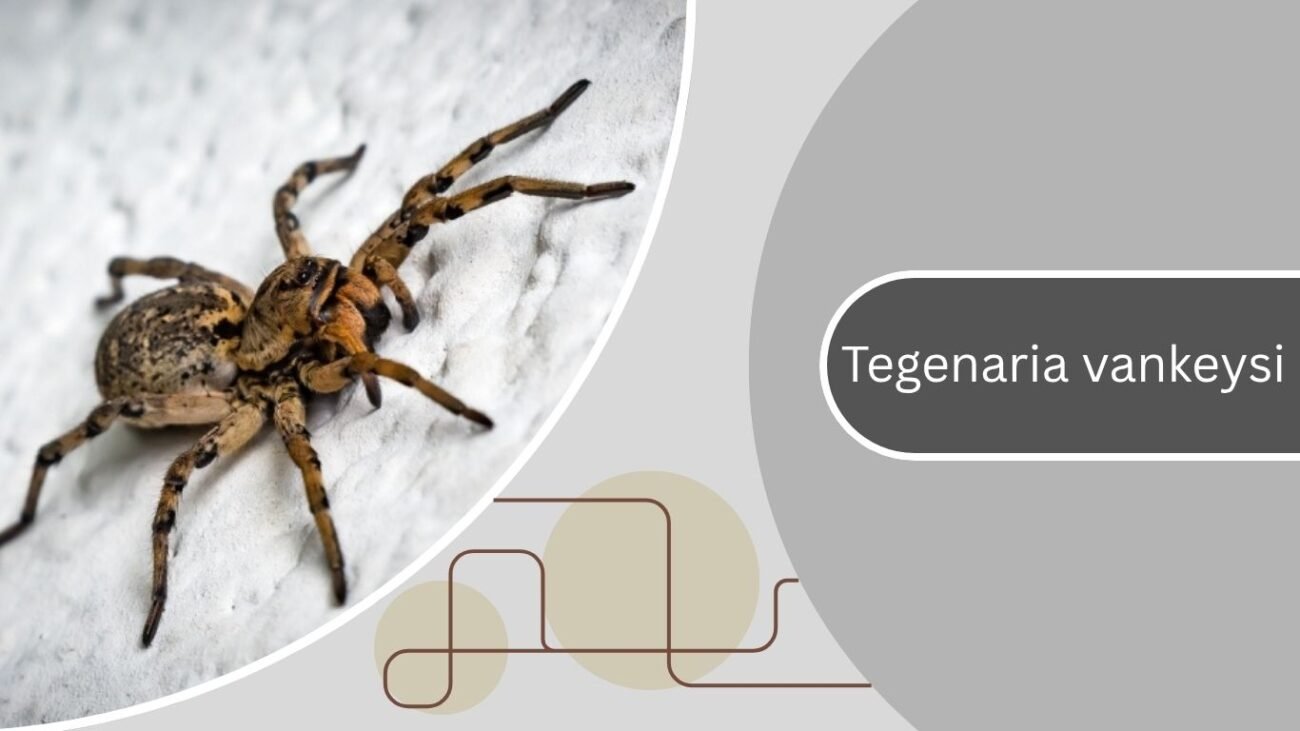
Tegenaria vankeysi is a relatively rare species of funnel-weaving spider, mostly found in specific regions of Europe. It prefers quiet, undisturbed areas and is less likely to be encountered indoors compared to more common giant house spider relatives.
Identification
- Scientific Name: Tegenaria vankeysi
- Body Size: Females up to 12 mm, males up to 10 mm (leg span up to 6–7 cm)
- Color: Medium to dark brown with subtle mottled patterns on the abdomen
- Legs: Long, hairy, and brown with faint banding
- Eyes: Eight small eyes arranged in two horizontal rows
Habitat and Distribution
Occurs in select parts of Europe, often in rural settings such as barns, stone walls, and abandoned buildings.
Behavior and Diet
Feeds on beetles, flies, and small crawling insects, lying in wait at the entrance of its funnel retreat.
13. Tegenaria domesticoides

Tegenaria domesticoides is a house-adapted species closely related to Tegenaria domestica. It is smaller than most giant house spiders but still shares the same funnel-weaving hunting style. It is most often seen in older buildings with plenty of nooks and crannies.
Identification
- Scientific Name: Tegenaria domesticoides
- Body Size: Females up to 10 mm, males up to 8 mm (leg span up to 5–6 cm)
- Color: Light to dark brown with chevron-like markings on the abdomen
- Legs: Long, slender, and lightly hairy with pale banding
- Eyes: Eight small eyes in two neat rows
Habitat and Distribution
Found in Europe and occasionally introduced elsewhere, often in houses, cellars, and sheds.
Behavior and Diet
Feeds on ants, flies, and other small insects, remaining hidden in its funnel web until prey comes within reach.