Garden spiders are a diverse group commonly found in backyards, flower beds, and wooded areas. With striking colors, intricate webs, and varying sizes, these spiders play a crucial role in controlling insect populations. From the well-known yellow garden spider to lesser-known species like the red or Hawaiian garden spider, each type has unique characteristics worth exploring. In this guide, we’ll break down 14 types of garden spiders, focusing on their appearance, habitat, and interesting facts using related keywords to help you identify and understand them better.
1. Yellow Garden Spider
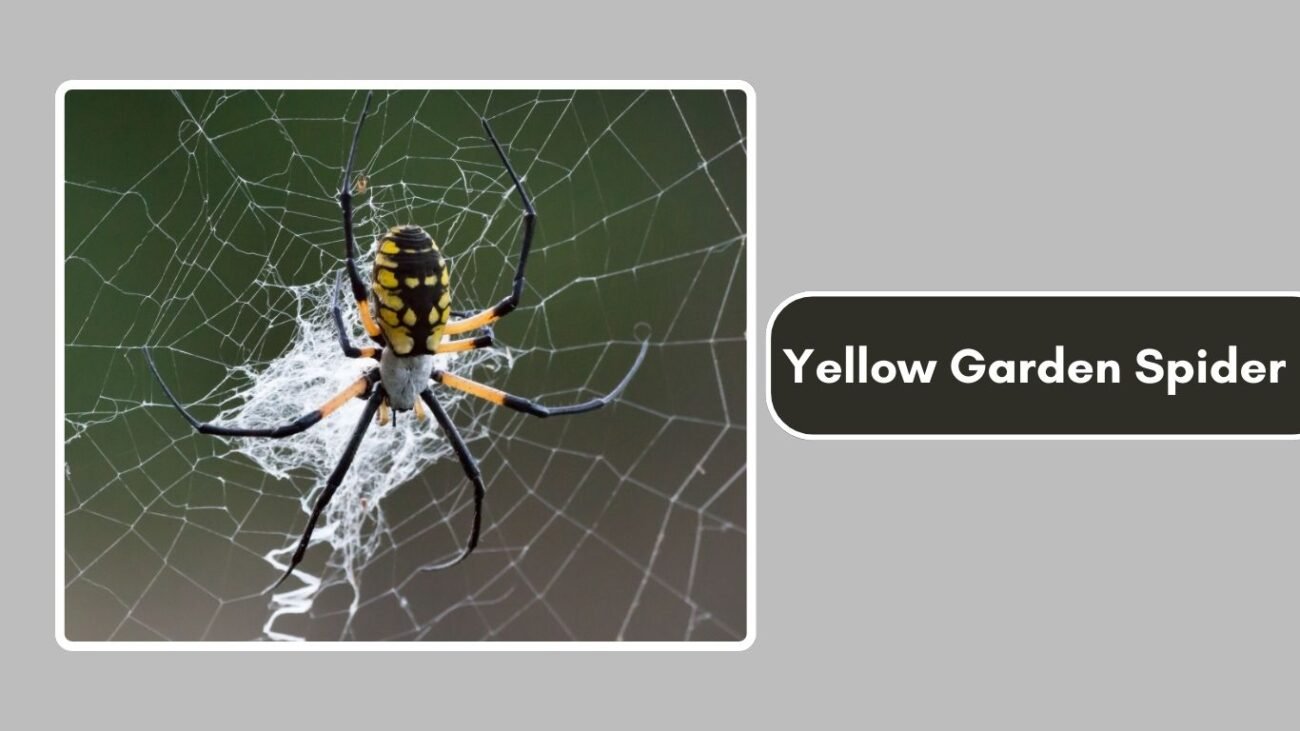
Black and Yellow Garden Spider
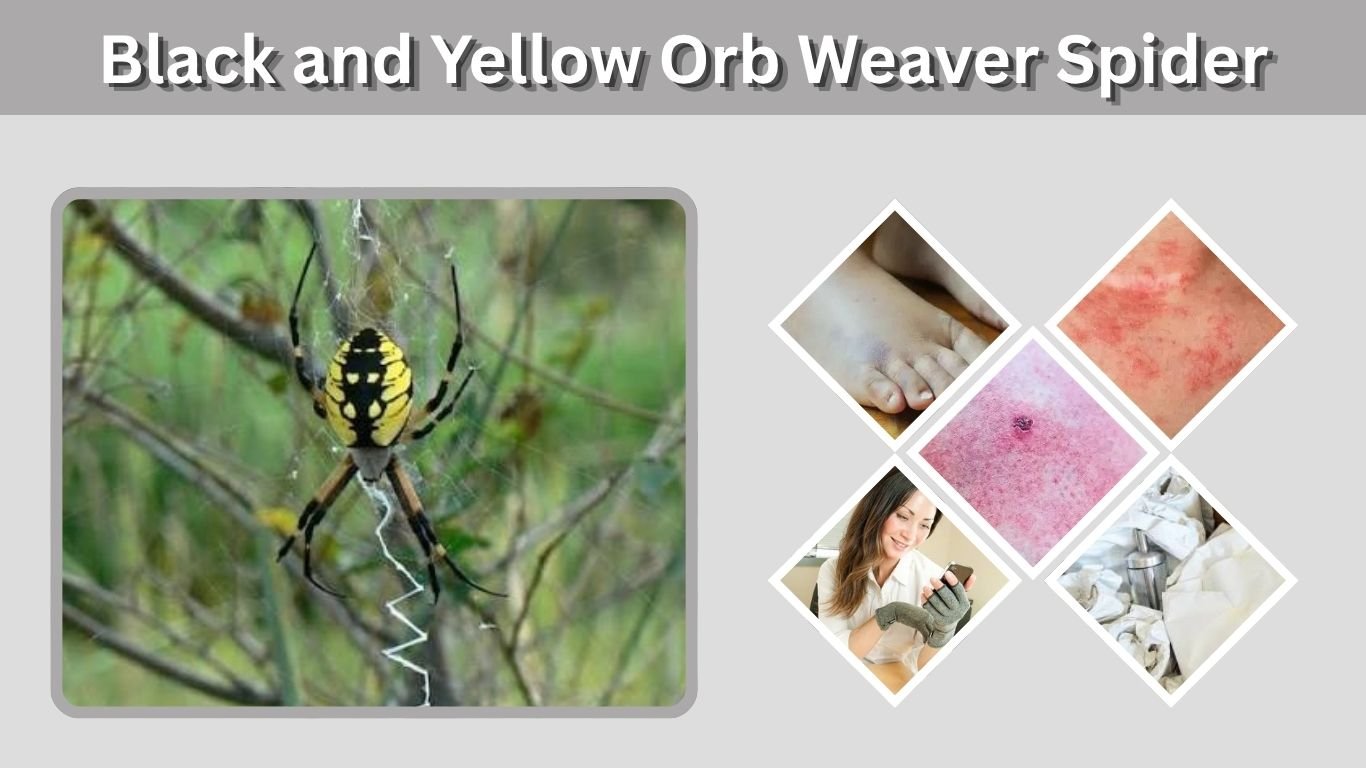
The yellow garden spider is commonly known as the black and yellow garden spider due to its bold coloration. Its body has a black background with vivid yellow markings on the abdomen.
Yellow Garden Spider Bite
These spiders are not aggressive, and their bite is typically harmless to humans—comparable to a bee sting. It may cause mild redness or swelling.
Yellow Garden Spider Web
They spin large, circular webs with a characteristic zigzag pattern (stabilimentum) in the center, often seen in gardens and tall vegetation.
Yellow Garden Spider Eggs
The female lays eggs in a papery brown sac attached to vegetation near the web. Each sac may hold hundreds of eggs.
Yellow Garden Spider Size
Adult females can reach up to 1.1 inches (28 mm) in body length, while males are significantly smaller, around 0.2–0.35 inches (5–9 mm).
2. Banded Garden Spider

Banded Garden Spider Facts
This spider gets its name from the silver, yellow, and black bands across its abdomen. It’s often confused with the yellow garden spider but has a more oval body shape.
Black and Yellow Garden Spider Poisonous
Although intimidating in appearance, the banded garden spider is not dangerous to humans. It has venom to subdue prey but poses little threat.
Green and Yellow Garden Spider
Color variations can occur based on age, environment, and lighting. Some banded garden spiders show greenish-yellow hues on their legs or body.
Orange Garden Spider
Certain individuals may appear more orange, especially in regions with warmer climates or during late summer.
Banded Garden Spider Identification
They have elongated abdomens with horizontal bands, long legs that often spread in an X-shape while resting in the web’s center, and are mostly active during late summer and fall.
3. European Garden Spider

European Garden Spider Bite
Also known as the cross orb-weaver, its bite is generally harmless but may cause mild itching or swelling in sensitive individuals.
European Garden Spider Poisonous
They are venomous to their insect prey but not considered dangerous to humans. Their venom is too weak to cause serious harm.
European Garden Spider Baby
Spiderlings hatch from egg sacs in the spring and initially live communally before dispersing to build their own small webs.
Garden Spider UK
The European garden spider is widespread across the UK and often spotted in hedges, gardens, and on window frames in autumn.
Garden Spider Identification Pictures
They are identified by the white cross-shaped markings on their brown abdomen, making them one of the most recognizable garden spiders in Europe.
4. Garden Orb Weaver Spider

Common Garden Orb Weaver Spider
This group includes many species found in gardens worldwide. Their round, symmetrical webs are often the first sign of their presence.
Garden Orb Weaving Spider
They construct spiral-shaped webs typically at night, anchoring them to branches, fences, or outdoor lights.
Garden Orb Spider Images
Images often show their large, bulbous abdomen and radiating web structure. Colors can vary from yellow, orange, to brown.
Garden Orb Web Spider
Their webs can span over 2 feet wide, and they usually rest head-down in the center during the day or hide nearby.
Garden Orb Weaver Spider Dangerous
They’re not dangerous to humans. Bites are rare and only occur when handled or threatened, typically resulting in minor irritation.
5. Hawaiian Garden Spider

Garden Spider Hawaii
The Hawaiian garden spider, also known as Argiope appensa, is commonly found across the Hawaiian Islands, especially in coastal gardens and forests.
Garden Spider Egg Sac
Females produce large, round egg sacs wrapped in brownish silk and often attach them near their webs. Each sac may contain hundreds of spiderlings.
Garden Spider Habitat
They prefer sunny, undisturbed areas in gardens, shrubs, and even on utility poles or fences, where they can spread their large webs.
Garden Spider Eyes
Like most orb-weavers, they have eight eyes arranged in two rows. While their vision is limited, they detect vibrations in the web to sense prey.
Garden Spider Mating
Mating typically happens in late summer. The smaller male cautiously approaches the female and may be eaten afterward, a behavior observed in many orb-weavers.
6. Red Garden Spider

Black and Red Garden Spider
The red garden spider may show black markings or leg bands. These spiders often have a rusty red to deep orange body with a patterned abdomen.
Garden Spider Color Variants
Coloration can range from reddish-orange to dark brown, and even black depending on lighting, age, and location. This variation can make identification tricky.
Garden Spider Identification
They are orb-weavers with a robust, hairy body and often rest upside down in their web center. The web is usually spun low in vegetation.
Garden Spider Pictures
Photos often highlight the spider’s reddish hue and its distinctive circular web. They may look intimidating but are non-aggressive.
Large Garden Spider
Red garden spiders can grow fairly large—females reaching about 1 inch (25 mm) in body length, not including their long legs.
7. Green Garden Spider

Green and Yellow Garden Spider
This spider often displays green legs or a greenish abdomen with yellow highlights, making it blend well with foliage.
Garden Spider Diet
They primarily feed on flying insects such as mosquitoes, flies, and moths that get trapped in their sticky webs.
Garden Spider Habitat
Green garden spiders prefer low shrubs, flower beds, and leafy garden plants where their color offers camouflage from predators.
Garden Spider Species
They belong to the orb-weaver family (Araneidae), which includes many colorful and web-building spider species found in garden environments.
Garden Spider Range
Commonly found across North America, especially in warmer, humid regions. They thrive in gardens, meadows, and even woodland edges.
8. White Garden Spider
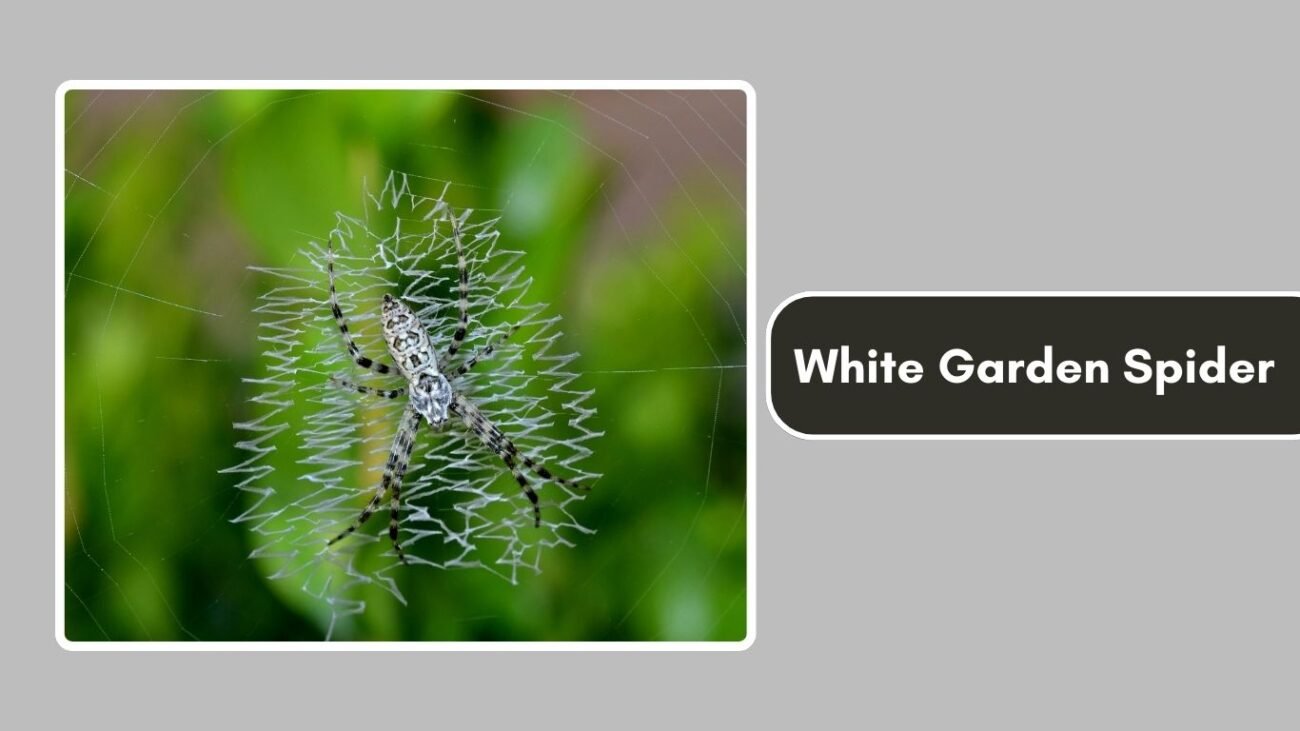
White Spider UK Garden
White garden spiders in the UK are rare and are sometimes mistaken for crab spiders, especially if found on white flowers.
Garden Spider Image
Images of the white garden spider often show a pale, ghostly appearance with symmetrical markings and long legs spread in an X shape.
Garden Spider Pics
Photographs may depict the spider in its web, typically during daylight hours when it’s resting in the center.
Garden Spider Black and White
Some garden spiders have a black-and-white contrast pattern, helping them stay camouflaged or appear intimidating to predators.
Garden Spider Photo
Photos often emphasize their unique coloring, smooth body texture, and the central position they maintain in their webs.
9. Garden Wolf Spider
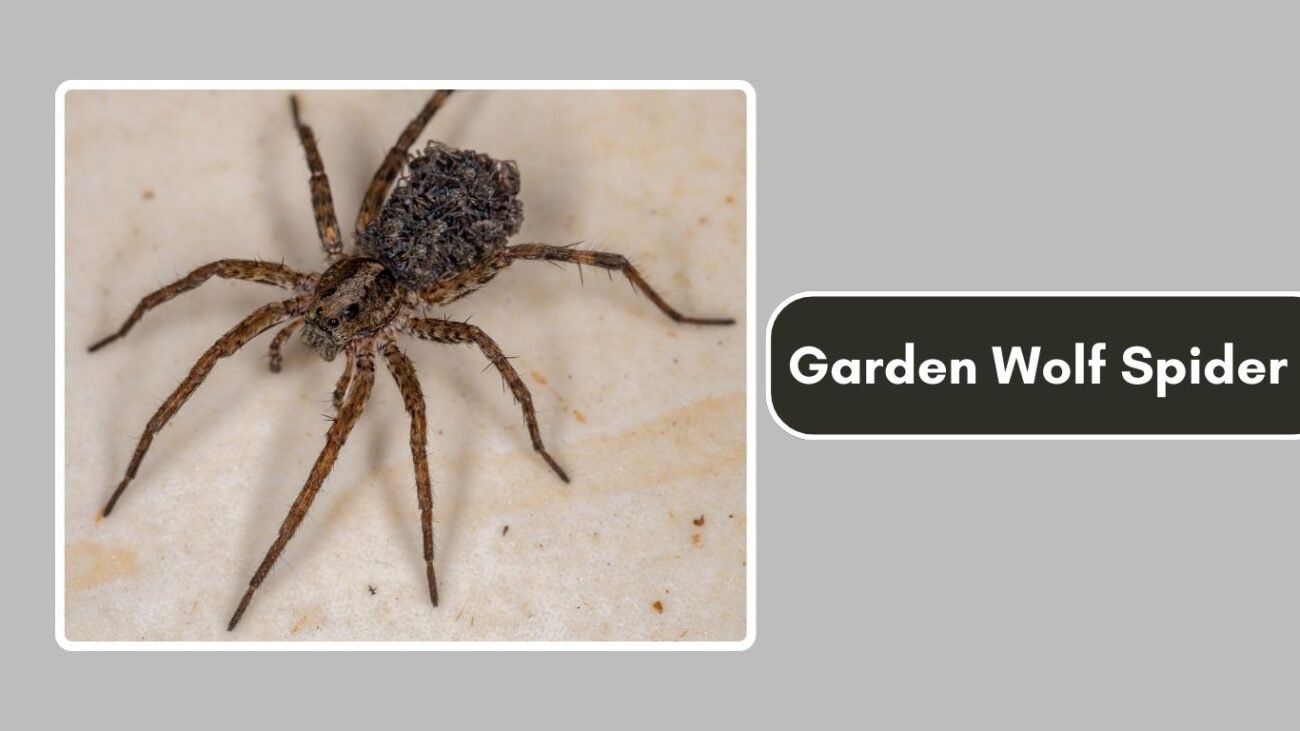
Garden Spider Texas
The garden wolf spider is commonly found in Texas gardens, where it hunts insects on the ground rather than building webs.
Garden Spider in Texas
These spiders thrive in grassy lawns, flower beds, and under garden debris. They are fast runners and excellent hunters.
Garden Spider NC
In North Carolina gardens, wolf spiders are often seen patrolling for prey in the early morning or evening hours.
Garden Spider Ohio
In Ohio, they appear mostly in spring and summer and are often mistaken for tarantulas due to their size and hairy legs.
Garden Spider Illinois
Residents in Illinois may find wolf spiders hiding under stones, mulch, or flowerpots, where they rest during the day.
10. Black Garden Spider

Black Spider with Yellow on Back Garden
This description often matches some orb-weaver species that have a black base color with bold yellow markings for camouflage or warning.
Black Fuzzy Garden Spider
These spiders have a slightly hairy texture and robust appearance, often resting low to the ground in garden vegetation.
Garden Spider Black
A common variant in shaded gardens, these spiders tend to have darker pigmentation and may look more intimidating than harmful.
Garden Spider Brown
Some black garden spiders display brown or gray tones, especially under bright sunlight or as they age.
Garden Spider Black and Yellow
This pattern is typical of several species, particularly the yellow garden spider and some orb-weavers, used for defense and attracting mates.
11. Garden Cross Spider

Garden Cross Spider Identification
Also known as Araneus diadematus, this spider is easily recognized by the white cross-like pattern on its brown or orange abdomen. It’s one of the most iconic spiders in Europe, often seen in gardens, hedges, and fences.
Garden Spider Scientific Name
Its scientific name is Araneus diadematus. It belongs to the orb-weaver family and is a key species for web-building spiders in temperate regions.
Garden Spider Size
Females typically measure between 0.6 to 0.8 inches (15–20 mm), while males are smaller, around 0.3 to 0.4 inches (8–10 mm). Despite their size, they can construct very large webs.
Garden Spider Egg Sac Hatch
The female lays eggs in the fall, and the egg sac hatches in spring. The young spiders remain together for a short time before dispersing.
Garden Spider Lifespan
Most garden cross spiders live for about a year. Eggs hatch in spring, spiderlings grow through summer, mate in late summer, and die after laying eggs in the fall.
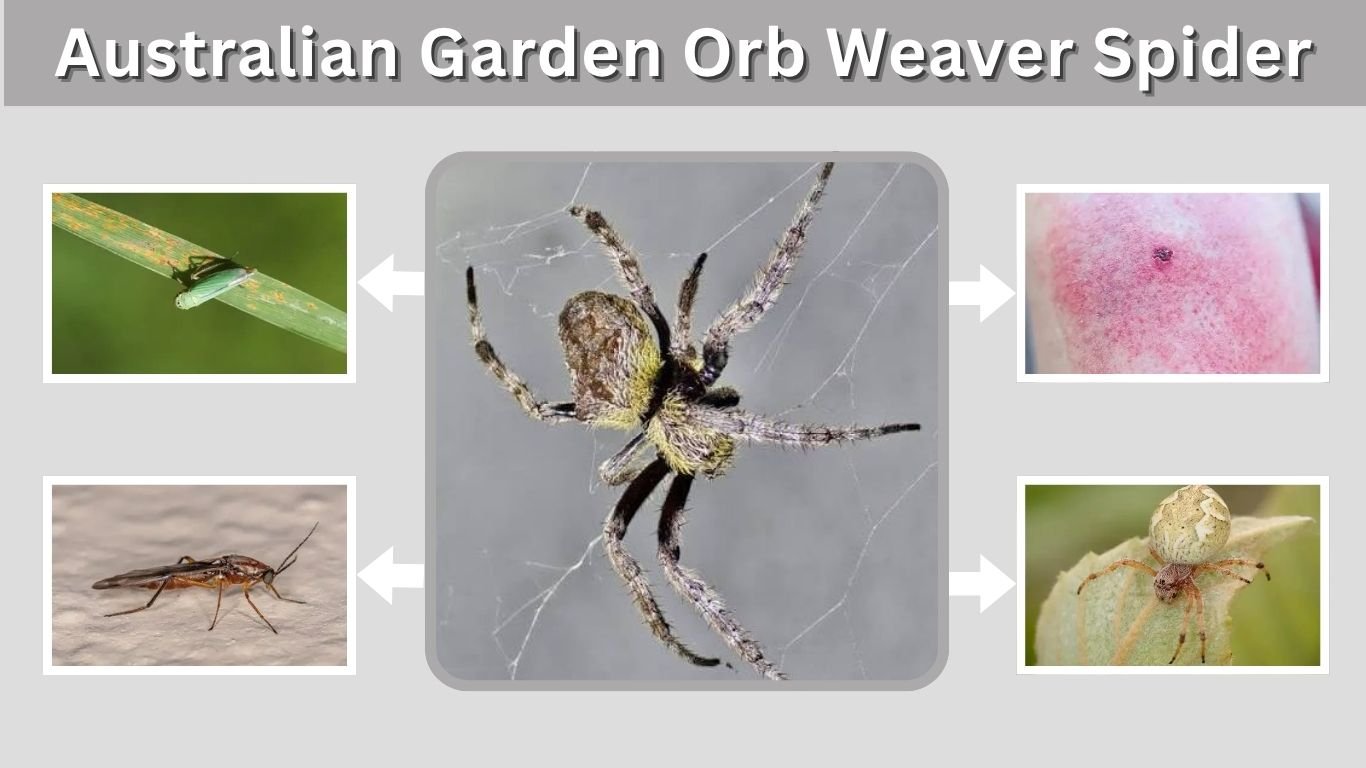
12. Australian Garden Orb Weaver Spider
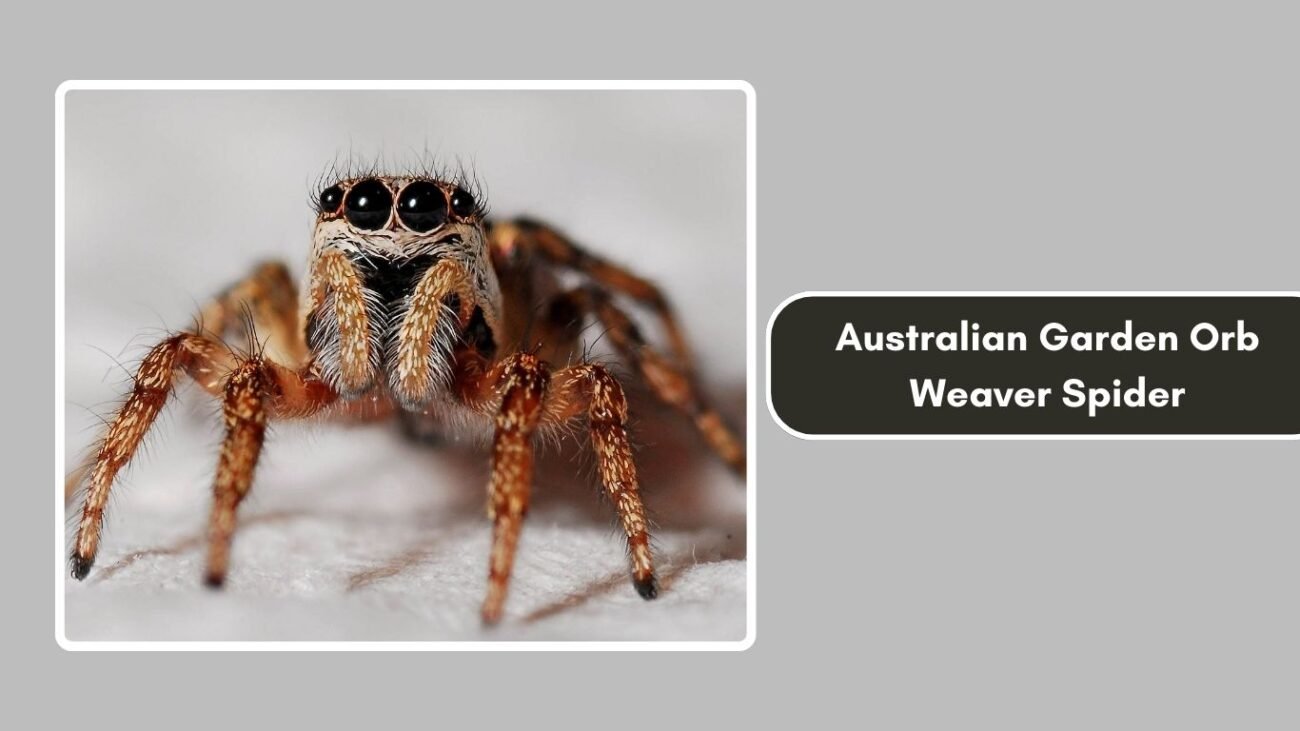
Australian Garden Orb Weaver Spider Kingdom
This spider belongs to the Animalia kingdom, Arthropoda phylum, and Araneae order. It’s a common sight in Australian gardens during summer evenings.
Garden Spider Australia
Widespread across Australia, these spiders prefer warm climates and are most active at night when they rebuild their large, circular webs.
Garden Spider Dangerous
Though they look scary, they are harmless to humans. Bites are rare and typically result in mild local pain, swelling, or redness.
Garden Spider Venom
They use venom to immobilize their insect prey. Their venom is not considered dangerous to people but is effective against small flying insects.
Garden Spider Class
They fall under the class Arachnida, known for eight-legged creatures like spiders, scorpions, and ticks. They share typical traits like web-spinning and segmented bodies.
13. Baby Garden Spider

Garden Spider Babies
After hatching, baby garden spiders often stay together for a short time in a clustered silk ball before dispersing to build their own miniature webs.
Male vs Female Garden Spider
Females are significantly larger and more colorful than males. Males often have thinner bodies and may be seen near a female’s web during mating season.
Garden Spider Nest
Garden spider nests are typically egg sacs wrapped in tough silk, often hidden in vegetation or nearby structures to protect against predators and weather.
Garden Spider Life Cycle
The life cycle includes four stages: egg, spiderling, juvenile, and adult. Most hatch in spring, grow through summer, and reach maturity by late summer or fall.
Garden Spider Mating
Mating usually happens in late summer. Males cautiously approach females and may vibrate the web to signal peaceful intentions. In some cases, the female may eat the male after mating.
14. Golden Garden Spider
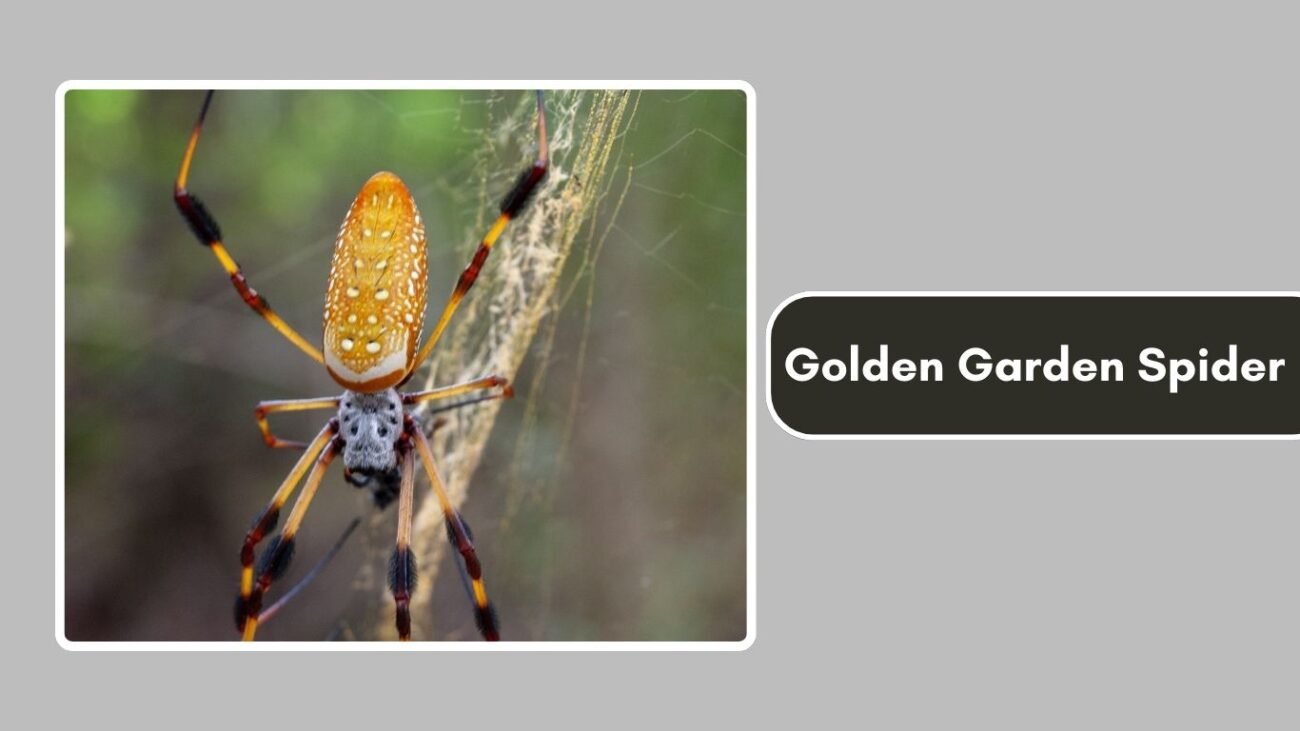
Golden Garden Spider Images
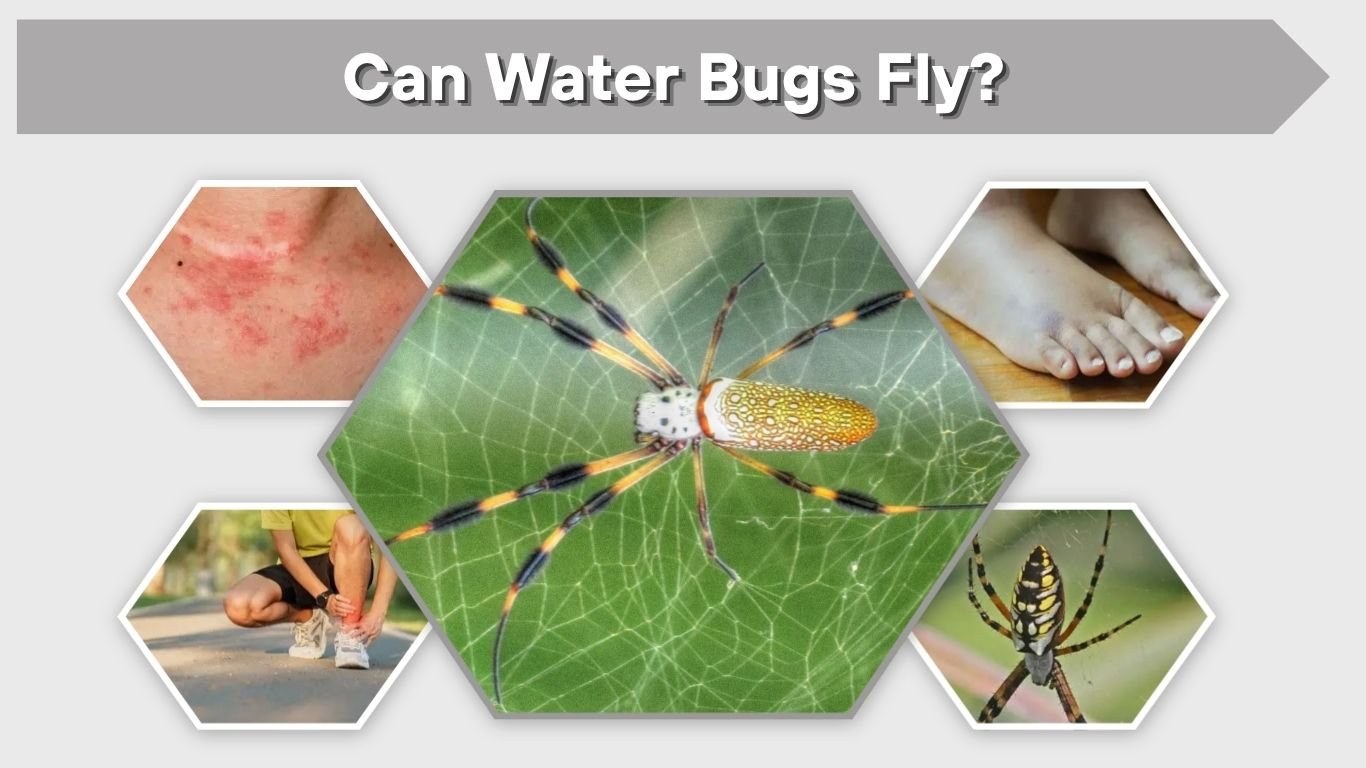
Photos show its distinctive yellow and black abdomen with long legs often held in a cross or X-shaped pose. They are usually found sitting in the center of their web.
Yellow Garden Spider Facts
Golden garden spiders are orb-weavers known for their stabilimentum—a zigzag silk design in the center of their web. They are active during the day and help reduce insect pests.
Yellow Garden Spider Poisonous
They are venomous to their prey but not dangerous to humans. Their bite might cause mild irritation or redness, similar to a mosquito bite.
Yellow Garden Spider Habitat
They thrive in sunny gardens, fields, and areas with tall grasses or shrubs. Their webs are typically built between plants, fences, or human structures.
Yellow Garden Spider Diet
They feed on flies, wasps, grasshoppers, and other small insects. When prey hits the web, they quickly immobilize it with venom before wrapping it in silk.
FAQs
1. Are garden spiders dangerous to humans?
No, garden spiders are not dangerous to humans. While they do possess venom to immobilize their prey, their bites are extremely rare and usually cause only mild symptoms like slight redness, swelling, or itching. They are non-aggressive and tend to flee rather than bite when disturbed.
2. What should I do if I find a garden spider in my yard?
You can leave it alone—garden spiders are beneficial! They help control pest insects like mosquitoes, flies, and aphids. If it’s in an inconvenient spot, you can gently relocate it using a stick or jar, but there’s no need to kill or remove it unless absolutely necessary.
3. How long do garden spiders live?
Most garden spiders live for about one year. They typically hatch in spring, mature through summer, and reproduce by late summer or fall. After laying eggs, the females usually die in the colder months, while the eggs overwinter and hatch the following spring.
4. Do garden spiders spin webs every day?
Yes, many garden spiders rebuild their webs daily, often in the early evening. Old webs may be eaten or discarded, especially if damaged or covered in debris. The new web is typically spun in the same area, especially if it’s a good hunting spot.
5. Can garden spiders be kept as pets?
While not common, some enthusiasts do keep garden spiders in terrariums for observation. They require a natural setup with branches and places to anchor webs, along with a steady diet of small insects. However, it’s generally better to observe them in their natural habitat.