Brown recluse spiders are among the most misunderstood and feared spiders in the United States, largely due to their venomous bite and elusive behavior. But where do they actually live? Are they hiding in every home, or only in specific regions? This article explores the natural and indoor habitats of brown recluse spiders, the environments they thrive in, and how they end up inside houses. Whether you’re curious about their range or trying to understand why one might be in your closet, this guide covers everything you need to know about where brown recluse spiders live and how their behavior and surroundings influence their presence.
1. What Is the Habitat of a Brown Recluse Spider?
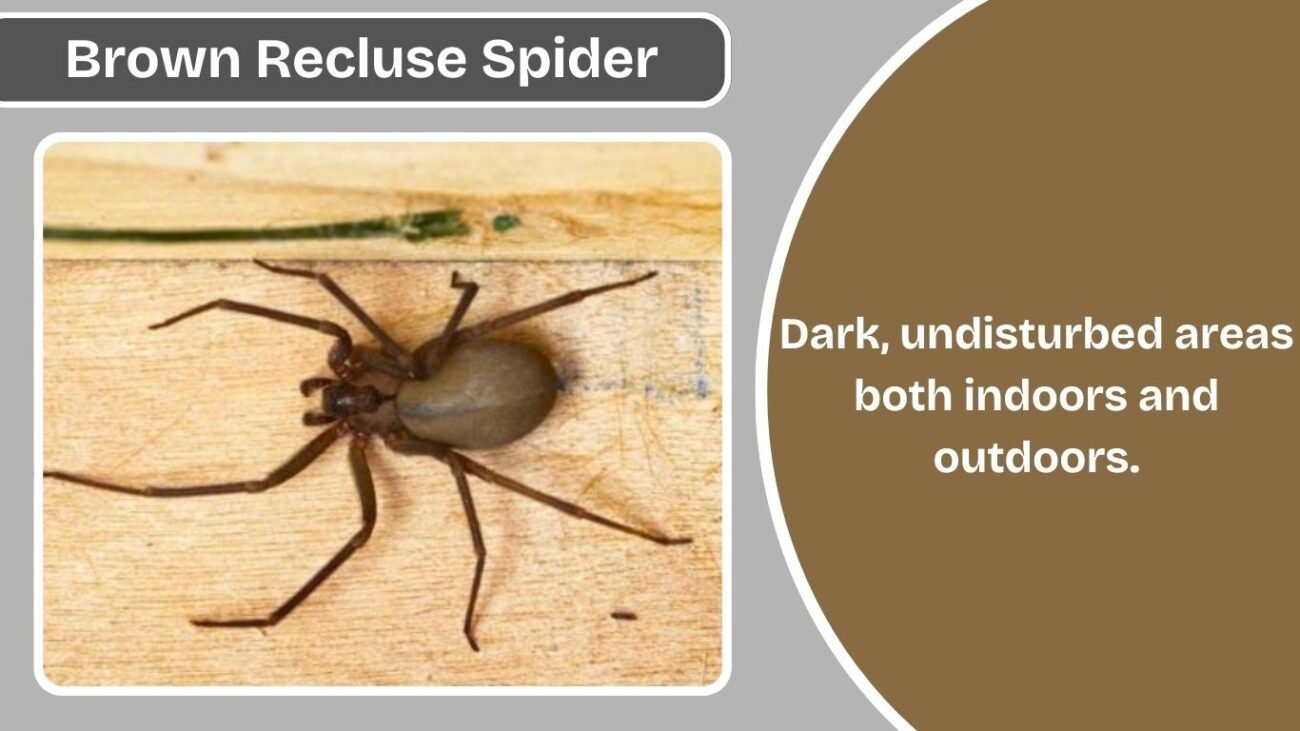
Brown recluse spiders prefer dark, undisturbed areas that provide shelter and easy access to prey. In natural outdoor environments, they are commonly found under rocks, logs, woodpiles, and dead tree bark. They seek out places where they can remain hidden and avoid predators while hunting at night.
Indoors, their habitat mimics this secluded nature. They’re often found in basements, attics, closets, sheds, behind furniture, or inside cardboard boxes and shoes. These spiders are nocturnal and shy by nature, so they usually remain hidden during the day and come out at night to hunt for insects.
Their ideal environment is dry and warm, so they avoid moist or overly cold areas. This is why homes, garages, and storage units in temperate climates can become ideal habitats if undisturbed clutter is present.
2. Where Brown Recluse Spiders Are Found?
Brown recluse spiders are native to the central and southern United States. Their main range includes states like Missouri, Arkansas, Kansas, Oklahoma, Texas, and parts of the Midwest and South, including areas of Tennessee, Kentucky, and northern Georgia.
The core region where these spiders are commonly found is often referred to as the “recluse triangle,” which includes southern Illinois, Iowa, and Nebraska.
They are rarely found outside this native range unless transported accidentally through moving boxes, furniture, or other materials. While reports of brown recluse sightings in states like California or Florida occasionally surface, verified infestations outside their native range are very uncommon.
3. Where Brown Recluse Spiders Live?
Brown recluse spiders live both outdoors and indoors, but they strongly favor indoor environments in homes or buildings with little disturbance. Inside homes, they live in areas like:
- Behind baseboards
- Inside wall voids
- Within stored clothing or shoes
- Under beds or furniture
- Inside cluttered closets or storage areas
Outdoors, they live in woodpiles, debris, sheds, and rock piles, especially in dry, warm climates.
They are not aggressive, and most people don’t even realize a brown recluse is sharing space with them. Their ability to go unnoticed is one reason why infestations can become established before being detected.
4. Where Can the Brown Recluse Spider Be Found?

The brown recluse spider can be found mainly in the central and southern United States. Its native range includes states like:
- Texas
- Oklahoma
- Arkansas
- Missouri
- Kansas
- Nebraska
- Illinois
- Kentucky
- Tennessee
They are also found in surrounding areas, but sightings outside this range are usually due to accidental transportation—for example, through moving boxes or second-hand furniture.
In buildings, they can be found in homes, barns, sheds, warehouses, and even office spaces, especially if the structure is not regularly cleaned or checked.
5. Where Brown Recluse Spiders Live Map
The brown recluse spider range map generally shows their distribution across a rough triangle in the U.S. This “recluse triangle” stretches from the south-central Midwest down to the Gulf Coast. The densest populations are typically found in:
- Southern Missouri
- Arkansas
- Eastern Oklahoma
- Northern Texas
Beyond this range, confirmed populations are rare. Some maps may show sporadic sightings in states like Ohio, California, or Florida, but these are often due to isolated incidents rather than stable populations.
If you’re living outside the brown recluse’s native map zone, the likelihood of finding one in your home is very low.
6. Where Do Brown Recluse Spiders Habitat?
Brown recluse spiders thrive in warm, dry, and undisturbed environments. Their ideal habitats include:
- Indoor cluttered spaces, such as storage rooms, basements, and attics.
- Behind wall voids, under furniture, or inside shoes and clothing.
- Outdoor sheltered areas, such as underneath tree bark, loose stones, woodpiles, or under porches.
They do not build webs to catch prey, so their chosen habitat must also offer access to insects they can actively hunt. This is why they prefer to stay close to insect activity zones but hidden from human traffic.
7. Do Brown Recluse Spiders Live in Houses?
Yes, brown recluse spiders can and often do live inside houses, especially in regions where they are native. They are adapted to human dwellings and prefer spaces that remain dark, dry, and undisturbed for long periods.
Common indoor hiding places include:
- Closets
- Basements
- Behind furniture
- Inside shoes or piles of laundry
- Inside boxes, papers, or storage containers
Because they are nocturnal and shy, they rarely wander openly during the day. Homeowners may live with brown recluse spiders for years without ever seeing one—unless they accidentally disturb their hiding spot.
8. Can Brown Recluse Spiders Be in Your House?
Yes, brown recluse spiders can absolutely be in your house—especially if you live within their native range. They are known for quietly inhabiting homes for years without being noticed. Since they prefer dry, dark, and still areas, homes with unused rooms, attics, basements, or storage clutter are ideal hiding spots.
These spiders don’t spin large visible webs. Instead, they rest in undisturbed corners, inside shoes, between folded clothes, or even inside drawers or cardboard boxes. If you’re in an area where brown recluse spiders are common and your home has these conditions, it’s possible they are sharing your space unnoticed.
9. Are Brown Recluse House Spiders?
While the brown recluse is not classified as a “house spider” by taxonomy, it is commonly found in houses—hence, many people call it a house spider informally. Unlike the true house spider (Parasteatoda tepidariorum), brown recluses do not build classic cobwebs or stay near windows.
Instead, brown recluse spiders prefer:
- Hidden indoor locations
- Storage spaces
- Under appliances or furniture
- Dry and low-traffic areas
So while they’re not technically “house spiders” by species classification, their behavior and preference for indoor spaces make the label understandable in daily use.
10. Are Brown Recluse Spiders House Spiders?
Yes, in terms of behavior and location, brown recluse spiders can be considered house spiders, especially in Midwestern and Southern U.S. homes. They commonly settle indoors when the environment offers:
- Consistent warmth
- Protection from predators
- A steady insect food supply
- Minimal human disturbance
That said, brown recluse spiders are not intentionally social and do not infest every home. Their presence often goes unnoticed unless one is spotted or a bite occurs from accidental contact.
11. Why Brown Recluse in House?
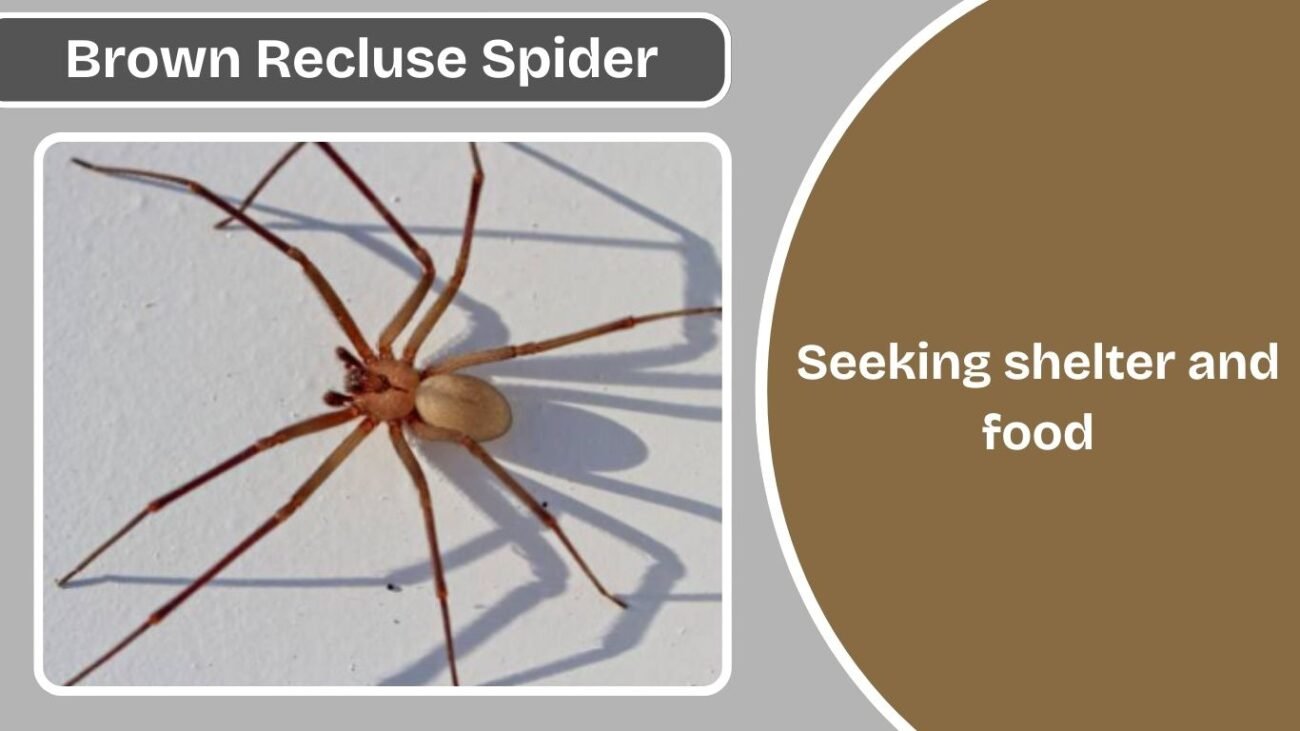
Brown recluse spiders come into houses because homes offer perfect living conditions for them. Some of the main reasons include:
- Shelter: Homes provide dry, warm, and secure hiding spots, especially in rarely cleaned or visited spaces.
- Food source: Homes often have other insects (like ants, cockroaches, or silverfish), which serve as prey for brown recluses.
- Undisturbed areas: Basements, attics, storage rooms, and even closets are ideal for nesting and resting.
- Entry points: Cracks in foundations, open windows, vents, or gaps in walls allow them to accidentally enter and stay.
Once inside, they usually don’t leave, and they reproduce slowly, often forming small, quiet populations in the same hidden space for years.
12. What Kind of Habitat Do Brown Recluse Spiders Live In?
Brown recluse spiders live in dry, secluded environments where they can hunt insects without being disturbed. Outdoors, their habitats include:
- Under loose tree bark
- Inside hollow logs
- Beneath rocks or debris
- In woodpiles or sheds
Indoors, they prefer:
- Dark corners of closets and basements
- Behind wall voids or picture frames
- Inside shoes, clothing piles, or boxes
They avoid moist or high-traffic areas and prefer stable temperatures, which is why homes and indoor buildings are attractive places for them to settle.
13. Does Every House Have Brown Recluse Spiders?
No, not every house has brown recluse spiders. They are regional, meaning they are primarily found in the central and southern U.S. If you live outside their known range, it’s highly unlikely your home has any.
Even within their active regions, many homes do not have infestations. Brown recluses tend to stay in hidden, quiet parts of a building, and unless your home has:
- A lot of clutter
- Easy entry points
- Access to insects
- Limited cleaning or maintenance
—then your chances of encountering them are relatively low.
14. Can Brown Recluse Spiders Survive Winter?

Yes, brown recluse spiders can survive winter, especially indoors. Inside homes, they remain protected from cold temperatures. They often hide in warm, enclosed places such as:
- Wall voids
- Attics
- Crawl spaces
- Cardboard boxes or clothing stacks
If they’re outside, they may seek shelter under bark or inside sheds, but prolonged freezing temperatures can kill them if they’re not properly insulated.
They don’t hibernate in the traditional sense but become less active during colder months, resuming movement when indoor temperatures rise again.
15. Do Brown Recluse Spiders Hibernate?
Brown recluse spiders do not hibernate in a strict biological sense. However, they do become less active in cold conditions, especially if they’re living in outdoor environments or unheated buildings.
When temperatures drop:
- Their metabolism slows down
- They reduce movement and hunting
- They may hide deeper in insulation or walls
Inside heated homes, they remain active year-round, though activity may still dip slightly in winter. Their ability to survive the winter depends on the environment’s warmth and dryness.