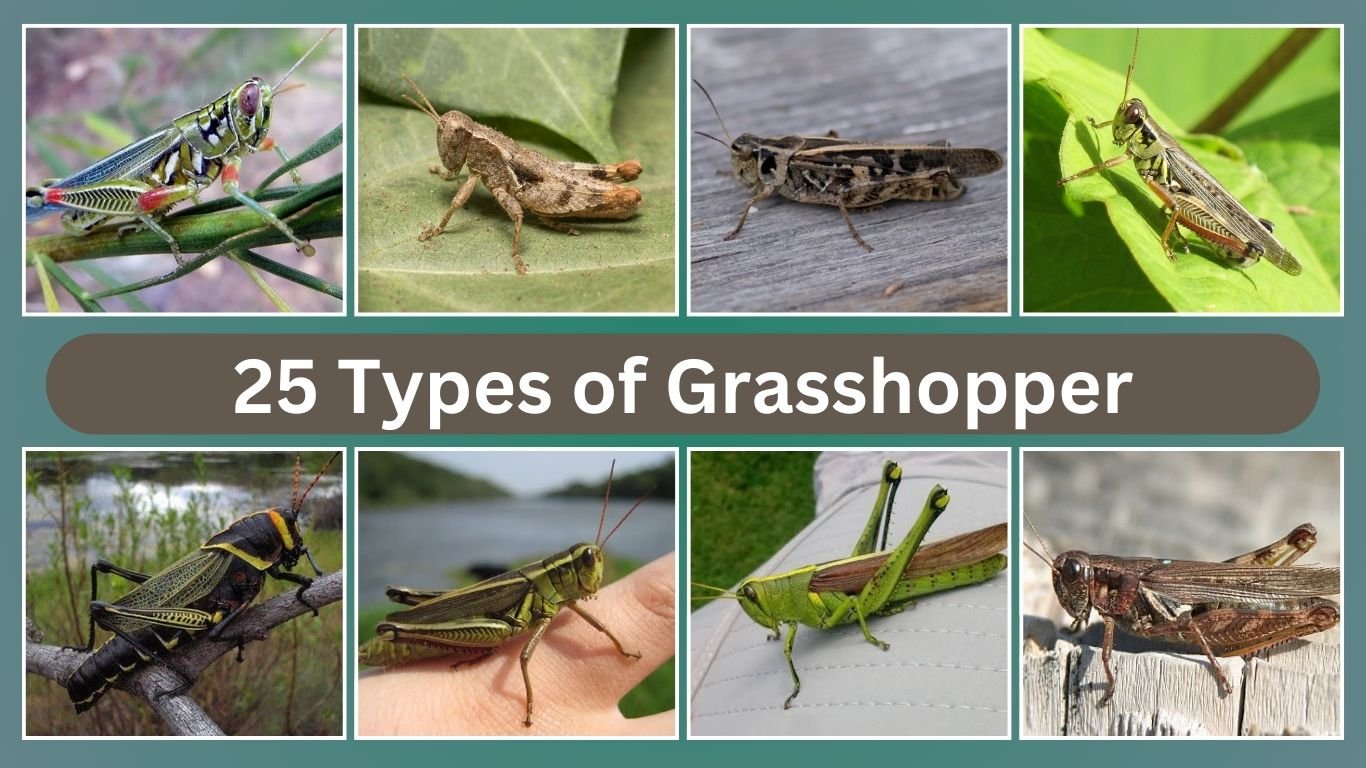
Grasshoppers are a diverse group of insects found worldwide, known for their powerful hind legs, ability to leap great distances, and ecological role as both herbivores and prey. With thousands of species, they vary widely in appearance, behavior, and environmental preferences. This guide highlights 25 notable types of grasshoppers, offering detailed insights into their identification, habitat, behavior, and life cycles to help with recognition and study.
1. Differential Grasshopper

The Differential Grasshopper (Melanoplus differentialis) is one of the most common and widespread grasshopper species in North America. It is recognized for its large size and its preference for agricultural fields, where it can sometimes become a pest.
Identification
- Large body, usually 1.5–2 inches long
- Yellowish to greenish coloration
- Distinct black chevron-like markings on the hind femur
- Wings extend beyond the abdomen
- Robust body structure with strong hind legs
Habitat
The differential grasshopper is commonly found in grasslands, meadows, crop fields, and roadside vegetation. It thrives in areas with abundant grasses and broadleaf plants.
Behavior
This species is primarily diurnal (active during the day). It feeds on a wide range of plants, including agricultural crops like corn, soybeans, and alfalfa. When disturbed, it makes quick jumps and short flights to escape predators.
Lifecycle
The lifecycle includes egg, nymph, and adult stages. Eggs are laid in soil during late summer and overwinter. Nymphs emerge in spring, passing through several molts before becoming adults. Adults are most active from midsummer to early fall.
2. Two-striped Grasshopper
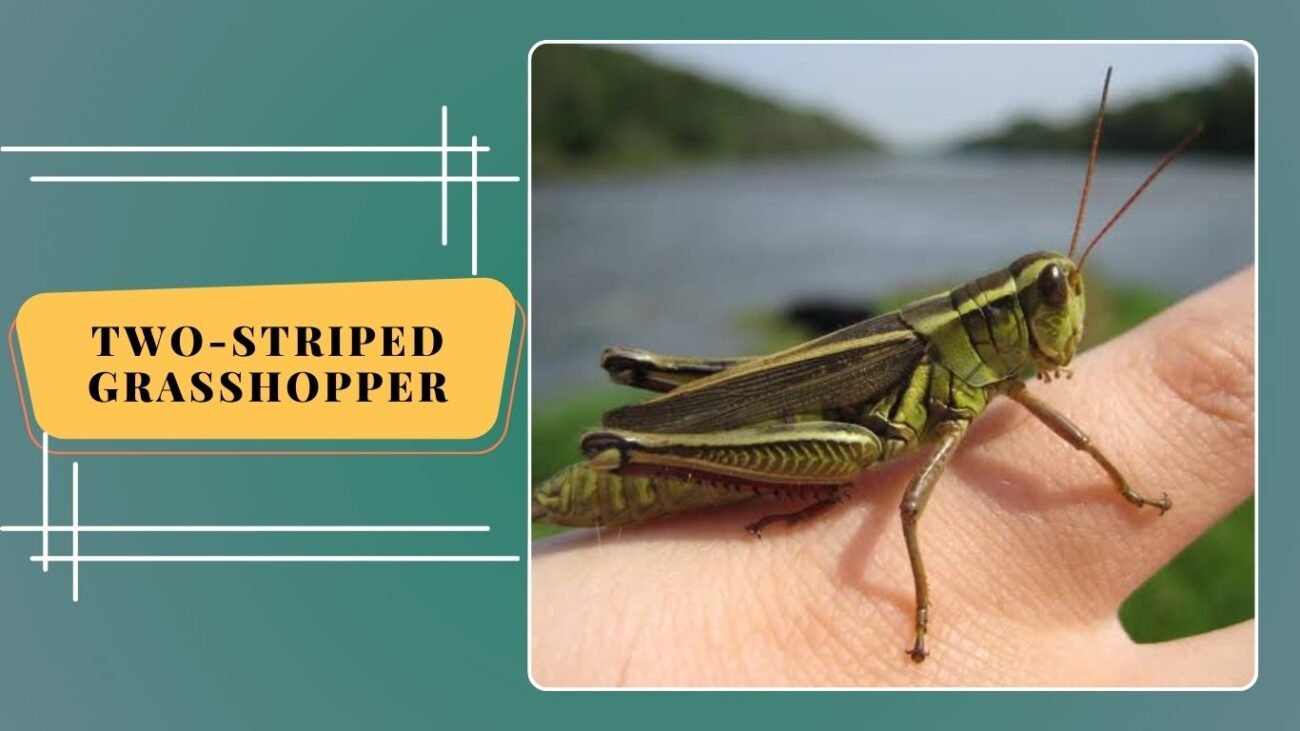
The Two-striped Grasshopper (Melanoplus bivittatus) is a widespread species across North America, notable for the two light stripes running along its body. It is often found in both natural habitats and cultivated fields, where it may feed on a variety of plants.
Identification
- Medium to large size, about 1.5–2 inches long
- Greenish or brownish body color
- Two distinct yellowish stripes running from the eyes to the wings
- Strong hind legs with dark markings
- Wings extend well past the abdomen
Habitat
This grasshopper is commonly found in meadows, prairies, gardens, and agricultural lands. It thrives in areas with mixed vegetation, especially places with both grasses and broadleaf plants.
Behavior
The two-striped grasshopper is active during the day and feeds on many types of vegetation, including crops such as wheat, barley, and alfalfa. It uses its powerful legs to leap away when threatened and can travel moderate distances by flight.
Lifecycle
The species undergoes incomplete metamorphosis: egg, nymph, and adult. Eggs are deposited in soil in late summer and hatch in spring. Nymphs progress through 5–6 molts before reaching adulthood by midsummer. Adults are present through late summer and early fall.
3. Migratory Grasshopper

The Migratory Grasshopper (Melanoplus sanguinipes) is one of the most abundant and economically significant grasshoppers in North America. Known for forming dense populations, it can cause severe damage to crops and rangelands.
Identification
- Medium-sized, typically 1–1.5 inches long
- Body color varies from brown to gray with darker markings
- Hind femur has dark bands and pale stripes
- Wings are usually long, extending beyond the abdomen
- Slender body compared to other large grasshoppers
Habitat
Migratory grasshoppers inhabit grasslands, rangelands, pastures, and croplands. They prefer open areas with plenty of grasses and forbs, making them widespread across prairies and agricultural regions.
Behavior
As their name suggests, migratory grasshoppers are highly mobile and gregarious. They often move in large groups, consuming vast amounts of vegetation. They are diurnal, feeding actively during the day and moving when disturbed.
Lifecycle
Their lifecycle includes egg, nymph, and adult stages. Eggs are laid in the soil during late summer and overwinter. Nymphs hatch in spring and undergo 5–6 molts before reaching adulthood. Adults peak in population during late summer and can live into early fall.
4. Red-legged Grasshopper

The Red-legged Grasshopper (Melanoplus femurrubrum) is one of the most common grasshopper species in North America, often found in both natural and agricultural landscapes. Its reddish hind legs make it easy to identify in the field.
Identification
- Medium-sized, about 0.8–1.5 inches long
- Brown to green body with mottled markings
- Distinct reddish or rust-colored hind femur
- Hind tibiae often bluish or purplish
- Wings extend slightly beyond the abdomen
Habitat
Red-legged grasshoppers thrive in meadows, fields, pastures, lawns, and croplands. They prefer areas with mixed grasses and broadleaf plants and are adaptable to both dry and moist environments.
Behavior
This species is active during the day and feeds on a wide range of plants, including grasses, clovers, alfalfa, and crops such as corn and soybeans. When disturbed, it leaps quickly and may fly short distances. It is considered an important agricultural pest in some regions.
Lifecycle
The lifecycle includes egg, nymph, and adult stages. Eggs are laid in the soil in late summer and overwinter. Nymphs hatch in spring and undergo 5 molts before reaching adulthood. Adults are most numerous from midsummer through early fall.
5. Carolina Grasshopper

The Carolina Grasshopper (Dissosteira carolina) is a large and widespread grasshopper species in North America. It is well known for its striking black hind wings, which are visible during flight, making it one of the more recognizable grasshoppers.
Identification
- Large size, typically 1.5–2.5 inches long
- Body color ranges from gray to brown, often matching the soil for camouflage
- Forewings mottled with brown or gray patterns
- Hind wings black with pale yellow margins, visible in flight
- Robust hind legs adapted for strong jumping
Habitat
Carolina grasshoppers are commonly found in bare ground areas, dirt roads, open fields, pastures, and sandy soils. Their coloration allows them to blend well into dry, dusty environments.
Behavior
This species is primarily diurnal and relies heavily on camouflage when resting on the ground. When disturbed, it makes a loud, startling flight, flashing its black wings before quickly dropping to the ground and blending in again. It feeds mainly on grasses and forbs.
Lifecycle
The lifecycle consists of egg, nymph, and adult stages. Eggs are deposited in soil in late summer and overwinter. Nymphs hatch in spring and pass through several molts before becoming adults. Adults are active from midsummer through fall.
6. American Grasshopper
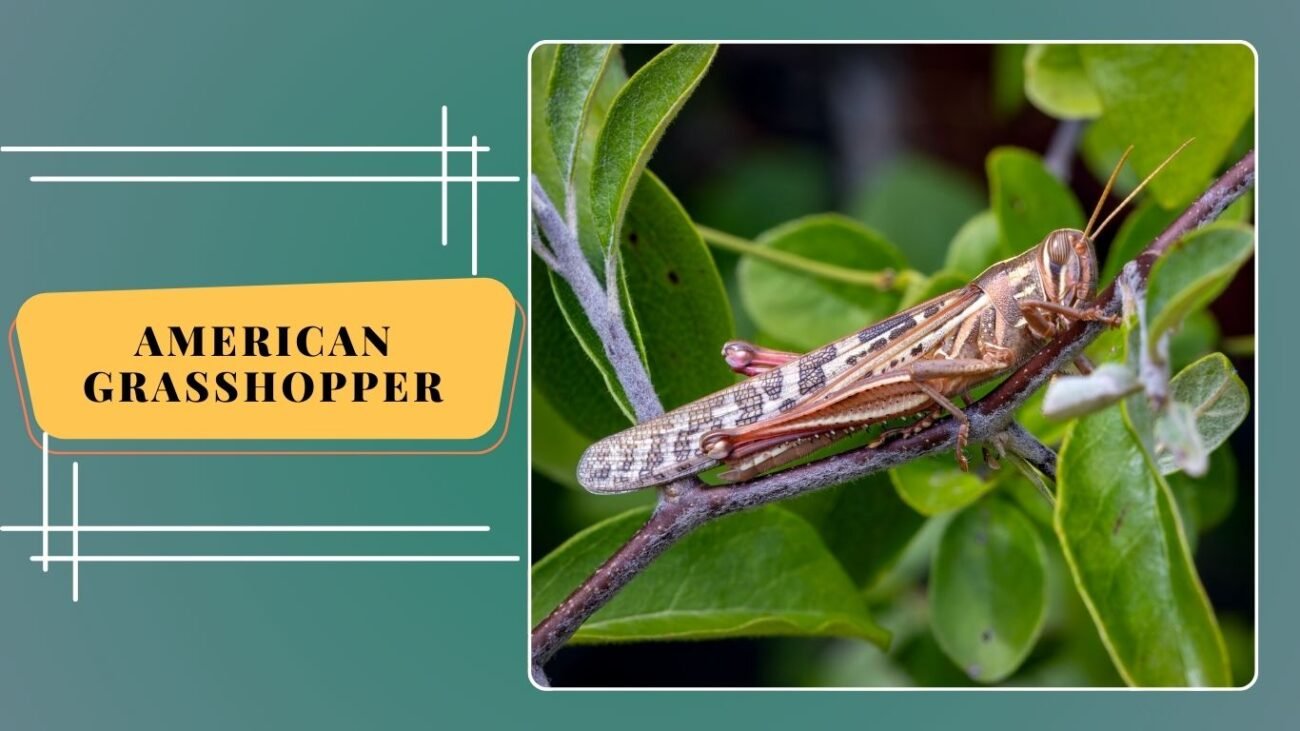
The American Grasshopper (Schistocerca americana) is a large and colorful grasshopper species commonly found in the southern United States, Central America, and the Caribbean. It is known for its strong flying ability and tendency to gather in large numbers.
Identification
- Large size, about 1.5–2.5 inches long
- Body color usually green, yellow, or brown with mottled markings
- Hind wings are transparent with a faint yellow tint
- Pronotum (area behind the head) has distinct ridges
- Strong hind legs with dark banding
Habitat
American grasshoppers inhabit fields, meadows, gardens, pastures, and croplands. They are especially common in warm climates with abundant vegetation.
Behavior
This species is diurnal and highly active, capable of long flights when disturbed. It feeds on a wide variety of plants, including grasses, weeds, and crops such as corn, cotton, and citrus. In large populations, it can become a significant pest.
Lifecycle
The lifecycle consists of egg, nymph, and adult stages. Eggs are laid in soil in clusters and overwinter. Nymphs hatch in spring and pass through 5–6 molts before becoming adults. Adults are most numerous in late summer and remain active into the fall.
7. Spur-throated Grasshopper
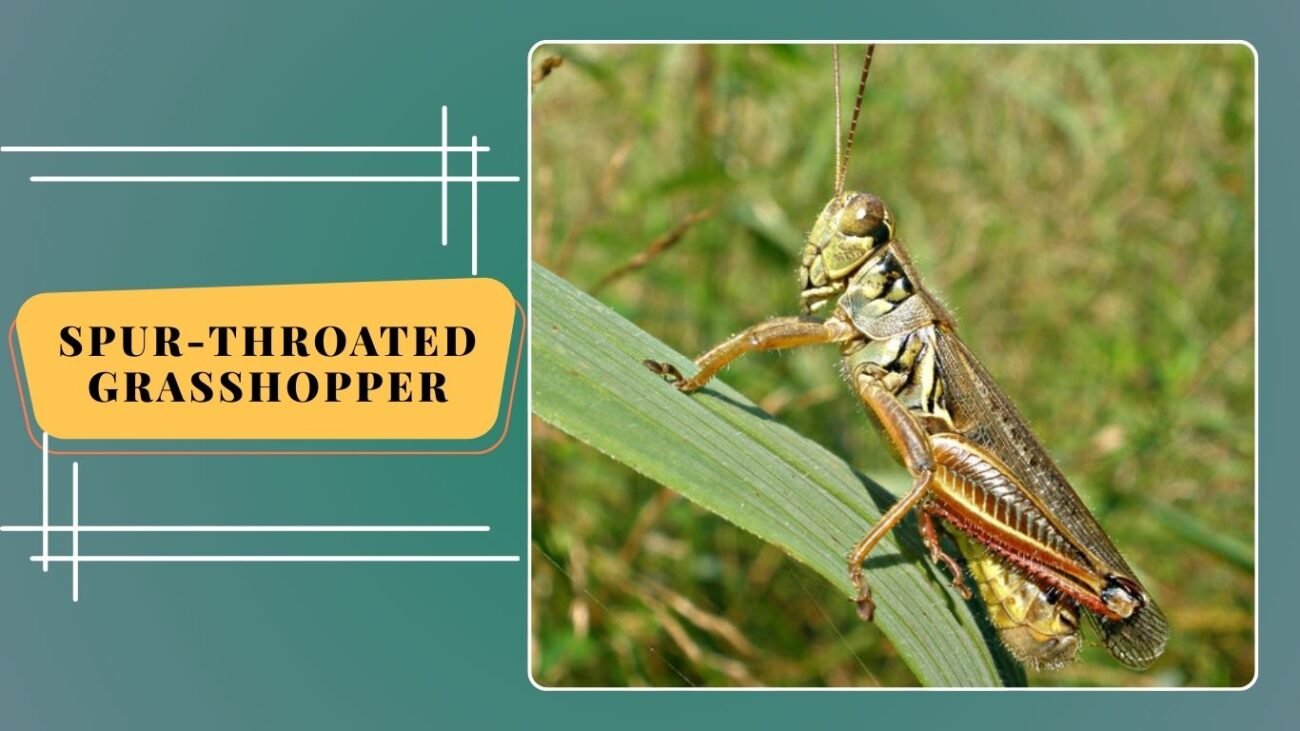
The Spur-throated Grasshopper (Melanoplus spp.) is a broad group of grasshoppers named for the small spur-like projection located between their front legs, under the throat. This characteristic feature makes them easy to distinguish from other grasshopper types.
Identification
- Medium to large size, ranging from 1–2 inches
- Body color varies: green, brown, or gray with subtle striping or mottling
- Distinctive spur (small tubercle) between the front legs on the throat area
- Strong hind legs, sometimes with faint bands
- Long wings extending beyond the abdomen
Habitat
Spur-throated grasshoppers are commonly found in grasslands, prairies, pastures, gardens, and croplands. They prefer areas with both grasses and broadleaf plants, making them frequent in agricultural landscapes.
Behavior
These grasshoppers are active during the day and are strong jumpers and fliers. They are generalist feeders, consuming a wide variety of vegetation, including many important crops such as wheat, corn, and alfalfa. Because of their adaptability, they can be significant agricultural pests in some regions.
Lifecycle
The lifecycle includes egg, nymph, and adult stages. Eggs are deposited in soil during late summer and overwinter. Nymphs hatch in spring and molt through 5–6 stages before maturing. Adults are abundant from midsummer to late fall.
8. Short-horned Grasshopper
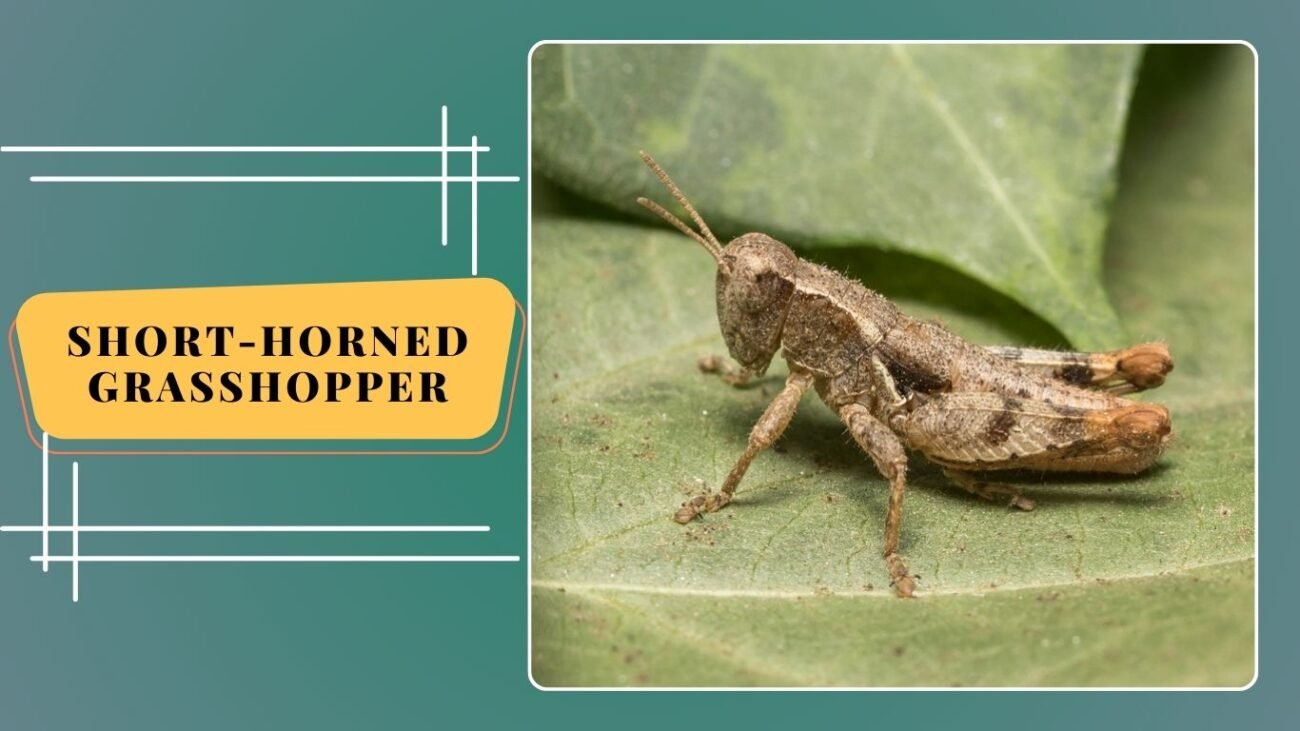
The Short-horned Grasshopper (Acrididae family) is one of the largest and most diverse groups of grasshoppers, recognized by their relatively short antennae compared to their body length. They are found worldwide and include many common grasshopper species.
Identification
- Small to large size, typically 0.5–2.5 inches long
- Antennae are short, usually shorter than the body length
- Body color varies widely: green, brown, gray, or mottled patterns
- Wings may be long or short depending on the species
- Strong hind legs adapted for jumping
Habitat
Short-horned grasshoppers are widely distributed in grasslands, fields, forests, deserts, and agricultural lands. They are highly adaptable and can survive in diverse ecosystems, from moist meadows to arid plains.
Behavior
These grasshoppers are primarily diurnal, feeding on a wide variety of plants, especially grasses and forbs. Some species within this group are notorious agricultural pests, capable of damaging large areas of crops. They rely on quick jumps and short flights to escape predators.
Lifecycle
Like most grasshoppers, they undergo incomplete metamorphosis: egg, nymph, and adult. Eggs are laid in soil and overwinter, hatching in spring. Nymphs progress through several molts before reaching maturity, with adults most active during summer and fall.
9. Slant-faced Grasshopper
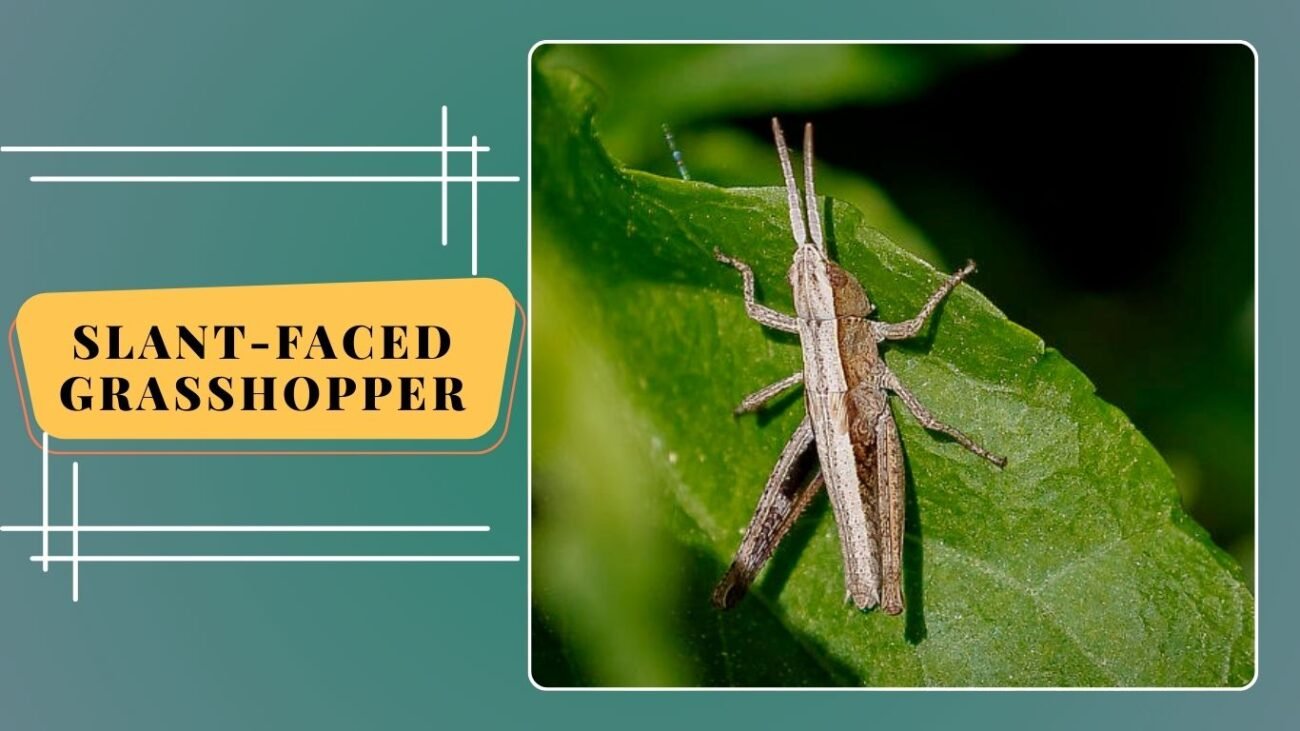
The Slant-faced Grasshopper (Gomphocerinae subfamily) is a distinctive group of grasshoppers recognized by their angled facial profile. These grasshoppers are often slender and well-camouflaged, making them more difficult to spot in grassy habitats.
Identification
- Medium size, usually 0.8–1.5 inches long
- Characteristic slanted or angled face instead of a vertical profile
- Slender body, often green, brown, or straw-colored
- Wings typically long and narrow, extending past the abdomen
- Hind legs strong, often with faint striping
Habitat
Slant-faced grasshoppers are found mainly in meadows, prairies, wetlands, and grassy fields. They prefer habitats with tall grasses where their body shape and coloration provide effective camouflage.
Behavior
This group is generally less aggressive feeders compared to pest species. They primarily consume grasses and sedges. They are also more secretive, relying on stillness and camouflage rather than flight to avoid predators, though they can leap and fly when necessary.
Lifecycle
Their lifecycle includes egg, nymph, and adult stages. Eggs are deposited in soil during late summer and overwinter. Nymphs hatch in spring, undergoing several molts before reaching maturity. Adults are most common during summer and early fall.
10. Club-horned Grasshopper
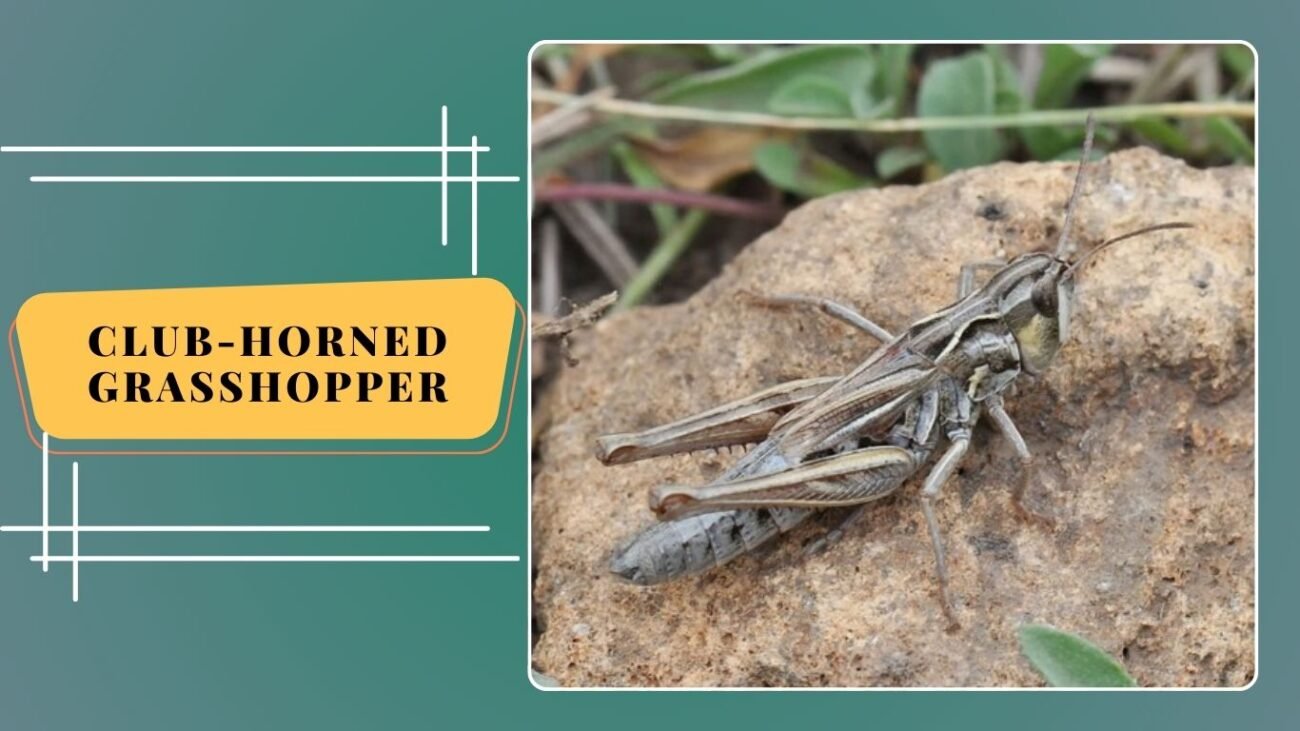
The Club-horned Grasshopper (Gomphocerus rufus) is a unique species named for the distinctive club-like swelling at the tips of its antennae. It is well adapted to cooler climates and is more common in parts of Europe and Asia, though related species occur elsewhere.
Identification
- Medium size, about 0.8–1.2 inches long
- Antennae with a club-shaped swelling at the tips
- Body color usually brown, gray, or green with mottled patterns
- Males are often smaller and slimmer than females
- Hind legs strong, often marked with bands or spots
Habitat
Club-horned grasshoppers are typically found in meadows, heathlands, alpine pastures, and open grasslands. They prefer cooler regions with a mixture of grasses and low vegetation.
Behavior
This species is diurnal and feeds mainly on grasses and herbs. Males produce a characteristic “stridulation” sound (rubbing hind legs against wings) to attract females during the mating season. They rely on short flights and jumps for escape.
Lifecycle
The lifecycle consists of egg, nymph, and adult stages. Eggs are laid in the soil in late summer and overwinter. Nymphs hatch in spring and go through multiple molts before reaching adulthood. Adults are most abundant in midsummer through early autumn.
11. Green-striped Grasshopper
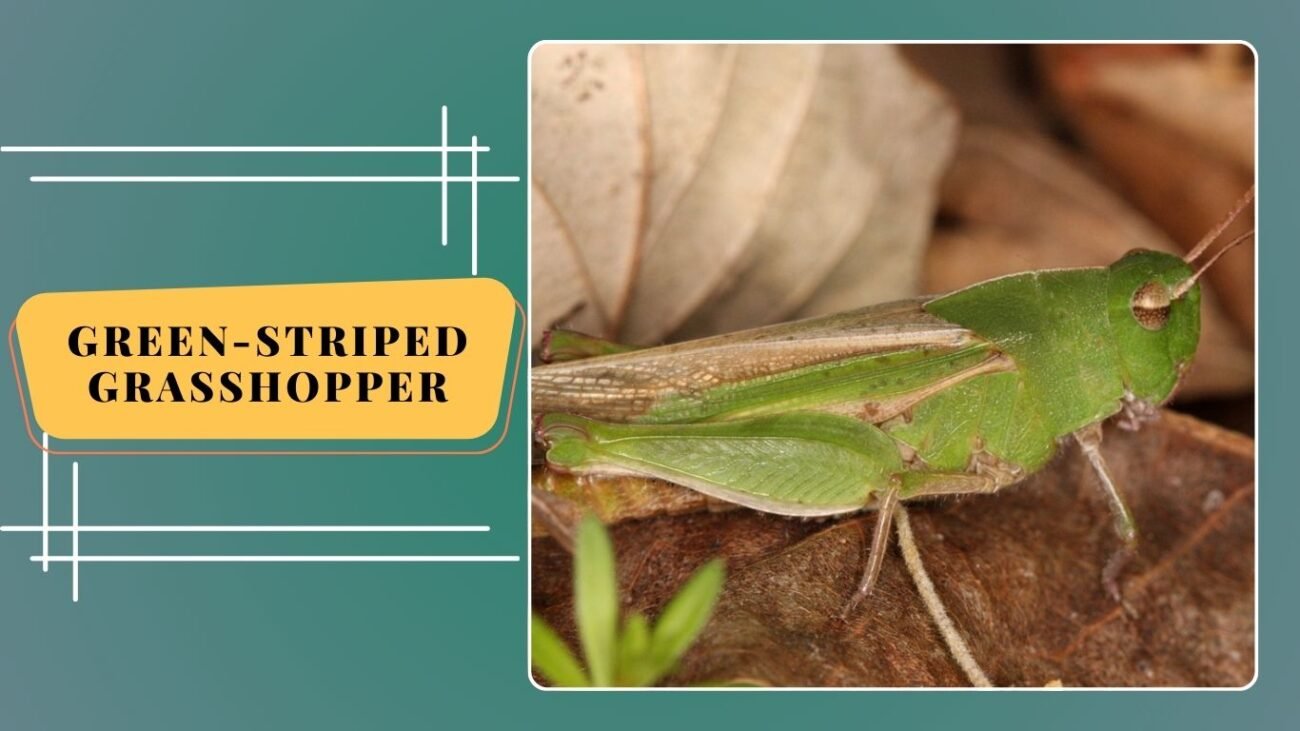
The Green-striped Grasshopper (Chortophaga viridifasciata) is a common species across North America, notable for its bright green or brown coloration with distinct striping. It is often one of the earliest grasshoppers seen in spring.
Identification
- Small to medium size, about 0.7–1.2 inches long
- Color varies: bright green, brown, or a mix of both
- Distinct green stripe running along the back or wings
- Hind wings usually pale with slight yellow or transparent shading
- Females are larger than males
Habitat
Green-striped grasshoppers thrive in fields, pastures, lawns, and roadsides. They prefer open grassy areas with sparse vegetation and can adapt to disturbed habitats such as agricultural fields and suburban yards.
Behavior
This species is diurnal and one of the earliest to appear in spring, often active by late March or early April. They feed primarily on grasses and some broadleaf weeds. When disturbed, they leap quickly and make short flights close to the ground.
Lifecycle
Their lifecycle follows the typical grasshopper pattern: egg, nymph, and adult stages. Eggs are deposited in soil in late summer and overwinter. Nymphs hatch in early spring and molt through several stages before reaching adulthood, making them among the first grasshoppers to mature each year.
12. Pasture Grasshopper
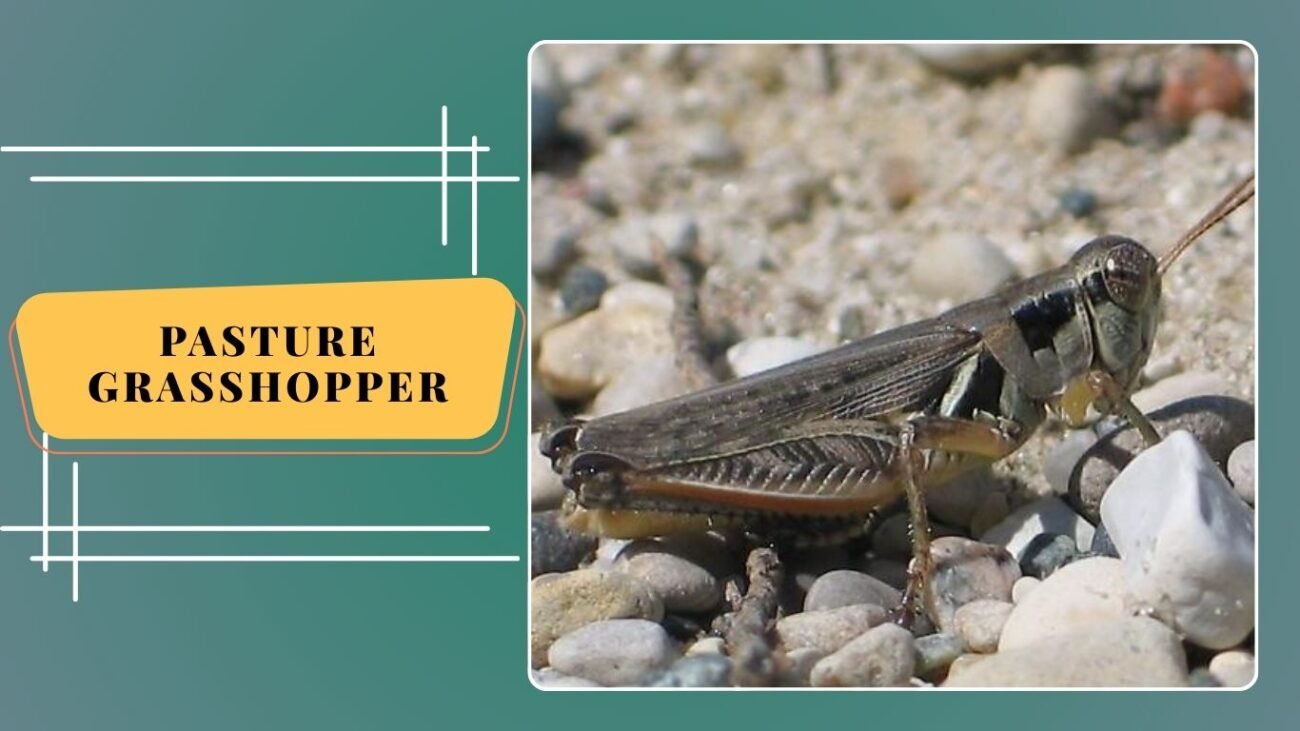
The Pasture Grasshopper (Melanoplus confusus) is a widespread species in North America, especially abundant in open grassy areas. As its name suggests, it is frequently found in pastures, where it feeds on a variety of grasses.
Identification
- Medium size, about 1–1.3 inches long
- Body color ranges from brown to gray, sometimes with green tones
- Hind femur with faint bands or mottling
- Wings usually extend to or slightly beyond the tip of the abdomen
- Slender build compared to some other Melanoplus species
Habitat
Pasture grasshoppers are common in pastures, meadows, hayfields, and grasslands. They thrive in open areas with an abundance of grasses and low vegetation, often sharing habitats with other grazing insects.
Behavior
This species is active during the day and feeds primarily on grasses but may occasionally nibble on forbs. It is not considered a major agricultural pest but can contribute to forage loss when populations are high. It escapes threats with quick leaps and short flights.
Lifecycle
The lifecycle includes egg, nymph, and adult stages. Eggs are deposited in soil in late summer and overwinter. Nymphs hatch in spring, pass through several molts, and become adults by mid to late summer. Adults remain active through early fall.
13. Plains Lubber Grasshopper
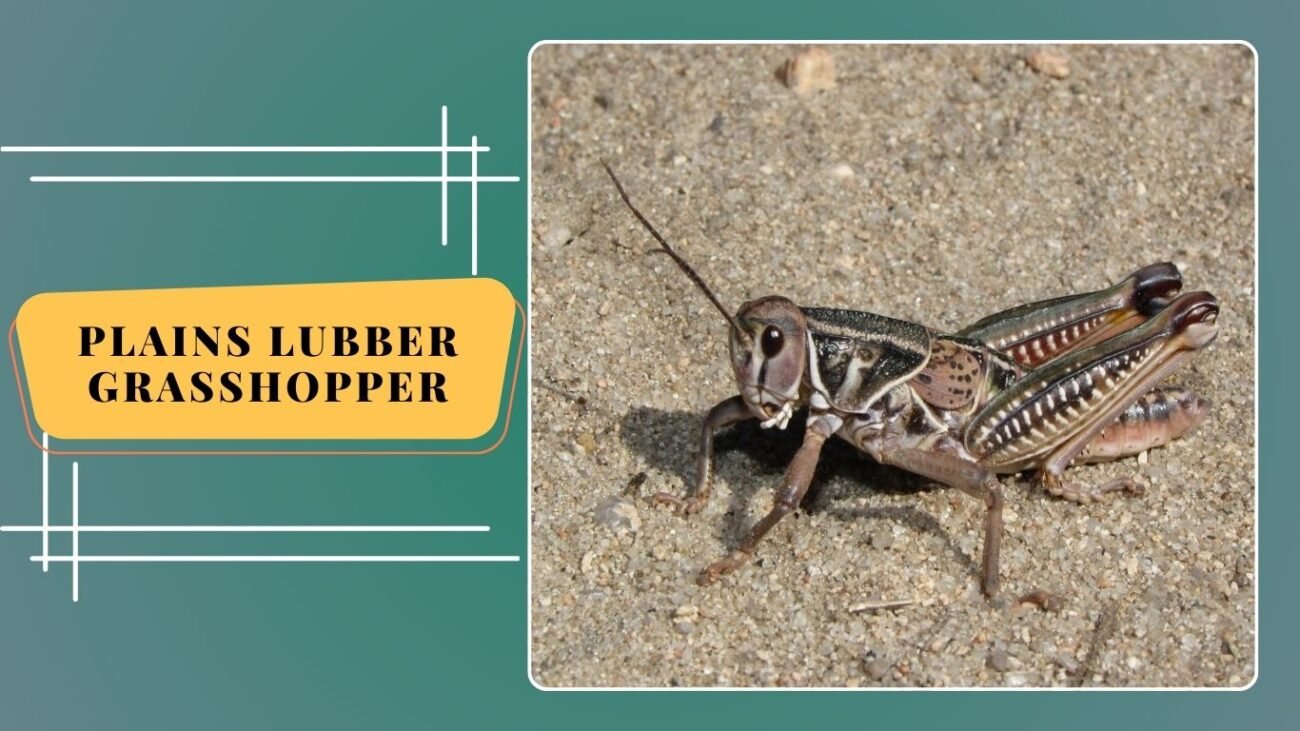
The Plains Lubber Grasshopper (Brachystola magna) is one of the largest grasshoppers in North America. Unlike many other species, it has short wings and is unable to fly, relying instead on strong legs for movement.
Identification
- Very large size, often 2–3 inches long
- Stout, heavy body with bright coloration (green, brown, or reddish)
- Short wings that do not cover the abdomen (flightless)
- Large, thick hind femurs adapted for jumping
- Distinct pronotum with ridges and markings
Habitat
Plains lubber grasshoppers are found in prairies, grasslands, and open plains across the central United States and Mexico. They prefer dry areas with sparse to moderate vegetation.
Behavior
This species is slow-moving and flightless, depending on jumping for escape. It feeds mainly on broadleaf plants, weeds, and forbs rather than grasses. Plains lubbers are not major agricultural pests but may occasionally feed on garden or crop plants.
Lifecycle
The lifecycle consists of egg, nymph, and adult stages. Eggs are laid in the soil during late summer and overwinter. Nymphs hatch in spring, undergoing several molts before reaching adulthood. Adults are most common in midsummer through early fall.
14. Southeastern Lubber Grasshopper
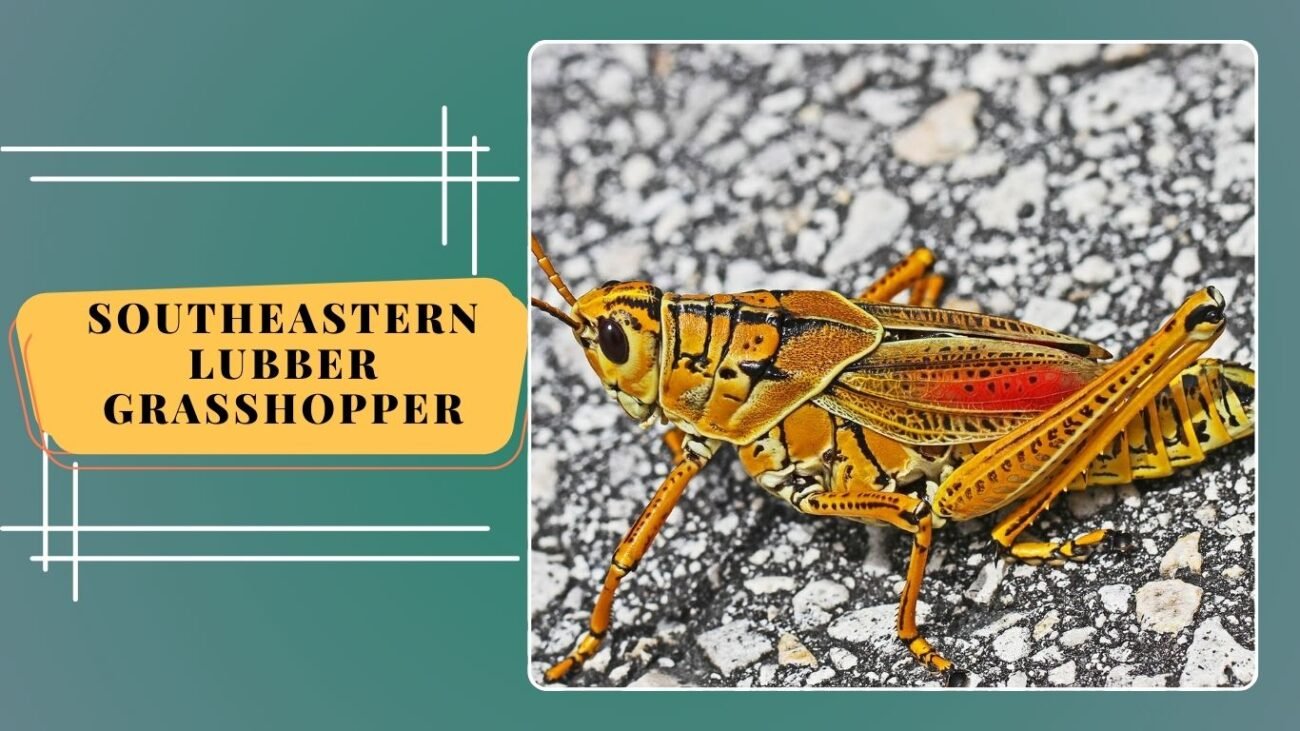
The Southeastern Lubber Grasshopper (Romalea microptera) is a large, brightly colored, and flightless grasshopper native to the southeastern United States. Its striking appearance and chemical defenses make it one of the most recognized grasshopper species.
Identification
- Very large size, often 2–3 inches long
- Bright coloration: yellow, orange, or red with black markings
- Short wings that do not allow flight (primarily flightless)
- Stout body with thick hind legs
- Bright warning colors serve as a defense mechanism
Habitat
Southeastern lubbers are found in fields, pastures, gardens, woodlands, and roadside vegetation. They prefer warm, humid environments typical of the southeastern U.S.
Behavior
This species is slow-moving and relies on warning coloration to deter predators. When threatened, it may secrete a foul-smelling foamy liquid as a defense. It feeds on a wide variety of plants, including ornamental and garden plants, but its population density is usually low enough to avoid being a severe pest.
Lifecycle
The lifecycle follows the typical grasshopper stages: egg, nymph, and adult. Eggs are laid in soil in pods during late summer and overwinter. Nymphs hatch in spring, are wingless, and molt through several stages before becoming adults by midsummer. Adults are most visible during summer and fall.
15. Horse Lubber Grasshopper
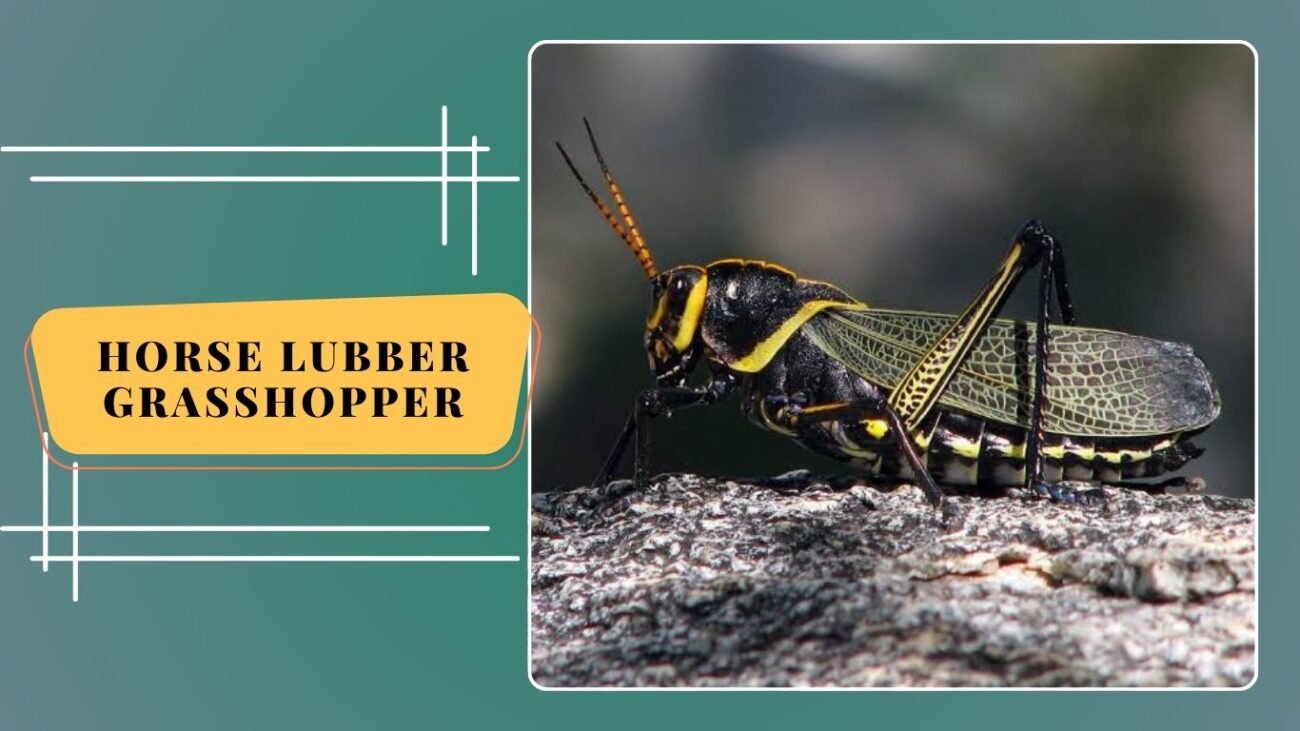
The Horse Lubber Grasshopper (Taeniopoda eques) is a large, striking grasshopper species native to the southwestern United States and northern Mexico. Its dramatic coloration and chemical defenses make it one of the most noticeable grasshoppers in its range.
Identification
- Very large size, reaching 2–3 inches long
- Shiny black body with bright yellow or orange markings
- Hind wings are often red or orange, visible in flight
- Thick, robust body with short wings (not strong fliers)
- Bright warning coloration signals toxicity to predators
Habitat
Horse lubber grasshoppers inhabit deserts, scrublands, grasslands, and open woodlands. They are particularly common in arid and semi-arid environments with sparse vegetation.
Behavior
This species is slow-moving and relies on aposematic (warning) coloration. When disturbed, it may hiss, spread its colorful wings, and secrete a foamy, foul-smelling defensive fluid. It feeds on a wide range of plants, including some toxic species that make it distasteful to predators.
Lifecycle
The lifecycle includes egg, nymph, and adult stages. Eggs are laid in soil in clusters during late summer and overwinter. Nymphs emerge in spring and molt several times before reaching adulthood by midsummer. Adults are active through summer and fall.
16. Obscure Grasshopper
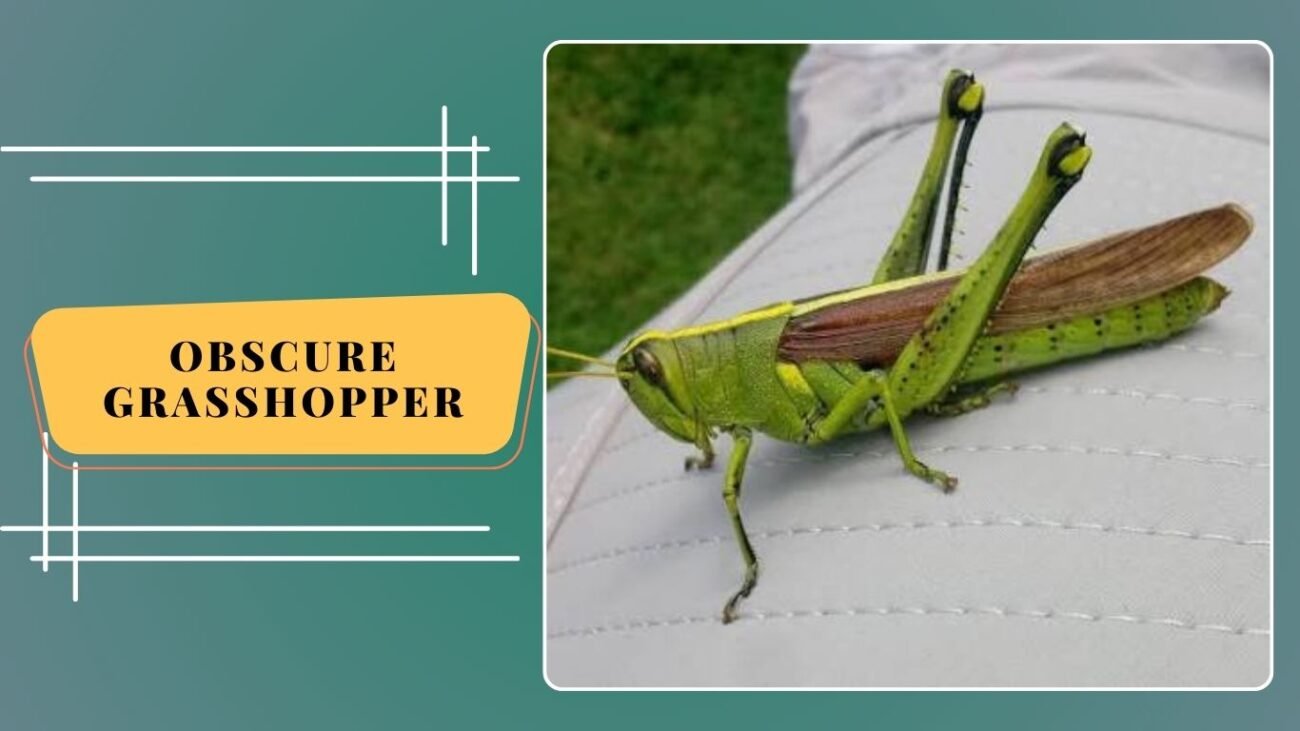
The Obscure Grasshopper (Schistocerca obscura) is a medium to large species found mainly in the southern United States. While less well-known than some of its relatives, it is widespread and adapts well to various habitats.
Identification
- Medium to large size, about 1.2–2 inches long
- Body color typically brown or gray, sometimes greenish
- Mottled or streaked patterns along the body and wings
- Hind femur with faint dark bands
- Wings usually long, extending beyond the abdomen
Habitat
Obscure grasshoppers inhabit fields, grasslands, woodlands, and gardens. They prefer areas with mixed vegetation, including both grasses and broadleaf plants, and are common in warmer climates.
Behavior
This species is active during the day, feeding on a variety of plants. While it can consume crops and garden plants, it is not usually considered a serious agricultural pest. It escapes predators with strong jumps and short flights.
Lifecycle
The lifecycle includes egg, nymph, and adult stages. Eggs are deposited in soil in late summer and overwinter. Nymphs hatch in spring, molting several times before reaching adulthood. Adults are most active in midsummer through fall.
17. Clear-winged Grasshopper
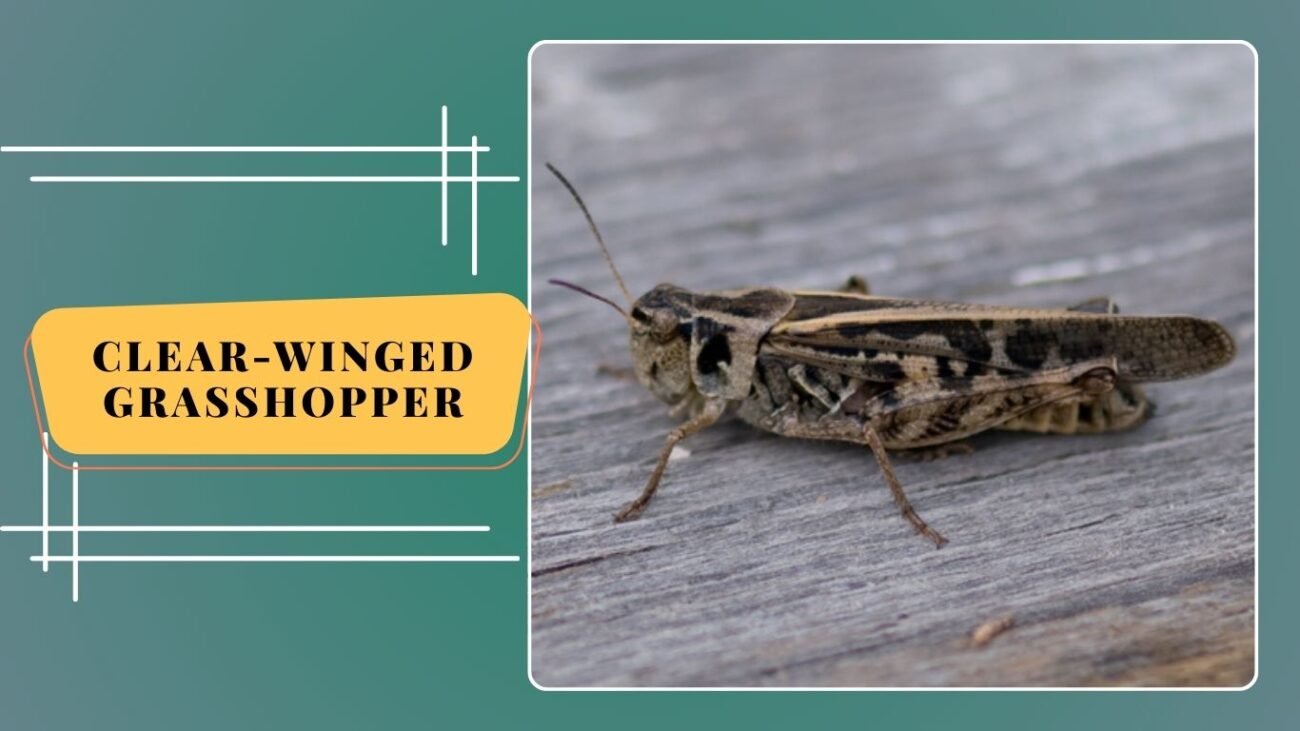
The Clear-winged Grasshopper (Camnula pellucida) is a widespread species across North America and is one of the most significant pests of cereal crops and grasses. Its transparent wings and feeding habits make it easy to identify in the field.
Identification
- Medium size, about 0.8–1.2 inches long
- Body color usually gray or brown with mottled patterns
- Hind femur banded with dark and light stripes
- Wings long, transparent (clear) with faint veins
- Slender body compared to many other grasshoppers
Habitat
Clear-winged grasshoppers thrive in grasslands, prairies, rangelands, and crop fields. They are especially common in regions with abundant grasses and cultivated grains.
Behavior
This species is diurnal and often feeds in large groups. It primarily consumes grasses and cereal crops such as wheat, oats, and barley, making it a major agricultural pest in some areas. They are strong jumpers and capable fliers, moving quickly between feeding sites.
Lifecycle
The lifecycle follows the typical pattern of egg, nymph, and adult stages. Eggs are laid in soil in pods during late summer and overwinter. Nymphs hatch in spring and molt 5–6 times before maturing. Adults are most active in midsummer and early fall.
18. Packard’s Grasshopper
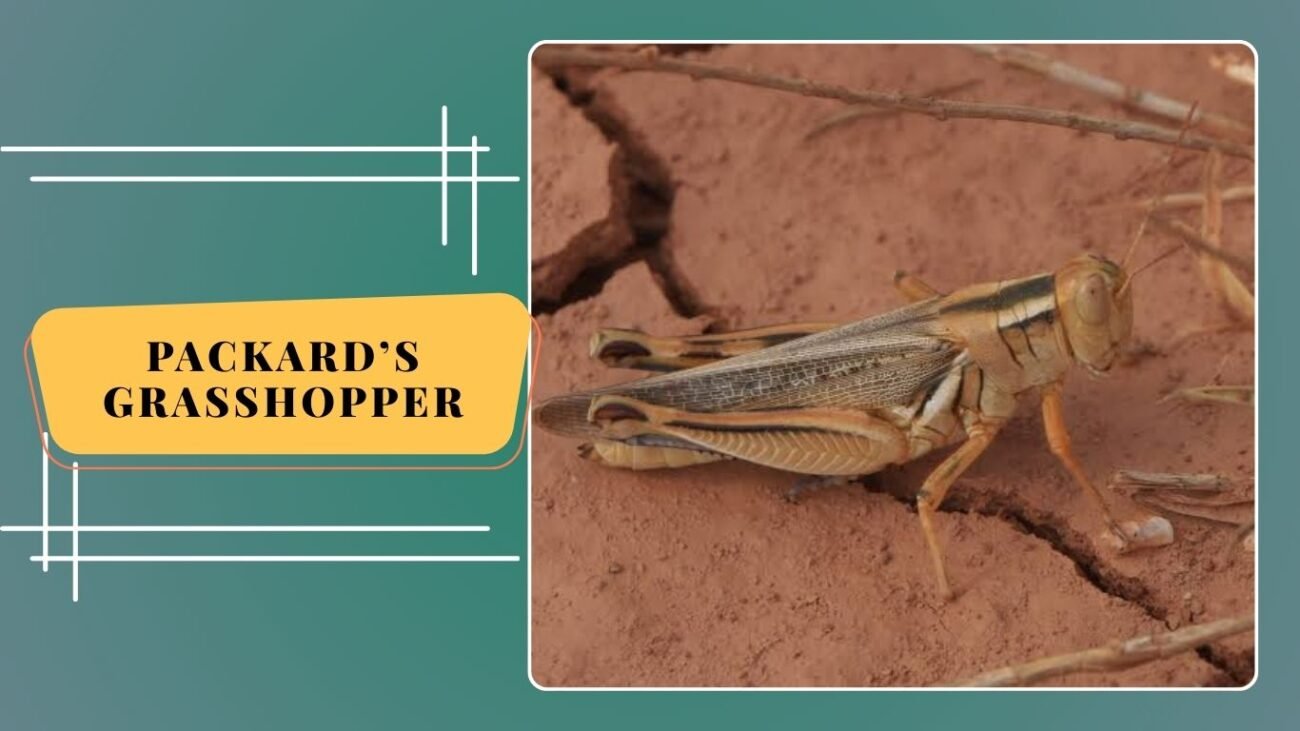
The Packard’s Grasshopper (Melanoplus packardii) is a medium to large grasshopper found throughout much of North America. It is recognized for its adaptability and its role as an occasional agricultural pest.
Identification
- Medium to large size, about 1–1.6 inches long
- Body color generally brown, gray, or green with mottled markings
- Hind femur has dark diagonal bands
- Wings usually long, extending past the abdomen
- Slender and robust build typical of Melanoplus species
Habitat
Packard’s grasshoppers are found in prairies, rangelands, fields, pastures, and croplands. They are especially common in the Great Plains region, where they thrive in grassy and mixed-vegetation areas.
Behavior
This species is diurnal and feeds on a broad range of grasses and forbs. In high populations, it can cause significant damage to crops such as wheat, barley, and oats. It uses strong jumps and short flights to avoid predators.
Lifecycle
The lifecycle includes egg, nymph, and adult stages. Eggs are laid in clusters in the soil in late summer and overwinter. Nymphs hatch in spring and pass through 5–6 molts before reaching maturity. Adults are most active in midsummer through early fall.
19. Bruner’s Grasshopper
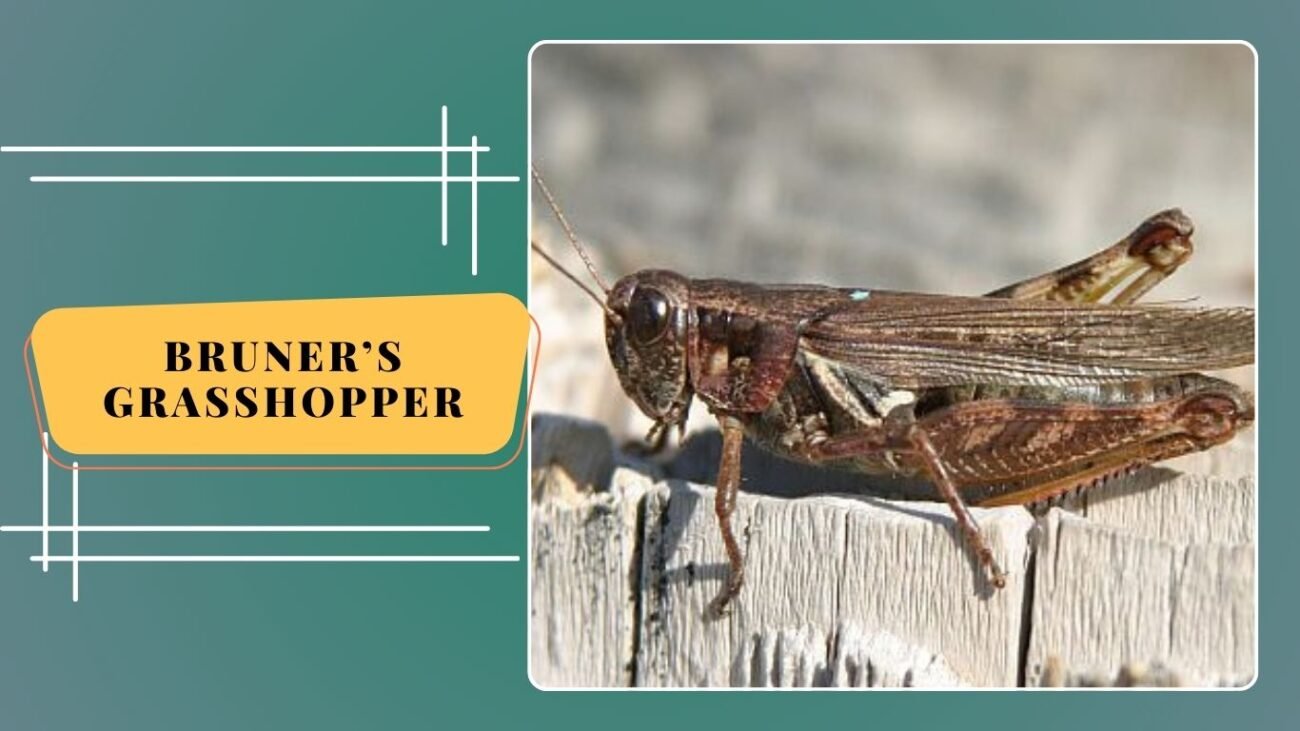
The Bruner’s Grasshopper (Melanoplus bruneri) is a common North American species, often found in grasslands and agricultural regions. While not usually as destructive as some other species, it can contribute to crop and forage damage when populations are high.
Identification
- Medium size, about 1–1.3 inches long
- Body color varies from brown to gray, sometimes with greenish tones
- Hind femur with faint diagonal bands
- Wings generally long, reaching or slightly surpassing the abdomen
- Slender form with typical Melanoplus features
Habitat
Bruner’s grasshoppers occur in prairies, fields, pastures, hay meadows, and croplands. They prefer open areas with abundant grasses but are also tolerant of mixed vegetation habitats.
Behavior
This species is active during the day and feeds mainly on grasses, though it may also consume forbs. While it is not considered a primary agricultural pest, it may contribute to rangeland or crop damage when populations increase.
Lifecycle
The lifecycle consists of egg, nymph, and adult stages. Eggs are deposited in soil in late summer and overwinter. Nymphs hatch in spring and molt through 5–6 stages before reaching maturity. Adults are typically active in midsummer through fall.
20. Brown-spotted Grasshopper
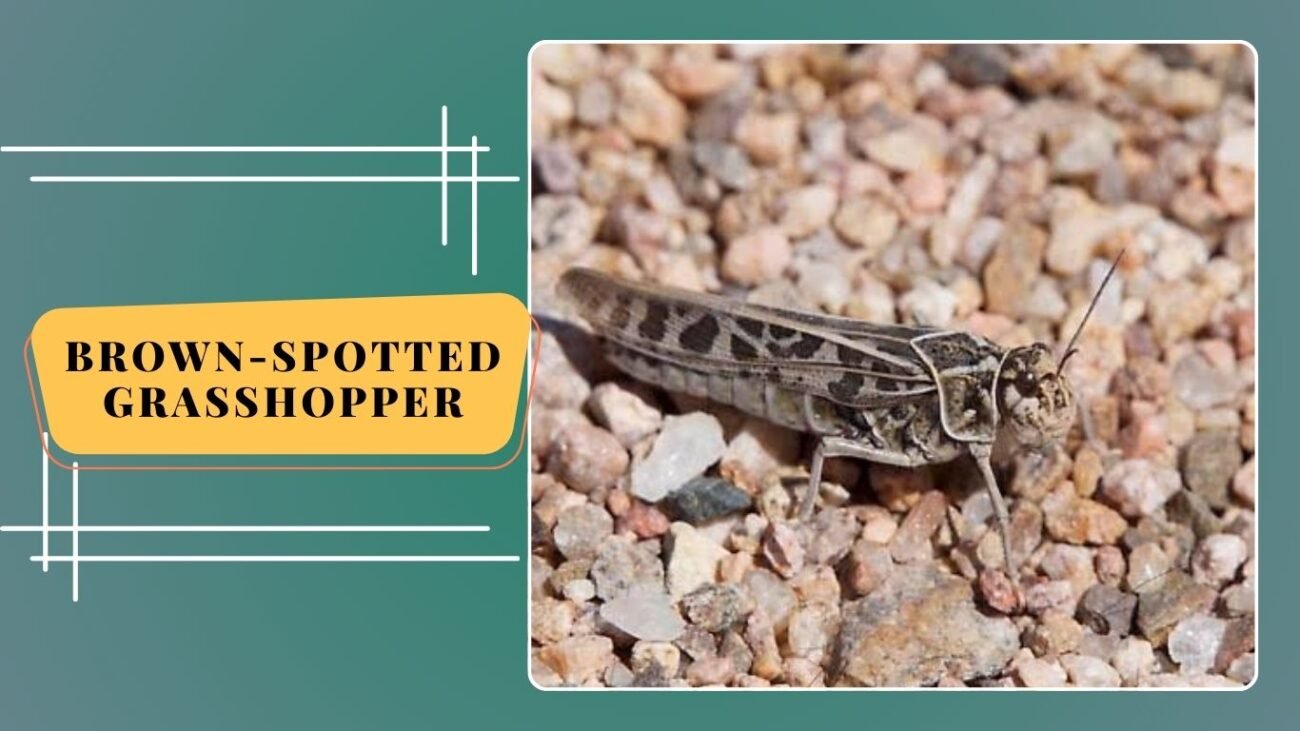
The Brown-spotted Grasshopper (Psoloessa delicatula) is a smaller grasshopper species found primarily in North America. It is known for the distinct brown spots on its wings and body, which give it its common name.
Identification
- Small to medium size, about 0.5–1 inch long
- Body color usually tan, gray, or light brown with distinct brown spots
- Wings pale with spotted or mottled patterns
- Hind femur banded with dark markings
- Slender build, well-camouflaged in dry grasses
Habitat
Brown-spotted grasshoppers inhabit dry grasslands, prairies, pastures, and open fields. They prefer sandy or rocky soils with sparse vegetation and are well-suited for arid and semi-arid environments.
Behavior
This species is diurnal and feeds mainly on grasses and small herbaceous plants. It relies heavily on camouflage to avoid predators, remaining still against dry grass or soil. When disturbed, it makes quick jumps and short flights.
Lifecycle
Their lifecycle includes egg, nymph, and adult stages. Eggs are deposited in the soil in late summer and overwinter. Nymphs hatch in spring, pass through several molts, and mature into adults by mid to late summer. Adults remain active until early fall.
21. Western Lubber Grasshopper
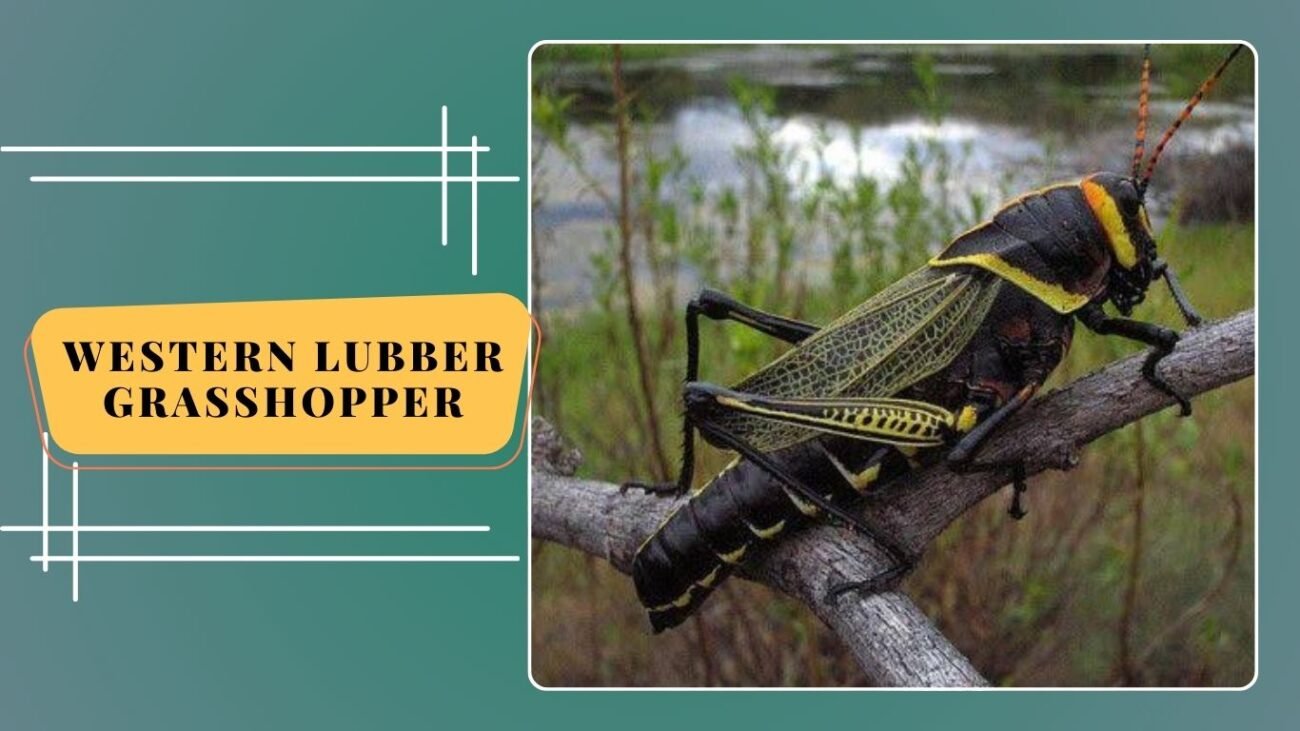
The Western Lubber Grasshopper (Brachystola magna occidentalis – sometimes considered a regional form of the Plains Lubber) is a large, flightless species found in the western United States. Like other lubbers, it is slow-moving and easily recognized by its size.
Identification
- Very large size, about 2–3 inches long
- Body stout and heavy, often brown, gray, or reddish in color
- Short wings that do not allow flight
- Hind legs thick and strong, built for leaping
- Distinctive mottled or striped body patterns
Habitat
Western lubbers are found in dry grasslands, prairies, shrublands, and open plains. They prefer areas with sparse vegetation and sandy soils.
Behavior
This species is slow and flightless, depending on jumping and walking rather than flying. It feeds on broadleaf plants and weeds more than grasses. Western lubbers are not usually considered major pests but may feed on garden plants and local vegetation.
Lifecycle
The lifecycle consists of egg, nymph, and adult stages. Eggs are laid in soil pods in late summer and overwinter. Nymphs emerge in spring, molting several times before reaching adulthood by midsummer. Adults remain active through summer and into early fall.
22. Snakeweed Grasshopper
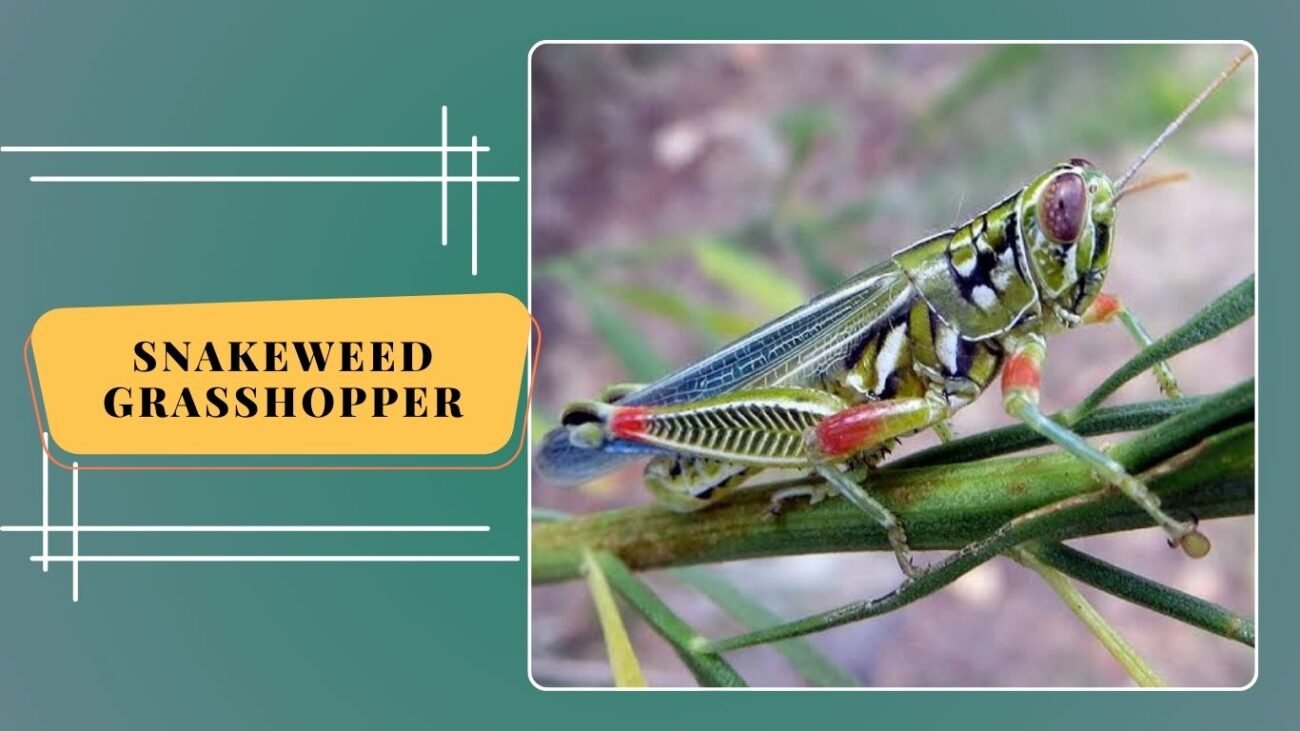
The Snakeweed Grasshopper (Hesperotettix viridis) is a brightly colored species of grasshopper, often noted for its association with certain toxic plants like snakeweed and ragweed. Its vivid green body and purple markings make it one of the more visually striking grasshoppers.
Identification
- Small to medium size, about 0.6–1 inch long
- Bright green body with distinctive purple or pink stripes and markings
- Hind femur usually green with purple accents
- Wings green, sometimes with clear or lightly tinted edges
- Slender and delicate build
Habitat
Snakeweed grasshoppers inhabit rangelands, grasslands, and areas with abundant weeds. They are especially common where snakeweed, ragweed, or sunflower species grow, since they prefer these plants as food.
Behavior
This species is diurnal and highly selective in its feeding habits, consuming mostly snakeweed and related plants. By eating toxic plants, it may gain protection from predators. It is not considered a significant pest due to its narrow diet.
Lifecycle
The lifecycle follows the typical grasshopper pattern: egg, nymph, and adult stages. Eggs are laid in the soil during late summer and overwinter. Nymphs hatch in spring, undergoing several molts before reaching adulthood in midsummer. Adults are active through summer and early fall.
23. Lesser Migratory Grasshopper
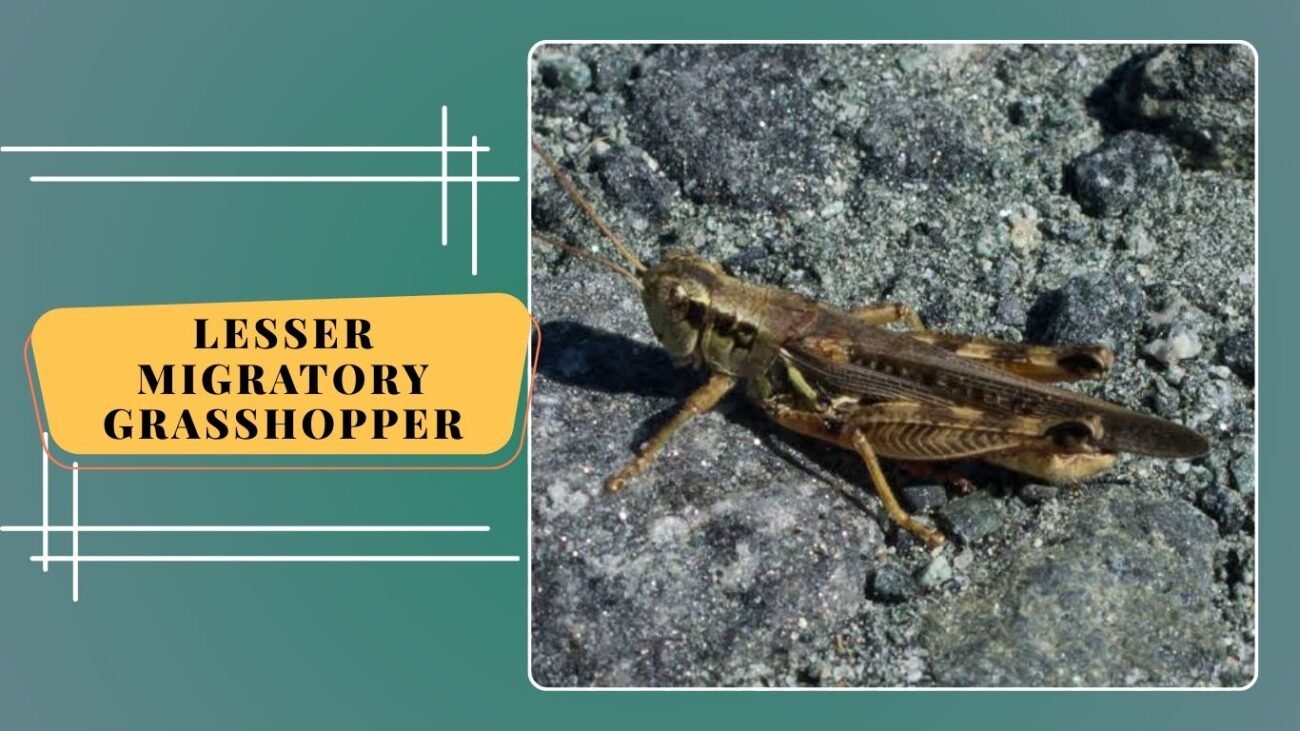
The Lesser Migratory Grasshopper (Melanoplus borealis) is a widespread species found across North America, especially in northern regions. Although similar in habits to the larger migratory grasshopper, it is smaller and less destructive.
Identification
- Small to medium size, about 0.7–1.2 inches long
- Body color generally brown, gray, or green with mottled markings
- Hind femur with faint dark bands
- Wings typically long, extending beyond the abdomen
- Slender build compared to larger migratory species
Habitat
Lesser migratory grasshoppers are found in meadows, grasslands, rangelands, and crop fields. They prefer cooler climates and are especially common in northern and higher-altitude regions.
Behavior
This species is diurnal and feeds mainly on grasses and small herbaceous plants. While it can occasionally be found in large numbers, it is not considered a major agricultural pest compared to its close relative, the true migratory grasshopper.
Lifecycle
The lifecycle consists of egg, nymph, and adult stages. Eggs are laid in the soil during late summer and overwinter. Nymphs hatch in spring, pass through several molts, and become adults by midsummer. Adults remain active through summer into early fall.
24. Melanoplus Grasshopper
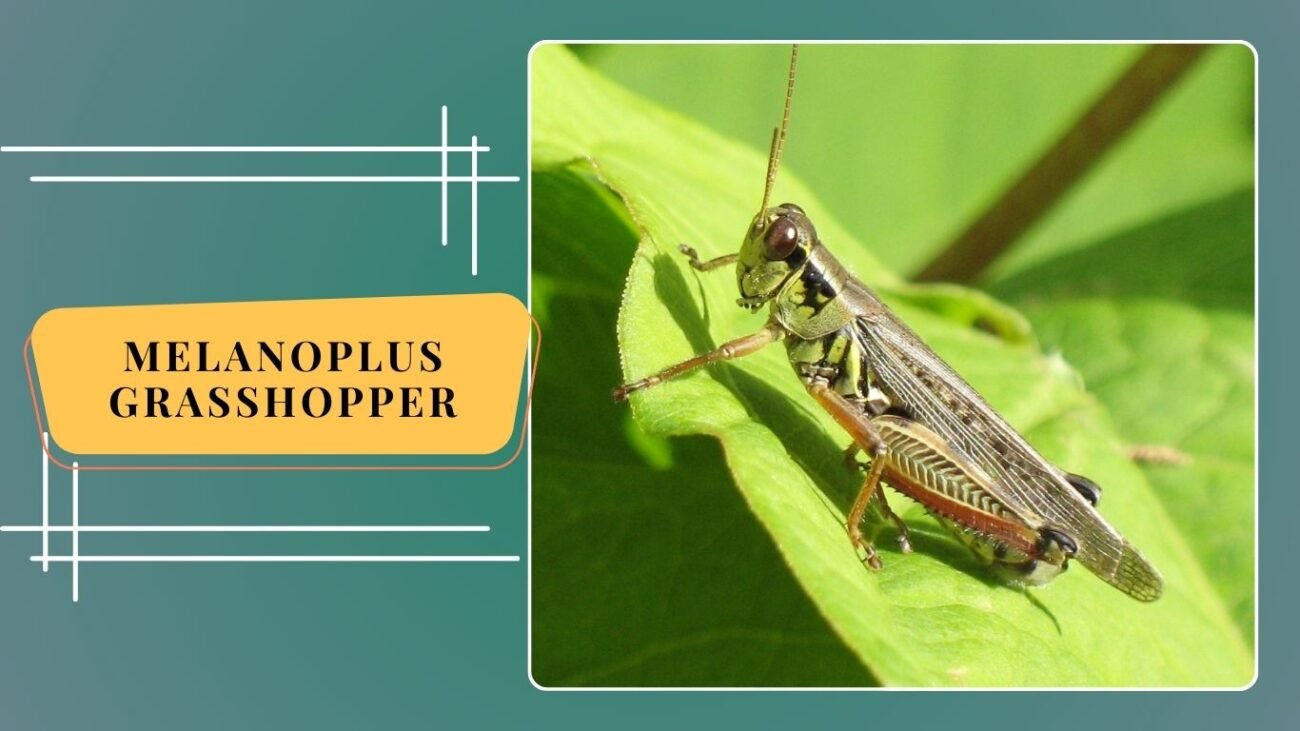
The Melanoplus Grasshopper refers to a large genus (Melanoplus) that includes hundreds of species across North America. Many of the most common and economically important grasshoppers, such as the differential and two-striped grasshoppers, belong to this group.
Identification
- Small to large size, ranging from 0.6–2 inches depending on species
- Body colors vary widely: brown, green, gray, or mottled patterns
- Hind femur often banded with dark stripes
- Wings usually extend to or beyond the abdomen
- Distinctive spur or tubercle present on the throat in most species
Habitat
Melanoplus grasshoppers are found in grasslands, meadows, pastures, rangelands, forests, and croplands. Their adaptability allows them to thrive in nearly every habitat type across North America.
Behavior
These grasshoppers are active during the day and feed on a wide variety of grasses, weeds, and crops. Several species in this genus are among the most serious agricultural pests, capable of damaging grains, forage, and vegetables. They are strong jumpers and fliers.
Lifecycle
Like other grasshoppers, they undergo incomplete metamorphosis with egg, nymph, and adult stages. Eggs are laid in soil and overwinter, hatching in spring. Nymphs molt multiple times before reaching adulthood by midsummer. Adults remain active until fall.
25. Band-winged Grasshopper
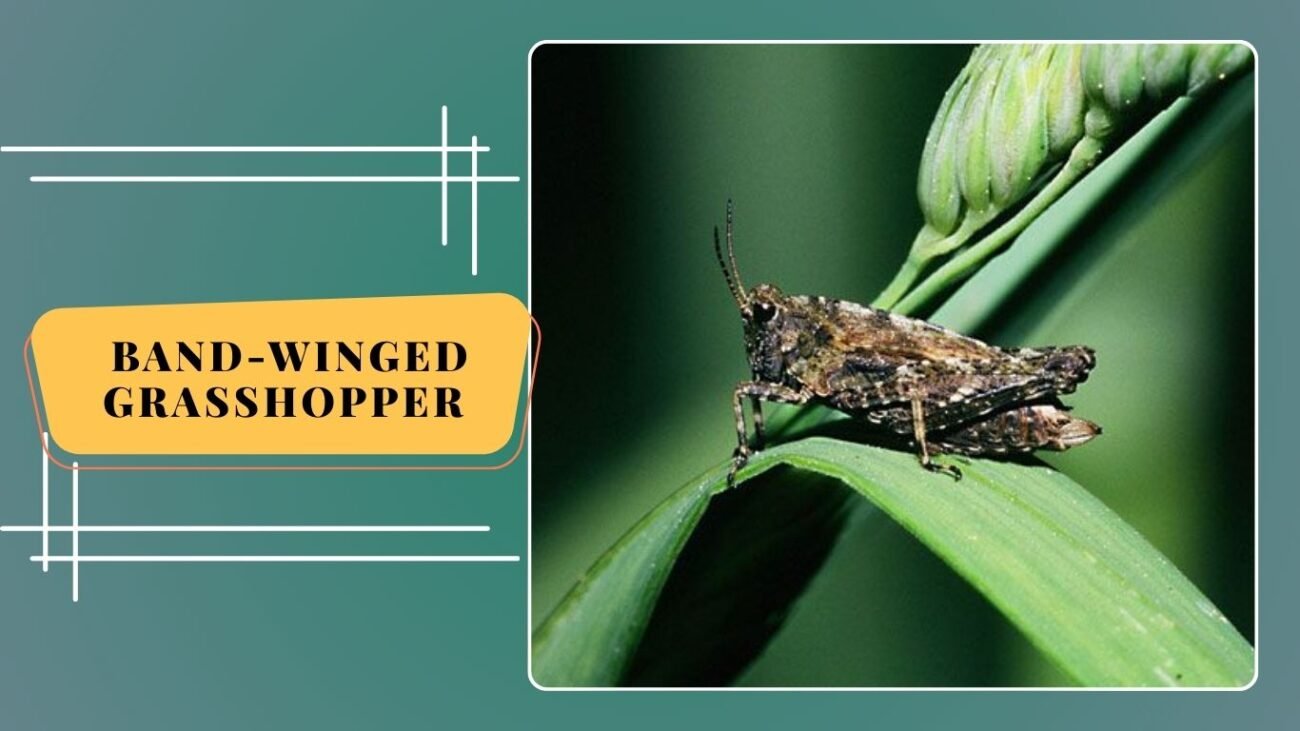
The Band-winged Grasshopper (Oedipodinae subfamily) is a diverse group of grasshoppers known for their brightly colored hind wings, which are displayed during flight. These flashes of color often serve as a defense mechanism to startle predators.
Identification
- Medium to large size, typically 1–2 inches long
- Body color usually brown, gray, or tan, blending with soil and rocks
- Hind wings brightly colored (yellow, red, orange, or blue) with dark bands
- Forewings mottled, providing camouflage when at rest
- Strong hind legs adapted for powerful jumps
Habitat
Band-winged grasshoppers are common in open fields, grasslands, prairies, deserts, and rocky areas. Their cryptic coloration allows them to blend into dry, dusty, or sandy habitats when not in flight.
Behavior
This group is diurnal and primarily herbivorous, feeding on grasses and forbs. When disturbed, they leap into the air and flash their colorful wings before quickly landing and becoming camouflaged again. This startle behavior is an effective predator deterrent.
Lifecycle
The lifecycle includes egg, nymph, and adult stages. Eggs are deposited in soil pods in late summer and overwinter. Nymphs hatch in spring, molt through several stages, and become adults by midsummer. Adults are active through late summer and fall.