Seabirds are a fascinating group of birds specially adapted to life near or on the ocean. From the deep-diving puffins to the gliding albatross, each species has evolved unique traits for survival in harsh marine environments. In this guide, you’ll discover 18 different types of seabirds—each with a short overview, identification features, feeding habits, and nesting behavior—so you can better recognize them on your next coastal adventure or birdwatching trip.
1. Albatross
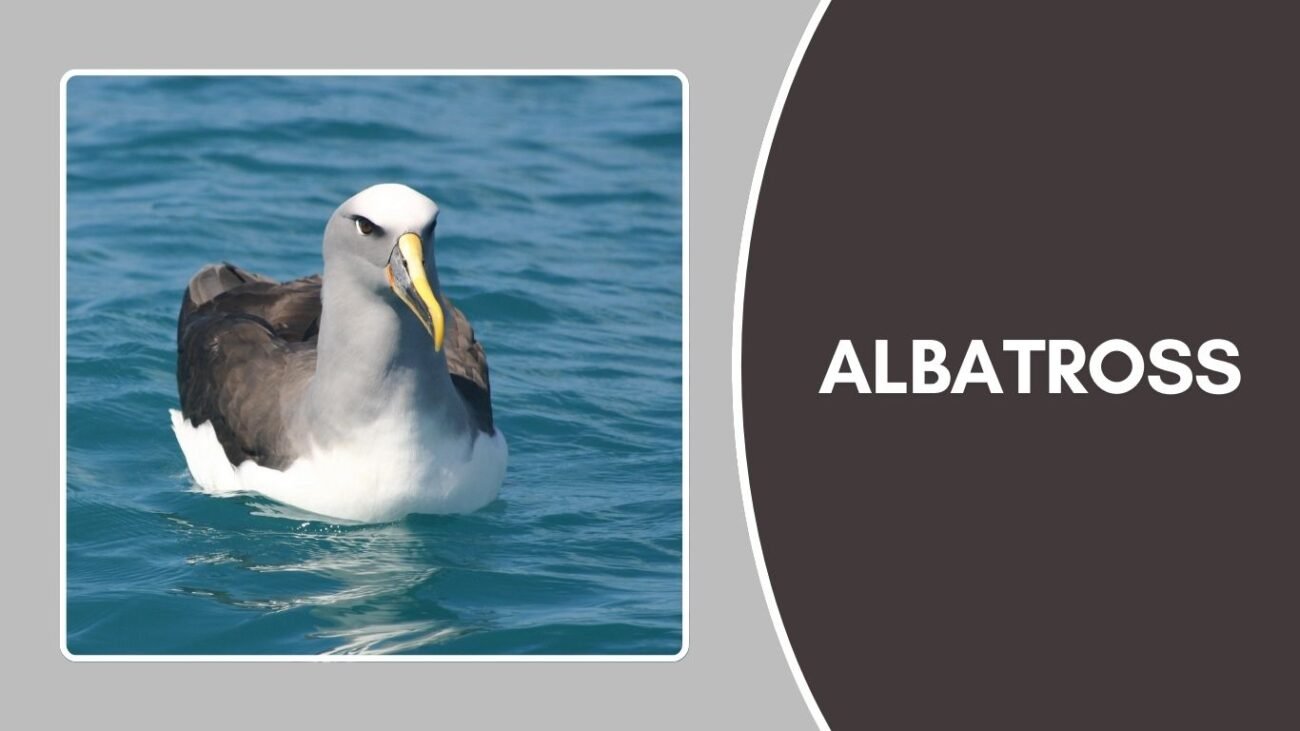
Albatrosses are among the largest seabirds in the world, known for their impressive wingspan and graceful gliding over the open ocean. They are often seen far from land, soaring effortlessly on wind currents across the Southern Ocean and the North Pacific.
Identification
- Wingspan: Up to 11 feet (3.4 meters)
- Plumage: White body with dark wings
- Bill: Large, hooked, and pale yellow or pink
- Flight: Long glides with minimal wing flapping
- Habitat: Open ocean, rarely near shore except during breeding
Diet and Hunting Style
Albatrosses feed primarily on squid, fish, and krill. They catch prey by surface-seizing or shallow diving and are known to follow fishing vessels for scraps.
Breeding and Nesting
These birds nest on isolated islands, forming colonies. They lay a single egg and both parents share the incubation duties, which can last over two months.
Conservation Concerns
Many albatross species are threatened by longline fishing, plastic pollution, and habitat disturbance. Conservation efforts focus on protecting nesting sites and reducing bycatch in fisheries.
2. Puffin

Puffins are small, colorful seabirds often called “sea parrots” because of their bright, multicolored beaks. They are excellent swimmers and divers, using their wings to “fly” underwater in search of fish.
Identification
- Size: Around 10 inches (25 cm) long
- Beak: Large, triangular, and brightly colored in breeding season
- Plumage: Black upperparts and white underparts
- Eyes: Distinctive triangular markings around the eyes
- Habitat: Coastal cliffs and rocky islands in the North Atlantic
Feeding Behavior
Puffins feed mostly on small fish like herring and sand eels. They can carry multiple fish crosswise in their beak thanks to specialized spines on their tongue and upper palate.
Breeding Colonies
They dig burrows or use rocky crevices on steep cliffs to lay a single egg. Chicks are fed frequently by both parents until they fledge.
Migratory Habits
Outside of the breeding season, puffins spend months at sea, far from land, and are rarely seen during this time.
3. Seagull

Seagulls are one of the most recognizable seabirds and are commonly found along coastlines, lakes, and even urban areas. They are highly adaptable and opportunistic feeders.
Identification
- Size: Varies by species, typically 16–30 inches (40–76 cm)
- Color: Mostly white with gray or black wings
- Bill: Thick, slightly hooked, often yellow with a red spot
- Legs: Webbed feet, usually yellow or pink
- Habitat: Coastal areas, beaches, ports, and inland water bodies
Feeding and Scavenging
Seagulls eat almost anything—fish, insects, garbage, or even other birds’ eggs. They often scavenge near humans and are known for stealing food.
Social Behavior
Gulls are intelligent and social birds. They often form noisy colonies and display complex communication through calls and body language.
Nesting and Eggs
They nest in colonies on cliffs, rooftops, or beaches. Both parents incubate the eggs and care for the chicks.
4. Shearwater

Shearwaters are medium-sized seabirds known for their effortless gliding just above the ocean surface. They travel long distances across oceans and are often seen in flocks.
Identification
- Wingspan: About 30–40 inches (76–102 cm)
- Plumage: Generally dark upperparts with lighter underparts
- Flight: Skimming low over waves using dynamic soaring
- Bill: Slender with hooked tip
- Habitat: Open seas, especially temperate and subtropical zones
Long-Distance Migration
Some shearwater species, like the Sooty Shearwater, migrate over 40,000 miles annually between breeding and feeding grounds.
Nesting Behavior
They breed in underground burrows on remote islands. Nesting is mostly nocturnal to avoid predators.
Diet and Foraging
Shearwaters feed on fish, squid, and plankton, often diving below the surface or scavenging behind fishing boats.
5. Petrel

Petrels are small to medium-sized seabirds closely related to shearwaters. They are agile flyers and are often seen fluttering just above ocean waves in windy conditions.
Identification
- Size: Varies by species, typically 10–18 inches (25–46 cm)
- Plumage: Usually dark gray or black, sometimes with white undersides
- Wings: Long and narrow for gliding
- Bill: Hooked with tube-like nostrils
- Habitat: Open ocean, rarely seen on land outside breeding season
Tube Noses and Navigation
Petrels are “tube-nosed” seabirds, meaning they have specialized nostrils that help excrete salt and enhance smell for navigation.
Reproduction Habits
They nest in burrows or rock crevices on isolated islands. Both parents take turns incubating and feeding the chick.
Feeding Patterns
Petrels primarily feed on fish, squid, and crustaceans, often foraging at night or following ships for scraps.
6. Gannet

Gannets are large seabirds known for their spectacular plunge-diving behavior. They dive from great heights into the sea to catch fish, often creating huge splashes as they enter the water.
Identification
- Wingspan: Around 6 feet (1.8 meters)
- Plumage: White body with black wingtips and yellowish head
- Bill: Long, pointed, and pale blue-gray
- Eyes: Pale blue, surrounded by dark bare skin
- Habitat: Coastal cliffs and offshore islands, mostly in the North Atlantic
Diving Technique
Gannets dive from heights up to 100 feet (30 meters), folding their wings back and entering the water at high speed to catch fish like mackerel and herring.
Colony Nesting
They breed in dense colonies on cliffs and rocky outcrops, laying one egg per season and sharing parenting duties.
Social Behavior
Gannets are vocal and social, often forming long-term pair bonds and engaging in elaborate greeting rituals.
7. Tern
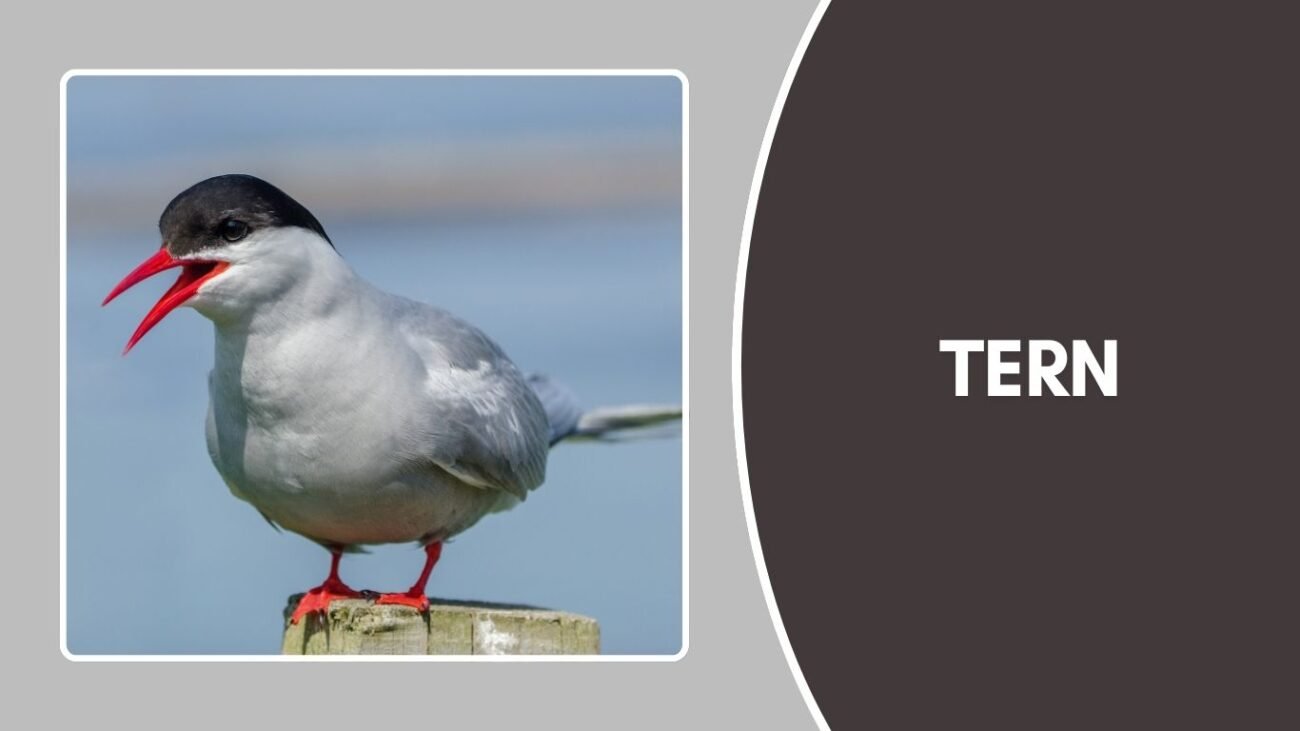
Terns are slender, graceful seabirds often seen hovering and then diving into the water to catch fish. They are migratory and some species travel thousands of miles each year.
Identification
- Size: Small to medium; typically 9–15 inches (23–38 cm)
- Plumage: White or pale gray with black caps
- Wings: Long and pointed
- Tail: Often forked
- Habitat: Beaches, estuaries, islands, and open sea
Hunting Style
Terns dive headfirst into the water from the air to catch small fish and crustaceans. They may hover briefly before diving.
Migration Marvels
The Arctic Tern is famous for having the longest migration of any bird—traveling from the Arctic to the Antarctic and back annually.
Breeding Colonies
Terns nest in colonies on beaches or islands, often laying eggs directly on the ground. They are fiercely protective of their nests.
8. Skua

Skuas are aggressive seabirds known for their powerful build and bold behavior. They are notorious for stealing food from other birds and are often seen harassing gulls, terns, or even albatrosses mid-air.
Identification
- Size: Medium to large; about 20–25 inches (50–64 cm)
- Plumage: Generally dark brown or grayish with white patches on wings
- Build: Stocky with broad wings and a hooked bill
- Flight: Strong and direct
- Habitat: Coastal regions, open ocean, and polar islands
Kleptoparasitic Behavior
Skuas often steal prey from other seabirds. They chase them until they drop their catch, which the skua quickly snatches mid-air.
Nesting Territory
They nest on tundra or grassland near the coast. Skuas are territorial and will dive-bomb intruders near their nests.
Diet Variety
Besides scavenging and stealing, skuas hunt fish, small birds, eggs, and carrion.
9. Cormorant

Cormorants are sleek, black waterbirds often seen perched with wings spread out to dry. They are excellent divers and catch fish with great precision.
Identification
- Size: Around 28–40 inches (70–100 cm)
- Plumage: Dark, often black or dark brown with a glossy sheen
- Bill: Long, thin, and hooked at the tip
- Feet: Webbed
- Habitat: Coastal waters, estuaries, and inland lakes
Fishing Technique
Cormorants dive underwater using their feet for propulsion, chasing and capturing fish with their sharp beak.
Wing-Spreading Behavior
Since their feathers are not fully waterproof, they often rest with wings outstretched to dry and regulate body temperature.
Nesting and Colonies
They nest in trees, cliffs, or on the ground in colonies. Nests are built from sticks and seaweed, often reused year after year.
10. Booby

Boobies are tropical seabirds known for their bold behavior and striking appearance. They get their name from the Spanish word bobo, meaning “fool,” due to their clumsy movements on land.
Identification
- Size: About 30–35 inches (75–90 cm)
- Plumage: Mostly white with dark wings and tail (varies by species)
- Beak: Long and pointed
- Feet: Distinctively colored—blue, red, or yellow depending on the species
- Habitat: Tropical islands and coastal waters
Diving Ability
Boobies dive from significant heights, folding their wings back to plunge into the sea after fish and squid, often in coordinated group hunts.
Breeding Rituals
Males perform elaborate courtship dances, especially the famous “sky-pointing” display. They nest on bare ground and lay 1–3 eggs.
Social Life
They breed in colonies and are often seen flying in small groups or resting together on rocky shores.
11. Frigatebird

Frigatebirds are large, lightweight seabirds with long, angular wings and forked tails. Males are famous for inflating their bright red throat pouch to attract females during mating season.
Identification
- Wingspan: Up to 7.5 feet (2.3 meters)
- Plumage: Glossy black in males, females have white breast
- Bill: Long and hooked
- Tail: Deeply forked
- Habitat: Tropical and subtropical oceans and islands
Flight Mastery
Frigatebirds are unmatched gliders, able to soar for days without touching the water. They rarely land on water due to poorly waterproofed feathers.
Kleptoparasitism
They often steal food from other birds mid-air, using speed and agility to force prey drops. They also snatch flying fish off the ocean surface.
Breeding Behavior
They nest in low trees or shrubs on remote islands. Males inflate their red gular pouch and drum it to attract mates, forming large display groups.
12. Auk
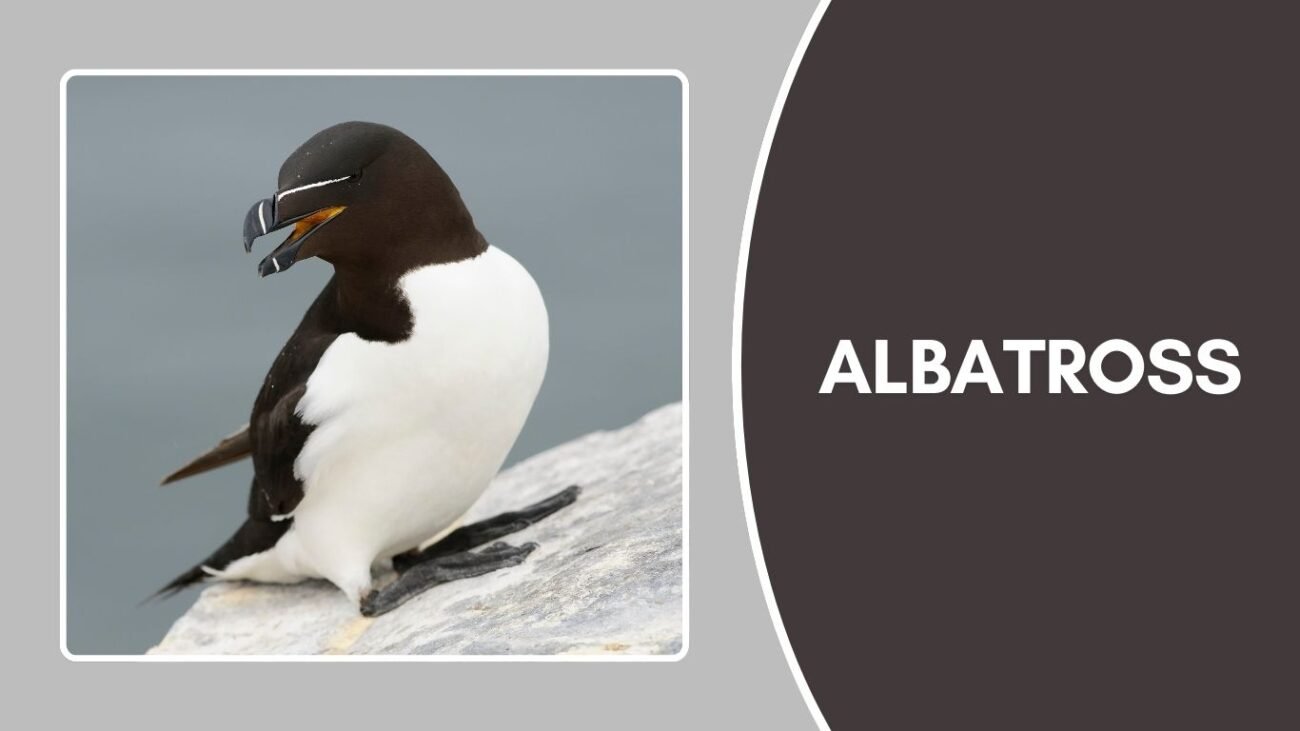
Auks are compact, diving seabirds found mainly in the Northern Hemisphere. Though they resemble penguins in appearance and swimming style, auks can fly—though their flight is fast and wing-beating.
Identification
- Size: Varies by species; typically 8–16 inches (20–40 cm)
- Plumage: Black upperparts and white underparts
- Wings: Short and pointed
- Beak: Stubby and often colorful during breeding season
- Habitat: Northern coasts and open ocean
Diving and Feeding
Auks use their wings to “fly” underwater, catching fish, crustaceans, and plankton. They dive deep and swim with agility.
Breeding Colonies
They nest in large, noisy colonies on cliffs or rocky islands, laying one egg on narrow ledges or in crevices.
Seasonal Movements
Many auk species migrate to sea after breeding, spending winter far from land.
13. Murre

Murres are deep-diving seabirds closely related to auks. They are built for life on steep sea cliffs and open waters, where they hunt underwater with powerful wing strokes.
Identification
- Size: About 15–18 inches (38–46 cm)
- Plumage: Black or dark brown upperparts with white underparts
- Posture: Upright, penguin-like stance on land
- Bill: Thin and pointed
- Habitat: Cold coastal waters and high sea cliffs
Nesting on Cliffs
Murres lay a single pear-shaped egg directly on rocky ledges. The shape prevents the egg from rolling off the cliff.
Diving Skills
They can dive over 600 feet (183 meters) deep to catch small fish and squid, holding their breath for over a minute.
Colony Behavior
Murres breed in densely packed colonies and are highly social, often flying in groups and foraging together at sea.
14. Noddy

Noddies are small tropical seabirds with slender bodies and graceful flight. They are named for their unique head-bobbing courtship behavior and are known for their calm, gentle nature even around humans.
Identification
- Size: Around 14–18 inches (35–45 cm)
- Plumage: Dark gray or black with a pale or white cap
- Bill: Long, thin, and slightly curved
- Tail: Slightly forked
- Habitat: Tropical and subtropical islands and surrounding seas
Feeding Habits
Noddies feed on small fish and squid, catching them near the water’s surface by dipping or shallow diving while in flight.
Nesting and Roosting
They build nests in trees, bushes, or on rocky ledges. Both parents care for a single chick, and they often reuse the same nest site annually.
Group Living
Noddies are sociable and nest in large colonies. They often roost together and forage in flocks, especially near coral reefs.
15. Storm Petrel

Storm petrels are the smallest seabirds in the world. These delicate birds are known for their fluttering, bat-like flight and their habit of dancing along the ocean surface, especially during rough weather.
Identification
- Size: Around 6–8 inches (15–20 cm)
- Plumage: Mostly dark with white rump (varies by species)
- Wings: Long and narrow
- Feet: Extend beyond the tail in flight
- Habitat: Open oceans, far from land except for breeding
Unique Foraging Style
Storm petrels feed on plankton, small fish, and crustaceans. They appear to “walk on water” as they patter their feet while picking food off the surface.
Nocturnal Breeders
They nest in crevices, burrows, or under rocks on remote islands, coming to shore mainly at night to avoid predators.
Mysterious Life at Sea
Most of their life is spent far out at sea, and they are rarely seen by humans except during storms or near nesting sites.
16. Jaeger
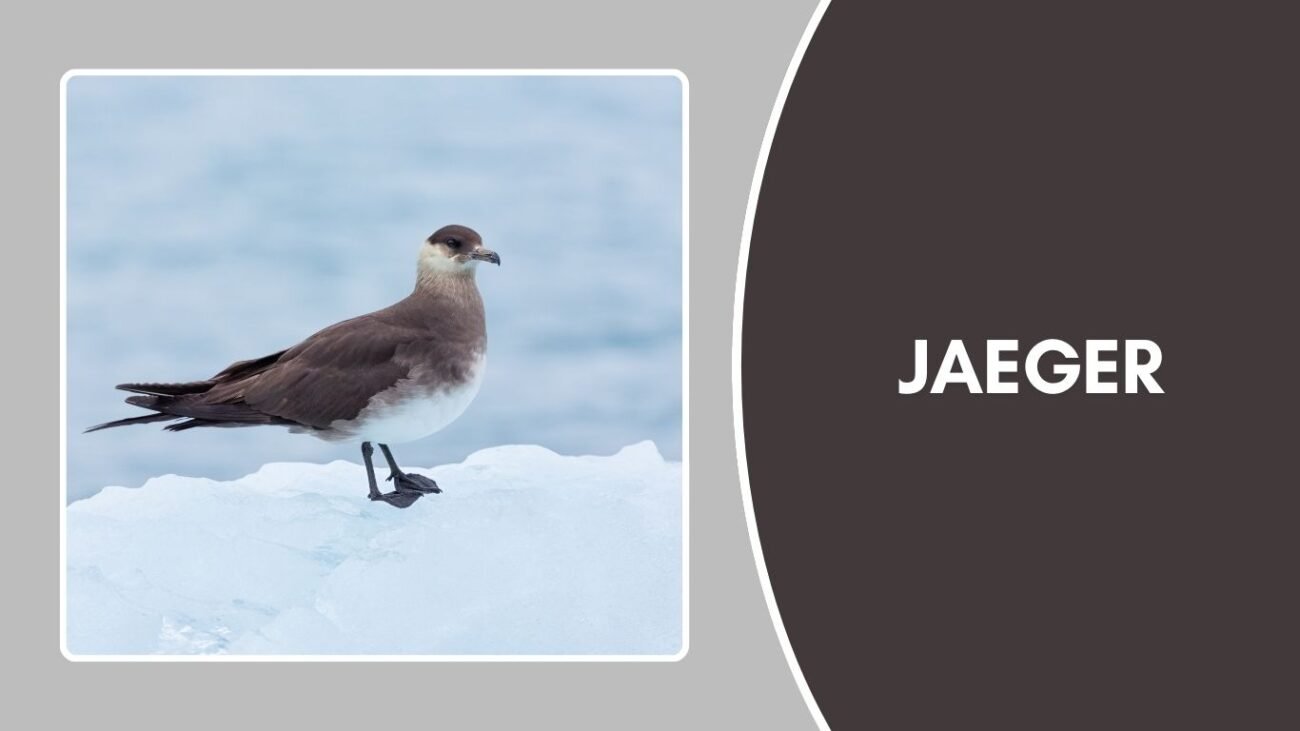
Jaegers, also known as skuas in some regions, are fierce, fast-flying seabirds that often chase and harass other birds to steal their catch. They are agile predators with sharp flight skills and aggressive behavior.
Identification
- Size: Varies by species; generally 16–21 inches (40–53 cm)
- Plumage: Dark gray or brown with white wing flashes
- Tail: Long and often pointed or with streamers
- Bill: Hooked and strong
- Habitat: Arctic tundra for breeding; open sea during migration
Kleptoparasitic Behavior
Jaegers are known for chasing gulls and terns mid-air, forcing them to drop or regurgitate food, which the jaeger then snatches in flight.
Breeding in the Arctic
They nest on the ground in Arctic tundra regions, laying 1–2 eggs and fiercely defending their territory.
Long-Distance Migrants
After breeding, they migrate to southern oceans, covering thousands of miles and spending most of their life at sea.
17. Tropicbird
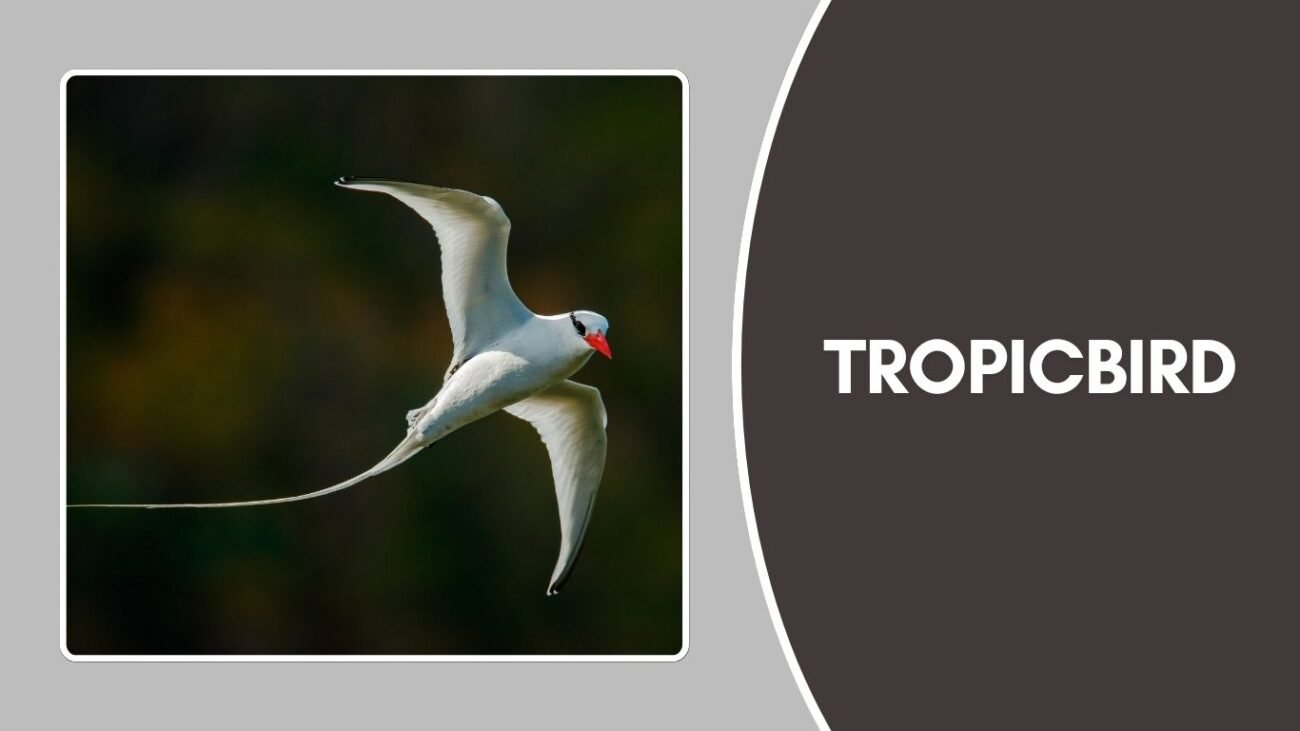
Tropicbirds are striking white seabirds with long, ribbon-like tail feathers. They are excellent fliers, often seen soaring high above tropical oceans or diving into the sea to catch fish.
Identification
- Size: Around 30–35 inches (75–90 cm) including tail
- Plumage: Pure white with some black markings on wings and eyes
- Tail: Long, streaming feathers extending far beyond the body
- Bill: Bright orange or red, slender and pointed
- Habitat: Tropical and subtropical oceanic islands
Feeding Style
Tropicbirds hunt flying fish and squid by plunge-diving from high above, similar to gannets but more acrobatic.
Solitary Nesting
They nest in rock crevices or sandy depressions on remote islands, usually laying a single egg. Chicks are downy and guarded closely.
Graceful in the Air
Known for their elegant, slow glides and swooping displays, they are rarely seen resting on water.
18. Razorbill

Razorbills are stout seabirds related to puffins and murres, known for their sharp, thick beaks and striking black-and-white plumage. They are excellent divers and spend most of their lives at sea.
Identification
- Size: About 15–17 inches (38–43 cm)
- Plumage: Black upperparts and white underparts
- Beak: Thick, deep, and laterally compressed with white line markings
- Tail: Short and pointed
- Habitat: North Atlantic coasts, rocky islands, and open ocean
Diving and Feeding
Razorbills dive deep using their wings to chase small fish like sand eels and capelin. They are agile underwater and can stay submerged for extended periods.
Breeding on Cliffs
They nest in narrow rock crevices on sea cliffs, laying a single egg. Both parents share incubation and chick-feeding duties.
Migration and Ocean Life
Outside the breeding season, razorbills disperse widely across the North Atlantic, living entirely at sea until the next breeding cycle.