Tree crickets are fascinating insects known for their delicate appearance and melodic songs that fill summer and autumn nights. Found in diverse habitats ranging from forests to grasslands, each species has unique traits in body structure, song, and behavior. This guide introduces 10 different types of tree crickets, highlighting their identification features, preferred habitats, characteristic behaviors, and diets to help you recognize and understand them better.
1. Snowy Tree Cricket

The Snowy Tree Cricket is one of the most well-known species, often called the “thermometer cricket” because the rate of its chirping can be used to estimate the temperature. It is found widely across North America and is recognized for its distinct white to pale green color.
Identification
- Small, slender body with pale green to whitish coloration
- Transparent wings that are held flat over the body
- Antennae are long and threadlike
- Legs are delicate, adapted for climbing vegetation
- Males produce a rhythmic, clear chirping sound
Habitat
The Snowy Tree Cricket is commonly found in shrubs, trees, orchards, and gardens. They prefer areas with plenty of foliage where they can camouflage effectively.
Behavior
These crickets are primarily nocturnal and are best known for their chirping during late summer and early autumn nights. Their sound is often used as a natural background in films and literature.
Diet
Snowy Tree Crickets feed on plant material, including leaves, stems, and occasionally soft fruits. They may also consume smaller insects when available.
2. Four-spotted Tree Cricket

The Four-spotted Tree Cricket is named for the distinctive dark spots found on its wings. This species is less common than the snowy tree cricket but is still widely distributed across North America. Its markings make it one of the easier tree crickets to identify.
Identification
- Pale green body with slender form
- Four distinct black spots on the forewings
- Long antennae relative to body length
- Transparent wings that may show veins under light
- Males produce a soft, musical trill at night
Habitat
Four-spotted Tree Crickets are typically found in woodlands, forest edges, and shrubby fields. They prefer areas with ample vegetation for cover and climbing.
Behavior
These crickets are nocturnal, becoming active at dusk. The males use their song to attract females during mating season, and their calling rate can vary with temperature.
Diet
They primarily feed on leaves, flowers, and occasionally fruits. In addition, they may nibble on softer plant tissues and sometimes prey on tiny insects.
3. Black-horned Tree Cricket

The Black-horned Tree Cricket is recognized by the dark coloration on its antennae, which distinguishes it from many other pale-green tree crickets. It is widespread across fields, meadows, and gardens, especially in late summer.
Identification
- Slender pale green body
- Antennae with distinct black markings (horn-like appearance)
- Semi-transparent wings with visible veins
- Long legs suited for climbing and perching on vegetation
- Males produce a steady, high-pitched trill
Habitat
Black-horned Tree Crickets are found in open grassy areas, gardens, and woodland edges. They often perch on tall plants and shrubs, making their calls from elevated spots.
Behavior
They are most active during warm evenings and nights, using their continuous trilling calls to attract mates. Their songs are often heard in late summer through early fall.
Diet
Their diet mainly consists of plant matter, such as leaves and stems, but they may also consume small insects or soft plant tissues when available.
4. Narrow-winged Tree Cricket
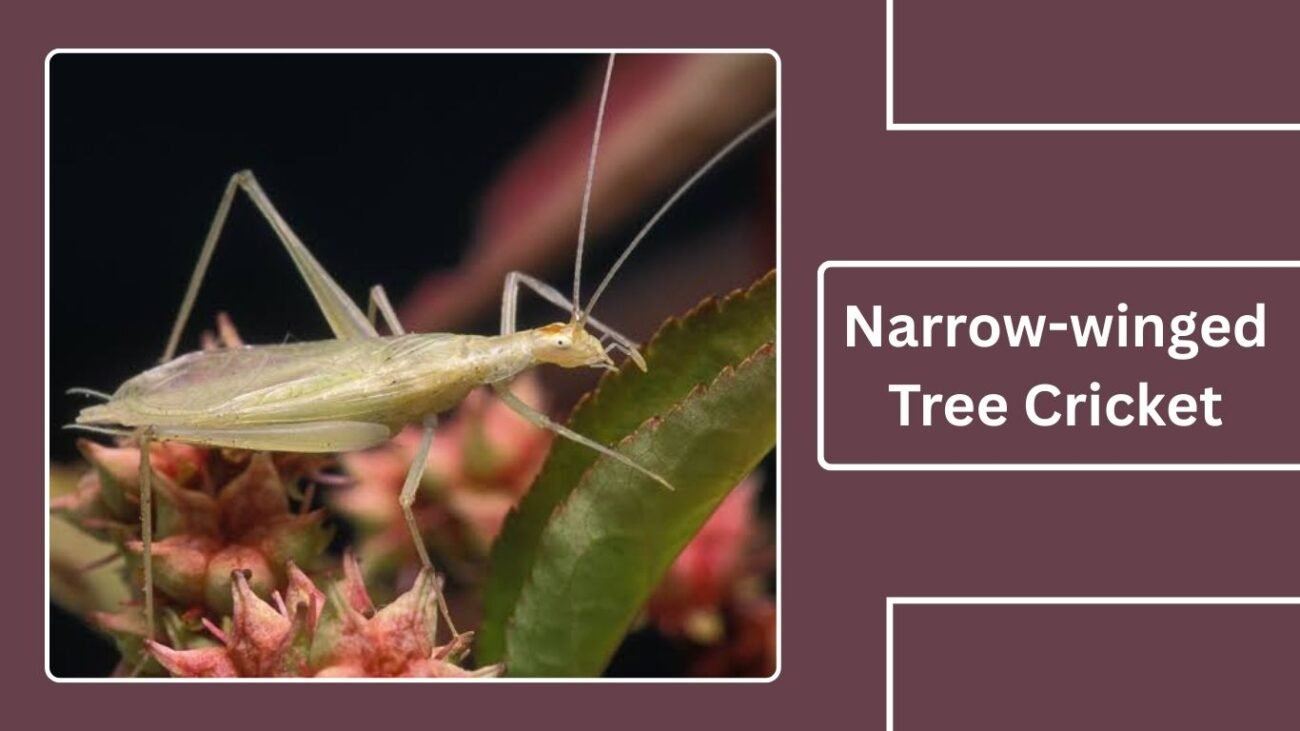
The Narrow-winged Tree Cricket is one of the most common and widespread species, known for its very long and narrow wings compared to other tree crickets. Its song is a steady trill that can often be heard during warm summer nights.
Identification
- Slender, pale green body
- Wings are long and narrow, extending well past the abdomen
- Antennae long and threadlike
- Males produce a constant, high-pitched trill
- Legs thin and well-suited for climbing vegetation
Habitat
This species prefers grassy fields, meadows, and woodland edges. They are often found on tall weeds, shrubs, and herbaceous plants where they blend into the foliage.
Behavior
The Narrow-winged Tree Cricket is nocturnal and very vocal at night. Its steady trill is sometimes mistaken for other insect sounds but can be distinguished by pitch and rhythm.
Diet
It feeds on leaves, flowers, and tender plant tissues, but may also consume small soft-bodied insects if the opportunity arises.
5. Two-spotted Tree Cricket

The Two-spotted Tree Cricket is a distinctive species recognized for the two dark spots on the base of its forewings. It is one of the more easily identifiable tree crickets and is frequently found in shrubby or wooded areas.
Identification
- Pale green to whitish body
- Two noticeable black spots near the base of the forewings
- Long, thin antennae
- Semi-transparent wings with visible veins
- Males produce a clear, high-pitched trill at night
Habitat
This species inhabits shrubs, small trees, and woodland edges. They are particularly common in areas with dense foliage that offers cover and feeding opportunities.
Behavior
Two-spotted Tree Crickets are nocturnal and become active during warm evenings. Males call persistently to attract females, and their songs often blend into the background chorus of late summer nights.
Diet
They primarily consume leaves, flowers, and tender plant tissues. Occasionally, they may feed on fruits and very small insects.
6. Broad-winged Tree Cricket
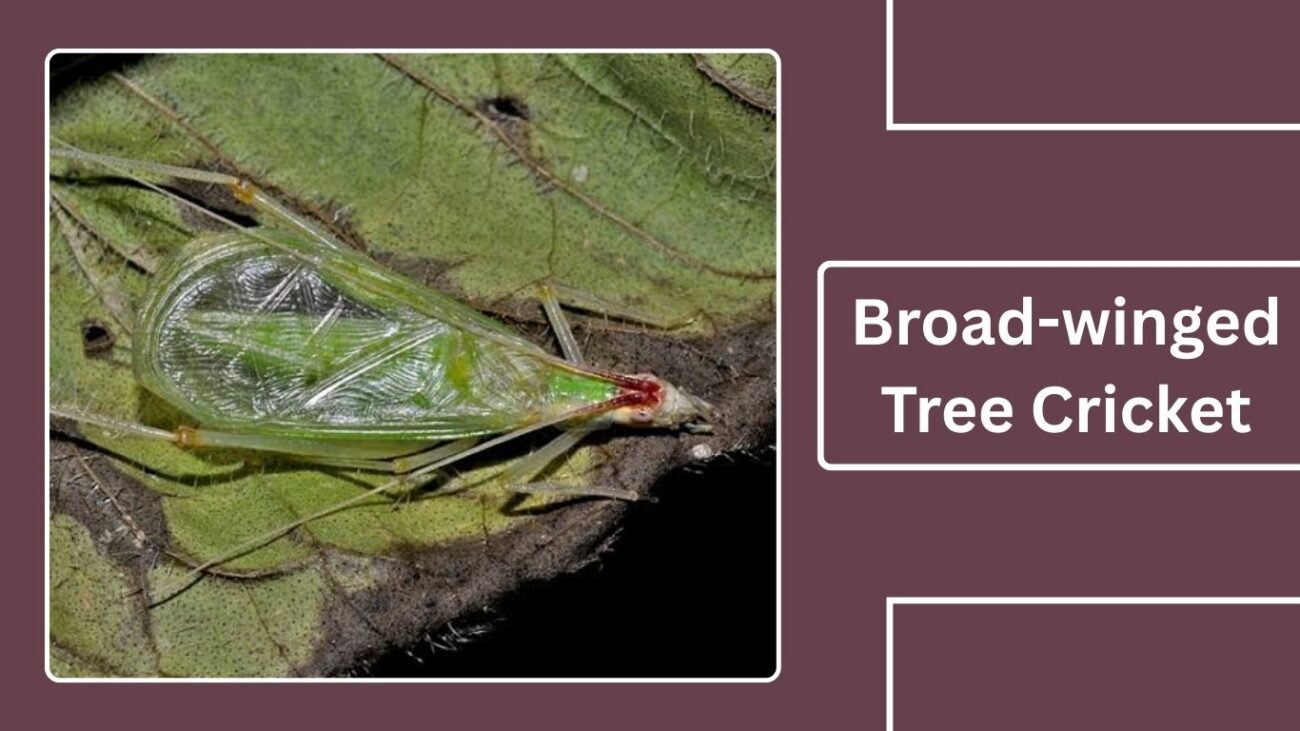
The Broad-winged Tree Cricket is notable for its wide, rounded wings compared to other tree crickets. Its soft, musical trill is a familiar nighttime sound in late summer, often blending with other cricket species in fields and gardens.
Identification
- Pale green body with slender build
- Broad, rounded wings extending over the abdomen
- Long, delicate antennae
- Transparent wings with visible venation
- Males produce a gentle, sustained trill
Habitat
Broad-winged Tree Crickets are typically found in gardens, orchards, meadows, and forest edges. They favor areas with shrubs and small trees that provide cover and perching sites.
Behavior
They are nocturnal and most active during warm evenings. Males sing continuously to attract females, and their trill is softer than some other species, making it pleasant but less conspicuous.
Diet
Their diet consists mainly of plant material, including leaves, flowers, and fruit. They may also feed opportunistically on smaller insects.
7. Davis’s Tree Cricket
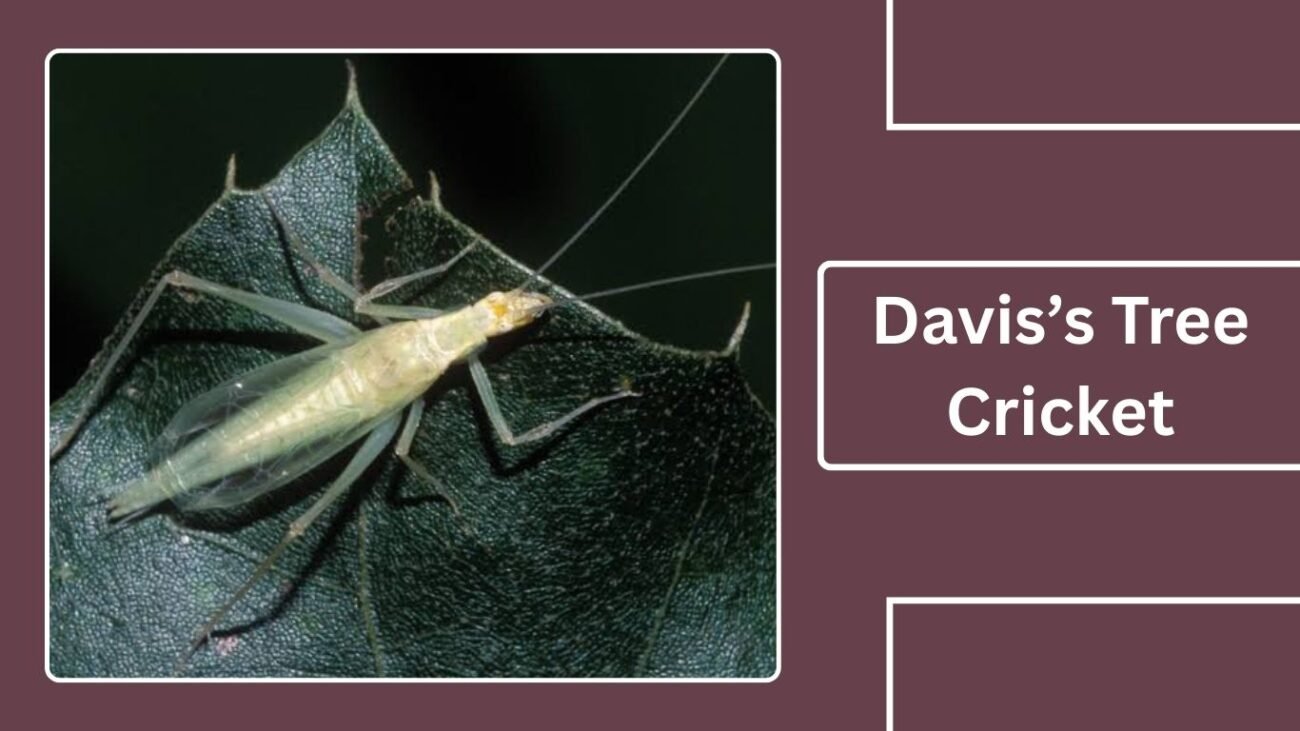
The Davis’s Tree Cricket is a lesser-known species, often overlooked due to its resemblance to other pale-green crickets. However, its unique song pattern and habitat preferences help distinguish it from similar species.
Identification
- Slender pale green body
- Forewings narrow, extending slightly beyond the abdomen
- Antennae long and threadlike
- Distinctive song with irregular trills, unlike the steady calls of other species
- Legs elongated, adapted for climbing shrubs and trees
Habitat
Davis’s Tree Crickets are found in woodland edges, shrubby fields, and occasionally orchards. They prefer habitats with a mix of tall grasses and shrubs, providing both cover and feeding areas.
Behavior
They are nocturnal and recognized for their variable, uneven song. Unlike the constant trill of related species, Davis’s Tree Cricket produces a broken, irregular pattern that makes it easier to identify by sound.
Diet
Their diet includes tender leaves, flowers, and occasionally fruits. They may also nibble on soft plant tissues and opportunistically feed on very small insects.
8. Forbes’s Tree Cricket
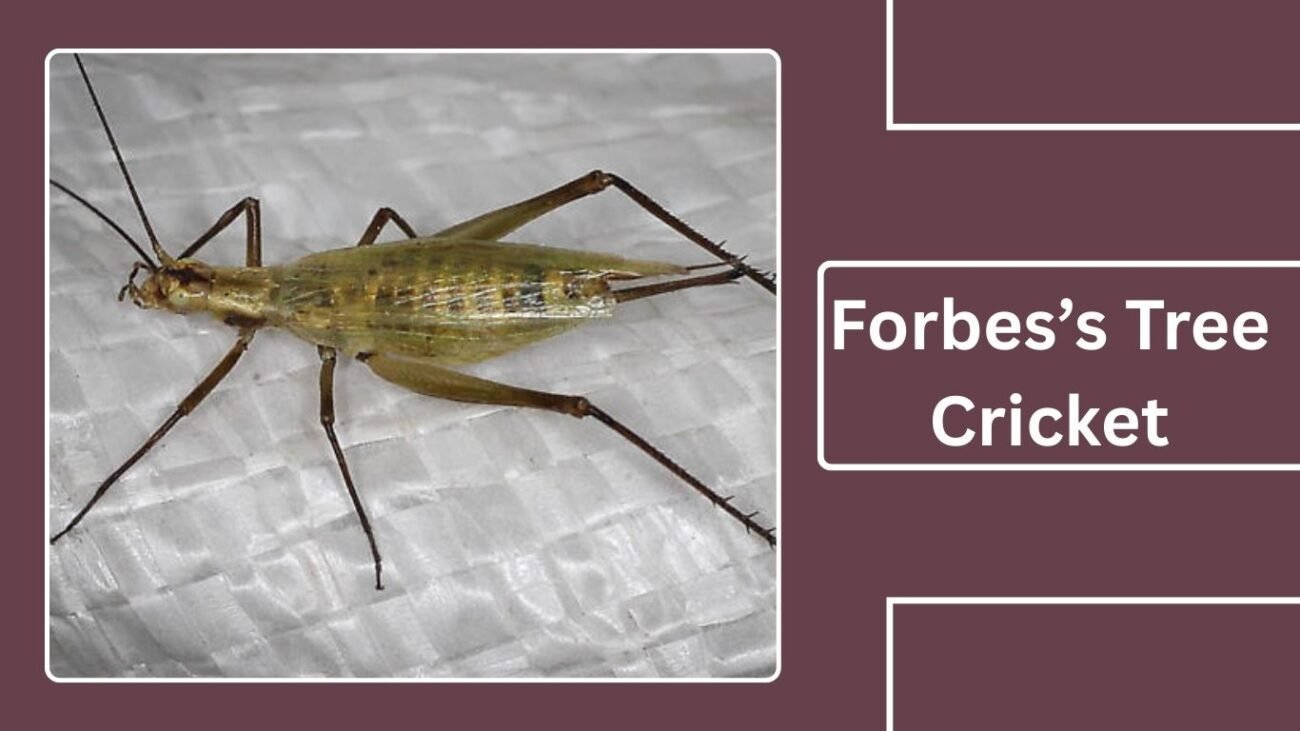
The Forbes’s Tree Cricket is closely related to several other tree cricket species and is best recognized by its distinctive song pattern. Though visually similar to narrow-winged types, its call sets it apart.
Identification
- Slender, pale green body
- Wings narrow and translucent, lying flat against the body
- Long, fine antennae with evenly spaced segments
- Produces a characteristic song pattern of rapid, pulsing trills
- Body size slightly smaller than many other tree crickets
Habitat
Forbes’s Tree Crickets are typically found in meadows, fields, and woodland edges. They prefer tall grasses, weeds, and shrubs where they can perch and remain camouflaged.
Behavior
This species is nocturnal, most active during late summer and early autumn. The male’s distinctive pulsing trill is used to attract females and is a reliable way to identify them in the field.
Diet
Forbes’s Tree Crickets feed mainly on leaves, flowers, and soft plant tissues. Occasionally, they may consume small soft-bodied insects when available.
9. Pine Tree Cricket

The Pine Tree Cricket is a species associated with coniferous habitats, particularly pine forests. Its presence is less common in open fields compared to other tree crickets, making it somewhat more specialized in its range.
Identification
- Slender, pale green body often blending with pine needles
- Wings narrow, semi-transparent, and held flat over the back
- Antennae long and threadlike
- Distinctive, high-pitched trill adapted for dense forest acoustics
- Slightly smaller body size than many meadow-dwelling crickets
Habitat
This species is most often found in pine forests, wooded areas with conifers, and occasionally in mixed woodlands. They perch on pine branches and needles, relying on their coloration for camouflage.
Behavior
Pine Tree Crickets are nocturnal, with males calling during the evening and night. Their song is continuous but slightly softer, blending into the background sounds of the forest.
Diet
They primarily feed on pine needles and other conifer foliage but will also consume softer plant matter when available. Occasionally, they may feed on small insects.
10. Prairie Tree Cricket
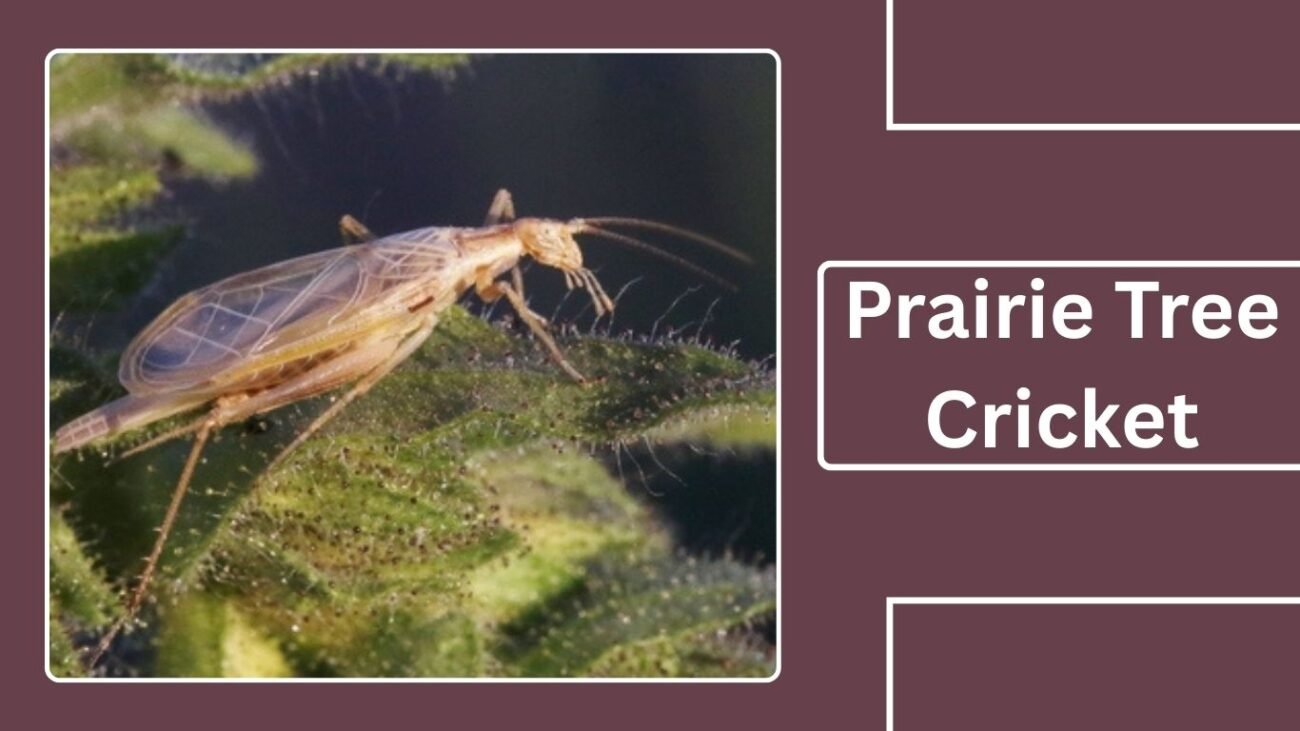
The Prairie Tree Cricket is a species well adapted to open grasslands and prairies, where its song often fills the summer night air. Unlike many tree crickets that prefer wooded or shrubby areas, this one thrives in wide, open habitats.
Identification
- Slender, pale green to light yellow body
- Wings long, narrow, and translucent
- Antennae very long and threadlike
- Song is a clear, continuous trill that carries well in open spaces
- Legs thin and well-suited for climbing tall grasses
Habitat
As its name suggests, the Prairie Tree Cricket is found in prairies, grasslands, and open meadows. It perches on tall grasses and herbaceous plants, blending into the vegetation.
Behavior
This species is nocturnal and most active during warm summer and autumn nights. Males call persistently to attract females, and their song is one of the most recognizable sounds of open grassland environments.
Diet
They feed primarily on leaves, flowers, and stems of grasses and herbaceous plants. Occasionally, they may consume small insects if encountered.