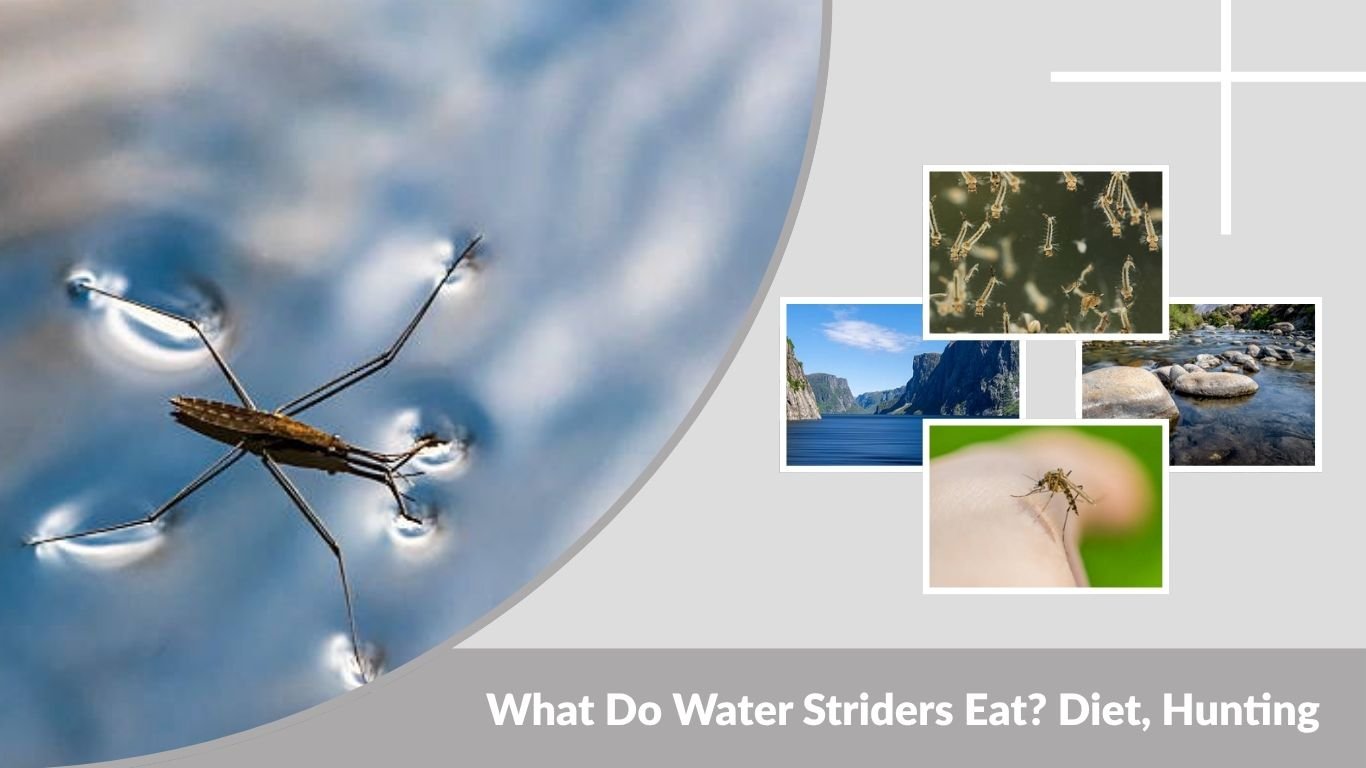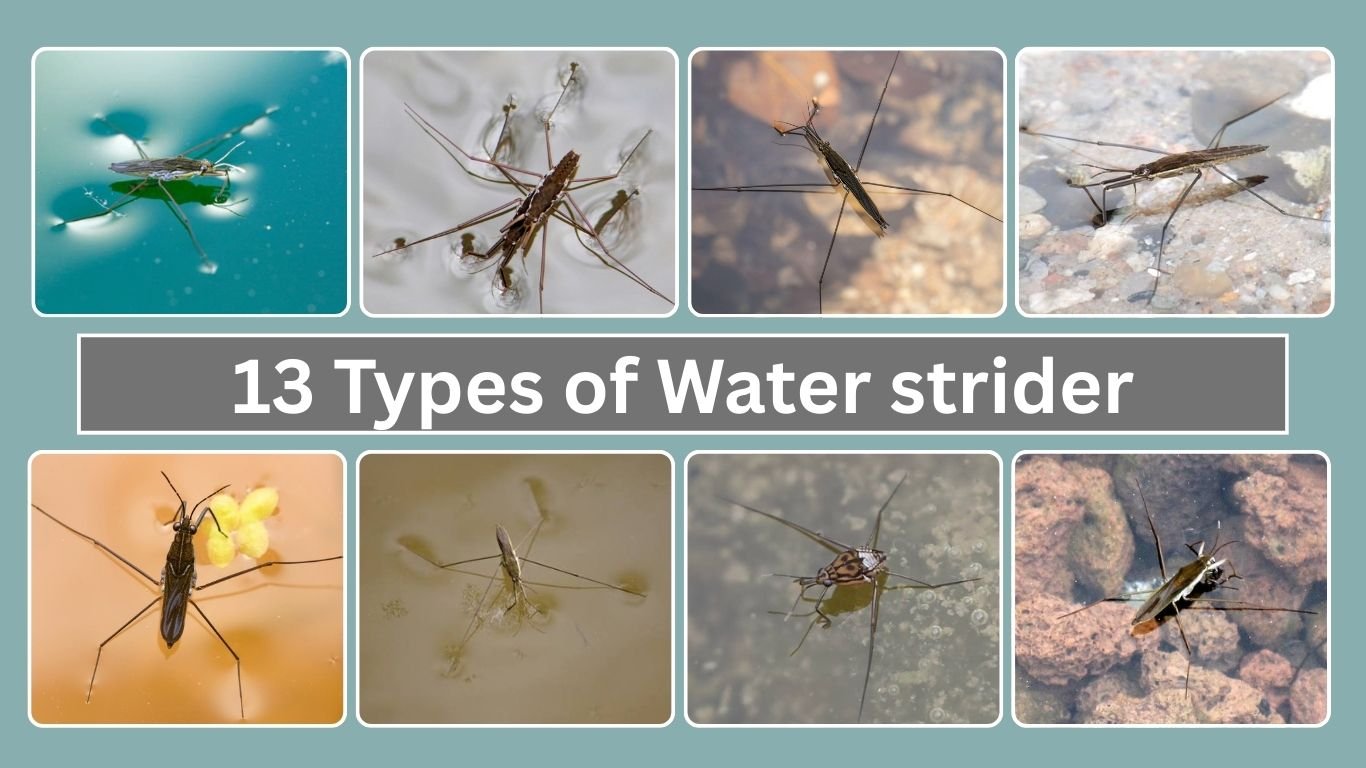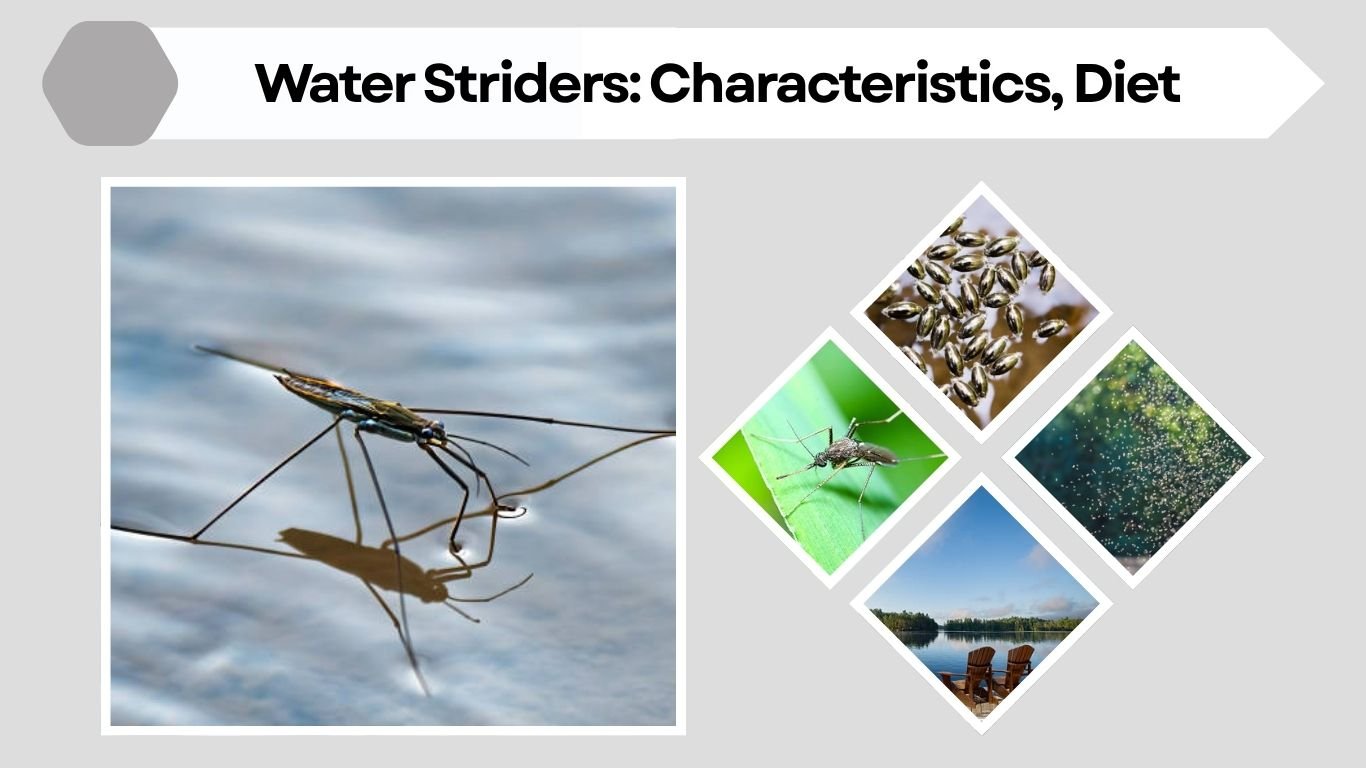
Water striders are fascinating insects best known for their ability to walk effortlessly on the surface of water. Often seen gliding across ponds and lakes, these insects rely on unique physical adaptations and the science of surface tension to stay afloat. Belonging to the Gerridae family, water striders play an important ecological role while also inspiring scientific research in physics and engineering. Their unusual movement and survival strategies make them one of nature’s most intriguing aquatic insects.
What Are Water Striders?
Water striders are semi-aquatic insects commonly found on the surface of freshwater bodies such as ponds, lakes, and slow-moving streams. They are also known by several names, including pond skaters, water bugs, and sometimes even “Jesus bugs” due to their water-walking ability.
Scientifically, they belong to the family Gerridae, which includes hundreds of species worldwide. These insects are specially adapted to live on the water’s surface rather than beneath it, making them distinct from most aquatic insects.
Physical Characteristics of Water Striders
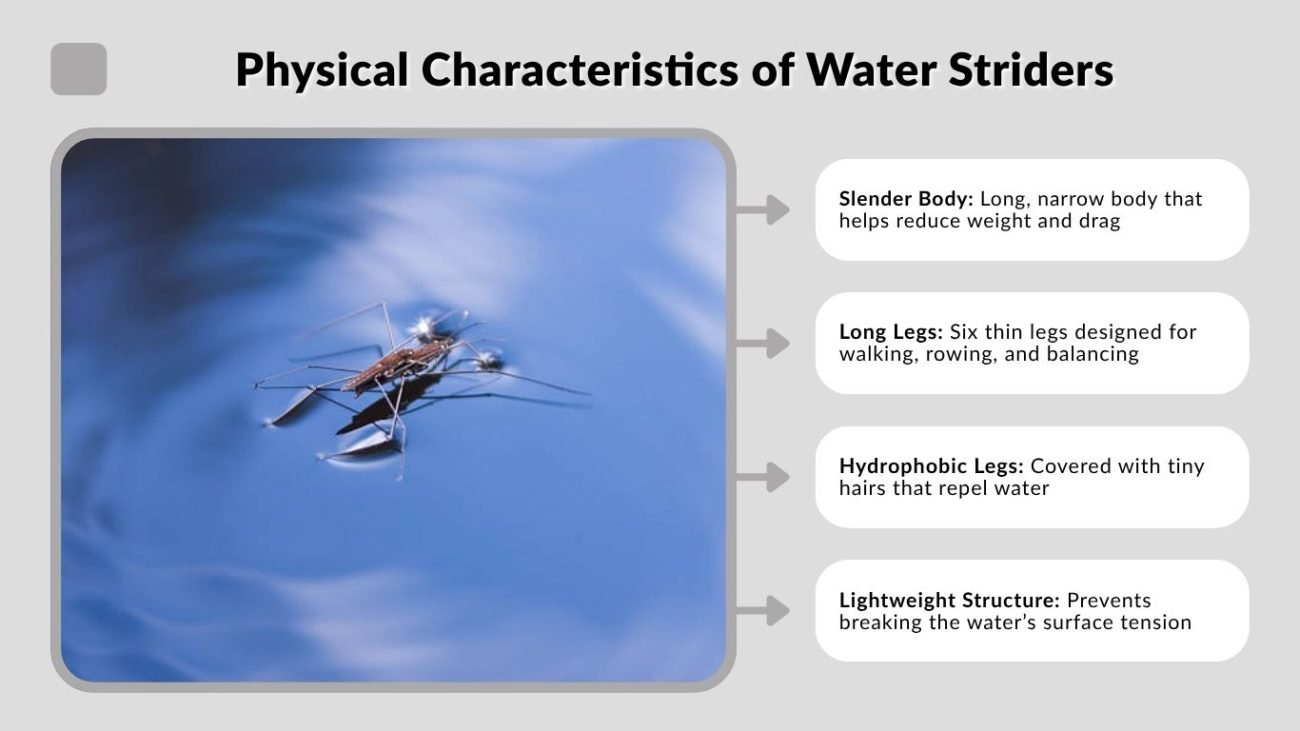
Water striders have a unique body design that allows them to live and move on the surface of water with ease. Their lightweight structure, long legs, and water-repellent features make them perfectly adapted for this unusual lifestyle. Every part of their body is specialized for balance, speed, and survival in aquatic environments.
Key Physical Features:
- Slender Body: Long, narrow body that helps reduce weight and drag
- Long Legs: Six thin legs designed for walking, rowing, and balancing
- Hydrophobic Legs: Covered with tiny hairs that repel water
- Lightweight Structure: Prevents breaking the water’s surface tension
- Dark Coloration: Usually brown or black for camouflage
- Sensitive Legs: Detect vibrations on the water surface
- Small Size: Typically 2–12 mm long, depending on species
These features work together to make water striders highly efficient surface dwellers.
How Do Water Striders Walk on Water?
Surface Tension Explained
Water striders rely on surface tension, a physical property of water that creates a thin “skin” on its surface. This tension is strong enough to support lightweight objects, including these insects.
Role of Leg Hair (Microstructures)
The microscopic hairs on their legs increase surface area and distribute their weight evenly. This prevents them from breaking the water’s surface. Instead of sinking, they create small dimples on the water.
Movement Mechanics
Water striders move by pushing against the water’s surface using their middle legs. They glide smoothly, using quick strokes that allow them to travel rapidly without submerging. Their movement is both energy-efficient and highly controlled.
Habitat and Distribution
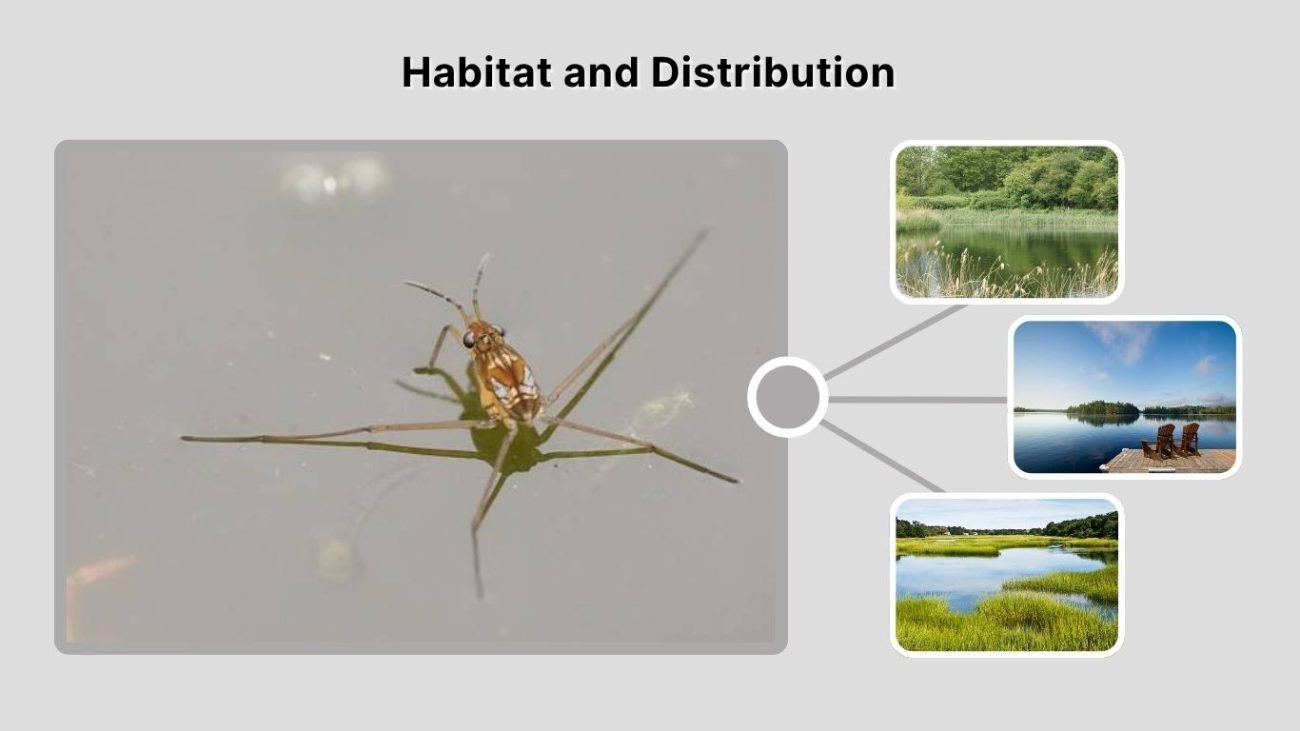
Water striders are found in freshwater habitats across the world. They prefer calm environments such as ponds, lakes, marshes, and slow-moving streams where the water surface remains stable.
These insects are widely distributed and can be found on every continent except Antarctica. Their adaptability allows them to thrive in a variety of climates, from tropical regions to temperate zones.
What Do Water Striders Eat?
Carnivorous Diet
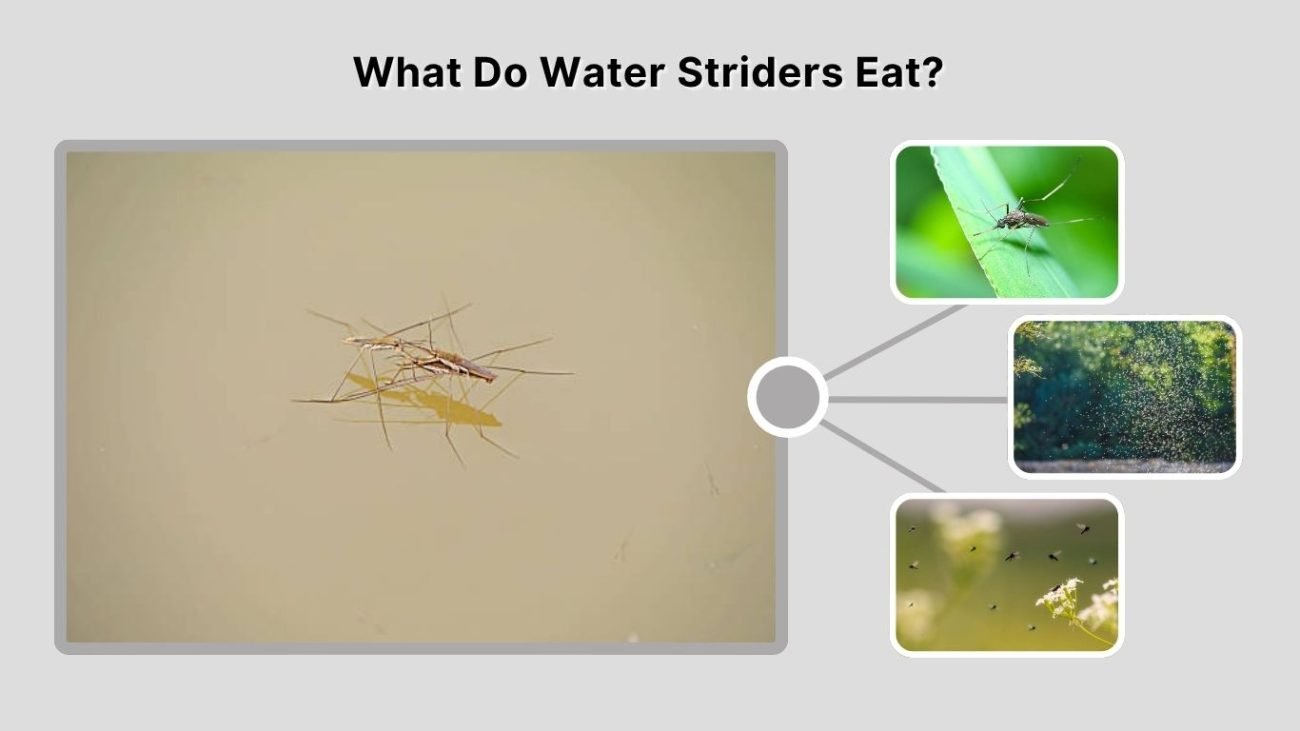
Water striders are carnivorous insects that primarily feed on other small insects and invertebrates. They often prey on insects that fall onto the water surface, such as mosquitoes and flies.
Hunting Strategy
They use their ability to detect vibrations on the water surface to locate prey. When an insect struggles in the water, it creates ripples that water striders can sense almost instantly.
Feeding Process
Once they capture their prey using their front legs, water striders pierce the body with their mouthparts and suck out the internal fluids. This feeding method allows them to consume prey efficiently without chewing.
Life Cycle of Water Striders
Egg Stage
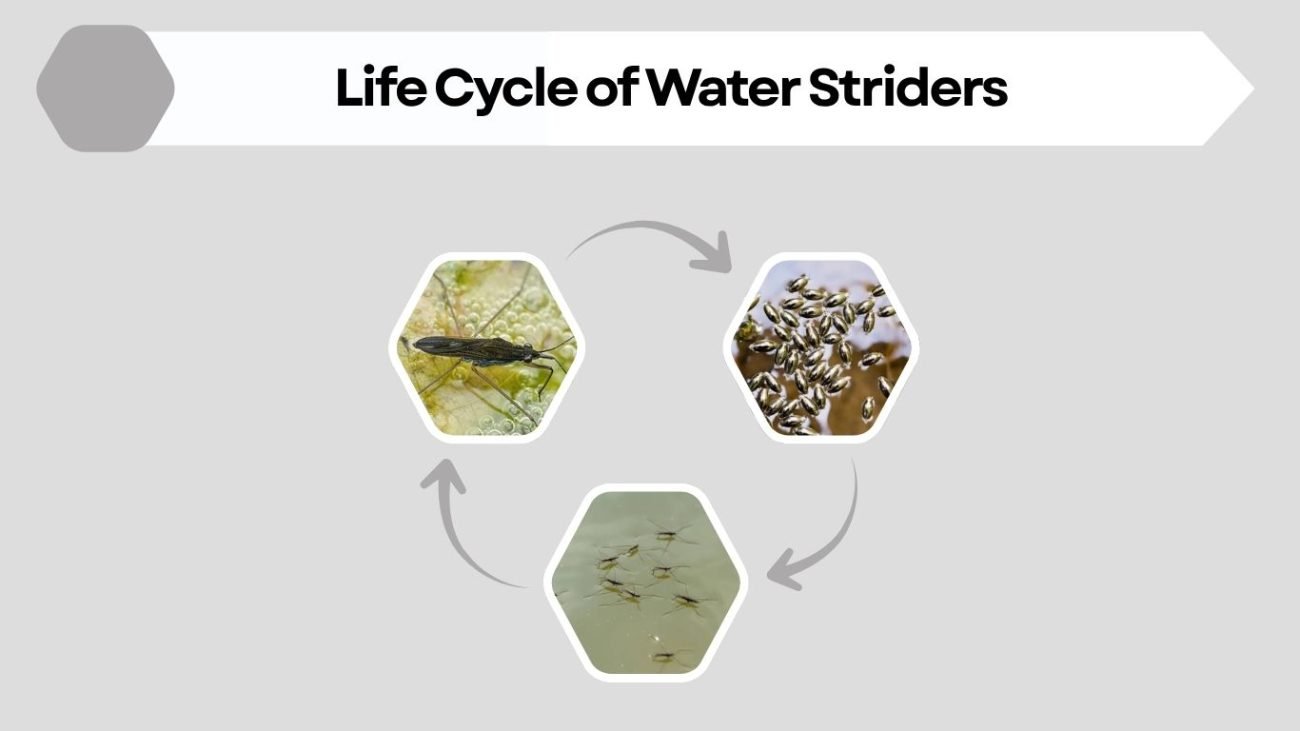
Female water striders lay their eggs on plants or debris near the water surface. The eggs are often attached securely to prevent them from drifting away.
Nymph Development
After hatching, young water striders (called nymphs) resemble smaller versions of adults. They go through several molts as they grow, gradually developing their full features.
Adult Stage
Once fully developed, adult water striders continue the cycle by reproducing. They remain on the water surface throughout their lives, rarely venturing below it.
Adaptations for Survival
Water striders possess several remarkable adaptations that allow them to thrive on the water surface. One of their most important abilities is their lightweight body combined with water-repellent legs, which prevents them from sinking. Their legs distribute their weight evenly, enabling them to stay balanced even in slight ripples.
Another key adaptation is their speed. Water striders can move quickly to escape predators or capture prey. Their ability to detect vibrations on the water surface helps them sense danger almost instantly. This sensitivity acts like an early warning system, allowing them to react before threats get too close.
In addition, their dark body coloration provides a level of camouflage, helping them blend into their surroundings when viewed from above.
Ecological Role of Water Striders
Water striders play an important role in aquatic ecosystems. As predators, they help control populations of insects such as mosquitoes and other small invertebrates. This makes them beneficial for maintaining ecological balance.
They are also part of the food chain. Birds, fish, and other larger predators rely on water striders as a food source. This connection helps transfer energy within the ecosystem.
Moreover, the presence of water striders often indicates a healthy freshwater environment. Since they rely on clean water surfaces, their abundance can be a sign of good ecosystem conditions.
Interesting Facts About Water Striders
Water striders are full of surprising traits that make them unique among insects:
- They can move extremely fast, sometimes traveling over 1 meter per second.
- Their legs create tiny shadows on the water surface due to surface tension.
- Some species can jump several times their body length.
- They communicate and locate prey through water vibrations.
- Despite living on water, they rarely get wet due to their hydrophobic legs.
Water Striders and Science (Biomimicry)
Water striders have inspired scientists and engineers, especially in the field of biomimicry—the practice of designing technology based on natural systems.
Researchers study how these insects move across water to develop small robots that can mimic their motion. These robots could be used for environmental monitoring, search-and-rescue missions, or studying delicate ecosystems without disturbing them.
Their ability to use surface tension efficiently has also contributed to research in physics, fluid dynamics, and materials science. By understanding how water striders interact with water, scientists can design better water-repellent materials and innovative devices.
FAQs
1. Why don’t water striders sink in water?
Water striders don’t sink because of surface tension and their hydrophobic legs. The tiny hairs on their legs repel water and distribute their weight evenly, allowing them to stay on the surface without breaking it.
2. Are water striders dangerous to humans?
No, water striders are harmless to humans. They do not bite or sting and pose no threat. In fact, they are beneficial because they help control insect populations like mosquitoes.
3. Can water striders fly?
Yes, some species of water striders have wings and can fly, especially when they need to move to new habitats. However, many prefer to stay on the water surface and rarely use their wings.
4. How do water striders find their prey?
Water striders detect prey by sensing vibrations on the water surface. When an insect falls and struggles, it creates ripples that the strider quickly notices and moves toward.
5. Where can you commonly find water striders?
Water striders are commonly found in calm freshwater environments such as ponds, lakes, marshes, and slow-moving streams. They are widespread across the world, except in extremely cold regions like Antarctica.
Conclusion
Water striders are extraordinary insects that demonstrate how nature combines biology and physics in remarkable ways. From their unique ability to walk on water to their important ecological role, they offer valuable insights into both the natural world and scientific innovation.
Their adaptations, behavior, and influence on technology highlight why these small insects deserve attention and study. Whether observed in a quiet pond or examined in a laboratory, water striders continue to inspire curiosity and discovery.