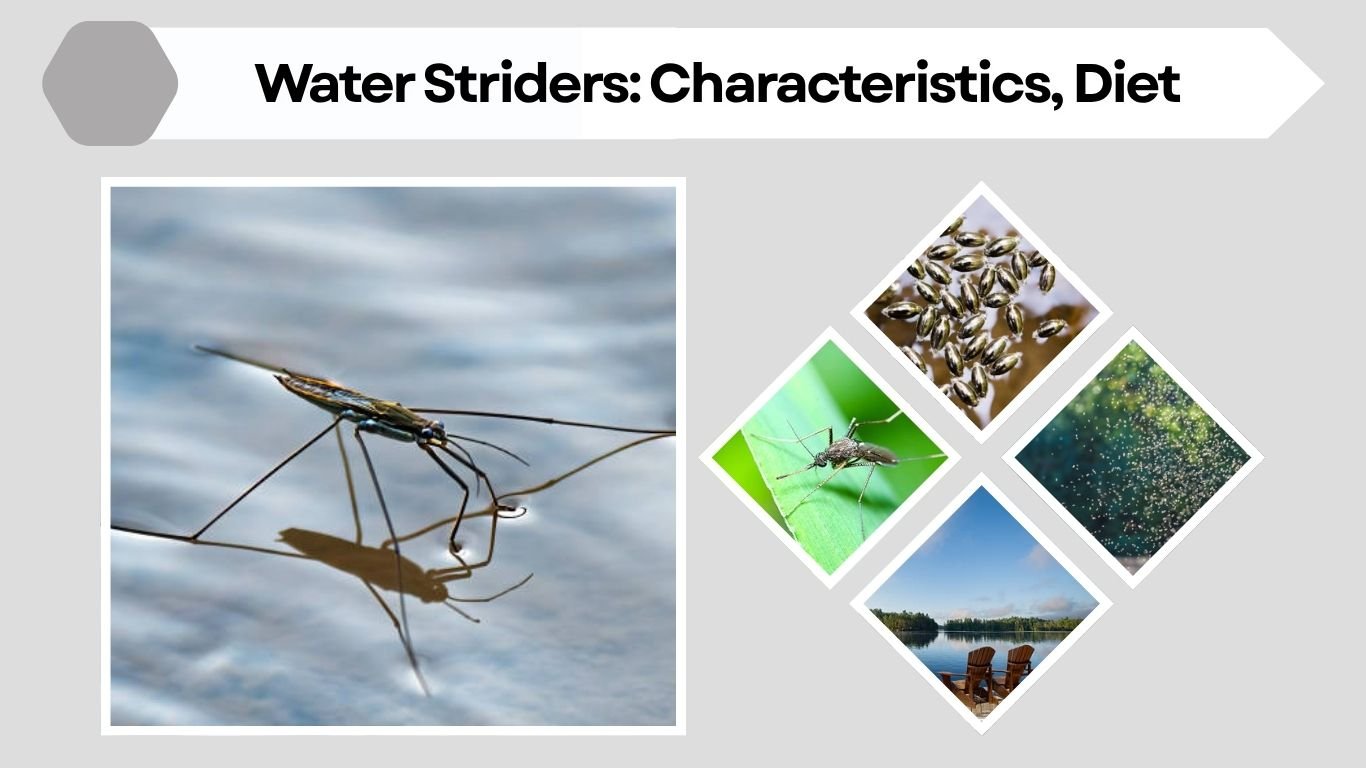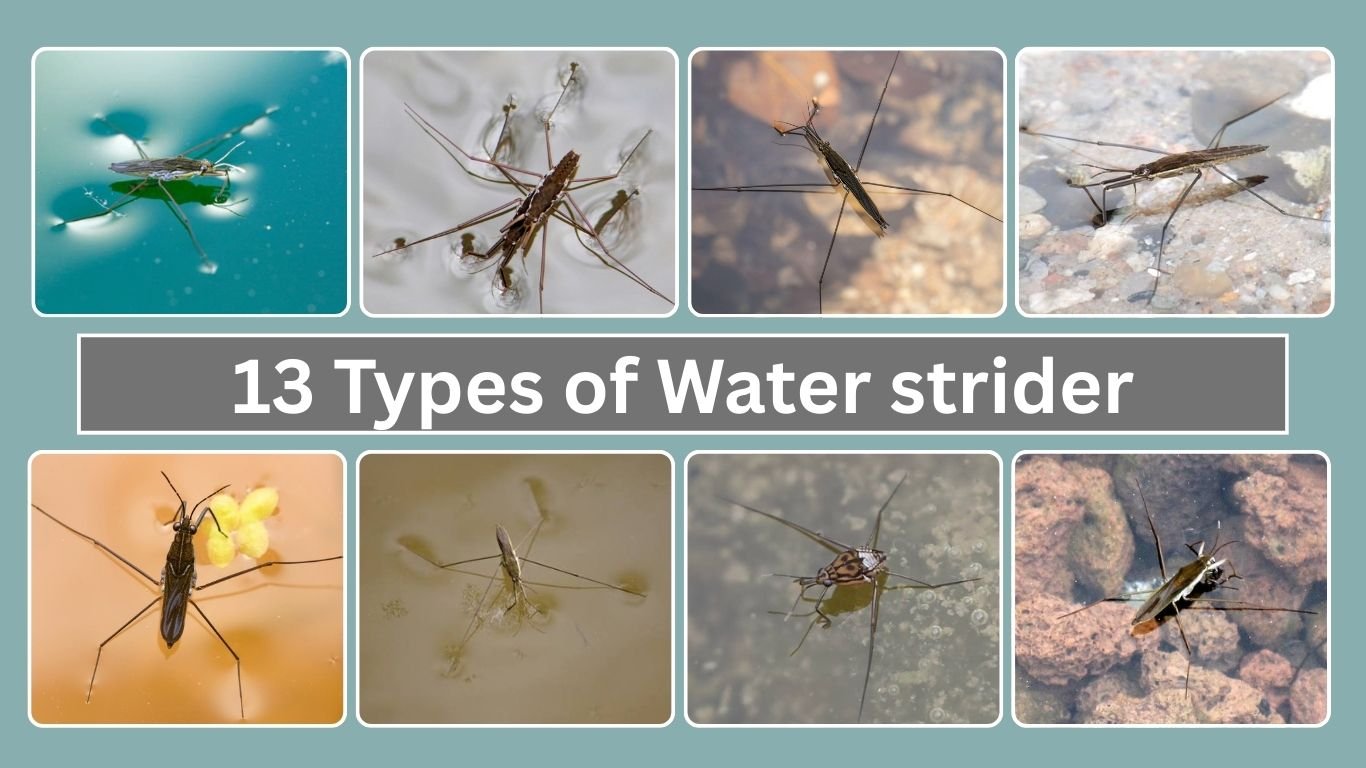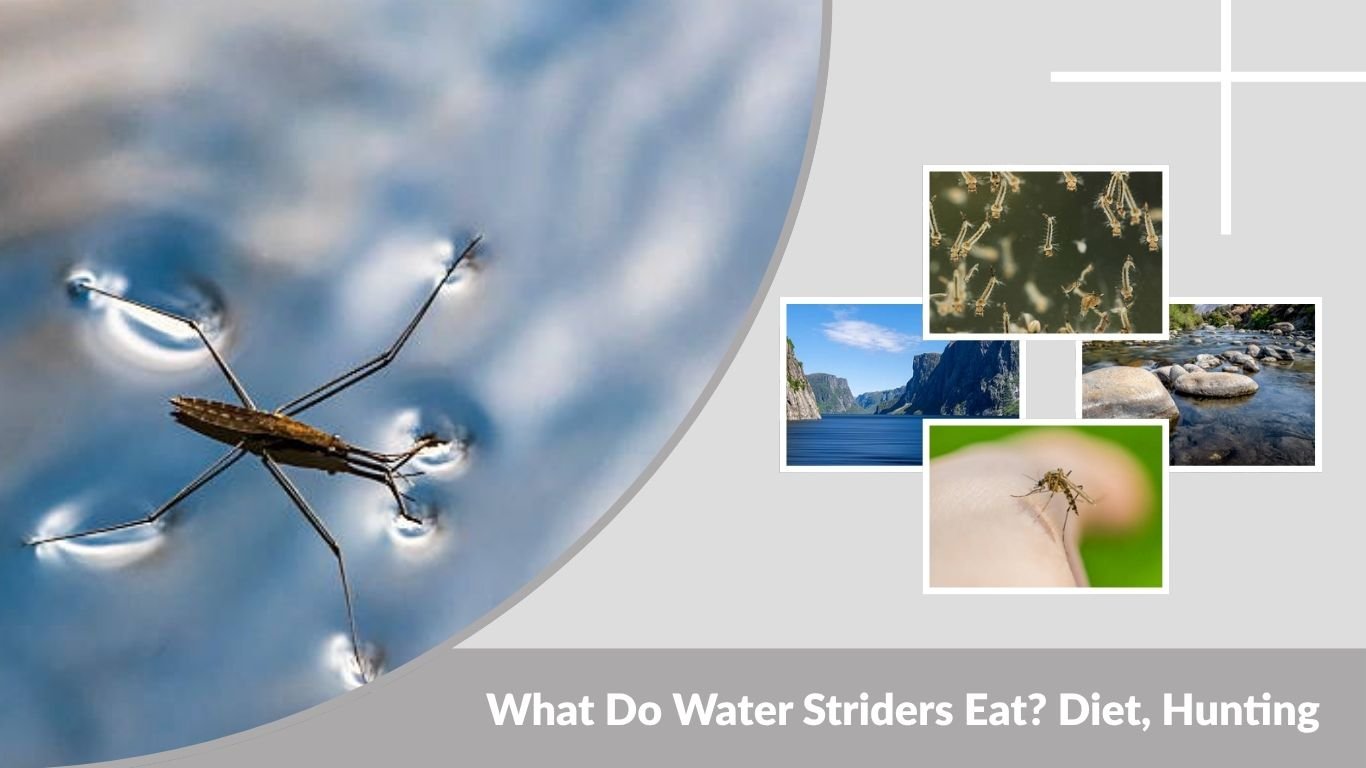
Water striders are fascinating insects known for their ability to glide across the surface of water. While their movement often captures attention, their feeding behavior is equally interesting. These insects are active predators that rely on the water surface to hunt and capture prey. Their diet mainly consists of small insects and other tiny organisms. By feeding on pests like mosquitoes, water striders play an important role in maintaining balance in freshwater ecosystems.
What Do Water Striders Eat? (Quick Answer)
Water striders primarily eat small insects and invertebrates that are found on or trapped at the water’s surface. Their diet includes:
- Mosquitoes and their larvae
- Flies and ants that fall into water
- Small aquatic insects
- Dead or struggling insects
They depend on prey that comes into contact with the water surface, making them surface-level hunters rather than underwater feeders.
Are Water Striders Carnivores?
Yes, water striders are strictly carnivorous insects. They feed only on other animals and do not consume plants or algae. As predators, they occupy an important position in the aquatic food chain.
Unlike herbivorous insects that feed on plant material, water striders actively hunt and capture prey. Their carnivorous nature helps control populations of small insects, especially those that breed near water bodies. This makes them beneficial for both ecosystems and humans.
Types of Food Water Striders Eat
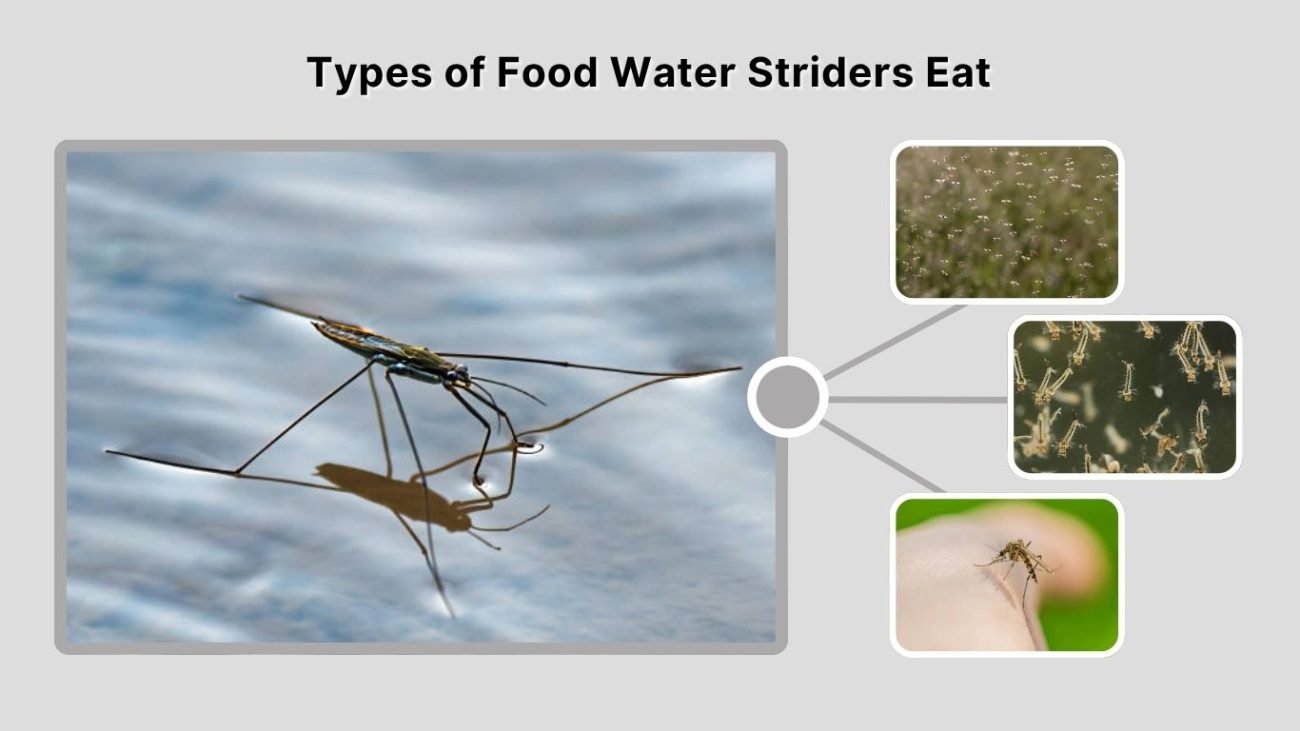
Mosquitoes and Larvae
Mosquitoes are one of the most common food sources for water striders. When adult mosquitoes land on water or when larvae come close to the surface, they become easy targets. This feeding habit helps reduce mosquito populations naturally.
Small Aquatic Insects
Water striders also feed on various small aquatic insects. These may include flies, beetles, and other insects that either live near water or accidentally fall into it.
Dead or Trapped Insects
Water striders are opportunistic feeders. They do not always hunt live prey; instead, they also consume insects that are already trapped or dead on the water surface. This allows them to conserve energy while still getting nutrition.
Other Tiny Invertebrates
In addition to insects, water striders may feed on other small invertebrates found on the water surface. These organisms are usually soft-bodied and easy to consume.
How Do Water Striders Hunt Their Prey?
Detecting Vibrations
Water striders have highly sensitive legs that can detect even the smallest vibrations on the water surface. When an insect struggles in the water, it creates ripples. These ripples act as signals, guiding the strider directly to its prey.
Quick Movement
Once they detect prey, water striders move precisely. Their long middle legs push against the water surface, allowing them to glide quickly toward the target. This speed gives them a strong advantage over struggling insects.
Ambush and Attack Strategy
Water striders often use an ambush strategy. They remain still until they sense movement, then rapidly attack. This combination of patience and speed makes them efficient hunters.
How Do Water Striders Eat Their Food?
Piercing Mouthparts
Water striders have specialized mouthparts designed for piercing. These needle-like structures allow them to penetrate the body of their prey easily.
Sucking Body Fluids
Instead of chewing, water striders feed by sucking out the internal fluids of their prey. This liquid diet provides them with the nutrients they need.
External Digestion
Before feeding, they inject digestive enzymes into the prey’s body. These enzymes break down internal tissues, turning them into a liquid form that can be easily consumed.
Feeding Behavior and Habits
Water striders are opportunistic feeders, meaning they eat whenever suitable prey is available. They do not rely on a fixed feeding schedule but instead respond to movement and vibrations on the water surface.
These insects are most active during the day, especially in calm conditions when it is easier to detect ripples caused by prey. However, in some environments, they may also feed at night if conditions allow.
Competition can occur when multiple water striders detect the same prey. In such cases, they may quickly gather around the food source, leading to brief interactions or struggles among individuals. During times when food is scarce, they may travel across larger areas to find prey or rely more on dead insects.
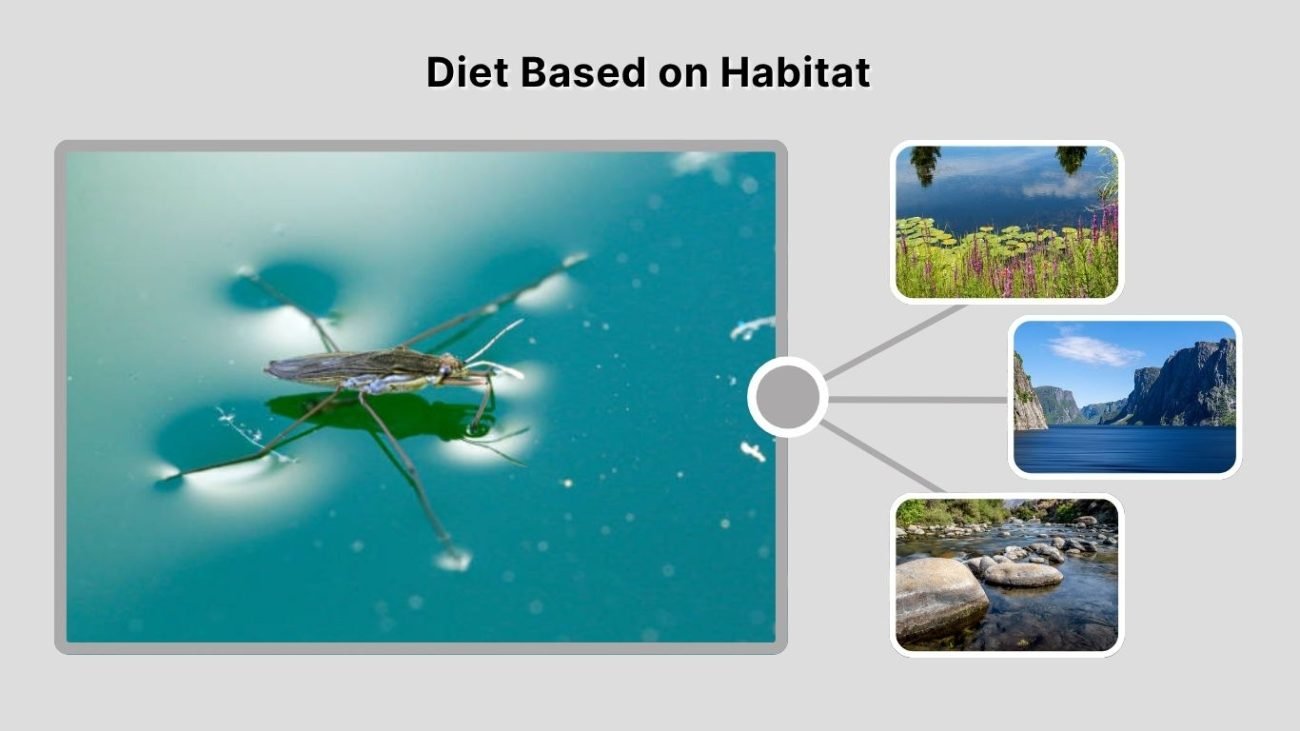
Diet Based on Habitat
Pond Environments
In ponds, water striders often have access to a wide variety of prey, including mosquito larvae and small insects. Calm water surfaces make it easier for them to detect vibrations and hunt effectively.
Lakes and Streams
In lakes and slow-moving streams, their diet may vary depending on the availability of insects. Flowing water can make it harder to detect prey, but they still manage by focusing on calmer areas.
Seasonal Changes
The diet of water striders can change with the seasons. During warmer months, when insect populations are high, food is abundant. In colder seasons, they may experience reduced food availability and slower feeding activity.
Role of Water Striders in the Ecosystem
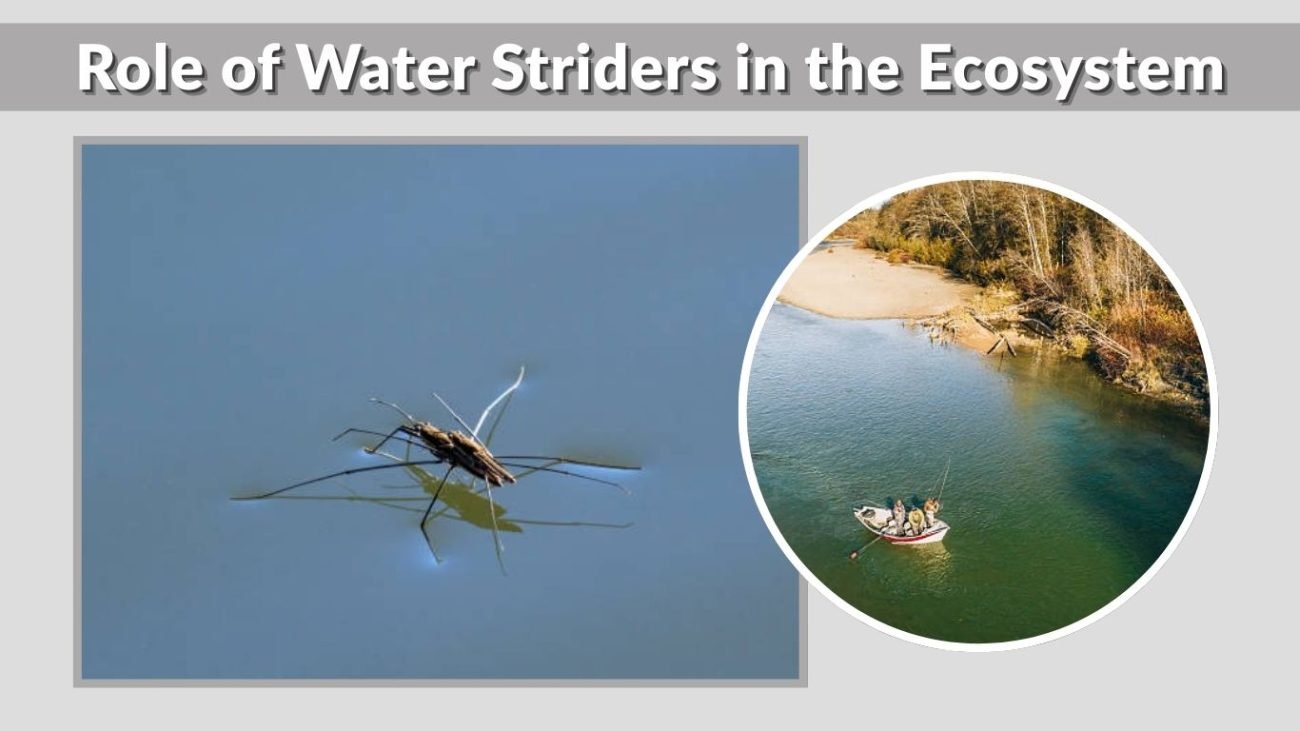
Water striders play a vital role in maintaining ecological balance. As predators, they help control populations of insects, particularly mosquitoes, which are often considered pests.
They also serve as a food source for larger animals such as fish and birds. This makes them an important link in the aquatic food chain, helping transfer energy between different levels of the ecosystem.
Additionally, their presence often indicates a healthy freshwater environment. Since they depend on clean and stable water surfaces, a thriving population of water striders suggests good ecological conditions.
Interesting Facts About Water Striders’ Diet
Water striders have several fascinating feeding traits that highlight their efficiency as predators:
- They can detect even the smallest ripples caused by struggling insects
- Their reaction time is extremely fast, allowing them to capture prey quickly
- They rarely miss their target once they begin an attack
- They contribute to natural pest control by reducing mosquito populations
- They can feed on both live and dead insects
Conclusion
Water striders are highly specialized predators that rely on the water surface to find and capture food. Their diet mainly consists of small insects, including mosquitoes, making them valuable for controlling pest populations.
Through their unique hunting methods, efficient feeding process, and adaptability to different environments, water striders play an important role in freshwater ecosystems. Understanding what they eat not only reveals their fascinating behavior but also highlights their importance in maintaining ecological balance.
FAQs
Do water striders eat mosquitoes?
Yes, water striders commonly eat mosquitoes and their larvae, helping reduce their population naturally.
Can water striders eat dead insects?
Yes, they are opportunistic feeders and often consume dead or trapped insects on the water surface.
How often do water striders eat?
They eat whenever prey is available rather than following a fixed schedule.
Are water striders helpful for humans?
Yes, they help control pest insects like mosquitoes, making them beneficial for humans and the environment.
Do water striders eat plants?
No, water striders are carnivorous and feed only on small animals, not plants.