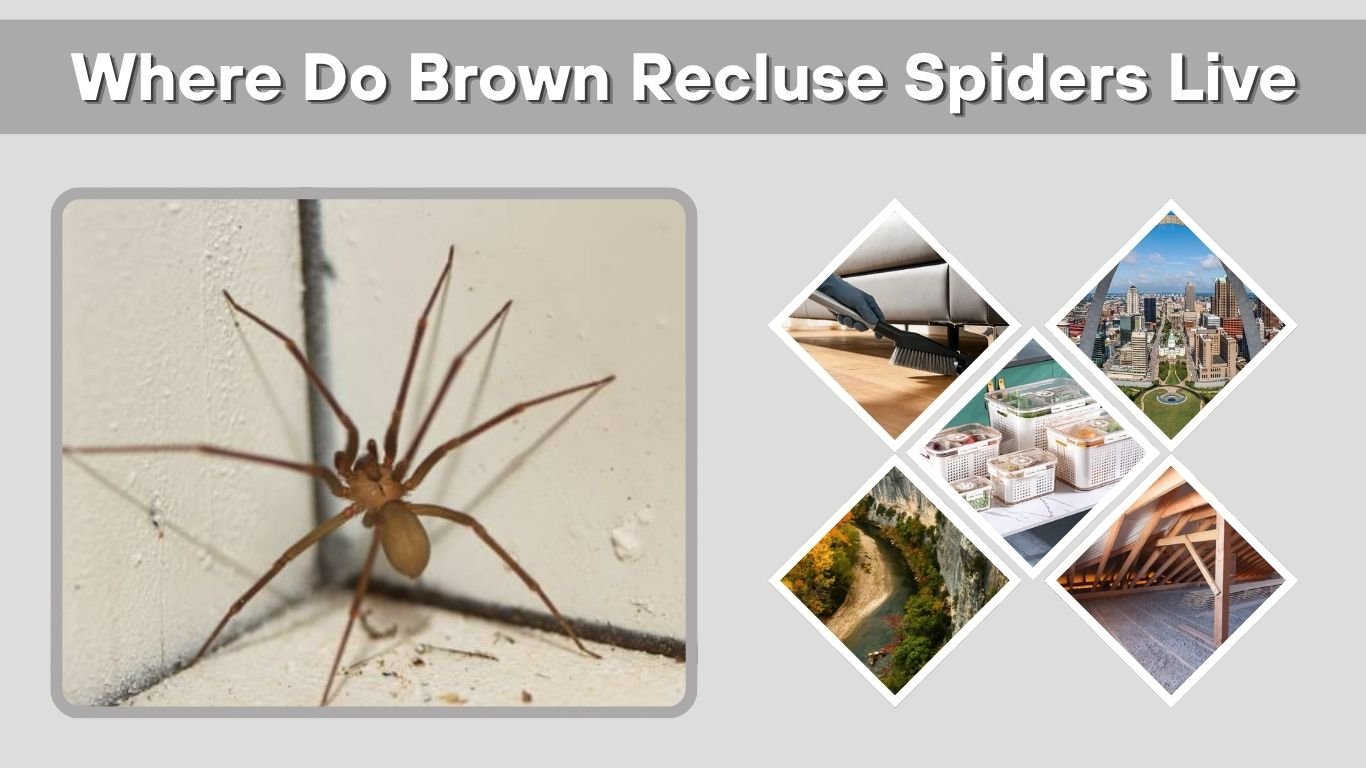
Brown recluse spiders live mainly in the south-central and Midwestern United States, especially in warm, dry, and undisturbed places. They can survive outdoors under rocks, bark, logs, and debris, but they also adapt well to homes, garages, attics, closets, and storage rooms. Their secretive behavior makes them difficult to notice until one is accidentally disturbed.
Brown Recluse Spider Range
Brown recluse spiders have a specific natural range. They are not found everywhere in the United States, and they are often reported in places where they are not truly established. Their strongest populations occur in the central and southern parts of the country, especially where the climate is warm enough and suitable hiding places are available.
They are most associated with the Midwest and south-central states. Extension sources describe their range as centered in the south-central and Midwestern United States, and they are considered rare outside that normal range. A few may be transported in boxes, furniture, or shipments, but transported spiders do not always create a lasting population.
| Area | Brown Recluse Status |
|---|---|
| South-central U.S. | Common in suitable habitats |
| Midwest | Present in many areas |
| California | Not normally established |
| New York | Not normally established |
| Canada | Not normally established |
| Homes in range | Can live indoors |
| Outdoor areas | Found under rocks, bark, logs, and debris |
What States Do Brown Recluse Spiders Live In?
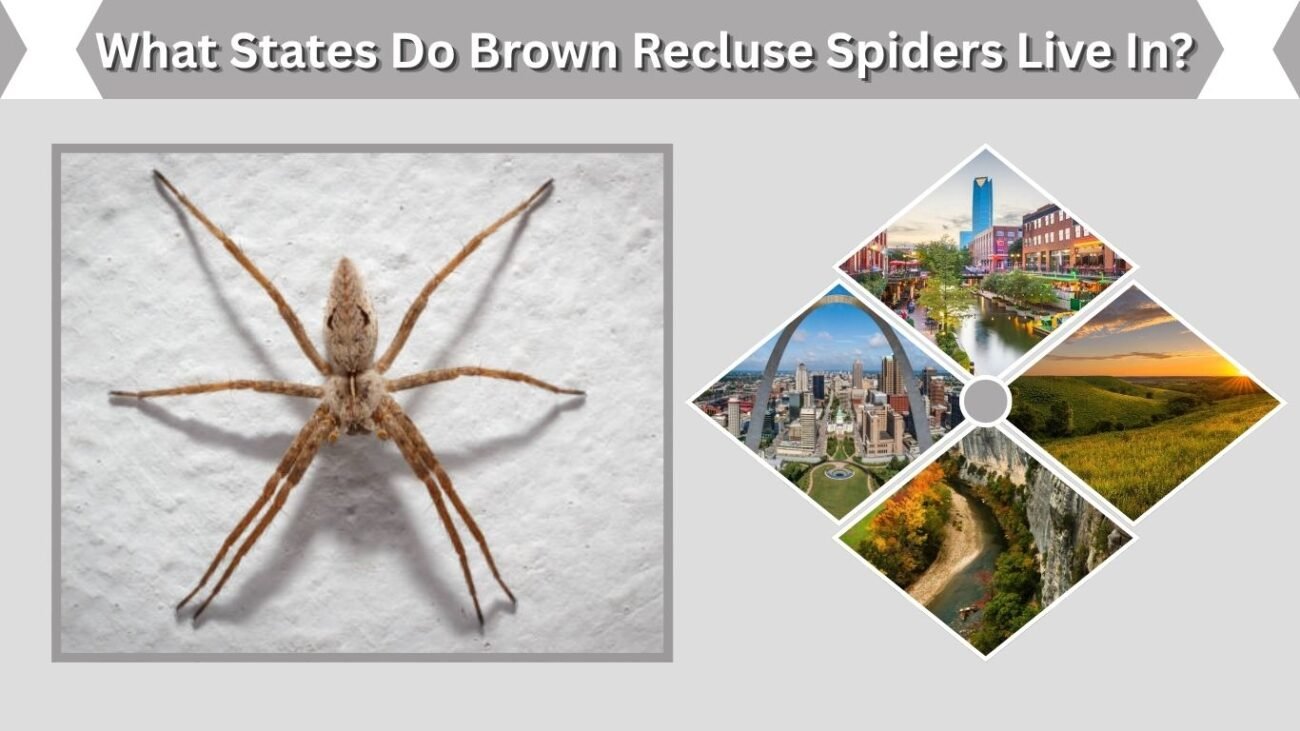
Brown recluse spiders are most strongly linked with states such as Missouri, Arkansas, Kansas, Oklahoma, Texas, Louisiana, Tennessee, Kentucky, Mississippi, Alabama, Illinois, Indiana, Iowa, Nebraska, Ohio, and parts of Georgia. Their presence can vary within each state, so they may be common in one region and less common in another.
A useful rule is this: brown recluse spiders are much more likely in central and south-central states than in coastal, far northern, or far western states. In places outside their main range, many suspected sightings are actually wolf spiders, cellar spiders, funnel-weavers, sac spiders, or other brown house spiders.
Core U.S. Range
The strongest brown recluse populations are usually associated with:
- Missouri
- Arkansas
- Oklahoma
- Kansas
- Texas
- Tennessee
- Kentucky
- Louisiana
- Mississippi
- Alabama
- Illinois
- Indiana
- Iowa
- Nebraska
- Ohio
- Parts of Georgia
These states are not equal in risk everywhere. Local habitat, building conditions, clutter, and storage areas can all affect how likely someone is to encounter them.
Do Brown Recluse Spiders Live in California?
The true brown recluse spider is not normally established in California. California has other recluse species in some areas, especially desert regions, but the true brown recluse, Loxosceles reclusa, is not a typical California spider.
A brown spider found in California is more likely to be a look-alike. Wolf spiders, false widows, cellar spiders, sac spiders, and house spiders are frequently mistaken for recluses. A transported brown recluse could occasionally arrive in moving boxes or goods, but that is different from having a stable local population.
California Confusion
California confusion often happens because the spider is well known and feared. However, location is one of the best clues for identification. If a spider is found far outside the normal brown recluse range, it should not be identified as a brown recluse based only on color.
In California, a true recluse identification should be confirmed by an expert, especially because other brown spiders are far more likely.
Do Brown Recluse Spiders Live in New York or Pennsylvania?
Brown recluse spiders are not normally established in New York. A brown spider found in New York is usually another species. They may occasionally be transported into the state, but established populations are not expected in normal conditions.
Pennsylvania is also outside the main brown recluse range, though isolated introductions can happen. Penn State Extension notes that brown recluses prefer warm, dry nesting sites and that confirmed cases outside the normal range are less common than public reports suggest.
Northeastern States
In northeastern states, suspected brown recluse spiders are often misidentified. Common look-alikes include yellow sac spiders, cellar spiders, wolf spiders, house spiders, and funnel-weavers. Medical skin problems are also sometimes blamed on brown recluse bites even when no spider is found.
For these states, identification should be based on a collected spider, not only on a bite mark or a brown body color.
Do Brown Recluse Spiders Live in Canada?
Brown recluse spiders are not normally established in Canada. The climate in many Canadian regions is not ideal for long-term outdoor populations. Individual spiders may be moved in shipments, furniture, or luggage, but that does not mean they live naturally across Canada.
Canadian reports should be treated carefully. A brown spider indoors is much more likely to be a local house spider, cellar spider, wolf spider, or another harmless species. Proper identification is important before assuming a venomous recluse is present.
Canada and Cold Climate Limits
Brown recluses prefer warmer, drier hiding places. Cold winters and unsuitable outdoor conditions limit where they can maintain populations. Heated buildings can help some spiders survive indoors, but long-term establishment outside the main range is still uncommon.
Indoor Brown Recluse Habitat
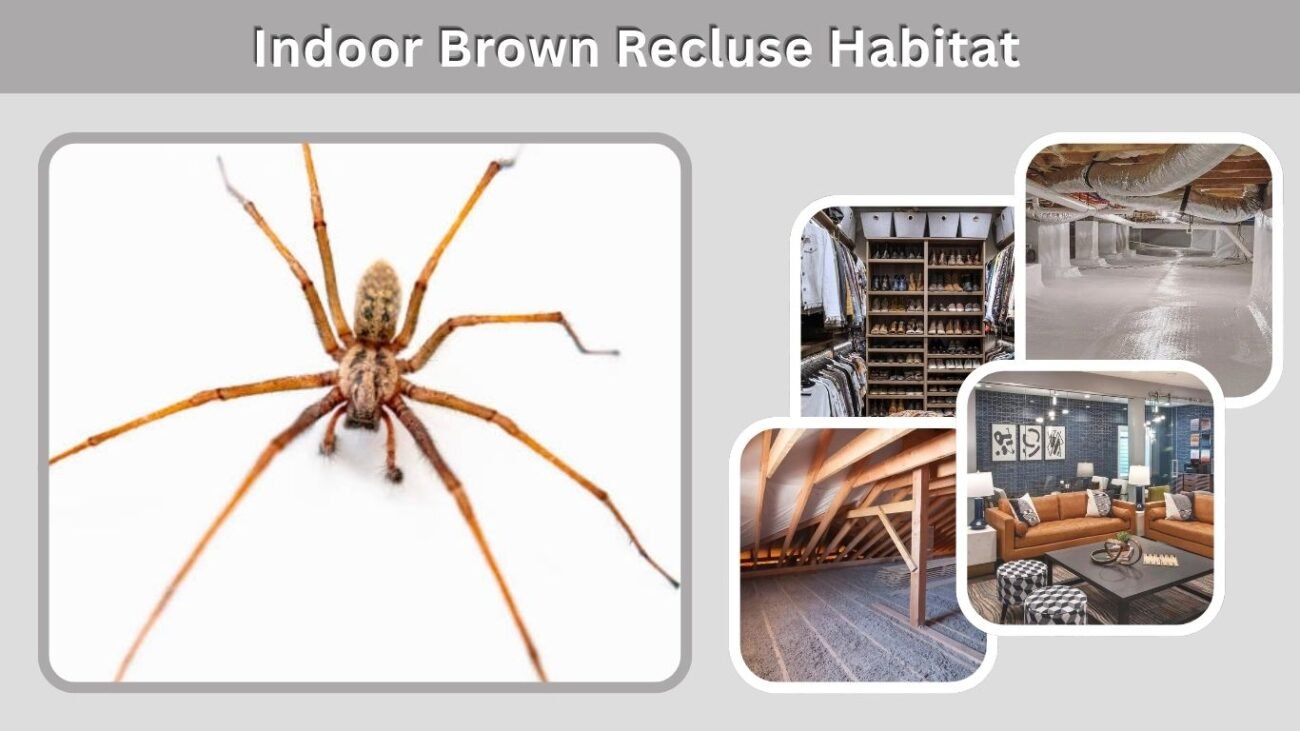
Brown recluse spiders can live inside homes, especially in areas where they are naturally common. Indoors, they prefer places that are dark, dry, warm, and rarely disturbed. Their name “recluse” fits their behavior because they avoid open areas and usually hide during the day.
They do not need a dirty home to survive. Even clean houses can have recluses if there are suitable hiding places and insects to eat. However, clutter makes them harder to detect and gives them more shelter.
Common Indoor Hiding Places
Brown recluse spiders may live in:
- Closets
- Attics
- Basements
- Garages
- Crawl spaces
- Storage rooms
- Cardboard boxes
- Behind furniture
- Under beds
- Inside shoes and boots
- Stored clothes, towels, or blankets
- Wall cracks and baseboard gaps
They often become a problem when stored items are moved after a long time. Bites may happen when the spider is trapped in clothing, bedding, or shoes.
Outdoor Brown Recluse Habitat
Outdoors, brown recluse spiders live in protected natural shelters. They may hide under rocks, logs, bark, boards, woodpiles, and debris. They look for places where they can avoid sunlight, predators, and disturbance.
Penn State Extension describes their natural habitat as gaps under rocks, boards, bark of dead trees, and logs. In structures, they may live inside cracks in walls, boards, and stored items.
Outdoor Places They Prefer
Outdoor hiding spots include:
- Under rocks
- Beneath boards
- Inside woodpiles
- Under tree bark
- Around logs
- In sheds
- Under outdoor debris
- Near stored building materials
- In dry, sheltered corners
They are not usually found sitting openly in grass or on bright exterior walls during the day. They prefer quiet, hidden spaces.
Do Brown Recluse Spiders Live in Groups?
Brown recluse spiders are not social spiders in the way ants or bees are social. However, many can live in the same building if conditions are right. A home with clutter, insects, cracks, and undisturbed storage areas can support multiple spiders.
This can make an infestation feel like the spiders are living in groups. In reality, they are simply sharing a suitable habitat. They may be found near each other because the same environment provides shelter and food.
Why Infestations Happen
Indoor populations can grow when:
- Storage areas remain undisturbed
- Cardboard boxes provide hiding places
- Insects are available as food
- Cracks and gaps offer shelter
- Items are rarely cleaned or moved
- Entry points are not sealed
Sticky traps are often useful for monitoring activity along walls, behind furniture, and near storage areas.
How Long Do Brown Recluse Spiders Live?
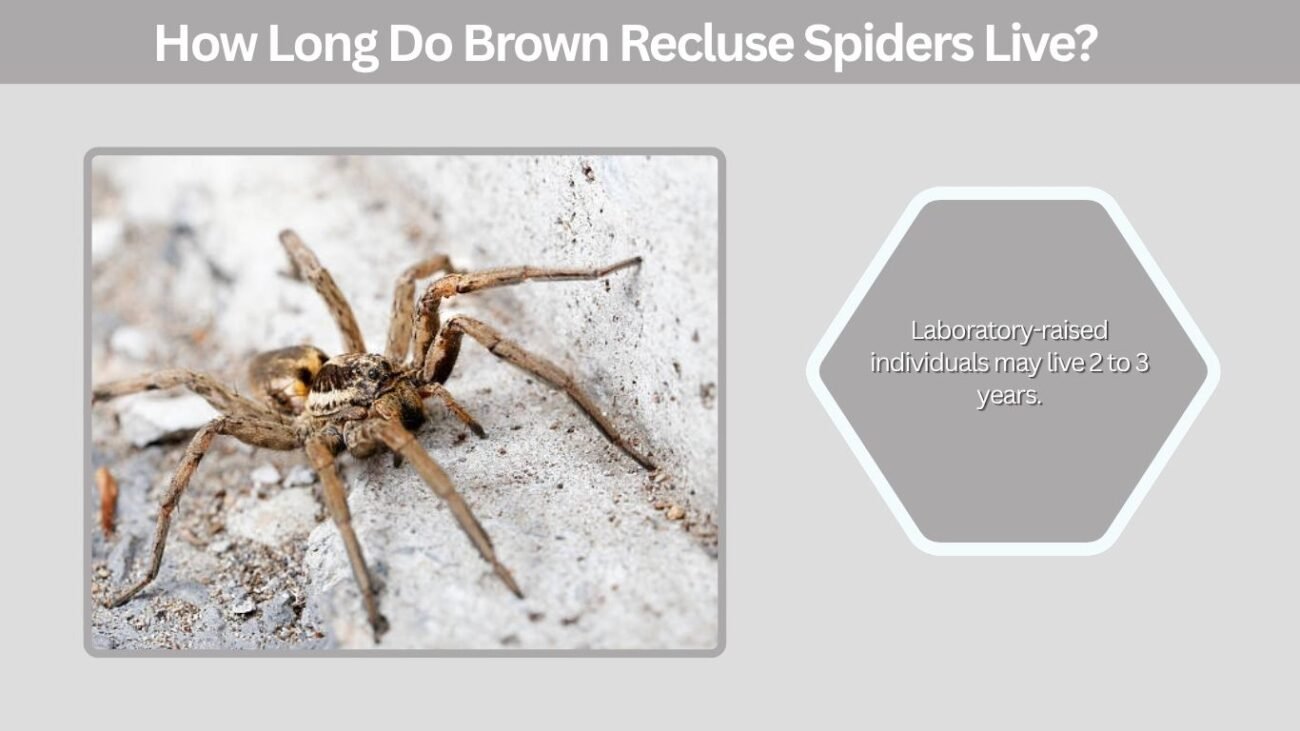
Brown recluse spiders can live longer than many people expect. Laboratory-raised individuals may live two to three years, and young spiders can take about a year to mature.
Their long lifespan helps explain why indoor populations can persist if they are not controlled. They can hide for long periods and survive in quiet areas where food is available.
Life Inside a House
Inside a house, brown recluses may survive in cracks, storage areas, and wall spaces. They can remain hidden for much of the time and come out mostly at night. Because of this, a person may have them in a building without seeing them often.
Regular cleaning, storage control, and trapping can reduce the chance of long-term activity.
How to Know If Brown Recluses Live in Your Home
A single brown spider does not prove a brown recluse infestation. Identification should include the spider’s body features, your location, and the place where it was found. The six-eye pattern is one of the strongest identification clues, but it can be difficult to see without magnification.
Other clues include a plain brown body, smooth slender legs, a violin-shaped mark on the upper body, and secretive behavior in dark areas.
Signs to Watch For
Possible signs include:
- Repeated sightings of similar brown spiders
- Spiders found in closets or storage rooms
- Shed skins in hidden areas
- Spiders caught on sticky traps
- Activity near cardboard boxes or clutter
- Sightings in shoes, clothes, bedding, or towels
For accurate identification, collect a spider safely in a sealed container or use sticky traps and contact a local extension office or pest professional.
Preventing Brown Recluse Spiders Indoors
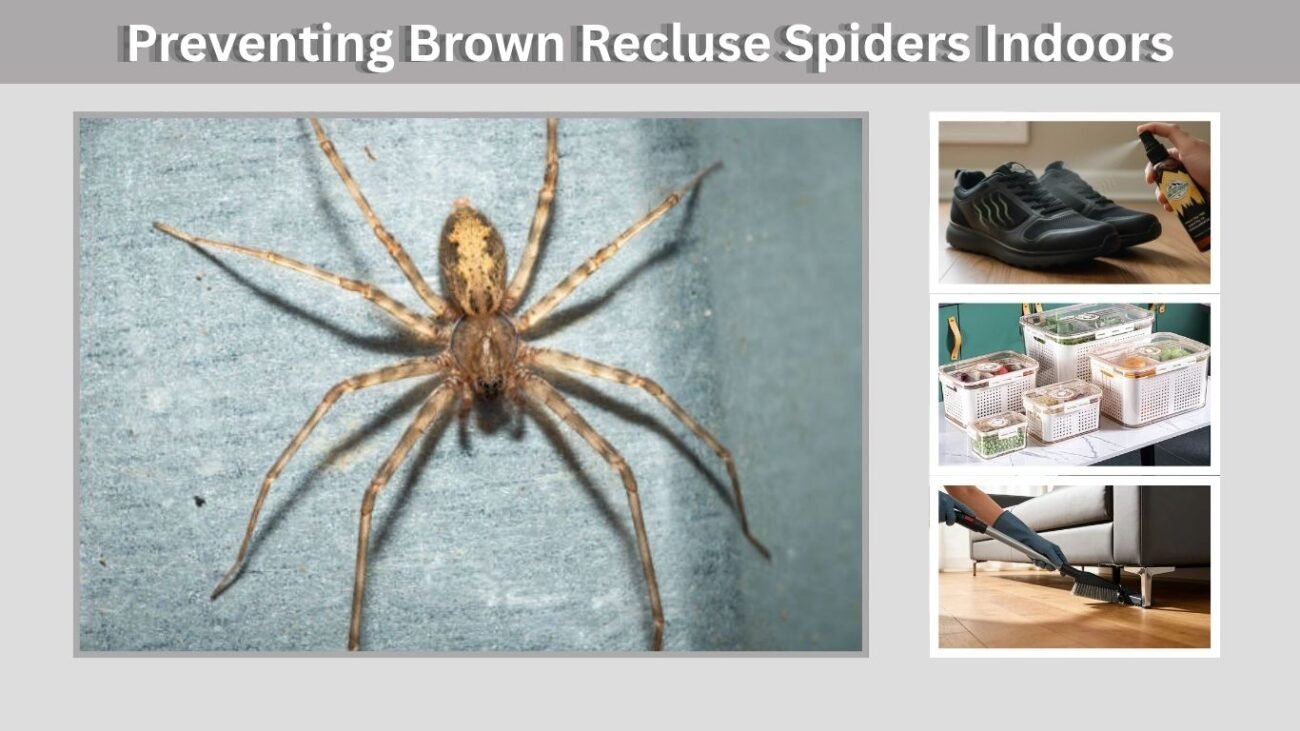
Prevention focuses on removing hiding places and reducing accidental contact. Even in states where brown recluses are common, simple home habits can lower the chance of bites.
Keep storage areas organized, seal cracks, and avoid leaving clothing or towels on the floor. Use sealed plastic containers instead of cardboard boxes when possible. Wear gloves when moving old boxes, firewood, or stored materials.
Practical Prevention Tips
Use these steps:
- Shake out shoes, gloves, and clothing before use
- Store items in sealed plastic bins
- Reduce clutter in closets, garages, and attics
- Vacuum behind furniture and along baseboards
- Seal cracks around doors, windows, and foundations
- Move woodpiles and debris away from the house
- Use sticky traps in quiet corners
- Wear gloves when handling stored items
If you live in a high-range state and see repeated suspected recluses, professional inspection may be helpful.
FAQs
Where do brown recluse spiders live in the United States?
Brown recluse spiders live mainly in the south-central and Midwestern United States. They are most common in states such as Missouri, Arkansas, Oklahoma, Kansas, Texas, Tennessee, Kentucky, and nearby areas. They are much less likely in far western, far northern, and coastal states.
Do brown recluse spiders live inside houses?
Yes, brown recluse spiders can live inside houses, especially in dark, dry, and quiet areas. They may hide in closets, attics, basements, garages, storage boxes, shoes, clothing, and wall cracks. They usually stay hidden during the day and become more active at night.
Do brown recluse spiders live in California?
The true brown recluse spider is not normally established in California. Some related recluse species occur in desert regions, but most brown spiders found in California homes are not brown recluses. Expert identification is best for any suspected recluse.
Do brown recluse spiders live in Canada?
Brown recluse spiders are not normally established in Canada. A spider may occasionally be transported in goods or luggage, but that does not mean it has a natural population there. Most brown spiders in Canada are other local species.
How long does a brown recluse spider live?
A brown recluse spider can live for two to three years under suitable conditions. Young spiders may take about a year to mature. Their long lifespan and secretive habits allow them to survive indoors if they have hiding places and insects to eat.