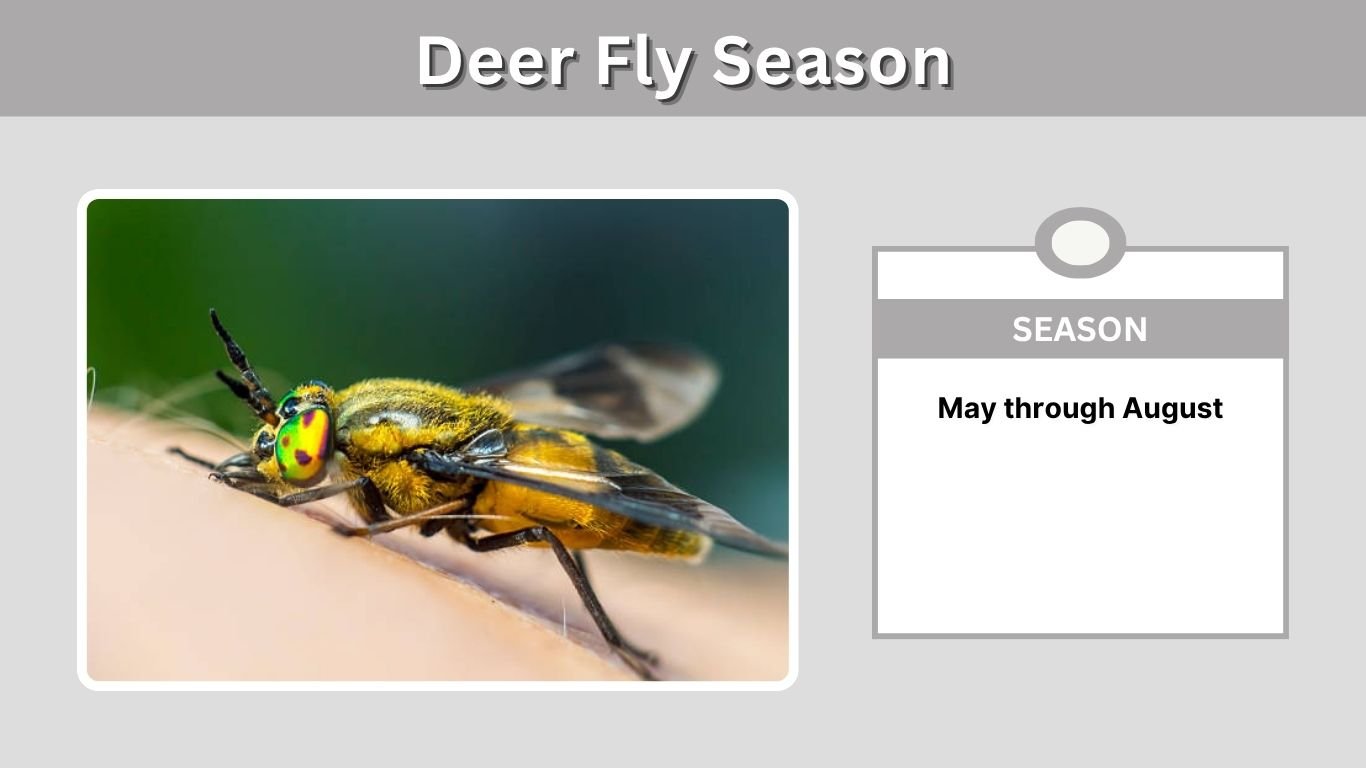
Deer fly season generally begins in late spring and continues through summer, although the exact timing depends on location, species, temperature, and rainfall. Across much of the northern United States, deer flies are most troublesome during June and July. Activity may start earlier and continue into fall in warmer southern regions. Their numbers are usually highest around wetlands, forest edges, ponds, and shaded trails where their immature stages develop.
When Is Deer Fly Season?
Across much of North America, adult deer flies primarily appear from May through August. In northern areas, the worst activity is commonly concentrated between June and July. Farther south, adults may emerge earlier and remain active into early fall.
A general seasonal pattern is:
| Seasonal stage | Typical timing |
| First adults appear | Late spring |
| Numbers begin increasing | May to June |
| Peak deer fly season | June through July |
| Numbers begin declining | August |
| Season usually ends | Late summer or early fall |
These dates are estimates rather than fixed deadlines. Different deer fly species emerge at different times, and yearly weather conditions can shift the season by several weeks.
How Long Does the Deer Fly Season Last?
The broader season may last approximately three to four months, but the period of intense biting is often shorter. Many locations experience several difficult weeks followed by a gradual decline.
Wisconsin reports that tabanid flies may remain active from May through September, although deer flies are most active during June and July. North Carolina records adults mainly from May through August, with activity sometimes continuing from late spring into early fall.
Local populations can suddenly seem severe because several species may be emerging at once. Numbers may then fall noticeably when those adult generations complete their brief reproductive period.
Deer Fly Season by Region
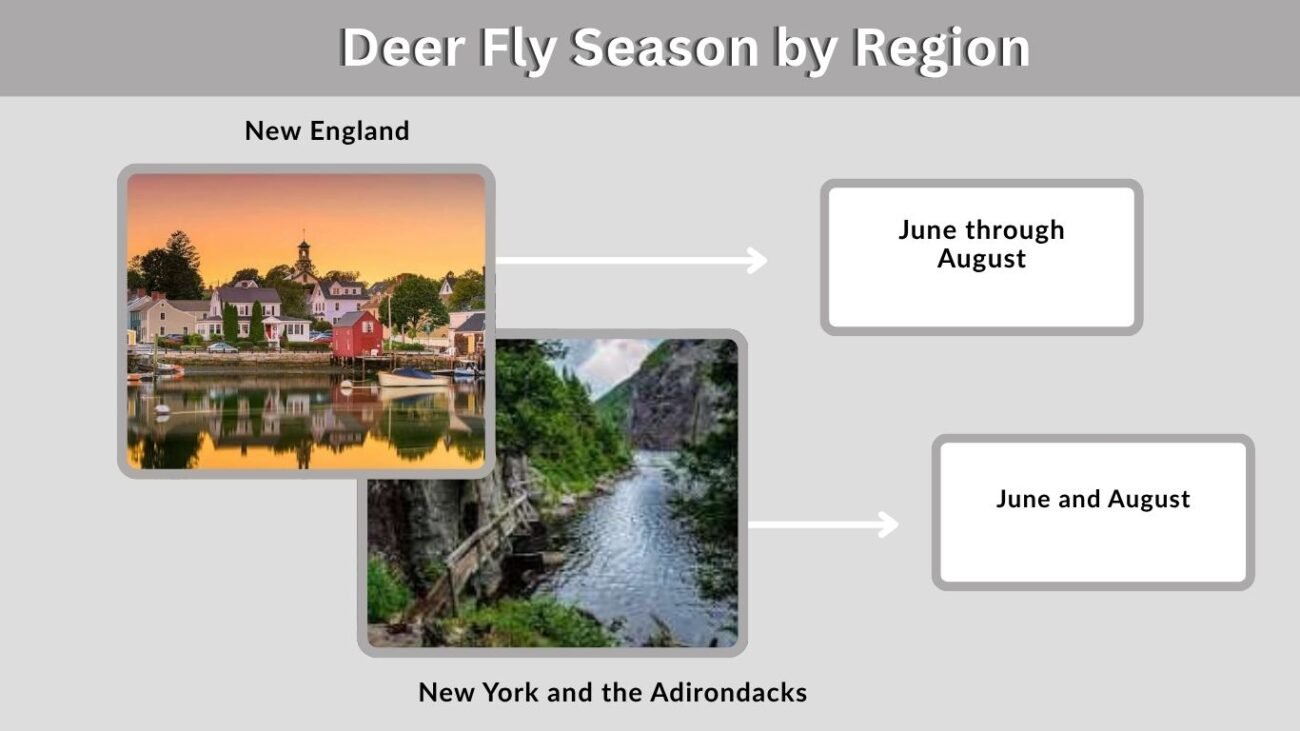
Climate and latitude strongly influence when deer flies appear. The following dates provide a practical regional guide, but local emergence can vary.
Maine, New Hampshire, Vermont, and Massachusetts
In northern New England, deer flies are generally expected from June through August, with the heaviest activity often occurring around late June and July.
They may emerge later in cooler northern or mountainous areas. Warm lowland wetlands can produce adults earlier. By late August or early September, biting activity usually becomes less intense as temperatures decline.
New York and the Adirondacks
Deer fly season in New York and the Adirondacks commonly falls between June and August. Wooded trails, lake margins, marshes, and damp forest openings can have especially high numbers during early and midsummer.
Cornell notes that deer and horse fly larvae develop in moist or wet soils, with some species living in water. Adults use sight, body odors, and carbon dioxide to locate potential hosts.
Michigan
Michigan timing can vary significantly between counties and species. An extension response for lower Michigan placed local activity from approximately mid-July through Labor Day, while the National Park Service reports that deer and horse flies appear by midsummer at Pictured Rocks in the Upper Peninsula.
This later schedule demonstrates why a national date cannot accurately predict every local season.
Minnesota and Wisconsin
In the upper Midwest, adults may be present from May into September, but June and July are usually the peak months in Wisconsin. They are especially abundant near swamps, marshes, stream banks, ponds, and woodland edges.
Minnesota commonly experiences a similar early-to-midsummer pattern, although northern forests and cool springs may delay noticeable activity.
Ontario and Southern Canada
In southern Ontario, deer flies are commonly troublesome from June through August. Northern Ontario may experience a shorter but intense period during midsummer.
The timing resembles that of nearby Great Lakes states, although cooler temperatures may delay adult emergence. Local wetland conditions and the deer fly species present determine whether activity peaks in June, July, or early August.
North Carolina and the Southeast
North Carolina deer flies are active mainly from late spring through early fall, with populations often peaking during hot summer weather. Another North Carolina Extension source places primary adult activity between May and August, depending on weather.
Virginia, Maryland, Georgia, and neighboring states generally have an earlier and potentially longer season than northern states.
Florida
Florida’s warm climate permits a much longer biting-fly season. Timing varies among the many tabanid species found in the state.
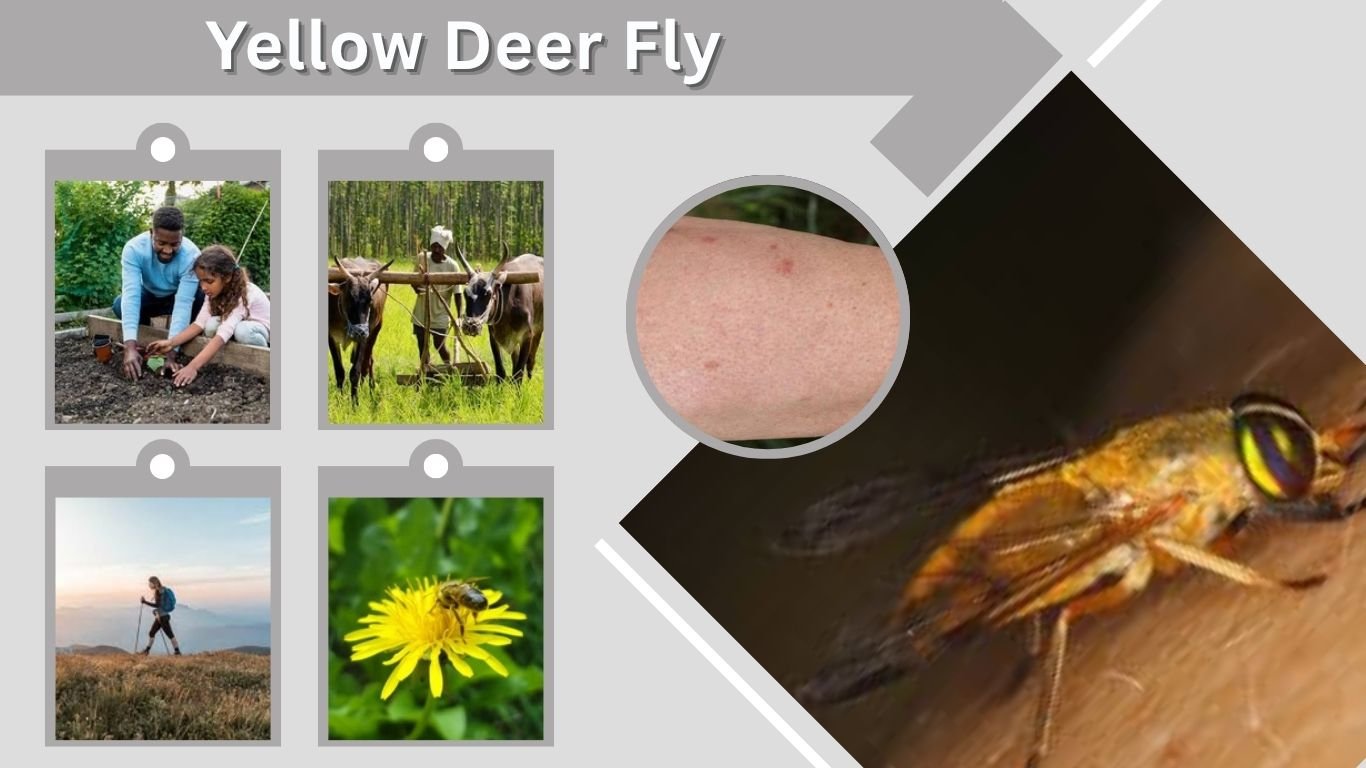
The yellow fly, a close relative of deer flies in the family Tabanidae, can be on the wing from March through November, with peak activity from April through June. This does not mean every Florida deer fly species follows exactly the same schedule, but it illustrates how long the southern tabanid season can last.
Why Does Deer Fly Season Vary?
Several biological and environmental factors determine when deer flies become active.
Temperature
Deer flies usually overwinter as larvae and complete development as conditions warm. A warm spring may result in earlier adult activity, while prolonged cool weather can delay emergence. NC State notes that adult timing from May through August depends partly on weather.
Wet Habitats
Female deer flies deposit eggs near damp areas. Their larvae develop in saturated soil, mud, marshes, pond margins, and other wet habitats, where they feed on small aquatic or soil-dwelling animals.
Wetlands surrounded by woods can therefore produce far more deer flies than dry, open neighborhoods.
Different Species
Numerous deer fly species may occur within one region, and they do not all emerge simultaneously. Wisconsin alone has more than 30 species of blood-feeding deer and horse flies. Most produce one generation annually, while development in some larger tabanids can take up to two years.
One species may decline just as another begins emerging, making the local season seem unusually long.
Local Weather
Rainfall can maintain the moist conditions needed by larvae, while drought may reduce some breeding habitats. However, local effects are complex because larvae may already be established in permanent wetlands.
Wind, cloud cover, temperature, and humidity can also change how noticeable adult flies are on a particular day.
What Time of Day Are Deer Flies Most Active?
Deer flies are daytime insects, but the busiest hours can vary by location, species, and weather. Wisconsin describes adult females as daytime feeders. Cornell reports stronger morning and evening activity in New York, while Maryland notes that deer and horse flies may be especially active during warmer parts of the day.
Consequently, there is no completely reliable bite-free time during peak season. Sunny trails beside wetlands may remain problematic throughout daylight hours.
Where Are Deer Flies Worst During the Season?
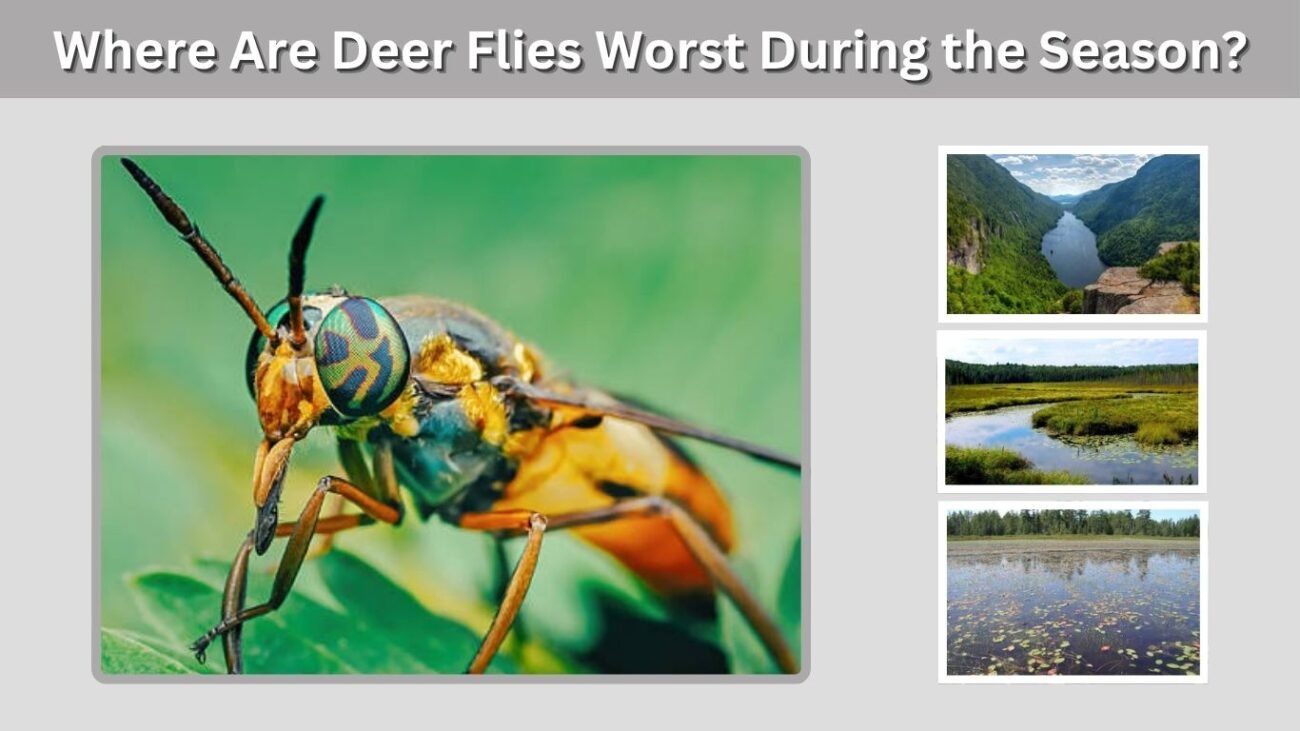
Deer flies are most commonly encountered around:
- Swamps and marshes
- Pond and lake margins
- Slow streams
- Damp woodland trails
- Forest openings and edges
- Wet fields and shaded pasture margins
- Campsites near water
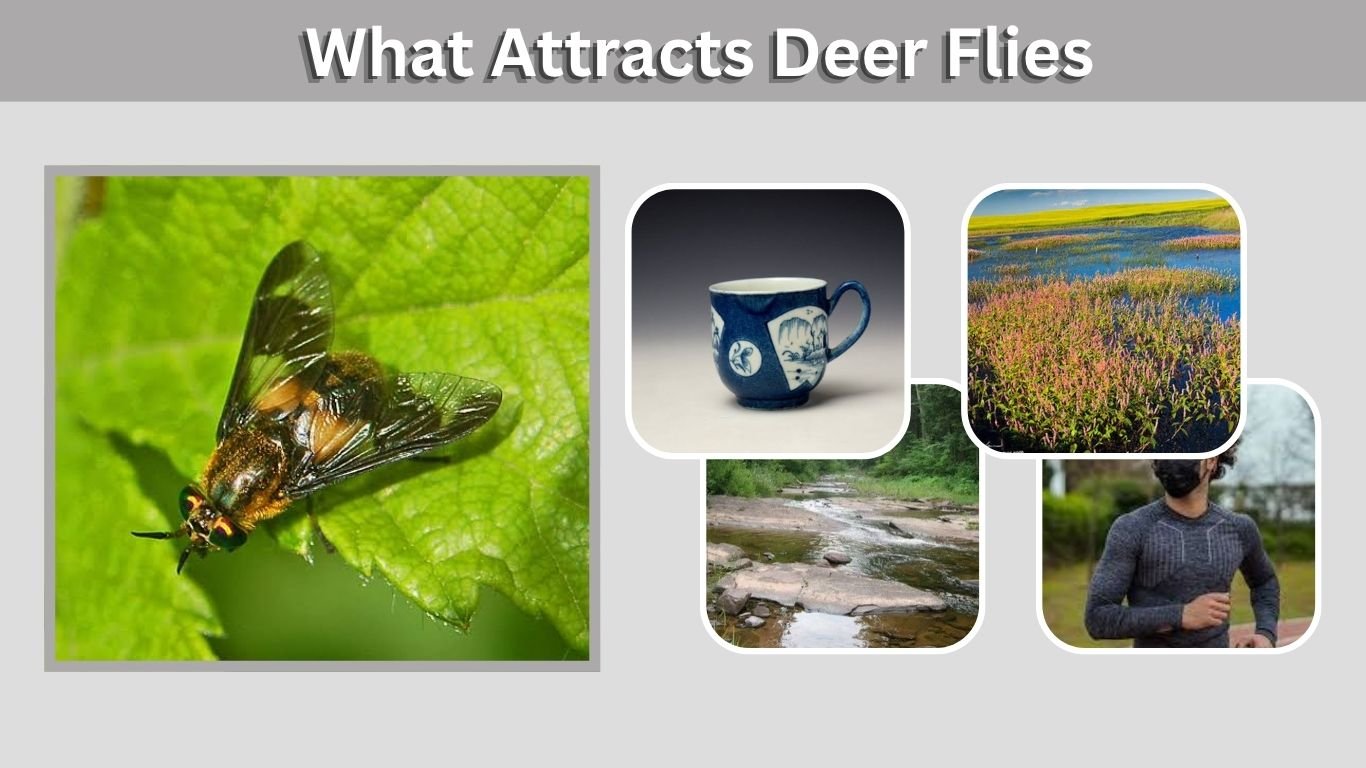
Adults are strong fliers and may travel considerable distances from their breeding habitat. They are attracted to movement, carbon dioxide, body heat, and dark objects, which explains why they often circle hikers, runners, dogs, and livestock.
When Does Deer Fly Season End?
In northern climates, numbers normally begin declining during August and become much lower by early fall. Cooler temperatures eventually end regular adult activity.
In southern areas, some species may remain active well into fall. North Carolina Extension notes that local numbers naturally decline as autumn temperatures cool, while Florida’s related yellow flies may remain active until November.
A few late individuals may still appear after the main population has disappeared, particularly during unusually warm weather.
How to Avoid Bites During Deer Fly Season
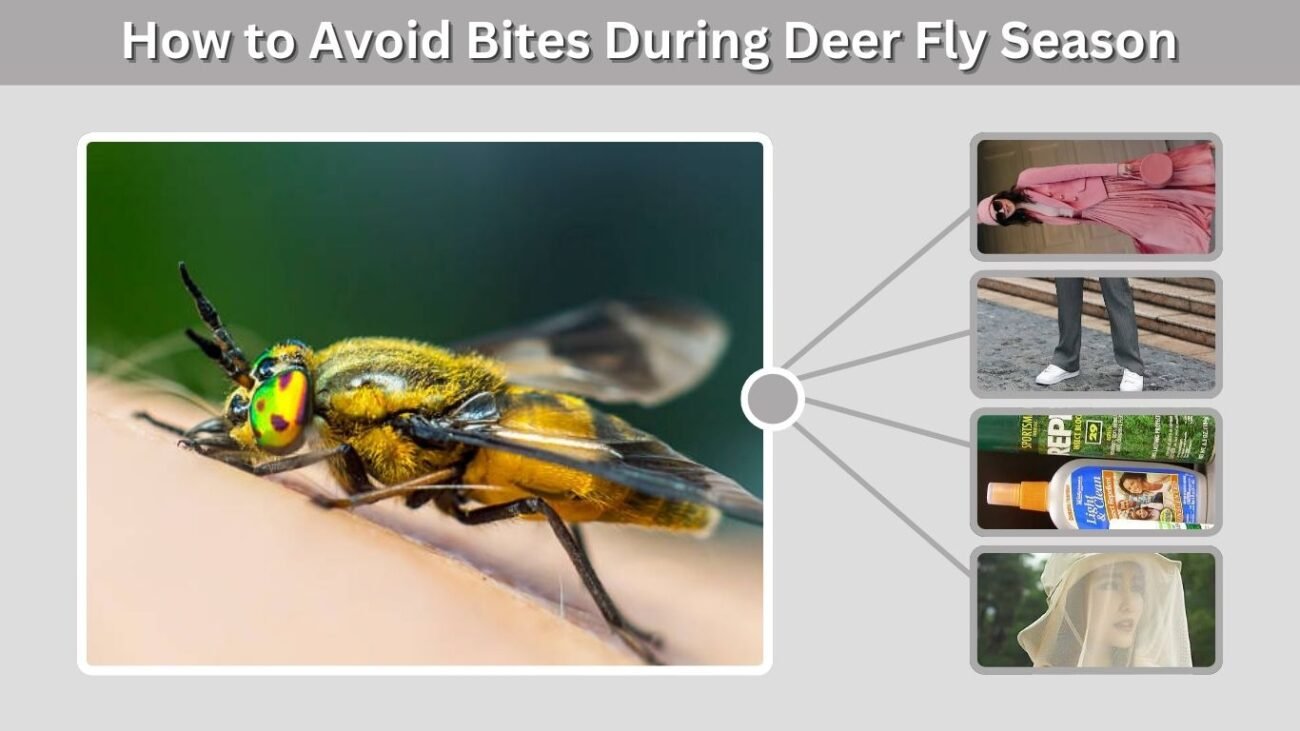
Eliminating deer flies over a large outdoor area is difficult because larvae occupy extensive wetlands and adults can fly in from surrounding habitats.
Helpful protective measures include:
- Wear light-colored clothing.
- Choose long sleeves and long pants.
- Protect the neck and head with a hat.
- Use a head net in heavily infested areas.
- Apply an EPA-registered repellent containing DEET or picaridin.
- Avoid wet woodland trails during local peak activity.
- Use sticky deer fly patches or traps in small outdoor areas.
Repellents may reduce bites but do not always stop persistent deer flies. Physical barriers such as clothing and head nets provide more dependable protection when populations are high.
FAQs
Are deer flies seasonal?
Yes. Deer flies have a defined warm-weather adult season. In most northern regions, adults occur from late spring through summer, with peak activity during June and July. Southern populations may emerge earlier and remain active into fall.
What month are deer flies the worst?
June and July are commonly the worst months across the northern United States. However, lower Michigan may experience strong activity from mid-July through early September, while southern states can have earlier peaks.
How long does peak deer fly season last?
The most intense period often lasts several weeks, although adults may be present over a much broader three- or four-month window. Different species and staggered emergence can extend the period of noticeable biting.
Does cold weather kill deer flies?
Cooling autumn temperatures reduce adult activity and eventually end the season. The population does not disappear entirely, because immature deer flies remain in wet soil or aquatic habitats and continue developing for the following season.
Why are deer flies worse near lakes and woods?
Their larvae require moist or wet environments, while adults use vegetation around forest edges and shorelines as resting and hunting areas. Lakes, marshes, streams, and damp woods combine suitable breeding habitat with access to animal and human hosts.