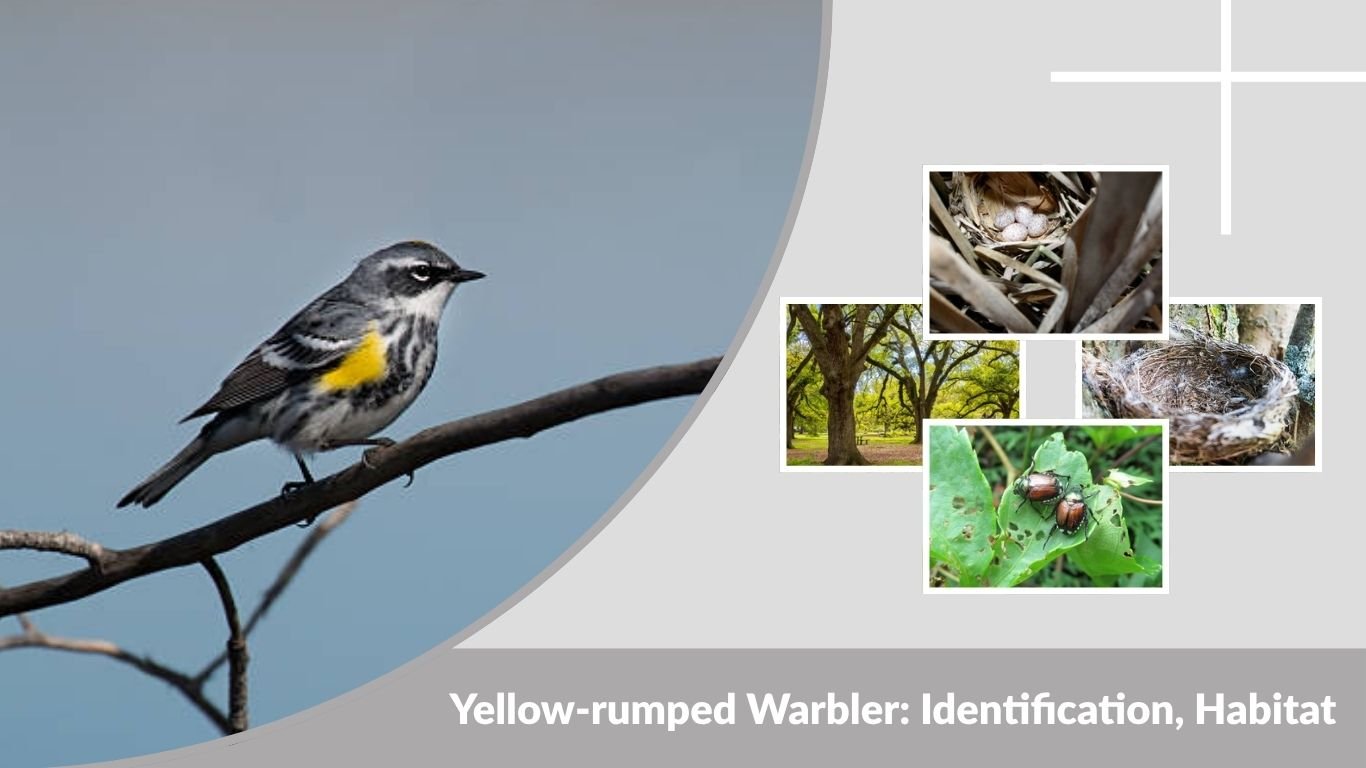
The yellow-rumped warbler is one of the most widespread and adaptable warblers in North America. Easily recognized by its bright yellow patches and active behavior, this bird is a favorite among birdwatchers. It is especially unique because of its ability to survive in colder climates compared to other warblers. From its distinctive identification features to its flexible diet and migration patterns, the yellow-rumped warbler is a fascinating species worth exploring in detail.
Yellow-rumped Warbler Identification
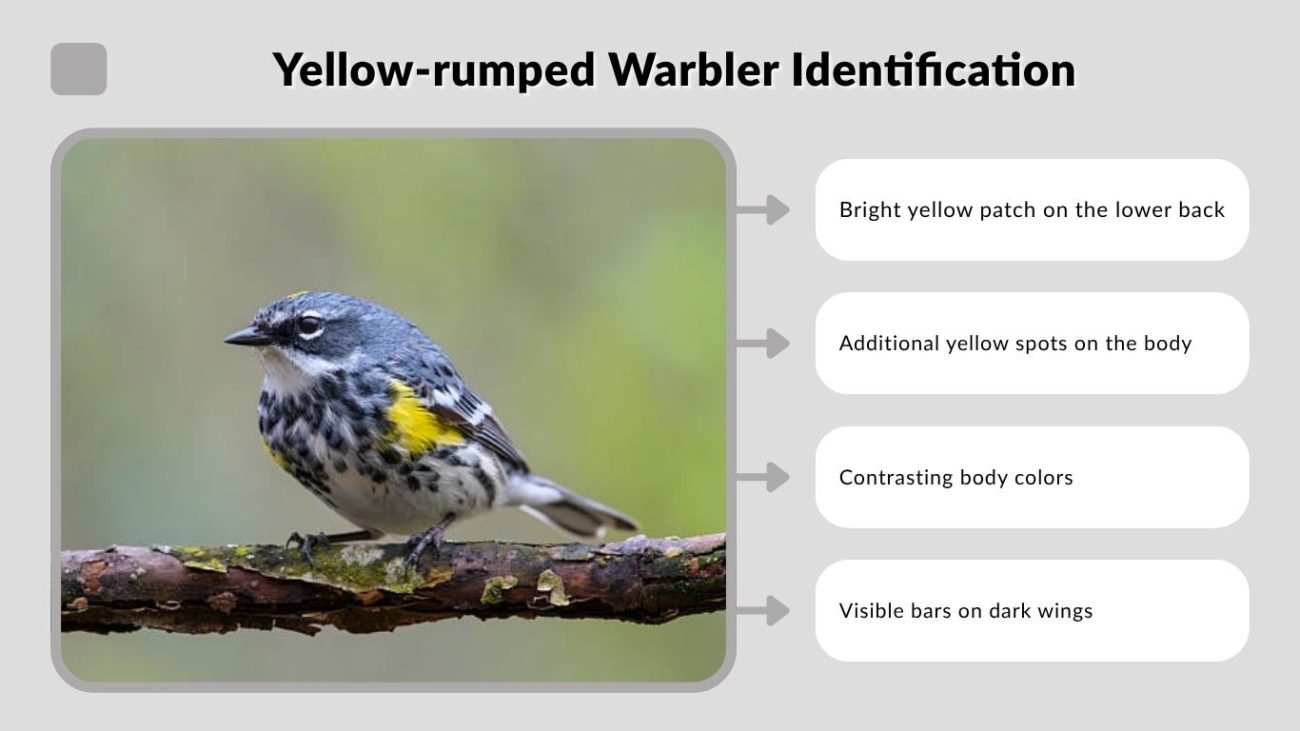
The yellow-rumped warbler is one of the easiest warblers to recognize thanks to its bold color pattern and active behavior. Its mix of gray, black, and white plumage combined with bright yellow patches makes it stand out among other small birds. It is often seen moving quickly through trees, flicking its tail, or foraging for insects and berries.
Key Identification Features (Quick Overview)
- Yellow rump (“butter-butt”): Bright yellow patch on the lower back (most distinctive feature)
- Yellow sides and crown: Additional yellow spots on the body
- Gray, black, and white plumage: Contrasting body colors
- White wing patches: Visible bars on dark wings
- Subspecies clue: White throat (Myrtle) vs yellow throat (Audubon’s)
- Male vs female: Males brighter; females duller and more muted
- Thin, pointed bill: Adapted for insect feeding
- Tail flicking behavior: Frequently moves tail while perched
These features, along with its widespread presence and active movement, make the yellow-rumped warbler one of the most recognizable warblers in North America.
Yellow-rumped Warbler Habitat
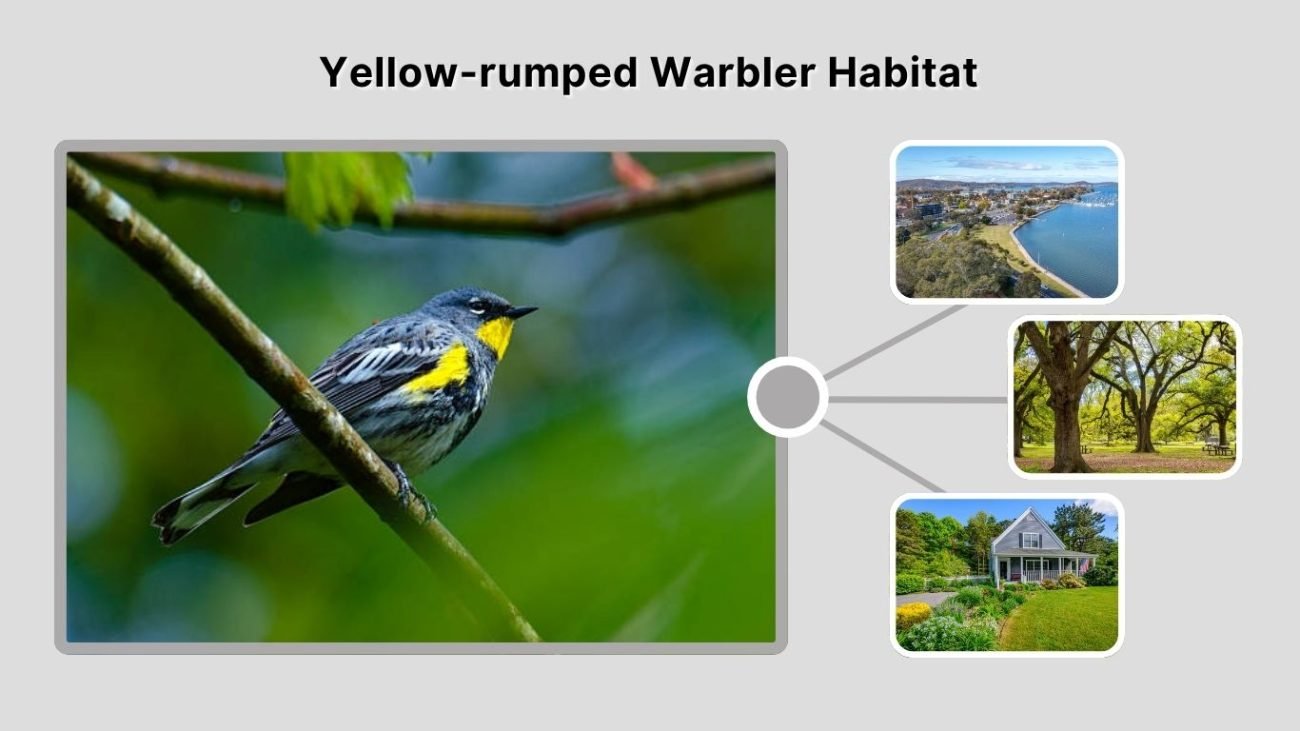
The yellow-rumped warbler is highly adaptable and can be found in a variety of environments throughout the year.
Preferred Habitat
During the breeding season, these birds are commonly found in coniferous forests and mixed woodlands. They prefer areas with plenty of trees where they can find insects and build nests.
Geographic Range
Yellow-rumped warblers are widely distributed across North America. They breed in northern regions, including Canada and the northern United States, and migrate south for the winter.
Seasonal Habitat Changes
In winter, they move to more open areas such as coastal regions, parks, and suburban landscapes. Their ability to adapt to different habitats allows them to survive in a wide range of environments.
Yellow-rumped Warbler Migration
Migration is an important aspect of the yellow-rumped warbler’s life and contributes to its wide distribution.
Migration Routes
These birds migrate from northern breeding grounds to southern regions, including the southern United States, Mexico, and Central America. Their migration covers long distances but is less extreme compared to some other warblers.
Seasonal Timing
Yellow-rumped warblers are among the earliest warblers to migrate in spring and among the last to leave in fall. Their timing allows them to take advantage of available food sources.
Unique Adaptation
One of the most remarkable features of this species is its ability to digest waxy berries, such as bayberries. This adaptation allows it to survive in colder climates where insects are scarce, giving it an advantage over other warblers.
Yellow-rumped Warbler Diet
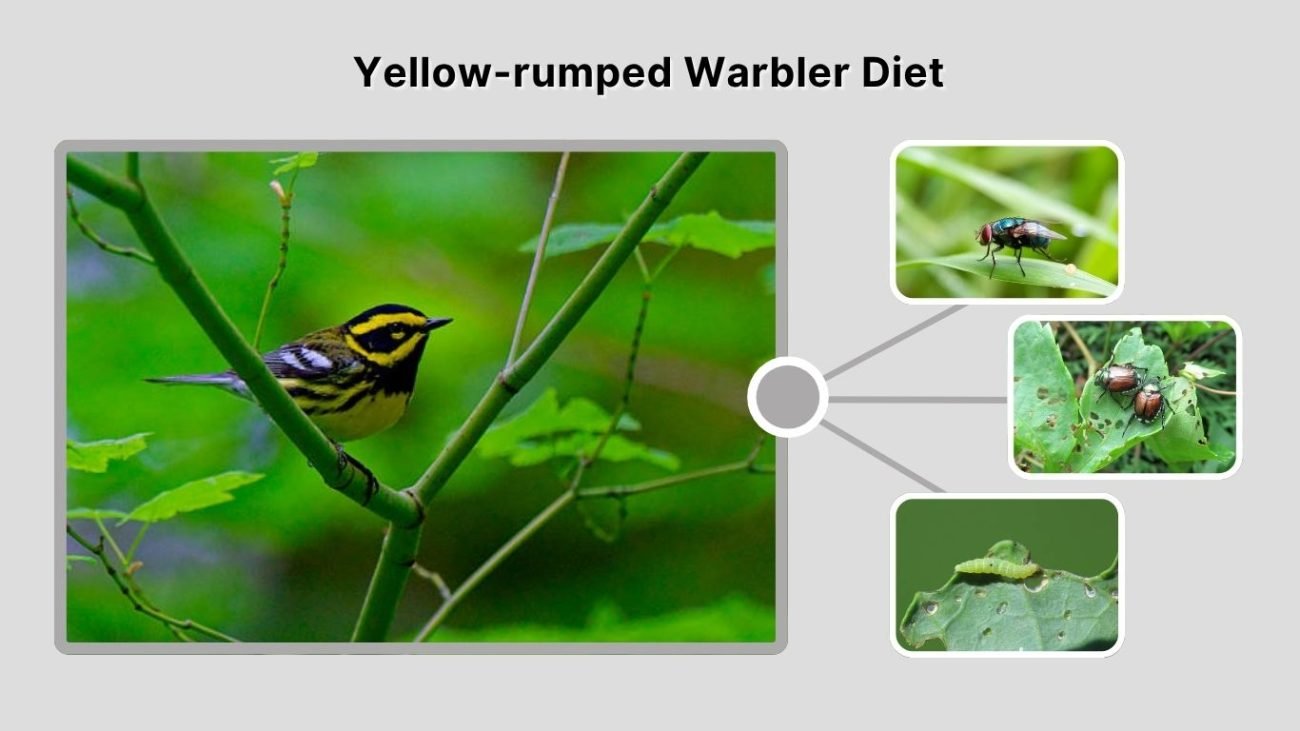
The diet of the yellow-rumped warbler is flexible, which plays a key role in its survival across different seasons.
Insects and Protein
During the breeding season, these birds mainly feed on insects such as flies, beetles, and caterpillars. These provide essential nutrients for energy and reproduction.
Berries and Wax Digestion
In colder months, they switch to eating berries, especially waxy fruits like bayberries and juniper berries. Their ability to digest these foods is rare among warblers.
Feeding Behavior
Yellow-rumped warblers forage in trees, shrubs, and sometimes on the ground. They may catch insects in mid-air or pick food from leaves and branches, showing versatile feeding habits.
Yellow-rumped Warbler Nest
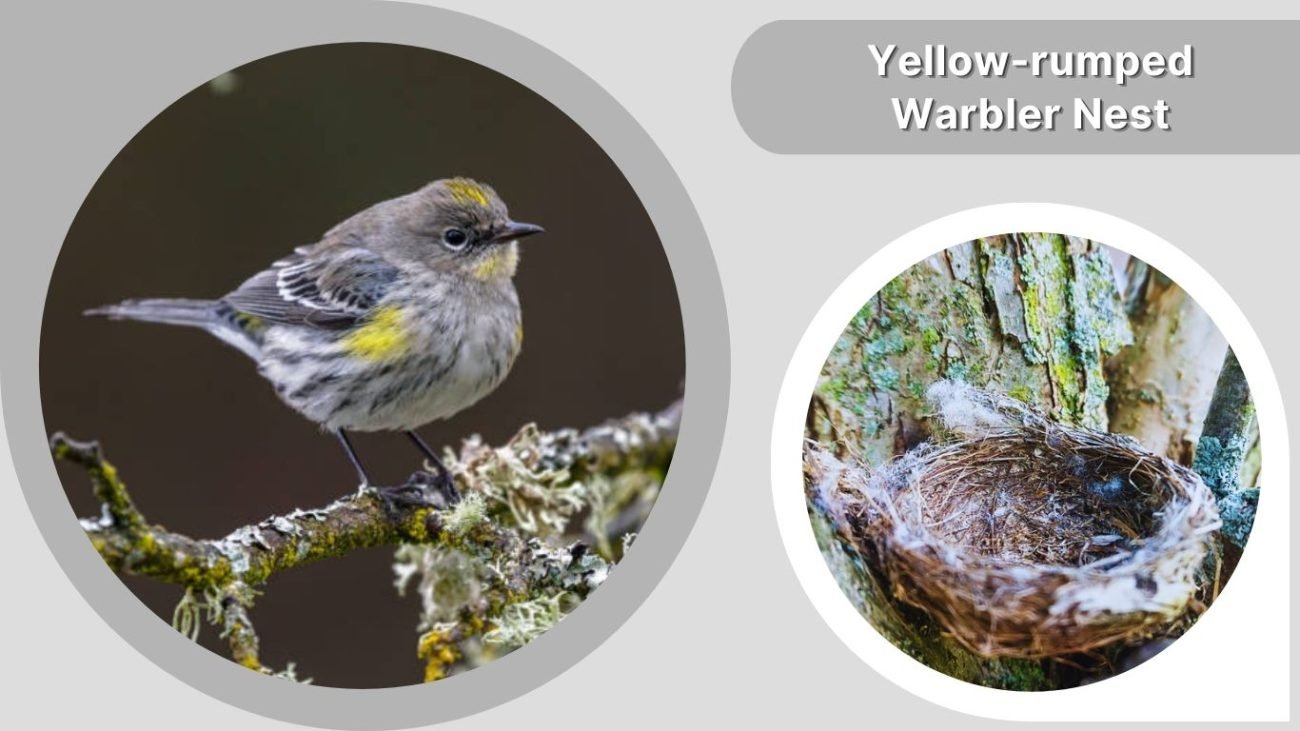
Nesting is an essential part of the yellow-rumped warbler’s life cycle, typically taking place in forested areas during the breeding season.
Nest Construction
The female builds a neat, cup-shaped nest using twigs, grass, moss, and bark fibers. The inside is lined with softer materials such as feathers and fine plant fibers to provide warmth and comfort for the eggs.
Nest Location
Nests are usually placed high in conifer trees, often on horizontal branches and well hidden among dense foliage. This placement helps protect the nest from predators and harsh weather.
Yellow-rumped Warbler Eggs
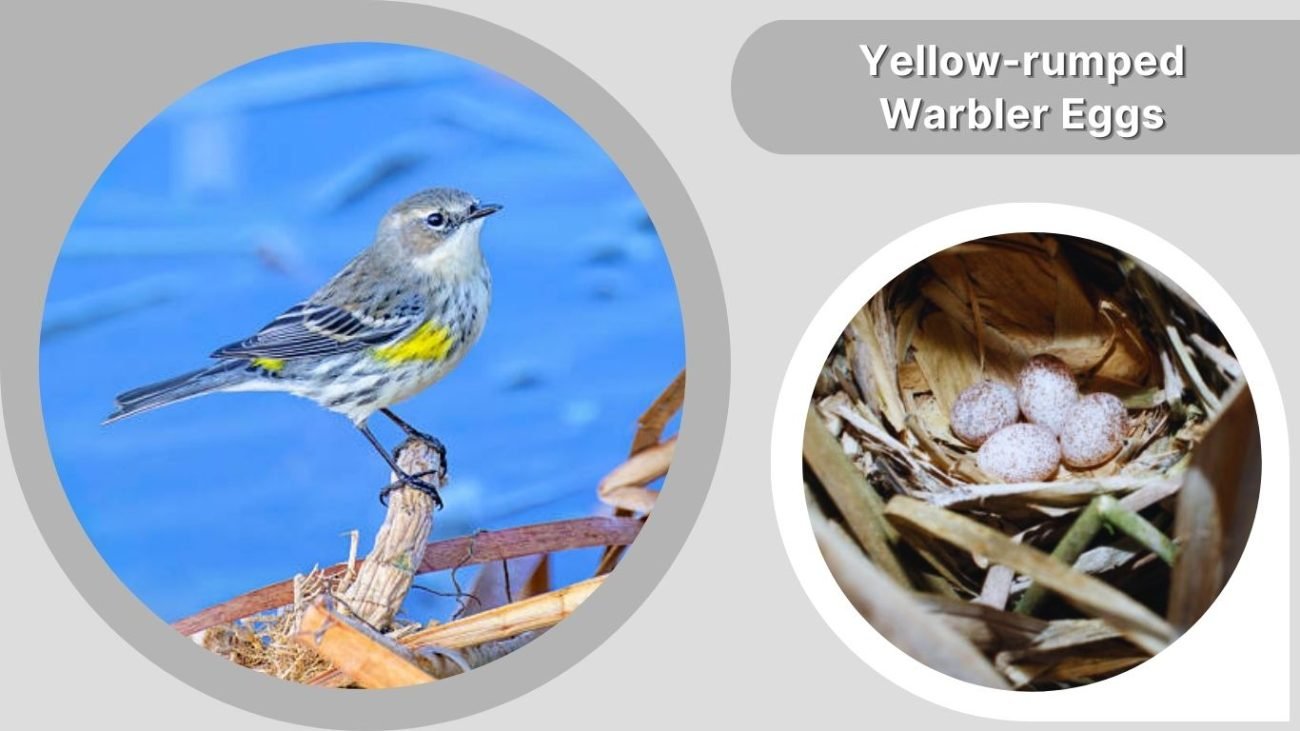
Once the nest is complete, the female lays eggs that will soon develop into chicks.
Egg Appearance
The eggs are typically pale white or bluish with small brown or gray spots. These markings help camouflage them within the nest.
Clutch Size
A typical clutch consists of 4 to 5 eggs, although this may vary depending on environmental conditions.
Incubation and Care
The incubation period lasts around 12 to 13 days. The female is primarily responsible for incubating the eggs, while both parents help feed the chicks after they hatch.
Yellow-rumped Warbler Behavior
The yellow-rumped warbler is known for its active and adaptable behavior.
Activity and Movement
These birds are constantly moving, hopping between branches and flicking their tails. Their energetic nature makes them easy to spot during migration.
Social Behavior
They are often seen in flocks, especially outside the breeding season. During migration and winter, they may mix with other bird species.
Adaptability
Their ability to adjust their diet and habitat makes them one of the most adaptable warblers. This flexibility allows them to survive in a variety of environments.
Yellow-rumped Warbler Lifespan
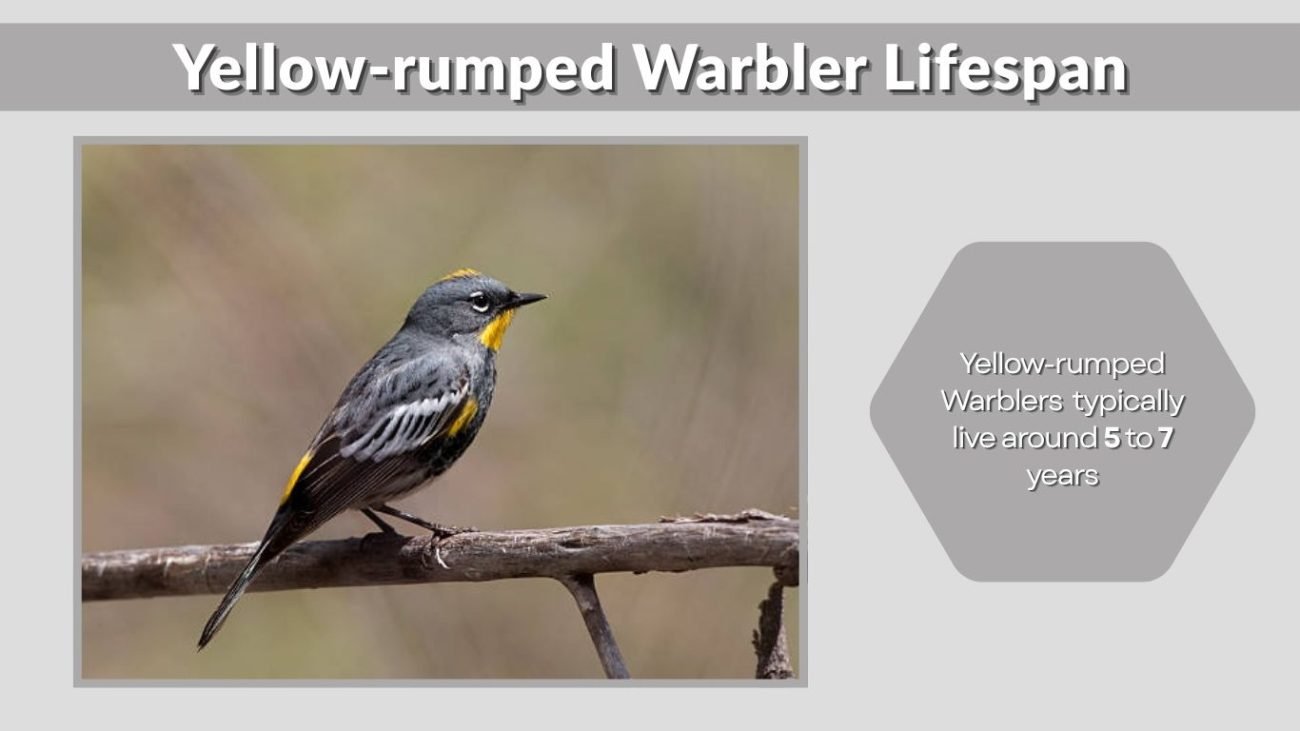
The lifespan of a yellow-rumped warbler depends on environmental factors and survival conditions.
Average Lifespan
In the wild, they typically live around 5 to 7 years, although some individuals may live longer.
Threats to Survival
They face threats from predators such as hawks, snakes, and mammals. Habitat loss, climate change, and food scarcity can also impact their survival.
Yellow-rumped Warbler Facts
Yellow-rumped warblers have several unique traits that make them stand out among other birds.
- Often nicknamed “butter-butt” due to their bright yellow rump
- One of the most widespread warblers in North America
- Can digest waxy berries, unlike most warblers
- Frequently seen during migration in large numbers
- Adaptable to different habitats and climates
Conclusion
The yellow-rumped warbler is a remarkable bird known for its adaptability, distinctive markings, and flexible diet. From its bright yellow patches to its unique ability to survive on berries, this species stands out among warblers. Understanding its habitat, behavior, and life cycle helps us appreciate its role in the ecosystem. Protecting natural habitats ensures that this resilient bird continues to thrive.
FAQs
Where do yellow-rumped warblers live?
They live across North America, breeding in northern forests and wintering in southern regions.
What do yellow-rumped warblers eat?
They eat insects during the breeding season and berries, especially waxy ones, in winter.
How can you identify a yellow-rumped warbler?
Look for bright yellow patches on the rump, sides, and sometimes the crown.
Do yellow-rumped warblers migrate?
Yes, they migrate seasonally but can stay farther north than many other warblers.
What makes yellow-rumped warblers unique?
Their ability to digest waxy berries allows them to survive in colder climates where other warblers cannot.