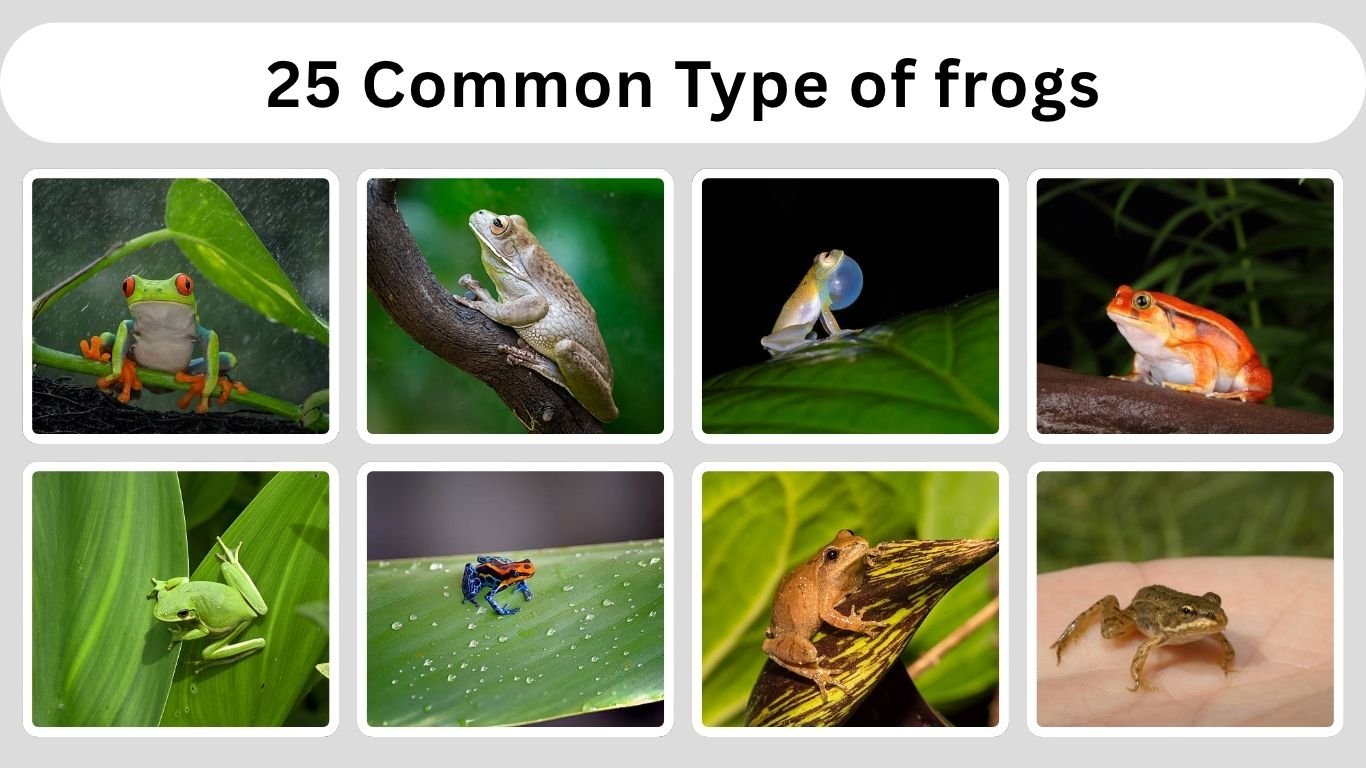
Frogs are fascinating amphibians found all over the world, from tropical rainforests to dry deserts. Known for their jumping abilities, croaking sounds, and diverse appearances, frogs play an important role in maintaining ecological balance. With thousands of species, each type of frog has unique characteristics, habitats, and behaviors. From brightly colored poison frogs to well-camouflaged tree frogs, these creatures showcase incredible diversity. This guide explores 25 common types of frogs, helping you learn more about their features and lifestyles.
1. American Bullfrog
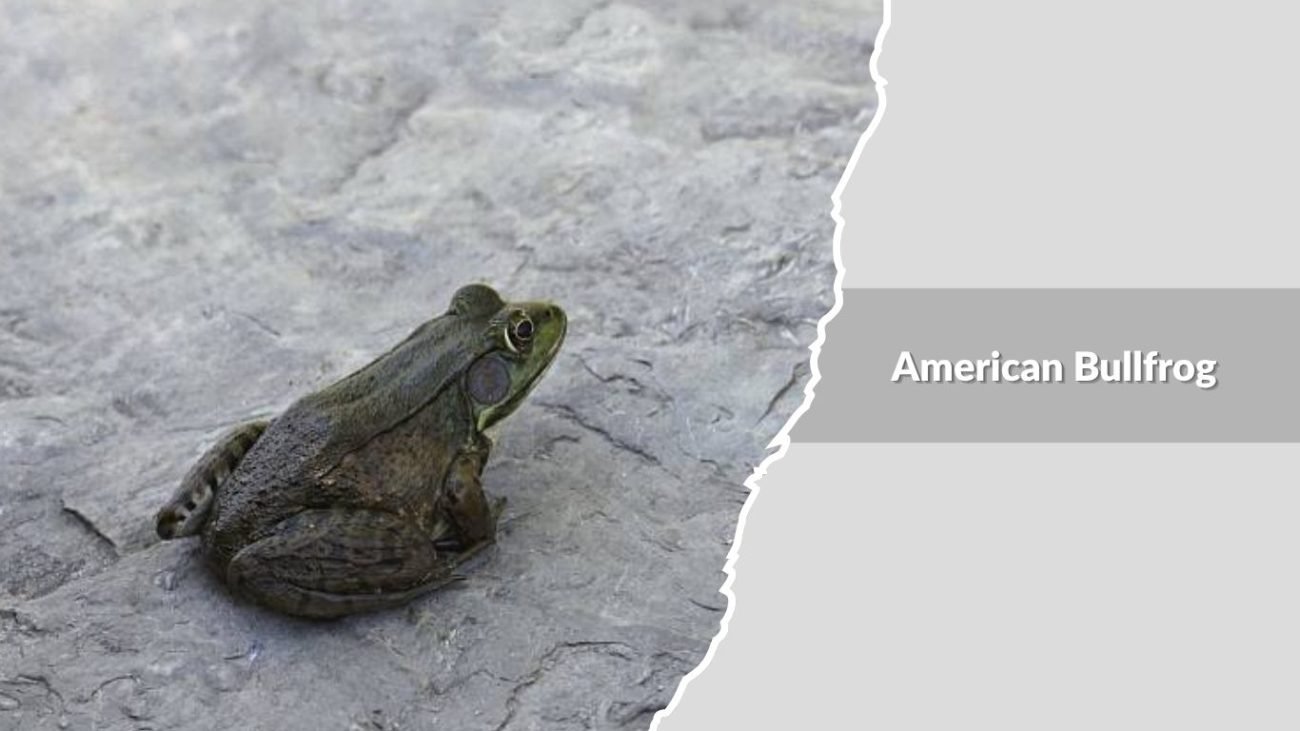
The American Bullfrog is one of the largest and most well-known frogs in North America. It is commonly found in ponds, lakes, and slow-moving rivers. Known for its deep, booming call that resembles the sound of a bull, this frog plays an important role in aquatic ecosystems as both predator and prey.
Identification
- Large size, often reaching up to 8 inches (20 cm) in length
- Green to olive-brown skin with a lighter underside
- Prominent tympanum (eardrum) visible behind the eyes
- Males have a yellow throat, especially during breeding season
- Long, powerful hind legs adapted for swimming and jumping
Habitat
American Bullfrogs prefer permanent bodies of freshwater such as ponds, lakes, marshes, and slow-moving streams. They thrive in warm, calm waters with plenty of vegetation, which provides shelter and hunting grounds. These frogs are highly adaptable and can also be found in man-made environments like reservoirs and irrigation canals.
Behavior
These frogs are mostly active at night but can often be seen basking during the day. They are opportunistic predators, feeding on insects, fish, small mammals, and even other frogs. Their strong legs make them excellent swimmers and jumpers. During colder months, they hibernate in mud at the bottom of water bodies.
Diet
The American Bullfrog has a very diverse diet. It primarily eats insects such as beetles, flies, and dragonflies, but it will also consume small fish, birds, and rodents when available. Using a sit-and-wait hunting strategy, it quickly captures prey with its sticky tongue or powerful jaws.
2. African Clawed Frog
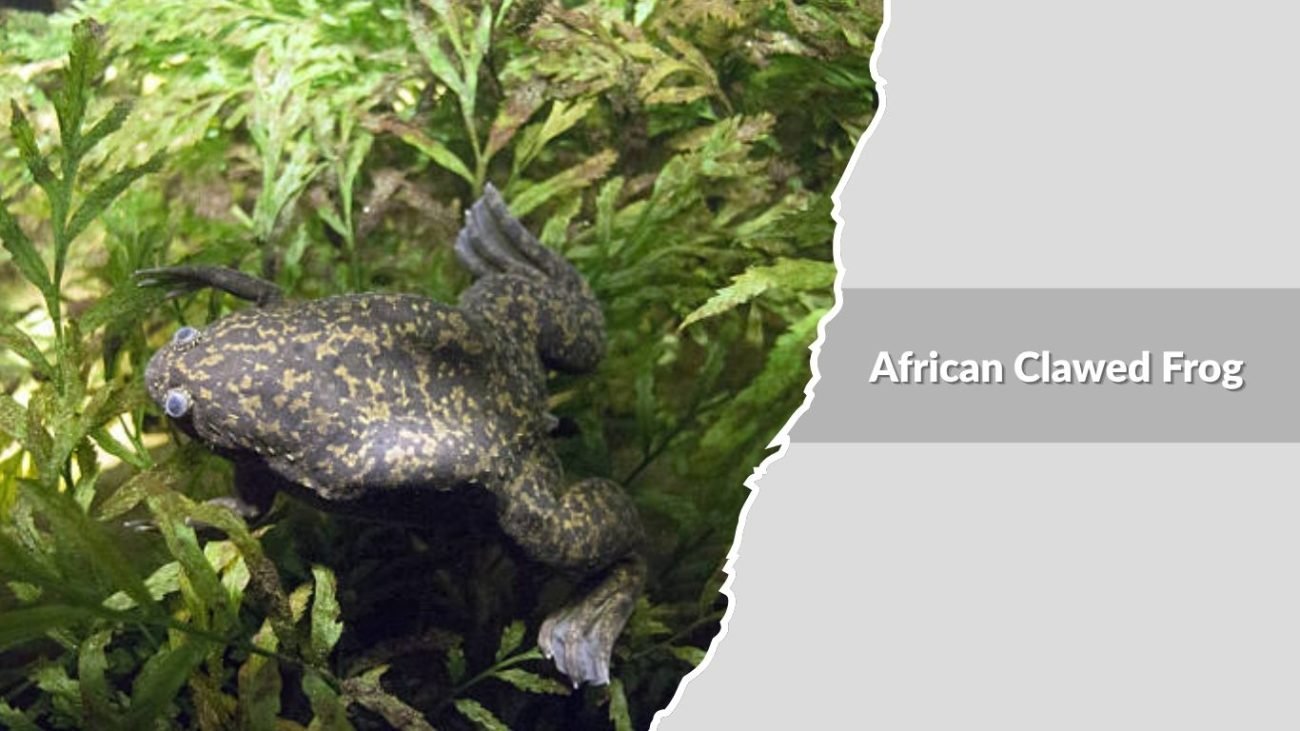
The African Clawed Frog is a fully aquatic species native to sub-Saharan Africa. It is widely known for its unique clawed toes and its use in scientific research. Unlike many frogs, it rarely leaves the water and has adapted perfectly to life in aquatic environments.
Identification
- Smooth, slippery skin with a gray or olive coloration
- Flattened body and head
- No tongue or teeth
- Fully webbed hind feet with sharp black claws
- Eyes positioned on top of the head
Habitat
African Clawed Frogs live entirely in freshwater habitats such as ponds, lakes, and slow-moving rivers. They prefer still or gently flowing water with soft mud at the bottom. These frogs can survive in a wide range of conditions, including low-oxygen environments.
Behavior
They are mostly nocturnal and spend much of their time resting at the bottom of water bodies. African Clawed Frogs are excellent swimmers and use their powerful hind legs to move quickly. They rely on vibrations in the water to detect prey since they lack a tongue.
Diet
These frogs are carnivorous and eat a variety of aquatic animals. Their diet includes insects, small fish, tadpoles, and worms. They use their front limbs to push food into their mouths, often swallowing prey whole.
3. Red-Eyed Tree Frog
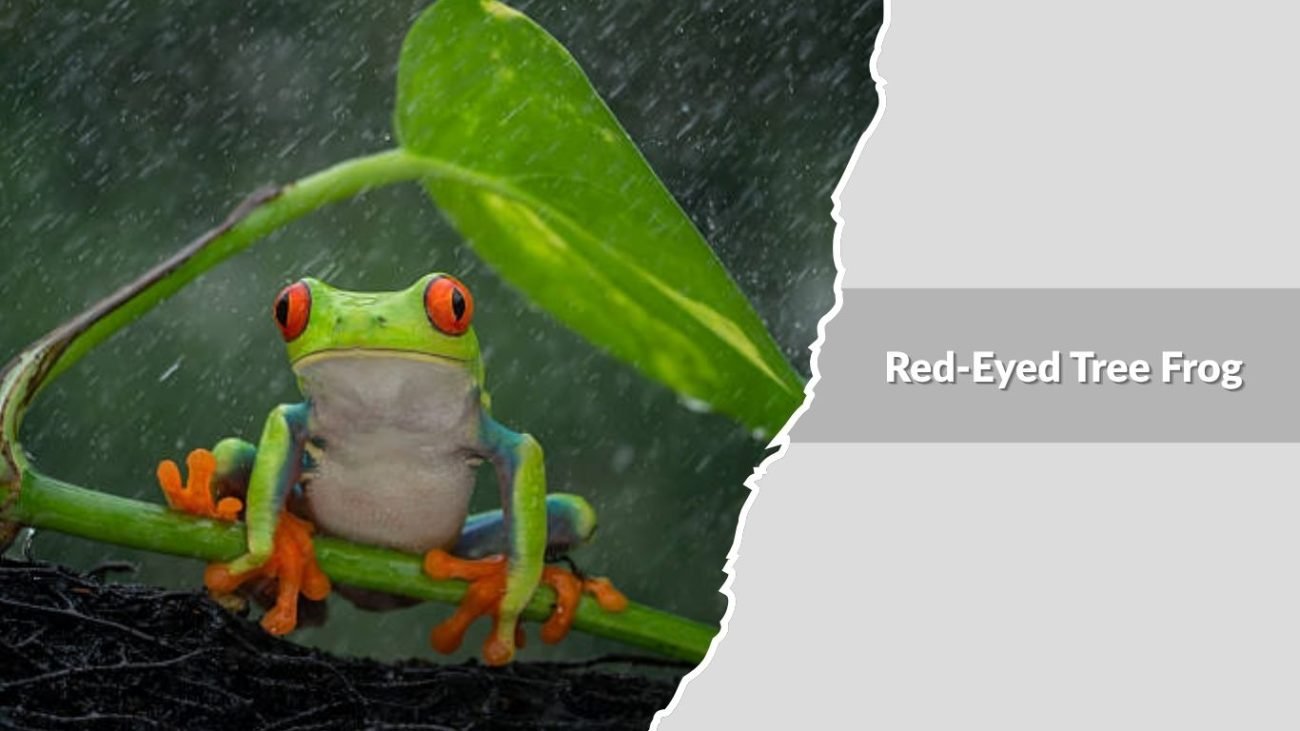
The Red-Eyed Tree Frog is one of the most iconic and colorful frog species, native to Central America. It is easily recognized by its bright colors and striking red eyes, making it a popular symbol of tropical rainforests.
Identification
- Bright green body with blue and yellow striped sides
- Large, vivid red eyes
- Orange feet with sticky toe pads
- Smooth skin and slender body
- Medium size, typically around 2–3 inches (5–7 cm)
Habitat
Red-Eyed Tree Frogs live in tropical rainforests, usually near rivers and ponds. They spend most of their lives in trees, where they rest on leaves during the day and become active at night. High humidity and dense vegetation are essential for their survival.
Behavior
These frogs are nocturnal and arboreal, meaning they live in trees. During the day, they rest with their eyes closed, blending into green leaves. When threatened, they suddenly open their bright red eyes to startle predators—a defense mechanism known as “flash coloration.”
Diet
Their diet mainly consists of insects such as crickets, moths, and flies. They use their long, sticky tongues to catch prey quickly. Occasionally, they may also eat smaller frogs or other tiny creatures found in their environment.
4. White’s Tree Frog
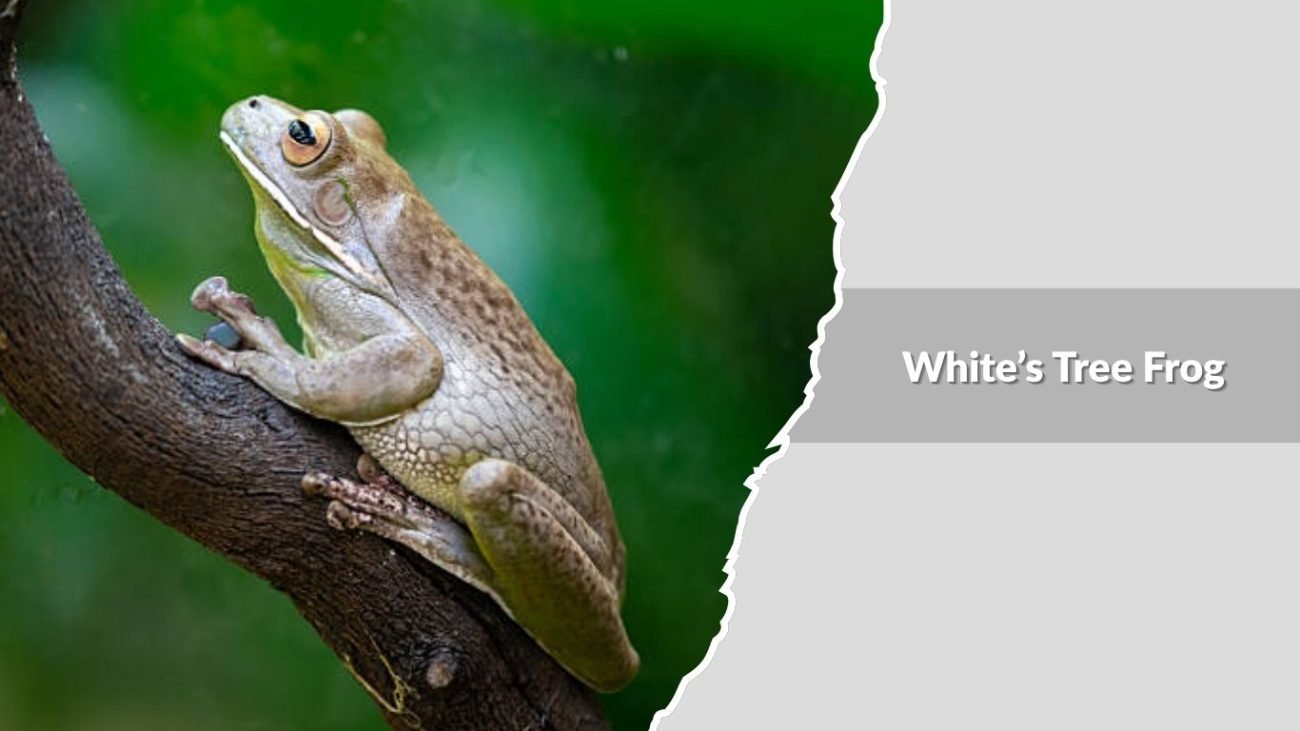
White’s Tree Frog, also known as the Dumpy Tree Frog, is a friendly-looking species native to Australia and New Guinea. It is popular as a pet due to its calm nature and ability to tolerate human presence. This frog is known for its chubby appearance and soft, waxy skin.
Identification
- Plump, rounded body with a “dumpy” look
- Smooth, waxy skin that helps retain moisture
- Color ranges from green to bluish-green
- Large toe pads for climbing
- White or cream-colored underside
Habitat
White’s Tree Frogs live in forests, woodlands, and even urban areas. They prefer warm, humid environments and are often found near water sources. These frogs are highly adaptable and may hide in tree hollows, buildings, or even household structures during dry periods.
Behavior
They are nocturnal and spend most of the day resting in cool, shaded areas. At night, they become active and search for food. Unlike many frogs, they can tolerate drier conditions due to their waxy skin, which reduces water loss.
Diet
Their diet mainly consists of insects such as crickets, moths, and cockroaches. They are opportunistic feeders and may also eat small vertebrates if available. White’s Tree Frogs use their sticky tongues to catch prey quickly and efficiently.
5. Green Tree Frog
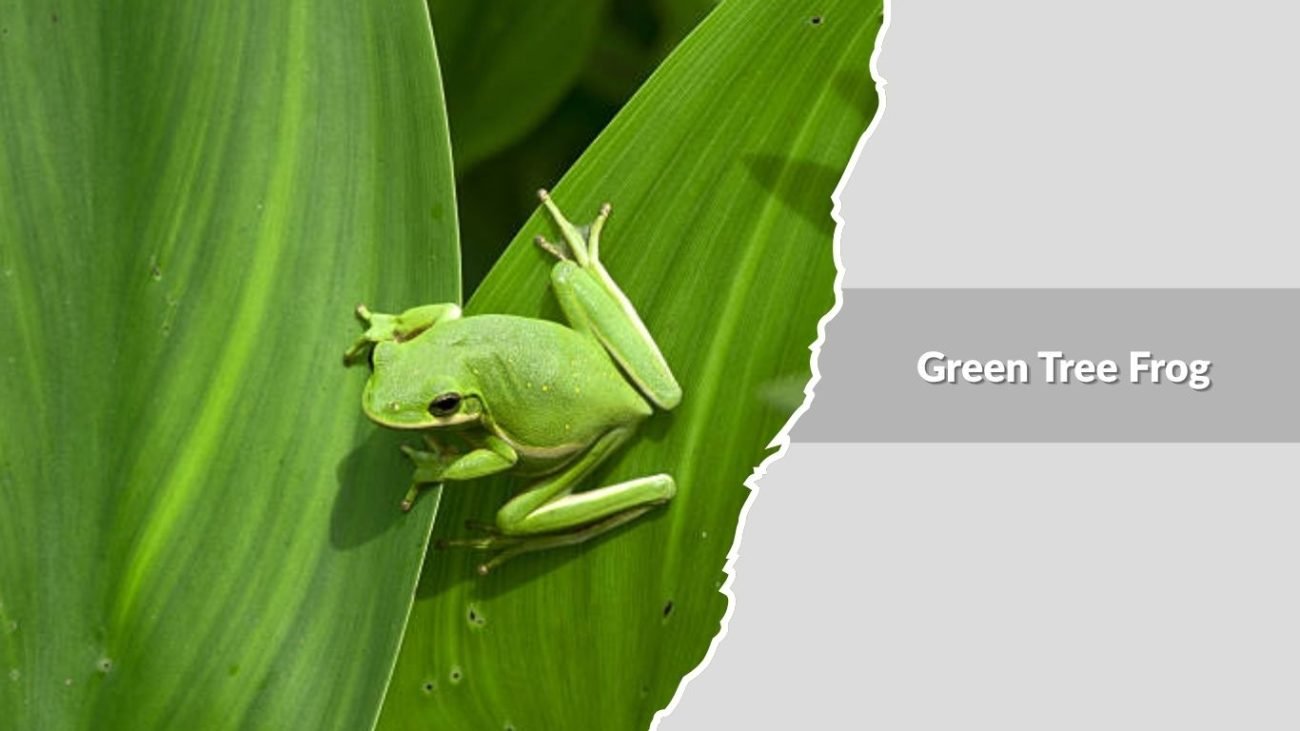
The Green Tree Frog is a common and widely distributed species found in parts of North America and Australia. It is known for its bright green color and cheerful appearance, often seen clinging to plants and walls near water.
Identification
- Bright green body with a smooth texture
- White or pale stripe running along the side
- Slender body with long legs
- Sticky toe pads for climbing
- Medium size, typically 1.5–2.5 inches (4–6 cm)
Habitat
Green Tree Frogs are usually found near ponds, lakes, marshes, and swamps. They prefer areas with abundant vegetation, which provides both shelter and hunting opportunities. These frogs are also commonly seen in gardens and around lights where insects gather.
Behavior
They are mostly nocturnal and spend their days resting on leaves or stems. At night, they become active and are often heard calling during the breeding season. Their calls are soft and repetitive, helping attract mates.
Diet
Green Tree Frogs feed mainly on insects such as flies, mosquitoes, and beetles. They play an important role in controlling insect populations. Using their quick reflexes and sticky tongues, they capture prey with precision.
6. Poison Dart Frog
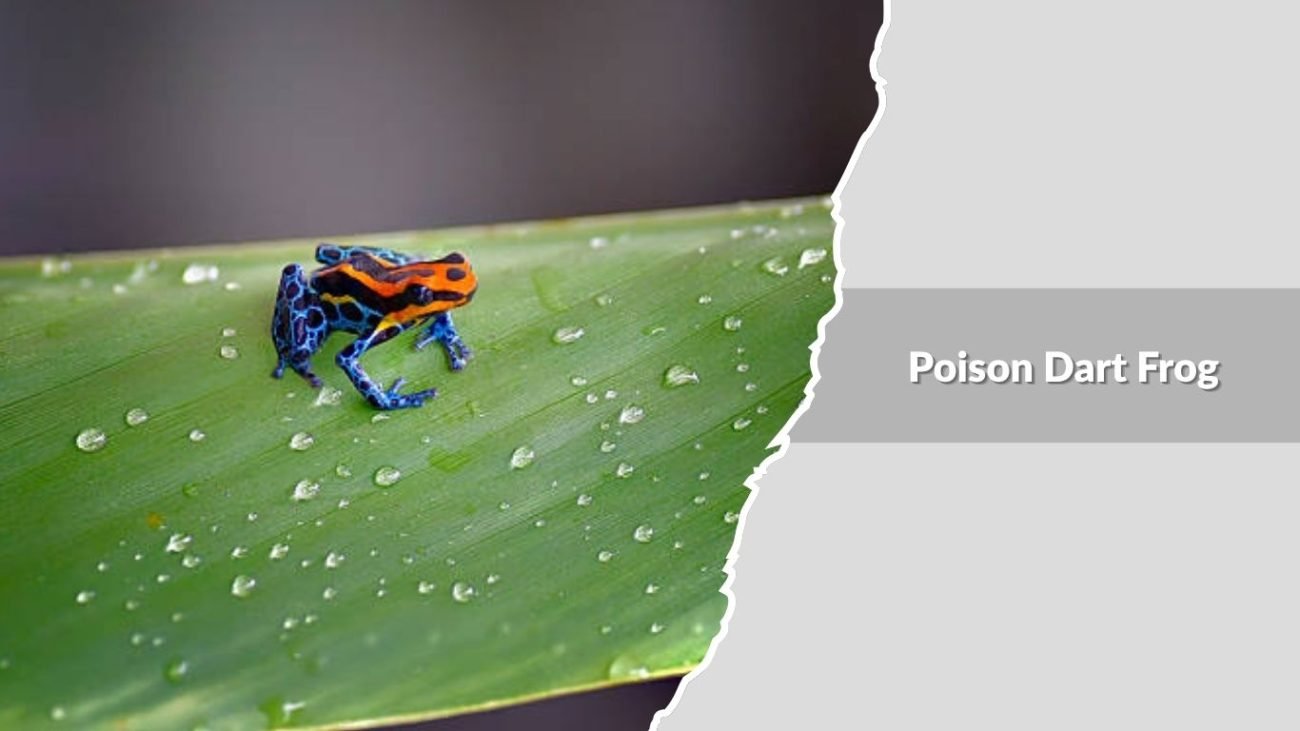
Poison Dart Frogs are small, brightly colored frogs found in Central and South America. They are famous for their vibrant colors and toxic skin, which serves as a warning to predators. Despite their size, they are among the most dangerous amphibians in the wild.
Identification
- Small size, usually 1–2 inches (2.5–5 cm)
- Bright colors such as blue, yellow, red, or green
- Smooth, shiny skin
- Slender body with long legs
- Bold color patterns that signal toxicity
Habitat
These frogs live in tropical rainforests, especially in humid, lowland areas. They are often found on the forest floor or among leaf litter, but some species also climb plants. High humidity and warm temperatures are essential for their survival.
Behavior
Poison Dart Frogs are diurnal, meaning they are active during the day. Their bright coloration acts as a warning to predators. They are territorial and communicate using soft calls. Unlike many frogs, some species show parental care by transporting tadpoles to water sources.
Diet
Their diet mainly includes ants, termites, and other small insects. The toxins in their skin are believed to come from the insects they eat. In captivity, where their diet differs, they often lose their toxicity.
7. Glass Frog
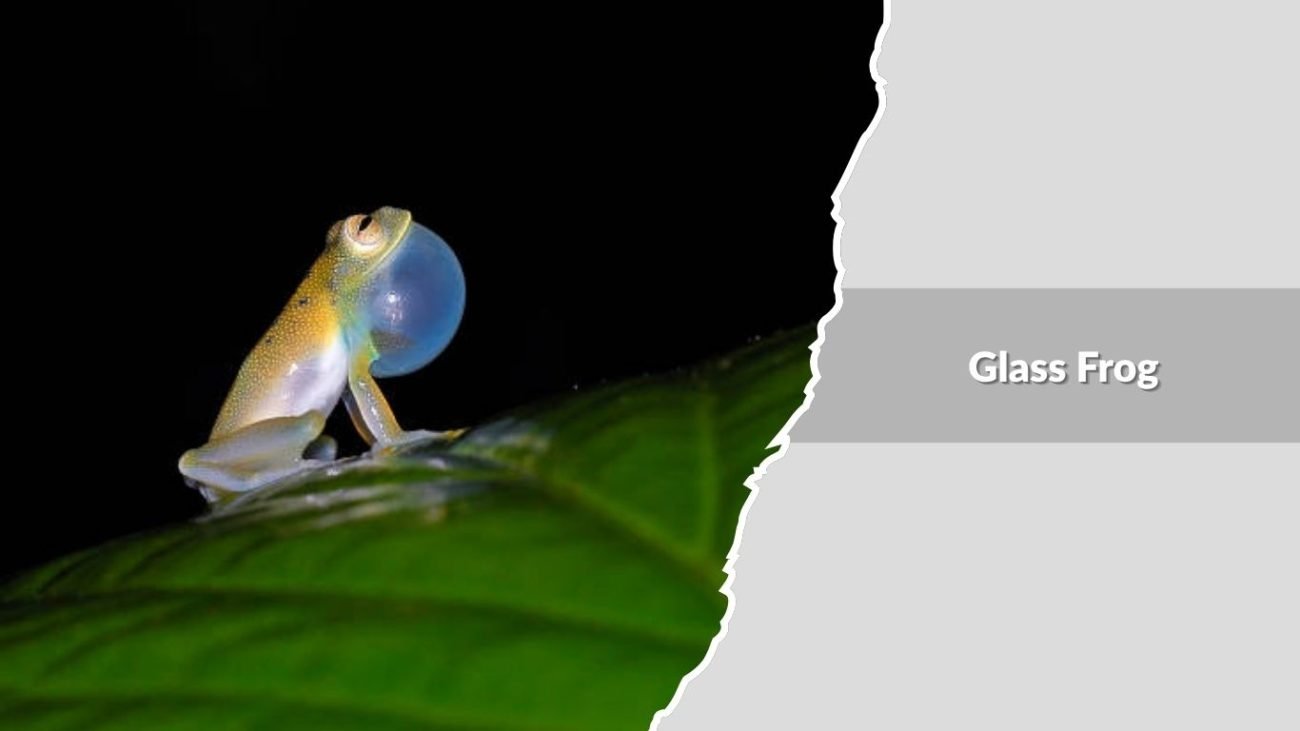
Glass Frogs are unique amphibians known for their translucent skin, especially on their underside. Native to Central and South America, these frogs offer a fascinating view of their internal organs, making them one of the most unusual frog species.
Identification
- Translucent or semi-transparent underside
- Bright green upper body
- Small size, typically 1–3 inches (2.5–7.5 cm)
- Large forward-facing eyes
- Delicate, slender limbs
Habitat
Glass Frogs inhabit tropical rainforests, particularly near streams and rivers. They are usually found on leaves hanging over flowing water, which provides a safe place for laying eggs and developing tadpoles.
Behavior
These frogs are mostly nocturnal and arboreal. They spend their days resting on leaves and become active at night. Males often guard eggs laid on leaves to protect them from predators and ensure their survival.
Diet
Glass Frogs primarily feed on small insects such as flies, ants, and spiders. They use their sticky tongues to catch prey quickly. Their diet helps maintain balance in their ecosystem by controlling insect populations.
8. Pacman Frog
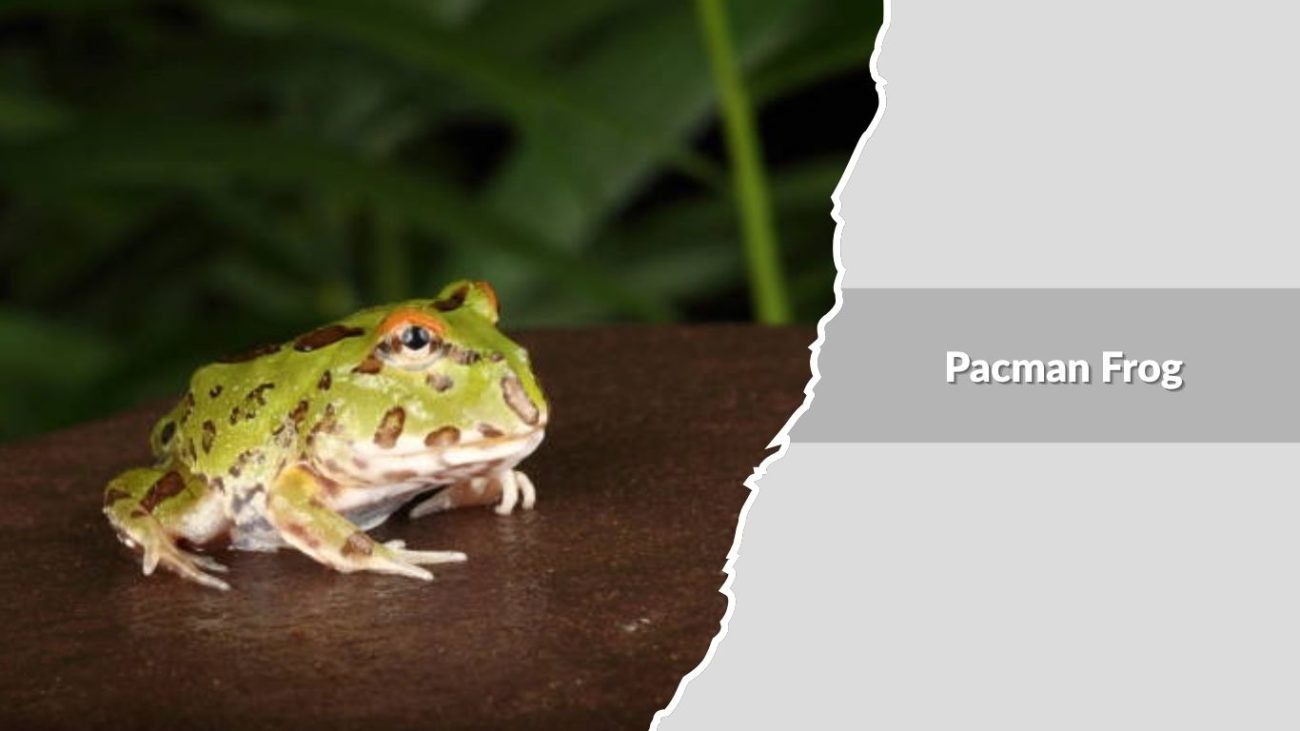
The Pacman Frog, named for its round shape and large mouth resembling the video game character, is native to South America. It is a popular pet due to its unique appearance and relatively simple care needs. This frog is known for being an ambush predator.
Identification
- Round, bulky body with a very large mouth
- Short legs compared to body size
- Color varies: green, brown, yellow, or patterned
- Large eyes positioned on top of the head
- Wide jaw capable of eating large prey
Habitat
Pacman Frogs live in tropical rainforests and grasslands, often in moist soil or leaf litter. They prefer warm and humid environments where they can burrow and remain hidden. These frogs spend most of their time partially buried in the ground.
Behavior
They are mostly sedentary and rely on camouflage to catch prey. Pacman Frogs are nocturnal but may also hunt during the day if food is nearby. They are known for their aggressive feeding behavior and will attempt to eat almost anything that moves.
Diet
Their diet includes insects, small rodents, reptiles, and even other frogs. They use a sit-and-wait strategy, lunging quickly at prey. Due to their large mouths, they can consume prey nearly as big as themselves.
9. Tomato Frog
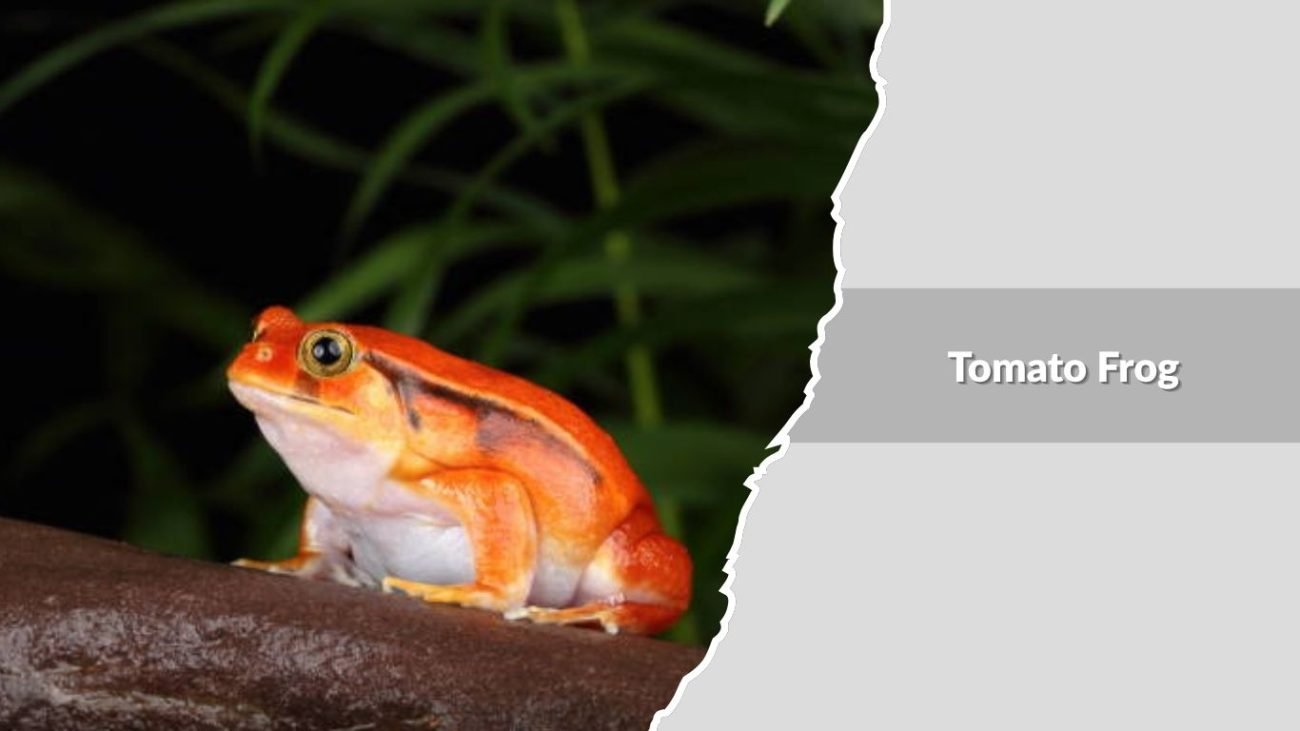
The Tomato Frog is a brightly colored frog native to Madagascar. It gets its name from its vibrant red or orange color, resembling a ripe tomato. This species is known for its defensive behaviors and striking appearance.
Identification
- Bright red, orange, or reddish-brown body
- Rounded shape with smooth skin
- Pale underside
- Medium size, typically 2–4 inches (5–10 cm)
- Sticky skin that can secrete a defensive substance
Habitat
Tomato Frogs live in tropical forests, swamps, and areas near water. They prefer moist environments with soft soil where they can burrow. These frogs are often found close to shallow water sources, especially during breeding season.
Behavior
They are mostly nocturnal and spend the day hidden in soil or under leaves. When threatened, they inflate their bodies to appear larger and secrete a sticky substance that can irritate predators. This makes them difficult to swallow.
Diet
Tomato Frogs primarily eat insects such as ants, beetles, and flies. They use their sticky tongues to capture prey quickly. Their feeding habits help control insect populations in their habitat.
10. Wood Frog
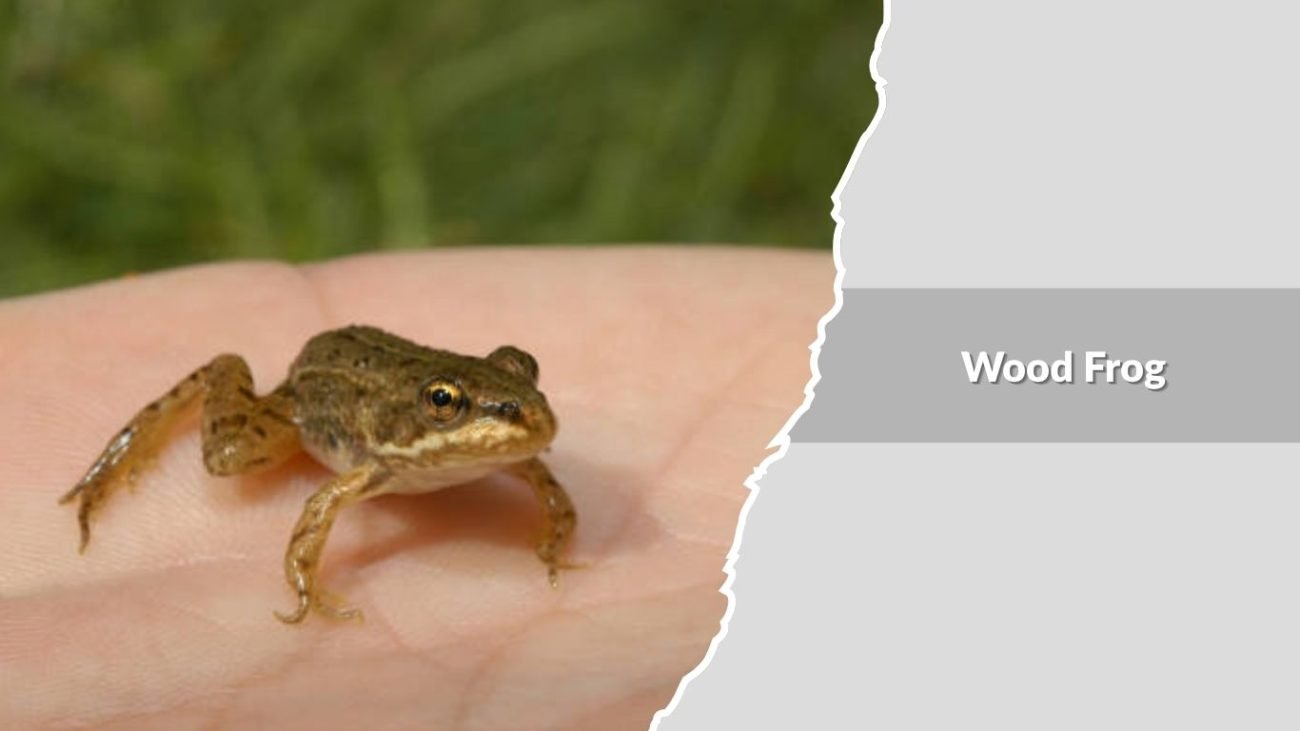
The Wood Frog is a remarkable species found in North America, especially in forests and wetlands. It is famous for its ability to survive freezing temperatures during winter, making it one of the most resilient amphibians.
Identification
- Brown, tan, or reddish body color
- Dark “mask” marking across the eyes
- Light-colored underside
- Medium size, about 1.5–3 inches (4–7.5 cm)
- Smooth skin with slightly rough texture
Habitat
Wood Frogs are commonly found in forests, swamps, and near temporary pools. They prefer moist environments but can travel far from water. During breeding season, they gather in shallow, seasonal ponds.
Behavior
They are mostly active during the day, especially in cooler weather. Wood Frogs are known for their unique ability to freeze during winter and thaw in spring. This adaptation allows them to survive harsh climates where other frogs cannot.
Diet
Their diet consists mainly of insects, spiders, and other small invertebrates. They hunt on land using their quick reflexes and sticky tongues. Wood Frogs play an important role in controlling insect populations.
11. Leopard Frog
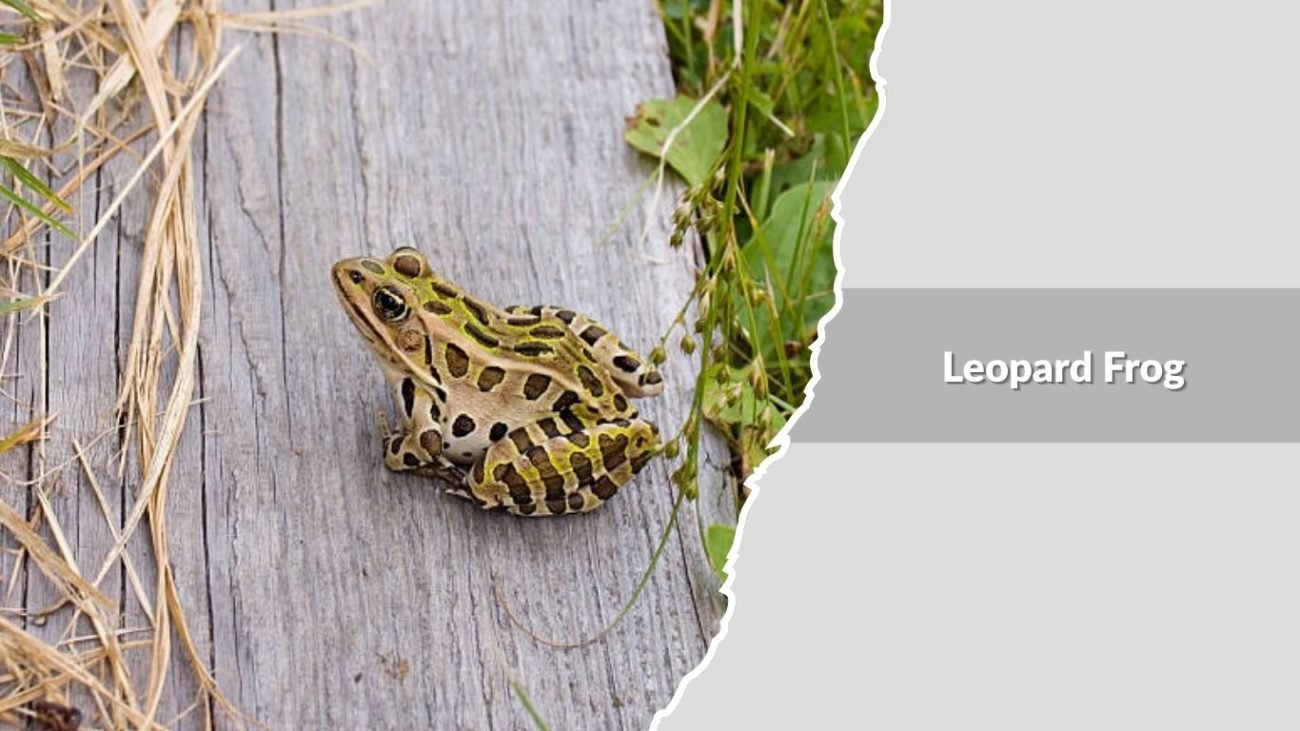
Leopard Frogs are named for their distinctive spotted pattern, resembling a leopard’s markings. They are widely distributed across North America and are commonly found near freshwater habitats.
Identification
- Green or brown body with dark round spots
- Light underside, often white or cream
- Long, powerful hind legs
- Smooth skin
- Medium size, about 2–4 inches (5–10 cm)
Habitat
Leopard Frogs live in a variety of freshwater environments, including ponds, lakes, marshes, and streams. They prefer areas with abundant vegetation and access to both land and water.
Behavior
They are active both day and night but are most commonly seen during the day. Leopard Frogs are strong jumpers and quick swimmers, using these abilities to escape predators. During colder months, they hibernate underwater.
Diet
Their diet includes insects, worms, and other small invertebrates. Occasionally, they may eat smaller frogs or fish. They capture prey using their sticky tongues and quick movements.
12. Pickerel Frog
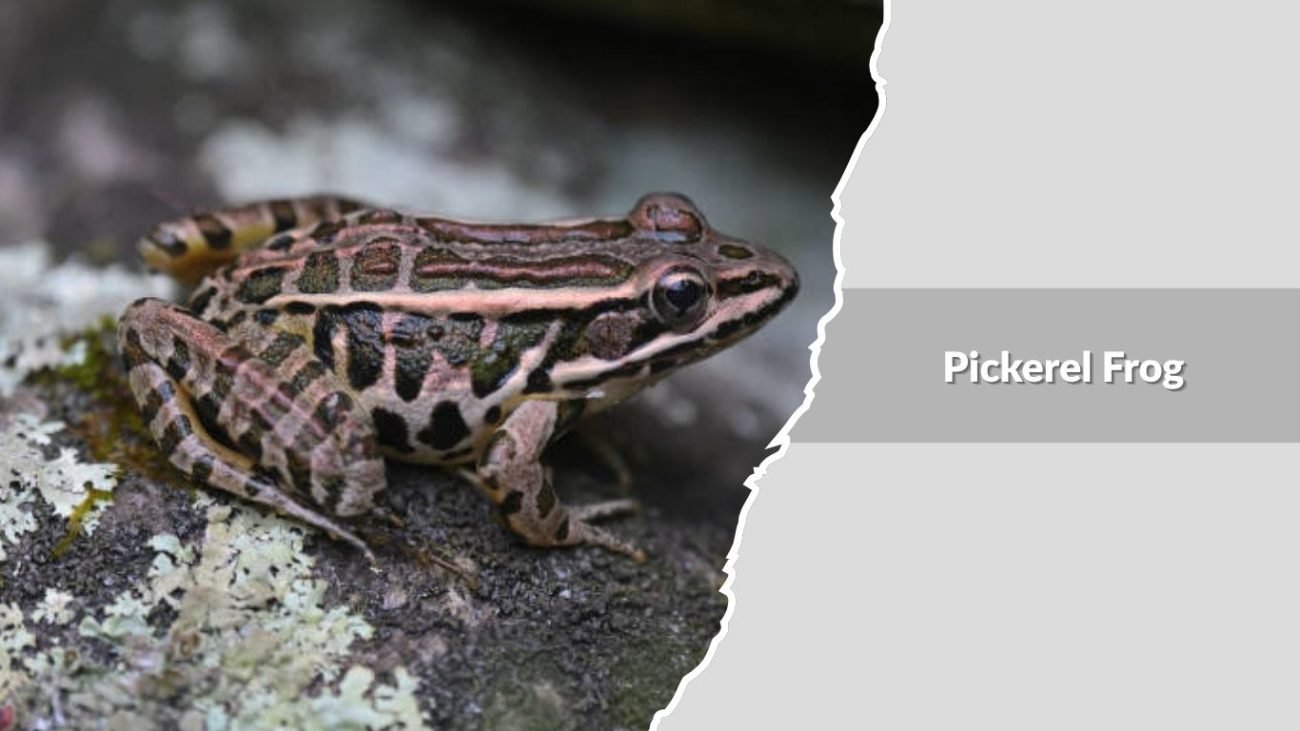
The Pickerel Frog is a medium-sized frog found in North America, often mistaken for the Leopard Frog due to its spotted appearance. However, it can be distinguished by its more rectangular spots and preference for cooler habitats.
Identification
- Light brown or tan body with two rows of square-shaped dark spots
- Smooth skin with a slightly rough texture
- Cream or yellowish underside
- Slender body with long hind legs
- Medium size, about 2–3.5 inches (5–9 cm)
Habitat
Pickerel Frogs prefer cool, clear waters such as streams, ponds, and spring-fed wetlands. They are often found in areas with dense vegetation and are more tolerant of colder environments compared to many other frogs.
Behavior
These frogs are mostly active during the warmer months and can be seen both day and night. When threatened, they may jump into water or release a mild toxin from their skin as a defense. They are generally shy and quick to escape danger.
Diet
Pickerel Frogs feed mainly on insects, spiders, and other small invertebrates. They use their quick reflexes and sticky tongues to capture prey. Their feeding habits help maintain balance in their ecosystem.
13. Spring Peeper
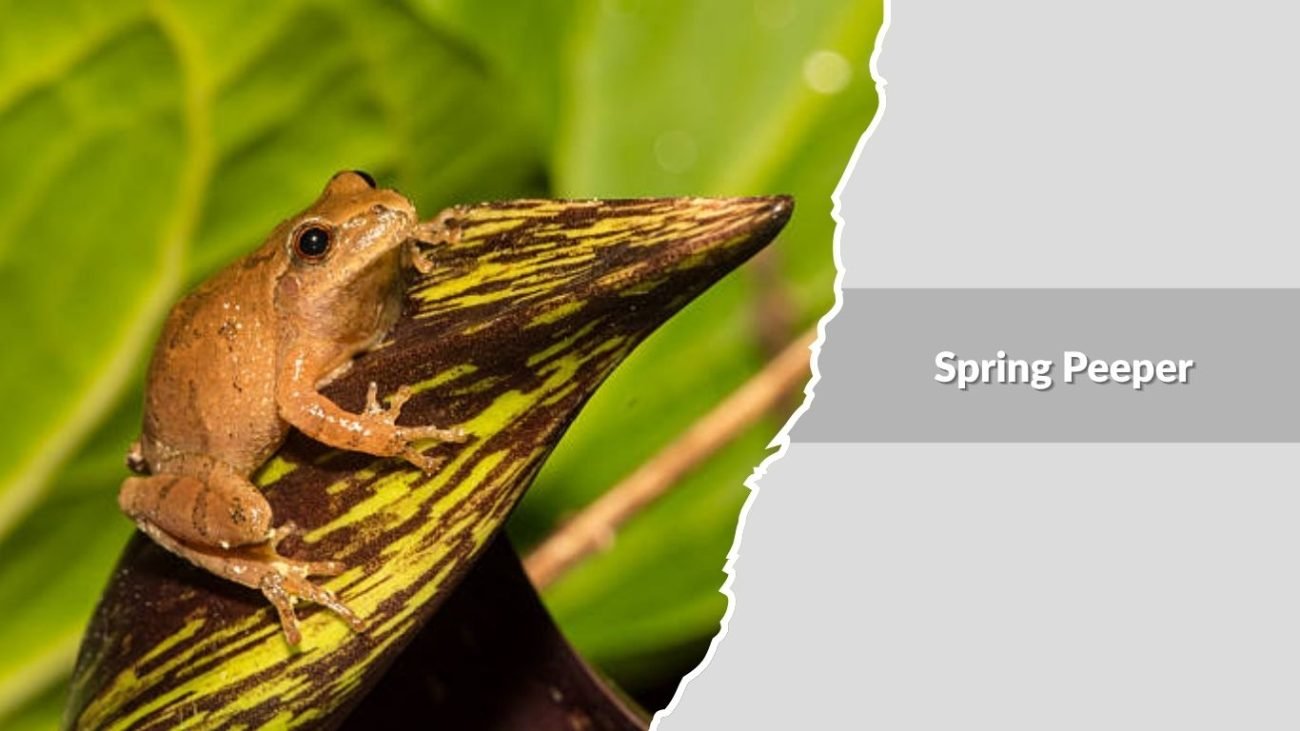
The Spring Peeper is a small tree frog known for its loud, high-pitched calls that signal the arrival of spring. Despite its tiny size, its voice can be heard over long distances in its native habitats.
Identification
- Small size, about 1–1.5 inches (2.5–4 cm)
- Light brown or gray body color
- Distinct dark “X” marking on the back
- Smooth skin
- Toe pads for climbing
Habitat
Spring Peepers live in forests, swamps, and near temporary ponds. They prefer moist environments with plenty of vegetation. During breeding season, they gather in shallow pools and wetlands.
Behavior
They are mostly nocturnal and are best known for their loud chirping calls during spring nights. Males call to attract females, often forming large choruses. During the day, they hide under leaves or bark.
Diet
Their diet consists mainly of small insects such as ants, beetles, and flies. They hunt at night using their sticky tongues. Despite their small size, they play an important role in controlling insect populations.
14. Gray Tree Frog
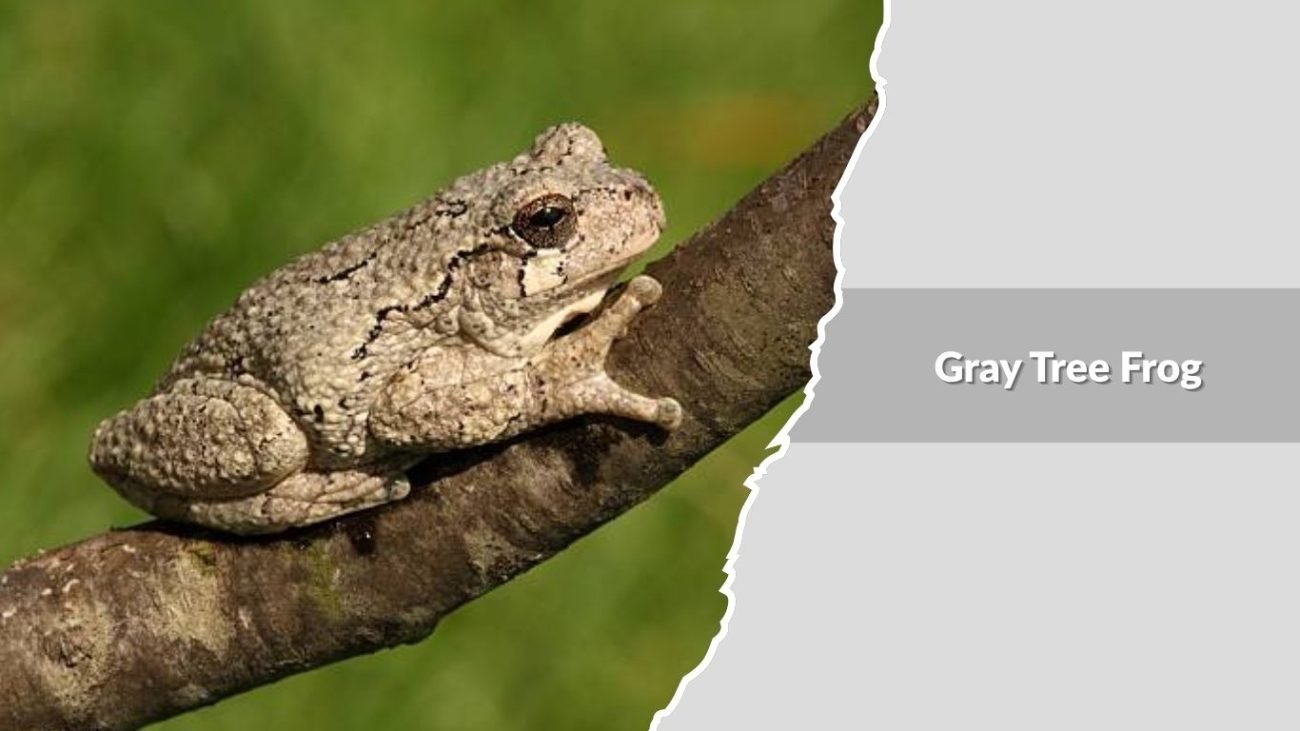
The Gray Tree Frog is a well-camouflaged species found in North America. It is known for its ability to change color to blend into its surroundings, making it difficult for predators to spot. Despite its name, it can appear gray, green, or brown.
Identification
- Color varies from gray to green or brown
- Rough, warty skin texture
- Bright yellow or orange patches on inner thighs
- Large toe pads for climbing
- Medium size, about 1.5–2 inches (4–5 cm)
Habitat
Gray Tree Frogs live in forests, woodlands, and suburban areas. They are commonly found on trees, shrubs, and even buildings. They prefer areas near water sources such as ponds and swamps, especially during breeding season.
Behavior
These frogs are nocturnal and arboreal. During the day, they rest motionless on tree bark or leaves, blending in with their surroundings. At night, they become active and produce musical trills to attract mates.
Diet
Gray Tree Frogs feed mainly on insects such as moths, crickets, and beetles. They hunt at night, using their sticky tongues to catch prey. Their diet helps control insect populations in their environment.
15. Cuban Tree Frog
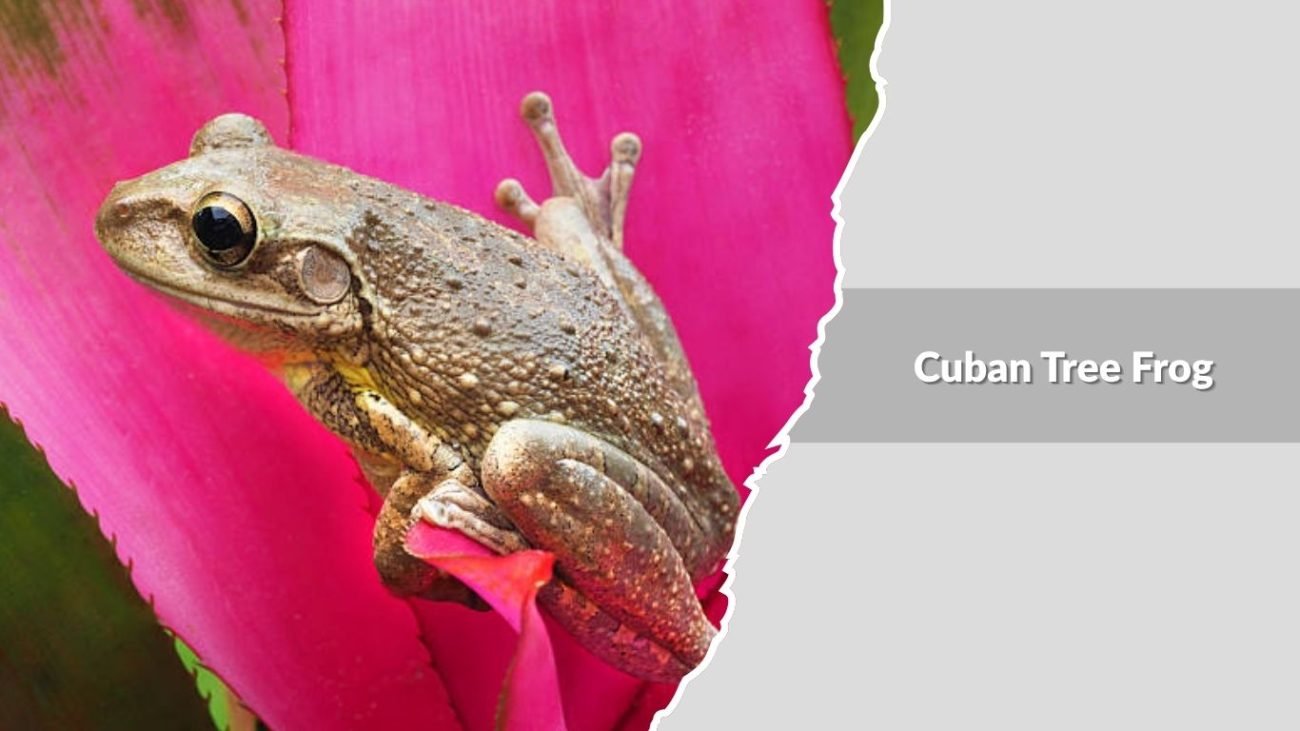
The Cuban Tree Frog is a large, adaptable species native to the Caribbean but also found in parts of the southeastern United States. It is known for its ability to thrive in urban environments and its invasive nature in some regions.
Identification
- Large size, about 2–5 inches (5–13 cm)
- Color varies from gray, green, to brown
- Warty skin with a rough texture
- Large toe pads for climbing
- Prominent eyes with a golden or bronze tint
Habitat
Cuban Tree Frogs inhabit forests, gardens, and urban areas. They are often found around buildings, lights, and water sources. Their adaptability allows them to survive in a wide range of environments, including human settlements.
Behavior
They are nocturnal and highly active at night. Cuban Tree Frogs are strong climbers and are often seen on walls, windows, and trees. They can outcompete native species for food and habitat, making them invasive in some areas.
Diet
Their diet includes insects, small frogs, lizards, and even other small animals. They are aggressive feeders and will eat almost anything they can catch. Their broad diet contributes to their success in various environments.
16. Fire-Bellied Toad
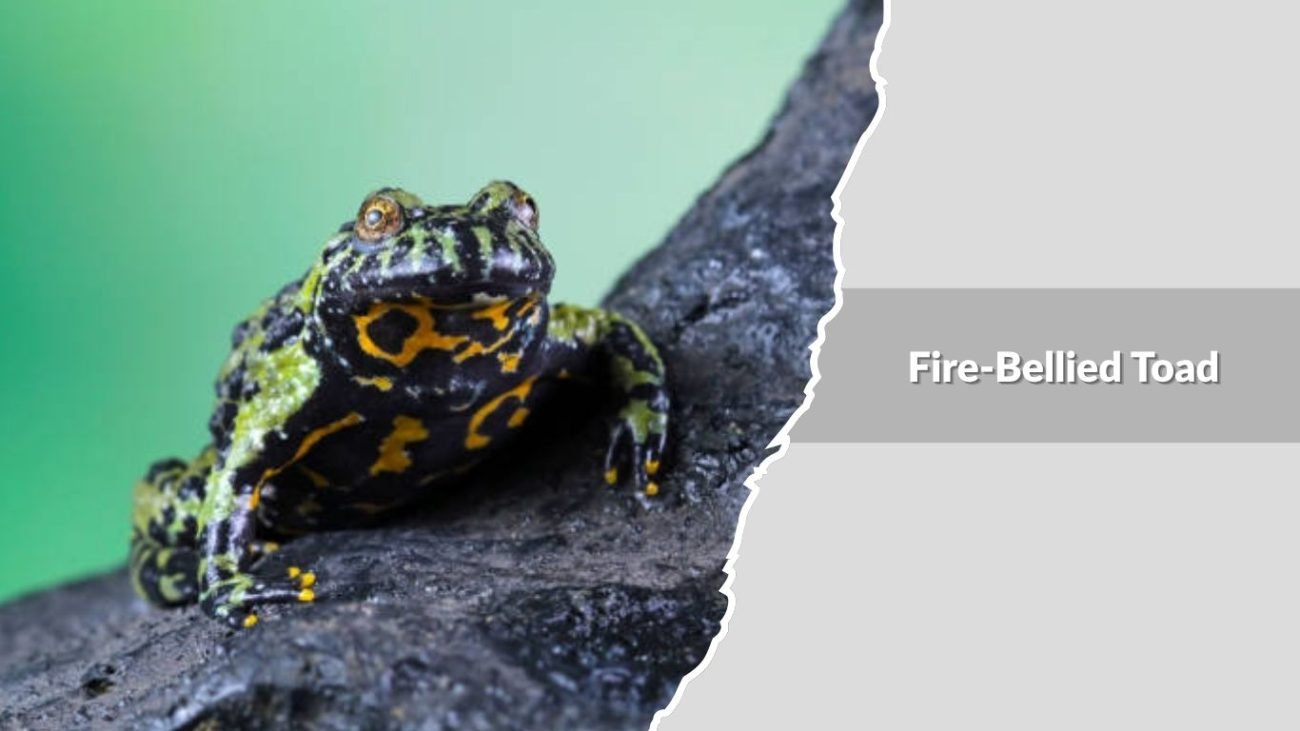
The Fire-Bellied Toad is a small, semi-aquatic amphibian known for its bright, warning-colored underside. Native to Asia and parts of Europe, it is popular in the pet trade and recognized for its defensive display.
Identification
- Bright green or brown back with dark spots
- Vivid red, orange, or yellow belly with black markings
- Small, compact body
- Slightly warty skin
- Size ranges from 1.5–2.5 inches (4–6 cm)
Habitat
Fire-Bellied Toads live in ponds, marshes, and slow-moving streams. They prefer shallow water with plenty of vegetation. These amphibians often split their time between land and water, making them semi-aquatic.
Behavior
They are active during the day and often float at the water’s surface. When threatened, they perform a defensive posture by arching their back to show their bright belly, warning predators of their toxicity. They are generally social and can be found in small groups.
Diet
Their diet consists mainly of insects, worms, and small aquatic invertebrates. They feed both in water and on land, using their sticky tongues to catch prey. Their feeding habits help maintain ecological balance.
17. Budgett’s Frog
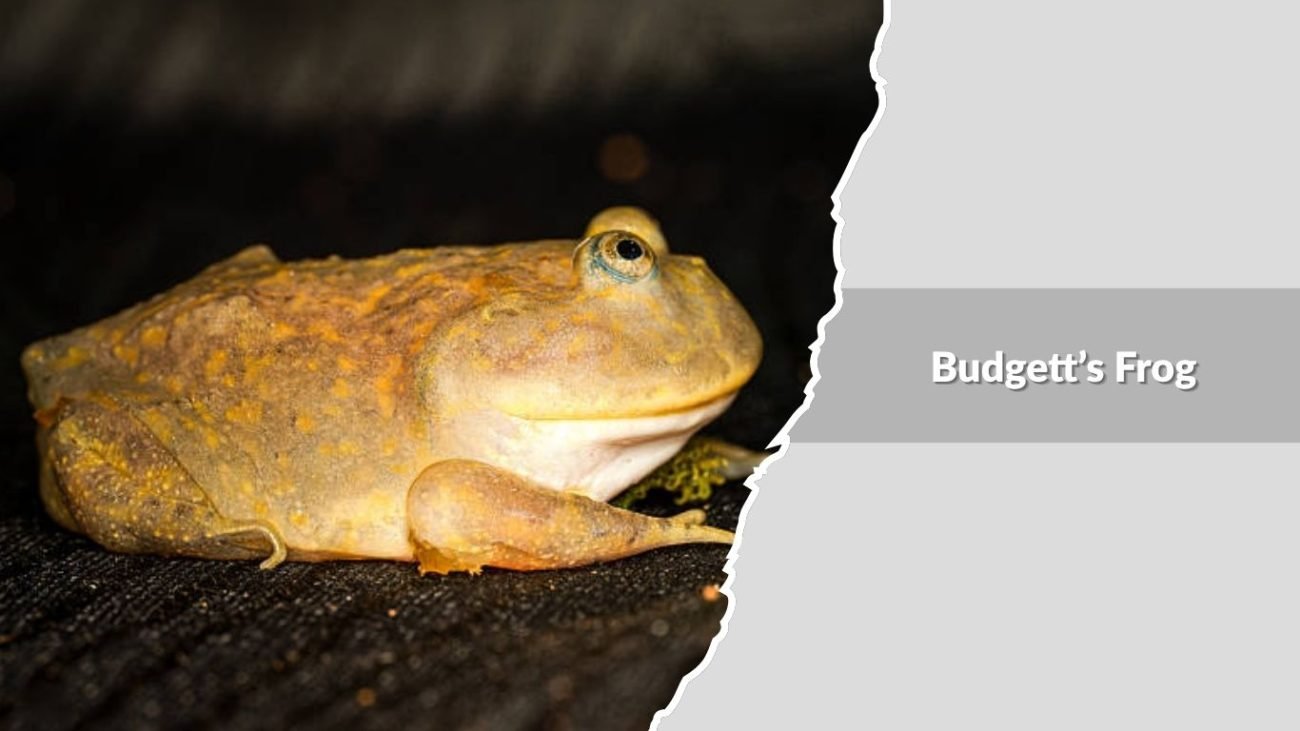
Budgett’s Frog is a unique-looking amphibian from South America, known for its flat body and wide mouth. It has an unusual appearance and behavior that sets it apart from most other frogs.
Identification
- Flattened body with a broad, wide head
- Large mouth with a slightly upturned shape
- Gray or greenish coloration
- Small eyes positioned on top of the head
- Medium size, about 4–5 inches (10–13 cm)
Habitat
Budgett’s Frogs inhabit temporary pools, swamps, and floodplains. They prefer shallow, muddy waters that may dry up seasonally. During dry periods, they burrow into the mud to survive until water returns.
Behavior
These frogs are mostly aquatic and are known for their defensive nature. When threatened, they may open their mouths wide and even attempt to bite. They are relatively inactive, spending much of their time resting in water or mud.
Diet
Their diet includes insects, fish, and other small aquatic animals. Budgett’s Frogs are opportunistic feeders and will eat almost anything they can capture. They rely on ambush tactics, striking quickly at passing prey.
18. African Bullfrog
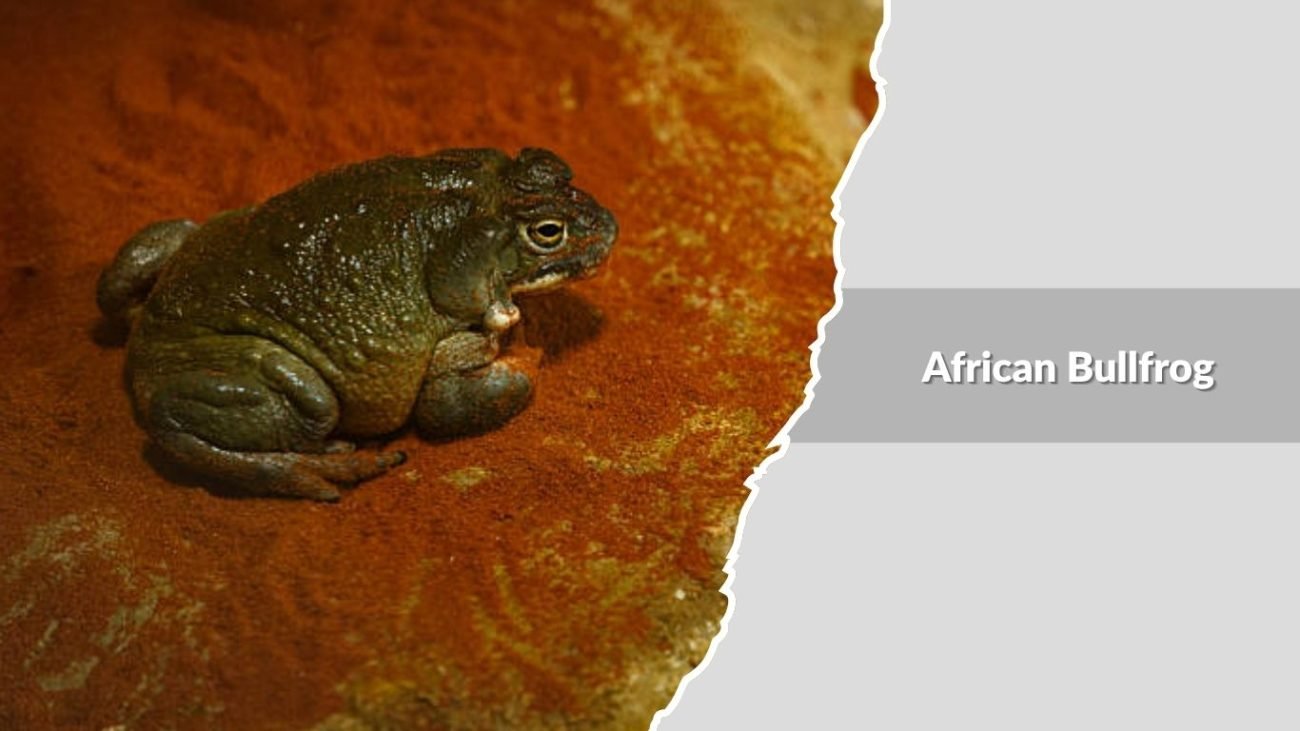
The African Bullfrog is one of the largest frog species in the world, native to sub-Saharan Africa. It is known for its powerful build, aggressive nature, and strong survival instincts, especially in harsh environments.
Identification
- Very large, bulky body
- Olive green to brown coloration
- Wide head with a large mouth
- Thick skin with folds
- Males are significantly larger than females
Habitat
African Bullfrogs live in savannas, grasslands, and seasonal wetlands. They prefer areas that experience periods of heavy rain followed by dry conditions. During dry seasons, they burrow underground to conserve moisture.
Behavior
They are highly territorial and can be aggressive, especially males during breeding season. African Bullfrogs are known to aestivate (a form of hibernation) during dry periods. They emerge after rains to breed in temporary pools.
Diet
Their diet is very diverse and includes insects, small mammals, reptiles, birds, and even other frogs. They are powerful predators and will eat almost anything they can overpower.
19. Marsh Frog
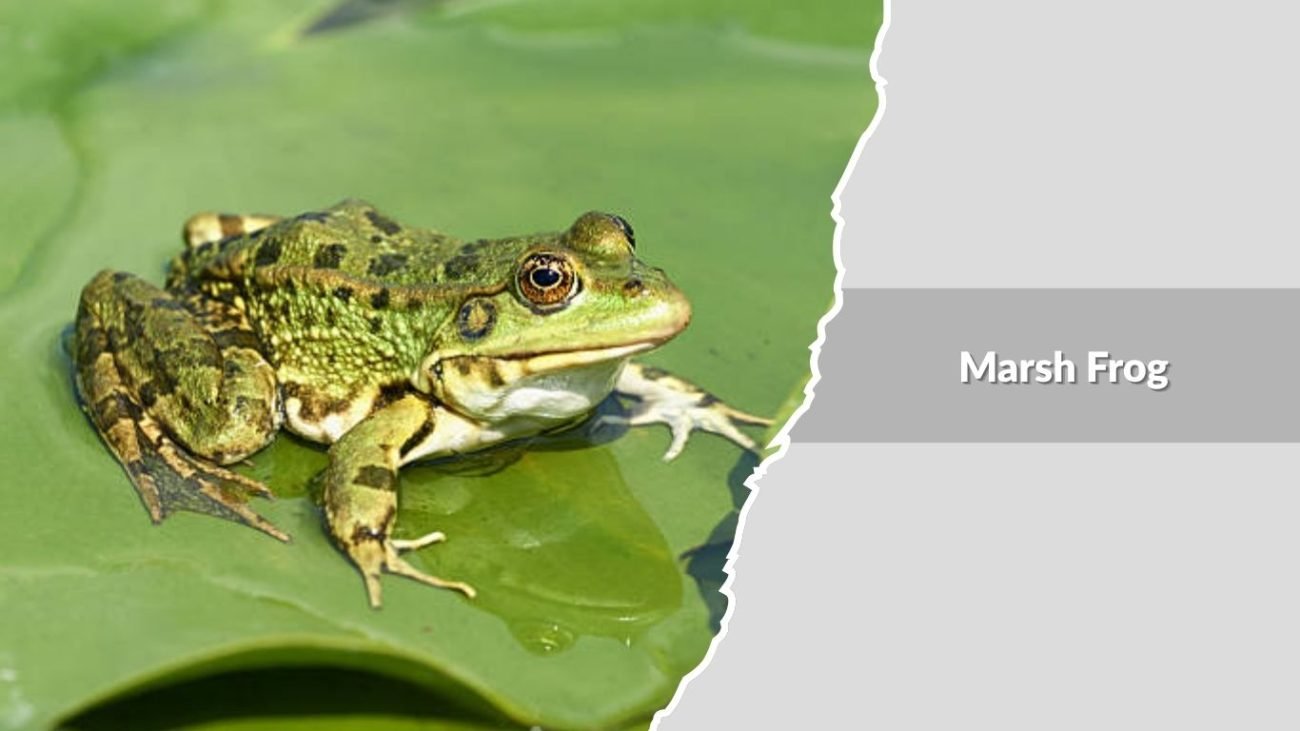
The Marsh Frog is a large water frog commonly found in Europe and parts of Asia. It is known for its loud calls and strong association with aquatic habitats.
Identification
- Green or brown body with dark markings
- Light stripe running along the back (in some individuals)
- Smooth skin
- Long hind legs for swimming and jumping
- Medium to large size, about 3–5 inches (7–13 cm)
Habitat
Marsh Frogs live in ponds, lakes, marshes, and slow-moving rivers. They prefer warm, sunny areas with abundant vegetation. These frogs are almost always found near water.
Behavior
They are active during both day and night but are especially vocal during breeding season. Males produce loud calls to attract females. They are strong swimmers and often escape danger by diving into water.
Diet
Their diet includes insects, worms, small fish, and other aquatic animals. Marsh Frogs are opportunistic feeders and will also consume smaller frogs when available. They play an important role in aquatic ecosystems.
20. Common Frog
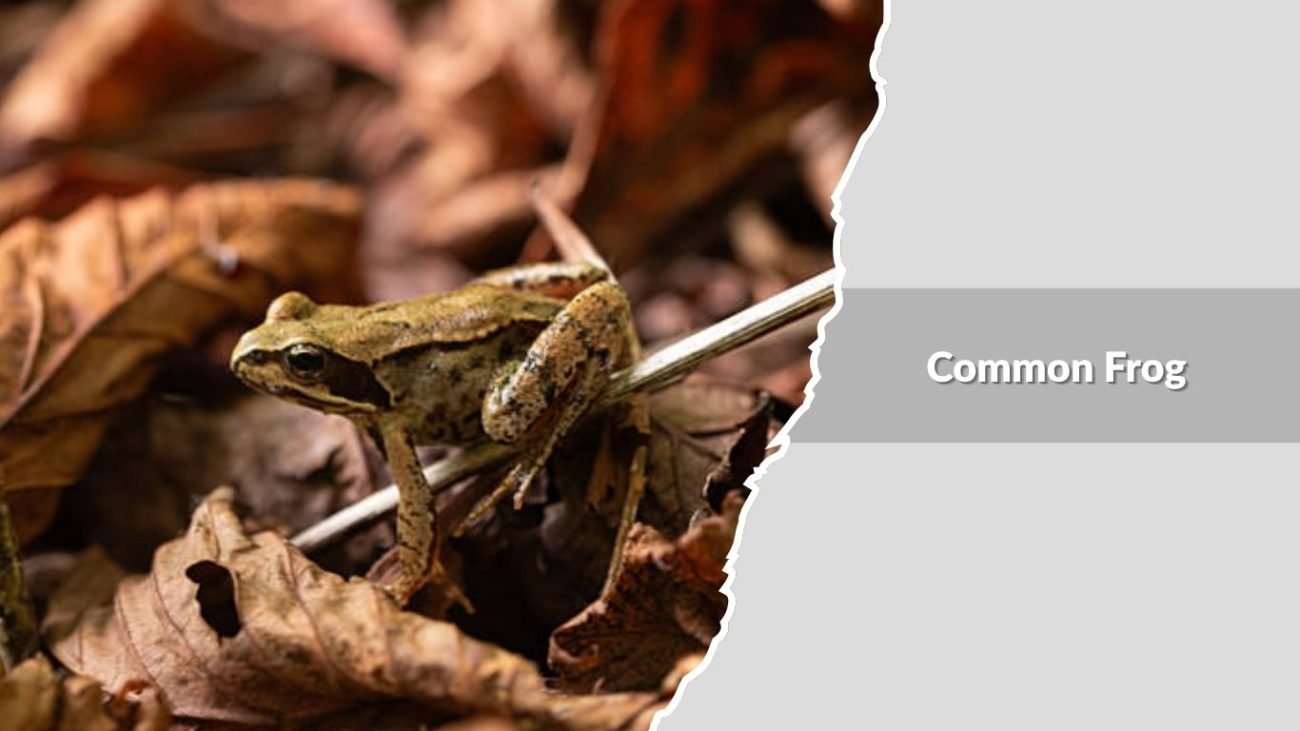
The Common Frog is one of the most widespread frog species in Europe. It is highly adaptable and can live in a variety of environments, making it a familiar sight in gardens, ponds, and countryside areas.
Identification
- Brown, gray, or olive-green body
- Dark patches and irregular markings on the skin
- Smooth skin with a slightly moist texture
- Long hind legs for jumping
- Medium size, about 2–4 inches (5–10 cm)
Habitat
Common Frogs inhabit a wide range of environments, including gardens, forests, grasslands, and wetlands. They prefer damp areas and are often found near ponds or slow-moving water, especially during breeding season.
Behavior
They are mostly active at night but can also be seen during the day in damp conditions. Common Frogs are strong jumpers and use this ability to escape predators. In colder months, they hibernate in mud, leaf litter, or at the bottom of ponds.
Diet
Their diet mainly consists of insects, worms, slugs, and spiders. They play an important role in controlling garden pests. Using their sticky tongues, they quickly capture prey.
21. Barking Tree Frog
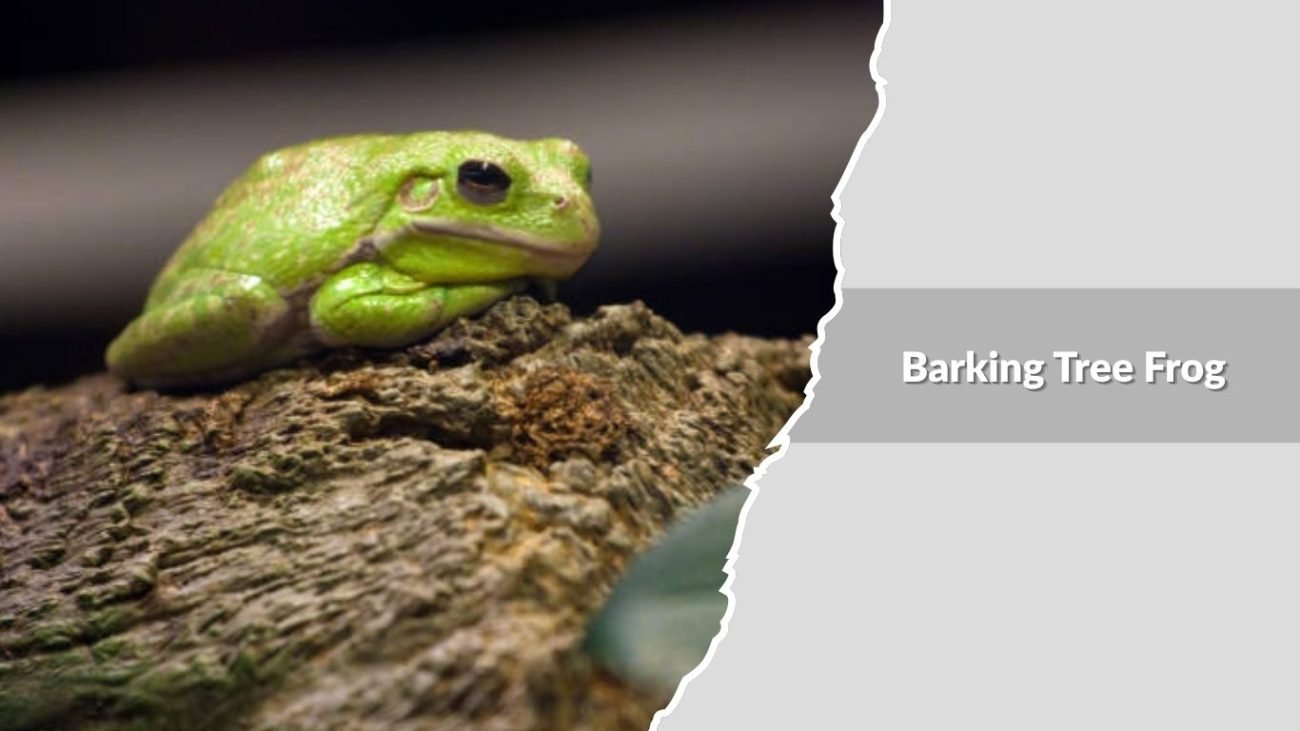
The Barking Tree Frog is a large tree frog found in the southeastern United States. It gets its name from its distinctive call, which sounds similar to a dog barking.
Identification
- Bright green or grayish-green body
- Smooth skin with a slightly rough texture
- White or pale underside
- Large toe pads for climbing
- Large size, about 2–3 inches (5–7.5 cm)
Habitat
Barking Tree Frogs live in forests, swamps, and near ponds or wetlands. They prefer areas with trees and dense vegetation, where they can easily climb and find shelter. They are often found near water during breeding season.
Behavior
They are nocturnal and arboreal, spending most of their time in trees. Their loud, barking calls are used to attract mates. During the day, they hide in tree cavities or under bark to stay moist and protected.
Diet
Their diet includes insects such as crickets, moths, and beetles. They hunt at night, using their sticky tongues to catch prey. Like other frogs, they help control insect populations in their habitat.
22. Desert Rain Frog
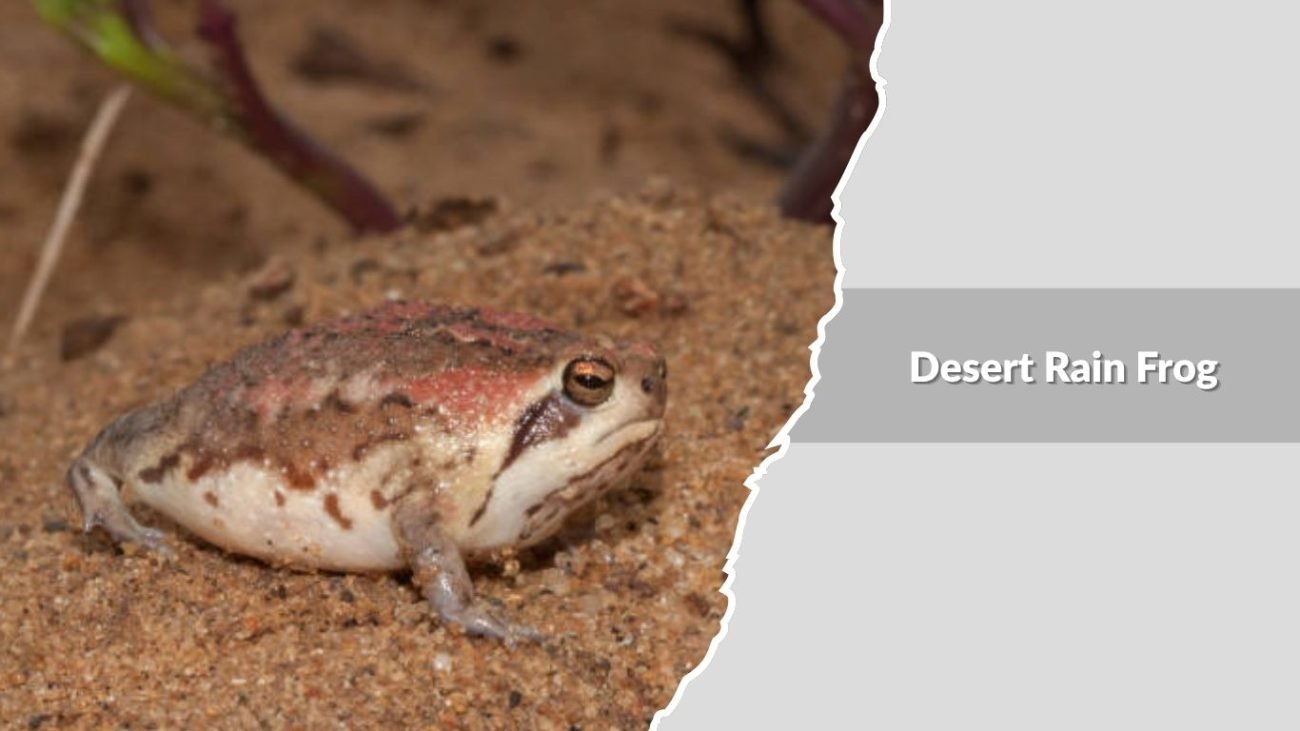
The Desert Rain Frog is a small, round-bodied frog native to the coastal regions of Namibia and South Africa. It is famous for its squeaky, high-pitched sound and adorable appearance, which has made it popular online.
Identification
- Small, round, and chubby body
- Pale yellow to sandy brown coloration
- Short limbs and a flat face
- Smooth, slightly bumpy skin
- Size around 1.5–2 inches (4–5 cm)
Habitat
Desert Rain Frogs live in sandy coastal areas and dunes. Unlike many frogs, they do not rely on open water. Instead, they burrow into moist sand where humidity is higher, allowing them to survive in dry environments.
Behavior
They are mostly nocturnal and spend much of their time underground. When threatened, they produce a squeaky noise instead of croaking. These frogs are poor jumpers and prefer to walk or burrow rather than leap.
Diet
Their diet mainly consists of small insects such as ants, termites, and beetles. They forage at night and use their sticky tongues to catch prey. Their feeding habits help maintain insect balance in their habitat.
23. Surinam Toad
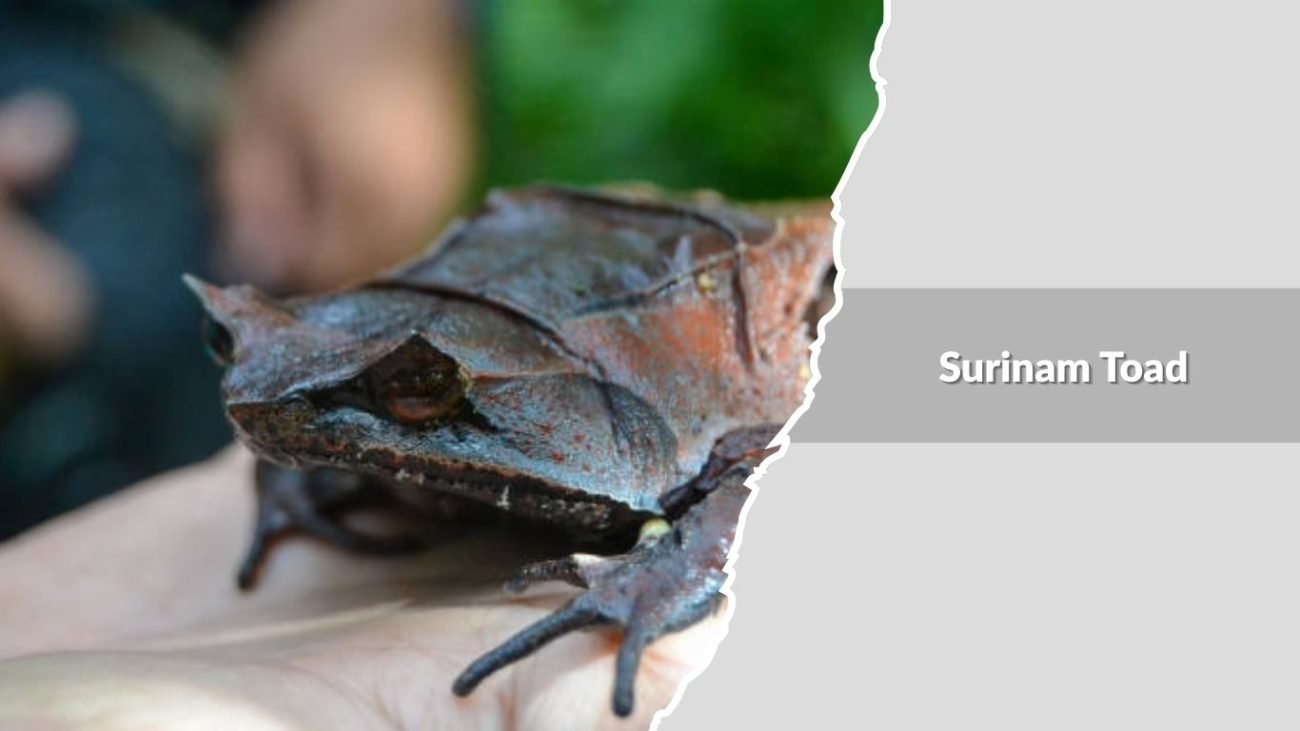
The Surinam Toad is a unique aquatic frog from South America, known for its unusual reproduction method. The female carries eggs embedded in the skin of her back, making it one of the most fascinating amphibians.
Identification
- Flat, leaf-like body shape
- Brown or gray coloration for camouflage
- Small, lidless eyes
- Long fingers with star-shaped tips
- Rough, textured skin
Habitat
Surinam Toads live in slow-moving waters such as ponds, swamps, and rivers. They prefer muddy environments where they can blend in with leaf litter and avoid predators.
Behavior
They are fully aquatic and rarely leave the water. These frogs are mostly inactive and rely on camouflage to avoid detection. Their most notable behavior is their reproductive process, where eggs develop in pockets on the female’s back.
Diet
Their diet includes small fish, insects, and aquatic invertebrates. They use a suction-feeding method, quickly opening their mouths to draw in prey along with water.
24. Chorus Frog
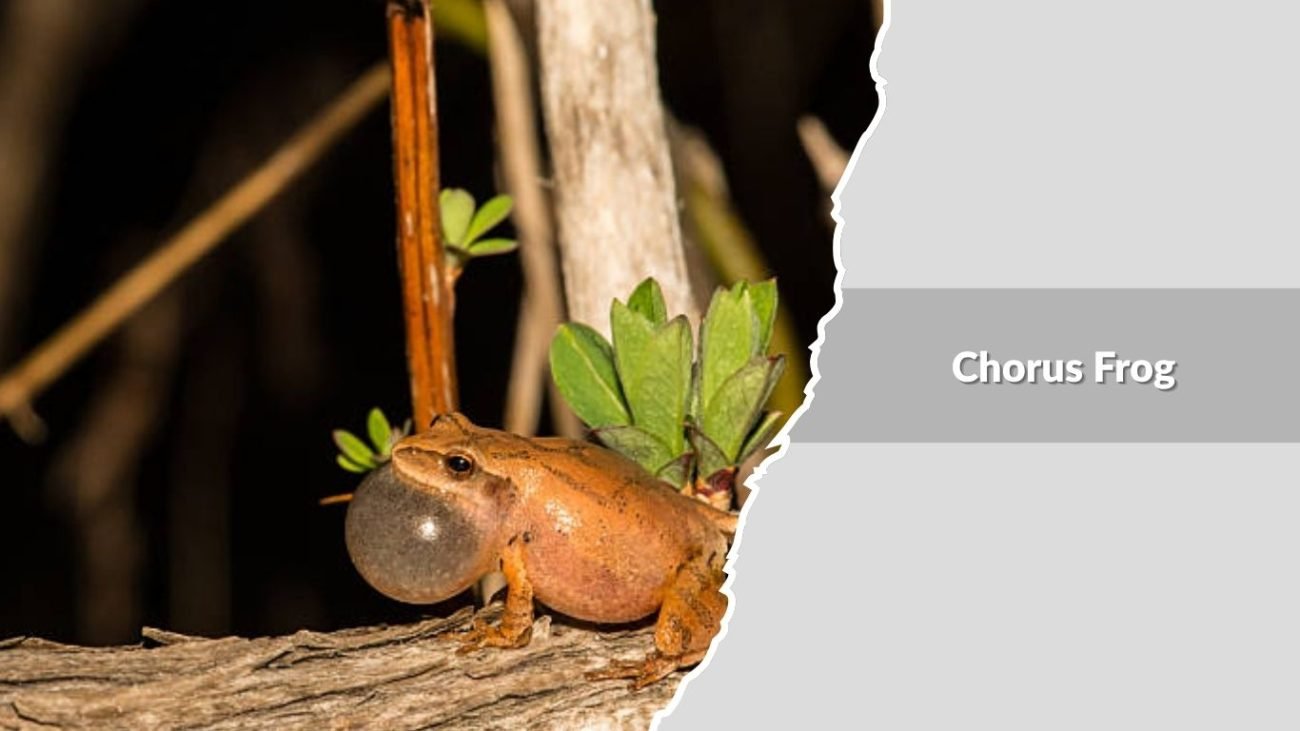
The Chorus Frog is a small and widely distributed frog found in North America. It is best known for its loud, musical calls that sound like a chorus, especially during the breeding season in early spring.
Identification
- Small size, about 0.75–1.5 inches (2–4 cm)
- Brown, gray, or green coloration
- Dark stripe running from nose through the eye
- Smooth skin
- Slender body with small toe pads
Habitat
Chorus Frogs live in grasslands, wetlands, forests, and even agricultural fields. They prefer shallow water bodies such as temporary ponds and ditches, especially for breeding. Outside the breeding season, they can be found in moist terrestrial environments.
Behavior
They are most active during the breeding season when males gather and produce loud, repetitive calls to attract females. These frogs are secretive and often remain hidden in vegetation. They are mainly nocturnal but can be active during the day in cooler weather.
Diet
Their diet consists of small insects, spiders, and other tiny invertebrates. Due to their small size, they target small prey items. They help control insect populations in their ecosystems.
25. Golden Poison Frog
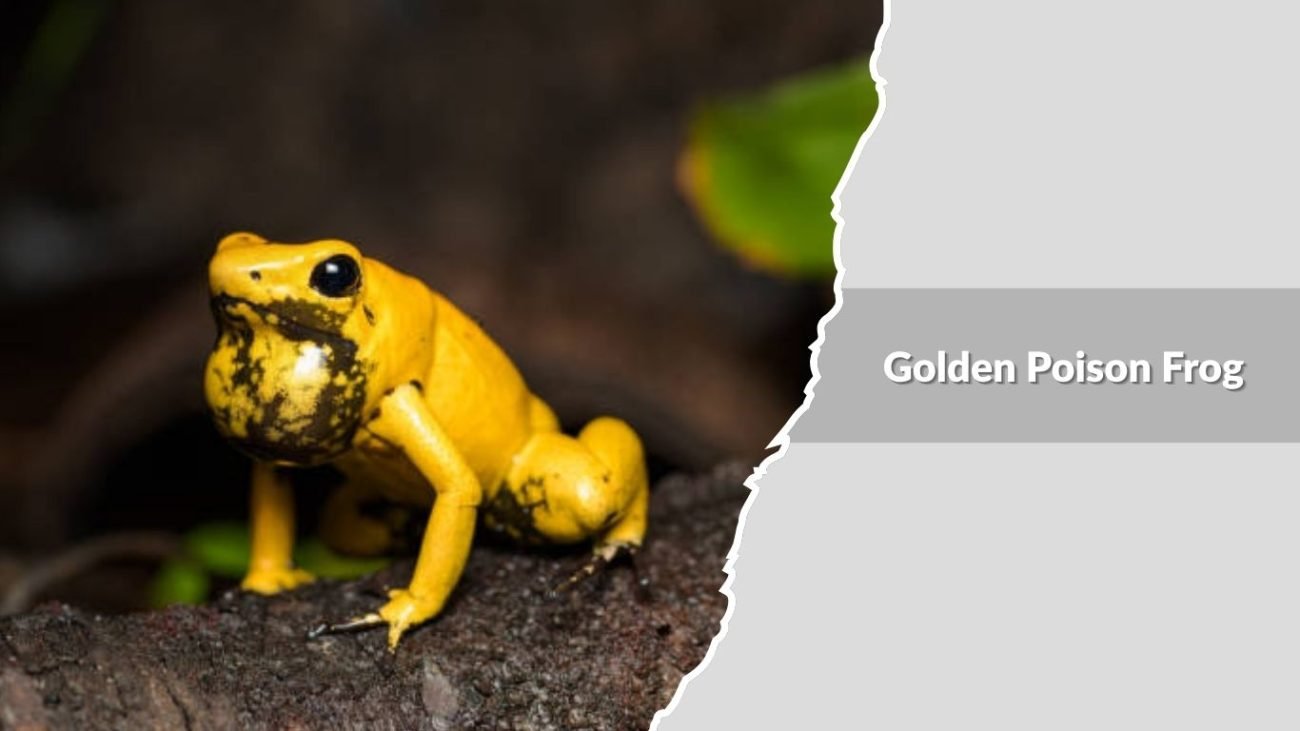
The Golden Poison Frog is one of the most toxic animals on Earth. Native to the rainforests of Colombia, its bright coloration warns predators of its powerful poison.
Identification
- Bright golden-yellow or orange body
- Smooth, shiny skin
- Small size, about 1–2 inches (2.5–5 cm)
- Slender body with long limbs
- Bold coloration indicating toxicity
Habitat
Golden Poison Frogs inhabit tropical rainforests with high humidity and dense vegetation. They are usually found on the forest floor or low plants near streams.
Behavior
These frogs are diurnal and active during the day. Their bright color serves as a warning signal to predators. They are generally solitary and territorial. Indigenous people have historically used their toxins for hunting.
Diet
Their diet mainly includes ants, termites, and small insects. The toxicity of these frogs is believed to come from their natural diet. In captivity, without these specific prey, they lose their poisonous properties.
FAQs
1. How many types of frogs are there in the world?
There are over 7,000 known species of frogs worldwide, and scientists continue to discover new ones each year.
2. Are all frogs poisonous?
No, only a small number of frog species are poisonous, such as Poison Dart Frogs. Most frogs are harmless to humans.
3. Where do frogs usually live?
Frogs live in a wide range of habitats including forests, wetlands, deserts, and even urban areas, but most species prefer moist environments.
4. What do frogs eat?
Frogs mainly eat insects like flies, mosquitoes, and beetles. Larger frogs may also eat small animals such as fish, birds, or other frogs.
5. Do frogs live in water or on land?
Most frogs live both on land and in water. They usually return to water to breed and lay eggs.