House mice are one of the most common pests found in homes around the world. From sneaky hiding spots to potential health concerns, these tiny intruders raise many questions for homeowners. In this guide, we answer 45 frequently asked questions about house mice—covering their habits, health risks, behavior, how they get in, and effective ways to prevent or remove them from your living space.
45 FAQs and Facts
1. What is a house mouse?
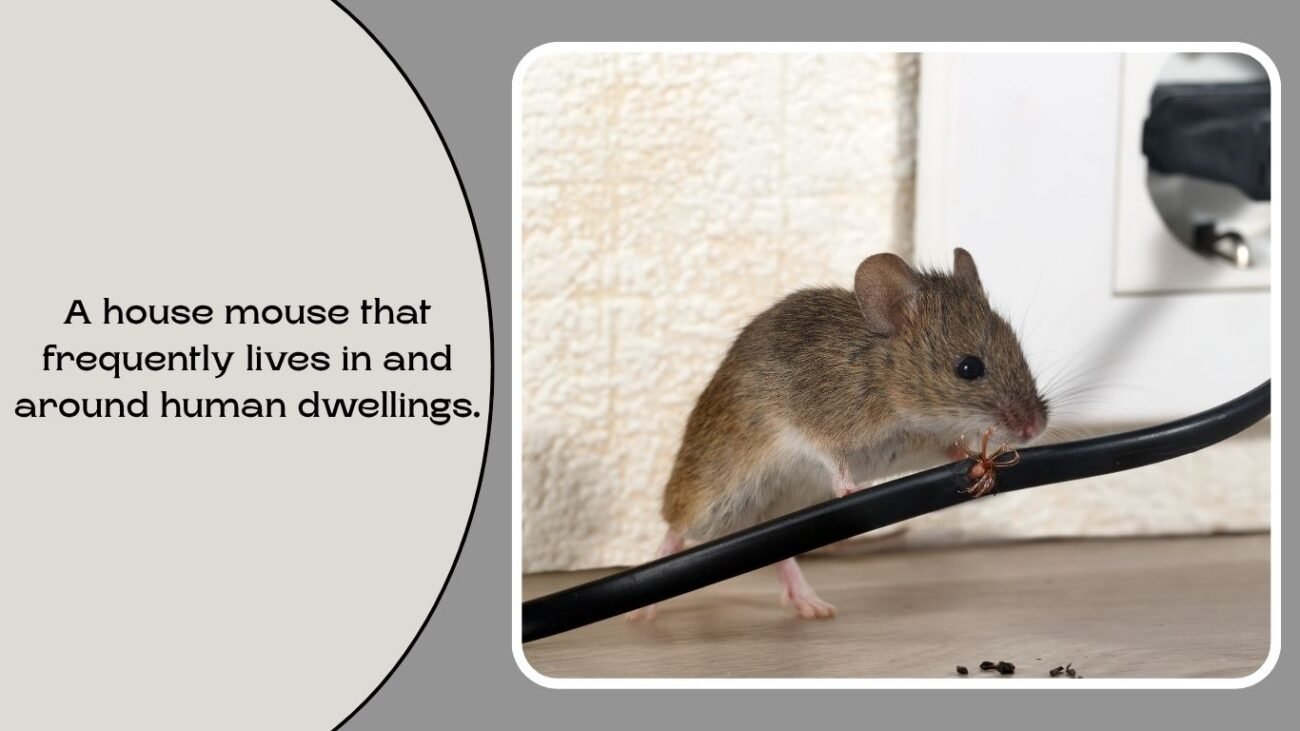
The house mouse (Mus musculus) is a small, nocturnal rodent commonly found in homes, farms, and urban buildings worldwide. They are typically gray or brown, with large ears and long tails. Known for their adaptability, house mice can thrive in both rural and urban environments and reproduce quickly, making them a common household pest.
2. What does a house mouse look like?
House mice are small rodents, usually 2.5–4 inches long with a tail about the same length. Their fur ranges from light brown to dark gray, with a lighter belly. They have large ears, small black eyes, and pointed snouts. Compared to rats, house mice are smaller with finer features and thinner tails.
3. What does a house mouse eat?

House mice are omnivores and will eat nearly anything available. Their diet often includes grains, seeds, fruits, crumbs, insects, and food scraps found in kitchens. They prefer high-carb foods and often gnaw through packaging to get to pantry items. They also chew on wires and wood, not for food but to keep their teeth trimmed.
4. How long does a house mouse live?

In the wild or in homes with threats, house mice live around 1 year. However, in protected environments like laboratories or captivity, they can live up to 2–3 years. Their short lifespan is due to high predation risk and exposure to traps, poisons, and natural predators.
5. Where do house mice live in a house?
House mice typically nest in dark, hidden areas near food and water sources. Common hiding spots include behind kitchen appliances, inside walls, basements, attics, under cabinets, or in cluttered storage areas. They create nests using shredded paper, fabric, and insulation.
6. Why do mice come into the house?
Mice enter homes in search of food, warmth, and shelter—especially during colder months. Even tiny gaps in doors, windows, or foundations allow entry. Unsealed food, pet food, or cluttered storage areas attract them. Once inside, they often stay and reproduce rapidly.
7. How does a mouse get in the house?
Mice can squeeze through openings as small as a quarter inch (6 mm). They often enter through cracks in foundations, gaps in doors or windows, utility line openings, or vents. Damaged weather stripping, torn screens, and unscreened drains are also common access points.
8. Where would a mouse hide in a house?
Mice prefer quiet, dark areas close to food sources. They commonly hide under stoves and refrigerators, behind baseboards, in wall voids, garages, attic insulation, or under sinks. A mouse may also build nests in drawers, boxes, and cluttered corners that offer warmth and cover.
9. Can a house mouse climb walls?

Yes, house mice are excellent climbers. They can climb vertical surfaces with texture, such as brick, wood, or stucco. They may use pipes, wires, or furniture to reach elevated areas like countertops, ceilings, or attics. This ability makes them hard to contain without thorough sealing.
10. Do house mice hibernate?
No, house mice do not hibernate. They remain active all year long, although they are more commonly seen indoors during the fall and winter. As temperatures drop, mice move inside for warmth and food, often going unnoticed until they leave droppings or gnaw marks.
11. Do house mice bite?
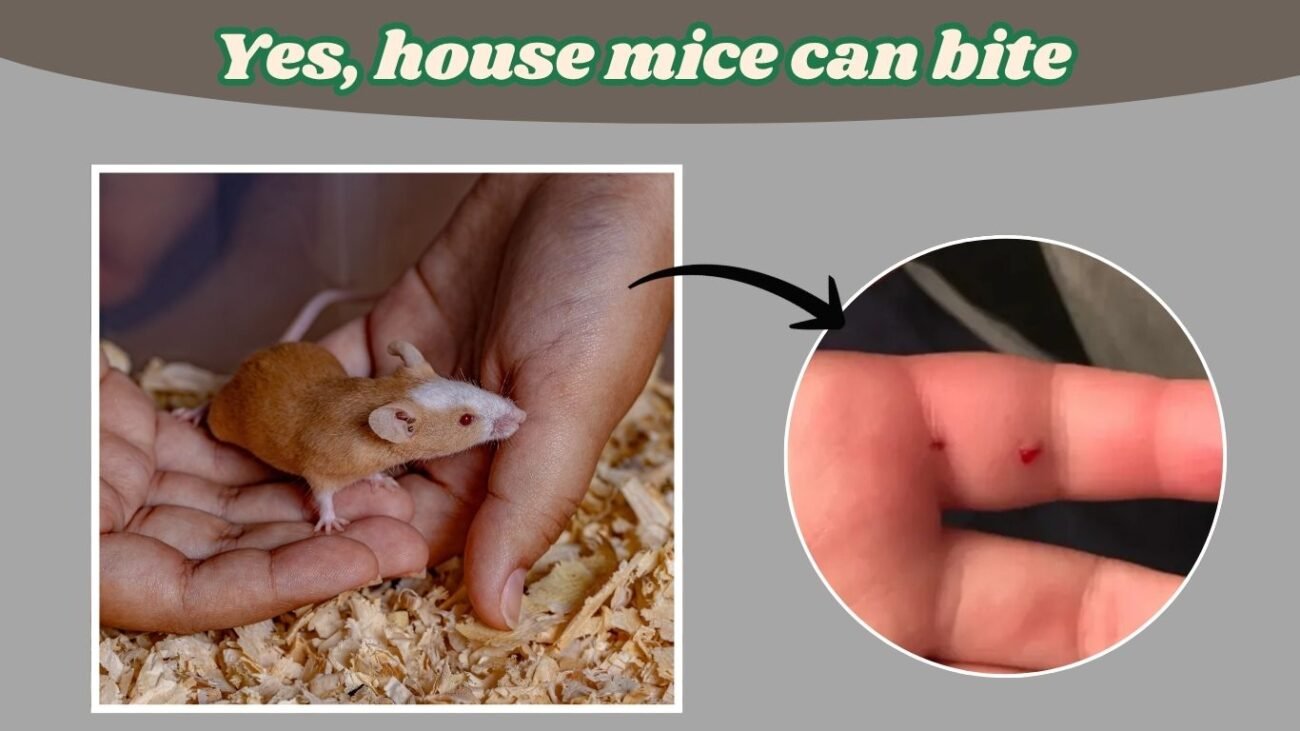
Yes, house mice can bite, but it’s rare and usually only occurs when they feel trapped or threatened. Their bites may cause minor irritation, but they can also transmit bacteria. While bites are uncommon in healthy homes, avoid handling wild mice with bare hands to reduce risks.
12. Are house mice dangerous?
House mice can be dangerous due to the health risks they pose. They can carry bacteria, viruses, and parasites through droppings, urine, and saliva. Diseases such as salmonella, hantavirus, and leptospirosis can be transmitted indirectly through contaminated surfaces or food, especially in kitchens and food storage areas.
13. How to get rid of a mouse in your house?
To get rid of a mouse, use snap traps, humane traps, or bait stations in areas of activity. Seal all entry points with steel wool or caulk, remove food sources, and keep spaces clean. If the infestation is large, consider contacting pest control professionals for effective long-term removal.
14. How to find a mouse in your house?
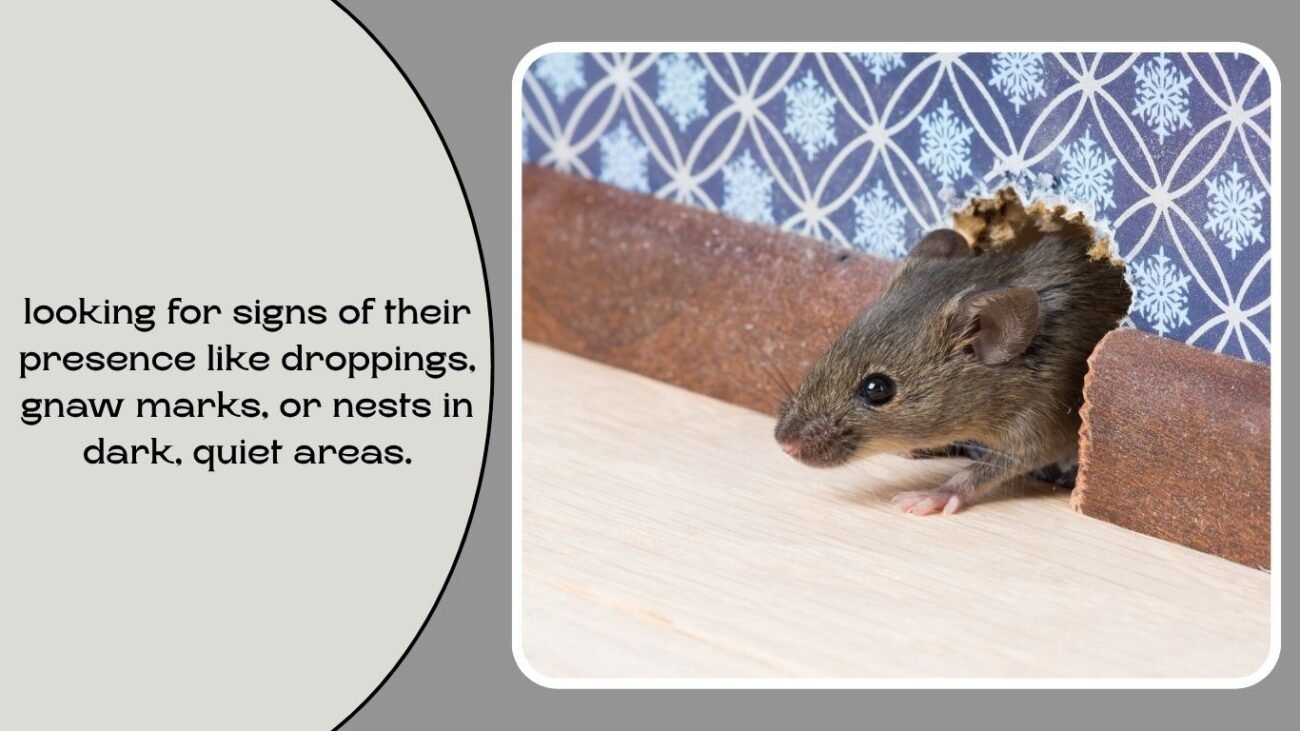
Look for signs like droppings, gnaw marks, shredded nesting materials, and urine trails. Listen for scratching or squeaking noises at night. Mice often hide in kitchens, behind appliances, inside walls, attics, and garages. Place traps in these areas to confirm activity and narrow down their hiding spots.
15. How to mouse-proof your house?
Seal all entry points larger than 1/4 inch with steel wool and caulk. Install door sweeps, cover vents with mesh, and repair broken screens. Keep food in airtight containers, take out trash regularly, and reduce indoor and outdoor clutter to eliminate nesting sites and food sources.
16. Why are there mice in my house?
Mice enter homes for food, warmth, and shelter. Poorly sealed doors, cracks, or cluttered environments attract them. Food crumbs, pet food, open trash, and easily accessible pantries provide ideal feeding grounds. Once inside, they reproduce rapidly, making early prevention and cleanup critical.
17. What is the lifespan of a house mouse?
House mice generally live about one year in the wild or in homes due to predators and limited resources. In ideal, protected environments, they can live up to 2–3 years. Their reproductive cycle is fast, with females producing 5–10 litters a year, each with 3–14 pups.
18. What does house mouse poop look like?
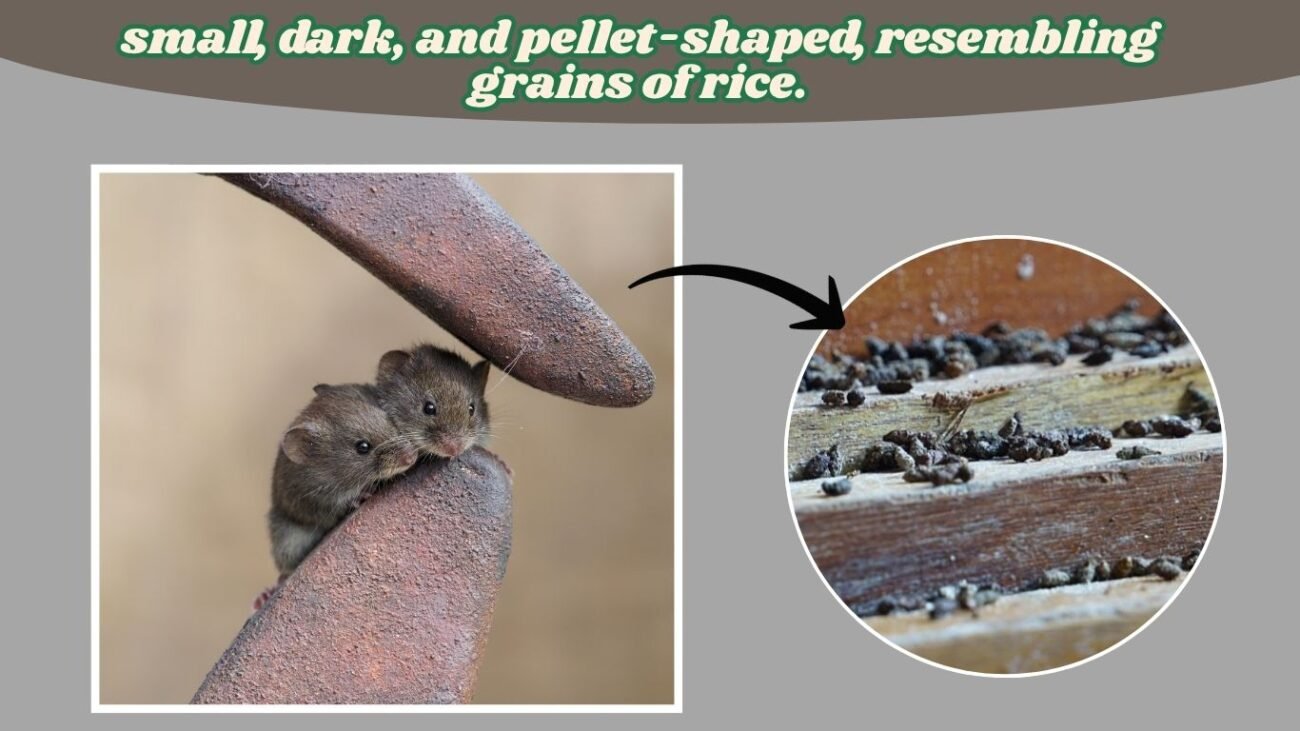
House mouse droppings are small (3–6 mm), black or dark brown, and shaped like rice grains with pointed ends. Fresh droppings are moist and shiny, while old ones are dry and crumbly. You’ll often find them near food sources, nesting areas, or along frequently traveled paths.
19. How to get a mouse out of your house?
Set traps in active areas, especially along walls. Use peanut butter or cheese as bait. Close off entry points and eliminate food sources. For humane removal, use live-catch traps and release the mouse several miles away. Persistent infestations may require a professional exterminator’s help.
20. Will a house cat eat a mouse?
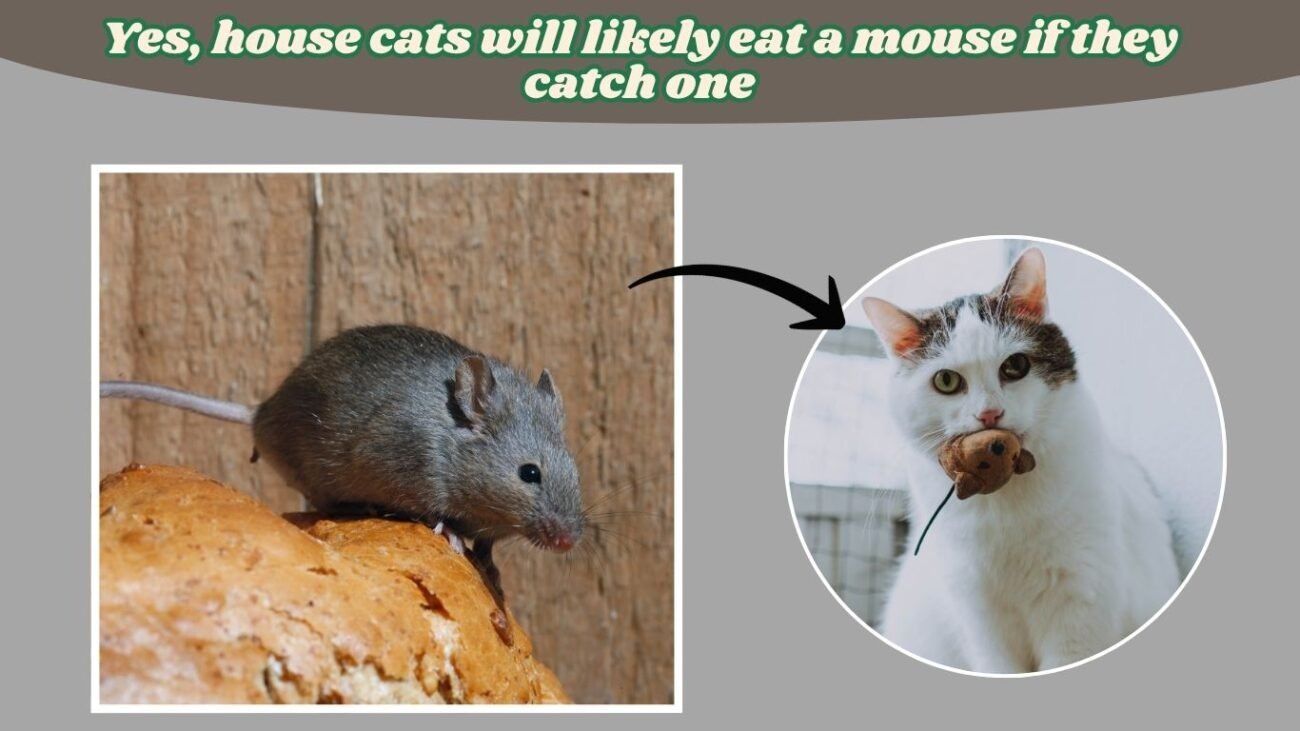
Yes, most house cats will instinctively hunt, catch, and sometimes eat mice. However, not all cats are effective hunters, especially if they’re older or less active. Even if they don’t eat the mouse, their presence and scent can deter rodent activity in your home.
21. Can house mice climb walls?
Yes, house mice are excellent climbers. They can scale vertical surfaces like brick, wood, wires, and even some rough-textured walls. This ability helps them access high shelves, attics, or ceilings, making it crucial to seal upper-level gaps—not just ground-level ones—when mouse-proofing your home.
22. Do house mice live in groups?
Yes, house mice are social animals and typically live in groups. A dominant male often leads a group of females and their offspring. As the colony grows, they may split and form new nesting sites nearby, especially if food and space are limited.
23. How long does a house mouse live?
In indoor environments, house mice can live up to 2–3 years, while in the wild or unprotected homes, they typically live about 1 year due to predators, food scarcity, and disease. Their short lifecycle contributes to their rapid population growth in infested homes.
24. Do house mice hibernate?
No, house mice do not hibernate. They remain active all year round, including in winter. However, during colder months, they are more likely to move indoors in search of warmth, food, and shelter, which increases sightings in homes and buildings.
25. Where would a mouse hide in a house?
Mice prefer dark, undisturbed places near food sources. Common hiding spots include behind refrigerators, inside cabinets, under stoves, behind baseboards, in attics, inside walls, and even in furniture or clutter. They build nests from shredded paper, insulation, and fabric.
26. Do house mice eat wood?
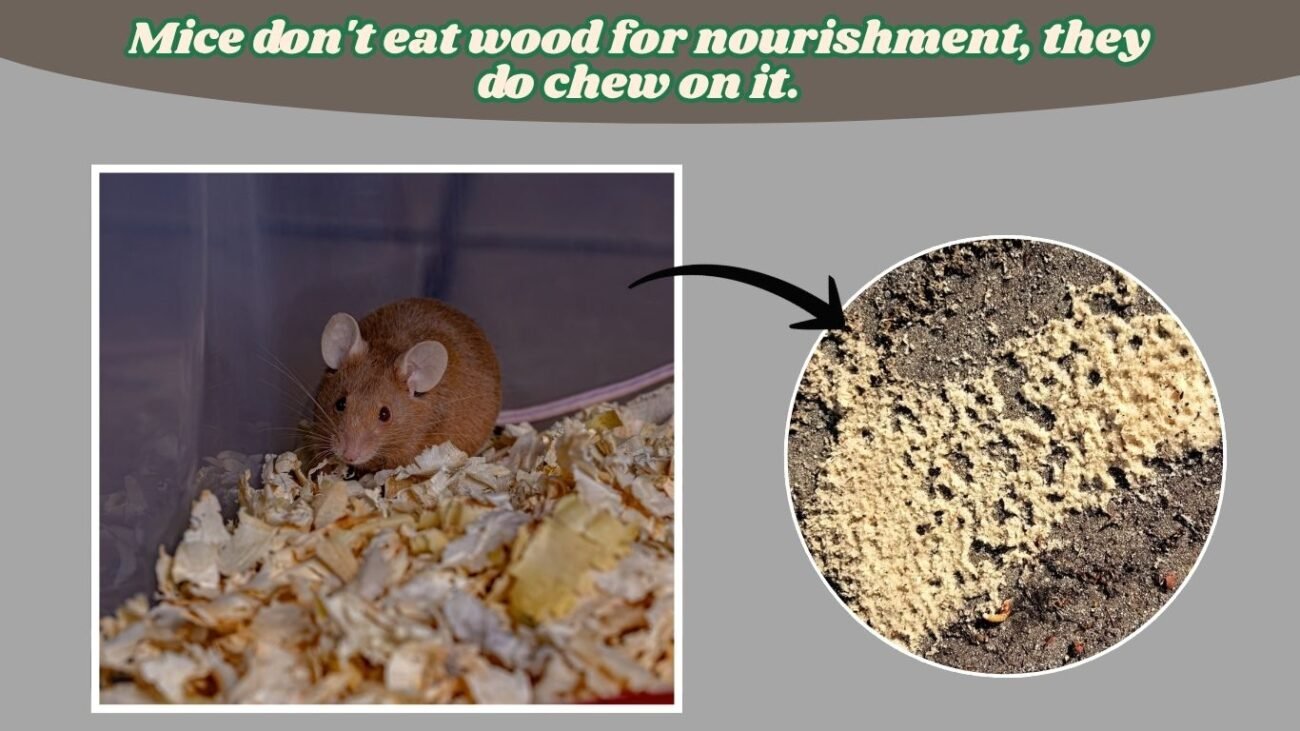
House mice do not eat wood for nutrition, but they often gnaw on wooden materials to keep their ever-growing teeth trimmed. Their constant chewing can damage furniture, baseboards, door frames, and even structural elements of the house.
27. Are house mice nocturnal?
Yes, house mice are primarily nocturnal. They are most active at night, especially during quiet hours. You may hear them scratching or scurrying after dark. However, if the infestation is large or food is scarce, they may become active during the day too.
28. Do house mice carry hantavirus?
While house mice can carry hantavirus, they are not the primary source in the U.S. Deer mice are more commonly associated with this disease. However, house mice still pose risks for other illnesses such as salmonella, leptospirosis, and lymphocytic choriomeningitis virus (LCMV).
29. Can a mouse damage your house?

Yes, house mice can cause significant damage. They chew electrical wires (fire hazard), insulation, furniture, and food packaging. Their urine and feces contaminate surfaces, and they can destroy stored goods. Over time, unchecked infestations lead to structural and health concerns.
30. Do house mice live in the woods?
House mice are more commonly found near human settlements but can survive in wooded areas if there’s access to food and shelter. They’re adaptable and may transition between outdoor environments and homes depending on the season and resources.
31. Do house mice have diseases?
Yes, house mice can carry and transmit several diseases. These include salmonella, leptospirosis, hantavirus (rarely), and lymphocytic choriomeningitis virus (LCMV). Their urine, droppings, and nesting materials may contaminate surfaces, making proper cleanup and pest control essential for home safety.
32. How big are house mice?
An adult house mouse typically measures 2.5 to 4 inches in body length, with an additional 2 to 4-inch tail. They weigh around 0.4 to 1 ounce (10–30 grams). Their small size helps them squeeze through tiny gaps—just 1/4 inch wide.
33. Can house mice live outside?

Yes, house mice can survive outside, especially in warmer climates. They’ll nest in woodpiles, sheds, or cluttered yards. However, they often move indoors in colder months or when outdoor food sources are limited, which is when infestations usually begin.
34. Can house mice be pets?
Domesticated varieties of house mice can be kept as pets. They’re intelligent, clean, and social when raised properly. However, wild house mice should not be kept as pets, as they may carry diseases and are not conditioned for human handling.
35. Can a house mouse climb walls or jump?
Yes, house mice can jump up to 12 inches and climb vertical surfaces like pipes, wires, and rough walls. They use these abilities to reach food, escape threats, or nest in hard-to-reach places such as ceilings or attics.
36. How long can a house mouse live without food?
A house mouse can survive 2–4 days without food, but they typically eat multiple times a day. They can go longer without water if their food contains moisture, which is why even crumbs or pet food can sustain an infestation.
37. Are house mice common?
Yes, house mice are one of the most common pests worldwide. Found in homes, apartments, and buildings, they adapt easily to human environments. Their high reproduction rate and small size make infestations frequent—especially during fall and winter months.
38. Why do I have mice in my house suddenly?
A sudden mouse appearance could be due to weather changes, nearby construction, food availability, or gaps in walls or foundations. Mice are opportunistic and will quickly move in when they sense warmth, shelter, or an easy food source.
39. Will house mice leave on their own?
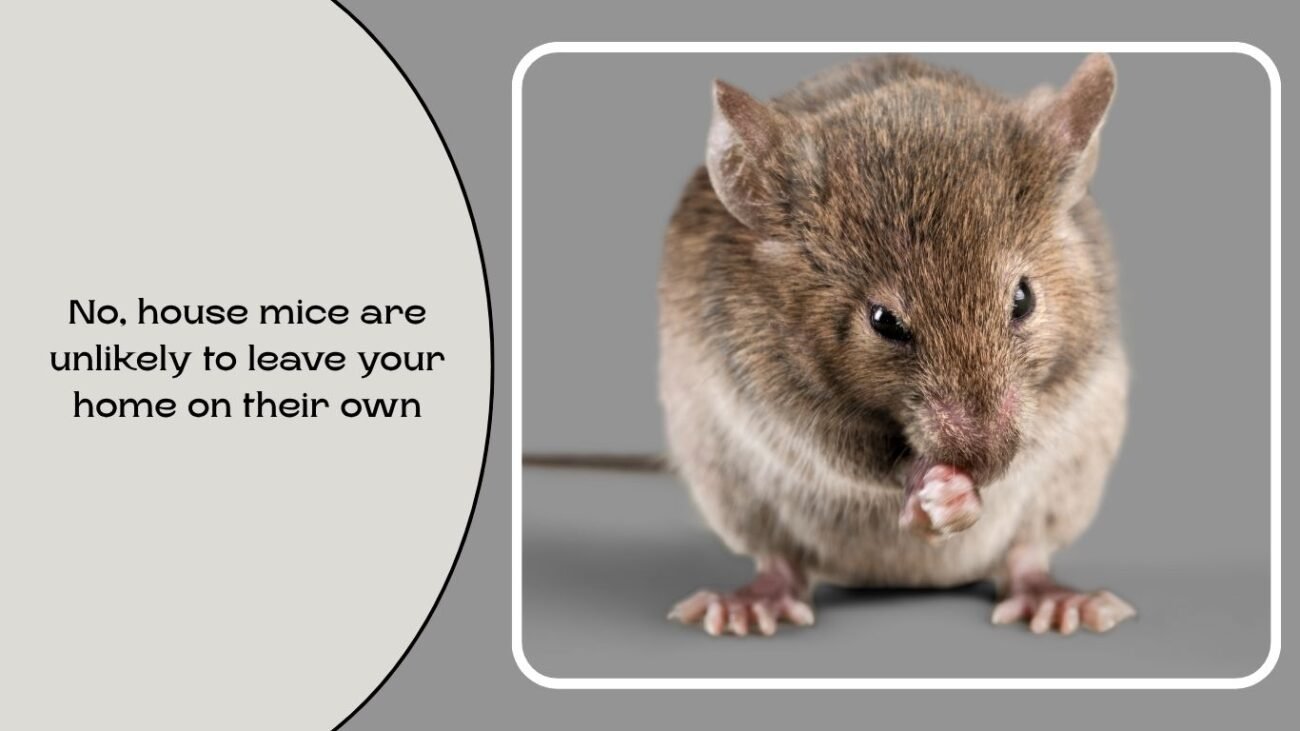
Unlikely. Once mice find shelter and food, they usually stay and reproduce rapidly. Unless the environment becomes hostile or food is removed, they won’t leave voluntarily. Trapping, sealing entry points, and eliminating food are key to evicting them.
40. What is the scientific name of a house mouse?
The scientific name of the house mouse is Mus musculus. It belongs to the rodent family Muridae and is found globally. This species has been studied extensively in labs and is well-known for its adaptability to human environments.
41. Do house mice carry hantavirus?
House mice rarely carry hantavirus. The primary carriers of this virus are deer mice and some other wild rodents. However, since it’s difficult to distinguish species indoors, it’s best to treat all rodent infestations with caution and maintain cleanliness to prevent exposure.
42. Should I kill a mouse in my house?
Killing a mouse is a personal decision, but the main goal should be removal and prevention. Humane traps, exclusion techniques, and sealing entry points are often more effective for long-term control. Killing one mouse may not solve the problem if others remain.
43. Can house mice survive outside in winter?
House mice can struggle in extreme cold, which is why they seek indoor shelter during winter. However, in milder climates or insulated outdoor shelters like garages or sheds, they may survive. Indoors offers more consistent food and warmth for them.
44. How many babies does a house mouse have?
A single female house mouse can give birth to 5 to 12 babies per litter, and she can have 5 to 10 litters per year. That means up to 100+ offspring annually, making infestations grow rapidly if left unchecked.
45. Why would there be a dead mouse in my house?
A dead mouse indoors could result from poison ingestion, aging, dehydration, or traps. It may also indicate an unnoticed infestation. If one mouse dies, others could still be active—prompting the need for further inspection and sanitation.