



Cranes are among the most graceful and iconic birds in the world, known for their elegant posture, synchronized dances, and long migrations. From the towering Sarus Crane to the high-flying Demoiselle, each species has its own unique charm. In this guide, you’ll discover 16 common types of cranes, exploring their key traits, habitats, behaviors, and the subtle differences that make each one fascinating.
1. Whooping Crane (Grus americana)

The Whooping Crane is the tallest and one of the rarest bird species in North America. With its elegant white body, black wingtips, and loud, trumpet-like call, it symbolizes hope in bird conservation, having been brought back from the brink of extinction.
Identification
- Height: Up to 5 feet tall
- Wingspan: About 7.5 feet
- White body with black wingtips (visible in flight)
- Red crown and black facial markings
- Long, straight, dark bill and long gray legs
Habitat
Primarily found in wetlands, marshes, and shallow coastal lagoons. Breeds in Wood Buffalo National Park (Canada) and winters in Aransas National Wildlife Refuge (Texas). Reintroduction programs have also established small populations in the eastern U.S.
Behavior
Whooping Cranes are known for their loud, resonant calls that can carry over a mile. They perform elaborate courtship dances with leaps, bows, and wing flaps. Monogamous pairs migrate long distances between breeding and wintering grounds.
Color Pattern
Striking pure white with black wingtips and a red-black face. Juveniles have a mix of cinnamon-brown and white as they transition into adult plumage. Their dramatic coloration makes them easily identifiable in flight.
2. Sandhill Crane (Antigone canadensis)

The Sandhill Crane is one of the most widespread and familiar crane species in North America. Known for its elegant form, bugling calls, and massive migratory flocks, it’s often seen in wetlands, prairies, and agricultural fields.
Identification
- Height: 3.5–4.5 feet
- Wingspan: 6–7 feet
- Gray body with a red crown
- Long dark bill and black legs
- Juveniles are more brownish with pale markings
Habitat
Breeds in northern U.S., Canada, and Siberia. Winters in the southern U.S., Mexico, and parts of Central America. Prefers open wetlands, grasslands, and river valleys, especially during migration.
Behavior
Forms large migratory flocks and performs graceful dances that include bowing, jumping, and wing spreading. Feeds on seeds, grains, insects, and small vertebrates. Known for synchronized flight and strong pair bonds.
Color Pattern
Mostly slate-gray with rusty patches (from preening with muddy water). Adults have a bold red patch on the forehead, giving them a distinctive look.
3. Common Crane (Grus grus)

The Common Crane is widespread across Europe and Asia, known for its stately posture, elegant flight, and resonant calls. It’s a symbol of luck and longevity in many cultures and is a regular migrant across the Eurasian continent.
Identification
- Height: 3.5–4 feet
- Wingspan: 6.5–8 feet
- Gray body with a white facial stripe and black throat
- Red crown and black-tipped wings
- Long black legs and neck
Habitat
Breeds in wetlands, bogs, and marshy forests across Europe and northern Asia. Winters in Africa, India, and parts of the Middle East. Prefers open areas near shallow water.
Behavior
Migrates in large V-shaped flocks, known for trumpet-like calls and soaring flight. Displays courtship dances involving leaping and bowing. Omnivorous diet includes grains, roots, insects, and small animals.
Color Pattern
Smooth gray plumage with a white stripe running from the eye down the neck. Contrasting black throat and flight feathers give them a refined, sharp look in flight and on land.
4. Siberian Crane (Leucogeranus leucogeranus)

The Siberian Crane is one of the most endangered crane species in the world, famous for its brilliant white body and long migratory journey. It breeds in the Arctic tundra of Russia and winters in select regions of China and Iran.
Identification
- Height: About 4.5 feet
- Wingspan: 7–8 feet
- Pure white body with black primary feathers (visible in flight)
- Long red facial skin and pale pink bill
- Long, slender legs and neck
Habitat
Breeds in remote tundra wetlands of Siberia and winters in shallow freshwater lakes and marshes in the Yangtze River basin (China) and wetlands in Iran. Strongly dependent on protected wetland habitats.
Behavior
Migrates thousands of miles between breeding and wintering grounds. Often forages by probing soft soil for roots, aquatic plants, and small invertebrates. Known for soft bugling calls and graceful dancing displays.
Color Pattern
Bright white overall with contrasting black wingtips during flight. The red, unfeathered face adds contrast and makes them easy to identify among other white birds.
5. Demoiselle Crane (Grus virgo)

The Demoiselle Crane is the smallest crane species and one of the most elegant, easily recognized by its slender build and graceful plumage. It is known for high-altitude migration across the Himalayas and its cultural significance in Asia.
Identification
- Height: About 3 feet
- Wingspan: 5.5–6 feet
- Light gray body
- Black chest and neck feathers with white ear tufts
- Red eyes and short dark bill
Habitat
Inhabits grasslands, steppes, and semi-deserts across Central Asia. Winters in India and parts of Africa, preferring open agricultural fields and shallow wetlands.
Behavior
Famous for high-altitude migration, flying over the Himalayas. Often seen in large flocks feeding on seeds and grains. Known for elaborate courtship dances and strong pair bonding.
Color Pattern
Graceful pale gray body with striking black chest and neck, and long white plumes behind the eyes. The contrast makes them one of the most beautiful and recognizable cranes.
6. Sarus Crane (Antigone antigone)

The Sarus Crane is the tallest flying bird in the world and is revered in parts of India for its beauty and lifelong monogamy. It is often found walking gracefully through flooded fields and wetlands.
Identification
- Height: Up to 6 feet
- Wingspan: 8–9 feet
- Pale gray body
- Bare red skin on head and upper neck
- Pinkish legs and long, straight bill
Habitat
Found in wetlands, marshes, rice paddies, and grasslands across the Indian subcontinent, Southeast Asia, and northern Australia. Prefers shallow wetlands near agricultural areas.
Behavior
Usually seen in pairs or small family groups. Performs elaborate dances with jumps, wing flutters, and synchronized movements. Diet includes tubers, seeds, insects, and small animals. Strongly territorial during breeding season.
Color Pattern
Soft gray body with a brilliant red head and upper neck, contrasted by white crown and pale wings. Their tall, upright stance and rich coloration make them stand out in open wetlands.
7. Wattled Crane (Bugeranus carunculatus)

The Wattled Crane is a majestic and rare crane species found in sub-Saharan Africa. It is the largest crane species on the continent and gets its name from the fleshy wattles hanging beneath its bill.
Identification
- Height: About 5.5 feet
- Wingspan: 8–9 feet
- White neck and upper body
- Gray wings and back
- Bare red facial skin with dangling white wattles
- Long dark bill and legs
Habitat
Prefers extensive, undisturbed wetlands in southern and eastern Africa, including floodplains, swamps, and marshes with shallow standing water and abundant vegetation.
Behavior
Feeds mainly on aquatic plants, tubers, and insects. Tends to be shy and avoids human settlements. Forms small family groups and performs slow, deliberate dances during courtship.
Color Pattern
Elegant mix of white, gray, and black with distinctive red face and white wattles. Their long neck and dignified posture make them one of Africa’s most striking waterbirds.
8. Hooded Crane (Grus monacha)

The Hooded Crane is a medium-sized, graceful crane species with a distinctive gray body and white head “hood.” It is primarily found in East Asia and is considered vulnerable due to habitat loss and limited wintering grounds.
Identification
- Height: About 3.3 feet
- Wingspan: 6–6.5 feet
- Slate-gray body with pure white head and upper neck
- Bare red patch around the eyes
- Black primaries and tail feathers
Habitat
Breeds in southern Siberia and winters in Japan, South Korea, and China, especially in protected wetland reserves and rice paddies.
Behavior
Migratory species that travels in flocks. Often forages in agricultural fields for grains and insects. Pairs form strong bonds and engage in subtle, synchronized courtship dances.
Color Pattern
Slate-gray body sharply contrasted by the white “hood” and red facial skin. In flight, the black primaries add dramatic flair against the sky.
9. Black-necked Crane (Grus nigricollis)
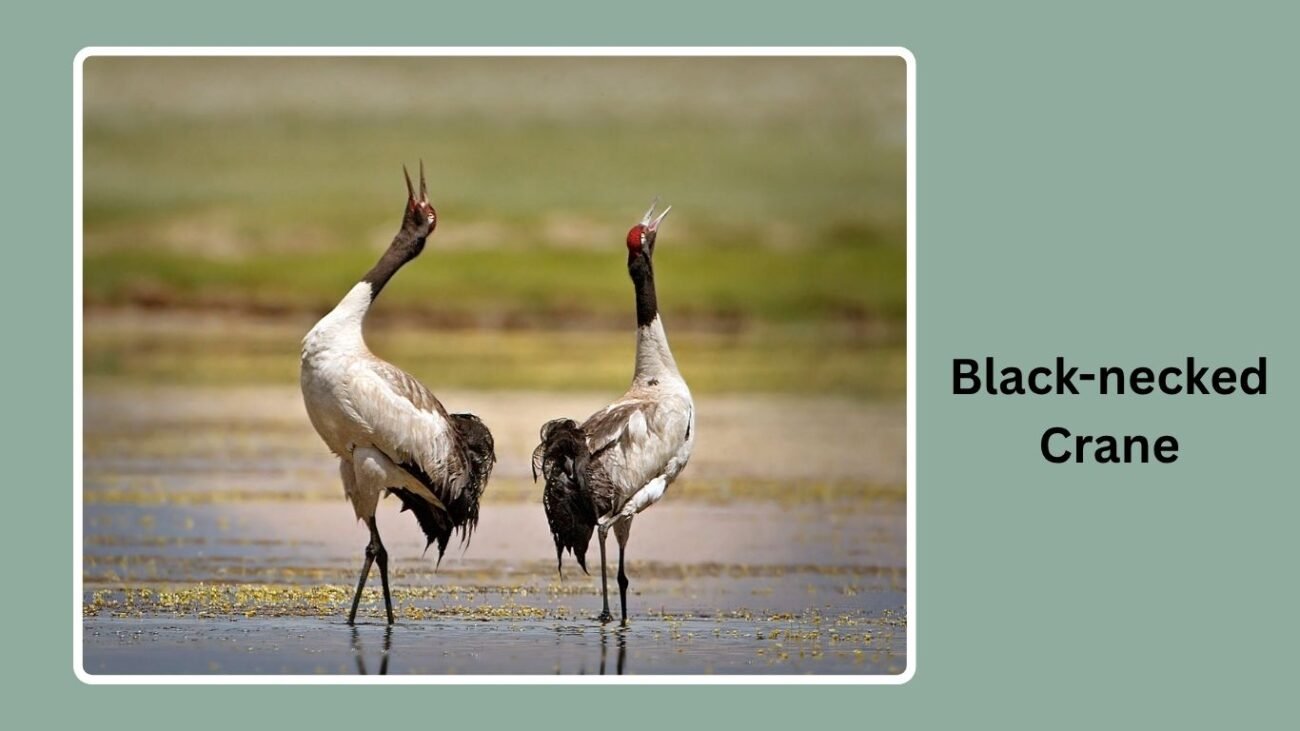
The Black-necked Crane is a high-altitude specialist found in the Tibetan Plateau and nearby regions. It’s deeply respected in local cultures and adapted to survive in some of the harshest environments where cranes live.
Identification
- Height: About 4.3 feet
- Wingspan: 7.5 feet
- Pale gray body
- Black head, neck, and tail
- Red crown patch and white patch behind the eyes
Habitat
Breeds in alpine wetlands and meadows of the Tibetan Plateau, Bhutan, and Ladakh. Winters in lower-altitude valleys in Bhutan, China, and India, often in barley fields and wetlands.
Behavior
Feeds on plant roots, tubers, grains, and invertebrates. Migrates in small flocks and often roosts in shallow water for safety. Known for synchronized flight and subtle, elegant courtship displays.
Color Pattern
Soft gray body beautifully offset by the black neck and head. The red crown and white facial markings enhance its bold, regal look.
10. Hooded Crane (Grus monacha)
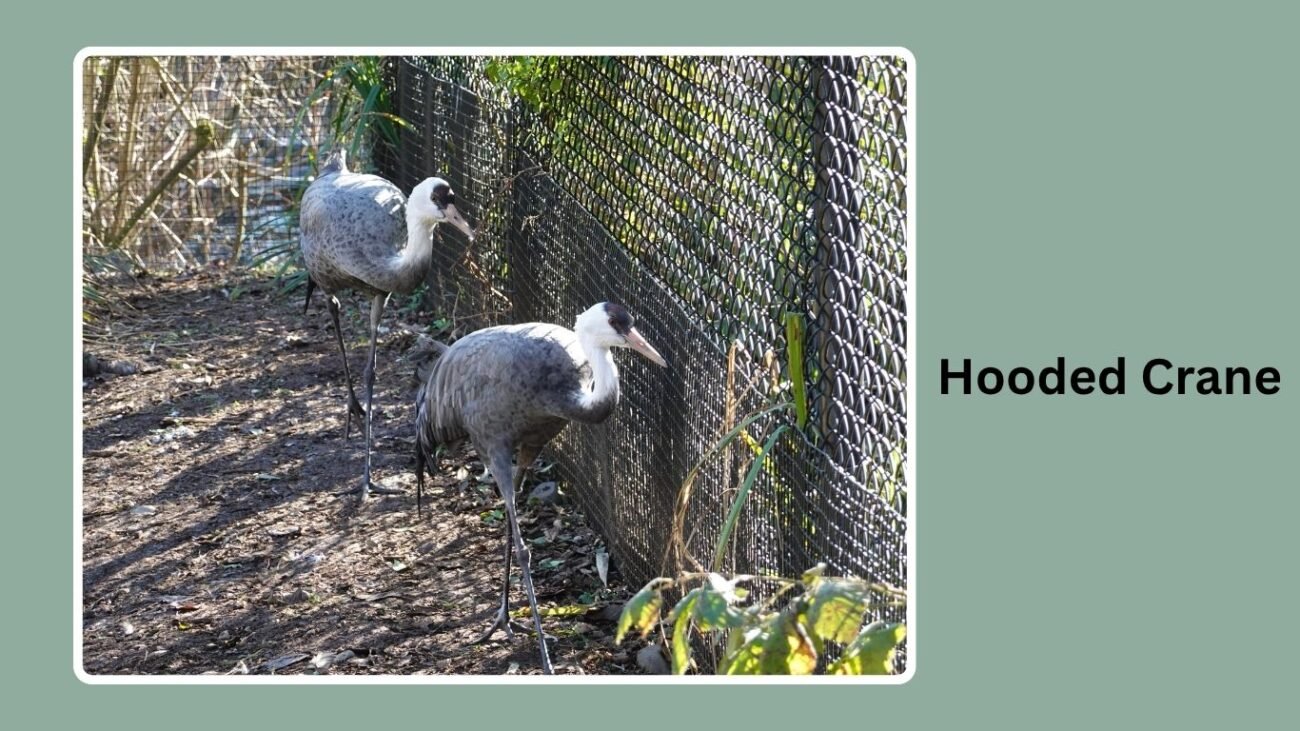
The Hooded Crane is a medium-sized, graceful crane species with a distinctive gray body and white head “hood.” It is primarily found in East Asia and is considered vulnerable due to habitat loss and limited wintering grounds.
Identification
- Height: About 3.3 feet
- Wingspan: 6–6.5 feet
- Slate-gray body with pure white head and upper neck
- Bare red patch around the eyes
- Black primaries and tail feathers
Habitat
Breeds in southern Siberia and winters in Japan, South Korea, and China, especially in protected wetland reserves and rice paddies.
Behavior
Migratory species that travels in flocks. Often forages in agricultural fields for grains and insects. Pairs form strong bonds and engage in subtle, synchronized courtship dances.
Color Pattern
Slate-gray body sharply contrasted by the white “hood” and red facial skin. In flight, the black primaries add dramatic flair against the sky.
ck neck and head. The red crown and white facial markings enhance its bold, regal look.
11. Red-crowned Crane (Grus japonensis)
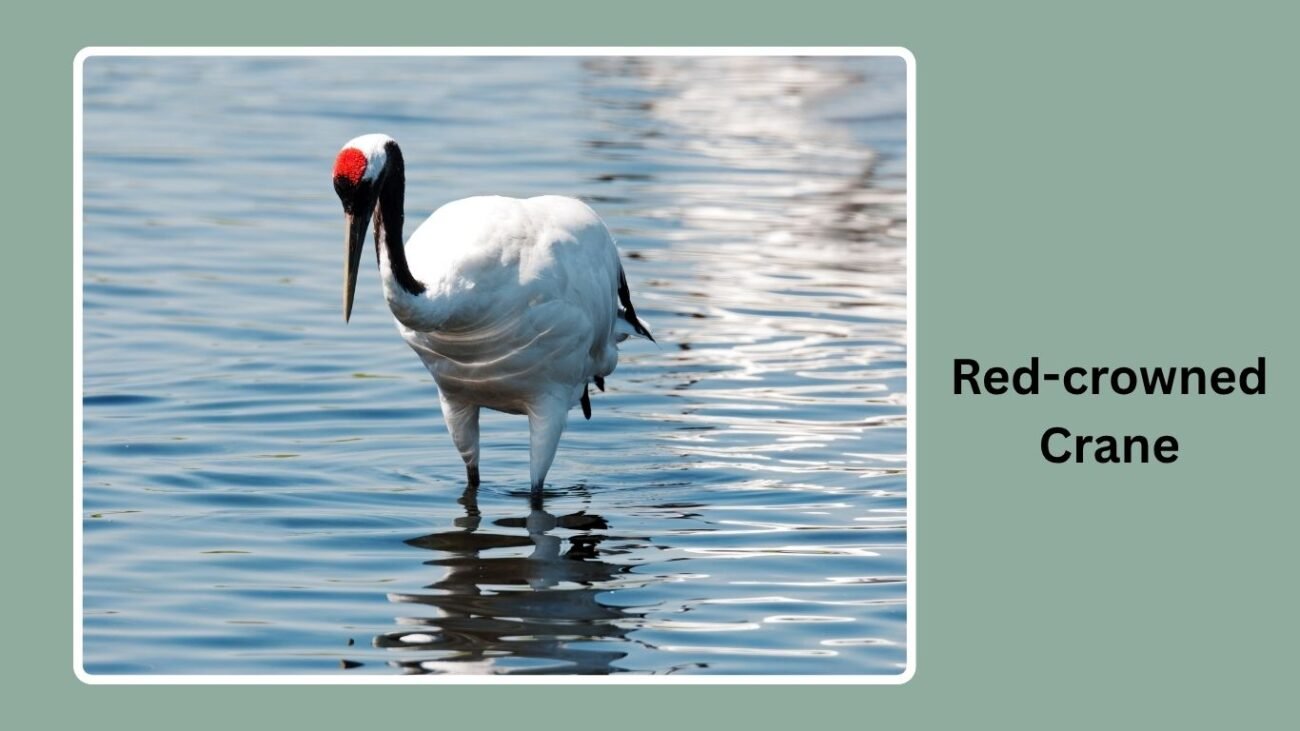
The Red-crowned Crane is one of the most iconic and culturally revered crane species in East Asia. Symbolizing longevity and fidelity, it’s featured in Japanese and Chinese folklore and is known for its elegant courtship dances.
Identification
- Height: About 5 feet
- Wingspan: 8–8.5 feet
- Snow-white body with black on wings and neck
- Distinct red patch of bare skin on top of the head
- Black legs and long, straight bill
Habitat
Breeds in northeastern China, eastern Russia, and Hokkaido (Japan). Winters in Korea and eastern China in wetlands, rice fields, and coastal estuaries.
Behavior
Forms long-term pair bonds and performs elaborate dances with bows, leaps, and trumpeting calls. Feeds on aquatic plants, insects, small fish, and grains. Very territorial during breeding.
Color Pattern
Bright white plumage with stark black on the neck and wings, and a vivid red crown. Their striking appearance makes them unmistakable in the field.
12. Blue Crane (Grus paradisea)
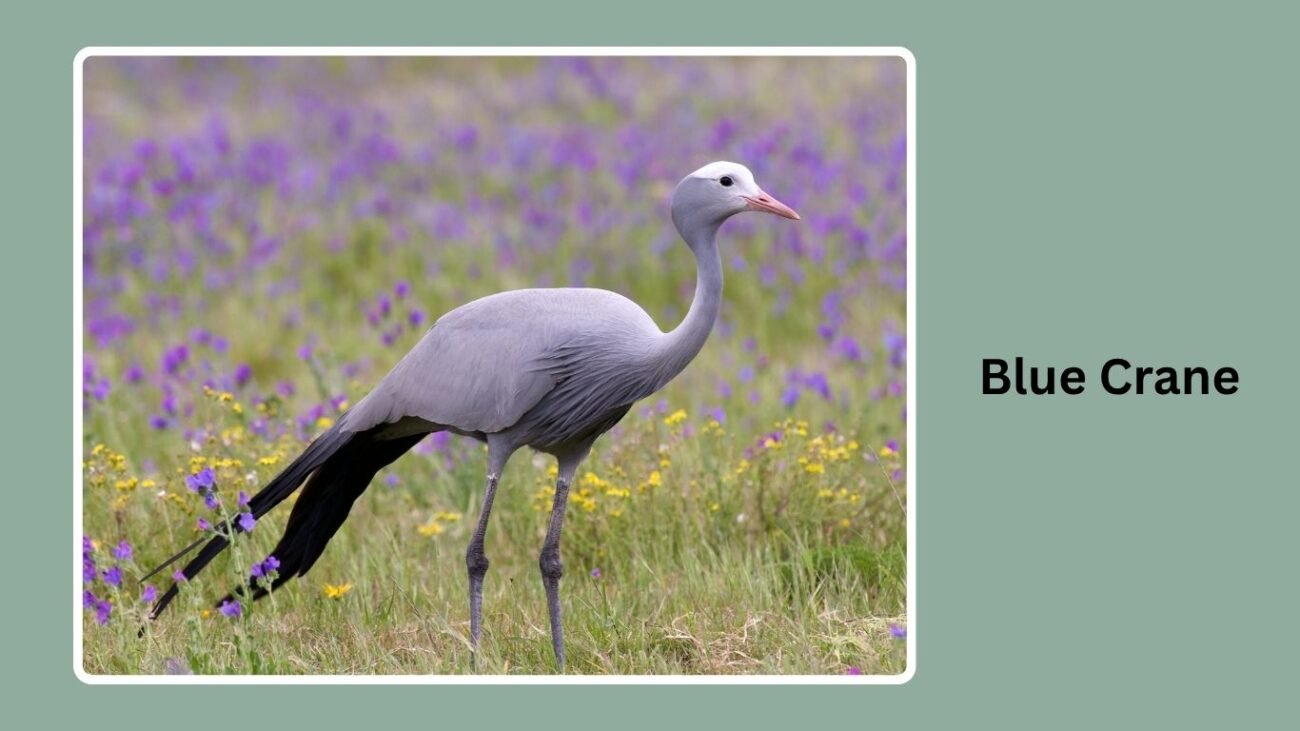
The Blue Crane is South Africa’s national bird and is known for its pale gray-blue plumage and elegant courtship movements. Though graceful and symbolic, it is classified as vulnerable due to habitat loss.
Identification
- Height: About 3.6 feet
- Wingspan: 6–7 feet
- Pale blue-gray body
- Long trailing black wing plumes
- Relatively small head and bill with dark gray legs
Habitat
Inhabits open grasslands, farmlands, and dry plains in South Africa. Sometimes seen in agricultural fields or near freshwater sources during breeding season.
Behavior
Often forms small groups outside the breeding season. Performs dramatic dances involving jumping, running, and tossing grass. Feeds mainly on seeds, insects, and small reptiles.
Color Pattern
Elegant pale bluish-gray feathers, with darker trailing plumes from the wings. Their refined posture and soft coloring give them a unique, distinguished look.
13. White-naped Crane (Antigone vipio)
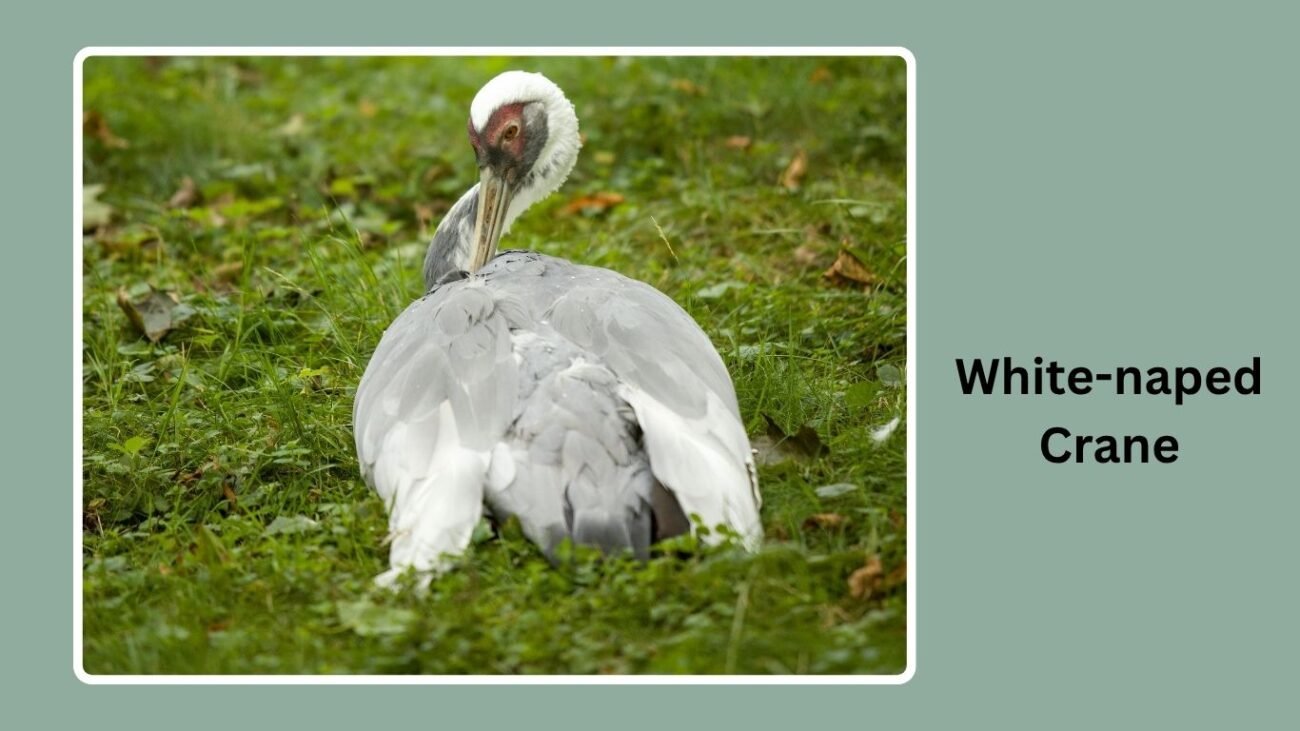
The White-naped Crane is a tall, elegant species found in East Asia, notable for its bold facial markings and dignified appearance. It’s considered vulnerable due to habitat fragmentation and limited breeding areas.
Identification
- Height: About 4.6 feet
- Wingspan: 7–8 feet
- Gray body with white nape (back of the neck) and crown
- Red skin around the eyes and upper face
- Blackish primary feathers and gray legs
Habitat
Breeds in wetlands and grasslands of Mongolia, northeastern China, and southeastern Russia. Winters in rice paddies and wetlands in China, Korea, and Japan.
Behavior
Migrates in family groups or small flocks. Dances during courtship involve bowing, wing spreading, and synchronized calls. Feeds on roots, grains, insects, and small vertebrates.
Color Pattern
Soft gray body with a distinct white neck and head stripe. The red facial skin and blackish wing feathers add contrast and elegance to its silhouette.
14. Brolga (Antigone rubicunda)
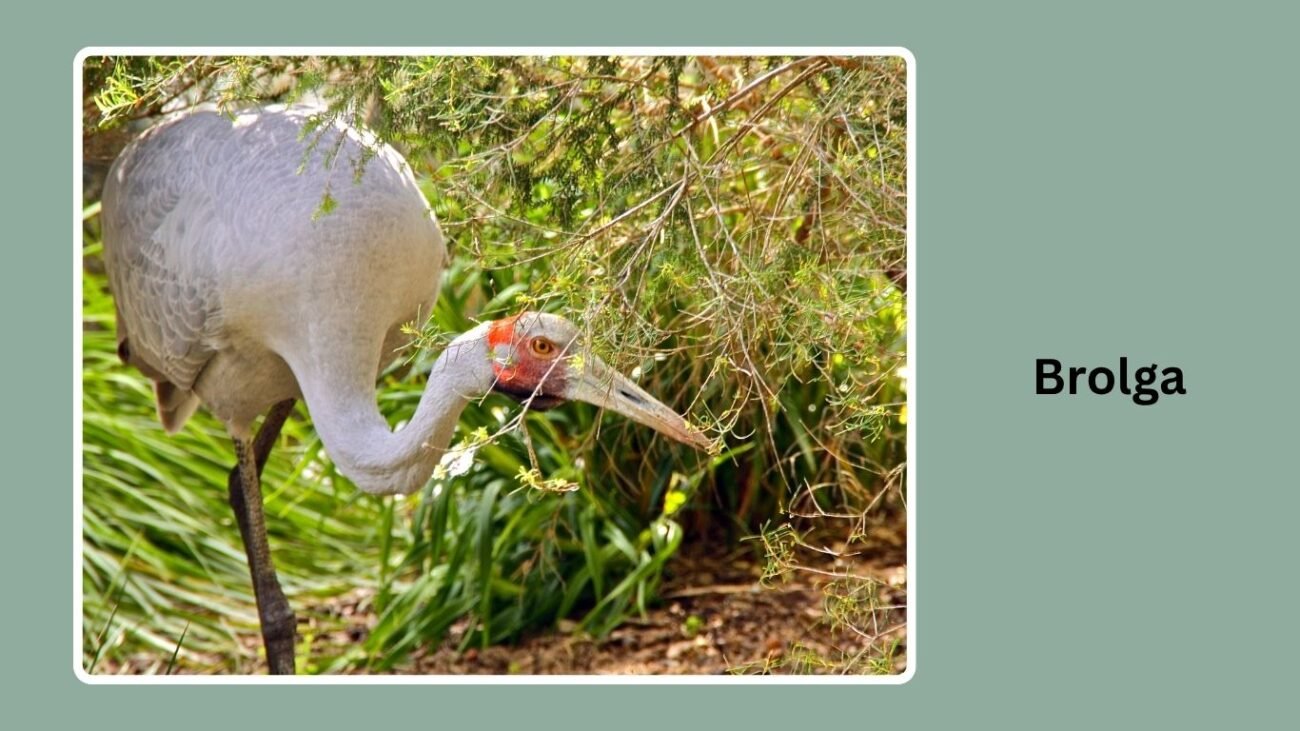
The Brolga is Australia’s most widespread crane species, celebrated for its elaborate and graceful mating dances. It thrives in tropical and subtropical wetlands and grasslands.
Identification
- Height: About 4.3 feet
- Wingspan: 7 feet
- Pale gray body
- Orange-red skin on the head and upper neck
- Black-tipped wings and grayish legs
Habitat
Found in northern and eastern Australia, and parts of New Guinea. Inhabits floodplains, swamps, and grassy wetlands, often near agricultural lands.
Behavior
Renowned for group dancing rituals that involve leaping, head bobbing, and trumpeting calls. Forages for plant roots, insects, and small animals in shallow water or fields.
Color Pattern
Light gray overall, with striking red coloration on the head and upper neck, and black wing tips visible in flight. Their tall stature and dance displays make them a captivating sight.
15. Eurasian Crane (Grus grus)
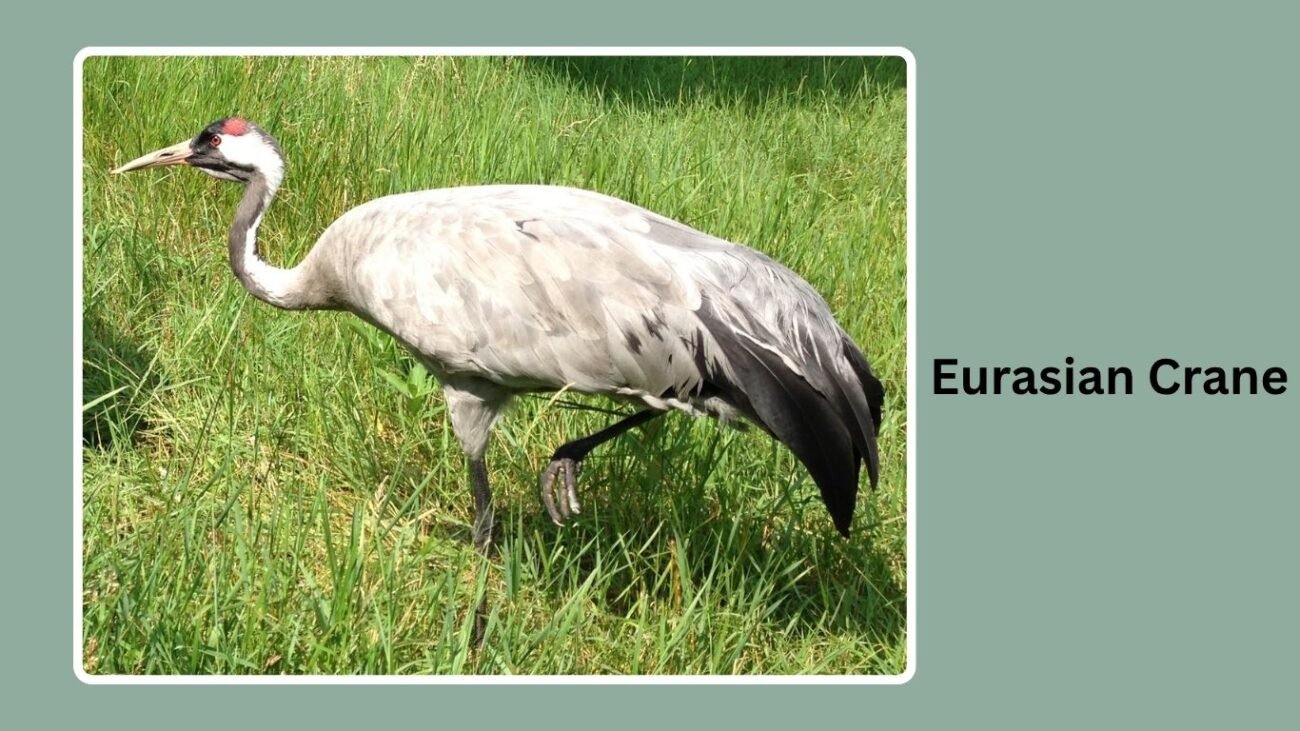
Also known as the Common Crane, the Eurasian Crane is a widespread and graceful species found across Europe and Asia. It is famous for its mass migrations and dramatic “dancing” during the breeding season.
Identification
- Height: About 4 feet
- Wingspan: 6.5–8 feet
- Gray body with black flight feathers
- White facial stripe and red crown patch
- Long black legs and straight bill
Habitat
Breeds in boreal forests and wetlands from Scandinavia to Siberia. Winters in southern Europe, northern Africa, the Middle East, and India—preferring marshes, floodplains, and agricultural fields.
Behavior
Migrates in large flocks, often seen flying in a “V” formation. Engages in courtship dances with wing flapping, leaps, and trumpeting. Omnivorous, feeding on grains, roots, insects, and small animals.
Color Pattern
Elegant gray plumage with black and white facial accents. The red crown adds a flash of color, making it easy to recognize in groups.
16. Caribbean Crane

(Note: No distinct species named “Caribbean Crane,” typically refers to vagrant Sandhill Cranes)
The so-called “Caribbean Crane” refers to Sandhill Cranes that occasionally migrate or get displaced into the Caribbean islands, particularly Cuba and occasionally the Bahamas.
Identification
- Same features as Sandhill Crane: gray body, red crown, black legs
- Often appear in pairs or small flocks
- Slightly smaller individuals are usually the Lesser Sandhill subspecies
Habitat
Observed in open grasslands, wetlands, and agricultural lands in Cuba and nearby islands. These are rare but regular winter visitors, especially when weather patterns shift their migration routes.
Behavior
Same as mainland Sandhill Cranes—form pairs, migrate long distances, and forage for grains and insects. Sometimes mix with resident birds in Cuba’s open fields and marshes.
Color Pattern
Slate-gray body with red cap and black wing tips in flight. Juveniles appear more brownish with less contrast.