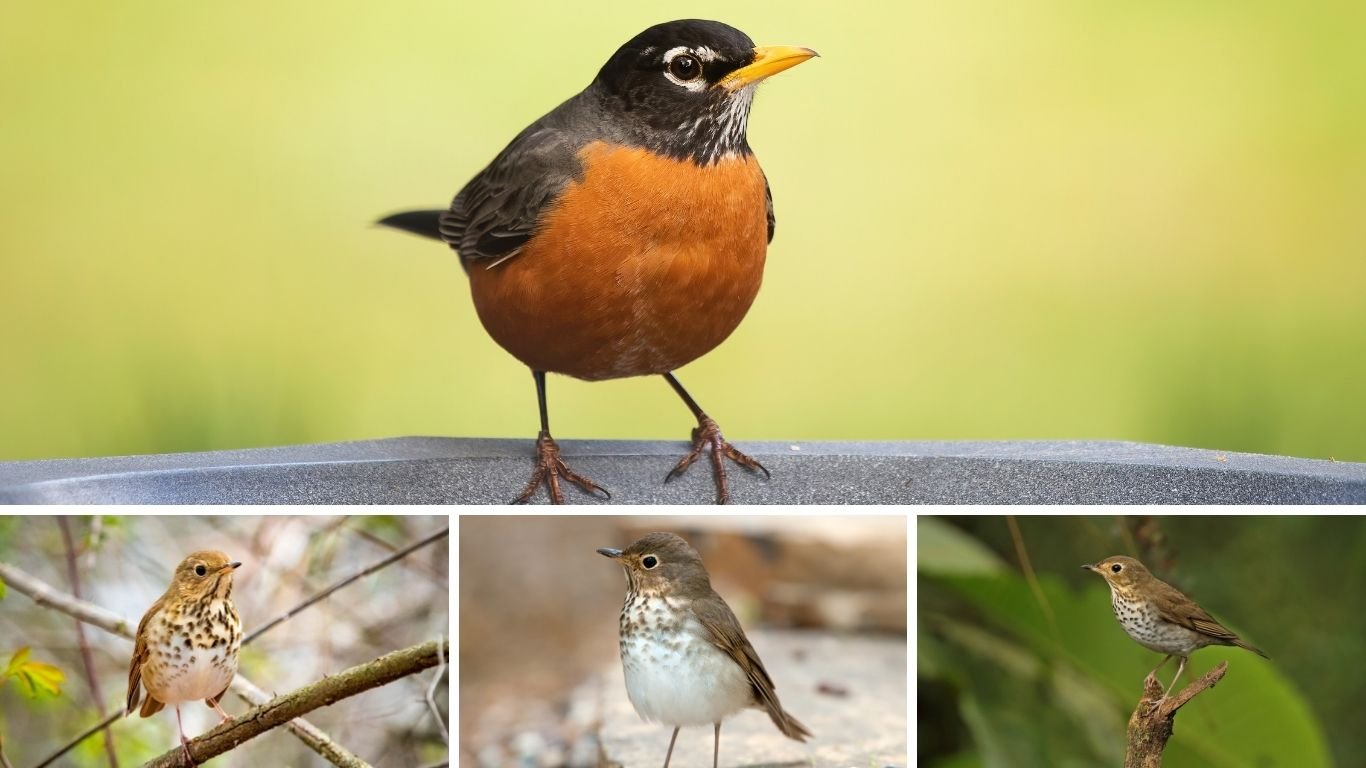
Thrushes are a diverse group of songbirds found all over the world, known for their melodic calls, spotted breasts, and secretive forest behavior. From the well-known American Robin to the elusive Siberian and Island Thrushes, each species has unique traits and habitat preferences. In this guide, you’ll discover 23 of the most common types of thrushes, with detailed identification and insights into their range, behavior, and best time to spot them.
1. American Robin
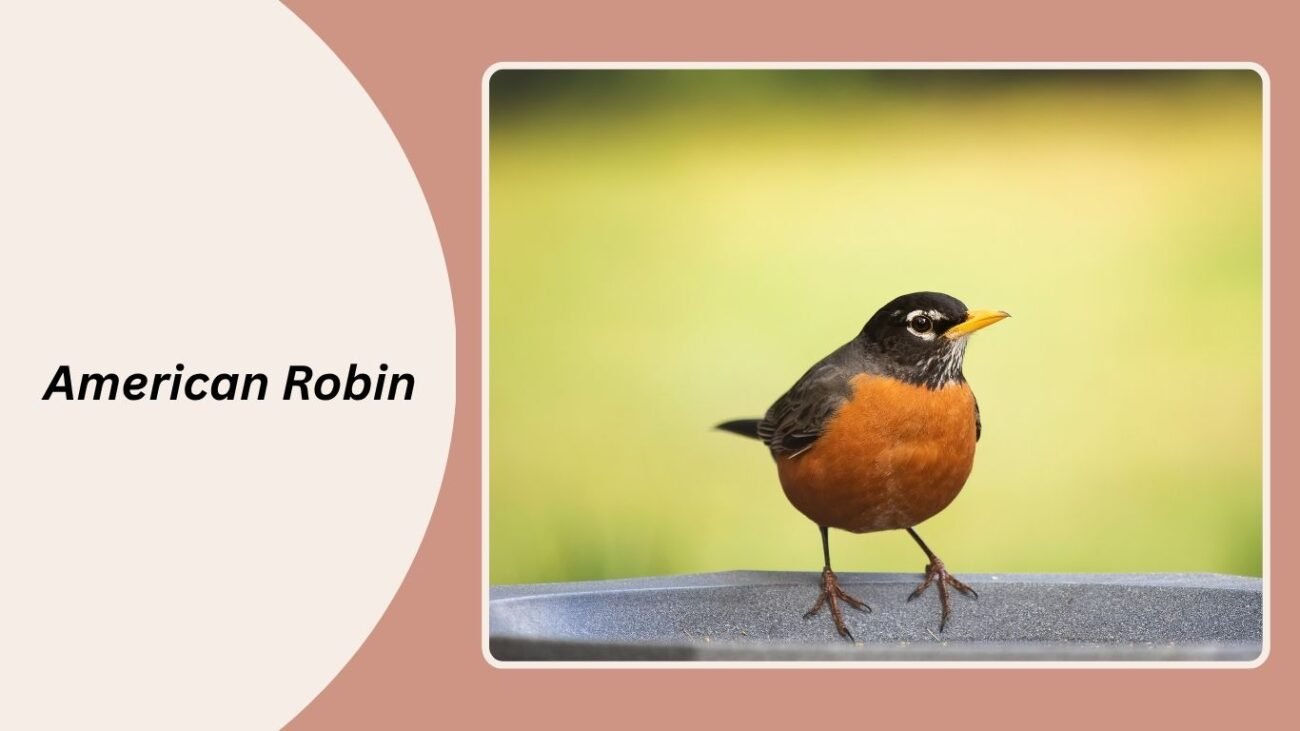
The American Robin (Turdus migratorius) is one of the most familiar and widespread thrushes in North America. Known for its bright orange-red breast, grayish back, and cheerful song, it’s often associated with the arrival of spring.
Identification
- Color: Orange-red breast, gray back, white lower belly
- Size: About 10 inches (25 cm) long
- Bill: Yellow with a slight curve
- Eyes: White eye arcs that resemble spectacles
- Tail: Dark with white corners visible in flight
Habitat and Range
American Robins thrive in suburban yards, parks, woodlands, and fields across the U.S., Canada, and Mexico. They are adaptable and often seen hopping on lawns in search of earthworms.
Behavior
- Feeds on insects, worms, and berries
- Sings a melodic “cheerily, cheer up” song, especially at dawn
- Builds nests in trees, eaves, or on shelves using mud and grass
Best Time to Spot
Most visible in spring and summer, especially early morning and late afternoon. Many migrate south in winter, though some stay year-round in milder climates.
2. Wood Thrush

The Wood Thrush (Hylocichla mustelina) is celebrated for its rich, flute-like song echoing through eastern North American forests. It has a warm brown back and bold black spots on its white underparts, making it easy to recognize.
Identification
- Color: Warm reddish-brown upperparts
- Breast: White with large black spots
- Eyes: Large and dark with a pale eyering
- Bill: Dark with a paler base
- Legs: Pale pinkish
Habitat and Range
Found primarily in deciduous and mixed forests in eastern North America. Prefers mature woods with a dense understory and moist soil.
Behavior
Wood Thrushes forage on the forest floor for insects, snails, and berries. They sing beautiful, echoing songs often heard at dawn and dusk. Males are particularly territorial during breeding season.
Best Time to Spot
Late spring to early fall during breeding season. Migrates to Central America for winter.
3. Hermit Thrush

The Hermit Thrush (Catharus guttatus) is a small, subtly colored bird known for its ethereal and flute-like song. It’s the only spotted thrush that winters in much of the U.S.
Identification
- Color: Brownish back with a reddish tail
- Breast: White with distinct dark spots
- Eyes: Bold white eyering
- Size: Smaller than American Robin
- Legs: Thin and pinkish
Habitat and Range
Inhabits coniferous and mixed forests in the northern and western U.S. during breeding, and moves to southern woodlands and thickets in winter.
Behavior
Often forages alone, flicking its tail upwards. Eats insects and berries. Its soft, spiraling song is heard especially in the early morning or late evening.
Best Time to Spot
Late fall through early spring in southern parts of the U.S.; summer in northern breeding areas.
4. Swainson’s Thrush

Swainson’s Thrush (Catharus ustulatus) is a secretive forest bird known for its upward-spiraling song and subtle plumage. Often heard more than seen, it breeds in northern forests and migrates long distances.
Identification
- Color: Olive-brown upperparts
- Breast: Pale with blurry, olive-brown spots
- Eyering: Buff-colored, giving a “spectacled” look
- Bill: Thin and slightly curved
- Tail: Matches upperparts with no strong contrast
Habitat and Range
Found in coniferous and mixed forests across Canada, the Pacific Northwest, and parts of the northern U.S. during breeding. Migrates through Central America to winter in South America.
Behavior
Swainson’s Thrush feeds on insects and berries, often in low shrubs or on the forest floor. It sings a haunting, rising “veer-veer-veer” song during dawn and dusk. It’s most active in thick cover and moves with gentle hops.
Best Time to Spot
Late spring and summer in breeding areas. Best found during migration in spring and fall when they pass through much of the U.S.
5. Veery

The Veery (Catharus fuscescens) is a warm-toned thrush with a soft, descending song. More reddish than other spotted thrushes, it is one of the most vocal and least spotted in dense woodlands.
Identification
- Color: Rich cinnamon-brown upperparts
- Breast: Pale with faint brown spotting
- Eyering: Faint and pale
- Bill: Slim, dark with pale base
- Legs: Pinkish
Habitat and Range
Prefers moist, deciduous forests with dense understory in eastern North America. Often found near streams or swampy areas during breeding season.
Behavior
Veeries forage quietly for insects, snails, and fruit, often flipping leaves on the forest floor. Their song is a series of downward spirals, sounding like a ghostly echo—distinct among thrushes.
Best Time to Spot
Spring and summer during breeding in the northeastern U.S. and southeastern Canada. Migrates to South America for the winter. Most active at dawn and dusk.
6. Varied Thrush

The Varied Thrush (Ixoreus naevius) is a striking bird of the Pacific Northwest, often called the “robin of the rainforest” due to its similar shape but more vivid markings.
Identification
- Color: Slate-blue upperparts with orange breast and eyebrow
- Breast Band: Bold dark band across chest
- Wings: Black with two orange wing bars
- Bill: Straight and dark
- Tail: Dark with orange edges
Habitat and Range
Inhabits dense, moist coniferous forests of the Pacific Northwest and western Canada. Occasionally visits feeders and urban parks during winter when snow covers higher elevations.
Behavior
Feeds on insects, seeds, and berries, often foraging in leaf litter. The Varied Thrush’s song is a long, eerie, buzzy whistle—each note held for a few seconds and spaced with silence.
Best Time to Spot
Winter in lower elevations or along the coast. Breeds in mountain forests during late spring and summer.
7. Song Thrush
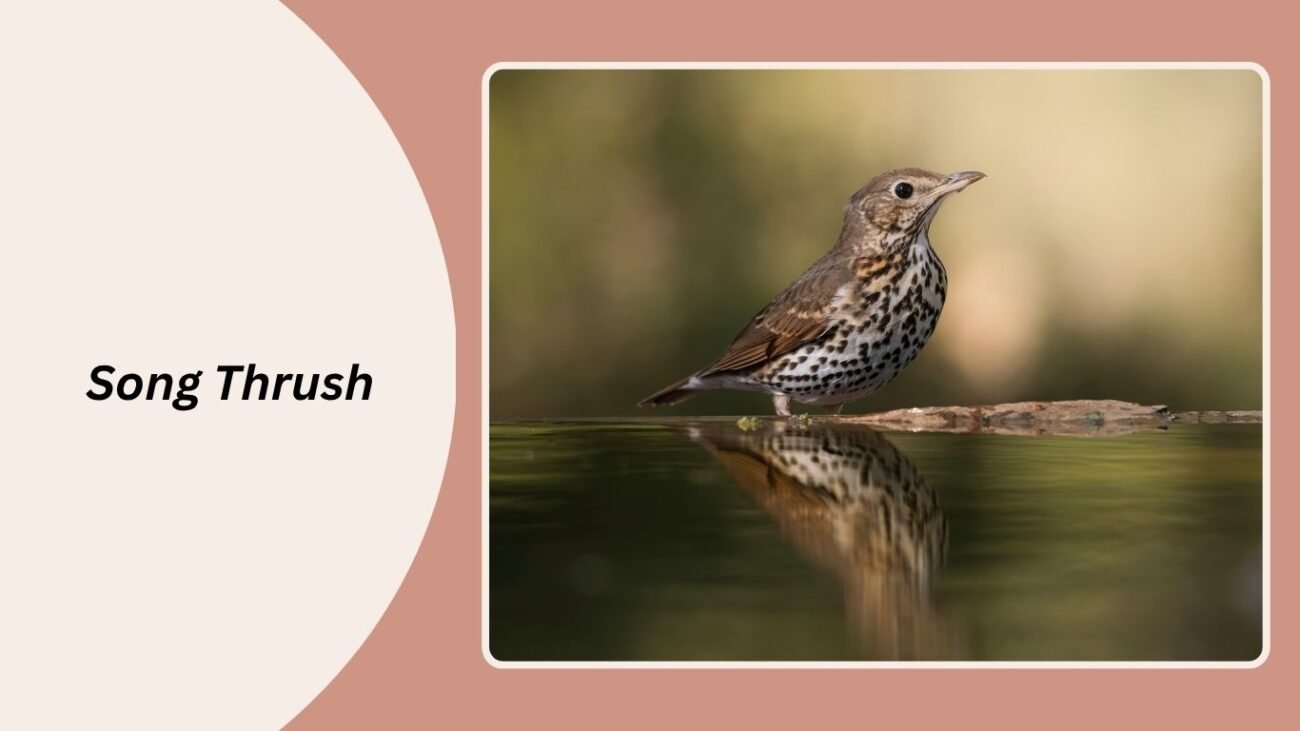
The Song Thrush (Turdus philomelos) is a widespread European thrush with a loud, clear song that repeats musical phrases. It is a familiar garden and woodland bird.
Identification
- Color: Warm brown upperparts
- Breast: Creamy with bold dark spots shaped like arrowheads
- Eyes: Dark with a white eyering
- Bill: Short and dark
- Size: Medium-sized thrush, slightly smaller than a blackbird
Habitat and Range
Common across woodlands, parks, and gardens in Europe and western Asia. It prefers areas with dense underbrush for nesting and open lawns for feeding.
Behavior
Often forages on lawns for worms and snails—cracking snail shells on rocks. The Song Thrush sings from treetops or roofs, repeating short musical phrases two or three times in a row.
Best Time to Spot
Year-round in many parts of Europe, especially during spring when its singing is most frequent. Most active early morning and late afternoon.
8. Mistle Thrush
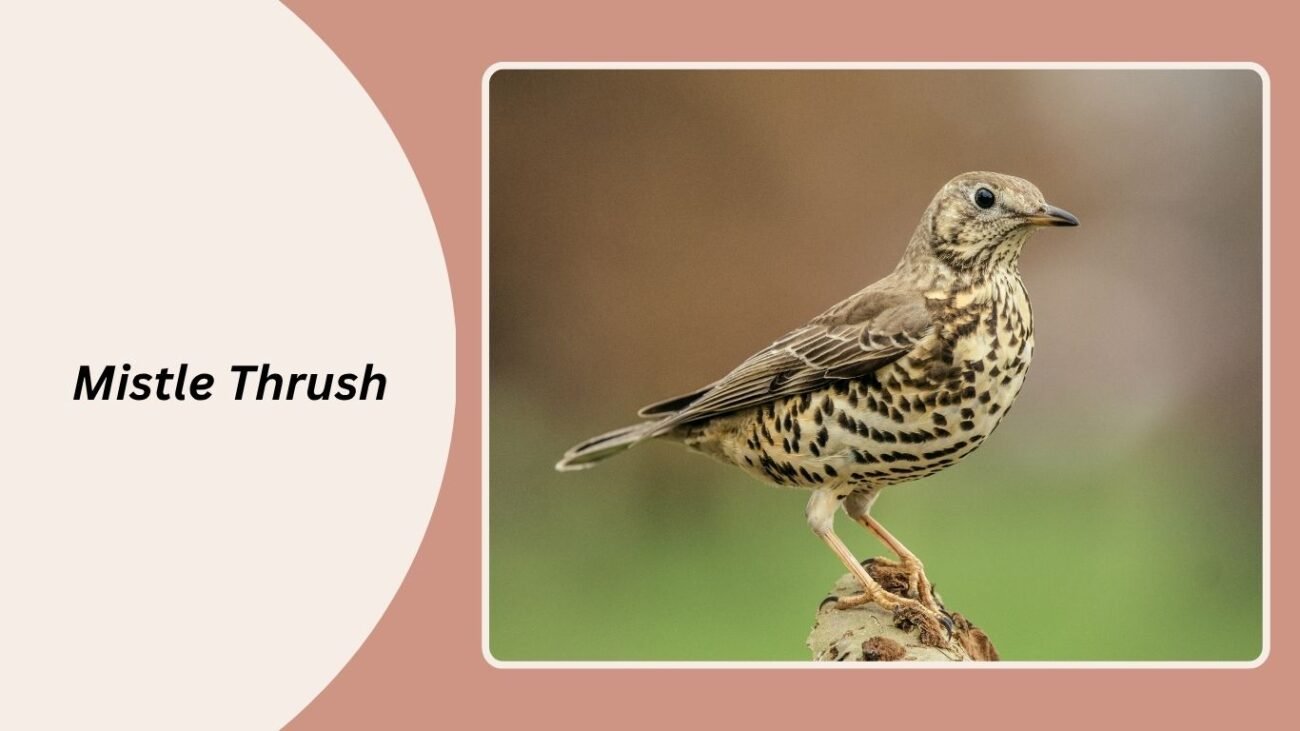
The Mistle Thrush (Turdus viscivorus) is the largest thrush in Europe, known for its bold behavior, rattling flight call, and love for mistletoe berries.
Identification
- Color: Pale grayish-brown upperparts
- Breast: Creamy white with large round black spots
- Size: Larger and longer-bodied than the Song Thrush
- Tail: Long with white outer feathers
- Bill: Strong and dark
Habitat and Range
Found throughout Europe, western Asia, and parts of North Africa. Prefers open woodlands, farmland edges, parks, and large gardens with scattered trees.
Behavior
Often feeds on the ground in open areas, searching for worms, insects, and berries—especially mistletoe in winter. Its loud, dry rattling call is a common sound during flight. Mistle Thrushes defend berry-laden trees in winter.
Best Time to Spot
Visible year-round across most of its range. Best seen in open habitats, especially in autumn and winter when it forages more visibly.
9. Fieldfare
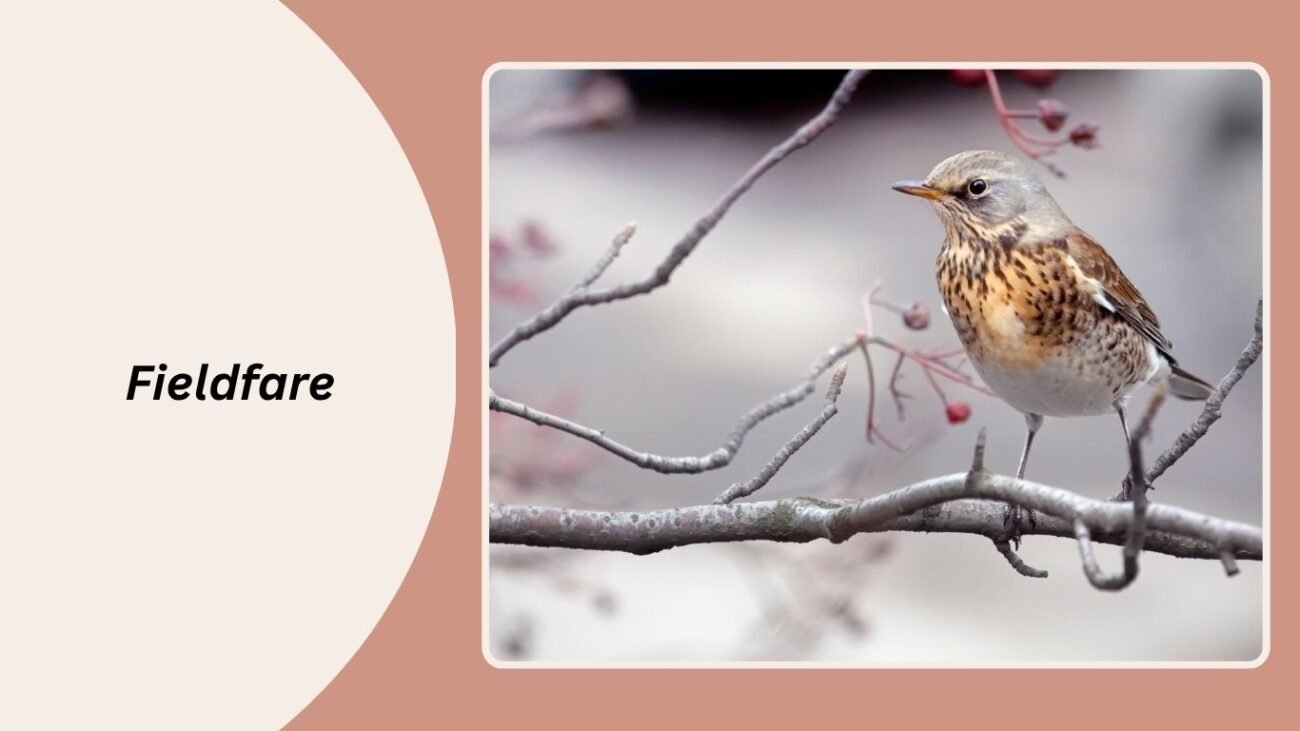
The Fieldfare (Turdus pilaris) is a bold and social thrush, often seen in large flocks in open countryside during the winter months.
Identification
- Color: Gray head and rump, chestnut back, and black tail
- Breast: Pale with dense dark spots and an orange wash
- Wings: Long and pointed
- Size: About the same size as a Mistle Thrush
- Bill: Yellow with a dark tip
Habitat and Range
Breeds in northern and eastern Europe, migrating to central and southern Europe, North Africa, and parts of western Asia in winter. Prefers open fields, farmlands, and forest edges.
Behavior
Fieldfares forage in flocks, feeding on fallen fruit, berries, and invertebrates. When threatened, they may mob predators as a group. Their calls are harsh and chattering, often heard before they’re seen.
Best Time to Spot
Winter, especially in open countryside, orchards, or berry-laden hedgerows. They arrive in autumn and stay through early spring.
10. Redwing
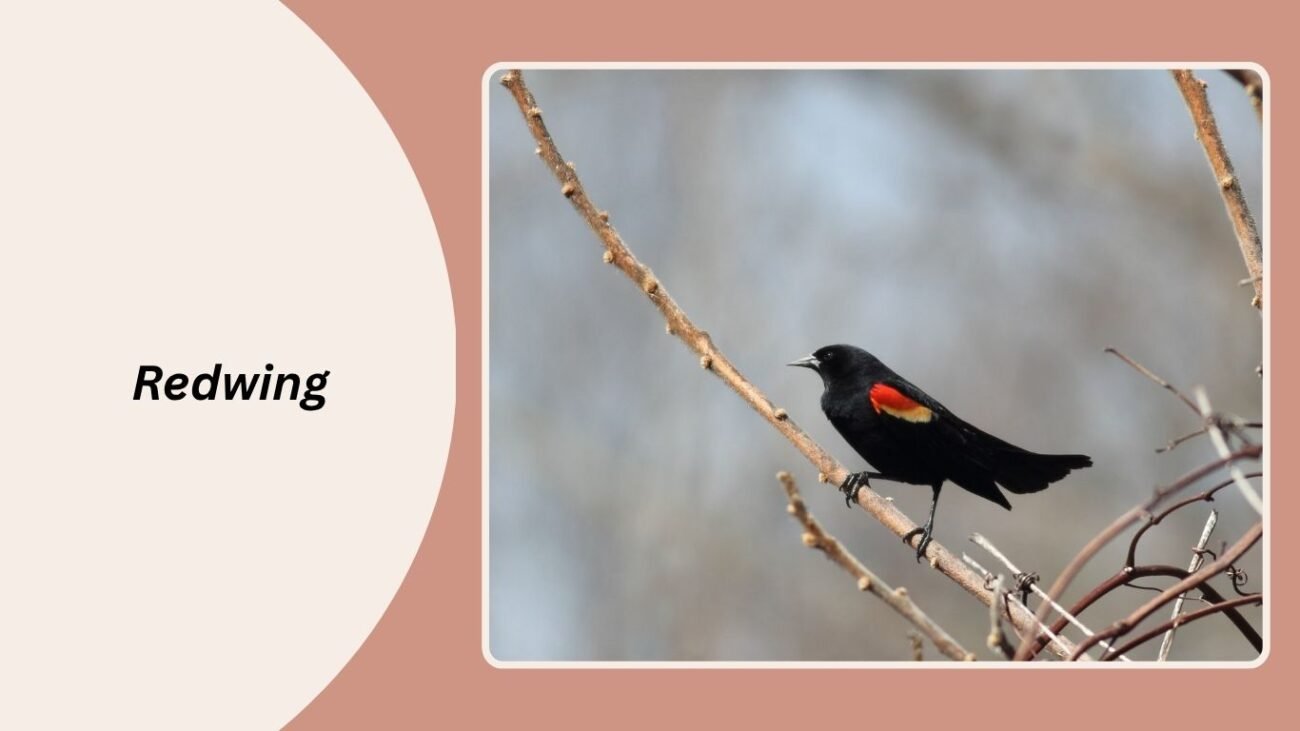
The Redwing (Turdus iliacus) is a small, migratory thrush known for the striking red-orange patches under its wings and creamy eyebrow stripe.
Identification
- Color: Brown upperparts
- Breast: Pale with streaked dark spots
- Flanks: Distinctive reddish-orange patches
- Eyebrow: Bold, pale cream line above the eye
- Size: Smaller than Song Thrush, about 20 cm long
Habitat and Range
Breeds in northern Europe and Asia. Winters in western and southern Europe, North Africa, and the Middle East. Found in woodlands, hedgerows, farmlands, and parks during migration and winter.
Behavior
Often seen in flocks, especially mixed with Fieldfares, feeding on berries and invertebrates. Redwings are shy and often fly up with a soft “seep-seep” call when disturbed.
Best Time to Spot
Best seen during late autumn and winter in southern parts of their range. Look for them feeding on hawthorn or rowan berries.
11. Blackbird (Common Blackbird)
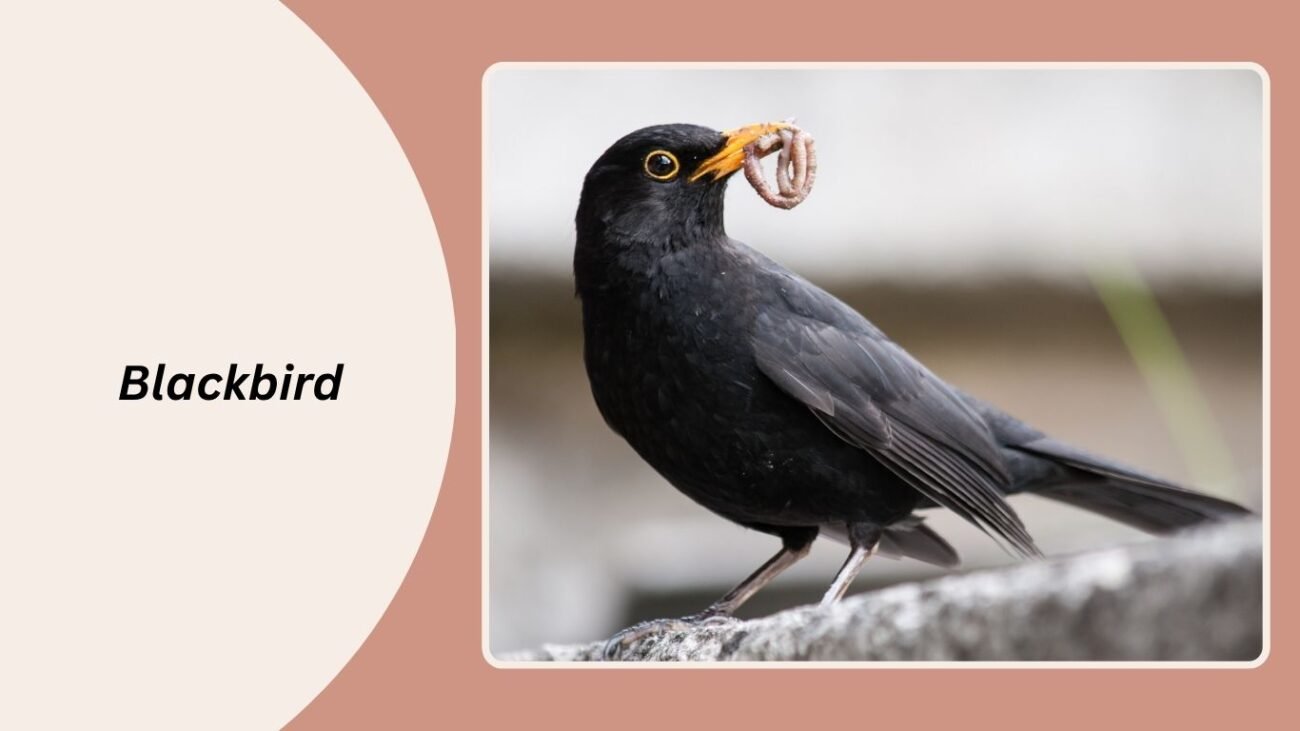
The Common Blackbird (Turdus merula) is one of the most familiar and beloved birds across Europe, easily recognized by the male’s jet-black plumage and orange-yellow beak.
Identification
- Male: Entirely black with a bright yellow-orange beak and eye-ring
- Female: Dark brown with mottled breast and duller beak
- Juveniles: Speckled brown, resembling a Song Thrush
- Size: Medium, about 24 cm in length
- Tail: Long and rounded
Habitat and Range
Widespread across Europe, Asia, and parts of North Africa. Found in gardens, parks, forests, and urban areas—highly adaptable.
Behavior
Feeds on worms, insects, and fruit, often hopping across lawns. Its melodious, fluting song is commonly heard at dawn and dusk, especially from rooftops or tall trees.
Best Time to Spot
Year-round resident in most of its range. Active year-round and especially vocal during spring and early summer.
12. Eyebrowed Thrush
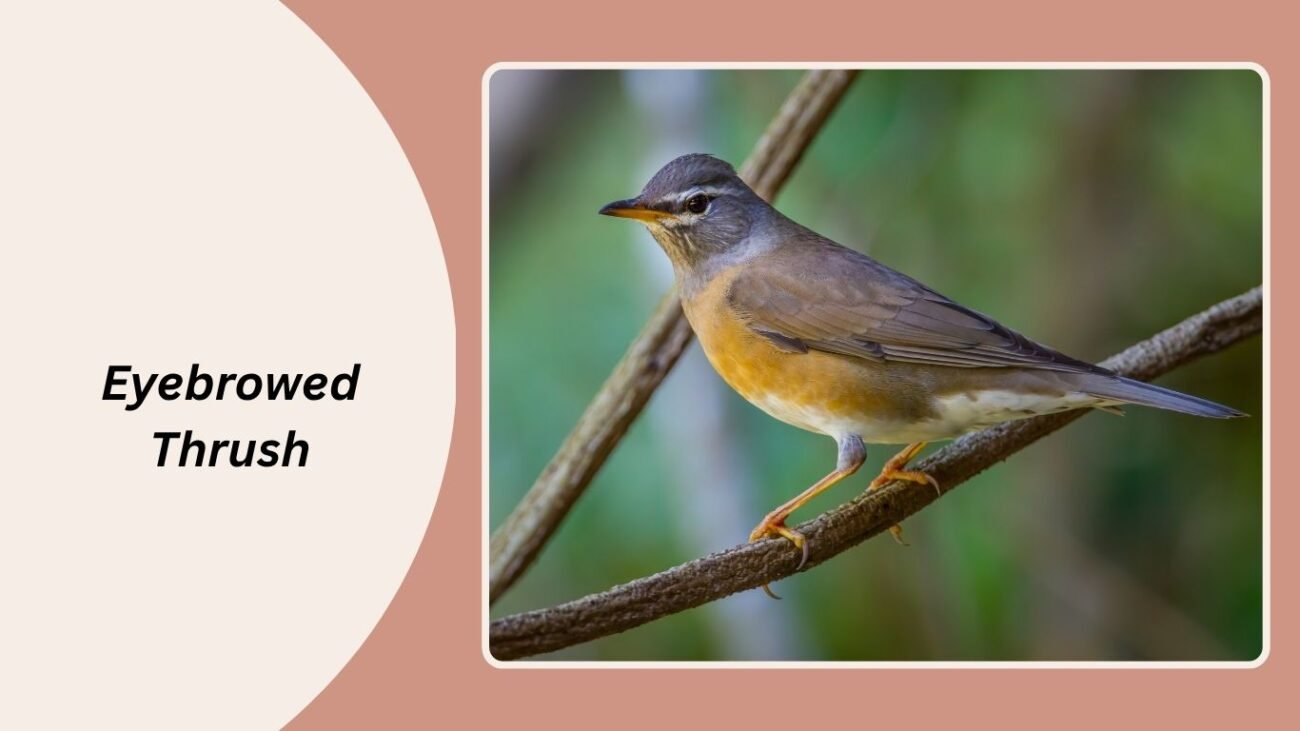
The Eyebrowed Thrush (Turdus obscurus) is a migratory Asian thrush with a clean and neat appearance, named for the pale eyebrow stripe that gives it a sharp, alert look.
Identification
- Color: Slate-gray head and upperparts
- Breast: Orangish or buff with clean edges
- Eyebrow: Distinct white stripe above the eye
- Belly: Pale to white
- Bill: Short, dark with yellowish base
Habitat and Range
Breeds in Siberian forests and migrates to Southeast Asia during winter. Occasionally spotted in western Europe during migration. Prefers forest edges, parks, and fruiting trees.
Behavior
Shy and quiet, it forages in low branches and on the ground for insects and fruit. Often found in mixed flocks during winter migration. Rarely sings during migration.
Best Time to Spot
Winter in Southeast Asia; rare but possible vagrant sightings in western Europe during migration months.
13. Dusky Thrush
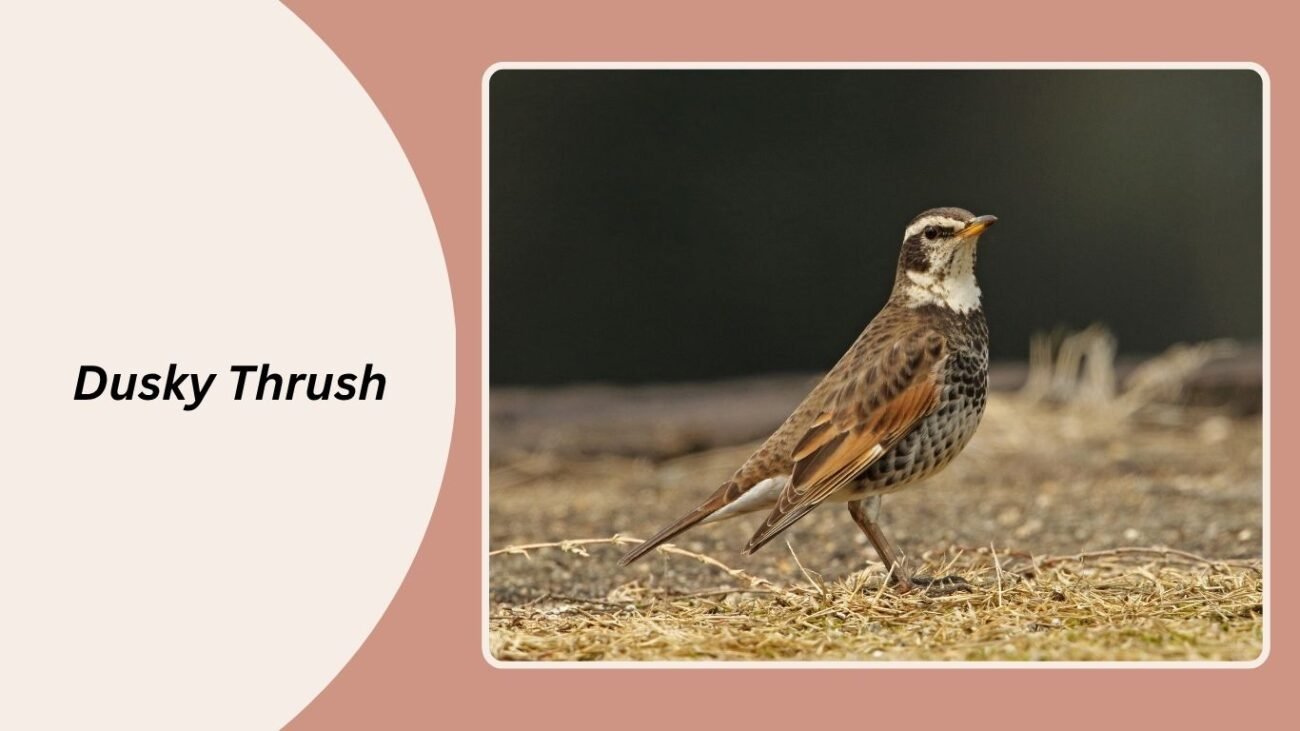
The Dusky Thrush (Turdus eunomus) is a striking migratory thrush from East Asia, admired for its bold black streaks and pale face.
Identification
- Color: Brown upperparts with bold black-and-white streaks on breast
- Face: White with black markings across the cheeks and eyes
- Wings: Brown with some rufous tones
- Belly: Pale to white
- Tail: Dark brown
Habitat and Range
Breeds in Siberia and migrates to China, Korea, and Japan during winter. Occasionally seen as a rare vagrant in Europe. Prefers open woodlands, parks, and berry-covered shrubs.
Behavior
Feeds mostly on berries, insects, and seeds. Can be found foraging on open ground or low trees. Dusky Thrushes are usually quiet, emitting soft “chuk” calls.
Best Time to Spot
Best seen in winter in East Asia. Late fall and early spring are peak migration periods. Rare in Europe, but occasional vagrants appear in winter.
14. Naumann’s Thrush
Naumann’s Thrush (Turdus naumanni) is a close relative of the Dusky Thrush, sharing similar features but with warmer, more rufous coloration and cleaner facial patterns.
Identification
- Color: Rufous tones on the face, flanks, and breast
- Breast: Pale with reddish-brown streaks
- Face: Light with fine markings; less contrasting than Dusky Thrush
- Wings: Brown with some rufous patches
- Belly: Whitish to pale gray
Habitat and Range
Breeds in eastern Siberia and northern Mongolia. Winters in China and parts of Southeast Asia. Prefers forest edges, scrublands, and farmlands during migration and winter.
Behavior
Feeds on berries, fruits, and ground-dwelling insects. Often seen in mixed flocks with Dusky Thrushes. Uses short hopping movements and forages in open spaces.
Best Time to Spot
Late autumn through early spring in East Asia. Occasionally seen in migration along the eastern flyways.
15. Siberian Thrush
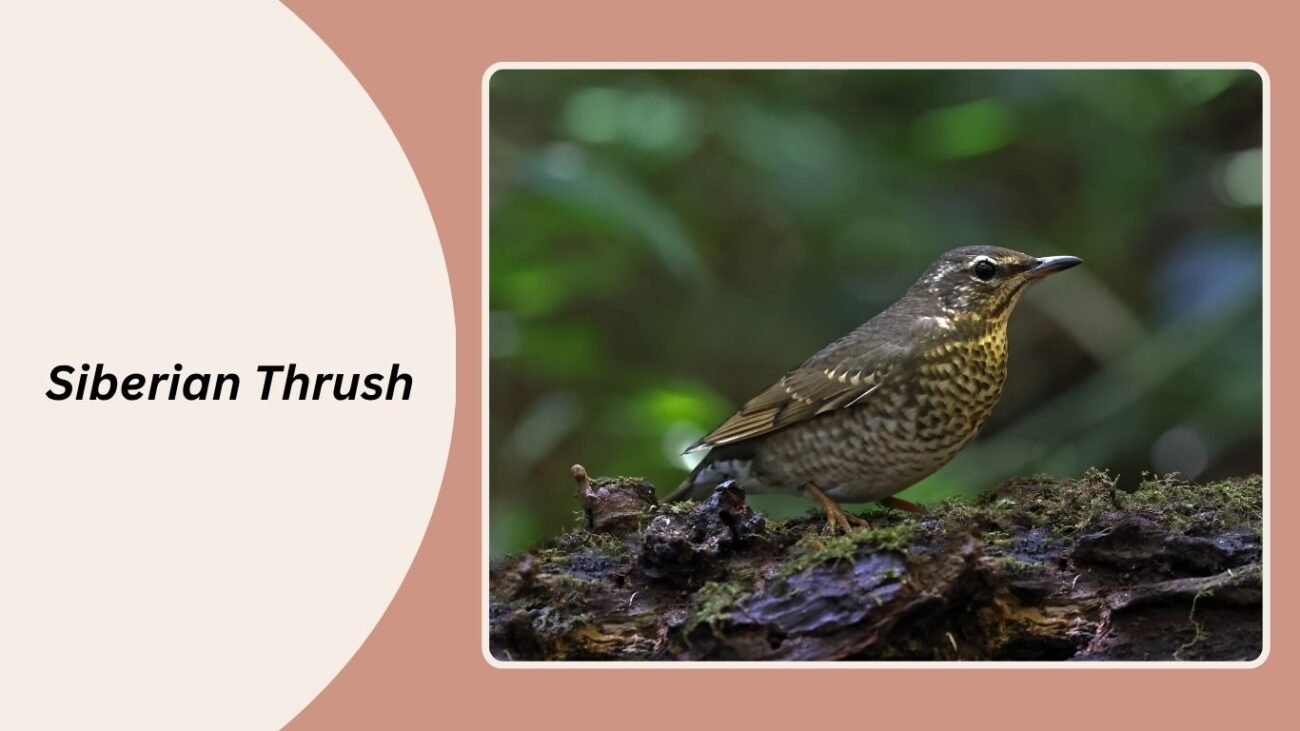
The Siberian Thrush (Geokichla sibirica) is a rare, elusive bird with a striking appearance and shy behavior, known for its dark plumage and contrasting eye stripe.
Identification
- Male: Slate-black with a bold white stripe above the eye
- Female: Brownish with pale spotting and same facial stripe
- Underparts: Whitish belly with clean transition from chest
- Bill: Thin and dark
- Size: Medium, compact thrush
Habitat and Range
Breeds in the dense coniferous forests of Siberia. Migrates to Southeast Asia in winter. Prefers thick underbrush, moist forest floors, and shaded ravines.
Behavior
Very secretive—typically forages in low cover or leaf litter. Eats insects, worms, and fruits. Males sing a simple but high-pitched song during breeding season.
Best Time to Spot
Winter in Southeast Asia, especially in lowland forests and shaded gardens. Rarely seen due to secretive habits. Migration periods offer the best chance.
16. Pale Thrush
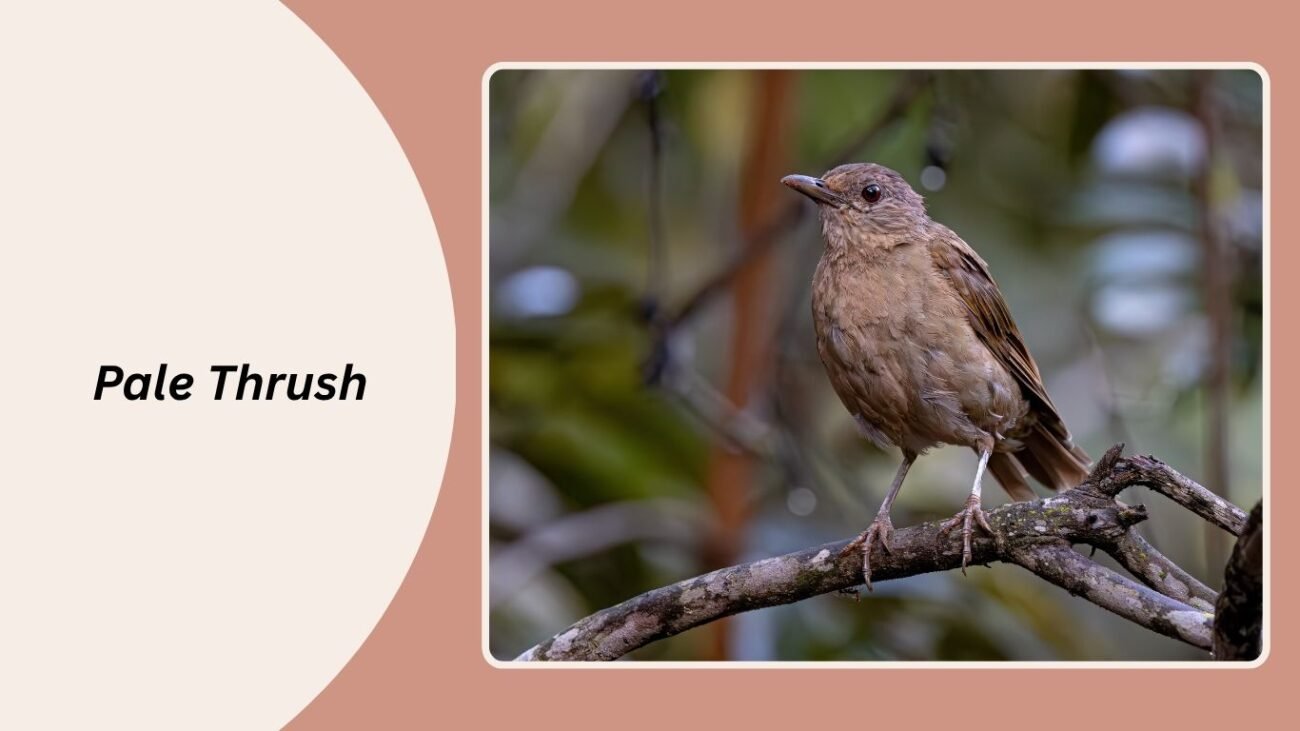
The Pale Thrush (Turdus pallidus) is a plain but elegant thrush native to East Asia, often found foraging quietly in wooded parks and gardens during winter.
Identification
- Color: Ashy-brown upperparts and pale grayish underparts
- Head: Darker crown with faint pale eyering
- Wings: Slightly darker brown
- Bill: Yellowish with dark tip
- Tail: Brown with lighter edges
Habitat and Range
Breeds in northeast China and the Russian Far East. Winters in Korea, southern China, and Japan. Common in woodlands, urban parks, and bamboo groves during migration and winter.
Behavior
Feeds on insects, earthworms, and berries. Shy and solitary, usually hops along the ground or flies into cover when disturbed. Its song is soft and melodious but rarely heard outside breeding grounds.
Best Time to Spot
Seen in East Asia from late autumn to early spring. Especially common in quiet city parks and wooded temple grounds during winter.
17. White’s Thrush
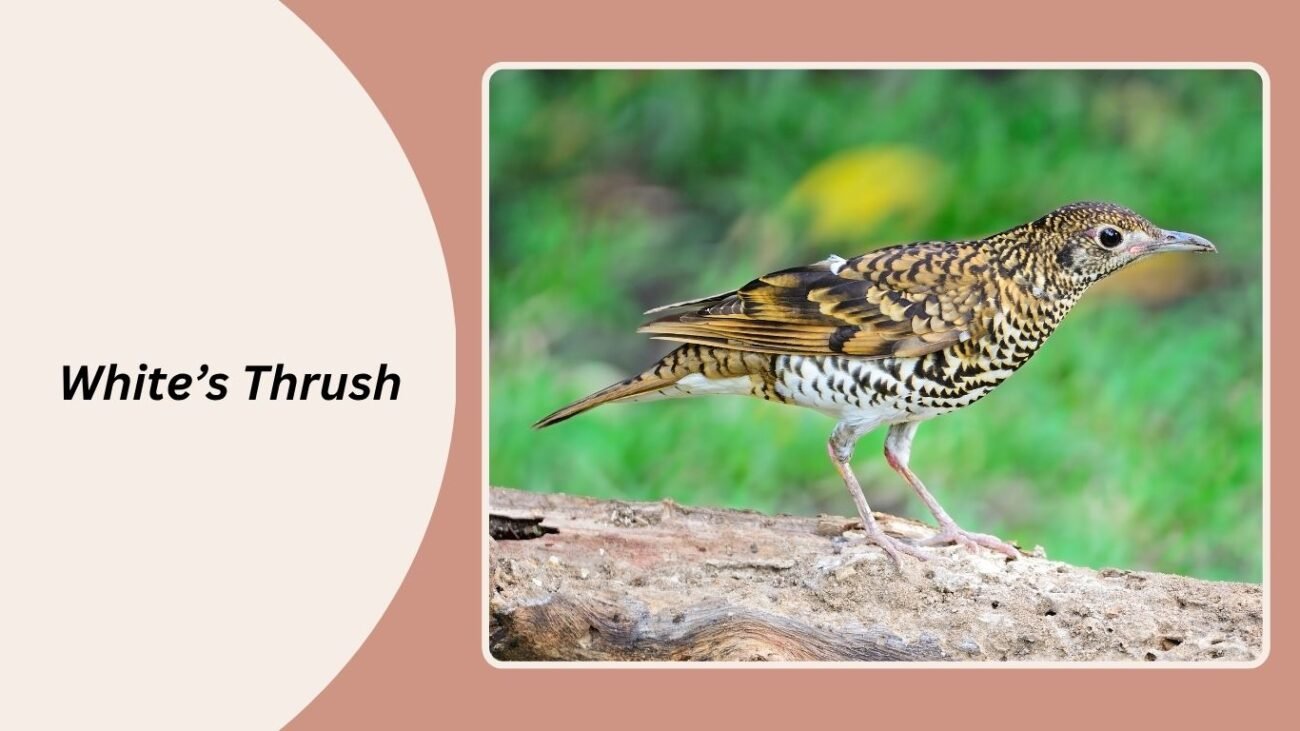
White’s Thrush (Zoothera aurea) is a large, cryptically patterned forest thrush, often spotted by its golden scales and secretive movements through leaf litter.
Identification
- Color: Golden-brown upperparts with bold black-edged golden scaling
- Breast and Belly: White with dark crescent-shaped spots
- Face: Patterned with fine markings and a pale eyering
- Size: Larger than most thrushes, heavy-bodied
- Tail: Broad and dark with pale tips
Habitat and Range
Breeds in Siberia, China, and the Russian Far East. Winters in Southeast Asia, particularly in dense forests and hill country. Prefers damp, shady woodlands with thick ground cover.
Behavior
Extremely shy and well-camouflaged. Forages quietly on forest floors, flipping leaves for insects and worms. Its movement is slow and deliberate. Rarely sings outside the breeding season.
Best Time to Spot
Winter and migration periods in Southeast Asia. Early morning and dusk are best times to see it foraging near forest edges or footpaths.
18. Bicknell’s Thrush
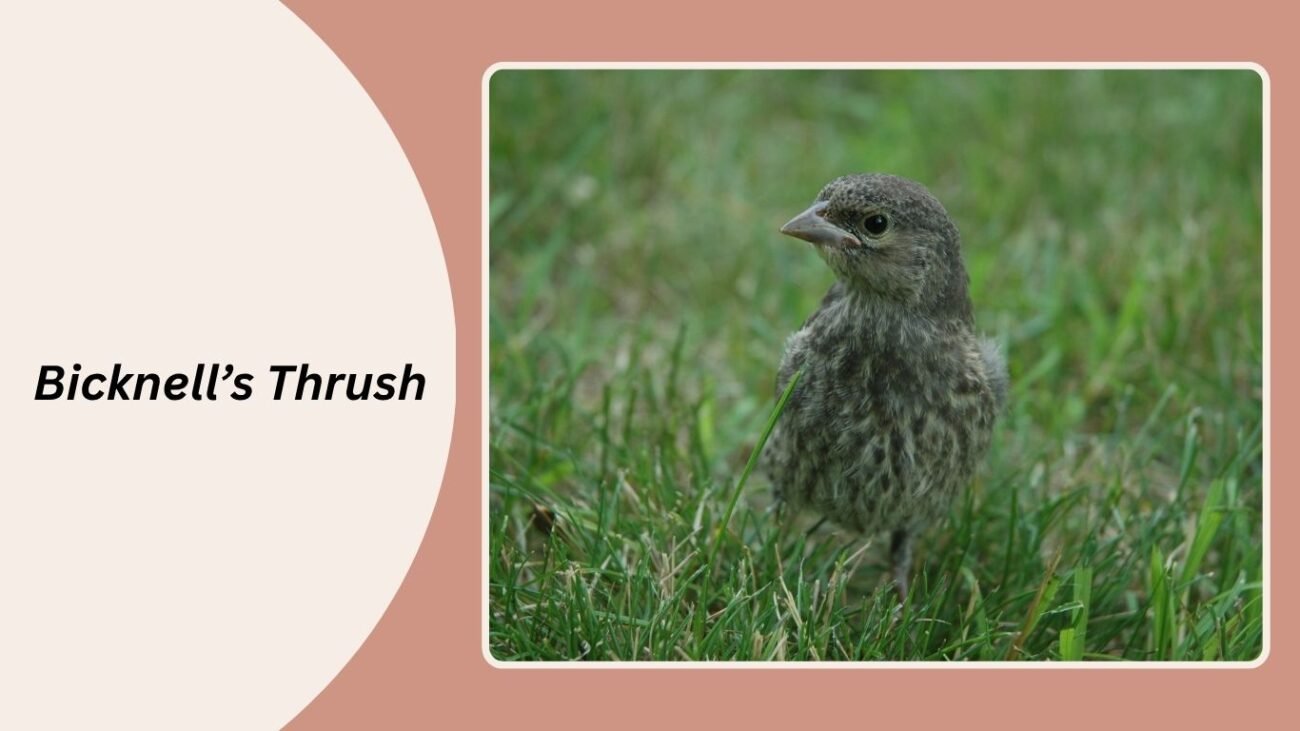
Bicknell’s Thrush (Catharus bicknelli) is one of North America’s rarest and most range-restricted thrushes, known for its subtle appearance and high-altitude breeding habitats.
Identification
- Color: Olive-brown upperparts with grayish cheeks
- Breast: Light with fine dark spots on upper chest
- Eyering: Weak and pale
- Bill: Thin with yellowish lower mandible
- Legs: Pale pink
Habitat and Range
Breeds in high-elevation spruce-fir forests in the northeastern U.S. and southeastern Canada. Winters in the Caribbean, mainly in the Greater Antilles.
Behavior
Difficult to distinguish from the Gray-cheeked Thrush, but slightly smaller with a more musical song. Forages low in shrubs and forest floor for insects and berries. Its song is thin, musical, and slightly buzzy.
Best Time to Spot
Late spring to summer in high-elevation habitats of the Northeast U.S. Very elusive, best detected by its song during breeding season.
19. Rufous-backed Thrush
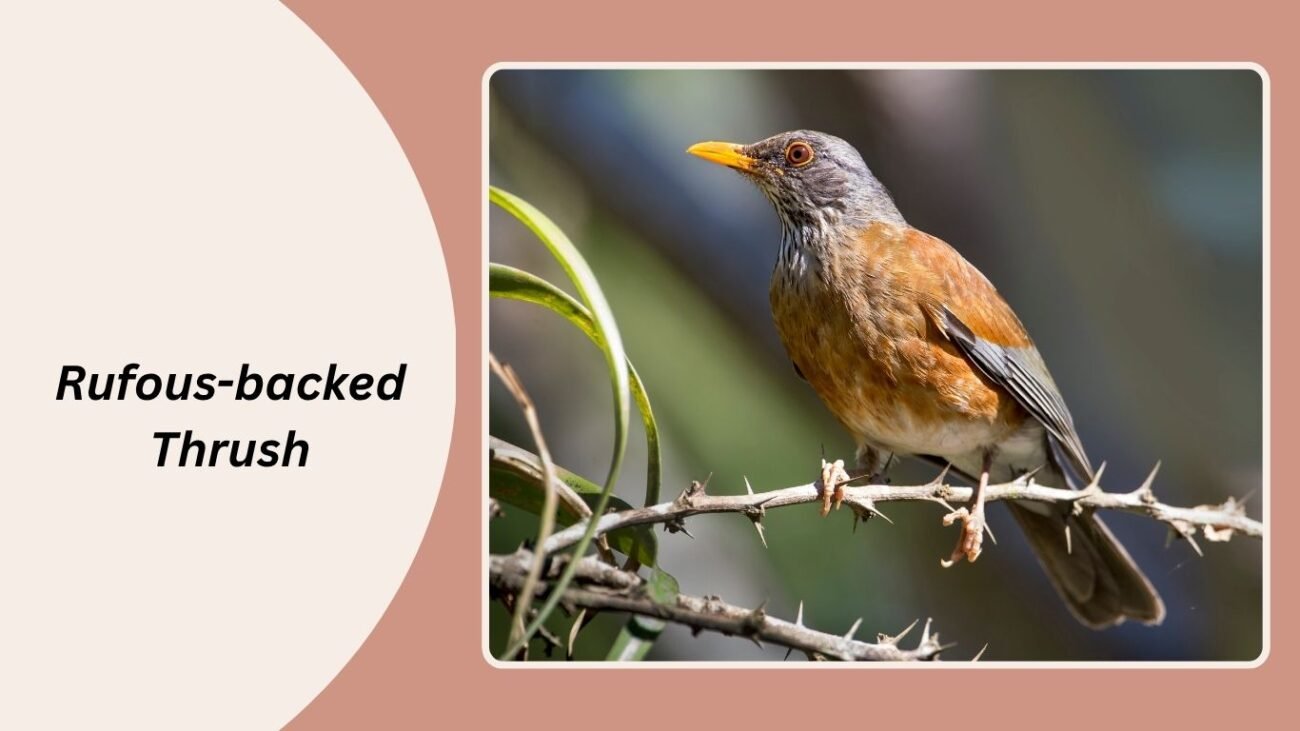
The Rufous-backed Thrush (Turdus rufopalliatus) is a warm-colored thrush native to western Mexico, sometimes seen in the southwestern U.S. as a vagrant.
Identification
- Color: Rich rufous back and wings
- Head and Breast: Grayish with a faint eyering
- Belly: Pale, often whitish
- Bill: Slender, yellowish
- Tail: Rufous like the back
Habitat and Range
Resident in forest edges, plantations, and gardens in western Mexico. Occasionally wanders into Arizona and southern Texas. Prefers subtropical and tropical habitats.
Behavior
Feeds on fruits, insects, and ground invertebrates. Often seen hopping along leaf litter or perched low in trees. Song is musical and flute-like, similar to the American Robin but faster.
Best Time to Spot
Year-round in its native Mexican range. Rare sightings possible in the southwestern U.S., mainly in fall and winter.
20. Clay-colored Thrush
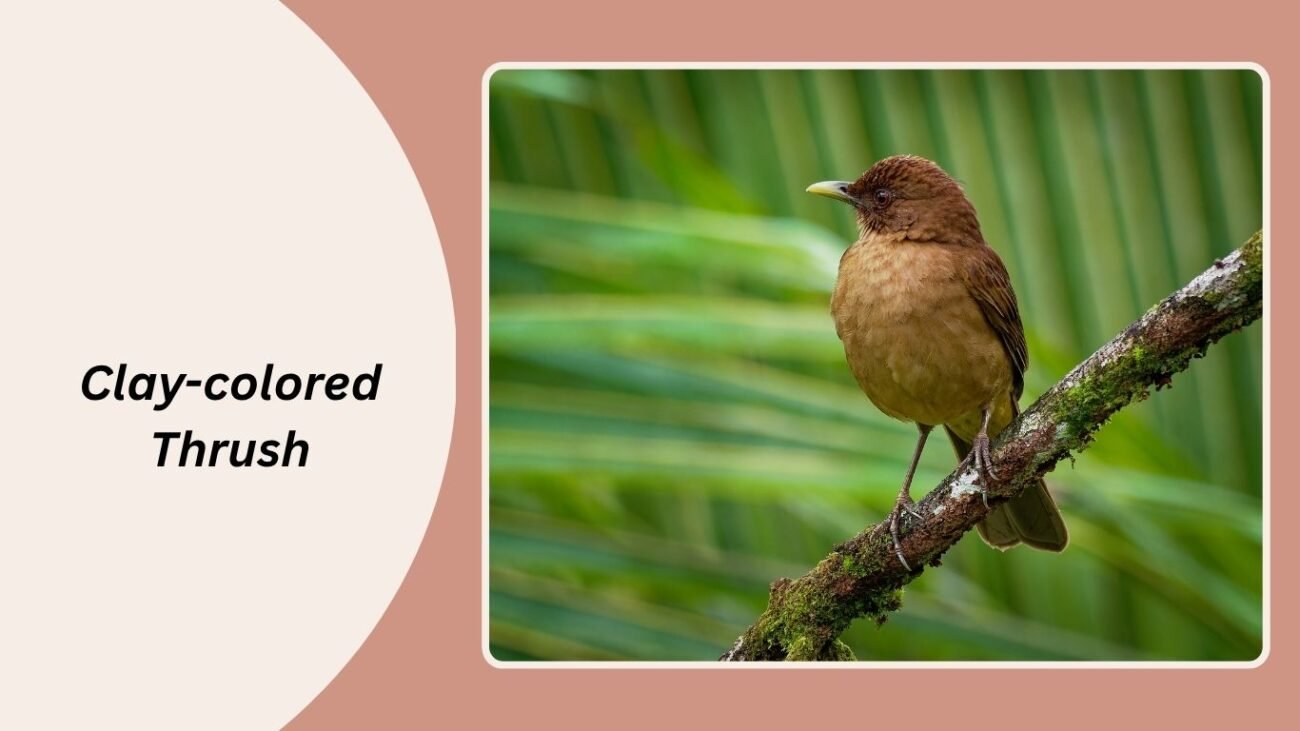
The Clay-colored Thrush (Turdus grayi) is the national bird of Costa Rica and a common sight across Central America, known for its plain appearance and melodic song.
Identification
- Color: Uniform clay-brown or dull olive-brown overall
- Breast and Belly: Slightly paler than upperparts
- Bill: Yellowish to greenish
- Eyes: Dark with a faint eyering
- Tail: Straight and similarly colored to the body
Habitat and Range
Found in woodlands, gardens, parks, and urban areas from southern Texas through Central America to Colombia. Highly adaptable and often seen in human-altered landscapes.
Behavior
Feeds on fruits, berries, insects, and worms. Known for its beautiful, flute-like song, especially during the breeding season. Nests are often built close to human dwellings.
Best Time to Spot
Year-round in Central America. Very vocal during the rainy season, especially in the early morning.
21. Mountain Thrush
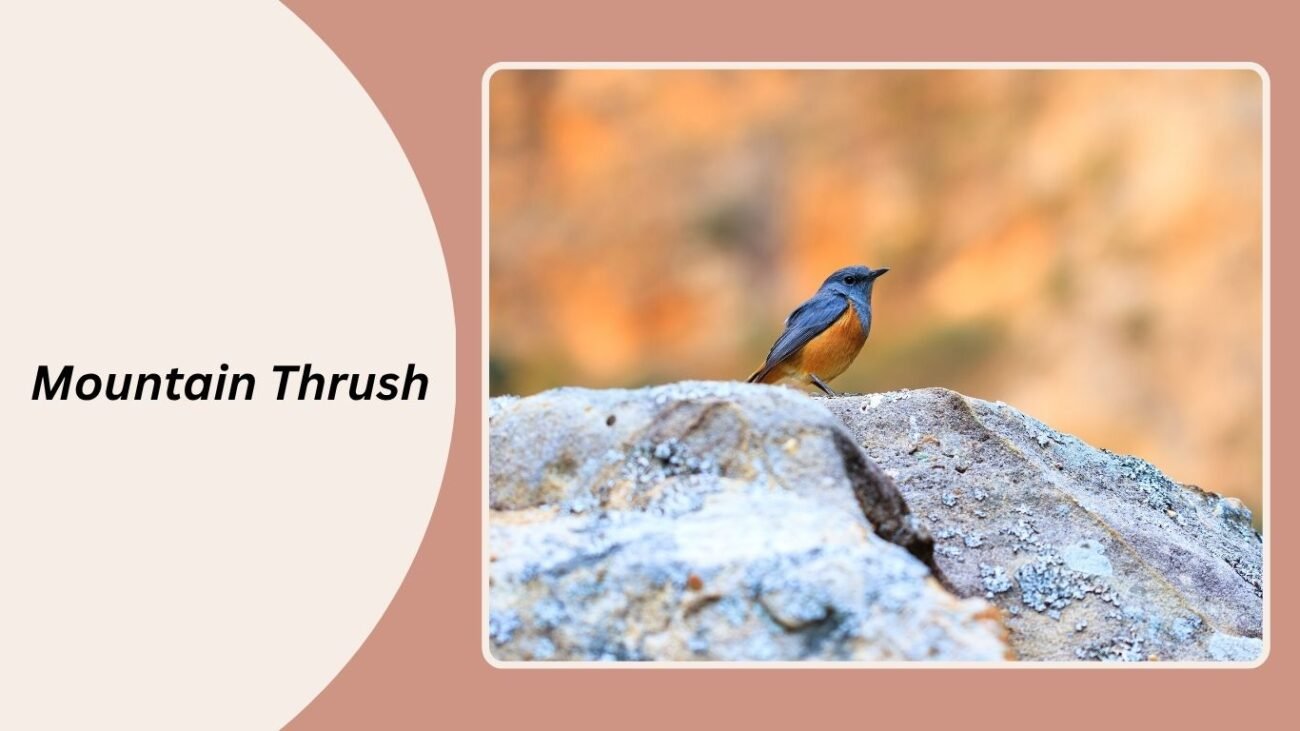
The Mountain Thrush (Turdus plebejus) is a dark, forest-dwelling thrush found in highlands of Central America. It has a uniform appearance but stands out by habitat and behavior.
Identification
- Color: Uniform dark olive-brown to dusky gray
- Bill: Yellow with a dark tip
- Eyes: Dark with subtle pale eyering
- Size: Slightly larger and bulkier than the Clay-colored Thrush
- Legs: Pale yellow to pinkish
Habitat and Range
Occurs in montane cloud forests of Costa Rica, Panama, and parts of southern Nicaragua. Prefers elevations above 1500 meters.
Behavior
Feeds on insects, berries, and fruits in the forest canopy and on the ground. Typically forages alone or in small groups. Its song is soft and whistled, often heard at dawn in misty forests.
Best Time to Spot
Year-round in high-elevation forests. Early morning is the best time, especially along forest edges and trails.
22. Island Thrush
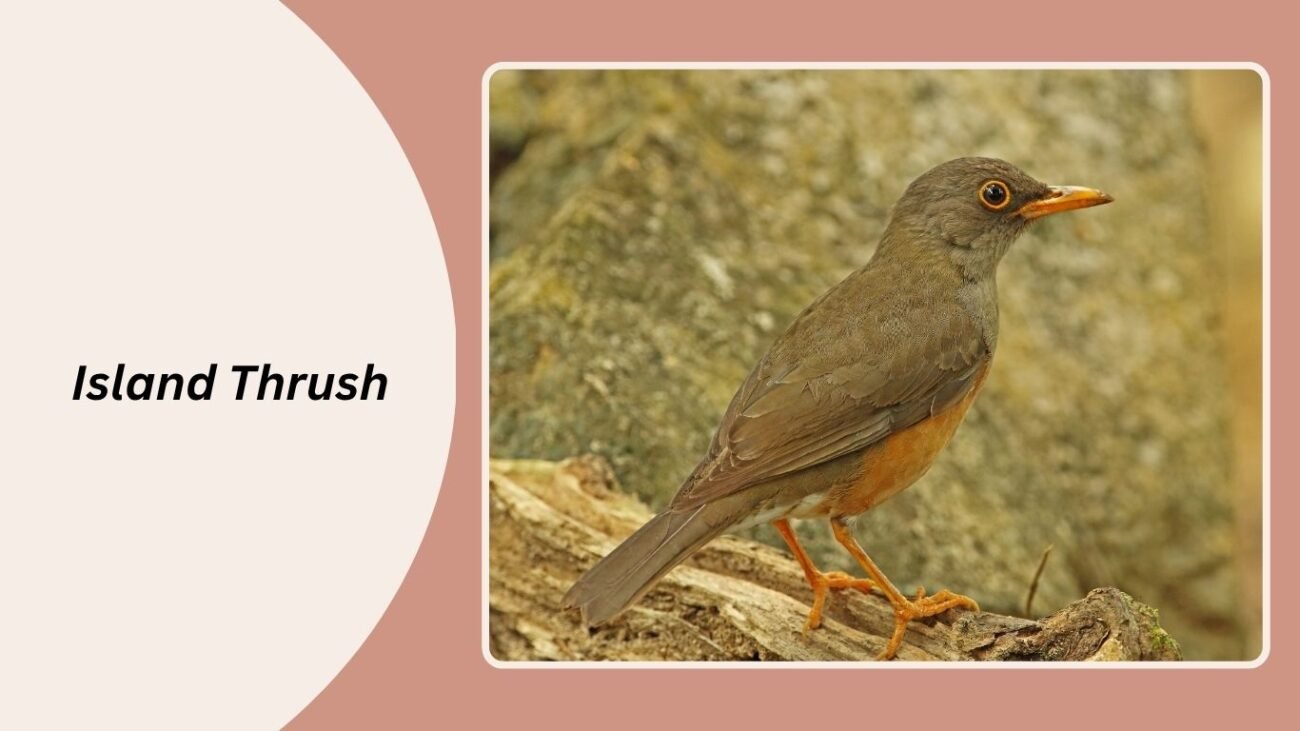
The Island Thrush (Turdus poliocephalus) is one of the most geographically diverse thrush species, found on many islands across Southeast Asia and the Pacific, with plumage that varies widely between populations.
Identification
- Color: Extremely variable—can be black, brown, or rufous; often with contrasting pale belly or head
- Bill and Legs: Usually yellow or orange
- Size: Medium-sized, about 22–25 cm
- Eye: May have pale eyering depending on subspecies
Habitat and Range
Found on islands from the Philippines and Indonesia to New Guinea, Australia, and the Pacific Islands including Fiji and Samoa. Occupies mountain forests, cloud forests, and forest edges.
Behavior
Feeds on insects, fruits, and seeds. Forages on the ground and in low vegetation. Very shy in the wild but may be tame on remote islands with no predators. Songs vary by island population.
Best Time to Spot
Year-round, depending on the island. Most active at dawn and dusk in forested or highland regions.
23. African Thrush
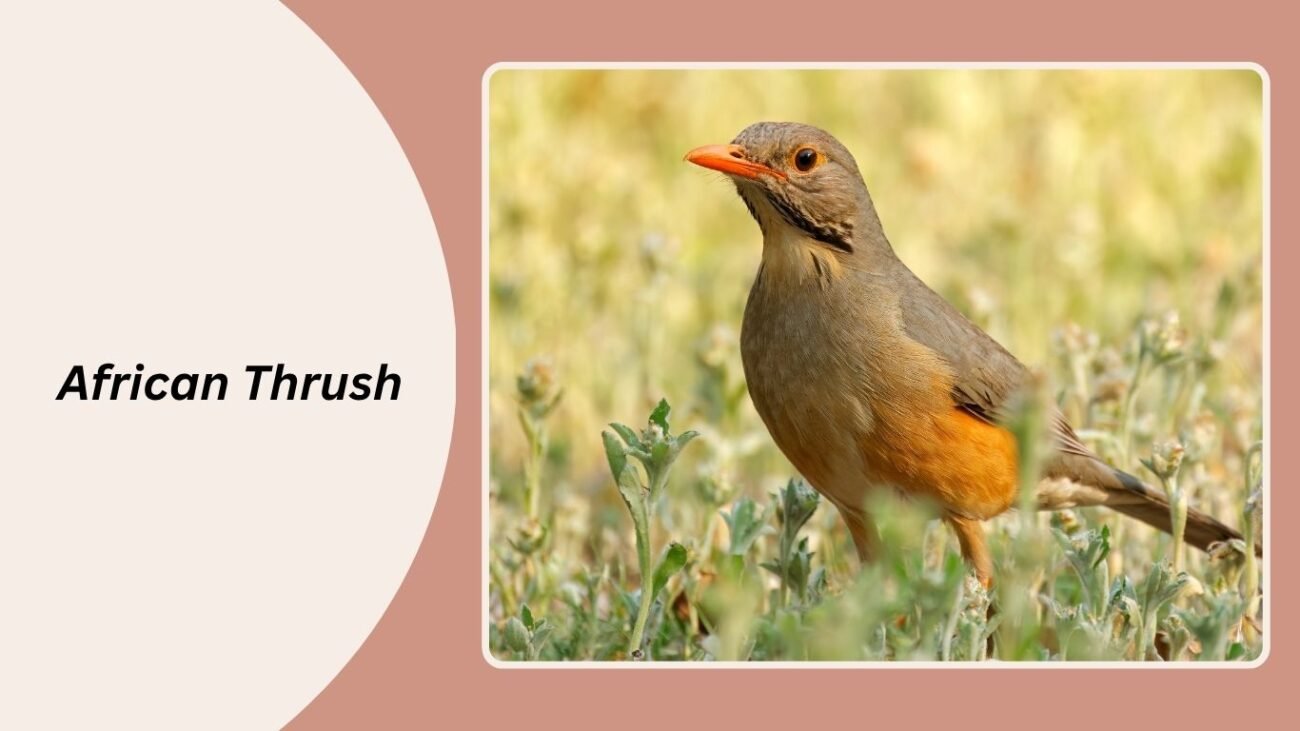
The African Thrush (Turdus pelios) is a widespread and adaptable thrush of sub-Saharan Africa, often seen in gardens, forests, and urban areas.
Identification
- Color: Gray-brown upperparts with paler underparts
- Breast: Light orange wash on throat and breast
- Eyering: Pale yellow or white
- Bill: Yellow-orange
- Tail: Brown with slightly lighter edges
Habitat and Range
Common across West, Central, and parts of East Africa. Found in woodland edges, suburban areas, gardens, and savanna zones with scattered trees.
Behavior
Feeds on insects, snails, fruits, and seeds. Forages on the ground or low shrubs. Known for its sweet, clear whistled song, especially at dawn and after rain.
Best Time to Spot
Present year-round. Often seen early in the morning singing from rooftops or trees in both rural and urban areas.