










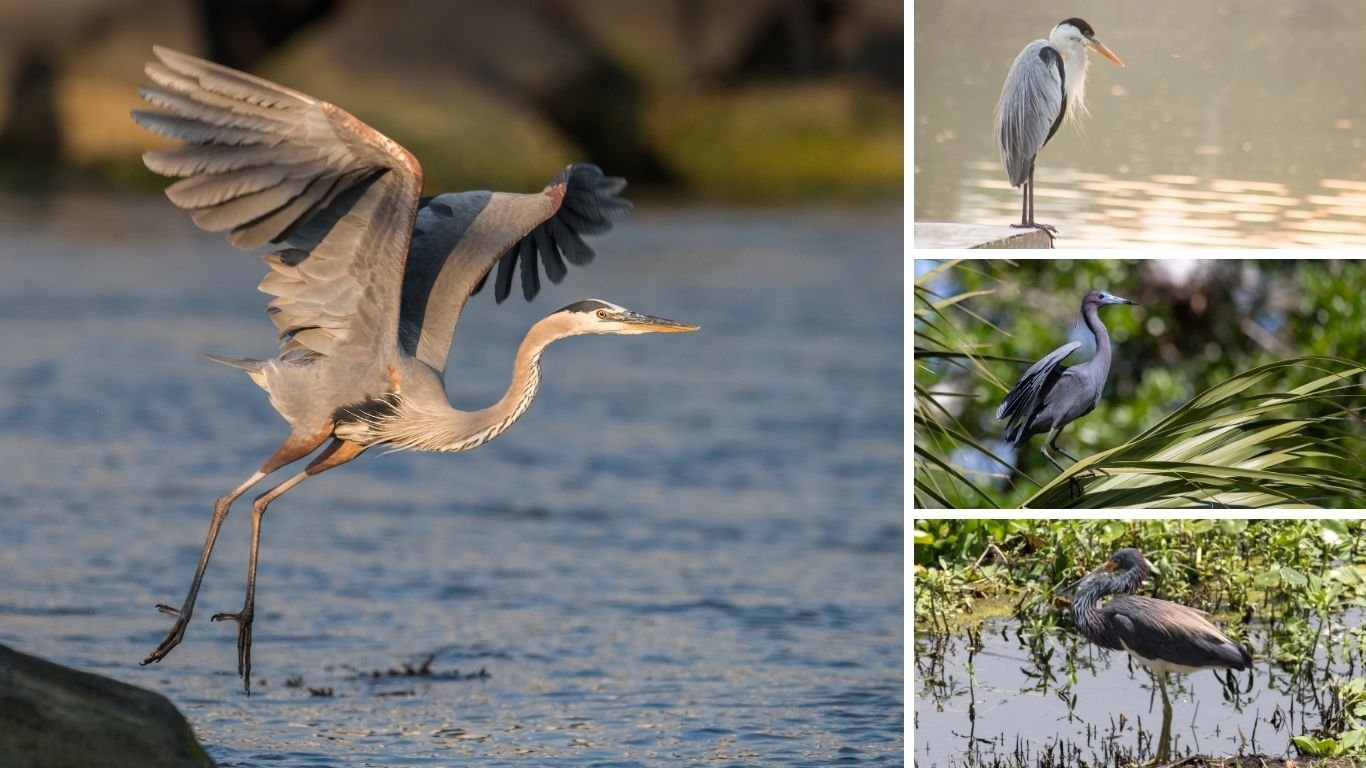
Herons are graceful, long-legged wading birds found across a wide variety of wetlands, from quiet inland marshes to coastal shorelines. With their sharp bills and patient hunting styles, herons are expert fishers and an iconic part of aquatic ecosystems. This guide covers 17 common types of herons from around the world—from the towering Goliath Heron to the small but intelligent Green Heron—highlighting their unique appearances, behaviors, and preferred habitats.
1. Great Blue Heron
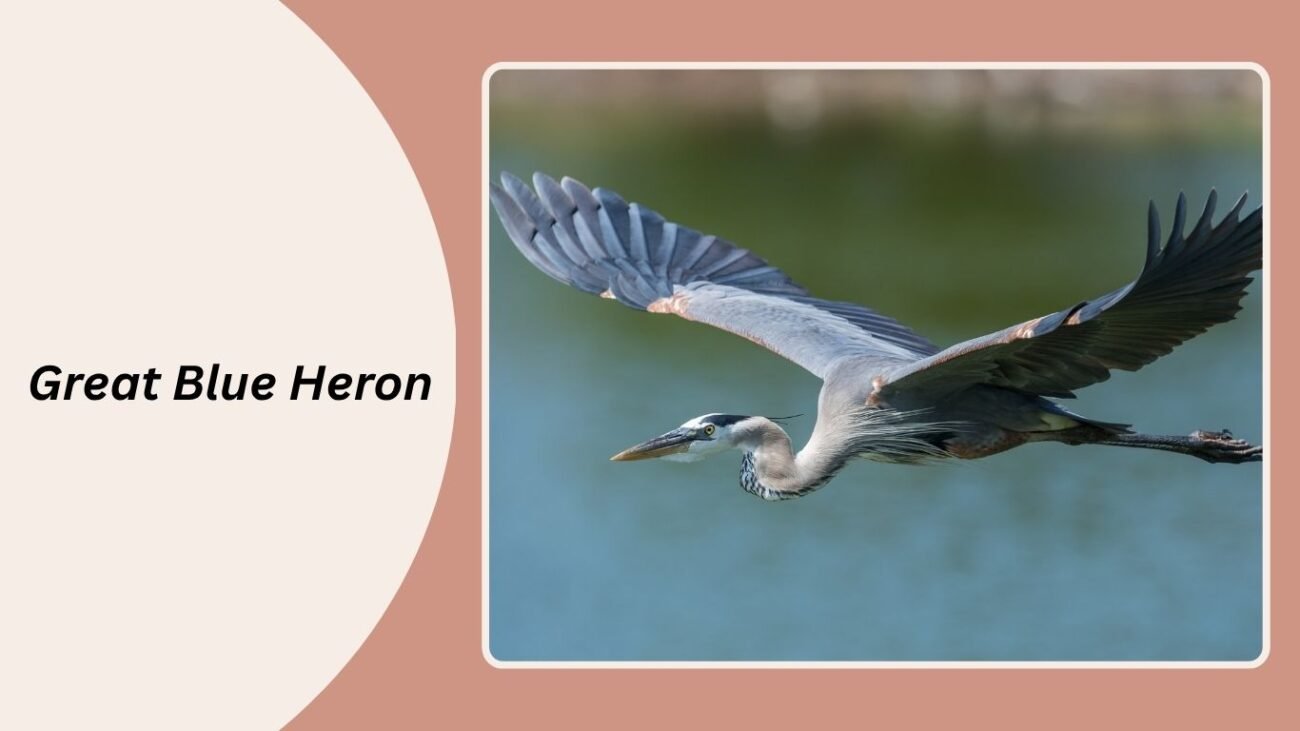
The Great Blue Heron (Ardea herodias) is the largest heron in North America, easily recognized by its tall, elegant frame and bluish-gray plumage. It is a common sight along shorelines, wetlands, and rivers across the continent.
Identification
- Color: Bluish-gray body with a black stripe over the eye
- Neck: Long and S-shaped, often coiled in flight
- Bill: Long, thick, and yellow
- Legs: Long and grayish
- Size: Stands about 4 feet tall with a wingspan up to 6.5 feet
Habitat and Range
Found near freshwater and saltwater habitats, including lakes, rivers, marshes, estuaries, and even backyard ponds throughout North and Central America.
Behavior
Feeds by standing still or wading slowly to spear fish, frogs, and small mammals with its sharp bill. Known for its slow, graceful flight and deep, croaking calls.
Best Time to Spot
Year-round in much of the U.S., especially in warmer regions. Migrates from northern areas during winter. Active during the day, especially early morning and evening near water.
2. Grey Heron
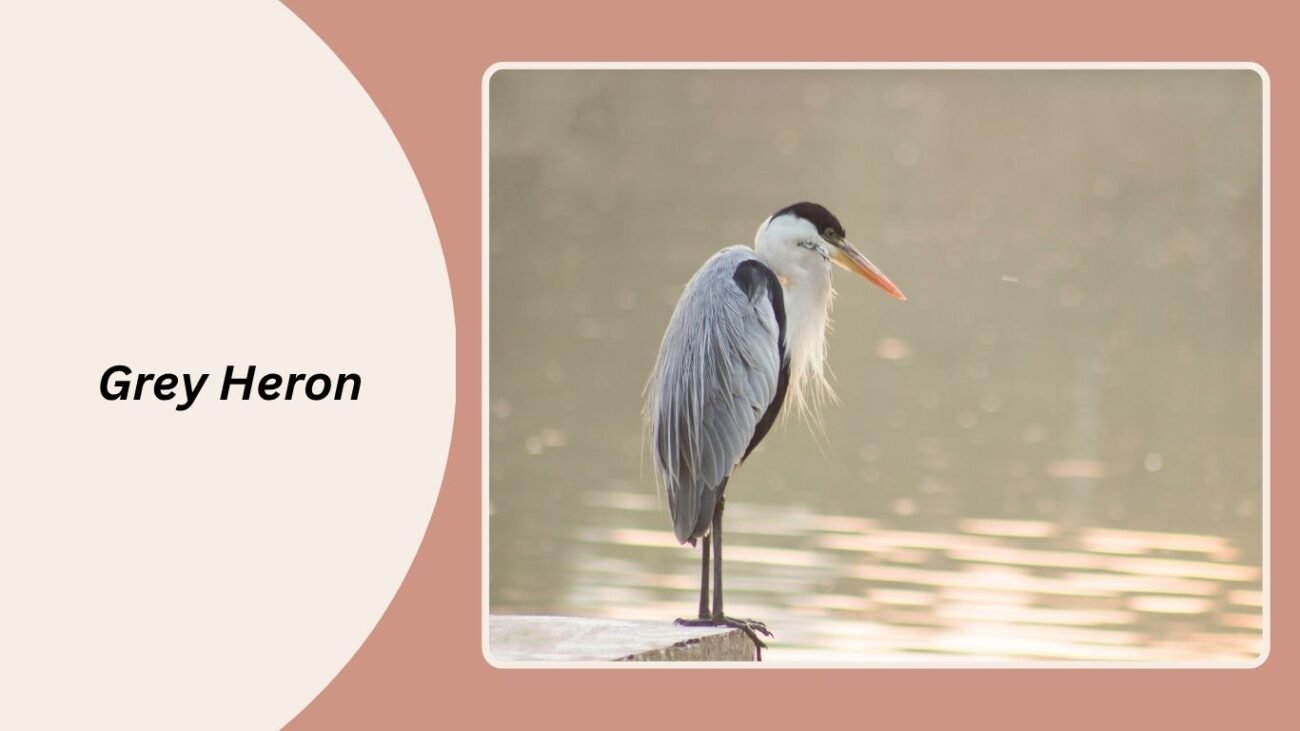
The Grey Heron (Ardea cinerea) is a large and widespread heron found across Europe, Asia, and parts of Africa. It is similar in shape to the Great Blue Heron but has more muted gray tones and a slightly slimmer build.
Identification
- Color: Gray body with white head and black eyebrow stripe
- Neck: Long and pale with black streaks
- Bill: Long, strong, and yellow-orange
- Legs: Long and brownish
- Size: Stands about 3.3 feet tall with a wingspan up to 6.5 feet
Habitat and Range
Common in wetlands, lakes, rivers, and coastal areas across Europe, much of Asia, and northern Africa. Adapts well to urban parks and gardens with ponds.
Behavior
Stalks fish, amphibians, and insects in shallow water. Often stands still for long periods before striking. Nests in colonies called heronries, usually in tall trees.
Best Time to Spot
Year-round in temperate regions. Visible near water during feeding, especially early morning and late afternoon.
3. Little Blue Heron
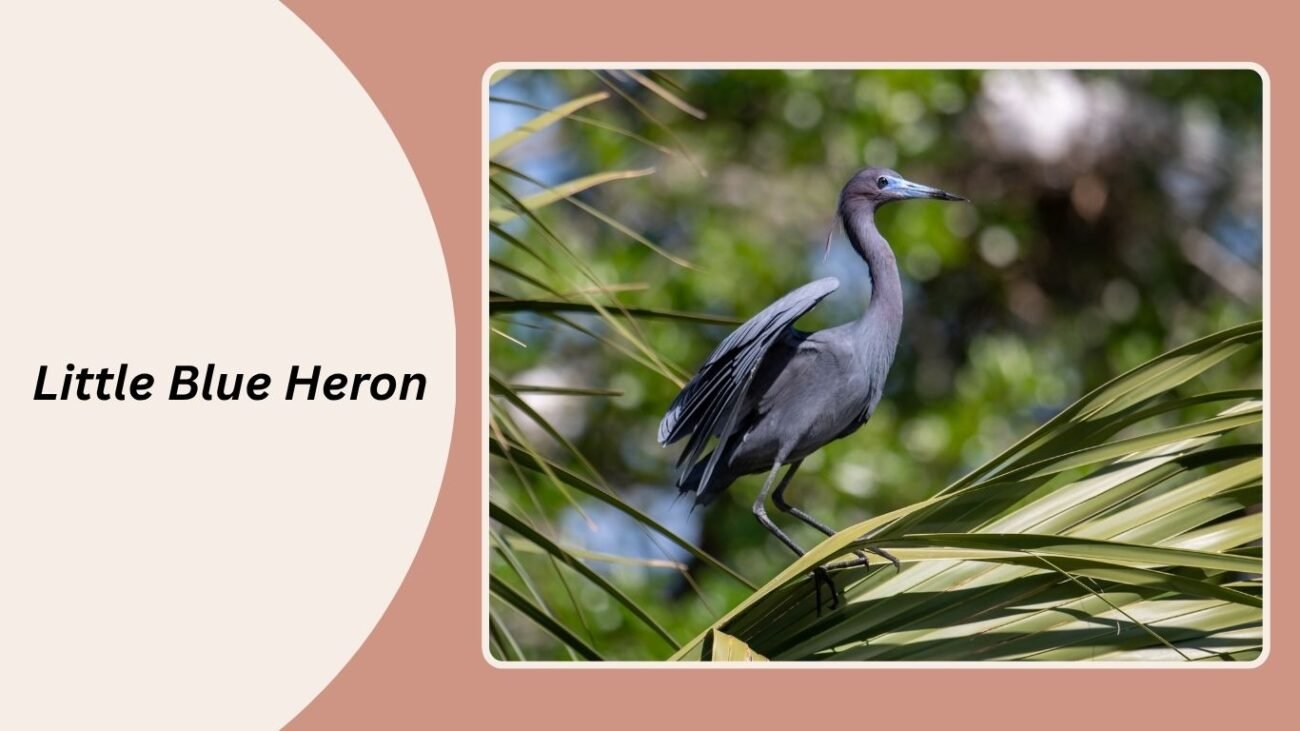
The Little Blue Heron (Egretta caerulea) is a medium-sized heron native to the Americas, known for its deep blue adult plumage and distinctive white juvenile phase.
Identification
- Adult: Slate-blue body with a purplish-maroon head and neck
- Juvenile: All white with bluish bill and greenish legs
- Bill: Long and two-toned—grayish-blue with a black tip
- Legs: Dark greenish to gray
- Size: About 2 feet tall with a 40-inch wingspan
Habitat and Range
Found in wetlands, swamps, marshes, and coastal lagoons across the southeastern U.S., Central America, and northern South America.
Behavior
Feeds on small fish, crustaceans, and insects in shallow waters. Juveniles are often mistaken for Snowy Egrets but are quieter and more solitary.
Best Time to Spot
Year-round in the southern U.S. and tropical regions. Most active during the day, especially at dawn and dusk when feeding.
4. Tricolored Heron
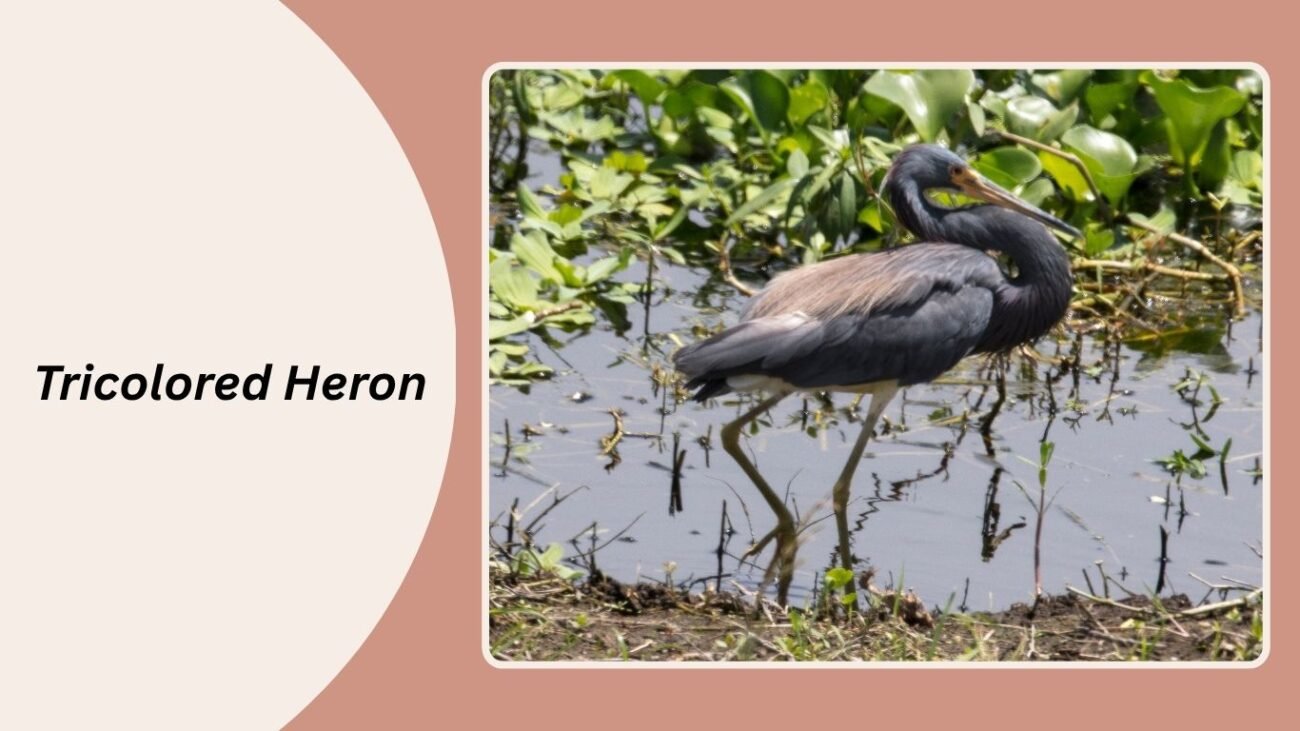
The Tricolored Heron (Egretta tricolor) is a slender, elegant wader found along coastal wetlands of the Americas. It’s known for its striking mix of slate-blue, white, and reddish feathers.
Identification
- Color: Blue-gray upperparts, white belly, and reddish neck
- Neck: Long and thin with white stripe down the front
- Bill: Long, slender, bluish with black tip
- Legs: Yellow to greenish
- Size: About 2.5 feet tall with a 3-foot wingspan
Habitat and Range
Common in saltwater and brackish marshes, estuaries, mangroves, and tidal lagoons of the southeastern U.S., Mexico, and Central America.
Behavior
Feeds actively by dashing, spinning, or walking slowly to catch small fish and aquatic insects. Often seen alone or in loose groups. Nest in colonies, usually with other heron species.
Best Time to Spot
Year-round in the southeastern U.S. and tropics. More active and visible during low tide when foraging along mudflats or shallows.
5. Black-crowned Night Heron

The Black-crowned Night Heron (Nycticorax nycticorax) is a stocky, short-legged heron that is most active during dusk and nighttime hours—unlike most other herons.
Identification
- Adult: Pale gray body, black back and crown, red eyes
- Juvenile: Brown with white streaks and speckles
- Bill: Short, thick, and black
- Legs: Yellowish, turning pink during breeding season
- Size: About 2 feet tall with a 3.3-foot wingspan
Habitat and Range
Inhabits lakes, marshes, rivers, reservoirs, and wetlands across much of the world—including the Americas, Europe, Asia, and Africa.
Behavior
Forages at dusk or night, often standing motionless or slowly stalking prey like fish, frogs, and small mammals. Roosts during the day in trees or shrubs near water.
Best Time to Spot
Most active at dusk and dawn. Year-round resident in warmer areas; migrates from colder regions in winter. Look for them perched quietly in shaded trees during daylight.
6. Yellow-crowned Night Heron
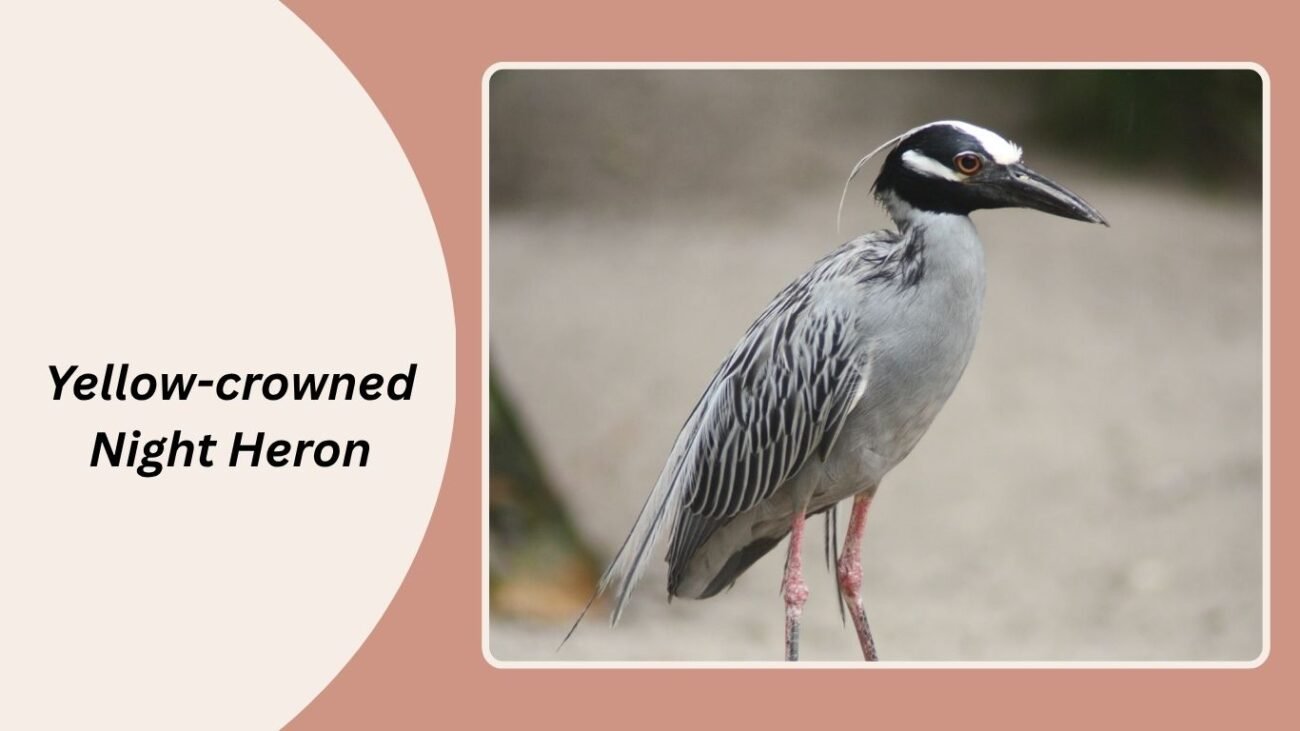
The Yellow-crowned Night Heron (Nyctanassa violacea) is a medium-sized, nocturnal heron with a striking appearance, most often found in coastal areas and wetlands.
Identification
- Adult: Gray body, black head with white cheek patch and yellow crown
- Juvenile: Brown with white streaks and spots
- Eyes: Large and red-orange
- Bill: Thick and dark gray
- Size: About 2 feet tall with a 4-foot wingspan
Habitat and Range
Common in coastal marshes, swamps, mangroves, and tidal creeks of the southeastern U.S., Caribbean, and parts of Central and South America.
Behavior
Primarily nocturnal and crepuscular, often seen stalking crustaceans, especially crabs. During the day, it roosts quietly in trees. Nests in colonies near water, sometimes with other wading birds.
Best Time to Spot
Active at dawn and dusk, especially during spring and summer. Juveniles are more active during the day and easier to observe in marshlands.
7. Green Heron
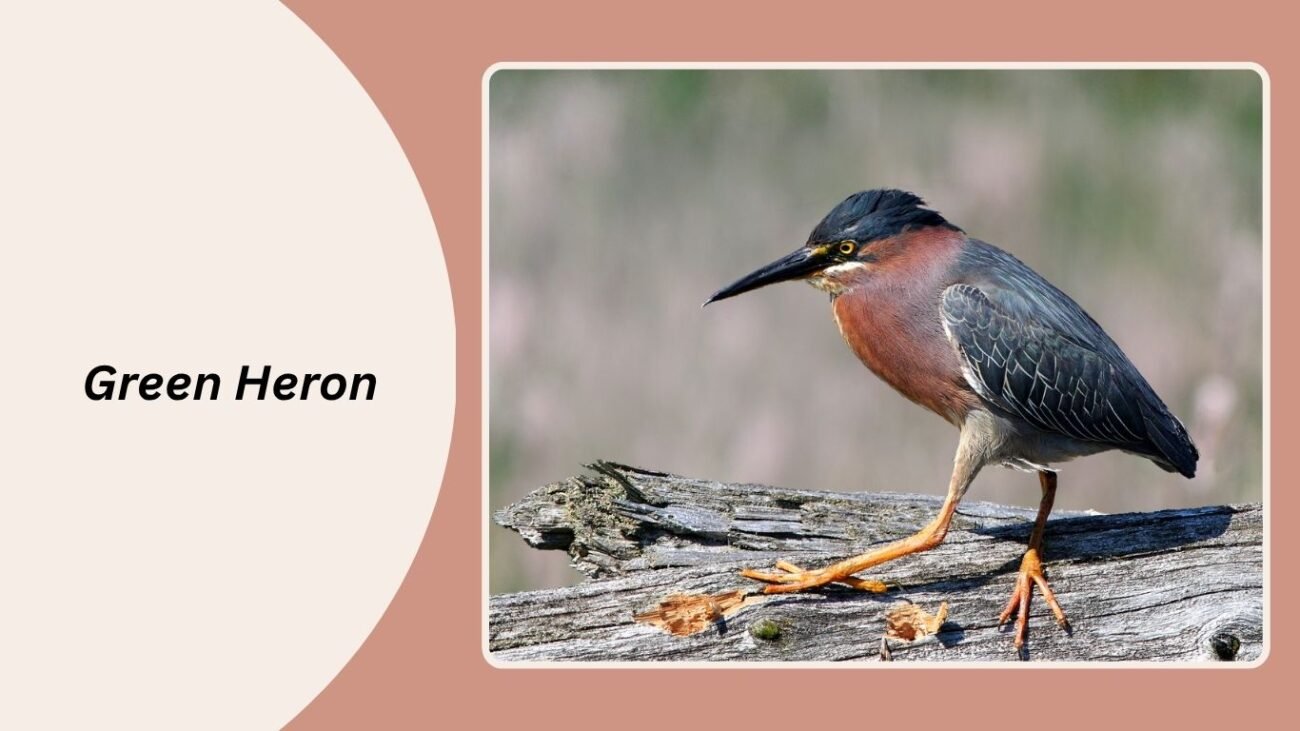
The Green Heron (Butorides virescens) is a small, stocky heron with a dark crown and a habit of using tools—like dropping insects on the water surface to lure fish.
Identification
- Color: Dark greenish-black crown and back, chestnut neck and chest
- Neck: Short, often tucked in
- Bill: Long, straight, and dark
- Legs: Yellow to orange
- Size: Around 18 inches tall with a 26-inch wingspan
Habitat and Range
Widespread across North and Central America in marshes, wooded streams, ponds, and swamps—especially those with dense vegetation.
Behavior
Solitary and secretive, often perching low or crouching near water. Known for remarkable intelligence and tool use when fishing. Emits a sharp “skeow” call when disturbed.
Best Time to Spot
Spring through fall in temperate regions; year-round in warmer areas. Best seen at water’s edge during early morning or twilight hours.
8. Striated Heron
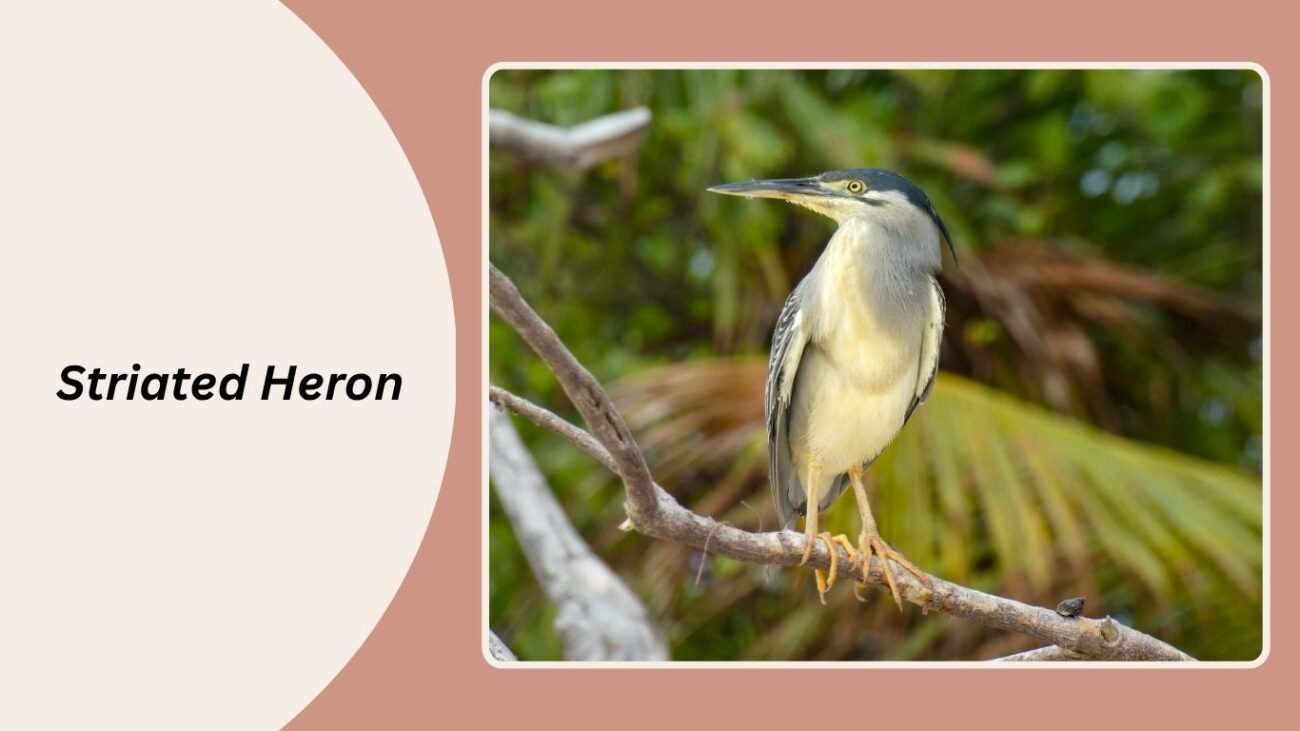
The Striated Heron (Butorides striata), also known as the Mangrove Heron or Little Heron, is a small, stealthy bird found across tropical and subtropical regions worldwide.
Identification
- Color: Gray-blue back and wings, greenish-black crown, and chestnut neck
- Throat: White with dark streaking
- Bill: Long, sharp, and dark
- Legs: Yellow to orange
- Size: About 17–20 inches tall with a 25–30 inch wingspan
Habitat and Range
Widespread across Africa, Asia, Australia, and Central and South America. Found in mangroves, estuaries, riverbanks, and wetlands with dense vegetation.
Behavior
Extremely patient while hunting—stands motionless or creeps slowly to ambush small fish and amphibians. Known to use bait (like insects or feathers) to lure prey, much like the Green Heron.
Best Time to Spot
Active during early morning and late afternoon. Common year-round in tropical climates, often found close to shorelines and mangroves.
9. Purple Heron
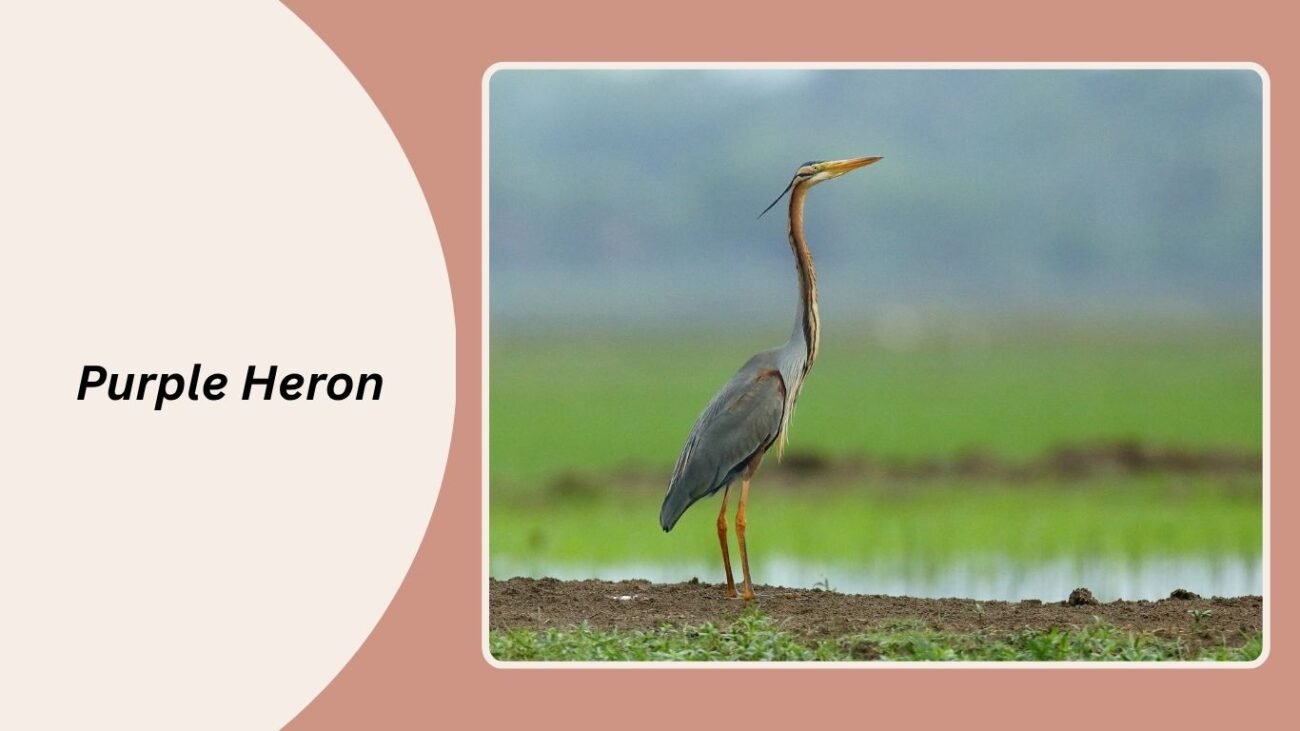
The Purple Heron (Ardea purpurea) is a slender, graceful heron with rich reddish tones and a preference for dense reed beds.
Identification
- Color: Chestnut neck with bold black streaks, grayish-purple body
- Head: Black crown with long dark plumes
- Bill: Long, slender, and yellowish
- Legs: Dark brown to yellow
- Size: About 3.3 feet tall with a 4-foot wingspan
Habitat and Range
Breeds across Europe, Africa, and Asia in freshwater marshes, lakes with reeds, and floodplains. Less likely to be found in open water areas.
Behavior
Shy and reclusive—often hides in tall vegetation. Feeds on fish, frogs, and insects. Flight is slow with deep wingbeats and neck retracted into an S-shape.
Best Time to Spot
Spring and summer in Europe and Asia during breeding. Year-round in Africa and parts of southern Asia. Best spotted when flying above reeds or during early morning feeding.
10. Goliath Heron
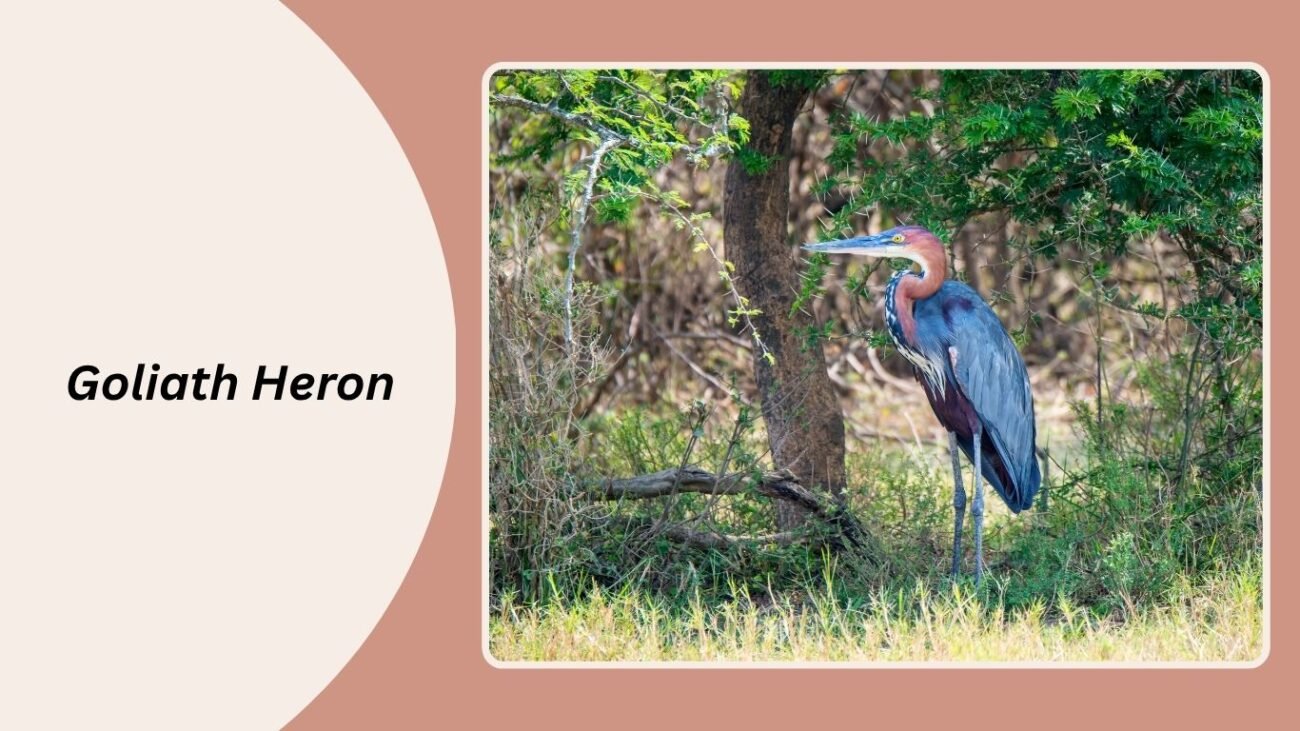
The Goliath Heron (Ardea goliath) is the largest heron in the world, towering over other wading birds with its massive size and deep, booming call.
Identification
- Color: Grayish wings and back, chestnut head and neck
- Neck: Very long with shaggy chestnut feathers
- Bill: Extremely long, thick, and dark
- Legs: Long and blackish
- Size: Up to 5 feet tall with a wingspan over 7 feet
Habitat and Range
Found across sub-Saharan Africa, as well as parts of South and Southeast Asia. Prefers large, undisturbed wetlands, lakeshores, and slow-moving rivers.
Behavior
Solitary and territorial, it patiently stalks large fish in deep water. Often stands motionless before making a rapid strike. Flight is slow and heavy, with deep wingbeats and a trailing neck.
Best Time to Spot
Year-round in African wetlands. Most active during the day, especially in quiet, remote areas where it can fish undisturbed.
11. Chinese Pond Heron
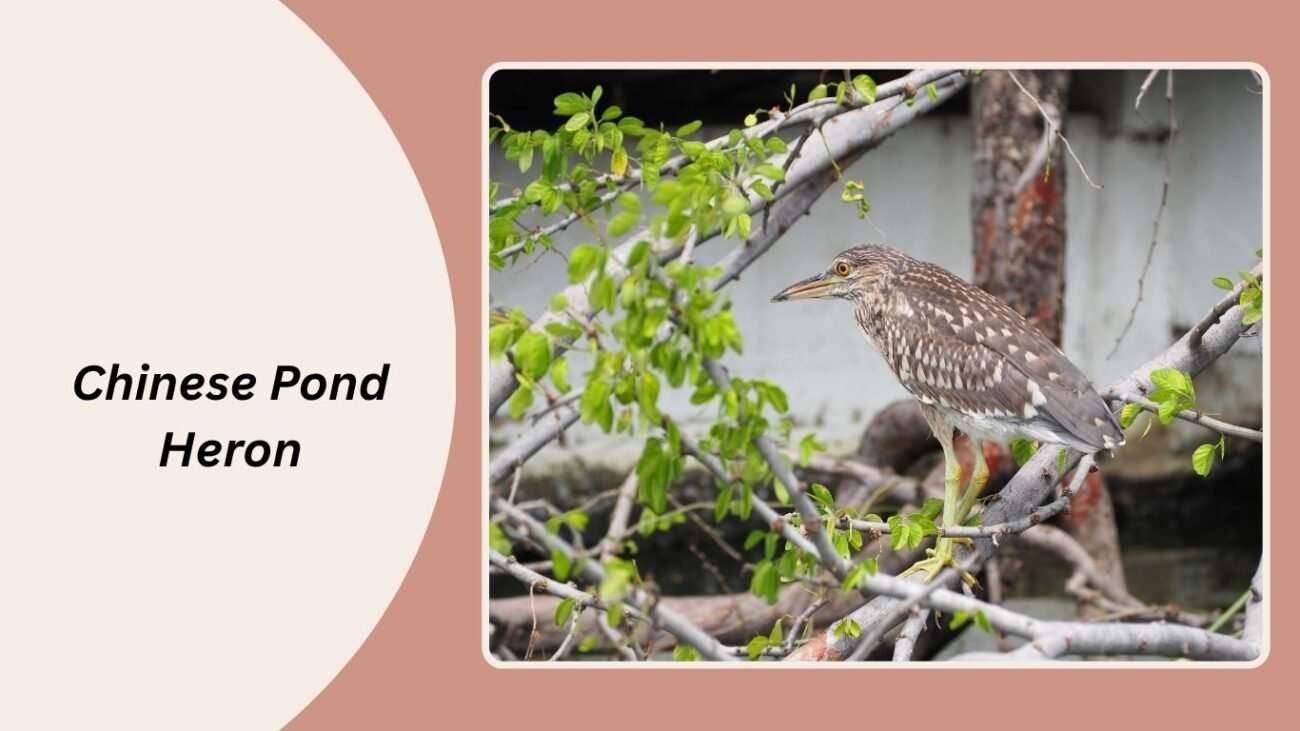
The Chinese Pond Heron (Ardeola bacchus) is a small, stocky heron common in East and Southeast Asia, often overlooked until breeding season when its colors become vibrant.
Identification
- Non-breeding: Dull brown and streaked, similar to other pond herons
- Breeding: Rich maroon body, white wings, and blue-black crown
- Bill: Yellow with a dark tip
- Legs: Yellow
- Size: About 18–20 inches tall
Habitat and Range
Found in rice fields, ponds, marshes, and urban wetlands across China, Taiwan, Japan, and Southeast Asia. Frequently seen around human habitation.
Behavior
Feeds on insects, fish, frogs, and crustaceans. Stalks prey in shallow water or grassy fields. In flight, it reveals bright white wings, which contrast with its streaked appearance when perched.
Best Time to Spot
Most visible during breeding season (spring to early summer) when plumage is colorful. Present year-round in tropical and subtropical areas.
12. Indian Pond Heron
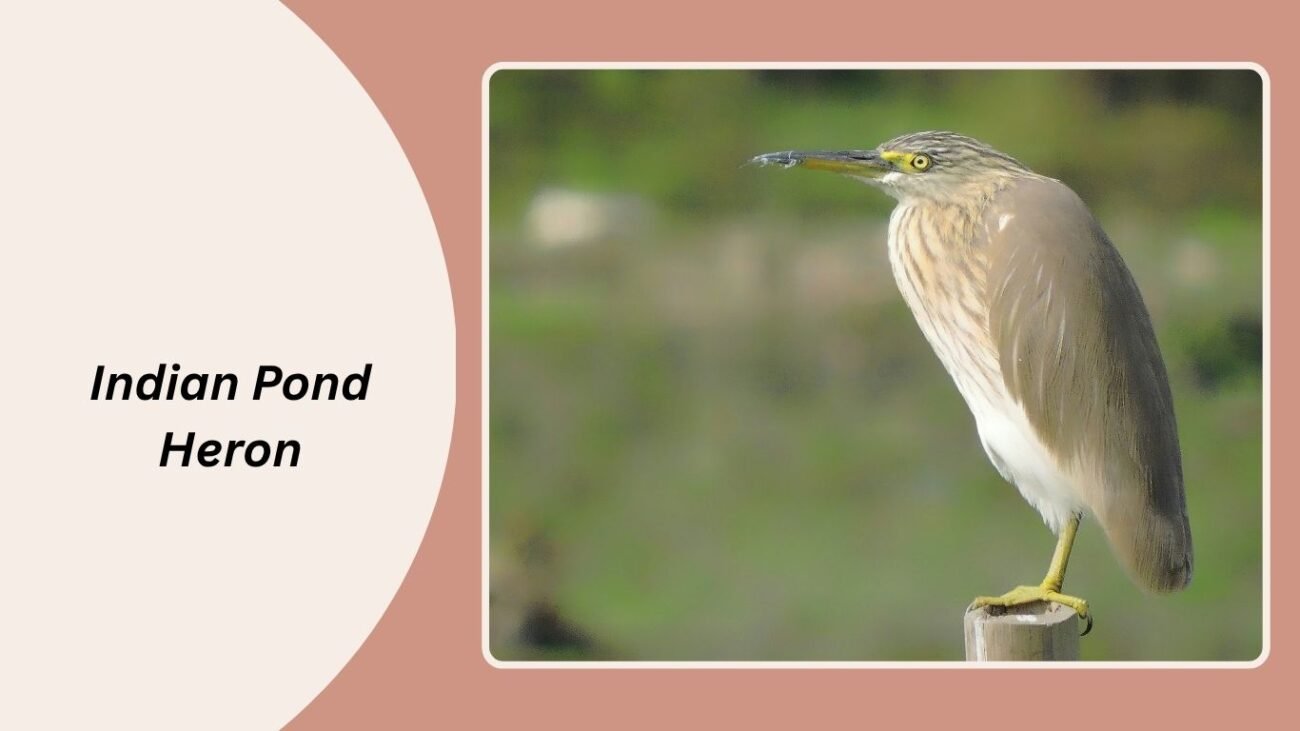
The Indian Pond Heron (Ardeola grayii) is a common and well-camouflaged heron found throughout the Indian subcontinent. It’s often seen in agricultural fields, ponds, and urban wetlands.
Identification
- Non-breeding: Brownish with streaked body and back
- Breeding: Buff body with maroon and white wings
- Bill: Yellow with a black tip
- Legs: Greenish-yellow
- Size: About 18 inches tall
Habitat and Range
Widespread across India, Sri Lanka, Pakistan, Nepal, and Bangladesh. Common in rice paddies, village ponds, canals, and even city parks.
Behavior
Stands still or moves slowly, often blending into its background until it takes flight, flashing bright white wings. Feeds on small fish, insects, and amphibians.
Best Time to Spot
Year-round in the Indian subcontinent. Most noticeable during the breeding season when plumage brightens.
13. Squacco Heron
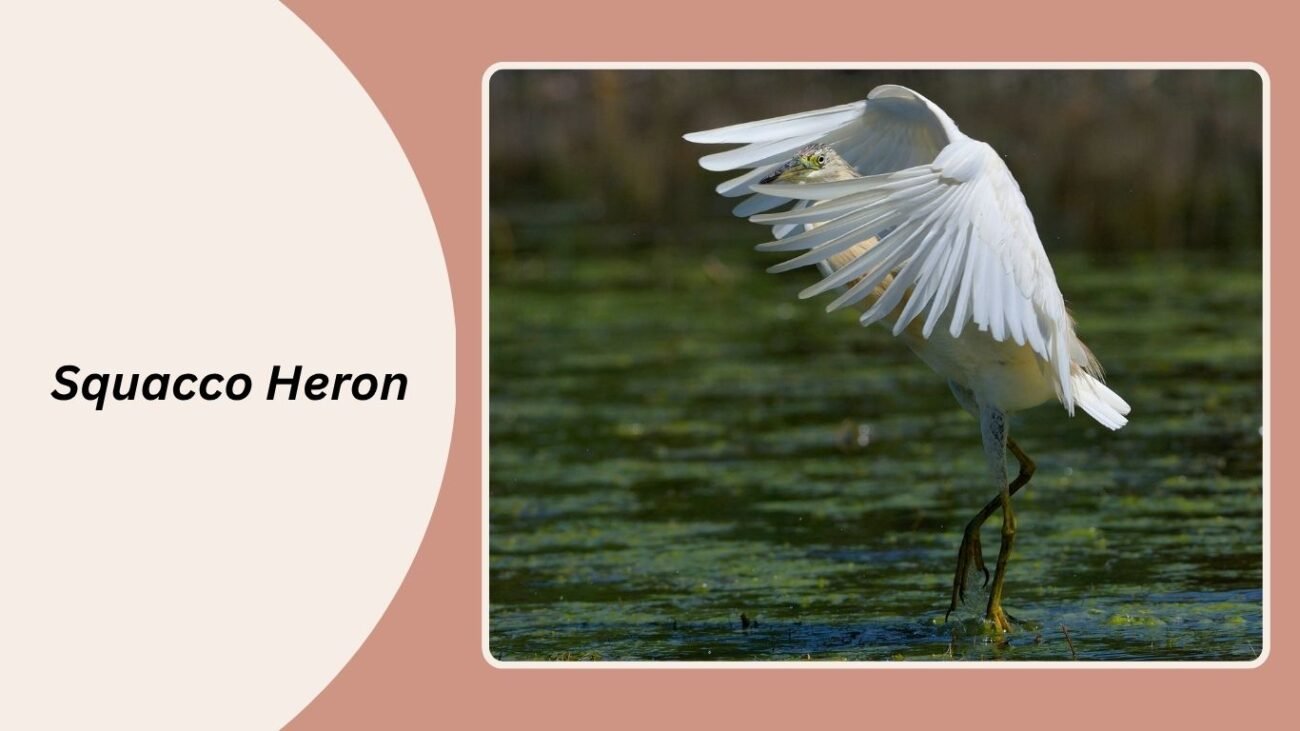
The Squacco Heron (Ardeola ralloides) is a small, buff-colored heron with a compact build and brilliant white wings that flash in flight.
Identification
- Non-breeding: Light brown with streaks on neck and head
- Breeding: Buff back, white wings, blue facial skin, and long nape plumes
- Bill: Blue at base, dark at tip
- Legs: Yellow
- Size: Around 18–20 inches tall
Habitat and Range
Breeds in southern Europe, Africa, and western Asia. Prefers reed beds, marshes, and freshwater wetlands. Winters in sub-Saharan Africa.
Behavior
Solitary or in small groups. Stalks prey slowly, feeding on fish, frogs, and insects. Well-camouflaged when still, but highly visible in flight due to its white wings.
Best Time to Spot
Spring and summer in Europe and Asia during breeding. Winters in Africa, especially in shallow wetlands and rice fields.
14. Western Reef Heron
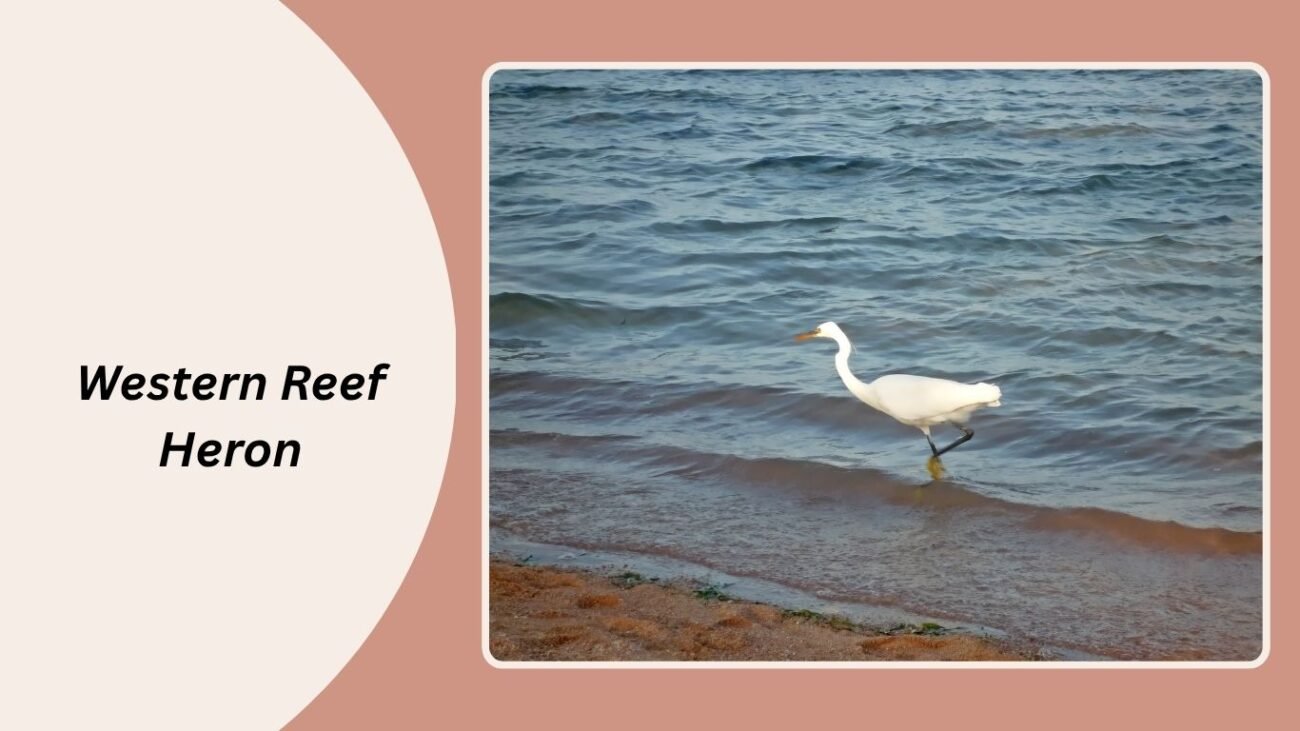
The Western Reef Heron (Egretta gularis), also known as the Western Reef Egret, is a coastal heron found along tropical and subtropical shorelines. It exists in two distinct color morphs—dark and white.
Identification
- Color Morphs: Dark (slate-gray body) and white (entirely white)
- Bill: Long, slender, yellow to dark depending on morph
- Legs: Yellow or greenish with dark upper thighs
- Neck: Long with noticeable S-shape when extended
- Size: Around 22–26 inches tall
Habitat and Range
Found along coastlines, mudflats, mangroves, and estuaries of West Africa, the Middle East, and western India. Often near reefs and tidal pools.
Behavior
Feeds by stalking or dashing after small fish and crustaceans in shallow saltwater. Often seen hunched low while walking, with quick jabs to catch prey.
Best Time to Spot
Year-round in tropical coastal regions. Best seen at low tide on mudflats or rocky shorelines.
15. Cattle Egret
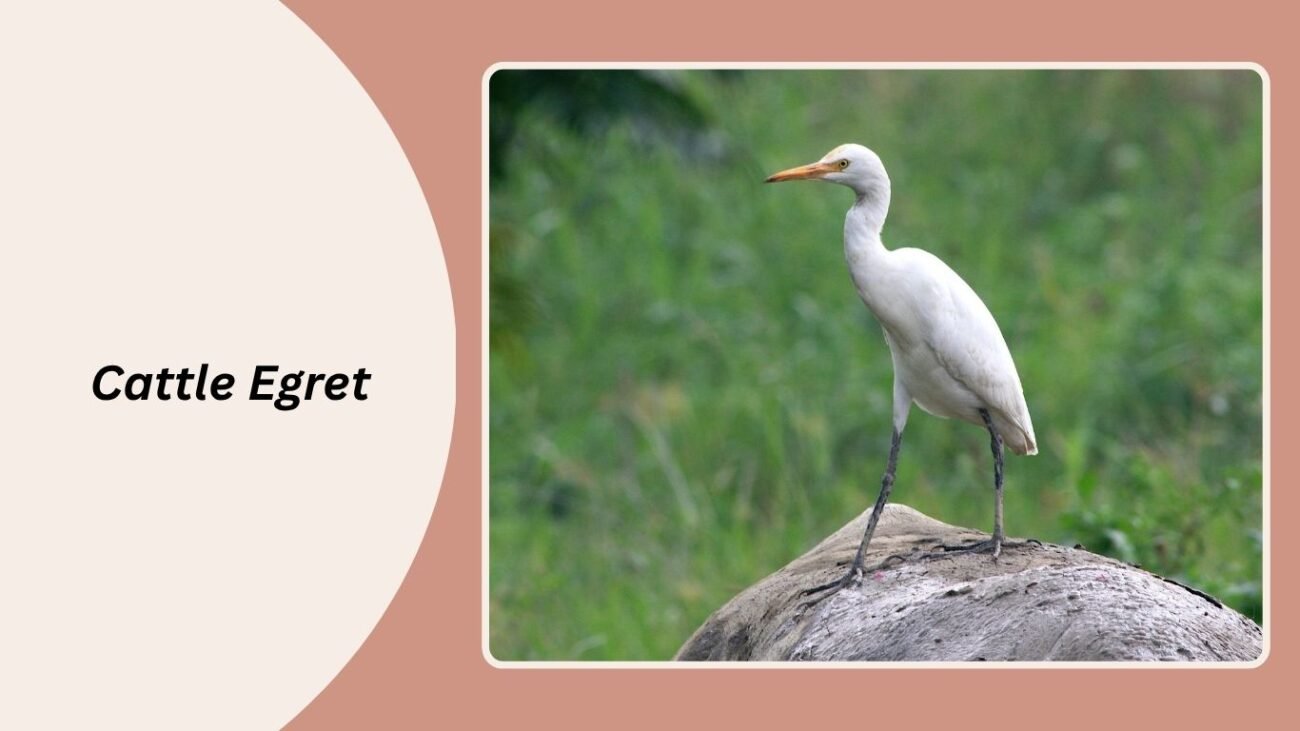
The Cattle Egret (Bubulcus ibis) is a small, stocky heron often found in dry fields rather than wetlands. It frequently follows livestock to catch insects stirred up by their movement.
Identification
- Non-breeding: White with yellow bill and legs
- Breeding: Adds orange-buff plumes on head, chest, and back
- Size: About 20 inches tall with a 35-inch wingspan
- Bill: Shorter and stouter than most herons
Habitat and Range
Native to Africa but now found on every continent except Antarctica. Prefers grasslands, pastures, farmlands, and urban parks—especially near grazing animals.
Behavior
Feeds on grasshoppers, flies, and small animals. Seen in flocks, often near cattle, tractors, or lawn mowers. Nests colonially in trees or reeds, sometimes with other wading birds.
Best Time to Spot
Year-round in warm regions. Breeding plumage is most visible in spring and early summer. Frequently seen in open fields during daytime.


