
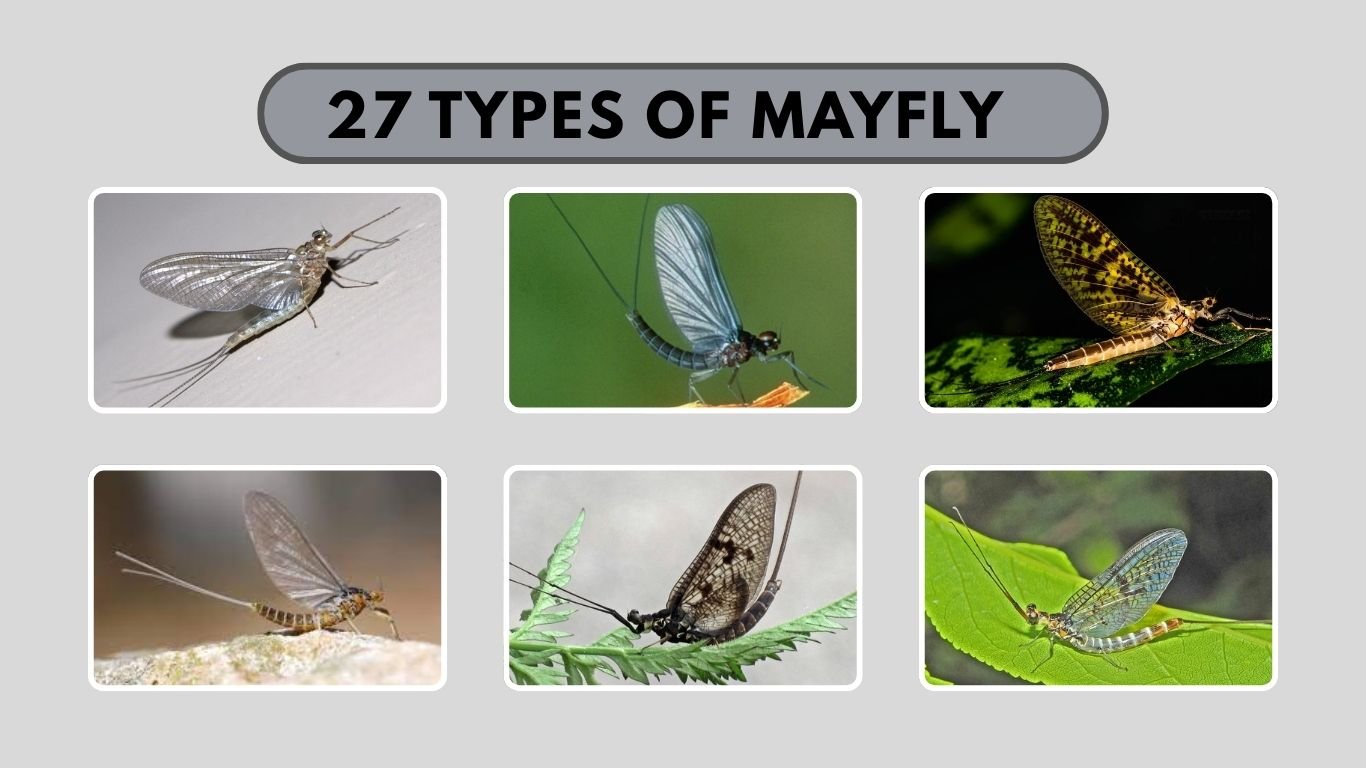
Mayflies are delicate aquatic insects that play a vital role in freshwater ecosystems and are highly valued in the world of fly fishing. With their short adult lifespan and graceful flight, they emerge in diverse shapes, sizes, and colors. This guide explores 27 different types of mayflies, detailing their identification, habitat, and behavior to help anglers, nature lovers, and entomology enthusiasts recognize these fascinating insects.
1. Blue-Winged Olive (Baetis spp.)
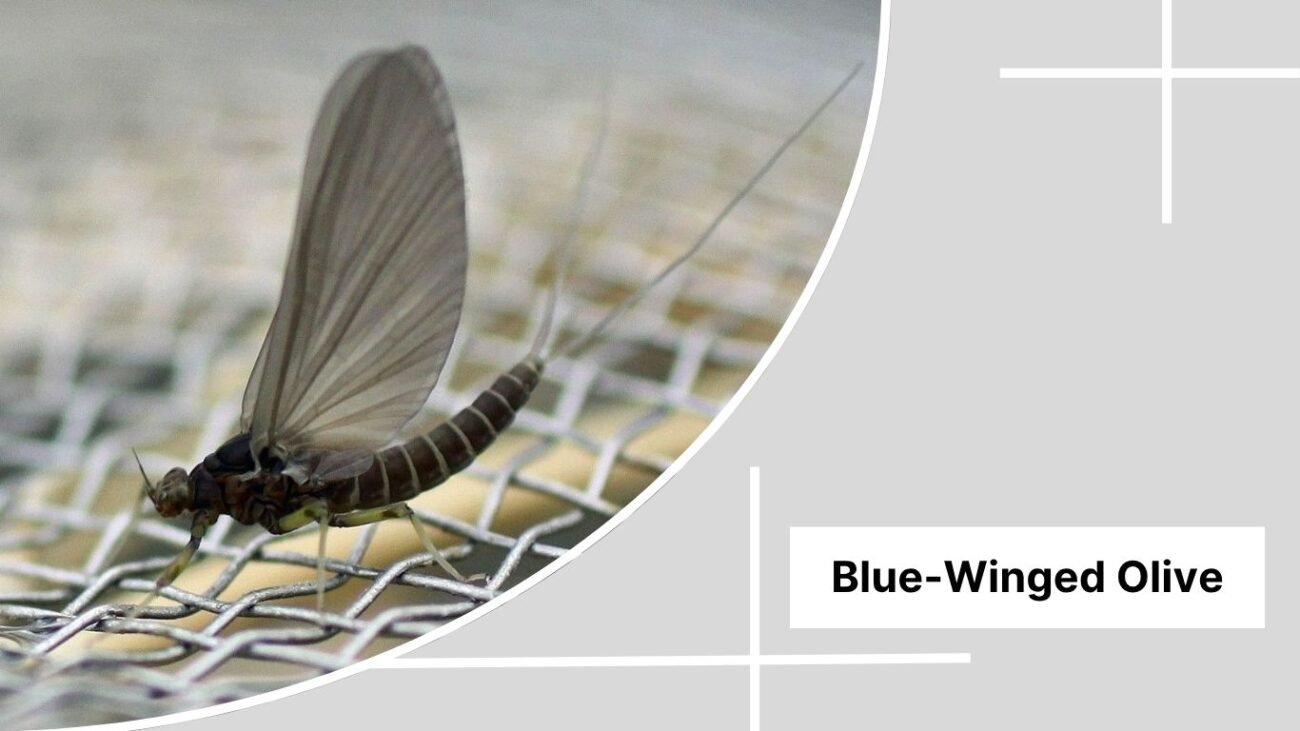
The Blue-Winged Olive is one of the most common and important mayflies for anglers and aquatic ecosystems. Known for their olive-green bodies and bluish-gray wings, they hatch in large numbers, especially during cool, overcast days. These mayflies are a vital food source for trout and other freshwater fish, making them highly valued in fly fishing.
Identification
- Scientific Name: Baetis spp.
- Body Size: 5–10 mm
- Color: Olive to olive-brown body with bluish-gray (slate) wings
- Wing Shape: Upright, triangular, and semi-transparent
- Tail: Two slender tails, sometimes three depending on species
Habitat and Distribution
Blue-Winged Olives inhabit clean, cold rivers, streams, and lakes across North America, Europe, and parts of Asia. They are especially abundant in waters with good oxygenation and moderate currents.
Behavior and Diet
The nymphs are agile swimmers that feed on algae, plant matter, and microscopic debris, while adults do not feed and live only to mate and reproduce.
2. March Brown (Rhithrogena germanica)
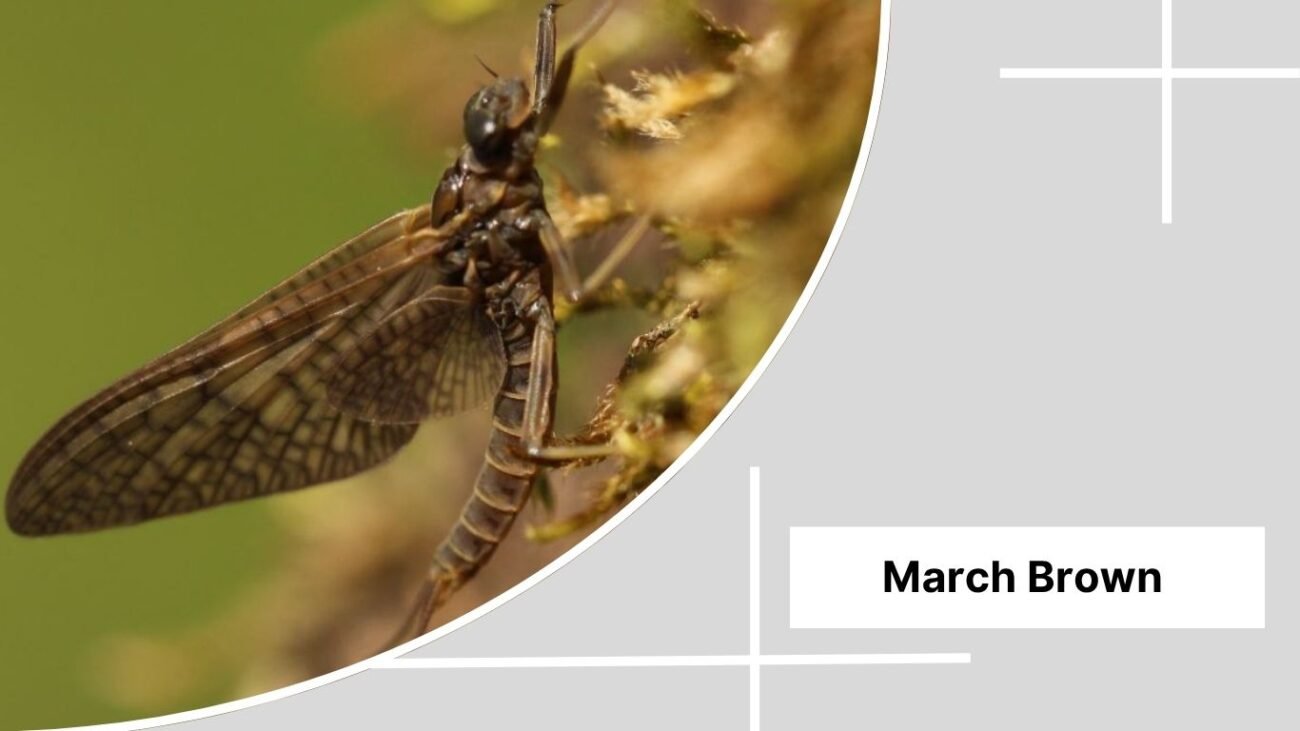
The March Brown is one of the earliest large mayflies to appear in spring, often signaling the start of the fly-fishing season in many regions. Recognized for its mottled brown wings and sturdy body, it emerges in cooler water temperatures, providing an important early-season food source for trout.
Identification
- Scientific Name: Rhithrogena germanica
- Body Size: 10–15 mm
- Color: Brown to reddish-brown body with pale underbelly
- Wing Shape: Upright with mottled brown and gray patterns
- Tail: Two long, pale-brown tails
Habitat and Distribution
March Browns prefer clean, fast-flowing rivers and streams with rocky or gravel beds. They are found in Europe, particularly in the UK, and in some parts of North America.
Behavior and Diet
The nymphs cling to rocks in strong currents, feeding on detritus and algae, while adults emerge quickly and often in mid-day hatches, attracting eager fish.
3. Green Drake (Ephemera danica)
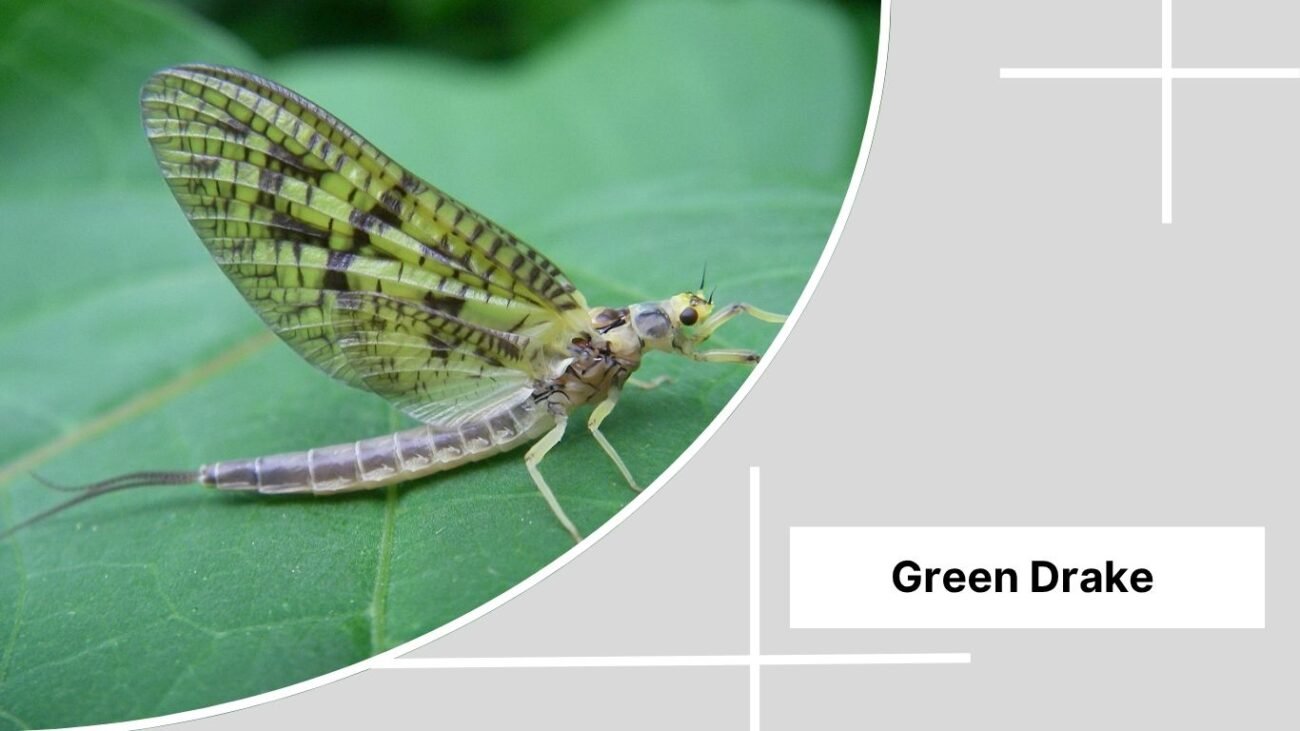
The Green Drake is one of the largest and most anticipated mayfly species for anglers, famous for triggering aggressive feeding behavior in trout. With its greenish body and large, translucent wings, it is both beautiful and highly visible on the water’s surface. Hatches often occur in late spring to early summer, creating some of the most exciting fishing conditions of the year.
Identification
- Scientific Name: Ephemera danica
- Body Size: 15–25 mm
- Color: Pale green to olive body with yellowish markings
- Wing Shape: Large, upright, and glassy with visible veins
- Tail: Three long, delicate tails
Habitat and Distribution
This species thrives in clean, moderate to slow-flowing rivers and lakes with silty or sandy bottoms. It is widespread in Europe and parts of Asia, with related species found in North America.
Behavior and Diet
The nymphs burrow into soft substrates, feeding on organic debris, while the adults live briefly, focusing solely on mating and reproduction.
4. Gray Drake (Siphlonurus quebecensis)
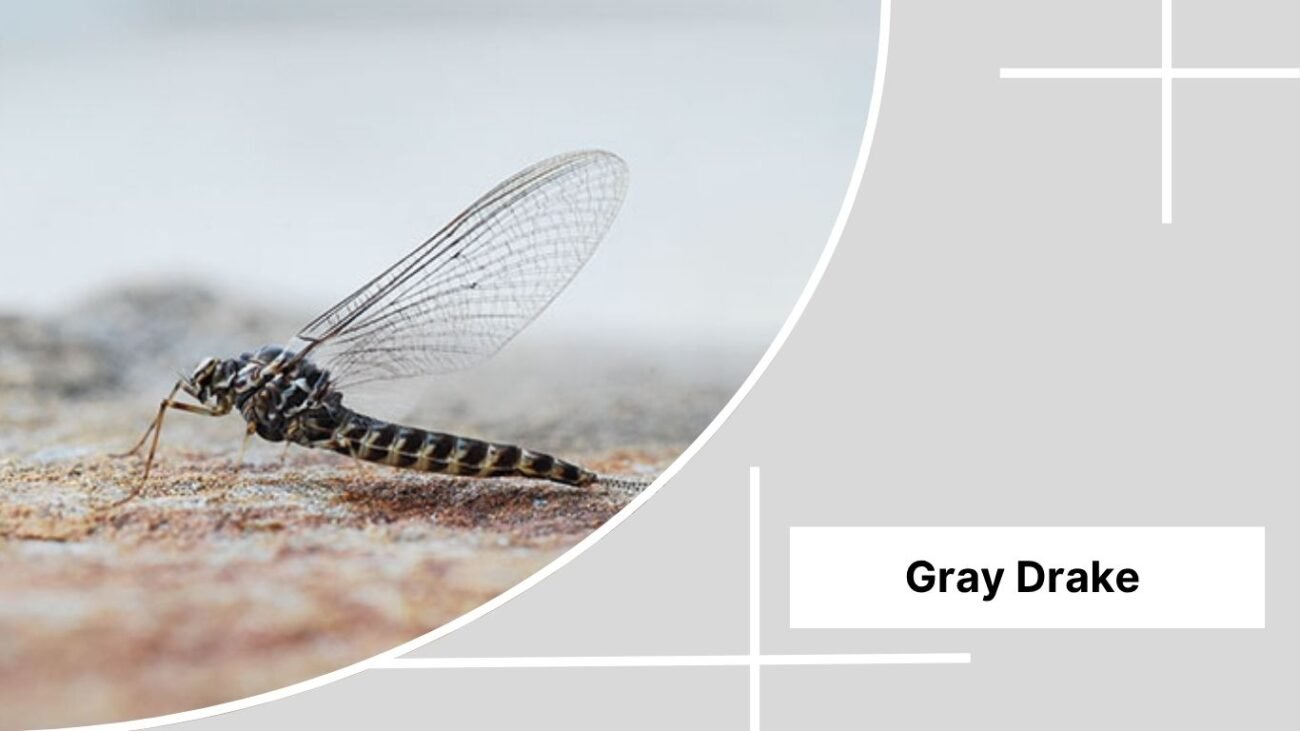
The Gray Drake is a slender and elegant mayfly known for its gray-toned body and delicate wings. Unlike some species that hatch en masse, Gray Drakes often emerge sporadically over several weeks, making them a consistent but less dramatic food source for fish. Their subtle coloring helps them blend into the water’s surface, making them less conspicuous to predators.
Identification
- Scientific Name: Siphlonurus quebecensis
- Body Size: 12–18 mm
- Color: Gray to pale brown body with lighter underbelly
- Wing Shape: Upright, translucent, with fine venation
- Tail: Three long, pale gray tails
Habitat and Distribution
Gray Drakes inhabit slow-moving rivers, streams, and lake margins with abundant vegetation. They are found throughout North America, particularly in Canada and the northern United States.
Behavior and Diet
The nymphs are agile swimmers that feed on fine organic particles and plant matter, while adults focus on reproduction and are short-lived after emerging.
5. Brown Drake (Ephemera simulans)
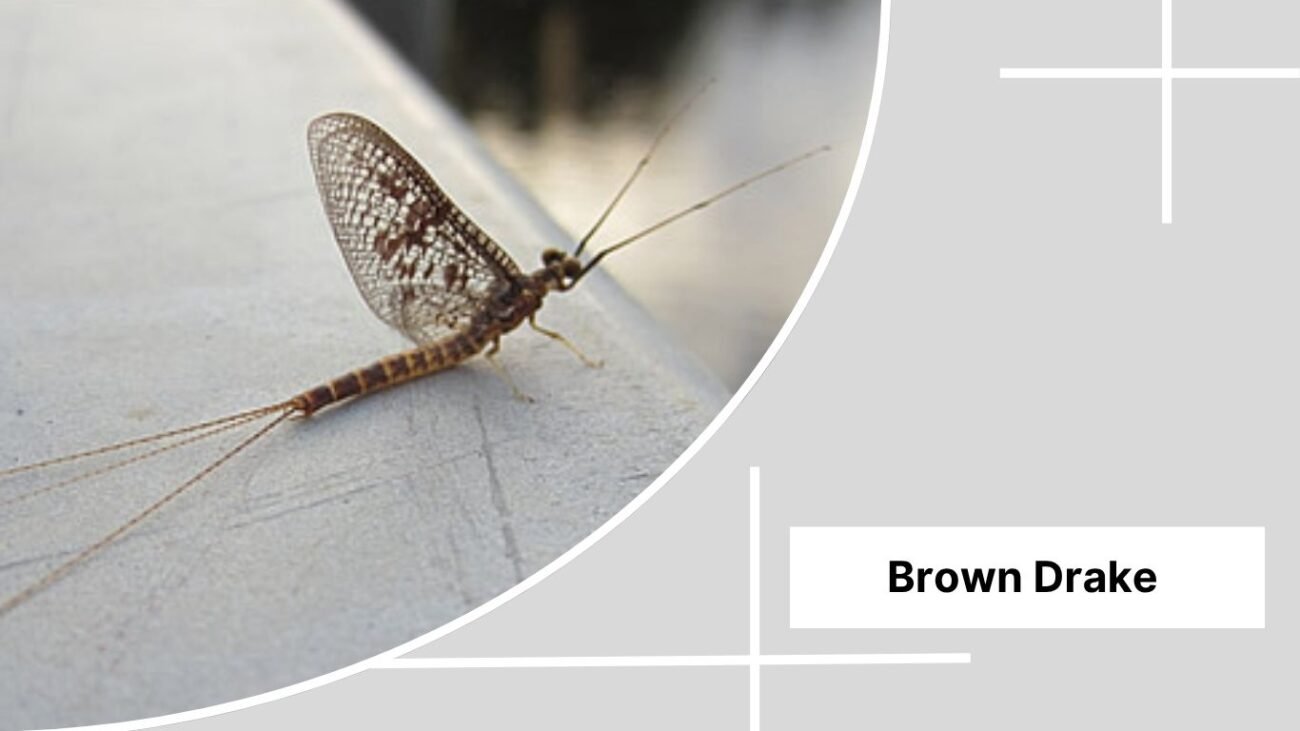
The Brown Drake is a large and striking mayfly species that plays a key role in late spring and early summer hatches. Its warm brown coloring and sizeable wings make it an easy target for fish, especially during twilight hatches. Anglers often anticipate Brown Drake evenings, as trout feed aggressively on these abundant insects.
Identification
- Scientific Name: Ephemera simulans
- Body Size: 15–22 mm
- Color: Rich brown body with lighter banding on the abdomen
- Wing Shape: Upright, semi-transparent with visible veins
- Tail: Three long, light brown tails
Habitat and Distribution
Brown Drakes thrive in clean lakes, slow-moving rivers, and sandy-bottomed streams. They are common across North America, especially in the northern United States and parts of Canada.
Behavior and Diet
The nymphs are burrowers, living in sandy or silty substrates and feeding on organic debris, while adults emerge in the evening, often creating dense mating swarms above the water.
6. Hexagenia (Hexagenia limbata)
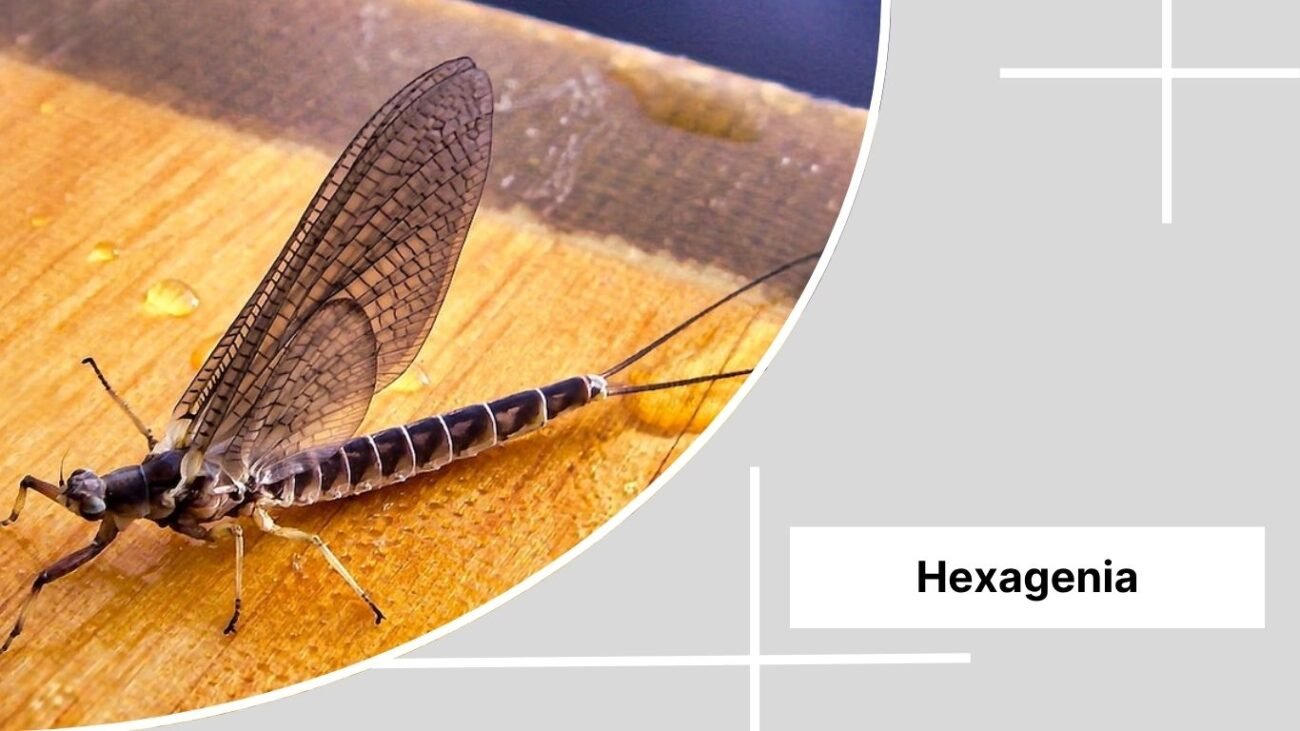
Hexagenia, often called the Giant Mayfly, is one of the largest mayfly species in North America. Known for its impressive size and mass emergences, it can create spectacular evening hatches that attract both anglers and fish in great numbers. These hatches are so abundant in some areas that they can temporarily blanket shorelines and even appear on weather radar.
Identification
- Scientific Name: Hexagenia limbata
- Body Size: 20–30 mm
- Color: Yellowish-brown to tan body with lighter underbelly
- Wing Shape: Large, upright, and translucent with strong veins
- Tail: Two long, delicate tails
Habitat and Distribution
Hexagenia species inhabit lakes, reservoirs, and slow-moving rivers with soft, silty bottoms. They are widespread across North America, especially in the Great Lakes region and large river systems.
Behavior and Diet
The nymphs are deep burrowers, living in U-shaped tunnels in the sediment and feeding on organic matter. Adults live only a day or two, focusing entirely on reproduction during massive synchronized hatches.
7. Hendrickson (Ephemerella subvaria)
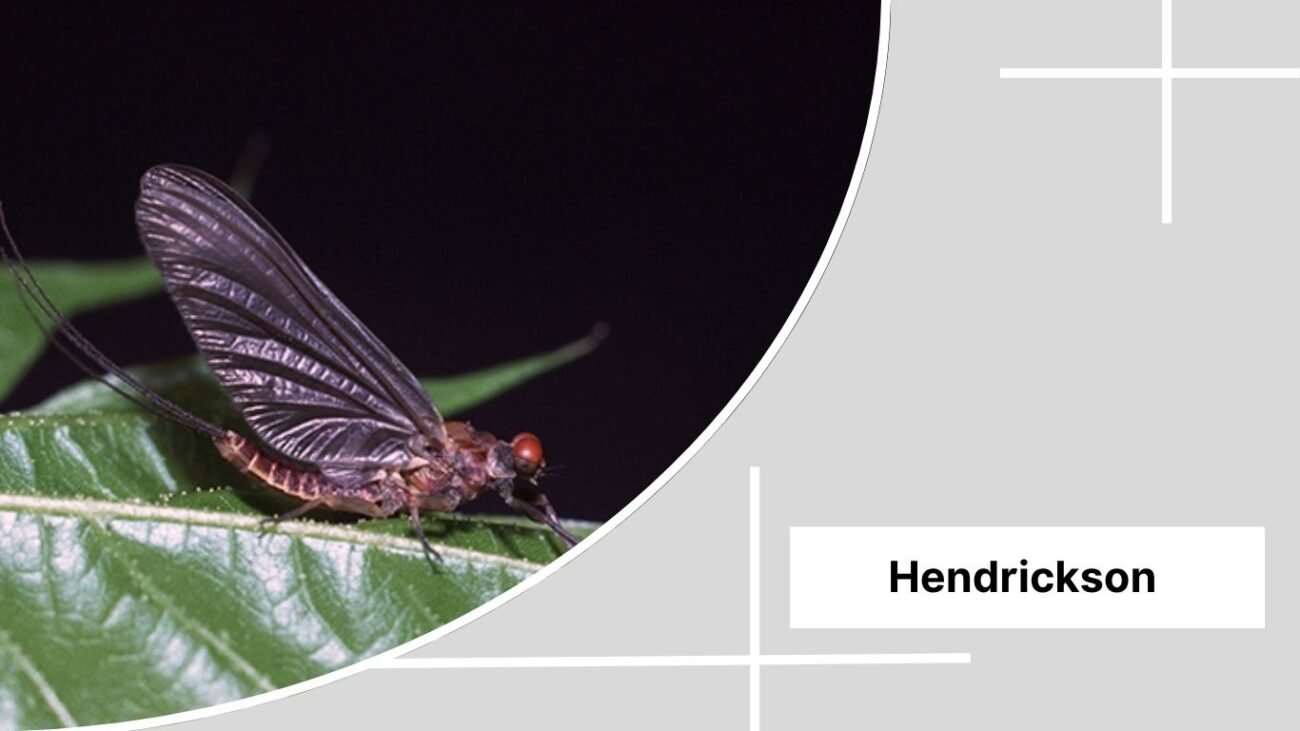
The Hendrickson is a well-known mayfly species that signals the start of prime spring fly-fishing in many rivers. With its pinkish-brown body and medium size, it is easy for fish to spot, making hatches highly productive for anglers. These mayflies often emerge during warm afternoons in early to mid-spring.
Identification
- Scientific Name: Ephemerella subvaria
- Body Size: 10–14 mm
- Color: Pinkish-tan to light brown body with darker markings
- Wing Shape: Upright, pale gray, and slightly opaque
- Tail: Two medium-length, light brown tails
Habitat and Distribution
Hendricksons are found in clean, medium to fast-flowing rivers and streams with gravel or rocky bottoms. They are common in the northeastern and midwestern United States, as well as parts of Canada.
Behavior and Diet
Nymphs are clingers that feed on plant material and detritus, while adults emerge in the afternoon, often creating steady surface feeding activity among trout.
8. Quill Gordon (Epeorus pleuralis)
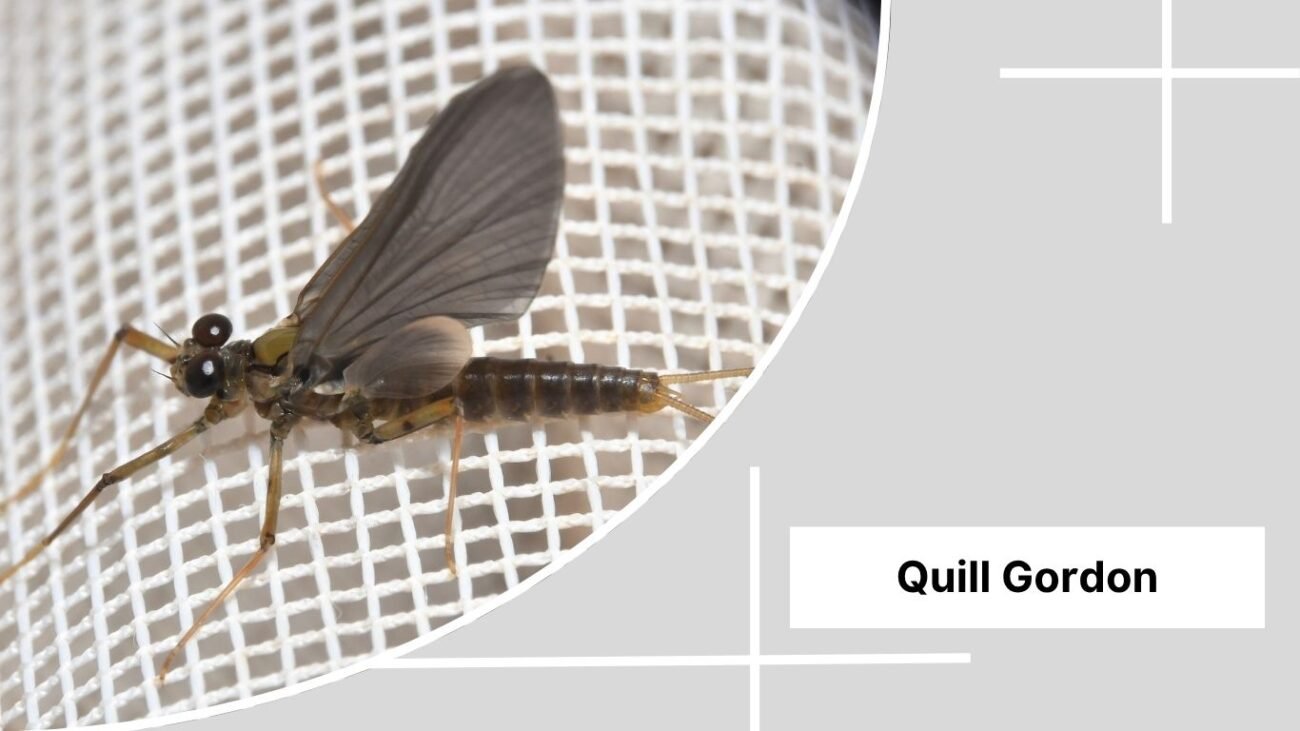
The Quill Gordon is a classic mayfly species highly regarded in the fly-fishing community for its early spring hatches. Recognized by its dark, quill-like body and large, sail-like wings, it often emerges in cold water conditions when few other insects are active, making it a key early-season food source for trout.
Identification
- Scientific Name: Epeorus pleuralis
- Body Size: 12–15 mm
- Color: Dark brown to grayish body with lighter segments
- Wing Shape: Large, upright, and translucent gray with distinct venation
- Tail: Two long, dark brown tails
Habitat and Distribution
Quill Gordons inhabit clean, fast-flowing rivers and streams with rocky substrates. They are primarily found in the eastern United States, especially in the Appalachian region.
Behavior and Diet
The nymphs are strong clingers adapted to swift currents, feeding on algae and organic debris. Adults emerge on the water’s surface, often in cooler temperatures, providing early opportunities for dry-fly fishing.
9. Pale Morning Dun (Ephemerella excrucians)
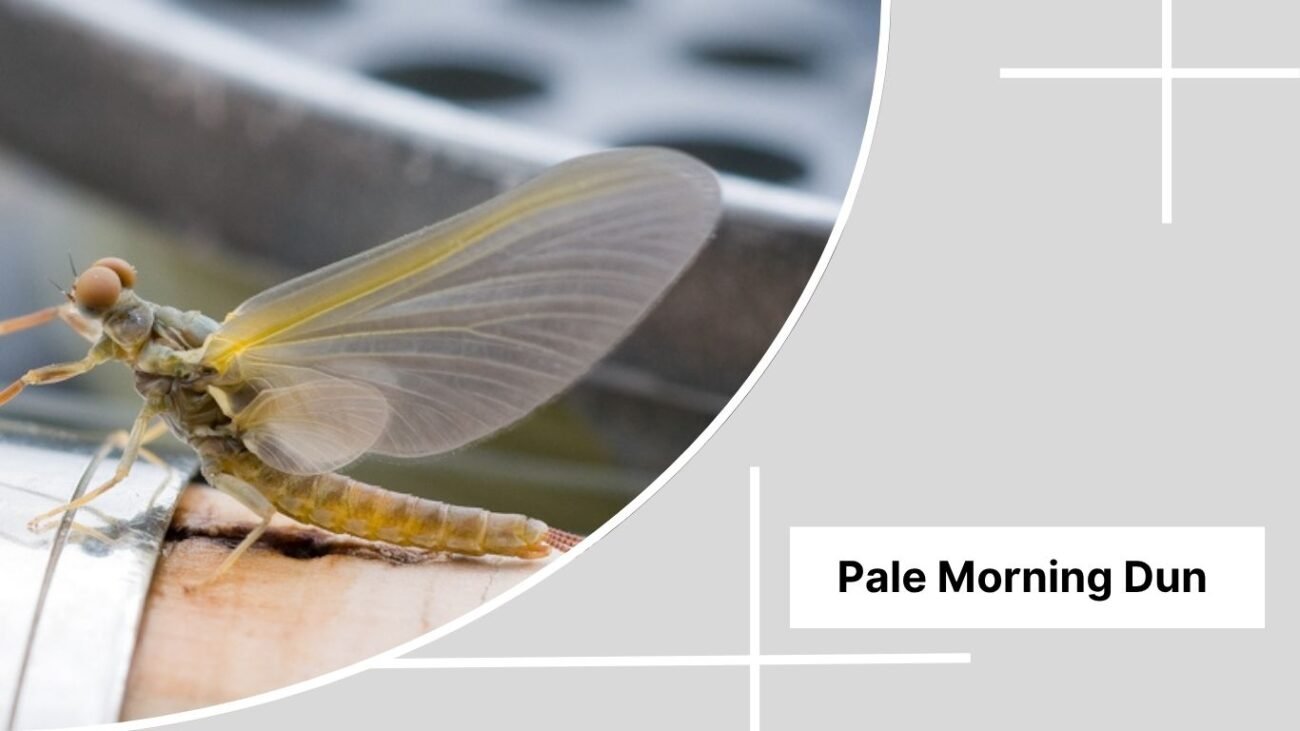
The Pale Morning Dun, often referred to as PMD, is one of the most important summer mayflies for trout fishing. Known for its light yellow body and graceful appearance, it hatches steadily through warm months, offering consistent feeding opportunities for fish and exciting action for anglers.
Identification
- Scientific Name: Ephemerella excrucians
- Body Size: 8–12 mm
- Color: Pale yellow to creamy tan body
- Wing Shape: Upright, light gray to creamy white, semi-transparent
- Tail: Two medium-length, pale yellow tails
Habitat and Distribution
PMDs thrive in clean, medium to slow-flowing rivers and streams with gravel or sandy bottoms. They are widespread across North America, particularly in the western United States and parts of Canada.
Behavior and Diet
The nymphs are excellent swimmers that feed on small organic particles and plant matter. Adults hatch steadily during late morning to early afternoon, often drawing trout to feed actively on the surface.
10. Light Cahill (Stenonema ithaca)
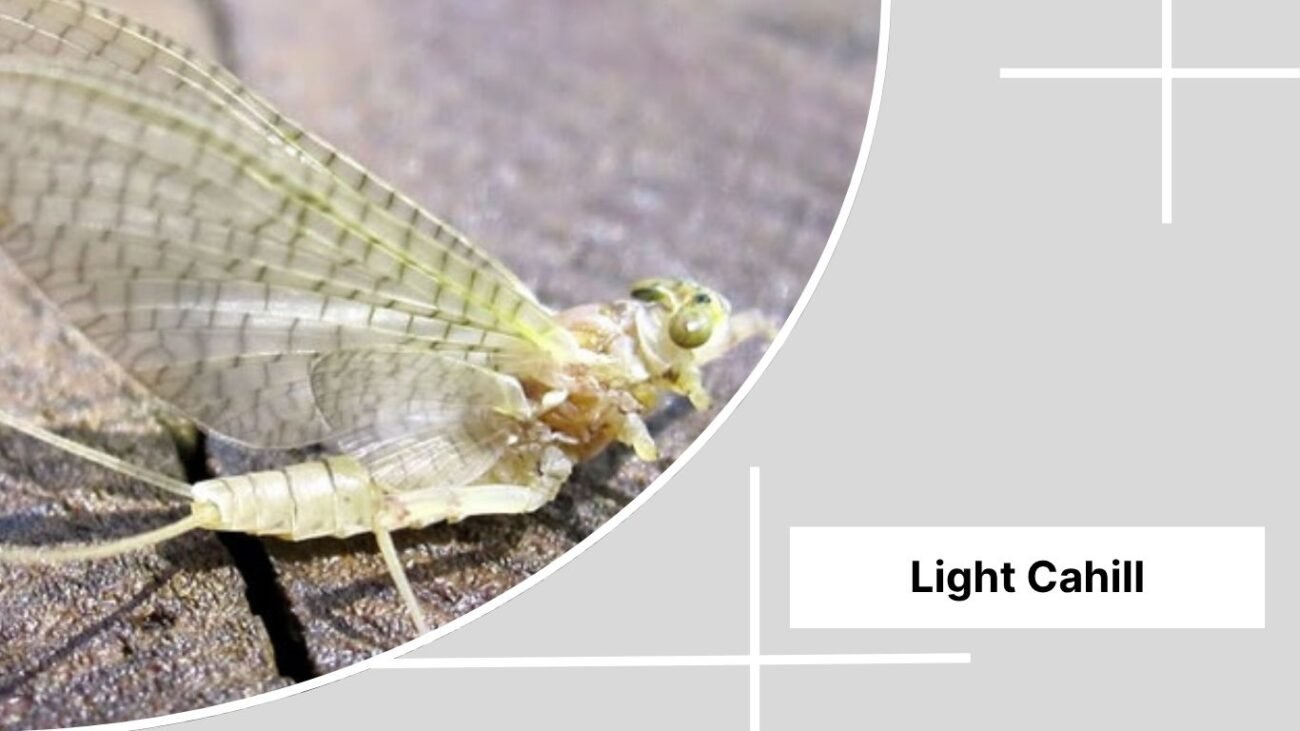
The Light Cahill is a graceful mayfly species known for its pale, creamy coloring and reliable summer hatches. Its delicate appearance and abundance during warm evenings make it a favorite among fly anglers. Light Cahills are especially productive on clear, calm waters where their light tones blend beautifully with the fading daylight.
Identification
- Scientific Name: Stenonema ithaca
- Body Size: 8–12 mm
- Color: Creamy yellow to pale tan body
- Wing Shape: Upright, translucent with a light gray tint
- Tail: Three slender, pale yellow to cream tails
Habitat and Distribution
They inhabit clean, moderate to slow-flowing rivers and streams with gravel or sandy bottoms. Light Cahills are widely distributed across North America, particularly in the eastern and central United States.
Behavior and Diet
The nymphs are strong clingers and crawlers, feeding on algae and fine organic material. Adults emerge primarily in the evening, often prompting steady surface feeding by trout until nightfall.
11. Sulphur Dun (Ephemerella invaria)
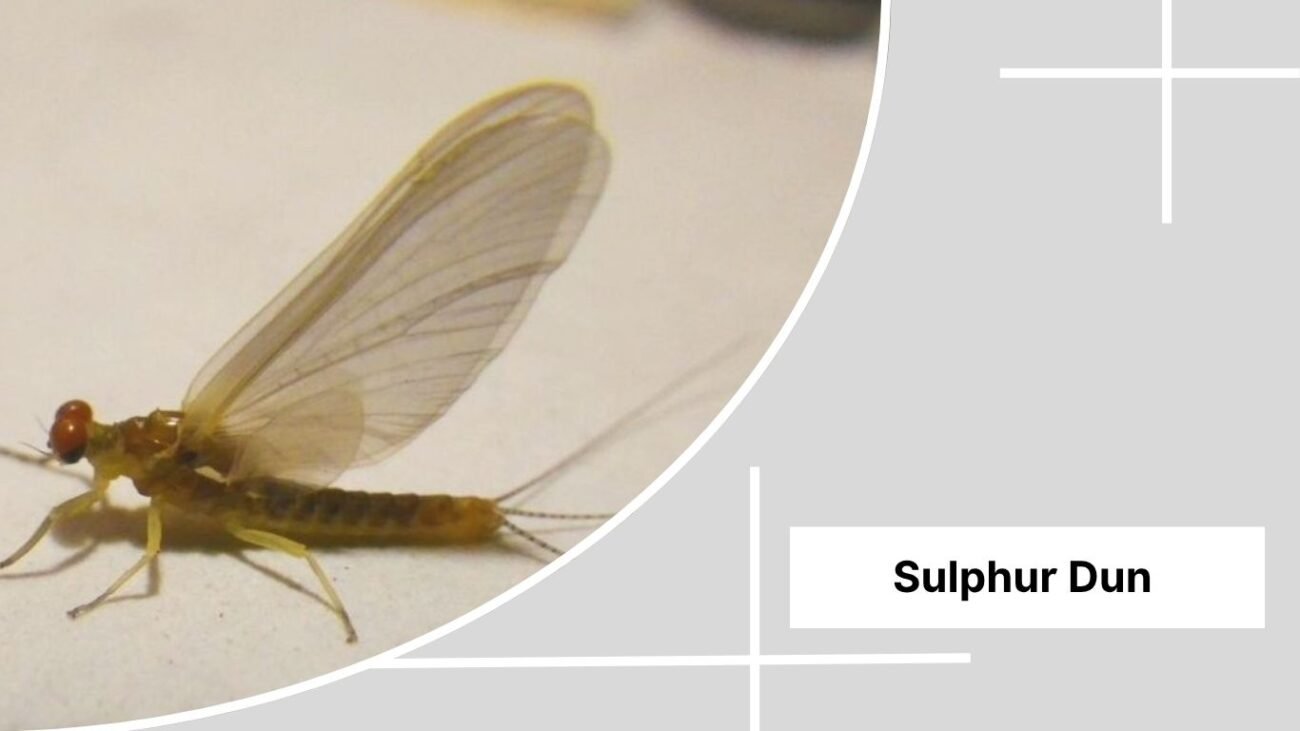
The Sulphur Dun is a small to medium-sized mayfly famous for its vibrant yellow coloring and dependable late-spring to early-summer hatches. These hatches often occur in the evening, creating exciting fishing conditions as trout feed eagerly on the abundant insects drifting on the surface.
Identification
- Scientific Name: Ephemerella invaria
- Body Size: 8–12 mm
- Color: Bright yellow to pale orange body
- Wing Shape: Upright, light gray to slightly creamy translucent wings
- Tail: Two slender, pale yellow tails
Habitat and Distribution
Sulphur Duns are common in clean, moderate-flow rivers and streams with gravel or rocky bottoms. They are widely found in the eastern and central United States, with some presence in western waters.
Behavior and Diet
The nymphs are agile crawlers that feed on algae and organic detritus. Adults emerge steadily, often in large numbers during evening hours, making them a prime target for rising trout.
12. Trico (Tricorythodes minutus)
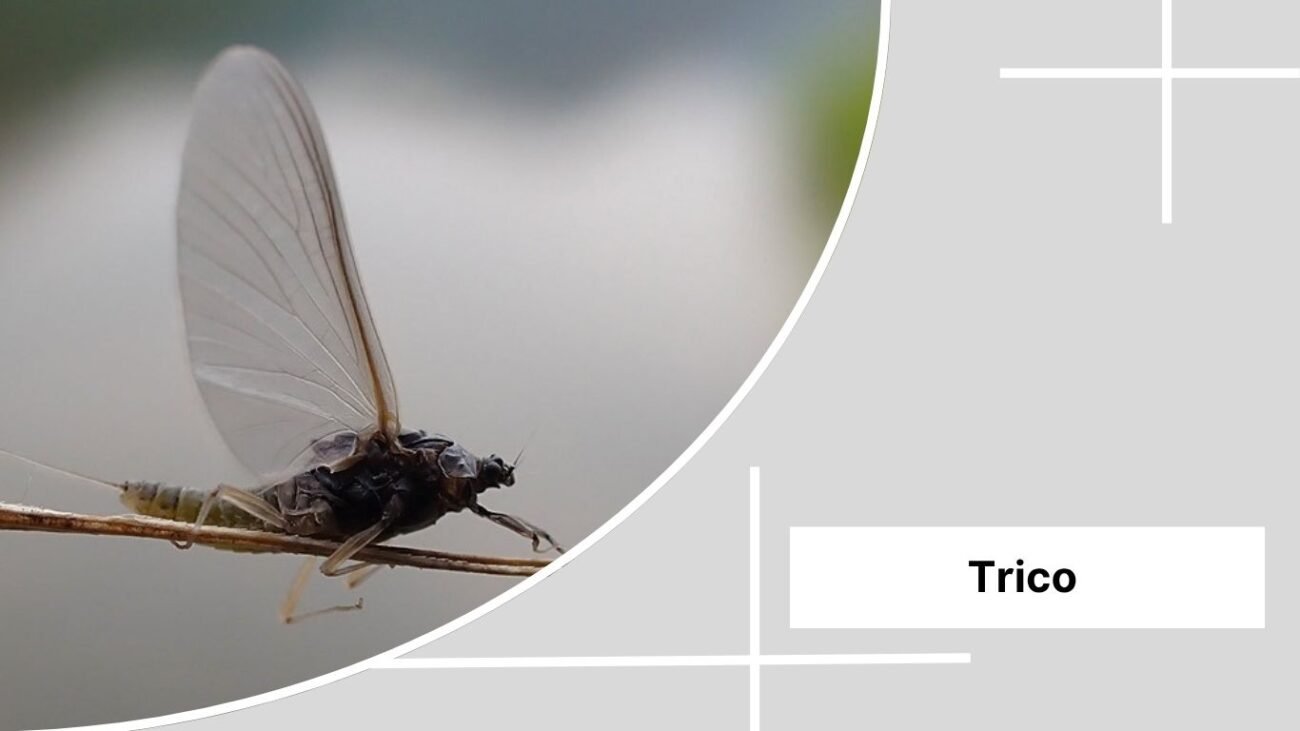
The Trico, short for Tricorythodes, is one of the smallest yet most prolific mayfly species, famous for its massive morning hatches in late summer. Despite their tiny size, Tricos can trigger intense surface feeding activity as trout selectively target these delicate insects drifting downstream.
Identification
- Scientific Name: Tricorythodes minutus
- Body Size: 3–5 mm
- Color: Black or dark brown body with pale underbelly
- Wing Shape: Upright, clear to slightly gray-tinted, delicate wings
- Tail: Three extremely slender, pale tails
Habitat and Distribution
Tricos inhabit slow-moving rivers, spring creeks, and calm sections of streams with clear water. They are common across North America, particularly in the Midwest and mountain regions.
Behavior and Diet
Nymphs are tiny swimmers and crawlers that feed on microscopic algae and detritus. Adults emerge in the early morning, with spinner falls creating dense clouds over the water, drawing trout into selective feeding frenzies.
13. Mahogany Dun (Paraleptophlebia adoptiva)
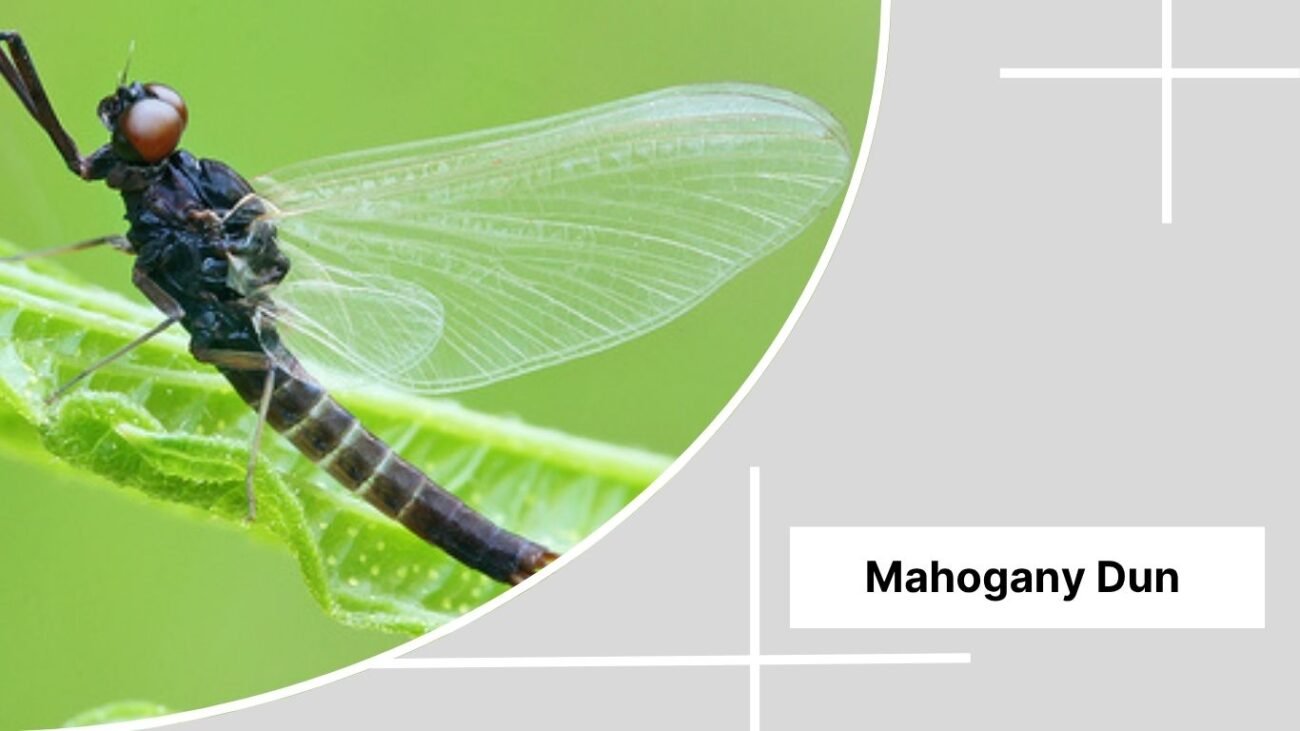
The Mahogany Dun is a small but beautiful mayfly, easily recognized by its reddish-brown body and smoky wings. It is a favorite among anglers during autumn, as its hatches occur when many other aquatic insects are less active, providing a reliable late-season food source for trout.
Identification
- Scientific Name: Paraleptophlebia adoptiva
- Body Size: 7–10 mm
- Color: Reddish-brown to mahogany body with lighter underbelly
- Wing Shape: Upright, smoky gray to brownish, semi-transparent
- Tail: Three slender, light brown tails
Habitat and Distribution
Mahogany Duns inhabit clean, slow to moderately flowing streams, rivers, and spring creeks. They are found throughout North America, especially in cooler waters.
Behavior and Diet
The nymphs are agile swimmers, feeding on algae and fine detritus. Adults emerge mainly in the afternoon during cool autumn days, creating subtle yet steady feeding activity among trout.
14. Blue Quill (Paraleptophlebia adoptiva)
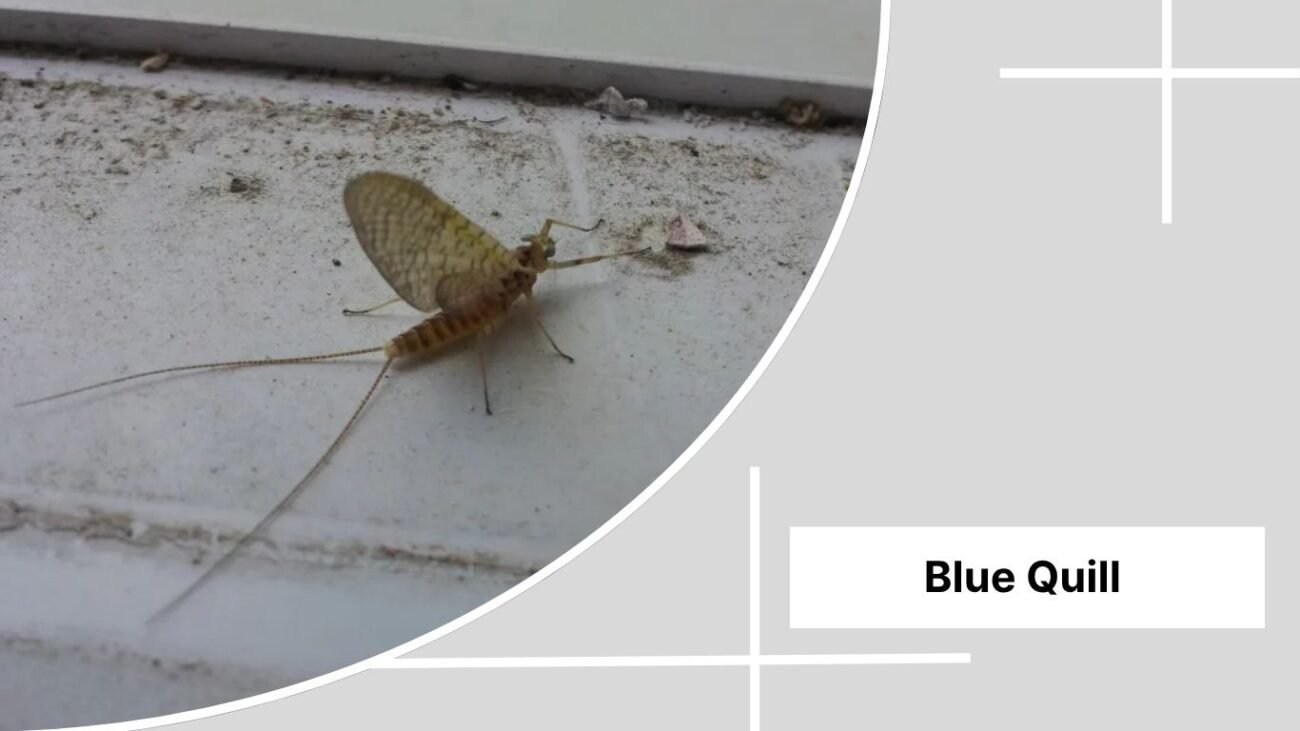
The Blue Quill is a small, early-season mayfly known for its dark body and bluish-gray wings. Despite its modest size, it plays a vital role in spring trout fishing, often hatching when water temperatures are still cool and insect activity is limited.
Identification
- Scientific Name: Paraleptophlebia adoptiva
- Body Size: 7–9 mm
- Color: Dark brown to blackish body with subtle blue hue
- Wing Shape: Upright, bluish-gray, semi-transparent
- Tail: Three slender, dark brown tails
Habitat and Distribution
Blue Quills are found in clean, cool streams and small rivers with moderate currents. They occur widely across North America, particularly in the eastern United States.
Behavior and Diet
The nymphs are swimmers that feed on algae, diatoms, and fine detritus. Adults typically emerge in the late morning to early afternoon during early spring, often attracting eager trout to the surface.
15. Eastern Green Drake (Ephemera guttulata)
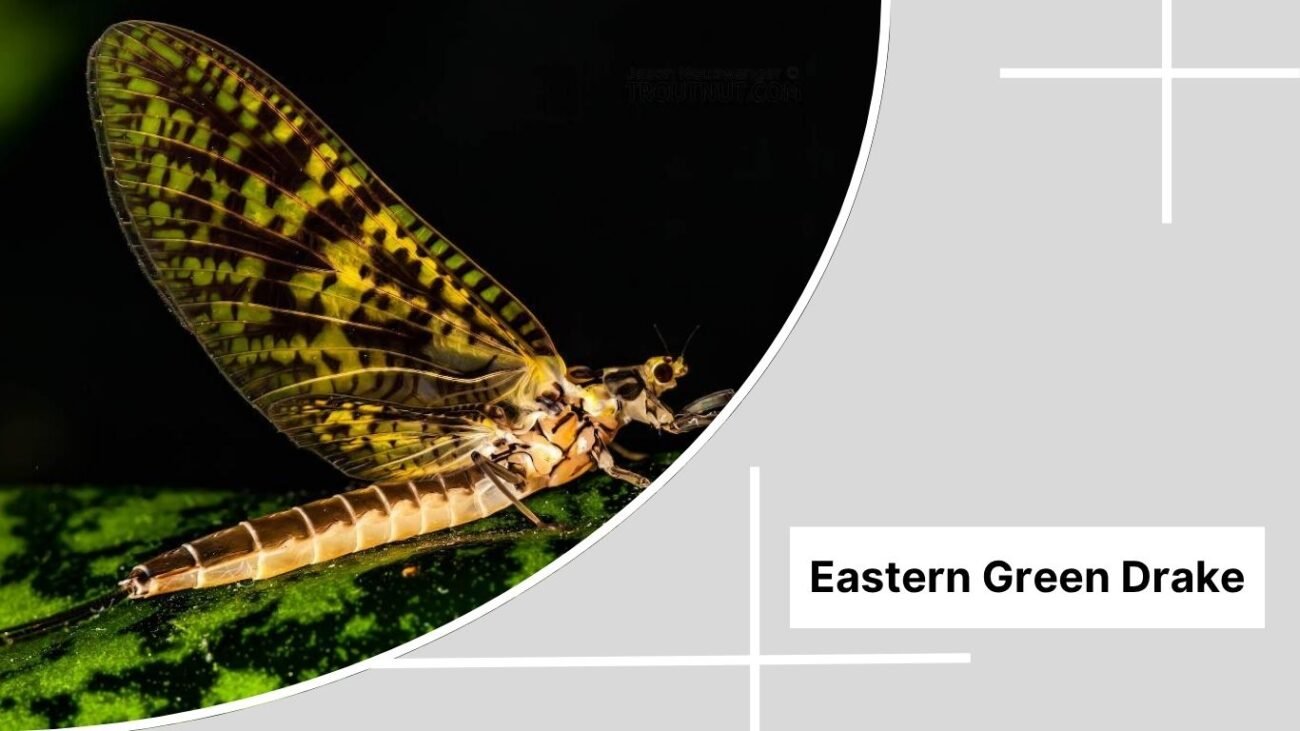
The Eastern Green Drake is one of the most celebrated mayflies in North America, famous for its large size and spectacular hatches that can bring even the wariest trout to the surface. Its striking greenish body and patterned wings make it a standout among mayfly species, especially during late spring and early summer.
Identification
- Scientific Name: Ephemera guttulata
- Body Size: 20–30 mm
- Color: Olive-green to yellowish body with darker markings
- Wing Shape: Upright, translucent with distinct brown speckling
- Tail: Three long, light-colored tails
Habitat and Distribution
Eastern Green Drakes thrive in clean, moderate to slow-flowing rivers and streams with gravel or silty bottoms. They are found mainly in the eastern United States and parts of southeastern Canada.
Behavior and Diet
The nymphs are burrowers, living in soft substrates and feeding on organic detritus. Adults emerge in the evening, creating short but intense hatches that often spark frenzied trout feeding.
16. Western Green Drake (Drunella grandis)
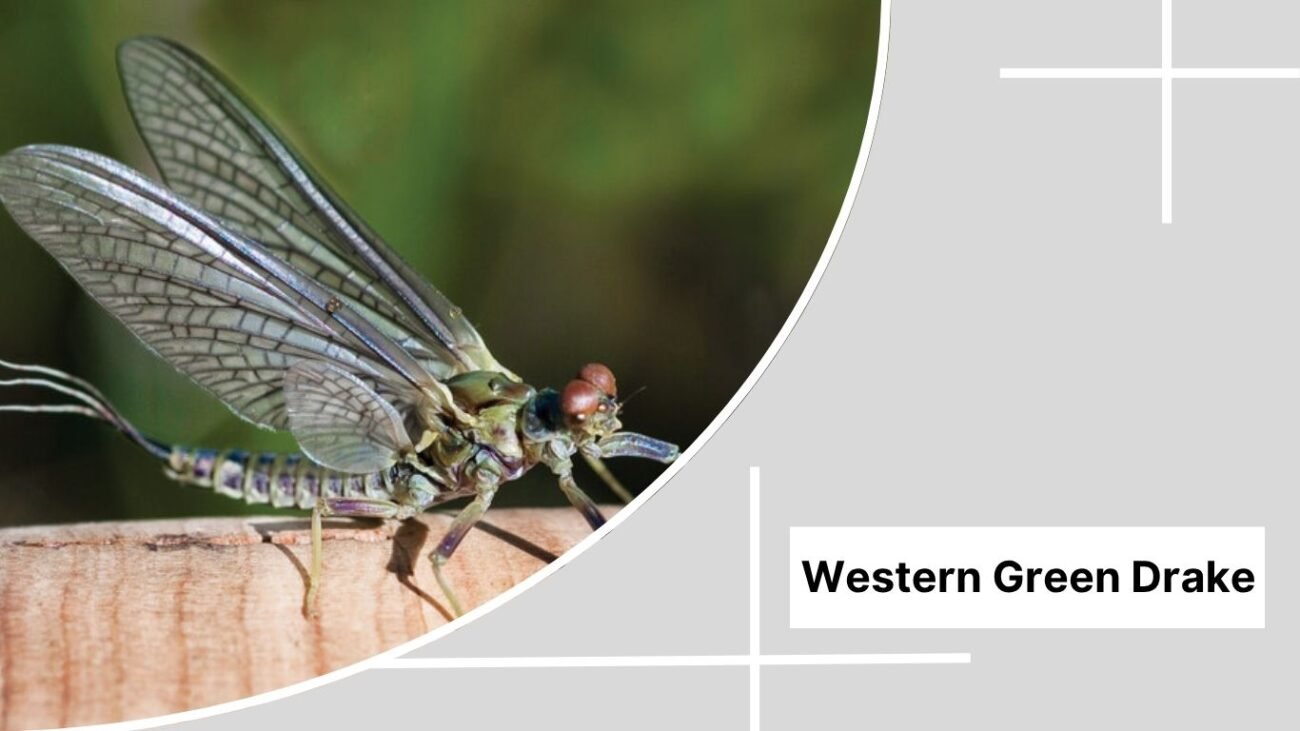
The Western Green Drake is a large and vibrant mayfly that is highly anticipated by anglers in the western United States. Known for its olive-green body and prominent wings, it produces exciting summer hatches that can trigger aggressive feeding behavior in trout.
Identification
- Scientific Name: Drunella grandis
- Body Size: 15–20 mm
- Color: Olive-green to dark olive body with lighter highlights
- Wing Shape: Upright, translucent gray with noticeable veining
- Tail: Two long, light brown to olive tails
Habitat and Distribution
This species inhabits clean, fast-flowing rivers and streams with rocky or gravel bottoms, particularly in mountainous regions. It is found throughout the western United States and parts of western Canada.
Behavior and Diet
The nymphs are strong clingers, feeding on algae and plant material. Adults emerge mainly in late spring through summer, with hatches occurring in the afternoon and often bringing large trout to the surface.
17. Western March Brown (Rhithrogena morrisoni)
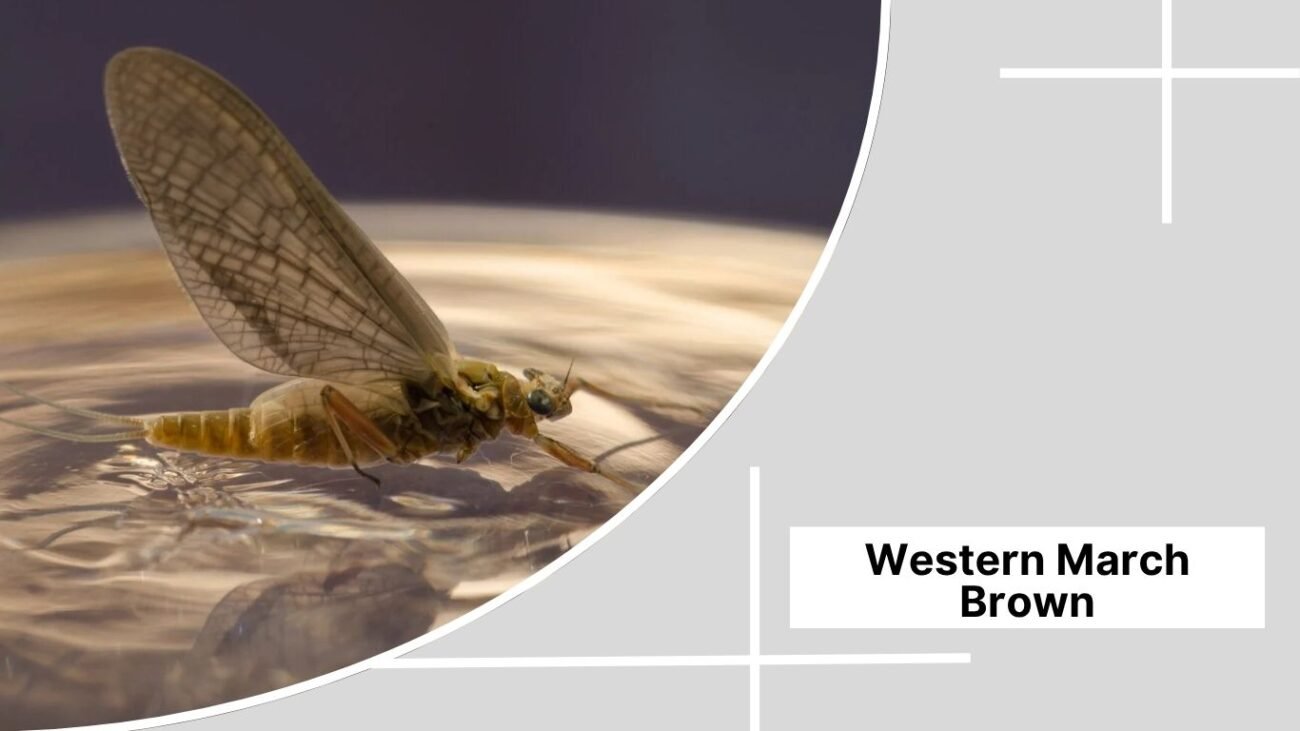
The Western March Brown is a prominent spring mayfly in the western United States, valued by anglers for its reliable early-season hatches. With its warm brown tones and large size, it is a key food source for trout emerging from winter’s scarcity.
Identification
- Scientific Name: Rhithrogena morrisoni
- Body Size: 12–15 mm
- Color: Brown to reddish-brown body with lighter underbelly
- Wing Shape: Upright, translucent gray with subtle mottling
- Tail: Two long, pale brown tails
Habitat and Distribution
Western March Browns inhabit clean, fast-flowing rivers and streams with rocky or gravel beds. They are found throughout the western United States and parts of British Columbia.
Behavior and Diet
The nymphs are clingers that graze on algae and detritus in swift currents. Adults typically emerge in the warm part of the day during spring, producing steady and sometimes heavy surface feeding activity among trout.
18. Western Gray Drake (Siphlonurus occidentalis)
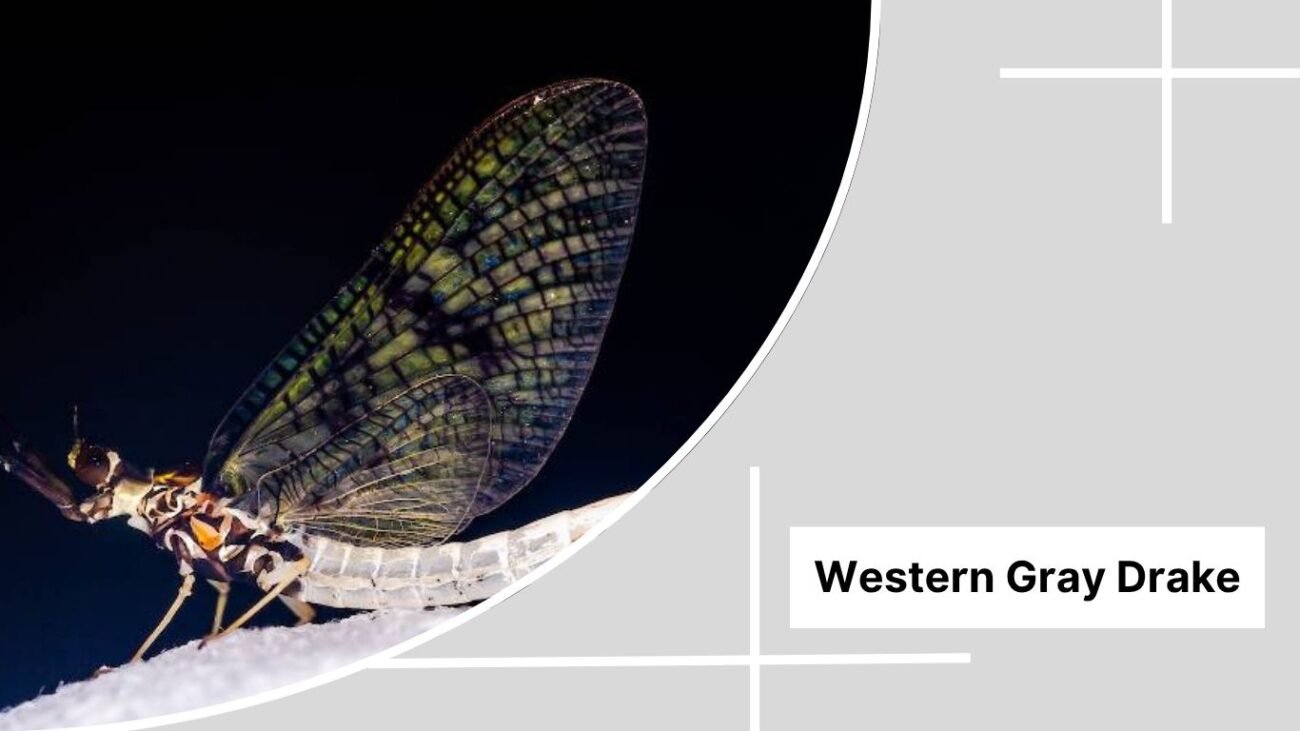
The Western Gray Drake is a slender, elegant mayfly known for its soft gray tones and long tails. Unlike many mayflies that hatch in quick bursts, Western Gray Drakes often emerge over an extended period, providing a steady food source for trout throughout late spring and summer.
Identification
- Scientific Name: Siphlonurus occidentalis
- Body Size: 12–18 mm
- Color: Pale gray to light brown body with subtle markings
- Wing Shape: Upright, translucent with fine venation
- Tail: Three long, pale gray to light brown tails
Habitat and Distribution
They inhabit slow-moving sections of rivers, streams, and lake margins with abundant aquatic vegetation. Common in the western United States and parts of Canada.
Behavior and Diet
Nymphs are agile swimmers, feeding on fine organic matter and algae. Adults emerge steadily, often in calm conditions, and are an important summer food source for fish.
19. Western Brown Drake (Ephemera simulans occidentalis)
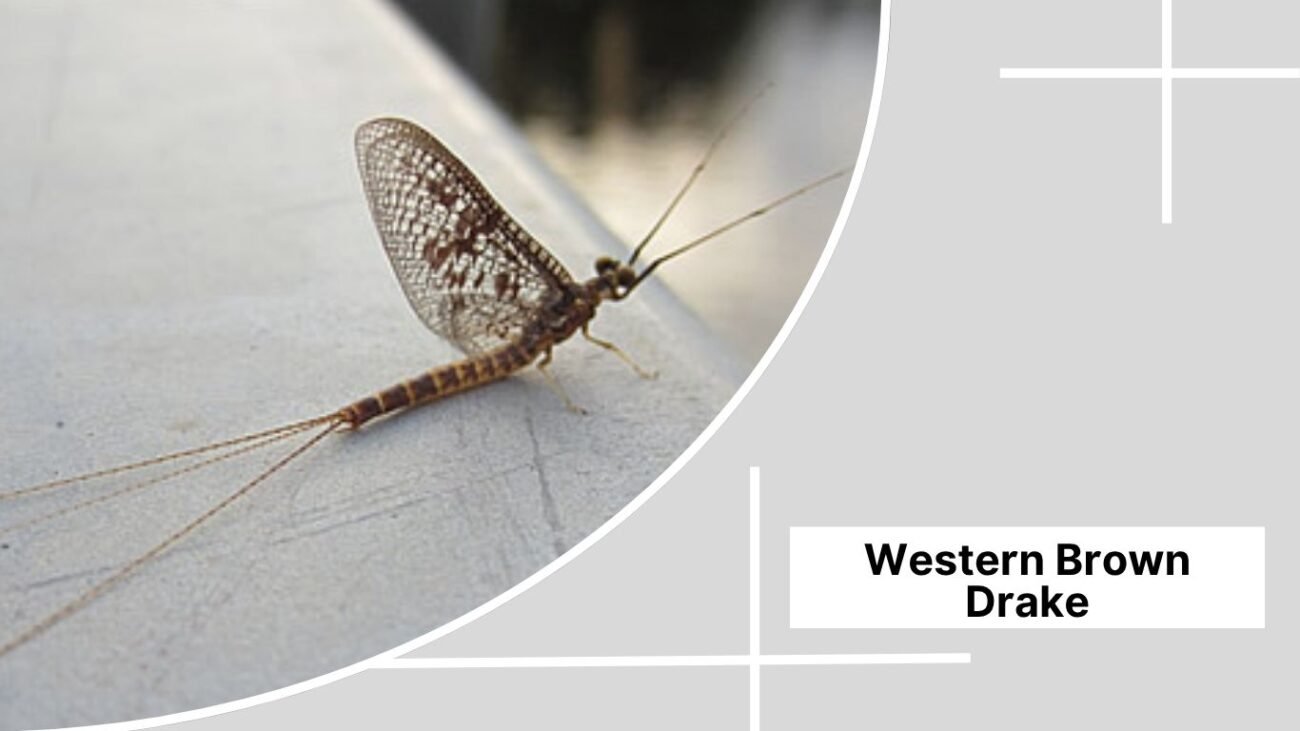
The Western Brown Drake is a large, eye-catching mayfly that creates memorable late spring and early summer fishing events in western waters. Its rich brown coloration and patterned wings make it stand out during evening hatches.
Identification
- Scientific Name: Ephemera simulans occidentalis
- Body Size: 15–22 mm
- Color: Warm brown body with lighter segment bands
- Wing Shape: Upright, semi-transparent with visible veining
- Tail: Three long, light brown tails
Habitat and Distribution
This species thrives in clean lakes, slow-moving rivers, and silty-bottomed streams. It is common across the western United States and parts of western Canada.
Behavior and Diet
Nymphs are burrowers living in soft substrates, feeding on organic debris. Adults emerge in the evening, sometimes in heavy numbers, attracting aggressive trout feeding near the surface.
20. Callibaetis (Callibaetis ferrugineus)
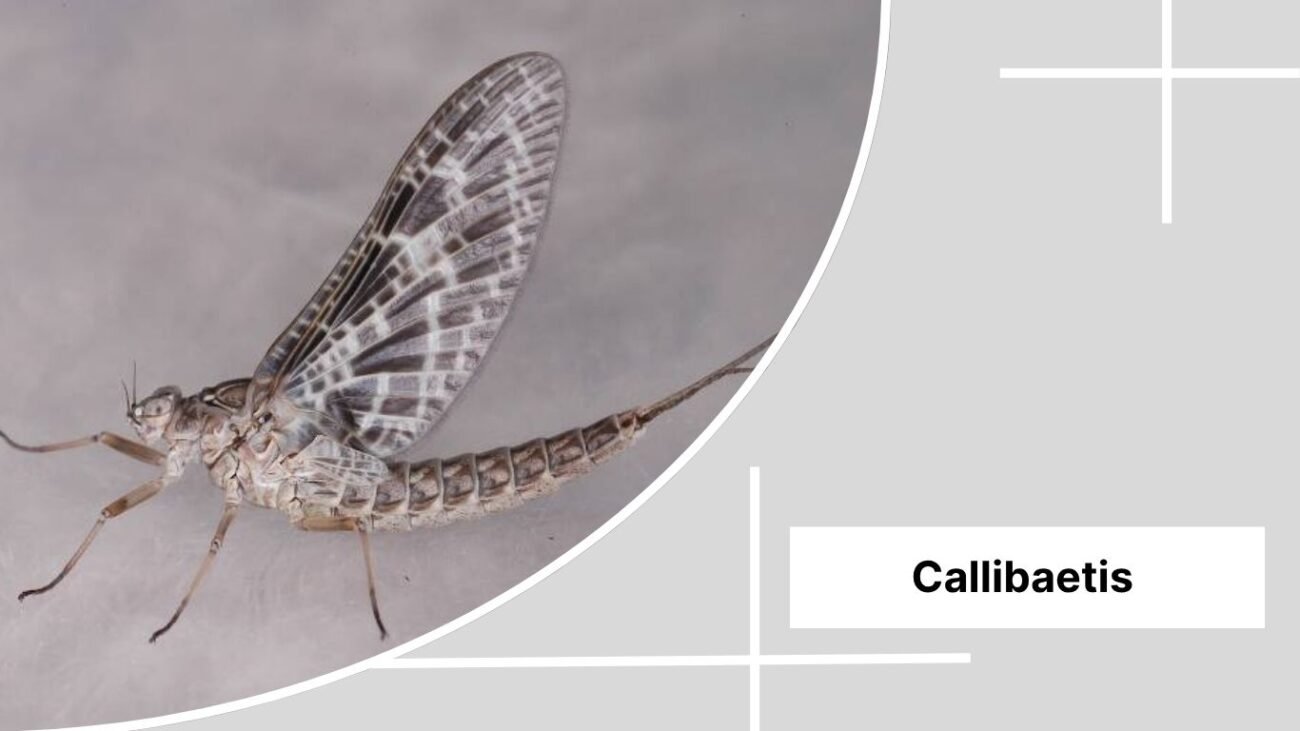
Callibaetis, often called the Speckled Dun, is a small but vital mayfly for stillwater fisheries. Recognized for its speckled wings and extended hatching season, it is a key insect for lake and pond anglers, especially in summer.
Identification
- Scientific Name: Callibaetis ferrugineus
- Body Size: 6–10 mm
- Color: Olive-brown to gray body with lighter underbelly
- Wing Shape: Upright, translucent gray with distinct dark speckles
- Tail: Two slender, pale tails
Habitat and Distribution
Callibaetis thrives in lakes, ponds, and slow-moving backwaters across North America, particularly in the western United States.
Behavior and Diet
The nymphs are swimmers that feed on algae and microscopic plants. Adults emerge gradually throughout the day, offering steady food for trout and panfish.
21. Baetis Tricaudatus (Baetis tricaudatus)
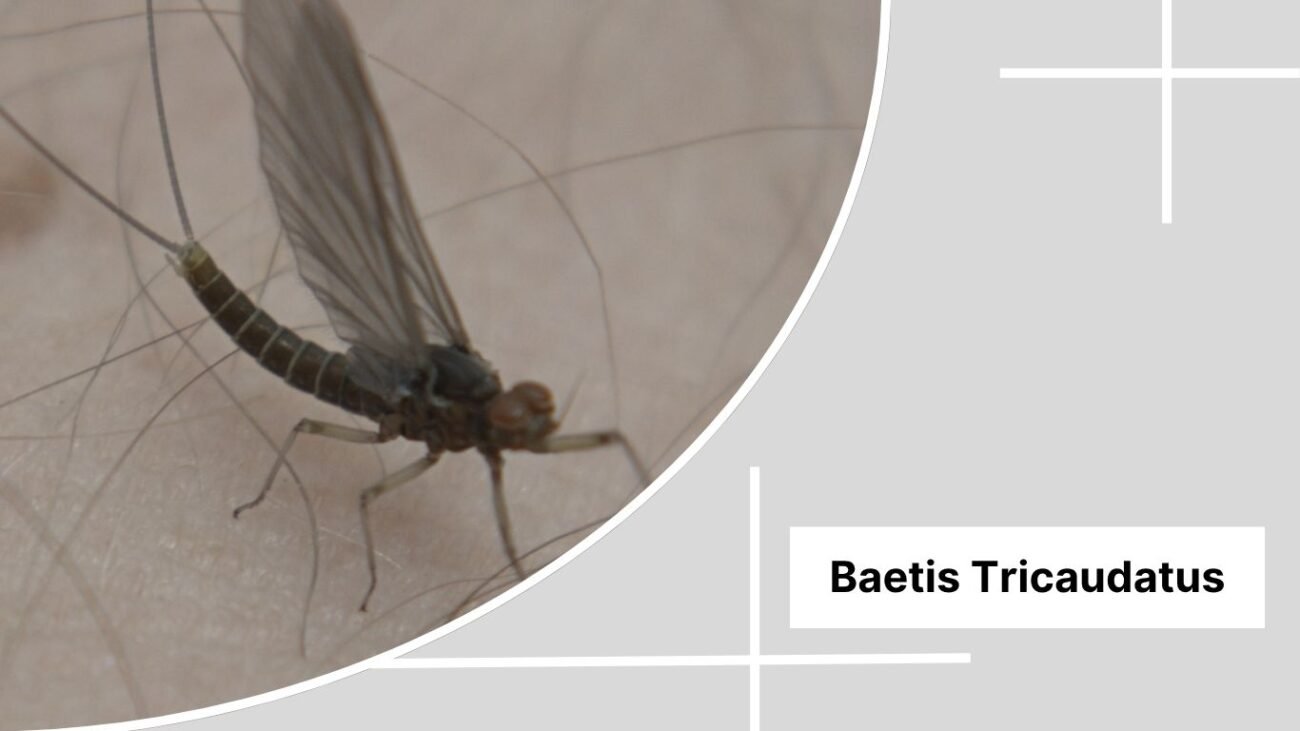
Baetis tricaudatus is one of the most widespread and adaptable mayflies in North America, known for its olive body and reliable hatches that occur nearly year-round in mild climates.
Identification
- Scientific Name: Baetis tricaudatus
- Body Size: 6–10 mm
- Color: Olive to olive-brown body with darker thorax
- Wing Shape: Upright, clear to light gray
- Tail: Two or three slender, pale tails
Habitat and Distribution
They inhabit rivers, streams, and lakes across North America, from lowland creeks to mountain waters.
Behavior and Diet
The nymphs are agile swimmers, feeding on diatoms and fine plant matter. Adults emerge in various seasons, often during overcast days, sparking surface feeding activity.
22. Iron Blue Dun (Baetis muticus)
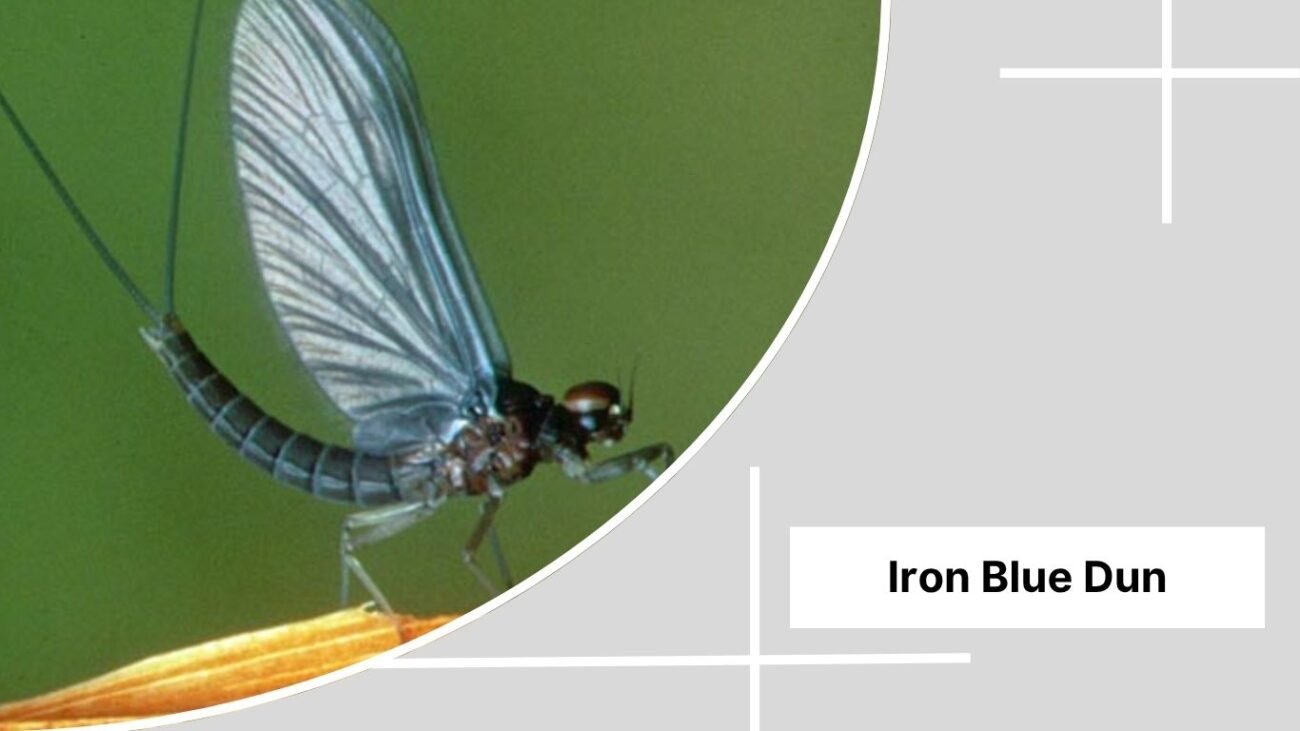
The Iron Blue Dun is a small but distinctive mayfly, easily recognized by its dark slate-blue wings and rich, dark body. Despite its size, it is highly valued by anglers, especially during cold or wet weather when few other insects are active.
Identification
- Scientific Name: Baetis muticus
- Body Size: 5–8 mm
- Color: Dark brown to purplish body with slight olive tones
- Wing Shape: Upright, slate-blue to gray, semi-transparent
- Tail: Two slender, pale gray tails
Habitat and Distribution
Iron Blue Duns are found in clean, cool streams and rivers with moderate flow. They are widespread in Europe and parts of North America, particularly in higher altitude or colder waters.
Behavior and Diet
The nymphs are strong swimmers that feed on algae and fine detritus. Adults typically hatch during cooler weather, providing consistent surface action when other mayfly species are absent.
23. Caenis (Caenis spp.)
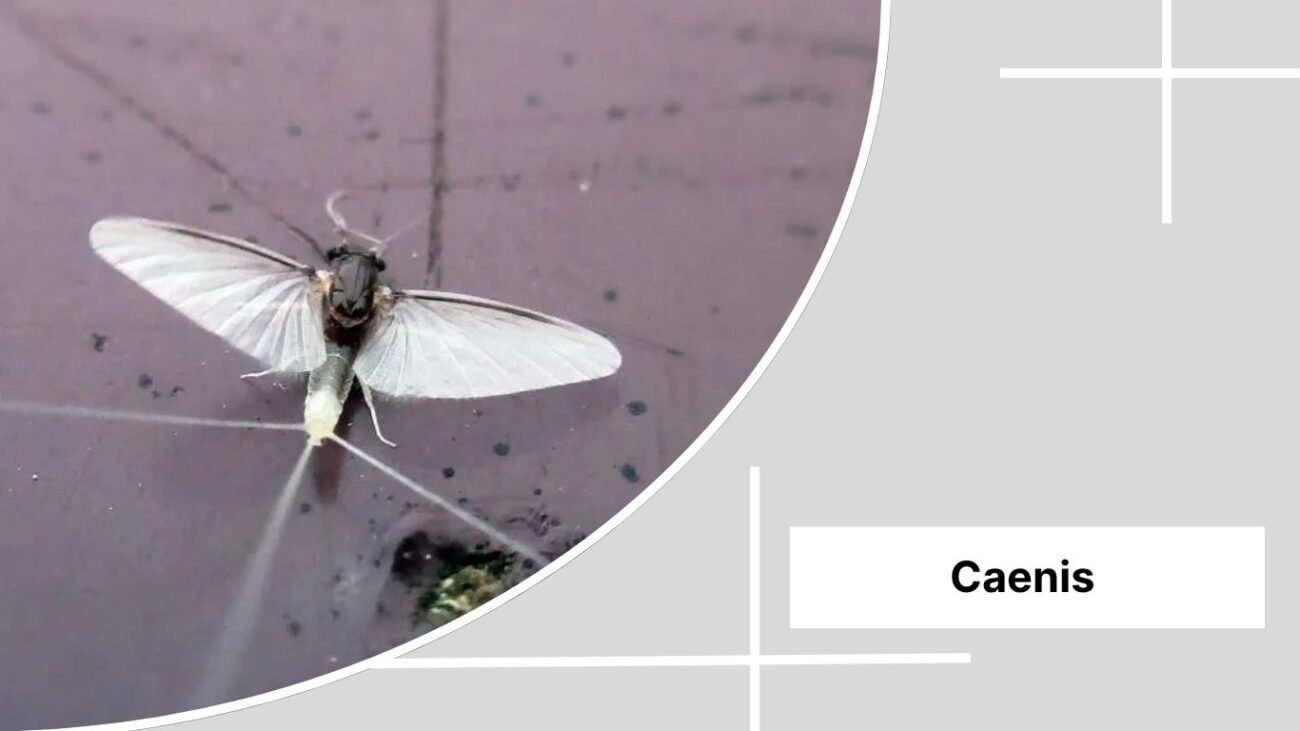
Caenis, often called the Angler’s Curse, is one of the smallest mayflies, yet it can appear in staggering numbers during midsummer hatches. Its tiny size makes it challenging for anglers to imitate, but fish feed on them eagerly when they blanket the water’s surface.
Identification
- Scientific Name: Caenis spp.
- Body Size: 2–5 mm
- Color: Pale cream to light tan body
- Wing Shape: Upright, clear to slightly milky white, very delicate
- Tail: Three extremely fine, pale tails
Habitat and Distribution
Caenis mayflies thrive in slow-moving rivers, ponds, and lakes with silty or muddy bottoms. They are found across North America, Europe, and parts of Asia.
Behavior and Diet
The nymphs are burrowers that feed on fine organic matter. Adults emerge in massive numbers, often at dawn or dusk, creating dense mats of insects that can cover the water’s surface.
24. Isonychia (Isonychia bicolor)
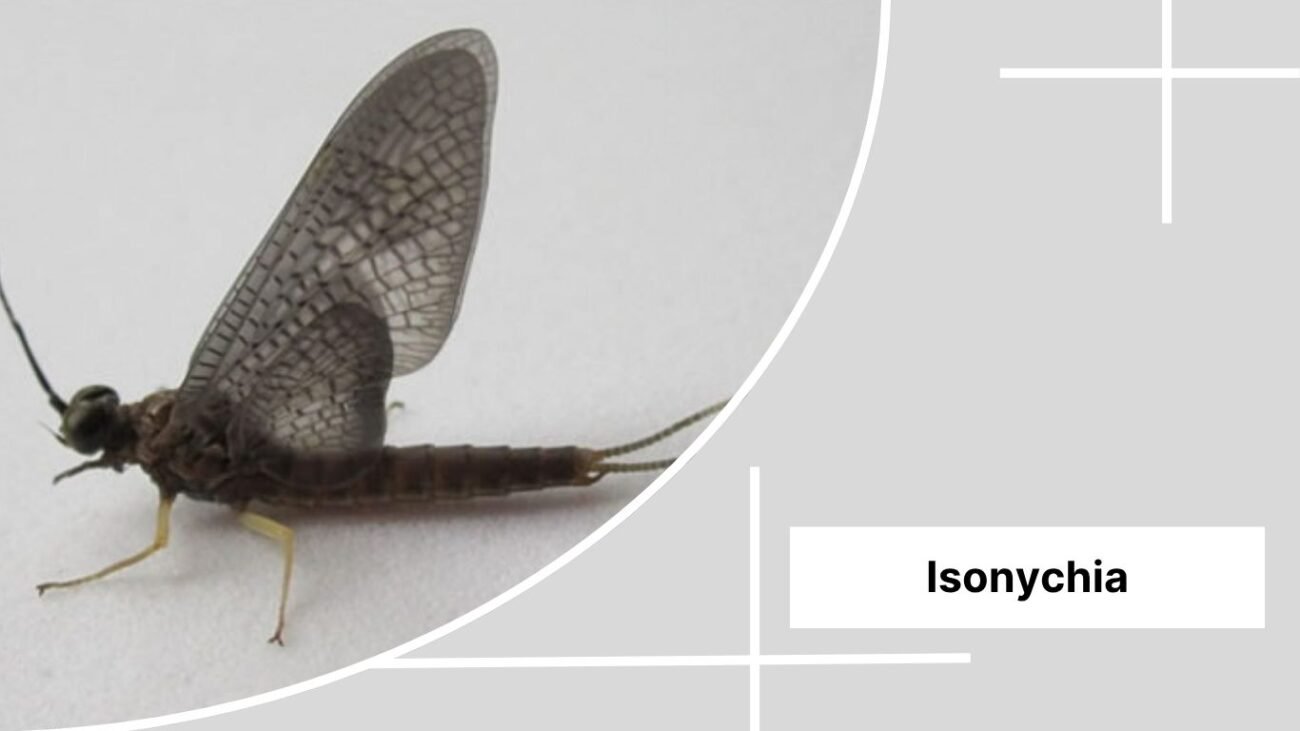
Isonychia, commonly known as the Slate Drake or Leadwing Coachman, is a strong-flying mayfly that produces long-lasting hatches, especially in late summer and fall. Its dark body and distinct white-tipped legs make it easily recognizable to both anglers and fish.
Identification
- Scientific Name: Isonychia bicolor
- Body Size: 12–16 mm
- Color: Dark brown to slate-gray body with lighter segments
- Wing Shape: Upright, smoky gray to dark translucent
- Tail: Two long, dark brown tails with lighter tips
Habitat and Distribution
These mayflies inhabit medium to fast-flowing rivers and streams with rocky or gravel bottoms. They are common throughout eastern and midwestern North America.
Behavior and Diet
The nymphs are strong swimmers that actively hunt small invertebrates, making them more predatory than most mayfly nymphs. Adults emerge over an extended period, often during warm afternoons or evenings, creating steady feeding opportunities for trout.
25. Ameletus (Ameletus spp.)
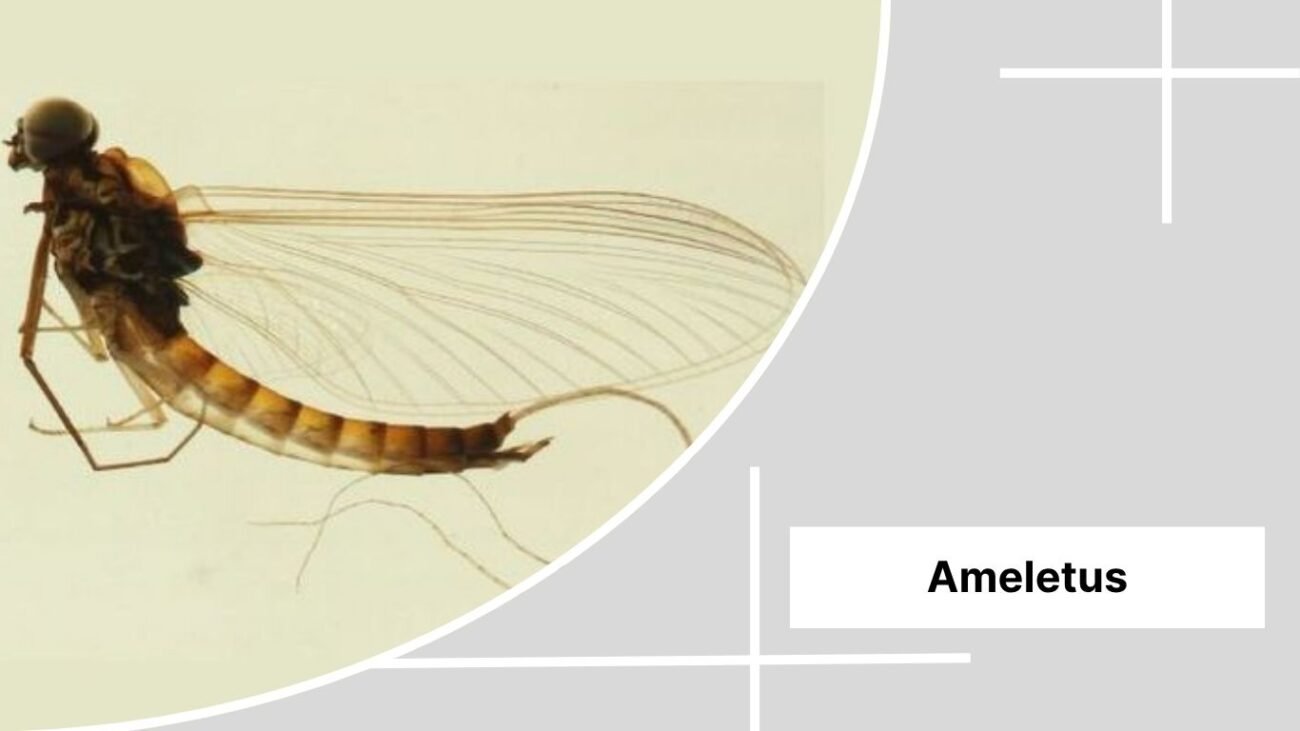
Ameletus mayflies, often referred to as “swimming nymphs,” are an early-season species known for their graceful swimming and streamlined bodies. They are important in cold, clean waters where they emerge before many other aquatic insects.
Identification
- Scientific Name: Ameletus spp.
- Body Size: 8–12 mm
- Color: Olive-brown to dark brown body with lighter underbelly
- Wing Shape: Upright, light gray to translucent
- Tail: Three slender, light brown tails
Habitat and Distribution
Ameletus species inhabit cold, well-oxygenated streams, rivers, and lake inlets across North America, especially in mountainous and northern regions.
Behavior and Diet
The nymphs are excellent swimmers, feeding on algae, diatoms, and fine organic material. Adults emerge in spring to early summer, often during midday, attracting hungry trout emerging from winter feeding lulls.
26. Siphlonurus (Siphlonurus spp.)
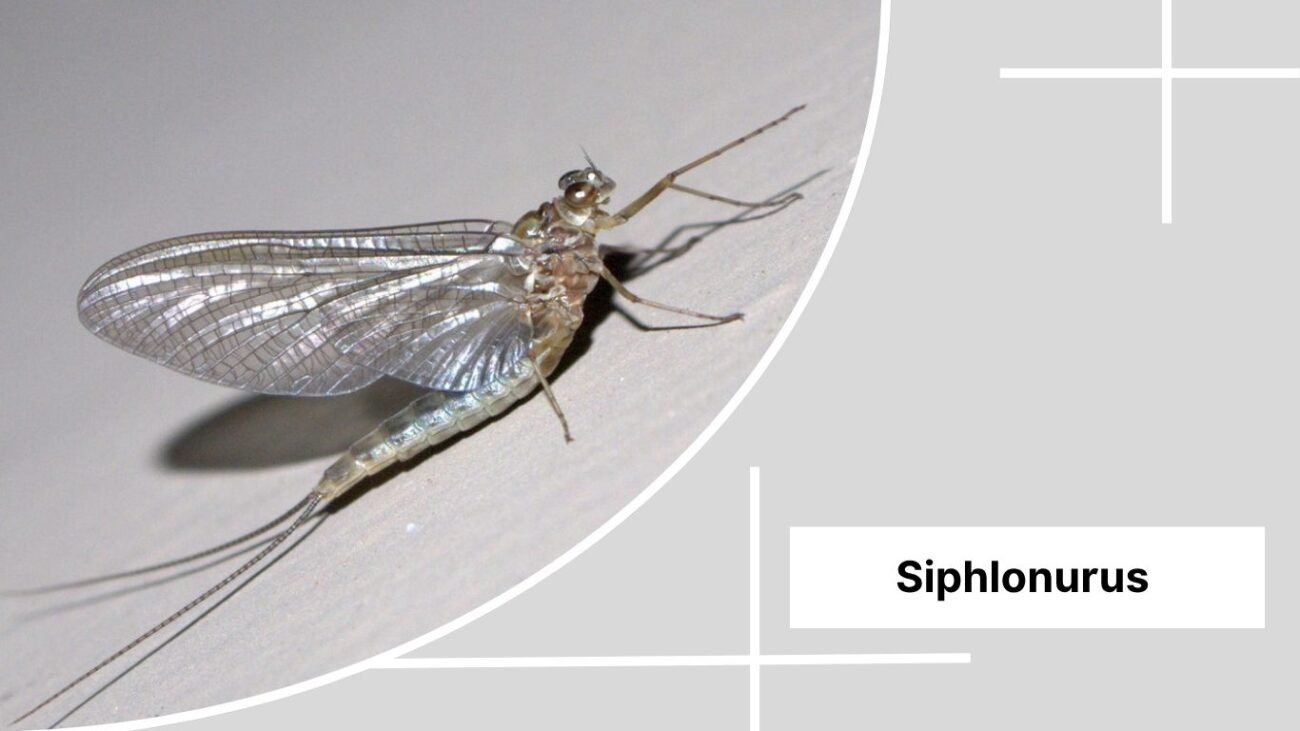
Siphlonurus mayflies, often called “swimmer mayflies,” are known for their slender bodies and extended hatching periods. They are common in both running and still waters, making them a versatile and widely distributed group within the mayfly family.
Identification
- Scientific Name: Siphlonurus spp.
- Body Size: 10–15 mm
- Color: Pale brown to grayish body with subtle markings
- Wing Shape: Upright, translucent with fine, well-defined veins
- Tail: Three long, slender, pale tails
Habitat and Distribution
These mayflies are found in lakes, ponds, slow-moving rivers, and streams across North America, Europe, and parts of Asia. They prefer areas with aquatic vegetation for cover.
Behavior and Diet
The nymphs are agile swimmers, feeding on detritus, algae, and fine plant material. Adults emerge in warm weather, often over several weeks, providing a consistent food source for fish.
27. Ephemera Vulgata (Ephemera vulgata)
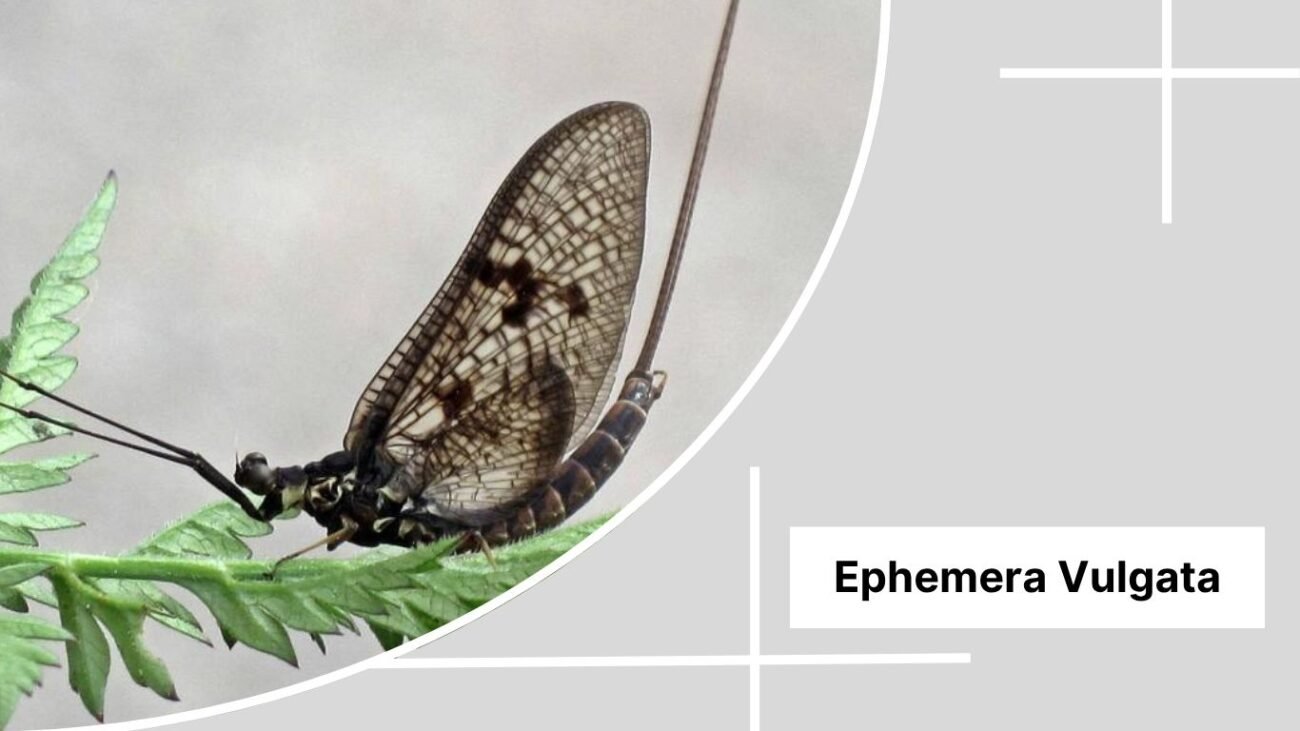
Ephemera vulgata, commonly known as the Common Mayfly in Europe, is a large and well-recognized species prized by anglers for its impressive hatches. Its patterned wings and long tails make it a striking sight during late spring and summer emergence periods.
Identification
- Scientific Name: Ephemera vulgata
- Body Size: 15–22 mm
- Color: Olive-brown to yellowish body with darker segment markings
- Wing Shape: Upright, translucent with distinct brown speckling
- Tail: Three long, pale yellow to brown tails
Habitat and Distribution
This species thrives in lakes, ponds, and slow-moving rivers with sandy or silty bottoms. It is widely distributed across Europe and parts of Asia.
Behavior and Diet
The nymphs are burrowers, feeding on organic debris within the sediment. Adults emerge mainly in the evening, often in large numbers, creating excellent opportunities for surface-feeding fish.