Daddy long legs spiders, often recognized by their tiny bodies and remarkably long, thin legs, are common in homes, gardens, caves, and other sheltered areas worldwide. While delicate in appearance, they are skilled predators that help control insect populations. In this guide, we’ll explore 15 distinct types of daddy long legs spiders, highlighting their identification features, habitats, and behaviors—complete with pictures for easier recognition.
1. Long-bodied Cellar Spider
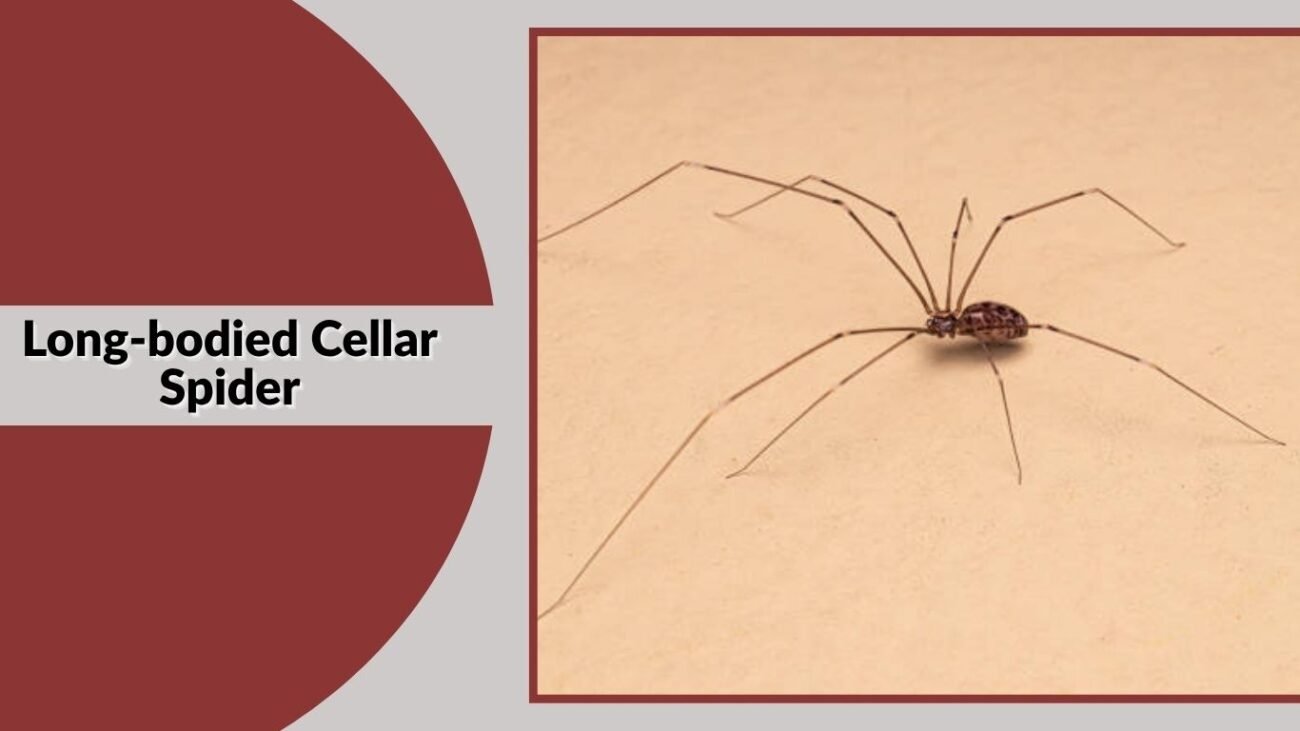
The long-bodied cellar spider is the most commonly recognized species referred to as a “daddy long legs.” Known for its extremely long, thin legs and small, oval-shaped body, it is often found in dark, undisturbed areas of homes and buildings. Despite its delicate appearance, it is an effective predator of insects and even other spiders, often hanging upside down in its irregular, tangled web.
Identification
- Scientific Name: Pholcus phalangioides
- Body Length: 7–8 mm
- Leg Span: Up to 50 mm
- Color: Pale yellowish, light brown, or grayish with darker markings on the body
- Distinct Feature: Very long, thin legs with a small, narrow body
Habitat and Distribution
Found worldwide, especially in human dwellings, basements, sheds, and cellars, as well as caves and other sheltered locations.
Behavior and Diet
Feeds on mosquitoes, moths, and even other spiders, often shaking its web vigorously when disturbed to confuse predators.
2. Pholcus phalangioides
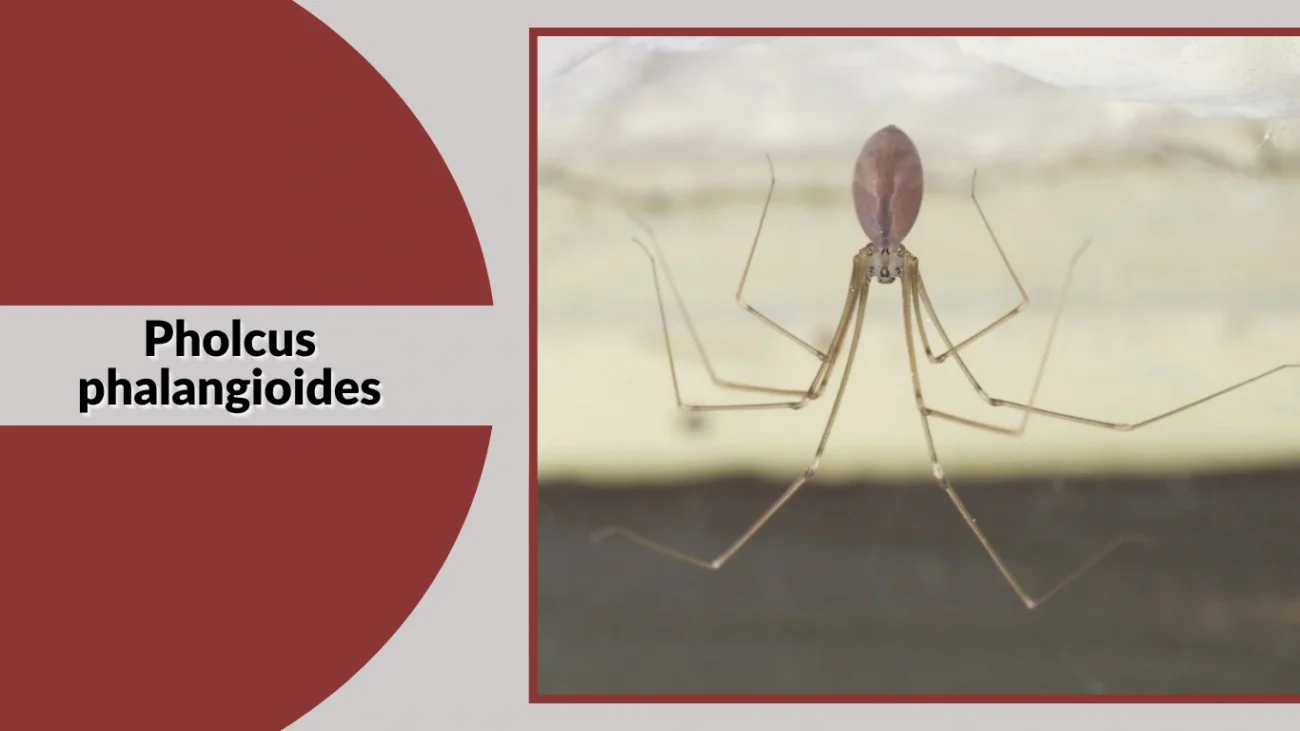
Pholcus phalangioides, commonly known as the cellar spider or daddy long legs, is a slender-bodied spider often found in dark, undisturbed places such as basements, attics, and garages. It is well-known for its long, delicate legs and its ability to vibrate rapidly in its web when threatened, making it harder for predators to catch.
Identification
- Common Name: Cellar Spider / Daddy Long Legs
- Body Size: 7–8 mm (body), legs up to 50 mm long
- Color: Pale yellow, light brown, or grayish
- Body Shape: Small, oval body with extremely long, thin legs
- Web Type: Loose, irregular cobweb
Habitat and Distribution
This species is cosmopolitan, found in homes and buildings worldwide. They prefer warm, dry, and sheltered locations away from direct sunlight.
Behavior and Diet
Pholcus phalangioides feeds on small insects and even other spiders, including dangerous species like redbacks. They often hang upside down in their messy webs while waiting for prey.
3. Short-bodied Cellar Spider
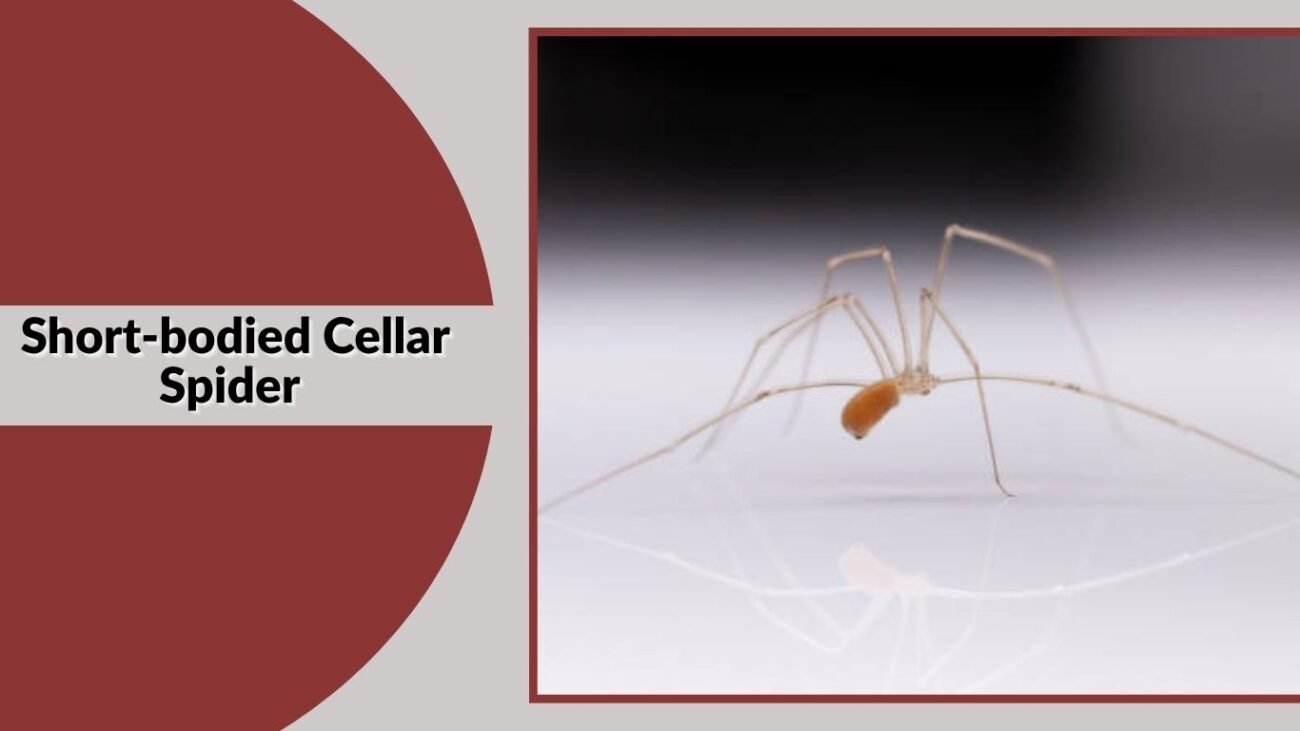
The short-bodied cellar spider differs from many of its relatives by having a more rounded, compact abdomen compared to the elongated bodies of other cellar spiders. Despite this difference, it still retains the extremely long, thin legs typical of the group, giving it a delicate, spindly appearance.
Identification
- Scientific Name: Physocyclus globosus
- Body Length: 2–4 mm
- Leg Span: Up to 30 mm
- Color: Light brown to beige, sometimes with subtle mottling
- Distinct Feature: Small, globular body with proportionally long legs
Habitat and Distribution
Found in warm regions worldwide, including the Americas, Africa, and Asia, often living in buildings, under furniture, and in sheltered outdoor spaces.
Behavior and Diet
Preys on ants, flies, and other small arthropods. Often builds tangled webs in quiet, undisturbed corners and uses its long legs to skillfully wrap and immobilize prey.
4. Giant Daddy Long Legs Spider

The giant daddy long legs spider is one of the largest cellar spider species, notable for its exceptionally long legs and relatively larger body size compared to other members of its family. Its sprawling leg span and thin frame allow it to cover large areas of its web quickly when hunting or disturbed.
Identification
- Scientific Name: Artema atlanta
- Body Length: 8–10 mm
- Leg Span: Up to 60 mm or more
- Color: Pale brown to grayish with faint markings on the abdomen
- Distinct Feature: Extra-long legs relative to body size, giving it a wide reach
Habitat and Distribution
Native to tropical and subtropical regions but now found in many parts of the world, especially in warm, humid environments such as basements, garages, and sheds.
Behavior and Diet
Hunts a variety of insects, mosquitoes, and other spiders. Often uses a shake-and-blur defense when threatened, vibrating in its web to confuse predators.
5. Southeastern Cellar Spider

The southeastern cellar spider is a slender, long-legged arachnid commonly found in warm regions. It closely resembles the long-bodied cellar spider but can be distinguished by subtle differences in body shape and markings. It favors sheltered areas with minimal disturbance, where it can spin its loose, irregular web.
Identification
- Scientific Name: Pholcus manueli
- Body Length: 7–8 mm
- Leg Span: Up to 45 mm
- Color: Light tan to pale brown with faint body markings
- Distinct Feature: Slender body with slightly more elongated abdomen than some cellar spiders
Habitat and Distribution
Native to Asia but now established in the southeastern United States and other warm climates, typically inhabiting basements, sheds, and outdoor corners.
Behavior and Diet
Feeds on mosquitoes, flies, and other spiders, often hanging upside down to grab passing prey. Uses rapid web vibrations as a defense mechanism when disturbed.
6. Leaf-nesting Cellar Spider
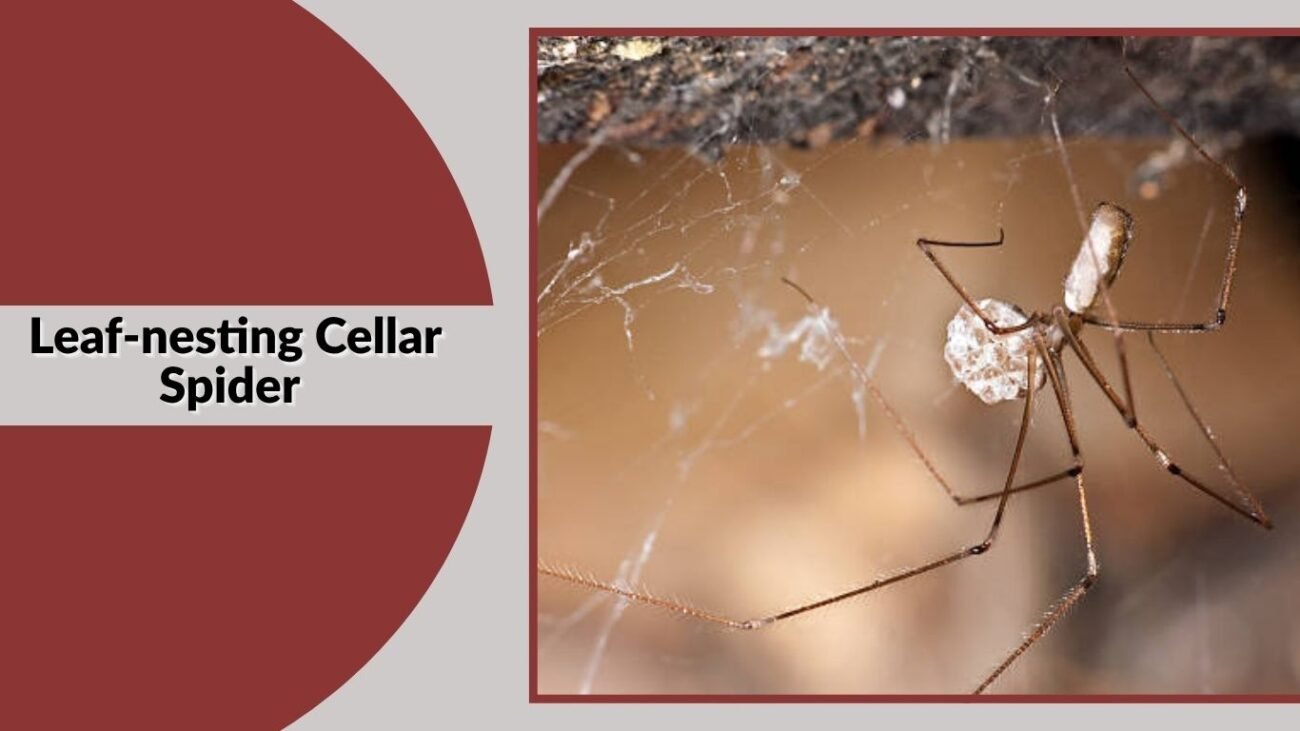
The leaf-nesting cellar spider is an interesting species known for creating its webs and retreats among curled leaves, both on plants and on the ground. Its habit of using leaves as shelter provides excellent camouflage from predators while offering a strategic spot to ambush prey.
Identification
- Scientific Name: Smeringopus natalensis
- Body Length: 6–7 mm
- Leg Span: Up to 40 mm
- Color: Pale yellowish-brown with subtle markings on the abdomen
- Distinct Feature: Often hides within or beneath curled leaves in its web
Habitat and Distribution
Found mainly in Africa and some tropical regions, commonly in gardens, shrubs, and forest edges.
Behavior and Diet
Feeds on ants, flies, and other small insects, using its leaf shelter as both a hiding place and hunting platform.
7. African Cellar Spider
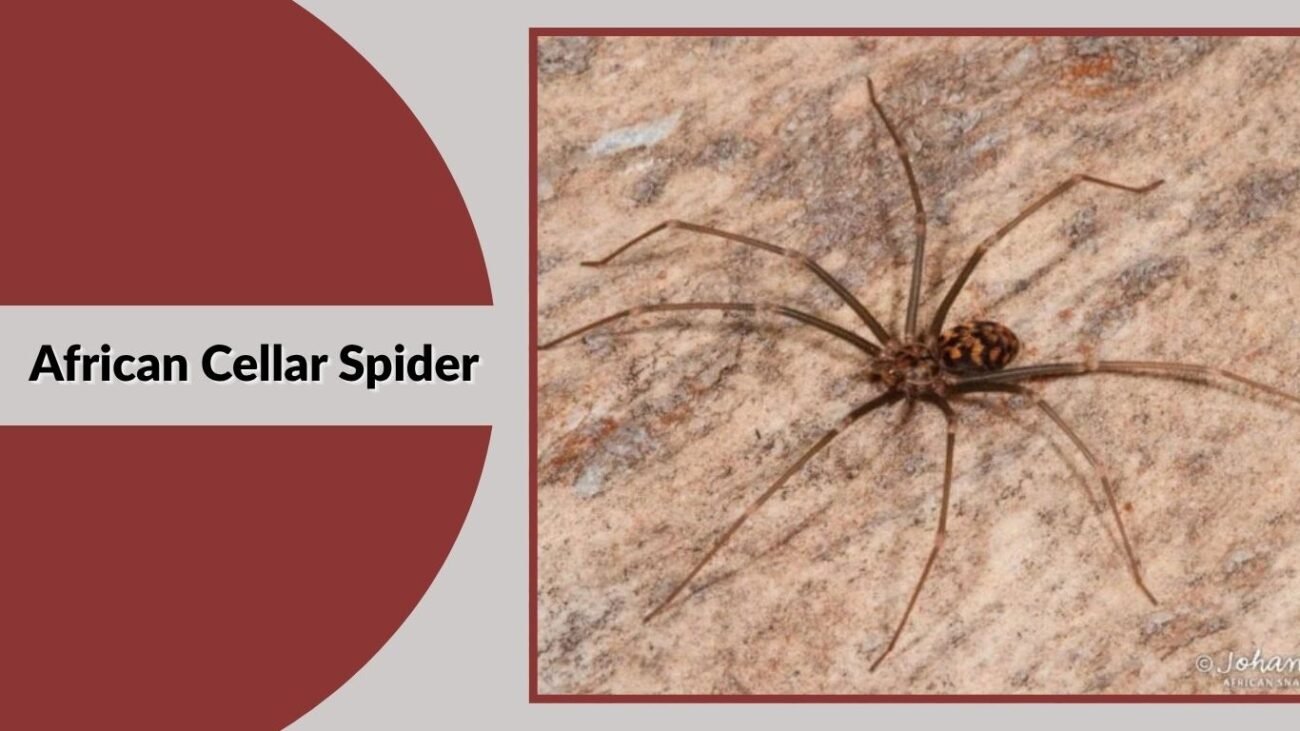
The African cellar spider is a delicate but efficient predator found in both natural and human-made environments. Its long legs and small, oval body give it the typical cellar spider appearance, and it builds loose webs in quiet, sheltered locations.
Identification
- Scientific Name: Smeringopus pallidus
- Body Length: 7–8 mm
- Leg Span: Up to 45 mm
- Color: Pale cream to light brown with minimal markings
- Distinct Feature: Slender build and pale coloration, often appearing almost translucent
Habitat and Distribution
Native to Africa but also introduced to other warm regions, often living in ceilings, corners, and under eaves.
Behavior and Diet
Hunts small flies, mosquitoes, and other insects, quickly immobilizing prey with silk before feeding.
8. Common Cellar Spider
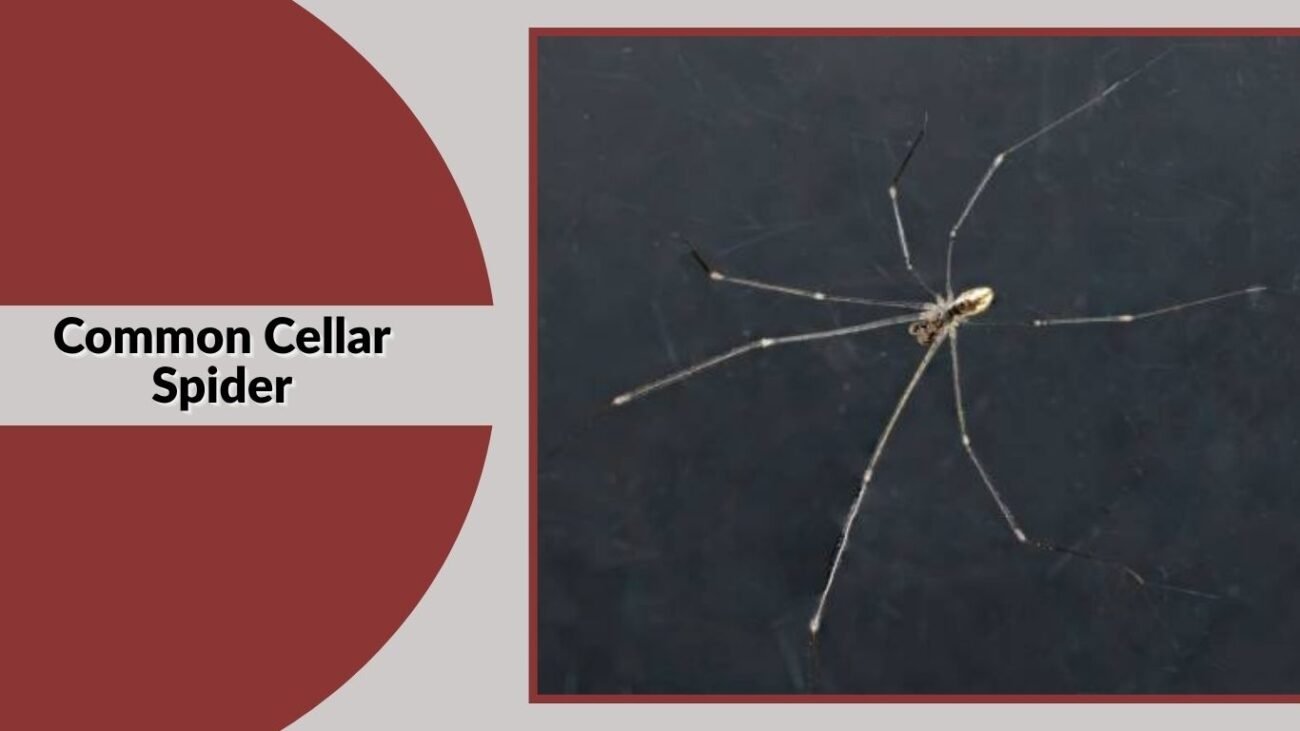
The common cellar spider is one of the most widespread “daddy long legs” spiders, frequently found in homes, basements, garages, and sheds. It is easily identified by its long, thin legs and small, cylindrical body. This species spins irregular, messy webs in corners or under ceilings, often hanging upside down while waiting for prey. Despite its fragile appearance, it is an efficient predator that can take down insects and even other spiders.
Identification
- Scientific Name: Pholcus opilionoides
- Body Length: 6–8 mm
- Leg Span: Up to 45 mm
- Color: Pale brown to grayish with faint markings on the abdomen
- Distinct Feature: Very long legs compared to its small, slender body
Habitat and Distribution
Found worldwide in human dwellings and natural shelters such as caves and hollow logs.
Behavior and Diet
Preys on flies, mosquitoes, moths, and other spiders, often shaking its web rapidly to deter threats.
9. Cave Cellar Spider
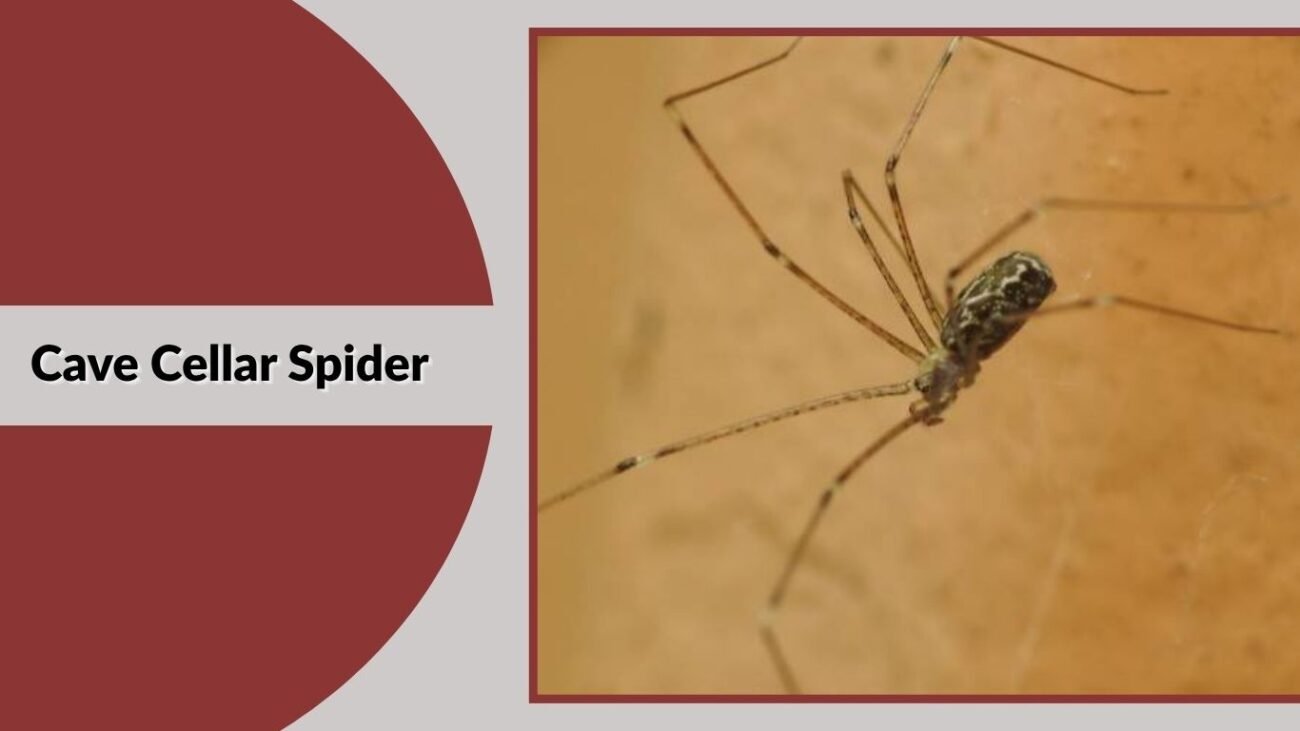
The cave cellar spider thrives in dark, damp environments such as caves, tunnels, and abandoned buildings. Its pale body and extremely long legs make it well-adapted to life in low-light habitats. It builds loose, irregular webs and hangs upside down to detect vibrations from approaching prey. This species relies heavily on stealth and patience rather than speed.
Identification
- Scientific Name: Psilochorus spp.
- Body Length: 5–6 mm
- Leg Span: Up to 40 mm
- Color: Pale beige to almost translucent
- Distinct Feature: Adapted to dark, humid habitats with a delicate, slender build
Habitat and Distribution
Found in the Americas and other regions with suitable cave-like environments.
Behavior and Diet
Feeds on small insects, gnats, and other arthropods, waiting motionless until prey becomes entangled in its web.
10. Sierra Dome Cellar Spider
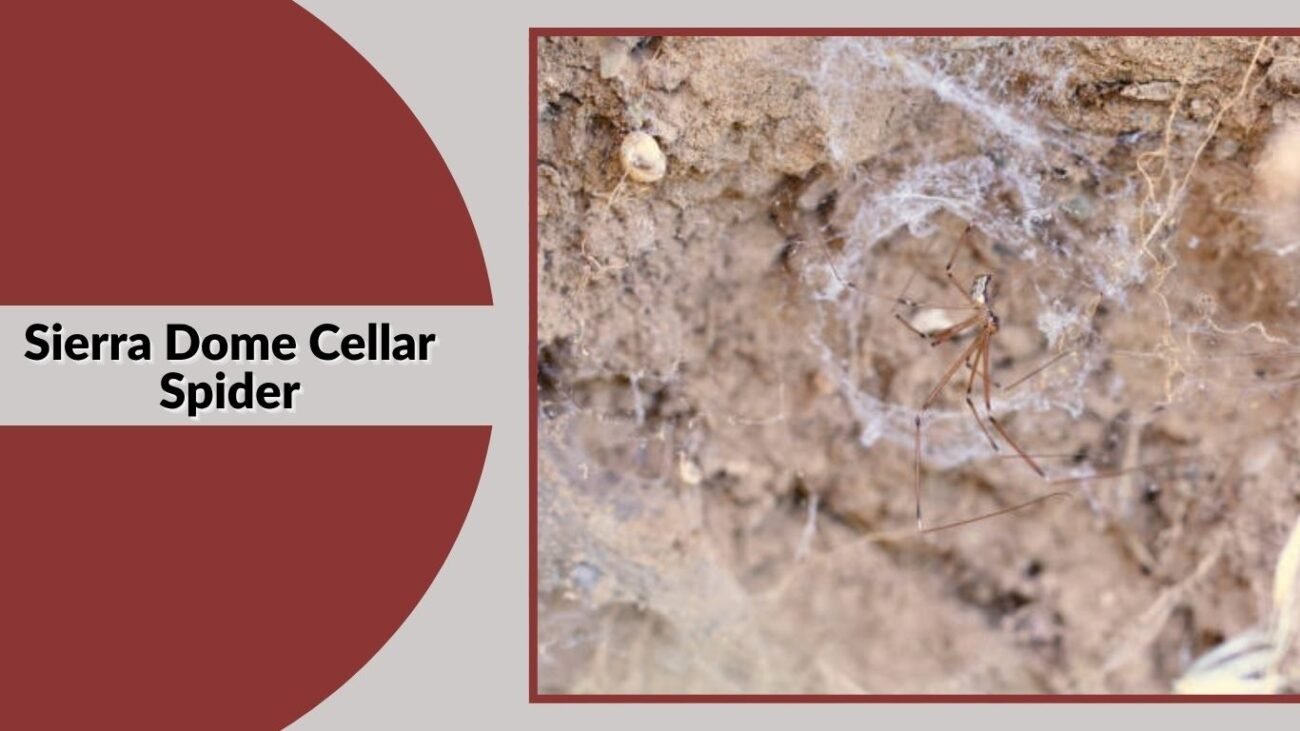
The Sierra dome cellar spider is known for building dome-shaped webs rather than the typical irregular webs of other cellar spiders. Its web design is often constructed in sheltered, elevated spots, which helps protect it from predators and harsh weather. This species is delicate in appearance, with extremely long, thin legs and a small, rounded body.
Identification
- Scientific Name: Calapnita vermiformis
- Body Length: 5–6 mm
- Leg Span: Up to 40 mm
- Color: Pale yellowish to light brown with faint body markings
- Distinct Feature: Builds a distinctive dome-shaped web
Habitat and Distribution
Found mainly in parts of Asia and occasionally in other warm, humid regions, inhabiting caves, forested areas, and man-made structures.
Behavior and Diet
Feeds on small flying insects, capturing them in its dome-shaped web and quickly immobilizing them with silk.
11. Spitting Cellar Spider
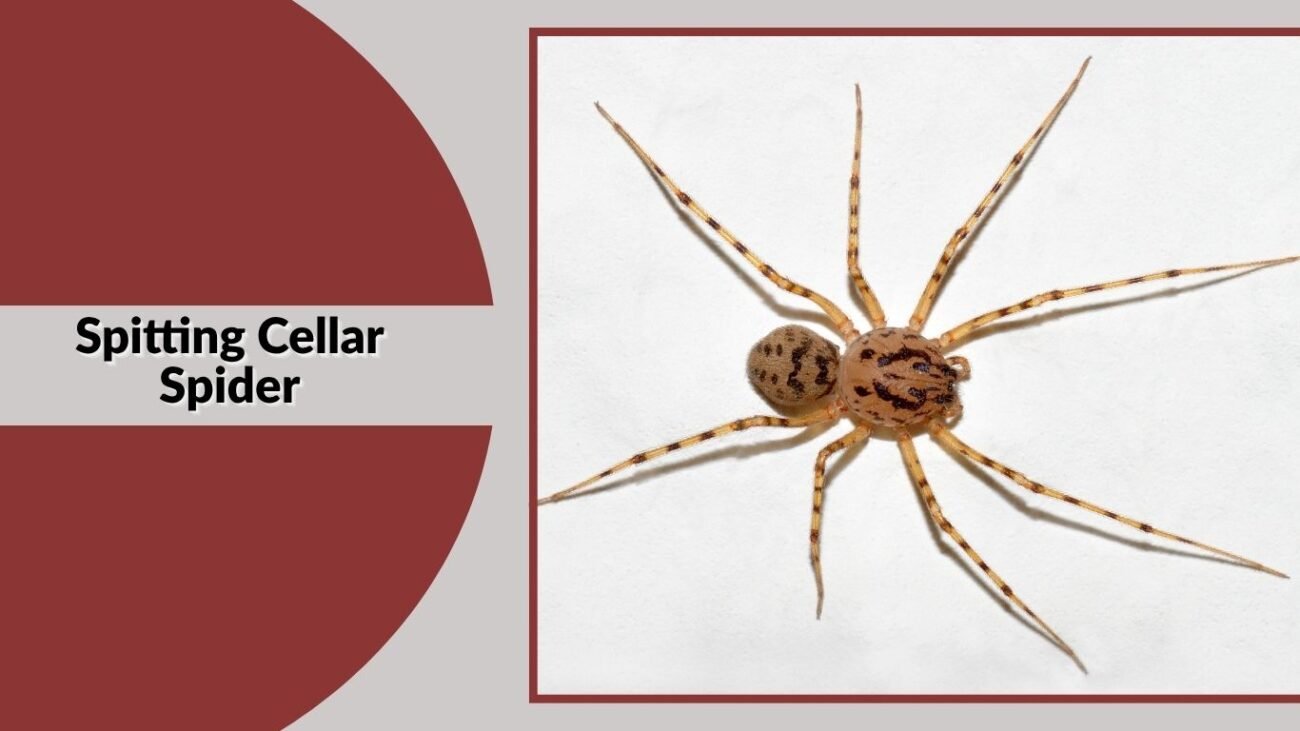
The spitting cellar spider is unique among cellar spiders because it can immobilize prey by spitting a sticky, venom-laced silk from its fangs. This unusual hunting strategy makes it a fascinating predator to observe. It has the same slender build and long legs typical of the group, but its behavior sets it apart.
Identification
- Scientific Name: Scytodes thoracica
- Body Length: 3–6 mm
- Leg Span: Up to 25 mm
- Color: Pale yellowish-brown with dark speckled markings
- Distinct Feature: Capable of spitting sticky, venomous silk onto prey
Habitat and Distribution
Found worldwide in warm and temperate regions, often in sheltered, dry locations indoors and outdoors.
Behavior and Diet
Hunts small insects and spiders by spraying them with silk from a distance, then moving in to bite and feed.
12. Tailless Whip Scorpion (Often Mistaken for Daddy Long Legs)
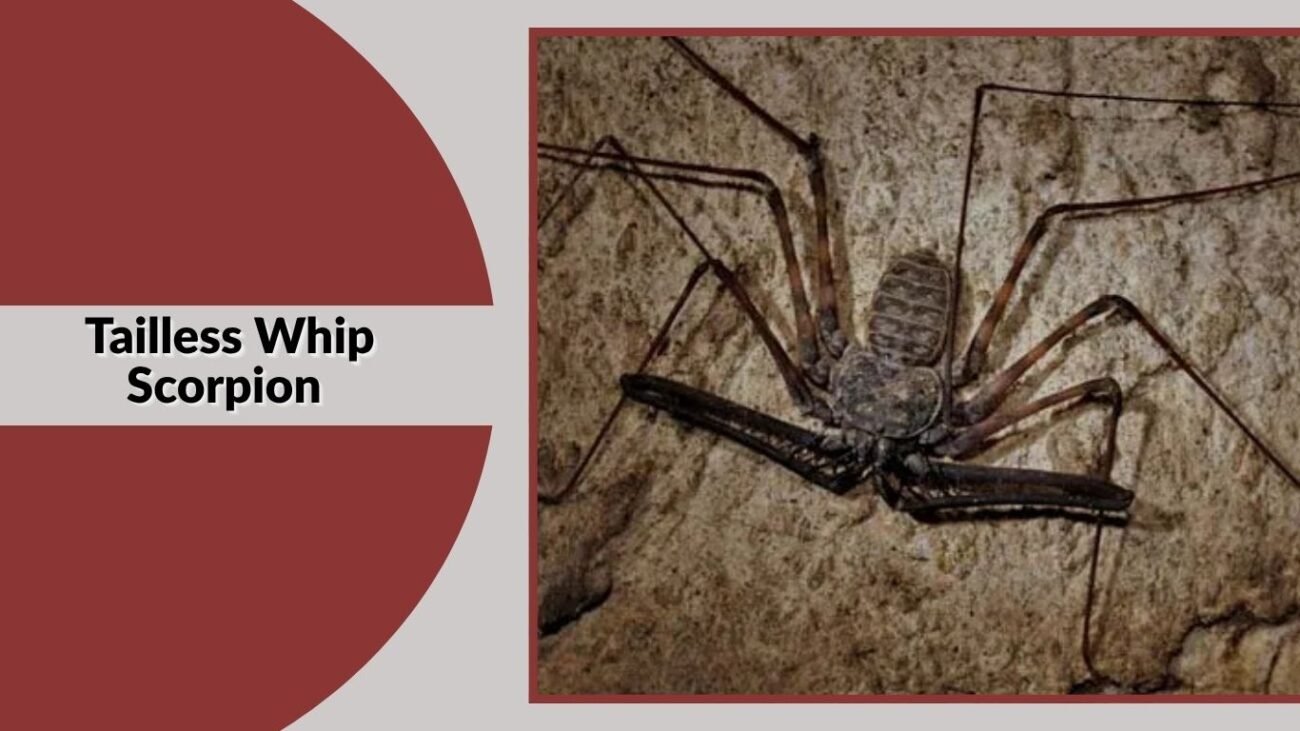
Although not a true spider, the tailless whip scorpion is often mistaken for a daddy long legs due to its extremely long, spindly legs and flattened body. Belonging to the order Amblypygi, it lacks venom and silk glands but is an effective nocturnal predator. Its long, whip-like front legs are used as sensory feelers to navigate and locate prey in the dark.
Identification
- Scientific Name: Amblypygi spp.
- Body Length: 10–25 mm
- Leg Span: Can exceed 200 mm in large species
- Color: Dark brown to black
- Distinct Feature: Extremely long, whip-like front legs used for sensing
Habitat and Distribution
Found in tropical and subtropical regions worldwide, including caves, under logs, and within leaf litter.
Behavior and Diet
Feeds on insects and small arthropods, using its sensory legs to detect prey before seizing it with strong pedipalps.
13. Northern Cellar Spider
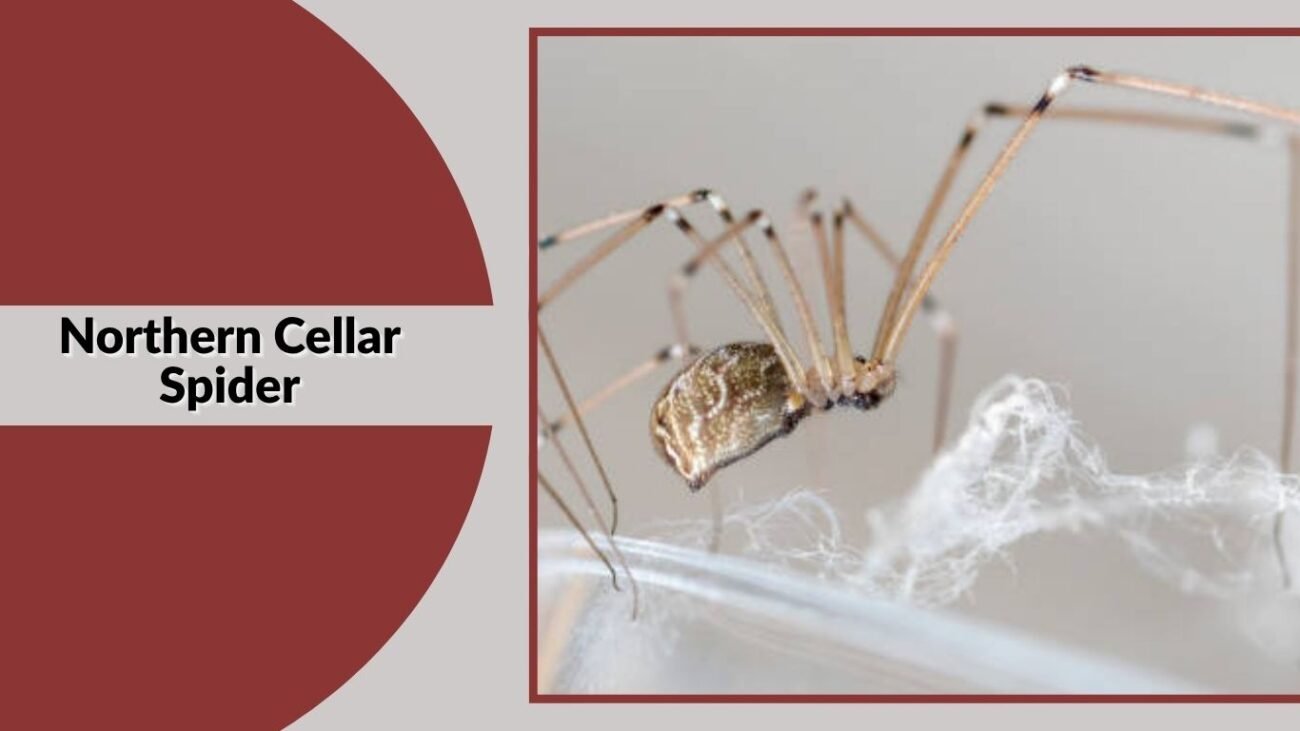
The northern cellar spider is a cold-tolerant species that thrives in cooler climates compared to many other cellar spiders. It has long, delicate legs and a slim body, typically found hanging in messy webs in dark corners of buildings, sheds, and natural shelters.
Identification
- Scientific Name: Pholcus northernis
- Body Length: 6–8 mm
- Leg Span: Up to 45 mm
- Color: Pale brown to light gray with subtle markings on the abdomen
- Distinct Feature: Adapted to cooler environments while retaining the typical cellar spider build
Habitat and Distribution
Common in northern parts of North America, Europe, and Asia, especially in basements, attics, and shaded outdoor areas.
Behavior and Diet
Preys on flies, gnats, mosquitoes, and other spiders. Uses its long legs to handle prey from a safe distance while hanging upside down in its web.
14. Tropical Cellar Spider
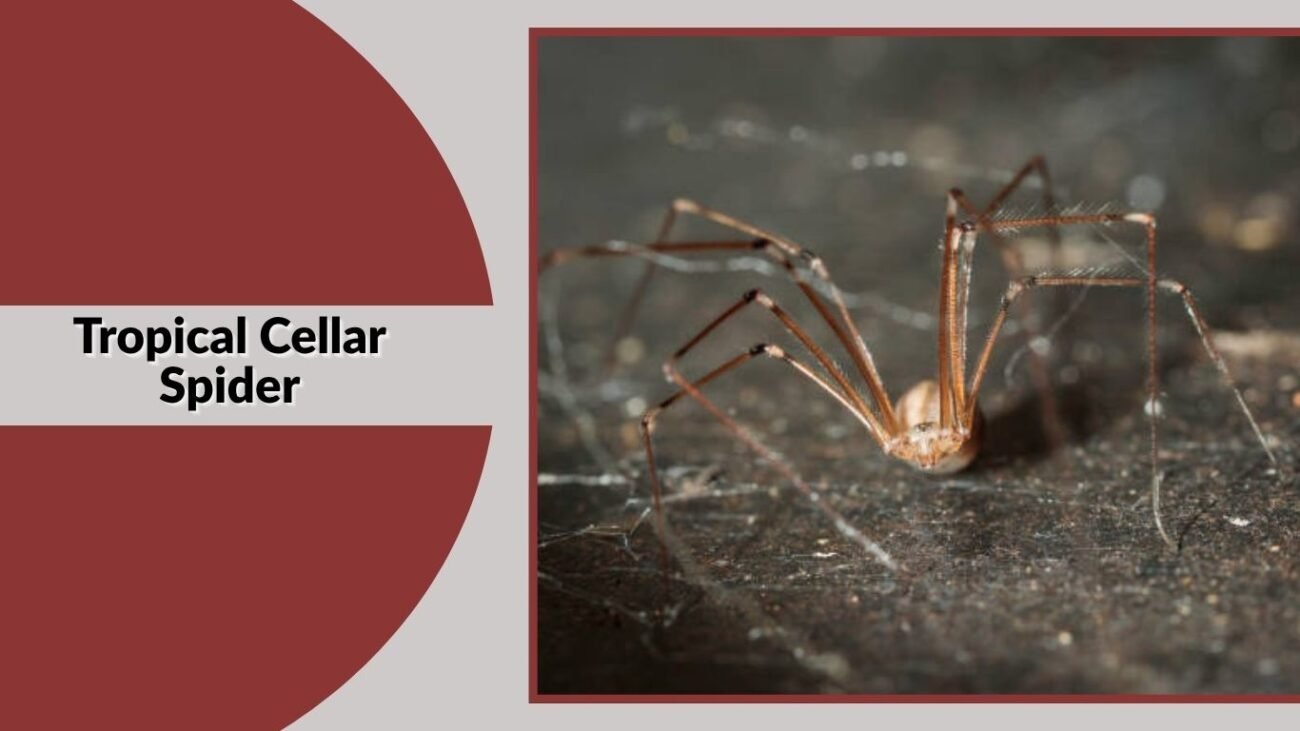
The tropical cellar spider is a slender, long-legged arachnid that thrives in warm, humid climates. It closely resembles the common cellar spider but prefers tropical and subtropical regions where moisture levels are higher. Its delicate frame and pale coloring make it well-suited to living in shaded, sheltered areas.
Identification
- Scientific Name: Physocyclus enaulus
- Body Length: 5–7 mm
- Leg Span: Up to 40 mm
- Color: Light tan to pale yellowish-brown
- Distinct Feature: Slender body with semi-translucent legs adapted for humid environments
Habitat and Distribution
Found in Central and South America, parts of Africa, and tropical Asia. Commonly inhabits shaded gardens, under eaves, and damp corners of buildings.
Behavior and Diet
Feeds on small insects and other spiders, catching them in its irregular web. Often vibrates rapidly in place to confuse predators or threats.
15. White-footed Cellar Spider
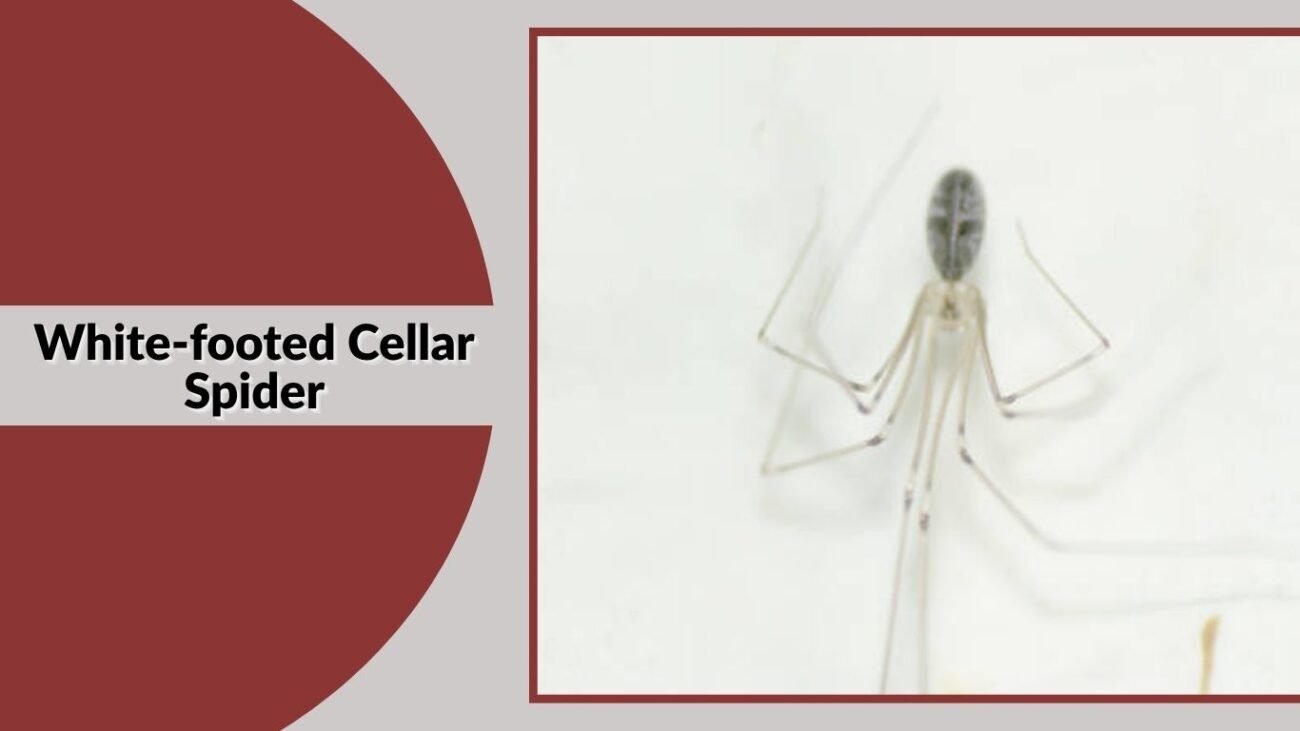
The white-footed cellar spider is easily distinguished by the pale or white coloration on the tips of its legs, giving it a “white-footed” appearance. It is a common household spider and prefers undisturbed corners of rooms, basements, and garages.
Identification
- Scientific Name: Crossopriza lyoni
- Body Length: 6–8 mm
- Leg Span: Up to 50 mm
- Color: Light brown to beige with white leg tips
- Distinct Feature: Noticeable pale coloration at the ends of the legs
Habitat and Distribution
Found worldwide in warm climates, particularly in homes, warehouses, and barns.
Behavior and Diet
Feeds on mosquitoes, flies, moths, and other small arthropods. Known for its quick upside-down retreat when disturbed, as well as shaking its web to blur its appearance.