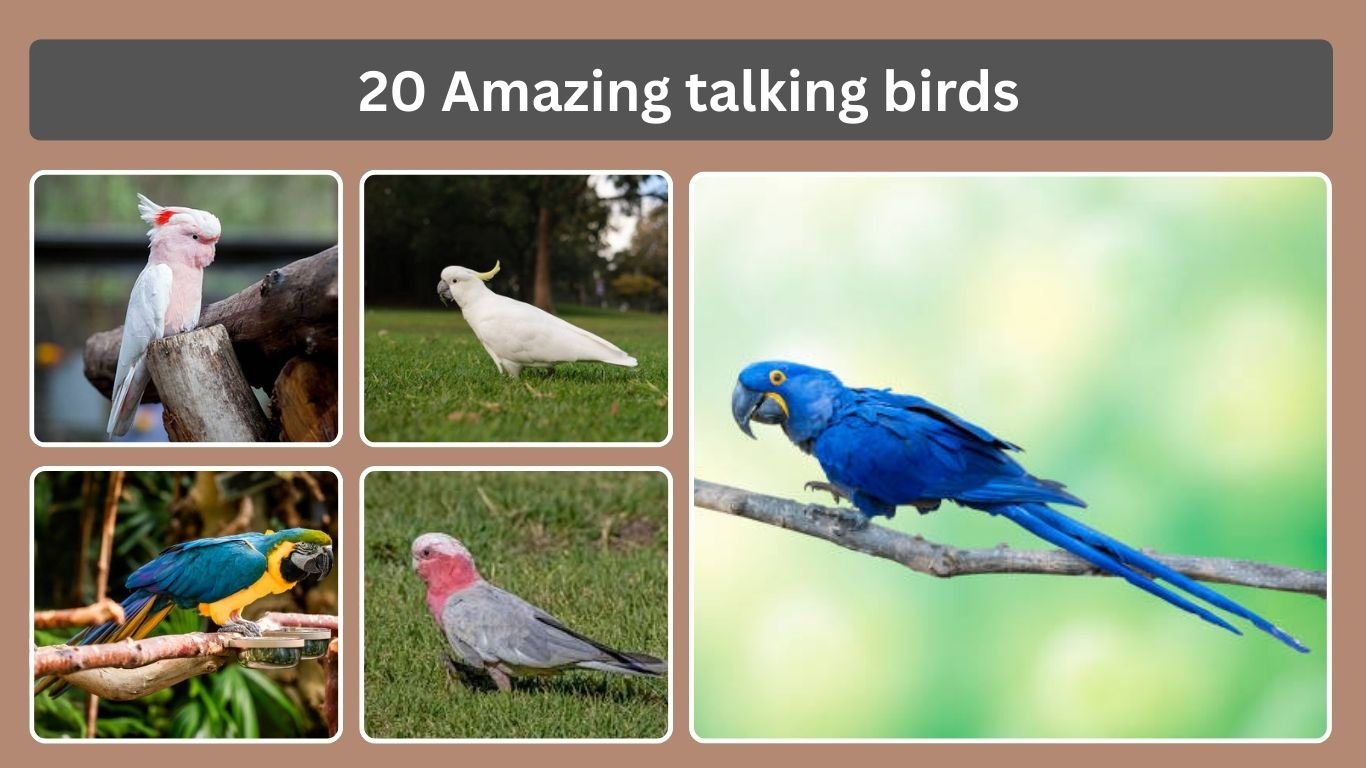
Birds have always fascinated humans with their beauty, intelligence, and unique personalities. Among them, talking birds stand out for their ability to mimic sounds and bond closely with their owners. From small parakeets to large macaws, these feathered companions can bring joy, entertainment, and lifelong friendship. In this article, we’ll explore 20 amazing talking birds, highlighting their traits, care needs, and why they make such special pets.
1. African Grey Parrot
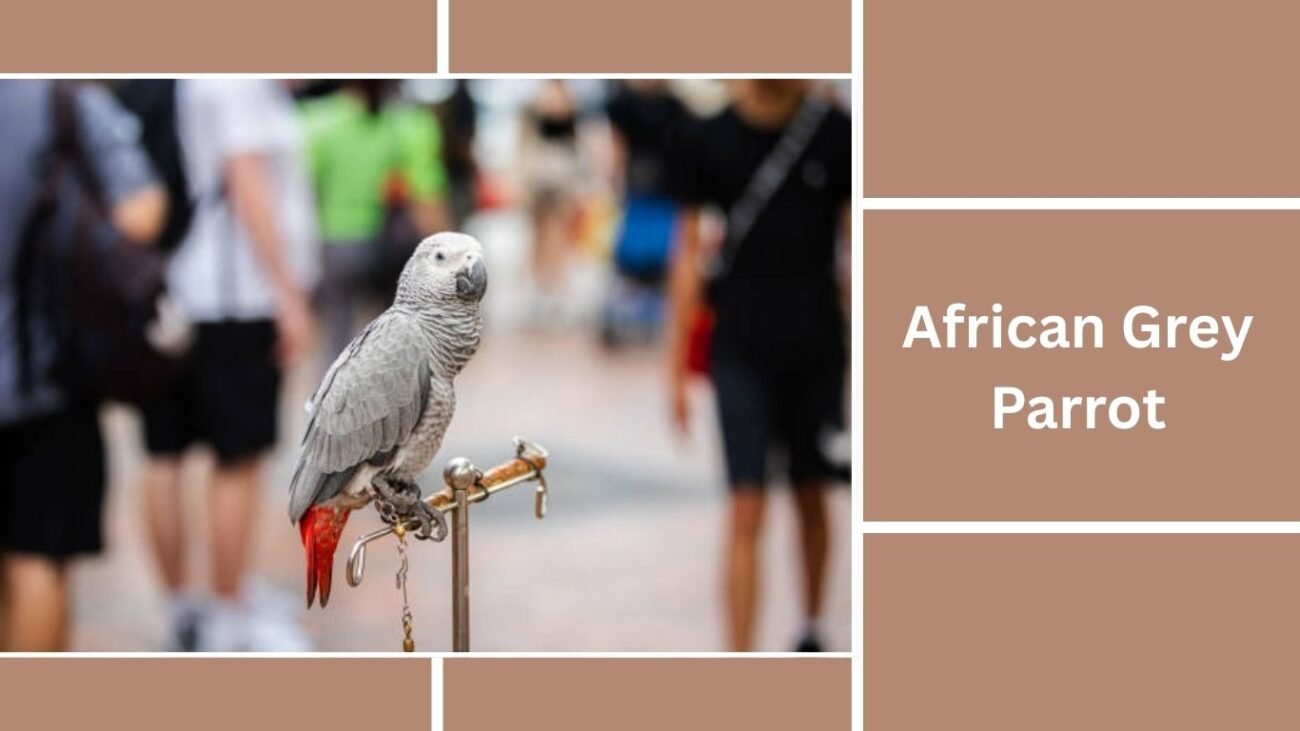
The African Grey Parrot is widely recognized as the most intelligent parrot species, often praised for its strong memory and problem-solving skills. It is admired for its striking grey feathers and long companionship potential, making it one of the most popular pet birds worldwide.
Identification
- Medium-sized parrot, about 12–14 inches long
- Distinctive grey feathers with lighter edges
- Bright red tail feathers
- Pale face with a strong black beak
- Yellowish eyes in adults
Behavior
African Grey Parrots are social and sensitive, often forming deep bonds with their owners. They enjoy interaction, mental stimulation, and challenges such as puzzles or foraging toys. They can become moody if neglected, so consistent companionship is important.
Diet
Their diet should include high-quality pellets as a base, supplemented with fresh fruits, leafy greens, vegetables, and occasional seeds or nuts. A balanced diet helps prevent health issues like calcium deficiency and obesity.
Care
These parrots require a spacious cage, daily out-of-cage time, and enrichment activities to stay active and healthy. Grooming needs include nail trimming, bathing, and regular veterinary checkups.
Lifespan
African Grey Parrots can live 50–60 years or more in captivity with proper diet, care, and attention, making them lifelong companions for bird enthusiasts.
2. Yellow-Naped Amazon
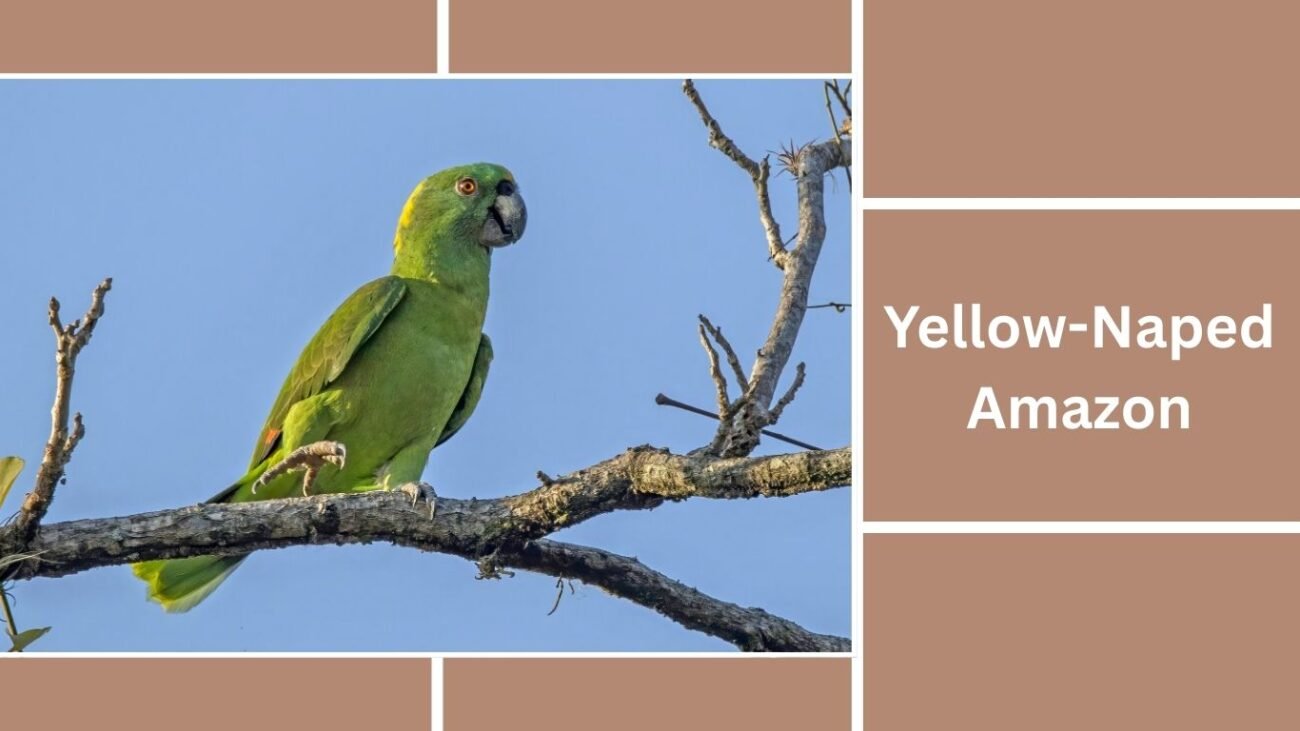
The Yellow-Naped Amazon is one of the most popular Amazon parrots, easily recognized by the bright yellow patch on the back of its neck. Known for its playful personality and strong bond with humans, it is also admired for its striking green plumage and lively nature.
Identification
- Medium-sized parrot, about 12–15 inches long
- Bright green feathers across the body
- Distinct yellow patch on the nape (back of the neck)
- Short, square tail with hints of red and blue
- Strong curved beak and expressive eyes
Behavior
Yellow-Naped Amazons are outgoing, energetic, and love attention. They enjoy interactive play and are often described as charming and clownish. However, they can also be stubborn at times, especially during breeding season, and require consistent handling.
Diet
A balanced diet should include formulated pellets, fresh vegetables like carrots, broccoli, and leafy greens, along with fruits such as apples, bananas, and berries. Occasional nuts and seeds can be given as treats but should not make up the main diet.
Care
They need a large cage with enough room to climb and exercise, along with daily time outside the cage. Toys, swings, and foraging activities are essential to keep them mentally stimulated. Regular social interaction prevents boredom and behavioral issues.
Lifespan
Yellow-Naped Amazons have a long lifespan of 50–60 years in captivity, with some living even longer when cared for properly.
3. Double Yellow-Headed Amazon
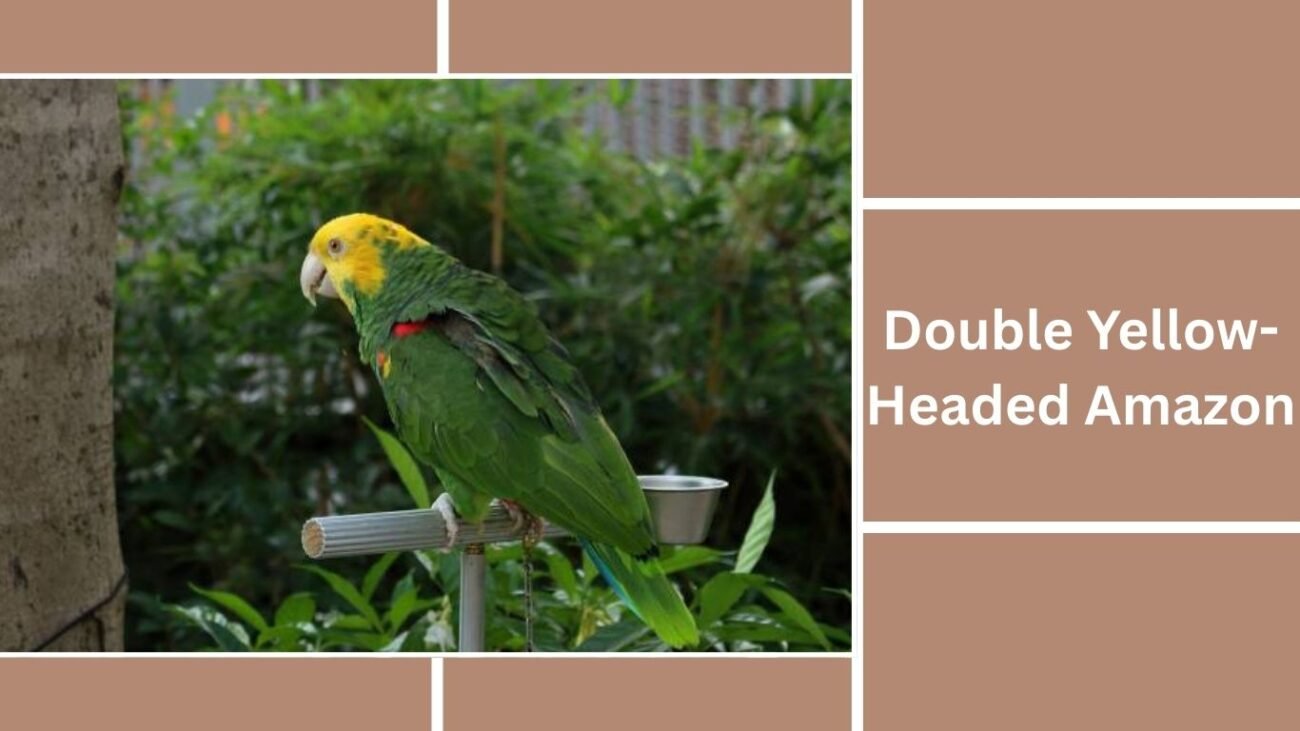
The Double Yellow-Headed Amazon is a striking parrot species, admired for its vibrant colors and bold personality. Its brilliant yellow head contrasts beautifully with the green body, making it one of the most eye-catching Amazons.
Identification
- Medium to large parrot, around 14–16 inches long
- Bright green body feathers
- Distinct double yellow markings: full yellow head and patches extending down the neck
- Red and blue feathers on the wings
- Strong, hooked beak with expressive eyes
Behavior
These parrots are lively, confident, and love social interaction. They are natural performers and enjoy being the center of attention. However, they can also become territorial or moody if not handled consistently, so early training and socialization are key.
Diet
Their diet should consist mainly of high-quality pellets, supported by fresh vegetables like spinach, kale, and carrots, and fruits such as grapes, mangoes, and apples. Occasional nuts and seeds can be offered as treats.
Care
A spacious cage, climbing perches, and plenty of toys are essential to keep them active. They thrive with daily out-of-cage time and regular interaction with their owners. Regular baths or misting also help maintain feather health.
Lifespan
Double Yellow-Headed Amazons can live 60–80 years in captivity, making them lifelong companions when properly cared for.
4. Blue-Fronted Amazon
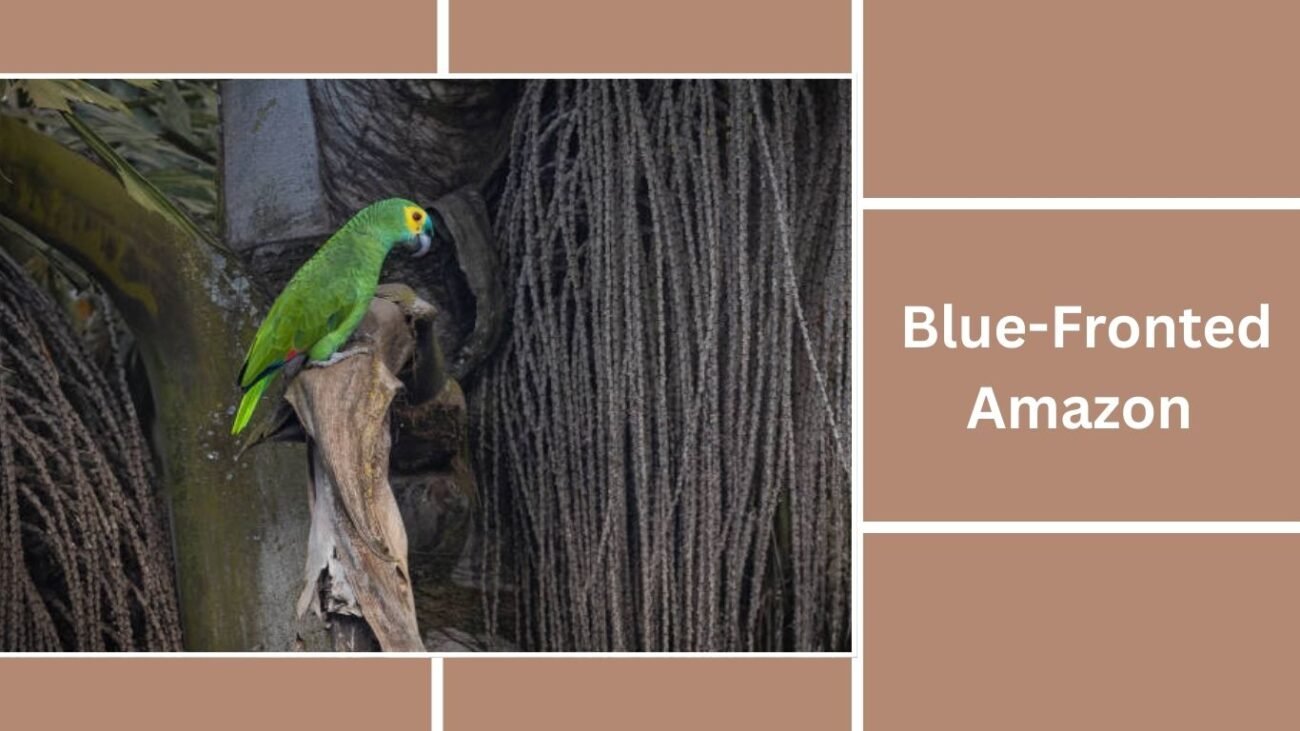
The Blue-Fronted Amazon is one of the most popular parrot species kept as a pet, known for its colorful plumage and lively personality. Its signature blue patch on the forehead gives it a unique appearance among Amazon parrots.
Identification
- Medium-sized parrot, about 14–15 inches long
- Bright green feathers covering most of the body
- Distinct blue marking on the forehead above the beak
- Yellow patches on the face and shoulders
- Strong, curved beak with intelligent eyes
Behavior
Blue-Fronted Amazons are curious, playful, and love attention. They enjoy being part of family activities and often mimic household sounds. They can sometimes be strong-willed and require consistent training and handling to avoid developing dominant behavior.
Diet
Their diet should primarily include formulated pellets, along with a mix of fresh vegetables such as peas, carrots, and leafy greens, plus fruits like papaya, oranges, and apples. Nuts and seeds should be limited to small amounts as treats.
Care
They need a large cage with climbing space, chew toys, and daily out-of-cage exercise. Mental stimulation, training sessions, and social interaction are essential for keeping them happy and preventing boredom-related behaviors.
Lifespan
Blue-Fronted Amazons can live 50–70 years in captivity, making them a long-term commitment for dedicated owners.
5. Eclectus Parrot
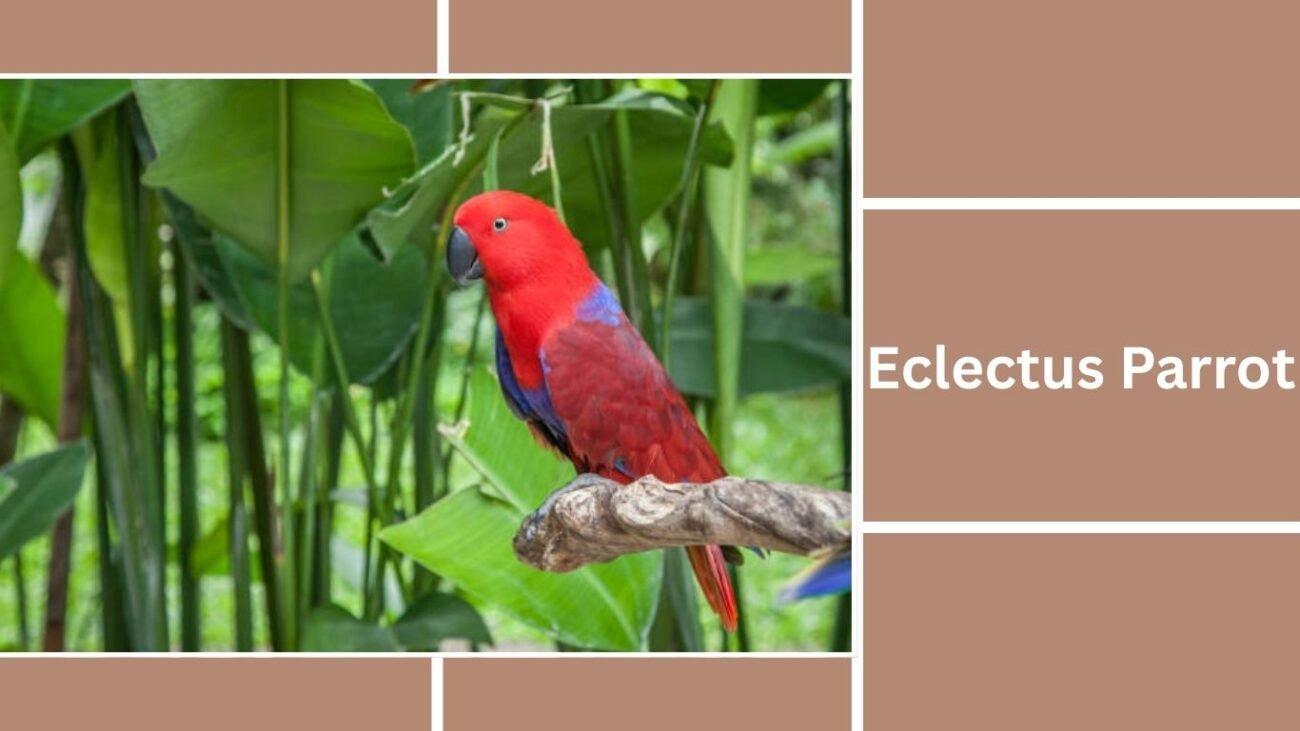
The Eclectus Parrot is a striking species famous for its extreme sexual dimorphism—males and females look completely different in color. Males are a vivid green, while females are bright red and purple, making them one of the most visually unique parrots.
Identification
- Medium to large parrot, about 17–20 inches long
- Males: bright green body, orange beak, red underwings, and blue tail tips
- Females: deep red head and body, purple chest, black beak, and blue tail edges
- Short, square tail and strong wings
- Distinctive upright posture
Behavior
Eclectus Parrots are calm, gentle, and highly intelligent. They are more observant than playful compared to other parrots and often prefer quiet interaction. They are affectionate with their owners but can be cautious around strangers.
Diet
They require a diet rich in fresh fruits and vegetables, especially those high in vitamin A such as carrots, pumpkin, sweet potatoes, and leafy greens. Fruits like papaya, mango, and berries are also essential. Pellets can be included, but seeds and nuts should be minimal.
Care
A tall cage with plenty of space for climbing and flight is important. They enjoy foraging toys, branches, and natural perches. Daily interaction, grooming, and bathing opportunities help maintain their well-being.
Lifespan
Eclectus Parrots can live 40–60 years in captivity with proper care, diet, and attention.
6. Indian Ringneck Parakeet
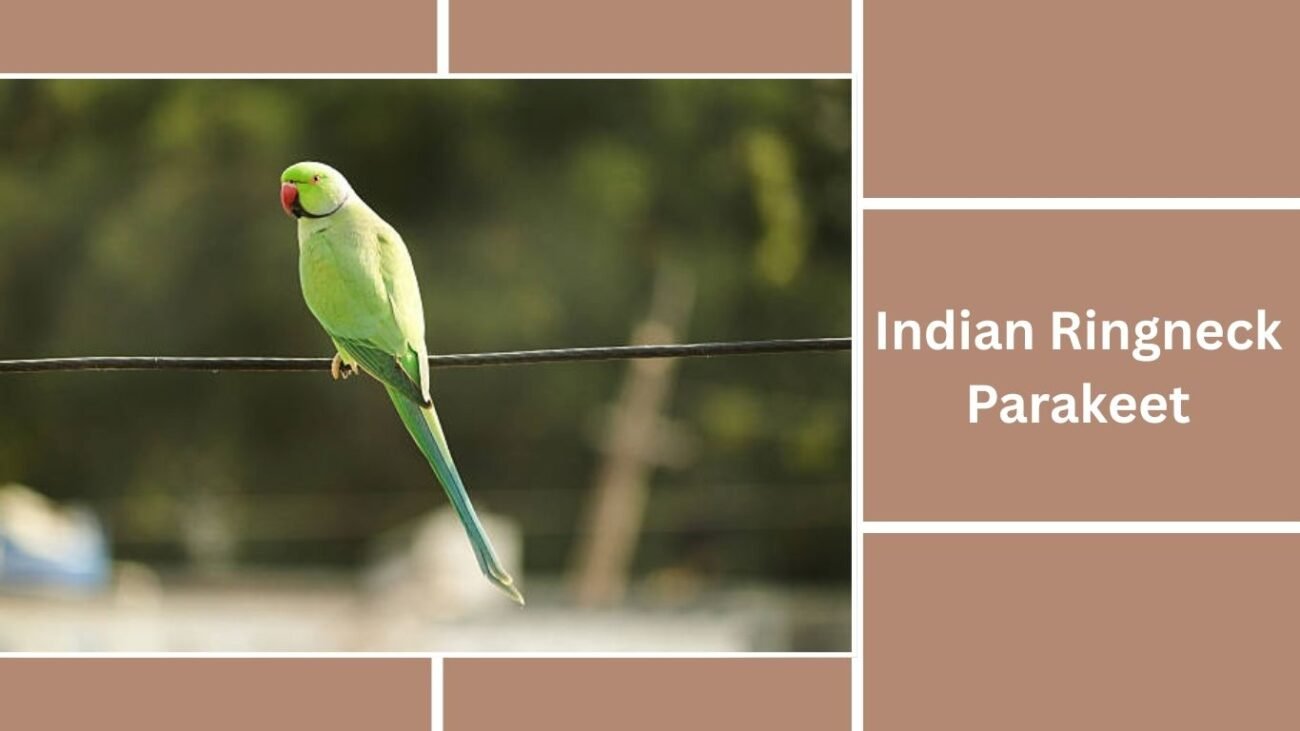
The Indian Ringneck Parakeet is a beautiful medium-sized parrot admired for its slender body, long tail, and striking ring around the neck in males. Known for its curious and playful personality, it is also a very popular pet bird worldwide.
Identification
- Medium-sized parakeet, about 14–17 inches long (including the tail)
- Males: green body, red beak, and a distinct black and pink ring around the neck
- Females: similar in appearance but usually lack the full neck ring
- Long, graceful tail feathers
- Bright red-orange beak and expressive eyes
Behavior
Indian Ringnecks are curious, intelligent, and energetic birds. They are very active and love to explore their surroundings. While they can be affectionate, they are also independent and sometimes display a playful mischievous side.
Diet
A healthy diet includes pellets, a variety of fresh vegetables such as leafy greens, carrots, and peas, along with fruits like apples, mangoes, and pomegranates. Seeds and nuts should be given occasionally as treats.
Care
They need a large cage with plenty of climbing space and toys for enrichment. Regular training sessions, social interaction, and daily exercise outside the cage are important for their health and well-being.
Lifespan
Indian Ringneck Parakeets typically live 25–30 years in captivity, though with excellent care, some may live even longer.
7. Monk Parakeet (Quaker Parrot)
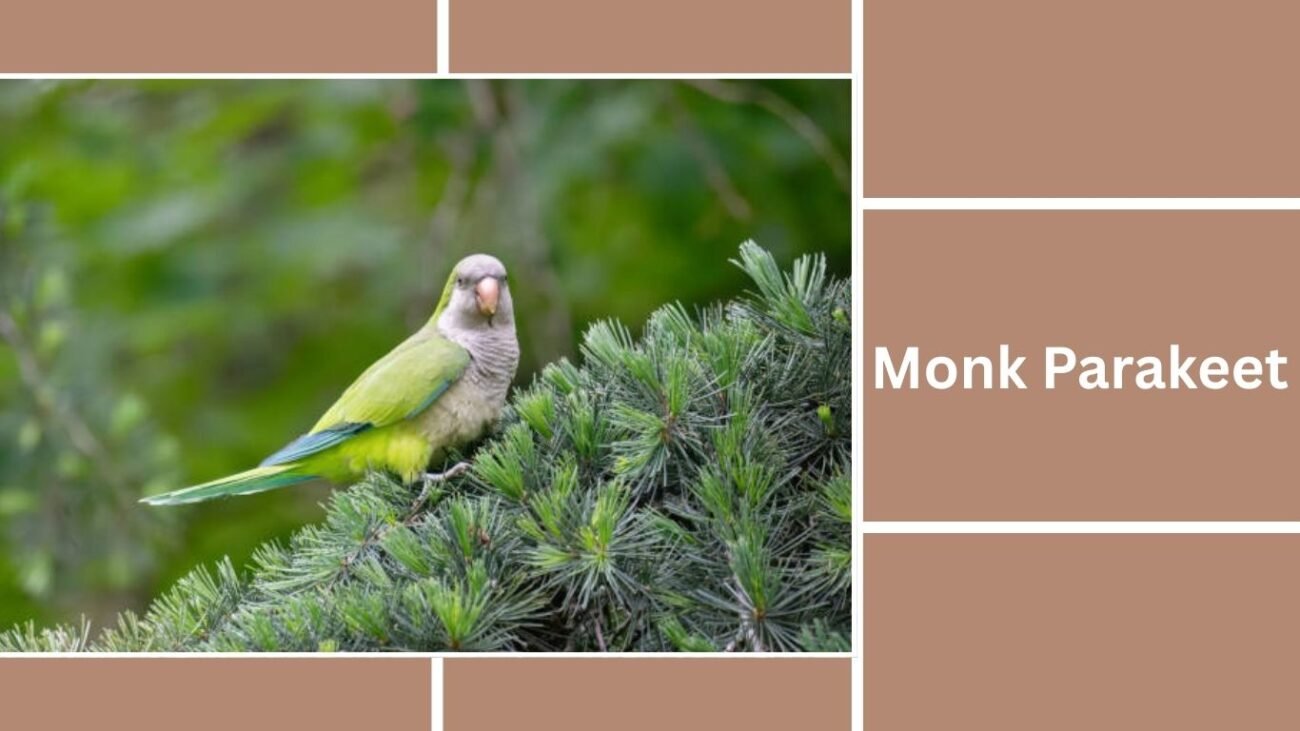
The Monk Parakeet, also known as the Quaker Parrot, is a small but lively parrot species that has gained popularity as a pet due to its playful personality and social nature. Unlike most parrots, they build large stick nests, which makes them unique.
Identification
- Small to medium-sized parrot, about 11–12 inches long
- Bright green body with a greyish face and chest
- Blue flight feathers and long green tail
- Short, strong beak
- Dark eyes with expressive features
Behavior
Monk Parakeets are energetic, social, and affectionate birds. They enjoy being part of family life and love interactive play. They can sometimes become territorial with their cage or nest but are generally friendly and bond strongly with their owners.
Diet
Their diet should consist mainly of pellets, supported by fresh vegetables such as leafy greens, broccoli, and carrots, along with fruits like apples, grapes, and berries. Seeds and nuts can be given occasionally but should not form the bulk of the diet.
Care
They require a spacious cage with climbing toys, ropes, and foraging opportunities. Daily out-of-cage playtime and social interaction are essential to prevent boredom and destructive behaviors. Regular baths or misting help keep their feathers healthy.
Lifespan
Monk Parakeets can live 20–30 years in captivity with proper care, diet, and attention.
8. Budgerigar (Budgie)
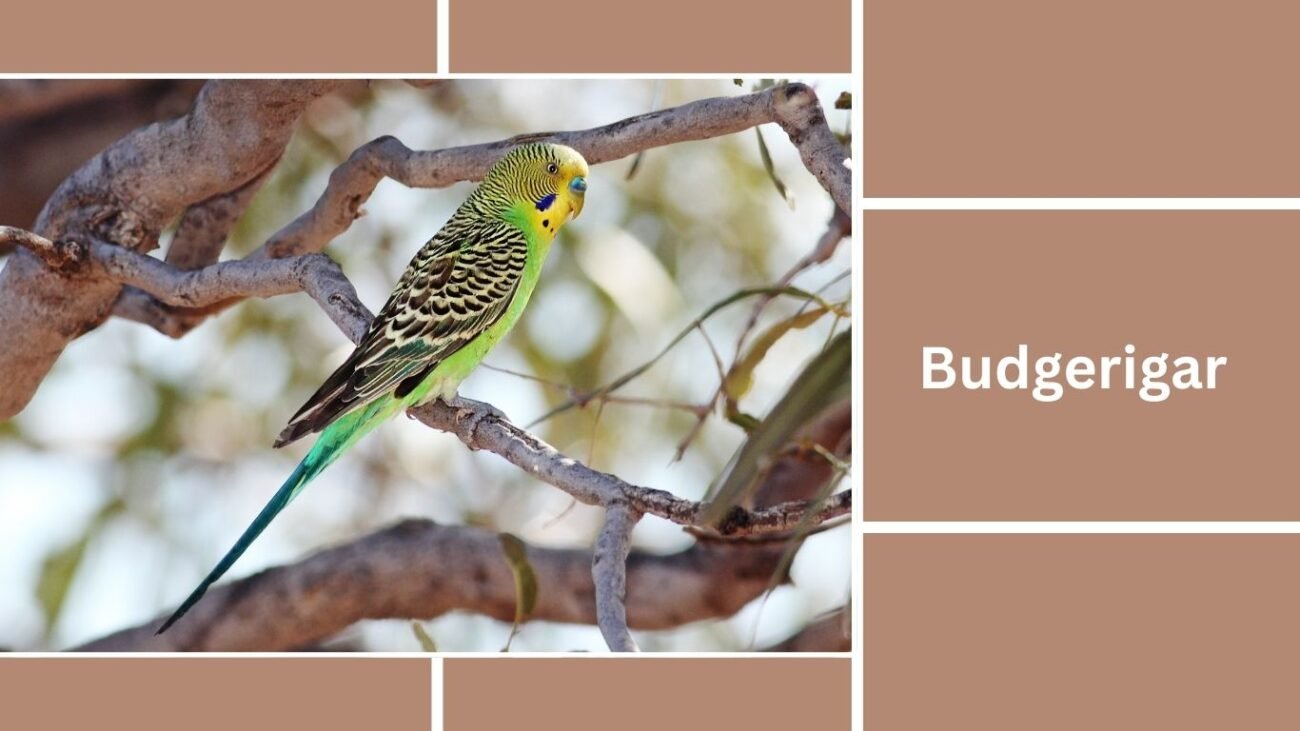
The Budgerigar, commonly known as the Budgie, is one of the most popular pet birds in the world. Small, colorful, and full of energy, these parakeets are loved for their playful nature and easy care requirements, making them ideal for beginners.
Identification
- Small parrot, about 7 inches long
- Green body with black and yellow markings (wild type)
- Domesticated varieties come in blue, white, yellow, and other color mutations
- Long, tapered tail feathers
- Small curved beak and bright, expressive eyes
Behavior
Budgies are cheerful, active, and social birds that thrive in pairs or groups. They are very playful and enjoy toys, mirrors, and swings. They can become affectionate with their owners but also remain independent and curious.
Diet
A balanced diet includes quality seeds, formulated pellets, and a mix of fresh vegetables like spinach, carrots, and peas, along with fruits such as apples, oranges, and bananas. Millet sprays can be given as occasional treats.
Care
Budgies require a medium-sized cage with space for flying and climbing. Providing perches, toys, and regular out-of-cage exercise helps keep them active and healthy. They also enjoy social interaction and mental stimulation.
Lifespan
Budgerigars usually live 8–12 years in captivity, though with excellent care, some may live up to 15 years.
9. Sulphur-Crested Cockatoo
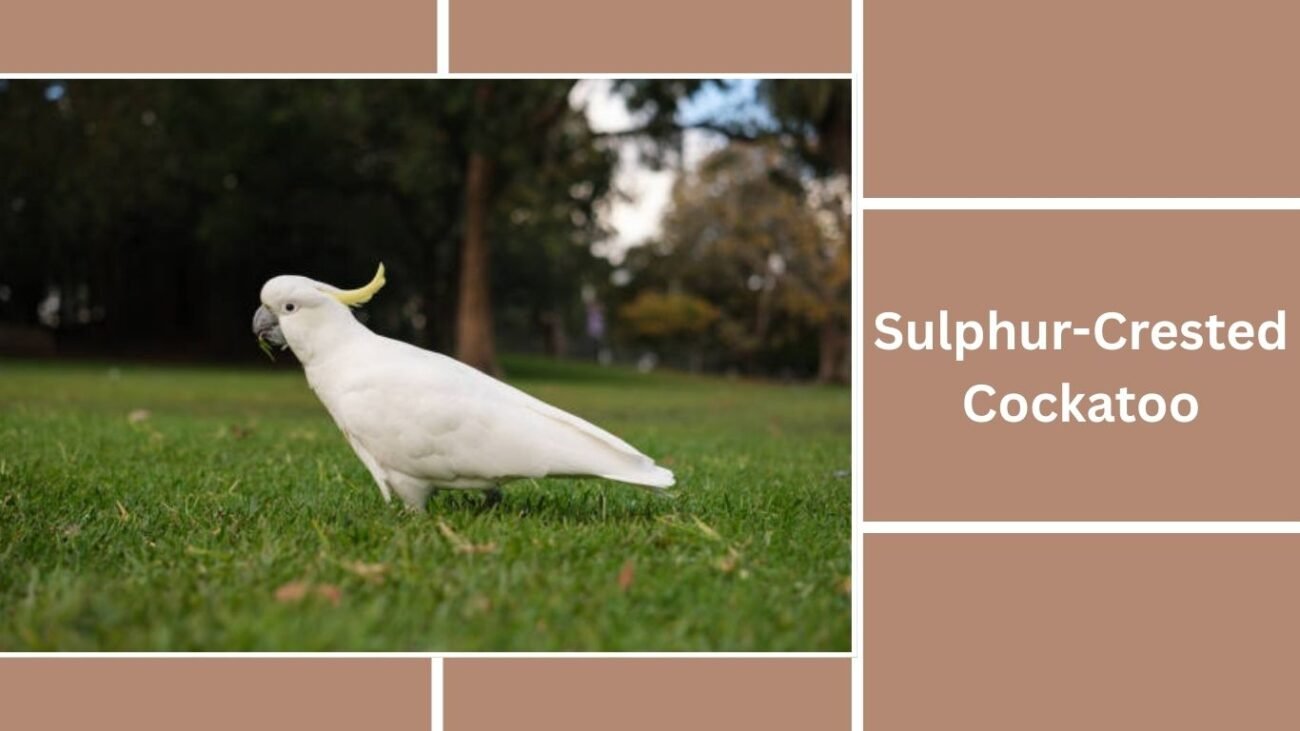
The Sulphur-Crested Cockatoo is a large and striking parrot species, instantly recognized by its bright yellow crest that can be raised or lowered. Known for its energetic personality and affectionate nature, it is a favorite among bird lovers.
Identification
- Large parrot, about 17–21 inches long
- White plumage with a distinctive yellow crest
- Yellow wash under wings and tail
- Strong, curved black beak
- Dark brown to black eyes in adults
Behavior
Sulphur-Crested Cockatoos are highly social, intelligent, and very energetic. They crave attention and can become mischievous if left alone for long periods. With proper care, they develop strong bonds with their owners and enjoy being part of daily activities.
Diet
Their diet should be pellet-based, supplemented with fresh vegetables such as leafy greens, carrots, and corn, and fruits like apples, pears, and berries. Occasional nuts can be offered as treats, but fatty seeds should be limited.
Care
They require a very large cage or aviary, along with plenty of toys and activities to keep them engaged. Daily out-of-cage exercise is essential to burn energy. Regular grooming, including nail trimming and bathing, is also important.
Lifespan
Sulphur-Crested Cockatoos have a long lifespan of 60–80 years in captivity, sometimes even longer with excellent care.
10. Rose-Breasted Cockatoo (Galah)
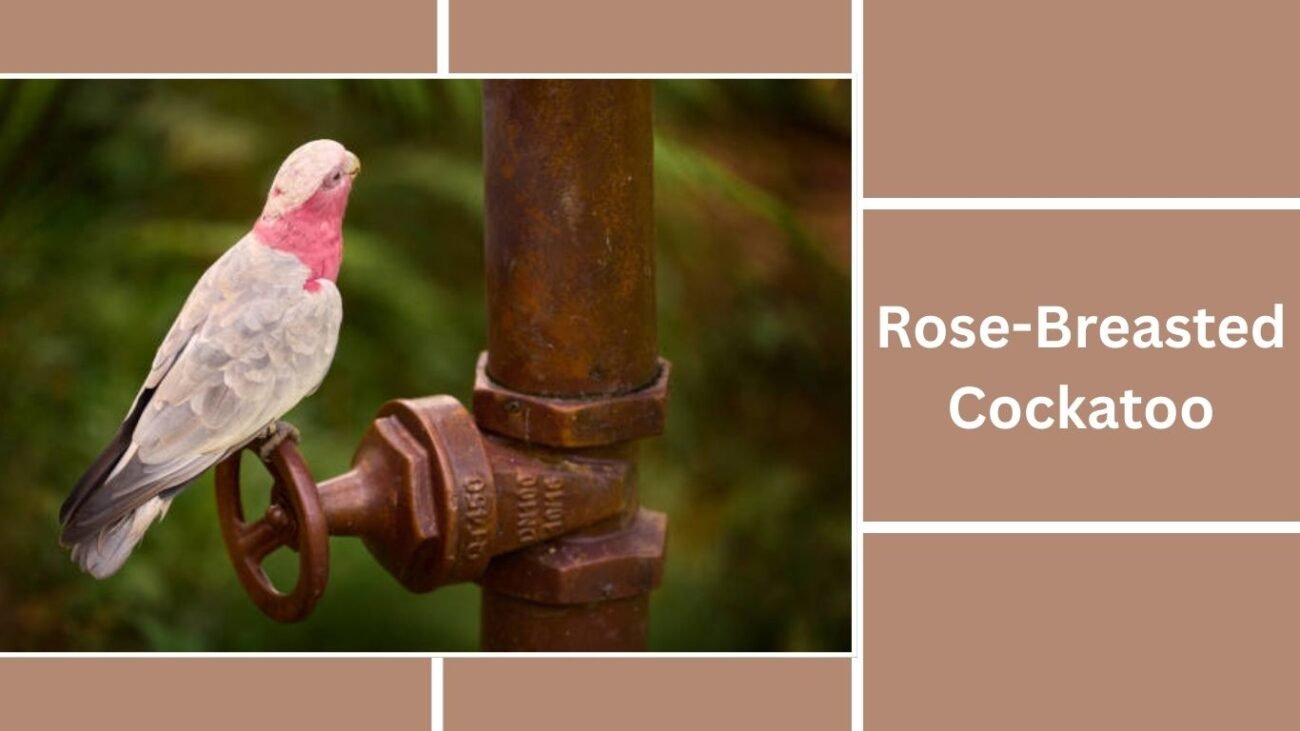
The Rose-Breasted Cockatoo, commonly known as the Galah, is a beautiful parrot with a striking pink and grey coloration. Native to Australia, it is highly social and often seen in large flocks, making it one of the most iconic cockatoos.
Identification
- Medium-sized parrot, about 12–14 inches long
- Bright pink chest and face with light grey wings and back
- Short, pale beak
- Distinctive crest that can be raised when excited
- Dark eyes in males, reddish-brown eyes in females
Behavior
Galahs are playful, affectionate, and highly social birds. They love interaction and enjoy being the center of attention. They can be cheeky and clownish, often engaging in playful antics. Without enough stimulation, however, they may become restless or develop behavioral issues.
Diet
Their diet should be pellet-based, supported by a variety of fresh vegetables such as leafy greens, carrots, and peas, along with fruits like apples, oranges, and berries. Seeds and nuts can be included in moderation as treats.
Care
They need a spacious cage with climbing opportunities, toys, and plenty of out-of-cage time. Galahs thrive on social interaction and mental stimulation, so daily play and bonding are essential. Regular grooming and baths help maintain their feather health.
Lifespan
Rose-Breasted Cockatoos can live 40–50 years in captivity, with some individuals reaching even longer lifespans when well cared for.
11. Major Mitchell’s Cockatoo
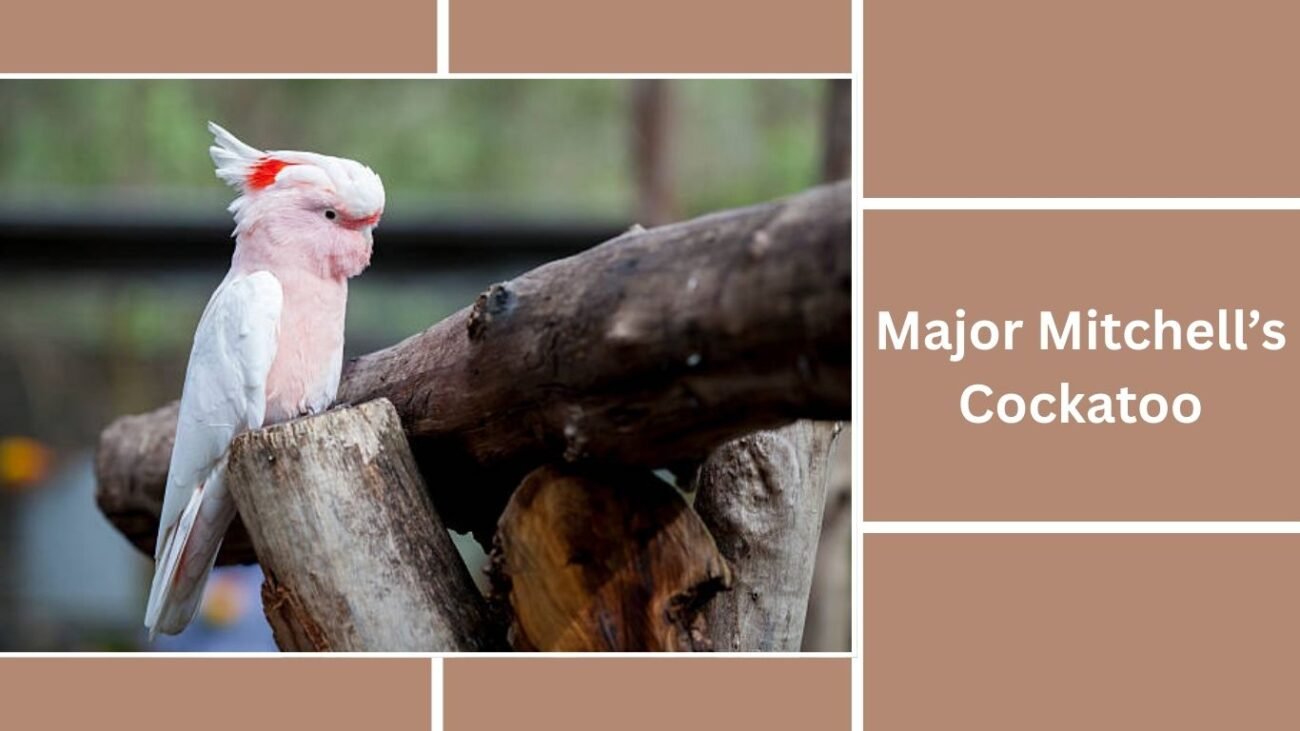
The Major Mitchell’s Cockatoo, also called the Leadbeater’s Cockatoo, is admired for its stunning pink and white plumage and striking multicolored crest. Often described as one of the most beautiful cockatoos, it is highly sought after by bird enthusiasts.
Identification
- Medium-sized cockatoo, about 13–15 inches long
- Soft pink chest and face with white wings and back
- Spectacular crest with bands of red, yellow, and white
- Pale beak and expressive eyes
- Rounded wings and short tail feathers
Behavior
Major Mitchell’s Cockatoos are affectionate, intelligent, and sensitive birds. They bond closely with their owners and can be very loving. However, they are also known to be demanding and require lots of attention to stay happy, as they dislike being left alone.
Diet
Their diet should be pellet-based, supplemented with fresh vegetables such as leafy greens, corn, and carrots, and fruits like apples, grapes, and melons. Occasional seeds and nuts can be offered as treats but should not dominate the diet.
Care
They require a spacious aviary or large cage, along with daily exercise and interaction. Toys, foraging opportunities, and social engagement are essential. Regular grooming and bathing help maintain their plumage and overall health.
Lifespan
Major Mitchell’s Cockatoos can live 50–60 years in captivity with proper care, diet, and enrichment.
12. Cockatiel
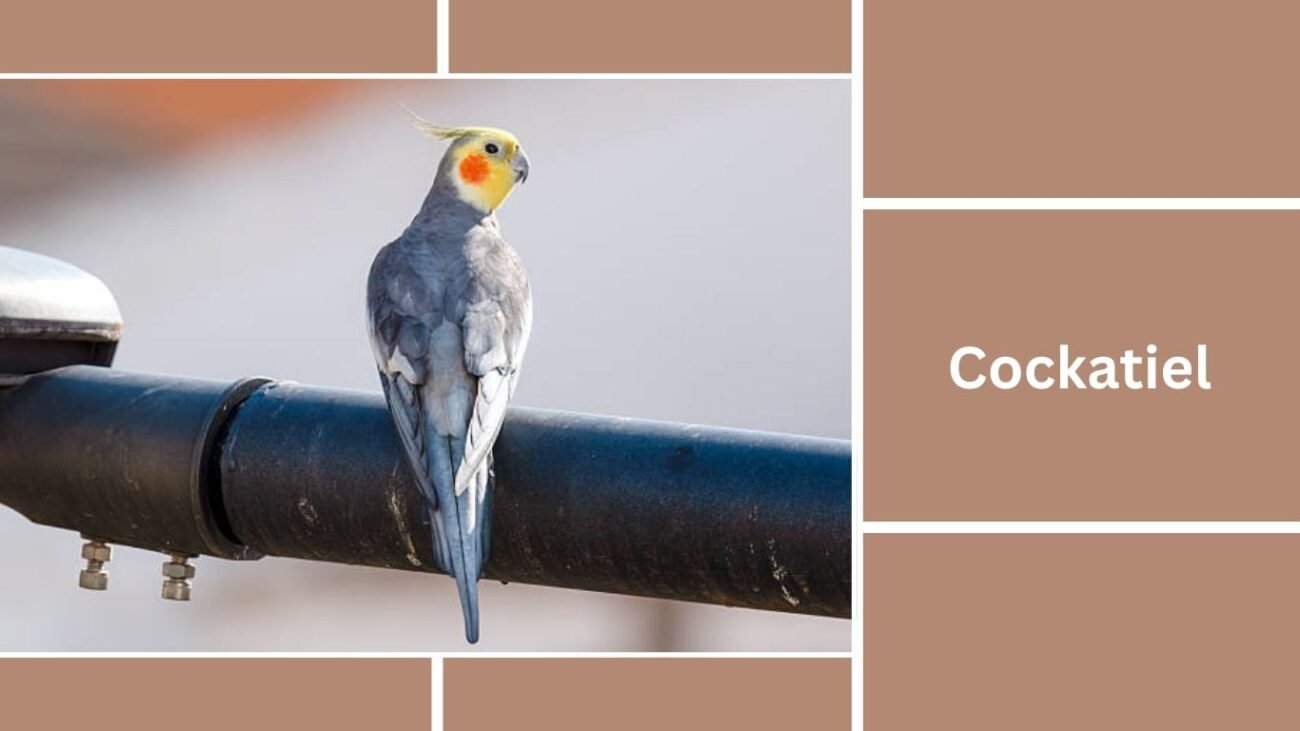
The Cockatiel is one of the most popular pet birds worldwide, loved for its gentle personality, attractive crest, and charming whistling abilities. Native to Australia, it is a smaller member of the cockatoo family and makes an excellent companion bird.
Identification
- Small to medium-sized parrot, about 11–13 inches long
- Grey body with long pointed tail
- Distinctive yellow face and orange cheek patches (in males)
- Upright crest that moves with mood and excitement
- Females are often duller in color with less bright markings
Behavior
Cockatiels are affectionate, social, and easygoing birds. They enjoy spending time with their owners, often perching on shoulders or following them around. They are excellent whistlers and may learn to mimic simple sounds.
Diet
Their diet should be based on pellets and supplemented with fresh vegetables such as spinach, broccoli, and carrots, along with fruits like apples, pears, and berries. Small amounts of seeds and millet sprays can be given occasionally as treats.
Care
Cockatiels require a medium-sized cage with perches, swings, and toys to keep them active. They enjoy daily out-of-cage time and social interaction. Regular grooming, nail trimming, and baths are important for their overall health.
Lifespan
Cockatiels typically live 15–20 years in captivity, though some can live longer with proper care and attention.
13. Blue and Gold Macaw
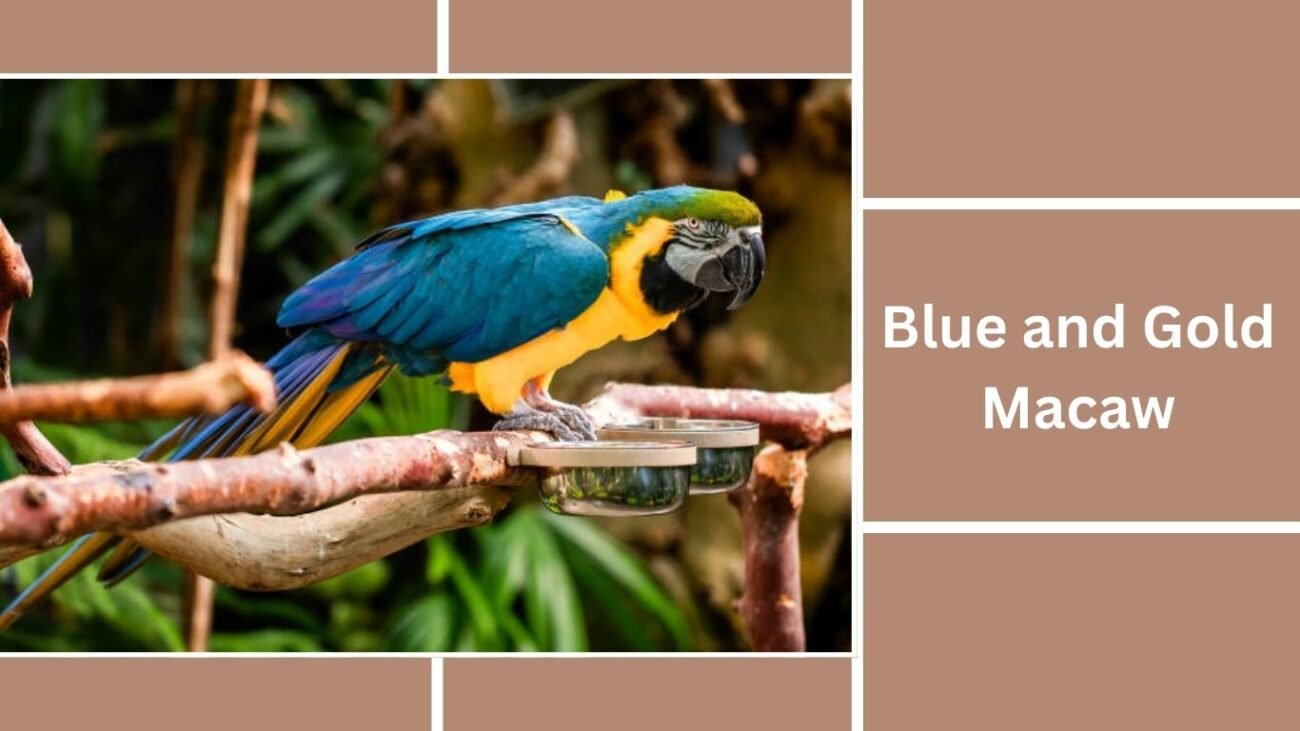
The Blue and Gold Macaw is a large, colorful parrot admired for its striking appearance and playful nature. With its bright blue and golden-yellow plumage, it is one of the most recognizable and popular macaws worldwide.
Identification
- Large parrot, about 30–36 inches long including the tail
- Bright blue wings, back, and tail
- Golden-yellow chest and underparts
- Greenish forehead and white facial skin with black feather lines
- Strong black beak and long tail feathers
Behavior
Blue and Gold Macaws are social, energetic, and intelligent birds. They love interactive play, climbing, and spending time with their owners. They can be loud and require plenty of attention, but they are also very affectionate when properly cared for.
Diet
Their diet should be pellet-based, complemented with fresh vegetables such as leafy greens, corn, and carrots, and fruits like bananas, papayas, and berries. Nuts such as almonds and walnuts can be offered as occasional treats.
Care
They require a very large and sturdy cage or aviary, with ample space to spread their wings and climb. Daily out-of-cage exercise and enrichment activities are essential. Providing chew toys and foraging opportunities helps prevent destructive behaviors.
Lifespan
Blue and Gold Macaws can live 50–70 years in captivity, making them long-term companions for dedicated bird owners.
14. Scarlet Macaw
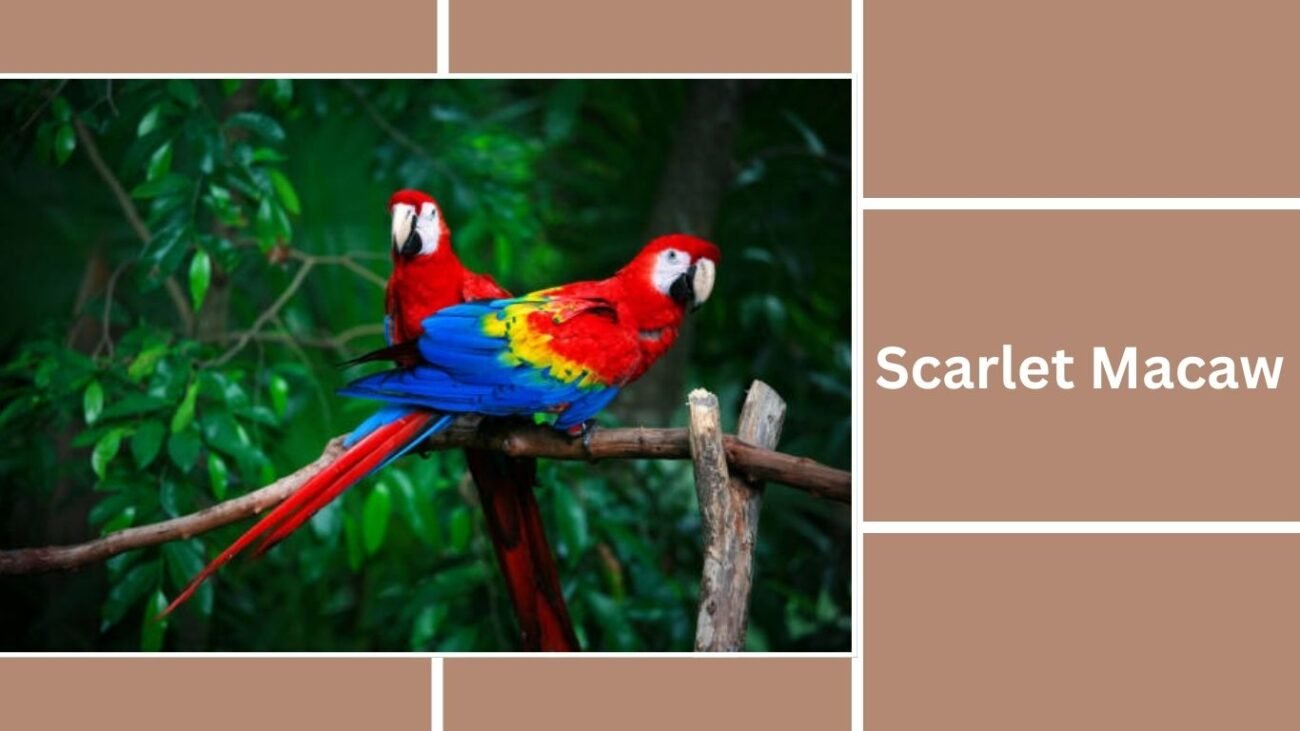
The Scarlet Macaw is one of the most beautiful and iconic parrots, known for its dazzling red, yellow, and blue plumage. Native to Central and South America, it is admired for both its appearance and lively personality.
Identification
- Large parrot, about 32–36 inches long including the tail
- Brilliant red body with yellow wings and blue wing tips
- Long red tail feathers with blue ends
- Bare white facial skin with fine red feather lines
- Strong, curved beak (pale upper mandible, black lower mandible)
Behavior
Scarlet Macaws are bold, energetic, and highly social. They love interaction, climbing, and exploring their surroundings. While affectionate with owners, they can also be strong-willed and need consistent handling to prevent aggressive tendencies.
Diet
Their diet should be pellet-based, along with fresh vegetables like leafy greens, carrots, and bell peppers, plus fruits such as mangoes, bananas, and apples. Nuts like almonds, walnuts, and Brazil nuts make excellent treats.
Care
They require a very large, durable cage or aviary, daily out-of-cage exercise, and mental stimulation. Providing chew toys, ropes, and climbing structures helps prevent boredom. Regular bathing and grooming are also necessary for feather health.
Lifespan
Scarlet Macaws can live 50–75 years in captivity with proper care and nutrition, making them lifelong companions.
15. Hyacinth Macaw
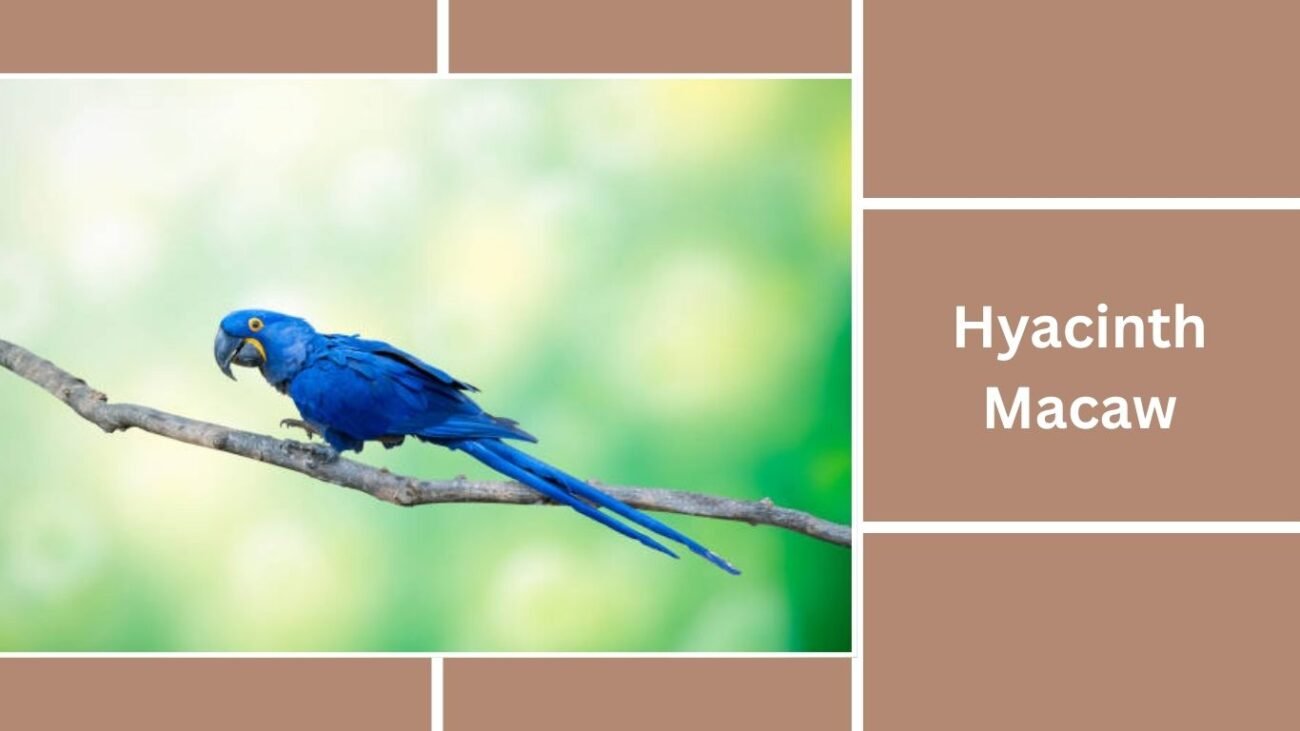
The Hyacinth Macaw is the largest species of parrot in the world, admired for its striking cobalt-blue plumage and gentle nature. Despite its impressive size, it is often called a “gentle giant” due to its affectionate and calm temperament.
Identification
- Largest parrot, about 40 inches long with a wingspan up to 4 feet
- Vibrant cobalt-blue feathers covering the entire body
- Bright yellow skin around the eyes and base of the lower beak
- Massive, strong black beak designed for cracking hard nuts
- Long, elegant tail feathers
Behavior
Hyacinth Macaws are affectionate, intelligent, and playful. They bond deeply with their owners and enjoy interactive activities. Though generally gentle, their size and strength require experienced handling and plenty of space to thrive.
Diet
Their diet should include specialized macaw pellets, a variety of fresh vegetables like corn, kale, and carrots, and fruits such as bananas, papayas, and berries. They also need nuts like Brazil nuts, macadamias, and walnuts, which help keep their beaks healthy.
Care
They require an extremely large aviary or custom-built enclosure to accommodate their size and activity needs. Daily out-of-cage exercise, chewable toys, and mental enrichment are essential. Regular grooming, including nail and beak care, is also necessary.
Lifespan
Hyacinth Macaws can live 50–80 years in captivity, making them a lifelong commitment for experienced bird owners.
16. Military Macaw
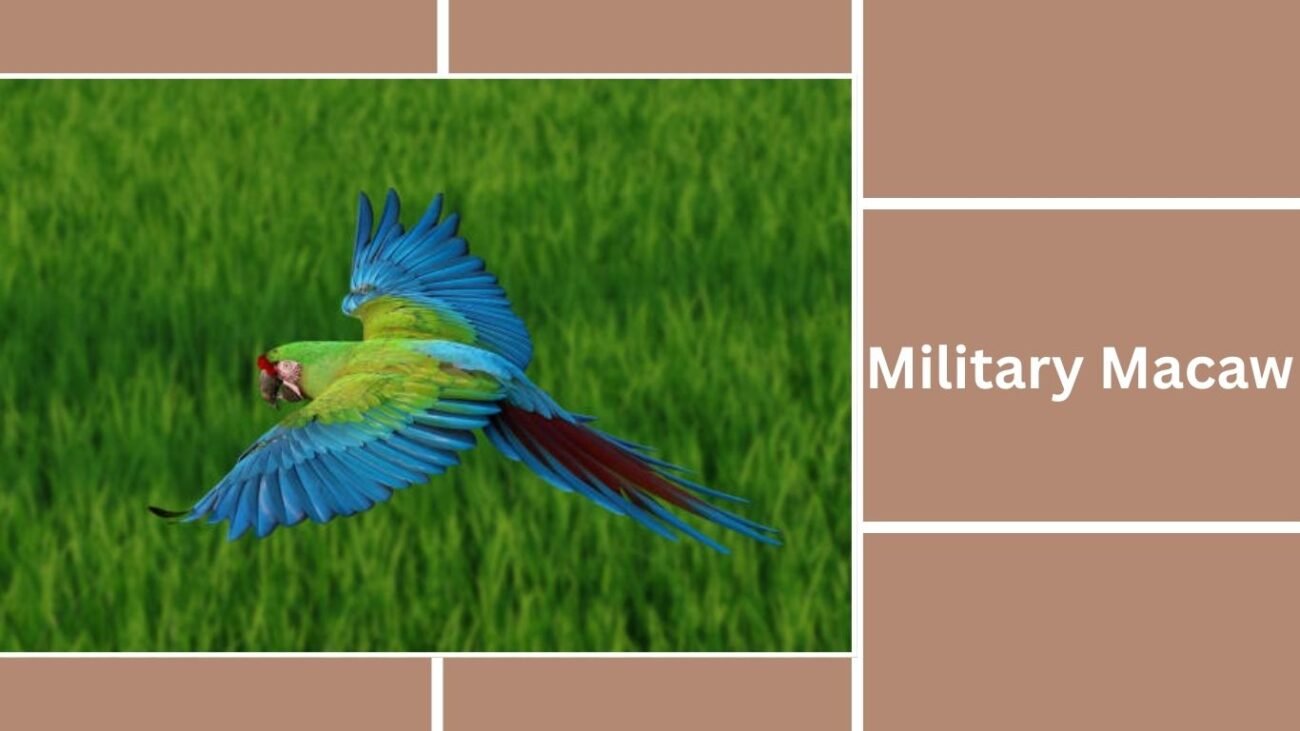
The Military Macaw is a medium to large parrot species known for its mostly green plumage and strong, social personality. Native to Central and South America, it is admired for its beauty, intelligence, and loyal nature.
Identification
- Medium to large parrot, about 27–30 inches long
- Bright green body with blue flight feathers
- Red patch on the forehead
- Bare facial skin with black feather lines
- Strong black beak and long tail with hints of blue and red
Behavior
Military Macaws are social, intelligent, and playful birds. They enjoy spending time with their owners and can be affectionate companions. They are active climbers and explorers but can become noisy if not given enough stimulation.
Diet
Their diet should include high-quality pellets, supplemented with fresh vegetables such as leafy greens, carrots, and peppers, and fruits like apples, bananas, and mangoes. Nuts such as almonds and walnuts can be offered as treats.
Care
They need a large, sturdy cage or aviary with climbing space, ropes, and chewable toys. Daily out-of-cage time and social interaction are important to prevent boredom and stress. Bathing opportunities also help maintain feather health.
Lifespan
Military Macaws can live 50–60 years in captivity, making them long-term companions for dedicated bird keepers.
17. Yellow-Crowned Amazon
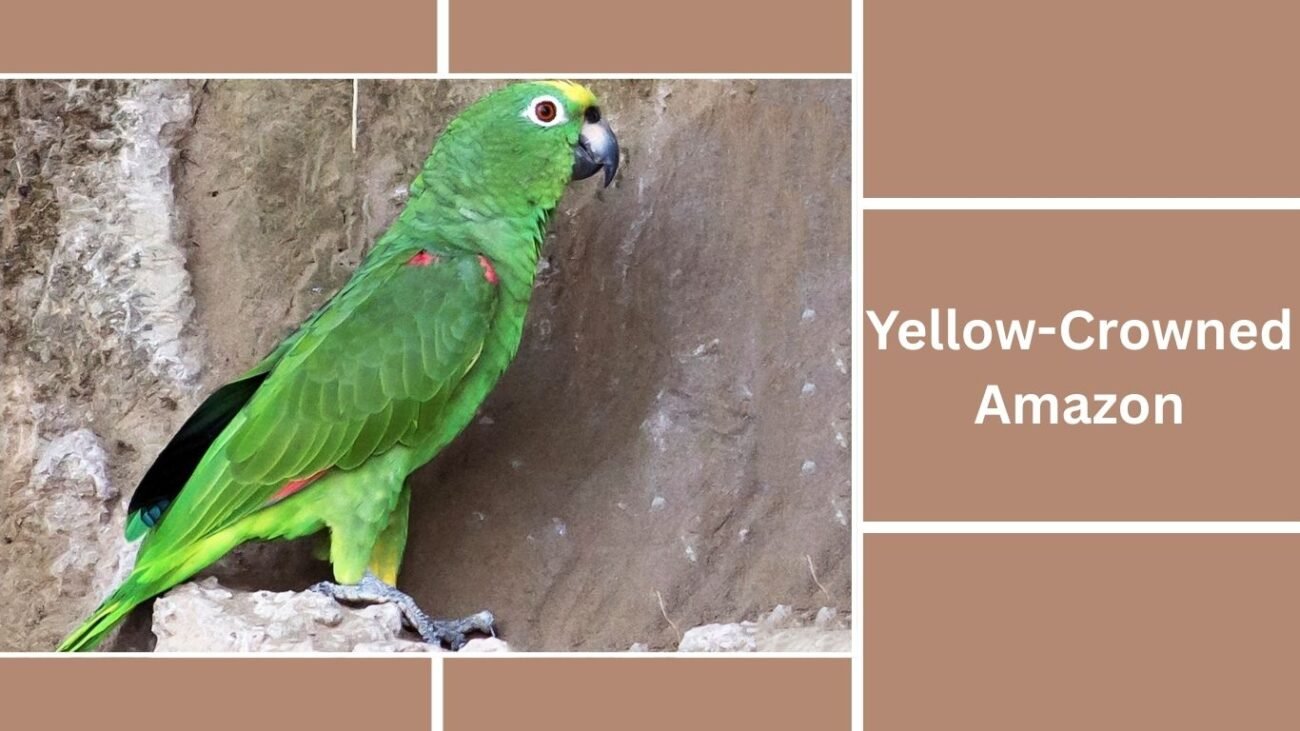
The Yellow-Crowned Amazon is a vibrant parrot species native to South America, admired for its bright green plumage and distinctive yellow crown. It is known for being lively, social, and affectionate, making it a popular companion bird.
Identification
- Medium-sized parrot, about 13–15 inches long
- Bright green body with a striking yellow patch on the crown of the head
- Red and blue markings on the wings
- Strong, curved beak
- Expressive eyes with bare white skin around them
Behavior
Yellow-Crowned Amazons are energetic, playful, and highly social. They enjoy interactive play, climbing, and spending time with their owners. They can also be strong-willed and require consistent handling to maintain a balanced temperament.
Diet
Their diet should include formulated pellets, fresh vegetables like leafy greens, carrots, and peas, and fruits such as oranges, bananas, and papayas. Occasional nuts and seeds can be offered as treats.
Care
They require a large cage with climbing perches, ropes, and toys to stay active. Daily out-of-cage exercise and enrichment activities are important for their well-being. Bathing or misting helps maintain feather health.
Lifespan
Yellow-Crowned Amazons can live 50–60 years in captivity, making them a long-term commitment for bird owners.
18. Red-Lored Amazon
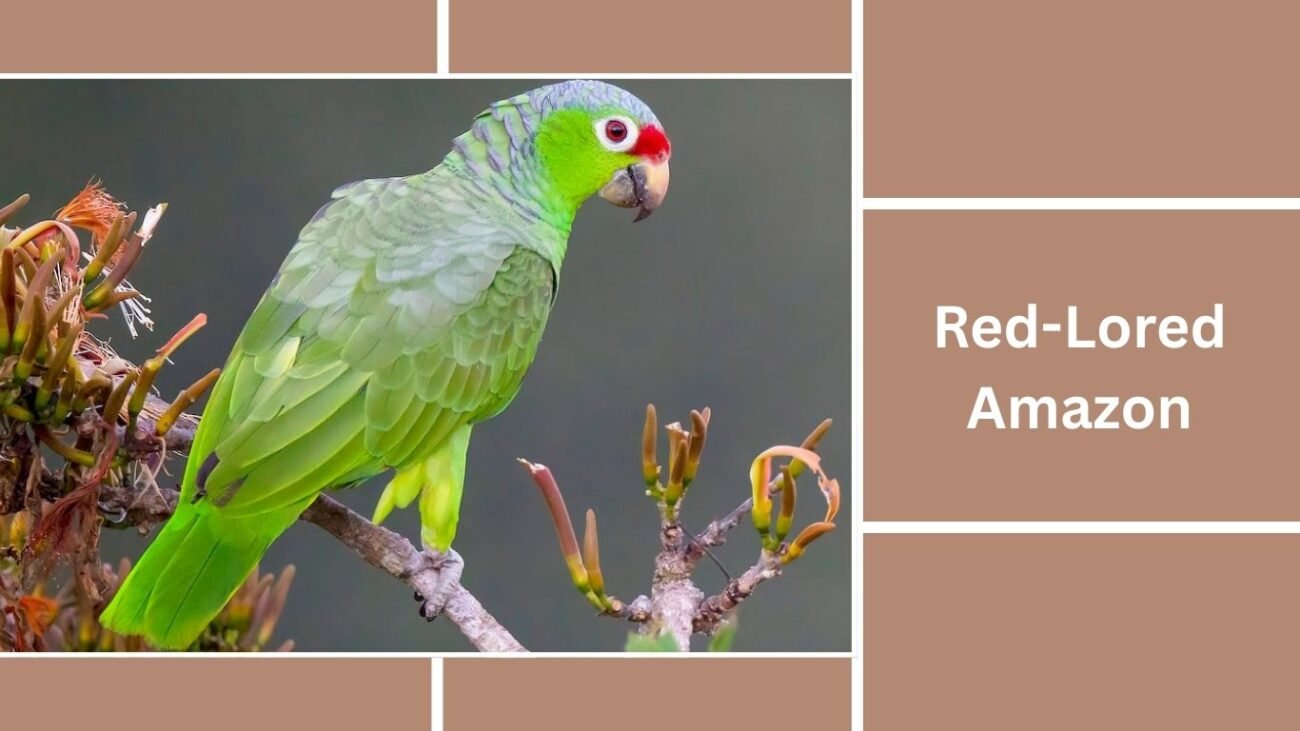
The Red-Lored Amazon is a colorful parrot native to Central and South America, easily recognized by the bright red patch on its forehead. It is loved for its playful, friendly personality and vibrant plumage.
Identification
- Medium-sized parrot, about 12–14 inches long
- Bright green body with yellow cheeks and crown
- Distinctive red patch on the forehead (lore area)
- Blue-tipped wings with hints of yellow and red
- Strong beak and expressive eyes
Behavior
Red-Lored Amazons are curious, social, and affectionate birds. They enjoy being around people and thrive in interactive environments. They can sometimes be headstrong but are generally friendly and engaging.
Diet
A healthy diet should be pellet-based, supported by fresh vegetables like spinach, broccoli, and carrots, along with fruits such as apples, mangoes, and grapes. Occasional nuts and seeds can be given as treats.
Care
They require a spacious cage with perches, climbing structures, and plenty of toys. Daily social interaction, training, and exercise outside the cage are important for keeping them active and happy. Bathing or misting helps maintain feather quality.
Lifespan
Red-Lored Amazons can live 50–60 years in captivity, with some individuals reaching even longer lifespans with excellent care.
19. Spectacled Amazon
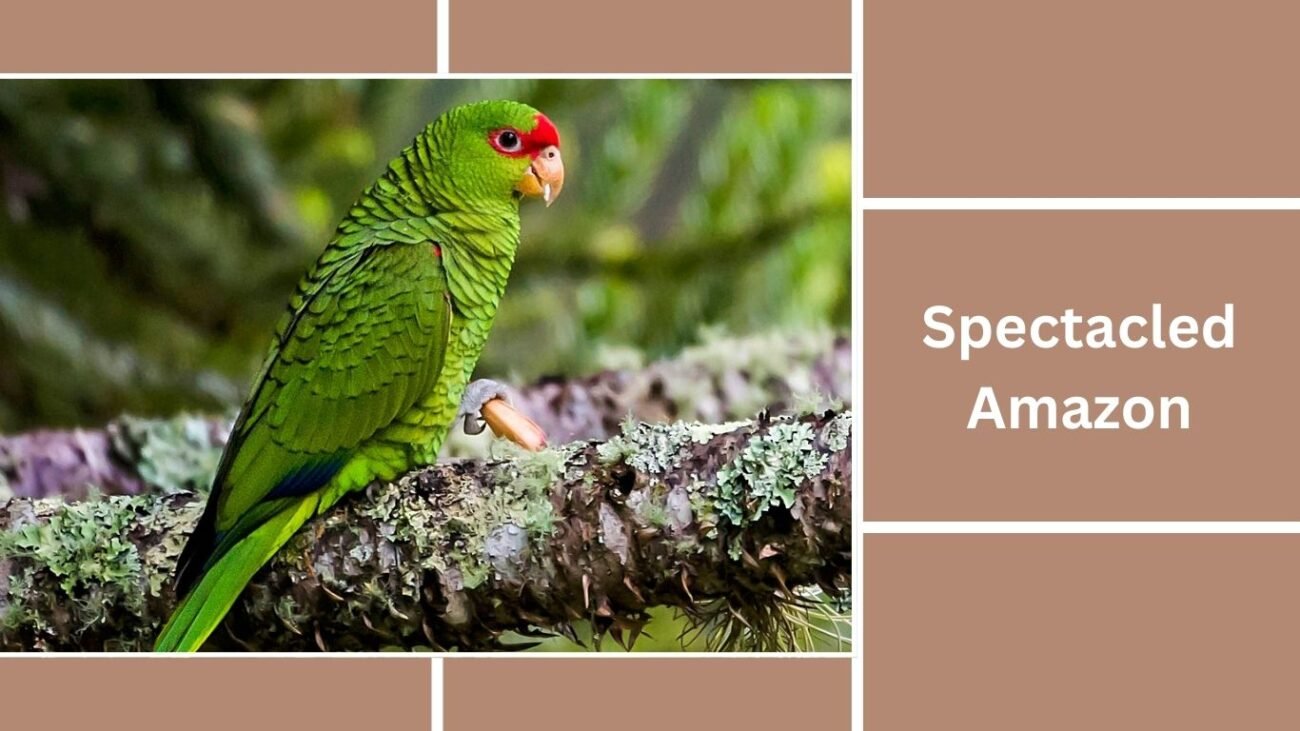
The Spectacled Amazon, also known as the White-Fronted Amazon, is a charming parrot native to Central America. It is one of the smaller Amazon parrots but stands out with its distinctive facial markings that look like spectacles.
Identification
- Small to medium-sized parrot, about 9–10 inches long
- Green body with a bright white patch on the forehead
- Red feathers around the eyes, giving a “spectacled” look
- Blue highlights on wings and crown
- Short tail with red and yellow markings underneath
Behavior
Spectacled Amazons are energetic, social, and playful. They enjoy being part of family activities and often show clownish behavior. Despite their smaller size, they are confident and bold, sometimes displaying a strong personality.
Diet
Their diet should include high-quality pellets, fresh vegetables such as leafy greens, peas, and carrots, and fruits like papayas, apples, and bananas. Nuts and seeds can be given occasionally but in moderation.
Care
They need a medium-sized cage with perches, toys, and climbing space. Daily out-of-cage time, training, and enrichment activities are essential. Bathing or misting helps keep their feathers in good condition.
Lifespan
Spectacled Amazons typically live 40–50 years in captivity, making them long-term companions for dedicated owners.
20. White-Fronted Amazon
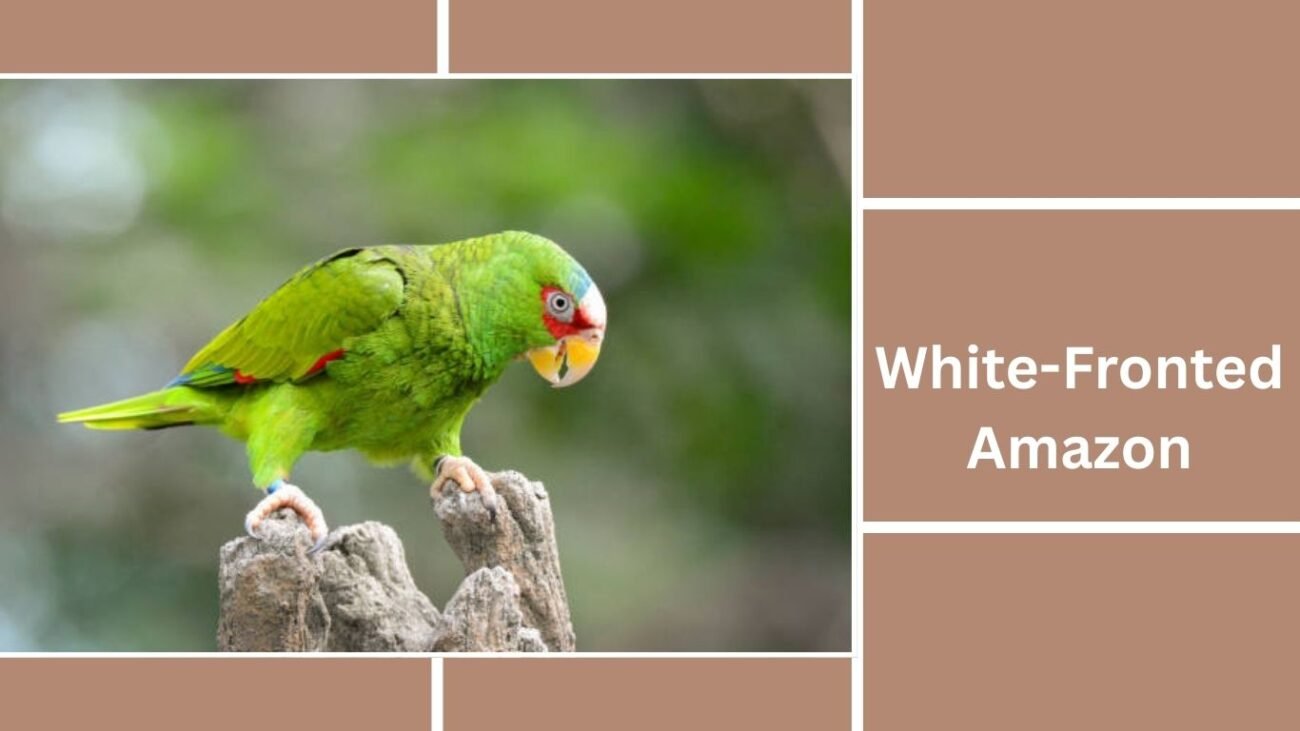
The White-Fronted Amazon is a small but lively parrot, often confused with the Spectacled Amazon due to their similar appearance. It is native to Central America and is known for its bold personality and playful character.
Identification
- Smallest Amazon parrot, about 9–10 inches long
- Green body with a distinct white patch on the forehead
- Red feathers around the eyes and on the wings
- Blue crown and yellow on the face in some individuals
- Short tail with red and yellow markings underneath
Behavior
White-Fronted Amazons are curious, confident, and energetic birds. They enjoy interactive play, exploring, and bonding with their owners. Despite their small size, they can be quite vocal and expressive.
Diet
Their diet should be based on pellets, along with fresh vegetables like leafy greens, carrots, and peas, plus fruits such as bananas, mangoes, and apples. Seeds and nuts can be offered occasionally as treats.
Care
They need a medium-sized cage with perches, climbing branches, and toys for mental stimulation. Daily exercise, social interaction, and bathing opportunities are essential to keep them healthy and active.
Lifespan
White-Fronted Amazons generally live 30–40 years in captivity, though with excellent care, some can live longer.