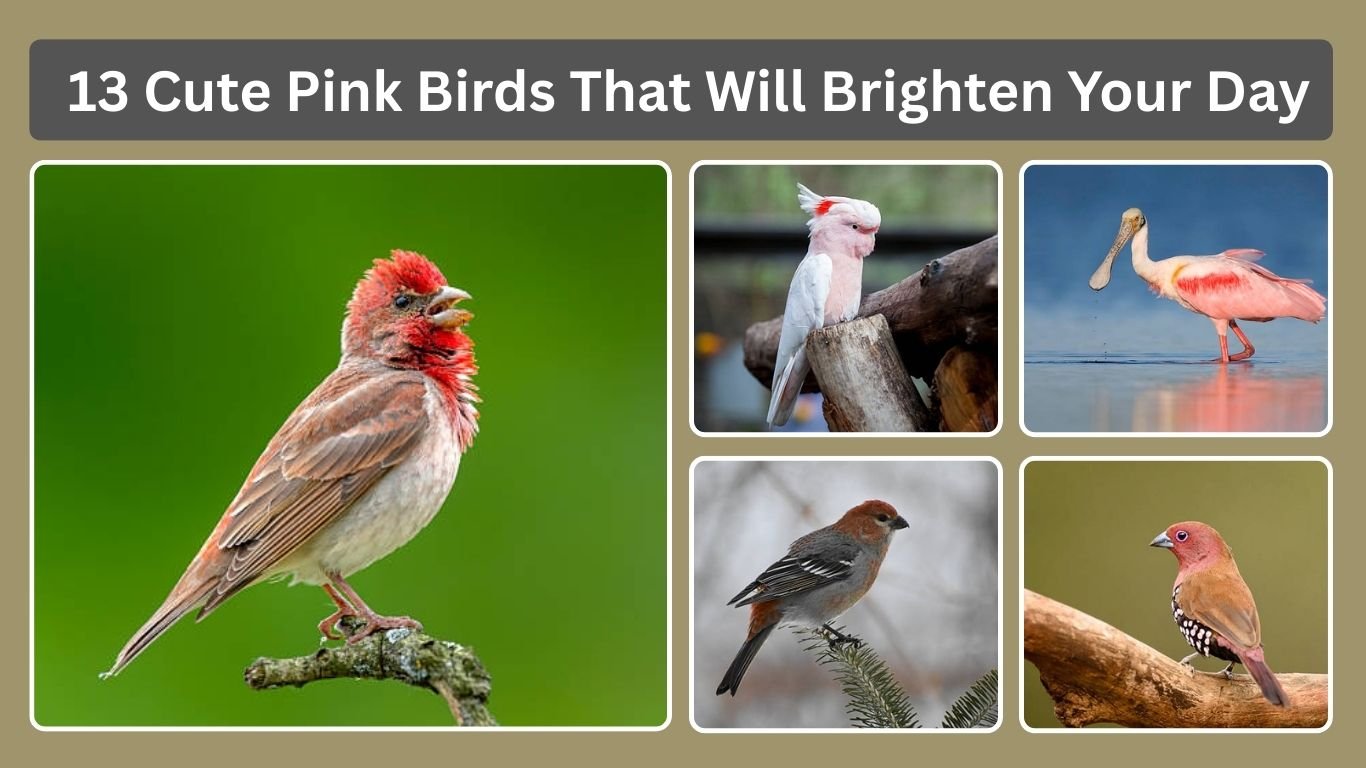
Pink birds are among the most eye-catching creatures in the avian world, admired for their vibrant plumage and graceful charm. From tropical wetlands to mountain forests, these birds showcase unique shades of pink that make them stand out in nature. Below is a list of 13 stunning pink birds, each with its own special beauty, behaviors, and habitats.
1. Roseate Spoonbill
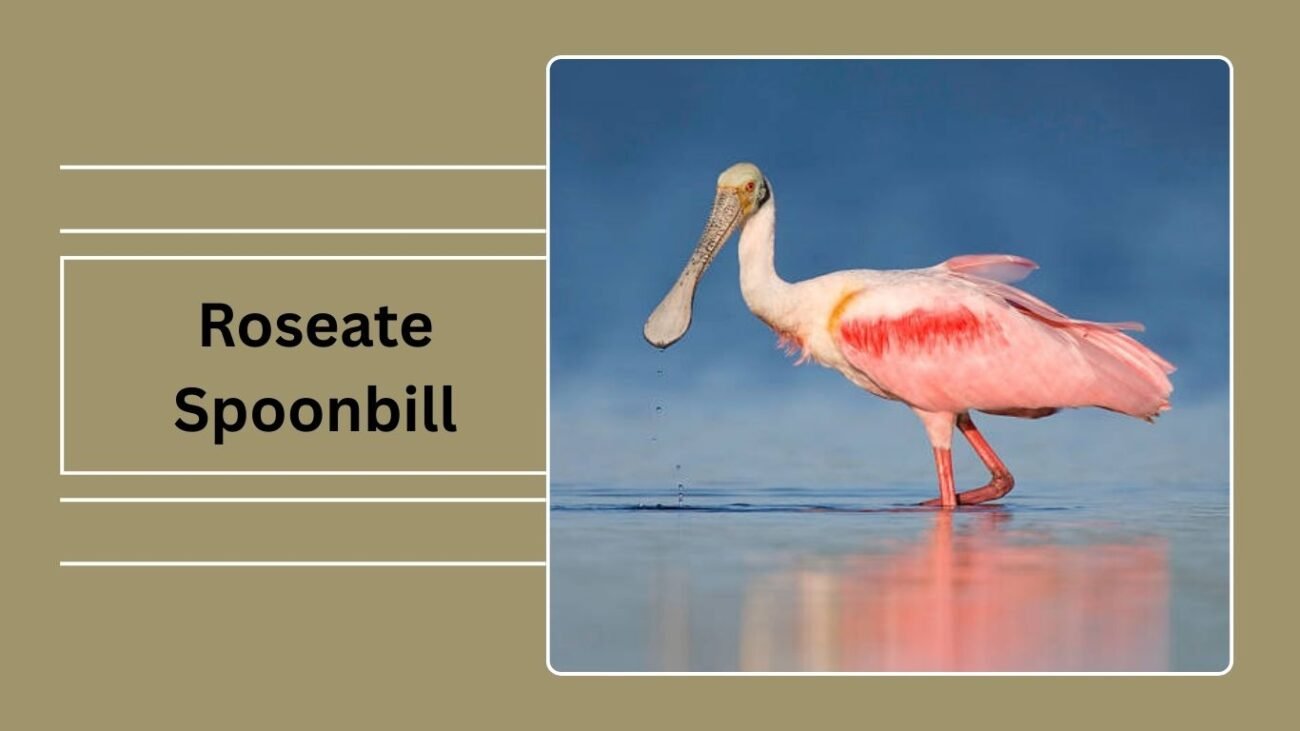
The Roseate Spoonbill is one of the most striking wading birds in the world, easily recognized by its bright pink plumage and spoon-shaped bill. Often mistaken for a flamingo at first glance, this bird is unique in its feeding style and appearance, making it a true marvel among pink birds.
Identification
- Large wading bird, about 28–34 inches long
- Distinctive spoon-shaped bill, long and flat
- Vibrant pink feathers with white on the neck and upper back
- Red eyes and bare greenish or yellowish head skin
- Long legs adapted for shallow-water feeding
Habitat
Roseate Spoonbills are commonly found in wetlands, marshes, mangroves, lagoons, and estuaries. They prefer shallow coastal areas where they can easily sift through the mud and water for food.
Behaviors
These birds are social and often seen in groups, sometimes alongside herons and egrets. They fly with their necks extended and often engage in cooperative feeding, stirring the water with their bills to catch prey.
Diet
Their diet mainly consists of small fish, crustaceans, insects, and aquatic invertebrates. The pink coloration comes from carotenoid pigments in the crustaceans and other prey they consume.
2. Pink Robin
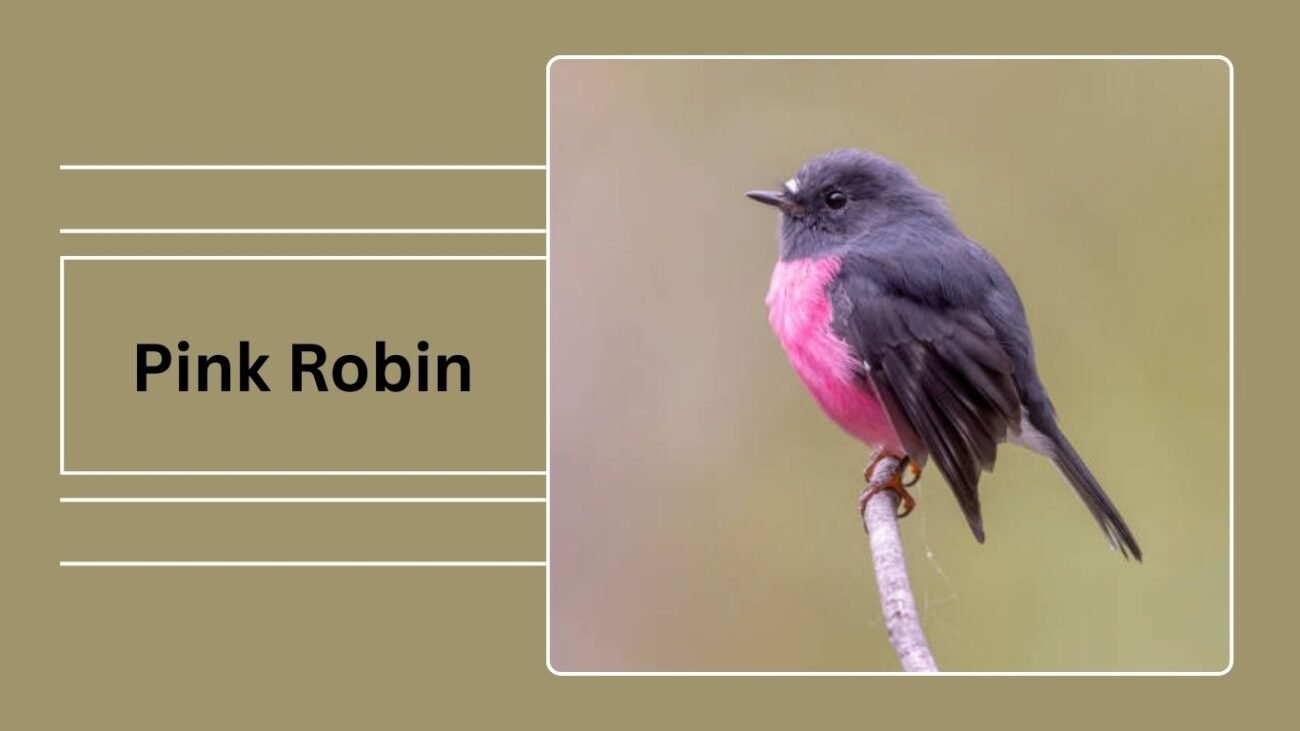
The Pink Robin is a small, charming bird native to southeastern Australia. Males are easily recognized by their bright pink chest, which contrasts beautifully with their dark head and back.
Identification
- Small bird, around 13 cm long
- Males have a vibrant pink chest and belly
- Dark grey to black head, wings, and back
- Females are brownish with lighter underparts
- Short, thin bill adapted for insect catching
Habitat
Pink Robins inhabit dense, wet forests, especially temperate rainforests. They prefer shaded understories and areas with thick vegetation.
Behaviors
They are shy and elusive, often staying close to dense cover. Pink Robins are solitary or found in pairs, especially during breeding season.
Diet
Their diet mainly consists of insects, spiders, and other small invertebrates, which they catch by perching quietly and darting to the ground.
3. Galah (Rose-Breasted Cockatoo)
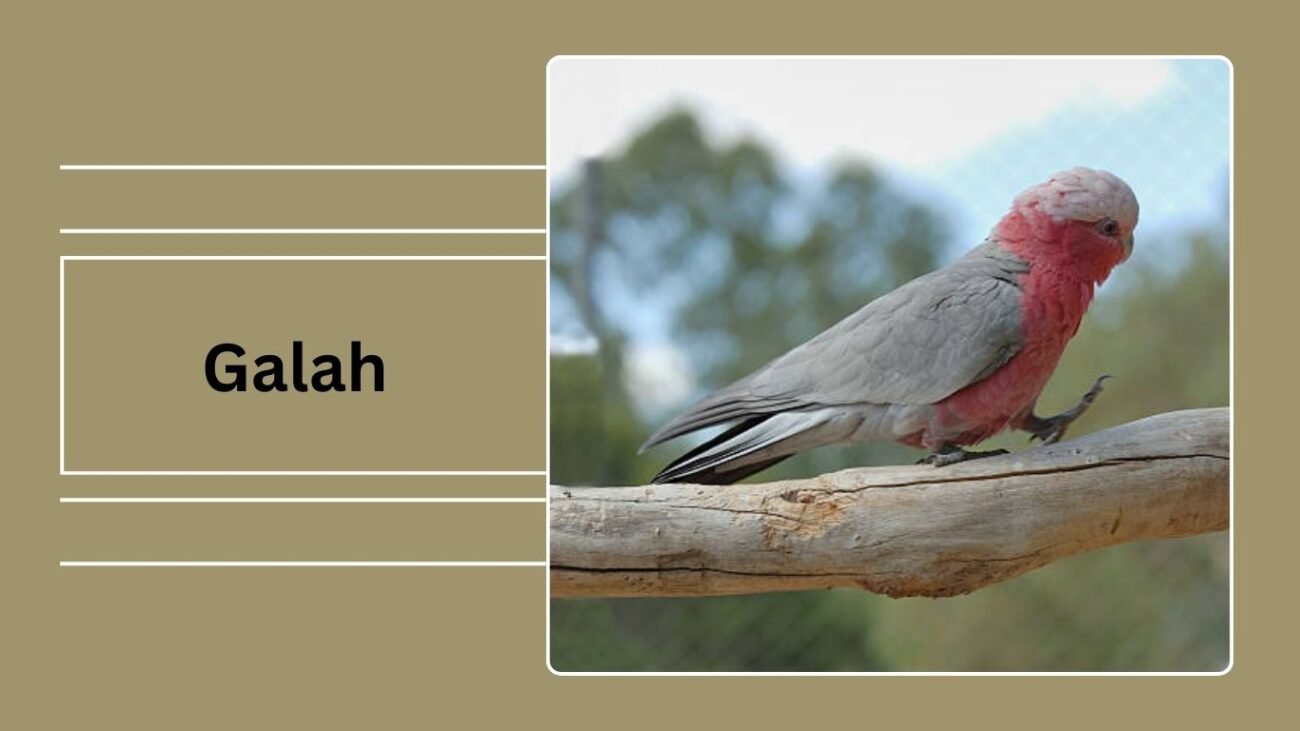
The Galah, also known as the Rose-Breasted Cockatoo, is a highly social and intelligent parrot from Australia, loved for its playful nature and striking pink and grey plumage.
Identification
- Medium-sized cockatoo, about 35 cm long
- Pink chest and face with pale grey wings and back
- Short crest that can be raised when excited
- Strong curved bill suited for cracking seeds
- Males have darker eyes, while females’ are reddish
Habitat
Galahs thrive in open woodlands, grasslands, and urban areas. They are highly adaptable and can live in both wild and human-modified environments.
Behaviors
These birds are known for their playful antics, acrobatics, and loud screeching calls. They form large flocks and are often seen flying in groups or feeding on the ground together.
Diet
Their diet mainly consists of seeds, grasses, berries, nuts, and occasionally insects. They often forage on the ground and can become agricultural pests due to crop feeding.
4. Bourke’s Parrot
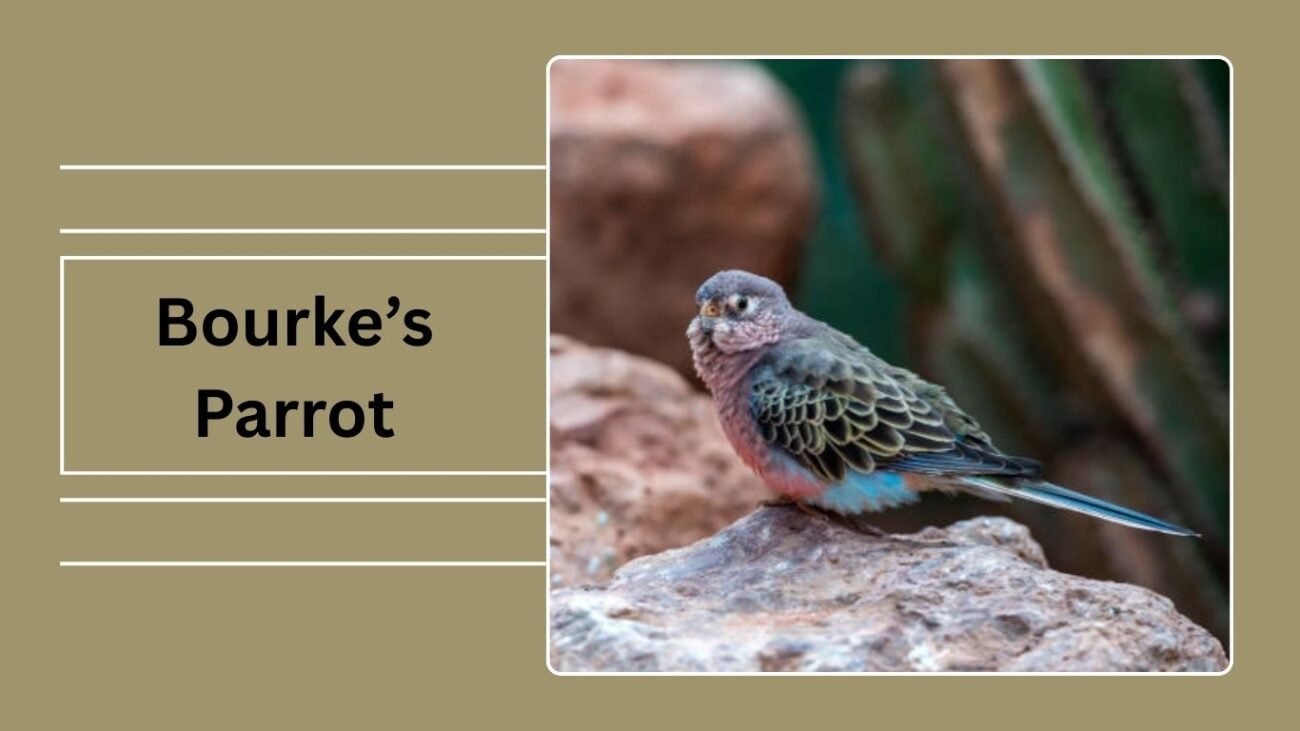
Bourke’s Parrot is a gentle and quiet bird, admired for its soft pink underparts and calm demeanor. It is often kept as a pet due to its docile nature.
Identification
- Small parrot, about 19 cm long
- Soft pink belly and breast with brownish-grey back
- Blue feathers on the shoulders and rump
- Slender body with long tail
- Dark eyes and small curved beak
Habitat
Native to inland Australia, Bourke’s Parrots are usually found in arid and semi-arid regions. They prefer open woodlands, grasslands, and shrublands, often near water sources.
Behaviors
They are calm, quiet, and mostly active at dawn and dusk. Bourke’s Parrots often roost in trees in small flocks and fly low and swiftly when disturbed.
Diet
Their diet includes grass seeds, herbs, and occasionally fruits. They forage mainly on the ground, especially during cooler parts of the day.
5. Major Mitchell’s Cockatoo
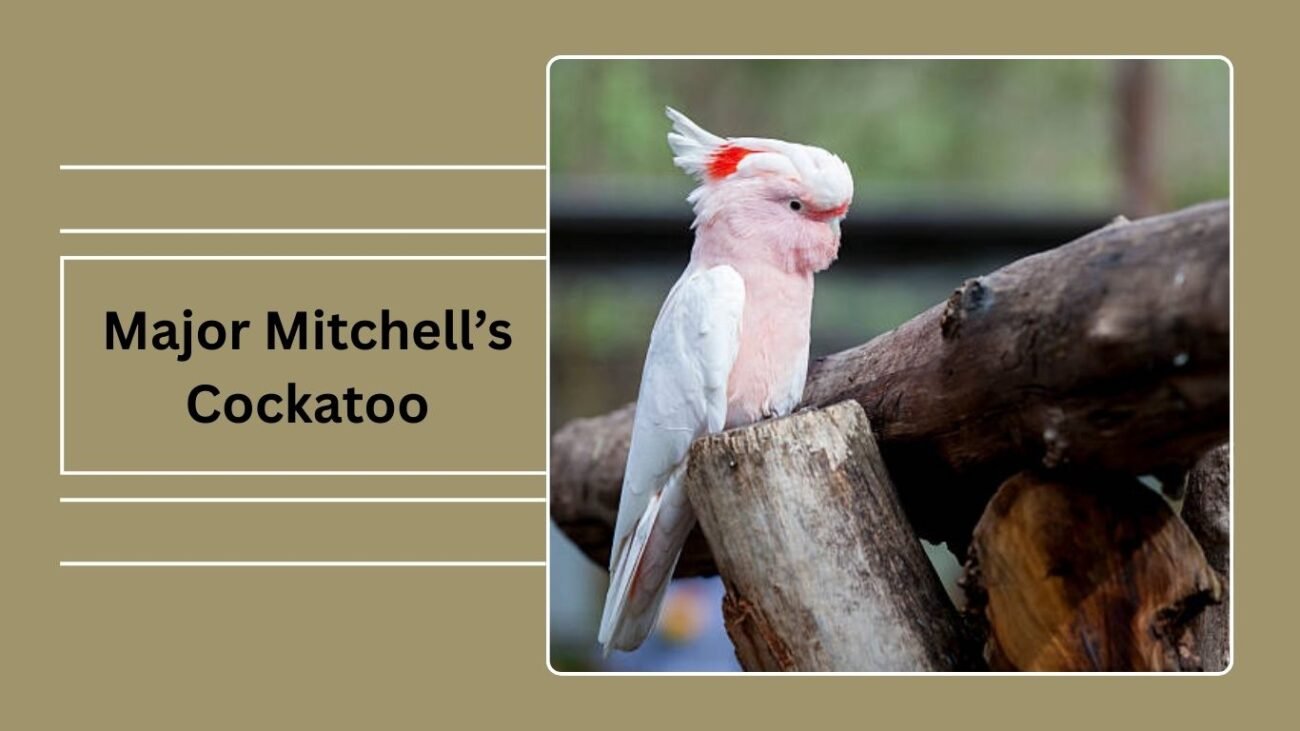
Major Mitchell’s Cockatoo, also called the Pink Cockatoo, is one of the most beautiful cockatoos, known for its striking pink body and colorful crest.
Identification
- Medium-sized cockatoo, about 35–40 cm long
- Soft pink breast and face with white wings and back
- Large, vibrant crest with bands of red, yellow, and white
- Dark eyes and strong beak
- Broad wings adapted for long flights
Habitat
These cockatoos inhabit arid and semi-arid regions of inland Australia. They prefer open woodlands, river corridors, and areas with tall eucalyptus trees.
Behaviors
Major Mitchell’s Cockatoos are less social than Galahs, often seen in pairs or small groups. They are territorial and known for their loud, echoing calls.
Diet
Their diet mainly consists of seeds, nuts, fruits, berries, and roots. They also feed on grains and can sometimes damage crops.
6. Pink-Headed Fruit Dove
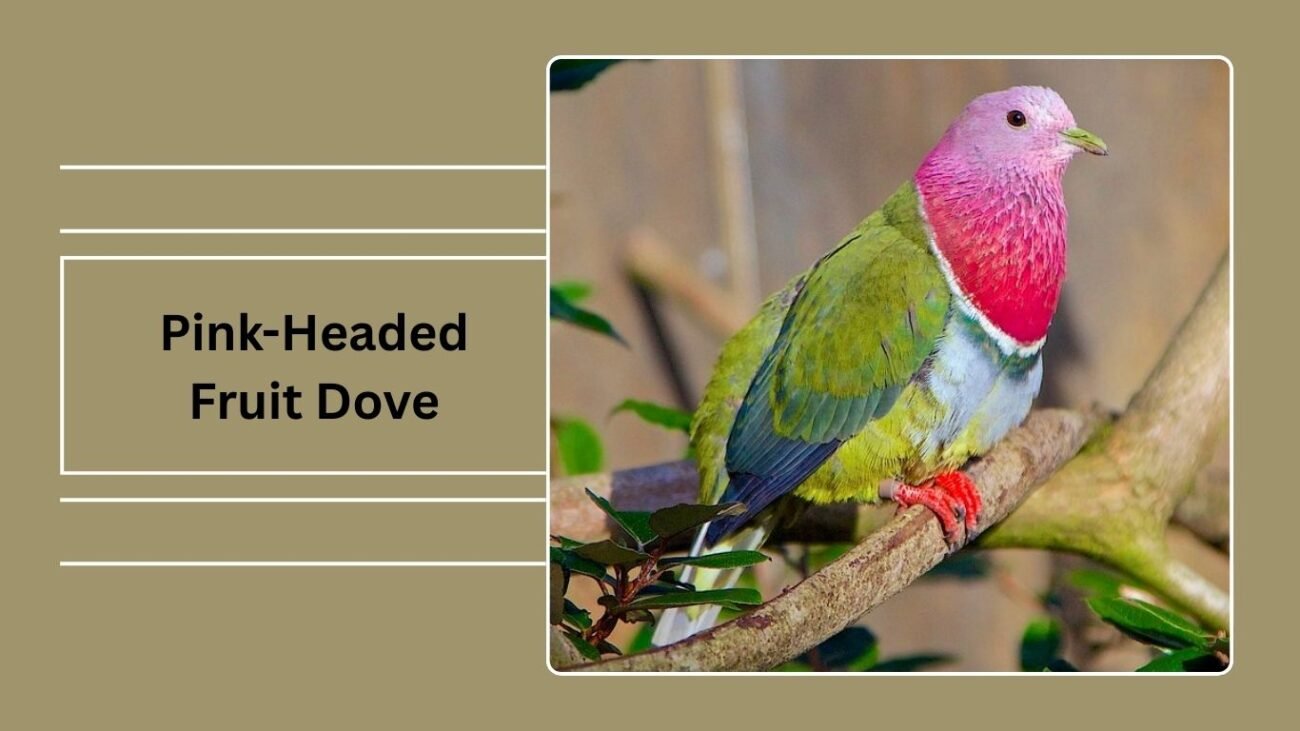
The Pink-Headed Fruit Dove is a stunning bird from Indonesia, admired for its unique pink-colored head and breast that blend beautifully with its green body.
Identification
- Medium-sized dove, about 35 cm long
- Distinct pink head and breast
- Green wings and back with a golden patch on the shoulder
- Grey beak and reddish eyes
- Rounded body with short legs
Habitat
This dove is native to montane forests in Sumatra, Java, and Bali. It prefers high-altitude tropical forests with abundant fruiting trees.
Behaviors
Pink-Headed Fruit Doves are generally shy and elusive, often seen alone or in pairs. They spend much of their time perched quietly in the canopy.
Diet
They primarily feed on fruits, berries, and figs, playing an important role in seed dispersal in their forest habitats.
7. Carmine Bee-Eater
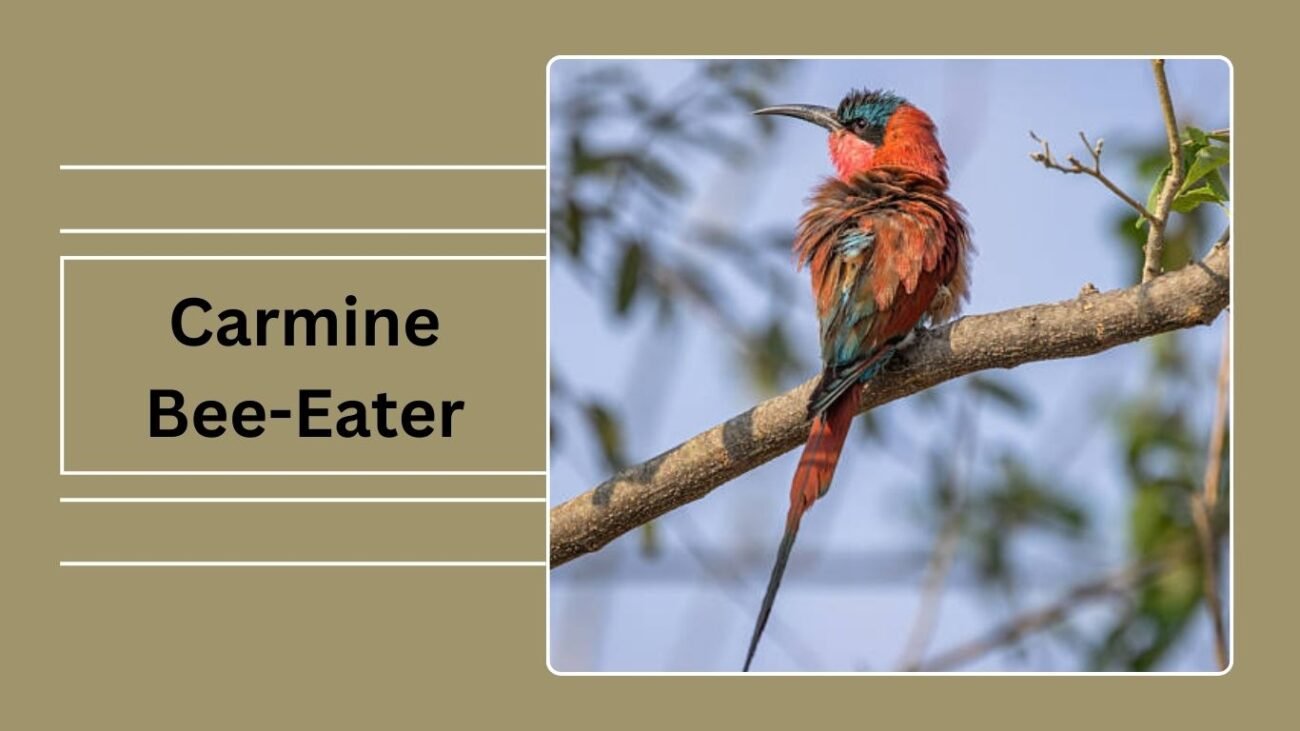
The Carmine Bee-Eater is a vibrant bird of Africa, known for its brilliant pink to carmine plumage and acrobatic insect-catching skills.
Identification
- Medium-sized bird, about 25 cm long
- Bright pink to carmine body with turquoise-blue crown and underwings
- Long pointed wings and slender body
- Slightly curved black bill
- Long central tail feathers in adults
Habitat
These birds inhabit savannas, riverbanks, and open woodlands. They are often found near water and sandy riverbanks where they nest in colonies.
Behaviors
Carmine Bee-Eaters are highly social, nesting in large colonies and hunting in flocks. They are agile flyers, catching insects mid-air with precision.
Diet
As their name suggests, their diet mainly consists of bees, wasps, and other flying insects. They remove stingers by rubbing the insect against a branch before eating.
8. Pink-Throated Twinspot
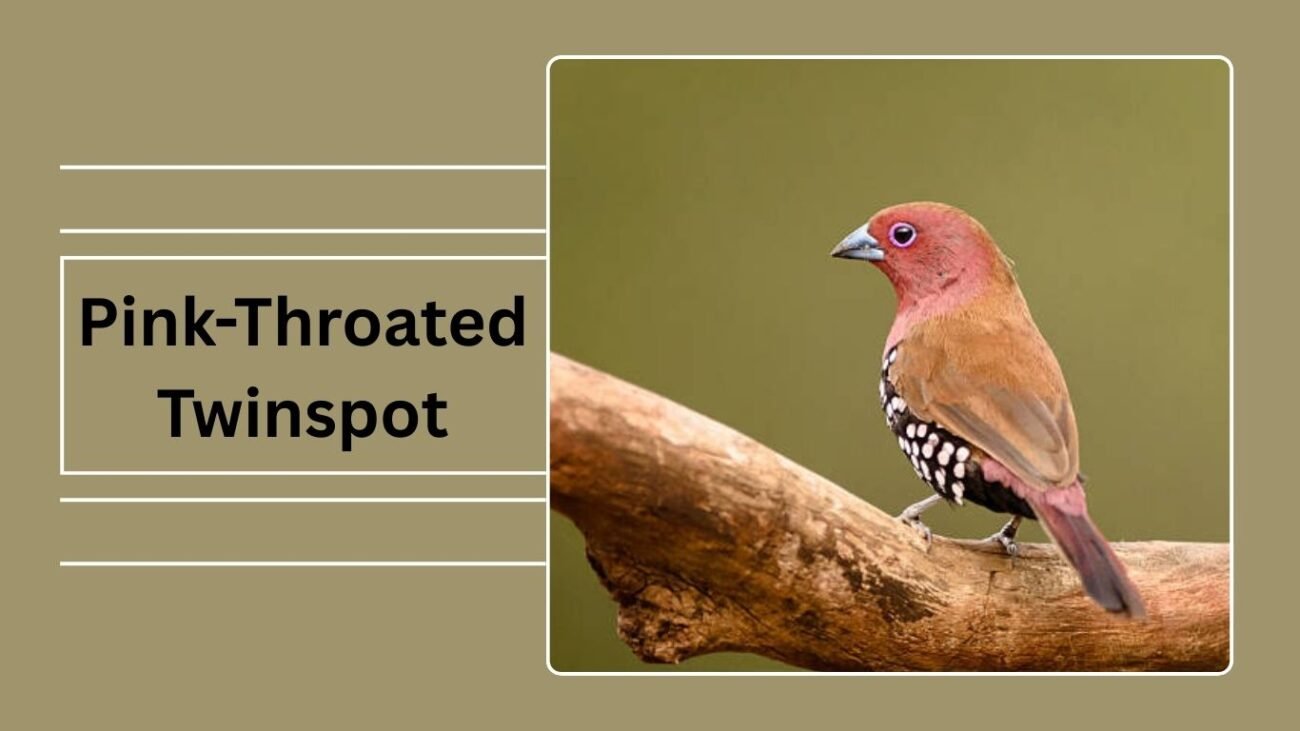
The Pink-Throated Twinspot is a small and colorful African finch, admired for its striking pink throat and spotted plumage.
Identification
- Tiny bird, about 12–13 cm long
- Distinct pink throat and breast
- Brown upperparts with white spots on the sides
- Short tail and conical beak
- Males more vividly colored than females
Habitat
They inhabit subtropical and tropical lowland forests, often preferring dense undergrowth and forest edges in East Africa.
Behaviors
Pink-Throated Twinspots are shy and secretive, usually moving in pairs or small family groups. They stay close to thick cover and are rarely seen in open spaces.
Diet
Their diet consists mainly of grass seeds, small insects, and other plant material, which they forage from the ground or low shrubs.
9. Scarlet Ibis
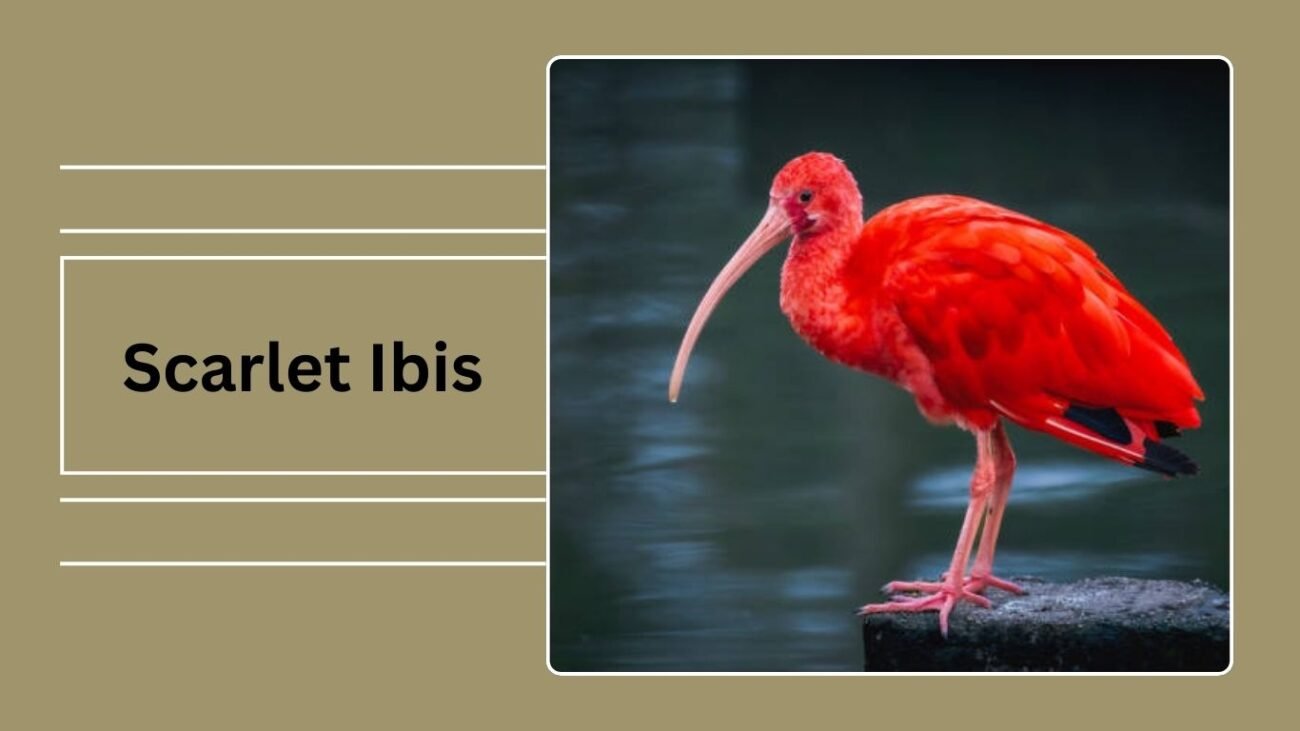
The Scarlet Ibis is one of the most iconic pink-to-red birds, famous for its dazzling plumage that glows in wetland environments.
Identification
- Large wading bird, about 55–63 cm long
- Brilliant scarlet to pinkish-red plumage across the body
- Long, curved bill adapted for probing mud
- Long legs and neck
- Black wing tips visible in flight
Habitat
Scarlet Ibises thrive in tropical South America and the Caribbean, inhabiting wetlands, estuaries, and mangrove swamps.
Behaviors
They are highly social and often found in large flocks. These birds roost and forage together, creating spectacular pink-red displays in the wild.
Diet
Their diet includes crustaceans, mollusks, small fish, and insects. The red and pink coloration comes from carotenoid pigments in the crustaceans they consume.
10. Rosefinch
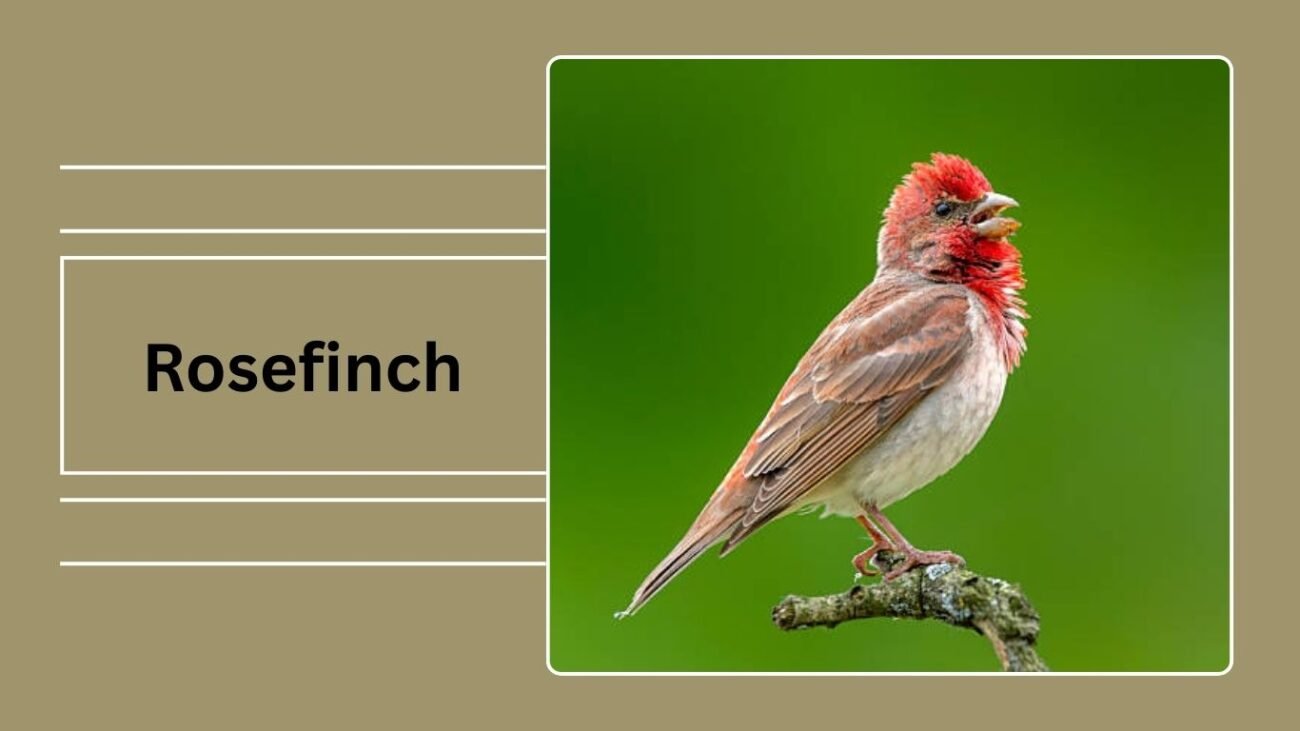
The Rosefinch is a small passerine bird, recognized for its bright rosy-pink plumage that stands out in its natural habitats.
Identification
- Small bird, about 14–16 cm long
- Males have rosy-pink breast, head, and rump
- Females are brownish with streaked underparts
- Stout conical bill suited for seed eating
- Short wings and slightly notched tail
Habitat
Rosefinches are found across Asia and parts of Europe, inhabiting woodlands, scrublands, and mountainous regions. They often favor areas with shrubs and bushes.
Behaviors
They are usually seen in small flocks, especially outside breeding season. Their melodic calls and cheerful songs are often heard during spring.
Diet
Their diet includes seeds, berries, and small insects, which they forage from shrubs, grasses, and the ground.
11. Pink Pigeon
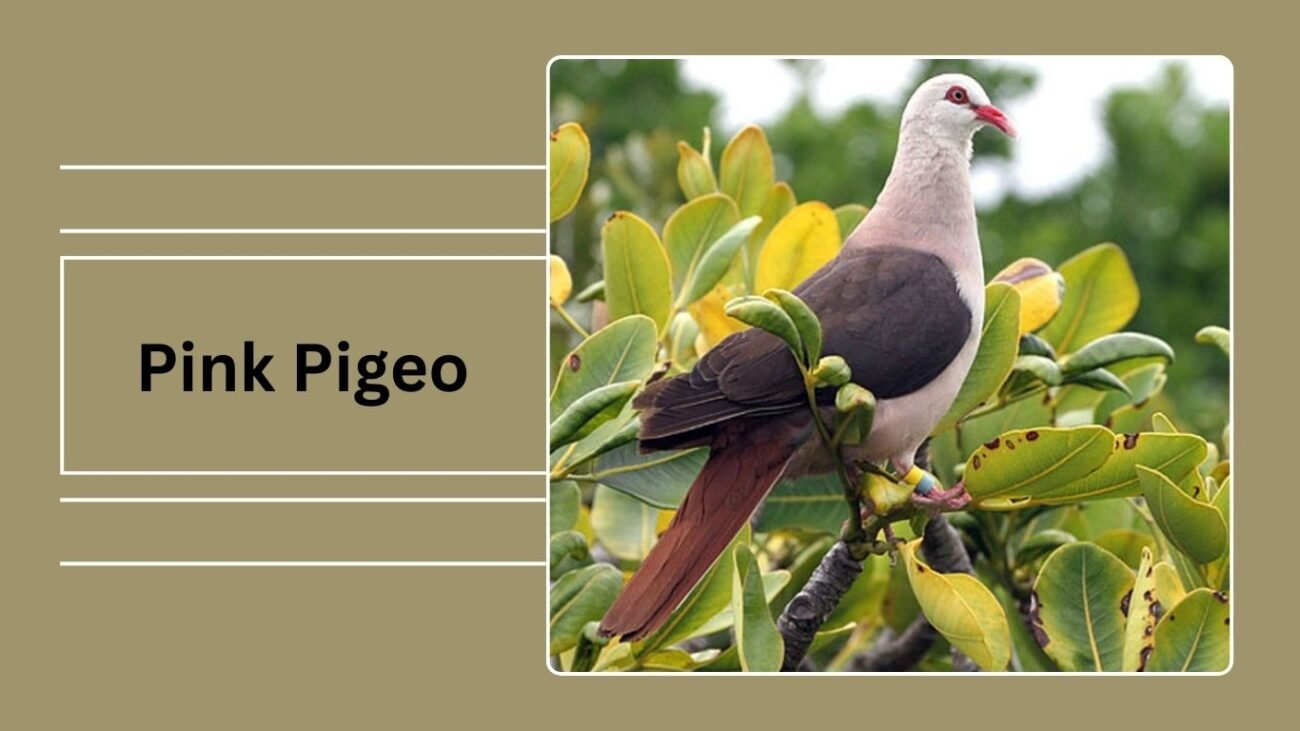
The Pink Pigeon, native to Mauritius, is a rare and endangered bird that has become a symbol of successful conservation efforts.
Identification
- Medium-sized pigeon, about 36–38 cm long
- Pale pink body with a slightly darker head and breast
- Brown wings and tail feathers
- Red legs and eye ring
- Strong bill adapted for fruit eating
Habitat
Pink Pigeons inhabit forests and woodlands of Mauritius, particularly areas with native vegetation. Conservation programs have helped restore their habitat.
Behaviors
They are gentle and social, often seen in pairs or small groups. During breeding, they build nests in trees and exhibit strong pair bonds.
Diet
Their diet includes fruits, seeds, flowers, and leaves. They are important for forest regeneration by dispersing seeds.
12. Rosy Starling
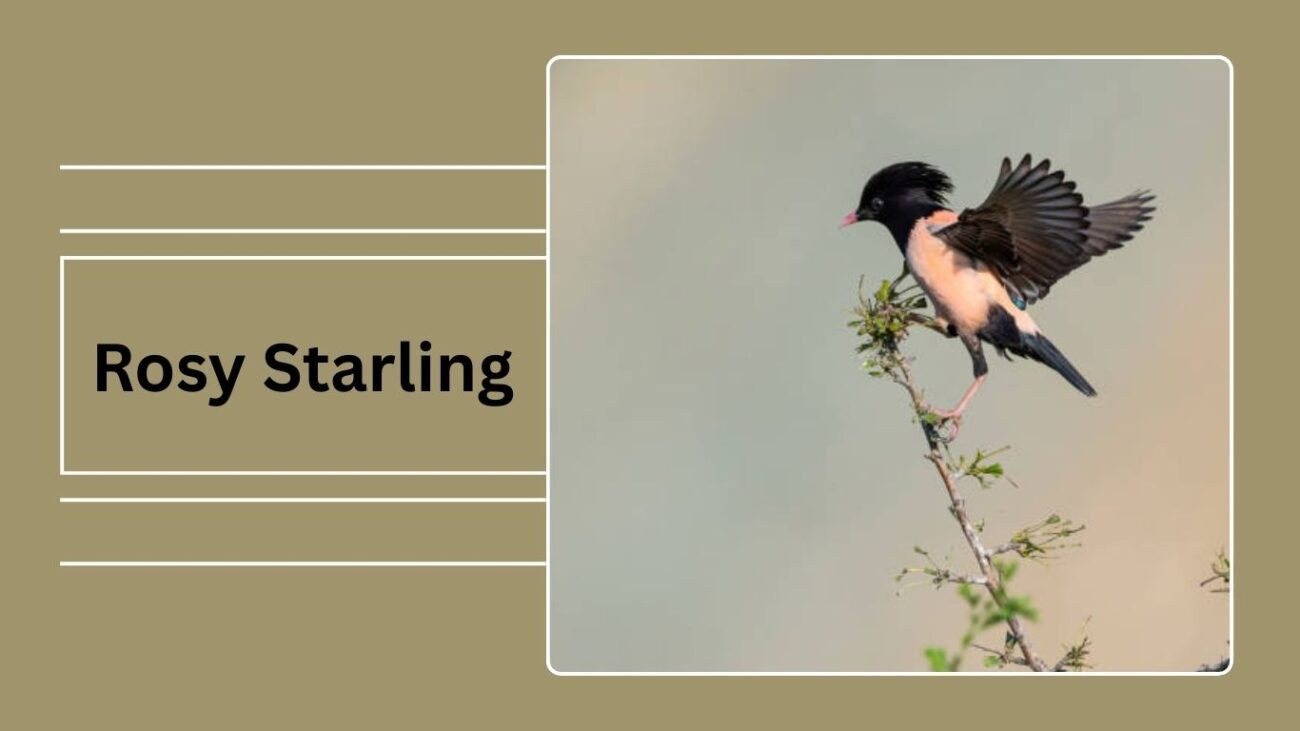
The Rosy Starling is a migratory bird admired for its pink body and contrasting glossy black head and wings.
Identification
- Medium-sized starling, about 20 cm long
- Pink body with black head, wings, and tail
- Sharp, pointed bill
- Strong legs adapted for perching and ground feeding
- Breeding males show more vibrant pink than females
Habitat
Rosy Starlings breed in eastern Europe and central Asia, often nesting in rocky areas and cliffs. During migration, they travel to India and other warmer regions.
Behaviors
They are highly social, forming large flocks that feed and roost together. Their synchronized flying patterns are a remarkable sight during migration.
Diet
Rosy Starlings mainly feed on insects like locusts and grasshoppers during breeding season. Outside of that, they eat fruits, berries, and seeds.
13. Pine Grosbeak
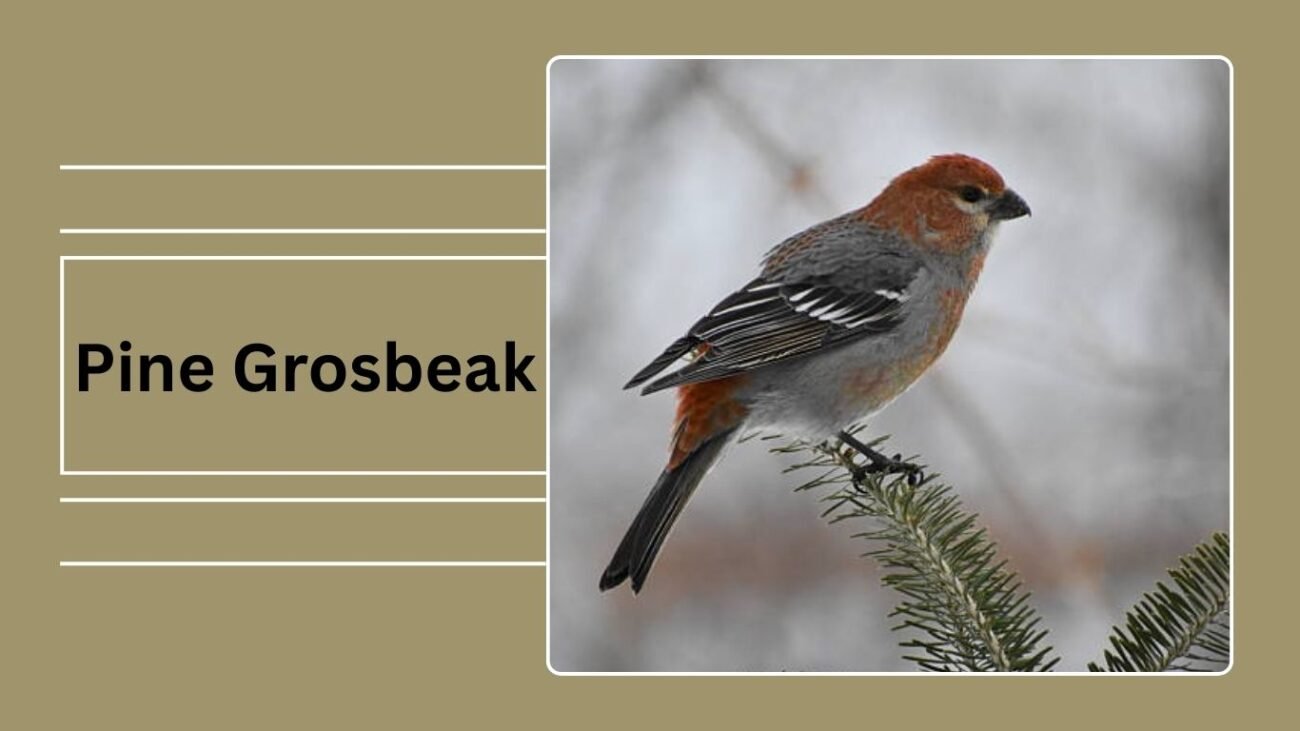
The Pine Grosbeak is a gentle finch with soft pink plumage, often seen in northern forests and admired for its peaceful nature.
Identification
- Large finch, about 20–25 cm long
- Males are rosy-pink with grey wings and tail
- Females are yellowish with grey
- Thick conical bill suited for seeds and fruits
- Slow, undulating flight pattern
Habitat
Pine Grosbeaks inhabit boreal forests across North America, Europe, and Asia. They prefer coniferous woodlands with spruce, pine, and fir trees.
Behaviors
They are calm and tame, often allowing close human approach. Pine Grosbeaks are usually found in small flocks or family groups during winter.
Diet
Their diet includes seeds, berries, buds, and insects. In winter, they often feed on mountain ash berries, which make them easy to spot.