Bringing a talking bird into your home can be both exciting and rewarding, especially if you’re new to bird keeping. Some bird species are easier to care for, friendlier, and better at mimicking sounds than others, making them perfect for beginners. In this guide, you’ll discover 12 of the best talking birds for first-time owners, complete with their unique traits, diet needs, and care tips for a happy companion.
1. Budgerigar (Budgie)
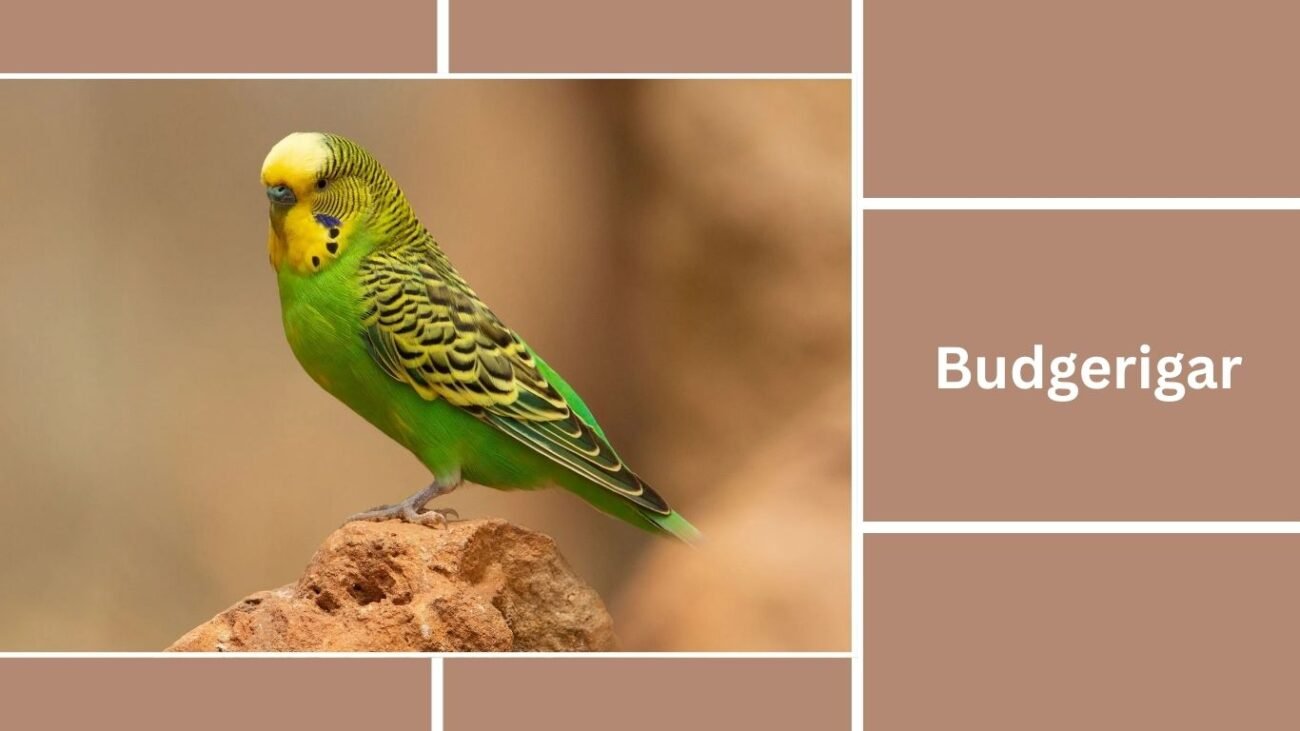
The Budgerigar, commonly known as the Budgie, is one of the most popular pet birds worldwide. Small, colorful, and playful, Budgies are a great choice for beginners due to their friendly nature, easy care requirements, and ability to learn words and sounds.
Identification
- Small parrot, about 6–8 inches long
- Bright green, blue, yellow, or white feather variations
- Distinctive black barring on wings and back
- Long tapering tail
- Males often have a blue cere (fleshy part above the beak), females brown or tan
Behavior
Budgies are cheerful, social, and active birds that love interaction. They enjoy chirping, playing with toys, and spending time with their owners. With patience, they can become very tame and affectionate.
Diet
Their diet should consist mainly of high-quality pellets and seeds, along with fresh vegetables, leafy greens, and occasional fruits. Millet sprays are a favorite treat but should be given in moderation.
Care
Budgies require a medium-sized cage with enough room to fly and climb. They need daily out-of-cage exercise, perches, and toys for enrichment. Regular cleaning and fresh water are essential for their well-being.
Lifespan
With proper care, Budgerigars can live 8–12 years, though some live even longer in healthy environments.
2. Cockatiel
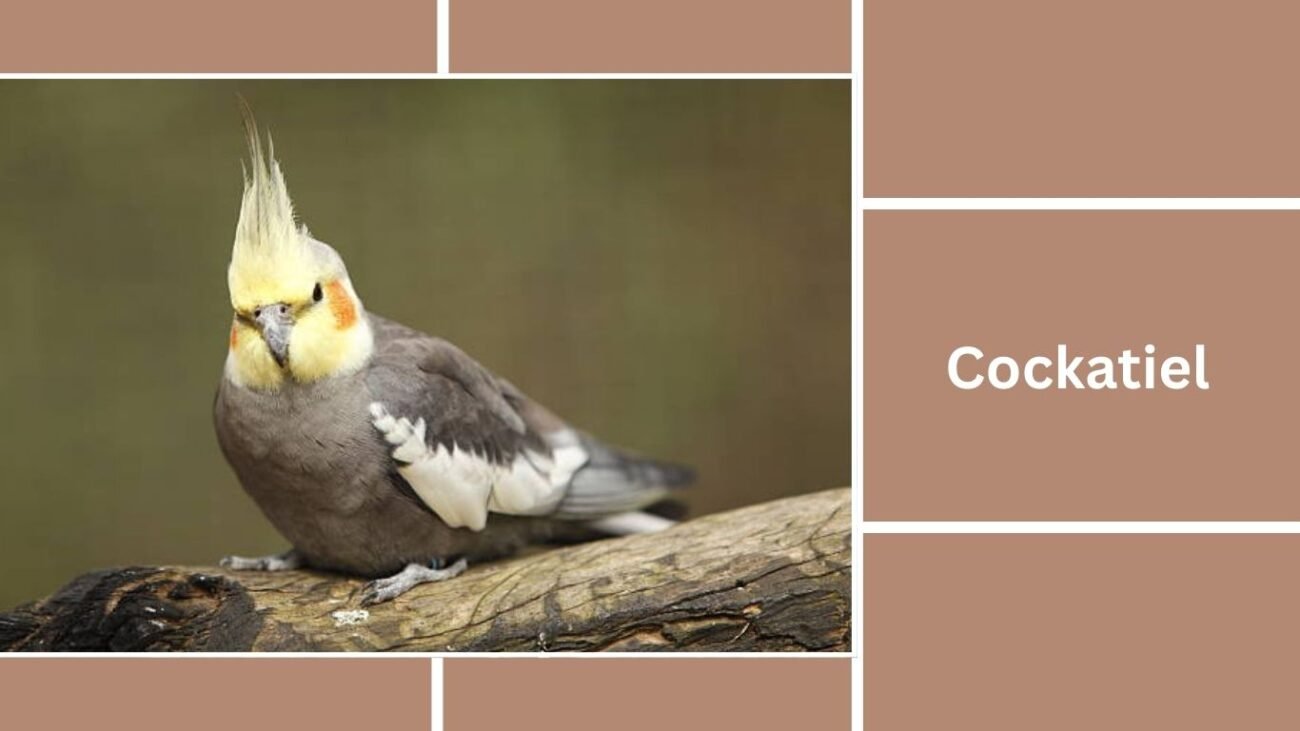
Cockatiels are gentle, affectionate, and charming birds, making them one of the best talking bird options for beginners. They are smaller than many parrot species, easy to care for, and known for their whistling abilities along with learning simple words and phrases.
Identification
- Medium-small parrot, about 12–13 inches long
- Slim body with a long tail
- Distinctive head crest that moves with mood
- Orange cheek patches on most color variations
- Common colors: grey, white, yellow, and pied
Behavior
Cockatiels are social and friendly birds that love companionship. They are not as talkative as larger parrots but are excellent whistlers and can mimic tunes. They enjoy sitting on shoulders, gentle handling, and being part of family activities.
Diet
Their diet should include formulated pellets, supplemented with seeds, fresh vegetables, leafy greens, and small amounts of fruit. Avoid feeding them avocado, chocolate, and other toxic foods.
Care
Cockatiels need a cage spacious enough for flight and movement, along with toys and perches to prevent boredom. They also enjoy daily interaction and some time outside the cage. Wing flapping, head crest movements, and vocal sounds are signs of their mood.
Lifespan
With proper diet and care, Cockatiels can live 15–20 years, providing long-term companionship for beginner bird owners.
3. Monk Parakeet (Quaker Parrot)
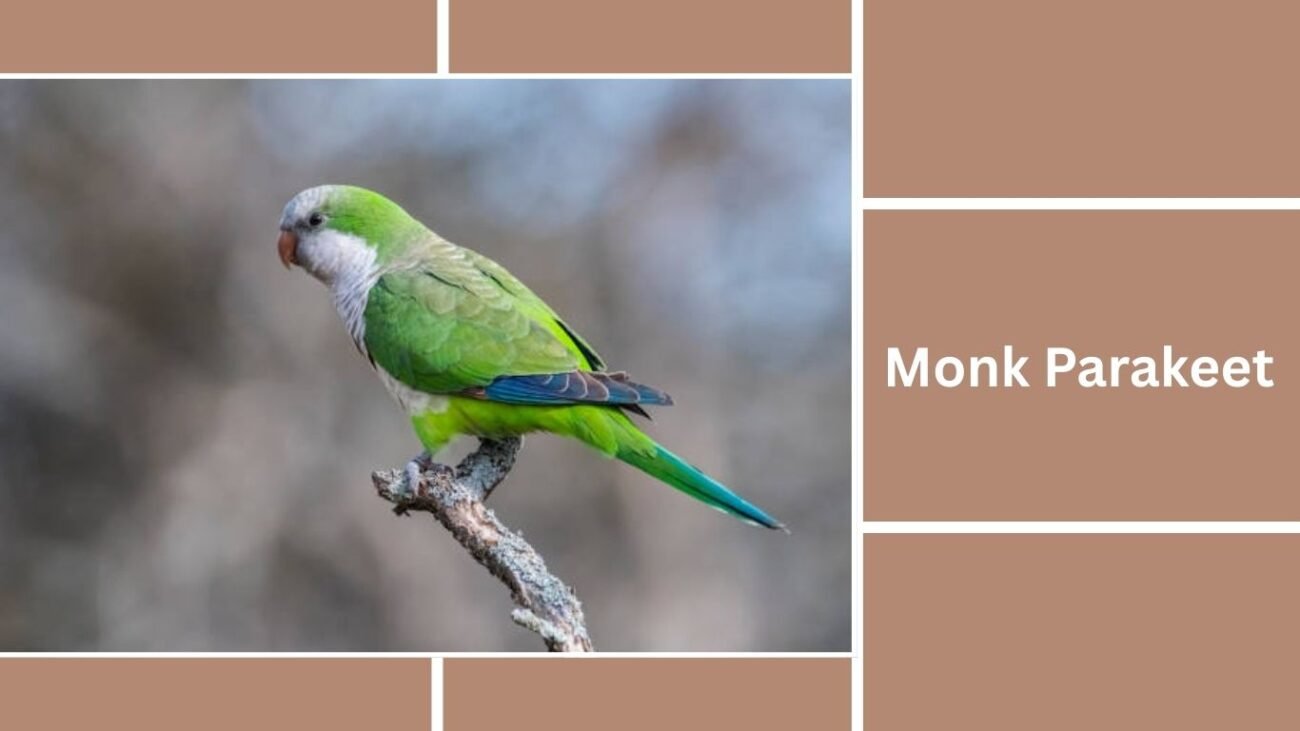
The Monk Parakeet, also known as the Quaker Parrot, is a lively and intelligent bird well-suited for beginners. Known for its playful personality and ability to learn words quickly, this species is both entertaining and affectionate.
Identification
- Small to medium-sized parrot, about 11–12 inches long
- Bright green body with greyish-white face and chest
- Long tapered tail, often bluish underneath
- Strong curved beak
- Dark eyes with a curious expression
Behavior
Quaker Parrots are energetic, curious, and highly social. They bond closely with their owners and enjoy plenty of attention and interaction. They are known for mimicking words and sounds clearly, often developing a fun and chatty personality.
Diet
Their diet should include high-quality pellets, fresh vegetables, leafy greens, fruits, and small portions of seeds or nuts. A varied diet ensures good health and prevents nutritional deficiencies.
Care
Quaker Parrots need a sturdy cage since they are known to be active chewers. Provide plenty of toys, climbing ropes, and perches to keep them engaged. They thrive on daily out-of-cage time and human interaction.
Lifespan
Monk Parakeets can live 20–30 years with proper care, diet, and attention, making them a long-term companion for bird lovers.
4. Indian Ringneck Parakeet
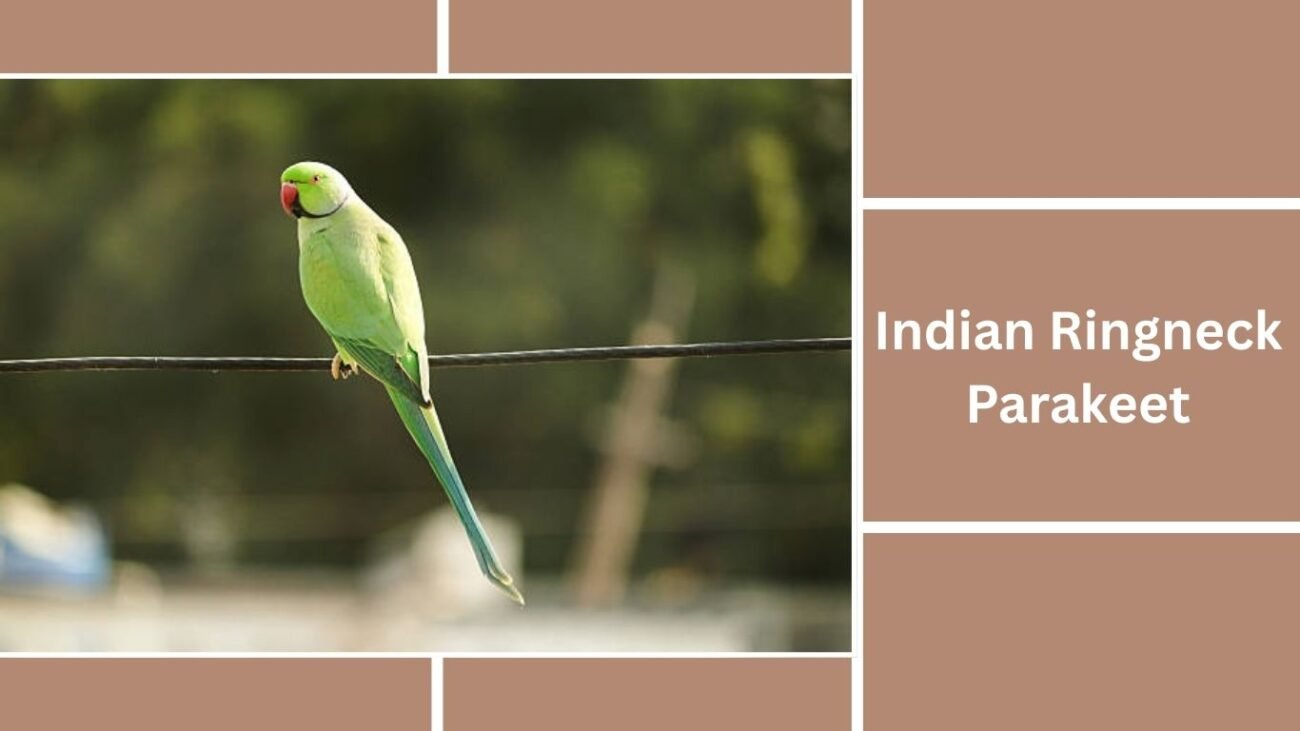
The Indian Ringneck Parakeet is a beautiful, medium-sized parrot known for its intelligence and talking ability. With patience and training, these birds can develop an impressive vocabulary, making them a favorite among beginners who want a more interactive pet bird.
Identification
- Medium-sized parrot, about 14–17 inches long
- Slender body with long tail feathers
- Bright green is the most common color, but they also come in blue, yellow, and albino
- Males develop a distinctive black and rose-colored ring around the neck
- Strong red beak and expressive eyes
Behavior
Indian Ringnecks are intelligent, curious, and playful. They are more independent than some other beginner birds but can bond closely with their owners through consistent handling. They are known to be excellent talkers, often learning clear words and phrases.
Diet
Their diet should be a mix of high-quality pellets, fresh fruits, leafy greens, vegetables, and occasional seeds or nuts. A varied diet keeps them healthy and maintains feather brightness.
Care
These parakeets need a spacious cage with room to fly, climb, and play. They benefit from mental stimulation, such as puzzle toys and foraging activities. Daily interaction is important to prevent shyness or nipping behavior.
Lifespan
With proper care, Indian Ringneck Parakeets can live 25–30 years, offering many years of companionship to their owners.
5. Alexandrine Parakeet
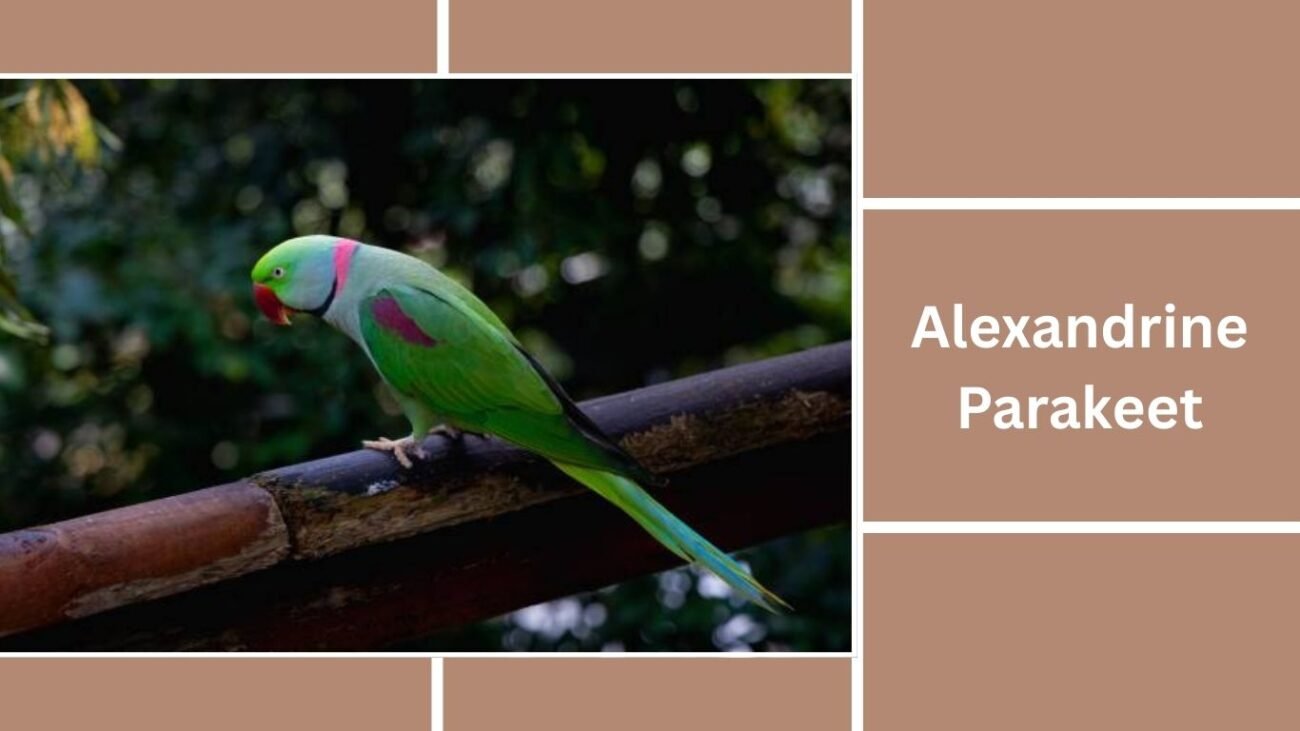
The Alexandrine Parakeet is a majestic bird, larger than most beginner-friendly parrots, but still manageable with proper care. Known for its calm temperament and ability to learn words, this species is a wonderful choice for those seeking a gentle yet talkative companion.
Identification
- Large parakeet, about 22–25 inches long (including tail)
- Bright green body with blue tinges on the wings
- Distinctive maroon patches on the wings
- Males have a black and rose-colored ring around the neck
- Strong red beak and long tail feathers
Behavior
Alexandrine Parakeets are generally calm, gentle, and affectionate. They enjoy spending time with their owners but can also be slightly independent. They are good talkers, capable of learning clear words and short phrases. Their voice is deeper compared to smaller parrots.
Diet
Their diet should be pellet-based, complemented with fresh fruits, leafy greens, vegetables, and small amounts of seeds or nuts. Providing a variety of foods helps keep them healthy and energetic.
Care
Due to their larger size, Alexandrines require a spacious cage with strong bars and plenty of room for toys, perches, and exercise. Daily interaction is key to keeping them tame and social. They also benefit from regular out-of-cage flying time.
Lifespan
With proper care and attention, Alexandrine Parakeets can live 30–40 years, making them long-term companions for dedicated bird owners.
6. Senegal Parrot
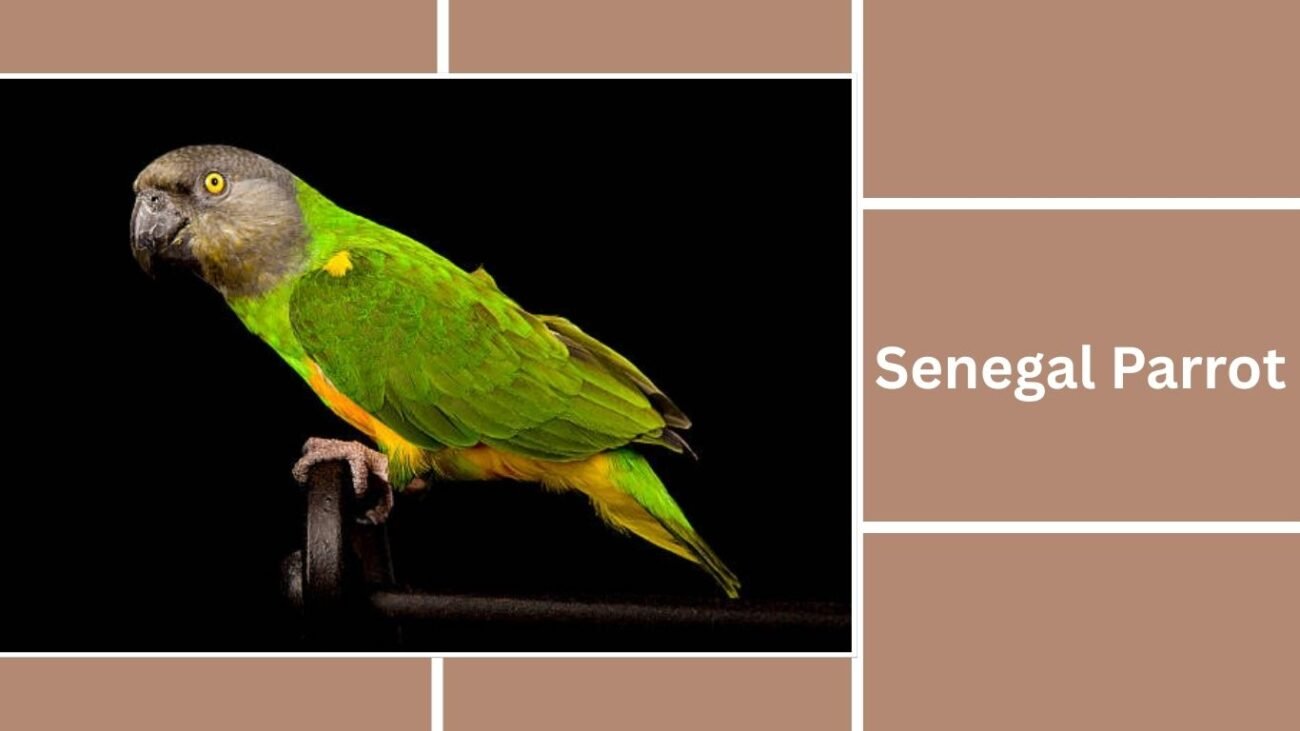
The Senegal Parrot is a small to medium-sized parrot that is popular among beginners due to its calm personality, manageable size, and moderate talking ability. These parrots are affectionate, playful, and bond closely with their owners.
Identification
- About 9–10 inches long
- Distinctive green body with a yellow-orange chest
- Grey head with dark beak
- Short tail compared to parakeets
- Bright, piercing yellow eyes in adults
Behavior
Senegal Parrots are known for being quieter than many other parrot species, making them suitable for apartment living. They are curious, intelligent, and playful, enjoying both toys and interaction with humans. With training, they can learn to mimic words and sounds.
Diet
A balanced diet should include formulated pellets, fresh vegetables, leafy greens, and fruits. Small portions of seeds and nuts can be given occasionally as treats.
Care
Senegal Parrots need a medium-sized cage with perches, chew toys, and climbing opportunities. They enjoy daily interaction and time outside the cage. They thrive on consistency and can become very attached to their favorite person.
Lifespan
With proper diet and care, Senegal Parrots can live 25–30 years, providing many years of affectionate companionship.
7. Yellow-Crowned Amazon
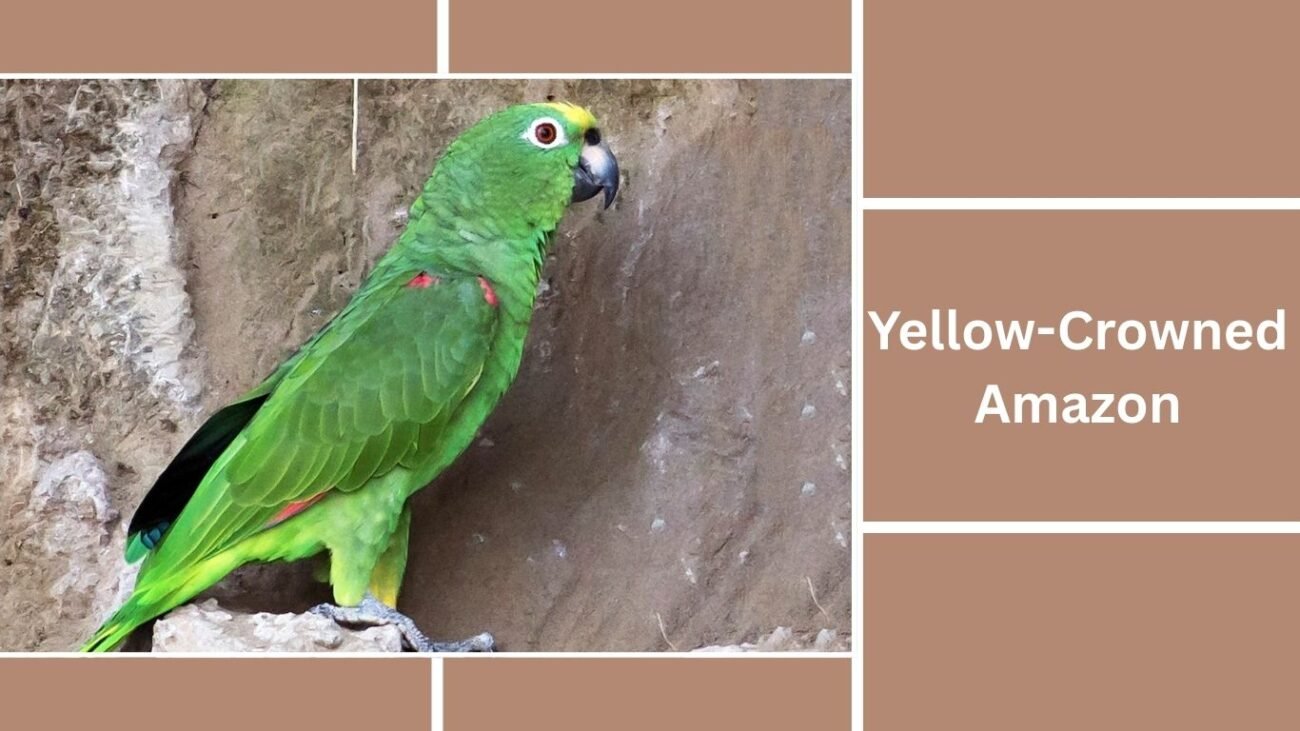
The Yellow-Crowned Amazon is a medium-sized parrot admired for its lively personality and good talking ability. They are intelligent, social, and full of character, making them suitable for beginners who want an interactive bird.
Identification
- Medium-sized parrot, about 13–15 inches long
- Bright green plumage across the body
- Distinctive yellow patch on the crown of the head
- Strong curved beak and expressive eyes
- Short, square tail with some red or blue tinges
Behavior
These parrots are playful, curious, and enjoy being the center of attention. They thrive on social interaction and can become quite affectionate with their owners. They are active birds, often entertaining with playful antics.
Diet
A balanced diet should include high-quality pellets, leafy greens, vegetables, fruits, and occasional nuts or seeds. They enjoy a variety of fresh foods, which helps maintain their vibrant plumage.
Care
Yellow-Crowned Amazons need a spacious cage, chew toys, and opportunities for daily out-of-cage activity. They also require consistent interaction to prevent boredom and feather-plucking behaviors.
Lifespan
With proper care and nutrition, these parrots can live 50–60 years, making them lifelong companions for dedicated owners.
8. Blue-Fronted Amazon
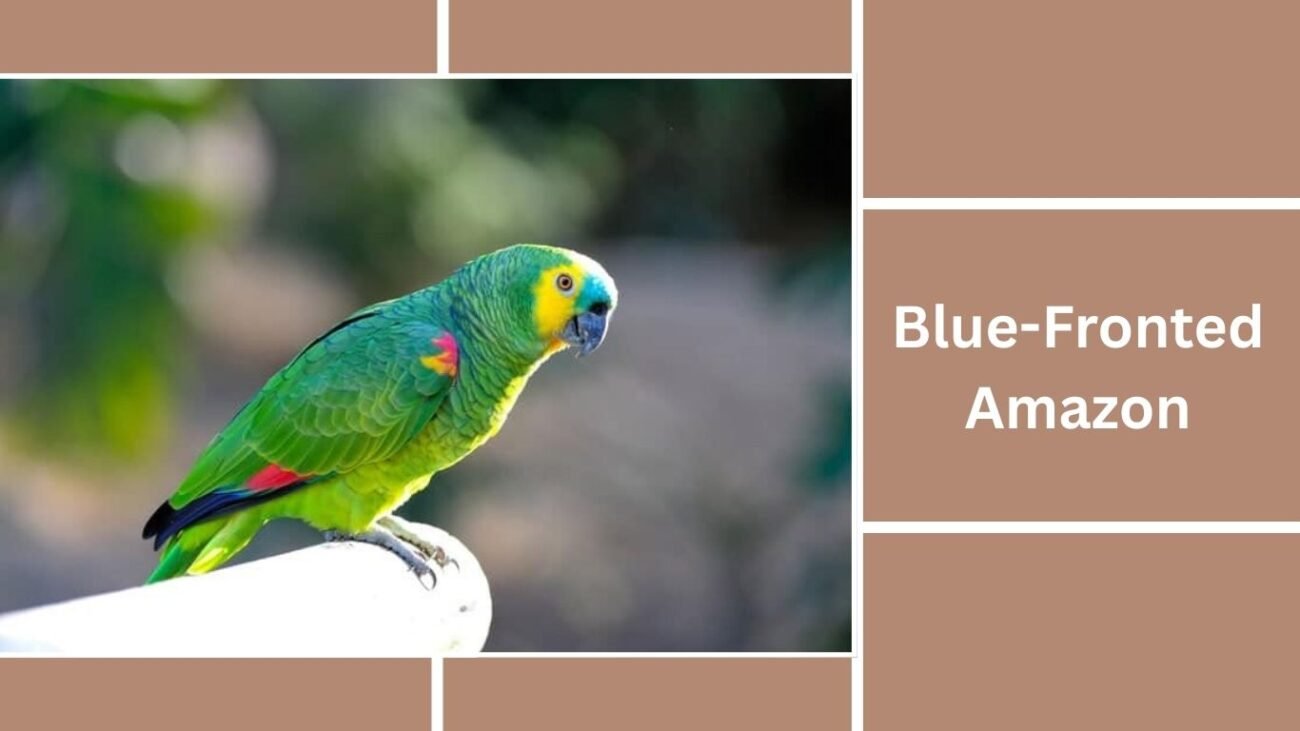
The Blue-Fronted Amazon is one of the most popular Amazon parrots, loved for its colorful plumage, playful nature, and strong talking ability. It is a social bird that thrives on attention and interaction, making it a good choice for beginners ready to commit to long-term care.
Identification
- Medium-sized parrot, about 14–15 inches long
- Bright green body with blue feathers on the forehead
- Splashes of yellow and red on the face and wings
- Strong curved beak and expressive eyes
- Short, square tail
Behavior
Blue-Fronted Amazons are energetic, bold, and full of personality. They enjoy human companionship and can be quite affectionate. They are intelligent and curious, often enjoying learning tricks and engaging in playful activities.
Diet
Their diet should include a mix of pellets, fresh fruits, vegetables, and leafy greens. Nuts and seeds can be offered occasionally as treats but should not make up the bulk of their diet.
Care
They require a spacious cage with plenty of toys, perches, and opportunities for exercise. Daily interaction and socialization are key to keeping them happy and well-behaved. Mental stimulation is important to prevent boredom-related issues.
Lifespan
Blue-Fronted Amazons can live 50–60 years in captivity when cared for properly, making them a lifelong commitment for any bird owner.
9. Double Yellow-Headed Amazon
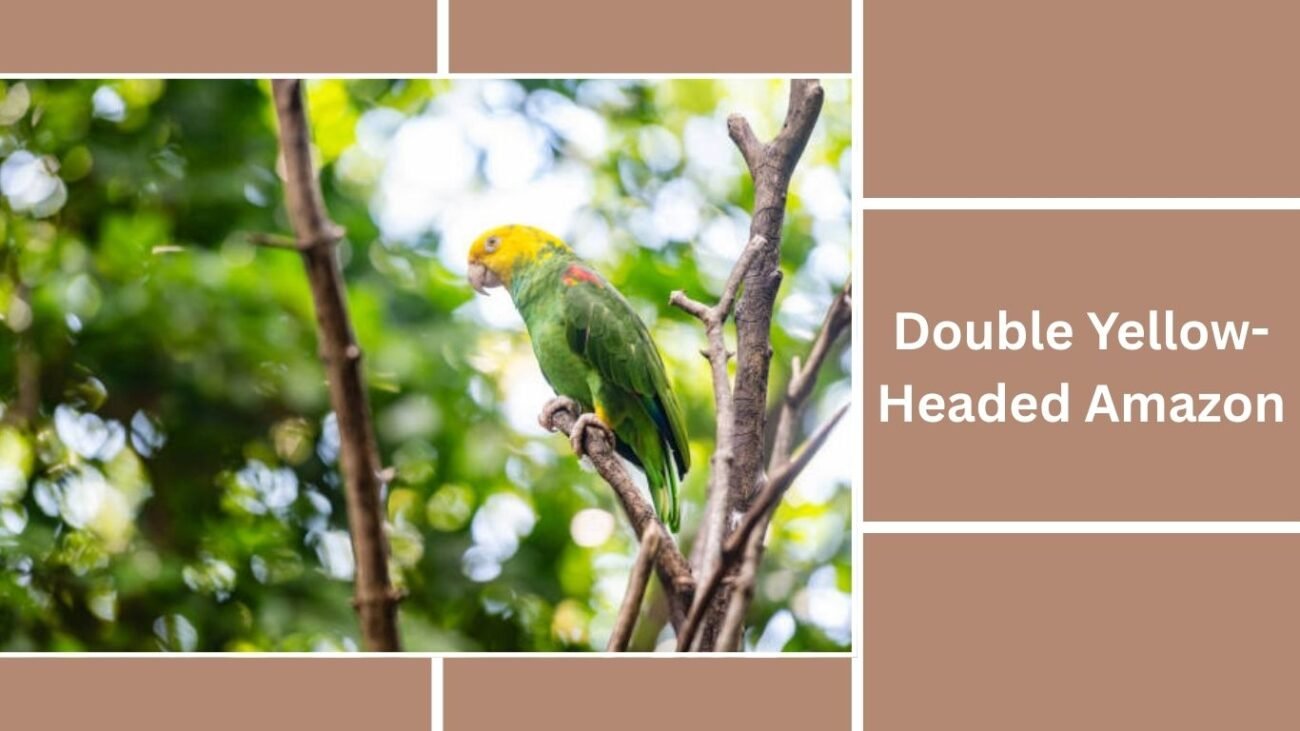
The Double Yellow-Headed Amazon is a striking parrot known for its vibrant colors and excellent talking ability. It is one of the most popular Amazon species among bird lovers and can be a rewarding companion for beginners who are ready to dedicate time and care.
Identification
- Medium to large parrot, about 15–17 inches long
- Bright green plumage with a vivid yellow head extending to the neck
- Some red and blue feathers on the wings and tail
- Strong curved beak and expressive eyes
- Stocky build with a short, square tail
Behavior
Double Yellow-Headed Amazons are lively, intelligent, and social birds. They love attention, interaction, and can be quite entertaining with their playful antics. They often bond closely with their owners and enjoy being part of family activities.
Diet
Their diet should include high-quality pellets, fresh vegetables, leafy greens, and fruits. Occasional seeds and nuts can be added as treats, but moderation is important to avoid weight gain.
Care
They need a spacious, sturdy cage and daily out-of-cage time for exercise and mental stimulation. Chew toys, puzzles, and climbing perches are essential to keep them engaged and prevent destructive behaviors.
Lifespan
With proper diet, care, and attention, Double Yellow-Headed Amazons can live 60–70 years, making them lifelong companions.
10. Eclectus Parrot
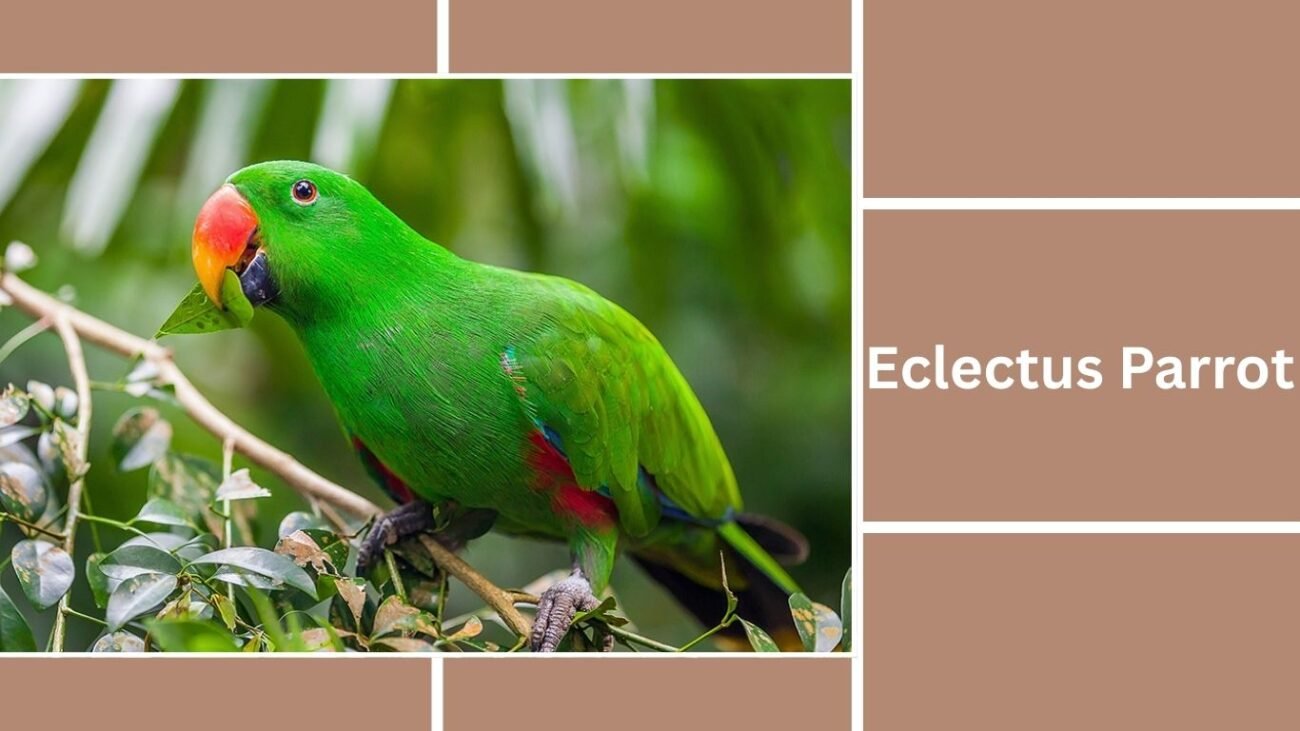
The Eclectus Parrot is a unique and visually stunning species, well-known for its striking sexual dimorphism—males and females look completely different. These parrots are intelligent, gentle, and capable of learning to mimic words, making them a great option for beginners seeking a calm and colorful bird.
Identification
- Medium to large parrot, about 17–20 inches long
- Males: bright emerald green with red and blue underwings, orange beak
- Females: vibrant red with purple or blue belly, black beak
- Long square tail and large wingspan
- Distinctive, sleek feather texture compared to other parrots
Behavior
Eclectus Parrots are calm, observant, and affectionate. They are not as noisy as some Amazon species, but they enjoy socializing and interacting with their owners. They can be shy at first but usually warm up with gentle handling.
Diet
Their diet should focus on fresh fruits, leafy greens, and vegetables, as they require more fiber and vitamin A compared to many parrots. High-quality pellets can be included, with seeds and nuts offered occasionally.
Care
Eclectus Parrots need a large cage with space to climb and flap their wings. They thrive on daily out-of-cage activity, enrichment toys, and consistent human interaction. Mental stimulation and a varied diet are essential for their health.
Lifespan
With proper care and nutrition, Eclectus Parrots can live 30–40 years, offering decades of companionship.
11. African Grey Parrot
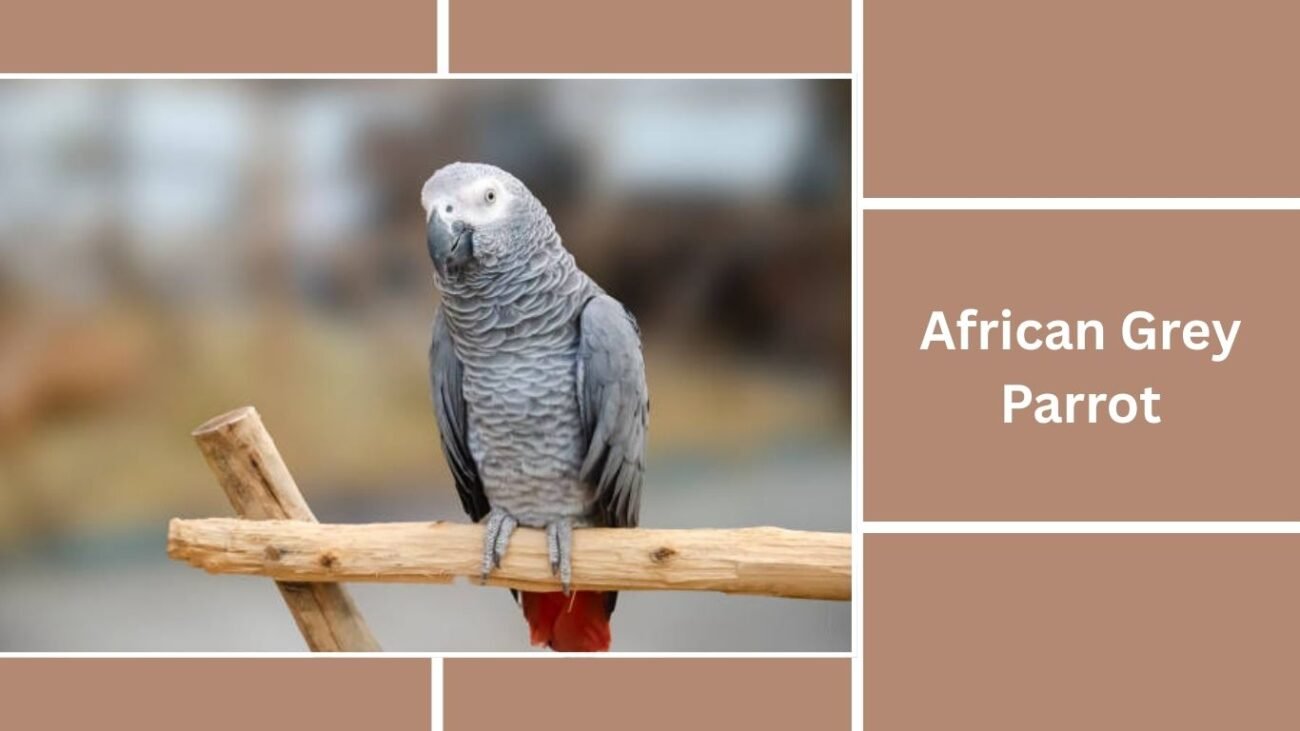
The African Grey Parrot is often considered the most intelligent parrot species, famous for its problem-solving skills and memory. Although slightly more demanding, it is still a suitable choice for beginners who can provide time, attention, and mental stimulation.
Identification
- Medium-sized parrot, about 12–14 inches long
- Elegant grey feathers with lighter edges
- Bright red tail feathers
- Strong black curved beak
- Pale face with yellowish eyes in adults
Behavior
African Greys are highly social, sensitive, and attentive birds. They form strong bonds with their owners and require consistent interaction. They are curious, observant, and quick learners, often mimicking household sounds in addition to vocalizations.
Diet
Their diet should consist mainly of high-quality pellets, fresh leafy greens, vegetables, and fruits. Nuts and seeds can be given in moderation as treats. A varied diet helps maintain their health and prevents nutritional deficiencies.
Care
They need a spacious cage, plenty of chew toys, climbing structures, and daily out-of-cage time. Because they are prone to boredom, providing mental stimulation with puzzles and training sessions is essential.
Lifespan
African Grey Parrots can live 50–60 years or longer with proper care, making them lifelong companions.
12. Rose-Breasted Cockatoo (Galah)
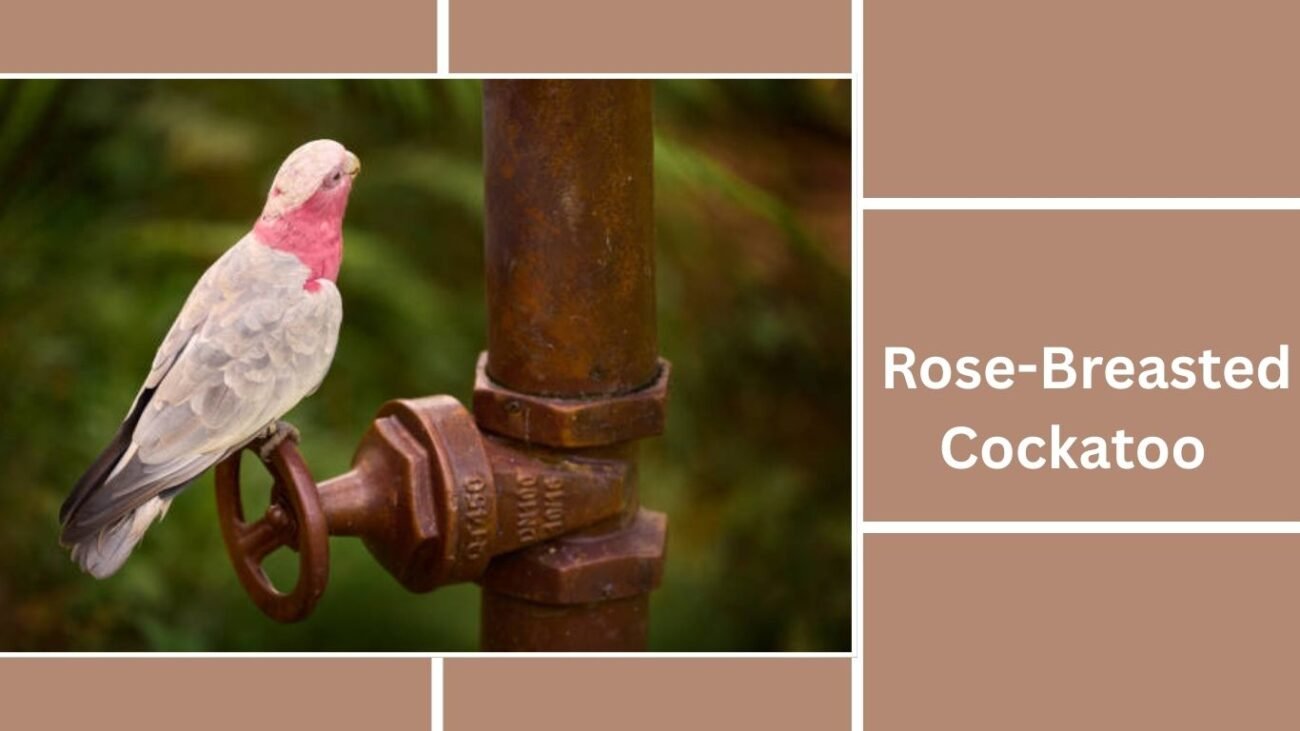
The Rose-Breasted Cockatoo, also known as the Galah, is a beautiful and affectionate parrot native to Australia. With its striking pink and grey feathers, playful personality, and moderate talking ability, it is a wonderful choice for beginners who want a loving and social companion.
Identification
- Medium-sized parrot, about 12–14 inches long
- Soft pink chest and face with light grey wings and back
- Short rounded tail and strong curved beak
- Distinctive white crest on the head
- Dark brown to black eyes
Behavior
Galahs are friendly, playful, and affectionate. They love interacting with their owners and thrive in social settings. While they are not the clearest talkers compared to some Amazons or African Greys, they can learn words and phrases with practice. They also enjoy dancing and playful antics.
Diet
Their diet should include pellets, fresh vegetables, leafy greens, fruits, and small amounts of seeds. Care should be taken to avoid fatty diets, as Galahs are prone to obesity.
Care
They require a spacious cage, regular out-of-cage exercise, and toys for enrichment. Galahs enjoy chewing, climbing, and social playtime with their owners. Consistent attention is necessary to prevent loneliness and feather plucking.
Lifespan
With proper diet and care, Rose-Breasted Cockatoos can live 40–50 years, making them affectionate long-term companions.