




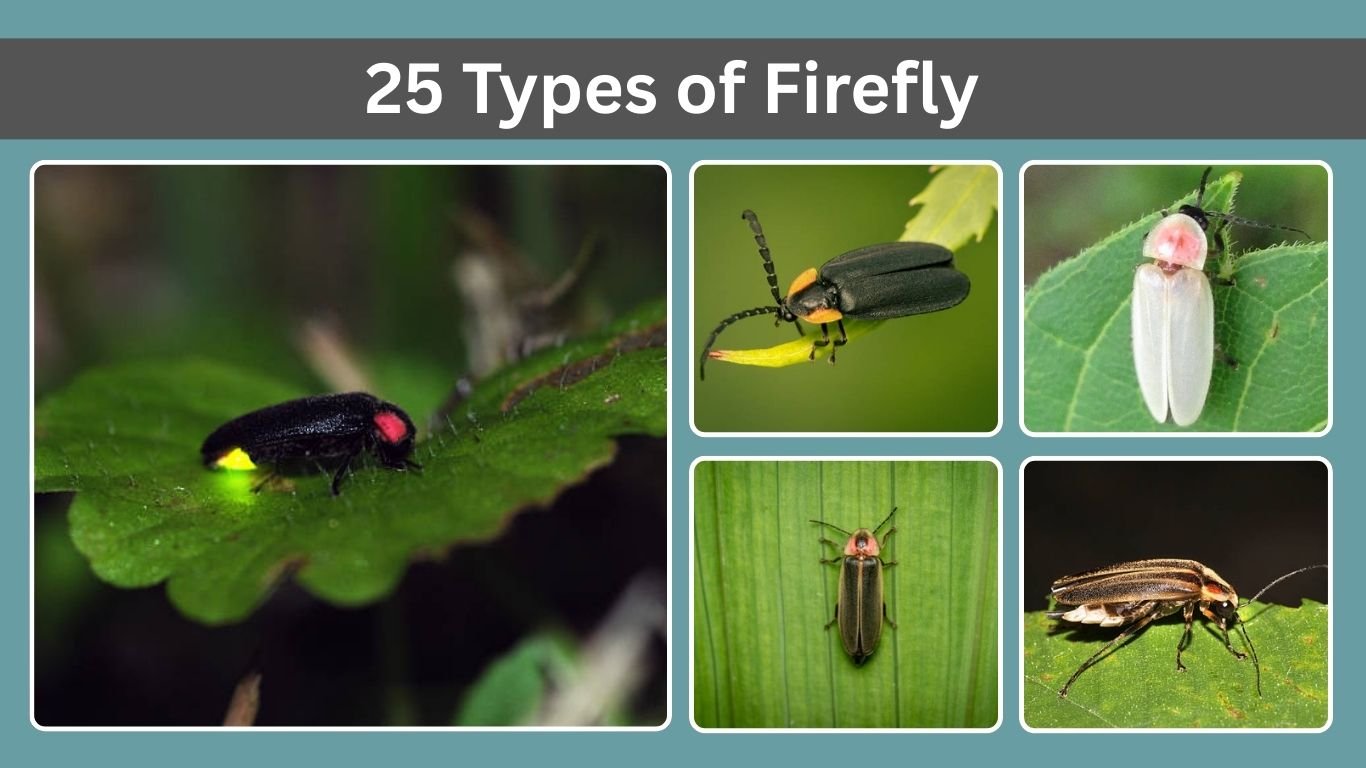
Fireflies, also known as lightning bugs, are enchanting beetles famous for their bioluminescent glow. Found across the world, each species has unique flashing patterns, behaviors, and habitats. From the synchronized displays of Photinus carolinus to the aquatic Aquatica fireflies, these insects captivate both scientists and nature lovers alike. Understanding their identification, habitat, behavior, and diet provides insight into their fascinating lives and the vital role they play in ecosystems.
1. Photinus pyralis

Photinus pyralis, commonly known as the Common Eastern Firefly or Big Dipper Firefly, is one of the most widespread fireflies in North America. Famous for its bright yellow-green flashes, this species is most active during warm summer evenings. Males perform a characteristic light pattern to attract females, making them a familiar and enchanting sight in gardens, meadows, and wooded areas.
Identification
- Small beetle, typically 10–15 mm in length
- Black body with reddish-orange pronotum
- Soft, flexible elytra (wing covers)
- Yellow-green bioluminescent light on the lower abdomen
Habitat
Photinus pyralis thrives in meadows, gardens, grasslands, and forest edges. They prefer moist soil for laying eggs and are commonly seen near ponds or streams during the breeding season.
Behaviour
Males fly in distinctive synchronous or sequential light patterns to attract females. They are most active at dusk and during warm summer nights. Females respond with a flash of their own, enabling mating.
Diet
The larvae of Photinus pyralis feed on soft-bodied insects, slugs, and snails in the soil, while adult fireflies mostly consume nectar and pollen. Some adults do not feed at all, relying on stored energy from the larval stage.
2. Photuris pennsylvanica

Photuris pennsylvanica, commonly called the Pennsylvania Firefly, is a fascinating species known for its mimicry behavior. This firefly is widely distributed in eastern North America and is active during warm summer nights. Unlike many fireflies, some females of this species are predatory, mimicking the light patterns of other fireflies to attract and prey on them.
Identification
- Medium-sized beetle, around 12–14 mm in length
- Dark brown to black body with slightly reddish pronotum
- Bioluminescent light located on the lower abdomen, producing a greenish-yellow glow
- Elytra slightly translucent
Habitat
Photuris pennsylvanica is commonly found in meadows, forest edges, gardens, and areas near streams or wetlands. They prefer moist environments where both prey and mates are abundant.
Behaviour
Females are known for their “femme fatale” behavior, imitating the flash patterns of other firefly species to lure males, which they then capture and consume. Males display regular, sequential flashes to attract females of their own species.
Diet
The larvae feed on small invertebrates such as snails and worms in the soil. Adult females sometimes consume other fireflies, while males generally feed on nectar and pollen or may not feed at all during their short adult lifespan.
3. Photuris lucicrescens

Photuris lucicrescens, also known as the Crescent Firefly, is recognized for its unique crescent-shaped flash pattern. This species is mostly found in parts of North America and is active during late summer evenings. Like other Photuris fireflies, some females exhibit predatory mimicry, making them intriguing both visually and behaviorally.
Identification
- Medium-sized beetle, approximately 11–13 mm in length
- Dark brown to black body with subtle reddish markings on the pronotum
- Bioluminescent segments on the lower abdomen emit a greenish-yellow glow
- Smooth, slightly curved elytra
Habitat
Photuris lucicrescens prefers wooded edges, meadows, gardens, and areas with moist soil. They are often found near streams or damp areas that support abundant prey for larvae.
Behaviour
Males produce distinct crescent-shaped flashes in flight to attract females. Females may mimic other firefly species’ flashes to lure males, a predatory strategy known as “femme fatale” behavior.
Diet
The larvae feed primarily on soft-bodied insects, snails, and worms in the soil. Adult males mostly consume nectar or pollen, while some females also feed on other fireflies, taking advantage of their mimicry strategy.
4. Photinus marginellus

Photinus marginellus, commonly called the Margined Firefly, is a widespread species in North America. Known for its rhythmic flashing patterns, this firefly is most active during warm summer nights. It is a popular species for observing natural light displays, especially in gardens and meadows.
Identification
- Small to medium-sized beetle, about 10–12 mm long
- Black body with a reddish-orange pronotum
- Yellow-green bioluminescent light on the lower abdomen
- Smooth, slightly rounded elytra
Habitat
Photinus marginellus thrives in meadows, gardens, forest edges, and grassy areas. They prefer habitats with moist soil where larvae can develop and adults can find mates.
Behaviour
Males perform steady, rhythmic flashes to attract females. They are most active at dusk and during early nighttime hours. Females respond with short flashes, facilitating mating.
Diet
Larvae feed on soft-bodied insects, snails, and slugs in the soil. Adults primarily feed on nectar and pollen, though some do not eat during their brief adult life, relying on energy stored from their larval stage.
5. Photinus macdermotti

Photinus macdermotti, often referred to as MacDermott’s Firefly, is a lesser-known North American species admired for its gentle green-yellow flashes. It is active during warm summer evenings and is frequently observed in open fields and forest edges where it performs mating displays.
Identification
- Small beetle, approximately 10–13 mm in length
- Dark body with a reddish-orange pronotum
- Bioluminescent light on the lower abdomen, emitting a soft greenish glow
- Smooth, slightly domed elytra
Habitat
Photinus macdermotti is commonly found in meadows, grassy clearings, forest edges, and gardens. Moist soil is preferred for egg-laying and larval development.
Behaviour
Males fly slowly, producing pulsed flashes to attract females. Females respond with brief flashes of their own, guiding males for mating. The species is mostly active at dusk and early night.
Diet
The larvae feed on soil-dwelling invertebrates such as snails, worms, and soft-bodied insects. Adult fireflies typically feed on nectar and pollen, though some adults may not feed at all, surviving off stored larval energy.
6. Photinus consimilis
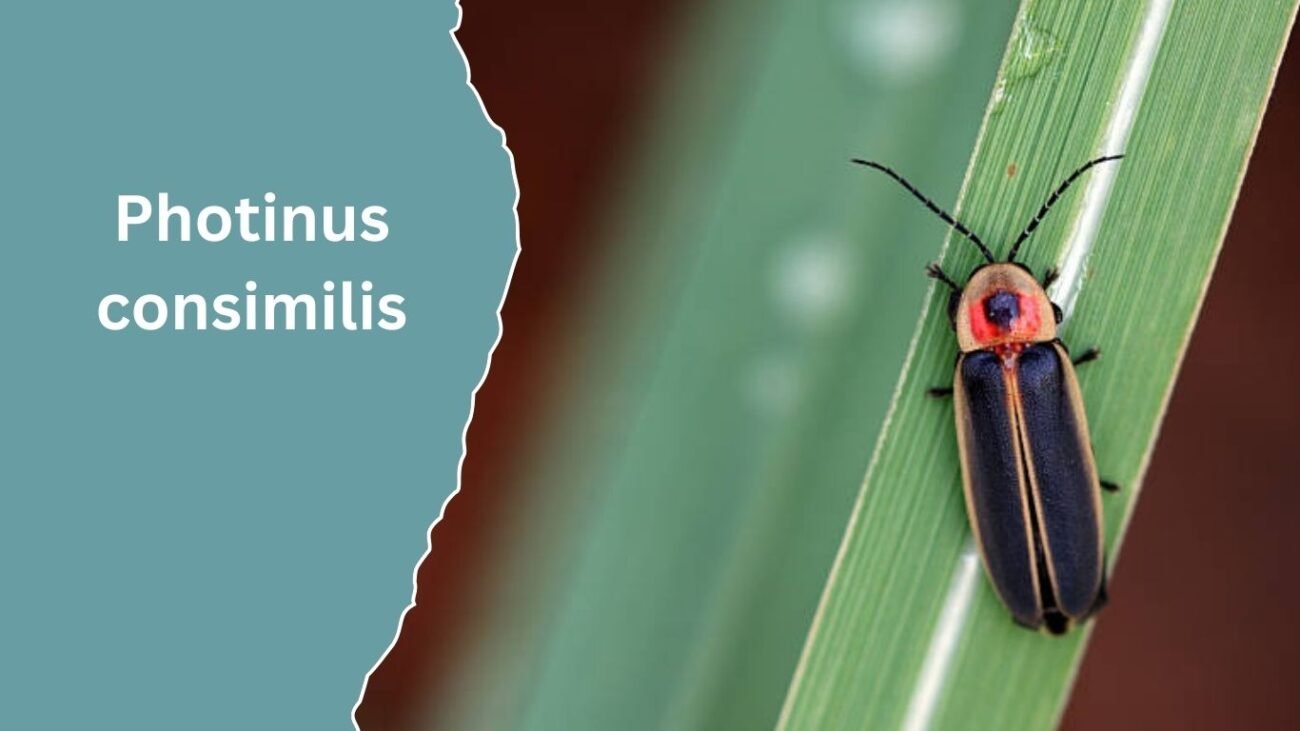
Photinus consimilis, commonly known as the Similar Firefly, is a North American species recognized for its bright, rhythmic flashes. This firefly is most active during warm summer nights and is often seen in gardens, meadows, and near woodland edges.
Identification
- Small to medium-sized beetle, around 10–12 mm long
- Black body with reddish-orange pronotum
- Yellow-green bioluminescent light on the lower abdomen
- Smooth, slightly rounded elytra
Habitat
Photinus consimilis thrives in meadows, gardens, forest edges, and grassy areas. Moist soil is ideal for egg-laying, and adults are often found near low vegetation.
Behaviour
Males perform rhythmic flash patterns in flight to attract females. Females respond with short flashes, allowing males to locate them. Activity peaks during warm, humid summer evenings.
Diet
Larvae feed on soil-dwelling invertebrates such as snails, worms, and soft-bodied insects. Adults mainly feed on nectar and pollen, although some may survive without feeding, relying on energy stored from the larval stage.
7. Photinus ignitus
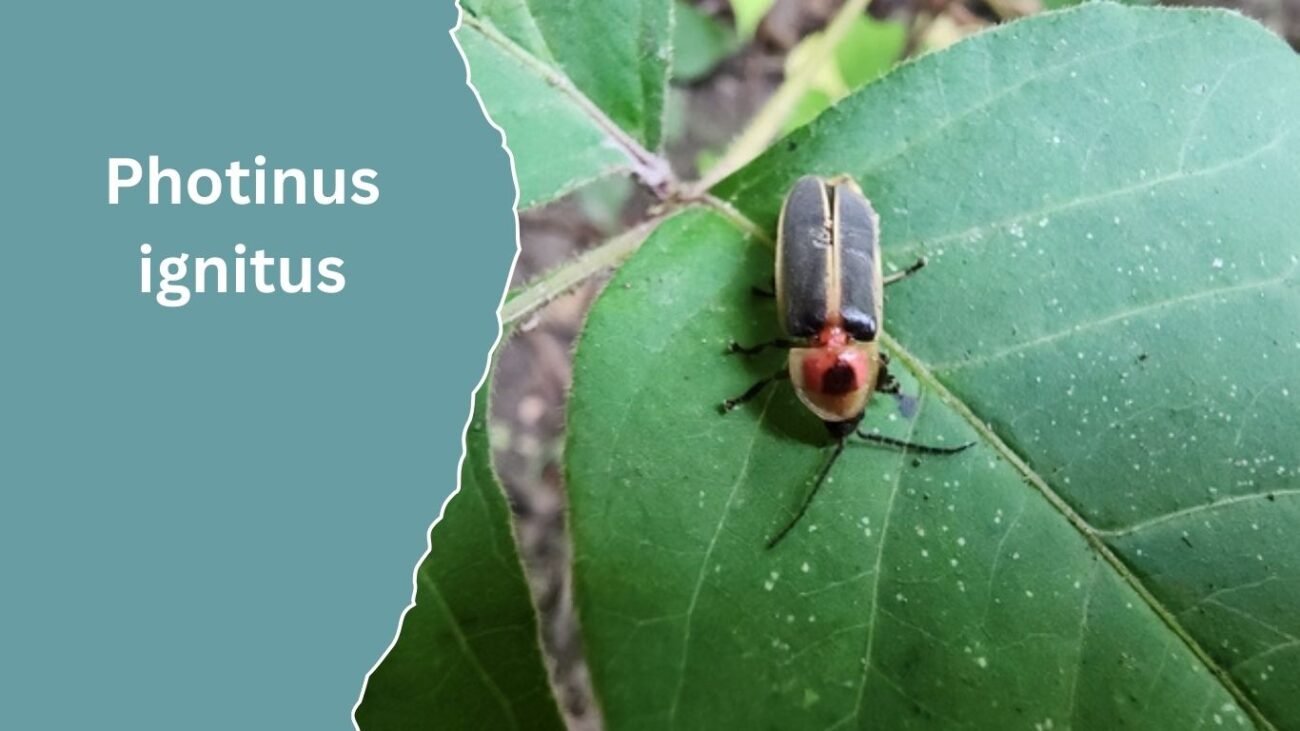
Photinus ignitus, commonly known as the Ignite Firefly, is a North American species admired for its bright and consistent light flashes. It is most active during warm summer evenings and is often spotted in open fields, gardens, and along forest edges.
Identification
- Small to medium-sized beetle, approximately 10–13 mm in length
- Dark body with a reddish-orange pronotum
- Bioluminescent segments on the lower abdomen producing a yellow-green glow
- Smooth, slightly rounded elytra
Habitat
Photinus ignitus prefers meadows, gardens, grassy clearings, and forest edges. Moist soil and areas with abundant vegetation provide ideal conditions for larval development and adult activity.
Behaviour
Males display steady, rhythmic flashes while flying to attract females. Females respond with brief flashes of their own, enabling mating. The species is primarily active during dusk and early nighttime hours.
Diet
Larvae feed on soil-dwelling invertebrates such as worms, snails, and soft-bodied insects. Adults primarily consume nectar and pollen, though some do not feed during their short adult lifespan, relying on energy stored from the larval stage.
8. Photinus carolinus
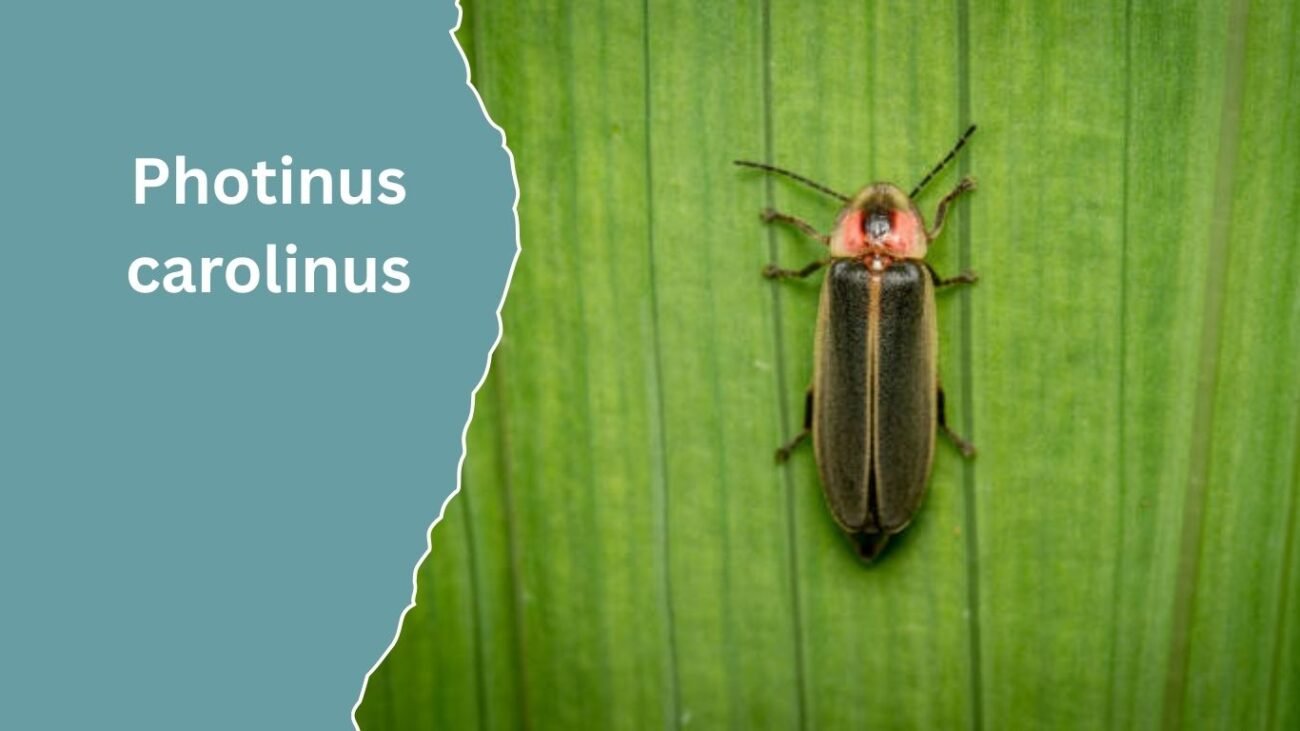
Photinus carolinus, famously known as the Synchronous Firefly, is renowned for its spectacular synchronized light displays. Native to the southeastern United States, especially the Great Smoky Mountains, this species creates one of nature’s most mesmerizing nighttime spectacles during the summer mating season.
Identification
- Medium-sized beetle, about 12–14 mm long
- Dark body with a reddish-orange pronotum
- Bioluminescent segments on the lower abdomen emit bright greenish-yellow flashes
- Smooth, slightly curved elytra
Habitat
Photinus carolinus thrives in river valleys, forest edges, and moist lowland areas. They prefer environments with dense vegetation and humid conditions, which support larval prey and adult mating displays.
Behaviour
Males perform synchronized flashing patterns in large groups to attract females. This remarkable coordination makes entire riverbanks light up simultaneously. Females respond with short flashes to signal readiness to mate.
Diet
Larvae feed on soil invertebrates such as snails, worms, and other soft-bodied insects. Adults typically feed on nectar and pollen, though some may not eat at all, surviving off energy stored from their larval stage.
9. Pyractomena angulata
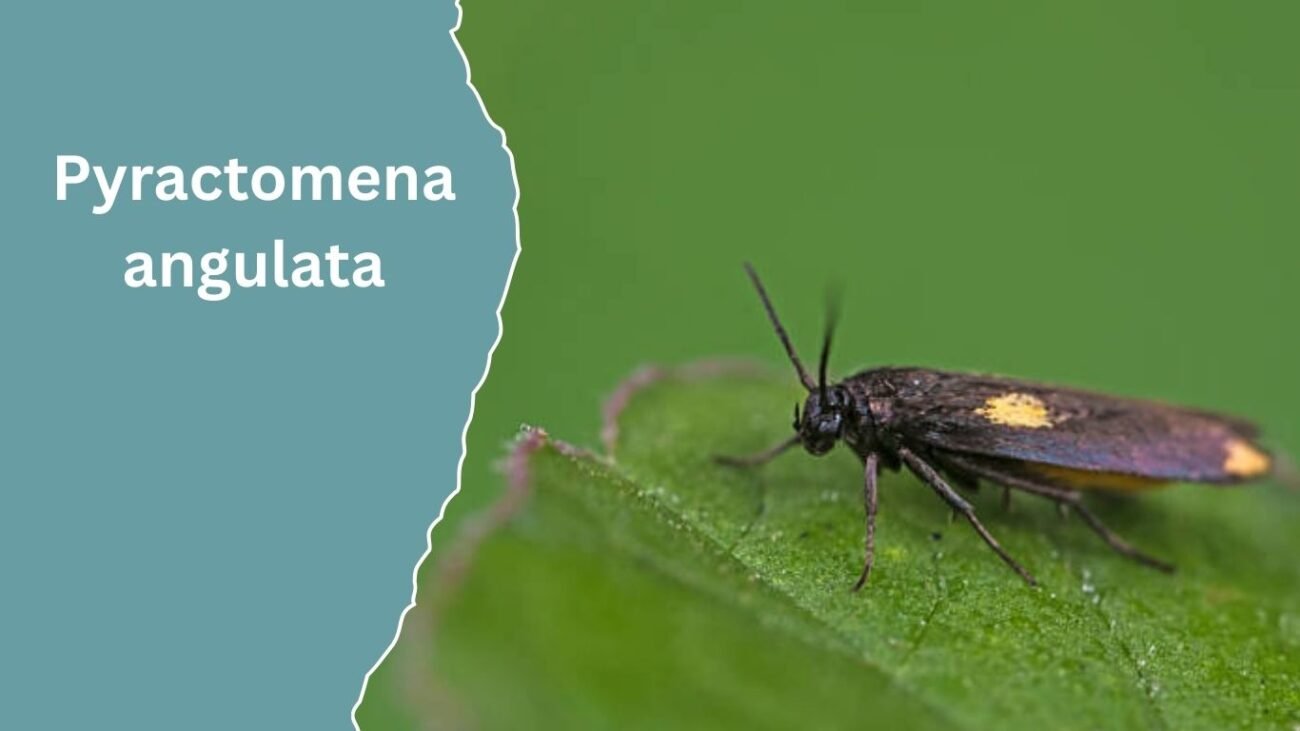
Pyractomena angulata, commonly called the Angled Firefly, is a North American species known for its bright yellow-green flashes and distinctive flight patterns. It is active during warm summer evenings, often near wetlands and open fields.
Identification
- Medium-sized beetle, approximately 11–13 mm in length
- Dark brown to black body with lighter pronotum edges
- Bioluminescent light located on the lower abdomen, producing a yellow-green glow
- Smooth, slightly curved elytra
Habitat
Pyractomena angulata prefers wetlands, meadows, forest edges, and areas near ponds or streams. Moist soil is essential for larval development, and adults are commonly seen flying at dusk over open areas.
Behaviour
Males perform rapid, pulsating flashes while flying to attract females. Females respond with short flashes, guiding males for mating. The species is primarily active during warm, humid summer nights.
Diet
Larvae feed on soil-dwelling invertebrates such as snails, worms, and soft-bodied insects. Adults generally feed on nectar and pollen, although some may not feed at all, relying on stored larval energy.
10. Pyractomena borealis
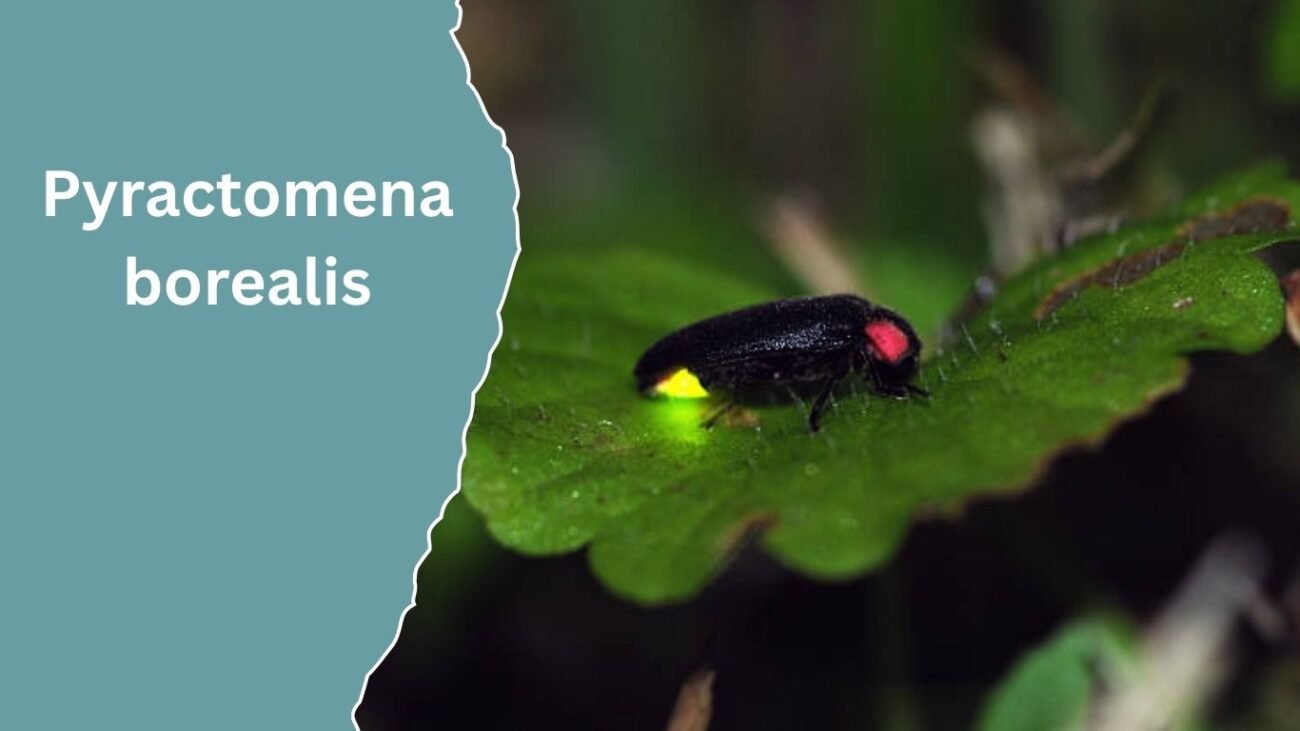
Pyractomena borealis, commonly known as the Northern Firefly, is a species native to North America, particularly in northern regions. It is recognized for its bright, steady flashes and is most active during warm summer nights.
Identification
- Medium-sized beetle, approximately 12–14 mm long
- Dark brown to black body with slightly reddish pronotum
- Bioluminescent segments on the lower abdomen emitting a yellow-green glow
- Smooth, slightly curved elytra
Habitat
Pyractomena borealis thrives in meadows, forest edges, and areas near ponds or wetlands. Moist soil supports larval development, and adults are often seen flying over open grassy areas at dusk.
Behaviour
Males perform steady, pulsating flashes in flight to attract females. Females respond with short flashes of their own, enabling mating. The species is mostly active during early nighttime hours in warm, humid conditions.
Diet
Larvae feed on soil-dwelling invertebrates such as worms, snails, and soft-bodied insects. Adults usually consume nectar and pollen, though some may not feed during their brief adult life, relying on energy stored from their larval stage.
11. Pyractomena marginata
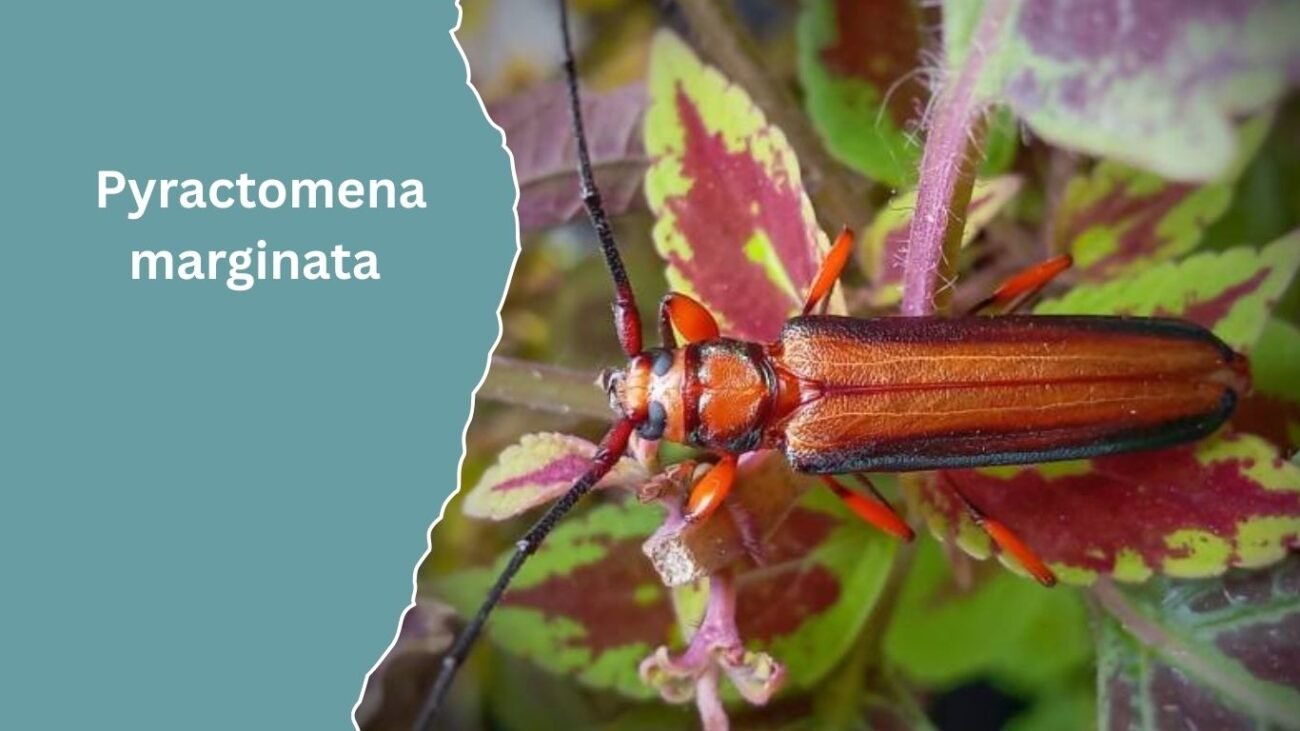
Pyractomena marginata, commonly called the Margined Glowworm Firefly, is a North American species known for its distinctive bright flashes and slightly larger body compared to other Pyractomena fireflies. It is active during warm summer evenings, often in open fields and near wetland areas.
Identification
- Medium-sized beetle, around 12–15 mm long
- Dark brown to black body with lighter margins on the pronotum
- Bioluminescent segments on the lower abdomen emit a greenish-yellow glow
- Smooth, slightly curved elytra
Habitat
Pyractomena marginata prefers meadows, wetland edges, forest clearings, and areas near ponds or streams. Moist soil is essential for larvae, and adults are frequently observed flying over open areas at dusk.
Behaviour
Males display distinct, steady flash patterns while flying to attract females. Females respond with brief flashes, guiding males for mating. Activity is mostly during early nighttime hours in warm, humid conditions.
Diet
Larvae feed on soil-dwelling invertebrates such as worms, snails, and soft-bodied insects. Adults generally feed on nectar and pollen, although some may survive without feeding, relying on stored energy from their larval stage.
12. Lucidota atra
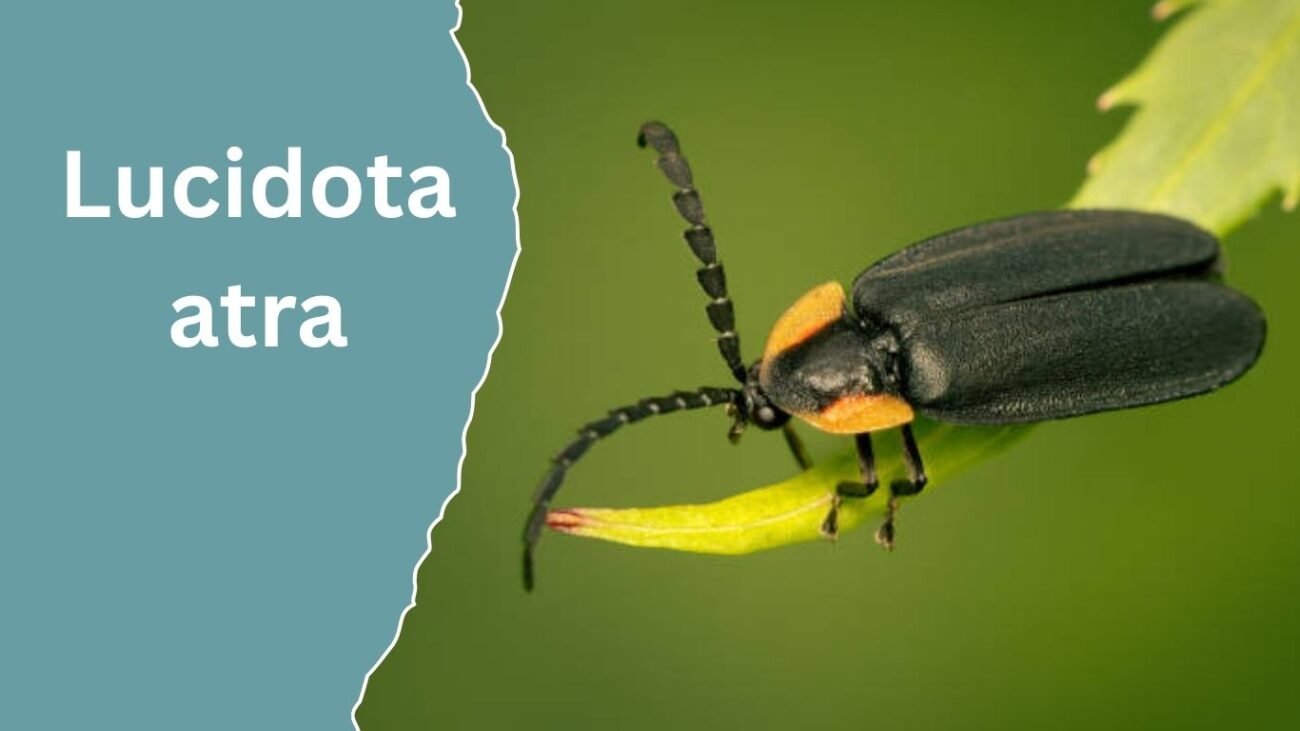
Lucidota atra, commonly known as the Black Firefly, is a small North American firefly species distinguished by its dark body and subtle bioluminescence. Unlike many other fireflies, its flashes are faint, and it is often seen in shaded areas during warm summer nights.
Identification
- Small beetle, approximately 8–10 mm in length
- Entirely dark brown to black body
- Faint yellow-green bioluminescent light on the lower abdomen
- Narrow, smooth elytra
Habitat
Lucidota atra is commonly found in forests, woodland edges, gardens, and grassy clearings. It prefers moist environments where larvae can develop in the soil.
Behaviour
Males produce brief, intermittent flashes while flying close to the ground or vegetation to attract females. Females respond with subtle flashes, guiding males for mating. They are most active at dusk and early nighttime.
Diet
The larvae feed on small soil-dwelling invertebrates such as snails, worms, and soft-bodied insects. Adult fireflies feed primarily on nectar and pollen, though some may not eat during their adult stage, surviving off stored larval energy.
13. Lucidota luteicollis
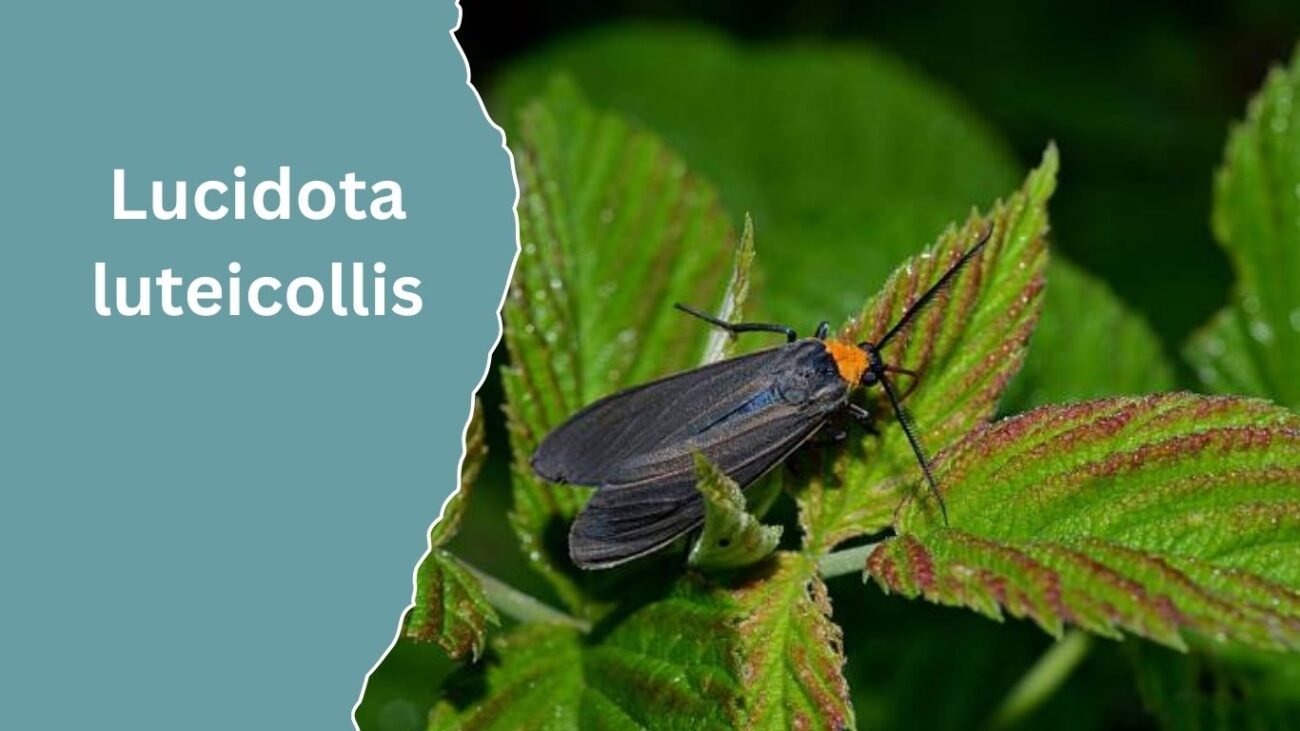
Lucidota luteicollis, commonly known as the Yellow-necked Firefly, is a small North American species recognized for its faint bioluminescence and distinctive yellowish pronotum. It is active during warm summer evenings and is often found in forested areas and gardens.
Identification
- Small beetle, approximately 8–10 mm long
- Dark brown to black body with a yellowish pronotum
- Faint yellow-green bioluminescent light on the lower abdomen
- Narrow, smooth elytra
Habitat
Lucidota luteicollis prefers forests, woodland edges, gardens, and moist grassy clearings. Larvae develop in soil, feeding on small invertebrates.
Behaviour
Males produce intermittent, soft flashes while flying low over vegetation to attract females. Females respond with subtle flashes, allowing mating to occur. Activity peaks at dusk and during early nighttime hours.
Diet
Larvae feed on soil-dwelling invertebrates such as snails, worms, and soft-bodied insects. Adults mainly consume nectar and pollen, although some may not feed during their short adult lifespan, relying on energy stored from the larval stage.
14. Pyropyga alticola
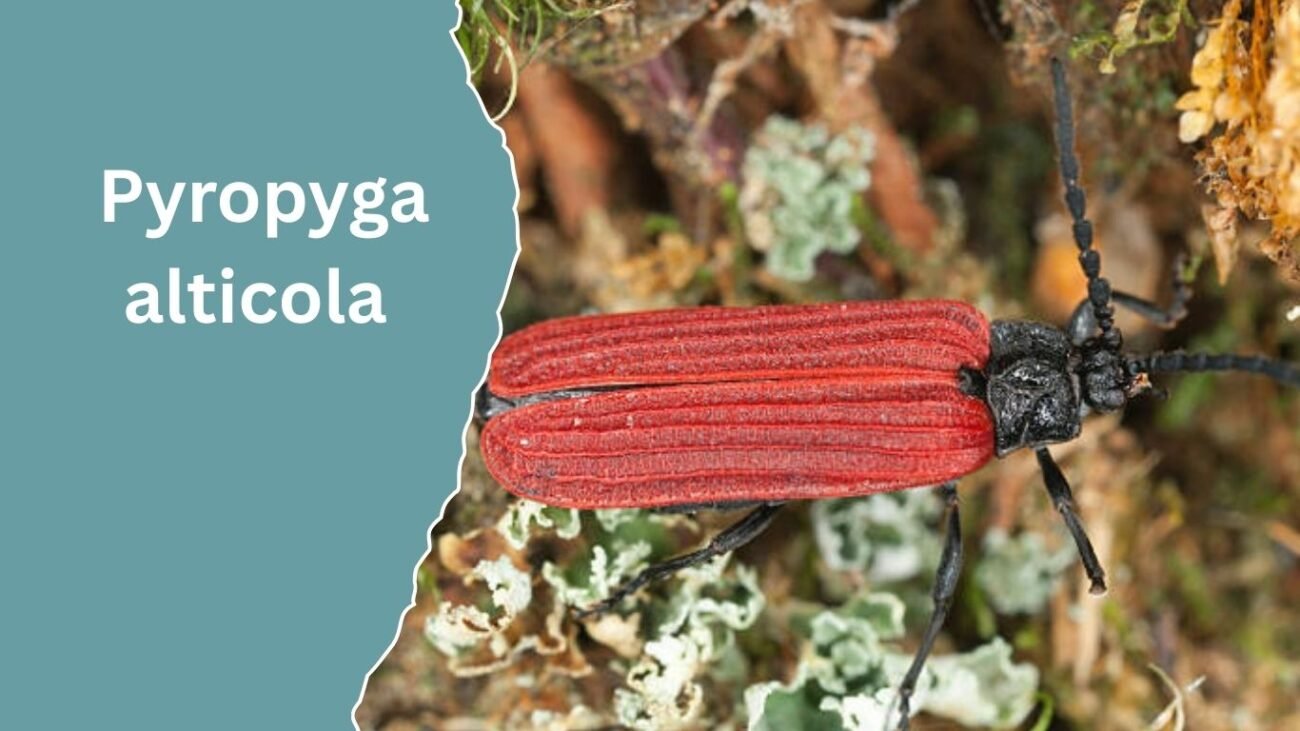
Pyropyga alticola, commonly known as the Highland Firefly, is a small North American species noted for its bright yellow-green flashes. It is typically active during warm summer nights and is often found in meadows, gardens, and forest edges.
Identification
- Small beetle, approximately 9–11 mm in length
- Dark brown to black body with reddish or orange pronotum
- Bioluminescent segments on the lower abdomen emitting bright yellow-green light
- Smooth, slightly curved elytra
Habitat
Pyropyga alticola thrives in meadows, gardens, grassy clearings, and forest edges. Moist soil is essential for larval development, and adults are frequently seen flying at dusk.
Behaviour
Males display rapid, pulsating flashes while flying to attract females. Females respond with brief flashes of their own to guide males for mating. Activity is mostly observed during early nighttime hours.
Diet
Larvae feed on soil-dwelling invertebrates such as worms, snails, and soft-bodied insects. Adult fireflies typically consume nectar and pollen, although some may not feed at all, relying on stored energy from their larval stage.
15. Pyropyga nigricans
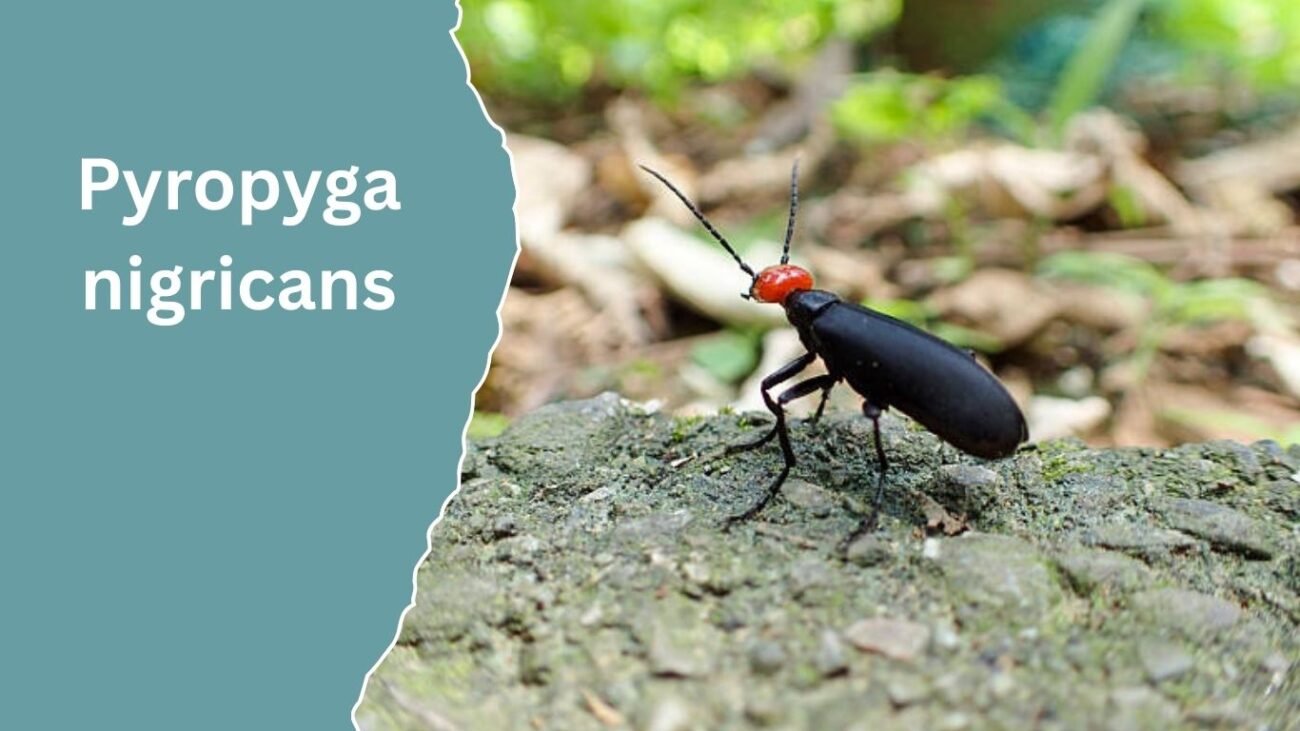
Pyropyga nigricans, commonly known as the Dark Firefly, is a small North American species recognized for its faint yellow-green flashes. It is mostly active during warm summer evenings and is often seen in meadows, gardens, and forest edges.
Identification
- Small beetle, approximately 8–10 mm in length
- Dark brown to black body with a slightly reddish pronotum
- Bioluminescent light on the lower abdomen producing a soft yellow-green glow
- Smooth, slightly curved elytra
Habitat
Pyropyga nigricans thrives in meadows, gardens, forest edges, and grassy clearings. Moist soil supports larval development, while adults are frequently observed flying close to vegetation at dusk.
Behaviour
Males display intermittent, soft flashes to attract females. Females respond with subtle flashes, guiding males for mating. The species is most active during early nighttime hours in warm, humid conditions.
Diet
Larvae feed on soil-dwelling invertebrates such as worms, snails, and soft-bodied insects. Adult fireflies primarily consume nectar and pollen, though some may survive without feeding, relying on energy stored during the larval stage.
16. Phausis reticulata
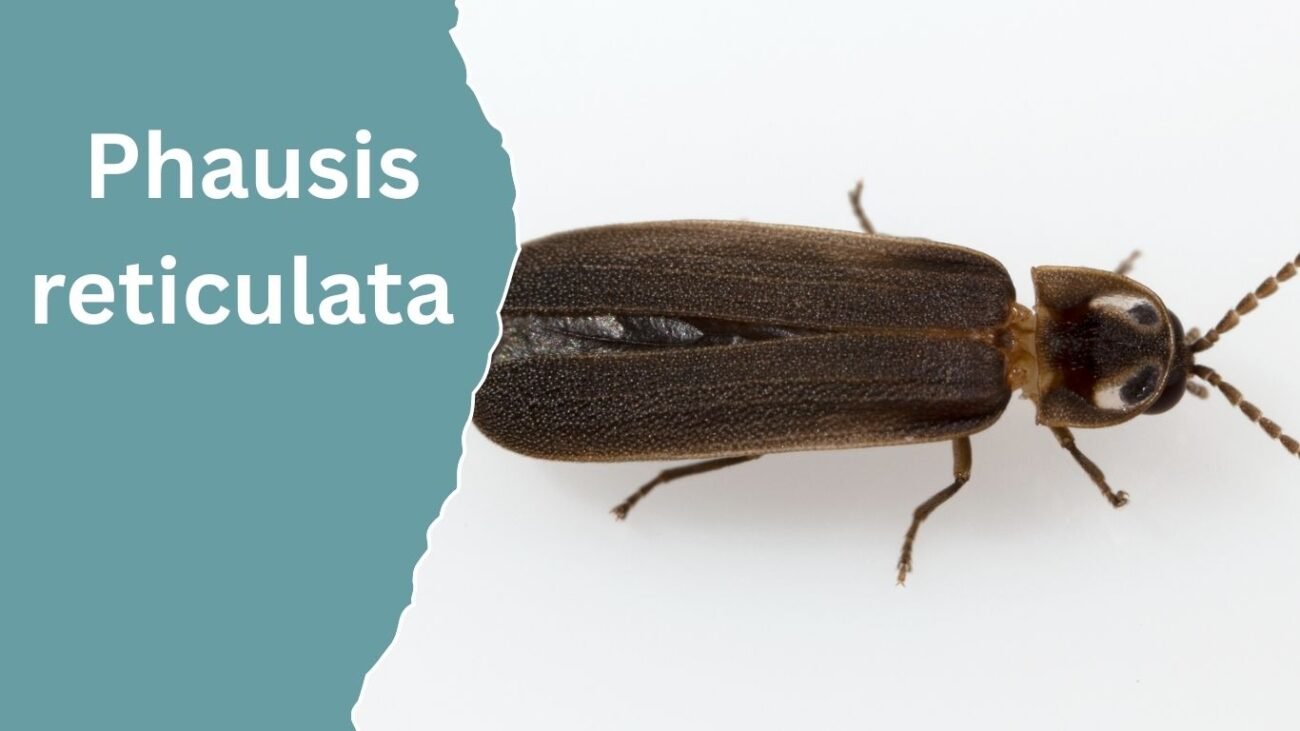
Phausis reticulata, commonly known as the Blue Ghost Firefly, is a small North American species famous for its pale bluish-white glow that appears to hover above the ground. It is most active during warm summer nights and is often seen in forested areas with moist soil.
Identification
- Small beetle, approximately 8–10 mm in length
- Dark brown to black body with a slightly translucent pronotum
- Bioluminescent light on the lower abdomen emitting a soft bluish-white glow
- Narrow, smooth elytra
Habitat
Phausis reticulata thrives in moist forests, woodland edges, and shaded clearings. Larvae develop in damp soil or leaf litter, feeding on small invertebrates.
Behaviour
Males hover just above the ground, producing continuous, faint bluish-white flashes to attract females. Females respond with brief glows near the forest floor. Activity peaks during early nighttime hours in summer.
Diet
Larvae feed on soil-dwelling invertebrates such as worms and small snails. Adult fireflies may feed on nectar and pollen, though some adults do not eat, relying instead on energy stored from their larval stage.
17. Phausis inaccensa
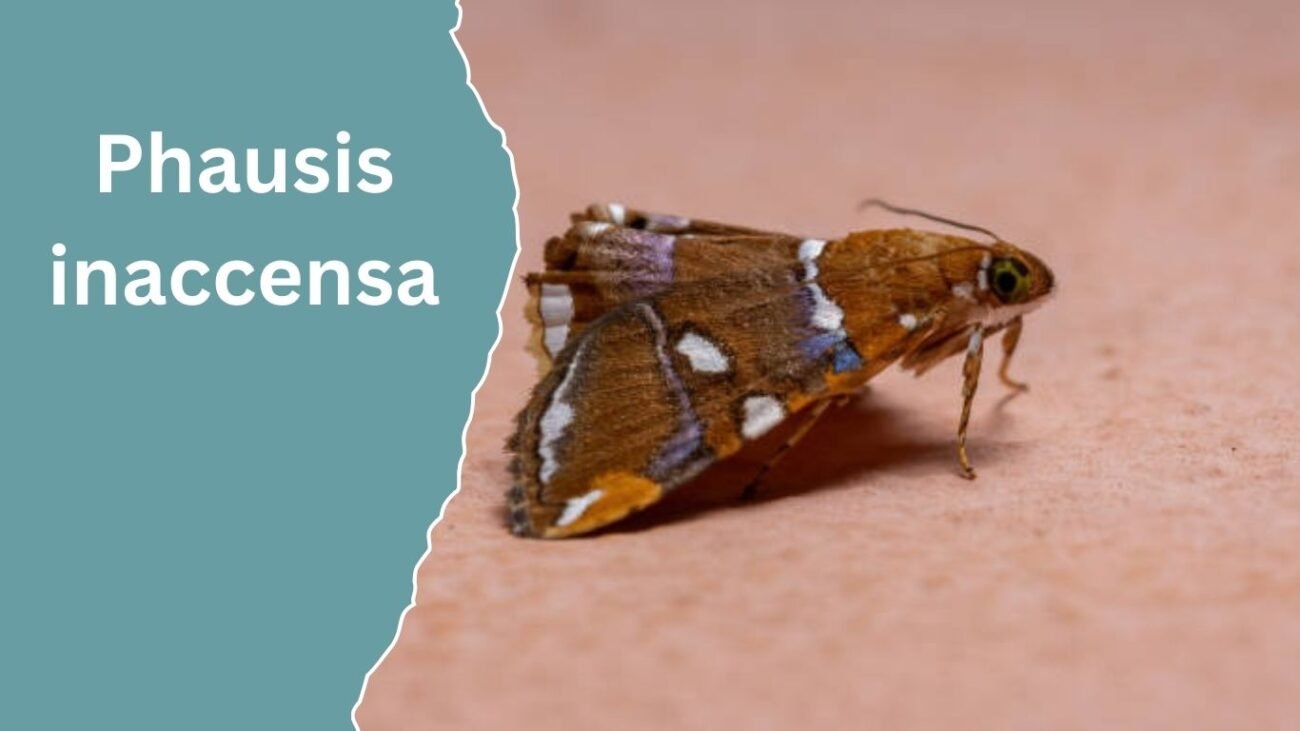
Phausis inaccensa, commonly known as the Variable Glow Firefly, is a small North American species recognized for its subtle, irregular flashes. It is typically active during warm summer evenings and is often found in forested areas and shaded clearings.
Identification
- Small beetle, approximately 8–10 mm long
- Dark brown to black body with a slightly lighter pronotum
- Bioluminescent light on the lower abdomen producing a soft yellowish glow
- Narrow, smooth elytra
Habitat
Phausis inaccensa thrives in moist forests, woodland edges, and shaded grassy clearings. Larvae develop in soil or leaf litter, feeding on small invertebrates.
Behaviour
Males produce faint, irregular flashes while hovering close to the ground to attract females. Females respond with subtle flashes, facilitating mating. They are most active during early nighttime hours in warm, humid conditions.
Diet
Larvae feed on soil-dwelling invertebrates such as worms, snails, and soft-bodied insects. Adult fireflies typically consume nectar and pollen, though some may not feed during their adult life, relying on stored energy from their larval stage.
18. Aquatica ficta
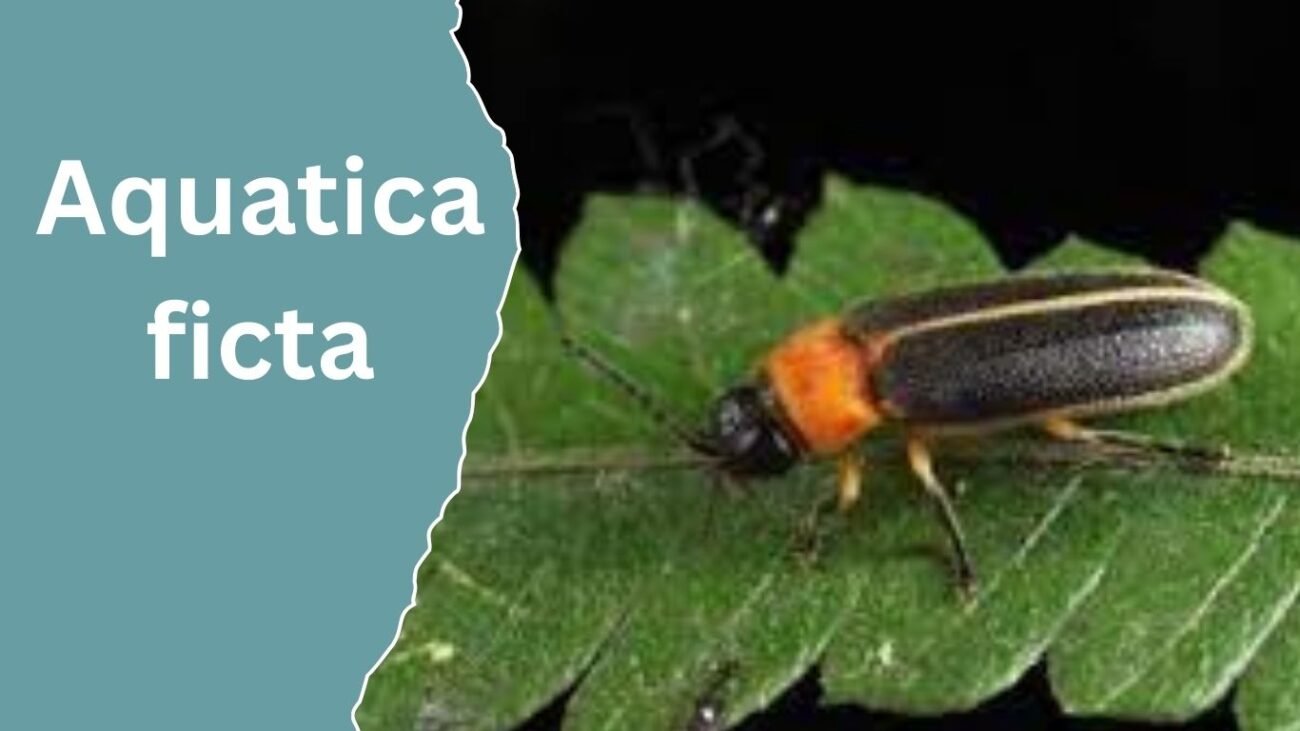
Aquatica ficta, commonly known as the Ficta Firefly, is a species of aquatic firefly found in parts of Asia. It is notable for its glowing light, which males use to attract females during warm summer evenings. This species is often associated with water-rich environments.
Identification
- Small to medium-sized beetle, approximately 10–12 mm in length
- Dark brown body with a slightly reddish pronotum
- Bioluminescent segments on the lower abdomen emitting a greenish-yellow light
- Smooth, slightly curved elytra
Habitat
Aquatica ficta thrives in wetlands, rice paddies, ponds, and slow-moving streams. The larvae are aquatic, developing in shallow water with abundant detritus.
Behaviour
Males fly above the water, producing distinct, rhythmic flashes to attract females. Females respond with brief glows, guiding males for mating. Activity is most pronounced at dusk and early night.
Diet
Larvae feed on small aquatic invertebrates, such as snails and insect larvae. Adult fireflies typically feed on nectar or pollen, though some may not feed, relying on energy accumulated during the larval stage.
19. Aquatica leii
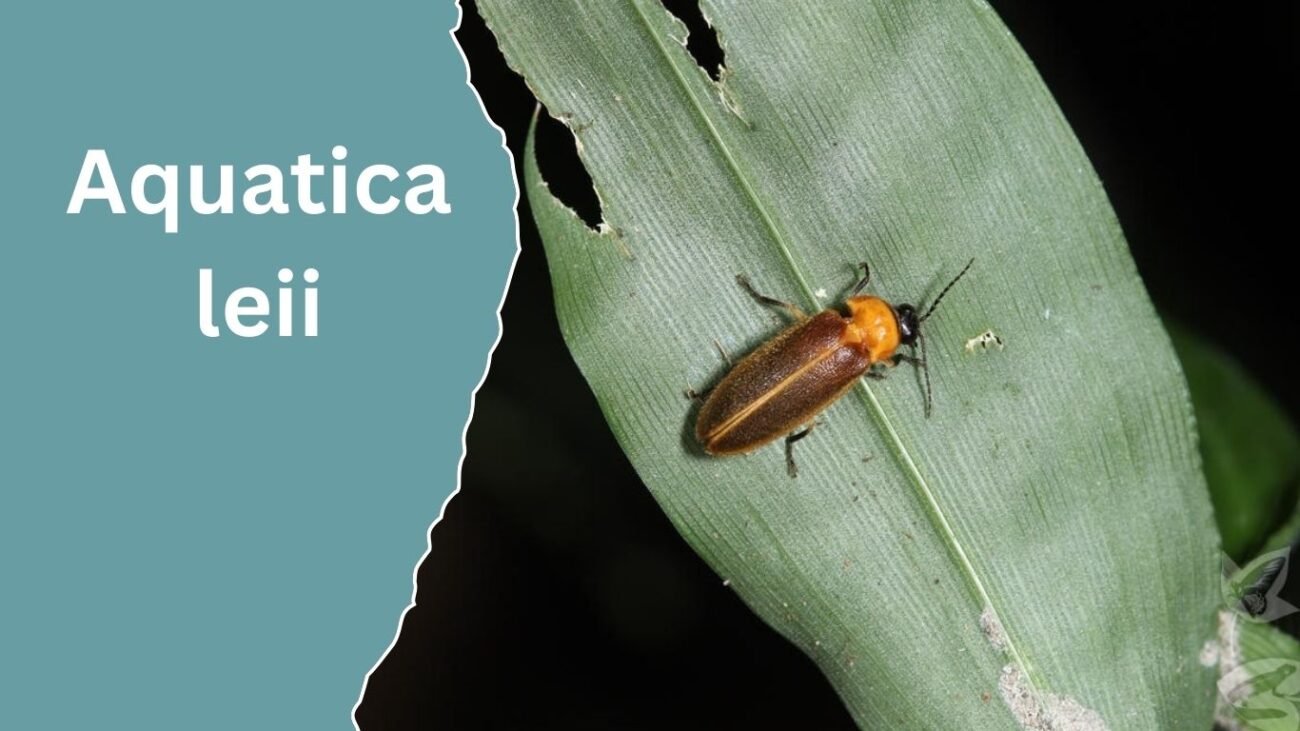
Aquatica leii, commonly known as the Lei’s Firefly, is an aquatic firefly species native to parts of East Asia. It is recognized for its bright green-yellow flashes, which are used during mating displays over water surfaces on warm summer nights.
Identification
- Small to medium-sized beetle, approximately 10–12 mm long
- Dark brown body with a slightly reddish pronotum
- Bioluminescent segments on the lower abdomen producing bright green-yellow light
- Smooth, slightly curved elytra
Habitat
Aquatica leii thrives in shallow ponds, rice paddies, streams, and other water-rich habitats. Larvae are aquatic and develop in environments rich in detritus and small invertebrates.
Behaviour
Males perform distinct rhythmic flashes while flying low over water to attract females. Females respond with brief flashes to signal readiness for mating. The species is most active at dusk and during early nighttime hours.
Diet
Larvae feed on aquatic invertebrates, including snails and insect larvae. Adult fireflies primarily feed on nectar or pollen, although some may not feed during their adult life, relying on energy stored during the larval stage.
20. Aquatica lateralis
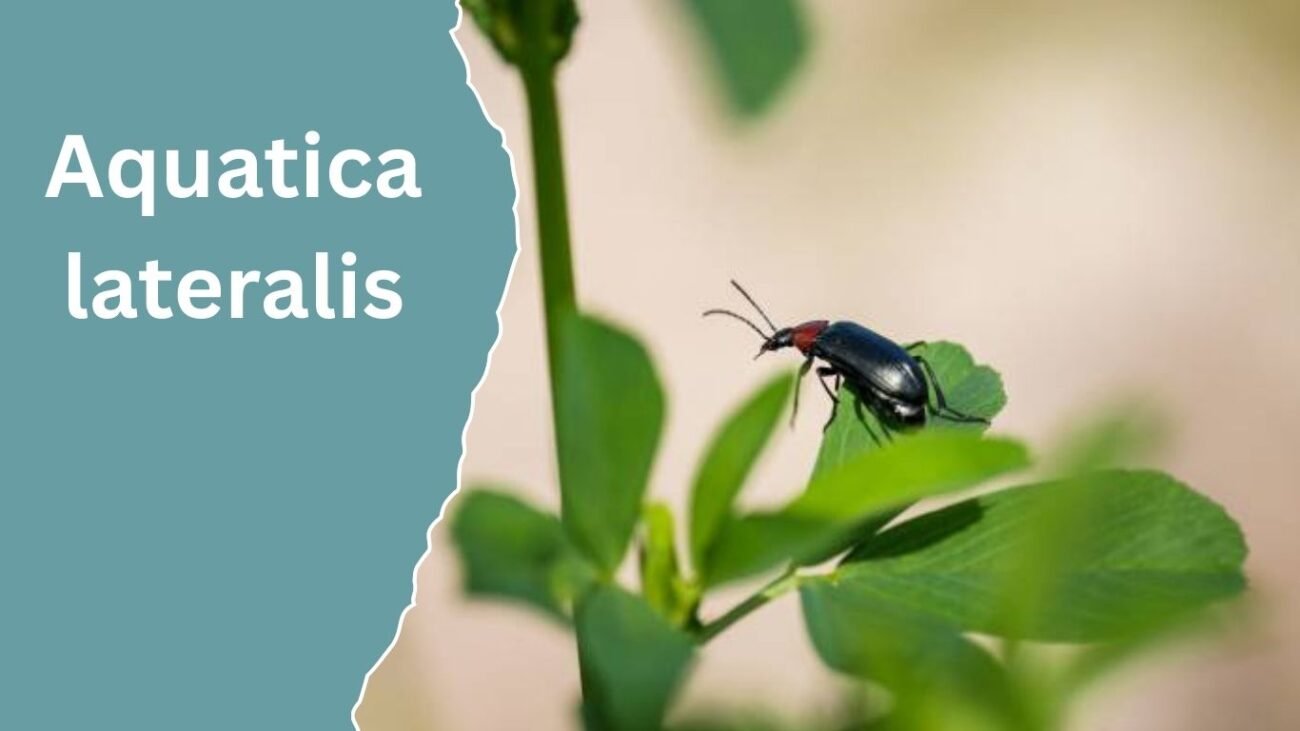
Aquatica lateralis, commonly known as the Japanese Firefly, is an aquatic firefly species native to East Asia. It is renowned for its bright green flashes, often seen hovering over water surfaces during warm summer evenings.
Identification
- Small to medium-sized beetle, approximately 10–12 mm in length
- Dark brown body with a slightly reddish pronotum
- Bioluminescent segments on the lower abdomen emitting bright green light
- Smooth, slightly curved elytra
Habitat
Aquatica lateralis thrives in shallow rivers, ponds, rice paddies, and wetland areas. Larvae develop in aquatic environments with abundant detritus and small invertebrates.
Behaviour
Males perform steady, rhythmic flashes while flying low over water to attract females. Females respond with short flashes, signaling readiness for mating. Activity peaks at dusk and early nighttime hours.
Diet
Larvae feed on aquatic invertebrates such as snails and insect larvae. Adults primarily consume nectar or pollen, although some may not feed, relying on energy stored from their larval stage.
21. Atyphella reticulata
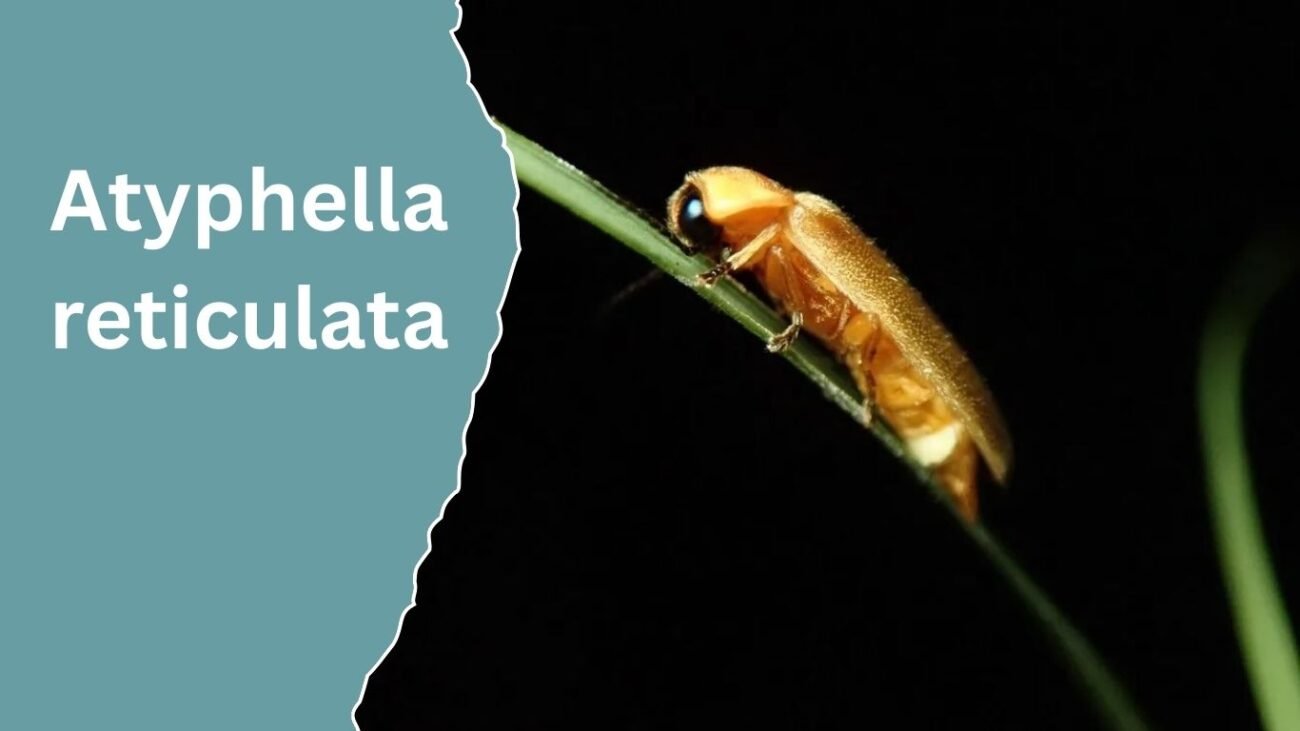
Atyphella reticulata, commonly known as the Reticulated Firefly, is a small luminous beetle native to parts of Australia. It is known for its intricate flashing patterns, which males use to attract females during warm summer nights.
Identification
- Small beetle, approximately 8–10 mm in length
- Dark brown to black body with reticulated or net-like patterns on the pronotum
- Bioluminescent segments on the lower abdomen emitting a greenish-yellow light
- Smooth, slightly curved elytra
Habitat
Atyphella reticulata thrives in forests, woodland edges, and moist grassy areas. Larvae develop in soil rich in organic matter and feed on small invertebrates.
Behaviour
Males produce distinct, patterned flashes to attract females. Females respond with brief flashes, guiding males for mating. The species is most active at dusk and during early nighttime hours.
Diet
Larvae feed on soil-dwelling invertebrates such as worms, snails, and soft-bodied insects. Adult fireflies typically consume nectar or pollen, though some may not feed, relying on energy stored from the larval stage.
22. Lampyris noctiluca
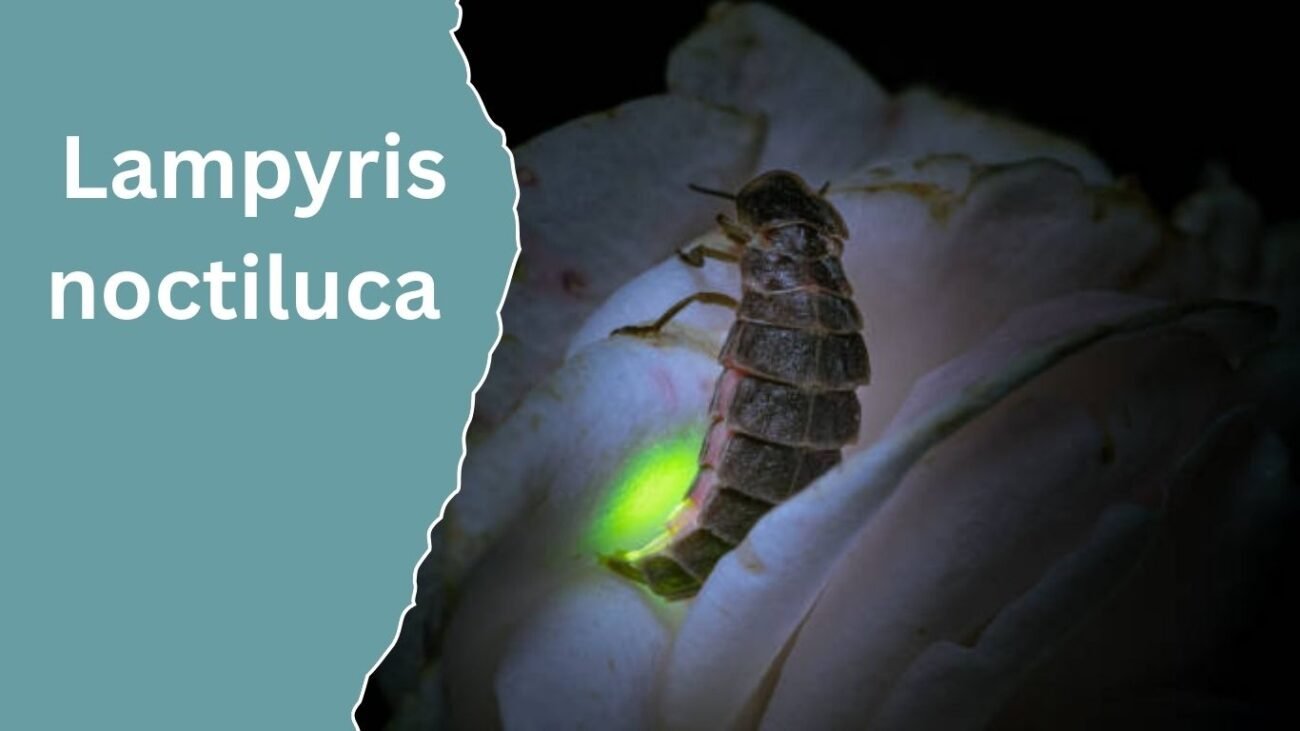
Lampyris noctiluca, commonly known as the Common Glow-worm, is a European firefly species famous for its bioluminescent females. Unlike most fireflies, the females are wingless and glow to attract flying males during warm summer nights.
Identification
- Small to medium-sized beetle, 10–15 mm in length
- Males: slender, winged, dark brown to black body
- Females: wingless, larger, glowing segments on the abdomen
- Bioluminescent light emits a bright green-yellow glow
- Smooth elytra in males; females lack wings
Habitat
Lampyris noctiluca thrives in meadows, woodland edges, gardens, and grassy clearings. Larvae are terrestrial and prefer moist soil or leaf litter for development.
Behaviour
Males fly during dusk, following the steady glow of wingless females to mate. Females remain stationary and glow intensely to attract mates. Activity peaks during early nighttime hours.
Diet
Larvae feed on soil-dwelling invertebrates such as slugs, worms, and snails. Adults, especially wingless females, generally do not feed, while males may occasionally consume nectar or pollen.
23. Lampyris splendidula
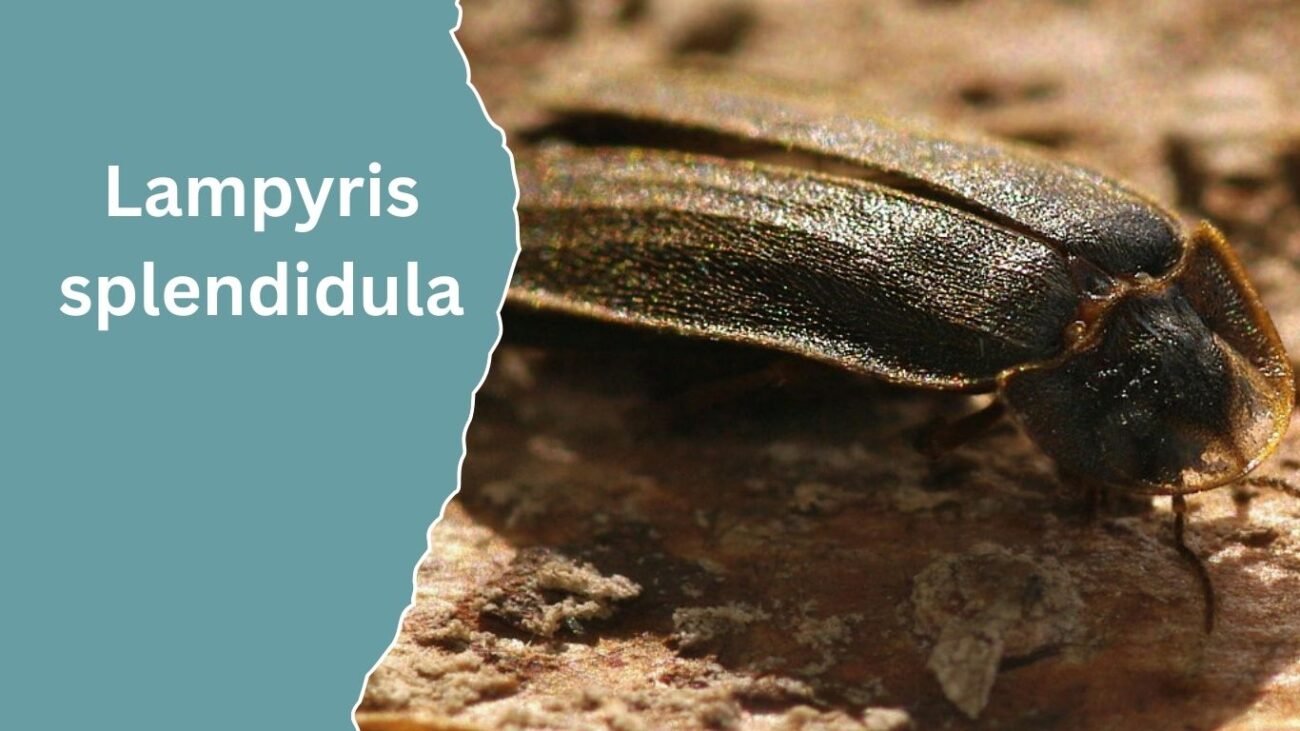
Lampyris splendidula, commonly known as the Splendid Glow-worm, is a European firefly species noted for its bright glowing females and nocturnal mating displays. It is active during warm summer evenings, particularly in meadows and woodland edges.
Identification
- Small to medium-sized beetle, 10–15 mm in length
- Males: slender, winged, dark brown body
- Females: wingless, glowing segments on the abdomen
- Bioluminescent light emits a bright green-yellow glow
- Smooth elytra in males; females lack wings
Habitat
Lampyris splendidula thrives in meadows, forest edges, gardens, and grassy clearings. Larvae develop in moist soil or leaf litter, feeding on small invertebrates.
Behaviour
Males fly during dusk, following the glow of stationary wingless females to mate. Females glow intensely to attract mates. The species is most active at dusk and early nighttime.
Diet
Larvae feed on soil-dwelling invertebrates such as snails, worms, and slugs. Adult males may feed occasionally on nectar or pollen, while females generally do not feed during their adult life, relying on larval energy stores.
24. Diaphanes lampyroides
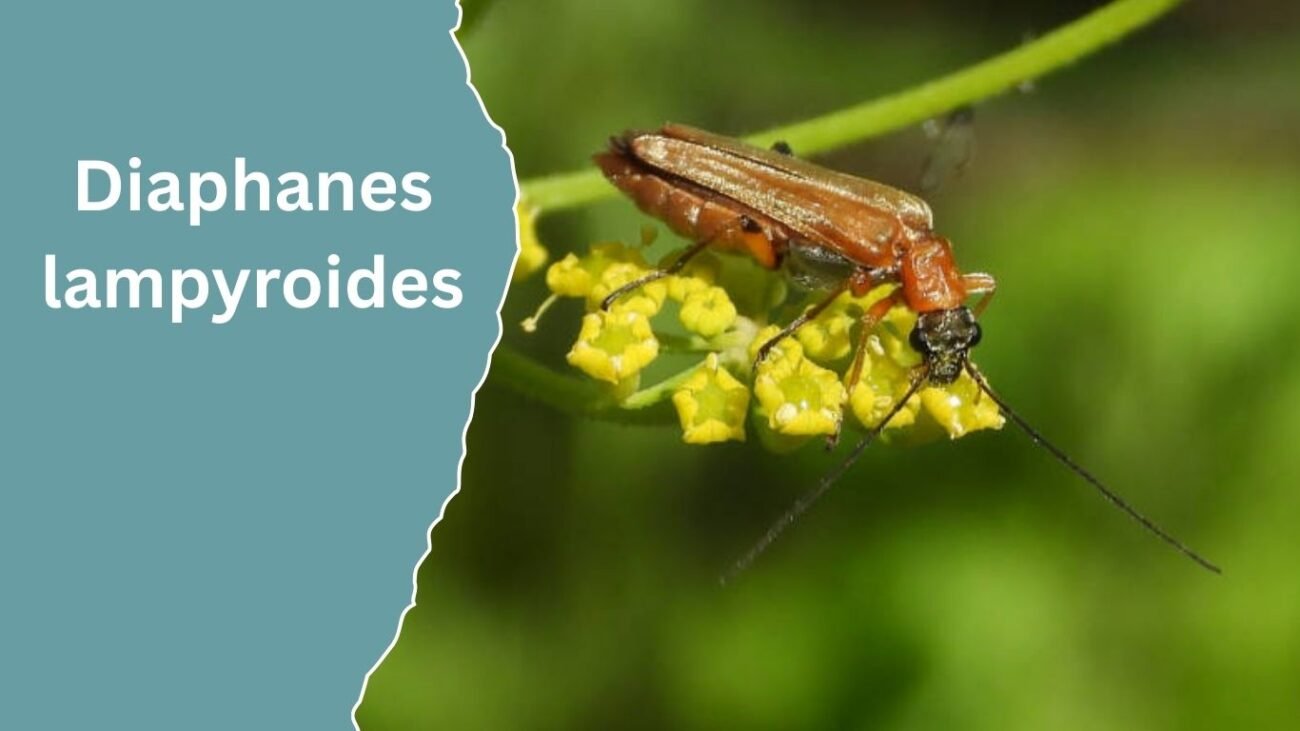
Diaphanes lampyroides, commonly known as the Lampyrid Firefly, is a small, luminous beetle found in parts of Central and South America. It is recognized for its steady greenish-yellow flashes and nocturnal activity during warm evenings.
Identification
- Small beetle, approximately 8–10 mm in length
- Dark brown to black body with subtle reddish pronotum
- Bioluminescent light on the lower abdomen emitting a bright greenish-yellow glow
- Smooth, slightly curved elytra
Habitat
Diaphanes lampyroides thrives in moist forests, forest edges, and grassy clearings. Larvae develop in soil rich in organic matter, feeding on small invertebrates.
Behaviour
Males produce steady, rhythmic flashes while flying to attract females. Females respond with brief flashes, guiding males for mating. The species is most active at dusk and during early nighttime hours.
Diet
Larvae feed on soil-dwelling invertebrates such as worms, snails, and soft-bodied insects. Adults generally feed on nectar or pollen, though some may not feed, relying on energy stored from the larval stage.
25. Alecton discoidalis
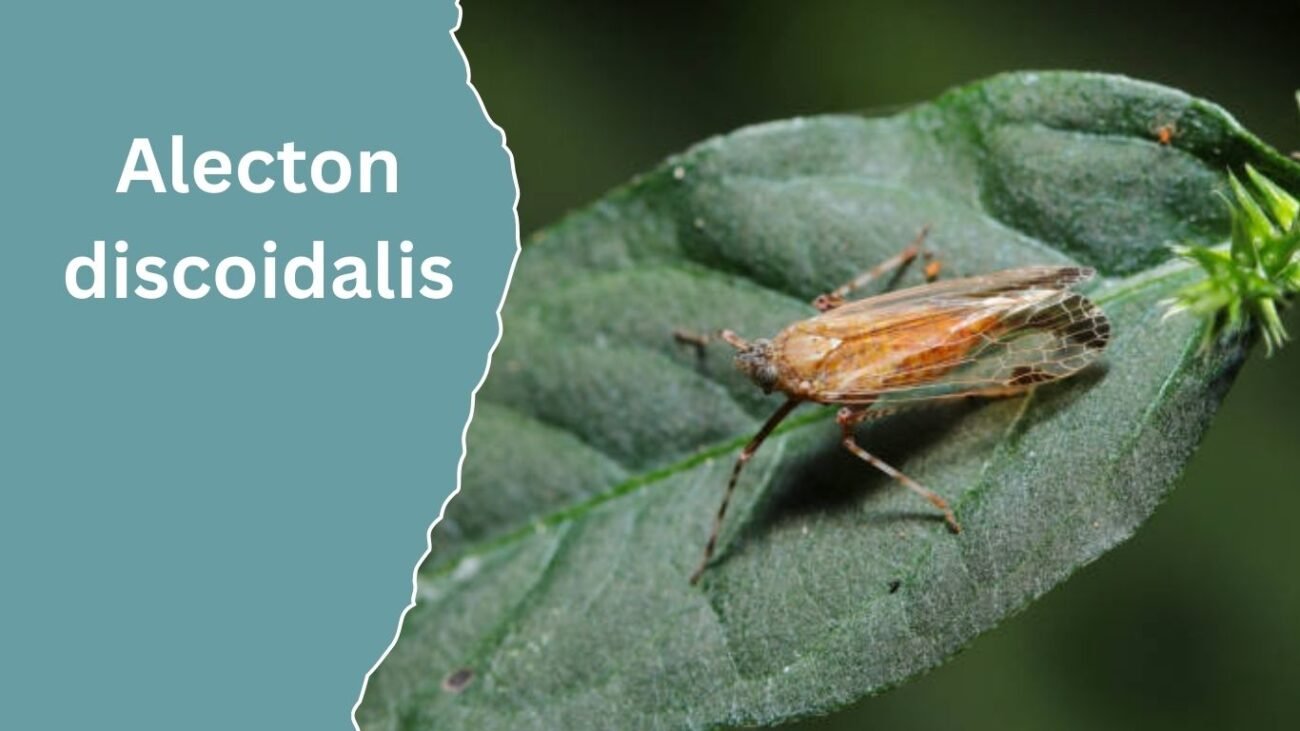
Alecton discoidalis, commonly known as the Cuban Firefly, is an endemic species found in Cuba. It is famous for its bright bioluminescent flashes, which are used by males to attract females during warm summer nights.
Identification
- Small to medium-sized beetle, approximately 10–12 mm in length
- Dark brown body with a slightly reddish pronotum
- Bioluminescent segments on the lower abdomen emitting bright green-yellow light
- Smooth, slightly curved elytra
Habitat
Alecton discoidalis thrives in forests, woodland edges, and moist grassy areas. Larvae develop in soil or leaf litter, feeding on small invertebrates.
Behaviour
Males display steady, rhythmic flashes while flying to attract females. Females respond with brief flashes, guiding males for mating. Activity peaks during dusk and early nighttime hours in summer.
Diet
Larvae feed on soil-dwelling invertebrates such as worms, snails, and soft-bodied insects. Adults primarily feed on nectar or pollen, though some may not feed, relying on energy accumulated during the larval stage.


