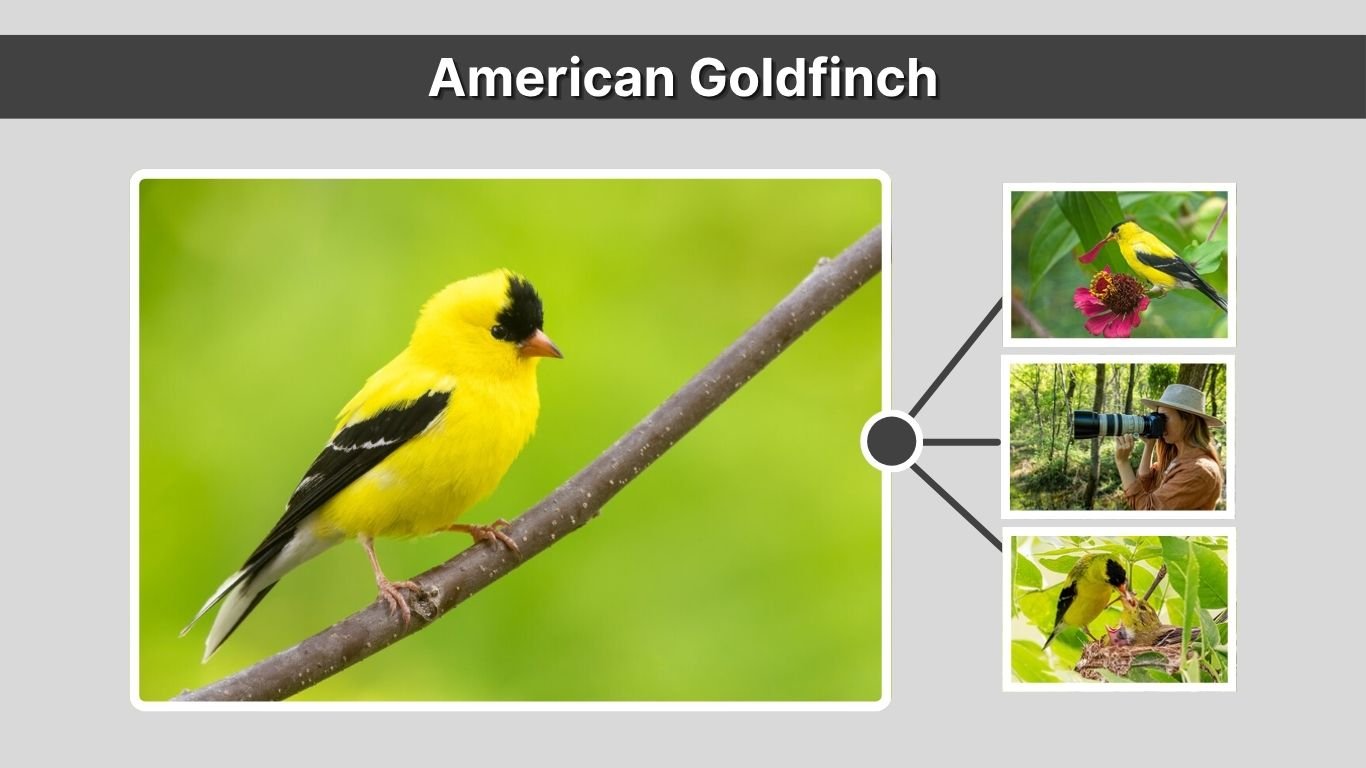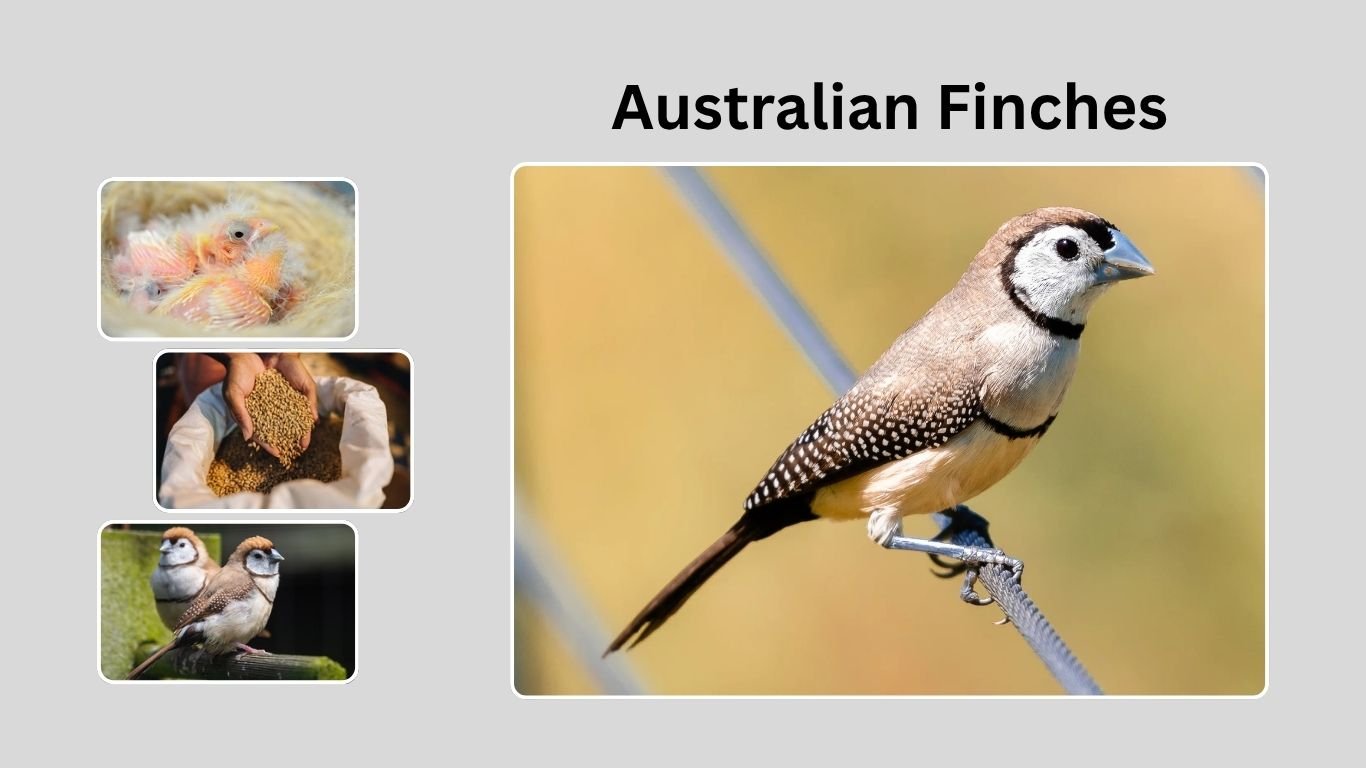
Australia is home to some of the world’s most beautiful and fascinating small birds—the finches. Known for their vibrant colors, cheerful songs, and playful social habits, Australian finches capture the hearts of bird lovers everywhere. Species like the Zebra Finch and Gouldian Finch stand out for their adaptability, charm, and resilience in harsh climates. In this article, we’ll explore their identification, habitat, behavior, diet, and care essentials for both wild and captive finches.
Understanding Australian Finches

Overview of Finch Species in Australia
Australia hosts an impressive variety of native finches, many of which are prized for their vivid plumage and lively personalities. The Zebra Finch (Taeniopygia guttata) is one of the most common and recognizable species, found across much of the continent. Other native species include the Gouldian Finch, Crimson Finch, Firetail Finch, and Star Finch.
Each species has unique colors, calls, and nesting behaviors, yet they all share similar dietary needs and social patterns. While Zebra Finches thrive in dry inland areas, Gouldian Finches prefer tropical northern regions. Together, they represent the incredible diversity of Australia’s avian life.
Identification and Physical Traits
- Size: Most Australian finches are small, ranging between 10–15 cm in length.
- Beak Shape: Short, conical beaks perfectly designed for cracking seeds.
- Coloration: Varies widely — from the earthy tones of Zebra Finches to the rainbow brilliance of Gouldian Finches.
- Zebra Finch (Male): Bright orange cheeks, black chest stripes, and vivid red-orange beak.
- Zebra Finch (Female): Duller plumage, no cheek patches, and lighter beak color.
- Gouldian Finch: Multicolored feathers—red, green, yellow, and purple; among the most colorful birds globally.
- Feather Texture: Smooth, sleek feathers with minimal oil, suited for warm and dry climates.
- Eyes and Beak Color: Often correlate with sex and age—males tend to have brighter tones.
- Color Mutations: Selective breeding has produced unique varieties like white, pied, fawn, and black-cheeked finches.
Natural Habitat and Distribution
Where Do Australian Finches Live?
Finches inhabit a wide range of environments across Australia, from the tropical north to the dry central deserts. They are most commonly found in grasslands, open woodlands, and lightly forested areas where water and food sources are accessible. Zebra Finches, in particular, are known for their resilience, often surviving in arid inland regions that other birds avoid.
These hardy birds can adapt to fluctuating temperatures and scarce rainfall, often nesting near rivers or waterholes. Their ability to endure long dry spells while maintaining breeding cycles highlights their incredible adaptability.
Are Zebra and Gouldian Finches Native to Australia?
Yes, both Zebra and Gouldian Finches are native to Australia. The Zebra Finch is widespread across the mainland, while the Gouldian Finch (Erythrura gouldiae) is native to the tropical savannas of Northern Australia. Unfortunately, habitat loss and environmental changes have caused a decline in Gouldian Finch populations in the wild, prompting conservation efforts to protect this colorful species.
Over time, Zebra Finches have also been introduced to other countries as popular pets, but Australia remains their true homeland, where they play an important ecological role as seed dispersers and insect controllers.
Behavior and Breeding Habits
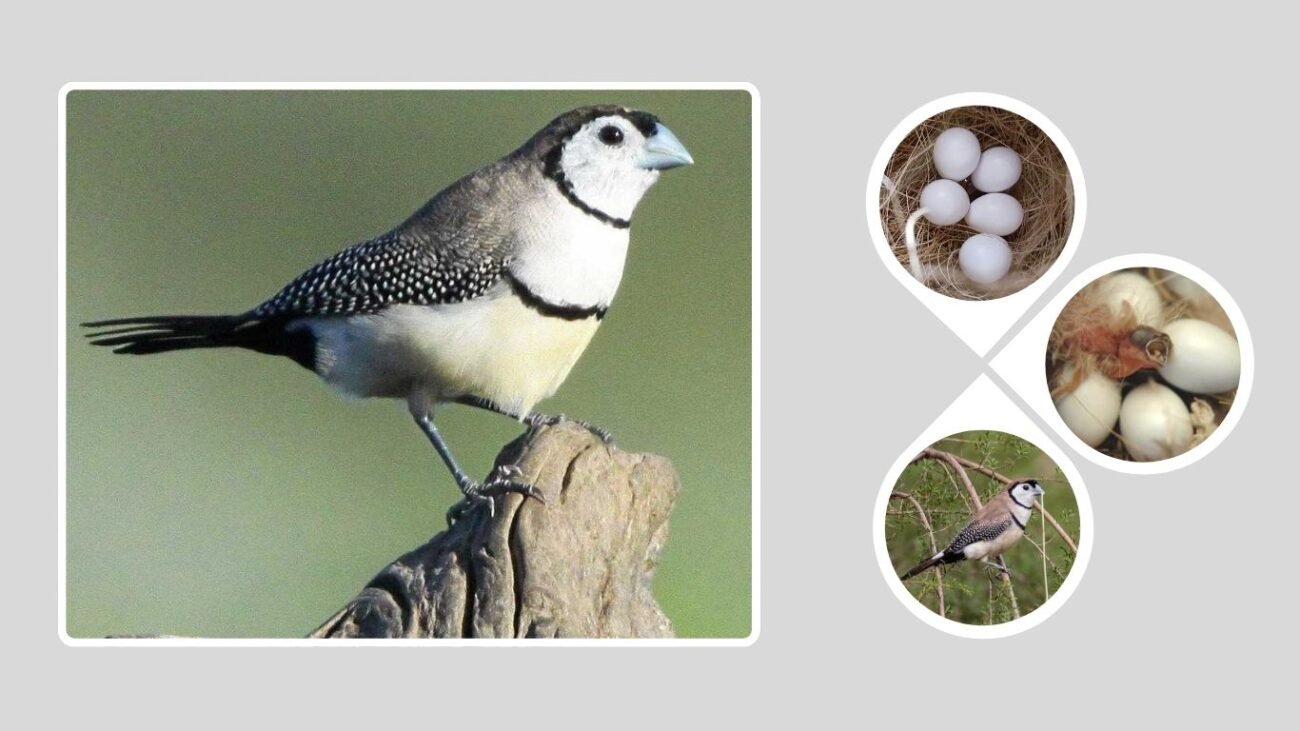
Social and Vocal Behavior
Australian finches are highly social birds that thrive in flocks. In the wild, they form small to large groups, especially near food and water sources. These flocks provide safety from predators and create opportunities for social interaction. Finches are also very vocal, communicating through a series of chirps, trills, and songs.
Male Zebra Finches are known for their courtship songs—unique melodies they use to attract mates. Each male’s song is distinct, and young males learn their tunes by imitating their fathers. This behavior demonstrates a fascinating parallel to human language learning, making them popular subjects in behavioral studies.
Breeding in the Wild and Captivity
Breeding habits vary depending on the species and environment. In the wild, finches usually breed after rainfall, when food and nesting materials are abundant. They prefer to nest in shrubs, hollow branches, or man-made nest boxes if in captivity.
Zebra Finches are prolific breeders. Once paired, they build dome-shaped nests using grass, feathers, and plant fibers. Females lay between 4 to 6 eggs, which both parents take turns incubating. Chicks hatch after about two weeks and become independent within a month.
In captivity, maintaining a consistent temperature and providing ample nesting materials encourage healthy breeding. A calm environment free from stress and predators ensures better success rates for finch pairs.
Diet and Nutrition
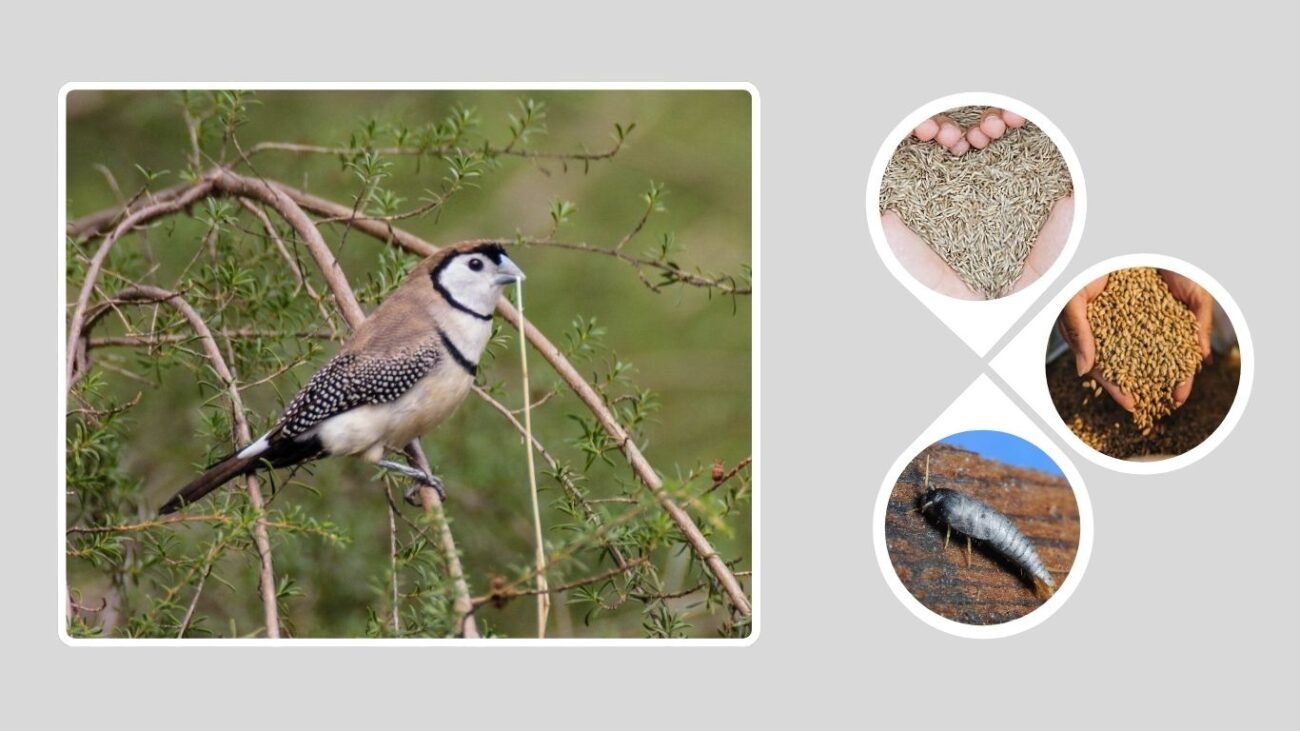
Natural Diet of Australian Finches
In their natural environment, Australian finches primarily feed on grass seeds, grains, and small insects. During the breeding season, they may consume more protein-rich foods like termites and small beetles to support chick growth. The type of food available varies depending on the region and season.
Finches are opportunistic feeders, meaning they adapt their diet based on what nature provides. For instance, Zebra Finches often forage on the ground, picking up fallen seeds, while Gouldian Finches prefer to feed on seeding grasses in the upper canopy.
Feeding Pet Finches
Pet finches require a balanced diet similar to what they would eat in the wild. A high-quality seed mix is essential, including millet, canary seed, and oats. To supplement their nutrition, owners should also provide fresh greens, fruits, and egg food. Cuttlebone or mineral blocks help maintain calcium levels for strong bones and eggshells.
Clean water must always be available, as finches drink frequently. Regularly replacing water and cleaning food containers prevents disease. Avoid feeding sugary fruits or processed human foods, as these can harm their delicate digestive systems.
Lifespan and Health
Average Lifespan of Finches
The lifespan of Australian finches varies depending on their species, habitat, and level of care. In the wild, most finches live between 3 to 5 years, while in captivity, where they receive consistent food and protection, they can live up to 8 years or more. The Zebra Finch, in particular, is known for its hardiness and can thrive for years with proper nutrition and a stress-free environment.
A clean cage, balanced diet, and adequate exercise help ensure longevity. Providing mental stimulation through toys and interaction also keeps pet finches healthy and active.
Common Health Issues
Finches are relatively low-maintenance birds, but they can develop health problems if not properly cared for. Respiratory infections, mites, egg-binding, and feather loss are among the most common issues. Poor hygiene, sudden temperature changes, or overcrowding can worsen these conditions.
Regular cage cleaning, fresh air circulation, and avoiding exposure to smoke or fumes are essential. Observing your birds daily helps detect early signs of illness such as fluffed feathers, reduced activity, or changes in appetite. Early veterinary attention can prevent serious complications and ensure long-term well-being.
Visual Identification and Color Mutations
One of the most fascinating aspects of Australian finches is their wide variety of color mutations, especially among captive-bred birds. In Zebra Finches, selective breeding has produced colors like white, black-cheeked, fawn, pied, and orange-breasted variants. These mutations have made the species a favorite among avian enthusiasts and breeders worldwide.
Male vs Female Differences
Male Zebra Finches are more vividly colored, featuring orange cheeks and bright beaks, while females have lighter tones and no cheek patches. Gouldian Finches also display sexual dimorphism, with males showing more vibrant plumage compared to the subtler hues of females. These differences make gender identification relatively easy for owners and breeders alike.
Finches as Pets
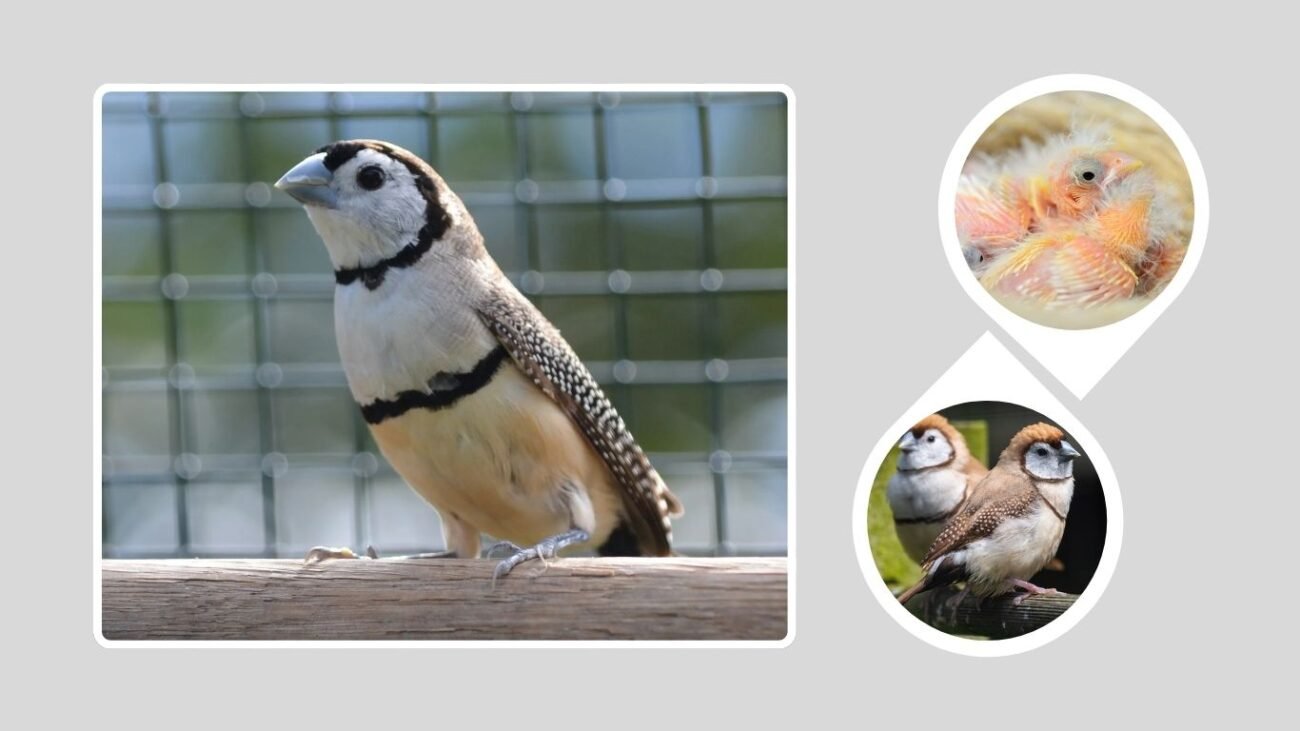
Why Finches Make Great Pets
Australian finches are beloved pets due to their playful nature, soft chirping, and low maintenance needs. Unlike parrots, they don’t require constant human interaction but enjoy living in pairs or small groups. Their cheerful activity and gentle sounds bring life to any room without being disruptive.
Finches are best kept in spacious cages or aviaries that allow them to fly and interact freely. They adapt quickly to human presence and thrive in calm environments with consistent light and temperature.
Buying and Caring for Finches
When buying Australian finches, it’s essential to choose healthy, active birds from reputable breeders. Birds should have bright eyes, smooth feathers, and alert behavior. Avoid birds that appear lethargic or have discharge around their eyes or beak.
In Australia, it’s legal to keep native finches as pets if sourced from licensed breeders, but wild-caught birds are protected by law. Always confirm documentation and breeding permits when purchasing native species like Gouldian or Crimson Finches.
Pet owners should also avoid overcrowding, as stress can lead to aggressive behavior and health problems. Regular cage cleaning and providing nesting boxes or shrubs help mimic their natural environment.
Conservation and Wild Populations
Threats to Wild Finches
While many Australian finches are still abundant, certain species, like the Gouldian Finch, face challenges in the wild. Habitat loss due to land clearing, altered fire patterns, and invasive predators have significantly reduced their numbers. These birds are now classified as near-threatened, with some local populations declining sharply over recent decades.
Climate change has also disrupted their breeding cycles, as rainfall patterns affect food availability. Without adequate grass seeds and nesting sites, survival rates drop, especially for chicks during dry seasons.
How to Support Conservation
Several organizations, including the Australian Finch Society, are dedicated to conserving native finch populations through breeding programs and habitat restoration. Enthusiasts can support these efforts by responsibly breeding captive birds, avoiding wild capture, and participating in conservation education.
Creating bird-friendly gardens with native grasses and shrubs also supports wild finch populations. Simple actions like reducing pesticide use and maintaining water sources help provide safe spaces for these birds to thrive.
Other Notable “Finch” Names in Australia

Famous People and Brands
The word “Finch” has significance beyond birds in Australia. Aaron Finch, a former Australian cricket captain, is known for his powerful batting in international matches. Rachael Finch, a model and television presenter, gained fame as Miss Universe Australia.
In the retail world, Taylor & Finch Australia is a skincare brand offering products like Vitamin C and Collagen serums and 24k Gold face creams, known for their anti-aging benefits. Meanwhile, Morgan & Finch is a popular homewares brand celebrated for its luxury bedding and decor.
Though unrelated to the bird species, these names reflect how the term “Finch” symbolizes beauty, resilience, and style within Australian culture.
FAQs
Are Zebra Finches native to Australia?
Yes. Zebra Finches are native to mainland Australia and are found across grasslands, open woodlands, and arid regions. Their adaptability and resilience allow them to thrive even in harsh conditions where few other birds can survive.
What do Australian finches eat in the wild?
Wild Australian finches primarily consume grass seeds, small grains, and insects. During the breeding season, they seek out extra protein sources, such as termites and beetles, to help nourish their chicks.
How long do Australian finches live?
Typically, Australian finches live around three to five years in the wild, but with good care and a stable environment, pet finches can live up to eight years or more. Proper nutrition and low stress are key factors in their longevity.
Can different finch species live together?
Yes, many species, such as Zebra and Gouldian Finches, can coexist peacefully in a large aviary. However, sufficient space, food, and nesting sites must be provided to prevent territorial disputes and stress.
What is the most colorful finch in Australia?
The Gouldian Finch holds this title, known for its breathtaking combination of red, yellow, green, and purple plumage. Its stunning colors and rarity make it one of the most sought-after birds among breeders and collectors.